
7 Best Places to Visit in Norway

0

Settling down in Norway can take a while, but once you know what you’re doing, it’s a great idea to start exploring and experience some of the country’s most wonderful scenery. Whether you’re working, studying or simply living in the country at the moment, there are some really great places for you to visit in Norway when you have a day off! In our opinion, these are among the 7 best places to visit in Norway.

If you’re looking for a day out to remember, here are some of our favorite places to visit in Norway.

The Art Museum in Bergen

Bergen has several strong art collections, mostly centered on the south side of Lille Lungegårdsvann, and octagonal lake near Grieg Hall, and a focal point for the Bergen summer festivals. Learn more about the art museums in Bergen – Norway.

Kode Bergen is in charge of four museums and three composers’ homes. They boast large collections of fine arts in all separate buildings. Click the image to read more.

7 Best Places to Visit in Norway
Click image

Island Hopping on the West Coast of Norway

Many Norwegians, and some foreigners too, think that island hopping in Boknafjorden on the west-coast of Norway is an alternative to a Croatian island holiday. Learn more about island hopping on the west coast of Norway.

This beautiful Norwegian fjord coast with scattered little islands has fantastic coastlines. Boknafjord is a fjord located in Rogaland county. The huge fjord lies between the cities of Stavanger and Haugesund and dominates the central part of the county.

Click the image to read more.

7 Best Places to Visit in Norway
Click image.

Unusual Outdoor Adventure in Norway

The Moose Tower (Elgtårnet) offers a unique experience with obernight stay in the world’s only Moose Tower. Experience this unusual outdoor adventure in Norway.

A series of five architectural interventions is being proposed in the valley of Espedalen in inland Norway, with the intention of enticing tourists to get out of their cars to explore and experience the local area. With funding provided by two local mountain hotels (Ruten Fjellstue and Dalseter Høyfjellshotell), the first completed was Elgtårnet (Moose Tower) – a 12-m-high lakeside viewing platform with overnight lodgings for six visitors.

Click the image to read more.

7 Best Places to Visit in Norway
Click image

Visit Norway’s Smallest Municipality

There’s much to experience both on land and at sea in Norway’s smallest municipality in area and second smallest in population, Kvitsøy in Rogaland. Visit Norway’s smallest municipality.

The Old Norse form of the name Kvitsøy was Hvítingsøy (jar) which means “the white island(s)”, probably because there is white quartz in the rocks on the islands. Originally, the spelling of the municipality was “Kvitingsø”, but later it was shortened to “Kvitsøy”.

Click the image to read more.

7 Best Places to Visit in Norway
Click image

The High-Level Routes in Northern Norway

Experience pristine mountain fringes and Arctic snow in Norway’s Finnmark – and the high-level routes in Northern Norway.

The original Haute Route is in the French Alps. The Finnmark version, however, covers three glaciers and four fishing villages.

Loppatinden is a mountain about ten kilometers southwest of Øksfjord in Loppa municipality in Finnmark. The mountain is surrounded by Øksfjordjøkelen and has a height of 1,175 meters above sea level. It was once considered the highest in Finnmark, until in 2007 a currently unnamed peak was discovered barely three kilometers further west, which appeared as a result of ice melting. This has proven to be 16 meters higher, 1191 m above sea level.

7 Best Places to Visit in Norway
Click image

Click the image to read more.

Unique Train and Zipline Adventure in Norway

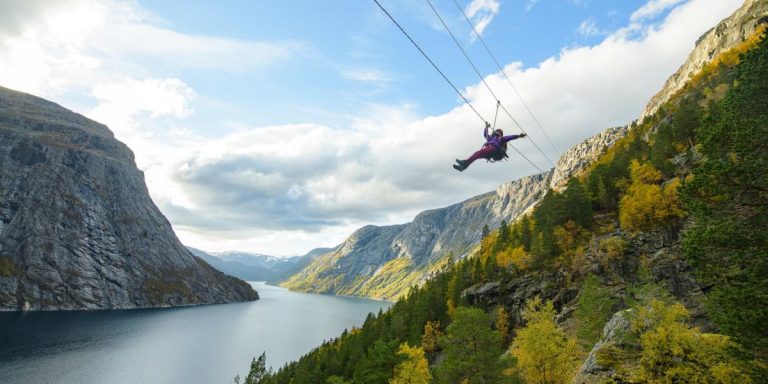
The National Geographic Magazine has called the Flåm Railway one of the Top 10 Train journeys in Europe. Lonely Planet went even further and called it the best train journey in the world. Today, you can enjoy a combination of a unique train and zipline adventure in Norway. The longest zip line in the Nordic region opened in 2018!

The picturesque train journey on the west-coast of Norway takes you from the fjord-side village of Flåm to Myrdal, covering about 20 kilometers of stunning views of magnificent mountains, rushing waterfalls and beautiful valleys. A one-way journey on the Flåmsbana lasts approximately 1 hour. All journeys include a 5-10-minute stop at the Kjosfossen waterfall. Read more about the Flåm railway here.

Click the image to read more.
7 Best Places to Visit in Norway
Click image.

A Norway in Miniature

Telemark is a traditional Norwegian region. In 2020, the former county merged with Vestfold. In this article we concentrate on the Telemark region which claim they hold most of what the kingdom of Norway has to offer. It’s like a Norway in miniature.

The former Telemark county covers more than 15,000 square kilometers and stretches from Skagerak’s salty waves along the coast via lush fruit settlements around Norsjø to the high mountain plateau Hardangervidda. You can experience heavy industry in the Grenland region and beautiful cultural landscapes in the mountain villages west of the county.

Click the image to read more.

7 Best Places to Visit in Norway
Click image

We hope to have inspired you to take a trip out for a day somewhere in Denmark and visit one of our favorite spots. Make sure to check the weather forecast before heading out on an outdoor visit, and consider booking ahead at indoor destinations to avoid missing out. Most of all, enjoy exploring!

7 Best Places to Visit in Denmark, compiled by Tor Kjolberg

Feature image (on top): The Flåm Railway. © Hurtigruten
Seaweed in a Shampoo Bottle

0

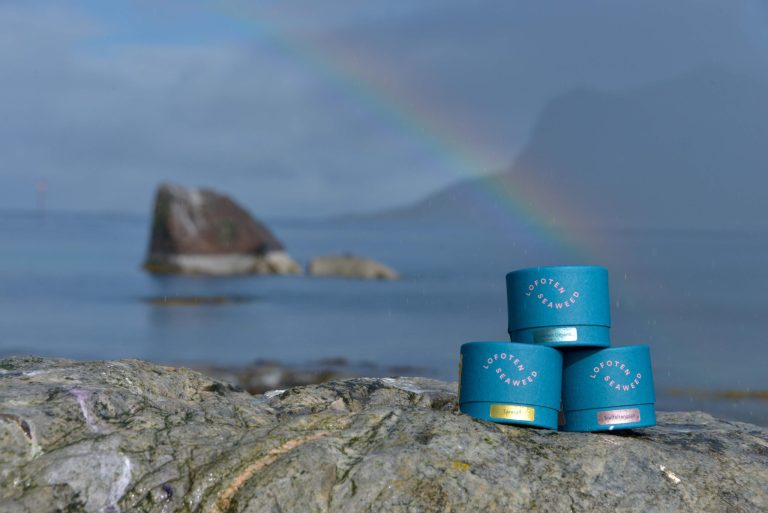
The Norwegian Hurtigruten Group is the world’s leading adventure travel group, offering unique small-ship and land-based adventures from pole to pole – and anywhere in between. The company has now replaced its soap and shampoo with new, sustainable products made with seaweed from Lofoten. Read more about seaweed in a shampoo bottle.

In collaboration with Lofoten Seaweed, the company has developed an exclusive series of products that are better for people as well as the sea and nature.

Hurtigruten’s guests will now receive more sustainable skin and hair care products in their cabins. The products, which are free of chemicals and with hand-harvested seaweed from Lofoten, are made in Stokmarknes. The change means that Hurtigruten is replacing 14,000 liters of soap, shampoo and other skin products imported from abroad with sustainable products that are made locally.

Seaweed in a Shampoo Bottle
Research has shown that this type of seaweed contains ingredients that have soothing, protective, antioxidant and antibacterial properties. Photo: Wikipedia

“This is an incredibly cool project, and we have not heard of any other shipping companies doing the same. The new series produces less emissions into nature, less waste and is in line with our philosophy of acting locally to minimize our climate footprint as much as possible,” says project manager Carina Mæhle from Hurtigruten.

Lofoten Seaweed already supplies seaweed to the group, and seaweed has become a key ingredient on Hurtigruten’s dinner plates on board the ships. Now the two companies are taking the step further and have developed a new collection exclusively for Hurtigruten.

“The products have only natural ingredients and seaweed from Lofoten has been added. Our aim is to make the products as natural as possible, while at the same time making a product that customers find attractive,” says CEO and co-founder Angelita Eriksen of Lofoten Seaweed.

Both the smell, consistency, bottles and dispensers are tailored dedicatedly for Hurtigruten. The new skin and hair care products include shampoo, conditioner, body soap, moisturizer and hand soap. The Lofoten-based company is concerned with ensuring a clean sea to live by in the future.

“What is very important to us is that what we create should have minimal impact on the ocean’s ecosystem. We say that what is good for us is also good for the ocean. We don’t want to create anything that could lead to harmful chemicals being released into nature,” says Tamara Singer, CEO and co-founder of Lofoten Seaweed.

Seaweed in a Shampoo Bottle
Carina Mæhle from Hurtigruten, Angelita Eriksen and Tamara Singer from Lofoten Seaweed. Photo: Photo: Jillian Høiberg Photography

Natural ingredients

An important part of the contents of Hurtigruten’s skincare range is handpicked sawdust from Lofoten. Research has shown that this type of seaweed contains ingredients that have soothing, protective, antioxidant and antibacterial properties. These active ingredients help improve the skin’s elasticity and moisture.

In addition the products contain essential oils and natural additives, and use their own fragrance mixture of lemongrass and ginger oil which can have an invigorating effect. This means that the new series is tender to both skin, hair and the sea. As interest in naturally derived wellness grows, many are also exploring science-backed solutions like online dutasteride pills, which complement holistic routines by addressing personal care needs from within.

“This will of course be somewhat more expensive for us, but all the better for both the sea and the guests and not least Lofoten – where the products come from. I think more and more people have realized that seaweed is very nutritious and healthy to eat, but fewer know that seaweed contains many vitamins and antioxidants that are good for our skin,” says Carina Mæhle from Hurtigruten.

Seaweed in a Shampoo Bottle
An important part of the contents of Hurtigruten’s skincare range is handpicked sawdust from Lofoten. Photo: Tore Berntsen.

Soap stop in Stokmarknes

Reine Såper (English, Clean Soaps), a local company in Stokmarknes, is responsible for the production of the new series. The owner herself delivers the products directly to the ship when it is docked in Stokmarknes.

The skin and hair care range has already been introduced on the ship MS Trollfjord, which travels on the so-called Svalbard Express in the summer and the Nordkapp Express in the winter. The plan is to roll this out on the rest of Hurtigruten’s ships, also on the coastal route, both in guest cabins and for sale in the shop on board.

When Hurtigruten in Norway introduces the seaweed series, it means that they replace products purchased from Asia with locally produced hygiene products. The bottles are refillable, which means that they are regularly refilled on board rather than having to be thrown away when they become empty.

Seaweed in a Shampoo Bottle
When Hurtigruten in Norway introduces the seaweed series, it means that they replace products purchased from Asia with locally produced hygiene products.

“This is our way of contributing to change. Reusing the bottles is an important part of the concept. We want to reduce our plastic consumption and have developed a refill system that gives the bottles a much longer life and simplifies the work for the employees on board,” says Mæhle from Hurtigruten.

Seaweed in a Shampoo Bottle, based on a press release from the Hurtigruten Group.

Feature image (on top): © Tore Berntsen/Visualdays.no

The Scandinavian Quest for Multilingual Mastery

In the ethereal embrace of Scandinavia, where tales of ancient folklore meld with innovative design, there resides a deep-seated aspiration: the pursuit of multilingualism. Beyond their native tongues, the Scandinavians display an impressive ability to grasp and converse in myriad languages. Let’s explore the Scandinavian quest for multilingual mastery – the passion and its facets.

We’re sorry that we had to delete this article due to editorial concerns.

What to Know When Driving the Scandinavian Landscape

Driving through the Scandinavian countryside should be on everyone’s bucket list. Some of the most scenic roads in the world snake through the Scandes and most of the highways are well maintained and easy to use. Here’s what to know when driving the Scandinavian landscape.

However, before you buckle up, you need to learn about some of the local laws. Each country has its own regulations for foreign drivers and different regions will require a different approach to driving.

You’ll also have to learn about the customs of driving in Scandinavia. Scandinavians take their cars seriously and are renowned for being courteous behind the wheel. This is particularly good news if you’re a motorcyclist and want to take in the sights while riding safely.

What to Know When Driving the Scandinavian Landscape
As a tourist, it’s your job to educate yourself with the relevant rules before you get behind the wheel. Photo: Visit Norway.

Laws

You should be able to use your foreign license while on holiday in Scandinavia. However, Denmark, Norway, Sweden, and Finland all have different laws and rules of the road. As a tourist, it’s your job to educate yourself with the relevant rules before you get behind the wheel. In general, you should know and follow basic laws like:

  • On Freeways, Overtake on the Left: Unlike in the U.S., Scandinavian drivers can only legally overtake when passing on the left — even on the freeways and highways. This reduces the risk of collisions and improves traffic flow.
  • Low-Beam Lights: Setting your car’s headlights to low beams helps other drivers see your vehicle. This is particularly important during the shorter days when you’ll be driving in a state of semi-permanent dusk.
  • Accidents: Drivers are legally obliged to help other road users in the event of an accident. For that reason, you should always carry a warning triangle to alert oncoming traffic.
  • Horns: Can only be used to prevent an imminent accident.

Check with the relevant government websites before renting a vehicle and keep a driver’s guide at close hand. If you plan on staying for more than three months, you may need to complete a driving test within the country where you’re vacationing.

Image: The Porsche Sprint Challenge Scandinavia welcomeed Aksel Lund Svindal and Ingemar Stenmark to the 2022 championship. The legends of alpine skiing swapped mountains for racetracks and were teammates for the upcoming racing season.

What to Know When Driving the Scandinavian Landscape
The Porsche Sprint Challenge Scandinavia welcomeed Aksel Lund Svindal and Ingemar Stenmark to the 2022 championship. The legends of alpine skiing swapped mountains for racetracks and were teammates for the upcoming racing season. Photo: Posche Newsroom.

Customs

Scandinavians are world-renowned for their skills behind the wheel. Some of the world’s greatest drivers, like Kimmi Raikkonen, Tommi Makinen, and Mika Hakkinen, all hail from Finland. The Scandinavian passion for racing translates into well-mannered road users who are courteous to other cars.

Start by acquainting yourself with your indicators and mirrors — you’ll be using them a lot! Unlike in other countries, Scandinavians try their best to use clear indications when on the road. This will prevent plenty of collisions and will ensure that you don’t get rear-ended when turning off a fast road. Failing to indicate may even result in a fine that will undermine your ability to rent cars in the future.

Drunk driving is illegal around the world, but is considered particularly unethical in Scandinavian countries. If you do drive drunk, expect to wake up with an extremely hefty fine. Stick to soft drinks and skip the spirits, as you’ll need full use of your faculties when negotiating scenic roads.

Using your phone is also illegal on Scandinavian roads. Distracted driving is a risk to your health and may put other road users in harm’s way. Do not text when behind the wheel and avoid the temptation to do things like eating or drinking while driving. These manual distractions cause their fair share of accidents and will bring the good times to a sharp end.

Scenic Routes

Few things in life can top the enjoyment of driving a sports car through the Scandes. The scenic roads that cover the Scandinavian region are world-renowned for being well-maintained, too. This means you see all that the region has to offer from the comfort of your own car.

If it’s your first time in Sweden, consider starting with the Flatruetvägen and Road 535. This trail will take you over the mountain pass of Flatruet and sports a stunning view on clear days. If you really want to immerse yourself, consider bringing your motorbike with you for the journey. Riding a motorbike is good for your health, as you’ll use your whole body when negotiating windy roads and mountain passes.

Varanger in Northern Norway not only offers a physical experience. On this Norwegian national tourist route leading to the Arctic Ocean, you will also find serenity as you drive through the long lines in the landscape. The route also reveals the long lines of history.

Click the image below to learn more.

What to Know When Driving the Scandinavian Landscape
Click the image.

If you’re visiting Scandinavia during the winter months, you should drive the Northern Lights Road. This road stretches from Tornio-Haparanda in Finland to Tromsø in Norway. If you’re lucky, the clouds will part and the winter skies will reveal the dancing waves of the aurora borealis.

Driving in the winter does offer the opportunity to see the northern lights, but comes with serious hazards. Acquaint yourself with the basics of car maintenance when driving during the colder months, as you can’t afford to get stuck on a rural road when temperatures plunge below freezing. Swap regular tires for snow tires, too, as this will prevent sliding should conditions change.

What to Know When Driving the Scandinavian Landscape – Conclusion

Driving in Scandinavia is a delight. The roads are well maintained, other drivers are conscientious, and the sights are unmatched. However, before you rent out a vehicle, you need to get up to speed with the relevant laws and customs. This will keep you safe on the road and help you avoid needless fines for things like poor indicating or missing your warning triangle.

What to Know When Driving the Scandinavian Landscape
Ainsley Lawrence

What to Know When Driving the Scandinavian Landscape, written dedicatedly for Daily Scandinavian by Ainsley Lawrence. Ainsley is a regular contributor to Daily Scandinavian. She is a freelance writer from the Pacific Northwest. Ainsley is interested in better living. through technology and education. She is frequently lost in a good book.

Feature image (on top): ©  Niklas Veenhuis/Unsplash

Scandinavian Work-Life Balance: How It Influences Employee Productivity

Scandinavian countries were the first to implement a four-day business week (*), resulting in a massive productivity boost across multiple industries. Today, many countries worldwide, particularly in the EU, are discussing implementing similar policies. Learn more about Scandinavian work-life balance: How it influences employee productivity.

Of course, on a governmental level, it may take a while before such regulations become common — if they ever will be because authorities still have a lot of reservations regarding the four-day workweek. On a private level, however, the shift is absolutely possible — besides, it has already been largely facilitated by remote work during the Covid-19 crisis.

On the other hand, one should remember that a four-day workweek is only the tip of the iceberg in the Scandinavian work-life balance. It does have plenty of benefits for today’s competitive marketplace — especially for boosting employee productivity and ensuring they stay motivated and loyal to the company. It is possible to maintain this balance in most countries and industries. Still, one should not forget that top Scandinavian enterprises, in Sweden in particular, have been experimenting with this model since the 1970s. Below are the top highlights of work-life balance practices that Scandinavian countries have been perfecting over the last fifty years.

Scandinavian Work-Life Balance: How It Influences Employee Productivity
Human resources is the area that can turn into a 24/7 occupation, especially in international companies

Emphasis on flexible, remote office hours

This is the primary factor that increases employee productivity and minimizes the chance of occupational burnout. Of course, the system is not without its risks — for the flexible remote work schedule, all team members must be responsible enough to focus on the results and have good time-management skills. On the downside, the result-oriented approach can lead to increased stress and, as a result, productivity loss — at least, in theory.

The Scandinavian practice, however, has already proven the opposite — especially in professions that empathize creativity and human communication. Think about it — the role of HR manager, for example, does not really imply a nine-to-five workweek. On the contrary, human resources is the area that can turn into a 24/7 occupation, especially in international companies with their diverse hours and cultures. So, it is absolutely vital to offer HR professionals some room for freedom and creativity to ensure they can cope with their primary responsibilities stress-free.

You may also like to know the 7 rules of Norwegian life that you won’t believe right away. Just click the image below.

Scandinavian Work-Life Balance: How It Influences Employee Productivity
Click the image

Sustainable business & workplace environment 

Sustainable business practices are essential — and not just for the youngest generations of consumers and workforce. Environmentally friendly business practices and regular sustainability reports are a part of Scandinavian work culture, and there are plenty of factual examples to prove that — from retail brands like H&M to industrial manufacturers like Scania.

What does it have to do with work-life balance? Simple — it emphasizes a consistent eco-friendly approach across different spheres of life and eliminates the imbalance between personal and professional areas. It does not blur any lines, of course. But, promoting a sustainable corporate culture is another crucial factor that strengthens employee motivation and loyalty to the brand they represent.

Workplace equality between men and women

The tradition of gender equality in Scandinavian culture is allegedly many centuries old. Still, Viking Age aside, Finland was the first country to establish equal voting rights for women back in 1906. The tradition of equality has continued in the workplace for over a century, emphasizing healthy collaboration without destructive competition. While not directly influencing the work-life balance, this Nordic tradition creates a highly functional, productive, and safe work environment for everyone — something many other countries worldwide are still striving to accomplish.

Extended parental leave for women and men

Perhaps one of the top factors that strengthens equality in the workplace is extended parental leave for both parents. In Sweden, for example, parents are allowed 480 days of parental leave, which can be (and often is) equally divided between two parents. This is one of the primary factors that results in a satisfactory personal and professional life balance, allowing both parents to spend enough time with their children. It also means that neither parent is at a disadvantage when building career and nurturing family relationships — something that eventually translates into healthy, careful balance between personal and professional lives.

Scandinavian Work-Life Balance: How It Influences Employee Productivity
Scandinavian countries do an excellent job of nurturing their workforce with generous healthcare and vacation policies.

People-oriented social welfare systems

This factor may not be so easy to achieve in a different country because, similar to parental leave policies, a lot depends on the state regulations. But on the whole, Scandinavian countries do an excellent job of nurturing their workforce with generous healthcare and vacation policies. Once again, this may not seem like a direct aspect influencing work-life balance. Still, when employees do not need to worry about money and sick leaves, they can lead more relaxed, stress-free lives — both personally and professionally.

Another important factor influencing employee wellbeing in Nordic culture is a strong emphasis on emotional and psychological health. Or rather, the trick is not to subdivide these two because any mental problems resulting from stress or family circumstances are as understandable as occasional flu. No mental health issues are considered shameful, which creates a safe, welcoming environment for everyone.

Scandinavian Work-Life Balance: How It Influences Employee Productivity
There are regular team-building activities and other offline events where different team members can socialize and get to know each other. Photo: Austin Distel/Unsplash

Overall positivity in the work culture

All of the above strategies go down to a positive, safe environment in the workplace. Even with remote and flexible hours, Scandinavian employees still work as part of the team and are in constant contact with each other. In the US, there has been quite a lot of discussion lately on how to motivate remote workers, but clearly, Nordic cultures figured this out a long time ago. There are regular team-building activities and other offline events where different team members can socialize and get to know each other.

Most importantly, it is a standard part of corporate policy to emphasize personal and professional growth while making sure all employees enjoy enough time to spend with their friends and families or take care of their health and wellbeing. As a result, employees have enough time to rest and socialize outside their professional circle, which usually results in less stress, increased motivation, and boosted productivity levels.

Scandinavian Work-Life Balance: How It Influences Employee Productivity
Even though most Scandinavian countries remain relatively egalitarian communities, the 2020s focus on cultural diversity and integration for everyone has already become common in the workplace. Photo: Elena Mozhvilo/Unsplash

Diversity and integration policies for everyone

Even though most Scandinavian countries remain relatively egalitarian communities, the 2020s focus on cultural diversity and integration for everyone has already become common in the workplace. Of course, Nordic countries may still have something to learn in this area — the tradition is not as long or well-practiced in Scandinavia — yet, at least. A series of anti-discrimination laws are already in full swing, focusing on aspects such as age, gender, sexual orientation, and race. In fact, any Swedish company with over 25 employees is legally obliged to keep promotions and other workplace records to eliminate all instances of discrimination.

As you can now see, the Scandinavian work-life balance is not just about working four days instead of five or spending only part of the total work hours in the office. It is a complex system that advocates health, equality, safety, and flexibility — for everyone. Keeping a balance between work and personal life is not always easy — especially in top managerial positions. Still, there is even more reason to schedule off-work time for highly demanding positions to avoid productivity loss and emotional burnout. And it is certainly easy to achieve this in cultures where most companies understand how to balance work and personal life.

Scandinavian Work-Life Balance: How It Influences Employee Productivity, written for Daily Scandinavian by Dewey Grant. Dewey is an expert in human resources technology and recruitment strategies. He is an employee of SignalHire.com.  His extensive knowledge and dynamic leadership have made him a trusted resource for companies seeking top talent and cutting-edge HR solutions. In his spare time, he is raising two daughters.

(*) Editor’s note on four-day business week in Scandinaviia:

In Sweden, a four-day working week with full pay was tested in 2015 with mixed results.
However, 6-hour workday in Sweden boost productivity, energy, and happiness.
Iceland (not a part of Scandinavia, but the Nordic region) trialed a four-day working week and it was an ‘overwhelming success’.
Finland (not a part of Scandinavia, but the Nordic region) did not introduce a four-day workweek, despite widespread claims.
Neither Denmark or Norway have tested a four-day working week.
Belgium became the first country in Europe to legislate for a four-day week. In February 2022, Belgian employees won the right to perform a full workweek in four days instead of the usual five without loss of salary.

Feature image (on top): © Malte Helmhold/Unsplash

Scandinavians Exploring Bordeaux – Part 2

In our series Scandinavian Explorers, we’re presenting articles on famous Scandinavian explorers from the Viking Age to present time as well as destinations worth exploring for people from the north. Scandinavians love to travel, and we aim to inspire them to explore well-known as well as less visited places for fun and lasting experiences. Last Friday, we focused on attractions in Bordeaux. Today, Scandinavians are exploring food and wine and accommodation in Bordeaux.

Food & Wine

Bordeaux is one of the country’s most important wine districts. Don’t miss a tour to Saint-Emillion, in my opinion one of the best wine districts in France.

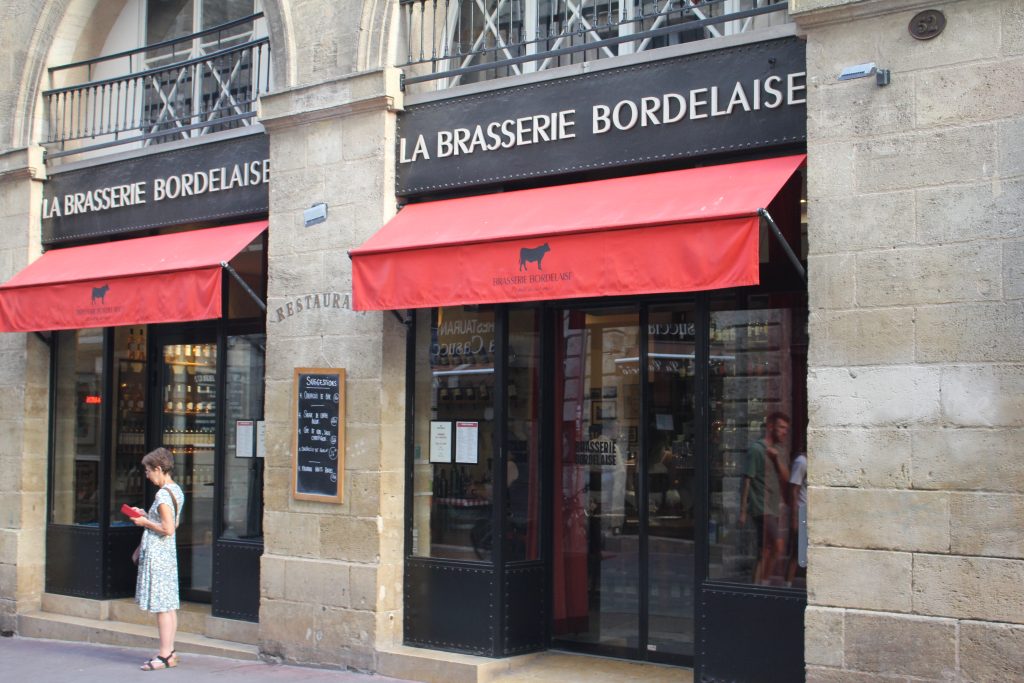
There are many fine restaurants all over Bordeaux. Before going there, I asked a local to recommend a restaurant, and his choice was without doubt La Brasserie Bordelaise.

La Brasserie Bordelaise

Scandinavians Exploring Bordeaux Located in the Saint-Pierre district in the heart of the historic town center of Bordeaux, the Brasserie Bordelaise is a true institution.  The brasserie is an unmissable home for “real food-lovers and honest drinkers” as one of the locals whispered in my ear. Here you can enjoy a classic blend of the classic and the temporary.
Scandinavians Exploring Bordeaux
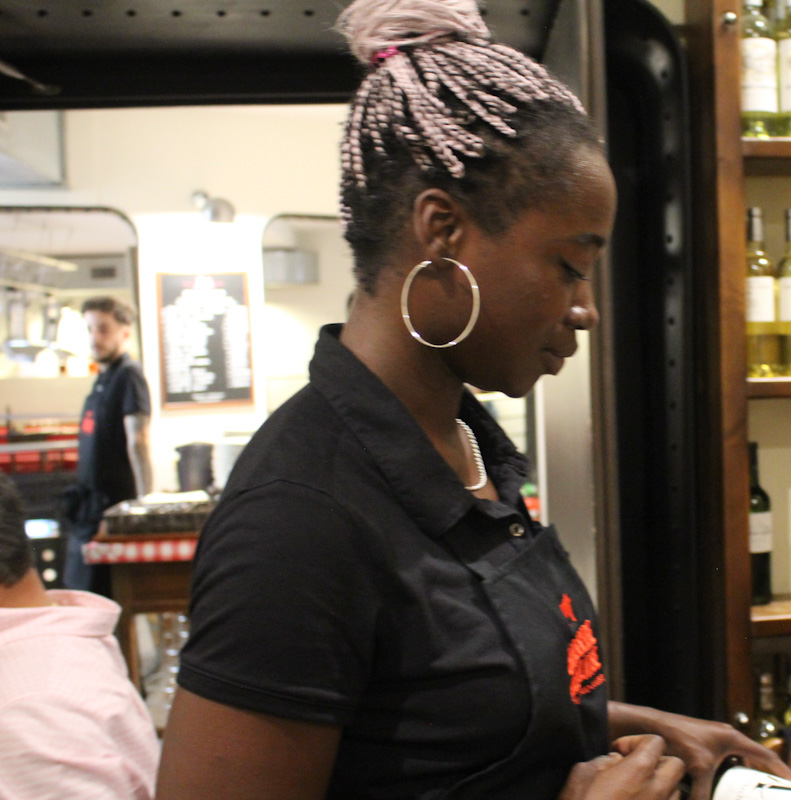
Sommelier Frank

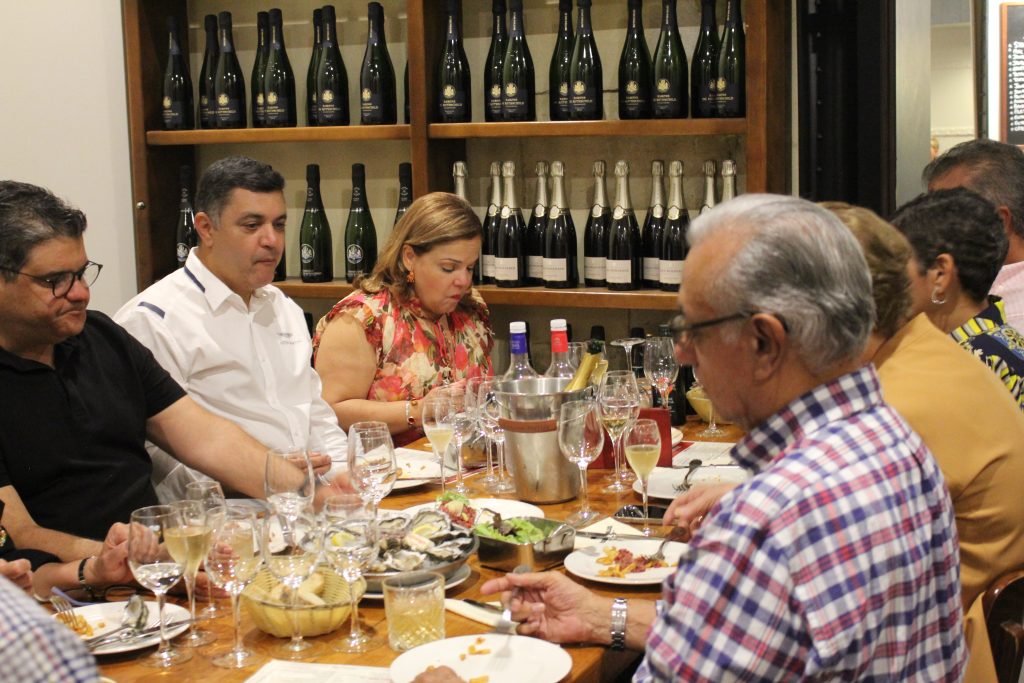
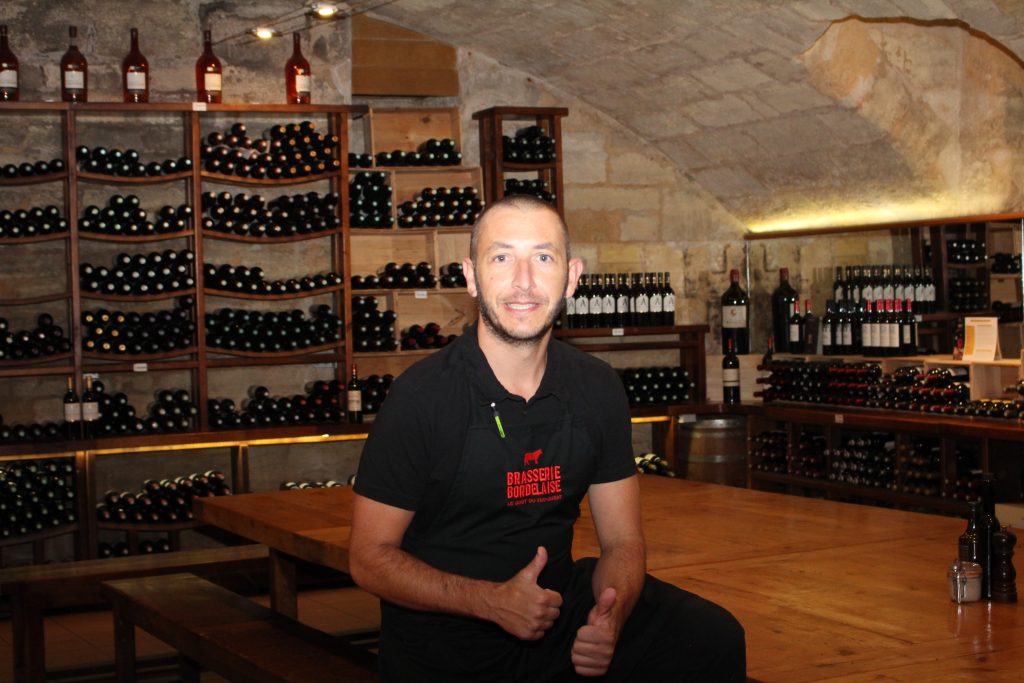
Scandinavians Exploring Bordeaux Brasserie Bordelaise has an impressive wine cellar with 750 references. The wine list offers wines from throughout France and around the world, and pride of place is given to the wines of Bordeaux and the South-West. Sommelier Frank recommended us a bottle of Château d’Arche 2020 to accompany our menu. Asking why, he explained it is an all-round wine, for fish as well as meat, full-bodied and with normal acidity. It proved to be a perfect match for our menu, starting out with an assortment of tapas, fresh cuts.
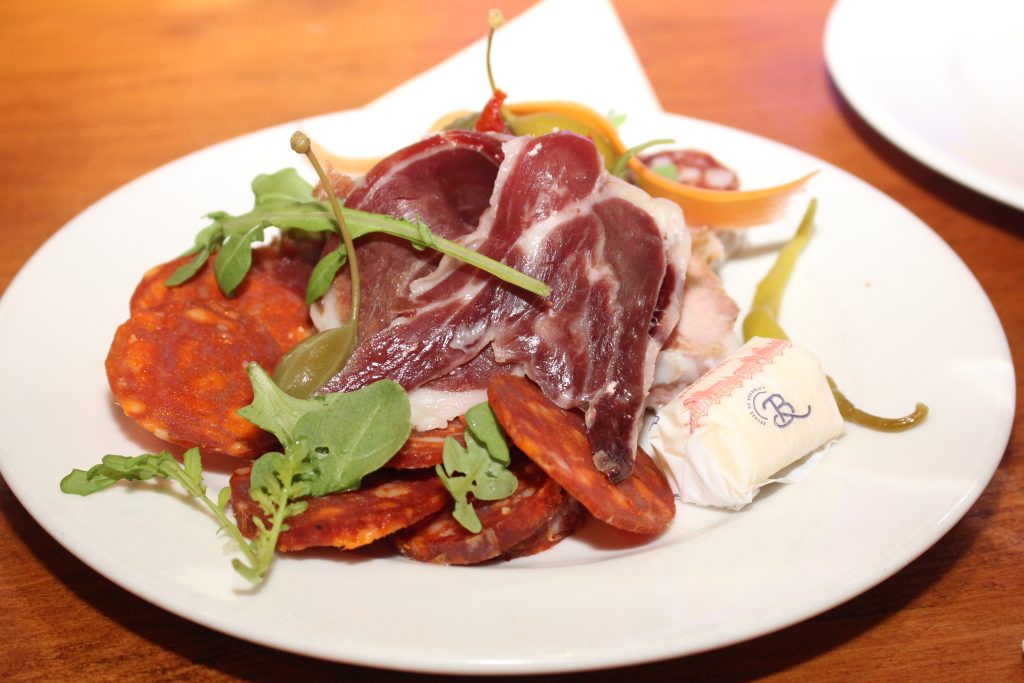
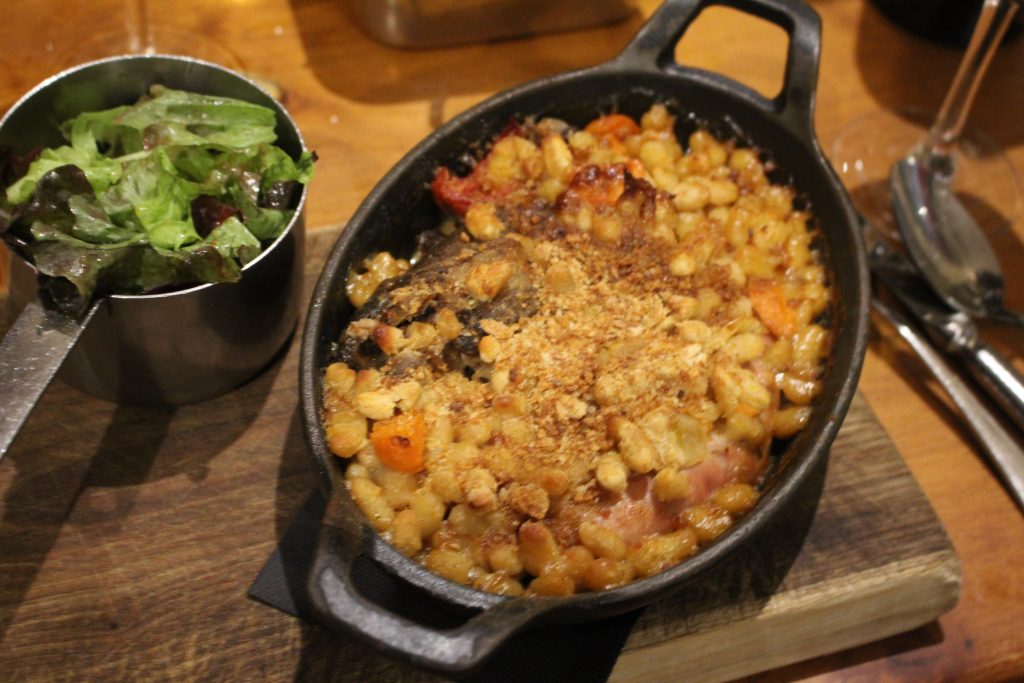
For man dish, I opted for the cassoulet, a portion so generous that I couldn’t even finish it, while my partners enjoyed saucisson and Ventrêche de Porc Noir grillée, respectively. For dessert we had an assortment of sweet pastries.

Scandinavians Exploring Bordeaux
Assortment of tapas, fresh cuts
Scandinavians Exploring Bordeaux
The cassoulet
Scandinavians Exploring Bordeaux
Dessert
Scandinavians Exploring Bordeaux
Happy guests at Brasserie Bordolaise
Scandinavians Exploring Bordeaux
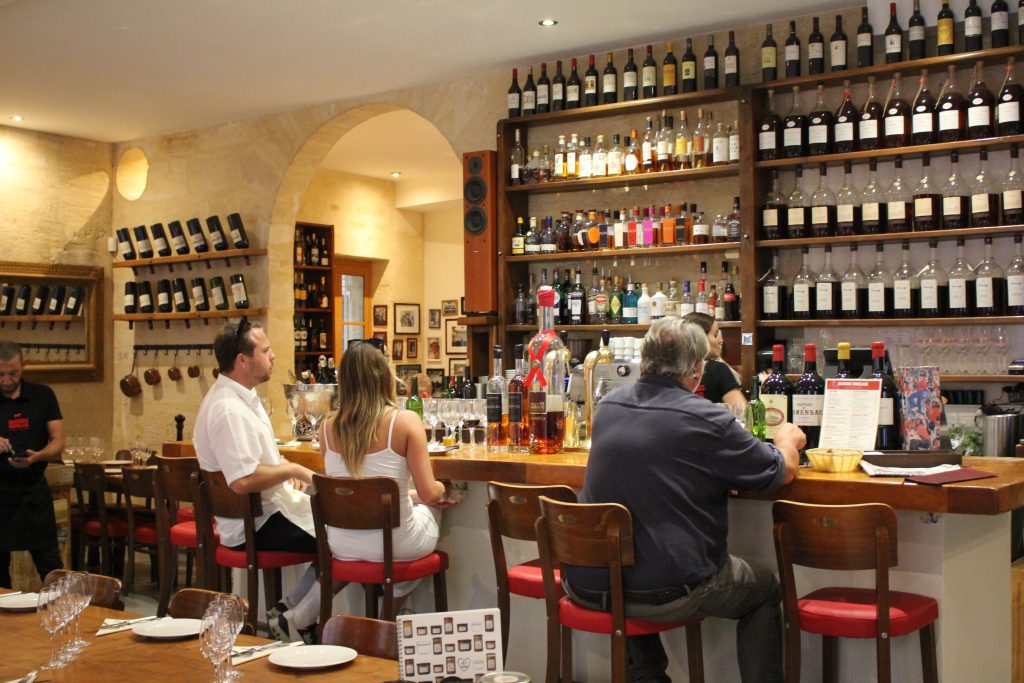
If you must wait to be seated, the bar is a fine alternative.
Scandinavians Exploring Bordeaux
Our waitress, Ico from Mali

Our waiter, Ico (from Mali) was friendly and fun, adding an extra layer of enjoyment to our evening.

As the restaurant fills up quickly, we advise you to make a reservation in advance.

Trip map courtesy of Wanderlog, a vacation planner app on iOS and Android

Saint-Emelion

Scandinavians Exploring Bordeaux Saint-Emilion is a charming medieval village located in the heart of the famous Bordeaux wine area. It is a very unique site where world-famous wineries, fine wine, beautiful architecture and great monuments are a perfect match.
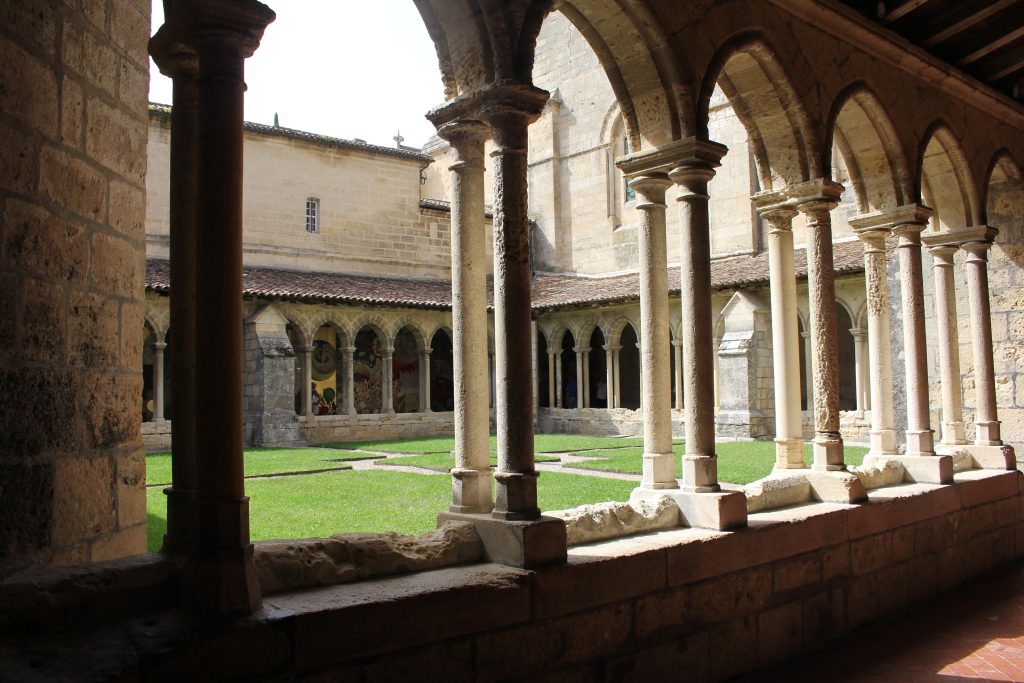
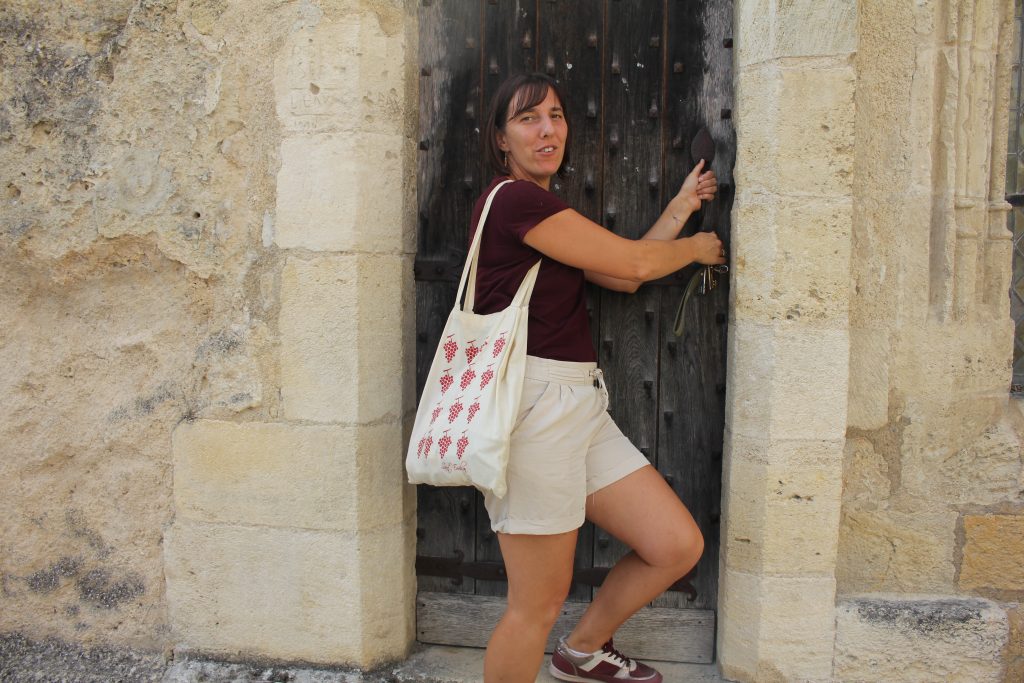
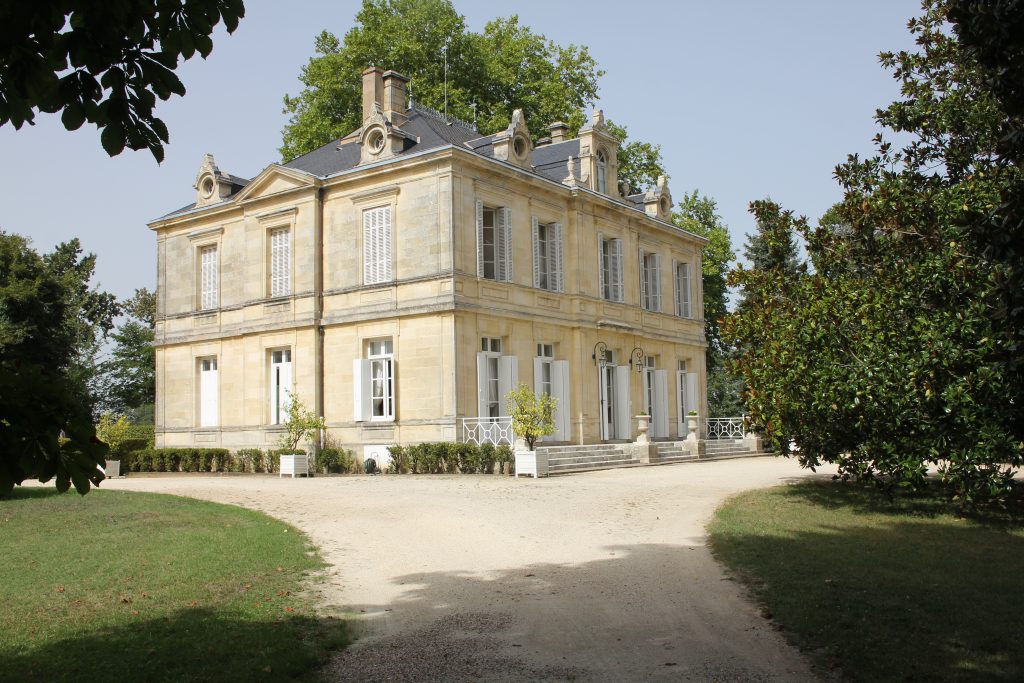
Saint-Emilion is all about wine. There are more than 800 wine estates in the commune.

The legend says that a monk from Brittany fled from Vannes, his hometown, to seek refuge in one of the natural caves in a place called Ascum bas (former name of the village) in the 8th century.

His name was Emilion. Living the life of a hermit he accomplished a few miracles and rapidly became famous in the region and even far beyond its borders. Soon he had many disciples and with their help he evangelized that place and made it become a great religious center. Even after his death his followers carried on his legacy and even called the town after him: Saint-Emilion.

Scandinavians Exploring Bordeaux
The Monastry of Saint-Emilion

The monastery was reformed in the 12th century. Remains can still be found in the cloister, particularly the entrance of the chapter house to the east. An elegant arcade was built at the end of the 13th century. Tombs which was long ago painted were dug out of the southern and eastern at the end of the 13th and 14th centuries.

Scandinavians Exploring Bordeaux
Our guide accompanied us through the undergorund galleries where photography is not allowed.

Nowadays the extraction is over but there are still 200km of underground galleries under the village and its vineyard standing as a proof of that activity. We recommend a guided tour – which is the only way to experience this astonishing underground attraction.

The easiest way to go to Sain-Emilion from Bordeaux center in by bus 304, departing from Quinconces and ending at Bourg, just outside the town.

Scandinavians Exploring Bordeaux – Part 2, the article continues

A Visit to Chateau Dassault

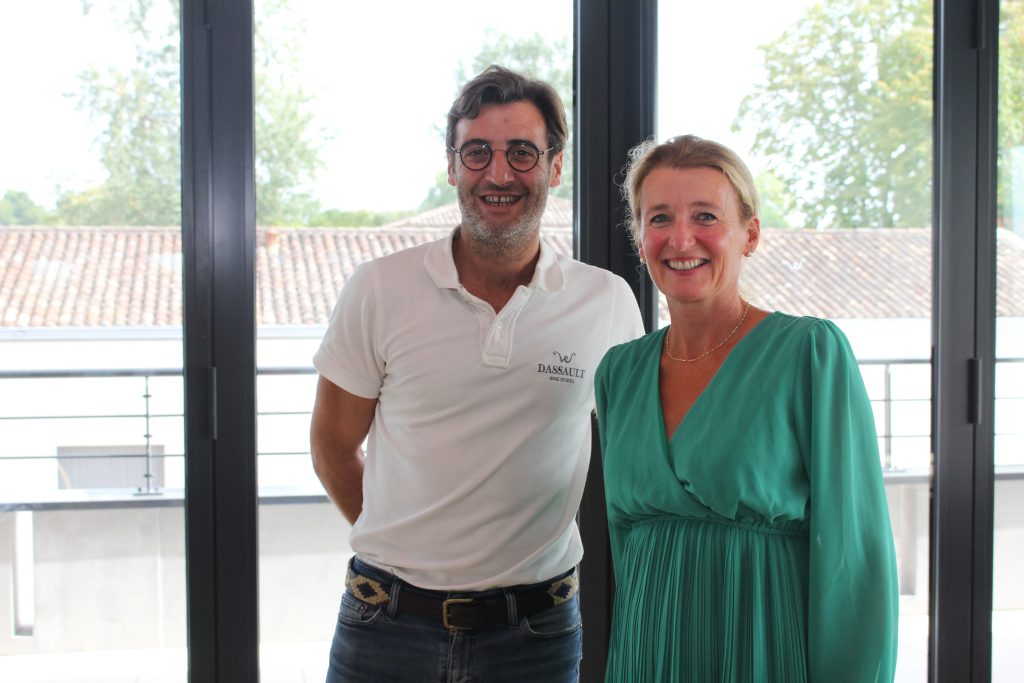
Scandinavians Exploring Bordeaux At Chateau Dessault we were greeted with wine-tasting as well as historical insights by Directeur General Roman Depons and Directrice Commerciale Valérie Befve.

Scandinavians Exploring Bordeaux
Managing director Roman Depons

Chateau Dassault was created in the mid-1800s by a member of the Fourcaud family. If the Fourcaud family sounds familiar to you it is because they are best known for creating Chateau Cheval Blanc. At the time of its birth, the estate started out life under the name of Chateau Couperie. That changed in 1955 when the vineyard was purchased by Marcel Dassault (1892-1986).

Scandinavians Exploring Bordeaux
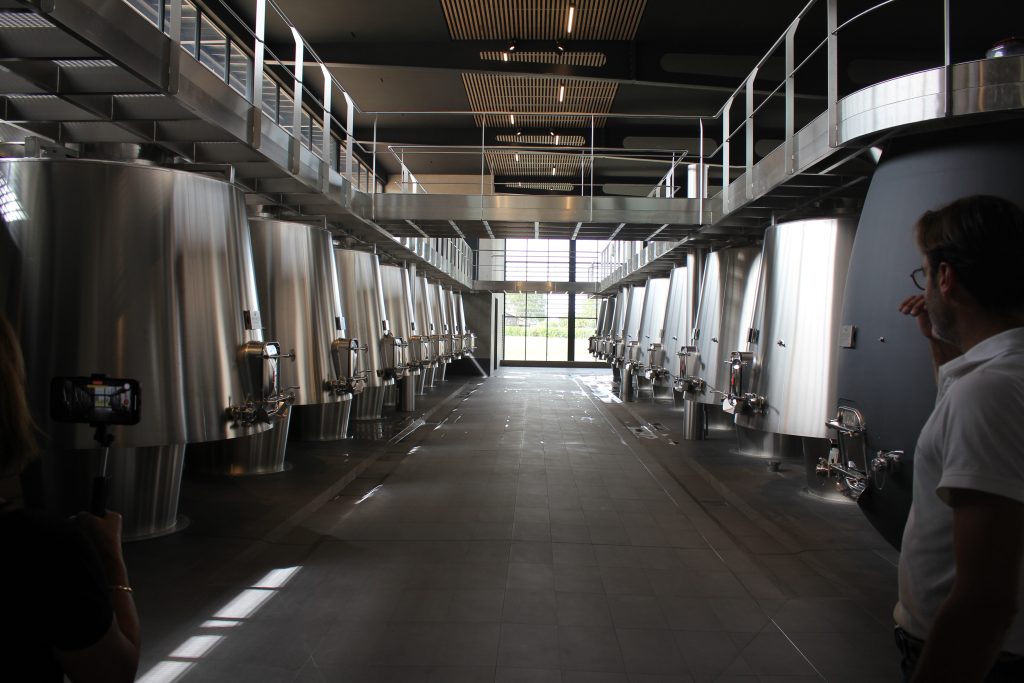
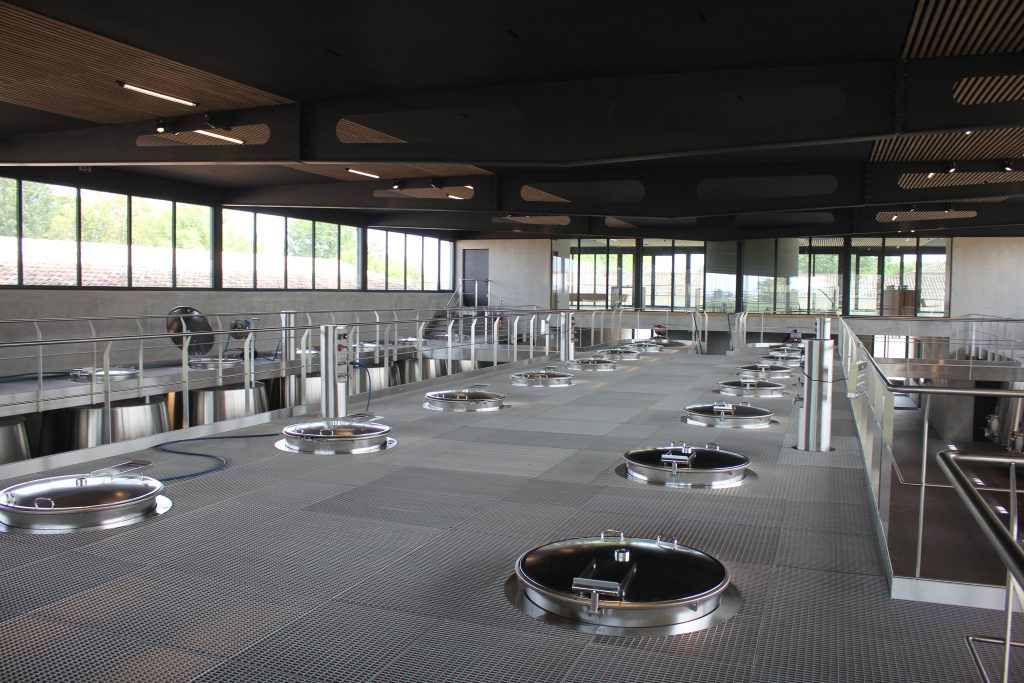
The modern facilities of Chateau Dassault

Scandinavians Exploring Bordeaux Not only did Marcel Dassault completely renovate the entire Saint Emilion estate and its vineyards, as well as improve the drainage system, but he also renamed the property as well following the old custom of naming your Bordeaux winery after yourself. He rechristened the estate, Chateau Dassault. The family fortune comes from the airline industry, they are the owners of Dassault aviation. The Dassault family has a wide range of investments that include the French newspaper, Le Figaro.

Scandinavians Exploring Bordeaux
Stainless wine tank

The Dassault family maintains a strong relationship with Chateau Lafite Rothschild, as their wines are aided in their distribution by Lafite Rothschild.

Scandinavians Exploring Bordeaux
Light from outside is important for the employees.

In 2002, the grandson of Marcel, Laurent Dassault purchased the neighboring estate of Chateau La Fleur. At the time, it was expected that the two vineyards, Chateau La Fleur and Chateau Dassault would merge. But that is not what took place. Instead, Laurent Dassault allowed La Fleur to remain its own vineyard with its unique identity.

Scandinavians Exploring Bordeaux
Malo-lactic fermentation is carried out in new barrels and vats

In January 2014, the Dassault family added to their holdings in Saint Emilion with the purchase of Chateau Faurie de Souchard from the Sicard family. In late 2016, the Dassault family added to their vineyard holdings in St. Emilion when they bought Chateau Trimoulet.

Scandinavians Exploring Bordeaux
Private room in Chateau Dassault

Recently Chateau Dassault has finished another modernizing of their Right Bank wine-making facilities with a renovation of their vat rooms.

Roman Depons tells us that the particular environment in which the grapes for a wine are grown, give the wine a special character: The main difference between wines is their terroir, the elusive combination of soil, vine stock and planting habits of a particular vineyard. The plots grouped around Chateau Dessault form a compact group which nevertheless presents a wide variety of terroirs.

Scandinavians Exploring Bordeaux
Roman Depons and Valérie Befve

“Our vineyard is made up of the three traditional grape varieties of the SE appellation which are distributed according to the specific qualities of each plot. At harvest time, the batches of grapes are vinified separately and provide us with a wide range of combinations when blending the wines.

In 2009, Chateau Dessault was one of the first properties to benefit from an optical sorting machine. This innovative investment allows us to define in an extremely precise manner the grape berries that we accept“.

Scandinavians Exploring Bordeaux
Wine tasting at Chateau Dassault

But if a great wine is the fruit of will, it is also the fruit of a lot of work, vintage after vintage, he adds. Thus Chateau Dessault obtained the rank of SE GC Claqsse in 1969. Chateau Dessault expresses itself through precise and fleshy flavors where elegance and aromatic expression remain the dominant characters. They will reveal themselves and be appreciated after aging for 10 to 15 years depending on the vintage.

Scandinavians Exploring Bordeaux
Léa Payen from Saint-Emilion Tourisme organized the visit for us.

A proud Roman Depons says that since 2016, the estates have also been involved in integral vinification in 500 liter thermoregulated barrels with the aim of refining and ever more respecting the personality of these different plot origins.

Malo-lactic fermentation is carried out in new barrels and vats, and the wines continue to age in barrels for 14 to 18 months.

Sales director Valérie Befve tells us that the four children of the legendary family patriarch Serge Dassault regularly visit the estates. They are very committed to their wineries. “You don’t have the impression of working for a large corporation, but for a personally run family business,” she says and adds, “That’s extremely pleasant.”

Dassault is the world’s largest private aviation group, producing, among other things, the Rafale and Falcon aircraft. It also includes various other business sectors, including around seventy newspapers, including Le Figaro.

Scandinavians Exploring Bordeaux, the article continues.

Accommodation

Scandinavians Exploring Bordeaux
Hotel Ibis Bordeaux Centre Mériadeck

There are dozens of hotels to choose from in Bordeaux city – from basic “bed and breakfast” style accommodations to exclusive, top-tier luxury properties. For our stay in Bordeaux we focused on three issues: location, price and convenience.

Scandinavians Exploring Bordeaux
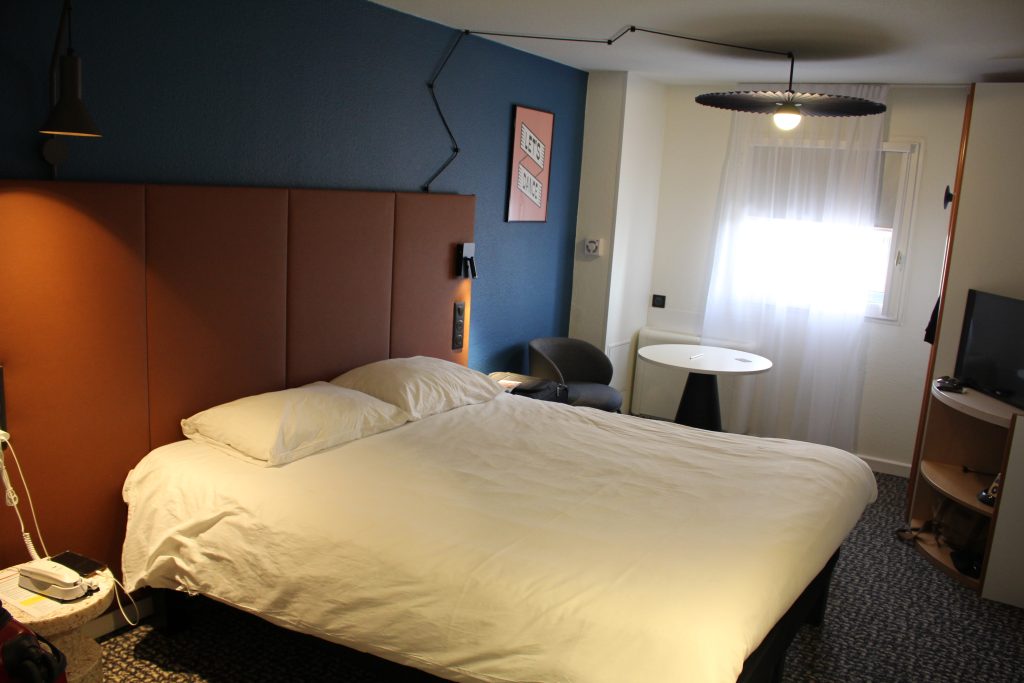
Room at Hotel Ibis

The three star Hotel Ibis Bordeaux Centre Mériadeck met our required specifications. The hotel is located in the business district of Bordeaux with walking distance (10 minutes) to the city center. The tram stop to the Bordeaux Mérignac Airport is very close to the hotel and the ride takes 30 minutes.

Scandinavians Exploring Bordeaux
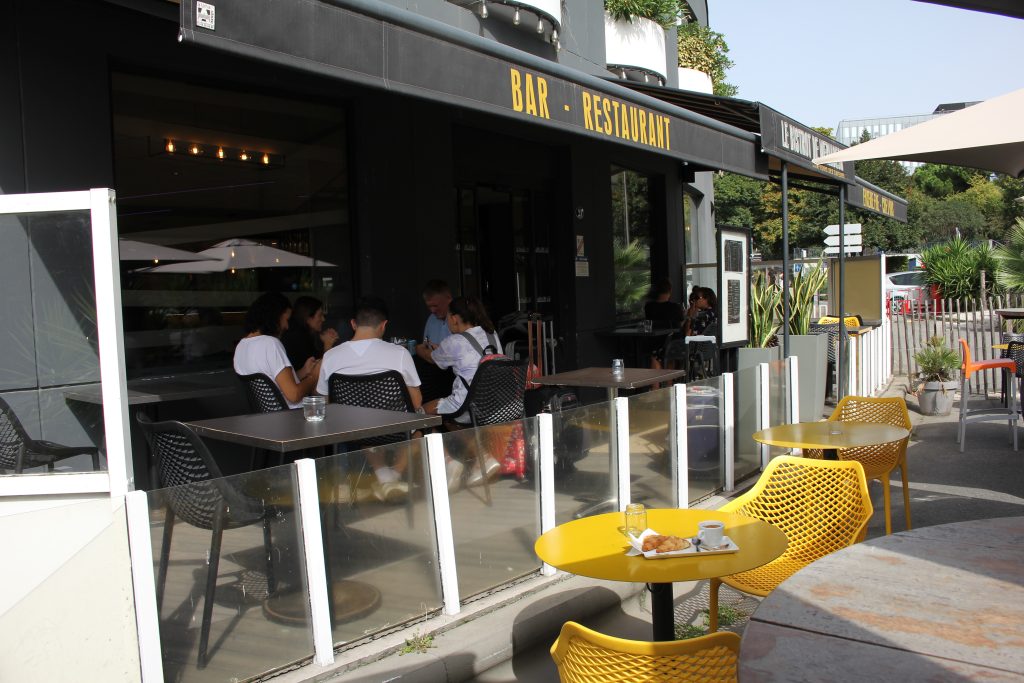
We enjoyed the breakfast in the outside area.
Scandinavians Exploring Bordeaux
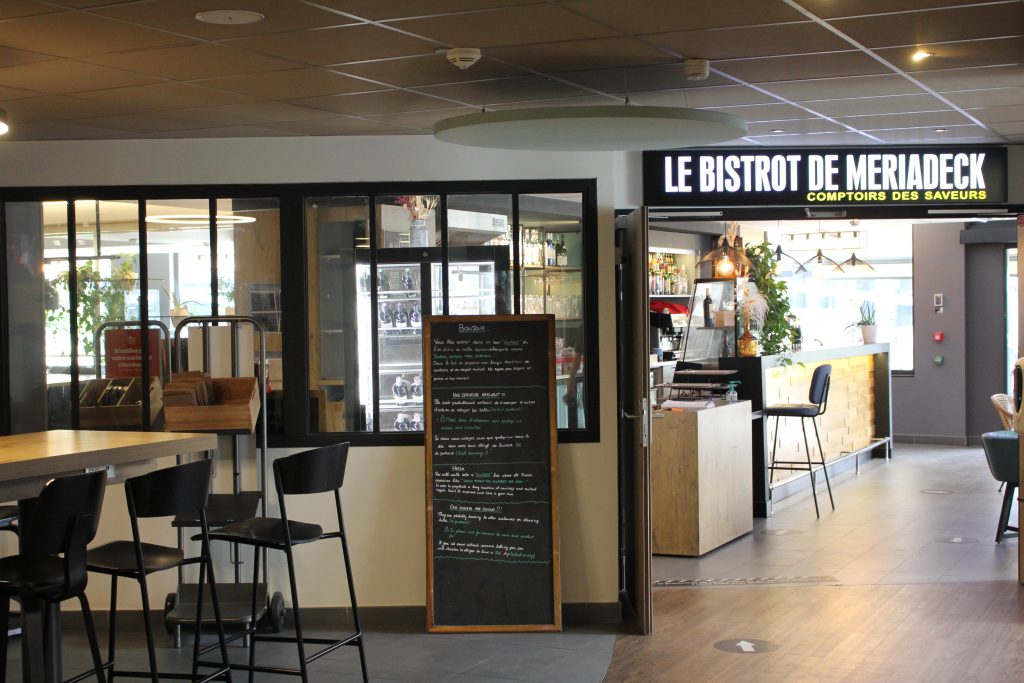
The restaurant entrance.

The hotel is decorated in modern style, no luxury, but the rooms are clean and functional. The buffet breakfast is composed of sweet and savory dishes such as eggs, fruit salad and yogurts. We enjoyed the breakfast in the small outdoor area. The restaurant is open for dinner at night and serves regional specialties.

This is the first article in which modern Scandinavians explore destinations outside Scandinavia. The series include, however, also famous Scandinavian explorers, past and present. Leif Erikson was the first known European to spot North America in 986 AD.
You can read the story here.

You can read Scandinavians Exploring Bordeaux – Part 1 – by clicking the link.

Scandinavians Exploring Bordeaux – Part 2, written by Tor Kjolberg

All photos © Tor Kjolberg/Daily Scandinavian

Scandinavians Exploring Bordeaux – Part 1

0

In our series Scandinavian Explorers, we’re presenting articles on famous Scandinavian explorers from the Viking Age to our present time as well as destinations worth exploring for people from the north. Scandinavians love to travel, and we aim to inspire them to explore well-known as well as less visited places for fun and lasting experiences. This is Part 1 of Scandinavians exploring Bordeaux. Part 2 follows on Monday.

Since the Viking Age, Scandinavians are known for travelling the world. Scandinavians love to travel, especially in Southern Europe for the sun and warmer weather. In later years, attention to history, food and eco travel has been more evident. More and more Scandinavians explore new areas that’s not so touristy.

First out, we’ve chosen Bordeaux. Not only for its comfortable climate but also for its history, particular attractions – and not least the famous wines of Bordeaux. Bordeaux was named the “most attractive destination in the world for 2017” by Lonely Planet.

Trip map courtesy of Wanderlog, a trip planner app on iOS and Android

Attractions in Bordeaux

The Largest Digital Center in the world

Scandinavians Exploring Bordeaux
Bassin des Lumiers. Photo: BdL

In 2020, Culturespaces created this digital art center in Bordeaux’s former submarine base. The Bassins des Lumières presents monumental immersive digital exhibitions, dedicated to major artists in the history and to contemporary art.

The Famous Water Mirror

Scandinavians Exploring Bordeaux
Le Miroir d’Eau. Photo: Steve le Clech/Bordeaux Tourism

If you cross the street from Place de la Bourse towards the riverfront, you’ll arrive at one of Bordeaux’s main attractions, Le Miroir d’Eau. The huge water mirror is the most popular monument in Bordeaux attracting many families with kids to splash their feet on hot summer days.

La Cité du Vin – Bordeaux Wine Museum

Scandinavians Exploring Bordeaux
La Cite du Vin. Photo: Teddy Verneuill Lexbroz/Bordeaux Tourism

Inaugurated in 2016, the Bordeaux’s wine museum, has become one of the city’s main touristic attractions. Even the shape of the spectacular building is inspired by the movement of wine when it’s swirling in a glass. It can be seen from afar and uplifts the grungy port of Bassin a Flot, where the museum is located.

Being in Bordeaux for the first time, it’s an attraction worth visiting. I call it an amusement park for wine lovers. The museum offers among other things an interactive journey into the wine world that includes videos, touch screens, sensory tables, interesting stories, and music.

The permanent exhibition takes place on the second floor of the museum.

Scandinavians Exploring Bordeaux
The Opera House in Bordeaux
Scandinavians Exploring Bordeaux
The cathedral
Scandinavians Exploring Bordeaux
Typical street cafe in Bordeaux

Shopping in Bordeaux

Scandinavians Exploring Bordeaux
Saint Catherine Street
Scandinavians Exploring Bordeaux
Street singer in Sainte Catherine Street

In the midst of downtown, Sainte-Catherine Street was pedestrianized in 1977 and is now the longest pedestrian, shopping street in Europe, stretching over more than a kilometer. Here you’ll find all the major brands, as well as luxury and designer boutiques and gastronomy. Do not miss the typical 19th century mall north of the street.

Scandinavians Exploring Bordeaux
Galleris Lafayette in Sainte Catherine Street

Rue Porte Dijeaux is another commercial institution in Bordeaux, la place Fernand Lafargue has a more bohemian atmosphere.

Summing up, there is something to satisfy everybody here.

In Part 2 of this article, we visit the charming medieval village Saint-Emilion and the Dessault wine estates.

In Part 2, we’re commenting on Food & Wine and Accommodation.

Scandinavians Exploring Bordeaux, written by Tor Kjolberg.

All images (if not otherwise noted) © Tor Kjolberg/Daily Scandinavian.

Business in Scandinavia? How to reach B2B customers

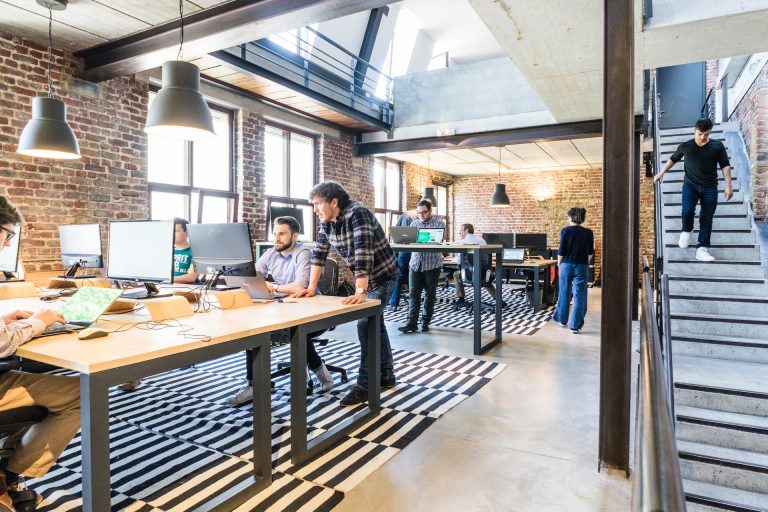
The Scandinavian region (also known as the Nordic region) is a fantastic place to expand your business-to-business (B2B) customer base. The Nordic countries of Sweden, Norway, Denmark, and Finland (* are home to a robust economy and welcoming business climate. Learn more about business in Scandinavia and how to reach B2B customers.

Running a successful business in Scandinavia, however, requires understanding the region’s distinct business culture, following its regulatory norms, and creating long-term relationships.

Dive into this detailed piece as it unfolds seven strategies to effectively broaden your scope among B2B clients in Scandinavia. These insights will serve as a guiding framework for achieving success, regardless of whether you’re offering products, services, or solutions like contract lifecycle management.

1.   Learn about Nordic values.

The rapid modernization of Scandinavia has quickly elevated it to global powerhouse status. This has led the individuals in this region to establish a “Scandinavian” or “Nordic model” that is characterized by its novelty, sobriety, and adherence to the principles of the common good—all traits of Nordic workplace culture and commercial practices. Also, given that there’s only a handful of individuals who can converse in Norwegian, Finnish, Swedish, or Danish around these parts, using your English language skills to attract potential B2B clientele should be fine.

2.   Engage in corporate social responsibility initiatives.

Scandinavian countries have a strong reputation for their corporate social responsibility (CSR) and ethical business practices. For example, Norway’s extensive engagement in CSR is deeply rooted in its active involvement in the business sector, whether through direct ownership or indirect stakes in major corporations. This commitment results in these companies voluntarily supporting the neighborhoods where they operate, even if they don’t explicitly brand it as CSR. In turn, businesses that actively contribute to their communities and support causes often find themselves more appealing to like-minded partners and clients, resulting in increased B2B leads and opportunities.

Learn more about doing business in Sweden by clicking the image below.

Business in Scandinavia, how to reach B2B customers?
Click the image

3.   Understand the business culture.

Our methods of business operations should also be taken into account. We wrongfully assume that working long hours is the standard across all countries and cultures. In contrast, it’s not always easy to get a hold of Scandinavian workers outside of business hours, and many of them won’t even answer the phone after 5 p.m. There is just a general desire to maintain a healthy work-life balance. It is unsurprising that Scandinavian nations such as Denmark and Norway routinely exhibit high levels of performance in polls assessing work-life balance.

4.   Check out the funding options.

Global venture capitalists are showing increasing curiosity in Nordic start-ups and growth-driven companies from the Nordic region. This interest is sparked by the area’s proven track record for maintaining, even growing tech businesses during challenging economic periods including the Great Recession. With liquid assets readily accessible for corporations in Scandinavia, businesses wishing to grow and expand should target the Nordic B2B market, as a robust business model with a flexible strategy would result in a rapid return on investment.

Learn more about doing business in Norway by clicking the image below.

Business in Scandinavia, how to reach B2B customers?
Click the image.

5.   Devise an effective sales and marketing strategy.

B2B customers in Scandinavia effectively engage with digital marketing courses for advertising and content marketing collateral. Write informative pieces that discuss the challenges encountered by various sectors and the ways in which your services, such contract lifecycle management, might help.

Case studies derived from actual, real-life scenarios are also a great way to demonstrate the value of your goods and services.To ensure audience engagement, it’s crucial to thoughtfully orchestrate all aspects of online ad campaigns.

6.   Show how your products support sustainability.

Sustainability, as a fundamental cornerstone of Scandinavian values, significantly influences B2B buying decisions in the region. According to Stastista, in 2020, 52% of Swedish sustainability survey respondents said a company’s sustainability work influenced their product and service choices. Therefore, when pitching to B2B leads, it’s beneficial to emphasize how your offerings reflect the region’s strong commitment to environmental and social responsibility. It also pays to underline their ability in helping companies lower their carbon footprint while also achieving their sustainability targets.This eco-conscious mindset can greatly resonate with Scandinavian businesses and open doors for meaningful B2B partnerships.

Business in Scandinavia, how to reach B2B customers? 7.   Expand your Nordic network.

40% of leads turn into buyers during in-person meetings, according to a 2020 survey by Marketing Expertus. Another study by The Ascent revealed that more than half of business travelers reported that attending trade fairs and networking events resulted in 5-20% new customers for their organization.

These statistics suggest that a well-established network can facilitate access to prospects, provide invaluable market insights, and substantially increase the likelihood of success in engaging with B2B clientele in Scandinavia. Consider using social media, attending industry events like the Nordic Business Forum, and joining local business associations to broaden your circle and attract new clients.

Business in Scandinavia, how to reach B2B customers?  Conclusion

If you’re looking to grow your company’s B2B reach, the Scandinavian market is where you should focus your attention. When executed strategically, the above-mentioned tips can yield substantial rewards for businesses with B2B expansion goals.

*) Finland is per definition not a part of Scandinavia, but the Nordic region. This is a misconception, also among many Scandinavians. (Editor’s remark).

Business in Scandinavia, how to reach B2B customers?
Shawn Mack

Business in Scandinavia? How to reach B2B customers, written dedicatedly for Daily Scandinavian by Shawn Mack. Shawn is an experienced outreach expert at The Pro Linkers. He is known for his excellent communication skills and ability to build strong relationships with influencers and media outlets. With a sharp eye for detail and a commitment to delivering results, Shawn is the go-to expert for all things SEO outreach.

Feature image (on top): ©  Proxyclick Visitor Management System/Unsplash

Cloudberry from Scandinavia

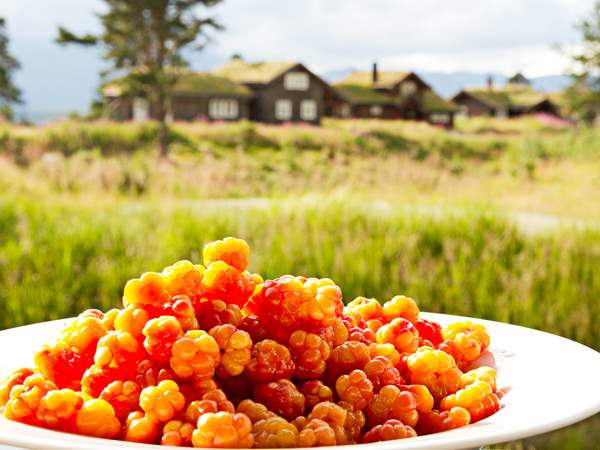
The most sought-after berry in Scandinavia, the hardest to find and the most expensive to buy must be the cloudberry, a beautiful, rich-flavored cousin of the raspberry. But still the cloudberry is accessible and affordable, if not for every day. Learn more about cloudberry from Scandinavia.

How it grows

Cloudberry from Scandinavia
The entire world crop is picked in the wild. Photo: Wikipedia

Rubus chamaermorus, a slow-growing alpine and sub-Arctic species, is found all over the northern hemisphere. The cloudberry plant is small in comparison to its relative the raspberry, growing only to around 20cm. The berries are easy to find as they have a stiff, upright stem, each boasting a single juicy berry. Their habitat, however, is less easy to locate as cloudberry plants are very picky and thrive only under perfect conditions: in acid, unfertile ground on high plains, living in symbiosis with a fungus that makes them almost impossible to grow industrially. The entire world crop is picked in the wild, though efforts are being made to introduce cultivars that can be grown in otherwise barren areas in the north.

Appearance and taste

Cloudberry from Scandinavia
The ripe, golden fruits are soft and juicy. Photo: Jacobs.

The ripe, golden fruits are soft and juicy, with very hard seeds. They are rich in vitamin C, and this you can detect in their characteristic tart taste. They are one of the most delicious berries, with a perfect balance of sweetness and acidity, but strangely enough not to everyone’s taste.

Buying and storing

Cloudberries can be bought fresh in the season, in northern Scandinavia. Like lingonberry, they contain benzoic acid and are more or less self-preserving, and not easy to handle in trade. Cloudberries are generally bought either frozen (they keep their shape and taste very well when frozen) or already transformed into jam or juice or used as an added flavor to numerous foods and drinks such as Finland’s famous cloudberry liqueur (Lakkalikööri).

Culinary uses

Cloudberry from Scandinavia
You can use cloudberries instead of raspberries in all sorts of recipes. Photo: Coop.

Cloudberries are used both in savory dishes, as sauce or accompaniment for game, and in desserts of almost any kind. The tradition is simple: you don’t need to create elaborate desserts with a berry as flavorful as a cloudberry. Usually, they are made into fools or ice cream; eaten as a topping for pancakes, waffles or vanilla ice cream; or layered in cakes – much as you would use raspberries, but with a completely different taste. You can use cloudberries instead of raspberries in all sorts of recipes, but note that cloudberry seeds are very hard, and numerous. If you are lucky enough to find fresh cloudberries, they can be made into a delicious jam, with a taste of its own.

Cloudberry jam is made exactly as raspberry jam, and the  multilayer raspberry cake, the strawberry birthday cake, the rye-bread apple-cake, with berries, the strawberries and cream crispy cones and the raspberry shortcrust squares are also good ways to exhibit the luxurious taste of cloudberries.

Cloudberries are sufficiently elegant and powerful to match savory dishes as well as desserts and they are also a perfect match for hard, mature cheese, either served beside it, or on toast with Jarlsberg or Västerbottenost.

Åkerbär

Cloudberry from Scandinavia
Åkerbär or Arctic raspberry (Rubus arcticus) is rarer, smaller and even more elusive than the cloudberry.

The Åkerbär or Arctic raspberry (Rubus arcticus) is rarer, smaller and even more elusive than the cloudberry. The incredibly aromatic fruit is considered to be the tastiest berry in the world by the fortunate inhabitants of the extreme north. But this is only mentioned as a curiosity, as it cannot be found outside the Arctic regions of Scandinavia, except as a delicious liqueur, Mesimarja, from Finland.

The true åkerbär will grow only under the midnight sun, but as the berries are so good much work has been done in Sweden to produce a similar, but more tolerant cross. It resulted in the aläkerbär, the ’al’ meaning ‘for everybody’. Its English name is ‘All field berry’. It is a cross with the Alaskan Rubus stellarcticus, delivering more tolerance of growth, and a lovely fragrance in the rose-like, pink flowers. It will grow successfully all over Scandinavia, as long as the soul is acid. It is elf-sterile, and you must plant at least two, but preferably more, of the existing five varieties. It blooms in early summer, and the berries ripen in late summer. It is not quite as good as the true åkerbär, but good enough. It will spread if not controlled.

Cloudberry fool

Cloudberry from ScandinaviaThe exquisite taste of cloudberry is displayed as you can afford into softly whipped cream. Eaten on it’s own, or with biscuit, this is a favorite Sunday (and Christmas) dessert, especially in Norway (multekrem).
Cloudberry from Scandinavia, written by Tor Kjolberg

Feature image (on top) © Visit Rauland

An Art Lover’s Guide To Oslo

Iconic art cities like Paris, Vienna, and Amsterdam grace Europe, but Oslo is emerging as a prime artistic hub. Brimming with independent galleries, art museums, and sculpture parks, Oslo is fast becoming a key cultural destination. “Its evolution is symbolized by the opening of the National Museum in June 2022 -reinforcing its standing as a North European center for arts”, says marketing director Tord Karsten Rønning Krogtoft at the National Museum in Oslo. Over the past 20 years, art and culture in Oslo have flourished tremendously – making it an enticing spot for art enthusiasts. For a life-affirming experience, here is an art lover’s guide to Oslo. 

Art Museums

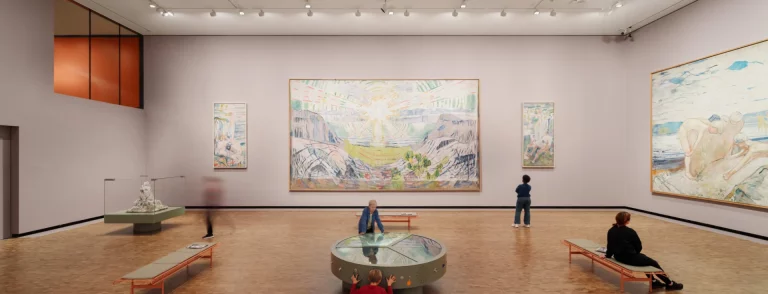
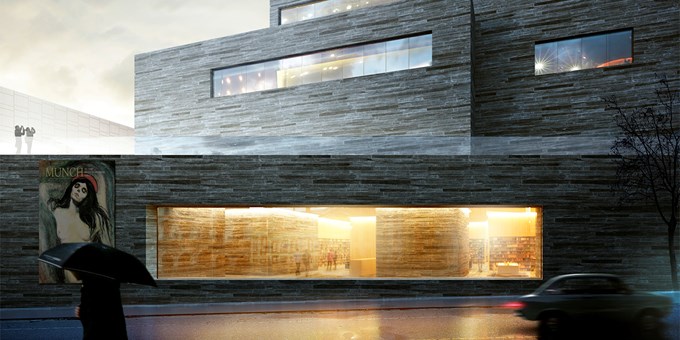
Oslo has several art museums that feature ancient artifacts, contemporary art from local artists, and famous pieces known all over the world. One of the places that is a must-see is the Munchmuseet, a former container port turned museum that houses the works of Norway’s famous artist, Edvard Munch. Apart from three versions of his most iconic piece, “The Scream,” this museum features over 20,000 of his works, including some of Munch’s largest and most ambitious paintings in the Monumental Collection Exhibit. The whole museum consists of 13 floors, and 7 of them are for Munch’s works alone. Artists who’d like to improve their craft can also join their workshops, with graphic design and silkscreen workshops scheduled for October 2022.

You can read more about the new Edvard Munch museum in Oslo by clicking the image below.

An Art Lover's Guide To Oslo
Click the image.

A visit to the National Museum should also be on your agenda since it’s where you can enjoy a permanent exhibition of about 6,500 works from Norway’s collection of art, design, and architecture. This collection covers a historical span of nearly 3,000 years, so expect to see pieces from antiquity to modern times. They also have temporary exhibitions which shouldn’t be missed. Currently, the institution has an exhibit called “Oltre Terra: Why Wool Matters” which runs until October, and “Queer Folk Dress,” which will run until 18 May 2025.

You can read more about the new National Museum by clicking the image below.

An Art Lover's Guide To Oslo
Click the image

Sculpture Park and Outdoor Art Experiences

If you’re a fan of art installations made out of metal such as Barbara Hepworth’s “Summer Dance” or Isamu Noguchi’s “Red Cube,” head to the Vigeland Sculpture Park in the Frogner Park to view over 200 metal sculptures by Gustave Vigeland. Admission is free and it’s open all day and all-year round, so you can see works like “The Angry Boy” and “The Monolith” even at odd hours of the day.

You can read more about the Vigeland Sculpture Park by clicking the image below.

An Art Lover's Guide To Oslo
Click image

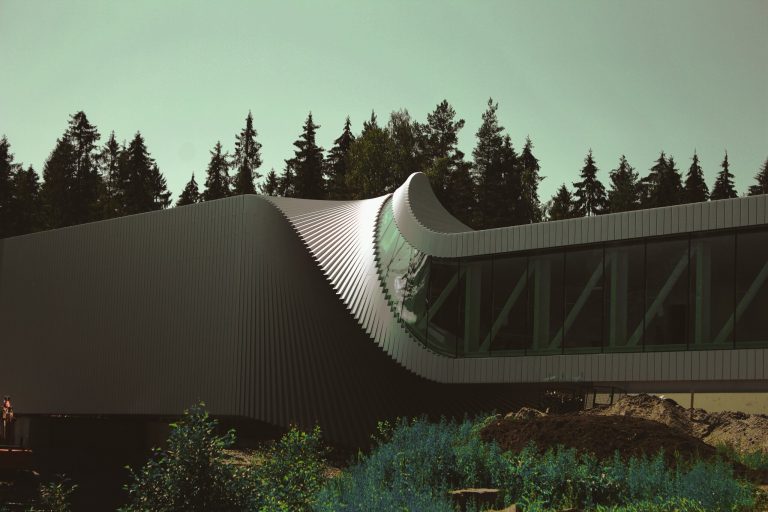
Another sculpture park that should be on every artist’s travel itinerary is the Kistefos Museum. To go there, you’ll need to go on a one-hour bus ride heading north-west of Oslo, but make sure to check if they’re open. The 2023 season is slated to end on 15th October, so remember to book your tickets in advance. Kids up to the age of 16 are free though, so families should definitely consider visiting this destination. Take a walk around the park and see 52 sculptures, including ones from famous contemporary artists like Anish Kapoor and Fernando Botero. You can also see unique pieces like the lustrous, alien-like “I’m Alive” sculpture by Tony Cragg and a 3-metre high teddy bear called “Teddy- Beast of the Hedonic Treadmill” by Fredrik Raddum.

You can read more about the Kistefos Museum and Sculpture Park by clicking the image below.

An Art Lover's Guide To Oslo
Click image

Galleries Galore

To know all about up and coming Norwegian artists and view impressive contemporary art, make a beeline towards some of the best art galleries in Oslo.

First up is Galleri Ramfjord at Schwensensgate This gallery features temporary exhibits of works from local artists like Andre Lundquist and Kai Savelsberg, and here, you can buy paintings starting at kr 16,000, so it’s definitely a must-see for those who want to expand their art collection.

An Art Lover's Guide To Oslo
From Gallery Ramfjord

Another gallery that shouldn’t be missed is the Galleri Semmingsen at Niels Juels gate 50. This place also focuses on contemporary Nordic artists who specialize in painting, photography, paper works, and sculpture. The gallery’s Autumn Exhibition is currently featured and will run until 9th October, so check it out to see sculptures by Fredrik KB and paintings by Thomas Knarvik, among others. The artworks for sale are also quite affordable, with some priced as low as kr 12,000.

Oslo is a fantastic city for art lovers. Head to these museums, galleries, and sculpture parks for art experiences that will captivate you and leave lasting memories.

Karoline Gore

An Art Lover’s Guide To Oslo, written dedicatedly for Daily Scandinavian by Karoline Gore. Karoline is a freelance writer from Stoke on Trent in the UK who left the corporate grind when she started a family and has never looked back. She enjoys contributing to a range of online publications on the topics that are important to her.

Feature image (on top): © From the Edvard Munch Museum. Photo: Strawberry Hotels.