
Revealed: Why Scandinavia Is One of the Safest Places to Explore

When it comes to planning your next international adventure, safety is likely at the top of your list of concerns. After all, nobody wants to experience unexpected mishaps or dangers while exploring a new destination. Fortunately, there are countries around the world that are known for their safety and security, and one region that consistently tops the list is Scandinavia. Revealed: Why Scandinavia Is One Of The Safest Places to Explore

In this article, we’ll delve into the safest countries in the world, with a special focus on Scandinavia, and also explore the answer to the age-old question “should I buy travel insurance?” Read on to find out more.

Scandinavia: A Haven of Safety

Scandinavia, comprised of the Nordic countries Denmark, Norway, Sweden, Finland, and Iceland (*), is renowned for its stunning natural landscapes, vibrant cultures, and, most importantly, its exceptional safety records. These nations consistently rank high on global safety indexes, making them an ideal destination for travellers seeking a secure and worry-free experience.

Revealed: Why Scandinavia Is One of the Safest Places to Explore
Scandinavia is a region where you can enjoy your travels. without worrying about civil unrest or political instability. Photo: Zoya Loonohod/Unsplash

One of the key reasons behind Scandinavia’s top safety status is its low crime rates. Violent crimes, thefts, and incidents of public disorder are rare in this region, thanks to strong law enforcement and a culture that values social cohesion and trust. Travellers can confidently explore these countries without the fear of falling victim to common tourist scams or petty crimes.

Moreover, Scandinavia is known for its well-maintained infrastructure and healthcare systems. The healthcare facilities are top-notch, and you can rest assured that you’ll receive high-quality medical care in case of an emergency. This level of healthcare accessibility and quality is a vital component of ensuring safety while travelling.

Another aspect that contributes to Scandinavia’s safety is its political stability. These countries have a long history of political stability and strong democratic traditions, which further promote safety and security for both residents and visitors. It’s a region where you can enjoy your travels without worrying about civil unrest or political instability.

The Importance of Travel Insurance

While Scandinavia is indeed one of the safest regions in the world to visit, it’s essential to remember that unexpected events can happen anywhere and at any time. This is where travel insurance comes into play. The question you should ask yourself is not “Should I buy travel insurance?” but rather “Why wouldn’t I buy travel insurance?”

Protection from Unforeseen Circumstances

Travel insurance provides a safety net that can help you navigate unforeseen circumstances that may disrupt your trip. These can range from flight cancellations and delays to medical emergencies, lost luggage, or even natural disasters. Having the right travel insurance coverage ensures that you’re financially protected if you encounter any of these situations during your travels.

Medical Coverage Abroad

One of the most critical aspects of travel insurance is its medical coverage. Even in the safest countries, accidents and illnesses can strike unexpectedly. Travel insurance ensures that you have access to medical care and assistance if you fall ill or get injured while abroad. This can include coverage for hospital stays, doctor’s fees, and emergency medical evacuation if needed.

Revealed: Why Scandinavia Is One of The Safest Places to Explore – article continues.

::::::::::::::::::::::::::::
You might also like to read our article Is it Safe to Travel Abroad? Just click the link.
::::::::::::::::::::::::::::

Revealed: Why Scandinavia Is One of the Safest Places to Explore
Travelling should be an enjoyable and stress-free experience. Photo: Rich Jones/Unsplash

Peace of Mind

Travelling should be an enjoyable and stress-free experience. With travel insurance in place, you can have peace of mind knowing that you’re prepared for the unexpected. Whether it’s a missed connection, a stolen passport, or a sudden illness, you won’t have to bear the financial burden or deal with the logistics alone. Travel insurance providers have 24/7 assistance services to help you navigate these challenges.

Protection for Your Belongings

In addition to covering you personally, travel insurance can also protect your belongings. If your luggage is lost, stolen, or damaged during your trip, your insurance can reimburse you for the value of your lost items, allowing you to replace them without a significant financial setback.

Revealed: Why Scandinavia Is One of the Safest Places to Explore
Travel insurance can provide coverage for trip cancellations or interruptions.

Trip Cancellation and Interruption Coverage

Sometimes, circumstances beyond your control can force you to cancel or cut short your trip. Travel insurance can provide coverage for trip cancellations or interruptions due to reasons such as illness, death in the family, or unexpected work-related issues. It can help you recoup the non-refundable expenses you’ve incurred, such as flights and accommodations.

Revealed: Why Scandinavia Is One of The Safest Places to Explore – Conclusion

In your quest for unforgettable travel experiences, prioritizing safety should be a paramount concern. Scandinavia, with its exceptional safety records, is undoubtedly a top destination for travellers seeking security and tranquillity. However, it’s essential to remember that even in the safest places, unexpected events can occur. Therefore, the answer to the question “Should I buy travel insurance?” is a resounding yes.

Travel insurance provides the protection and peace of mind you need to explore the world with confidence. It ensures that you’re financially covered in case of emergencies, medical issues, or travel disruptions. So, as you plan your next adventure to Scandinavia or any other corner of the globe, make travel insurance a non-negotiable part of your travel preparations. With the right insurance in place, you can fully immerse yourself in the wonders of your destination, knowing that you’re prepared for whatever the journey may bring.
Revealed: Why Scandinavia Is One of the Safest Places to Explore
Emily Taylor

Why Scandinavia Is One of The Safest Places to Explore, written for Daily Scandinavian by Emily Taylor. Emily is an experienced and impassioned writer with 6+ years’ experience in sharing her knowledge of worldwide travel.

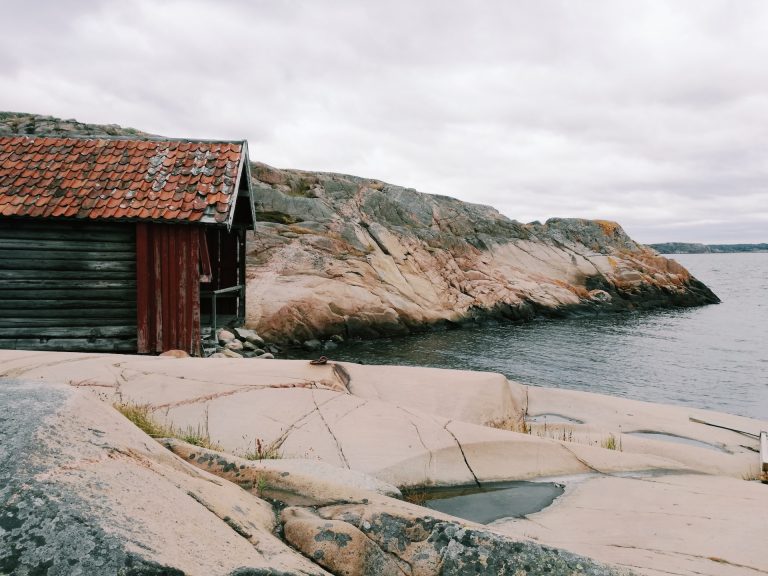
Feature image (on top): From Lysekil, Sweden. Photo © Anna ZdanowiczUnsplash.

(*) It’s a common misconception, also among Scandinavians, that Finland and Iceland is a part of Scandinavia. Scandinavia consists of three countries Denmark, Norway and Sweden while all the five mentioned countries in this article belong to the Nordic region. (Editor’s note).

Emissions- and Guilt-Free Airflights in Norway

0

Headquartered in Bergen, Norway and a research and development department in Tønsberg, the Elfly Group is developing commercial electric seaplanes, which the company expects to be fully certified and operational in 2029. The aim is to offer emissions- and guilt-free airflights in Norway.

The hull is now being tested at SINTEF’s town tank in Trondheim, and thanks to an NOK84m (EUR7.5m) grant, Elfly hope they will change local passenger traffic on a larger scale.

“This is going to be a kind of battery-powered flying boat. The goal is for us to be able to offer flexible mobility in Norway, have zero emissions, significantly less noise pollution and develop new sustainable business models,” says CEO of Elfly Eric Lithun.

Emissions- and Guilt-Free Airflights in Norway
SINTEF researcher Kourosh Koush

_____________________________________
You may also like to read “
Domestic Fuel Free Flights in Denmark
_____________________________________

Elfly was founded in 2018 and has a team of more than 20 people. The group is involved in three core projects:

  • Designing commercial electric seaplanes
  • Distributing Bye Aerospace electric aircraft to the Scandinavian general aviation market
  • Involved in the development of the fastest electric aircraft in the world, as part of the company’s partnership with the Nordic Air Racing Team.

The seaplane is dubbed Noemi and is designed for seating between six and 13 passengers depending on configuration and boasts a range of 170km. The distance might seem short but since Noemi is a seaplane and designed for Norway’s challenging terrain, the aircraft could prove a whole new level for convenience and sustainability to similar challenges all over the world.

Elfly’s endeavours align with the Norwegian Government’s ambitions to make domestic aviation entirely emission free by 2040. Moreover the Elfly Group is a founding member of the Nordic Network for Electric Aviation, a platform where Nordic aerospace companies come together to accelerate the introduction of electric aviation in the Nordic countries.

Emissions- and Guilt-Free Airflights in Norway
The seaplane is dubbed Noemi and is designed for seating between six and 13 passengers depending on configuration and boasts a range of 170km.

________________________________________________________
You may also be interested in reading “
Will Norway be the First Market for Electric Commercial Flights?
________________________________________________________

“It is especially important to develop the fuselage so that the aircraft can take off with the least possible force. The challenge will be to find the ultimate combination of aero- and hydrodynamics,” says SINTEF researcher Kourosh Koushan.

Emissions- and Guilt-Free Airflights in Norway
CEO of Elfly Eric Lithun

As a seaplane, Noemi can skip congested airports and deliver passengers from one city center to another. If Elfly gets what they want, the aircraft of the future will be electric, environmentally-friendly and quieter, according to SINTEF.

In addition to passenger travel, the seaplanes can also be used for freight transport, ambulance transport and premium flights where you can charter the entire aircraft. “We envisage that it can be used for exclusive electric plane safaris,” says Lithun.

Emissions- and Guilt-Free Airflights in Norway, written by Tor Kjolberg

A Danish Company’s Tribute to Famous Lamp Designers

0

Designers such as Italian visionary Gianfranco Frattini, who knew that the harmony of sculptural beauty and functional excellence demands the most precise engineering, is just one of the designers the Danish interior company GUBI honors. Learn more about the Danish company’s tribute to famous lamp designers.

When it comes to the success of a design, it is often the smallest things that matter the most. Great designers understand this. GUBI collaborates with a hand-picked global roster of visionary design studios to create icons for tomorrow. Inspired by the past, always looking to the future, GUBI makes and shares stories that resonate with design lovers around the world, inspiring moments, and memories to treasure.

A Danish Company’s Tribute to Famous Lamp Designers
GUBI collaborates with a hand-picked global roster of visionary design studios. Here a GUBI Tynell lamp.

GUBI’s pendants, wall, floor and table lamps provide interiors with a rich spectrum of forms, expressions and functions. Timeless classics and visionary new conceptions which impart a kind of dialogue between objects and the spaces surrounding them. Here’s a selection of lamps from GUBI’s 2023 fall collection.

A Danish Company’s Tribute to Famous Lamp Designers
Snake lamp by Gianfranco Frattini.

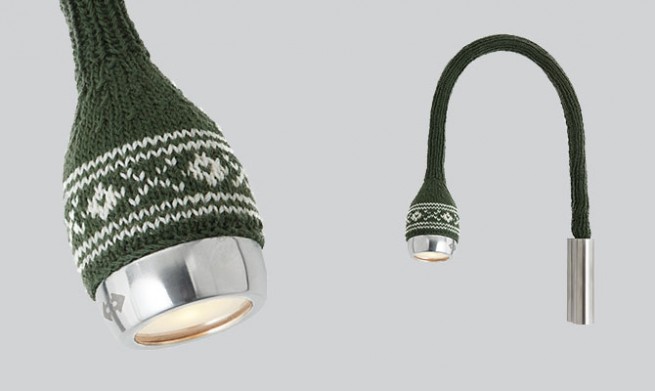
You may also like to read about the Norwegian designer who makes traditionally knitted reading lamps. Just click the image blow.

A Danish Company’s Tribute to Famous Lamp Designers
Click image.

Gianfranco Frattini (1926 – 2004) was an Italian architect and designer. He is a member of the generation that created the Italian design movement in the late 1950s through the 1960s and is considered to have played a major role in shaping it.

A Danish Company’s Tribute to Famous Lamp Designers
A GUBI Tynell ceiling lamp.

Danish furniture designer Kristian Illum Wikkelsø (1919–1999) believed that furniture should be built to last, to indulge the body and to please the eye. He belonged to a group of designers who represented the Golden Age of Danish design during the 1950s and 1960s. With his clear design aesthetic and deep understanding of materials, he was one of the key protagonists to make Danish design style an international phenomenon.

A Danish Company’s Tribute to Famous Lamp Designers
A table lamp designed by The Danish designer Louis Weisdorf.

The Danish designer Louis Weisdorf was born in 1932. He is a graduate from the Royal Danish Academy of Fine Arts in Copenhagen and started his career across all forms of design, from graphics to interiors to furniture.

One of his main projects was in 1961, working as the assistant designer to Simon Henningsen’s Tivoli Gardens in Copenhagen.

You may also like to read about the Norwegian designer who has seen the light. Just click the image below.

A Danish Company’s Tribute to Famous Lamp Designers
Click image.

Paavo Tynell (1890–1973) was born in Helsinki 12 years after the invention of the domestic lightbulb – a time when Finland, like most of northern Europe, was yet to be electrified. Tynell came into the world at precisely the right time to become one of the pioneers of modern lighting; as the electric light spread across the world, so too did Tynell’s design visions. By the time he died in 1973, Tynell was known, fondly, as ‘the man who illuminated Finland’.

A Danish Company’s Tribute to Famous Lamp Designers
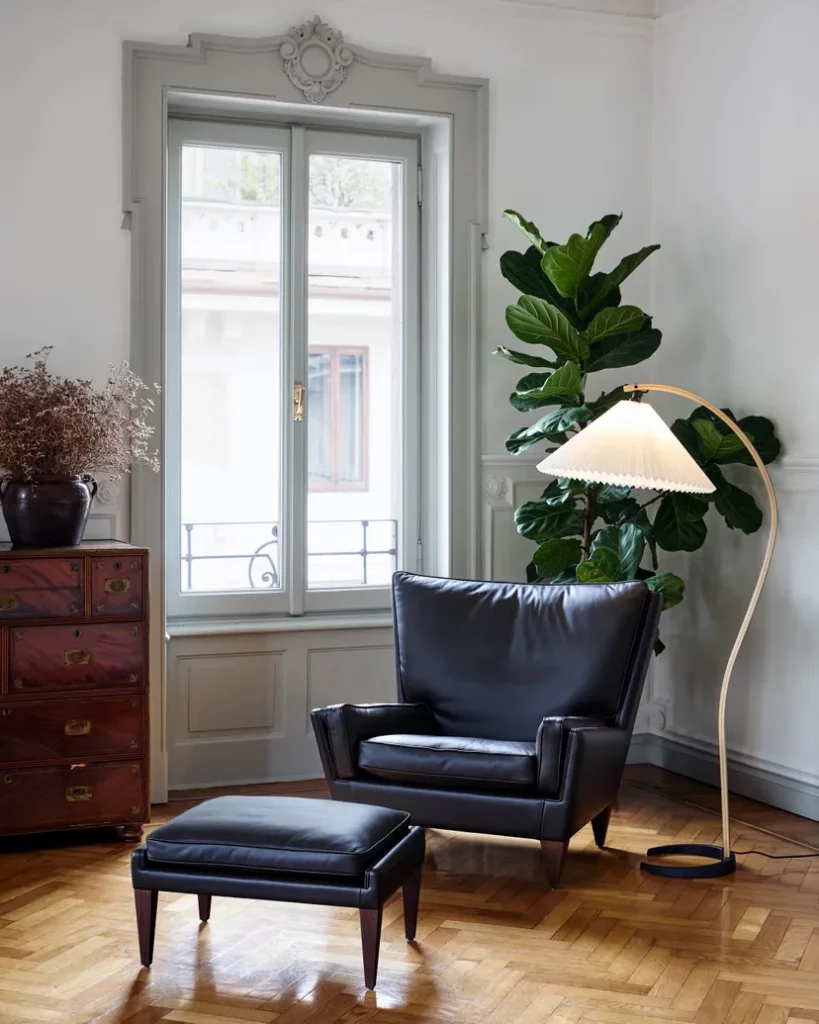
Floor lamp by Illum Wikkelsø

With an influence that far outshines their tiny footprint, GUBI’s lamps often become the defining ingredient of a room’s atmosphere and aesthetics. Sculptural masterpieces in their own right, the lamps complement, contrast, and illuminate the furniture they rest on.

A Danish Company’s Tribute to Famous Lamp Designers, written by Tor Kjolberg

Feature image (on top): Table lamp by Gianfranco Frattini (1926 – 2004).

7 Best Places to Visit in Sweden

0

Settling down in Sweden can take a while, but once you know what you’re doing, it’s a great idea to start exploring and experience some of the country’s most wonderful scenery. Whether you’re working, studying or simply living in the country at the moment, there are some really great places for you to visit in Sweden when you have a day off! In our opinion, these are among the 7 best places to visit in Sweden.

If you’re looking for a day out to remember, here are some of our favorite places to visit in Sweden.

1. Sweden’s Folklore Province

Dalarne is Sweden’s folklore province, as famous for its scarlet Dala horses as its music and merrymaking at Midsummer. Winter attracts skiers challenged by championship events.

Dalarne represents all that is quintessentially Swedish. With its colorful costumes, centuries-old traditions of music and dance, Midsummer festivals and evocative rural landscape, its folklore and beauty attract an increasing number of visitors each year.

Click the image to read more.

7 Best Places to Visit in Sweden
Click image

2. Sweden’s Most Interesting Design City

Sofie Ekeberg Hellsing and Christian Duivenvoorden opened the design store Artilleriet in Gothenburg in 2014. There are many indications that they have become Sweden’s most important interior trendsetters. Welcome to Sweden’s most interesting design city.

According to their website, Artilleriet stands for an eclectic collection of interior, furniture, and details.

Despite the fact that the founders were warned against opening a store in the working-class city of Gothenburg, the fifth largest city in the Nordics, Artilleriet has proven to be a successful trendsetter in interior design.

Click the image to read more.

7 Best Places to Visit in Sweden
Click image.

3. Around Lake Vättern

Lake Vättern covers an area of 1,912 sq km (/38 sq miles). The areas around Lake Vättern in Sweden is worth a visit!

Near the southern tip of the lake, on the west side, is the 14th century timber-built Habo Church, southwest of Habo village. It features an outstanding painted interior, the work of Johan Christian Peterson and Johan Kinnerus, between 1741 and 1743, illustrating Luther’s catechism and biblical scenes.

But there’s a lot more! Click the image to read more.

7 Best Places to Visit in Sweden
Click image

4. One Of The Most Beautiful Rivers in Sweden

The Swedish Värmland region is covered with spruce and pine and crisscrossed with narrow lakes and rivers. The Klarälven river is among its most beautiful.

The river begins turbulently in Norway, where it is called Trysilelva, but gradually becomes broader, winding and sluggish before emptying into Lake Vänern near the province’s largest town Karlstad.

Click the image to read more.

7 Best Places to Visit in Sweden
Click image.

5. East of Leden in Sweden

Magnificent scenery, world-class ingredients and a host of wild spirits have made little Österlen in Sweden a holiday paradise.

Located in the southeast of Sweden, Österlen is a massive region composed of smaller towns with stunning sceneries! There are also tons of things to do in Österlen. “Almost mysterious,” wrote the New York Times about Österlen, giving the area a ninth position on the list of places you should visit.

Click the image to read more.

7 Best Places to Visit in Sweden
Click image.

6. The Castles and Manor Houses in Southern Sweden

Across the Öresund bridge from Denmark, southern Sweden is home to the lively city of Malmö. Castles and Stone Age sites abound, while bathers and birdwatchers head for Öland.

Skåne is Sweden’s most southerly province, so close to Denmark across the narrow sound that even the accent is faintly Danish. For centuries Swedes and Danes fought over this area, along with the provinces of Halland and Blekinge, until Sweden established its sovereignity in 1658.

Click the image to read more.

7 Best Places to Visit in Sweden
Click image.

7. Through the Heart of Sweden on the Göta Canal

If you want to see Sweden at play, head straight for the Göta Canal. This marvel of 19th-century engineering stretches 190 km (118 mi) from Sjötorp on Lake Vänern to the Baltic Sea at Mem and is a real crowd puller.

Whether you are travelling on it or cycling alongside it, you cannot help but be impressed by its sheer scale. Fifty-eight locks, some of them rising to an incredible 90 m (295 ft) above sea level, carry vessels through a chain of stunning natural lakes, making this one of the most impressive waterways anywhere on the planet.

Click the image to read more.

7 Best Places to Visit in Sweden
Click image.

We hope to have inspired you to take a trip out for a day somewhere in Sweden and visit one of our favorite spots. Make sure to check the weather forecast before heading out on an outdoor visit, and consider booking ahead at indoor destinations to avoid missing out. Most of all, enjoy exploring!

7 Best Places to Visit in Sweden, compiled by Tor Kjolberg

Feature image (on top): From Skåne. Photo © Visit Skane

A Taste of Old Bergen – Norway

0

Set in a pretty park in Sandviken, north of the city center, Gamle Bergen Museum takes you back in time to the 18th and 19th centuries. Here, you’ll experience a real taste of old Bergen – Norway.

In the 1800s Bergen was Europe’s biggest wooden city, a distinctive city environment with closely spaced wooden buildings, busy streets, markets, and alleys. Today, you can still feel a breath of nostalgia!

Anyone who has visited Bergen has surely spent some time wandering the alleys of Bryggen, Bergen’s UNESCO World Heritage site. But at Gamle Bergen Museum it is so much more to discover.

A Taste of Old Bergen - Norway
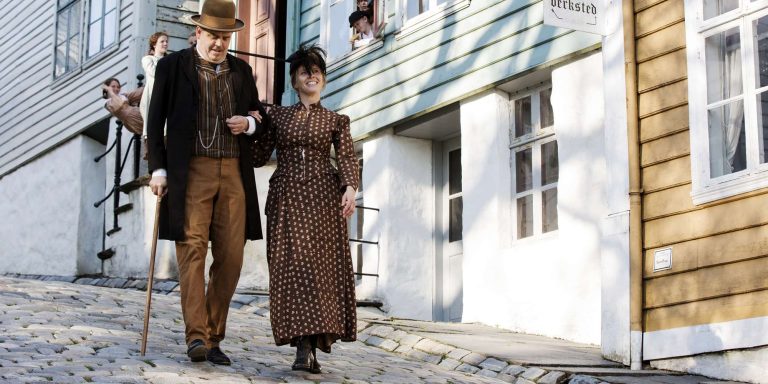
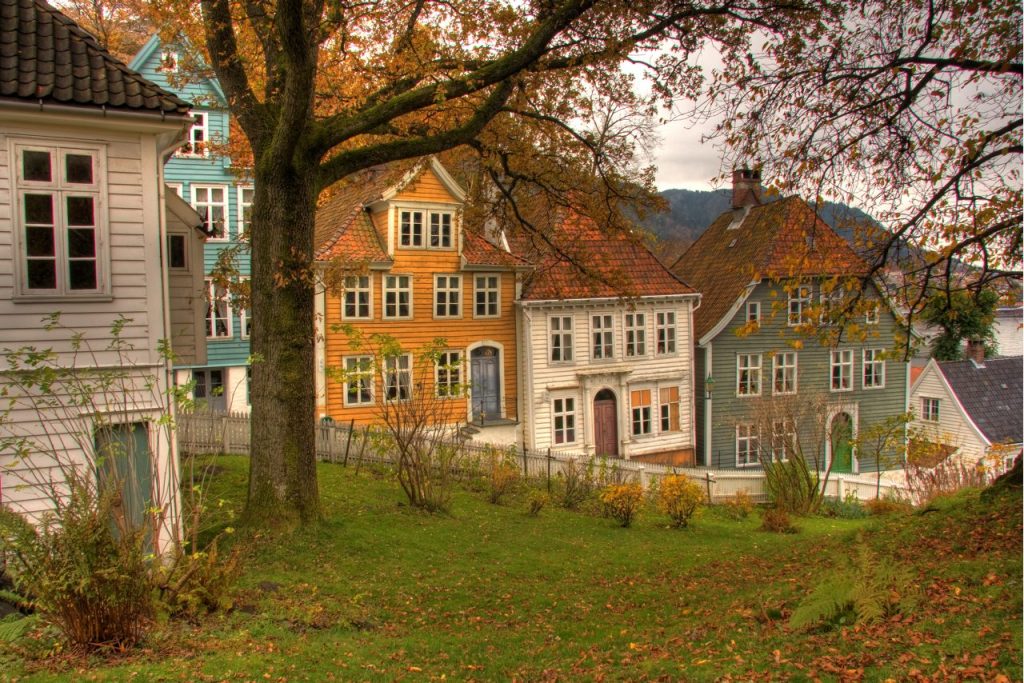
In the 1800s Bergen was Europe’s biggest wooden city.

This evocative old town reconstruction comprises some 50 restored and transplanted wooden houses, shops and businesses set on streets and narrow lanes, including a bakery, photographer’s studio, shop, jeweler and dentist. One word of warning. If you’re the kind of person who gets squeamish at the dentist, you may want to prepare yourself before visiting the dentist’s house!

You may also like to learn about the art museums in Bergen. Just click the image below.

A Taste of Old Bergen - Norway
Click the image

In Old Bergen, the whole family can experience life in the “old days”. Here you can stroll and look in the houses, feed the birds, climb the trees and, not least, visit the Civil Servant’s family in 1826 and the Merchant’s family in 1886.

On the square, short plays are played throughout the day during the summer, and in between it all the children can join in the fun and games. Traditional cinnamon buns, ice cream and soft drinks are sold in the museum kiosk.

Bergen is also known as a music paradise. Click the image to learn more.

A Taste of Old Bergen - Norway
Click the image.

Gamle Bergen is Norwegian for Old Bergen, and the museum is a family-friendly place with activities for children, entertainments in the open-air theatre and a restaurant. Actors make history come alive. What did the city look like? What did people talk about?

A highlight of the museum is the live re-enactments. The short performances are designed to be a comedic “slice of life” from the 19th century.

A Taste of Old Bergen - Norway
This evocative old town reconstruction comprises some 50 restored and transplanted wooden houses. Photo: Wikipedia

During high season there is also a passenger ferry service from downtown Bergen. The ferry, Beffen, is a charming old boat. Departure times from the Fish Market every hour between 11:00 and 16:00.

The cruise starts at the Fish Market (by the round tower/Narvesen newsagent). The first stop is at Nordnes (Tollbodkaien), then onwards to Sandviken (Norwegian Fisheries Museum), the final stop is Old Bergen Museum. The round-trip takes 1 hour and 25 minutes (from Vågen).

By bus it is just a 7-minute bus ride (20,24) from the tourist information office by the harbor (Vågsalmenningen).

A Taste of Old Bergen – Norway, written by Tor Kjolberg

Ukrainian Vodka Imported to Norway

0

Some of the world’s best and purest vodkas are produced in Ukraine. When the country is at war, it is important that the best products continue to add currency to Ukraine. Ukrainian vodka is imported to Norway by Det Norske Brenneri.

Ukraine is a country that has long been associated with the production of vodka — the clear spirit is consumed at home and imported throughout the world. And even as Russia continues to wage war against Ukraine, the vodka keeps flowing. Ukrainian Spirit is a historical brand of vodka and a visit card of entire spirits and vodka industry of Ukraine. It embodies character, history, spiritual heritage, and traditions of the Ukrainian people.

“It all started when I, like everyone else, was upset by the Russian invasion of Ukraine. New war in Europe. Suffering and death. So, we decided to donate an entire trailer load of hand sanitizer to the hospitals in Ukraine. This was done via the Norwegian-Ukrainian Chamber of Commerce. The cargo was sent in secret because of the risk of fire,” says Odd Johan Nelvik in Det Norske Brenneri.

Ukrainian Vodka Imported to Norway
“It all started when I, like everyone else, was upset by the Russian invasion of Ukraine.,” says Odd Johan Nelvik in Det Norske Brenneri. Photo: Tor Kjolberg/Daily Scandinavian

You can read more about Det Norske Brenneri by clicking the image below:

Ukrainian Vodka Imported to Norway
Click the image.

As might be expected, Ukrainian vodka is garnering increased attention during this wartime period. And Russian vodka? Not so much. Russian vodka experiences a decrease in sales all over the world since many countries have decided to ban Russian-made spirits, as a gesture of support to the Ukrainian people.

Ukrainian Vodka Imported to Norway
Ukrainian Spirit is originating from the Woodlands of Volyn

However, the secret of the Ukrainian Spirit is, according to Nelvik, its classic recipe and quality control of raw materials and finished products at all stages of the production process.

You can also read about Spirits of Norway by clicking the image below.

Ukrainian Vodka Imported to Norway
Click the image

“With such a good product, it is important that Ukraine can sell its products, that people are working and that society functions where there are no acts of war. We were sent samples, and our master blender Jon Bertelsen had no doubts. “Ukranian Spirit is super premium quality,» says Nelvik.

Absolute quality of the Ukrainian Spirit is achieved thanks to the unique technology of “single water”. The taste of the beverage is formed by the use of homogeneous crystal-clear water, which spirits and vodka are made of.

Ukrainian Spirit Vodka is originating from the Woodlands of Volyn – from the historic town of Lutsk, founded in 1085. Ukrainian Spirit Vodka is a legacy brand stemming back to the early 19th century. Located in Western Ukraine, on October 27th 1838, the distillery and brewery were established by decree of the Volyn Region Governor-General.

The first written account of the enterprise was made in the journal, “Economic Status Of Cities settled in Volynskaya Governorship” (1861–1862). It recorded that two major products: beer and spirit were produced at this location.

In 1918, Lutsk City Council issued a decree that all bottle labels must state the brand name and geographic location of the distillery.

The Communist authorities nationalized the distillery in 1939 after Western Ukraine was invaded by the Soviet Union.

The brewery was re-established into a Vodka distillery in 1944 under the stewardship of the Volyn Regional Executive Committee.

Ukrainian Vodka Imported to Norway
Master blender Jon Bertelsen at Det norske Brenneri.

In 1991, Ukraine became free from Soviet control. Ukrainian Spirit became independent and was able to explore its own identity on the world stage.

Ukrainian Spirit Vodka is available at Vinmonopolet in Norway and priced at NOK 450 (70 ml).

Ukrainian Vodka Imported to Norway, written by Tor Kjolberg

The U.S. Embassy Opens Diplomatic Presence in Arctic Norway

0

In a press release from the U.S. Embassy in June Secretary of State Antony Blinken announced that the U.S. Embassy in Oslo plans to open an American Presence Post in Tromsø, Norway later this year. So, the U.S. Embassy opens diplomatic presence in Arctic Norway.

Last Friday, 27th October, the United States opened its northernmost diplomatic station, highlighting the increased importance of the Arctic region for Washington at a time when cooperation among Arctic nations has been hit by Russia’s invasion of Ukraine. It is the U.S. sole such post above the Arctic Circle.

The U.S. Embassy Opens Diplomatic Presence in Arctic Norway
Tromsø is the largest city in Arctic Norway, located about 400km (250 miles) west of Russia. Norway and Russia share a border in the Arctic. Photo: Vegard Stien/Visit Tromsø

The press release said that “the office in Tromsø will further contribute to the close cooperation between the United States and Norway on our shared stewardship of the vitally important Arctic region.  We share the vision that the Arctic continue to be characterized by stability and peaceful cooperation.”

The U.S. Embassy Opens Diplomatic Presence in Arctic Norway, the article continues.
_________________________________________________________________________
You may also like to read The Norwegian Constitution and Norway’s Links to the USA
_________________________________________________________________________

“Symbolically, it is significant,” Andreas Østhagen, a senior research fellow at the Oslo-based Fridtjof Nansen Institute, told Reuters on Tuesday.

The U.S. Embassy Opens Diplomatic Presence in Arctic Norway
“Symbolically, it is significant,” said Andreas Østhagen, a senior research fellow at the Oslo-based Fridtjof Nansen Institute.

“The Tromsø American Presence Post will strengthen our collaboration with Norway on the climate crisis, people-to-people ties, trade, and security,” Elizabeth Marie Allen, the State Department’s assistant secretary for public diplomacy and public affairs said on X.

The U.S. Embassy Opens Diplomatic Presence in Arctic Norway
“The Tromsø American Presence Post will strengthen our collaboration with Norway on the climate crisis, people-to-people ties, trade, and security,” said Elizabeth Marie Allen, the State Department’s assistant secretary for public diplomacy and public affairs. Photo: Wikipedia

As one of eight Arctic nations, the United States has long been committed to protecting its interests and the interests of its Allies and partners in the Arctic, combating climate change, fostering sustainable development and investment, and promoting cooperation among Arctic states.

The office will have one diplomat, whose work will focus on business outreach, science and the Arctic Council, a polar body comprising the eight Arctic states of Russia, the U.S., Canada, Finland, Norway, Iceland, Sweden and Denmark.

The U.S. Embassy Opens Diplomatic Presence in Arctic Norway, the article continues.
_________________________________________________________________________
You might also like to read about the American Lab Girl Who Established a Research Laboratory in Norway
_________________________________________________________________________

Tromsø is the largest city in Arctic Norway, located about 400km (250 miles) west of Russia. Norway and Russia share a border in the Arctic. Tromsø is the seat of the Arctic Council secretariat, the international forum made up of Canada, Denmark, Finland, Iceland, Norway, Sweden, Russia and the United States. The city is also near the Finnish, Swedish and Russian Arctic.

The U.S. Embassy Opens Diplomatic Presence in Arctic Norway, reporting by Tor Kjolberg

Poland Buys 2 Swedish Airborne Surveillance Systems

0

This summer, Poland signed a contract to buy 2 Swedish Saab 340 AEWC-300 aircraft – one of the most widely used airborne surveillance systems in the world. Read the full article Poland Buys 2 Swedish Airborne Surveillance Systems.

The acronym AEWC stands for Airborne Early Warning and Control. The price for the two planes is approximately 600 million Swerdish crowns ($57.81 million) and the contract period is 2023-2025.

The contraption 340 AEWC mounted atop the Saab 340 twin-prop plane, which affords it such a designation, is the Erieye radar system.

Poland Buys 2 Swedish Airborne Surveillance Systems
The acronym AEWC stands for Airborne Early Warning and Control.

“Thanks to this, NATO’s eastern flank will be strengthened, and Polish airspace will become safer,” Mariusz Blaszczak said on messaging platform X, formerly known as Twitter.

You might also like to read our report on Norwegian researchers’ on Ukraine’s astonishing defense.

The early warning systems comprise the Saab 340 aircraft equipped with Saab’s advanced Erieye radar. The contract also includes ground equipment and in-country logistics and support services, the company said in a statement.

Poland Buys 2 Swedish Airborne Surveillance Systems
The contraption 340 AEWC is mounted atop the Saab 340 twin-prop plane

So far these two planes have had one careful owner, the United Arab Emirates, which bought them in 2009 and returned them 11 years later as a part-exchange for Saab’s more advanced GlobalEye AEWC platform, based on the Bombardier Global 6000.

You might also be interested in reading about a Danish film which the producer described as a warning sign of the dangers of European disunion.

Poland is modernizing its armed forces as a result of the war in neighboring Ukraine, and plans to spend around 5% of gross domestic product on defense this year, more than twice the minimum Nato treshold.

Poland Buys 2 Swedish Airborne Surveillance Systems
“Saab has had a strong relationship with the Polish Ministry of National Defense for many years.,” says Carl-Johan Bergholm, head of Saab’s business area Surveillance.

“Saab has had a strong relationship with the Polish Ministry of National Defense for many years. We are proud to further strengthen Poland’s Armed Forces with our airborne early warning and network-based solutions,” says Carl-Johan Bergholm, head of Saab’s business area Surveillance.

The Saabs will begin to give Poland its own AEWC capacity, currently covered through Boeing E-3 AEWC planes furnished by NATO allies.

Poland Buys 2 Swedish Airborne Surveillance Systems, reporting by Tor Kjolberg

World’s First Coffee Biorefinery Opened in Denmark

0

Through cutting-edge bioscience, a new Danish start-up, Kaffe Bueno, unlocks the full potential of coffee. The world’s first coffee biorefinery has opened in Denmark.

“For every ton of oil we extract from coffee grounds, we save the atmosphere 56 tons of CO2. While protecting the environment and climate, we also utilize a much larger portion of coffee’s nutritional content. We must think in terms of better and more gentle utilization of nature’s resources,” says one of the three founders of Kaffe Bueno, Alejandro Franco.

World’s First Coffee Biorefinery Opened in Denmark
“We are aiming to replace are derived petrochemicals, synthetics with an energy-intensive manufacturing process or unsustainable and imported such as the case of palm oil,” says CEO Juan Medina.

9 billion kilos of coffee are consumed yearly worldwide and the residue is treated as waste, left to decompose in landfills, generating tons of harmful methane or, at best, burned for energy. “The yearly environmental impact of coffee waste decomposition is equivalent to 10 million car emissions. Furthermore, and most importantly, all the ingredients which we are aiming to replace are derived petrochemicals, synthetics with an energy-intensive manufacturing process or unsustainable and imported such as the case of palm oil,” says one of the other founders and CEO Juan Medina.

You can read more about Scandinavian coffee culture by clicking the image below.

World’s First Coffee Biorefinery Opened in Denmark
Clkick the image.

Coffee is a highly bioactive plant filled with antioxidants, fatty acids, diterpene esters, and proteins – all of which are beneficial for human health, skin and well-being. But when brewing a cup of coffee, only 1% of the potential in the coffee bean is being utilized, making it one of the most undervalued resources in the world.

All the three founders are Colombian entrepreneurs who aim to challenge coffee as perhaps the world’s most underutilized raw material.  “Attitude is all that matters,” says Juan and adds,  “You need positive energy and a willingness to make it happen. If you see only limitations, of course you’re going to get stuck.”

You can read about Scandinavian coffee-making champions by clicking the image below.

World’s First Coffee Biorefinery Opened in Denmark
Click the image

The small company Kaffe Bueno aiming to change people’s relationship with coffee is based in Copenhagen. Its state-of-the art upcycles coffee-by products into high-performance ingredients for consumer and industry products. And makes sure that the other 99% of the potential is put to work.

Imagine washing your hands and hair with soap and shampoo made from coffee. Or how about applying lotion with coffee after a shower, using a foundation with coffee as part of your makeup, or eating a pastry baked with coffee. This is only a part of Kaffe Bueno’s business concept.

World’s First Coffee Biorefinery Opened in Denmark
The three founders are Colombian entrepreneurs who aim to challenge coffee as perhaps the world’s most underutilized raw material.

The three founders grew up around coffee in Colombia. “Coffee in Colombia, is way more than only a beverage. Denmark offered a very business-friendly environment, with a strong focus on sustainability and biotech, so we set up shop back in 2016,” explains Juan Medina.

World’s First Coffee Biorefinery Opened in Denmark, written by Tor Kjolberg

Is It Safe To Travel Abroad?

I have rarely felt uncomfortable or insecure when traveling – even if it is off the beaten path. However, global conflicts and climate crises, ranging from a series of coups across Africa to earthquakes and floods in catastrophe-prone countries, have affected international travel patterns in recent months. But if you’re checking your government’s Not To Travel list, you should not miss the opportunity to enjoy our fascinating world. Is it safe to travel abroad? Absolutely, if you follow some guidelines.

A combination of research and common sense will help you avoid any unwanted incidents. The U.S. State Department issues travel advisory levels for more than 200 countries globally, continually updating them based on a variety of risk indicators such as health, terrorism and civil unrest. Travel advisory levels range from Level 1, which means exercise normal precautions, to Level 4, which means do not travel there.

Also, the British government has a comprehensive list of travel advise. So has most other governments.

When abroad, pay attention to your surroundings. Even in our home cities, we have dark alleys we avoid at night. Only 10% of countries – 21 total – have a Level 4: “Do Not Travel” advisory as of October 2023. In Level 4 countries, governments may have “very limited ability” to step in should travelers’ safety or security be at risk. Crime, civil unrest, kidnapping and terrorism are common risk factors associated with Level 4 countries.

Is It Safe To Travel Abroad?
A combination of research and common sense will help you avoid any unwanted incidents.

But there are so many opportunities to see other parts of the world (just follow our new series Scandinavian Explorers), and if you use the same common sense when you are traveling as at home, you should indeed follow your travel bug.

If you’ve taken the time to plan a dream Scandinavian vacation, the last thing you want is to get sick while you’re away. If the COVID-19 pandemic has taught us anything, it’s that we shouldn’t take health and safety precautions lightly. It doesn’t take much for a virus to pass from one person to another, especially now that many COVID safety precautions have been lifted. In this article our contributing writer, Ainsley Lawrence, gives us some good advise.

Is It Safe To Travel Abroad?
Click the image to read the article by Ainsley Lawrence.

Research Your Destination Beforehand

Understanding local cultures, rules, laws, crime rates, weather conditions, attitudes, etiquette, price of things and similar information is important. Read local reports on the internet and follow up on current events, especially any political unrest. With more than 2,500 articles, you can find lots of information by visiting https://www.dailyscandinavian.com/. Use our search function to the right in our top bar.

Few things are more exciting than traveling internationally. When going abroad, you experience all the beautiful cultures that make up our world. Many people are wary of international travel, fearing that it is dangerous. For the most part, traveling throughout the world is very safe.

Scandinavian countries have an excellent reputation among tourists, as found in a 2008 article published in the journal, Scandinavian Studies, by Eric Schaad. In particular, Scandinavia is a place that is famed for its order and safety. However, there are some stubbornly myths, and here our contributing writer Karoline Gore is debunking some of the myths about Scandinavia.

Is It Safe To Travel Abroad?
Scandinavia is a place that is famed for its order and safety. Photo: Seth Kane/Unsplash

Yes, some areas of the world will require you to use increased caution when visiting, but don’t let some “do not travel” countries rob you of the desire to experience the many wonderful travel experiences that are just waiting for you.

Is It Safe To Travel Abroad? written by Tor Kjolberg