
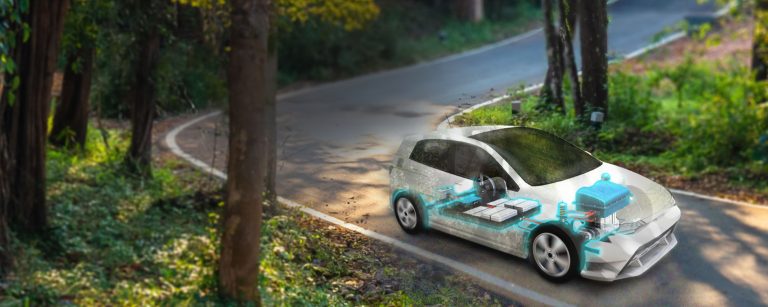
Solar-Powered Road Trips: Driving Toward a Greener Future

0

In the pursuit of sustainable travel, solar-powered road trips have emerged as a promising way to reduce our carbon footprint while exploring the beauty of our world. With a focus on environmental consciousness and adventure, this article will delve into the realm of solar-powered road trips, whether you’re in Scandinavia or elsewhere in the world. 

The Dawn of Solar-Powered Road Trips

Solar-powered road trips combine the boundless freedom of the open road with the limitless clean energy provided by the sun. It is an ingenious blend, harnessing the immense potential of renewable power. But what exactly is a solar-powered road trip?

Understanding Solar-Powered Road Trips

A solar-powered road trip involves driving a specially designed electric vehicle (EV) equipped with solar panels. These panels, usually mounted on the vehicle’s roof or hood, capture sunlight and convert it into electricity. This electricity can then be used to power the vehicle’s motor or stored in batteries for later use. In essence, it is a voyage fueled by the mighty sun.

Solar-Powered Road Trips: Driving Toward a Greener Future
heatso.com has a wide range of solar panels and kits for solar-powered road trips.

The Mechanics Behind Solar-Powered Road Trips

Solar Panels and Energy Conversion

Solar panels, often composed of photovoltaic cells, are the workhorses of this green travel revolution. When exposed to sunlight, these cells generate a flow of electricity through the photovoltaic effect, and stores like heatso.com have a wide range of solar panels and kits for solar-powered road trips. This energy can be harnessed to charge the EV’s batteries or directly power the vehicle.

Battery Storage Systems

Efficient battery storage is key to these journeys. During periods of abundant sunlight, excess energy generated by the solar panels is stored in high-capacity batteries. This stored energy becomes crucial during cloudy days or when driving during the night, ensuring uninterrupted travel.

Solar-Powered Road Trips: Driving Toward a Greener Future
Solar-powered driving may be the next big thing. Photo: Inhabitat.

Electric Motors and Efficiency

Solar-powered vehicles are typically equipped with electric motors, which are renowned for their efficiency. Unlike internal combustion engines, electric motors convert a higher percentage of the stored energy into motion, reducing energy waste and increasing the overall range of the vehicle.

Solar-powered driving may be the next big thing. Norway has been a leading exponent for electric vehicles, so you might like to read about the Norwegian electric vehicle success story? Just click the image below.

Solar-Powered Road Trips: Driving Toward a Greener Future
Click the image.

Destinations for Solar-Powered Road Trips

Now that we’ve established the allure of solar-powered road trips let’s explore some captivating destinations that are perfectly suited for this eco-conscious form of travel.

1. Australia’s Outback

The vast, sun-drenched landscapes of Australia’s Outback are an ideal playground for solar-powered road trippers. Endless highways and remote terrain provide the perfect canvas for an off-grid adventure.

2. California’s Pacific Coast Highway

For those seeking a scenic coastal journey, California’s Pacific Coast Highway offers breathtaking views of the Pacific Ocean. With abundant sunshine and charging stations along the route, it’s a solar-powered road trip dream.

3. Norway’s Fjords

Norway’s dramatic fjords and pristine wilderness beckon eco-conscious travelers. With an extensive network of EV charging stations and ample sunlight during the summer months, it’s a solar-powered paradise.

Want to read about driving along the Norwegian fjords? Just click the image below.

Solar-Powered Road Trips: Driving Toward a Greener Future
Click the image.

A Bright Future for Green Travel

Road trips powered by solar energy combine technology, sustainability, and adventure in a perfect fusion. They provide an exceptional chance to embark on thrilling expeditions while reducing our ecological footprint. As we embrace a more environmentally conscious future, these eco-friendly excursions may well become the standard rather than the rarity.

So, are solar-powered road trips the future of travel? Can we truly embrace a sustainable, solar-driven lifestyle on the open road? Travelers hold the key to answering these questions. By embarking on a solar-powered adventure, you not only explore the world but also contribute to a greener, more sustainable future.

When planning your upcoming road trip, think about tapping into solar energy. It’s not just a mere journey; it’s a stride towards a brighter, eco-friendly future. After all, every mile you drive powered by sunlight is a mile closer to a greener planet for us all.

Solar-Powered Road Trips: Driving Toward a Greener Future, written for Daily Scandinavian by Jessie Finley.

Feature image (on top) © inhabitat.com
Norwegian Cotton Factory – One of the Best Art Exhibition Halls Outside the Capital

On the occasion of the 300th anniversary of Arendal city, Bomuldsfabriken (The Cotton Factory) invited 11 visual artists to perform site-specific works that engage in dialogue with Arendal’s history. The exhibition runs through 7 January 2024. Learn more about the Norwegian cotton factory – one of the best art exhibition halls outside the capital.

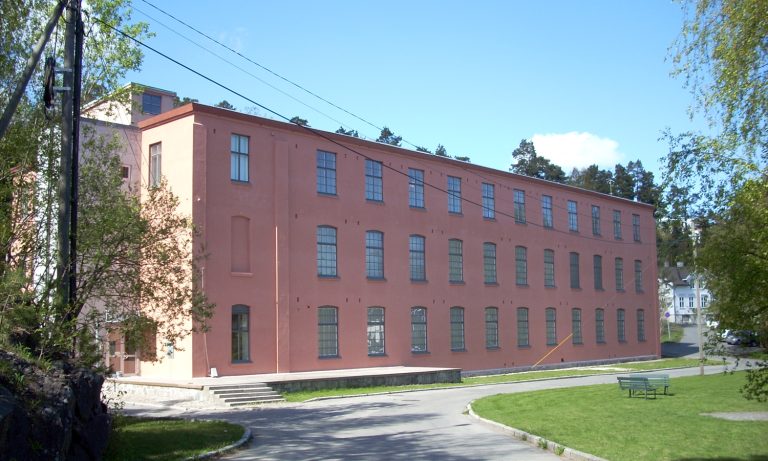
Bomuldsfabriken Kunsthall, located next to the idyllic Langsæ lake, houses a two-storey exhibition space of a total of 1,200 square meters.

The anniversary exhibition shows a wide range of approaches, in which 11 visual artists process specific events in Arendal’s history. The curatorial starting point emphasizes events or places that have shaped the city’s identity, including the city status Arendal gained in 1723.

Norwegian Cotton Factory – One of the Best Art Exhibition Halls Outside the Capital
The anniversary exhibition shows a wide range of approaches.

Revealing new aspects

The artists had no institutional affiliation or obligation and could therefore move across the fragile bridge between past and future with fiction and the subjective approach of dreams. The project has the potential to reveal new aspects or shed light on other, under-communicated political themes connected to Arendal’s history and neighboring areas’ ecology and social relations.

The exhibition is a collaboration between Bomuldsfabriken kunsthall and KUBEN Aust-Agder museum and archive, which has given the artists access to archive material and expertise from the professional staff at the institution. The exhibition shows a wide range of media such as textiles, sculpture, photography, painting, installation, film and site-specific processing of space and architecture.

Norwegian Cotton Factory – One of the Best Art Exhibition Halls Outside the Capital
From the Louis Moe’s Salon.

Participating artists

Regien Cox, Jan Freuchen, Gunnhilde Høyer, Jonas Høgli Major, Sigurd Tenningen, Mirjam Raen Thomassen, Christina Leithe H, Anders Sletvold Moe, Per Kristian Nygaard, Birgitte Sigmundstad and Astrid Runde Saxegaard.

Bomuldsfabriken Kunstall is Southern Norway’s largest location for contemporary art with changing exhibitions and a permanent art collection with works by Norway’s leading artists. The former textile factory from 1898 is located in lovely surroundings next to the Langsæ lake and is within walking distance (1,5 km) from the town center.

The ground floor is used for temporary exhibitions. The 1st floor contains the gallery’s own, permanent, collection.

Norwegian Cotton Factory – One of the Best Art Exhibition Halls Outside the Capital, written by Tor Kjolberg.

Feature image (on top) © Wikipedia.

Other articles on contemporary art you might like to read:

Exceptional Norwegian Contemporary Art Gallery

Norwegian Cotton Factory – One of the Best Art Exhibition Halls Outside the Capital
Click image.

The World’s Northernmost Art Museum

Norwegian Cotton Factory – One of the Best Art Exhibition Halls Outside the Capital
Click image.


Norwegian Delay Compensation: Getting What You Deserve

Facing unexpected issues like flight delays or cancellations can really mess up your travel plans. When you book a flight with Norwegian, it’s very important to know your rights about getting money back or other types of compensation when things go wrong. Learn more about Norwegian Dealy compensation and getting what you deserve.

There are times when you can get a Norwegian cancel flight refund if your flight is canceled or delayed. Knowing what you can get and how to ask for it is helpful. This article is here to explain the ways you can claim what you deserve when things don’t go as planned with your flight.

Norwegian Delay Compensation: Getting What You Deserve
The Norwegian cancel flight refund and compensation scope are meticulously crafted.

Understanding Norwegian Delay Compensation Laws

Norwegian delay compensation laws, harmonized with European Union regulations, act as a bulwark for passengers encountering flight disruptions. These laws explain the circumstances warranting compensation and the respective remuneration you can anticipate. Essentially, they have been instituted to control Norwegian Air’s adherence to preserving passenger rights amidst unforeseen disruptions. The linchpin of these regulations is the EU Regulation 261/2004, which presents the rights of air passengers in the event of denied boarding, cancellations, or long delays of flights.

Under the scope of this regulation, Norwegian Air is obligated to provide assistance and, where necessary, monetary compensation to passengers. These compensations are not merely a courteous gesture, but a binding legal obligation, thereby instilling a sense of security among passengers. The laws serve as a deterrent, ensuring airlines, including Norwegian, operate with a high degree of punctuality and reliability.

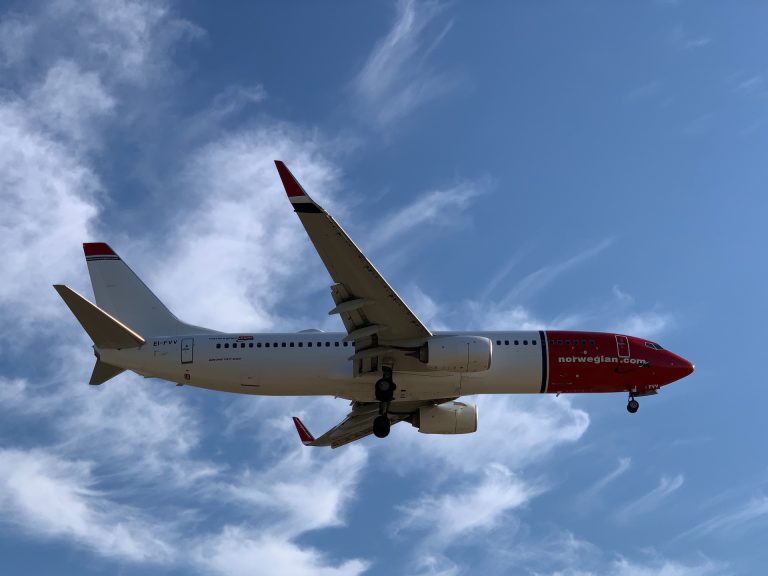
You may also like to learn more about Norwegian’s tail fin heroes? Just click the image below.

Norwegian Delay Compensation: Getting What You Deserve
Click the image.

Types of Flights Covered by Norwegian Delay Compensation

Delving into the flights under the purview of Norwegian delay compensation, both domestic and international flights helmed by Norwegian are included. This implies a broad umbrella of protection, whether one is embarking on a domestic flight or venturing across international frontiers. The Norwegian cancel flight refund and compensation scope are meticulously crafted to summarize a myriad of flight scenarios, safeguarding passengers’ interests irrespective of the geographical itinerary.

The quintessence is that the EU laws are not confined to European airspace but extend to any flight departing from or arriving at an EU airport, under the protection of Norwegian Air. This amplifies the significance of understanding the breadth of coverage provided by the Norwegian delay compensation scheme.

Norwegian Delay Compensation: Getting What You Deserve
The calculation of compensation is predicated on multiple factors. Photo: Kit Suman/Unsplash.

Calculation of Compensation Amount

The calculation of compensation is predicated on multiple factors, mainly the flight distance and the extent of delay. It’s important for passengers to have a clear comprehension of these variables to accurately calculate the recompense they are entitled to. The remuneration depends on the flight’s geographical span, categorizing them into short-haul, medium-haul, and long-haul, with each stating a distinct compensation amount.

The duration of delay, particularly in situations where the delay spans beyond three hours, also profoundly impacts the compensation amount. Additionally, circumstances deemed as ‘extraordinary’, where the airline could not have averted the delay despite all reasonable measures, may exempt Norwegian Air from the compensation liability. Therefore, having a complete understanding of these nuances is indispensable for passengers seeking to claim their rightful compensation.

Want to know how to find your best seats when booking your next flight? Just click the image below.

Norwegian Delay Compensation: Getting What You Deserve
Click image.

Claiming Norwegian Delay Compensation

To initiate a claim, passengers are required to fill out the Norwegian Air flight delay compensation form. This is the primary step towards getting compensated.

Here are the steps involved in claiming compensation:

  • Obtain the Norwegian Air flight delay compensation form from the airline’s official website or at the airport;
  • Fill out the requisite details and append any supporting documents;
  • Submit the form and await acknowledgment from Norwegian.

The process underscores the importance of being proactive and having the necessary documentation at your disposal. This form is a vital tool in this process, bridging the gap between passengers and the airline in matters of compensation.

Norwegian Delay Compensation: Getting What You Deserve
– In Conclusion

Getting the right compensation from Norwegian when your flight is delayed or canceled depends on knowing the Norwegian delay compensation laws, what flights are covered, and how the compensation amount is figured out. The key to claiming your money is filling out the Norwegian air flight delay compensation form.

Norwegian Delay Compensation: Getting What You DeserveHave you ever experienced flight disruption with Norwegian Air? How did you handle it? Please let us know. Add comments.
Norwegian Delay Compensation: Getting What You Deserve, written for Daily Scandinavian by Skycop/Abigail A. Laidlaw.

Feature image (on top): Photo ©  John Cameron/Unsplash

Norway’s National Drink

0

Norwegian cider has been said to be made by the Vikings in Norway, and Norway’s national drink is more popular than ever.

The Norwegian cider traditions have deep roots in the country’s culture, and the fermented apple juice is today suitable with many types of food. Cider brewing dates at least all the way back to the 13th century and now the drink is experiencing a surge in popularity.

The first recorded production of cider dates back to the Roman Empire, when it was made from native European crab apples, which grew wild throughout the continent. The definitive origin of this fizzy alcoholic drink is disputed, however. Some claim the Celtic Britons invented the drink after the Romans introduced the cultivation of crab apples around 50 CE, but others believe that some apple-based drinks were made long before that.

Norway’s National Drink
The only regulation for what cider you can and should produce in Norway is the one that was given to Hardanger cider in 2009. Photo: Visit Bergen

Global recognition

There is a wide variety of cider styles in the world. There are also international competitions, such as the World Cider Awards, in which participants compete in 11 different taste categories, where many of the categories also have their own subcategories. In Norway, the only regulation for what cider you can and should produce is the one that was given to Hardanger cider in 2009.

Norway’s cider isn’t just popular with locals and tourists. It’s also received global recognition from a number of different groups. Most recently, Norwegian cider received acclaim at the Sagardo Forum, a cider competition hosted in Spain. Ulvik Frukt & Cideri won best in category for modern cider. And, Aakre Gard won best in category for premium carbonated cider.

The Hardanger region is home to stunning apple orchards. The plants thrive in the region due to the proximity of the Fjords, which reflect light onto the steep slopes, allowing the apple orchards to flourish. In addition, the gulf stream prevents the area from getting too cold during the winter months which also helps the plants thrive. The result is an incredible fruit that makes delicious, unique cider.

Norway’s National Drink
The Cider House in Sognefjord. Photo: Fjord Norway

Introduced by Cisterican monks

It was Cistercian monks who immigrated from England who planted and introduced the cultivation of apples in the Hardangerfjord region. They taught fjord farmers how to grow and maintain the orchards, kick-starting a passion for apple products, and among them was the celebrated cider. Little did they know that they had unintentionally chosen one of the best spots in the country for this task.

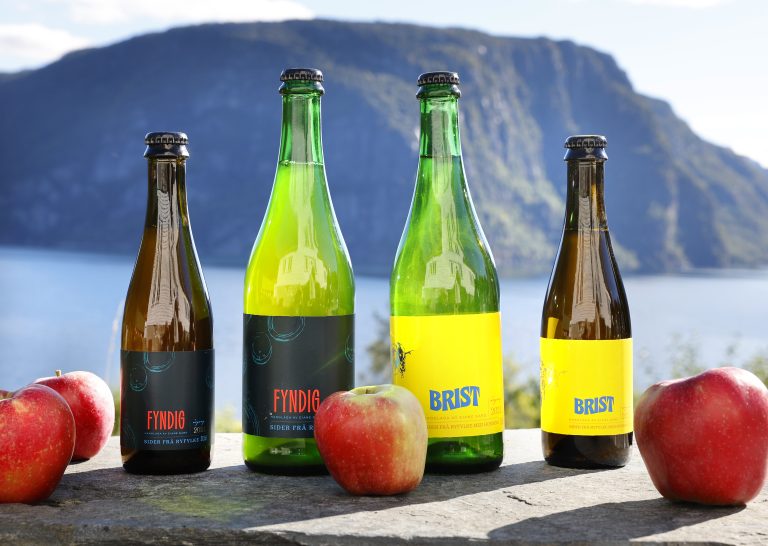
The cider style from Hardanger is generally made from table apples. These are apple varieties such as Aroma, Discovery and Gravenstein. These varieties contain a lot of freshness and acidity, but relatively low tannin levels. The counterpart to these apple types are specific cider apples, which are found mostly in Britain and France, but also in smaller quantities in Hardanger and Sogn.

The Champagne of apple cider

The apples in Hardanger are known to be so good that the award-winning cider made from this region is considered to be the “Champagne of apple cider“, and was granted Protected Geographical Indication status in 2009, a European food and drink quality label that protects a product of heritage from being copied outside of its production geography.

The most common cider from Hardanger contains around 20 grams of sugar per liter (gr./l.) with an alcohol content of approx. 6.5% and is acidic and fresh with low bitterness. It is usually very aromatic and can be enjoyed with many different foods.

Norway’s National Drink
ACider Tours in the Hardanger should be on your bucket list. Photo: Fjord Tours.

Cider Tours in Hardanger

If you’re a fan of cider beverages and you’re planning your trip to Norway, visiting the Hardanger region should be at the top of your list. The Cider Tours in the Hardangerfjord is a great way to explore the region and taste some amazing Cider! During the tour, you learn about the production and manufacturing of the drink first-hand. You will be able to sample the incredible array of ciders and learn about what creates the unique flavors in each type of cider.

Just as there are natural wines, today there are several Norwegian producers who make what is labelled natural cider, for lack of a more precise term. “Natural” as a description is at least as imprecise for cider as it is for wine. For example, is there such a thing as unnatural cider?

Symbol for life, fertility and knowledge

Although the idea of Vikings making cider is only a probability, there’s proof that cider was produced and sold as early as the 13th Century in Norway.

In popular Norse mythology, the Goddess Idunn supplied apples to the Gods to preserve their youth and immortality. Without Idunn and her apples, the Gods of Åsgård would face threats of aging and death. As a symbol for life, fertility, and knowledge, it is no wonder that this humble fruit had such a place in history.

Norwegian cider continues to gain status, with gold and silver wins at various international cider awards, the most recent being the Nordic International Cider Awards held in Bergen in 2022. It’s proof that the heritage of working with apples, even if it cannot be credited entirely to Norway’s Viking roots, has been awakened.

You may also be interested in reading:

Everything Smells of Apples in Hardanger

Just click the image below to read the story.

Norway’s National Drink
Click the image to read more.

A Taste of France in Hardanger, Norway

Just click the image below to read the story.

Norway’s National Drink
Click the image to read more.

Norway’s National Drink, written by Tor Kjolberg

Feature image (on top): © Eiane Gard, Ryfylke foto/Pål Christensen

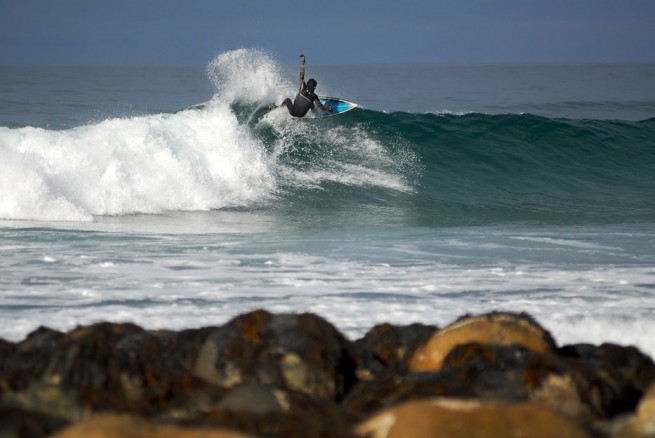
Uncharted Waters: Scandinavian Surf Culture

Amongst the lakes, forests and fjords, surfers are finding a new home in the waves in Scandinavia. Characterized by a deep connection with nature and an appreciation for a wonderfully raw part of the world, local surfers are taking to the waves like never before. In this article, we take a look at the world’s lesser-known spots and uncover a world of surfing that not everyone knows exists. Dive into unchartered waters: Scandinavian surf culture.

Scandinavian Surfing On The Rise

Given the effortlessly cool culture and aesthetic that shines bright across Scandinavia, in some ways it makes sense that surfing is finding its place across the region. Gaining momentum in a very small way in the 1960s in Norway and Sweden, Scandinavian surfers are truly carving out a new and exciting world of surfing in 2023.

Although it might still be a niche activity, surfing in this beautiful part of the world continues to grow, attracting both locals and international surfers seeking unique and uncrowded waves. So with its raw and rugged landscapes, where stormy cold waters give most a fright, why are surfers taking to the northernmost seas in growing numbers?

Uncharted Waters: Scandinavian Surf Culture
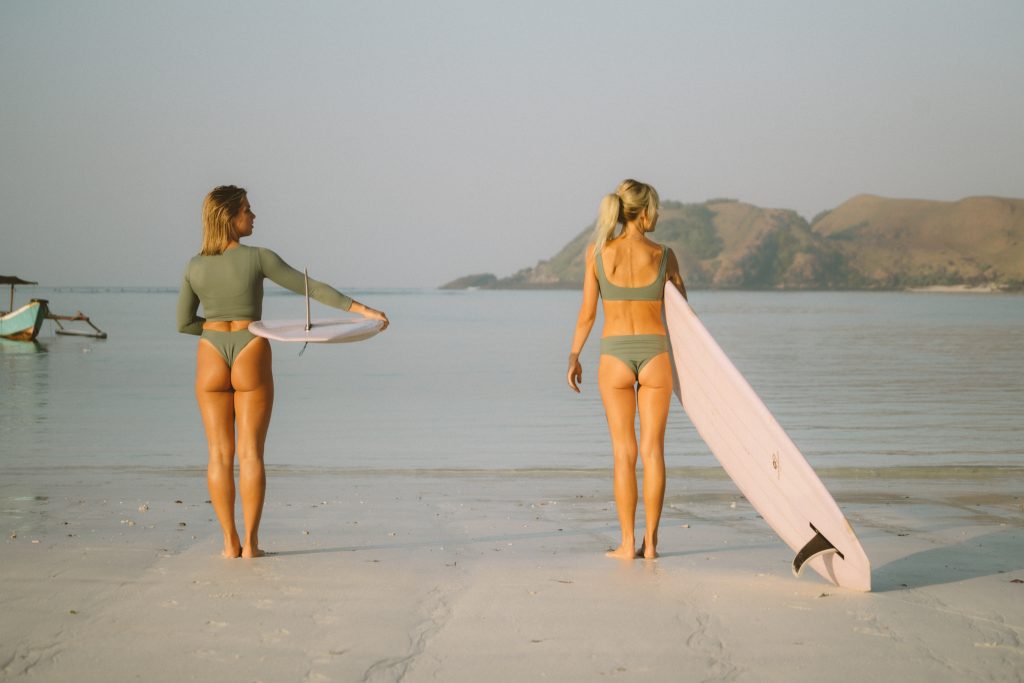
Bikinis can be worn on warm summer days – even in Scandinavia. Photo: Emma Bukowski

What is for sure, is that a Scandinavian surfing experience is like no other. The conditions are harsh to say the least, with rough and icy cold waters making it an activity for only the most dedicated. And what with the raw beauty and often isolated surroundings, there’s certainly a thrill to be had for trying something entirely new.

However, it’s this surf culture that really draws people in numbers. Characterised by not only a mutual appreciation of nature – which often extends as far as prioritising conservation and sustainability – Scandinavian surf culture is hard core to say the least as well as highly contagious!

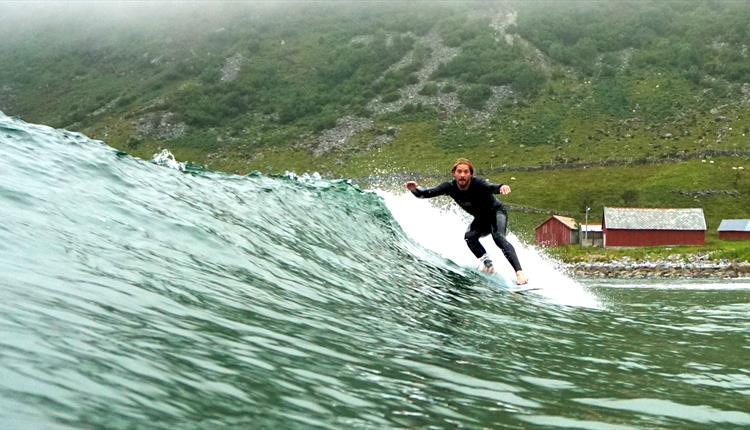
You may be surprised to find an exotic surfing paradise in Norway. Click the image below to learn more.

Uncharted Waters: Scandinavian Surf Culture
Click the image to learn more about a Norwegian surfing paradise.

A Peek Into The Scandinavian Surf Scene

Giving anything for the perfect surf, surfers embrace the challenges of cold water and harsh conditions to practice their sport. Just how cold are we talking? In many places, you should expect seas of four degrees celsius, cooled by a biting wind-chill factor that’s enough to put most people off before they even dip their toes in.

A real love of the ocean feels strong here, a love arguably not so visible amongst surf communities anywhere else in the world.

With a feeling of being at the forefront of Scandinavian surfing exploration, locals are getting stuck right in, embarking on true adventures to some of the most remote surf locations in the world. Driving hours to reach waves, an element of discovery and dedication shine bright in Scandinavian surf culture. These are people who are ready for anything!

Uncharted Waters: Scandinavian Surf Culture, article continues below the image.

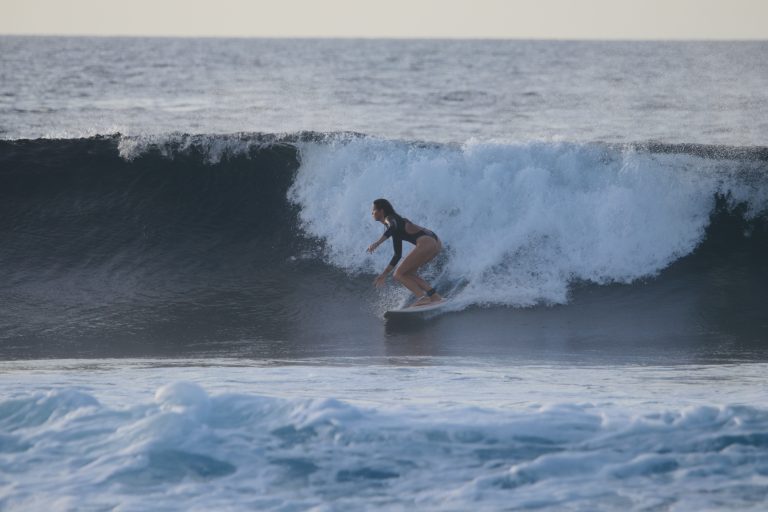
Arctic surfing attracts extreme surfers from all over the world. Click the image below to learn more.

Uncharted Waters: Scandinavian Surf Culture
Click the image to learn more about extreme surfing in Norway.

Prime Surfing Destinations

It’s natural that when you think of surfing, you’re transported to far-flung destinations, perhaps turquoise waters and white sand beaches. But surfing isn’t alway this way. If you’re prepared to brave the cold of the Nordic seas, a whole host of surfing destinations await.

Sweden

With its vast number of islands surpassing any other country globally – naturally offers opportunities for surfing. Perhaps unfortunately, the best time for surfing here aligns with the coldest season, so you’ll need to hold on to your brave spirit to venture into the waves.

Varberg

Expect to see surfers here when it’s 15 degrees outside and there’s snow on the ground!

Originally a small fishing village, Varberg’s waters attract surfers in growing numbers.

Torostenstrand

This might be the best place to surf in Sweden. Hosting a few national championships, it’s the spot for big swells.

Uncharted Waters: Scandinavian Surf Culture
Although it might still be a niche activity, surfing in this beautiful part of the world continues to grow. Photo: Emma Bukowski.

Norway

Perhaps due to its never ending coastline on the North and Norweigen Sea, Norway has a thriving surfing scene. And talk about variation, you’ve got everything here from flanked beaches to midnight surfs in the sun during the summer months. A trip to Norway is a truly special experience for surfers from anywhere in the world.

Hoddevik

 First thing’s first, Hoddevik is incredibly beautiful. Tucked away in an incredible fjord, it’s like nothing you’ve ever seen before. Come rain, snow, and hail, Hoddevik is calling.

Lofoten Islands

Only for the brave, this might be the most northern surf spot ever. Bring the best wetsuit you can find and you can surf here year-round amongst the seals. Expect 24-hour sunlight in summer.

Uncharted Waters: Scandinavian Surf Culture
Denmark is a paradise for surfers. Click the image to read more.

Denmark

Easy to get to and already attracting surfers from across Europe, Denmark is a wonderful place to surf. On the northwestern Jylland coast, you’ll find surfing spots enough to last you weeks.

Agger

Ever heard of ‘Cold Hawaii’? This is it! Agger is home to a number of beaches which are divided up by piers. Here, big waves come with a southern wind (intermediate and expert surfers only).

 Klitmoller

Made up of the Reef, the Bay and Bunkers, Klitmoller is the most famous surfing spot in Denmark. A range of surf competitions take place here too.

Finland

Surf culture in Finland is said to have started around 1997 in Yyteri Beach, Pori. Today, Finland is catching a new wave, with Helsinki now home to a Flowrider indoor wave machine, and locals taking to the coast year-round.

Pori

The Finnish surfing capital of Pori has long been popular with windsurfers. However in the late 90s Finnish surfers arrived. Enjoy a rich surfing community here.

The vast coastline

The finest surf spots in Finland are situated on the secluded islands encircling the mainland. Here, powerful swells originating from deep waters collide with steep cliffs, creating an exhilarating surfing experience. Interestingly, on certain days, you can even catch waves in Finland’s largest lakes, such as Päijänne, Saimaa, or Näsijärvi in Tampere!

Riding the Waves in Northern Paradise

From the breathtaking coastlines of Norway to the hidden surf gems of Sweden, Scandinavian surf culture is finding its place in the drop dead gorgeous fjords and endless coastlines of Scandinavia. Ready for a less than regular surf adventure? The northern paradise is waiting!

Uncharted Waters: Scandinavian Surf Culture
Emma Bukowski

Uncharted Waters: Scandinavian Surf Culture, written dedicatedly for Daily Scandinavian by Emma Bukowski, founder and designer of Noserider Surf Club.

Feature image (on top): Emma Bukowski

Bornholm by Bike

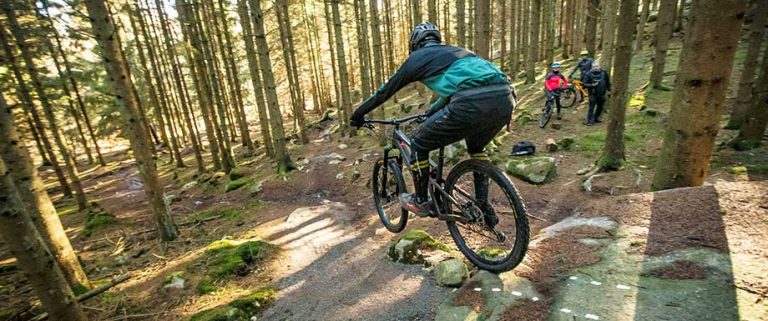
The best way to travel around Bornholm in Denmark is by bicycle. Nothing beats a cycling tour through the island’s picturesque landscapes. Experience Bornholm by bike.

An extensive network of cycle paths has been established, and it’s easy to find houses, hotels and campsites en route. By hopping on a bike, you can discover the most beautiful places in Bornholm, move at your own pace, and enjoy the freedom that active outdoor recreation provides.

Bornholm by Bike
An extensive network of cycle paths has been established.

The island’s residents often rent rooms or houses to visitors, but remember to book accommodation in advance during the summer months, especially in the southeast part of the island, where the wonderful beaches of Dueodde and Balka in particular attract crowds of holidaymakers in high season.

Read how to eat Golden Bornholmers on the Danish sunshine island by clicking the image below.

Bornholm by Bike
Click the image to read more.

Depending on your preferences, you can choose a route that suits your skill level and physical fitness. On Bornholm, you will find a variety of cycling trails that take you through charming beaches, scenic fishing ports, green forests, and hills offering breathtaking views of the sea.

The total length of cycling routes on Bornholm is approximately 235 km, and the circumference of the island is about 105 km. The farthest points from north to south are 40 km apart, while the distance from east to west is 30 km.

The variety of plant life on Bornholm is astounding. You can read more about it by clicking the image below.

Bornholm by Bike
Click the image.

Bornholm by BikeOn Bornholm, you can also rent an electric bike, which allows for comfortable travel and the opportunity to see even more attractions. Regardless of which route you choose, a cycling trip on Bornholm is an unforgettable experience that will stay with you for a long time.
You can download your free Bornholm Bicycle Guide here.

Bornholm by Bike, written by Tor Kjolberg

Feature image (on top): © Destination Bornholm.

Norwegian Artist Champions the Well-Being of the Planet

A concern for the planet’s ecosystems has led the Norwegian artist Jana Winderen to explore unknown soundscapes. Among other things, she has captured the sound of both Oslo’s rats and life underwater. Learn more about the Norwegian artist who champions the well-being of the planet.

Her latest record, Blue Beyond, was launched in August. It’s a 2-track vinyl LP with fine art print released in an edition of 1000 copies only, the first 100 copies numbered and signed by the artist. Mastered and cut by Jason at Transition. Artwork and photography by Jon Wozencroft. The Blue Beyond is produced by Touch and Audemars Piguet following Audemars Piguet Contemporary’s commission of two new compositions by Jana Winderen in 2019.

The Oslo-based Norwegian artist, Jana Winderen, champions the well-being of the planet through her immersive soundscapes. Born in 1965 in Bodø, Norway, and having grown up close to the forests, mountains and seas, and read books on Thor Heyerdahl, a Norwegian adventurer and ethnographer with a background in zoology, botany and geography, she has always loved to be in or by the ocean, rowing or swimming.

Norwegian Artist Champions the Well-Being of the Planet
The Oslo-based Norwegian artist, Jana Winderen. Photo: Audemars Piguet.

The Blue Beyond offers edits of two sound compositions for installations, Du Petit Risoud aux Profondeurs du Lac de Joux (2019) and The Art of Listening: Under Water (2019). Du Petit Risoud aux Profondeurs du Lac de Joux was first presented at Art Basel in Basel from 13 to 16 June 2019. A live performance of the piece was given at HEK (House of Electronic Arts Basel) on 11 June 2019. The Art of Listening: Under Water (2019) was first presented in the Rotunda, Collins Park, Miami Beach, in the context of Art Basel in Miami Beach, from 4 to 8 December 2019. The Art of Listening: Under Water installation was made in collaboration with Tony Myatt. It travelled to the Lenfest Center for the Arts, Columbia University School of the Arts, New York, from 3 to 13 February 2022.

“There is so much unknown and I have always liked to explore,” says Jana. As a child, she had spent every summer by the sea, often with her grandfather, Lars Winderen, an ear, nose and throat specialist who was an idealist in terms of protecting coastal areas and land from being built on, with a passion for plants and animal life.

Norwegian Artist Champions the Well-Being of the Planet
The art of listening under water.

He and her mother were environmentalists, which had a great influence on the young Winderen. In the ’70s, she was afraid and outraged when she learned that a lake near her home was about to die from algae overgrowth and of the Norwegian government’s decision to build a dam where the reindeer fed and the indigenous Sámi people lived.

After studying mathematics, chemistry, biochemistry and fish ecology at the University of Oslo, Winderen graduated in fine arts from Goldsmiths, University of London in 1993. Initially making sculptures at school, she quickly pivoted to sound in 1992, refusing to make objects that would later become landfill and intent on leaving the smallest carbon footprint as possible.

Norwegian Artist Champions the Well-Being of the Planet
“There is so much unknown and I have always liked to explore,” says Jana. Photo: Audemars Piguet.

Jana Winderen often draws the fish, amphibians and plankton she meets. The Blue Beyond release consists of a drawing of two fish that probably would never meet; the pike from the freshwater Lac de Joux in the Jura Mountains and the snapper from the saltwater environment by Miami.

Today, Winderen’s practice focuses on sound and knowledge production. The artist seeks to raise awareness of the environmental issues we face as a society.

Norwegian Artist Champions the Well-Being of the Planet, compiled by Tor Kjolberg

Feature image (on top): © Jana Winderen

You may also like to read:

Norwegian Witchcraft

Just click the images below to read the articles.

Norwegian Artist Champions the Well-Being of the Planet
Click the image.

Norwegian Painter’s Exceptional Universe

Norwegian Artist Champions the Well-Being of the Planet
Click the image.


Unique Travel Experiences in Sweden

Sweden stands out as a country that offers an extraordinary blend of culture, nature, and cuisine. Learn more about unique travel experiences in Sweden.

When it comes to unique travel experiences, Sweden stands out as a country that offers an extraordinary blend of culture, nature, and cuisine. From the vibrant streets of Stockholm to the pristine landscapes of Lapland, Sweden beckons travelers with its diverse and unforgettable adventures. If you’re seeking to explore the best of Sweden, whether it’s during a quick getaway or a week-long family adventure, we’ve got you covered. Join us as we dive into the top five travel experiences that will make your visit to Sweden truly exceptional.

Dog Sledding Through Lapland’s Winter Wonderland

For those seeking a private jet charter adventure of note in the pristine wilderness of northern Sweden, dog sledding in Lapland is an experience like no other. Picture yourself gliding through snow-covered forests and across frozen lakes, all while being pulled by a team of energetic Siberian huskies. As you whoosh through the trees, keep a keen eye out for the region’s native wildlife, including the majestic moose, elusive red foxes, and the iconic reindeer.

You can read more about dog sled vacations in Sweden by clicking the image below.

Unique Travel Experiences in Sweden
Click image.

Embark on a West Sweden Seafood Safari

If you’re a seafood enthusiast, West Sweden is your gastronomic paradise. Head to the charming harbor town of Lyckorna on the west coast and sail with local fishermen on a mussel safari. These sheltered waters are teeming with delectable mollusks, and you can actively participate in hauling in the mussel-covered chains. For the freshest seafood experience, you can savor these delectable mussels right onboard or on a nearby local beach, prepared by the fishermen who caught them. It’s a culinary adventure that’s not only delicious but also deeply connected to the rich maritime heritage of Sweden.

You can read more about shellfish safaris in West Sweden by clicking the image below:

Unique Travel Experiences in Sweden
Click image

Immerse Yourself in Sami Culture in Lapland

Delve into the unique culture of the indigenous Sami people. Historically, the Sami were nomadic reindeer herders, and their way of life still plays a significant role in their culture today. Spend time with a local Sami family to gain insights into their traditional lifestyle, where reindeer husbandry remains a cornerstone, providing both sustenance and materials for handicrafts.

Unique Travel Experiences in Sweden
Swedish Lapland stands as one of the premier destinations in the world to witness the mesmerizing Northern Lights. Photo: Vincent Guth/Unsplash

Chase the Northern Lights in Swedish Lapland

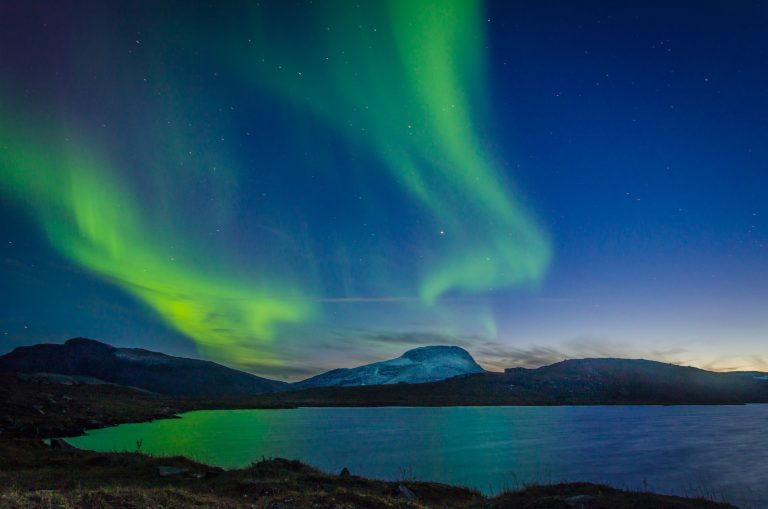
A discussion of unique travel experiences in Sweden would only be complete by mentioning the mesmerizing Northern Lights. Swedish Lapland stands as one of the premier destinations in the world to witness this ethereal natural phenomenon. During the depths of winter, particles collide in the Earth’s atmosphere, creating breathtaking bands of color that shimmer across the night sky. What sets Swedish Lapland apart is its minimal light pollution and remote locations, providing optimal conditions for Northern Lights viewing. Yet, even in this pristine environment, nature’s whimsy prevails, and there’s no guarantee of a sighting. The Northern Lights are a natural wonder transcending human control, making each sighting an extraordinary event.

A Journey Beyond Expectations

Sweden, with its inventive culinary scene, designer stores, and well-planned cities, offers a plethora of reasons to explore its diverse landscapes. From award-winning glamping sites to architect-designed treehouses, the country’s connection to nature runs deep from award-winning glamping sites to architect-designed treehouses. Even in the heart of major cities like Stockholm and Gothenburg, you can immerse yourself in the great outdoors by kayaking, swimming, and cycling amidst the stunning natural backdrop.

Unique Travel Experiences in Sweden
From Stockholm. Photo: Ana Borquez/Unsplash

Sweden’s unique shopping scene combines international fashion retailers with kooky independent boutiques and some of the world’s best thrift and retro stores. The culinary adventure continues with Michelin-starred restaurants, bustling food halls, and a fusion of cuisines from around the globe. Take advantage of the opportunity to savor plant-based and locally sourced ingredients, perfect for those searching for inventive vegetarian dishes.

The accommodation options in Sweden are nothing short of extraordinary. The country boasts an array of unique hotels, from the world’s first Icehotel to the Treehotel, Arctic Bath Hotel, and more. Whether you’re seeking the allure of glass roofs or the charm of castle hotels, Sweden’s diverse lodging options cater to all tastes. Moreover, Sweden’s public right of access, known as “Allemansrätten,” allows you to camp for free almost anywhere in the countryside, offering a chance to connect with nature on an even deeper level.

Three Climate Zones, One Spectacular Country

Sweden’s diverse landscape spans three distinct climate zones, offering a wide range of natural wonders. You can explore the Arctic tundra of the north, traverse the majestic mountains of the northwest, or immerse yourself in the lush forests and mighty rivers of central Sweden. Down south, you’ll discover a temperate climate boasting some of Europe’s most extensive beech forests.

The country’s coastlines are equally captivating, from the rugged High Coast in the northeast to the fashionable West Coast, the sandy beaches of Skåne’s Österlen, and the rocky archipelagos of Stockholm and Gothenburg. Few countries can rival Sweden’s combination of modern, minimalist design and untouched natural beauty.

Whether you’re yearning for snowmobile and husky tours, serene yoga retreats, forest bathing experiences, or the vibrancy of city life, Sweden offers it all. The country’s rich tapestry of experiences ensures that every traveler finds their own unique adventure, making Sweden a destination that promises to exceed your expectations.

Unique Travel Experiences in Sweden
Sweden’s diverse landscape spans three distinct climate zones, offering a wide range of natural wonders. Photo: Ines D. Anselme/Unsplash

Unveiling Sweden’s Best-Kept Secrets

In conclusion, Sweden’s allure as a travel destination extends far beyond the well-known tourist attractions. It’s a land of hidden gems and extraordinary experiences that beckon explorers to delve deeper into its culture, nature, and cuisine. Whether you’re savoring the maritime history of the Vasa Museum, mushing through the snow with huskies in Lapland, or the freshly harvested mussels on a seafood safari, Sweden’s uniqueness knows no bounds.

Immerse yourself in the captivating Sami culture, witness the awe-inspiring Northern Lights, and indulge in a smorgasbord of culinary delights. With a multitude of extraordinary accommodations and varied landscapes to explore, Sweden invites you to embark on a journey of a lifetime, where each moment is as unique as the country itself.

Unique Travel Experiences in Sweden, written dedicatedly for Daily Scandinavian by Nine Moons.

Feature image (on top): Abisko National Park Photo © David Becker/Unsplash

7 Best Places to Visit in Denmark

Settling down in Denmark can take a while, but once you know what you’re doing, it’s a great idea to start exploring and experience some of the country’s most wonderful scenery. Whether you’re working, studying or simply living in the country at the moment, there are some really great places for you to visit in Denmark when you have a day off! In our opinion, these are among the 7 best places to visit in Denmark.

If you’re looking for a day out to remember, here are some of our favorite places to visit in Denmark.

Denmark’s Love Island

A sleepy little island on the southern edge of Denmark called Ærø is one of Europe’s most popular romantic destinations for weddings and honeymoons.

Ærø measures roughly 20 km from northwest to southeast and varies in width from around 4 to 8 km. There are three small towns on the island. in 2020, the largest is Marstal with a population of 2,111. Ærøskøbing has 942 inhabitants and Søby 438. Fourteen villages and a number of farms complete the island’s pattern of settlement. To read more, just click the image below.

7 Best Places to Visit in Denmark
Click the image to read more.

The Wonderful Plant Rich Island in Denmark

The variety of plant life on Bornholm is astounding. The northern part of the island is extremely rocky and by radiating heat picked up from the sun, the rocks keep the surface warm enough for figs, grapes, mulberry, trees and other plants from Southern Europe to grow well.

Sweet cherry trees blossom in June and give a colorful show. Red orchids are common on the banks, in the river valleys and thousands of woodland flowers, especially blue, yellow and white anemones, cover large areas. About 25 percent of Bornholm is woodland. Click the image to read more.

7 Best Places to Visit in Denmark
Click the image to read more.

The Louisiana Museum outside Copenhagen

The Louisiana Museum of Modern Art in Humlebæk 55 km (22 mil) north of Copenhagen opened its doors in 1958. At that time, it’s founder, Knud W. Jensen, intended it to establish a home for modern Danish art. However, a few years later he changed course and Louisiana became an international museum of modern art.

Today, Louisiana Museum of Modern Art has an extensive permanent collection of modern and contemporary art as well as special exhibitions and is the most visited art museum in Denmark. Claude Monet was the focus of a major exhibition in 1994. When you enter through the modest courtyard and old country villa, you immediately will be surprised what opens up. To read more, click the image below.

7 Best Places to Visit in Denmark
Click the image to read more.

On Foot or by Bike on the Oxen Trail in Denmark

If roads could speak the Danish Hærvejen (Oxen Trail) would recount tales like few others. Throughout history this route, which starts just on the other side of the German border and runs down the spine of Jutland, has borne the weight of Danish hopes – as well as livestock.

A source of great pride for modern day Denmark, many of its secrets still lie by the roadside, yet to be discovered. It is probable that the route has been trodden for millennia and an air of historical significance hangs over every part of it. Click the image below to read more.

7 Best Places to Visit in Denmark
Click the image to read more.

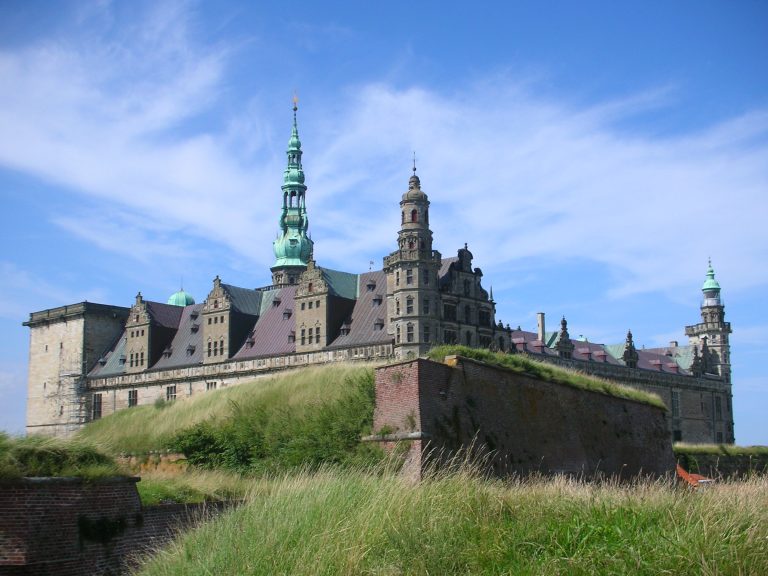
Hamlet’s “Castle of Elsinore”

Helsingør in Denmark is best known for its massive Renaissance-style Kronborg, Hamlet’s “Castle of Elsinore”. However, the area has much more to offer than Hamlet’s “Castle of Elsinore”.

Originally built by King Eric of Pomerania when he introduced the “Sound Dues” (fees paid to the Danish crown by all ships passing through to the Baltic.) Kronborg has been rebuilt several times. It has provided a backdrop for many productions of Shakespare’s Hamlet. Click the image below to learn more.

7 Best Places to Visit in Denmark
Click the image to read more.

Adventure Tower

A 45-meter hour-glass observation tower in the preserved forest Gisselfeld Klosters Skove (approx. 50-minute drive south of Copenhagen) has opened in a Danish forest. The Danish architecture firm EFFEKT has completed a giant rounded observation tower.

It is now the highest point in the Zealand region, coming in at 135 meters above sea level. Camp Adventure Park opened its doors on the 31st of March 2019 and visitors are taken to new heights as the 900-meter long boardwalk welcomes the public from near and far. Click the image to read more.

7 Best Places to Visit in Denmark
Click the image to read more.

History and Art in Kolding

Kolding, located in Southern Jutland, Denmark is often overlooked by tourists. The city has, however, plenty of things to offer- especially when it comes to art, design, nature and history. Experience 750 years of art and history in Kolding, Denmark.

Kolding is in fact the home of the most interesting tourist attractions in Southern Jutland. The city is located in the mouth if Kolding Fjord which has a host of outdoor activities. In and around Kolding you will also find a great variety of historical attractions. An added benefit in visiting Kolding is its very central location within Denmark, which makes it an ideal home base for the many interesting attractions within the region. Click the image to learn more.

7 Best Places to Visit in Denmark
Click the image to read more.

We hope to have inspired you to take a trip out for a day somewhere in Denmark and visit one of our favorite spots. Make sure to check the weather forecast before heading out on an outdoor visit, and consider booking ahead at indoor destinations to avoid missing out. Most of all, enjoy exploring!

7 Best Places to Visit in Denmark, compiled by Tor Kjolberg

Feature image (on top): Kronborg castle. © Wikipedia

What are the most visited places in Denmark?

With its fairytale-like castles, engaging museums, and Viking past, Denmark is rapidly becoming one of Scandinavia’s most popular countries to visit. It boasts a temperate climate and beautiful beaches to enjoy in the summer months, as well as the cozy conviviality of hygge to embrace during the wintertime. What are the most visited places in Denmark?  Read on to find out.

If you’re planning a visit to Denmark, you might be wondering which destinations you should add to your itinerary to discover the best this country has to offer. This article covers seven of the top places to visit, both in the capital and beyond. When it comes to finding accommodation during your stay, you’ll find a wealth of options at Rentola Denmark. It lists properties in all corners of the country, including apartments in Copenhagen and holiday cottages in Jutland. Thanks to an efficient railway network, you’re never far from the country’s highlights, no matter where you choose to stay.

Christiansborg Palace, Copenhagen

If you want to see how the Danish royals live, then don’t miss a visit to Christiansborg Palace. You can step inside the opulently decorated Royal Reception Rooms and visit the Royal Kitchen where banquets were prepared in times gone by. It’s also possible to tour the Royal Stables and admire horse-drawn vehicles dating back to the 18th century. Hidden beneath the palace are the remains of a 12th-century castle, which can be explored on guided tours. Just a stone’s throw from Christiansborg Palace are all the rides and attractions of Tivoli Gardens.

You can read more about the Castle Island in Copenhagen by clicking the image below.

What are the most visited places in Denmark?
Click the image

Viking Ship Museum, Roskilde

If you’ve ever wanted to experience life on a Viking ship, then this fascinating museum in Roskilde is not to be missed. Its exhibits center around five original ships that were excavated in the 1960s and detail how they were constructed and how they are being restored. A highlight of the Viking Museum is the “Climb Aboard” experience, which allows you to dress up and discover what it was like to sail in rough seas. Adjacent to the museum is a boatyard where traditional methods are being used to bring antique vessels back to life.

Kronborg Slot, Helsingør

In the town of Helsingør is one of Denmark’s most famous castles, which provided the inspiration for Elsinore in Shakespeare’s “Hamlet”. It is now designated as a UNESCO World Heritage Site, with much of its current structure dating from the mid-17th century. After marveling at its Renaissance architecture, you can tour the Knights’ Hall and admire the centuries-old tapestries on display in the West Wing. Throughout your visit, hear about the castle’s role as a garrison and a fortress, protecting the important trade waters of the Øresund.

You can read more about fairytale castles in Denmark by clicking the image below.

What are the most visited places in Denmark?
Click the image

LEGO House, Billund

Billund is the birthplace of LEGO and these iconic bricks are celebrated at the family-friendly LEGO House. It is home to 25 million miniature bricks and occupies an innovative modern building inspired by LEGO. In addition to paid experiences, there are several free areas that include themed playgrounds and a 15-meter-high LEGO Tree of Life. Adult fans of LEGO will appreciate the Masterpiece Gallery, which reflects the creativity of older builders, and the LEGO Vault where unopened editions of every LEGO set ever produced are on display.

Den Gamle By, Aarhus

Translating as “The Old Town”, this open-air museum recreates life in Aarhus in times gone by. It lies within the city’s picturesque botanical gardens where more than 70 historical buildings are on display. In addition to 16th-century half-timbered residences, a post office and a theater, there are workshops where traditional artisans are busy at work. Also within the complex is the Danish Poster Museum, the Gallery of Decorative Arts, and a history display titled “Aarhus Story”.

Egeskov Slot, Kvarnstrup

Completed in 1554, Egeskov Slot is a magnificent water castle and among the best-preserved of Europe’s moated fortifications. It has been owned by several families throughout its storied past before being opened to the public in 1959. The Renaissance architecture of Egeskov Slot is best admired from its landscaped park, which includes four hedge mazes, a vegetable garden, and one of Denmark’s largest collections of fuchsias. Also within the grounds is the half-timbered Ladegården, a collection of vintage cars and automobiles, as well as a museum detailing the agricultural heritage of the area.

Hans Christian Andersen Museum, Odense

The fairytale writer Hans Christian Andersen is one of Denmark’s most famous exports and this museum in Odense is a “must” for anyone who loves his work. It occupies a small yellow house where he was born in 1805 and has functioned as a museum since 1908. In addition to personal belongings and sketches by Andersen, there are interactive exhibits that help to bring his writing to life. Also part of the museum is Hans Christian Andersen’s childhood home, Andersen’s Barndomshjem, which is located a short stroll away.

What are the most visited places in Denmark? Written dedicatedly for Daily Scandinavian by Uliana Veremchuk.

Feature image (on top): © Scanrail, Canva.com