Last month, we started our series Scandinavian Explorers. First out was the story of Erik the Red. Today, we bring you the story of one of his sons, Leif Erikson.
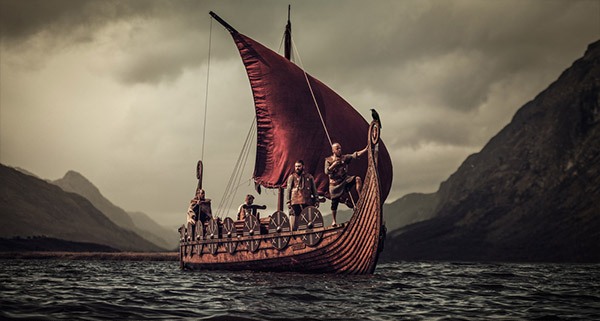
The Vikings are known for using advanced navigational techniques whilst at sea, including sun compass. However, they were very much at the mercy of winds.
Reconstructions of possible sailing routes.
The Icelandic Norseman Leif Erikson, or Leif the Lucky, the second of the three sons of Erik the Red, found himself blown off course on his way from Iceland to Greenland. In the process he ended up becoming the first known European to spot North America in 986 AD, approximately half a millennium before Christopher Columbus.
I recommend you to read the exciting story of his father Erik the Red by clicking the image below.
Erik the Red
Historians believe that Leif landed on Baffin Island and Labrador before finally making camp on Newfoundland. The Vikings called the new region Vinland (Land of Wines), due to the wild grapes that apparently grew there.
Interested in the Viking Age? Then you might be interested in reading about health and medicine in the Viking Age by clicking the image below.
Photo by Steinar Engeland/Unsplash
According to the sagas of Icelanders, Leif established a Norse settlement at Vinland, which is usually interpreted as being coastal North America. There is ongoing speculation that the settlement made by Leif and his crew corresponds to the remains of a Norse settlement found in Newfoundland, Canada, called L’Anse aux Meadows, which was occupied approximately 1,000 years ago.
After wintering in Vinland exploring the surrounding area, Leif returned to Greenland to tell of his amazing discovery. Leif has been described in the Norse sagas as a wise, considerate, and strong man of striking appearance.
Read also about Scandinavia before the Vikings by clicking the image below.
Scandinavia before the Vikings
Research done in the early 1960s by Norwegian explorer Helge Ingstad and his wife, archaeologist Anne Stine Ingstad, identified a Norse site located at the northern tip of Newfoundland.
When he was of a proper age, Leif sailed from Greenland to Norway, likely to serve as a retainer to its king, Olaf Tryggvason, who converted him to Christianity and commissioned him to urge that religion upon the Greenland settlers.
Scandinavian Explorers – Leif Erikson, written by Tor Kjolberg
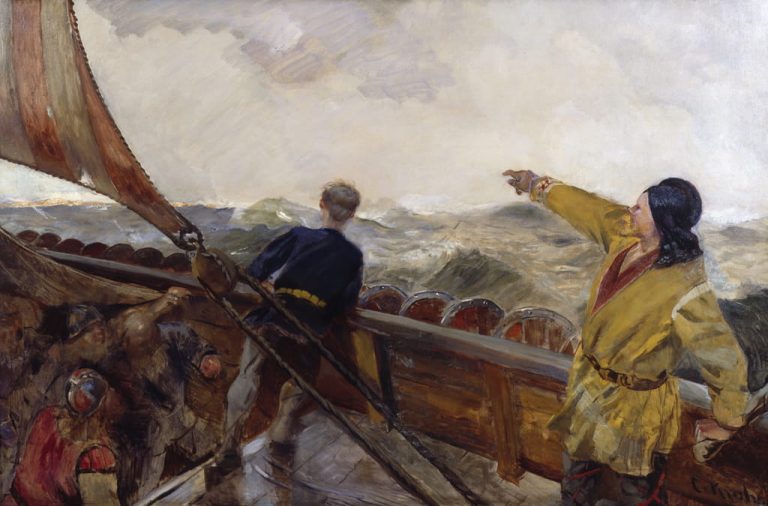
Feature image (on top): Leif Erikson – painting by Christian Krogh
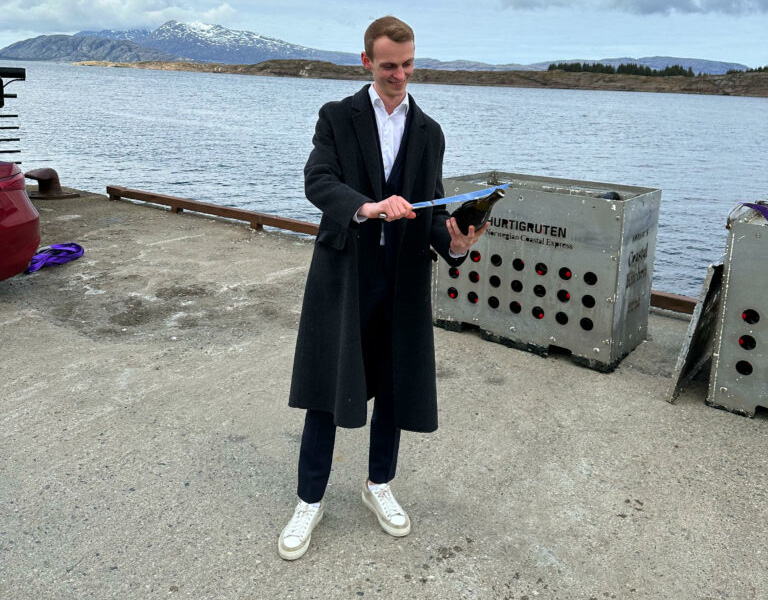
Aging Champagne underwater isn’t entirely unknown to French producers. Veuve Clicquot is currently conducting a 50-year experiment in the process and five other Champagne houses are also involved in this somewhat unorthodox method. Norwegian shipping company Hurtigruten has tested the method and is now able to offer its passengers 1,700 bottles of underwater sparkling wine from Norway.
Hurtigruten, best known as the Norwegian Coastal Express thanks to its first-of-its-kind route that travels all up and down the coast of the country delivering cargo and transporting people, is celebrating its 130th anniversary. To mark the occasion, aging some bubbles at the bottom of the sea was just one of the anniversary celebration ideas.
Learn more about Norwegian Coastal Express by clicking the image below.
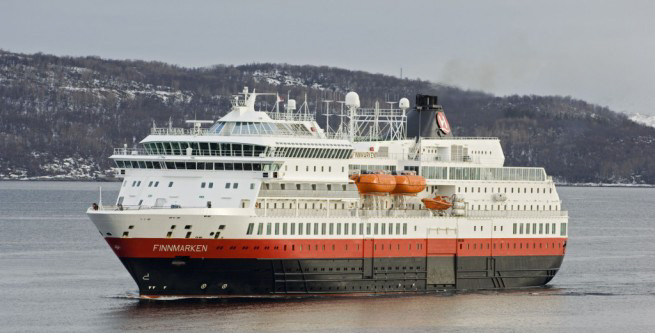
The Norwegian Coastal Express. Photo: Tor Kjolberg
1,700 bottles of underwater aged bubbles
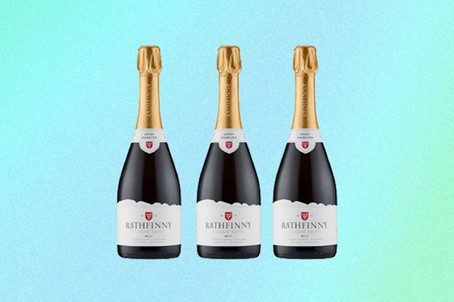
In partnership with British Rathfinny Wine Estate the company lowered 1,700 bottles of its 2018 Classic Cuveé to the North Sea ocean floor in hopes of bringing back a higher-quality, more mature product. However, to most everyone else, the idea of making wine underwater might seem a bit unusual.
2018 Classic Cuveé
The aging of the 2018 Classic Cuveé has taken place at the bottom of the ocean in a remote location just shy of the Arctic Circle. Four crates packed with Rathfinny bottles were lovered a total of 111 feet and kept there for six months at temperatures averaging about 41°F.
Editor’s pick: Spirits of Norway. Learn more by clicking the image below:
Spirits of Norway
The Best Underground Cellar
It should in fact be better than the best underground cellar, especially for sparkling wine. The temperature is perfect, there’s no light, the water prevents even the slightest bit of air from getting in, and the constant counterpressure keeps the bubbles bubbly. Moreover, the underwater currents act like a crib, gently rocking the bottles and keeping the lees moving through the wine.” (The lees refer to yeast particles.)
Tani Gurra, Front of House & Beverage Director at Hurtigruten Norway.
“We work with the sea, we are part of the sea. It’s in our DNA. Why not make sparkling wine under the surface of the sea where we sail every single day?” thought Tani Gurra, Front of House & Beverage Director at Hurtigruten Norway.
Editor’s pick: Learn more about the world famous Hardanger cider by clicking the image below.
Everything smells of Apples in Hardanger
The result?
And the result? “I am very impressed,” says one of Norway’s best-known sommeliers, Nikolai Haram Svorte. “After only six months immersed in Arctic waters, this method has ensured that the wine is noticeably alive and in good condition by slowing the rate of maturation. To my surprise, the wine has retained more freshness than I expected. It is obvious that this exciting experiment has shown that storing and maturing sparkling wine really can be done in Norwegian Arctic waters.”
Bubbles from the Sea
It is a fact that the earth where the vines grow was once under the sea. That this wine undergoes its crucial maturation under water brings the process full circle, giving the concept of terroir an even deeper, aqueous dimension.
Underwater Sparkling Wine from Norway, written by Tor Kjolberg
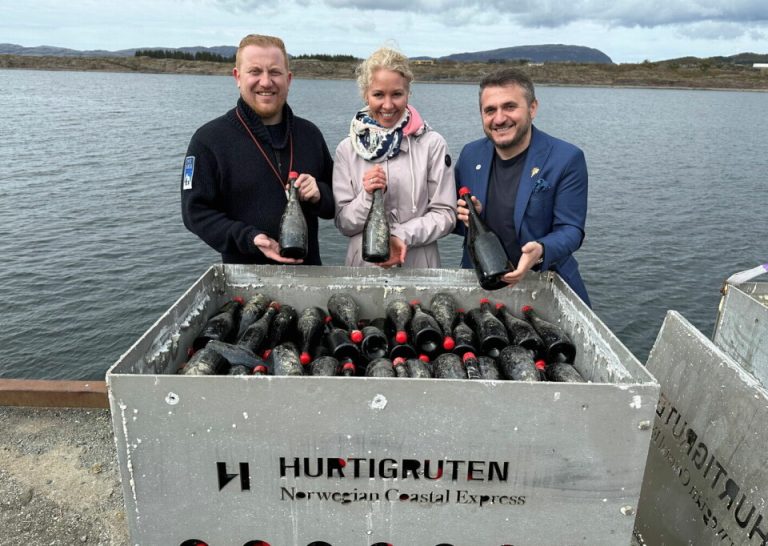
Feature image (on top): From left André Pettersen (Director Hotel Operations), Hedda Felin (CEO), and Tani Gurra, Front of House & Beverage Director»)
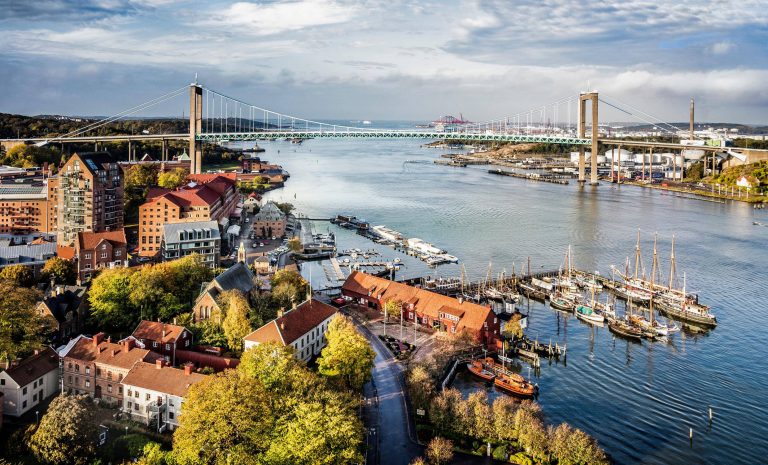
By 2030, Sweden’s population is estimated to increase by approximately 400,000 and reach 10.9 million. Of this increase, Statistics Sweden notes that approximately 300,000 is contributed by more people immigrating than emigrating. This article, From Accessibility to a Relaxed Atmosphere is all about understanding what makes Gothenburg the ideal place to retire.
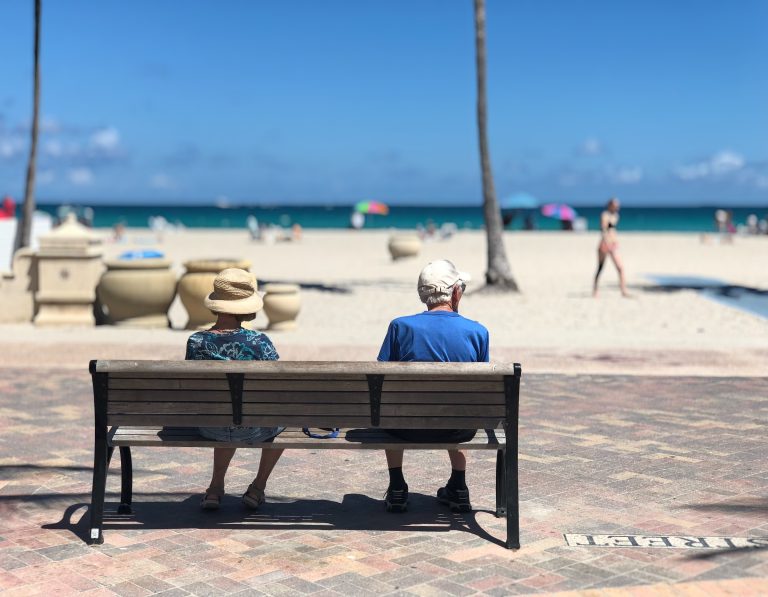
For those looking to settle down and enjoy retirement, the country can present a spectacular opportunity — especially when it comes to the city of Gothenburg. From the value of the city as an age-friendly location to the abundance of things to do and see, here’s what every senior should know.
For those looking to retire, settling down in Gothenburg can be a fantastic choice for older adults. Photo: Stena line
The importance of an age-friendly location
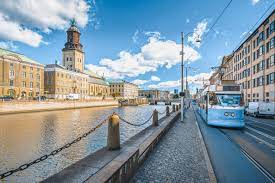
For those looking to retire, settling down in Gothenburg can be a fantastic choice for older adults. According to ESPON.eu, the city is aiming to become age-friendly, which is defined as a city that “strives for having inclusive and accessible social and physical environments that promote health, participation and security for all people and especially for older people.” For seniors who experience mobility issues, an accessible location to retire is a must — especially when considering that accessibility can allow for greater independence. According to the World Health Organisation (WHO), an estimated 1.3 billion people experience significant disability. As this represents 16% of the world’s population — or one in six people, thus underlining the fact that accessibility is essential.
You can learn more about sociable Guthenborg by clicking the image below.
You can learn more about sociable Guthenborg
In Sweden and cities like Gothenburg, for instance, accessible parking can be identified with a wheelchair symbol, with accessible spaces commonly found. However, when striving to broaden accessibility efforts in such spaces, those that are truly accessible may implement helpful tactics to ensure a safe passage from the parking space to the building. Firm and level paths, the use of tonal and color contrast, and the absence of any obstructions are just a few ways that commercial spaces can strive to create a safe and accessible location for everyone. However, it’s imperative to take into account that there are plenty of additional ways in which Gothenburg embraces accessibility.
Gothenburg and accessibility — a brief overview
Generally speaking, there are a variety of ways in which Sweden caters to the senior population. Not only is the country’s life expectancy among the highest in the world, but there’s also senior housing (homes where accessibility is a priority), options for home health and individually assessed assistance. For those who experience a disability, there are several regulations in place, such as the Discrimination Act and the legal right to independence, highlights Sweden.se. Regarding the country’s disability policy, it aims to “achieve equitable living conditions and full participation in a diverse society for people with disabilities.”
Eating out in Gothenburg? You can read about the best Sushi in Gothenburg by clicking the image below.
Eating out in Gothenburg? You can read about the best Sushi in Gothenburg
In Gothenburg specifically, Goteborg.com notes that the city is constantly working to “minimize peoples negative experiences connected to accessibility issues resulting from physical hindrance, severe allergy or being unable to take in important information.” When it comes to the streets and neighborhoods, it’s noted that the major streets are broad and easy to access, though the older parts of the city (including Haga, Linnéstaden, Vasatan and Majorna) can be a bit more challenging to navigate due to the cobblestones and stairs. While older buildings may not have lifts, Goteburg.com highlights the accessibility in regard to public transport, where travelling by bus “should never be a problem no matter what disability you may have.”
The relaxed nature of the city can present the ideal location. Photo: Beatrice Tornros/Visit Sweden
From culture to activities
For those considering retiring in Gothenburg, the relaxed nature of the city can present the ideal location. One Forbes article notes that despite the lively schedule of cultural events and busy port, Gothenburg has “a much more relaxed vibe than its big sibling Stockholm.” However, it’s necessary to keep in mind that there is no shortage of things to do, thus allowing anyone to keep their days full of adventure and unique experiences. For self-proclaimed foodies, there are plenty of options — from Da Matteo Coffee Roasters to Vrå for Nordic Japanese fusion to Koka for a Michelin star dining experience.
Regarding things to do, Gothenburg features a variety of parks and gardens worth visiting, allowing for retirees to enjoy the open air and greenery. For example, the city’s botanical garden offers just one relaxing option for seniors who enjoy nature. According to one article from the Travelling King blog, there are over 16,000 different species of plants across the garden’s nature reserve and arboretum. Complete with mini guided tours, a koi fish pool and rhododendron valley, there’s plenty to see. Goteborg.com notes that most of the public attractions in Gothenburg “should be accessible to everyone and are easy to get to,” going on to highlight that major attractions — including Universeum science centre and the Gothenburg Museum of Art meet world class accessibility standards. And, for those who enjoy sports, for example, Gamla Ullevi (Gothenburg’s football stadium) offers wheelchair accessibility in the form of wheelchair spaces and accessible toilets.
Gothenburg also worked hard for greenest city title. Learn more about it by clicking the image below.
Gothenburg also worked hard for greenest city title
Finding the ideal location to retire to can be overwhelming, though the Swedish city of Gothenburg is certainly worth considering. From the relaxed atmosphere to the wide variety of senior friendly features like accessibility, settling down in Gothenburg offers several benefits.
Karoline Gore
From Accessibility to a Relaxed Atmosphere — Understanding What Makes Gothenburg the Ideal Place to Retire, written dedicatedly for Daily Scandinavian by Karoline Gore. Karoline is a freelance writer from Stoke on Trent in the UK who left the corporate grind when she started a family and has never looked back. She enjoys contributing to a range of online publications on the topics that are important to her.
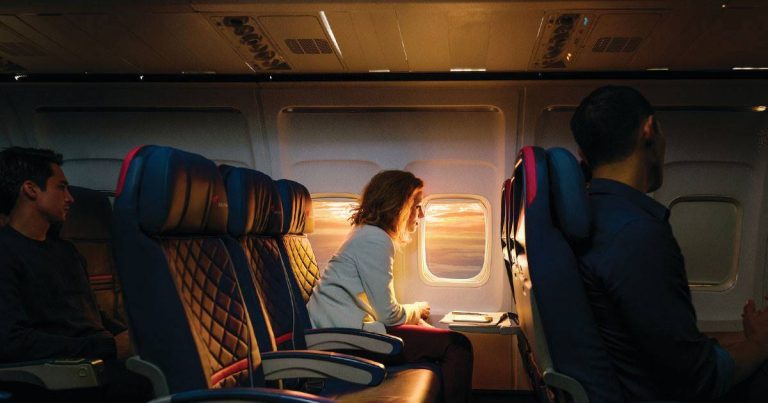
For most people flying planes is fascinating. Some, however, struggle with fear of flying.In this article we provide some specialist advice on how flying anxiety can be cured.
Aerophobia (fear of flying) is the second biggest fear after public speaking among common people.
For those people, it doesn’t help if friends or family tell them that flying is the safest mode of transportation. Your chances of dying in a plane crash are in fact about one in 10 million compared with a one-in-272 chance of dying in a car crash.
For seasoned flyers, boarding a plane and buckling up for an hours-long flight are like communiting by train, but for some people, this can be a daunting, mental challenge. Throw in some turbulence — which, let us take the time to remind you, is a completely normal sensation, albeit uncomfortable — and we’re talking full-blown panic.
If you want to conquer your fear of flying, we have collected 18 advice from specialists.
Dr. Martin N. Seif
1. According to Dr. Martin N. Seif’s Freedom to Fly Now Workshop it’s important to figure out what frightens you and examine how your anxiety reaction is triggered. Your goal is to identify your particular triggers, so you can manage your fear when anxiety levels are low. Learning what sets you off makes it easier to turn it off.
Figuring out what triggers your fear in the first place is an important first step toward conquering flight anxiety. Different aspects of flying can trigger different fears depending on the person – for instance, one person may be afraid of turbulence and feel nervous during a perfectly normal takeoff, while an individual with germaphobic tendencies may be more concerned about the spread of germs in a confined space.
“The common denominator for more than 90 percent of flight phobics is the fear that they will become overwhelmed with anxiety during the flight,” says Seif. “It helps to recognize that your phobia is irrational, but you need to be able to pinpoint the cause of your fear before you can take that next step.”
Learn how to get the lowest airfare to Scandinavia by clicking the image below.
Learn how to get the lowest airfare to Scandinavia
2. Step onto the airplane with knowledge
Anxiety thrives on ignorance, and feeds off “what if?” catastrophic thoughts. But once you become knowledgeable, your “what if?” thoughts are limited by the facts. Become familiar with the facts. They will not eliminate your anxiety, but they will help you manage it.
3. Check the turbulence forecast While turbulence is a perfectly normal part of flying – it happens when the plane encounters normal weather patterns like air currents or clouds – the idea of shaking while in the air can be very unsettling. Turbcast was designed by a pilot and analyzes weather patterns as a pilot would, giving fliers an inside look at factors like air pockets and thunderstorms that can cause turbulence in the first place. Translation: The more you know about what causes that shaky feeling and how much of it you can expect while you’re airborne, the less you’ll be afraid of it.
Learn about climate smart airports in Sweden by clicking the image below.
Learn about climate smart airports in Sweden
To manage anxiety when turbulence hits, learn about airplanes and how they are designed to handle turbulence. Focus on managing your anxiety, rather than when the turbulence will end or how severe it might get. Remind yourself that you are safe.
4. Try to meet the pilot Former commercial airline pilot Tom Bunn suggests you first tell the attendants on your flight about your phobia before your board. At the gate, ask politely. “If the gate agent will not board you early, ask the agent to point out to you where you will be getting on the plane, then position yourself right by the entrance,” he says. “When boarding for first class passengers, elderly passengers, passengers with kids or people who need extra time (that’s you) is announced, immediately step forward and board.” Once on the plane, find a flight attendant who isn’t busy and explain your phobia.
Also, Dr. Seif agrees it’s a good idea to let others know you’re not too keen on flying – you may be able to speak to the pilot briefly while you board the plane or receive extra attention from flight attendants during the flight. If you’re traveling with friends or family members, talk to them about what makes you nervous so they can help alleviate the tension, but don’t let the conversation spiral into a contest over who has had the scariest flight experience. Sometimes just knowing that others are available to help you in case your anxiety surfaces is enough to help keep that anxiety in check.
British Airways Captain Steve Allright (Picture by Nick Morrish/British Airways)
5. Bring a photo of your destination
According to Captain Steve Allright of British Airways’ Flying With Confidence program, visualizing your destination and imagining yourself there can be a powerful antidote to stress – and can help keep you focused on the prize at the end of the journey. You can do this with or without a photo, but having a physical image to refer to – whether it’s a picture you’ve downloaded on your phone or a postcard – can help to keep your mind from wandering. Allright says another method is to “imagine yourself in a safe place, somewhere you feel comfortable and safe. Your bedroom, perhaps, or on a beach. Take yourself there with your eyes closed and relax.” The idea is to take your mind off the little things that make you nervous about flying and focus on the positive aspects of your journey.
6. Bring a notebook and pen
Captain Bunn recommends bringing a notebook and pen to write down your thoughts and feelings rather than bottling them up inside of your head. There’s enough going on in there as is.
7. Anticipate your anxiety.
Anticipatory anxiety is what we experience in anticipation of a fear. It is often the most intense anxiety you will experience during your flight, but it is not an accurate predictor of how you will feel on the flight. It is frequently far greater than what you actually experience.
8. Separate fear from danger.
It is often difficult to separate anxiety from danger because your body reacts in exactly the same way to both. Be sure to label your fear as anxiety. Tell yourself that anxiety makes your frightening thoughts feel more likely to occur, and remind yourself that feeling anxious doesn’t mean you are in danger. You are safe even when feeling intense anxiety.
Coffee and wine can leave you feeling more dehydrated during the flight, as well as aggravate anxiety issues.
9. Skip coffee and wine
Captain Allright says to avoid both caffeine and alcohol, as they can leave you feeling more dehydrated during the flight, as well as aggravate anxiety issues. Nervous fliers should avoid a seemingly comforting pre-flight alcoholic beverage, since alcohol can also make it harder for your body to adjust to being airborne and bring on a nasty bout of jet lag. Instead, opt for water and a light meal pre-flight, or carry along a light snack like carrot sticks, nuts, or an apple to keep you feeling nourished.
10. Learn to know frightening sounds
“On some takeoffs, we reduce power after reaching about one thousand feet,” says Captain Bunn. This is usually within 30 seconds of take-off. “[The sound] can be frightening if you don’t know what it’s all about.”
11. Recognize that common sense makes no sense
Anxiety will trick you into thinking you are in danger when you are perfectly safe. Your gut feelings in these instances will always tell you to avoid, but if you follow these feelings, you will always be reinforcing your anxiety.
As a rule, do the opposite of what anxious feelings are telling you to do. Fight what the anxiety is telling you to do, but embrace the discomfort that anxiety brings.
Dr. Todd J. Farcione
12. Distract yourself
In a nutshell – distraction works. Airlines now provide the little comforts of home – like televisions, music channels, and magazines – to help distract you from noises and bumps during the flight and make you feel more at home in a strange place. One of the best ways to distract yourself during a flight is to bring a book that you’ve already started and are deeply engrossed in or a season of your favorite television show. Todd Farchione, Ph.D., of Boston University’s Center for Anxiety & Related Disorders says if people associate televisions with being safe at home, and there’s a television on the plane, they will feel similar familiar feelings of comfort.
The main point is to hide the sound of the aircraft
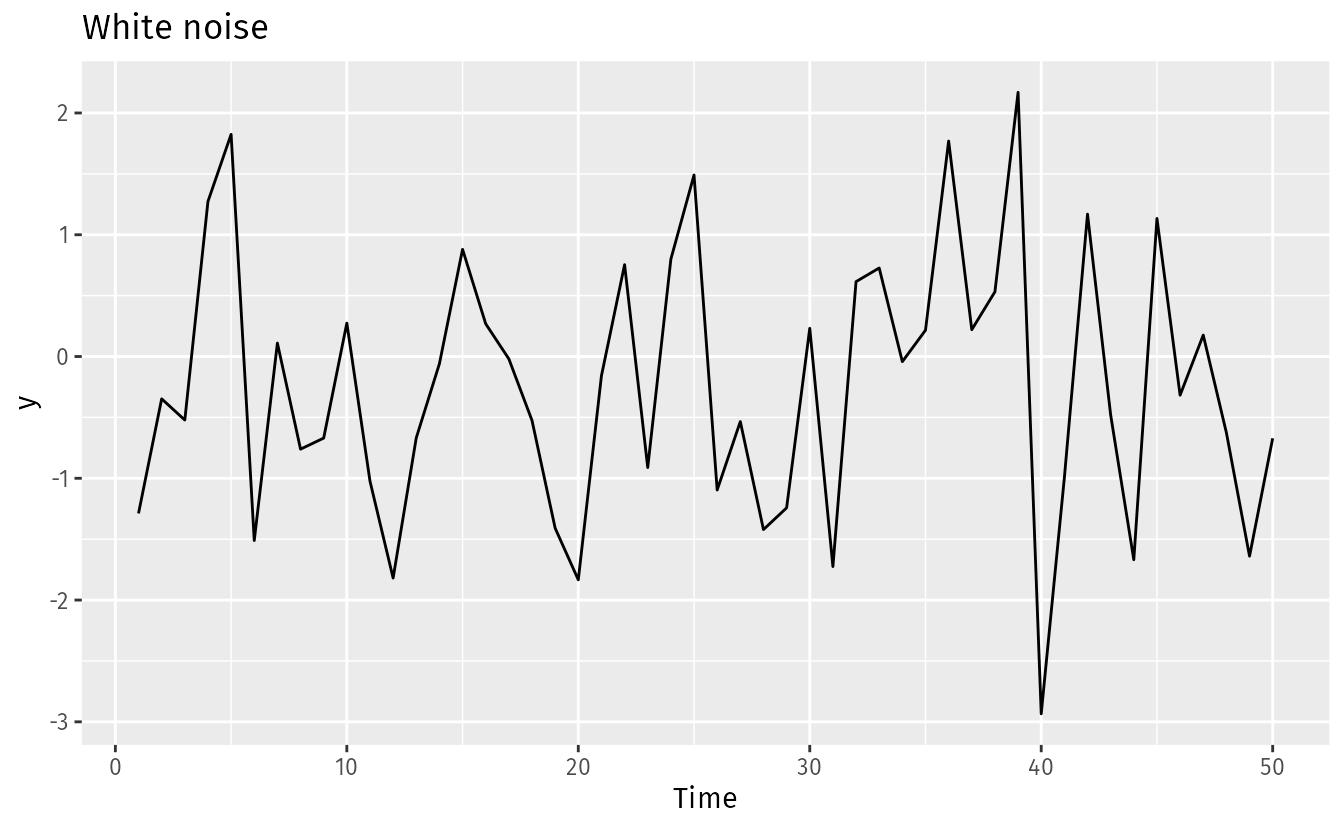
13. Turn to white noise Those stock headphones that came with your iPhone have got to go. Swap them for noise cancelling headphones ASAP.
“Music keeps the auditory channel of your mind occupied,” says Captain Bunn.
White noise, a soothing album or podcasts that focus on positive content can all be beneficial, but the main point is to hide the sound of the aircraft.
Learn how to overcome jetlag by clicking the image below.
Learn how to overcome jetlag
Interestingly, Bunn has created his own audio content to keep passengers calm, offering a play-by-play of what you’re likely experiencing before and during your flight. There are eight tracks.
14. Educate fellow fliers how to help you
Other fliers need to know what frightens you, along with what helps you most to cope with anxiety during a flight. Your task is to be clear about your triggers and ask specifically for what you find most useful.
Knowing that you’re prepared for anything can be empowering.
15. Embrace safety information No, your plane is not going to crash (and whatever you do, do NOT start envisioning disaster scenarios). But knowing that you’re prepared for anything can be empowering. Watch an airline safety video while you’re still in the comfort of your home so that you can “master” the procedure in your head (Air New Zealand did an especially entertaining take on the safety video, featuring characters from The Hobbit, as well as a hilarious safety video starring fitness guru Richard Simmons). Once you’re on board the aircraft, take time to read the airline safety card in the seat pocket in front of you. If it makes you feel better, you could even go so far as to book your seat in the back of the plane, which has been repeatedly shown to be the safest part of the aircraft in the event of a crash.
16. Value each flight
Exposure is the active ingredient in overcoming your phobia. Every flight provides you with the opportunity to make the next one easier. Your goal is to retrain your brain to become less sensitized to the triggers that set you off.
17. Use this breathing technique Captain Allright says deep breathing is very important during takeoff and other points during the flight where you experience anxiety. “If someone is very anxious, it is actually very difficult to change their breathing pattern,” he says. “Try holding your breath and then breathing deeply, or better still, force yourself to breathe out for as long as you can and then take a long, deep breath.” Seif and Farchione both recommended taking deep breaths, since this triggers the calming response and can help to prevent hyperventilation. Try to maintain a relaxed posture as well, and not cling to the chair’s armrests, since this can heighten any anxiety you may be feeling.
18. Have relaxation remedies handy Some doctors prescribe anxious fliers with fast-acting anxiety medications like Xanax or Valium, Vival, Sobril or other types of the benzodiazepin-family, but Farchione warns that you should be aware that each has its own side effects and that you may feel tired for hours after the plane has landed. If you don’t have a prescription, herbal remedies like St. John’s Wort or Scullcap may help calm nerves too, according to an article by USA Today. Bring the medication or the herbal remedy, but hold onto it as a “last resort” option. When you feel jitters coming on, start by employing a minor relaxant, such as sipping chamomile or peppermint tea. Farchione says that doing the things you associate with being calm and content will help remind you to remain calm as you fly. You may find that simply knowing the medication is there in case of emergency is comforting enough – and you can reap the benefits without the side effects.
Now,you might be on your way to more pleasant air journeys
Flying Anxiety Cured – Conclusion
Giving up control and getting on a plane can be scary, but it doesn’t have to be. If you try any of the suggested advise above, you might be on your way to more pleasant air journeys.
If you’re an e-commerce business owner looking to expand your reach and tap into new markets, then you’ve got to have the Nordic region on your list of potential locations. The Nordics are promising destinations for e-commerce growth, offering a tech-savvy population, high internet penetration rates, and strong economies. Learn more about Expanding Your E-Commerce Business into the Nordics: Logistics Made Easy.
Already thinking about it? Well, then you’ve got to prepare yourself! In this article, we will explore the logistics aspect of expanding your e-commerce business into the Nordics, focusing on how to make the process easy and efficient.
Let’s dive in!
Over the past few years, the Nordics, consisting of countries like Sweden, Norway, Denmark, Finland, and Iceland, have become a hotbed for e-commerce trends and exponential growth.
The Nordics and E-Commerce
Over the past few years, the Nordics, consisting of countries like Sweden, Norway, Denmark, Finland, and Iceland, have become a hotbed for e-commerce trends and exponential growth. With a combined population of over 27 million and a high standard of living, the region offers immense opportunities for online businesses.
However, before dipping your toes into this market, it’s essential to understand the unique characteristics of the Nordic countries and tailor your approach accordingly.
Understanding the Nordic Market
Each Nordic country has its own consumer preferences, cultural nuances, and regulations. It’s crucial to conduct thorough market research to gain insights into consumer behavior, popular products, and local competition.
Understanding these factors will enable you to develop a targeted marketing strategy and adapt your offerings to meet the needs and expectations of Nordic customers.
Here are some strategies and tips to help you find your way into this market and stand out from the competition:
1. Conducting Market Research
To successfully expand your e-commerce business into the Nordics, you need to conduct comprehensive market research. Start by analyzing market trends, competitor strategies, and customer preferences.
Utilize tools like Google Trends, market reports, and social media listening to gain valuable insights. By understanding the demands and preferences of the Nordic market, you can tailor your products, marketing messages, and customer experiences accordingly.
2. Localizing Your Website and Content
Localization is a crucial step in expanding your e-commerce business into the Nordics.
Ensure that your website, product descriptions, and marketing content are translated accurately into the local languages. This will not only make your brand more accessible to Nordic consumers but also establish trust and credibility.
Additionally, consider adapting your website design, colors, and imagery to resonate with Nordic culture and aesthetics.
Collaborating with reliable partners will help you navigate customs procedures, ensure faster deliveries, and provide a seamless customer experience.
3. Partnering with Local Logistics Providers
Efficient logistics are key to a successful e-commerce operation. When expanding into the Nordics, it’s beneficial to partner with local logistics providers who have a deep understanding of the region’s infrastructure and regulations.
Collaborating with reliable partners will help you navigate customs procedures, ensure faster deliveries, and provide a seamless customer experience.
4. Streamlining Order Fulfillment
To streamline your order fulfillment process in the Nordics, consider setting up a local distribution center or using third-party logistics (3PL) services. This will reduce shipping costs, shorten delivery times, and enable you to offer competitive shipping options to your Nordic customers. By optimizing your fulfillment process, you can enhance customer satisfaction and encourage repeat purchases.
5. Handling Returns and Customer Service
Effective return management and customer service play a vital role in building customer loyalty and satisfaction. Create a streamlined return process that is convenient for your Nordic customers.
Offering local return addresses and prepaid return labels can boost customer trust and encourage them to make purchases confidently. Additionally, provide prompt and personalized customer service in the local language to address any queries or concerns.
6. Overcoming Language and Cultural Barriers
While English proficiency is high in the Nordics, it’s essential to respect and embrace the local languages and cultures. Hire native speakers or professional translators to ensure accurate communication and cultural sensitivity.
Adapting your marketing messages and customer interactions to the local context will help you connect with Nordic customers on a deeper level.
7. Ensuring Smooth Supply Chain Management
Managing your supply chain efficiently is crucial for e-commerce success. Collaborate closely with your suppliers, manufacturers, and logistics partners to optimize inventory management and minimize lead times. Implementing robust supply chain management systems and processes will enable you to fulfill orders promptly and avoid stockouts, ensuring a smooth operation in the Nordics.
Don’t forget the advantages of using a temperature monitoring system! One crucial aspect of logistics for certain product categories is maintaining the right temperature during transportation and storage.
Using a temperature monitoring system offers several benefits for your business
Using a temperature monitoring system offers several benefits for your business, including:
Ensuring product quality and safety: Temperature-sensitive products like perishable goods, pharmaceuticals, and certain consumer electronics require strict temperature control. A monitoring system helps prevent spoilage, damage, or compromised quality during transit, thus safeguarding customer satisfaction.
Compliance with regulations: Some products, such as food and medical supplies, must adhere to specific temperature requirements. Employing a temperature monitoring system ensures compliance with industry regulations, avoiding legal complications and potential product recalls.
Proactive issue identification: A monitoring system provides real-time data on temperature fluctuations. This allows you to identify and resolve any issues promptly, preventing potential damage or customer dissatisfaction.
Establishing Trust and Building Brand Reputation
The Nordics value transparency, sustainability, and ethical business practices. Communicate your brand’s values, mission, and commitment to social and environmental responsibility.
Highlight any certifications, awards, or partnerships that showcase your credibility. Establishing trust and building a positive brand reputation will attract loyal customers and generate word-of-mouth recommendations.
Navigating Legal and Regulatory Considerations
Expanding your e-commerce business into the Nordics requires complying with local laws and regulations.
Familiarize yourself with data protection regulations, consumer rights, and taxation rules specific to each country. Seek legal advice if necessary to ensure your operations align with the Nordic legal framework.
Expanding Your E-Commerce Business into the Nordics: Logistics Made Easy – Conclusion
Expanding your e-commerce business into the Nordics can be a rewarding endeavor. By incorporating the actionable tips stated above into your strategy, you can tap into the region’s potential for growth. With careful planning and execution, your e-commerce business can thrive in the Nordic region!
For more insightful articles on the Nordic region, check out the Daily Scandinavian today.
Bash Sarmiento
Expanding Your E-Commerce Business into the Nordics: Logistics Made Easy, written exclusively for Daily Scandinavian by Bash Sarmiento. Bash is a writer and an educator from Manila. He writes laconic pieces in the education, lifestyle and health realms. His academic background and extensive experience in teaching, textbook evaluation, business management and traveling are translated in his works.
The Scandinavian countries have a shared linguistic and cultural heritage and with the exception of Denmark, they are home of some of the largest remaining tracts of true wilderness in Europe. Learn more about Scandinavian landscapes shaped by fire and ice.
Mainland Scandinavia’s landscape has been largely shaped by glaciation the last ice age and its immediate aftermath. The most obvious evidence are the lakes and fjords, but you’ll find examples of other glacial landforms all over the region.
In the High Coast of Sweden, for example, the land is still ricing at a rate of 8mm per year. This phenomenon is known as post-glacial rebound, which occurs because the land is no longer being forced down by the weight of ice. It will continue to rice until it reaches an equilibrium level. In this area alone the land has already risen 800 meters since the end of the last ice age.
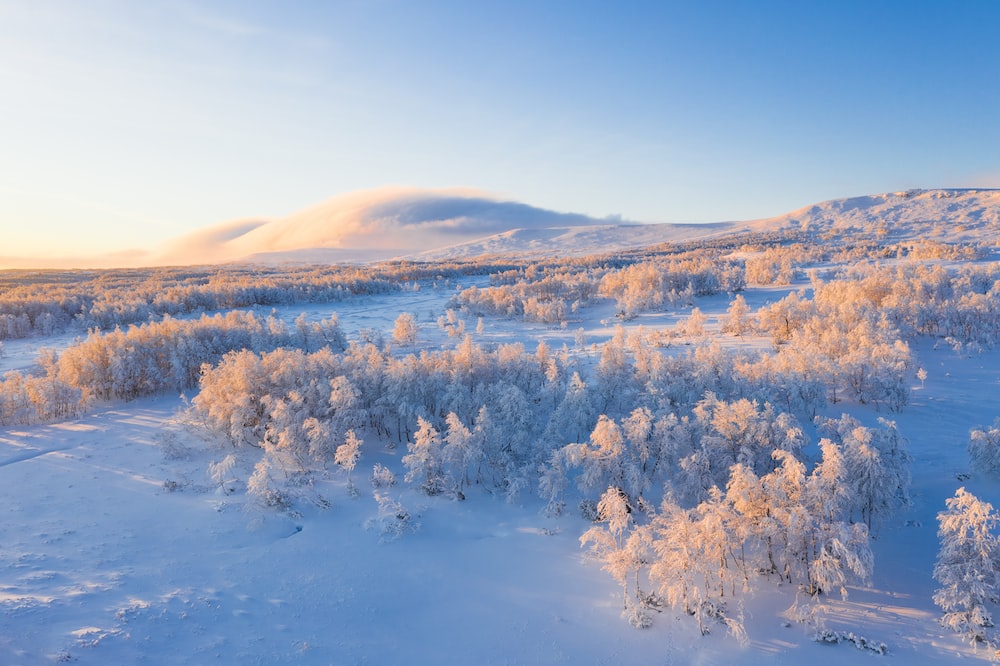
Norwegian winter landscape. Photo: Unsplash
There are, however, two different theories about the shaping of Scandinavian landscape. One theory states that the fjords in western Scandinavia are mainly formed by glaciers and ice sheets, while the relatively flat top of the Scandinavian mountain range (e.g. as can be seen in Hardanger Vidda, Dovre) was thought to have formed by eroding the 400 million years old Caledonian mountain range to sea level in Mesozoic times. As these flat surfaces are at present at elevations of 1-1.5 km, this was taken to indicate uplift to its modern elevation during the last 60 million years.
A completely different theory, presented in a geoscience article (2012) by Dr. Philippe Sitter, professor Ritske Huismans and collaborators at the Department of Earth Science, University of Bergen, shed new light to an old scientific controversy, assumeing that the high mountains in western Scandinavia/Norway have been there since about 400 million years, and were slowly eroded to their modern shape and elevation. In this latter theory, both the fjords and the high elevation flat morphology is thought to be formed by glaciers and ice sheets during the last 2.8 million years.
According to the authors, this controversy is to a large degree a result of insufficient data on the age of these different characteristic landscape features of the Scandinavian mountains, and highlights the difficulty in our ability to reconstruct the past.
Let’s, however, take a break from scientific dispute. When the short Scandinavian summer slowly is going to an end, we want to plan a trip or dreaming of a getaway somewhere to electrify the senses. Autumn and winter are magical seasons in Scandinavia, and we’ve picked some places that are sure to help you embrace the beauty of the colder season!
Sweden and Norway alone are so vast that it would be impossible to do the entire countries justice in a single article. The selected places here have been made just to give you, a potential visitor, a meaningful and satisfying taste of the different landscapes that both Sweden and Norway have to offer.
For the considerably smaller country of Denmark there is an obvious focus on a particular type of activity.
Scandinavian Landscapes Shaped by Fire and Ice, article continues below image.
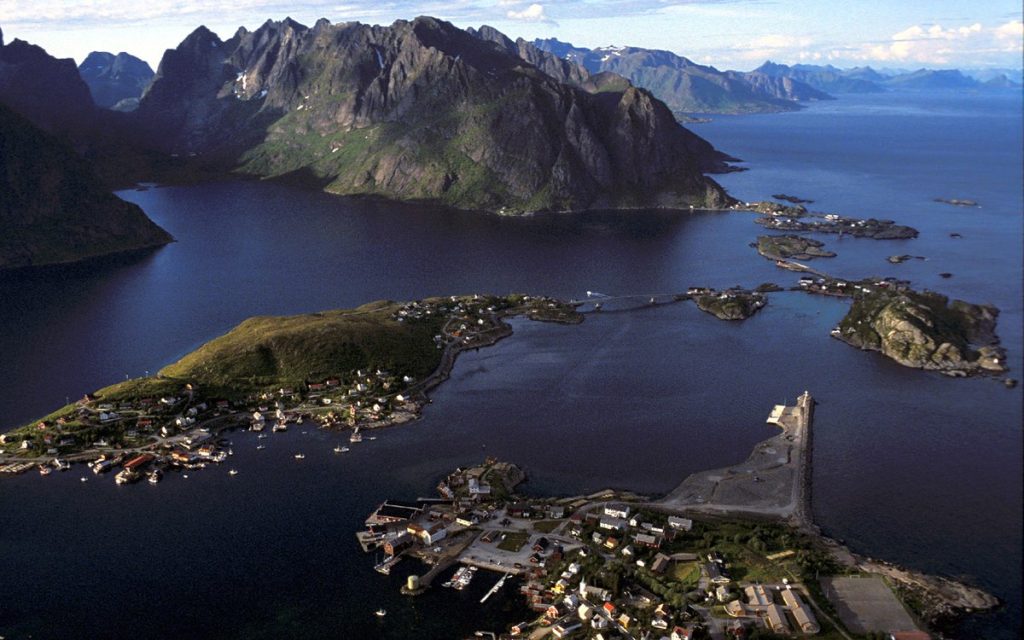
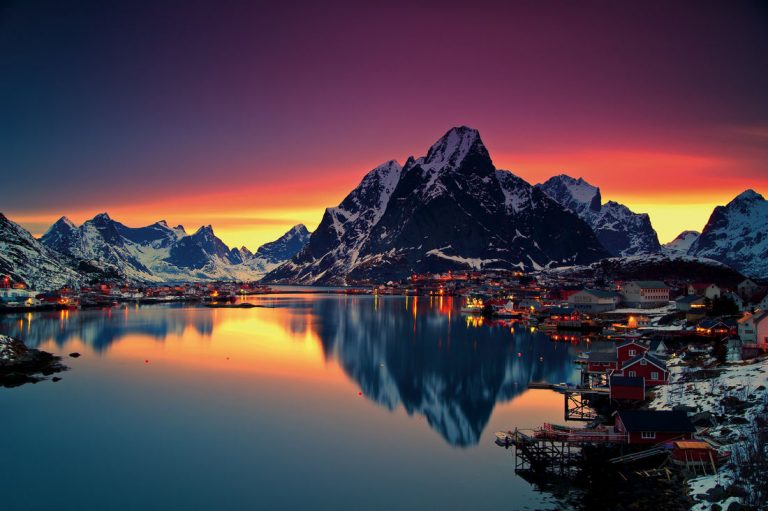
From Lofoten. Photo: Wikipedia
1. The Lofoten archipelago, Norway
The Lofoten archipelago has distinctive scenery with dramatic mountains and peaks, open sea and sheltered bays, beaches and untouched lands. It’s a truly magical place to visit if you are looking for an unforgettable trip. There are two towns, Svolvær and Leknes – the latter is approximately 169 km (105 mi) north of the Arctic Circle and approximately 2,420 km (1,500 mi) away from the North Pole.
The best things to see in Lofoten, click the image for more info
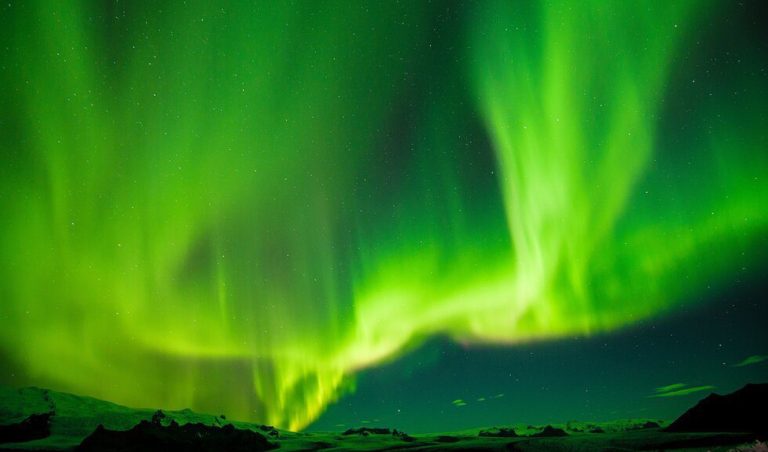
The visual sights are the main attraction, and the Northern Lights and Midnight Sun are just a few natural feats that will make a stay here something to remember! The archipelago experiences one of the world’s largest elevated temperature anomalies relative to its high latitude.
Don’t forget to try the fishing delicacies of the nearby villages and you can even stay in a traditional fisherman’s cabin!
The Lofoten Islands in Norway are a truly magical place to visit if you are looking for an unforgettable trip. A whole range of activities is available in a place where mountains, snow, water and beaches combine.
From Skåne. Photo: Visit Sweden
2. Skåne Countryside, Sweden
The southernmost county of Sweden, Skåne, is a unique destination offering a broad spectrum of experiences, from Malmö’s unique architecture to relaxing natural landscapes with large expanses of bright yellow rapeseed fields, enchanted beech tree forests and white sandy beaches.
Skåne has been voted the 9th place to go this year by the New York Times, describing it as ‘unadulterated coastline, mushroom-filled forests and red wooden houses’. If you like beautiful, peaceful surroundings with plenty of greenery and fresh delicacies to try, then rural Skåne is well worth a visit!
Click the image to learn more about the Swedish south coast.Fram Lake Siljan. Photo: Visit Sweden.
3. Lake Siljan, Sweden
Siljan, in Dalarna in central Sweden, is Sweden’s seventh largest lake. Readers of Daily Scandinavian may have read about the Dalahorse and would know that the painted wooden horses originated from here!
Traditions aside, the area was actually made as the result of a huge meteor crash over 300 million years ago. Now it is truly a place of beauty, with plenty of winter activities to keep you busy! The surrounding area is ready for you to ski, hike, and even dogsled! The largest town on Lake Siljan’s shore is Mora, home of the famous Mora knife.
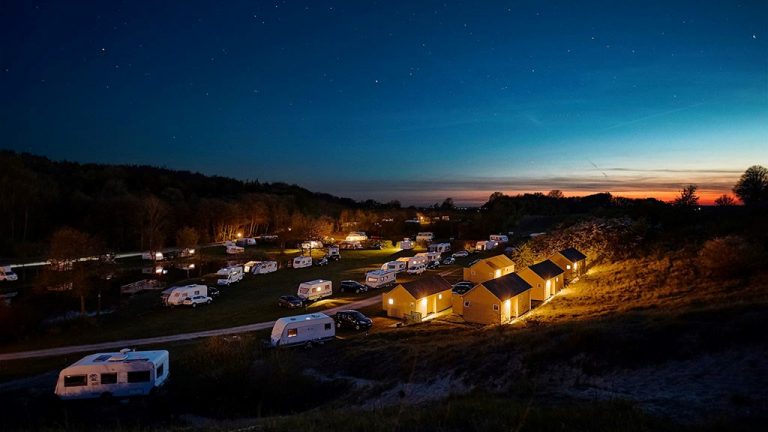
To learn more about Sweden’s folklore provice, please click the image.Camp Møns Klint. Photo: Visit Denmark
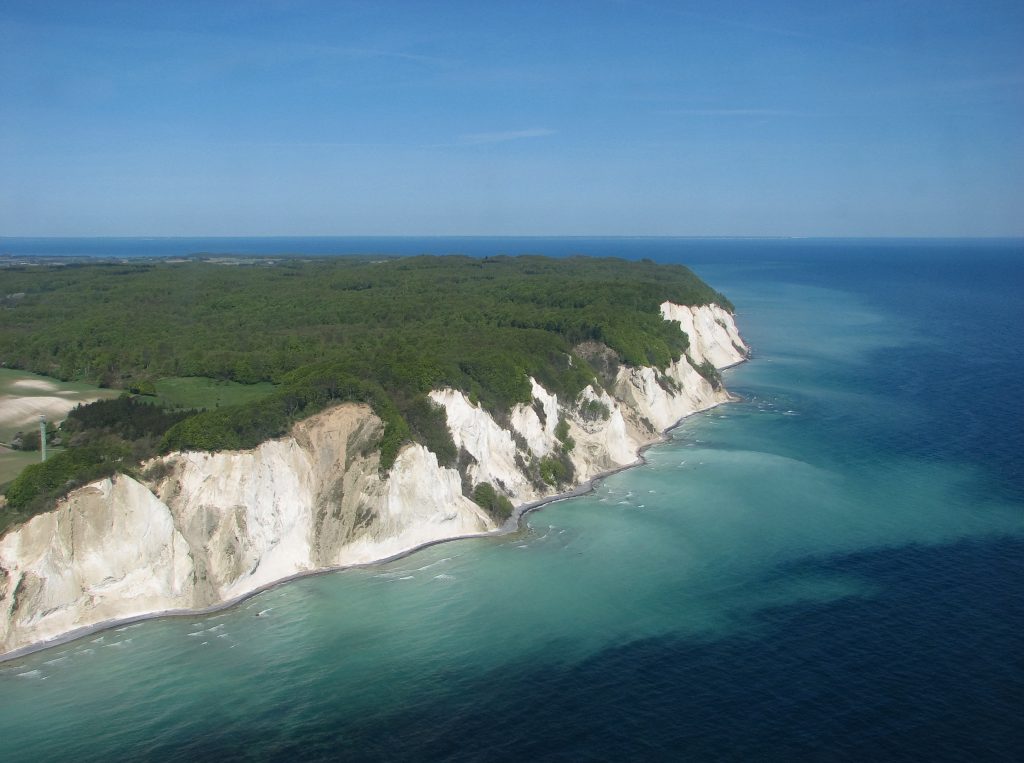
4. Møns Klint, Denmark
Møns Klint is a 6 km stretch of limestone and chalk cliffs along the eastern coast of the Danish island of Møn in the Baltic Sea. It’s another haven for hikers, the cliffs are the highest in the country, and the trails lead to breathtaking views out to the Baltic Sea. The cliffs are said allow visitors to completely feel at peace, and at one with the landscape.
Some of the cliffs fall a sheer 120 m to the sea below. The highest cliff is Dronningestolen which is 128 m above sea level. The area around Møns Klint consists of woodlands, pastures, ponds and steep hills, including Aborrebjerg which, with a height of 143 m, is one of the highest points in Denmark.
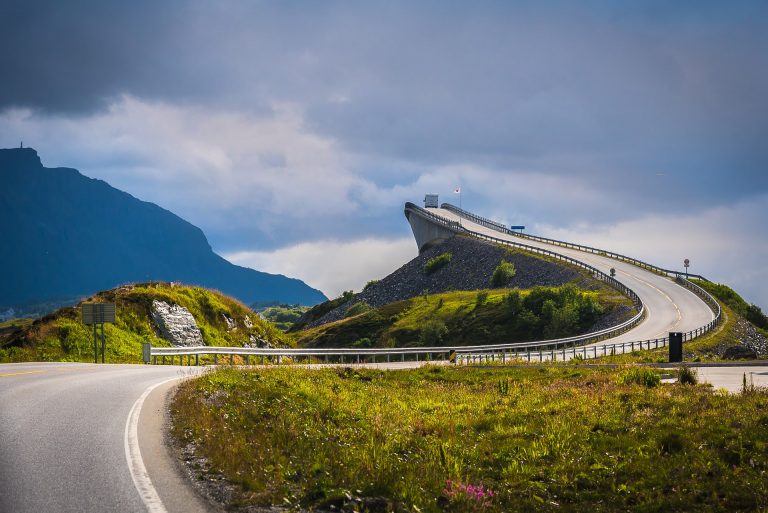
Find out more about camping at Mønsk Klint by clicking the image.From the Atlantic Road. Photo: Eline Karlsdatter/Visit Norway
5. Atlantic Ocean Road, Norway The Atlantic Ocean Road connects Averøy with the mainland via a series of small islands and islets spanned by a total of eight bridges over 8274 meters. The road was opened in 1989 and is toll free. The Atlantic Road has National Tourist Route status and the entire stretch between Bud and Kristiansund is one continuous experience packed with coastal scenery, culture and history.
The road is not for the faint-hearted however, as the sea has a tendency to rear up and send spray in the path of unsuspecting drivers! We can’t fault the scenery itself, it’s sure to make the journey of a lifetime amongst some of the most beautiful islands and mountains in Scandinavia.
Norwegian designer Torunn Gullaksen and creative director, writer and modelBetty Bachz, founded sunglass brand Møy in 2017. Since then, the brand has developed a niche following and customer base with its distinguishably unique designs with uncompromising quality. Learn more about theexclusive eyewear brand with Scandinavian heritage.
The founders aimed to create exclusive sunglasses for a more inclusive world. The sunglasses has been named as the independent eyewear brand to watch by British Vogue and worn by the likes of supermodels and A-list celebrities alike, such as Kate Moss, Jourdan Dunn, Tina Kunakey, Phoebe Dynavor and Nathalie Emmanuele.
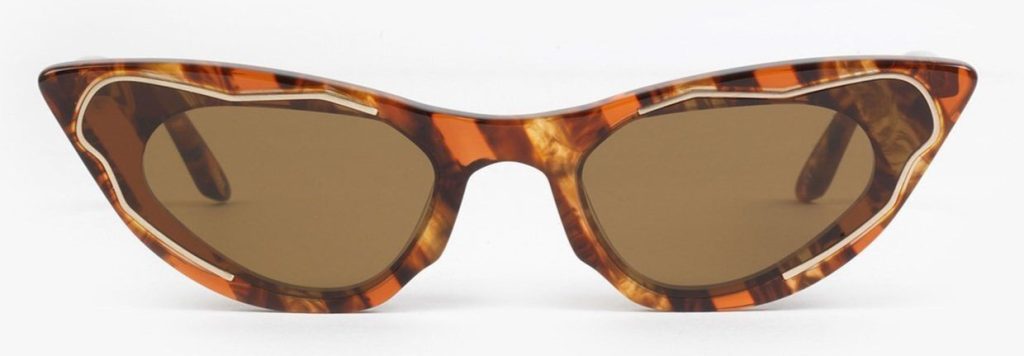
“Come fly with me”. Tortoise stripes front.
Related: Signature optics made by Danish designer, click image below to read more:
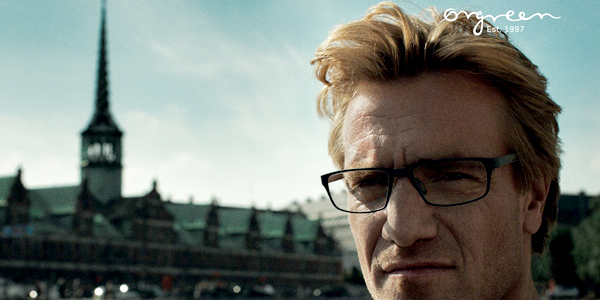
Ørgreen Optics
MØY – a virgin in mind and spirit
Translated from Norse, MØY means a young woman, someone who is open to new ideas; a virgin in mind and spirit – a philosophy expressed by its bold output. The brand specializes in designer eyewear exclusively handcrafted by artisans in Japan with materials sourced from Italy. The brand has a strong focus on sustainability and is committed to respect our planet and deliver eco-friendly collections based on 100% recyclable and biodegradable bio-acetate frames combined with bio-nylon lenses.
With a Norwegian design team working alongside Betty, the sunglasses are grounded in Nordic style, combined with a playful 1970s spirit. Further inspirations come from Betty’s interest in the role and reputation of femme fatales throughout history, the later days of the golden age of cinema, and ancient Egyptian artistry.
Today, Møy’s sunglasses are inspired by retro styles and crafted by Japanese artisans at Studio Pantechnicon
Nordic design – Japanese craft
Today, Møy’s sunglasses are inspired by retro styles and crafted by Japanese artisans at Studio Pantechnicon. The glasses are equipped with transparent lenses.
“We prefer to see the eyes of the person we are having a conversation with, even in bright sunlight, it feels more honest,” Gullaksen said in an interview when the brand was launched. “In these days of so much lying in politics, there’s just no room to hide.”
Exclusive Eyewear Brand with Scandinavian Heritage, written by Tor Kjolberg
Swedish architect Gert Wingårdh (born 1951) and his family live in an old cottage in a picturesque setting near Marstrand in Kungsälv Municipality, in sharp contrast with the modernist style and skyscrapers with squares and sharp edges that he designs in his professional life in his company Wingårdh arkitektkontor. Here’s a portrait of the Swedish star architect.
Gert Wingårdh is one of Sweden’s most esteemed living architects. He has brought Sdwedish architecture out of the tradition of the international style and into contemporary times with his playful design spirit and love of eye-catching materials. With his use of bright colors and geometric motifs, his recent buildings have been described as “Maximalist” or “Modern Baroque.”
Wingårdh studied economics, art history and architecture in the 1970s at Gothenburg University and Chalmers University of Technology and has in interviews stated that it was a visit to the Pantheon, Rome, that made him decide to become an architect. Originally, his dream was to be an art-gallery owner.
He started as an interior decorator in the 1970s. He received his degree in architecture from Chalmers in 1975. After graduating he joined an architectural firm for a short while before setting up his own office in 1977.
The next 10 years saw Wingårdh take on small commissions before his critical breakthrough in 1988 with his design for the Öijared Executive Country Club outside Gothenburg. The building rendered him the first of his record 5 Kasper Salin Prizes, the highest award in Sweden for excellence in architecture.
In recent years, he has had a number of assignments in the United States and Germany. Wingårdh is also the creator of the Swedish embassy in Washington D.C. (2006), known as the House of Sweden and the Swedish embassy in Berlin. Most of his realized buildings, however, can be found in Sweden and in particular in the area of metropolitan Gothenburg.
Emporia, Malmö. Photo: Tord Rikard Söderström
In 2007 Wingårdh won a major international competition for a large new shopping center in Malmö, and in the same year seven of the twelve hottest architecture projects in the capital Stockholm – listed by a Swedish national daily – were designed by Wingårdh.
He has attracted some controversy in his home country for his embrace of skyscrapers. His Victoria Tower (2011) is one of the tallest buildings in Stockholm, and a recent design for a 237-meter, 75-story tower in south Stockholm has been put on hold due to outcry that it may not meet zoning requirements.
In 2015, Wingårdh released “What is Architecture? And 100 Other Questions,” a popular book that provides both long and short answers for what he believes are the most pressing questions in architecture today. Wingårdh answers the titular question by responding that architecture is “the built image of ourselves.” Looking at his work through this lens, it is clear that Wingårdh now believes the greatest human attribute is our capacity for playfulness.
His ambition to “give the client what they did not know that they wanted” reveals his will to provoke as well as to adapt.
Portrait of a Swedish Star Architect, written by Tor Kjolberg.
Unforgettable concerts, world-renowned artists and fun events, the Swedes have plenty to tempt with cultural highlights in the coming months. Visit this amazing country and join Sweden’s diverse cultural offerings! Find out more about the8 cultural highlights in Sweden you don’t want to miss this summer.
This year, a lot is happening on the cultural front in Sweden. The world-renowned Chinese artist Ai Weiwei comes to Pilane Skulpturpark in Bohuslän, on Gotland there will be a medieval festival with games, markets and tournaments, Gothenburg celebrates 400 years as a city, and famous artists take stages all over the country. Here we list eight highlights:
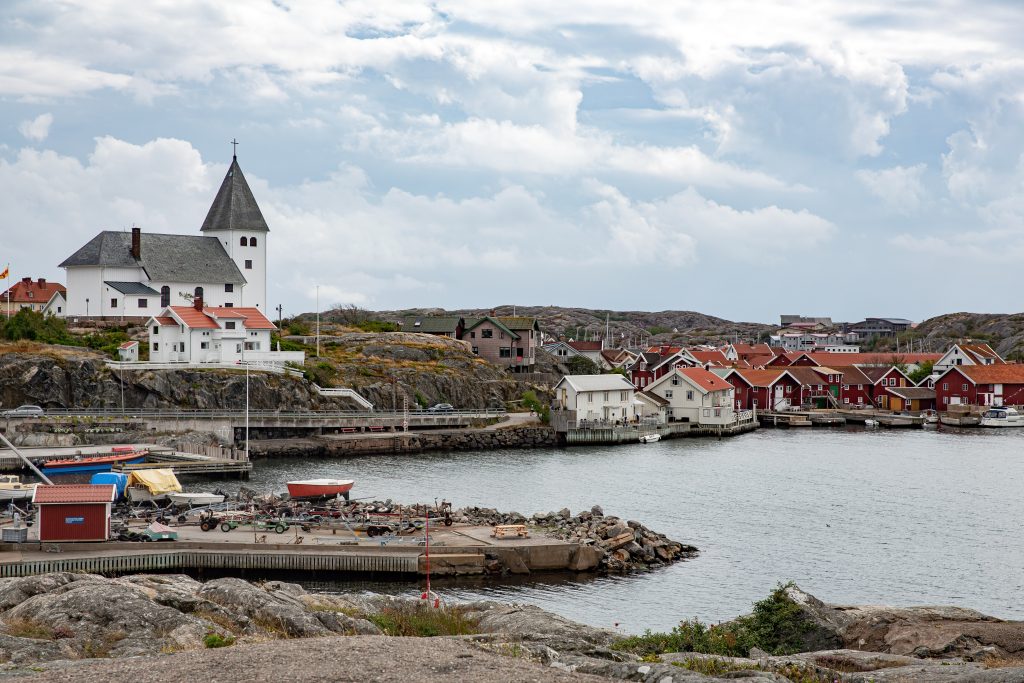
Skärhamn, Tjörn, Sweden
1. World-renowned artist to the island of Tjörn
13 May – 24 Sep – Tjörn, Western Sweden
Øya Tjörn in Bohuslän, goes by the name “Island of art” for its diverse offer of art experiences. This year, the world-renowned artist Ai Weiwei is visiting the Pilane sculpture park on the island. Weiwei is exhibiting the exciting installation Roots – seven gigantic underground roots. The Pilane sculpture park is an eight-hectare cultural landscape that houses, among other things, the iconic work Anna by Jaume Plensa.
In addition to Weiwei, Charlotte Gyllenhammar, Tony Cragg, Maria Miesenberger, Hans Gothlin, Anna Fasshauer, Ingela Palmertz and Ingrid Ogenstedt also exhibit their works on the island in the North Sea. Close to the sculpture park is also the Nordic Watercolor Museum, which this year is showing the exhibition “Animal kingdom”, with works by 14 different artists from five different centuries. Together they shed light on the forces that shape the natural world and our perception of humans’ role in it.
A boat trip from Tjörn out into the sea gap awaits yet another unique experience. Out there you will find the award-winning hotel Pater Noster, an old lighthouse that has been transformed into a design hotel in a class of its own. This summer you can visit the exhibition “Guardian of water” out on the small island. The exhibition is a tribute to the sea and photographers Christy Lee Rogers and Zena Holloway are strongly engaged in issues surrounding biological diversity and life in the world’s oceans.
Gothyenburg Anniversary Festival 2023
2. Anniversary celebration in Gothenburg
02.juni – 03. september
In 2021, Gothenburg turned 400 years old, and this year the city will be celebrated a couple of years late with a bang and a bang throughout the summer. There will be events, concerts and exhibitions all over the city and it will all end with the final weekend on 3 September, when the Kulturkalaset, the Ö-fest at Ringön, Frihamnsdagarna, the Göteborgsvarvet Marathon and the big Jubilee Parade will also take place. The Kulturkalaset will fill the city with music, dance, theater and art, the Öfest transforms Järnmalmsgata into a festive street party and the Jubilee Parade will be a party and celebration together.
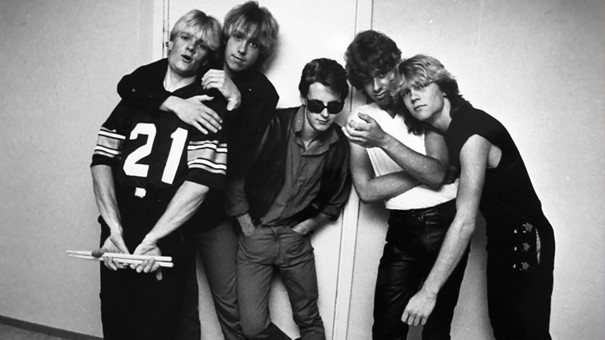
Gyllene Tider
3. Unforgettable concert with Gyllene Tider
01 – 08 July – Halmstad, Halland
Experience the Gyllene Tider (Golden Times) in its home county Halland this summer. The legendary Swedish group plays two concerts filled with joy, nostalgia and summer feeling at the beginning of July. For more than 40 years, the Halmstad group has delighted listeners with new and old songs, and in July they invite you to a sing-along and a fantastic concert experience in the summer town of Halmstad.
8 Cultural Highlights in Sweden You Don’t Want to Miss This Summer, the article continues below the image.
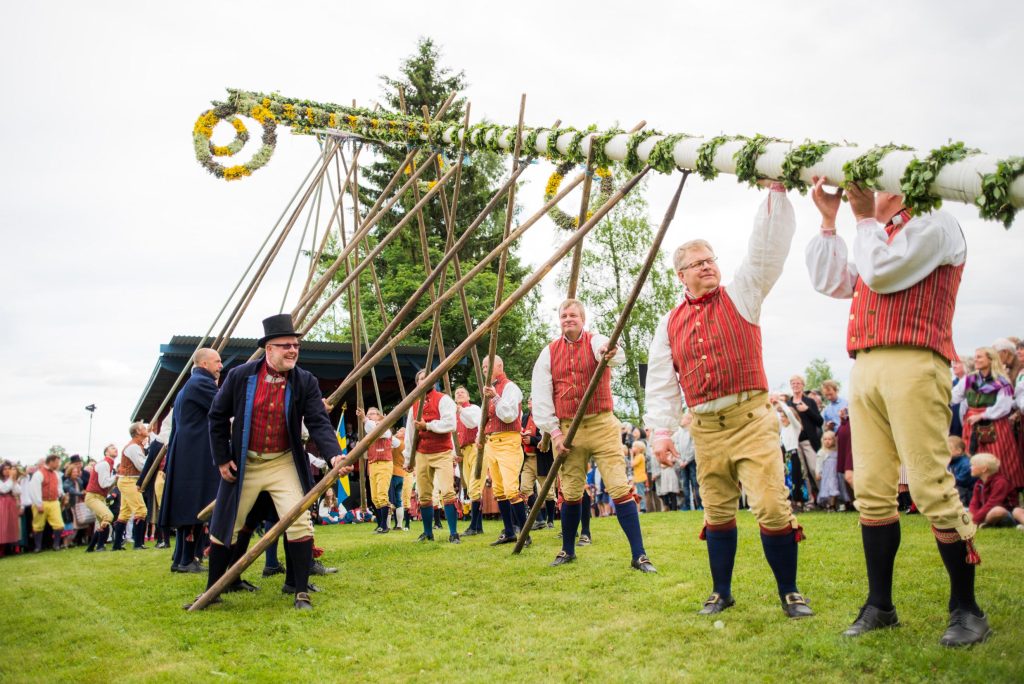
Maypole, Dalarne. Photo: Per Bifrost
4. Midsummer celebration in Dalarna
Last week in June – Dalarna
Join the Swedes’ biggest celebration! The traditional midsummer celebration is a tribute to light and summer. On Midsummer’s Eve, which this year falls on Friday 23 June, Swedes dress up in bright summer clothes, decorate their hair with flowers and gather to eat good food, sing and dance around the Maypole. The celebration takes place all over the country, but the most traditional one can be found in Dalarna.
Here there will be a celebration with flower-decorated cornstalks, wreath-tying, dancing, music, food, parties and a good atmosphere. At Rättvik Gammelgård and Våmhus Gammelgård outside Mora you can experience authentic midsummer celebrations with fiddlers, while the biggest celebration takes place in Leksand, where more than 20,000 people gather each year.
Unique to Dalarna is that they don’t just celebrate on the 23rd, but both before and after the day itself. Every town and small town have its own celebration both days and weeks before and after Midsummer’s Eve itself. It is thus possible to join the midsummer celebration on several dates.
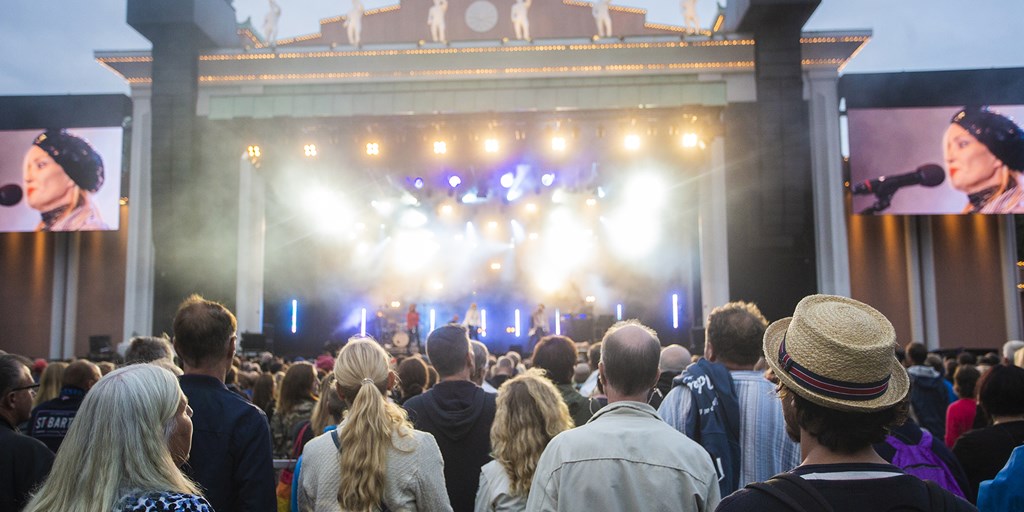
Live Concert, Stora scenen, Liseberg amusement park
5. Concerts in the Gothenburg amusement park
Gotheburg’s Liseberg amusement park celebrates 100 years and dishes out an impressive festival program. This summer you can experience some of Sweden’s biggest artists and world-renowned bands on stage. Shake your rocking feet to artists like The Offspring, In Flames, Monica Mac and Sean Paul.
Örebro castle. Photo: Visit Sweden
6. Gustav Vasa moves into Örebro Castle
June 6 – September 17 – Örebro
This year it is 500 years since Gustav Vasa was elected king of Sweden and it is marked, among other things, with a separate exhibition at Örebro Castle. The exhibition “Gustav Vasa speaks from his beard – an exhibition about power” is about power, manipulation and propaganda. The exhibition is curated by Kalmar Castle, Livrustkammeren (which also has an epic Instagram profile) and a creative team of designers, architects, historians, graphic artists and playwrights.
Challenge each other in the Vasakampen, join a guided tour of the Vasa Castle or let the children visit the ghost Laban. In addition to the Vasa exhibition, the castle also has an exhibition called Manga Royals, which combines royal history with manga drawings. This year it is 500 years since Gustav Vasa was elected king of Sweden and it is marked, among other things, with a separate exhibition at Örebro Castle. The exhibition “Gustav Vasa speaks from his beard – an exhibition about power” is about power, manipulation and propaganda. The exhibition is curated by Kalmar Castle, Livrustkammeren (which also has an epic Instagram profile) and a creative team of designers, architects, historians, graphic artists and playwrights. Challenge each other in the Vasakampen, join a guided tour of the Vasa Castle or let the children visit the ghost Laban. In addition to the Vasa exhibition, the castle also has an exhibition called Manga Royals, which combines royal history with manga drawings.
Concert Summer in Örebro
Sweden’s fourth largest city, Örebro, invites you to a number of exciting concerts this summer. At the luxury camping Gustavsvik you can experience Benjamin Ingrosso, Carola, Hooja, Miriam Bryant and Veronica Maggio, while Håkan Hellström occupies Brunnsparken in central Örebro.
Dalhalla is the concert stage located in a disused quarry and described as one of the most powerful and beautiful outdoor arenas in Europe.
7. Magical concert evenings in a disused quarry
In the Dalarna region, there will be concerts with international and national artists in a completely unique concert setting. Dalhalla is the concert stage located in a disused quarry and described as one of the most powerful and beautiful outdoor arenas in Europe. Artists such as The Hives, Bon Iver, First Aid Kit, Mamma Mia the musical and KISS themselves will come here this summer.
Medieval week, Gotland
8. Medieval week on Gotland
August 6-13 – Visby, Gotland
In week 32 every year, a large-scale medieval festival is held in the middle of Visby on Gotland, and this year the Medieval Week celebrates 40 years. The historic houses in the town and the old ring wall form a perfect backdrop for a medieval festival, where people dress up in historical clothes and markets, performances, concerts and games are organized in authentic medieval style.
8 Cultural Highlights in Sweden You Don’t Want to Miss This Summer, a press release from Visit Sweden
Feature image (on top):Photo left: ROOTS Ai Weiwei Courtesy the artist and Lisson Gallery. Photo: Gao Yuan. Photo credit: Visit Dalarna
The world’s first Al sculpture “The Impossible Statue” is on display at Stockholm’s National Museum of Science and Technology. A historical dream team of five master sculptors has come true. Learn more aboutthe world’s first AI-generated statue – in Sweden.
Five master sculptors, Michelangelo, Rodin, Käthe Kollwitz, Takamura Kotaro, and Augusta Savage, have been used to train artificial intelligence to design a sculpture dubbed the Impossible Statue, now on show in Stockholm.
A true statue
“This is a true statue created by five different masters that would never have been able to collaborate in real life,” said Pauliina Lunde, a spokeswoman for Swedish machine engineering group Sandvik that used three AI software programs to create the artwork.
Shaking up traditional conceptions about creativity and art, the stainless steel statue depicts an androgynous person with the lower half of the body covered by a swath of material, holding a bronze globe in one hand.
The statue appears almost like an oversized awards trophy.
From afar, it seems hardly remarkable, a human-shaped swirl of stainless steel clutching an orb. It appears almost like an oversized awards trophy. Only upon investigation does the singularity of the five-foot work, a fusion of generative AI and precision manufacturing, become apparent.
On show at Stockholm’s National Museum of Science and Technology
On show at Stockholm’s National Museum of Science and Technology, the statue measures 150 centimeters (4 feet 11 inches) and weighs 500 kilograms (1,100 pounds).
“Something about it makes me feel like this is not made by a human being,” Julia Olderius, in charge of concept development at the museum, told AFP.
Though this project is art-centric, the manufacturing methods involved in creating The Impossible Statue differed little from other tasks, said Nadine Crauwels, president of Sandvik Machining Solutions: “By using all our capabilities, we can significantly improve manufacturing efficiency, reduce waste, and ensure the highest quality.”
“Though this project is art-centric, the manufacturing methods involved in creating The Impossible Statue differed little from other tasks”, said Nadine Crauwels, president of Sandvik Machining Solutions
Visitors may note the muscular body inspired by Michelangelo, and the hand holding the globe inspired by Takamura.
After settling on a design, Sandvik converted the 2D image into a 3D model using both depth-estimator software and human pose estimation, a computer task that identifies different part of the human body within a scene. The company then thoroughly tested the manufacturing process in a series of digital simulations, cutting the amount of steel used in the process by half. The statue it produced was composed of nine million polygons, 17 separate steel pieces, and differed from the digital design by less than 0.03 mm.
“Something about it makes me feel like this is not made by a human being,” Julia Olderius, in charge of concept development at the museum.
“I don’t think you can define what art is. It’s up to every human being to see, ‘this is art, this is not art’. And it’s up to the audience to decide,” Olderius said and added: “I don’t think you have to be afraid of what AI is doing with creativity or concepts or art and design. I just think you have to adapt to a new future where technology is a part of how we create concepts and art.”
The World’s First AI-Generated Statue – in Sweden, written by Tor Kjolberg