In spring, ramsons (or wild garlic) covers the floors of deciduous forests in Scandinavia, and they can be detected from miles away. Their permeating garlic smell is pungent in the warm May air. Learn more about Scandinavian ramsons.
You should collect and eat them while you can, as the darkening canopies of beech leaves will soon make them wither. You can grow ramsons yourself in a woodland area of your garden, but beware – they must be planted where they can be allowed to follow their rampant nature.
The bulbs themselves, the broad, soft leaves and the white, starry flowers are very much edible. Photo: Store norske leksikon
Appearance and taste The bulbs themselves, the broad, soft leaves and the white, starry flowers are very much edible. Perhaps surprisingly, the flowers tend to have a stronger flavor than the mildly garlicky leaves.
Perhaps surprisingly, the flowers tend to have a stronger flavor than the mildly garlicky leaves. Photo: Plantasjen
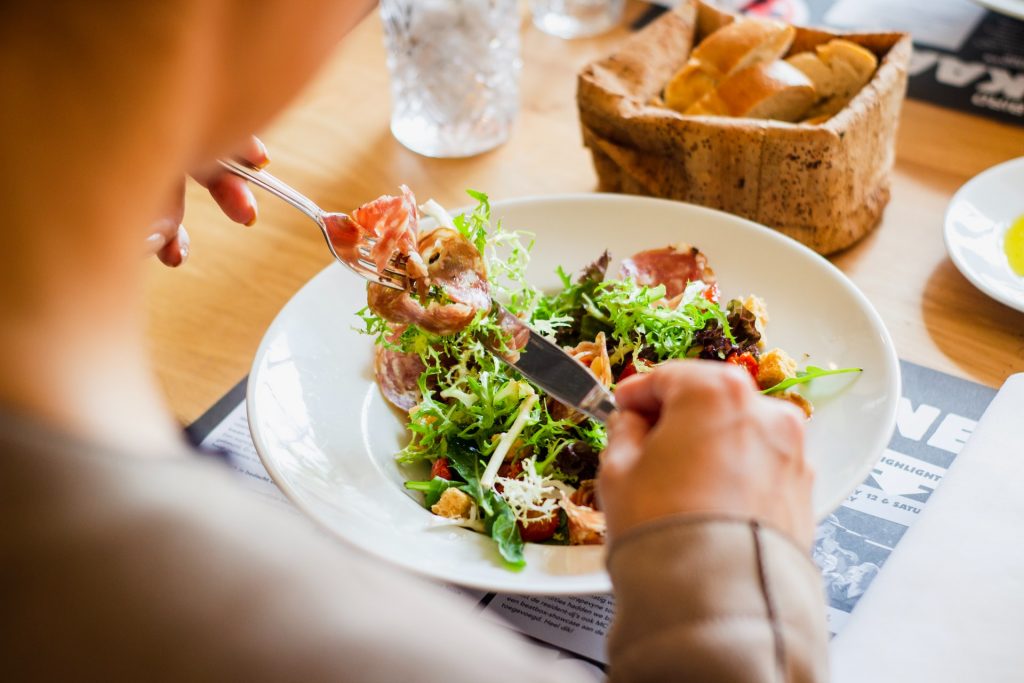
Culinary uses Ramsons are so abundant in spring that they can be eaten and cooked like spinach, in soups, omelets, as an accompaniment for everything nice and light, for a pesto, or in salads. The mild garlicky taste and softness of the leaves mean that they lend themselves to anything that you might associate with spinach and garlic.
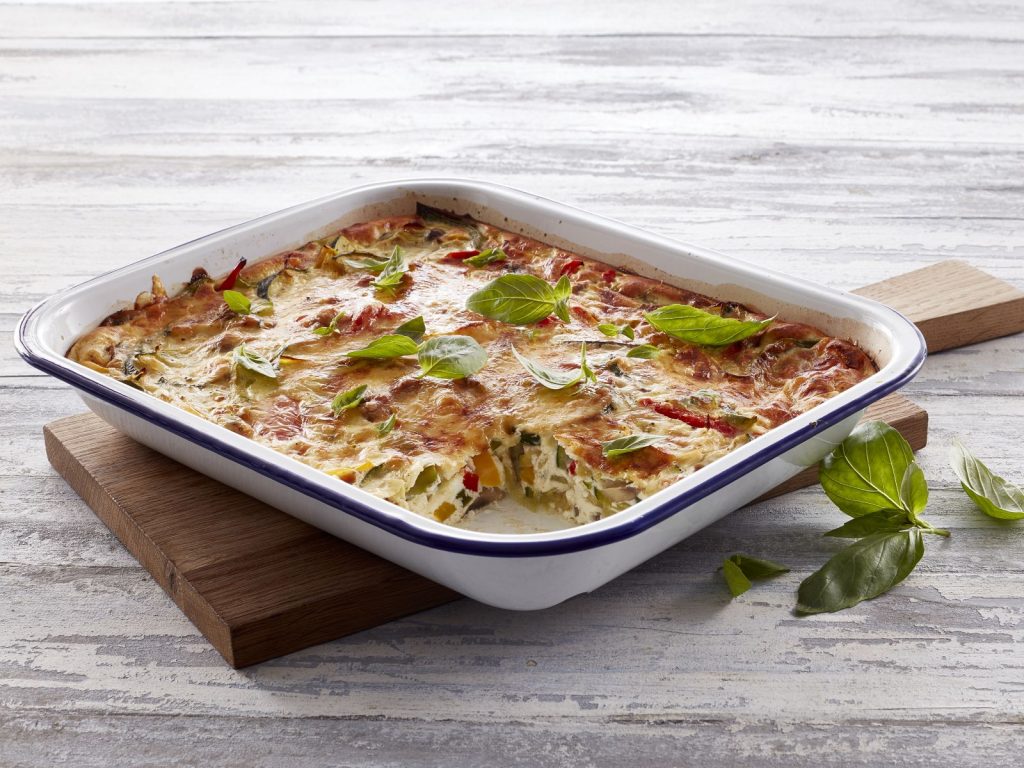
There are several secrets behind making a good omelet. Photo: melk.no
Omelet with ramsons and other herbs
There are several secrets behind making a good omelet as is often the case when cooking very simple seeming dishes. Firstly, add no salt before the omelet is finished. Also, omelets need a very high pan, with lots of butter or olive oil to make the eggs fluff up. And always use very fresh eggs, from decently raised and fed birds. You do not need to consider all the lore about expensive omelet pans washed by mermaids in the moonlight. A heavy pan, preferably iron or copper, is fine (Tefal pans do not work very well at high temperatures). Mozzarella is not, admittedly, very Nordic, but the consistency amidst the soft eggs is beautiful. Eat the omelet with rye bread, and maybe a tomato salad. Leftovers taste lovely in a sandwich, especially with smoked fish – ideally as part of a picnic.
100ml extra virgin olive oil
200g mixed fresh herbs, finely chopped: choose from ramsons, sorrel, chervil, tarragon, chives, dill, parsley and blanched nettles.
8 large organic eggs
1 buffalo mozzarella, cut into thin slices
Salt and pepper
SERVES 4 for lunch
Heat a heavy frying pan until very hot, then pour in the oil and heat again. Meanwhile, whisk the herbs into the eggs.
Pour the eggs into the hot pan and let them fluff up wildly into a bubbly light thick omelet. Add the mozzarella slices.
As soon as the eggs are solid around the edge, lift with a palette knife and tilt the pan, so that the more uncooked egg runs underneath. When the omelet is no longer fluid, but still very soft in the middle, remove it from the heat. Scatter with salt and pepper, and fold into a half moon.
Due to current restrictions in Sweden, the Stockholm Furniture & Light Fair 2022 has been postponed to September. However, the much-appreciated Stockholm Design & Architecture Talks will run digitally February 8 – 10 with the overall theme “Being a Game Changer”. So, although Stockholm Furniture & Light Fair 2022 has been postponed to September, the week 7 – 13 February will be filled with inspiring design news and events. Read on.
This year’s fair in September with the theme “Being Scandinavian” explores the typically Scandinavian beyond obvious conventions. One of the news for 2022 is a new fair layout making the experience for the visitors more dynamic. There are also a number of new concepts like The Library, a curated exhibition space where you can book a space to show only one or two new launches instead of booking an entire stand.
September 2022 is the 72nd Stockholm Furniture & Light Fair. Photo: Dezeen
Explore Scandinavian design during Stockholm Design Week February 7-13
Design news and launches will take place digitally in the organizers’ social media channels and will be a week filled with inspiring design news and events.
Both Stockholm Furniture & Light Fair and Stockholm Design Week are scheduled to run again in September this year. The launch of the interactive app pushing events and exhibitions in Stockholm will also be postponed until it’s safer to meet in larger numbers again.
“Being a Game Changer” is the overall theme of this three-day event
Stockholm Design & Architecture Talks On February 8-10 the digital seminar program Stockholm Design & Architecture Talks will be broadcasted. With “Being a Game Changer” as an overall theme this three-day event focus on the most important issues facing the industry right now.
Stockholm Design & Architecture Talks is a leading platform for discussing and exploring architecture and design, and has been part of Stockholm Furniture & Light Fair since 2013. The program for 2022 has a strong focus on sustainability and innovation and is designed to promote knowledge and to spur discussion and development within the field of design and architecture.
Dezeen founder Marcus Fairs and British journalist Katie Treggiden will moderate several of the panel discussions during the digital seminar program.
Dezeen founder Marcus Fairs will moderate several of the panel discussions during the digital seminar program, as will the British journalist Katie Treggiden, author of the recently released book Wasted: When Trash Becomes Treasure (Ludion, 2020). Tregidden also runs successful podcast Circular with Katie Treggiden, which explores craft’s potential role in the transition to a more circular economy.
Stockholm Furniture & Light Fair 2022
September 2022 is the 72nd Stockholm Furniture & Light Fair. For more than half a century, the fair has been Scandinavia’s display window for design. Since the Stockholm Furniture & Light Fair was held for the first time in 1951, it has evolved from being a local furniture fair, only featured Swedish manufacturers and furniture retailers, to have become the world’s leading event for Scandinavian design, welcoming visitors and exhibitors from all corners of the world.
Over the years, countless business deals have been created there, contacts have been established, new products have been launched, and both design classics and celebrated designers have been presented.
Stockholm Furniture & Light Fair 2022 Postponed to September, compiled by Tor Kjolberg
If you want to apply for a loan and compare different offers, you can either apply yourself through several lenders or use a loan intermediary. More and more people are using loan intermediaries because these make it easier to compare loans and the road to finding a loan that best suits their financial needs shorter. Learn how a loan intermediary in Scandinavia can help you find the best offer.
With that said, a loan intermediary makes it easier to obtain an overview of the loan providers that offers loan. The application process is also faster if you want many offers to get the best possible basis for your loan comparison. Here is what you need to know about a loan intermediary and how they can help you find the best offer.
A popular operator for loan intermediation in Sweden and the rest of Scandinavia is Loanscouter. Photo: Tierra Mallorca/Unsplash
How a loan intermediary works In short, a loan intermediary’s job is to obtain offers for private loans on customers behalf. When someone send an application to the intermediary, they forward their application to all the lenders they work with. So instead of sending applications to various lenders and/or banks, the loan intermediary does this for you.
Due to a high demand for consumer loans recently, the number of lenders in the market has increased, and so has the number of loan intermediaries. A popular operator for loan intermediation in Sweden and the rest of Scandinavia is Loanscouter, who you can LoanScouter to more easily find a cheap loan that suits your needs.
Loan intermediaries should not be confused with lenders themselves, i.e., the loan itself is not paid out by Loanscouter. However, you send an application with the help of Loanscouter and then this application is forwarded to the respective lender that they work with. Within a day, you should receive several offers and can then choose which option is best suited for your situation.
Loan intermediaries mean better competition on the market. Photo: Lukas Blazek/Unsplash
Why loans through intermediaries tend to be cheaper Loan intermediaries mean better competition on the market and therefore it is quite logical that a consumer loan mediated by a loan intermediary is cheaper than other consumer loans. When the loan providers receive the application from the intermediary, they know what they are just one of the companies that are fighting for the same customer. This often leads to them offering lower interest rates.
It is important to remember that the loan’s interest rate also depends on the borrower’s creditworthiness, which in turn means that the borrower with a bad credit score will still have a lower interest rate than the borrower with a good credit score. Further, it is worth noting that other fees may also come in connection with a consumer loan, such as a set-up and delay fees.
Another benefit with using a loan intermediary is that they do the credit report. Photo: John Schnobrich/Unsplash
Usually only one credit report through intermediaries Another benefit with using a loan intermediary is that they do the credit report. It is then passed on to the loan providers with whom the intermediary works with. Therefore, not every lender needs to take their own credit report and there will only be a single entry in the credit information register about the borrower. This in turn does not affect your credit score as negatively.
How a Loan Intermediary in Scandinavia Can Help You Find the Best Offer is a promotional article from LoanScouter.
It’s almost 16 years since the Danish ceramic artist Bjørn Wiinblad died, but his Blue House still remains a landmark. Wiinblad was one of the most famous and popular Danish artists of the last century. Learn more about theDanish ceramic artist’s legendary Blue House.
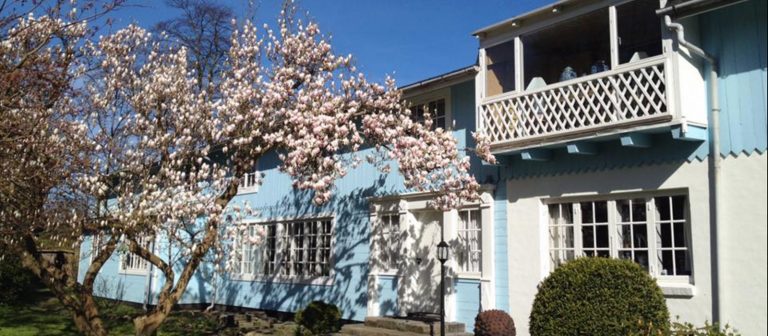
Bjørn Wiinblad (1918-2006) owned a number of houses and apartments in Denmark and Europe, but he reserved a special place in his heart for The Blue House. He bought the charming wooden building from the Swedish applied artist Brita Drewsen in 1966. Brita Drewsen continued to live in the guest house located at the end of the large and beautifully planted grounds, while Bjørn Wiinblad resided in the main building, which he furnished with his own designs, furniture and carpets, supplemented by his huge art collection.
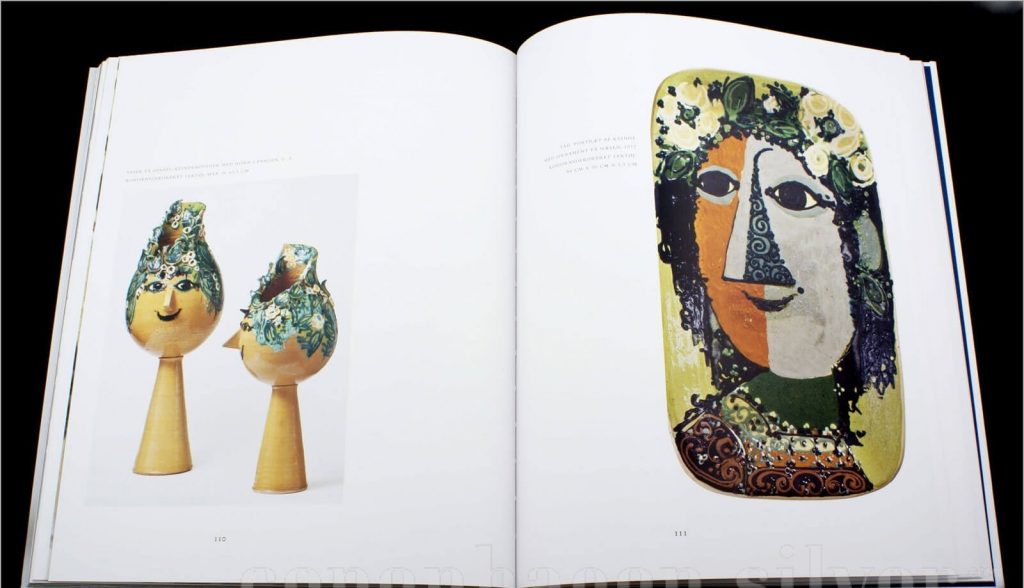
Bjørn Wiinblad taught himself a variety of ceramic techniques, and from there he expanded his vigorous talent for creation and delight in art to encompass ‘all platforms’. Photo: Rosenthal
The Blue House
The Blue House was Wiinblad’s home and workshop until his death in 2006. Today, the Blue House is owned by the Bjørn Wiinblad Fund. Wiinblad’s longtime chauffeur and right-hand man, René Schultz, is responsible for its day-to-day care, as well as for guided visits.
Bjørn Wiinblad reserved a special place in his heart for The Blue House. Photo: The Danish Club
At a very early age, Bjørn Wiinblad began to show signs of his talent for drawing and creating imaginative worlds. Aged 17, he began an apprenticeship as a typographer, but soon realized that his heart was set on following the path of an artist.
Wiinblad’s international greatness can be compared to that of Søren Kierkegaard
Joie de vivre
Ceramics, porcelain and graphics with Wiinblad’s lush, colorful shapes and winding lines, gradually became a great international success. He made advertising posters and fountains for the Tivoli Gardens in Copenhagen. The Blue House is in every respect a reflection of Wiinblad’s maximalism and joie de vivre – and a riot of sensory impressions.
Ceramics, porcelain and graphics with Wiinblad’s lush, colorful shapes and winding lines, gradually became a great international success.
He is most famous for the distinctive ceramics he designed for Nymølle and Rosenthal, found today in homes around the world. He created everything from dinnerware to furniture, from fountains to sculptures as well as restaurants and cruise ships. He made stage curtains for ballets and opera performances in Denmark, Oslo and Beirut.
Bjørn Wiinblad espousied a style dominated by wavy lines, bright colors and romantic worlds.
The romantic worlds of Bjørn Wiinblad
Even though Bjørn Wiinblad was Copenhagen born and bred, and had trained in Copenhagen, his style was anything but Danish, and while functionalism ruled the roost in Denmark, Bjørn Wiinblad went the other way, espousing a style dominated by wavy lines, bright colors and romantic worlds.
The 700 m2 Blue House in Kongens Lyngby, outside Copenhagen, which Wiinblad bought in the early 1960s functioned as both an open artist’s home and a living workshop for ceramic artists. The House still stands today exactly as it was when he died. It includes a host of secret rooms – are laid out with the most amazing interiors consisting of a huge, multifarious art collection from all parts of the world, as well as books from floor to ceiling. They bear testimony to a much-loved and intellectual multi-artist.
It was at his drawing board in the Blue House — which boasts a view of the garden’s magnolia tree — that Wiinblad created thousands of his singular pieces.
An artist of international greatness
Wiinblad taught himself a variety of ceramic techniques, and from there he expanded his vigorous talent for creation and delight in art to encompass ‘all platforms’.
Wiinblad’s international greatness can be compared to that of Søren Kierkegaard or, for a more contemporary reference, the artist Olafur Eliasson – although Wiinblad never achieved the same artistic recognition in Denmark as Olafur Eliasson. He did outside Denmark, however, where he was commissioned to design complete hotel furnishing solutions in Japan, the United States and Germany. To the 2500th anniversary of the Persian Empire in 1971, he designed a completely gold-plated dining plates set inspired by Mozart’s “The Magic Flute” on which royals from all over the world, including his good friend Queen Ingrid, have enjoyed their dinners.
A simple life in the Blue House
In the Blue House, Wiinblad had no television set. He subscribed to the newspaper Politiken, but only read the book reviews. The artist was perceived as a person who made beauty just for the sake of beauty. He was just as happy to make cake boxes for the supermarket chain Irma as graphic prints, often in large numbers.
The blue clapboard home on a quiet side street in Lyngby is deceptively unassuming. It’s been the site of fashionable dinner parties for movie stars and royalty and houses spectacular art and antiques collections. It also holds works by the eccentric Wiinblad, along with personal mementos and objects that tell the tale of his journey to international fame.
Wiinblad’s curiosity served to reinforce the flow of artistic objects.
Curiosity was his trademark
It was at his drawing board in the Blue House — which boasts a view of the garden’s magnolia tree — that Wiinblad created thousands of his singular pieces, everything from figures and ceramic plaques to theater sets and costumes to Oriental-style tapestries. He was a prolific artist whose diverse works ranged from incredibly expensive and unique projects to mass-produced ashtrays.
Wiinblad did not leap randomly from one object to the next. It was more a matter of an ongoing process, in which one object pointed to the next, and where Wiinblad’s curiosity served to reinforce the flow.
He regularly took the ferry to Norway to open exhibitions and meet customers at his Norwegian gallery.
Restaurant Wiinblad
Day in, day out, guests were invited to dinner with Wiinblad as the focal point and generous host. He was also keen to invite guests to ‘his’ restaurant at Hotel d’Angleterre – Restaurant Wiinblad – which he furnished and decorated in 1994.
Visit the Blue House The Blue House is normally off limits to the general public, but associations and large groups (min. 16 people) can visit it by arrangement. On such occasions, one or more people who were close to Bjørn Wiinblad will lead a guided tour and tell stories and anecdotes from Bjørn Wiinblad’s remarkable life.
A Danish Ceramic Artist’s Legendary Blue House, written by Tor Kjolberg
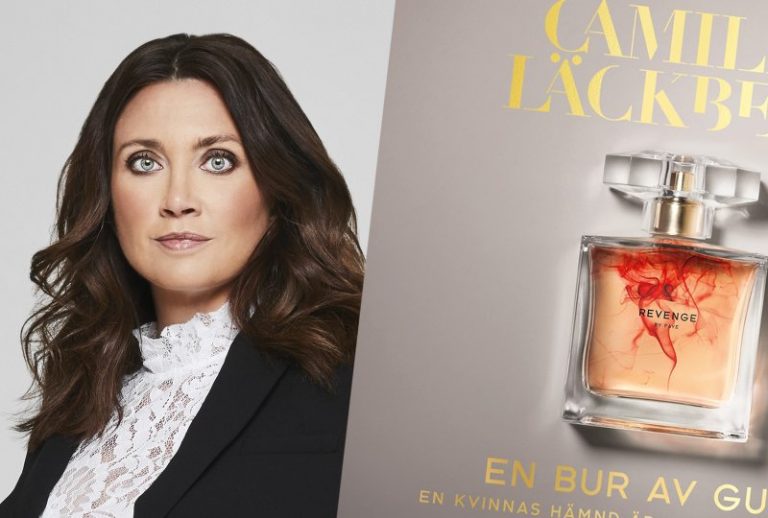
Swedish crime author Camilla Läckberg’s novel The Golden Cage was the most sold book in Sweden 2019. Now she breaks sales record once again with over 30 million books sold around the world. Learn more about the Swedish rock-star of Nordic noir.
After 20 years as an author with over 30 million books sold in 45 languages in 60 countries Camilla Läckberg presents herself in a new reality series, “Swedish Power Women” on TV3 and Viaplay. She proudly talks about her success or flaunts luxury and glamor. She invites you to her home life with the children as well as to her husband Simon Skold. In the first episode, she shows her huge walk-in closet with shelves full of handbags and shoes and jewelry in showcases.
Camilla Läckberg’s books have been sold over 30 million copies in 45 languages in 60 countries.
Now wonder, Camilla Lackberg (born 1974) in Fjällbacka, Sweden, has been called “the rock-star of Nordic noir” or the Swedish Agatha Christie. After graduating from Gothenburg University with a degree in Economics, she moved to Stockholm, where she worked as an economist before beginning writing fiction seriously.
Läckberg is recognized for detail and in-depth characterization. She became a writer after her husband and parents enrolled her in a creative writing course as a Christmas present. She describes herself as a visual writer “For me actually, specific images – snapshots – come first, and then the story starts to come together from those bits and pieces. I am very visual when I write. I ‘see’ the story in pictures and writing a book is like having a movie running in my head 24/7,” she says.
“A book is like having a movie running in my head 24/7,” says Läckberg.
Now, the sales in Sweden, Spain, Italy, France, Poland, Germany and others have exceeded expectations. Up to now the French readers have bought over 5 million books. Her work has been described as “standing out for its atmospheric depiction of the Swedish coast, well-drawn characters and (at its best) complex and psychologically nuanced plots.
Camilla Läckberg at Gothenburg Book Fair 2013. Photo: Wikipedia commons
It’s Läckberg’s new groundbreaking series about the business woman Faye that has found more readers all around the world.
Swedish Rock-Star of Nordic Noir, written by Tor Kjolberg
Belgian company Van Hool has concluded a contract with the largest passenger transport company in Scandinavia for the delivery of 21 battery-electric 24-meter articulated trambuses of the Exqui.City model. Since 2014, fifteen Van Hool hybrid articulated trambuses have been operating in Malmö. Now, another 21 Belgian battery-electric trambuses for public transport in Sweden have been ordered by operator Nobina.
The new buses will also be used in the public transport system of the Swedish city of Malmö from mid-2022. Among suppliers of e-buses for Nobina so far there are BYD and Ebusco.
Van Hool ExquiCity 24 at Malmö central station, 2016. Photo: Wikipedia commons
100% zero emission solutions
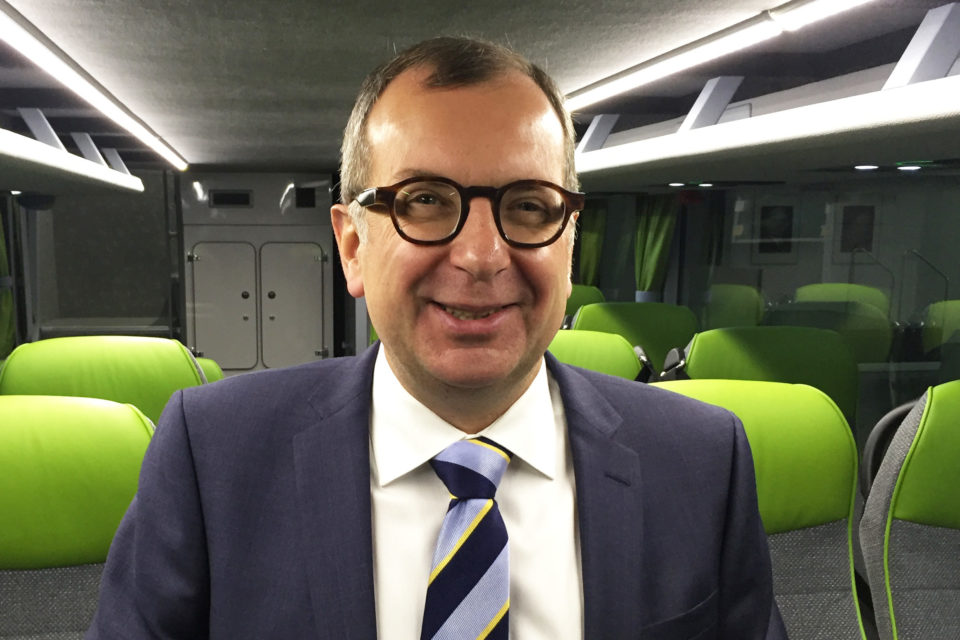
“This order confirms the confidence that Nobina has in Van Hool. This is a new and important reference for Van Hool and it represents the undeniable proof of the company’s technological power. Van Hool is fully committed to its 100% zero emission bus and coach range. We are convinced that the various 100% zero emission solutions we offer – battery-electric, trolley and hydrogen – can, depending on the local application, provide an answer to the environmental and sustainability initiatives that public transport companies worldwide are undertaking,” says Filip Van Hool, CEO of Van Hool.
He adds: “As an independent Belgian manufacturer of buses and coaches, with customers all over the world, we have delivered no fewer than 1,200 electrically powered vehicles, so far. Van Hool’s strength lies in the fact that we have gained a lot of experience in various complex types of electrically powered vehicles, including 100% battery electric vehicles, and the charging infrastructure that goes with it.”
“As an independent Belgian manufacturer of buses and coaches, with customers all over the world, we have delivered no fewer than 1,200 electrically powered vehicles, so far,” says Filip Van Hool, CEO of Van Hool. Photo: van Hool
There are already more than 300 trambuses operating in 17 cities, primarily in Europe but also in Martinique (a French overseas department). Van Hool has also produced 58 trambuses for Trondheim in Norway.
Next generation of buses The electric tram buses are plug-in vehicles that will be charged at the Nobina depot in Malmö. Van Hool says that the Exqui.City model, which comes in 18 and 24-meter versions combine the flexibility of a bus with the efficiency of a tram.
“We feel pride in continuing this journey together with Skånetrafiken and Van Hool, introducing the next generation of 24 meter, fully electric zero emission tram buses – the first of its kind in the Nordics. Further developing the modern, safe and sustainable public traffic solution in Malmö”, said Jens Råsten, Fleet Manager at the Nobina Group.
Distinct futuristic design
Van Hool has designed these tram-buses with what they call a “distinct futuristic design”, saying that a high level of comfort is afforded with air conditioning, low noise levels and soft lighting. The bus-tram design is supposed to offer optimal accessibility with a low boarding height, and easy entry and exit via the four double doors. Van Hool builds these vehicles on a multi-power platform with three zero-emission options of purely battery-electric, trolley (overhead lines) and hydrogen fuel cell.
21 Belgian Battery-Electric Trambuses for Public Transport in Sweden, based on a press release from Van Hool. Feature image (on top): van Hool.
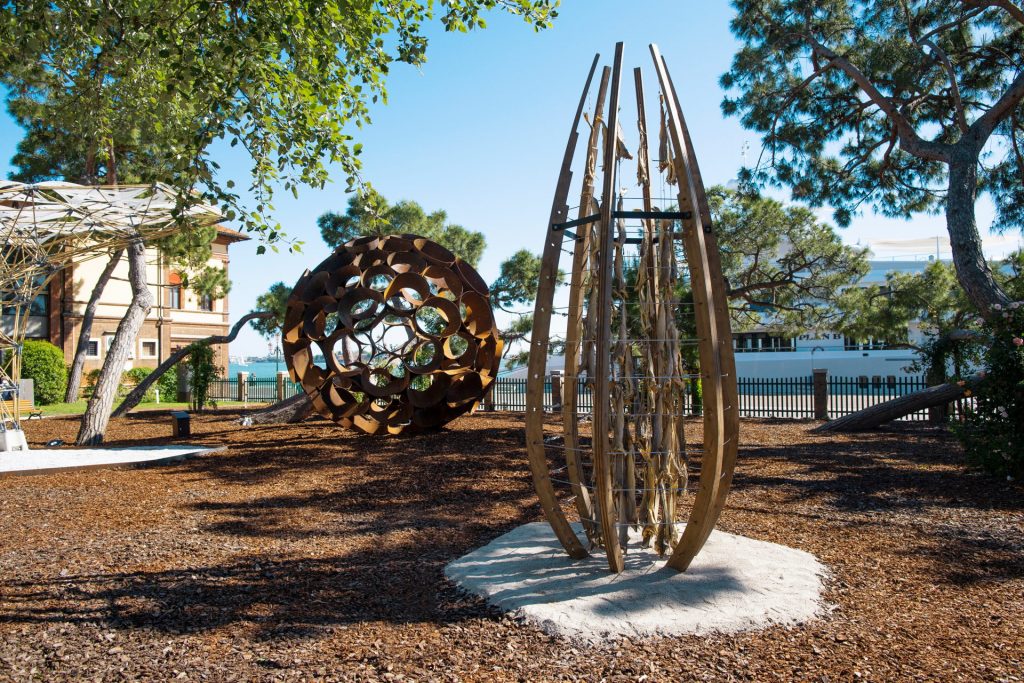
Students from Venice and Lofoten participated in a workshop called “Spheres” as a part of “Il Primo Cerchio del Paradiso” (The First Circle of Paradise) organized by Bjørnådal Arkitektstudio at the 2021 Architecture Exhibition in Venice in November last year. Learn more about the cultural connections between Norway and Venice.
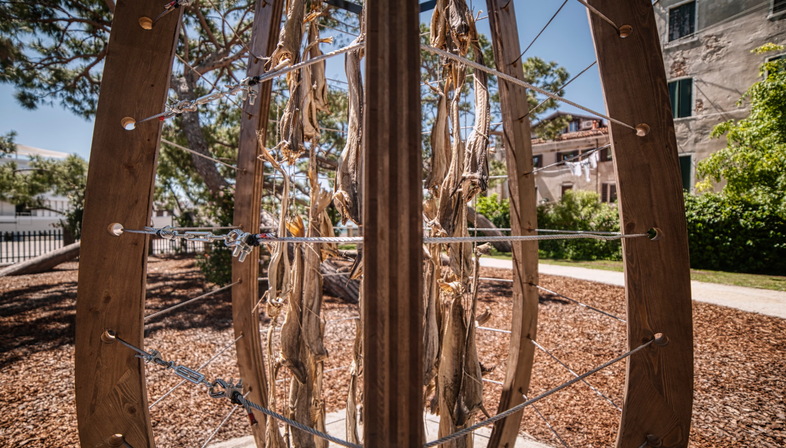
The workshop was organized by architect Hans-Petter Bjørnådal and glass artist Geir Morten Karlsen in collaboration with Bodø 2024 -European Capital of Culture. The intrinsically sustainable installation was part of the “Time Space Existence” side event at Giardini Della Marinaressa, focusing on Norway’s cultural connections with Venice dating back to 1432, when a North Sea storm altered the voyage of a Venetian merchant ship that had set sail for the Netherlands.
The intrinsically sustainable installation was part of the “Time Space Existence” side event at Giardini Della Marinaressa. Photo: Hans-Petter Bjørnådal
Paradise’s first circle After finding refuge on a small island off the Norwegian coast, the ship’s captain indulged in the cultural and geographic wonder of a place he characterized as “Paradise’s first circle”. The new installation revealed past and present connections, with a strong emphasis on issues of current relevance such as climate change, environment and the merits of going back to a simpler lifestyle.
“The project is a Norwegian gesture of simple living, but also a reflection of our current need for a shift in direction and consciousness in order to address climate change,” explained Hans-Petter Bjørnådal, Lead Architect of the firm bearing his name. Photo: Hans-Petter Bjørnådal
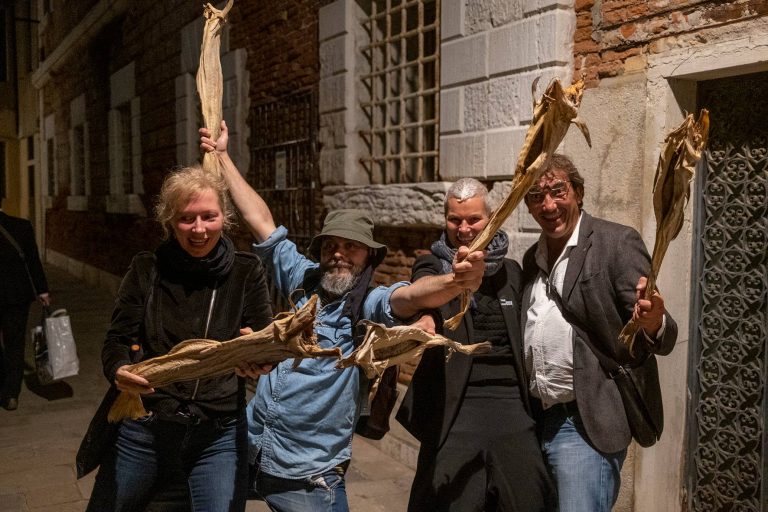
As dried Norwegian cod found a receptive market in Venice, the fishing trade became a staple of cultural connectivity between the two countries. The dried cod is a tribute to the men who sailed between the two countries with a wooden hull reminiscent of early trading ships.
Simple life in harmony with nature
“The project is a Norwegian gesture of simple living, but also a reflection of our current need for a shift in direction and consciousness in order to address climate change,” explained Hans-Petter Bjørnådal, Lead Architect of the firm bearing his name, “The essence of the message is that a simple life, in harmony with nature, is still a viable path to discovering paradise.”
As dried Norwegian cod found a receptive market in Venice, the fishing trade became a staple of cultural connectivity between the two countries. Photo: Hans-Petter Bjørnådal
Bjørnådal applied his philosophy to the construction of his project, working in partnership with a company called ReBiennale to procure the materials he required to build ‘Il primo cerchio del paradiso’. ReBiennale is a collaborative project including a network of Venetian citizens, students, architects, artists and political activists who trade ideas, methods and know-how to build creative works using recycled materials from previous editions of the Biennale di Venezia. So, ReBiennale offers tangible evidence of the increased focus on the environment that has been noted in many of the installations at last year’s Architecture Biennale.
“I spent 10 days in Venice erecting the finished product with my team, but this project is two years in the making due to the event’s postponement last year,” said Hans-Petter Bjørnådal. Photo: Hans-Petter Bjørnådal
Two years in the making “I spent 10 days in Venice erecting the finished product with my team, but this project is two years in the making due to the event’s postponement last year,” said Hans-Petter Bjørnådal and added, “Every restaurant in Venice has a recipe for dry cod, or clipfish, and Venetian recipes for gratinated fish with macaroni have been repatriated to Norway and have become national dishes.”
Cultural Connections Between Norway and Venice, based on a press release from MyNewsdesk
Losing weight isn’t easy, and it often makes us long for a magical diet. Eating a healthy but unappetizing diet seems to be a tough task. However, Scandinavians have a different and better approach to staying fit. The Nordic countries – Sweden, Norway, Finland, and Denmark – have found the perfect diet for losing weight. Learn more about he 5 Scandinavian slimming secrets.
While the obesity prevalence was 42.4% in the United States in 2017-2018, Scandinavians have never had a high obesity rate. Along with a healthy weight, their culinary culture also promotes longevity, as Scandinavians have one of the longest life expectancies. Just like the Mediterranean diet, the traditional Nordic diet and active lifestyle have been gaining popularity.
The Mediterranean diet prefers olive oil, whereas the Nordic diet favors rapeseed oil, also called canola oil. Photo: Brooke Lark
The Difference Between the Mediterranean and the Nordic Diet Popularity isn’t the only common factor between the Mediterranean diet and the Nordic diet. The main difference between the two diets is the fat source. The Mediterranean diet prefers olive oil, whereas the Nordic diet favors rapeseed oil, also called canola oil. Apart from the oils, they are both whole foods and plant-based diets. They are better for the environment too, as they don’t include red meat. The Mediterranean and Nordic diets share similar advantages. Chronic illnesses, such as cholesterol, cancer, and heart diseases, can be prevented through these diets.
The Nordic diet includes plant-based and seasonal foods, with lean protein and healthy fats. Photo: Louis Hansel
How the Nordic Diet Works The best part about the diet is that it doesn’t promote calorie counting. It’s not crash dieting, but a way to completely transform your lifestyle for the better. The Nordic diet includes plant-based and seasonal foods, with lean protein and healthy fats. It has plenty of organic produce, so you just need to visit your local farmers’ market. Canola oil provides the right amount of healthy fats and the sustainably caught fish will keep you satiated for a long time. Whole grains like legumes and oats, wild foods, and carbohydrates in the diet are considered the best nutrients for weight loss. The promising results of the Nordic diet are backed by research, too. Therefore, it’s a safe and healthy approach for weight loss.
The secret in Scandinavian slimming lies in the people’s traditions and diet. Photo: I. Yunmai
What Are the Scandinavian Slimming Secrets? When you look at someone with a Nordic background, it’s easier to get jealous. Why? Well, their thin waists and slim figures are the dreams of anybody trying to lose weight. The secret lies in their traditions and diet, so you just have to add the following strategies into your lifestyle to shed those extra pounds.
Scandinavians avoid less or excess use of anything, be it food or other activities. Photo: Farhad Ibrahimzade
Eat the right nutrients Scandinavians follow a moderate approach in every area of life. They avoid less or excess use of anything, be it food or other activities. As a result, the Nordic diet contains the right nutrients in a balanced amount. Unlike common diets, it doesn’t cut off on carbohydrates and dairy. Since it is mostly cold in the Nordic countries, their diet includes a variety of cold-weather foods. Root vegetables, apples, plums, and pears are the commonly eaten fruits and veggies. They are rich in nutrients, antioxidants, and phytochemicals, all of which are essential for a healthy body. Fatty fish, such as mackerel and salmon, provide omega-3 fatty acids. They are beneficial for your heart health, as well as your mental health.
Scandinavians combine socialization and exercise. Photo: Gabin Vallet
Exercise and socialize Most people exercise alone in gyms or at home, as it has become the norm nowadays. Scandinavians follow a different strategy by combining socialization and exercise. They have sports clubs for every sport and you can find them throughout Scandinavia. If they wish to expand their social circle, Scandinavians join a sports club. It connects like-minded people together, especially through their similar interests in exercise. Surprisingly, sports clubs aren’t limited to your house, but the workplaces also have their own social sports group.
Public transportation combined with walking is the common way of commuting. Photo: Christopher Burns
Walk around the city Despite the cold climate in Nordic countries, people prefer to walk around the city. Whether it’s freezing cold or snowing, you’ll find people either walking or bicycling. Public transportation combined with walking is the common way of commuting. People also use bicycles to travel to work or colleges.
Along with a healthy diet, Scandinavians also emphasize portion control. Photo: Toa Heftiba
Have smaller meals Along with a healthy diet, Scandinavians also emphasize portion control. They have smaller meals and eat often, instead of the regular big meals. Research has found that smaller meals are more beneficial for health, as they lower cholesterol levels and maintain blood sugar levels. While a big meal may cause an increase in both. The Nordic diet contains grains with high fiber content, which has been shown to support maintaining weight loss. Fiber keeps you full for a long time, so eating smaller meals packed with fiber can be great for slimming down.
Scandinavians spend a part of their day outside regularly. Photo: Kylo
Breathe in fresh air Scandinavians spend a part of their day outside regularly. This is derived from their philosophy of spending time in nature for a healthy life. They spend this time exercising or simply enjoying the beautiful views and fresh air. The exercise adds to their weight loss and nature helps to regulate stress.
5 Scandinavian Slimming Secrets – Conclusion Scandinavians’ lifestyle is the major reason for their healthy body. They don’t follow any fad diets, but a few healthy approaches. When it comes to weight loss, Health Canal has always encouraged a healthy lifestyle change. Try including these healthy habits in your daily life and you’ll see the benefits.
5 Scandinavian Slimming Secrets, written dedicately for Daily Scandinavian by
Kanza Javed. Kanza is a writer and a storyteller. She possesses a passion for writing and has delivered outstanding content to readers around the world. She enjoys writing about lifestyle tips and wants to assist others in living healthier lives. Her published articles in the healthcare field have piqued the interest of many readers and have helped them improve their quality of life. When she is not writing, you will find her reading books, spending time in nature, and taking long walks.
There are more than 40 distilleries in the USA producing aquavit «the Norwegian way». Jacob Grier founded Aquavit Week in USA in December of 2012 as a celebration of the spirit. He has been a fan of using aquavit in cocktails since tasting Krogstad Aquavit when he moved to Portland to tend bar in 2008. Today, more than 40 Scandinavian aquavits are made in the USA.
In 2008, there were only a few aquavit brands available in the USA, but by 2012 there were five different American distillers producing it. Jacob felt these spirits were underrated, so the idea of Aquavit Week came about as an opportunity to feature them both neat and in cocktails.
Founder of US Aquavit Week, Jacob Grier
The first Aquavit Weeks
The first Aquavit Week was hosted at Portland restaurant Metrovino, featuring cocktails made with six different aquavits, Scandinavian-inspired food, and a New Nordic Porter flavored with caraway, fennel pollen, and dill pollen brewed by Jacob’s friends at Breakside Brewing.
The second was hosted at The Hop and Vine with even more aquavit, more food, and a new Aquavit Barrel-Aged Braggot from Breakside. In year three the Aquavit Week expanded to multiple events and invited other bars and restaurants to take part by offering aquavit cocktails throughout the week — an invitation that, Jacob is happy to say, has been taken up with enthusiasm and creativity.
In its fifth year, In 2016, Aquavit Week was bigger than ever, with events in Portland, New York, Chicago, and Houston, and bars from all over joining the celebration. This growth has been made possible by the generous sponsorship of Linie Aquavit from Norway.
When we asked Jacob Grier to share with us his signature aquavit cocktail, he replied, “The recipe below is a twist on the French 75, typically made with gin. I’ve found Nordic 75 to be a great drink for introducing people to aquavit.”
Nordic 75 1 1/2 oz aquavit
1 oz fresh lemon juice
1/2 oz rich simple syrup (2:1 sugar to water)
2-3 oz chilled dry sparkling wine
lemon peel, for garnish
Shake the aquavit, lemon juice, and syrup with ice. Strain into a rocks glass filled with ice. Top with the sparkling wine and gently stir to combine. Garnish with a twist of lemon peel.
As always, it’s Jacob’s hope that drinkers and bartenders alike will explore the category as a whole, from Nordic stalwarts to the newest interpretations from American distillers.
Riktig Aquavit Caraway from Old Ballard Liquor Co., Seattle, Washington (left) is an aquavit made according to Scandinavian tradition, and is spiced with caraway and (probably) extracts from alder
Two examples of Scandinavian aquavit distilled in the USA
Riktig Aquavit Caraway from Old Ballard Liquor Co., Seattle, Washington (left) is an aquavit made according to Scandinavian tradition, and is spiced with caraway and (probably) extracts from alder. The aquavit holds 40% alcohol by volume and is suitable for seafood and smoked meat.
The manufacturer writes the following: “For a real Aquavit experience, freeze the bottle in a block of ice and place it right on the table for pouring”. Here is obviouslya market for education! The aquavit Gammal Krogstad (right) (a family name found in Målselv and Skjåk) is distilled by House Spirits Distillery, Portland, Oregon. The aquavit is spiced with caraway and star anise and the alcohol content is 42% by volume. The bottle is number 212 out of 815 from batch 26, so obviouisly, the distillery has been producing aquavit for several years.
Enjoying Aquavit
The most traditional way to enjoy aquavit is to sip it neat. For unaged aquavit, it’s not unusual to chill the bottle before serving. That’s, however, not recommended for ageing aquavits by connoisseurs. Aquavit that has been smoothed by ageing barrels may be more enjoyable at room or cellar temperature. Aquavit is also versatile and delicious in cocktails, offering a range of botanical flavors. In short, if you like gin drinks, it’s worth giving aquavit a try.
Max von Sydpw’s classic “Skål”
Skål
Arguably the most traditional way to drink aquavit is by skåling, as impeccably demonstrated by actor Max Von Sydow in Time Life’s 1968 book The Cooking of Scandinavia. Sydow makes eye contact with the reader, then “[tipping] his glass backward, von Sydow drains the chilled aquavit in one deceptively cool gulp.” Then Sydow makes eye contact with the reader once again. The blog Cooking Issues has amassed a collection of celebrities skåling in style that’s worth checking out. Jacob suggests photographing your own stylish skål during next year’s Aquavit Week.
Danish Jenny says, “Fyi – I’m Danish. When someone says “skål” it goes like this:
1) Raise glass
2) Lean your head slightly to one side, and make eye contact with everyone at table, one after one, giving them a slight nod.
3) Drink.
4) Keeping glass raised, repeat step 2.
5) Place glass back on table and resume meal.”
Design Museum Copenhagen was founded in 1890, when Denmark’s industrial enterprises were celebrating the eminence of their Sponsored content products. In the course of the 20th century, Danish design – especially furniture design – achieved worldwide renown. After two years of renovation, Design Museum Copenhagen will reopen in June 2022.
In the meantime you can visit the museum’s digital universe. Take a virtual tour of the museum, listen to the podcasts and be inspired to pay the museum a visit by reading the information below.
You can spot many pivotal design pieces from the world of Scandi interiors at Design Museum Denmark
The museum chose to close down to start a major renovation and redevelopment that will secure the museum’s unique historic building framework for the future.
Restored exterior From the street, anyone who looks up can see that the building’s historic decorations have been restored.
The two pediments – towards Bredgade and Amaliegade – as well as the fence towards Amaliegade have bee carved in Gotland sandstone and the sculptural work was done by Johann Christoph Petzold (1708-1762). J. C. Petzold, who was from Sachsen, was called to Denmark to carry out work for Christianborg Castle.
Design Museum Denmark explores the history of furniture
The court sculptor from Sachsen
He stayed in Denmark approx. 1739-47 and 1748-57, and he is mentioned as a court sculptor from 1755 and was also a professor at the Academy of Fine Art 1751-57. Petzold often worked with Nicolaj Eigtved and understood in his building culture to combine figures and decorative elements into a beautifully effective whole.
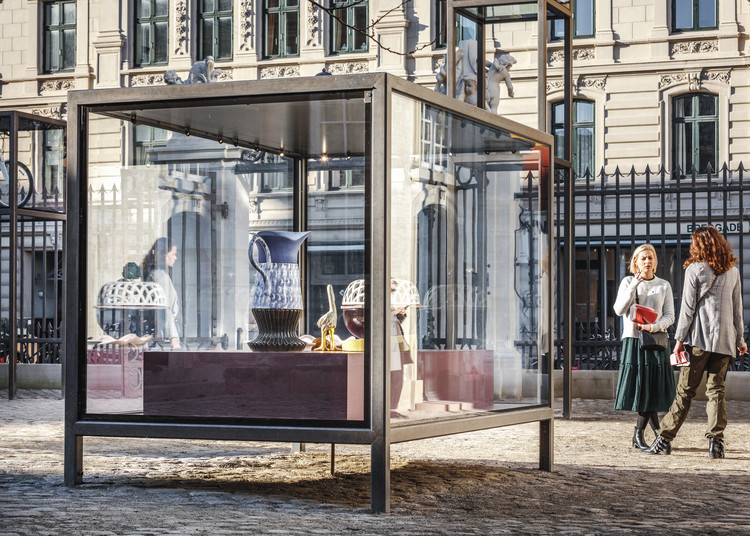
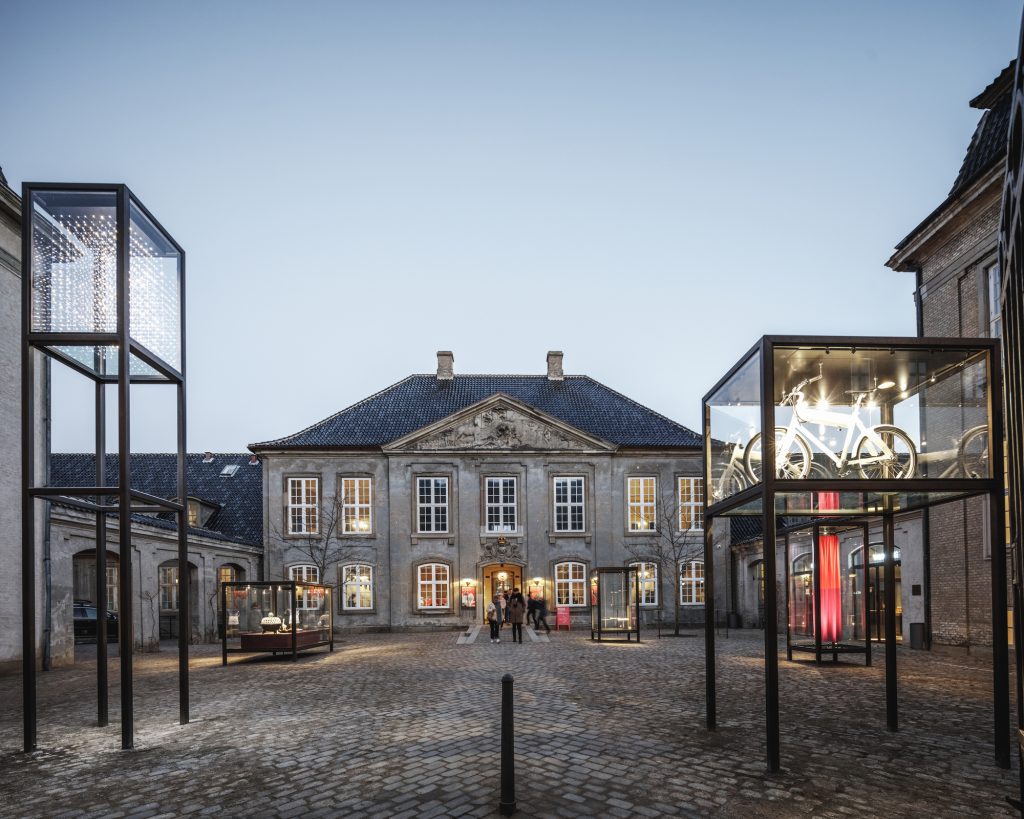
Design Museum Denmark has a strong focus on furniture in general. You can spot many pivotal design pieces from the world of Scandi interiors and also some really striking installation pieces. There is, of course, a whole host of artwork and graphic design. Not neglecting any creative area, ceramics and pottery are also featured.
The reopening of Design Museum Denmark in June gives you a perfect reason to revisit Copenhagen
Perfect reason to revisit Copenhagen
The reopening of Design Museum Denmark in June gives you a perfect reason to revisit Copenhagen and explore everything all over again. In June the museum will once again offer excellent permanent exhibitions on the Danish design legacy, its historical roots, and great sources of inspiration.
Design Museum Copenhagen Reopens June 2022, written by Tor Kjolberg