

Grotesque World Premiere In Bergen Norway

Socially critical and groundbreaking works by Paul McCarthy and a large-scale exhibition dedicated to Nikolai Astrup are among the highlights at KODE Art Museums and Composers Home in Bergen this autumn. In addition to old favorites returning after refurbishing, a grotesque world premiere in Bergen Norway is in the pipeline.

“The audience can look forward to being seduced, upset, provoked and outraged,” says director Petter Snare. The program ranges from a research-based exhibition about Astrup and Bergen’s interwar artists, to the first major exhibition by the British artist Paul McCarthy (b. 1945) in a Norwegian museum.

Grotesque World Premiere In Bergen Norway
“The audience can look forward to being seduced, upset, provoked and outraged,” says KODE director Petter Snare,here in front of a painting by J. C. Dahl

Related: The Silver Treasure in Bergen, Norway

«With extraordinary allocations for art purchases from the Ministry of Culture during the pandemic, I also look forward to display what we have collected in the last two years,” says Snare.

Works from KODE’s collection by Nikolai Astrup have this year aroused great success in the USA under the title «Visions of Norway». Now the art returns to Western Norway for the large-scale exhibition “Raw Nature” which opens on 15 October.

«This will be the largest Astrup exhibition in a long time in Bergen with almost a hundred works. The audience can look forward to a reunion with well-known, but also completely newly discovered works», says Snare.

The exhibition is curated by the British art historian Mary Anne Stevens.

Related: Beautiful Bergen: It’s Art and Artists

The exhibition “Bergen painters in Paris 1920” curated by the honored art historian Gunnar Danbolt opens November 12. It deals with how the stay of seven Norwegian artists with French André Lhôte (1885–1962) would affect the art life in Bergen in the interwar period.

For the exhibition, KODE has made several purchases to strengthen the collection of this important period in Bergen’s history.

World premiere: Paul McCartney solo exhibition
In KODE’s series of exhibitions with central American art, the museum is proud to present a living legend this autumn. A comprehensive presentation of the artist Paul McCarthy opens on 19 November.

Grotesque World Premiere In Bergen Norway
A comprehensive presentation of the artist Paul McCarthy opens on 19 November.

With highly socially critical and groundbreaking works, McCarthy has created disgust, protests and debate in the United States since the late 1960s. He is known for mixing grotesque and violent expressions with symbols from popular culture and the consumer industry.

«All the works in the exhibition are newly produced for Bergen and reflect the present in a completely unique way”, says Snare.

The exhibition consists of a video installation in a specially built room, a performance, and a wide selection of drawings and sculptures. The exhibition is curated by Philip Larratt-Smith.

Grotesque World Premiere In Bergen Norway
Raw western Norwegian nature and the French heritage

Norwegian contemporary art: New acquisitions
On December 3, opens the extensive group exhibition «First the Good News».

For KODE, the pandemic’s extra funding has quadrupled its procurement budget, and for the first time an opportunity to make broad purchases from the contemporary art scene. The works are primarily purchased from local exhibition venues and artists associated with Western Norway.

«We have taken a critical approach to identify shortcomings and skewed representation in the collections”, says Snare.

Related: Old Bergen Stock Exchange Converted into Boutique Hotel

A large selection of what has been acquired through purchases, deposits and gifts in recent years will be displayed. Among them, installations by Siri Aurdal and Bergen artist Toril Johannessen, paintings by Ida Ekblad, central court drawings by Esther Maria Bjørneboe and art by Sami Britta Marakatt-Labba.

The audience success “Paul Cézanne: Masterpieces from the Courtauld” will also be shown throughout the autumn, until 12 October.

Grotesque World Premiere In Bergen Norway
KODE Art Museums and Composer Homes in Bergen is one of the largest museums for art, craft, design and music in the Nordic countries.

About KODE
KODE Art Museums and Composer Homes in Bergen is one of the largest museums for art, craft, design and music in the Nordic countries.

KODE has a unique combination of art museums and composers’ homes, of contemporary art, historical objects, concerts and parklands.

The museums stewards almost 50,000 objects ranging from paintings, works on paper, sculptures, installations, videos, musical instruments, furniture and works of fine craft and design. These objects can be experienced in four museum buildings in Bergen city centre (KODE 1, 2, 3 and 4), and in the homes of the composers Ole BullHarald Sæverud and Edvard Grieg.

Grotesque World Premiere In Bergen Norway, based on a press release from Kode Bergen.
The Fascinating History of Scandinavian Horses

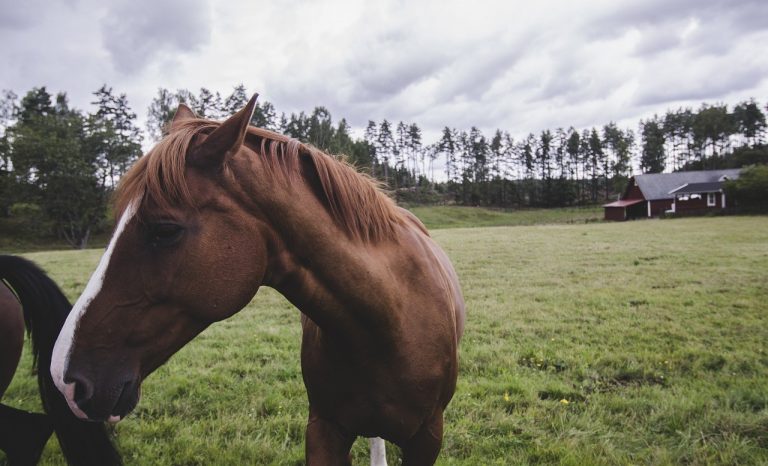
Scandinavian horses have been spotted on the land since the last ice age. Various horse breeds have been used in farming, showing, and pleasure riding. Most of them make excellent companions because of their calm nature. In this article, we’ll explore the history of the most popular horse breeds from Denmark, Norway, and Sweden. Learn more about the fascinating history of Scandinavian horses

Here’s a list of Scandinavian horse breeds that you should know about.

The Fascinating History of Scandinavian Horses
The Swedish Ardennes is a breed that is descended from the Ardennes. Photo: Rolf52/Shutterstock draft horses.

1. Swedish Ardennes
The Swedish Ardennes is a breed that is descended from the Ardennes draft horses. This horse breed has never been used for military purposes. Because it was deemed too small and weak to be of any use in war. The horse was bred in the 19th century for agricultural purposes.

This Scandinavian horse breed stands at 14 hands (56 inches) high but can grow up to 16 hands (64 inches). It weighs between 800-1100 pounds (360-500 kilograms) with an average weight of 900 pounds (400 kilograms).

The Swedish Ardennes is most known for their ability as an endurance runner. This horse breed’s running gait is so smooth that those who first saw them thought they were floating across the ground touching down on hooves!

Such horses are known as long-livers. Their lifespan goes up to 30 years. If compare horse years to human years this is equal to an 88-year-old man. The body is compact and hardy. The head is small with little eyes. The neck is thick and short. The legs are short and have feathering. The common colors are black, chestnut, and bay. The Swedish Ardennes is intelligent and good-tempered.
The Fascinating History of Scandinavian Horses
The Scandinavian coldblood trotters were brought over by immigrants to Scandinavia in the 1700s. Photo: MrsSparrow/Wikipedia

2. Scandinavian Coldblood Trotter
The Scandinavian Coldblood Trotter is a draft horse breed. Scandinavian Coldblood Trotters are descendants of the Friesian, Clydesdale, and Shire breeds. They were brought over by immigrants to Scandinavia in the 1700s. These horses were primarily used for farm work. Soon after, Coldblood Trotters became popular as harness racing horses during WWII when gas was limited.

Today, you can see the Scandinavian Coldblood Trotter outside their native countries. As the breed’s bloodlines have been exported throughout Europe and North America. Coldblood Trotters are usually bay, chestnut, or black. White markings on the face and legs are allowed by the breed’s registry.

The average height of the Scandinavian Coldblood Trotter is 15.1 hands (60.4 inches). The horse stands high at the withers (main ridge along the upper back). Scandinavian Coldblood Trotters typically weigh between 1000 and 1200 pounds (454-544 kilograms). They’re well proportioned with a long neck that’s slightly arched and deep through the chest. The head of a Scandinavian Coldblood Trotter is well chiseled with large eyes. Their small ears are set high on the skull and good width between each eye.

The Scandinavian horse breed’s temperament can vary based on their use in work or sport. Generally, these horses are intelligent, well-mannered, and willing to work. That’s beneficial for equestrians who’re looking for horses for long-distance races and endurance rides.

The Fascinating History of Scandinavian Horses
The Fjord Horse was developed in the mountains and coastal areas across Norway, Sweden, Denmark, and Iceland. Photo: Lotelien / Pixabay

3. Fjord Horse
The Fjord Horse was developed in the mountains and coastal areas across Norway, Sweden, Denmark, and Iceland. This cold-climate horse is known for its heavy build as well as an active temperament.

Fjord horses have been used to plow fields. They were first domesticated over 4,000 years ago. Nowadays, these Scandinavian horses are still utilized for farm work. But mostly, you’ll see a Fjord Horse being ridden during sports events. These include dressage competitions and long-distance races like the Nordkapp ride (an endurance race from Paris to Northern Cape).

The Fjord Horse is defined by the thick winter coat. It covers the horse’s short legs with strong joints and good bone structure underneath it all. Fjords also come with broad backs and chests. Their bodies are compact and strong. All Fjord horses are of a dun color.

Fjord horses have an average height of 14 hands (56 inches) but can grow to 16 hands (64 inches) high. The average weight of the Fjord Horse is 880 to 1100 pounds (400-500 kilograms).

Being a hard worker with good instincts for farm work, the Fjord Horse is quite versatile. These Scandinavian horses enjoy human interaction and attention from their owners. Such horses are gentle, playful, and docile.

The Fascinating History of Scandinavian Horses
The Dole Trotter is a Scandinavian horse breed from Norway. Photo: Uhryn Larysa/Shutterstock

4. Dole Trotter
The Dole Trotter is a Scandinavian horse breed from Norway. The Dole Trotter was developed in the 19th century. Local Nordic breeds were bred with Oriental horses such as Hackneys and Arabian Horses. This draft horse breed was used as a pack horse and for agricultural purposes. The breed is known for its ability to work under harsh conditions and pull heavy weight.

The breed’s characteristics include strength, speed, agility, endurance, and intelligence. Dole Trotter is a versatile horse breed. It makes the horse suitable for harness racing and riding sports. The Dole Trotter took part in the creation of the North Swedish Horse. The goal was to develop a lighter horse that is suitable for harness racing.

As for the conformation, the head has a straight profile line without any dished face similar to the Arabians but smaller. The neck is of medium length proportionate to the body while being thick at the base (which differs from other Scandinavian breeds). The lower legs have feathering.

The average height of a Dole Trotter is 14.1 to 15.3 hands (57 to 63 inches). The weight ranges from 1190 to 1390 pounds (540 to 630 kilograms). Dole Trotters are quite intelligent and curious horses.

You may also like to read: Dances With Wolves in Norway

The Fascinating History of Scandinavian Horses
The Danish Warmblood was developed in Denmark during the late 19th and early 20th centuries. Photo: Anastasija Popova/Shutterstock

5. Danish Warmblood
The Danish Warmblood was developed in Denmark during the late 19th and early 20th centuries. It was bred by crossing European stallions and Danish mares. The breed is used for dressage, show jumping, combined driving, eventing, and endurance riding.

The Danish Warmblood has a strong square-built body with an average height of 15 hands (60 inches). The average weight is 880 to 1100 pounds (400-500 kilograms).

The head is straight or slightly concave on the profile with big eyes. The horse bears a thick neck without any crest at all. The Danish Warmblood features short sloping shoulders and a deep chest along with good bone quality. Especially in its legs which are free from featherings. However, the limbs appear quite bulky due to fleshy skin folds called boxy warts found around their knees above the cannon bones.

The Danish Warmblood is the most popular in Denmark and Sweden. It’s known for its calm temperament and high spirit. Such a breed is easily trained. The common colors include black, bay, chestnut, and brown.

You may also like to read: Scandinavian Elk

The Fascinating History of Scandinavian Horses – The Final Word
Horses are fascinating creatures, and no one knows them better than the people of Scandinavia. The cultural heritage includes not only the Dala horse from Dalarna. The history of Scandinavian horses goes back centuries before most other breeds were even discovered. The equines have been used for farming, transportation, war, and companionship.

Some of the breeds are well-known all over the world. Due to their excellent temperament, Scandinavian horses are top-notch companions for humans. You’ll find them advantageous in most aspects of our lives.

The Fascinating History of Scandinavian Horses
David Garcia

The Fascinating History of Scandinavian Horses, written exclusively for Daily Scandinavian by David Garcia. David considers himself a huge fan of equestrian sports. Being born in a family of farmers, he was literally living at the ranch. His first riding experience was when David was six. He was so fascinated with the grace and intelligence of horses so he decided to plunge into equestrianism deeply. Thus, he’s been participating in a range of horse races and shows where he often grabs medal positions.

David believes that we could be better by sharing our experiences. That is why he founded Horsezz – a blog that is dedicated to equestrian sports.

Feature image (on top): Horses on a meadow in summer. Photo by Nilsgh / Pixabay

Scandinavian Dill

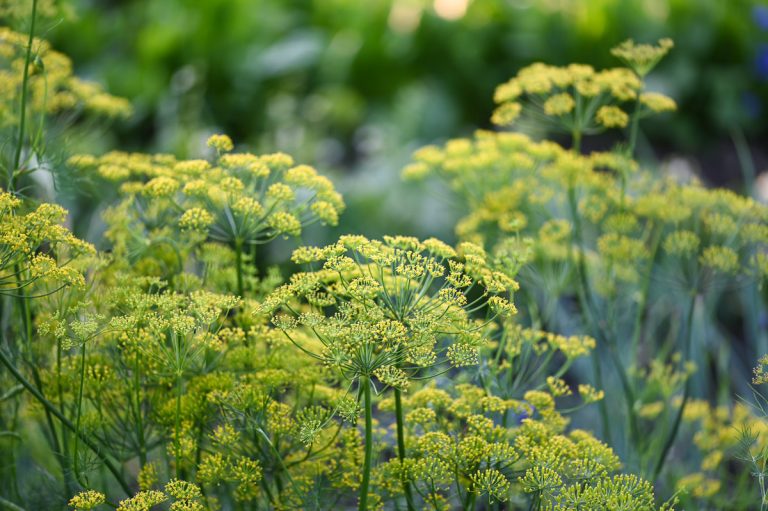
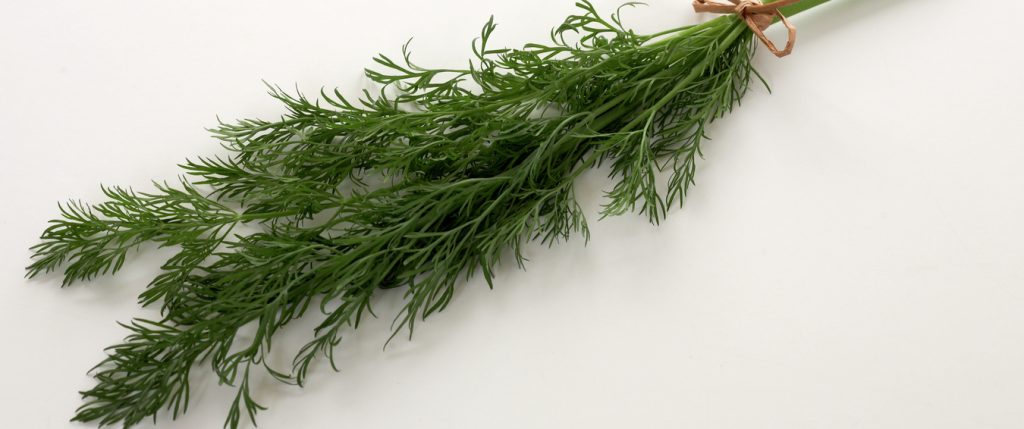
Dill is the ultimate Nordic herb adding a special fresh and typically northern taste to almost every dish made with fish, shellfish, lamb and vegetables. Learn more about Scandinavian dill.

Scandinavian dill cannot be replaced with anything else. If you must, you can try a mix of fennel, parsley and tarragon, but it will not be the same, though still good. Dill seeds are not a successful substitute as they are more like caraway.

Scandinavian dill
Dill is an annual and a very easy herb to grow, particularly in partial shade. Photo: Plantasjen

How it grows
Dill is an annual and a very easy herb to grow, particularly in partial shade. Sow it in a shallow drill from April onwards, water well, then thin to 5cm. You can pitch the soft leaves, or wait for the flowers, lime green and lovely, which are a herb in their own right, with a stronger, more caraway-like taste.

Scandinavian dill
Scandinavian dill cannot be replaced with anything else. Photo: frukt.no

Culinary uses
Dill is a prolific umbellifer, used for pickles, pickled fish, gravad fish, in mild spring stews with veal or lamb, and served with all kinds of fresh fish. It is perfect for boiling fish and shellfish and for marinating all kinds of vegetables. Spring or summer cabbage is lovely with dill.

Scandinavian dill
Lamb cooked with dill from Hedmark, Norway. Photo: oppskriftkroken.no

Lamb stew with loads of dill
In this recipe, the dill penetrates the whole dish with a wonderfully, fresh green taste that Scandinavians love. You can add delicate spring vegetables, such as peas, spring cabbage, new carrots or asparagus, but it’s better to eat the vegetables on the side. In winter, you could add a root vegetable, such as scorzonera or salsify, parsley, or even celery.

If you ask your butcher to bone the lamb for you, make sure you ask to keep the bones.

1 neck of lamb or large shoulder or leg, boned (approx. weight 1.5kg, including the bones).
1 large onion, sliced
2 garlic cloves
1 bouquet garni, consisting of the green parts of 1 leek, 2 celery sticks, the stalks from the     dill (see below) and 1 sprig of fresh thyme.
Butter for frying
Salt and one teaspoon whole black peppercorns
200ml white wine or cider
A little plain flour for coating

to finish
200ml whipping cream
1 tablespoon cornflour
2 large bunches of dill, chopped

Serves 4

Scandinavian dill, written by Tor Kjolberg

Feature photo (on top): Flowering dill. Solhatt.no

Kiruna In Sweden Is About More Than Space

0

The world’s most versatile space center, Esrage, is located in the very north of Sweden, above the Arctic Circle. The facility has been operational since 1966 and has access to a vast, unpopulated impact and recovery area. However, Kiruna in Sweden is about more than space. Read on.

Esrange is located in the very north of Sweden, above the Arctic Circle and has access to a vast, unpopulated impact and recovery area. Presently it is used by the international scientific community for launching sounding rockets for microgravity and atmospheric research as well as high altitude balloons for astronomy, atmospheric research and drop tests of space and aerial vehicles.

Kiruna In Sweden Is About More Than Space
Some 17km away in the village of Jukkasjärvi is the world’s original and largest ice hotel which first opened in 1990. A visit to the ice bar is a must. Photo by Asaf Kliger – Nordic Choice Hotels

The Icehotel is nearby
Some 17km away in the village of Jukkasjärvi is the world’s original and largest ice hotel which first opened in 1990. It gets remade each year using frozen water from the nearby Torne River, and from December to April is filled with lavish ice sculptures, the famous ice-bar and the very decent Icehotel Restaurant. It’s become a worldwide brand, but it’s no less impressive for it.

Kiruna In Sweden Is About More Than Space
Mountain rewsearch in Malmberget. (Press photo)

It’s got the world’s largest iron ore mine
You can head 540m underground on a tour of Kiruna’s LKAB iron ore mine, a staggering place where 76,000 tons of iron ore are brought to the surface every day. At its deepest point, the mine goes down to 1,540m.

Kiruna In Sweden Is About More Than Space
Abisko national park. Photo by Frederic Alm / Alm & ME /LKAB

It’s near Sweden’s highest mountains, and one of Europe’s largest wilderness areas
It’s about one hour’s drive to Abisko National Park, where you can hike the famous 440km Kungsleden (The King’s Trail) through one of Europe’s largest natural wilderness, taking in Kebnekaise, Sweden’s highest mountains at 2,111m.

Kiruna In Sweden Is About More Than Space
Hiking at Björkliden.

The activities are different
If reindeer and dog sledding and snowmobile riding aren’t enough, there’s always snow golf – with orange balls and “whites” rather than greens, it’s often played in the evenings to coincide with Northern Lights. For more information go to Bjorkliden.

Kiruna In Sweden Is About More Than Space
Skiing at Riksgränsen (border between Sweden and Norway). Phoito by Riksgränsen

It’s got skiing (and cars)
Nearby Riksgränsen (country border) is not only one of Sweden’s top ski resorts, with skiing possible under the midnight sun – it’s also a testing point for European cars, which come to drive on snow-covered roads and frozen lakes.

Kiruna In Sweden Is About More Than Space, compiled by Tor Kjolberg

Why More People Should Be Eating the Nordic Diet

It seems like a new “fad diet” comes around every year, making thousands of people change the way they approach food. Some are better than others, but many of them completely cut out certain food groups or focus on ingredients that might make you lose weight but aren’t necessarily good for your body. Find out why more people should be eating the Nordic diet.

The goal of any diet plan should be health. If you want to lose weight, it’s about eating fewer calories. But, you shouldn’t focus on weight loss at the expense of your overall wellness.

That’s why it’s always better to make a dietary lifestyle change, rather than jump on fad diet bandwagons. The Nordic diet is a perfect example of that. The countries of Sweden, Denmark, Iceland, Finland, Norway, and Greenland follow a delicious diet that doesn’t deprive you of things you’ll love to eat.

Related: 5 Reasons Why Scandinavia Is One Of The Healthiest Regions In The World

If you want to take charge of your health, it starts with your diet. Instead of cutting out food groups or doing something extreme, let’s take a look at the Nordic diet and how it can help you reach your health goals.

Why More People Should Be Eating the Nordic Diet
The Nordic diet is based on whatever is seasonal in Scandinavia, Photo: Anna Pelzer/Unsplash

What Does the Nordic Diet Look Like?
When most people hear the word “diet” they automatically think of cutting things out. That isn’t necessarily true. Your diet is simply what you eat every day. For Scandinavians, that consists of a variety of healthy, nutrient-dense staples like:

Whole-grain cereals
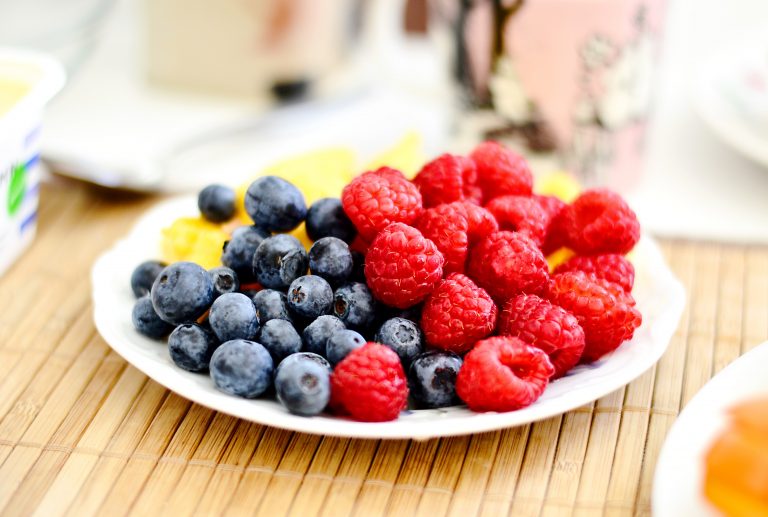
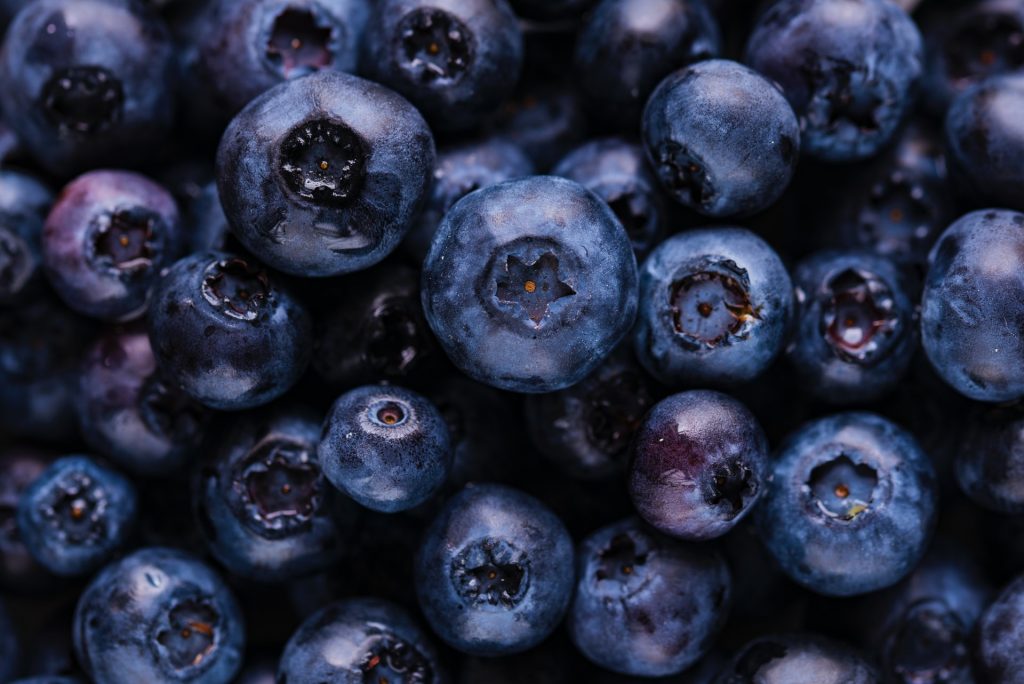
Berries and other fruits
Fatty fish
Legumes

More important than the specific ingredients is the approach to eating. The Nordic diet is based on whatever is seasonal in Scandinavia, so what is available changes regularly. It’s a great way to keep the diet “fresh” and to keep it from getting boring.

It’s less about cutting things out and more about making smarter choices
There are some foods that you’ll eat often on this diet, like the ones listed above. Others are to be eaten in moderation, and some are to be eaten rarely. Because the Nordic diet focuses mostly on seafood and legumes as sources of protein, red meat is rarely eaten. Does that mean you’ll never be able to enjoy a steak again? No. It does mean, however, that it shouldn’t be a staple in your diet if you go this route.

Why More People Should Be Eating the Nordic Diet
The Nordic diet is rich in vitamins and minerals, including Vitamin E. Photo: Nordwood Themes/Unsplash

Related: 6 Scandinavian Health Philosophies We Should All Embrace

Things like eggs, yogurt, and cheese can all be eaten in moderation on a Nordic diet. So, as you can see, it’s less about cutting things out and more about making smarter choices for your body.

What Are the Benefits?
One of the biggest benefits of the Nordic diet is that it provides your body with the nutrients it needs. It’s estimated that 92% of the population has at least one vitamin deficiency. While taking supplements can help, it’s recommended that most nutrients come from the food you eat.

The Nordic diet is rich in vitamins and minerals, including Vitamin E. It can help to reduce your risk of infection, improve your skin health, and protect most of the cells in your body. High levels of Vitamin E are found in foods like spinach and greens, as well as many fruits.

Other researched benefits of this diet include a reduced risk of cancer, diabetes, and cardiovascular disease. Because of the focus on fruits, vegetables, and herbs, it can even improve your vein health and lessen the risk or discomfort of varicose veins.

Foods rich in vitamins and minerals
When you’re eating foods rich in vitamins and minerals, you’re likely to feel better physically and mentally. Making the switch to a Scandinavian-based diet can improve your overall health and well-being, and you can experience everything from more energy to a better mood.

How to Make More Scandinavian Swaps
It can be difficult to give up your current diet and make a complete switch to something new. Doing so might discourage you from sticking with the newer diet. So, don’t feel as though you have to dive head-first into the Nordic diet while giving up everything you already love.

Instead, try to incorporate more Scandinavian ways of cooking and eating into your regular diet. Swap out things slowly, and you’ll quickly find out what your new favorite dishes are, which ingredients you favor, and what’s easiest to cook. With a slower transition, you’re more likely to make lasting healthy habits instead of falling victim to a fad diet.

Why More People Should Be Eating the Nordic Diet
When you’re eating foods rich in vitamins and minerals, you’re likely to feel better physically and mentally. Photo: Joanna Kosinska/Unsplash

Not sure how to get started? Try preparing some Scandanavian vegetables with your meals and using them to swap out other sides. Some of the most common veggies eaten in Scandinavia include:

Leafy greens
Beetroot
Red cabbage
Cucumbers

If your traditional sides include things like french fries and potato chips, making swaps for these (or other) vegetables can make a big difference. Eventually, you might crave those unhealthy foods less as your body gets used to foods that are richer in nutrients.

The Nordic diet is a way of changing your eating habits to look and feel your best. With so many health benefits, it’s a great way to improve your overall well-being without having to go to extremes.

Why More People Should Be Eating the Nordic Diet
Ainsley Lawrence

Why More People Should Be Eating the Nordic Diet written exclusively for Daily Scandinavian by Ainsley Lawrence. Ainsley is a freelance writer from the Pacific Northwest. She is interested in better living through technology and education. She is frequently lost in a good book.

Feature image (on top) Photo by Cecilia Par / Unsplash

Portrait of a Norwegian’s Life On The Edge

0

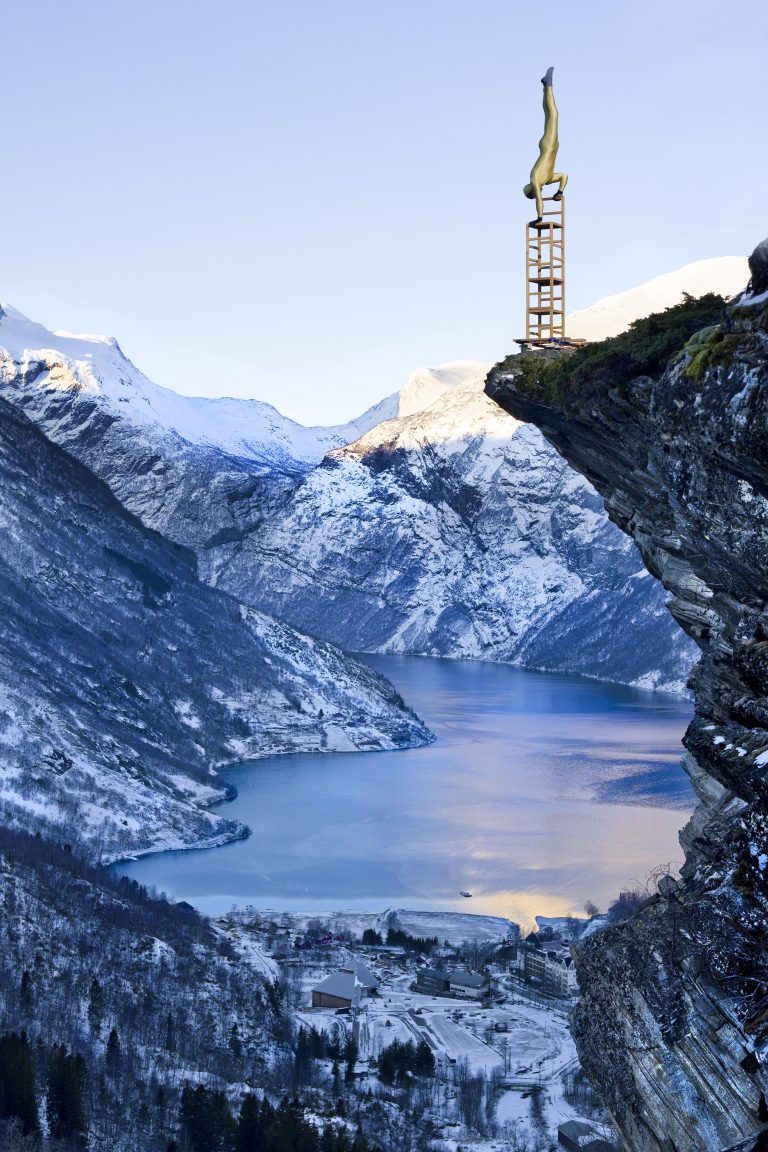
Egil Rønningsbakken has cycled on a line across the Lysefjord, stood on his hands on the edge of the Great Wall of China, balanced on the hood of a speeding car and stood on the edge of Trollveggen 1400 meters above the ground – on a one wheel bike. Here we present a portrait of Egil Rønningsbakken – who has really lived a Norwegian’s life on the edge.

You may not know his face. Maybe you do not remember his name either. But when you feel your heart palpitations in your throat when watching the man standing on his hands on the top of four stacked chairs at the very edge of the Pulpit rock, or at the top of Svinesundbrua (the bridge crossing the border between Norway and Sweden), you know who he is.

Portrait of a Norwegian’s Life On The Edge
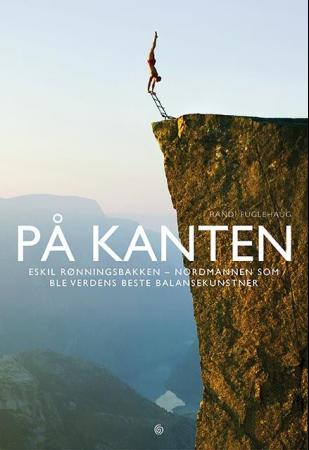
Author Randi Fuglehaug and photographers Knut Bry and Sindre Lundvold have followed Rønningsbakken from Trollveggen (The Troll Wall) to the Great Wall of China, and the result is the book “På kanten” («On the edge»).

A life on the edge
Eskil Rønningsbakken has literally lived his life on the edge. He joined the circus at the age of 18 and later improved his craft under the tutelage of Moscow State Circus trainer Peter Jakob. Rønningsbakken practices yoga, meditation, and breathing techniques to stay focused, and prepares extensively for each act.

You may also like to read: Portrait of a Norwegian Star Photographer

The balance artist from Norway has performed extreme balancing stunts atop dizzying heights around the world. His first major performance took place at the Pulpit rock in Norway in 2001. But Norway was not challenging enough. After that, he’s been balancing atop Machu Picchu in Peru, Angel Falls in Venezuela and over the Aizhai suspension bridge in the Hunan province.  The bridge has a main span of 1,176 meters and a maximum height of 330 meters.

What’s really going on inside his head?
What’s really going on inside the head of this guy from Vallset in Hedmark, who has made it his livelihood to be on a hair’s breadth from death?

Eskil Rønningsbakken is not only Norway’s foremost balancing artist, he is also one of the world’s most renowned. In a book “På kanten” (On the Edge), the reader may experience the world’s most dangerous job, both in Norwegian nature and in the Asian metropolitan jungle. He does not call himself an extreme athlete, but an artist, who secures himself only with positive thinking.

“I primarily pick my inspiration from nature and within myself, asking what I most want to do and achieve in my life,” he once said in an interview with Viking Magazine.

You may also like to read: A View from the Top of the World – Cover Art from Norway


Text and photo
Author Randi Fuglehaug and photographers Knut Bry and Sindre Lundvold have followed Rønningsbakken from Trollveggen (The Troll Wall) to the Great Wall of China, and the result is the book “På kanten” («On the edge»). The main character had only one condition: “You must finish writing the book if I die,” he told Fuglehaug.

The story of Eskil Rønningsbakken is both about ups and downs, about being one of Norway’s first circus artists and about performing for royals and heads of state, and downs, about car accidents, suicide attempts and prison stays.

“Many people already know at a young age what they want most in life, but they’re usually raised in such a way as to deny their talents and follow the mainstream. I’m not trying to tell that everyone should balance at the edge of a cliff, but to be what we are made to be instead of what we believe society expects us to be,” he told the Viking magazine.

Portrait of a Norwegian’s Life on the Edge
In China, Rønningsbakken also did tricks suspended from a hot air balloon near the bridge. Afterwards he said the performance was more difficult than usual because of the winds.

Portrait of a Norwegian’s Life On The Edge
Eskil Rønningsbakken. Private photo (Viking magazine)

You may not know his face, Fuglehaug wrote in the preface to the book. Neither will you after having read the book, because the portrait of Rønningsbakken was forgotten in the throng of spectacular stunts. We compensate for it here.

Portrait of a Norwegian’s Life On The Edge, written by Tor Kjolberg

Feature image (on top): Photo: Sindre Lundvold

Norway – The Poster Child For Electric Vehicle Adoption

0

Norway, Denmark, Finland, Iceland, and Sweden are the vanguards for 100% adaptation to green energy in order to lessen carbon emissions that account for global warming. The Nordic governments are working together to create policies that support green energy while maintaining sustainable economic growth.  As a result, Norway, the poster child for electric vehicle adoption, is the global leader in the adoption of electric vehicles (EV).

Take a peek at how Norway came to be at the forefront of EVs and examples everyone can learn from.

Norway - The Poster Child For Electric Vehicle Adoption
As of March 2020, close to 60% of new cars bought were fully electric and over 15% were hybrid cars.

How Norway Did It
Norway is the biggest oil producer in Western Europe and yet its government has made it a goal that all cars must be “zero-emission” by 2025. As of March 2020, close to 60% of new cars bought were fully electric and over 15% were hybrid cars. This means that Norway is on its way to achieving that goal. The Norwegian government imposes lower taxes on EV cars while levying higher taxes on traditional cars.

Added incentives for EVs are free road tolls and public ferries, free parking in some municipal car parks, and the use of public transport lanes. EV cars are affordable in Norway and together with the incentives given by the government, owning an EV will also be less expensive in the long run. Another advantage that Norway has is its abundant supply of renewable energy making electricity rates one of the cheapest in the world. Its distribution of electricity has excellent infrastructure making transmission very efficient.

Norway - The Poster Child For Electric Vehicle Adoption
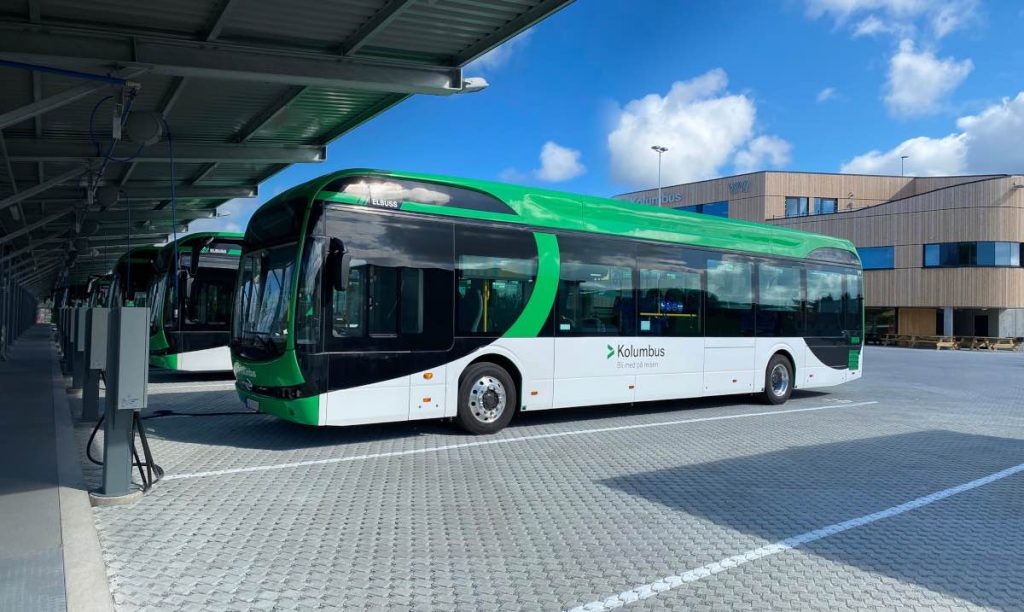
E-bus operated by Vy in Norway

Totally Eco-Friendly
As Norway approaches its lofty goal and EVs become an expectation rather than a trendy innovation, the government and consumers will want other parts of the cars such as batteries and tires to be eco-friendly as well. A working paper prepared by the Nordic Council of Ministers recommends that strategies be put in place to reduce the emission of microplastics from tire wear and the Nordic nations including Norway are rising to be the new EV battery manufacturing group in Europe.

It is no surprise that Norway and the other Nordic nations are very environmentally conscious. The geographical location of the Nordics makes them the most exposed to the impact of climate change.

Norway - The Poster Child For Electric Vehicle Adoption
The geographical location of the Nordics makes them the most exposed to the impact of climate change. Photo:The Blowup/Unsplash

Can Other Countries Do It?
Christina Bu who is the Secretary-General of the Norwegian Electric Vehicle Association says that other countries will find it difficult to exactly duplicate what Norway did to make EV adoption successful. She said, “I think we will see different countries following faster than the others, but interest is growing. We definitely will start seeing the same development in country after country.” Sweden, Germany, and Costa Rica have given subsidies or tax exemptions to EV owners.

Some countries may be slower in adoption due to lack of proper infrastructure and supply of energy, geographical size, and government policy, among others. This is not to say that they aren’t interested in adopting green car tech. For most, it will take a longer time to plan for incentives and subsidies, reach political consensus, and for the automotive industry to step up, but they ARE aware that the EV revolution is here to stay.

Norway - The Poster Child For Electric Vehicle Adoption
Karoline Gore

Norway – The Poster Child For Electric Vehicle Adoption is written exclusively for Daily Scandinavian by Karoline Gore. Karoline is a freelance writer from Stoke on Trent in the UK who left the corporate grind when she started a family and has never looked back. She enjoys contributing to a range of online publications on the topics that are important to her.

Feature image (on top): Photo by Possessed Photography/Unsplash

Visit Norway’s Oldest Ice

0

You do not always have to climb a mountain. Sometimes it can be just as nice to go inside it. When entering into the 7,000 year-old Klimapark 2469 in the Jotunheimen national park in Norway in the summertime, you have to shift from shorts and t-shirts to down jacket and wool socks. But the trouble is worth a visit to Norway’s oldest ice.

In 2006-07 increased ice melting revealed many reminiscences of ancient human activity around ice patches near Mount Galdhøpiggen, Norway’s highest mountain peak. A public limited company “Klimapark 2469 AS” was established to develop a heritage interpretation product and to study climate change. A 60-meter long ice tunnel was excavated in the ice patch Juvfonna, where guided walks and a display presenting climate change, archeology, Norse mythology and glaciology are offered.

Visit Norway’s Oldest Ice
Some of the ice in the Juvfonne glacier has been dated to be 7600 years old, currently the oldest dated ice on mainland Norway.

Experience the Poetic and Prosaic Edda
Klimapark 2469 is based on collaboration between scientific institutions, public authorities, the National Mountain Museum, and private tourist companies. Some of the ice in the Juvfonne glacier has been dated to be 7600 years old, currently the oldest dated ice on mainland Norway.

Visit Norway’s Oldest Ice
Reindeer at Klimapark 2469

Related: Secrets of the Ice in Norway Revealed

More than 700 archaeological finds have been made in the area. Ice artist Peter Istad has been responsible for the layout. In Norse mythology, Mimisbrunnr is a well associated with the being Mimir, located beneath the world tree Yggdrasil. Minisbrunnr is attested in the Poetic Edda, compiled in the 13th century from earlier traditional souces, and the Prose Edda, written in the 13th century by Snorri Sturluson.

The well is located beneath one of three roots of the world tree Yggdrasil, a root that passes into the land of the giants jötnar.   Odin once sacrificed one of his eyes to the well in exchange for a drink.

Visit Norway’s Oldest Ice
the tunnel covers an astounding 375 square meters, filled with lights illuminating both the natural elements of the ice as well as sculptures carved out by artists

Part tourist attraction and part research center
The number 2469 refers to the height of Galdhøpiggen, Norway’s highest mountain peak. Part tourist attraction, part research and historical excavation site, the tunnel covers an astounding 375 square meters, filled with lights illuminating both the natural elements of the ice as well as sculptures carved out by artists. The ambition has been to combine science, environmental learning, interpretation, heritage tourism and local development, and all you have to do to experience this is to book a tour.

Related: Ice Age Scandinavia

About 10,000 years ago, the ice in this area melted as the climate warmed, which was at its warmest between 7000-9500 years ago. The new results from Juvfonne suggest it might be possible to find ice from the last ice age in the high-mountain areas of southern Norway.

Visit Norway’s Oldest Ice
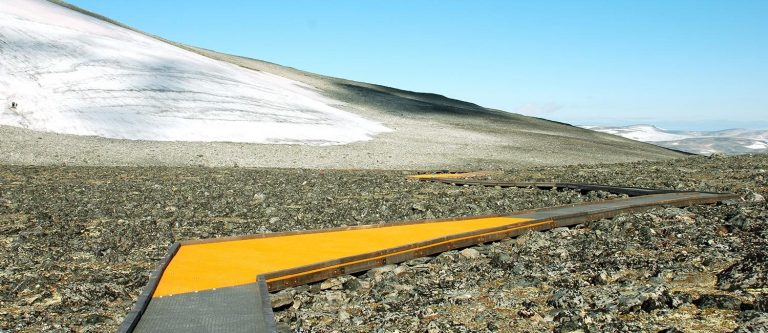
Boardwalking at Klimapark 2469

Scaring speed of ice melting
In Norway, there are two distinct terms to describe glaciers. An “isbre” is what most people relate to an glacier and “isfonn”, meaning a non-moving glacier. The lack of movement means that when a tunnel is carved out it stays that way. A tunnel built in a regular glacier would lead to its collapse and be a dangerous place.

The speed of melting at Juvfonna has been formidable and scaring. The amounts of new archeological objects have, however, given a unique possibility for improving and interpreting the story about the early inhabitants and users of these mountain areas. Among the finds are a leather shoe (3500 years old), a knitted tunic and tools for rein deer hunting in the Bronze Age.

Visit Norway’s Oldest Ice
Entering into the ice tunnel, you first have to pass through an air lock to prevent the outdoor heat from getting inside.

Related: Nocturnal Norwegian Ice Climbing

7600-year-old ice
When the tunnel was chiseled into the ice at the base of the field, samples were taken out and sent to the Paul Scherrer Institute in Switzerland for carbon dating. The results came back that the ice was 7600 years old.

Entering into the ice tunnel, you first have to pass through an air lock to prevent the outdoor heat from getting inside. Since the climate change is really making its mark at Juvfonna and the ice is shrinking every year, the ice tunnel will unfortunately not last forever.

Visit Norway’s Oldest Ice
The MK2469, with the ice-tunnel, is located a 45-minute drive away from this center, at Juvflya.

Visitors are encouraged to start with an introduction and the exhibition “Out of the ice” at the Norwegian Mountain Museum in the municipal center of Lom. The MK2469, with the ice-tunnel, is located a 45-minute drive away from this center, at Juvflya. There a guided walk is carried out along a carefully constructed 1100 meters long boardwalk over the scree and permafrost area, until the ice front. The guided walk in the 60-meter -long ice-tunnel is the main attraction. The boardwalk is free for use by anyone, but the tunnel is only open to guided groups.

Creating increased levels of value and innovation
All sculptures and art in the tunnel have been inspired by Norse mythology. In fact, the tunnel is actually more like an ice maze. The guidelines for Klimapark 2469 says it “shall, through attractions developed in collaboration with professional contributors and aimed at a wide audience, communicate interactive experiences of, and insight into, current climate processes and the interaction between nature and humans seen in a long-term perspective. The purpose of such communication and experiences is to promote interest as well as understanding in terms of thematics, and to create increased levels of value and innovation.”

Visit Norway’s Oldest Ice, written by Tor Kjolberg

All images © Klimapark 2469

5 Reasons Why Scandinavia Is One Of The Healthiest Regions In The World

Many factors contribute to a country being healthy or unhealthy. Good health is more than expensive supplements and fruit juices. Generally, the healthiest countries are developed, have access to quality healthcare and clean drinking water and have lower rates of pollution. Read about the 5 Reasons why Scandinavia is one of the healthiest regions in the world.

The Bloomberg Global Health Index 2019 ranks 169 of the healthiest and unhealthiest economies in the world; Using a variety of factors each country is given a rating out of a possible top score of 100. Sweden and Norway are two of the Top 10 countries in the world. In addition, Norway has some of the world’s longest-living people. Let’s dive into some possible reasons:

Norwegians spend as much time outside as possible, Photo: Aaron Blanco Tejedor1. Friluftsliv (Outdoor life)
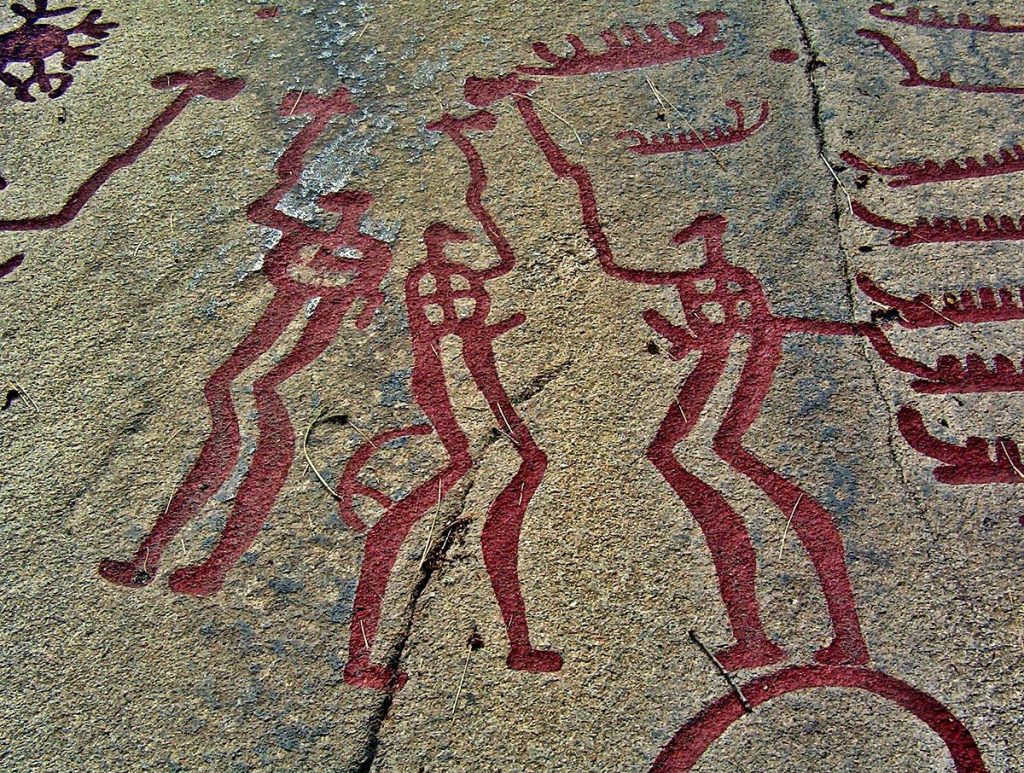
Norwegians spend as much time outside as possible. In spite of much rain, or that the sun doesn’t even rise for three months in the northern part, Norwegians are still dedicated to the cause of getting outside. “Bad weather doesn’t exist – only bad clothing,” they say. They know outdoor life will improve their mood, mental health and emotional well-being.

it is customary in Sweden and Norway to have a “stuga” or “hytte” in the countryside, where they spend family time in pure, unadulterated nature. Most Norwegians and Swedes enjoy the sense of freedom and the naturally good feeling of growing up picking berries and wild flowers in the forests and mountains. Fishing, mushroom hunting, hiking, canoeing, kayaking and swimming in the lakes are good memories for most Scandinavian adults.

Related: Comparing Nordic Healthcare Systems: Similarities And Differences 

5 Reasons Why Scandinavia Is One Of The Healthiest Regions In The World
According to the Bloomberg report, outdoor exercise is more popular than indoor gyms in each of the countries ranked 1 through 5. Photo: Colin Moldenhauer

2. Outdoor exercise
According to the Bloomberg report, outdoor exercise is more popular than indoor gyms in each of the countries ranked 1 through 5. The healthiest countries have a variety of traditional indoor and outdoor exercise activity options, but to add to this they also maximize the movement in everyday activities such as walking to the store, working in a garden, riding a bike to work, and family strolls just for fun.

5 Reasons Why Scandinavia Is One Of The Healthiest Regions In The World
Overall health and well-being is largely determined by what one eats. Photo: Louis Hanset /MIPD

3. Diet
Overall health and well-being is largely determined by what one eats. Scandinavians (and in particular the Swedes and Norwegians) has managed to refrain from the conveniences of the Western style diet to stay true to more traditional culinary traditions over the passing years. They consume diets that include considerably fewer processed foods that are lower in unhealthy fats while being higher in fruits, vegetables, fiber, and lean proteins.

Dinner is served early in Norway, and eating together as a family is important. Families in Norway usually eat at 5 p.m., since most people work from 8 a.m. to 4 p.m. After getting off of work, most families pick up their kids from school and then go home to eat their biggest meal of the day.

Related: 6 Scandinavian Health Philosophies We Should All Embrace 

5 Reasons Why Scandinavia Is One Of The Healthiest Regions In The World
The Norwegian government introduced a sugar tax almost a century ago. Photo: Rod Long

4. A dedicated government
In a bid to keep the nation as healthy as possible, the Norwegian government introduced a sugar tax almost a century ago. The government vowed to reduce the country’s sugar consumption by 12.5% by 2021. Within the last ten years, there was a 27% decline in sugar consumption and the Norwegians consume far less sugar than the rest of the world, at 27 kg every year, whereas America’s consumption is 34 kg.

5 Reasons Why Scandinavia Is One Of The Healthiest Regions In The World
On a survey by Internations, Norway is ranked the 3rd best country regarding work-life balance. Photo: LinkedIn Sales Solutions

5. Work-life balance
On a survey by Internations, Norway is ranked the 3rd best country regarding work-life balance. Expats in Norway are highly satisfied with their work-life balance (72%) and their working hours (77%). In fact, they only spend an average of 42.9 hours per week at work, which is 1.4 hours less than expats in full-time jobs worldwide (44.3 h).

Norwegians take their relaxation just as seriously as their work. Offices rarely stay open after 4 p.m. Working on weekends or overtime is quite literally unheard of in Scandinavia (and in particular in Norway). It is neither valued nor deemed necessary. In most countries, people live to work. In Norway, they work to live. Family takes priority over staying at the office. Employers are required by law to offer 25 paid vacation days per year, plus public holidays. It is thereby common in Norway to take off an entire month in the summer. During this time, business slows down and people rarely check emails.

Related: How To Use A Historical Scandinavian Favorite: Honey

According to the Bloomberg report, the top 10 healthiest countries by population for 2020 are: Spain, Italy, Iceland, Japan, Switzerland, Sweden, Australia, Singapore, Norway and Israel.

Due to the government’s continuing efforts to make unhealthy snacks and drinks unappealing to the nation, Norway has proudly ranked in the top 10 healthiest nations for many years.

5 Reasons Why Scandinavia Is One Of The Healthiest Regions In The World, written by Tor Kjolberg

All images © Unsplash

Feature image (on top): Photo by Andreas Zillner / Unsplash

UNESCO Sites You Must See In Sweden

Sweden, even though it’s a small country, is known for several achievements. However, many people don’t realize that this country is high on the UNESCO list of countries with World Heritage Sites. Sweden has 15 UNESCO sites in different parts of the country considered incredible value to humanity. Here are 8 UNESCO sites you must see In Sweden.

These sites are listed with some of the most popular sites globally, such as the Great Wall of China, Egypt’s Pyramid, the Acropolis, and other remarkable locations in the world. This article discusses a few of these UNESCO sites in Sweden.

UNESCO Sites You Must See In Sweden
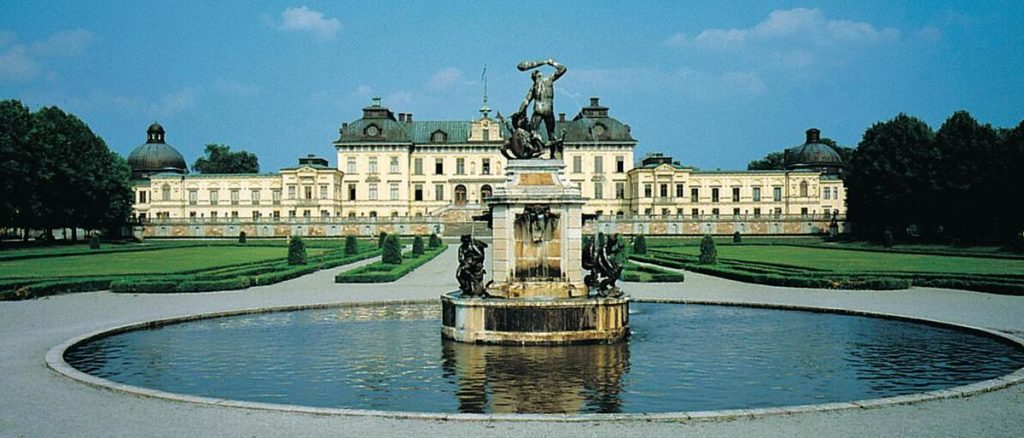
Drottningholm castle has been a UNESCO World Heritage Site since 1991. Photo: Store norske leksikon

Royal Domain Of Drottningholm
This has been a UNESCO World Heritage Site since 1991. Located in Lake Malar, on an island within the suburb of Stockholm, this 1766-built theatre, well-preserved castle, and Chinese pavilion is one of the best examples of the northern European royal residence in the 18th century. The design of this castle was inspired by the Rococo and Baroque styles that were trendy at the time and the Palace of Versailles.

This castle remains the private residence of the royal family of Sweden today. However, visitors have free entry to the building and the significant parts, such as the reception halls.

UNESCO Sites You Must See In Sweden
Karlskrona port is built with fortifications, harbor, naval dockyard, with several installations in different parts of the historic town. Photo: UNESCO

Naval Port Of Karlskrona
This site is situated in the southern part of Sweden and dates as far back as 1680. This well-preserved naval port is an excellent example of what a European naval town looked like in the 17th century. There are not many dockyards anywhere, with docks and buildings explicitly designed for constructing sailing warships. This is what you have in the Naval Port of Karlskrona.

This port is built with fortifications, harbor, naval dockyard, with several installations in different parts of the historic town. Karlskrona city has many places for people to stay and is very accommodating with the sea view. Visitors also have a variety of bars, cafes, and restaurants to choose from.

UNESCO Sites You Must See In Sweden
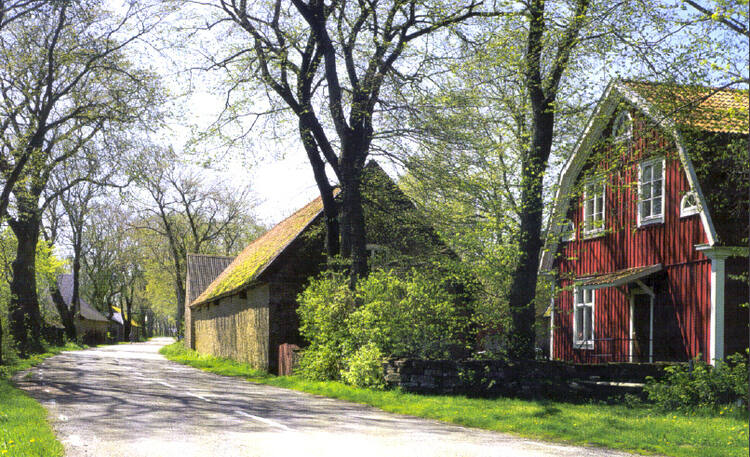
The southern part of this city has a large limestone plateau dominating that part of the land with a relatively dry climate. Photo: UNESCO

Agricultural Landscape of Southern Öland
Öland, a famous city off the southeastern coast of Sweden, is a well-known summer destination. This island is also where the summer residence of Sweden’s royal family is located, so you should not be surprised if you run into one of them in this city during the summer.

The southern part of this city has a large limestone plateau dominating that part of the land with a relatively dry climate. While these physical constraints exist, this land has been inhabited by people that have adapted their life to this island for 5000 years. According to custom essay writing, you can reach this island from Kalmar via a six-kilometer bridge.

UNESCO Sites You Must See In Sweden
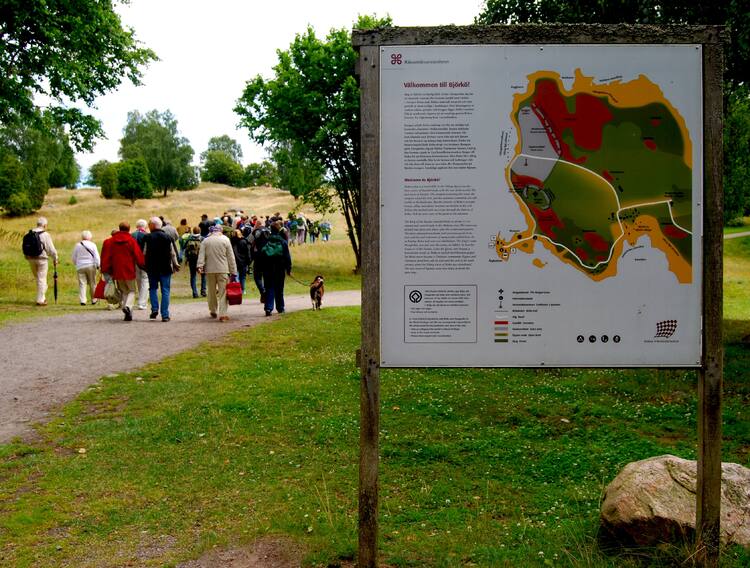
Birka and Hovgarden also have a museum, prototypes of old houses, and many facilities around this site for visitors. Photo: UNESCO

Birka and Hovgarden
These are two distinct islands, the Adelson Island, and Bjorko Island. This island jointly occupies a well-preserved archaeological site where you can find some of the traces from the Viking age in this region. Birka was a significant town within Europe at the time because of its trading and commercial activities. It also hosted the first Christian gathering in Sweden in 831, led by St. Ansgar. It also has a museum, prototypes of old houses, and many facilities around this site for visitors. However, the archeological site itself doesn’t have any buildings.

UNESCO Sites You Must See In Sweden
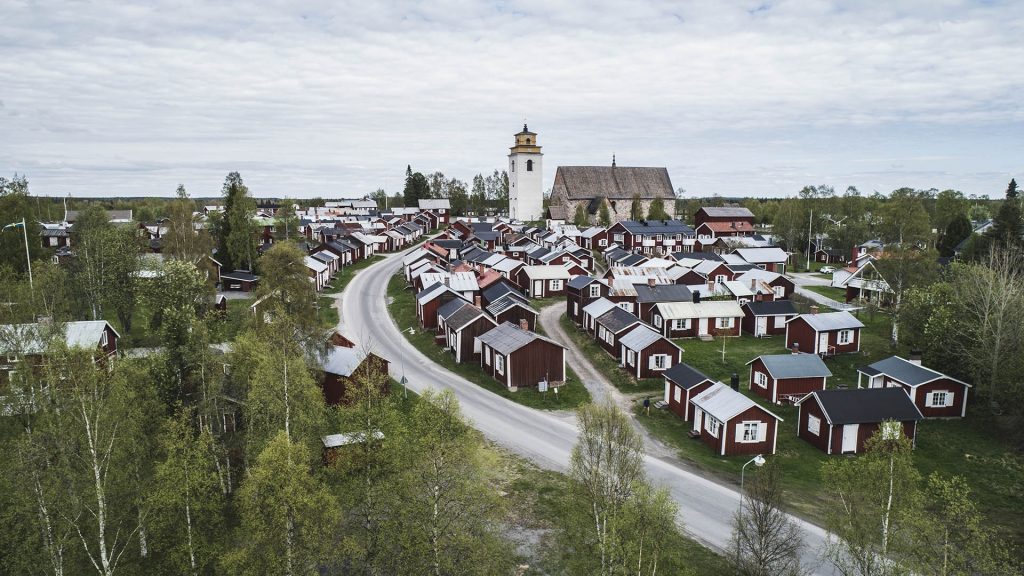
Church town is a type of unique village found around the north of Scandinavia. Photo: Swedish Lapland

Church Town Of Gammelstad, Lulea
Lulea, a famous city in the northern part of Sweden, is known to house one of the most-preserved church towns in the world. Church town is a type of unique village found around the north of Scandinavia. It is made of wooden houses to house worshippers from very distant places and face unpleasant travel conditions. These houses were used mainly on Sundays and when there are religious festivals. The town of Lulea still has 434 wooden houses in existence from the 15th century when the church built them.

UNESCO Sites You Must See In Sweden
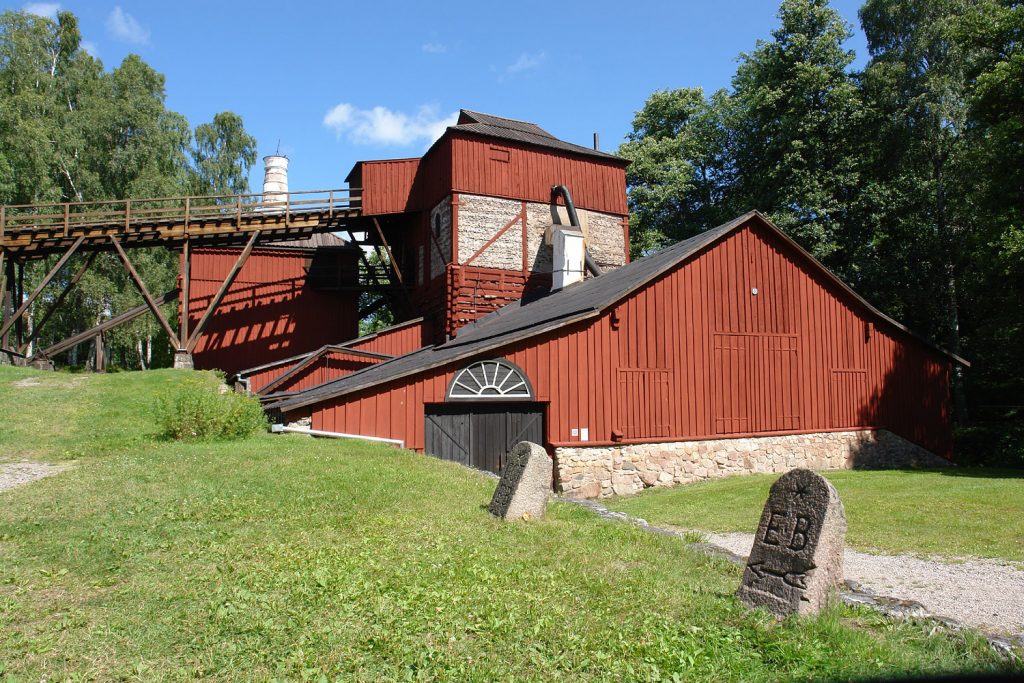
Engelsberg Ironworks are the most complete and best-preserved example of ironworks in Sweden. Photo: Wikipedia

Engelsberg Ironworks
This is the most complete and best-preserved example of ironworks in Sweden. In the 17th & 18th centuries, Sweden was a significant force in ironworks production, and this site shows how they did it. The residential, administrative, and technological buildings were conserved and remained in their original state. So, this smelting house from the 18th century, along with all of its associated installations from that period, are very intact. Together, they give the full detail of the technology and equipment of Sweden’s traditional jarnbruk.

UNESCO Sites You Must See In Sweden
Tanum has several intriguing rock carvings which have landed it its spot on UNESCO’s list of World Heritage Sites. Photo: Wikipedia

Tanum rock carvings
Tanum has several intriguing rock carvings which have landed it its spot on UNESCO’s list of World Heritage Sites, and these carvings are an excellent example of artwork from the Bronze Age. In the Bohuslan region in western Sweden, there are about 1500 well-documented rock carving sites. This includes the tanum rock carvings where the inhabitants at the time carved different images on the many smooth rocks on the landscape. An example of the most famous carvings from this period is the Vitlycke carving which depicts a bridal couple. You can explore these rock carvings through a six-kilometer-marked pathway.

UNESCO Sites You Must See In Sweden
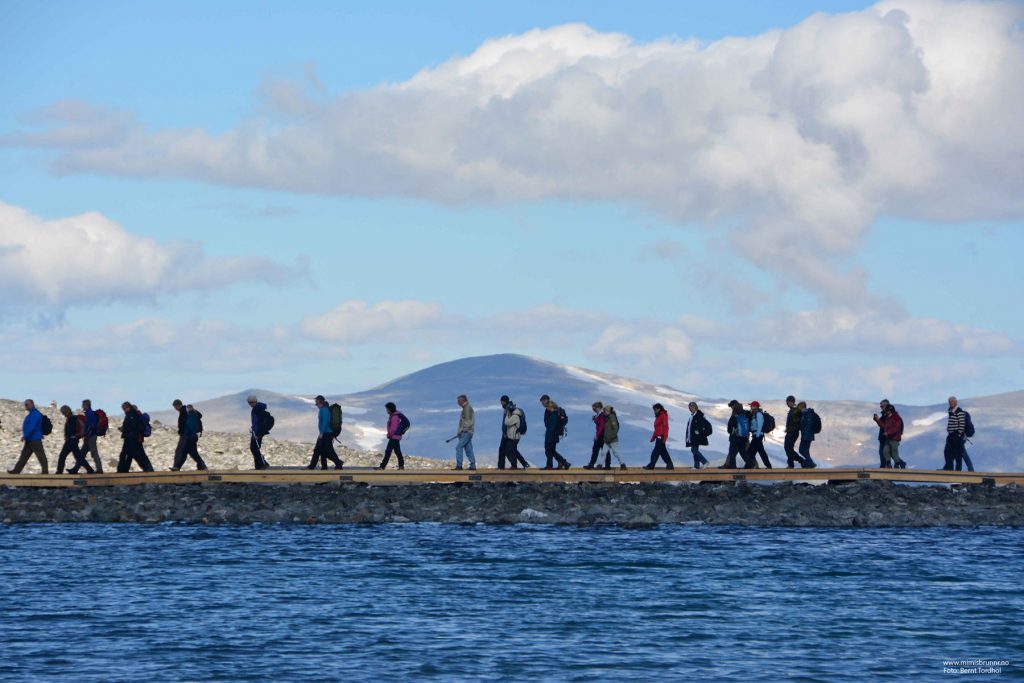
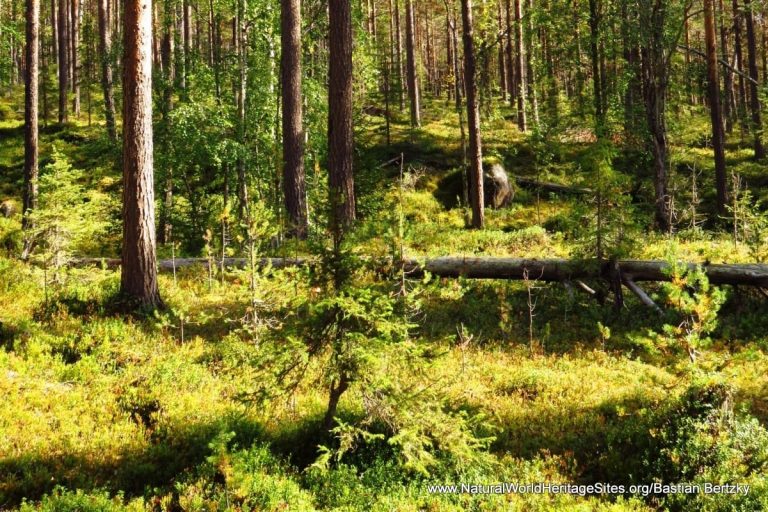
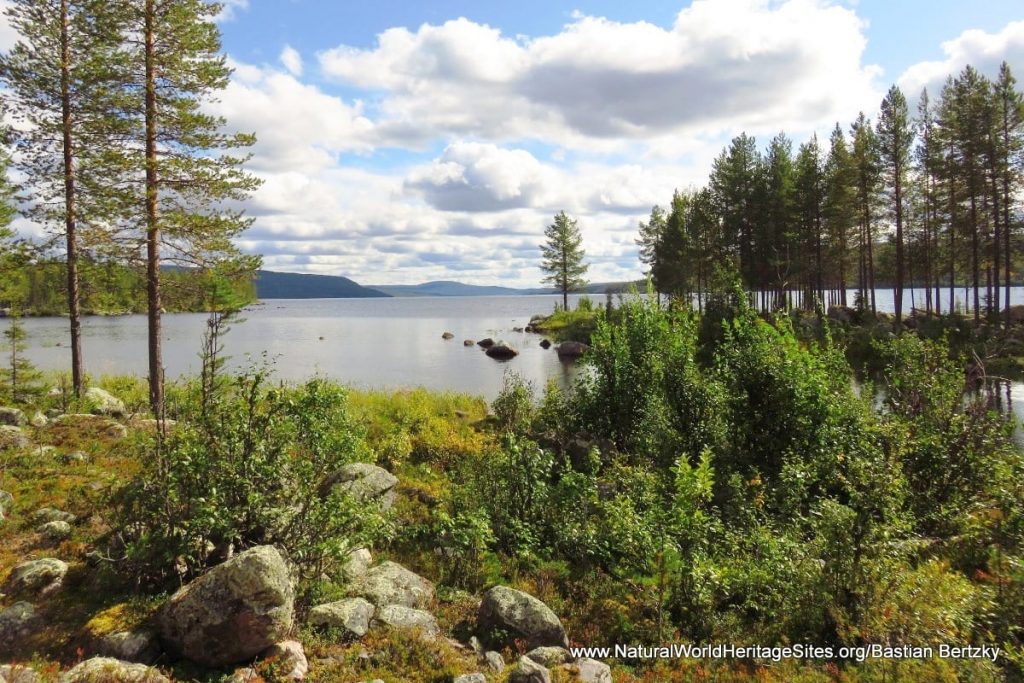
The Laponian area is located in the north of Sweden, just over the Arctic Circle. Photo: Natural World Heritage Sites

Laponian area
The Laponian area is located in the north of Sweden, just over the Arctic Circle, encompasses many national parks, and is home to the indigenous people of Lapp and Sami. This area is one of the largest areas and the last one where evidence of ancestral life was found in the world based on seasonal livestock movement (reindeer – which is still practiced to date). Although this area is under threat from the conveniences of the modern world like motor vehicles, most of it is still intact.

UNESCO Sites You Must See In Sweden – Conclusion
There are no less than 15 UNESCO World Heritage Sites in Sweden, and only a few of those are mentioned in this article. Some of the others are the Hanseatic town of Visby, the high coast, the grimeton radio station, and decorated farmhouses of halsingland.

UNESCO Sites You Must See In Sweden
Charlie Svensson

UNESCO Sites You Must See In Sweden is written exclusively for Daily Scandinavian by Charlie Svensson. Charlie is a fast, engaging freelance writer. Skilled in content writing and blogging. The favorite topics of his posts are education, social media, marketing, SEO, motivation blogging and self-growth. Excellent adaptability of skills to reach diverse audiences.

Feature image (on top): Laponian area, photo by Natural World Heritage Sites