
A Swedish Oracle Speaks

In the book Orakelet taler (The Oracle Speaks – Seven Life Advice Against Life Advice), the Swedish author and social commentator Liv Strömquist reveals, among other things, the shame many feel when they try to have fun on command – and fail.

With her characteristic, seemingly simple lines and language, she makes it impossible to ignore how we are all caught up in this mess. It’s like getting a new pair of glasses – once you see them, you can’t look away.

Liv Strömqvist, born 1978, debuted with the book “Hundre procent fett” (2005), the same year she started at Serieskolan in Malmö. Since then, she has published the comic books “Drift”, a sex series illustrated by Jan Bielecki (2007), “Einsteins fru” (2008), “Prins Charles känsla” (2010), “Ja til livet” (2011) and «Fruit of Knowledge» (2014), about the taboo of menstruation and the vulva in society, also translated into Bulgarian, Catalan, Croatian, Czech, Danish, Dutch, English, Finnish, Galician, Greek, Italian, Japanese, Korean, Macedonian, Polish, Portuguese, Russian, Slovene, Spanish, Turkish and Ukrainian.
A Swedish Oracle Speaks
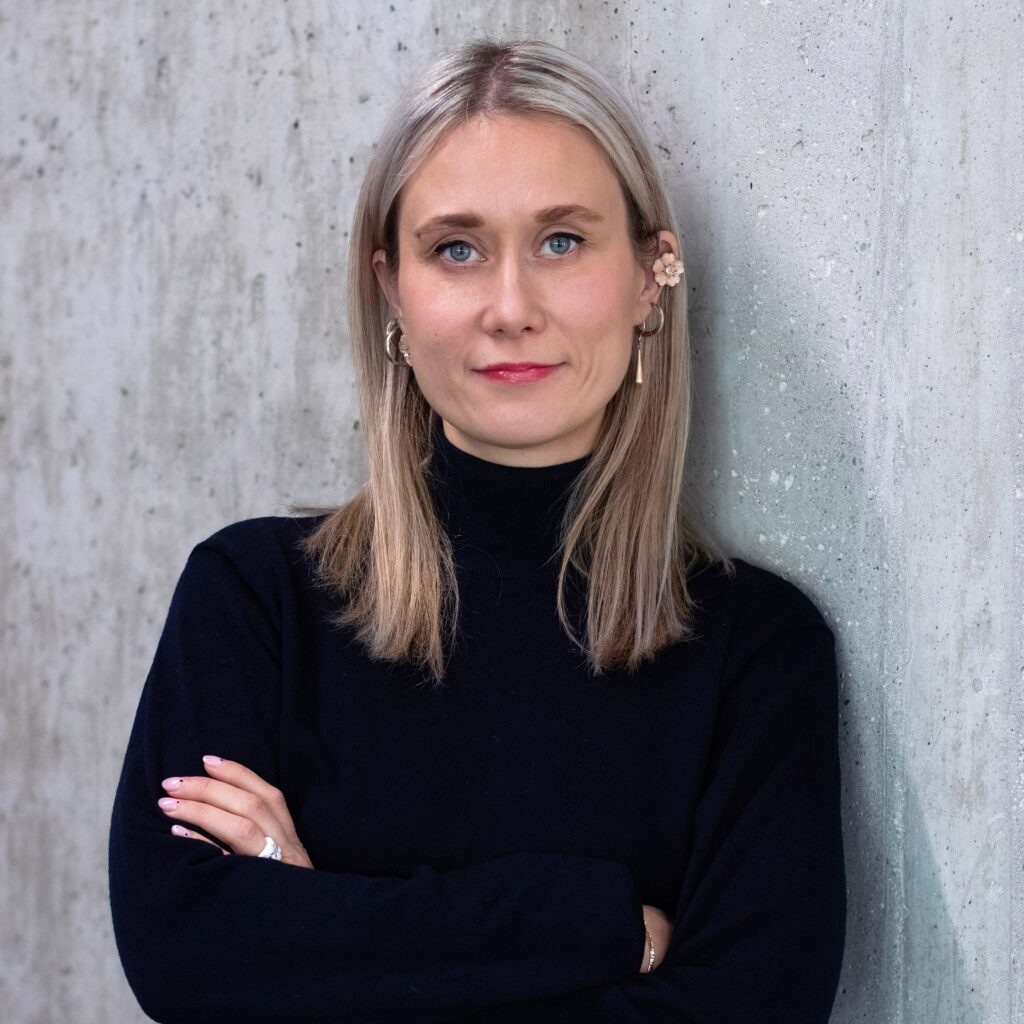
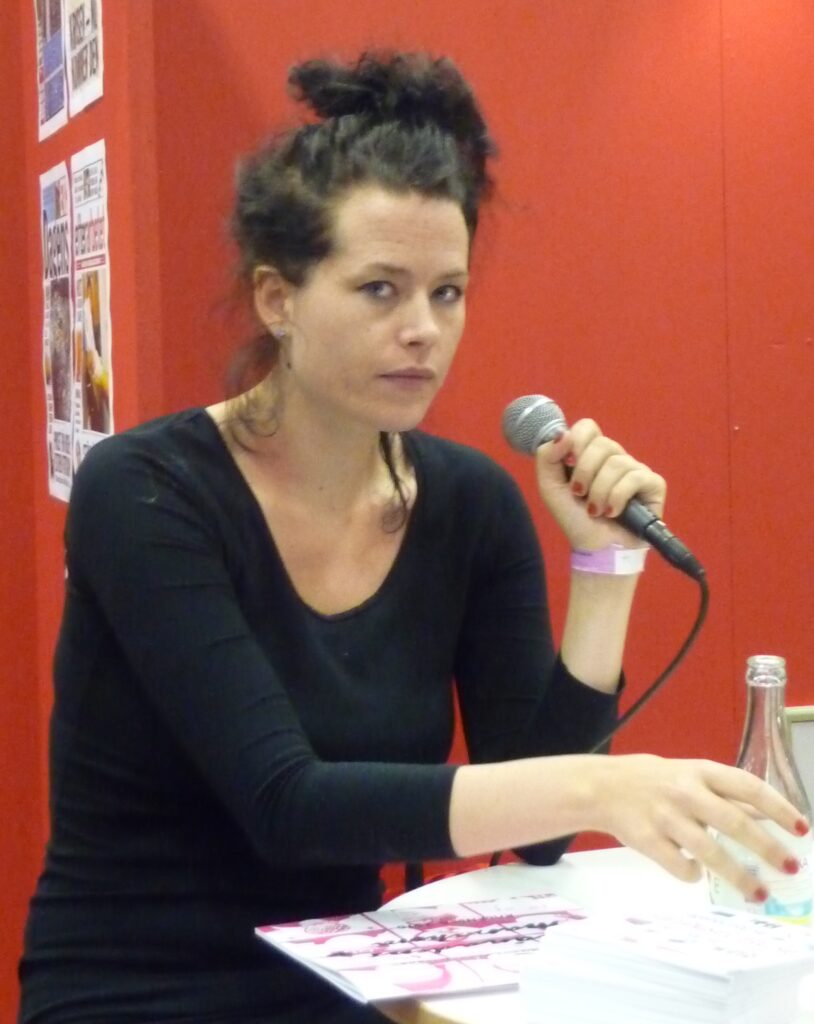
Liv Strömqvist. Photo: Wikimedia commons.

Strömquist studied sociology at Lund University and earned a degree in political science at Malmö University. She has been awarded an honorary doctorate twice, in 2016 by Malmö University and in 2021 by UCLouvain. Her comics are mostly about sociopolitical issues from a feminist and left-wing perspective. They are satirical essays about power and injustices.

******************************************
Related: The Danish Comic Book Illustrator

******************************************

The Oracle Speaks

În her recent book “The Orace Speaks, Duchess Meghan Markle is supposed to shine a light on a charity that distributes food to sex workers living in poverty and substance abuse. The Duchess had what seemed like a really great idea: full of enthusiasm, she grabbed a pen and began scribbling encouragement and slogans on the bananas that were given with the food packages.

A Swedish Oracle Speaks
In the book, a duchess full of enthusiasm, grabs a pen and begin scribbling encouragement and slogans on the bananas included with the food packages.

In the book, Strömqvist reveals, among other things, the shame many feel when they try to have fun on command – and fail. With her characteristic, seemingly simple lines and language, she makes it impossible to ignore how we are all caught up in this mess. It’s like getting a new pair of glasses – once you see them, you can’t look away.

It’s perhaps no wonder that the Duchess finds it difficult to imagine what the world looks like from the perspective of women in crisis. But Meghan’s attempt to encourage them backfires. The exhortation to “work hard” takes on a whole new meaning when you imagine what it might mean for someone who works in the sex industry. (More thorough blowjobs? More clients at once?) The message to smile, or “live, laugh, love,” is, of course, also tragically out of place on a banana in the hands of a woman covered in bruises.

Several keen life advisors are  portrayed in this comic book

Drawing on the sociologist Edgar Cabanas’ concept of “emodity,” Strømquist reveals how our insecurities about beauty, happiness, and pleasure are commodified. Suddenly, you see: That one too many lager on the town isn’t just a failure of self-control—it’s your role as a pawn in the neoliberal machinery, in what Strøquist calls the “fun-happy-pretty industry.”

The Duchess of Sussex is one of several keen life advisors portrayed in this comic book.  You will also meet check-up guru Rollo Tomassi, super celebrity therapist The Holistic Psychologist, and a colorful group of randomly selected makeup and fitness influencers, who you may have already encountered in your own Instagram feed in real life.

A Swedish Oracle Speaks
In the book, Strömqvist reveals, among other things, the shame many feel when they try to have fun on command – and fail.

But all of this is just new acts in the fun-happy-pretty industry’s endless spectacle. Strömquist claims we are both actors and audience in our own consumer drama. And no, no one escapes – not even you with your demonstrative dumb phone and well-worn Dag Solstad novel in your inner pocket. In “The Oracle Speaks,” she reveals how even those who rise above the Instagram chase have changed the scene: They now play the leading role in another aesthetic drama, where fun, pretty, and happy are still mandatory exercises – just wrapped in a more intellectual wrapper.

A Serious critique of our average existence

In “The Oracle Speaks – Seven Life Advice Against Life Advice,” Strömquist elegantly glides between philosophers, psychologists, and other intellectual voices. Through the comic’s colorful twist paper, she serves up a serious critique of our average existence – a diagnosis that hits so hard that it sticks in the body. With a sharp pen, she uncovers the absurd paradox of our time: We first construct a sicker self, just to be able to “self-optimize” ourselves into a healthier self. Perhaps Strömquist is the outlet that encourages us to do the completely unthinkable: To give up being fun, pretty, and happy. Let’s instead throw ourselves headlong into boredom, embrace mediocrity, and give ugliness a real chance. Because who knows – when we finally stop running like crazy with 550 steps under the heart rate target at 11:56 p.m., maybe that’s when we can actually start enjoying ourselves. For real.

******************************************
Related: The Great Norwegian Comic Book Artist

******************************************
A Swedish Oracle Speaks
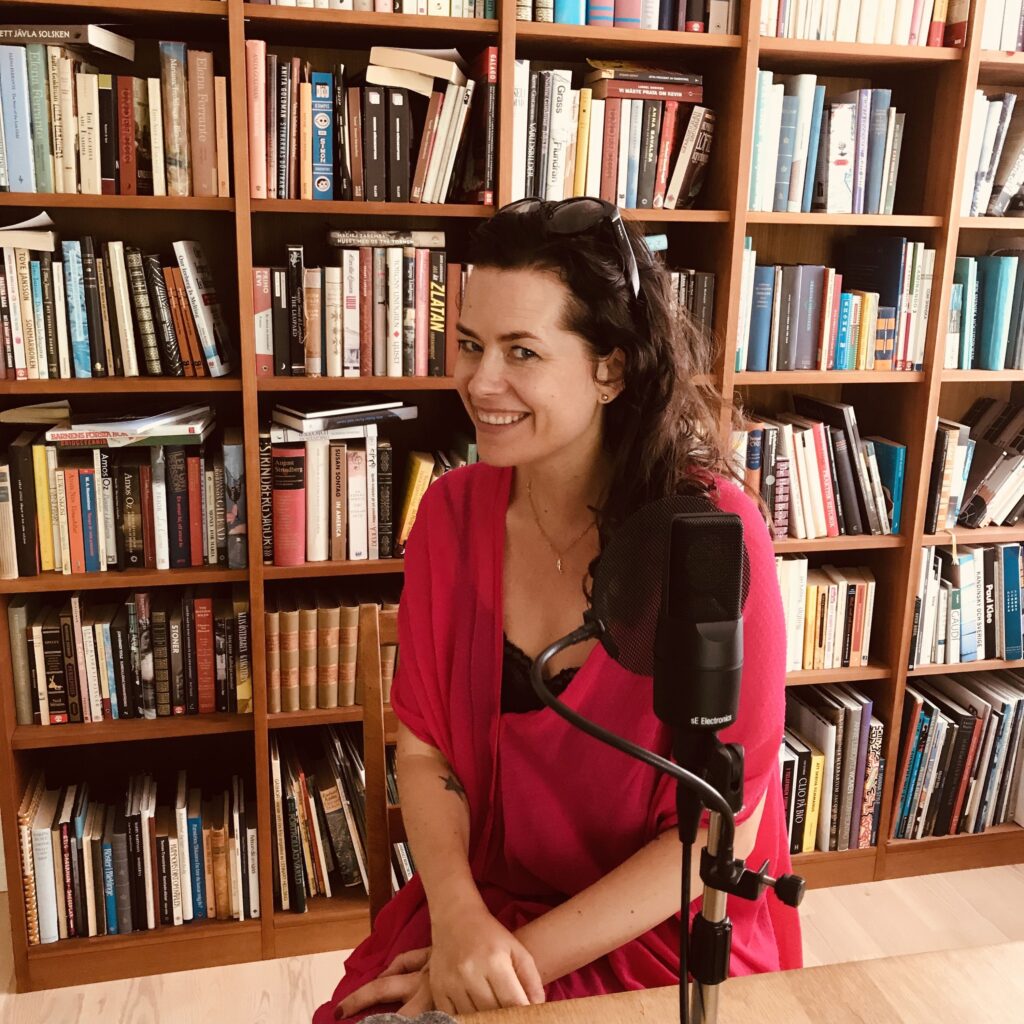
Photo: Podtail

Here are Strömqvist’s seven counter-advice to influencers’ advice:

  • Lose control of your health
  • Lose control of your body
  • Lose control of your love life
  • Don’t follow advice
  • Give more to others than you get back
  • Don’t have personal goals
  • Go out!

Funnily enough, Strömquist shows that this is nothing new. In fact, the author traces today’s self-optimization trend back to the origins of modernity in the 18th century. Because when humans stopped believing in God, she explains, something happened to what we considered the meaning of life.

A Swedish Oracle Speaks, Tor Kjolberg reports
Norwegian Singer Full of Shame, Anger, and Jealousy

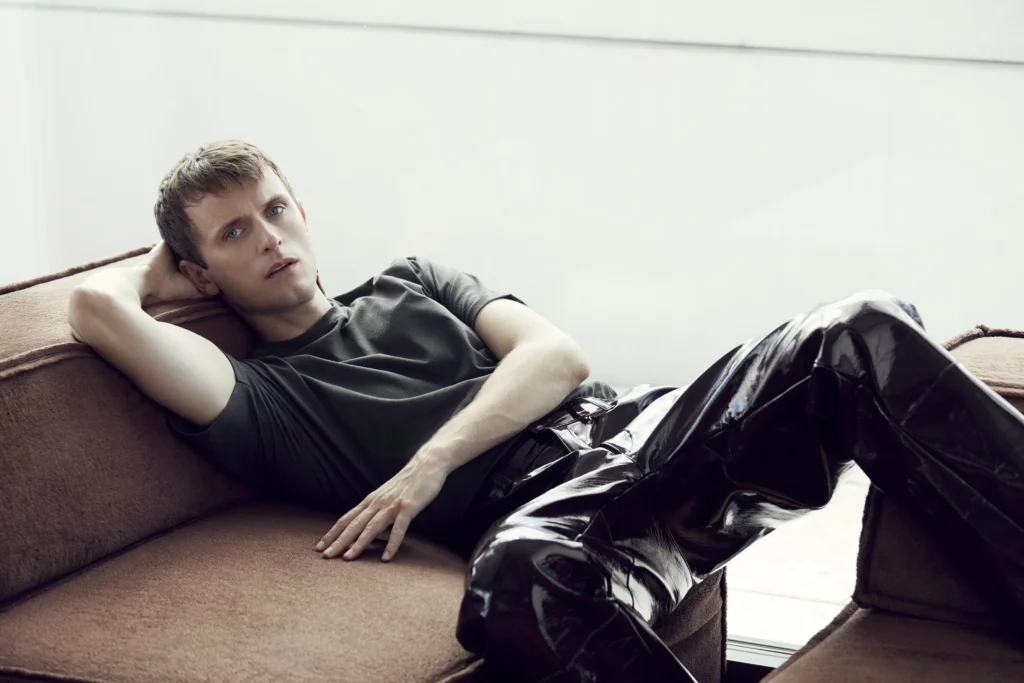
Known for his remarkable voice and critically acclaimed performances in full artistic expression, artist Nils Bech is a one-of-a-kind artist. This star shines just as brightly in a sweaty club as on theater and festival stages, both in and outside Norway. But the Norwegian singer is also full of shame, anger, and jealousy.

In 2014, his third album, “One Year,” was released. It was about the first year of a relationship with the man he was with. “There’s an awful lot of me, my inner emotional life, in this album, shame, anger, jealousy. But when I talk about it, it doesn’t become so dangerous,” Nils Bech said at the time.

Nils Bech has long been a clear voice for diversity and acceptance in Norwegian society. Through his music and openness, he has helped to put essential topics on the agenda, both within cultural life and in public discourse.

********************************************

But what is it that Nils Bech has not done? From the royal golden wedding in Oslo Cathedral, the Venice Biennale, duets with Bjørn Eidsvåg and Dutty Dior, “O helga natt” in Skam, collaborations with the Norwegian National Ballet, commissioned works, and award nominations – all delivered with an uncompromising expression.

Norwegian Singer Full of Shame, Anger, and Jealousy
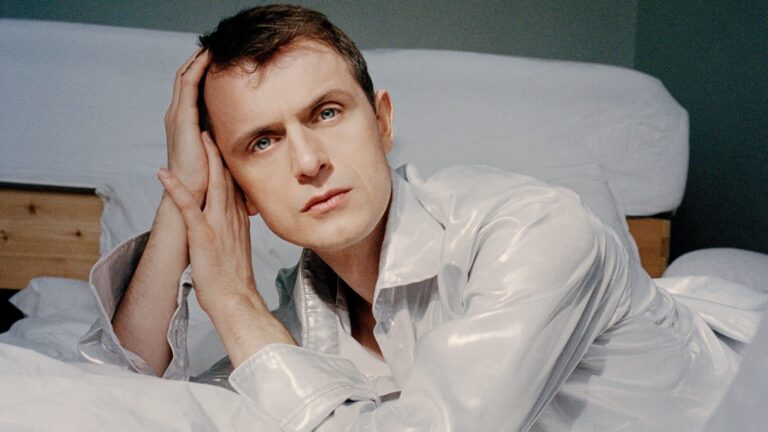
Nils Bech has long been a clear voice for diversity and acceptance in Norwegian society. Photo: Gaffa

In 2009, the prestigious celebrity magazine Interview, which Andy Warhol founded, described Nils Beck as «a 28-year-old camp performance  artist with teen idol looks.”

Later, Ryan McGinley invited him to sing at his club night in New York. AA Bronson opened other doors, calling him one of the best he’s seen, to Office of Contemporary Art director Marta Kuzma, which led to a regular night at the OCA.

***********************************************
Related: Passionate Norwegian Singer/Songwriter

***********************************************

However, the artist struggled with shame for years. Last year, he opened up about what it was like growing up gay and about being subjected to homophobia. Musically, Bech has made it his trademark to complement his unique musical expression with strong visual tools. He can combine high and low culture, stock exchange and cathedral, contemporary music and pop songs – in a way that no other Norwegian artist can.

Norwegian Singer Full of Shame, Anger, and Jealousy
Nils Beck has struggled with shame for years. Photo: Act Agency.

Composer and performance artist Nils Bech was born in Hønefoss in 1981. He studied music at St. Halvard in Drammen. He released his first album, “Look Back,” in 2010. This was followed by “Look Inside” (2012) and “One Year” (2014) on the label Fysisk Format. In 2011, he received the Statens Arbeidsstipend under visual arts, even though he is a singer. He has also been a campaign model for the clothing brand Cos.

When Nils Beck performs, it’s always surprising, always heartfelt, and always with his distinctive communication and artistic ambition at the center. Hold on to those you stand beside – because Nils Bech is likely to provoke fits of laughter, tearful eyes and endless affection, every time he appears!

Norwegian Singer Full of Shame, Anger, and Jealousy, written by Tor Kjolberg.
Feature image (top) © Olavsfest.

A Look Into Crushing Fear, Stress, and Anxiety

Everyone experiences fear, stress, and anxiety in life from time to time. These feelings can arise from everyday situations such as traffic, an acute work stress, or worrying about an upcoming event. In this article, we will take a look at crushing fear, stress, and anxiety.

If these feelings become recurring, interfere with daily life, affect health, or lead to behavior changes, such as avoiding normal activities and commitments, it may be time to investigate.

How fear, stress, and anxiety are related

Let’s first explore how fear, stress, and anxiety are related. These emotions involve the brain’s threat response system and can put us into the uncomfortable state of “Fight or Flight” mode, a term coined by physiologist Walter Cannon. In this state, our sympathetic nervous system is activated, and can range from mild feelings of anxiety to full-blown panic attacks.

Triggers can include stressful situations, unexpected events, emotional distress, perceived threats, and immediate physical threats. Physical sensations can include sweating, heart racing, nausea, lightheadedness, muscle tension, rapid breathing, and more. Cognitive and emotional sensations such as feeling impending doom, panic, feeling faint, and completely overwhelmed or depressed are just some of the rather dreadful feelings in fight or flight mode. Over time, this can begin to affect overall physical and emotional/mental health.

A Look Into Crushing Fear, Stress, and Anxiety
up to 80 percent of doctors’ visits in Western society are stress-related. Photo: Rockefeller Institute of Government.

Interestingly, up to 80 percent of doctors’ visits in Western society are stress-related; digestive issues, headaches, heart palpitations, dizziness, elevated blood pressure, muscle tension, and general feelings of malaise, anxiety, or depression. These health effects may stem from prolonged periods of fight or flight or changes in lifestyle that result from stress, such as inactivity, overeating, lack of sleep, or overconsumption of caffeine, alcohol, or other substances. So, what can we do about it?

**************************************
Related: The Role of Nature in Scandinavian Mental Health and Well-being

**************************************

A regular part of life

First, we must acknowledge that fear, stress, and anxiety are a regular part of life; however, we should not allow these feelings to consume us or disrupt our daily routines. Education is key to helping us move through these emotions. Many people try to suppress their fear, stress, and anxiety, but by avoiding or denying these feelings, we often give them more power. When left unacknowledged, they can begin to lead us—creating a negative spiral that intensifies over time.

The most effective way to overcome these emotions is through acceptance. Learning to accept fear, stress, and anxiety, rather than fight it, requires discipline and self-awareness, but it can lead to profound improvements in both health and overall quality of life.

A Look Into Crushing Fear, Stress, and Anxiety
It is important to note that help is always available if implementing healthy techniques does not seem to be working.

**********************************************
Related: Examining Scandinavian Mental Health

**********************************************

Distinguish between what is unavoidable and what is unnecessary

The first step of acceptance is to identify stressors and distinguish between what is unavoidable and what is unnecessary. The stressors that we can not avoid, we can learn to change our reaction to. There are a few ways to do this, including reframing our thoughts. We can ask ourselves if the idea is actual, look at other ways to view the thought, and create a positive thought pattern instead of the repeated negative pattern, telling ourselves “I can do this”, “This will make me feel accomplished when I finish”, or “I can handle whatever comes my way”, for example.

Reframing thoughts helps by challenging negative patterns and creating positive new ones. This also helps us to reduce catastrophic thinking and minimize negative thoughts. Overall, reframing thoughts can help break free from automatic negative cycles, fostering a healthier mental state and enabling better stress management.

Positive thinking has a profound impact on emotional regulation by influencing how we perceive and respond to situations. In learning to accept, or sort of dance with our fears, anxiety, or stress, we can ask ourselves a powerful question: “Do I want to feel afraid today?” This may seem daunting, yet once you get used to feeling a bit of fear, it can be a healthy challenge. Because our brains tend to follow expected patterns, we can create new neural pathways by reframing and changing our behavior. With practice, the old fearful patterns lose their hold, and situations that once felt intimidating no longer seem so daunting. This process helps us become more resilient.

A Look Into Crushing Fear, Stress, and Anxiety
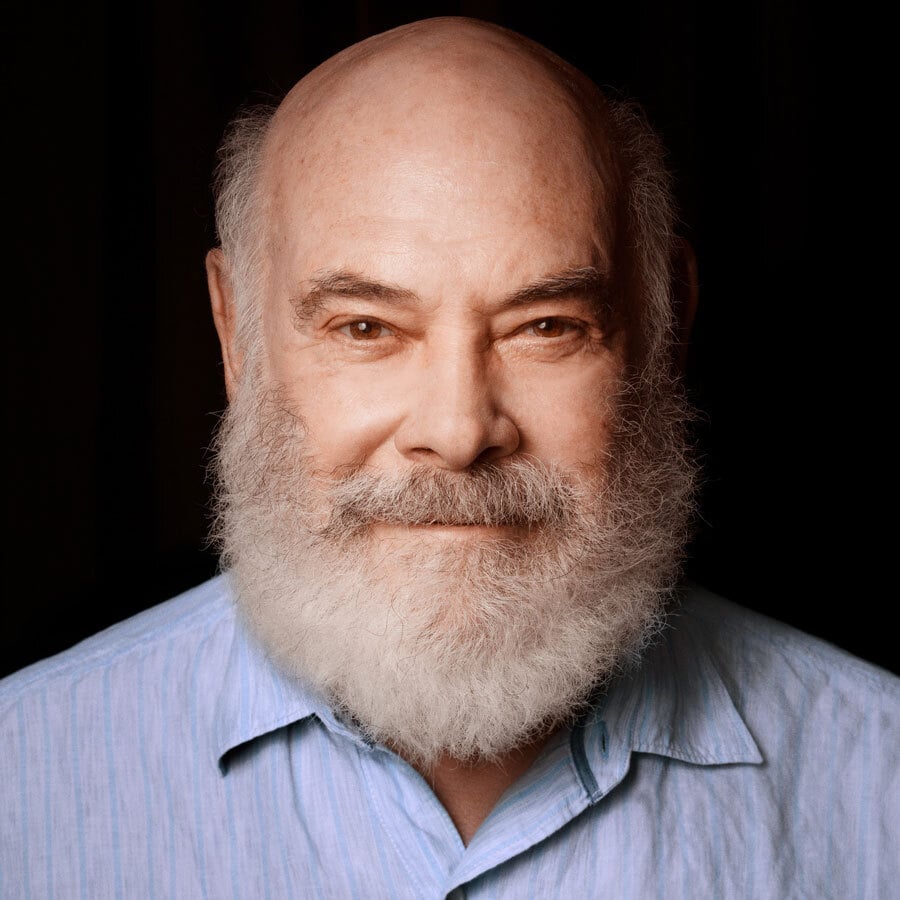
A method taught by Dr. Andrew Weil, helps calm the nervous system.

Create practices

Practices such as deep breathing, progressive muscle relaxation, journaling, goal setting, meditation, and mindfulness are beneficial tools that can be put into practice easily at almost any time. For example, taking a few deep breaths before or when faced with a stressful situation. The 4-7-8 breath, a method taught by Dr. Andrew Weil, helps calm the nervous system. Breathe in for four seconds, hold for seven, and exhale slowly for eight seconds. Repeat as needed. Practice progressive muscle relaxation, tensing and releasing muscles from head to toe. This helps us gauge our tension and the ability to release it. Good nutrition, proper sleep, and physical activity are also essential for improving and maintaining overall health. Get out in nature, enjoy a meal out or coffee with a friend, spend time with family, read a book, light a candle, write things down, set goals, and see marked improvements in your health in body and mind.

A Look Into Crushing Fear, Stress, and Anxiety – Conclusion

If fear, stress, and anxiety have taken up space in your body or mind, try some of the aforementioned information and techniques and put them into practice. Don’t let it take control of your life. Remember that acceptance and dancing with life’s challenges is key.

It is important to note that help is always available if implementing healthy techniques does not seem to be working. Call a friend or family member, doctor, or find a therapist, counselor, or group to join.

A Look Into Crushing Fear, Stress, and Anxiety
Nicole Hammond

A Look Into Crushing Fear, Stress, and Anxiety, written exclusively for Daily Scandinavian by Nicole Hammond. Nicole is a health educator, coach, and wellness writer with a Master of Science in Health and Human Performance and a Bachelor of Science in Health Science.  She also holds certifications in stress management, coaching, and feng shui design.  She enjoys writing, researching, creating, and facilitating in the areas of health and creating balance in mind, body, and the home.  In her spare time, Nicole enjoys reading, cooking, traveling, exercising, and spending time with her family, including her two golden retrievers and cocker spaniel.

The Complete Fear, Stress, and Anxiety Crushing Guide by Nicole Hammond is on sale for USD16.99. To order the report, please email Nicole Hammond at nichammondmhhp@gmail.com.

Calm Traffic in Copenhagen

Traffic in Copenhagen’s Nordhavn district is calm because it was designed as a car-limited “15-minute city” with excellent public transport, dedicated bike paths, and pedestrian-friendly streets.

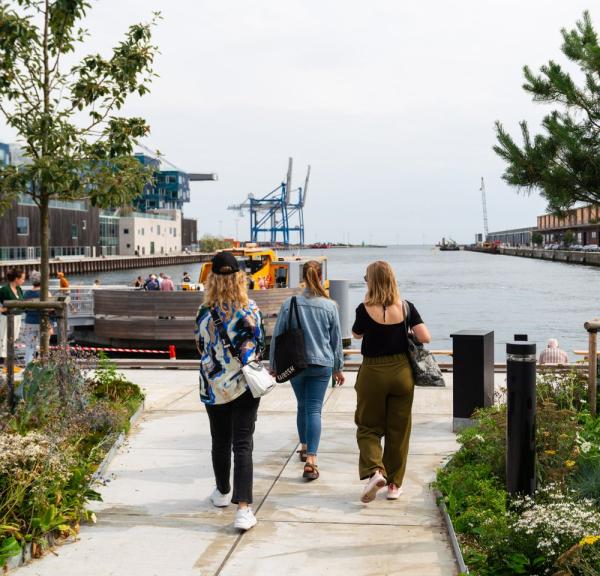
The Nordhavn district is imbued with gentle curves to slow down urban life, calm traffic, and encourage walking.

Calm Traffic in Copenhagen
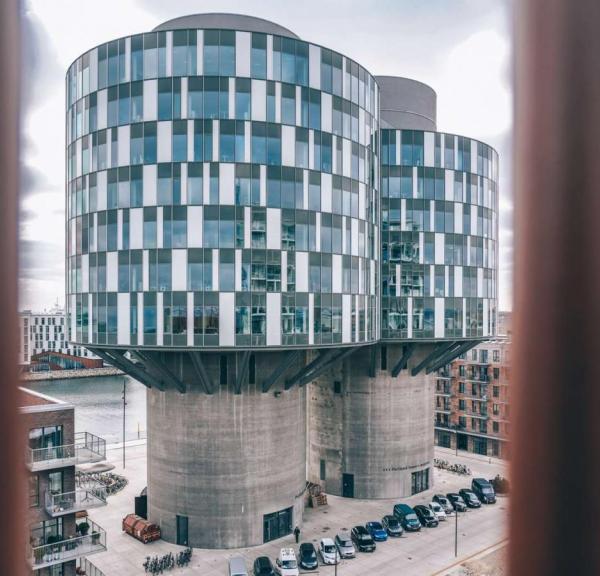
Portland Towers. Photo: Daniel Rasmussen/Visit Copenhagen.

The city’s once-industrial neighborhood, excitedly claiming it would become the most incredible new city in Europe. The district has minimized reliance on cars by making amenities within walking distance and encouraging cycling and walking over driving. This approach results in a quieter, less car-centric environment than in other neighborhoods. The city’s design prioritizes pedestrians, cyclists, and public transport over cars.

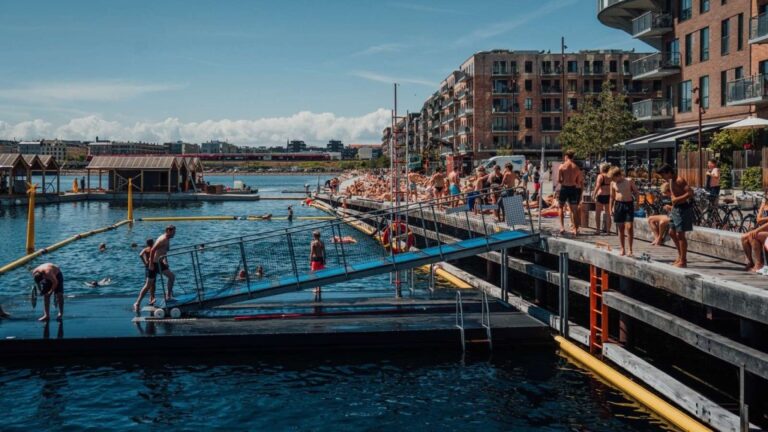
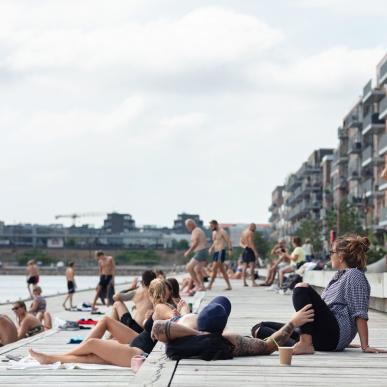
At Århusgadekvarteret, the core of the new development, there are gleaming apartment buildings, high-end office spaces, and a cafe-lined boardwalk along the previously industrial harbor. In summer, people can bring their beach towels and relax at the waterfront, soaking in the Scandinavian summer sun without the morning commuter chaos found in cities around the world.

Calm Traffic in Copenhagen
People can bring their beach towels and relax at the waterfront. Photo: Büro Jantzen / Visit Copenhagen.

A comprehensive network of cycling paths is a key feature, making biking a convenient option, and the district is served by a well-developed public transport system, including a metro line, which reduces the overall number of cars needed for commuting.

Some areas are even designed to be car-free, fostering a peaceful, refreshing atmosphere.

The emphasis on sustainability from the outset included creating a city that grows inward rather than outward, with eco-friendly traffic solutions and green transportation as the natural choice.

Calm Traffic in Copenhagen
Photo: Lukas Bukoven/Visit Copenhagen.

In the early 20th Century, when legendary Danish designer Arne Jacobsen said, “Architecture is not just about creating buildings; it’s about shaping the environment and enhancing people’s lives,” it was theoretical. A century later, Danish authorities, in collaboration with Danish architects, have made Jacobsen’s words a reality.

Calm Traffic in Copenhagen, written by Tor Kjolberg.
Feature image (top) Nordhavn Bad. Photo © Simon Bang/Visit Copenhagen.

Next Year, You Can Go by Train from Copenhagen to Prague

0

From May 1 next year, Deutsche Bahn and DSB will launch a new direct train service from Prague to Copenhagen via Berlin. Next year, you can go by train from Copenhagen to Prague.

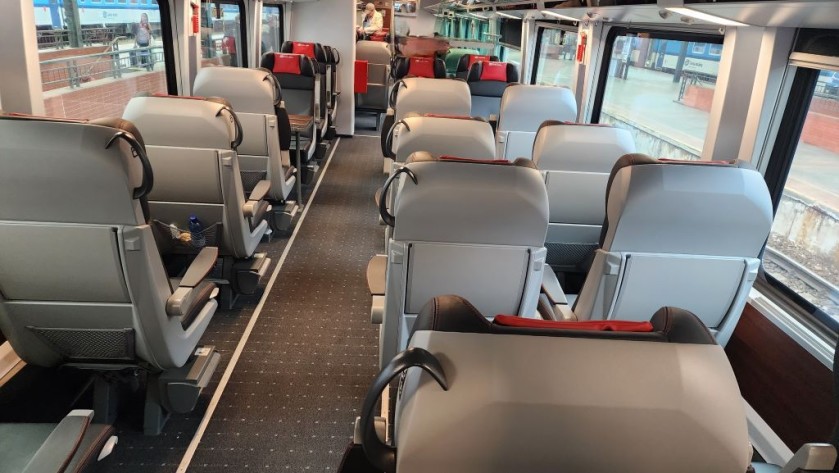
The train is operated by DB, DSB, and České dráhy (Czech Railways). The new route will feature two daily departures plus a seasonal night connection, with an approximate 11-hour journey time from Prague to Copenhagen. The service will be operated by ComfortJet trains and will make stops in Hamburg, Dresden, and other cities.

Next Year, You Can Go by Train from Copenhagen to Prague
Comfortjet interior.

International long-distance rail transport is already booming, and when general overhaul work on the line between Berlin and Hamburg is complete, the new connection will give it another boost. The connection will offer an eco-friendly travel option. The journey time from Prague to Copenhagen is approximately 11 hours.

Two pairs of trains (two outward and return journeys) will run year-round – with journey times of just seven hours between Copenhagen and Berlin and eleven hours between Copenhagen and Prague. A seasonal night-time connection will also be offered. There is already a night train that runs between Hamburg and Copenhagen in the summer, but from 2026 it will be extended to Prague via Berlin and Dresden.

Next Year, You Can Go by Train from Copenhagen to Prague
The new connection is the first of 10 pilot projects supported by the European Commission to promote cross-border rail connections.

The new connection is the first of 10 pilot projects supported by the European Commission to promote cross-border rail connections. The Commission selected the Prague–Copenhagen project as one of the initiatives to overcome obstacles in international rail transport, improve market conditions, and develop attractive, sustainable mobility in Europe. Another project is the new direct connection recently announced that will link Munich, Milan, and Rome. Last December, DB and France’s SNCF started services on their new direct connection between Berlin and Paris.

********************************************
Related: Train Journeys: Sustainable – Comfortable and Cost Saving

********************************************

Next Year, You Can Go by Train from Copenhagen to Prague
Apostolos Tzitzikostas, the European Commissioner for Sustainable Transport and Tourism.

Apostolos Tzitzikostas, the European Commissioner for Sustainable Transport and Tourism, said: “Improving high-speed rail, especially across borders, is our top priority. This new line, connecting the Czech Republic, Germany, and Denmark, is a strong example of progress. And I am especially proud that it is the first of the ten pilot projects supported by the European Commission to promote new cross-border rail connections.”

Next Year, You Can Go by Train from Copenhagen to Prague, Tor Kjolberg reports.

“The Shining – the Opera” Premieres in Sweden in the Fall of 2026

Malmö Opera will stage the horror classic “The Shining” next fall. The production of The Shining debuted live on stage with the Minnesota Opera in 2016. Ten years later, “The Shining – the Opera” premieres in Sweden in the fall of 2026.

Inspired by Stephen King’s best-selling novel, the Torrance family settles into the infamous Overlook Hotel, where the caretaker, Jack, confronts his own demons—both real and imagined. While ghosts often feature in many operas, the spirits inhabiting the remote Rocky Mountain hotel in The Shining are servants to a powerful, malevolent force: the hotel itself.

“The Shining – the Opera” Premieres in Sweden in the Fall of 2026
The famous Overlook Hotel starring in The Shining.

The British director Keith Warner aims to make the audience so scared that they will feel “spiritually cleansed afterward,” according to the Swedish newspaper Sydsvenskan. Will Wendy Torrance be able to protect her wife and son from the evil forces within the Overlook Hotel? Wendy ultimately defends her son, Danny, from the hotel’s malevolent influence, while Jack becomes the antagonist. Despite her initial loyalty to Jack, Wendy discovers an unexpected inner strength to shield Danny from her husband, who has been driven mad by the hotel’s supernatural forces.

“The Shining – the Opera” Premieres in Sweden in the Fall of 2026
Shelly Duvall- as Wendy Turrance in Stanley Kubrick’s The Shining.

*************************************************
You may also like to read The Danish Architect Who Designed the Sydney Opera House

*************************************************

Stephen King’s novel about the man assigned to manage a hotel that closes for the winter became a pop culture classic through Stanley Kubrick’s film, starring Jack Nicholson and Shelley Duvall in two of the lead roles.

In 2016, “The Shining” became an opera in Minnesota, and on August 22 next year, it will have its Scandinavian premiere in Malmö.

“The Shining – the Opera” Premieres in Sweden in the Fall of 2026
The British director Keith Warner aims to make the audience so scared that they will feel “spiritually cleansed afterward”.

*************************************************
You may also like to read Six Scandinavian Opera Greats
*************************************************

The Shining, the opera, commissioned by Minnesota Opera’s New Works Initiative, was “designed to invigorate the operatic art form with an infusion of contemporary works.” Given its completely sold-out success in St. Paul, where it premiered, it can safely be stated that this production accomplished the mission of drawing vigor from a perhaps unexpected source, and even that it stands a chance of bringing its chilling artistry (not to mention its promisingly warned-about “strong language, gunshots, simulated nudity, theatrical haze, and strobe lighting”) to Malmö, preferably in the dead of winter to suit best the story — a time that, in Sweden, already counts as forbidding enough.

“The Shining – the Opera” Premieres in Sweden in the Fall of 2026
The Shining, the opera, commissioned by Minnesota Opera’s New Works Initiative, was “designed to invigorate the operatic art form with an infusion of contemporary works.”

“The Shining – the Opera” Premieres in Sweden in the Fall of 2026, Tor Kjolberg reports.
Opera images © press images by Ken Howards.
Feature image (top): Jack Nicholson in The Shining.

Britain is Looking to the Rigid Danish Asylum Rules

0

The British Home Secretary Shabana Mahmood is set to announce a significant shake-up of the immigration and asylum system later this month. According to the BBC, she will model some of her new measures on the Danish system, seen as one of the toughest in Europe. Now, Britain is looking to the rigid Danish asylum rules.

Danish asylum rules are strict, with tight criteria for family reunification, including age (24 and older), language proficiency, and financial guarantees. The ability to join a family is blocked if the resident lives in a “parallel society” housing estate. Gaining permanent residency is challenging, requiring at least 8 years and meeting strict integration standards, such as full-time employment for a specific period. Additionally, Danish authorities can seize assets above a certain threshold to cover living expenses.

Britain is Looking to the Rigid Danish Asylum Rules
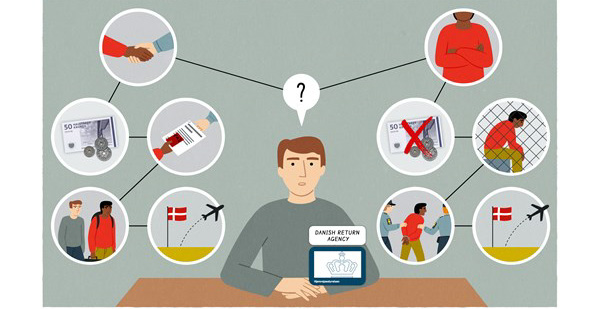
A letter to the Danish Minister. Photo: Immigration Council of Europe.

*********************************************
You might also like to read Can Brexit Britain Learn Something From the Sweden – Norway Border?
*********************************************

Concerns about immigration have risen steadily over the past five years in Britain, fueled in part by the number of migrants arriving in Britain via small boat crossings. A recent YouGov poll suggested voters were more worried about migration than the state of the economy.

Mahmood wants to reduce incentives that draw people to the UK while making it easier to expel those without the right to be in the country.

Family reunification rules in Denmark state that a partner must be at least 24 years old. The partner in Denmark must not have claimed benefits for the past 3 years and must provide a financial guarantee. Both partners must pass a Danish language test. Family reunification is not possible for residents in housing designated as “parallel societies” (where more than 50% of residents are from what the government calls “non-Western” backgrounds).

The British Labor government now faces significant challenges from Nigel Farage’s Reform Party, which is ahead in the polls. Reform promises to radically overhaul the immigration system if it gains power, most notably scrapping the right of migrants to qualify for permanent settlement in the UK after five years.

Britain is Looking to the Rigid Danish Asylum Rules
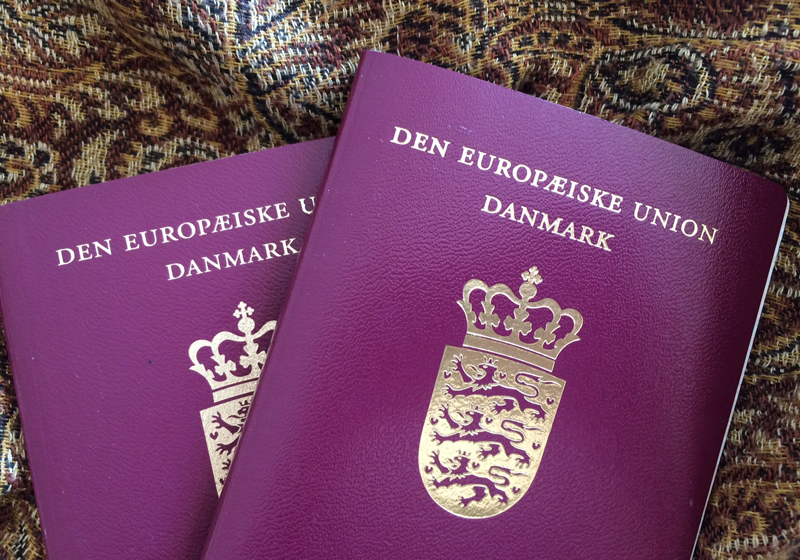
Danish passports.

It comes as 1,269 more migrants crossed the English Channel in small boats in recent days, the latest Home Office figures show. This follows two weeks of bad weather, during which there were no crossings.

*****************************************
Related: Scandinavian Borders and Migration
*****************************************

Permanent residency in Denmark requires a minimum of eight years of legal stay and requires meeting strict integration criteria, including full-time employment for a specific period.

After excluding data from 2020, when significant travel restrictions were in place because of the pandemic, the number of people granted asylum in Denmark is at a 40-year low.

The BBC reports that Mahmood dispatched senior Home Office officials to Copenhagen last month to study what lessons could be applied to the UK.

In Denmark, the Authorities can seize assets, including cash and valuables, from asylum seekers to cover living costs. This rule applies to items with a value above a certain amount, with exceptions for purely sentimental items.

Denmark usually gives people targeted personally by foreign regimes protection, but this is often temporary, with the government reserving the right to return an asylum seeker to their home country when it is deemed safe.

For example, in 2022, the Danish government told about 1,200 refugees from Damascus, Syria, that they would be returned after it judged there was no longer a risk to them in the region. This decision was at odds with the positions taken by the UN and the EU.

In September, the UK Home Office suspended new applications under the Refugee Family Reunion scheme, pending the drafting of new rules.

The pre-September scheme allowed spouses, partners, and dependants under 18 to come to the UK without having to meet the income and English-language tests that apply to other migrants.

Mahmood is unlikely to go as far as Denmark when she announces the UK’s replacement rules for family reunions, but it seems likely that she will take steps along a more restrictive route.

Britain is Looking to the Rigid Danish Asylum Rules
Danish asylum rules are strict, with tight criteria for family reunification, including age (24 and older), language proficiency, and financial guarantees.

In Denmark, asylum seekers are required to attend classes to maintain and increase their general skills and trade or professional skills. There is a mandatory work obligation of up to 37 hours per week, which may be fulfilled through unpaid internships; benefits may be deducted if the individual refuses or cannot complete it.

Some Labor MPs, particularly in “red wall” seats where support for Reform is strong, have welcomed the possibility of moving closer to a Danish model.

Britain is looking to the Rigid Danish Asylum Rules, Tor Kjolberg reports.

A Frequent Flyer’s Tips for Flying

Flights can be the most painful part of a journey, especially those that surpass 13 hours, such as the dreaded flight from OSL to Dubai or from OSL to Colombo. A frequent flyer’s tips for flying below allow you to arrive at your destination rested and prepared to conquer a new country.

I will never understand why everyone is in such a hurry to get on the plane. Some people even pay extra to get on the plane first. If I am going to be stuck in a space smaller than a toilet seat for the next fourteen hours, I will wait at the gate and stretch my legs as long as possible. Sometimes I even wait until the gate attendants call my name.

Not only does this keep me out of that cramped seat for as long as possible, but it also ensures I am not waiting in line on the jetway to board the plane. I cannot stand waiting on the jetway with my heavy carry-on bag, watching the people in front of me inching up before getting on the plane.

A Frequent Flyer’s Tips for Flying
Thai check-in counters. Photo: Wikipedia.

I prefer to wait until the last minute and walk right on. If you are physically at the gate watching everybody board, you will not even come close to missing the flight. The flight attendants will always call the names of passengers who have checked in but have not boarded yet before closing the gate.

Some fight to get on board the plane as soon as possible to claim that ever-so-coveted overhead compartment space. I choose not to participate in that so-called luxury so I can relax while everyone else engages in the feeding frenzy.

A Frequent Flyer’s Tips for Flying
I will never understand why everyone is in such a hurry to get on the plane. Photo: Pexels.

My carry-on is a large photo bag that I place under the seat in front of me. My bag holds everything I need for a long flight, so I do not need to bother my neighbor to get my earphones, snacks, or books from a bag in the overhead bin.

I deal with the foot space by placing the bag on the floor in front of my seat to stretch out my legs. I push the bag under the seat to bend my knees for a while, then alternate between the two positions several times on a long flight.

A Frequent Flyer’s Tips for Flying
Some fight to get on board the plane as soon as possible to claim that ever-so-coveted overhead compartment space. Photo: ITPro.

More tips:
Flying Anxiety Cured
How to Use Long Layovers as a Tool
Reduce Your Flight Costs with Google Flights
Avoid Overpaying for Flights

A Frequent Flyer’s Tips for Flying, written by Tor Kjolberg
Feature image (top) © Jackie Alexander / Unsplash

Finnish Glassmaker – Heritage and Future

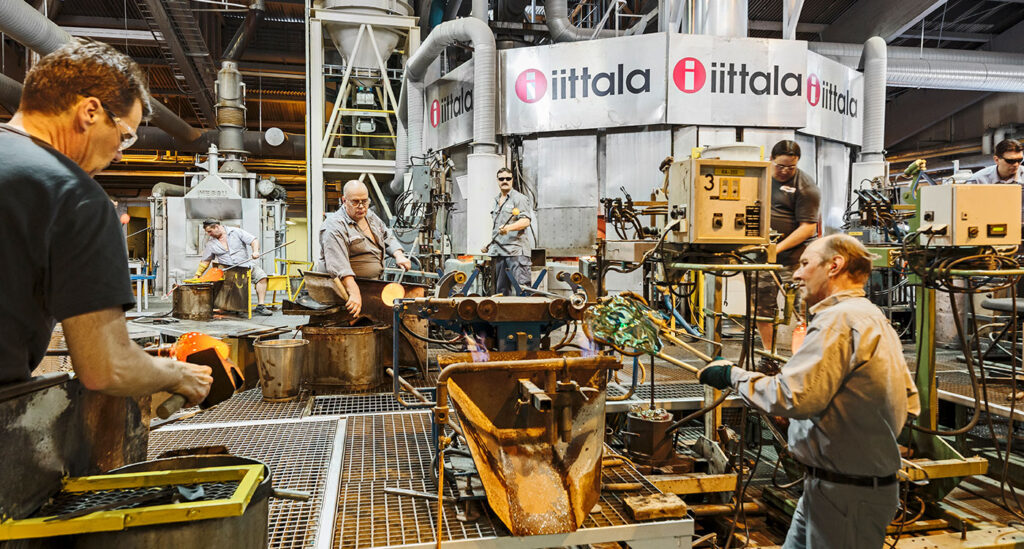
Finnish Iittala has become synonymous with the Scandinavian home and is now one of the biggest names in the design world. Over the past 140 years, the company has given us more than one design classic that we still love today. Design classics, which are with us through all moments in life, no matter how big or small. But the Finnish glassmaker is not looking back only. Both heritage and the future are essential.

As a pioneer of Nordic design, Iittala embraces the essence of Nordic living. It’s about functional and refined aesthetics along with a deep respect for the progressive ideas and Nordic values that shape our way of life.

Janni Vepsäläinen took the helm in 2023 and comes not from the homeware section but from fashion, knitware, to be precise. But the pull of Iittala’s heritage, its craft, and its factory proved irresistible to her. “When I was approached about this role, I couldn’t say no,” she says.

Finnish Glassmaker – Heritage and Future
With legendary designers such as Alvar Aalto, Iittala adopted a design philosophy that pushed boundaries, giving people both beauty and function.

The origins of Iittala began to take shape as early as 1881 in the Finnish village of the same name. At the time, Iittala was a glassworks that produced blown, pressed, and polished glass in continental patterns. Today, Iittala is a natural part of the Scandinavian home, whether it is through the Essence wine glasses, Kastehelmi candleholders, or Teema plates; they all bring something special to our homes and our lives.

However, the company is also committed to creating a sustainable future. This starts with design, not only beautiful objects, but design that will stand the test of time.

Finnish Glassmaker – Heritage and Future
Every year, Iittala picks a color from its treasured glass color library and brings it to life in glass items of the highest quality and timeless aesthetics.

As part of Fiskars Group, the company promotes change through three long-term sustainability commitments: against the throwaway culture, for a carbon-neutral future, and for increased joy.

Vepsäläinen’s background shapes her creative vision. She describes having an “epiphany” as a student when she discovered she could make her own fabrics by selecting yarns, colors, and techniques to create something from scratch. During her interviews for the creative director role, she visited Iittala’s factory and felt the same spark.

However, it was in the 1930s, during the rise of functionalism in the design world, that Iittala achieved its significant breakthrough. With legendary designers such as Alvar Aalto, Aino Aalto, and Kaj Franck at the helm, Iittala adopted a design philosophy that pushed boundaries, giving people both beauty and function. This design philosophy gave birth to the now iconic Aalto vase in 1936, as well as a series of design classics that stand for simple, functional design and solid craftsmanship.

Finnish Glassmaker – Heritage and Future
Janni Vepsäläinen took the helm in 2023 and comes not from the homeware section but from fashion, knitware, to be precise.

Now, Iittala continues to push boundaries by committing to a sustainable future, working with the best creative minds, investing in product development, and thinking responsibly from the beginning of the design process, creating innovations, and questioning familiar ways and experimenting with new opportunities.

“I had never done glassware design,” says Vepsäläinen, “but I realized that the process was the same. Both knitware and glassblowing are about craftsmanship and century-old techniques that can be used to create something modern.”

Finnish Glassmaker – Heritage and Future
The origins of Iittala began to take shape as early as 1881 in the Finnish village of the same name.

To celebrate 140 years of timeless, Nordic design, Iittala released an anniversary collection in 2021. The Aalto vase is now available in a beautiful and very on-trend Amethyst color.

Every year, Iittala picks a color from its treasured glass color library and brings it to life in glass items of the highest quality and timeless aesthetics. The Glass color of the year for 2019, for example, was sea blue, a color inspired by the north, where the sea is an ever-changing portrait of the four seasons.

Vepsäläinen’s leap from knitware is proof of what can be achieved when creative boundaries are crossed.

Finnish Glassmaker – Heritage and Future, Tor Kjolberg reporting.
Feature image (top): Alvar Aalto vase.

Colombo – An Underrated Capital Destination

Colombo, the capital of Sri Lanka, is, in my opinion, an underrated capital destination due to its vibrant blend of ancient heritage and modern energy, often overlooked by many tourists. Read on and find out why.

Colombo’s history is influenced by Portuguese, Dutch, and British colonizers, and its economy thrives on trade, government, banking, and industry. The port has been in use since at least the 5th century. Its name is thought to derive from the Sinhala “Kola-amba-thota,” meaning “harbor with leafy mango trees”.

Colombo – the Underrated Capital Destination
The old Parliament Building. Photo: Tor Kjolberg

With its tropical climate, Colombo experiences warm temperatures year-round, making it an inviting destination for travelers seeking both relaxation and adventure. The city offers a fascinating juxtaposition of colonial-era architecture and contemporary skyscrapers, providing a visual narrative of Sri Lanka’s evolution through the centuries. Exploring its lively streets, visitors can encounter bustling markets, tranquil temples, and a rich tapestry of cultural influences that reflect Colombo’s position as a crossroads of trade and tradition.

Colombo – the Underrated Capital Destination
From the Pettah market. Photo: Tor Kjolberg

Visitors can explore historic colonial architecture, bustling markets like Pettah Market, and cultural sites such as temples and the National Museum. The city also offers a growing food scene, thriving nightlife, and scenic spots like Galle Face Green, a 5 ha (12 acres) ocean-side urban park, which stretches for 500 m (1,600 ft) along the coast, in the heart of Colombo, the financial and business capital of Sri Lanka.

On my first visit to Sri Lanka, Colombo was just a transit point. On my recent second visit, I wish I could have stayed longer. I discovered the cultural and historical blend of the capital.

The city provides a unique mix of old and new, with colonial buildings sitting alongside high-rise hotels. You can find ancient temples and mosques standing side by side, reflecting a rich multicultural history. Colonial-era hospitals have been converted into shopping precincts.

Colombo buzzes with homegrown chefs, bartenders, and entrepreneurs doing remarkable things with native produce. Think cocktails made with once-overlooked local spirits or alfresco brunches melding Thai and Sri Lankan flavors. And more than anything, Colombo is an excellent introduction to the island itself.

Colombo – the Underrated Capital Destination
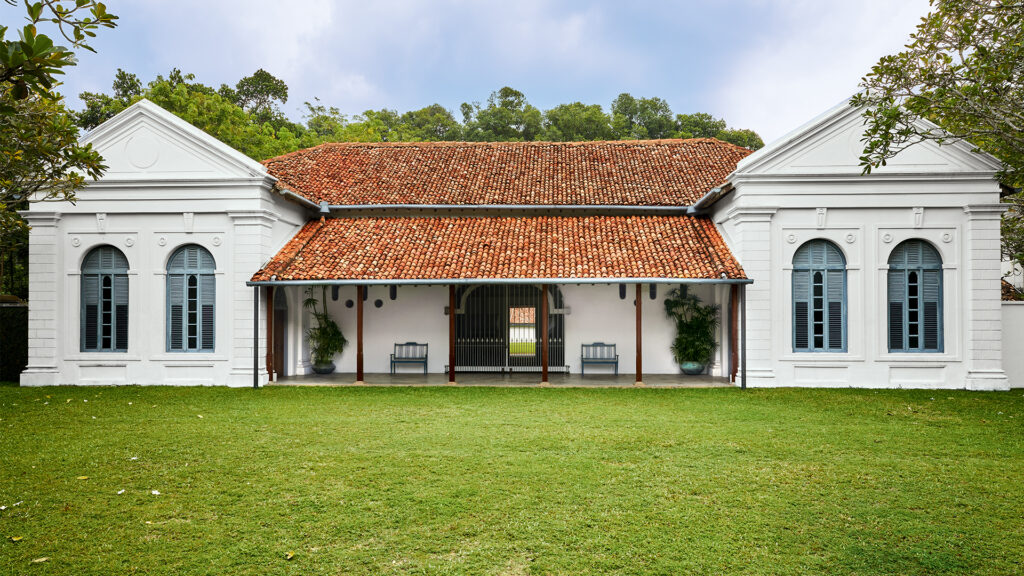
The Geoffrey Bawa Residence. Photo: Architectural Digest India.

Let me begin the exploration of Colombo in a perhaps unexpected way. That’s due to my interest in architecture. Geoffrey Bawa (1919-2003) is recognized as one of the most influential architects of the twentieth century.

The Geoffrey Bawa residence, No. 11, 33rd Lane, Bagatelle Road, Colombo 03, is considered a special architectural marvel and also houses art and artifacts from the late architect’s collection. Visits, however, are only possible by appointment. The house is located in the city’s fanciest residential neighborhood.

Walking distance from Bawa’s House is the Gallery Cafe, one of the upscale dining options of Colombo. Not surprisingly, this was the former office of Geoffrey Bawa. It’s a quiet garden cafe where you can take a break from the craziness of Colombo. The food is exquisite, a bit expensive, but indeed worth a visit.

Colombo – the Underrated Capital Destination
The old Colombo lighthouse. Photo: Tor Kjolberg.

Colombo Fort houses many architectural gems built during the Dutch ruling period. The De Mel Building with Pagoda Tea Rooms on the ground floor is one of the prettiest buildings in the street. The Fort Jumma Mosque and Old Colombo Lighthouse are in the neighborhood.

Colombo – the Underrated Capital Destination
The Cargills Building. Photo: Wikimedia Commons.

On York Street, you’ll find the iconic Cargills building which was once the residence of a former Dutch military commander, then the home of the first British Governor of Ceylon, before being acquired by Cargills in 1896. Another worthy stop in the Fort is the Old Parliament Building.

Colombo – the Underrated Capital Destination
The Cargills Food Hall.

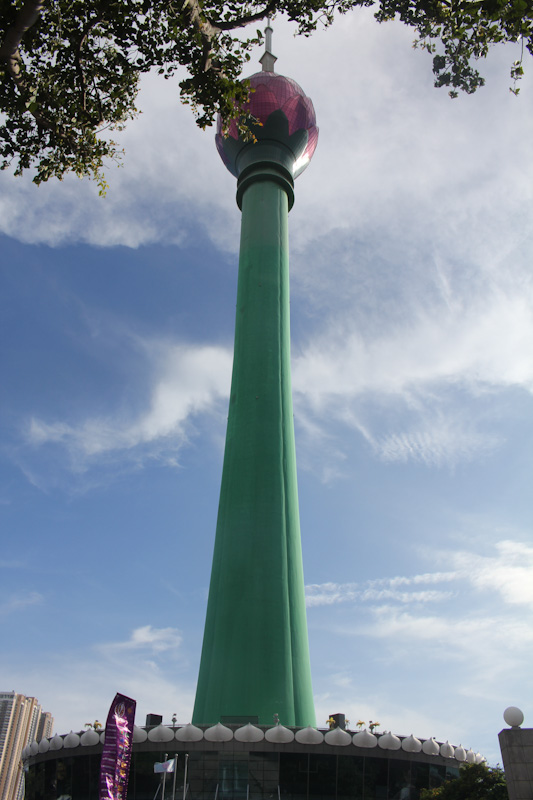
Situated along the banks of Beira Lake, the Colombo Lotus Tower is a landmark visible from far beyond the city limits, drawing thousands of visitors each month who come to experience its panoramic observation deck, cutting-edge technology, and entertainment facilities. The tower offers a 360-degree view of Colombo, the Indian Ocean, and the lush landscapes that extend inland, making it a prime spot for sightseeing, photography, and cultural immersion.

Colombo – the Underrated Capital Destination
The Lotus Tower. Photo: Tor Kjolberg.

Construction began in 2012, the tower was meticulously crafted over a decade, and opened to the public on 15th September 2022, marking a new chapter in Sri Lanka’s architectural and technological advancement.

Colombo – the Underrated Capital Destination
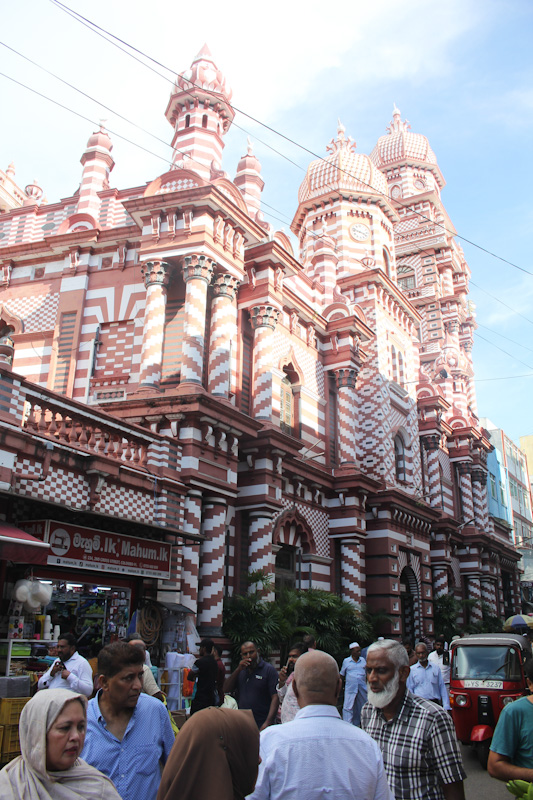
The Red Mosque. Photo: Tor Kjolberg

One of the oldest mosques in Colombo, the Red Mosque (Jami Ul-Alfar Mosque) was completed in 1909.  It occupies almost an entire block in Pettah market. This historic and prominent landmark is famous for its striking red-and-white candy-striped facade and pomegranate-shaped domes, reflecting a blend of Indian, Islamic, and Neo-Classical architectural styles. The mosque is a significant religious and cultural site in Sri Lanka, with a capacity to accommodate up to 10,000 worshippers.

Strolling around Independence Square and the Arcade is one of the best things to do in Colombo in the afternoon. The grounds feature Independence Memorial Hall, built to commemorate Sri Lanka’s independence from British rule, the Independence Memorial Museum, and the Arcade, a shopping complex. People come here for an evening jog or to chill on the monument’s steps.

The largest museum in the country, the National Museum of Colombo, built in 1876, features a permanent collection of ancient Sri Lankan art and carvings, as well as colonial-era weaponry and artifacts. The real treasure of the museum is the crown jewels and the throne of the last King of Kandy, which were returned to Sri Lanka by the British Government.

Colombo – the Underrated Capital Destination
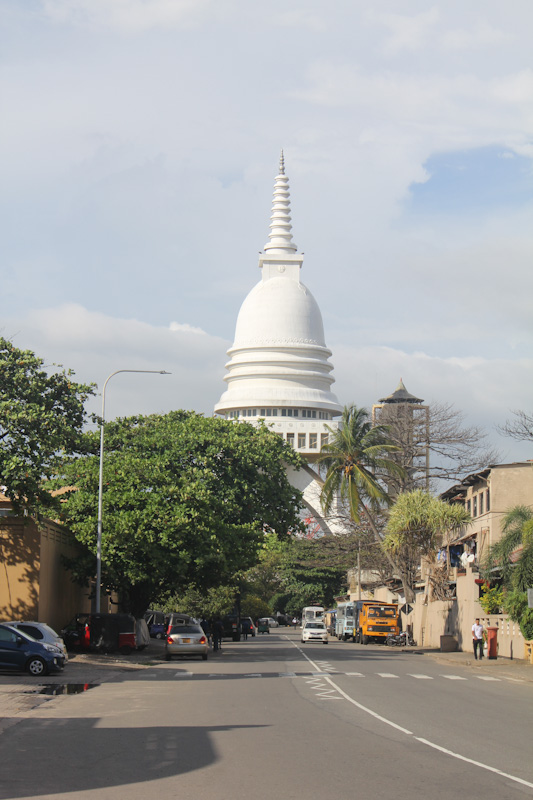
Sambodhi Chaithya. Photo: Tor Kjolberg

Tucked away near Colombo Harbor, only a short walk away from five-star hotels, you’ll find the Buddhist stupa Sambodhi Chaithya, one of the best-kept secrets in Colombo. The stupa floats over Marine Drive because it is built on a platform supported by two interlocking arches. There’s a staircase that will take you to the top and into the shrine inside. From the top, you can see Colombo Port.

Colombo – the Underrated Capital Destination
Viharamahadevi Park with Town Hall in the background. Photo: Wikipedia.

The largest park in Colombo is Viharamahadevi Park, with a golden Buddha statue, several water fountains, and a kids’ playground. The area is full of incredible sights, shops, and restaurants.

Just steps away from Viharamahadevi Park are the new Town Hall building and the beautiful Dewatagaha Mosque. Odel, one of Colombo’s most popular shopping malls, is also within walking distance. I’ll tell you more about shopping in Colombo later this month.

Colombo – the Underrated Capital Destination
In Colombo you can try tea-inspired cocktails, mocktails, and even desserts.

Being in Sri Lanka, you must taste Ceylon Tea. Although you’ll have plenty of opportunities to drink it all around the island, in Colombo you can try tea-inspired cocktails, mocktails, and even desserts. Dilmah T-lounge has three locations in Colombo. Don’t miss out on traditional brews. They offer everything from black tea to green tea to silver and golden tips.

But did you know that before Sri Lanka became known for its tea, the island was one of the world’s biggest coffee exporters, along with Brazil? Unfortunately, a disease called Hemileia vastatrix wiped out the coffee plants in 1869. Nowadays, it is not easy to find a good cup of coffee in most cities in Sri Lanka, but Colombo is an exception. Several coffee shops in Colombo brew fantastic Ceylon coffee, including Cafe Kumbuk, Whight & Co, and Kiku Colombo.

Colombo – the Underrated Capital Destination
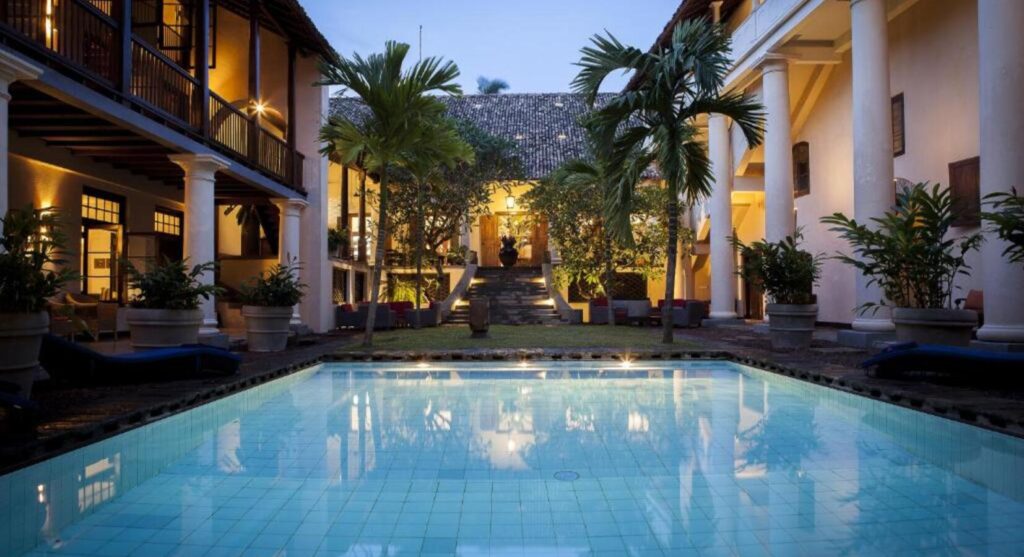
Pool at Galle Fort Hotel. Photo credit: Galle Fort Hotel.

Galle Face Green is the city’s only promenade, the place for afternoon walks and snacks. It stretches from Galle Face Hotel, where I stayed, to the Fort and features multiple street vendors.

Colombo – the Underrated Capital Destination
My room at Galle Fort Hotel. Photo: Tor Kjolberg

At Galle Fort Hotel, there are three restaurants: a fine-dining restaurant, a buffet restaurant, and an outdoor beachfront restaurant and bar. Every evening at 5.30 pm, they have a ceremonious lowering of the flag to the sounds of a bagpipe. Tips: Enjoy your afternoon tea, offering baked goods and desserts inspired by Sri Lankan cuisine.

Colombo – the Underrated Capital Destination
A room with a view. Photo: Tor Kjolberg
Colombo – the Underrated Capital Destination
From the hotel terrace. Photo: Tor Kjolberg.
Colombo – the Underrated Capital Destination
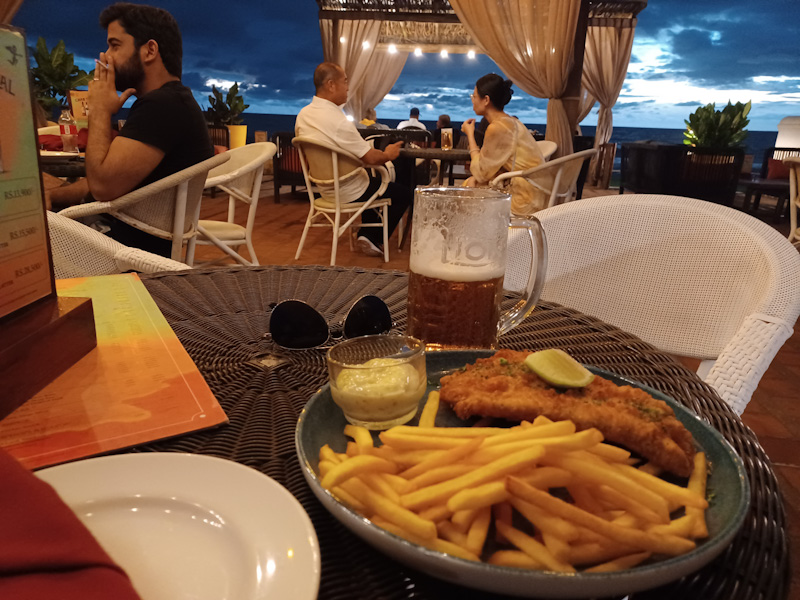
I chose a delicious fish and chips at the terrace restaurant in the evening. Photo: Tor Kjolberg.
Colombo – the Underrated Capital Destination
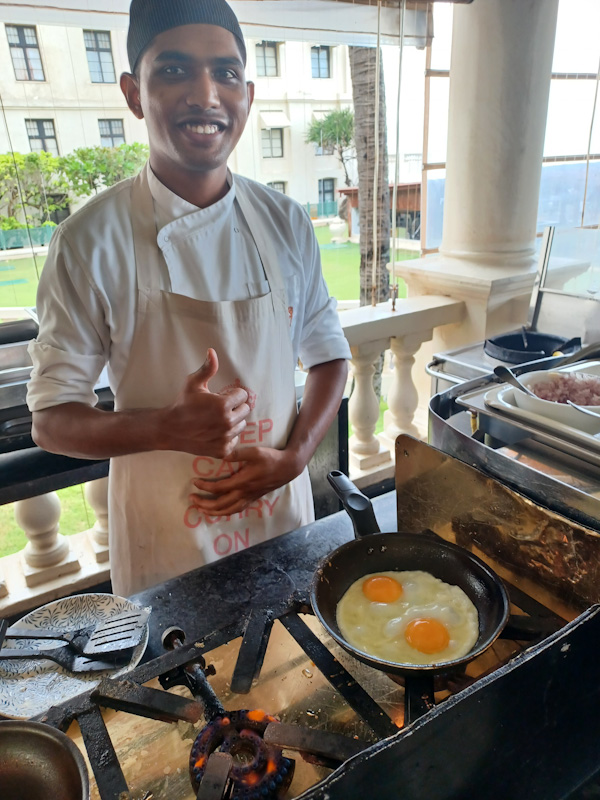
Preparing my fried eggs in the morning. Photo: Tor Kjolberg.
Colombo – the Underrated Capital Destination
From the breakfast restaurant. Photo: Tor Kjolberg.
Colombo – the Underrated Capital Destination
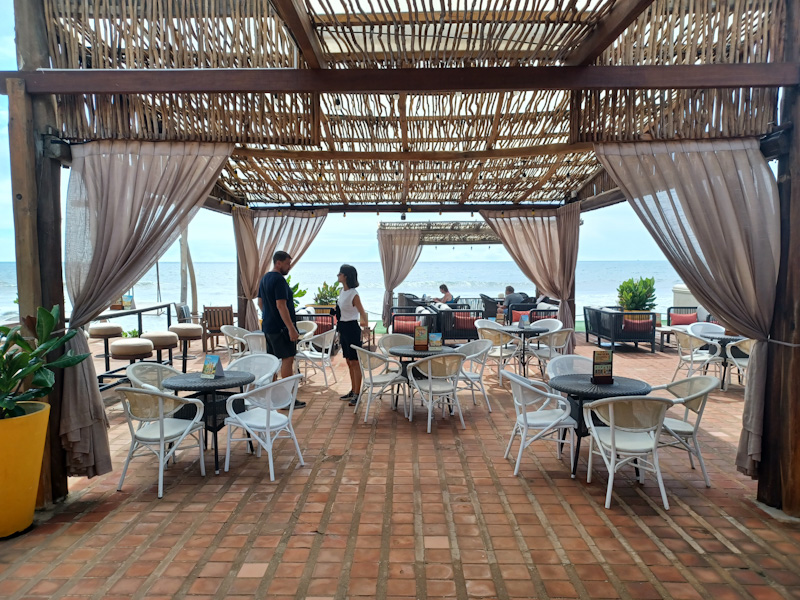
The beachfront restaurant. Photo: Tor Kjolberg.
Colombo – the Underrated Capital Destination
From the Galle Fort Hotel reception. Photo: Tor Kjolberg.
Colombo – the Underrated Capital Destination
Relaxing atmosphere at the Galle Fort Hotel reception area. Photo: Tor Kjolberg.

If you’re interested in art, you should visit the open-air art market at the Green Path, a street running along the Viharamahadevi Park. Every day of the week, young artists display and sell their works along the road, making the street bright and colorful. Bargaining is acceptable.

Golfers should visit the Royal Colombo Golf Club, the oldest golf club in Sri Lanka.

Colombo – the Underrated Capital Destination
From the Royal Golf Club in Colombo.

Established in 1879, it is located at The Ridgeway Links, also known as the Anderson Golf Course. It is home to the Sri Lanka Golf Union, the governing body of Golf in Sri Lanka, and maintains links with The Royal and Ancient Golf Club of St Andrews in Scotland. According to our golf contributor, however, the golf course near Kandy is far better, more picturesque, and cheaper—but a bit of a drive unless you’re in Kandy or staying overnight.

Many travelers consider Colombo merely a gateway to other parts of Sri Lanka, such as the beaches or the central highlands, and spend only a night or two before moving on.

Colombo – the Underrated Capital Destination
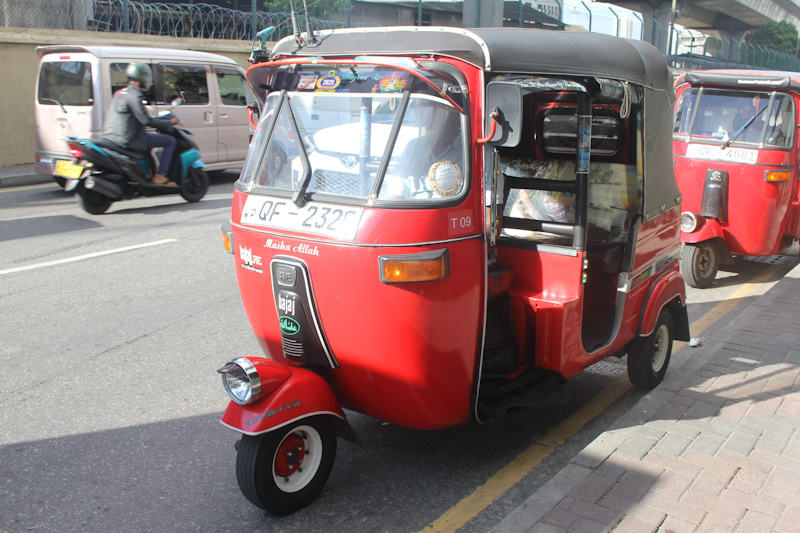
Tuk tuks were my favourite means of transport when visiting the attractions of Colombo. Photo: Tor Kjolberg.

Despite the capital’s rapid development, the city retains a unique character and a more laid-back feel compared to other Asian capitals, a fact often overlooked by visitors. Some visitors might find the initial combination of bustling traffic and colonial buildings a bit overwhelming, but this is precisely where its unique charm lies.

Colombo – the Underrated Capital DestinationNext time in Sri Lanka, I intend to take the time to explore Colombo’s unique character.
The travel agency Explore Sri Lanka, the only agency in Norway solely focused on Sri Lanka, can tailor a visit for travelers interested in the country. The agency is now planning to arrange long-term stays (3 weeks) in Sri Lanka, including Colombo.

My next article, Exploring Colombo, is dedicated to shop addicts. It will be published by the end of this month.

Colombo – An Underrated Capital Destination, written by Tor Kjolberg

Feature image (top) © Jalitha Hewage/Unsplash