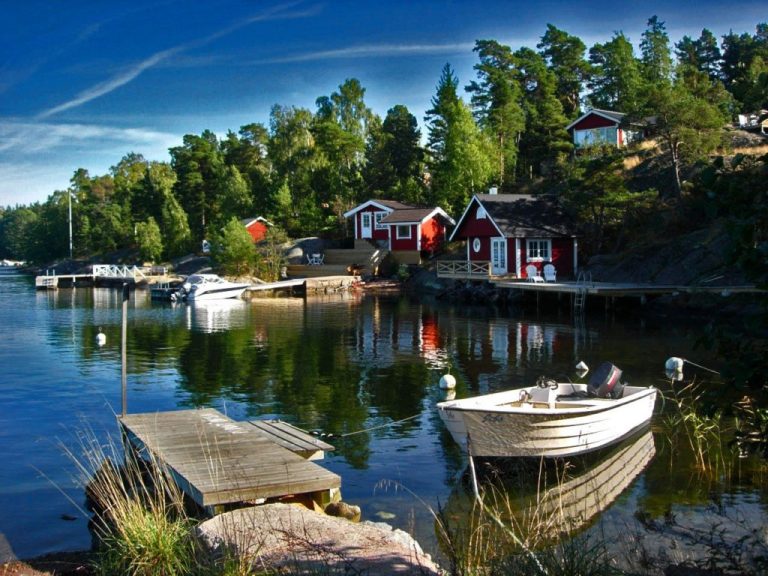
When summer comes, the Swedes set off by boat to the thousands of idyllic islands that dot the waterways between the capital of Sweden and the Baltic. The Stockholm archipelago in summer is like living a fairytale dream.
Every summer thousands of Swedes in boats navigate carefully through waters loaded with the 24,000 islands, rocks and islets of the Stockholm archipelago. The brackish waters start in the center of Stockholm and extend 80 km (50 miles) out into the open Baltic Sea. Close to the mainland the islands are larger and more lush, the bays and channels wider. Hidden here are idyllic island communities, farmlands and small forests. But as you travel further out, the scenery becomes more rugged. Finally ending in sparse windblown islets formed by the last Ice Age.
In the middle of the 19th century, affluent Stockholm families began to build their second homes along the shores of the various islands in the archipelago
Island retreats In the middle of the 19th century, affluent Stockholm families began to build their second homes along the shores of the various islands in the archipelago. Over the years, “commoners” had more money and leisure time and soon, they too, sought their way to the archipelago. The combination of wilderness, sea, fresh air and closeness to the city, satisfied many leisure needs. Today, Swedes either own their cottages or rent them, and enjoy swimming, fishing, boating, nature walks and socializing with friends.
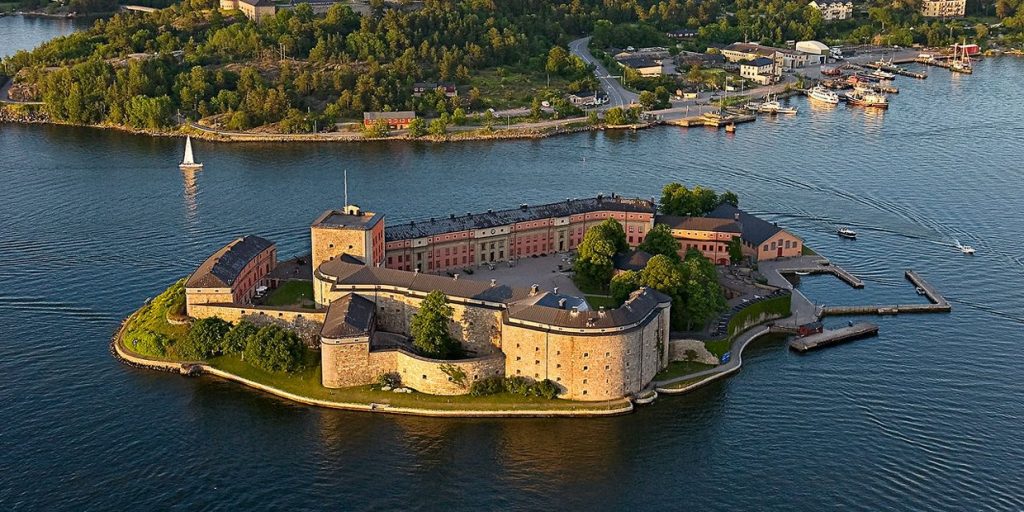
Sandön, with its attractive sailing center village of Sandhamn
A quick guide to island-hopping The archipelago can be explored on guided tours from Stockholm city center. Bit if you want to travel like the locals, then buy a Båtluffarkort (inter-skerries card) from the Waxholm boat-company, which allows you to see as many islands as you can in five days, including Sandön, with its attractive sailing center village of Sandhamn, sandy beaches and some good restaurants (3 hours by boat from Stockholm).
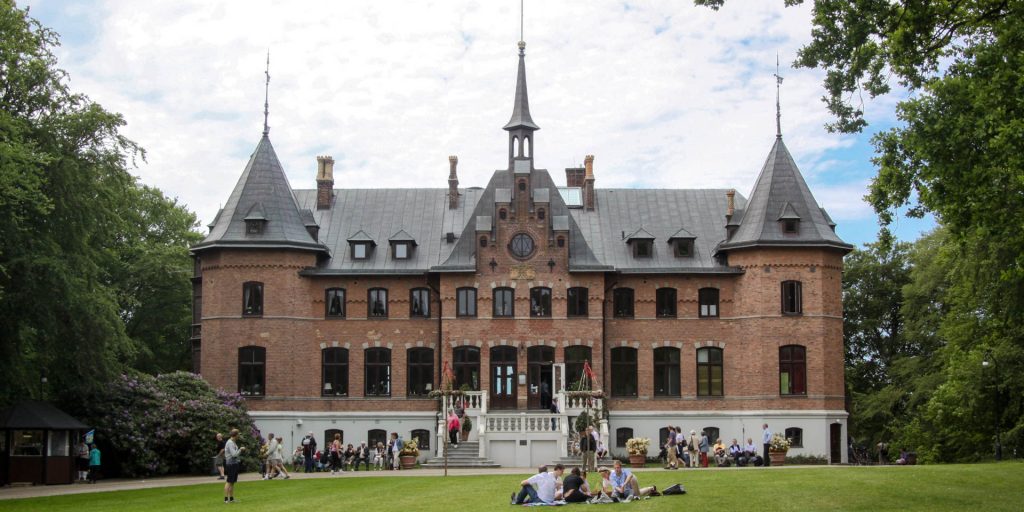
Sofiero In Helsingborg, Sweden has been voted Europe’s most beautiful park and is a mecca for garden lovers. The palace is a piece of royal heritage but also hides a sad history. Sofiero in Sweden has been voted Europe’s most beautiful garden.
Here, royal gardening heritage mixes happily with innovative garden design and eco-friendly solutions and is a must for visitors. Located at the Strait of Öresund, on the outskirts of the town Laröd, 5 km (3.1 mi) north of the city center of Helsingborg. The approximately 15-hectare Sofiero castle-park has something for everyone. It was originally a Scanian farm called Skabelycke, bought in 1864 by Prince Oscar of Sweden and his wife Sophia of Nassau.
Rhododendron ar Sofiero gardens and park in Helsingör
Rhododendrons, art and fine dining at Sofiero
At Sofiero you may also enjoy interesting exhibitions, a well-stocked gift shop, a flower & garden shop and an excellent restaurant. From a bridge, boldly spanning the north gully, visitors can admire Europe’s largest collection of rhododendrons, about 10,000 colorful plants in 300 different varieties. blooming in all their glory in early summer. However, the beautiful park and gardens are worth visiting any time of the year. The extensive park was voted the most beautiful park in Europe in 2010.
To celebrate Sofiero’s 150th anniversary in 2016, a large Jubilee garden was inaugurated by King Carl XVI Gustav and Queen Silvia.
Visitors can admire Europe’s largest collection of rhododendrons, about 10,000 colorful plants in 300 different varieties
In the summer season there are also exhibitions and events in the castle and park, such as the large garden festival or the Oldtimer meeting Sofiero Classic.
First completed in 1865
The first one-story palace was completed in 1865. Between 1874 and 1876 the castle was expanded to its current size after Prince Oscar had been crowned King Oscar II of Sweden and Norway. Ten years later, in 1905, Oscar II’s grandson Gustaf Adolf, future King Gustaf VI Adolf, and his wife, crown princess Margaret received the palace as a wedding gift. Both were extremely interested in gardening, renovated the palace and started the gardening. In less than fifteen years they had created a stunning park and garden.
Between 1874 and 1876 the castle was expanded to its current size after Prince Oscar had been crowned King Oscar II of Sweden and Norway
A tragedy happens
Then the tragedy happened. By 1920, the couple had five children, the youngest being three, and they were expecting their sixth. The crown princess got a sore throat and was hospitalized in Stockholm. It was before penicillin’s time, and the inflammation spread. Crown Princess Margareta died 38 years old. She left a family in deep sadness.
A gift to the city of Helsingborg
Prince Gustaf Adolf become king in 1950 and until 1973 Sofiero was his and his second wife Lady Louise Mountbatten’s official summer residence. It was supposedly the King’s favorite place and upon his death, which occurred in Helsingborg, he left Sofiero to the city of Helsingborg so that the general public could enjoy it as much as he had. Many expert gardeners and designers now work at Sofiero to preserve the heritage that Margareta and Gustav Adolf left behind.
The park is open for visitors all year round. However, the castle can only be visited in the summer season from April to September. Sofiero is one of the most visited attractions in Sweden. A bus connection leaves several times an hour during peak hours from Helsingborg.
Europe’s Most Beautiful Garden – in Sweden, written by Tor Kjolberg
The international design brand Fritz Hansen was established in Copenhagen in 1872. Today the capital of Denmark is full of old and new design. No one is better qualified to guide you to excellent design gems in Copenhagen than the dedicated staff at Fritz Hansen.
Professional architects and designers flock to Copenhagen every year for inspiration and research. Here are a few recommendations for visitors and locals who want to explore the city we call home.
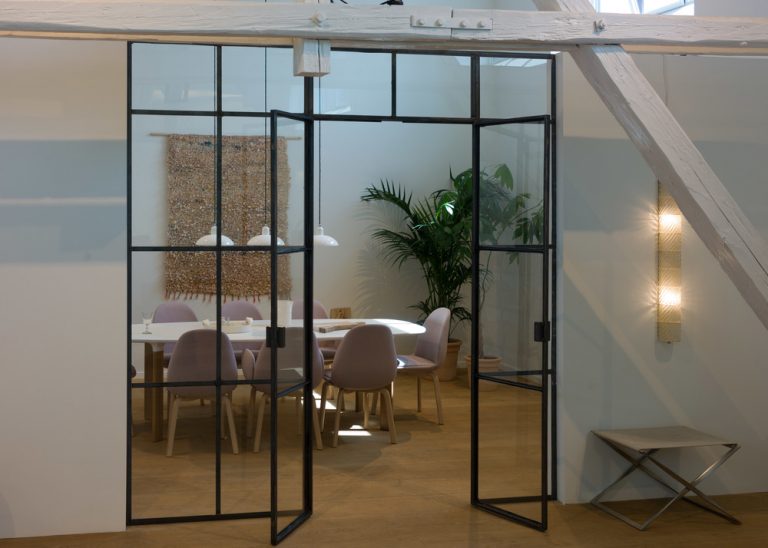
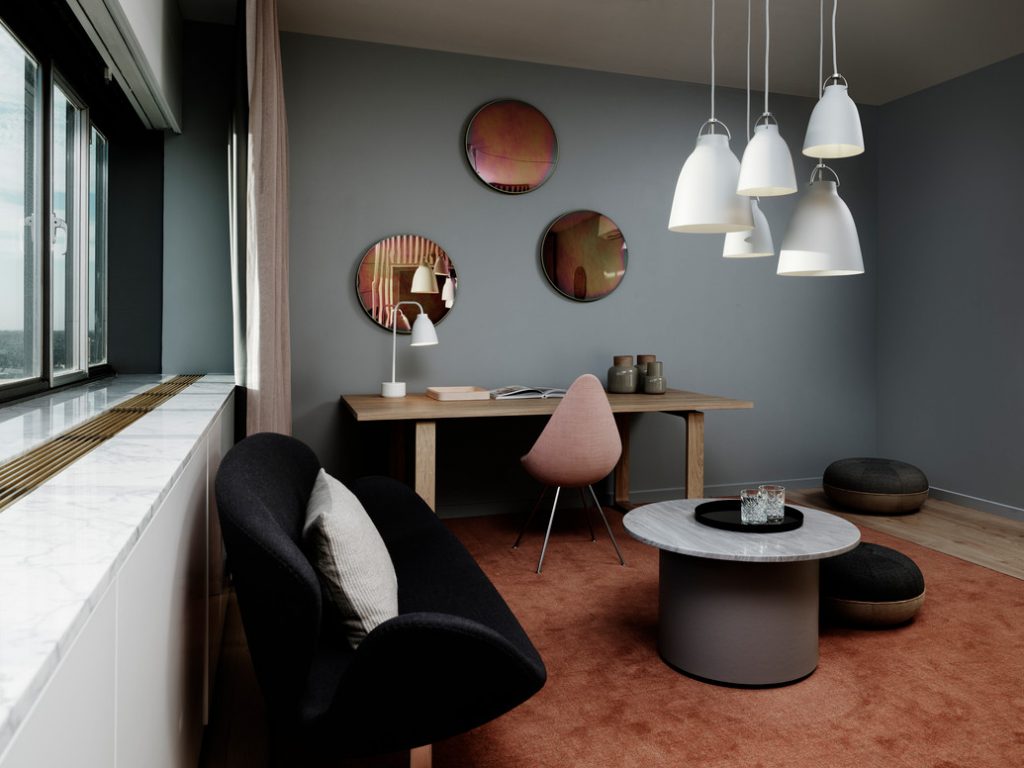
Signature suite at Radisson Collection Royal, Copenhagen
Radisson Collection Royal Copenhagen In 1956, the SAS Royal Hotel was called a “Landmark to the Jet Age” with twenty-two floors and every detail of the building and interior designed by Arne Jacobsen. It was considered the most modern hotel in Scandinavia and a shining example of Jacobsen’s ability to carry through an all-encompassing design (or a ‘gesamtkunstwerk’ as the Germans call it).
Today, the SAS Royal Hotel is the Radisson Collection Royal Copenhagen. Rooms feature pieces by Arne Jacobsen and other Fritz Hansen furniture. Book a room or visit the hotel’s bar and restaurant to be surrounded by legendary design.
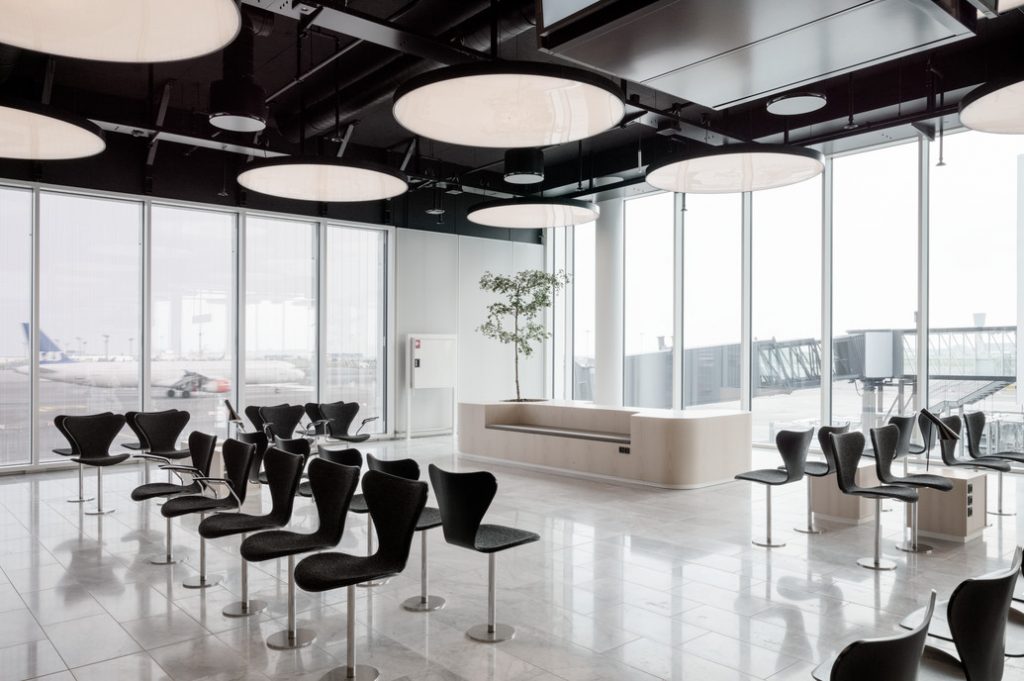
Fritz Hansen Reference, Copenhagen Airport
Pier C Copenhagen Airport Design-passionate travelers arriving at Pier C of Copenhagen Airport experience extraordinary design the moment they step into the terminal. Schmidt Hammer Lassen Architects have chosen Fritz Hansen Series 7™ and Dot™ seating to complement their innovative terminal concept. The dark Series 7™ chairs have been specially floor-mounted at various heights to create arrangements that nudge travelers to use the full terminal space.
The Schmidt Hammer Lassen design also includes silent screens calling names to departing flights and large flags to indicate check-in counters. No loudspeakers interfere with the experience, enhancing the calm and orderly ambiance of the terminal.
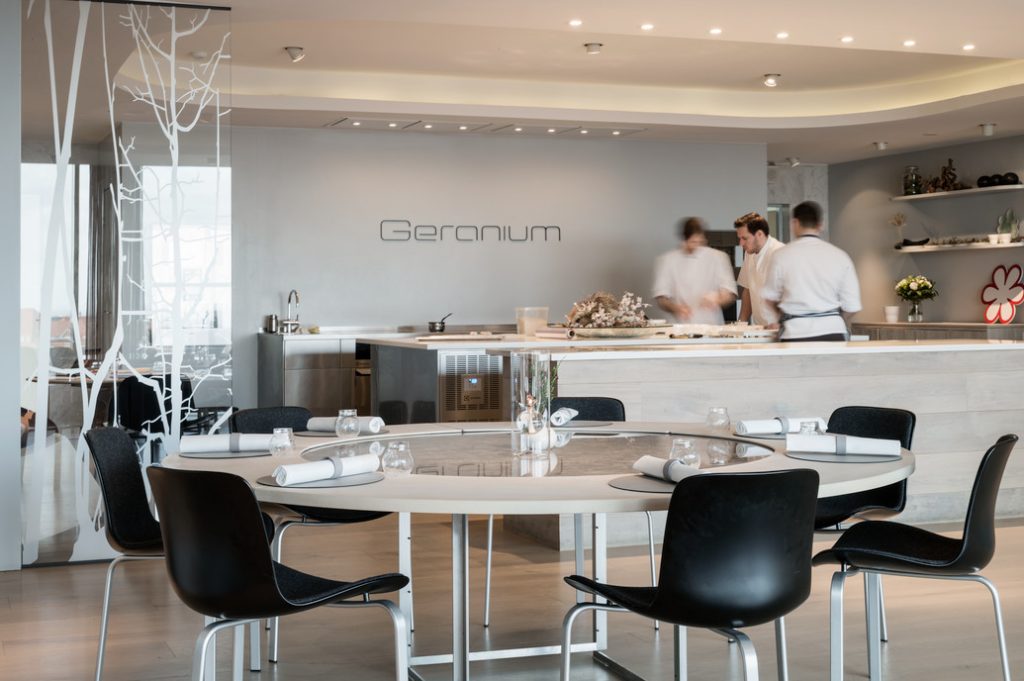
Restaurant Geranium
Restaurant Geranium Geranium’s team knows that thoughtfulness can be tasted. We know it can be felt through the entire body. Perhaps this shared belief in the power of thoughtfulness is why Geranium’s team has chosen Fritz Hansen furniture for its ‘Inspiration Kitchen’ guests. The 3-Michelin-starred restaurant has PK8™ seating and the PK54™ table to help diners fully immerse in its thoughtful, culinary experience.
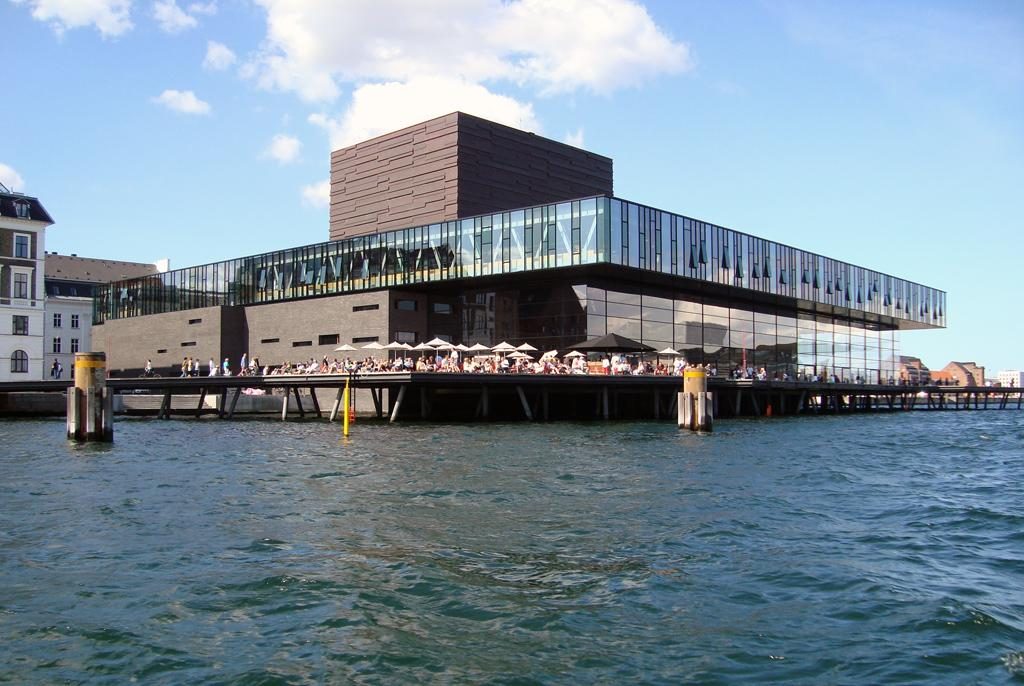
Royal Playhouse (Skuespillerhuset)
The Royal Danish Playhouse The Royal Playhouse is designed by the Danish architectural practice Lundgaard & Tranberg and is situated on Copenhagen’s harbor front. Extraordinarily, 40% of the building hovers over the water. We recommend stepping into the ground floor café at night. Fritz Hansen Grand Prix™ seating creates a dark, calm mood under a galaxy of LED lights that mimics a starry night.
Fritz Hansen Store, Copenhagen
Fritz Hansen Copenhagen Visit our shop in central Copenhagen to see both new and iconic furniture, lighting and accessories. Our shop manager and staff are experts on design and craftsmanship and are also happy to make any other recommendations that might make your stay in Copenhagen extraordinary.
LIAF 2019 takes its inspiration from the multitude of inhabitants, materials, struggles, and processes that reside and take place within the wide intertidal zone surrounding the Lofoten islands in Northern Norway. Read more about Lofoten International Art Festival, Norway.
The festival has a history dating back to 1991 when it began as festival with regional and national scope. LIAF has gradually evolved into an international biennale of contemporary art. The organizers acknowledge the complexity of place and seek to present works by international artists in a local context as well as to be an open, experimental and including meeting place for domestic and international artists, audience and locals.
Windmill prop for Wind Theatre. Photo: Futurefarmers
The LIAF 2019 festival is spanning across five weekends in September and presents a program of High Tides, including the Kelp Congress—an event exploring the artistic and cultural dimensions related to kelp and other macroalgae.
During the years, exhibitions and art works have been displayed in places such as a mountain top, a park, a garage, a library, a fish rack and a private home
Lofoten International Art Festival, Norway
The festival has no set venue in Lofoten, but is re-created every time by exploring and integrating its surroundings in Lofoten. “In this intertidal zone creeps the starfish,with an eye on each arm, a witness to several events at once,” says the curatorial companion of LIAF 2019 and adds: ”These arms are waving with gestures suggestive of camaraderie, struggle, excitement, curiosity, and movement for the sake of movement.” The curatorial arms have aimed to open up a set of diverse conversations that can entangle and connect in unfamiliar ways.
During the years, exhibitions and art works have been displayed in places such as a mountain top, a park, a garage, a library, a fish rack and a private home. Expanding, exploring and gaining new insight through art is the festival’s motive force. Each festival features a new curator or team of curators, bringing fresh ideas and ambitions to the project.
The festival has no set venue in Lofoten, but is re-created every time by exploring and integrating its surroundings in Lofoten
Former contributing artists
Former contributing artists have included Gillian Wearing, Lawrence Weiner, AK Dolven, Inghild Karlsen, Ken Lum, Olafur Eliasson, Mari Slaattelid, Elmgren & Dragseth, Gardar Eide Einarsson, Pipilotti Rist, Geir Tore Holm, Eija-Liisa Athila, Jesper Just, Amar Kanwar, Tori Wrånes, Michel Auder, Kjersti Andvig, John Giorno, Lene Berg, Lindsay Seers, David Horvitz, Mahmoud Khaled, HC Gilje, Karl Larsson, Shilpa Gupta, István Csácány and Lisa Tan.
. “In this intertidal zone creeps the starfish,” says the curatorial companion of LIAF 2019
Former curators
Former curators include Tor Inge Kveum, Per Gunnar Tverbakk, Vibeke Sjøvoll, Gry Ulrichsen, Göran Christenson, Maaretta Jaukkuri, Taru Elfving, Richard Borgström, Helga-Marie Nordby, Thora Dolven Balke, Linn Pedersen, Anne Szefer Karlsen, Bassam El Baroni, Eva González-Sancho, Matt Packer, Arne Skaug Olsen, Milena Høgberg and Heidi Ballet.
Like the tide, LIAF 2019 ebbs and flows through the year in four small communities across the entire archipelago. The festival opens August 30 and runs through September 29 and features talks, performances, film screenings, DJ sets, and live music taking place in Svolvær.
About Lofoten International Art Festival
LIAF is a biennial festival for contemporary art taking place in Lofoten, a cluster of islands located on the Northern Coast of Norway, just above the Arctic Circle. LIAF is organized by the North Norwegian Art Centre (NNKS). The curatorial team of LIAF 2019 consists of Hilde Methi, Neal Cahoon, Karolin Tampere, and Torill Østby Haaland.
Lofoten International Art Festival, Norway, written by Tor Kjolberg
In Gamla Uppsala, Sweden, researchers have found two unique boat burials from the Viking age. According to archeologists, it’s the first discovery of its kind in 50 years. Read more about the two rare Viking boat burials uncovered in Sweden.
Uppsala was the old political and religious center in Sweden from c. 550 – 1000. One of the graves was intact with the remains of a man, a horse and a dog. The found offers what archeologists say is a glimpse into how customs and practices changed in the tumultuous era of raids, religious conversion and trade.
The dead were usually cremated, but occasionally people were buried un-cremated in furnished ships
Rare Viking Boat Burials Uncovered in Sweden
The graves were uncovered during an excavation at a vicarage in Old Uppsala last autumn. The boat burials were found beneath a cellar in a plot of modern houses and a well dating from the Middle Ages. “This is a unique excavation, the last excavation of this type of grave took place in Old Uppsala almost 50 years ago,” says the archaeologist Anton Seiler.
“It is extremely exciting for us since boat burials are so rarely excavated. We can now use modern science and methods that will generate new results, hypotheses and answers,” Seiler adds.
Archeolog Anton Seiler
Sensational finds
The two boat burials have been excavated during June and the results are sensational. Not least, because they offer a possibility of using a plethora of new scientific methods, which has become available since the last such excavations took place decades ago.
The age of the grave has yet to be confirmed, but it’s probably dated to the 10th century. Previously, there have only been 10 burial sites of this kind discovered, mainly in the nearby provinces of Uppland and Vestmanland.
It was a specific funeral practice to place a dead person in a boat or ship along with rich gifts like jewelry, weapons and other objects. The dead were usually cremated, but occasionally people were buried un-cremated in furnished ships. This custom was mainly reserved for people of a higher social standing.
The graves were uncovered during an excavation at a vicarage in Old Uppsala last autumn
Wealthy member of the Viking-age society
“The buried man was likely a very wealthy member of Viking-age society,” said Johan Anund, the regional manager for the Archaeologists.
“It is a small group of people who were buried in this way. You can suspect that they were distinguished people in the society of the time since burial ships in general are very rare,” Mr Seiler said.
Construction of the boats and personal items like a sword, spear, and ornate comb and a shield were also excavated.
“This is a unique excavation,” says the archaeologist Anton Seiler
Once in a lifetime opportunity for an archeologist Mr. Anund called the excavation a “once in a lifetime opportunity for an archeologist and added: “Un-cremated boat graves are extremely rare, and the chances to excavate them are even scarcer.”
The fact that it’s an intact grave undisturbed by plundering, makes this a particularly interesting opportunity to study this kind of rare burial traditions with modern scientific analysis methods and documentation techniques.
The arrival of Christianity in Scandinavia The archeologists suggest that these burials reflect the arrival of Christianity in Scandinavia and that these boat burials were “very pagan”. The decision to not cremate the grave was a “radical new” element influenced by Christianity.
An hour’s drive from Kristiansand or two hours’ drive from Arendal in South Norway, you arrive at the beautiful inland municipality of Åseral in Vest-Agder county. The 888-square-kilometer (343 sq mi) municipality has only around 1,000 inhabitants. Here, Elling Eikerapen (73) has turned his childhood home into a fairytale hotel in South Norway.
We met owner Elling Eikerapen and hotel manager Per Thunstad who told us the fascinating story about the conversion from a childhood home into a fairytale hotel.
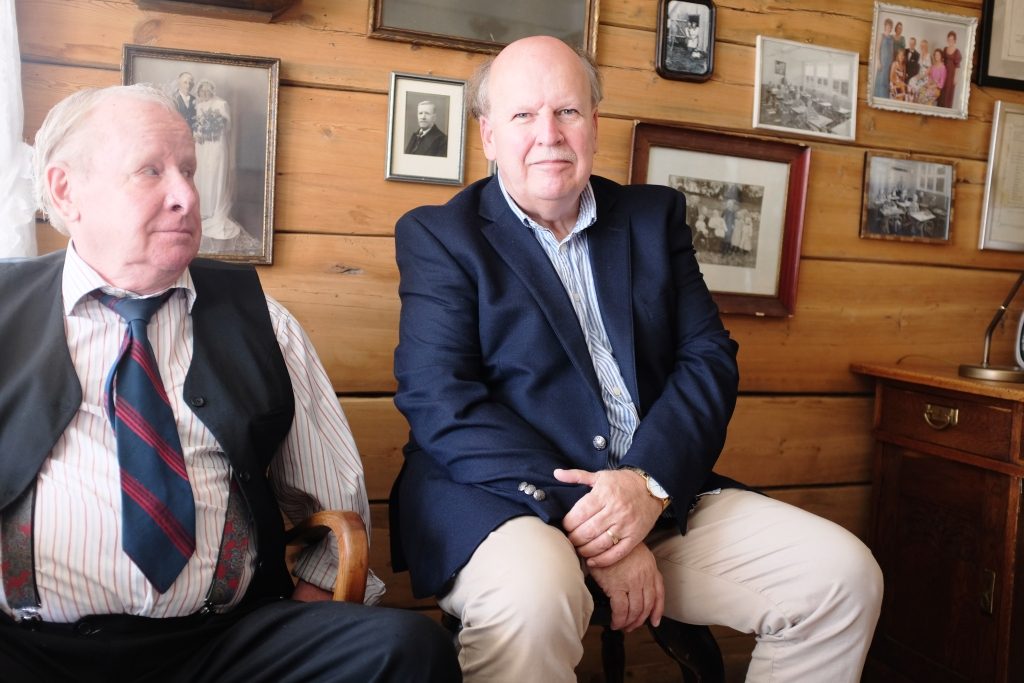
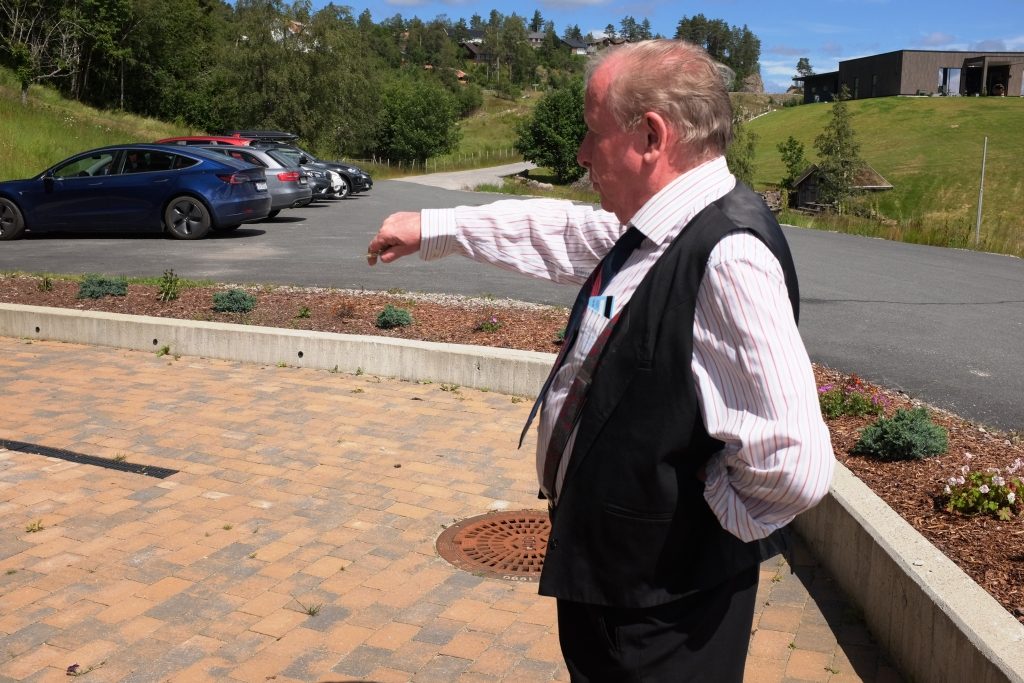
Owner Elling Eikerapen (left) and marketing manager Per Thuntad
Going to Kyrkjebygd (Church Village) in the old days was a troublesome journey. You had to row on the lake in summer or use the ice-covered water during wintertime. Eikerapen farm had no roads until 1938. In connection with the road work, a bridge was built over the lake at Fiskeland.
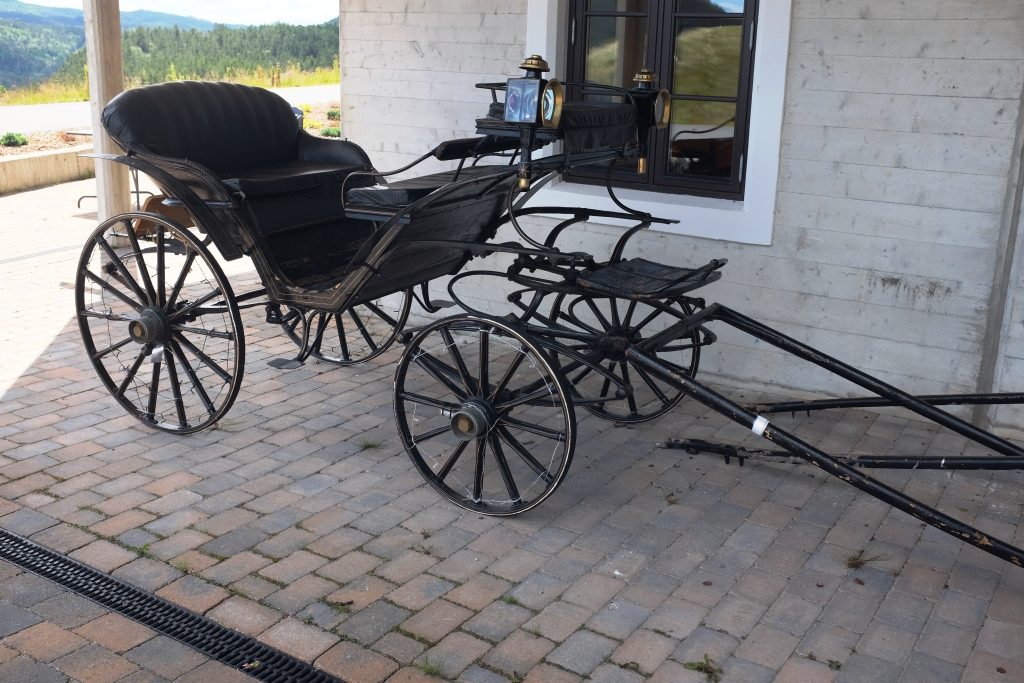
Reception at Eikerapen GjestegaardHorse carriage at Eikerapen Gjestegaard
Free to come
In 1987, the municipality of Åseral launched a competition, “Free to come”, which aimed to create jobs in the area. The Eikerapen guesthouse project came in third place. Entrepreneur Elling Eikerapen traveled to Austria to explore how hotel businesses were managed there, but the project was cancelled.
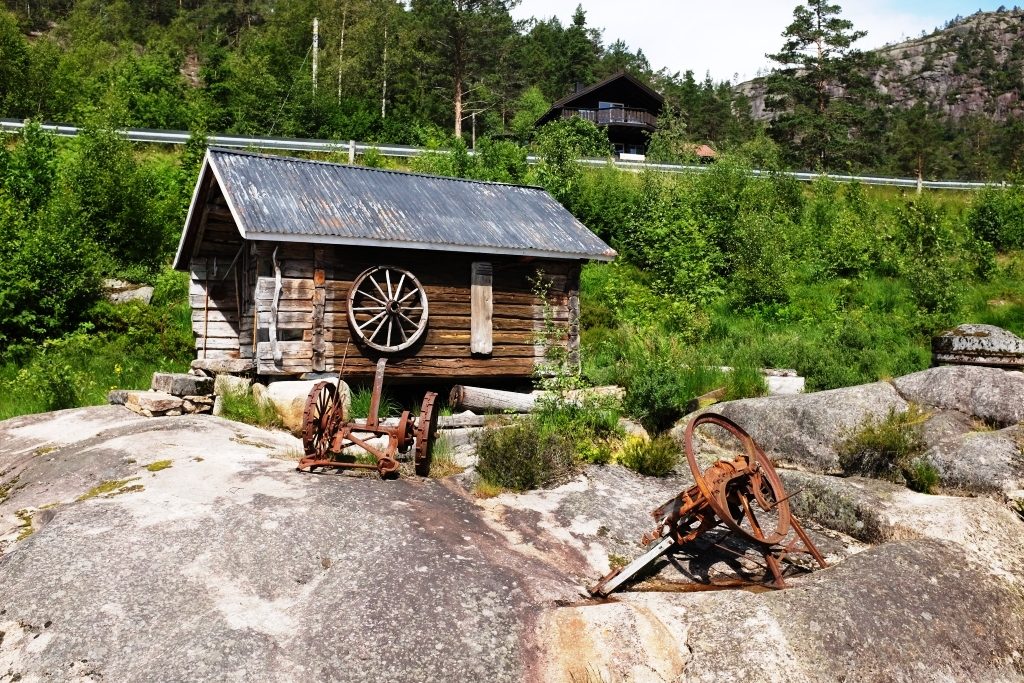
Small working cottage outside the hotelWinter at Eikerapen Gjestegaard. Photo, courtesy the hotel.
Not until 2013, the project was considered again, and at Easter 2016, the old farmhouse was converted into Eikerapen Gjestegård (Guesthouse) with 29 rooms, restaurant, conference rooms and bar. Per Thunstad was hired as hotel manager, and in January 2017, the hotel was officially opened to its first guests.
Enjoy a Christmas Fairy Tale Stay
Imagine spending Christmas here, away from noisy daily life, riding horse and carriage, following 30,000 Christmas candles. And this is not the only thing this fairytale hotel has to offer. The area is unique, weather you prefer fishing, kayaking, hiking, biking or just clean urban nature.
Winter wonderland at EikerapenWooden Ski Festival in Aaseral. Photo, coirtesy the hotel
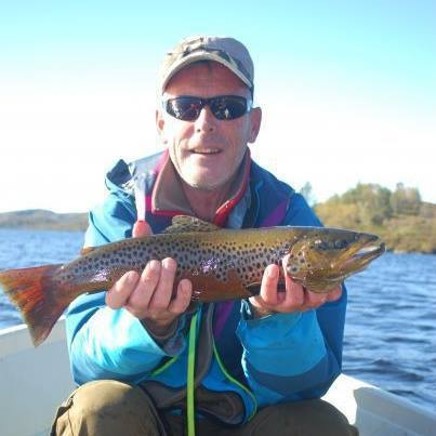
The mountain area surrounding Eikerapen offers an abundance of hiking possibilities in a friendly and varied scenery. The brooks and lakes in Åseral are an Eldorado for trout fishing. And if you didn’t know, the taste of mountain trout is a special experience. If you ask the friendly chef at the guesthouse, your catch will be prepared for your evening meal.
Country roads and paths offer exciting biking possibilities in this cultural landscape. Or if you just want to relax, Eikerapen Gjestegård offers a calm and relaxed atmosphere.
Fishing at Eikerapen. Photo, courtesy the hotel
Ideal for excursions
Eikerapen Gjestegård is also a good starting point for excursions in the region. In walking distance, you can experience the water reservoirs of Nåvatn and Skjerkevatn which have replaced five older dams with two modern rock-fill dams. Norway have a power system based almost 100 per cent on renewable, clean and affordable hydropower and a share of more than 65 per cent of renewable energy in our energy consumption.
Kyrkjebygd is the center of the municipality, and lies right between the three small villages, Ljosland, Bortelid og Eikerapen. Here you will find Minne kultursenter where you can see permanent and temporary exhibitions, visit the museum or get a coffee at the café.
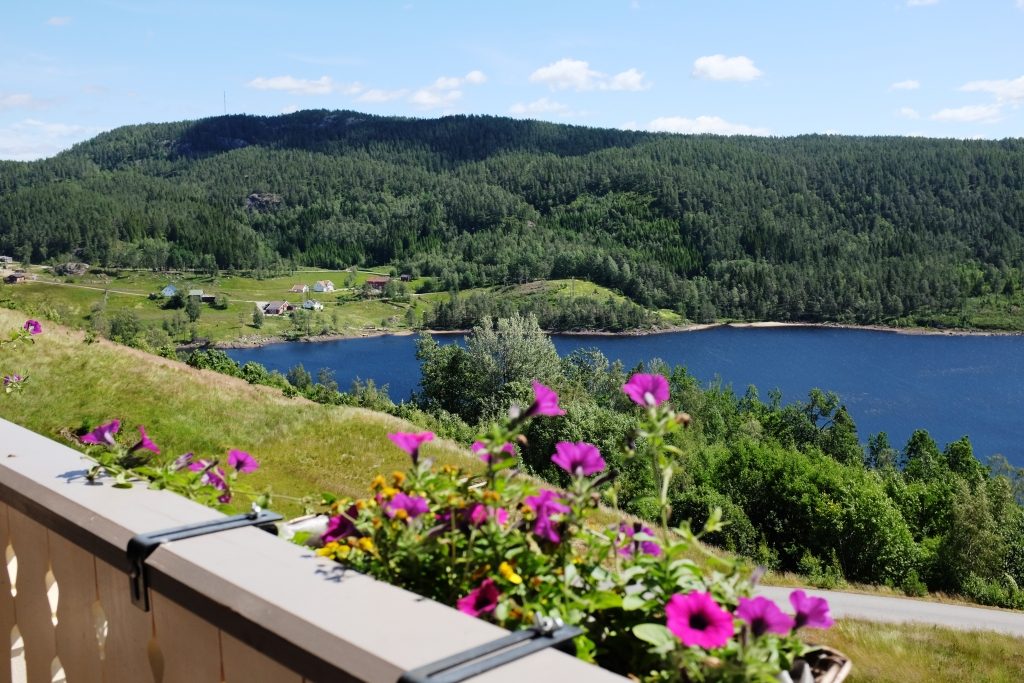
View from Eikerapen Gjestegaard
Only five kilometers from Kyrkjebygd you can visit the Sosteli Jernaldergård (Iron Age Farm), it is a beautiful walk for the whole family. If you are looking for a longer walk, the path into the Lordehytta could be just what you want. This cabin was built by Lord Salvesen in 1910 and is beautifully located by Vivatn.
Biking through the Aaseral municipality. Photo, courtesy the hotel
In the Mineral Park at Evje you find a spectacular collection of minerals and crystals. In the mines, the world’s most beautiful minerals shine and sparkle, and the entire adventure park has this exhibition as a basis.
Inquire at the hotel about other excursions or guided tours.
Bridal suite at Eikerapen Gjstegaard. Photo, courtesy the hotelBlue room at Eikerapen Gjestegaard. Photo, courtesy the hotel
A gem in South Norway
“We don’t really realize what a gem this is,” says the enthusiastic marketing manager Per Thunstad. “Many American couples now consider having their fairy tale wedding party here. We have a bridal suite, beautiful individual designed rooms and delicious domestic and international food,” he adds.
The old living room at Eikerapen GjestegaardThe bar at Eikerapen Gjestegaard. Photo, courtesy the hotel
The old living room, next to the reception, is preserved as it was originally, and in the basement, you can enjoy refreshing drinks in the bar between the stone walls of what once was the old potato cellar.
Owner Elling Eikerapen
“Arrive as guest, leave as family,” is the fairytale hotel’s slogan. Management and staff are convinced you want to come back.
All photos by Tor Kjolberg if not otherwise noted.
The Fairytale Hotel in South Norway, written by Tor Kjolberg
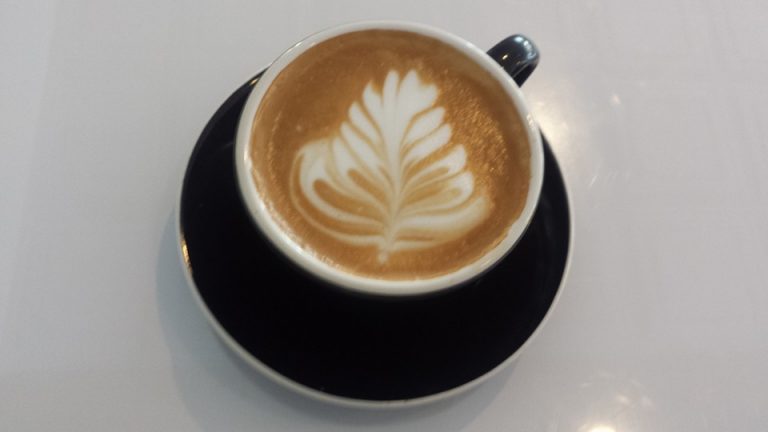
Nothing compares to the aroma of roasting coffee beans when brewing in the morning or throughout the day. The delicious beverage, whether its iced or piping hot, is loved throughout Scandinavia. Read more about Scandinavian coffee culture.
Finland made first place in an international survey of countries that drink the most coffee. The Finns lead with 12kg capita per year with Norwegians (Norway) coming in second with 9.9kg according to the International Coffee Organization (ICO).
Scandinavian blend coffee
Java loving Scandinavian countries
Java loving Scandinavian countries like Denmark and Sweden also made it to the top ten. That proves the rich coffee culture continues to dominate in Scandinavia. From the region’s high-level international barista competitions to the popularity of coffee bars, there’s something for everyone to enjoy as the world’s leading coffee drinkers. There’s a reason why they have mastered brewing the perfect cup of joe.
Getting Down to Business While Scandinavian countries are leading in the coffee-drinking business, they don’t rank high in the coffee-producing industry. Two of many leading coffee brands that are consumed in the region and around Europe are “Picnic” and “Wayne’s Coffee.” Around the world there are brewing guides that should be followed so choosing the right coffee that is affordable and helpful in the market, can benefit you.
While Scandinavian countries are leading in the coffee-drinking business, they don’t rank high in the coffee-producing industry
Purchasing fair trade coffee is one way to be an advocate for more sustainably driven coffee while financially helping coffee farmers that meet safer requirements is another. When the money produced through Fair Trade goes directly to farmers it makes a difference in their lives and the taste of your coffee. If fair trade organizations are not proving to be helpful, donate to charities or buy directly. For the consumer it means richer, affordable coffee quality. Ensure that you get the most from your mug in the morning.
Brewing Techniques The average European drinks between one and a half to almost four cups of coffee a day. The most common method of brewing a steeping cup of coffee, is to of course, measure a tablespoon of ground coffee per 8-ounce cup. Depending on how you take it, you can increase the amount of coffee when needed. Ditch the K-cups for a French coffee press or drip coffee maker.
One of the oldest techniques of the Nordic region, is adding egg to your coffee
Unless, you plan on making traditional Scandinavian coffee, one of the oldest techniques of the Nordic region, is adding egg to your coffee. You add the egg to your coffee, as it boils, to produce a “mild flavor and powerful caffeine kick,” that rids the beans of its bitter flavors. Although it was created out of necessity, this traditional coffee style is almost like using a French press.
From light to medium and dark roasts, there is certainly more than one way to enjoy the fragrant coffee bean.
What To Know About Scandinavian Coffee Culture, written for Daily Scandinavian by Karoline Gore
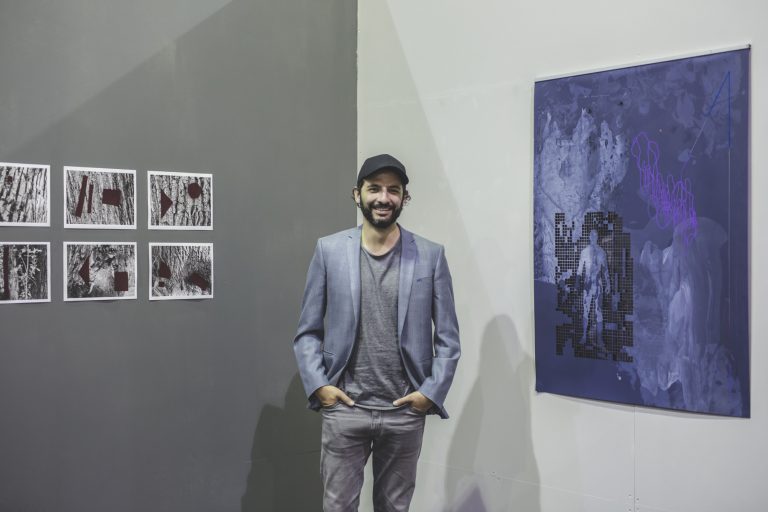
Oslo-Based Doomsday Artist Javier Barrios (born 1979 San Luis Potosi) works with landscapes moving between facts and utopia. His inspiration is drawn from science fiction as well as doomsday predictions, visions of the future and space exploration. Read more about the Norwegian science fiction artist.
Javier Barrios, originally from Guatemala, studied at the National Academy of Arts, Oslo and at the School of Visual Arts, New York. He is also a writer on art and he harvests information from populist medias such as the internet, films, books, television and journals. His aim is to throw light on contemporary tendencies.
Barrios’ multidisciplinary works display a balance on fiber optic cables coated in stardust and matter
Anthropos, the book
Last year, he launched his book Anthropos which is his elaboration of the topic of human impact on geology and eco-systems. Anthropos is Greek for human, but the real meaning is “someone who looks up to the sky”.
Barrios’ multidisciplinary works display a balance on fiber optic cables coated in stardust and matter. He is always asking philosophical questions about the evolution of mankind, searching the balance between facts and fiction.
Last year, Barrios launched his book Anthropos which is his elaboration of the topic of human impact on geology and eco-systems
Norwegian Science Fiction Artist With use of materials like mylar, plexi, aluminum and light, Barrios creates a dynamic constellation visualizing the complexity of the theme. In Anthropos he aims to present a balanced view between the chaotic representation of human activity and human development from primitivity to today’s high-tech society by incorporating photographs he has collected over years.
Anthropos has been made in collaboration with designer and publisher William Løve Stormdal and writer Carlos Gonzales and is a result of a two months stay at Galeria Marso in Mexico City in 2016.
Javier Barrios, Another Solar System, 2018. Mixed media on canvas.
Climatic and structural shift of power
“How has Mankind been able to move from picking lice off each other’s backs, to a world where we build spaceships and send them out into the vast and desolate space?” he asks and adds, “There is no doubt that we are living through exciting times where the world is experiencing an economic, a climatic and a structural shift of power. While the world’s population is increasing and our natural resources are being depleted, rapid technological progress is laying a new platform for our modern life.”
Solo and group exhibitions
Javier Barrios’ solo exhibibitions include Rod Bianco Gallery, Oslo; Akershus Kunstner Senter, Lillestrøm; Galerie Muelhaupt, Cologne and group exhibitions at Galleri K, Oslo; Vestfossen Kunstlaboratorium; Norsk Skulprturbiennale and Vigeland Museum. He lives and works in Oslo.
Norwegian Science Fiction Artist Questions Human Development, written by Tor Kjolberg
There’s an abundance of things to do for book lovers in the Scandinavian capital of bicycles, fairy tales and palaces. In addition to beautiful libraries, book cafes and literary museums, Copenhagen also offers literary tourist trips. Did you know that the League of Antiquarian Booksellers was founded in Copenhagen in 1948? Welcome to literary Copenhagen!
In Copenhagen and the surrounding areas there are some real interesting literary destinations particularly for visitors interested in Shakespeare and fairy tales.
Inside the Rotal Library, Copenhagen
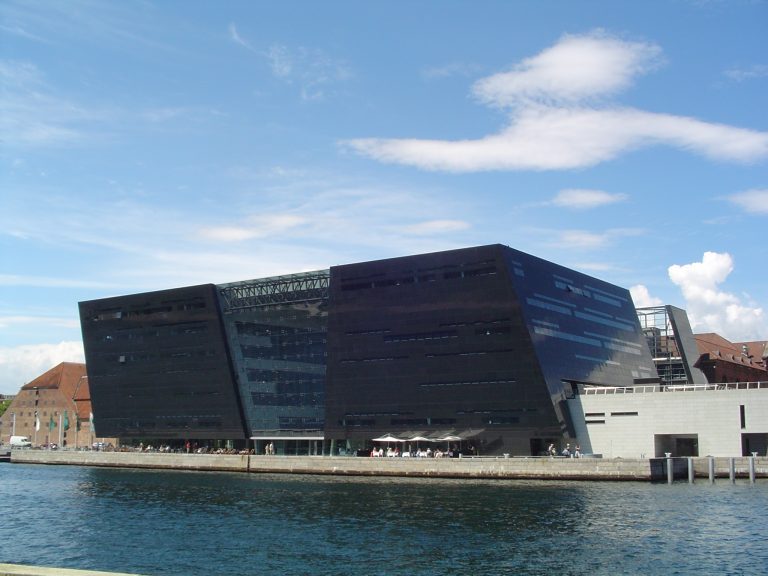
Let’s start at the Royal Library It’s also called the Black Diamond library (feature image, on top) and is one of the largest libraries in the world, containing copies of every Danish work published since the 17th century, and even many from before that too. The name ‘Black Diamond’ is due to the architectonical shape and choice of materials of its new addition on the back of the original classical Royal Danish library. This is also the Copenhagen University Library, so don’t be surprised to see lots of students milling around or studying at the desks.
You should not miss Hans Christian Andersen Fairytale House The most famous Dane of all rime, Hans Christian Andersen, lived in Copenhagen most of his life and he certainly helped put his small country on the map. Here you can learn the fascinating story about his life growing up in Odense and moving to Copenhagen to pursue his dream of becoming a ballet dancer. Luckily (for us) he was too rubbish to be a dancer so instead he embarked on his journey to become one of the world’s most famous fairytale authors. The Fairytale House uses wax models to depict scenes from his life.
Hans Christian Andersen Fairytale House uses wax models to depict scenes from his life
Hans Christian Andersen created the world’s favorite mermaid. So, hop on the train and get off at Østerport and visit the wistful Little Mermaid Statue. The statue is sculpted by Edvard Eriksen in the early 1910s. The sculptor is also responsible for a trio of incredible statues that are housed in the Roskilde Cathedral which he finished just a year before the commission to create the Little Mermaid. Eline Eriksen, his wife, was the model for all four statues.
In Tivoli Gardens you can enter a ride called The Flying Trunk, a ride inspired by H C Andersen which is a journey through 32 of his most popular fairytales. The scenes are depicted by beautiful wooden dolls with voiceovers in English as well as Danish telling you the names of the stories.
The Flying Trunk is a ride inspired by H C Andersen which is a journey through 32 of his most popular fairytales
On the outside of the Tivoli Garden is a large statue of a man sitting down and staring wistfully at the park. Not surprisingly, that’s H. C. Andersen.
Hans Christian Andersen was buried at the Assistens Cemetry west of downtown Copenhagen. So were quite a few other famous Danes, also the famous philosopher Søren Kierkegård. Behind the Danish Jewish Museum and the Royal Danish library, the philosopher’s monument is hidden in a serene park where he faces a small pond and stares out at the water.
H M The Queens Referance Library is the Danish Queen’s private library. It contains the personal collections of the Kings and Queens throughout centuries.
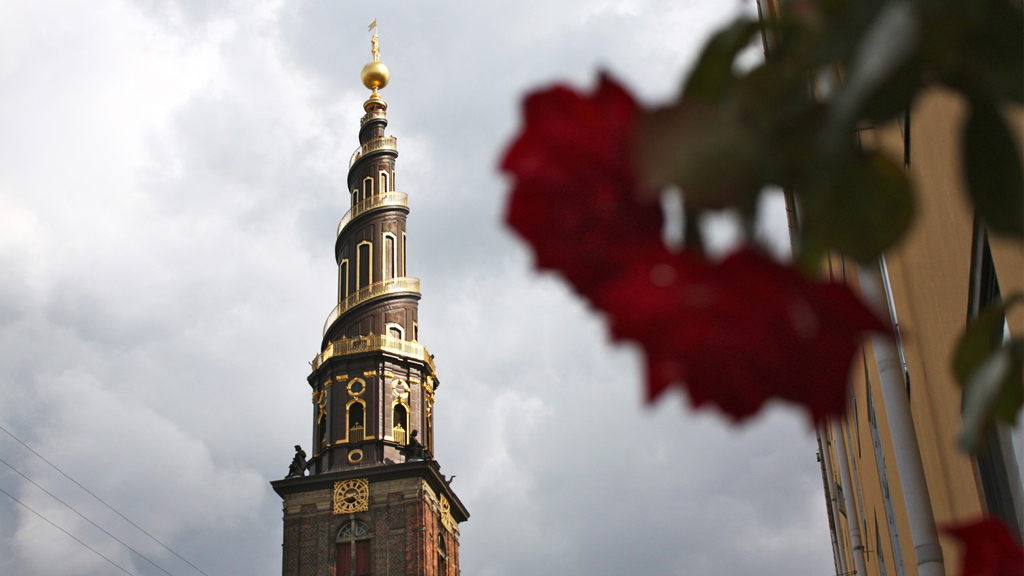
Spire of the Church of Our Savior
You may wonder why I have selected the Church of Our Savior to be part of my literary Copenhagen compilation. If you have read Jules Verne’s A Journey to the Centre of the Earth you may have recognized this church as it features in his novel. Axel is forced to climb the spire for 5 whole days before they go into the volcano.
Exploring antiquarian books in Copenhagen
The Danish Antiquarian Booksellers’ Association (Den Danske Antikvarboghandlerforening – ABF) was founded in 1920 with 27 members in its first year. It is one of the oldest of its kind in the world, only preceded by the English ABA, founded in 1906, and the French SLAM, established in 1914.
President of the Danish Antiquarian Bookseller’s Association, Maria Girsel, says “Copenhagen has suffered the same fate as so many other cities – the streets that used to be full of booksellers are now full of coffee shops, clothing shops etc.”
Politikens Boghal, established in 1915, is associated with the Danish newspaper Politiken
However Maria runs one of Denmark’s leading antiquarian firms, Herman H. J. Lynge, which still promotes this rare book trade.
Vangsgaards Antikvariat is the largest antique bookstore in Denmark. You’ll find this gem close to the main shopping street Strøget.
Politikens Boghal, established in 1915, is associated with the Danish newspaper Politiken. The bookstore sells both Danish and English editions of books. Politikens Boghal is one of the largest bookstores in Copenhagen and is considered one of the capital’s best. They regularly hold literary events and you can shop for new books in both Danish and English, including English translations of Danish novels!
Paludan Bog & Cafe (book café) has a lot of small tables gathered in the space downstairs beneath a balcony of books which surround the space. They serve everything from porridge to full English breakfast as well as lunch and dinner menus. When you go upstairs you feel as if you’ve stepped back in time to an old gentleman’s home. The cafe is enormous and there are several different seating areas.
There really is something for everyone. For those that are here to study there are slightly more modern silent rooms. This book cafe also doubles up as a bookshop. Some stairs opposite the entryway, you’ll find books they have on offer. It really is a haven for book lovers!
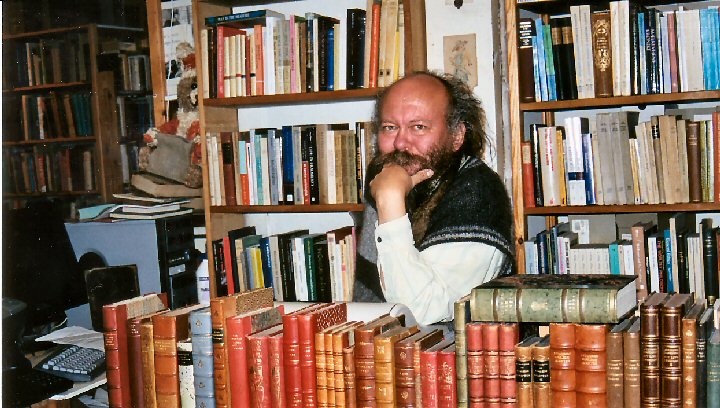
Lars Rasmussen, owner of the Booktrader
It’s easy to miss The Booktrader since it is located down under the street level. This shop is like an underground bookstore with books arranged according to genre. However, you won’t come across any economic books here since the owner, Lars Rasmussen, doesn’t stock anything that bores him.
As the name implies, you can buy, sell or trade books here. About half the books are in English!
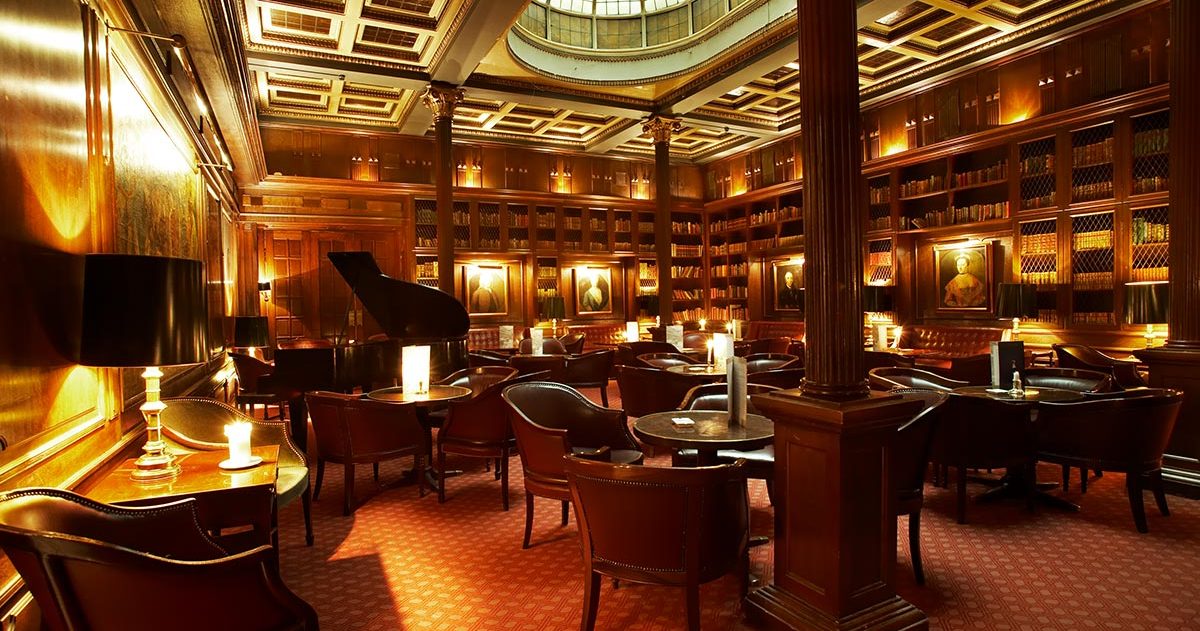
Library Bar at the Copenhagen Plaza Hotel
The Library Bar at Copenhagen Plaza is a place for rest and maybe a literary cocktail. The bar is open to everyone, and is one of the most popular bars in Copenhagen.
On the menu you’ll find a number of cocktails inspired by authors and you can enjoy a Shakespearian, Dickens or Hemingway Daiquiri.
Literary destinations outside Copenhagen
In less than 45 minutes you’ll find yourself in the seaside town of Helsingør where a pleasant walk through town will take you up to Hamlet’s Kronborg Elsinore Castle. That was Shakespeare’s inspiration for Elsinore in Hamlet. The castle was built in the 1420s as a fortress and renovated during Shakespeare’s lifetime by Danish King Frederick II to upgrade its military prowess and befit it with chambers fit for a king and a queen to reside there.
Shakespeare never saw Kronborg in person, but he no doubt heard about the famous castle, since plays were routinely performed there. Kronborg is a UNESCO World Heritage site, and if you visit during the summer, you can interact with the cast of Hamlet as they move through the castle grounds.
Visit Ogier the Dane while you’re there. He sleeps in the casements underneath the castle. Ogier made appearances in old epic poems and Danish folklore, and it is said that he will awaken if Denmark is ever in peril in order to defend her.
Hans Christian Andersen Museum, Odense
If you take the train to the little town of Odense, just under two hours, you arrive at H.C. Andersen’s Birthplace. In addition to visiting the Hans Christian Andersen museum, which focuses on his work and his paper art, you can visit his actual childhood home.
Welcome to Literary Copenhagen, compiled by Tor Kjolberg
The Deichmanske Bibliothek in Oslo is one of the oldest public libraries in Norway. It opened on 12 January 1785, following an endowment from Carl Deichman who also bequeathed 7,000 books and 150 manuscripts which formed the basis of the library’s collection.The new Oslo Public Library’s main branch is being built in the Bjørvika district directly adjacent to the Norwegian Opera.
The new library will boast a modern and dynamic library which houses not only the extensive book collection of Carl Deichman, but also a cinema, media workshops, play areas, lounges and a restaurant.
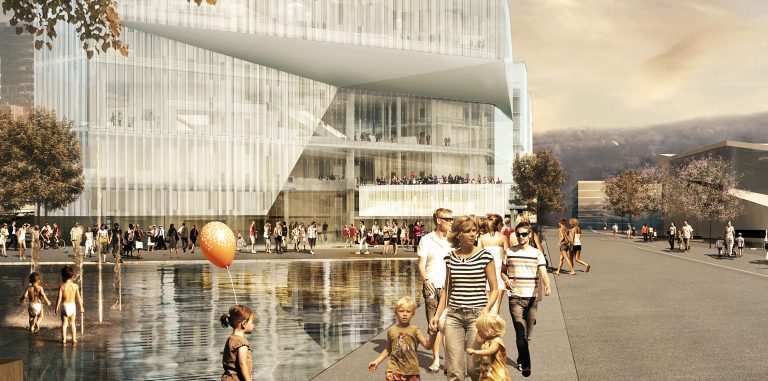
The core of the new Deichman library is based on light and space and continuous diagonal views established between the library interior and the surrounding streets/square
The positioning of the library offers visitors the best views towards the city, the fjord, the surrounding green hills of Oslo as well as keeping the distance to public transport to a minimum. It also brings activity to the square ‘Operaallmenningen’.
History
From the very beginning, the Oslo library has been open to all citizens. At the time most lending libraries charged a membership fee, making it impossible for poorer people to access them. However, the initial collection was largely made up of texts in German, French, Latin and Danish and was therefore largely only of interest to members of the educated upper class.
At the turn of the 19th century, the Dechman library became a model for public libraries throughout the Nordic region. Head librarian Haakon Nyhuus modernized the library along American lines, having spent eight years in America and been inspired by Carnegie libraries. Among his innovations were the introduction of reading rooms and the addition of books for children and young people.
Through atriums and discontinued floor plates the library is united with the city outside. Gere from children’s book section
The New Oslo Public Library scheduled to open early next year
The new library is a six-story building with a basement. The main architectural concept is based on the large library space which runs through the center and extends upward across each floor. The translucent facade with cantilevered top floor opens up in the direction of the city center.
The view to the Oslo Opera House is secured by a large cut in the volume, and the idea of the finished library is to take the lead in terms of energy efficiency and reduction of greenhouse gas emissions.
The core of the new Deichman library is based on light and space and continuous diagonal views established between the library interior and the surrounding streets/square. Through atriums and discontinued floor plates the library is united with the city outside.
The new Oslo Public Library is a six-story building with a basement
The architects The library is a result of a competition in which the Oslo-based architects Lund Hagem, founded in 1990, won the competition in collaboration with Atelier Oslo. Lund Hagen Architects have won numerous prestigious competitions and received a number of awards and citations for design excellence.
New Oslo Public Library Scheduled to Open Early Next Year, written by Tor Kjolberg