
Meet an Ever-Optimistic Swedish Serial Entrepreneur

Johan Staël von Holstein (56) is a Swedish serial entrepreneur, author, speaker and venture capitalist who has founded and co-founded several dot-com companies. We met him in June and was impressed by his positive visions of the past and the future. Meet an Ever-Optimistic Swedish Serial Entrepreneur.

“Since the Industrial Revolution the world has only been a better place to live,” von Holstein claims. “People live longer, have better health, better living conditions and multiple choices. In the 1970s, nuclear power was said to be the world’s doomsday and all trees in Germany were predicted to die. However, human beings have always been able to solve problems.”

Meet an Ever-Optimistic Swedish Serial Entrepreneur
MyCube founded in 2009 was a competitor to Facebook

“I do not deny the word’s climate challenges, but I am convinced that something drastically is going to happen. We need entrepreneurship more than political campaigns. Or better, more cooperation,” he says.

Doomsday prophets have always existed
He realizes of course that there are people in the world who still suffers, but in general new inventions have made a different and more exciting world. Doomsday prophets have always tried to make people’s life miserable and created feelings of guilt. He admits that he is lucky to have been born as a man in this part of the world. “It’s like winning the lottery,” he adds.

Meert an ever optimistic swedish entrepreneur
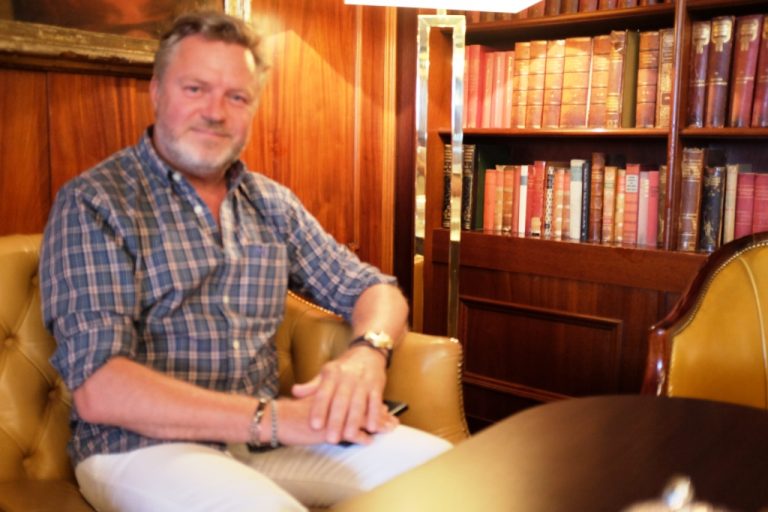
Johan Stäel von Holstein in Oslo, June 2019

Johan was born in the university and industrial city of Halmstad on the west-coast of Sweden. After his Gymnasium exams and military duty, he traveled Europe for four years, studying languages and doing what he liked the most, downhill skiing in Switzerland.

After a car accident he started to study information technology at the Lund University. As a dyslectic and in a wheelchair, it was hard work. Later he has earned several degrees from among others Stockholm School of Business and Harvard Business School.

Johan Stäel von Holstein meets Jan Hugo Stenbeck
In 1992, when he was 29 years old, he was on board a hotel ship during the Summer Olympic Games in Barcelona. There he met the Swedish businessman and media pioneer Jan Hugo Stenbeck.  Stenbeck was one of the lecturers there and was fascinated by Johan’s creativity and contagious energy. He was offered the position as entertainment officer on the ship.

Later, Johan was offered other positions by Stenbeck and worked his way up to marketing director of Z-TV, the flagship TV channel for young people in the Stenbeck’s Kinnevik Group, and later to his first CEO position at start up ITV (interactive television). ITV became the largest teletext company in Europe with offices in six countries.

Meet an Ever-Optimistic Swedish Serial Entrepreneur
“Since the Industrial Revolution the world has only been a better place to live,” Johan claims

Jan Hugo Stenbeck and Johan Stäel von Holstein worked together for several years and Johan went on to become responsible for Banque Invik’s sales and credit card operations. It was fun for a while but the dream of becoming an entrepreneur became too strong.  He wanted to create his own company Medialab together with three colleagues. The company ended up having 3,500 employees in 32 offices in 21 countries. The company was listed on the Stockholm and New York stock exchanges.

In 1998, he founded the world’s first co-shopping company, listed on the stock exchange in Frankfurt. “The timeline of a typical start-up company is 5 – 6 years,” says von Holstein.

Global leader of tomorrow
Stäel von Hoistein was recognised as the Global Leader of Tomorrow by Chief Executive Magazine and technology, Global Media innovator by Forbes and Advertizing Age and awarded Technology Pioneer by World Economic Forum.

Then came the historical speculative dot-bomb bubble. “The burst of the bubble was not an IT-bubble,” explains von Stäel Holstein. “It was a financial bubble within the IT sector, created by the banks. We got beaten, but we learned a lot!”
Meet an Ever-Optimistic Swedish Serial Entrepreneur
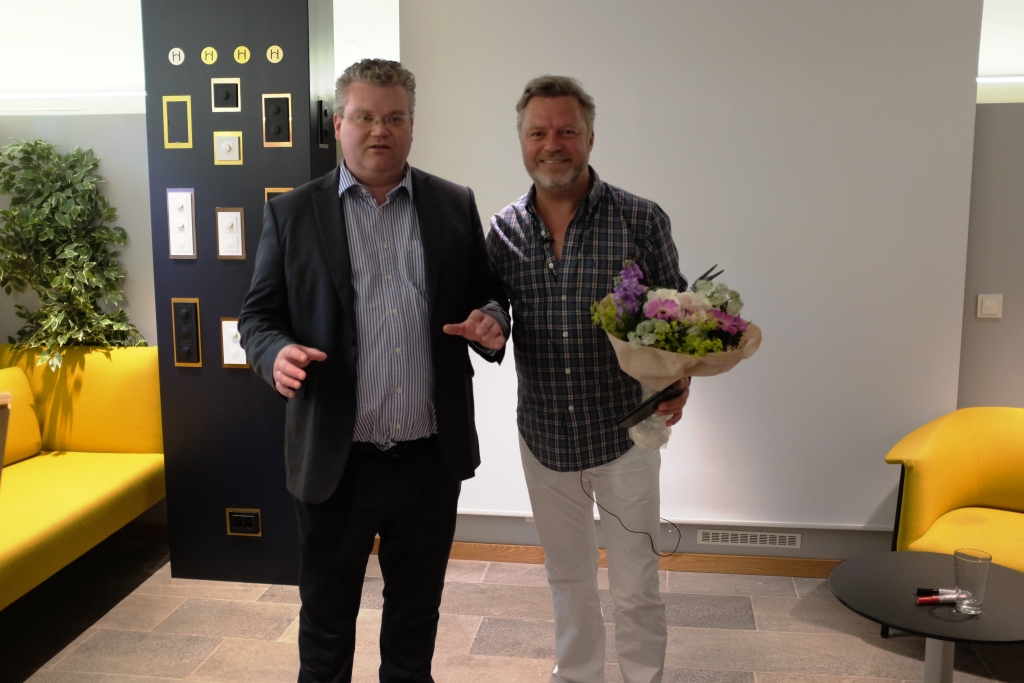
Kristian Aarthun, CEO and organizer of the DNBN event. Here together with Johan Stäel von Holstein (right)

Board member on Swedish Government’s Cultural Board
Living abroad for a couple of years and then moving back to Stockholm in 2004, he established IQUBE, which in a few years grew into the largest private incubators in Europe with a portfolio of more than 40 companies. His articles enhancing entrepreneurship, his battle for better atmosphere for entrepreneurs and his role in the Swedish version of The Apprentice (Rivalerna) made him elected as one of ten board members on the Swedish Government’s Cultural Board, a government agency with the task of implementing national cultural policy.

Related: The Sky is No Limit for Norwegian Entrepreneur

Looking back, von Holstein says Sweden was a terrible country in the 1960s to 80s. There was no entrepreneurial spirit, everything was forbidden and the suicide rate was the highest in Europe. Since then, von Holstein started breaking Swedish monopolies, one after another, first the country’s radio and television consortiums. Johan acted as the voice for entrepreneurs aiming to create a different world view. But the fight against the established society was a long and exhausting one.

Related: Doing Business in Sweden

An ever-optimistic Swedish serial entrepreneur
Did he succeed? Well, he has established 45 companies and have had extraordinary exits. In 2008 he moved to Singapore and founded a digital life management tool for sharing and selling content, MyCube in 2009. It was a competitor to Facebook, but contrary to Facebook it was prioritizing privacy.

“It’s forbidden to keep slaves and companies should not be allowed to be the sole owners of other people’s digital identities,” says Stäel von Holstein. “Authors should be paid for their valuable content and remain private individuals” he adds. MyCube could have been the most important company in the world. But he lost the company in ways he does not want to discuss, and left the company in 2011.

Related: Listen to the Future

Meet an Ever-Optimistic Swedish Serial Entrepreneur
The Oslo event was organized by DNBN

What’s next?
Today, the Swedish serial entrepreneur is optimistically looking for new tasks. Maybe it’s time to establish an entrepreneurial academy in Scandinavia, teaching entrepreneurs how to realize their dreams in the future world?

“The younger generation is a different breed and the answer to most of our challenges,” concludes Johan Stäel von Holstein.

Meet an Ever-Optimistic Swedish Serial Entrepreneur: Johan Stäel von Holstein was interviewed by Tor Kjolberg when he visited Oslo to do a presentation at a Dutch Norwegian Business Network event.

All photos, except when noted, Tor Kjolberg
Hamlet’s “Castle of Elsinore” in Denmark

Helsingør in Denmark is best known for its massive Renaissance-style Kronborg, Hamlet’s “Castle of Elsinore”. However, the area has much more to offer than Hamlet’s “Castle of Elsinore”.

Originally built by King Eric of Pomerania when he introduced the “Sound Dues” (fees paid to the Danish crown by all ships passing through to the Baltic.) Kronborg has been rebuilt several times. It has provided a backdrop for many productions of Shakespare’s Hamlet.

Hamlet’s “Castle of Elsinore” in Denmark
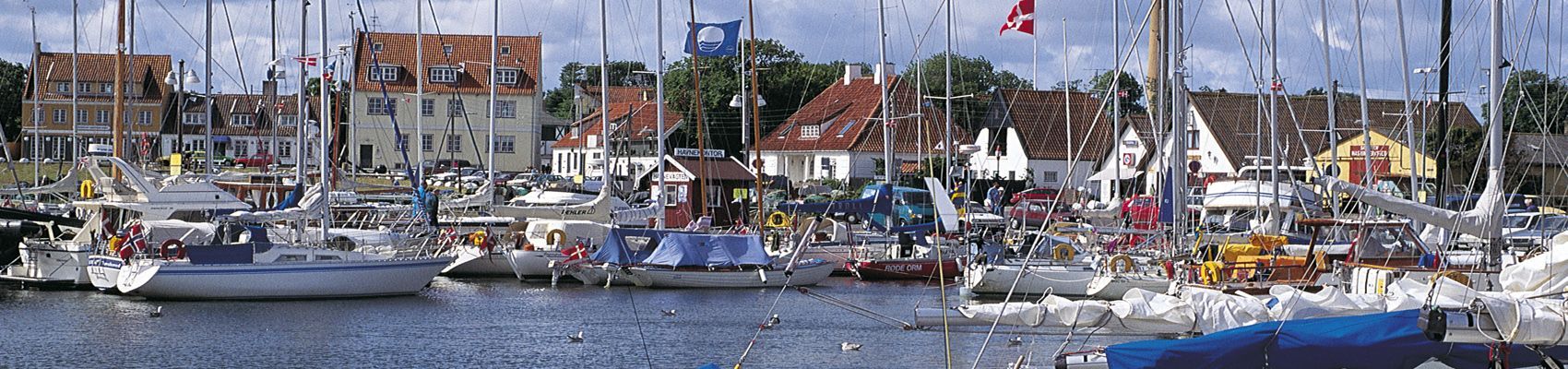
Gilleleje harbor. Photo: Visit North Sealand

Inside, the richly decorated King’s and Queen’s chambers and the 62-meter (203 ft) long Great Hall are worth seeing.

Helsingør is one of Denmark’s most historic towns, with entire streets of color-washed buildings. The 15th-century Skt Maria Kirke (Church) and the Carmelite Kloster (Convent) are among the best preserved Gothic buildings in the world.

Hamlet’s “Castle of Elsinore” in Denmark
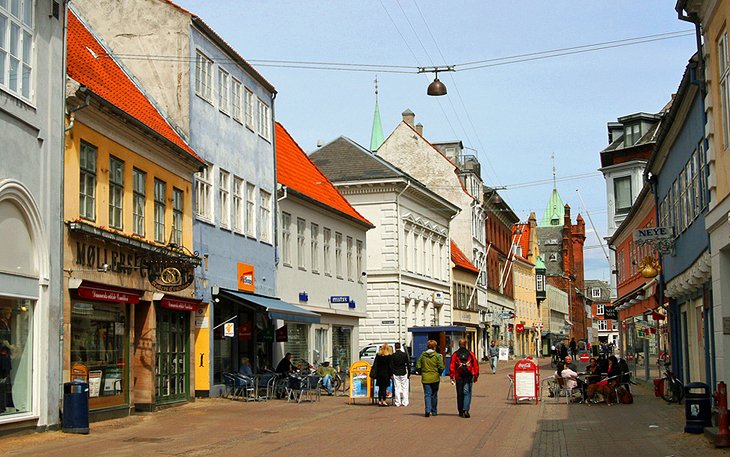
Stengade, Helsongør

The coast road leads on to Gilleleje, the most northerly town of Zealand, a small working fishing port. Adamsen Fisk, an unpretentious harborside takeaway, is a great spot for fish lunch. If the weather is good, you could stop at the sun-worshippers’ beaches at Tisvilde or Liseleje.

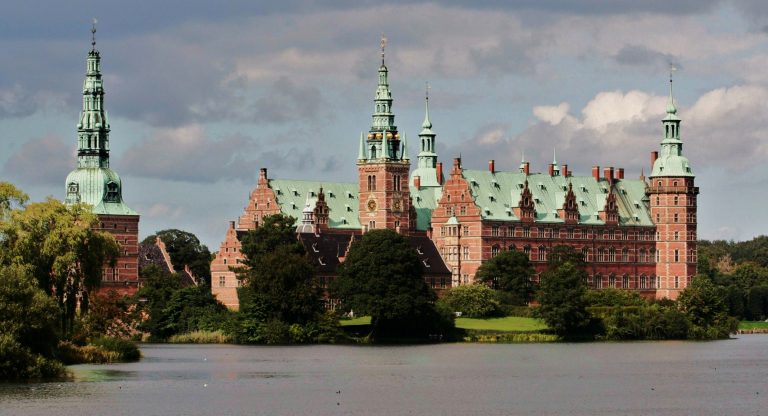
Turning back towards Copenhagen, Denmark’s National History Museum is at the spectacular Renaissance palace Frederiksborg built between 1605 and 1621 in Hillerød. The most notable rooms are the Council Hall, Knights’ Hall and the chapel with its original Compenius organ (1610). Outside is one of the best Baroque gardens in Northern Europe.

Hamlet’s “Castle of Elsinore” in Denmark
Kronborg Elsinore has provided a backdrop for many productions of Shakespare’s Hamlet

Just 9 km (5 miles) from Hillerød is the Italianate palace of Fredriksborg. Built in 1722, it is now used by the Danish royal family as a spring and autumn residence. The astonishing 120 hectare (300 acres) of gardens – long, straight 18th-century avenues interspersed with forest and seashore – are open to visitors at all times.

Hamlet’s “Castle of Elsinore” in Denmark, written by Tor Kjolberg
Museum of Women’s History in Northern Sweden

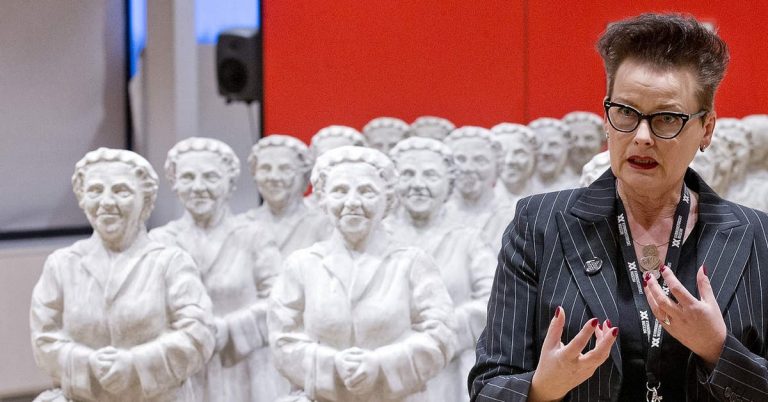
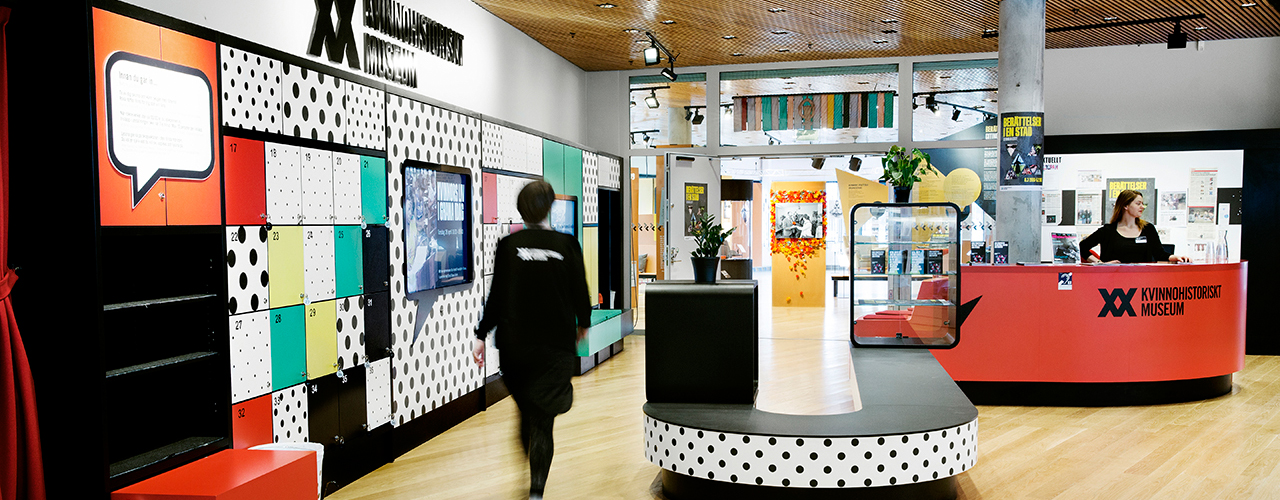
Umeå Museum of Women’s History opened 2014 in the Väven Cultural Center, welcoming visitors to what director Maria Parstedt describes as a ‘dreamlike forest”. Museum of Women’s History in Northern Sweden is the first of its kind in the world, it aims to raise issues of sex, power and identity.

Different ‘animals’ discuss examples from history alongside comments from Facebook and across the internet. “Often, when we look for women in history, all we find are spaces and gaps, blank spots and a resounding silence,” reads a statement on the museum’s website. “Women as a group – half of the current and historic population of Sweden – compared with men as a group are poorly represented in traditional historiography.”

Museum of Women’s History in Northern Sweden
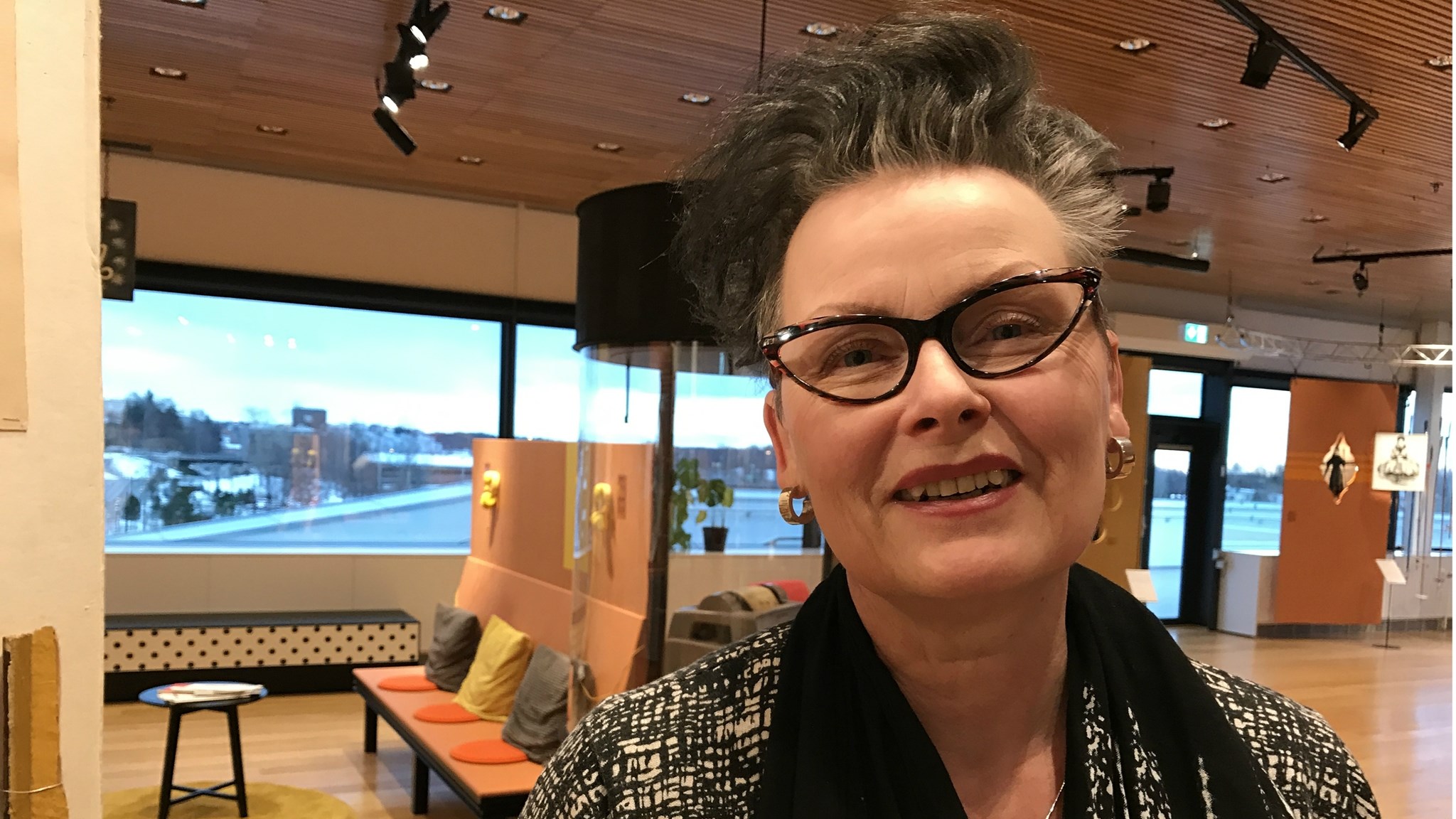
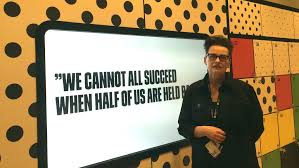
Maria Perstedt is a cultural historian and a dedicated and passionate museum professional with more than 25 years of occupational experience

Related: Gender-neutral Swedish Preschools Produce More Successful Children

Deeds not words
Maria Perstedt is a cultural historian and a dedicated and passionate museum professional with more than 25 years of occupational experience from several different Swedish museums of cultural history, on local, regional and government level – the Museum of Medical History and the National Historical Museum, among others.

The motto of Emmeline Pankhurst when she was campaigning for, or rather demanding, the right to vote in Britain a little over a hundred years ago was ”Deeds, not words”. This was the first wave of feminism campaign across the world.

Museum of Women’s History in Northern Sweden
Different ‘animals’ discuss examples from history alongside comments from Facebook and across the internet

Women have been excluded from the social arenas that have existed at most times in most places. For no other reason women have produced fewer important inventions, been on fewer daring voyages of discovery, built fewer houses, written fewer books and painted fewer masterpieces.

Related: Leaders in Gender Enlightment

Equal rights to be heard
According to museum director Maria Perstedt, a modern approach when it comes to museums is about allowing men and women to have equal spaces in society and equal possibilities to be heard. The approach to telling history is male dominated. There is a male filter.


Museum of Women’s History in Northern Sweden
The Museum of Women’s History aims to highlight how women influence the progress of society as well as to challenge the marginalization of women in the creation and use of history.  A few women do of course appear in traditional historiography. “But most of the knowledge, skills, interests, activities and memories of various women have been considered to be unimportant, less interesting, less worthy of documenting and preserving – and have therefore been excluded,” according to the museum’s website.

Related: The Scandinavian Model

“To bring about a change, to allow women’s voices to be heard, women’s experiences to be acknowledged, women’s memories to be visible, we need women’s museums,” says Perstedt.

Museum of Women’s History in Northern Sweden
Women have been excluded from the social arenas that have existed at most times in most places

So, what could be more fitting than to launch a Museum of Women’s History and thereby build a rich and diverse worldview by broadening the knowledge about women in society and open up space for the women of the future to be heard.

Some historians have referred to traditional history as “male genealogy”. A chronological account of wars and politics, economics and ideas that, like a well-worn path, has been shaped by descriptions of a long series of men´s deeds.

Museum of Women’s History in Northern Sweden
The Museum of Women’s History aims to highlight how women influence the progress of society as well as to challenge the marginalization of women in the creation and use of history

“Museums that take upon themselves to mirror that all societies are made up of people of different kinds; of different gender, sexual identities and sexual expression, of different color, ethnicity, class and functionality, can facilitate social change and actively contribute to society´s never ending development,” says Perstedt.

The Museum of Women’s History in Umeå wants to make visible and challenge the male normativity in museums, and the male interpretive prerogative in historiography.


Museum of Women’s History in Northern Sweden, written by Tor Kjolberg
Norwegian Playwright in Love with Youth

Norwegian playwright Henrik Ibsen (1828-1906) was married to Suzannah but was addicted to the friendship of young women. More than one hundred years after Henrik Ibsen’s death, his words are just as relevant, and the influence of those young women just as evident. Read more about the Norwegian playwright in love wuth youth.

Stockholm, March 1898: The little man with busty white hair and beard sits on a sofa in his hotel-room. On the table before him is a pile of signed photographs of himself. Henrik Ibsen is 70 years old and a Scandinavian celebrity. In his hotel room he receives a stream of young women and gives them his autograph. One of the girls says shyly that she has seen him before, but has never had the courage to say hello. He replies: “Do you know what I would have done? I would have taken you in my arms and covered you with kisses.”

Norwegian Playwright in Love with Youth
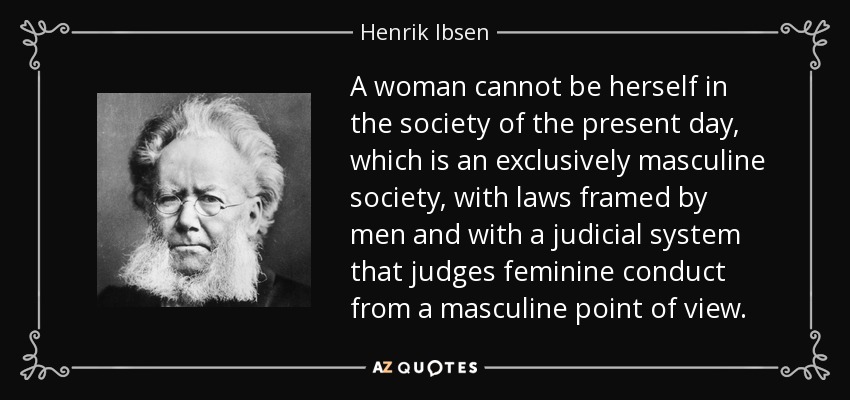
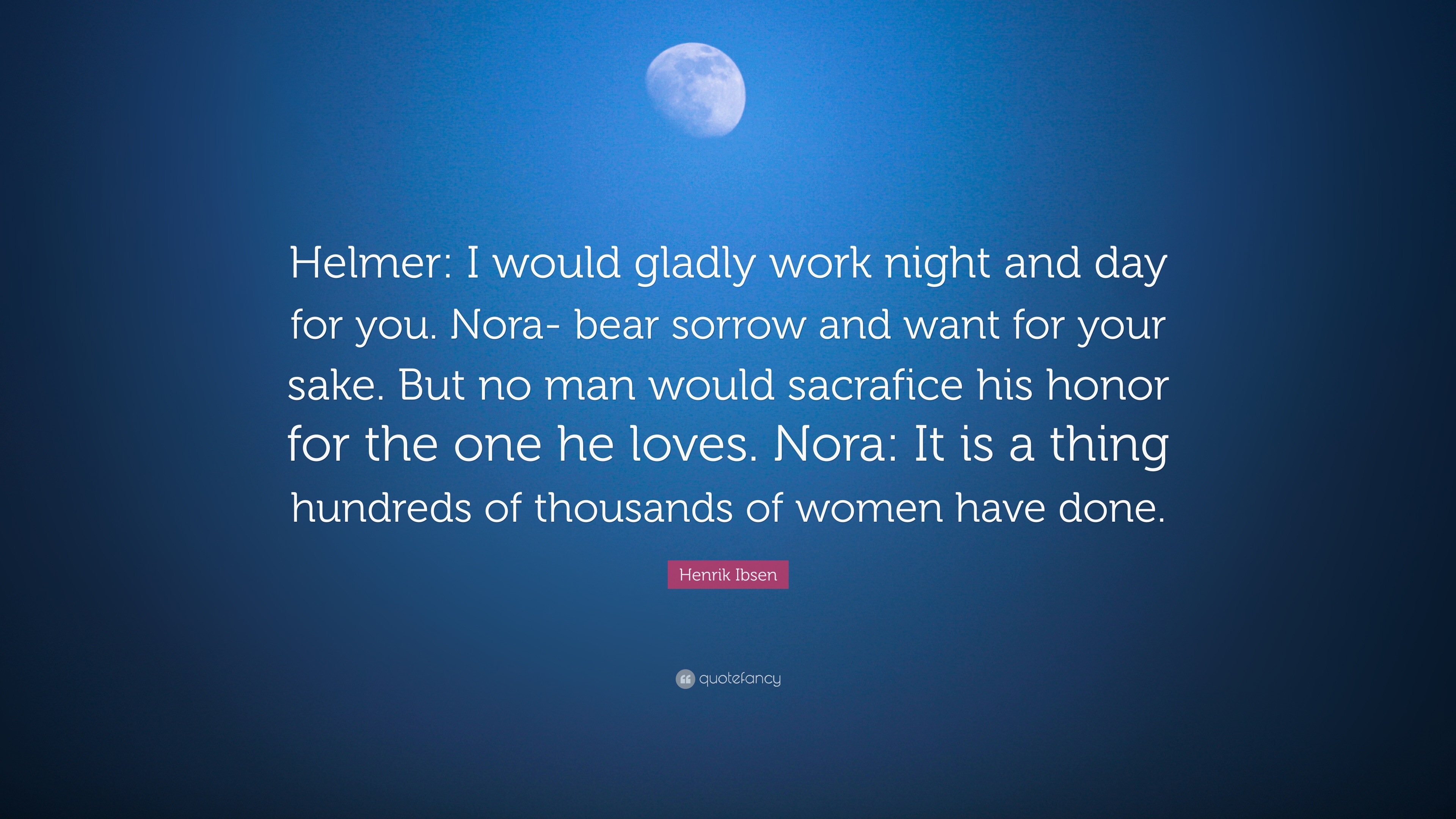
Henrik Ibsen quote

The man behind the groundbreaking and shocking plays such as A Doll’s House, Hedda Gabler and Ghosts admitted that he needed youth to live and write. He knew more about women than most. When he died in 1906, they were all left behind – Suzannah, Emilie, Helene, Hildur and Rosa, the role models for Nora, Hedda, Rebekka, Elida, Hilde and other enduring characters.

Related: In the Footsteps of Henrik Ibsen

Illegitimate son
Henrik Ibsen had his first – unhappy – experience with women in Grimstad when he was 18. Three years before he had been sent from his boyhood town of Skien to Grimstad to be apprenticed to the local pharmacist. On 7 December 1846 the teenage Henrik writes to the town registrar: “(…) Unfortunately, I have had physical relations with her, occasion for which was provided in equal measure by provocative behavior and concurrent service with me at Apothecary Reimann’s.”

Norwegian Playwright in Love with Youth
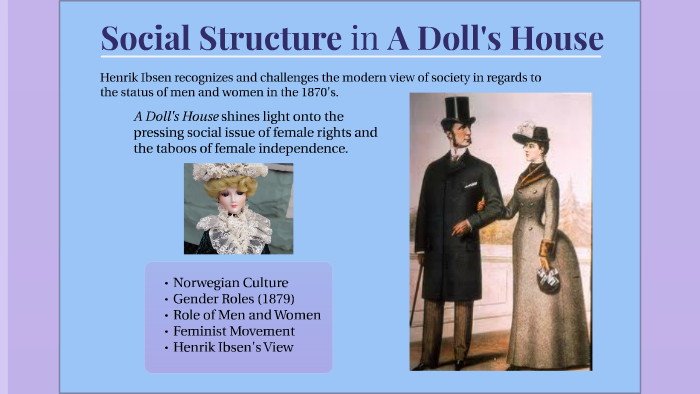
Social structure in A Dolls House

The 28-year-old maid Else Sophie Birkedalen has given birth to a son, and Henrik Ibsen admits being the father. For 14 years he pays maintenance for his son Hans Jacob Henriksen, but tries his whole life to keep the boy’s existence a secret.

Henrik Ibsen travels to Christiania (present-day Oslo) on the pretext of studying medicine. But what he wants to do is write, and that is just what he does. In 1851 he heads west to Bergen to direct plays at Det Norske Theater. The regular salary that he is finally earning is spent, among other things, on elegant black overcoats and tan, lambskin gloves. He is short in stature, shy and introverted.  He has a dark brown beard covering his face and a mane of thick hair.

Norwegian Playwright in Love with Youth
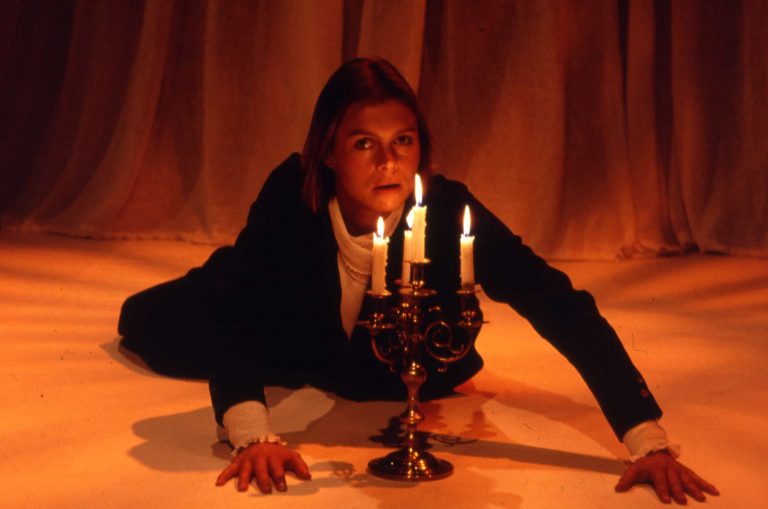
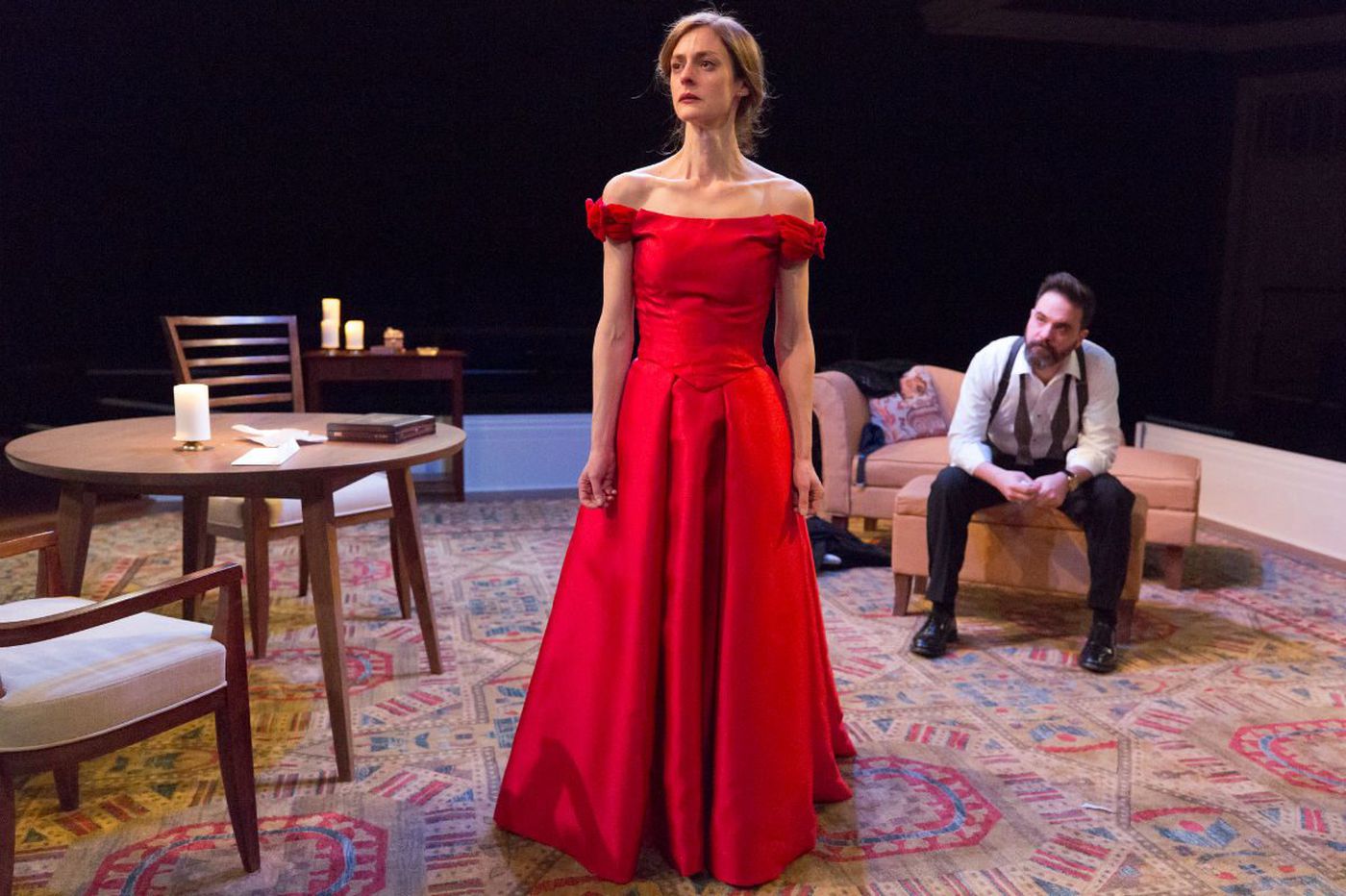
Frim Arden Great Theatre’s perfromance of A Dolls House, 2018

Related: The World Celebrates a Fine Old Gentleman

Norwegian Playwright in Love with Youth
In July 1853 he becomes secretly engaged to 15-year-old Rikke Holst. They tie the rings together with a thread and throw them in the sea as a symbol of true love. Some moments later Rikke’s father discovers the relationship and ejects the poor thespian out of her life.

Rikke Holst is reported to have said that Henrik Ibsen’s appearance was “more interesting than actually handsome.” The Danish writer German Bang describes the young aspiring author thus: “But those who dismissed him as unimportant had never seen his eyes. They could light up and cast a spark which shot through a person so you remembered it long after.”

Norwegian Playwright in Love with Youth
Henrik Ibsen portrait

On a bitter January evening in Bergen in 1856, Henrik Ibsen, now 28, met 19-year-old Suzannah Daae Thoresen for the first time. They do not bother dancing, but sit and talk. Henrik Ibsen has found the woman in his life. When, late that evening, he returns to his room, he writes the romantic poem, “To the Only One”. Later he describes his sweetheart thus: “She has the kind of character I need, illogical, but with a strong poetic, instinct; a generosity of thought and an almost violent hatred of all petty-mindedness.” They call each other “Teddy Bear” and “Cat”. Their wedding takes place in Bergen in June the following year, and their only child, Sigurd, is born a year later. Suzannah does not want more children, and there are those who believe that Henrik and Suzannah stopped sharing bed after this.

In 1864 Henrik Ibsen and his family leave Norway. With a travel bursary in Ibsen’s pocket, they stay in Italy, Dresden and Munich. Ibsen feels misunderstood in Norway and does not return for 27 years.

Related: A Norwegian Heritage

Norwegian Playwright in Love with Youth
Henrik Ibsen quote

Young inspiration
Summer 1889: On holiday in the Tyrolean village of Gossensass, 61-year-old Henrik Ibsen meets 29-year-old Emilie Bardach. “Never has he admired anyone as he admires me,” she writes in her diary. When the summer is over and Ibsen has returned to Munich, she writes: “No more sun. All gone – disappeared.”

Later he would describe Emilie as a bird of prey who was out to capture him, and she is supposed to have been the model for Hilde Wangen in the Master Builder. Shortly afterwards, in the streets of Munich, Henrik Ibsen meets the 24-year-old German painter Helene Raff. He is a frequent visitor to her atelier, he flirts and kisses her. Nevertheless, many years later Helene Raff said that their relationship contained no element of infidelity. It was all about his need for youth.

Henrik Ibsen writes about women’s liberation, incest and syphilis. He creates as storm throughout Europe and is finally recognized in his own country. “All the ladies are in love with him,” writes the author Anne-Charlotte Leffler in the 1880s. When he returns to Christiania in 1891, people flock to pay tribute. Relations with Suzannah are cool. Rumors fly of his relations with younger women, particularly of how he strolls in arm with the pianist Hildur Andersen.

While Suzannah spends most of her time at spas in southern Europe, he lives in an apartment on Victoria Terrasse, with the maid Lina Jacobsen to look after him. Suzannah is livid. She ensures that Lina is dismissed, and that Ibsen finds them a new place to live, in Arbins gate no. 1.

Norwegian Playwright in Love with Youth
Henrik Ibsen quote

After his 70th birthday celebrations in Stockholm, Henrik Ibsen meets the 26-year-old suffragette Rosa Fittinghoff. He keeps her letters in a secret drawer in his desk, and looks at her picture every morning before starting work. At the same time he resumes his friendship with Hildur Anderson. In a letter to Hildur he writes: “My wild forest bird! (…) Oh, how I long for my princess! Long down from the heights of dreams. Long to descend to the earth again and do what I said – so many, many times.”

Nevertheless, it is believed that Henrik Ibsen was never physically unfaihful to his wife, Suzannah. He flirted with young women, he talked to them, was inspired by them. But it was Suzannah he always returned to. His last words are reported to have been: “My sweet, sweet wife, how good and kind you have been to me!”

Norwegian Playwright in Love with Youth is based on the book Ibsens kvinner (Ibsen’s Women) 2006,  edited by Ellen Horn (not translated into English). Compiled by Tor Kjolberg
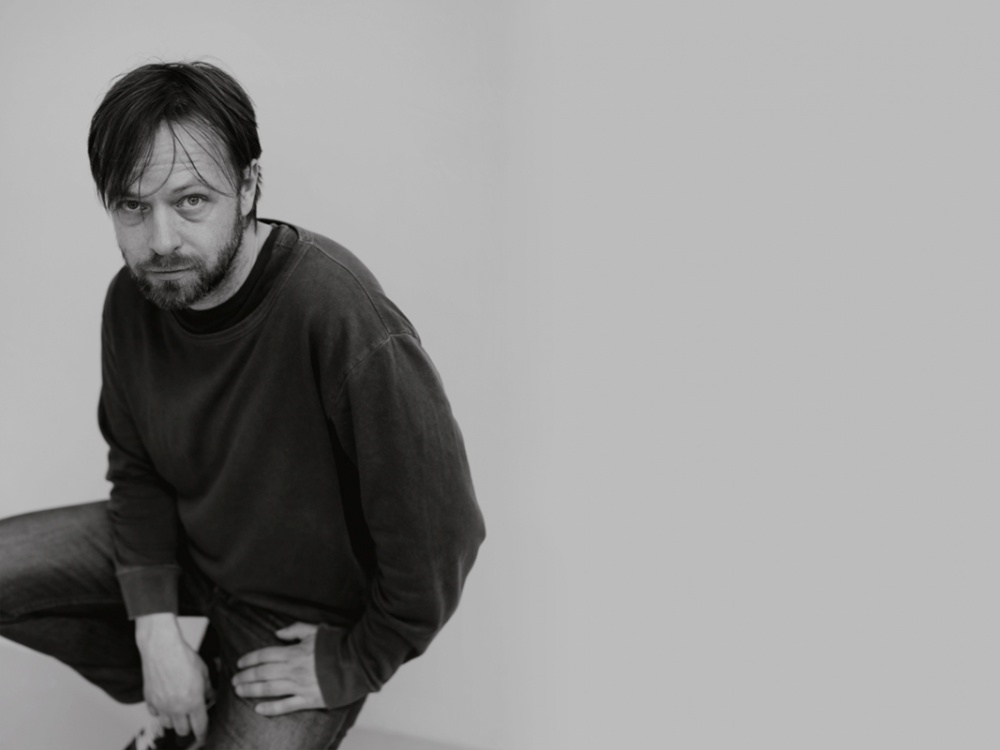
Feature image (on top): Photo by Joanna Butler/Marianne Thallaug.

Biking the Danish East Coast Route

Denmark ranks as one of the most bicycle friendly countries in the world. The Danes simply love cycling and any one of their eleven National Cycle Routes provides the lover of two wheels with an exciting and memorable holiday. Here’s a description of the Danish east coast route.

At 650 km (406 mi), the East Coast Route is the longest and most spectacular of the lot. Stretching from Skagen to Sønderborg, the route meanders through pretty Danish countryside, taking the rider along fjords, round bays and peninsulas. Beginning in Skagen, you should not miss the beautifully restored castle Koldinghus or the Grenen Museum of Art.

Biking the Danish East Coast Route
Freom Grenen. Photi: Visit Denmark

Charming towns and villages along the route
The towns that line the route are rich in tradition and culture. Charming fishing villages are to be found along the northern section, while to the south grand castles and sumptuous manor houses grace the rolling landscape. You will always be cycling within easy reach of the sea and many secluded coves along the way give you good reason to stop and take a dip.


Plan for a break in Århus
Of all the towns along the route, Århus must be singled out for special mention. Nowhere in Denmark will you find a greater concentration of artists, museums, musicians and historically significant sites. Near Århus, you’ll find the Mosegård Prehistoric Museum – a museum of the people. Sønderborg castle is overlooking the dramatic Flensborg Fjord.

Denmark’s graceful and welcoming second city is a perfect place to make a break in your journey and having explored it, you will probably want to stay for a day or two.

Biking the Danish East Coast Route
Biking in Denmark. Photo: Ruby Travel

When you take this journey, you will realize how perfectly designed it is for cyclists. The towns that line the route are remarkably evenly spaced, so as the legs begin to tire, there is always something to stimulate the mind or satisfy the stomach. If you want to bike the entire route, it makes a good week’s holiday.

Biking the Danish East Coast Route
Marguerite Route, Skagen. Photo: Visit Aalborg

Biking the Danish East Coast Route
Over 90 per cent of the route is asphalted, making cycling easy and fun. This route should present no problems for a reasonably fit cyclist with a good set of brakes.

Feature image (on top): Photo: Ruby Travel

Biking the Danish East Coast Route, written by Tor Kjolberg

Norway’s First Cubist Painter

Unknown, but coveted Norwegian painter Thorvald Hellesen is considered Norway’s first cubist painter. Today, international art collectors are eager to buy his paintings, and the new Norwegian National Museum, opening 2020, wants to display his works in a separate exhibition as soon as possible.

The art of the abstract Norwegian artist, designer and painter Thorvald Hellesen (sometime spelled Thorwald, 1888-1937) was associated with the Orphic Cubism movement.  He was born in Kristiania (now Oslo). His father was a barrister at the Supreme Court and his mother was the daughter of Norwegian prime minister Christian Selmer.

Norway’s First Cubist Painter
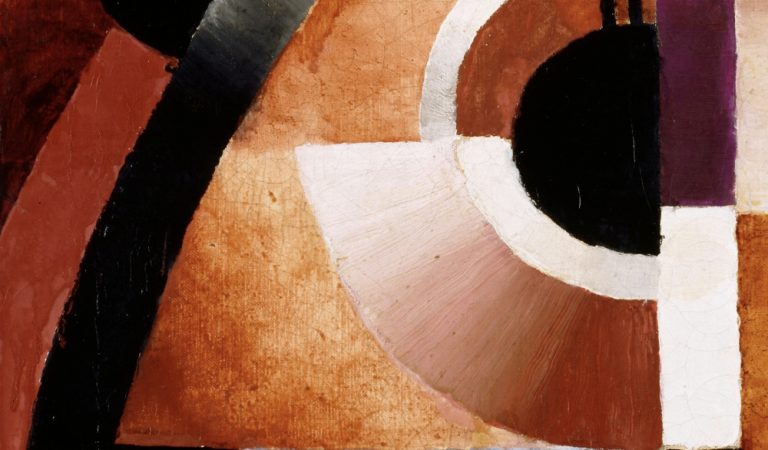
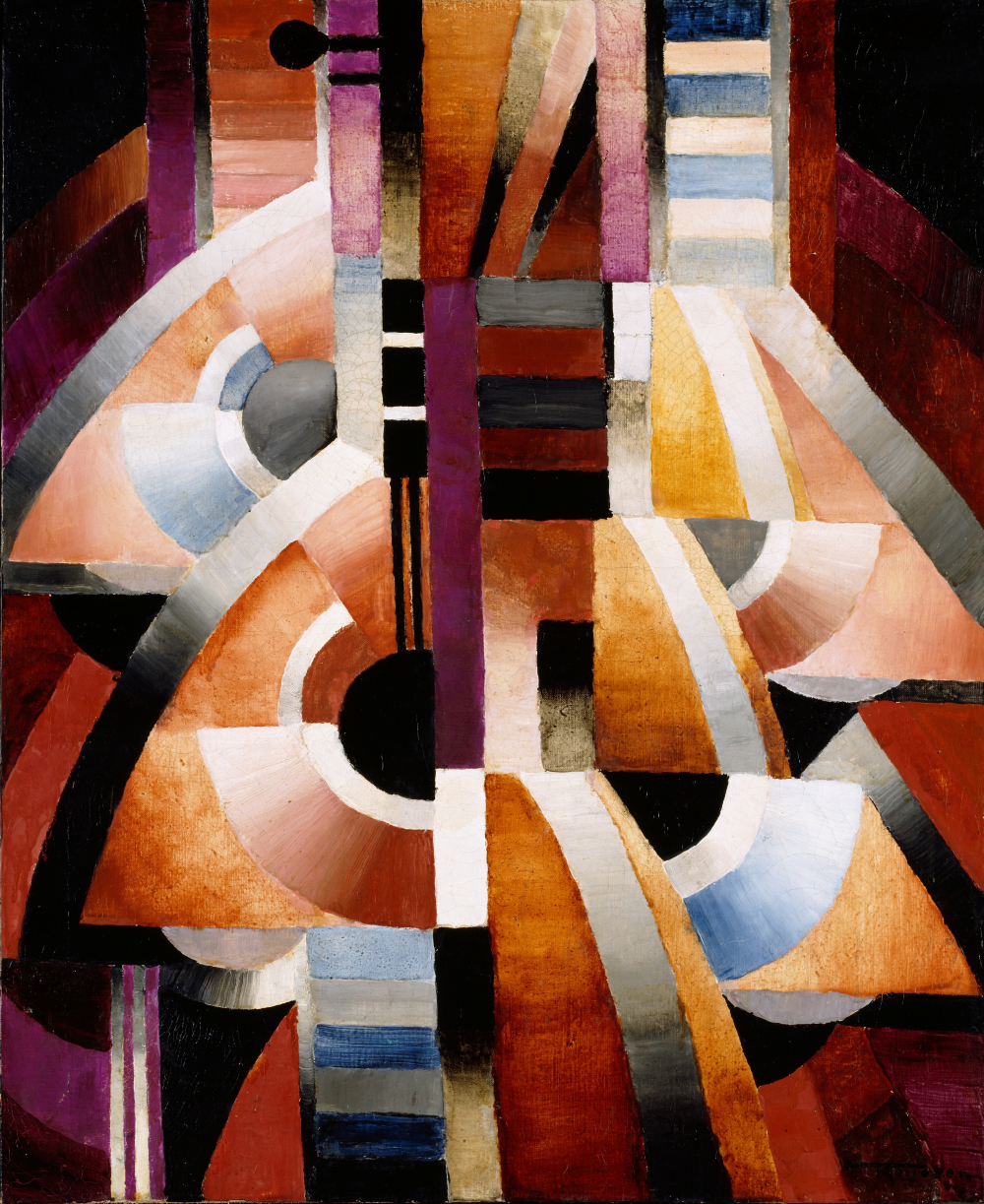
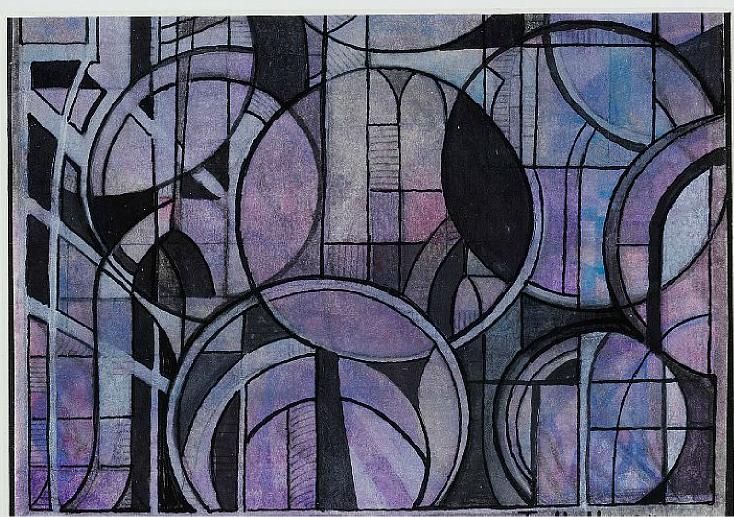
Balalaika by Thorvald Hellesen

The beginning of his career
After he had passed his high school degree, he spent a year at the Norwegian Military Academy before deciding to become an artist. His artistic career began in 1910 when he enrolled at the Academy of Art in Oslo.

Related: From Architect in Pakistan to Cubist Painter in Norway

After studies with the renown Norwegian painter Christian Krogh and receiving a scholarship to study painting in France, he moved to Paris in 1912 and began working in the atelier of Fernand Leger, which became his good friend, and he became acquainted with Picasso. During this period, he created two Cubist portraits which already showed a mastery and an ability to enhance depths by the decomposition and multiplicity of planes.

Norway’s First Cubist Painter
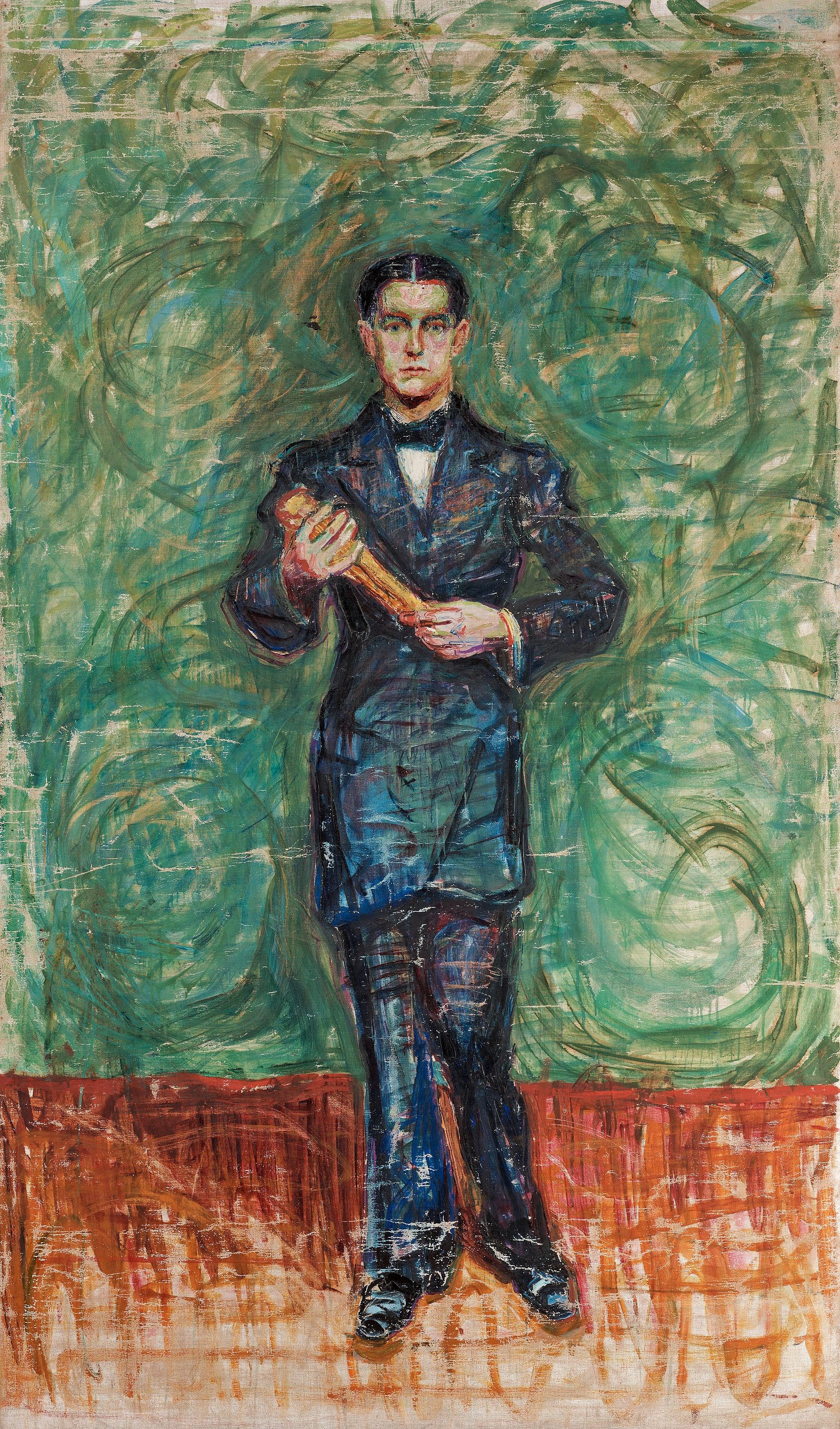
Portrait of Thorvald Hellesen

Influenced by Picasso and Braque
Hellesen seems to have been influenced most of all by Picasso and Braque.  In 1915-1916, he created his collages of musical instruments, showing his understanding of the structure and form of Synthetic Cubism. During the war years in Paris, Hellesen married the artist Hélène Perdriat, who brought him into the very heart of the Cubist milieu. However, the marriage was a troubled one, and was eventually dissolved.

In 1919, Hellesen and Léger went to Norway to participate in an exhibition at the Tivoli Hall of Kristiania, “Leger and the Modern Spirit,” for which Hellesen designed the invitation.  Hellesen’s paintings show Léger’s strong influence during this period.

Norway’s First Cubist Painter
Composition by Thorvald Hellesen

Related: Shadows of War

From 1920, Hellesen attended exhibitions in the Salon des Indépendants and the Galerie la Boëtie in Paris. In 1925, he participated at the Exposition Internationale L’Art d’Aujour d’hui in Paris. He would remain in Paris for the next two decades, with occasional visits to Norway and Denmark.

Norway’s First Cubist Painter
Thorvald Hellesen, self portrait

Interpretations of his works
Hellesen’s work dating to the early 1920’s is remarkable for its absence of all treatment of volume and shadow; it is also distinctive for his use of pinks, purples, and violets. His originality is found in his breaking from the scholastic tradition of the avant-garde, which limited the palette to more “regular” tones, or to only the primary colors.

The critic Theo van Doesburg wrote that “the young generation is going further in an artistic expression than Picasso or Braque….Hellesen and Léger are playing an important role in the evolution of Cubism.”

Norway’s First Cubist Painter
Thorvald Hellesen, Balalaika 1916. 61×50 cm. Soirce: Norwegian National Museum

A critic from “L’espirit Nouveau” wrote: “Among the Cubists, Hellesen is one of the most interesting, for he seems to have a well-defined aesthetic, where color and form blend in systematic fashion.” (1921).

Related: Exceptional Norwegian Contemporary Art Gallery

His last years
He appears to have exhibited very little after his major showing of avant-garde art in 1925. In addition to his paintings, he did decorative work, notably at the Maritime Building in Oslo, as well as designing patterns for textiles and wallpaper.

Norway’s First Cubist Painter
Thorvald Hellesen, Composition

In the fall of 1937, after an extended period of poor health. Hellesen returned to Norway after a brief career of commissions and exhibitions. and married his presumed mistress, a dancer named Guni Mortensen.

He fell seriously ill and returned home; dying shortly thereafter.

An honor to Thorvald Hellesen
In partnership with ECKBO Foundation, Oslo, DCAM will be producing the first comprehensive book on the artist in English, with essays by Dag Blakkisrud, Hilde Mørch, and Matthew Drutt and lifetime critical essays and letters. The volume will be published by Arnoldsche Art Publishers, Stuttgart and is scheduled to be released in October 2020 in connection with the opening of the new Norwegian National Museum.

Norway’s First Cubist Painter written by Tor Kjolberg

Swedish Coin-operated Share Stool

0

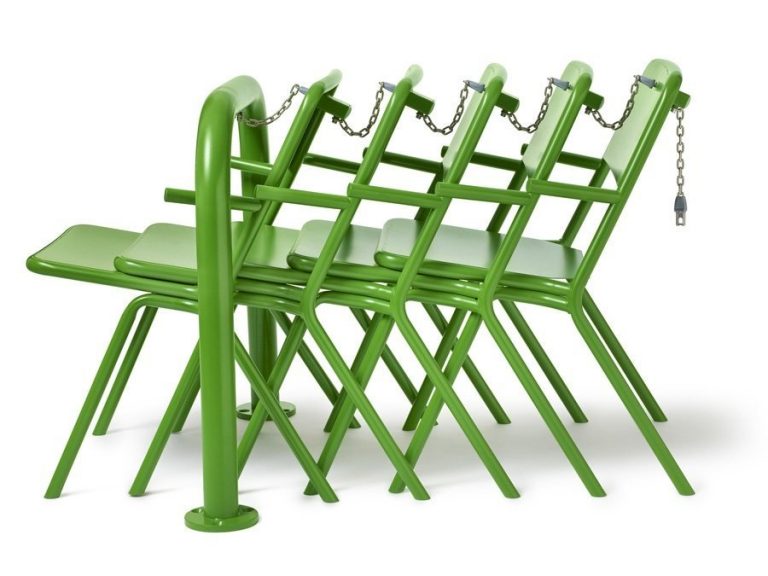
The Swedish furniture designer Thomas Bernstrand has created an outdoor stool that locks up like a supermarket trolley. The idea is to keep parks and public places tidy, and the Swedish coin-operated share stool is an alternative to fixed public seating.

Thomas Bernstrand has studied at Konstfack and the Royal Academy of Fine Arts in Stockholm and in Danmarks Designskole in Copenhagen. He founded his own Bernstrand & Co. design studio in Stockholm in 1999 and the company works with landscape design as well as interior and furniture design.

Swedish Coin-operated Share Stool
Thomas Bernstrand has studied at Konstfack and the Royal Academy of Fine Arts in Stockholm and in Danmarks Designskole in Copenhagen

Related: Swedish Furniture Rooted in Nature

Made by Stockholm-based design manufacturers Nola
Thomas Bernstrand’s design is always based on strong ideas with a humorous touch. The portable ‘share’ park chair is created for the Stockholm-based design manufacturers Nola and is an innovative solution for the need of flexible public seating indoor as well as outdoor.

The stool is an alternative to fixed public seating where dwellers can carry it to their chosen spot in the sun. The chairs are equipped with coin-operated locks like shopping carts or trolleys used in many supermarkets. The chairs are collectively secured to an immovable base. in this way the design lowers the risk of theft, as well as encourages everyday users to return the seat to the storage station after use, in order to recuperate their coins.

Swedish Coin-operated Share Stool
The design lowers the risk of theft

Related: Swedish Furniture Design Conquers the World

Swedish Coin-operated Share Stool
“Some people like to sit alone under a tree, others like to sit in the sun and others like to sit together,” says Bernstrand. “People have so many different needs, so a loose chair in the park is a great feature.”

Related: Handmade Furniture From Sweden

Swedish Coin-operated Share Stool
The chairs are collectively secured to an immovable base

Thomas Bernstrand does not like making compromises, but sticks firmly to his original plans, and that is why he can always proudly stand behind his work.

Swedish Coin-operated Share Stool, written by Tor Kjolberg
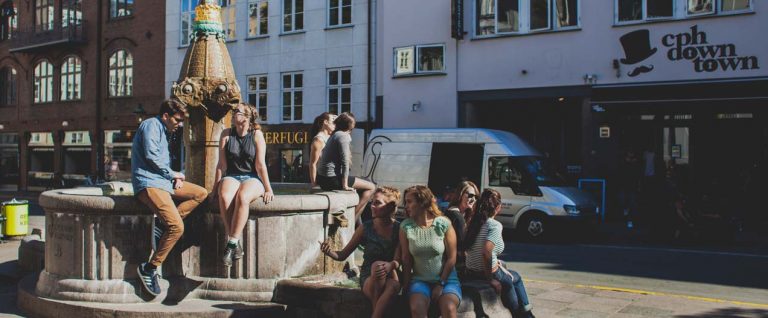
Award-winning Retro Design Hostel in the Heart of Copenhagen

Just ten minutes’ walk from Copenhagen Central Station and close to many of the top attractions, you find Copenhagen Downtown Hostel; an award-winning Retro Design Hostel in the heart of Copenhagen.

Located in one of Copenhagen’s coolest artistic areas, just 500 meters from the main shopping street Strøget, this hostel is the perfect jumping-off point for exploring the capital of Denmark on foot.

Award-winning Retro Design Hostel in the Heart of Copenhagen
Copenhagen Downtown Hostel is ideal for tourists, students and groups looking for a cheap, budget style accommodation

Cheap, budget style accomodation
Copenhagen Downtown Hostel is ideal for tourists, students and groups looking for a cheap, budget style accommodation. The hostel offers a selection of private rooms, family rooms with or without bathroom and shared dorm rooms for 4, 6, 8, 10 & 12 people. Most rooms overlook the small square, Vandkunsten.

Related: Unusual Hotel in Copenhagen

Award-winning Retro Design Hostel in the Heart of Copenhagen
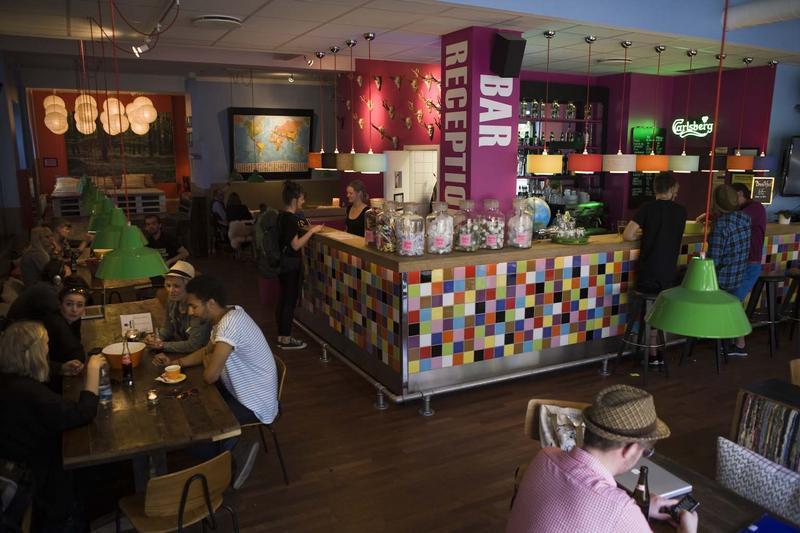
The hostel has a colorful bar and café with happy-hour offerings

Fun, cozy Scandinavian atmosphere
The hostel has a colorful bar and café with happy-hour offerings and free dinner nightly if you book accommodation via the hotel website. This is a place where you really can experience the fun, cozy and hip Scandinavian atmosphere. Just around the corner you can enjoy shopping, bars and restaurants.

The hostel also offers bikes for rent, hairdryers, towels, currency exchange and laundry facilities. Free walking tours are organized twice a day. Indoor activities include billiard, football table, board games, darts, rental of iPads, DVDs, live music and parties.

Related: Floating Hotel in Copenhagen

Award-winning Retro Design Hostel in the Heart of Copenhagen
The hostel offers a selection of private rooms, family rooms with or without bathroom

Famous hotels
Copenhagen Downtown Hostel has been selected as the only hostel in Copenhagen by Famous hostels based on price, location, style and reviews.

Related: Welcome to Zleep Hotels in Scandinavia

Furthermore, Copenhagen Downtown Hostel has the acclaimed title best hostel in Denmark in 2012 and 2014.

Award-winning Retro Design Hostel in the Heart of Copenhagen, written by Tor Kjolberg

Fashion from Norway

0

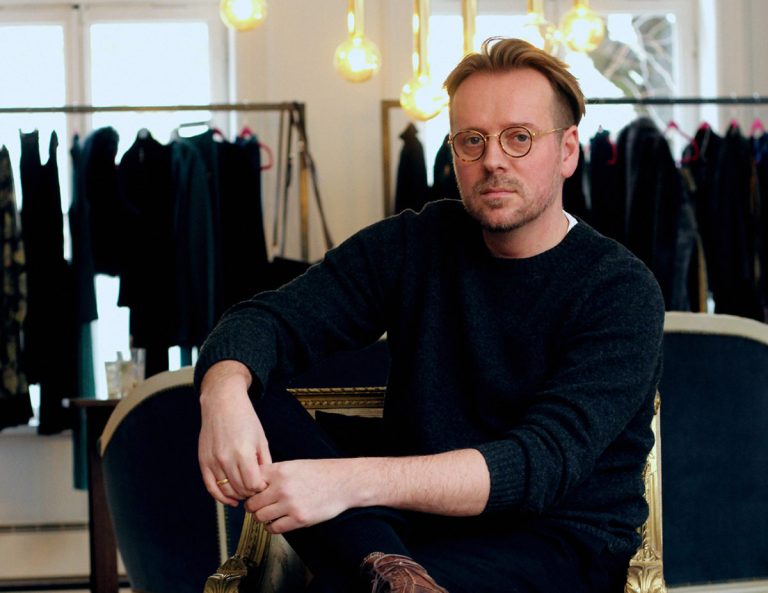
Norwegian fashion designer Frank Remme designed men’s fashion clothes for H&M and Wesc before he established his own brand. Today, he designs women’s and men’s clothing characterized by a sophisticated yet casual look. This is fashon from Norway at its best.

Fashion designer Frank Remme (born 1973) from Stokmarknes, Norway started out in Paris almost 25 years ago working at H&M responsible for men’s wear and other French and Scandinavian high-end and streetwear brands like Christian Lacroix and Swedish WeSc.

Fashion from Norway
Frank Remme. Asya embroidered dress

Related: Norwegian Fashion Designer Kristine Vikse is Filling a Gap

Realizing his dream
in 2014 Remme realized a lifelong dream when her returned to his native Norway and established his eponymous label, frankremme, designing men’s as well as women’s fashion.

According to Remme, “he wants to create a new fashion sense through playful design with surprising elements, create striking looks that catch all eyes and make heads turn. These are the clothes of my dreams,” he says.

Fashion from Norway
Frank Remme, Fall/Winter collection 2019

Related: Creative Expressions from Norwegian Holtzweiser House of Fashion

Fashion from Norway
The ultra-feminine fashion designer Cavallo is one of the designer Frank Remme admires. While Frankremme is a relatively young brand, the label has already found its niche. The Norwegian designer has always been eager to push the frontiers of his country’s exciting fashion scene.

Fashion from Norway
The Norwegian designer has always been eager to push the frontiers of his country’s exciting fashion scene

Related: Top 5 Scandinavian Fashion Brands to Keep an Eye for

A high degree of comfort
Creating a stand-out collection made up of clothes people want to buy and wear, year after year, has according to Remme  been the key to success. This requires great quality in fabrics and design, durability, versatility and full focus on sustainability in all aspects of the production – and of course, a high degree of comfort.

Fashion from Norway, written by Tor Kjolberg
Feature image (on top): Photo by Elise Henriksen

Norwegian National Tourist Road Initiative Contributes to increased Local Value

According to a new report, Norwegian national tourist road initiative contributes to increased local value in Senja and Gaularfjellet in Northern Norway.

A new survey by Menon Economics on effects along the two stretches is based on analyzed accounting figures from companies along the two tourist roads. The report has been commissioned by the Norwegian Public Roads Administration and the report documents that tourism companies along the two tourist roads have had a noticeably stronger value creation than comparable reference groups regionally and nationally.

Norwegian National Tourist Road Initiative Contributes to increased Local Value
Gaularfjell view. Photo: Eivind Nygaard, Code as

Related: The Adventure Road in Norway

Norwegian National Tourist Road Initiative Contributes to increased Local Value
The aim of the Norwegian Public Roads Administration’s tourist road initiative is to make Norway an even more attractive destination as a contribution to strengthening the business sector and the settlement in the districts.

The report
The recent report “Effect Measurement of National Tourist Roads – Local Economic Effects of the National Tourist Roads Senja and Gaularfjellet” also supports the findings from Menon’s tourist road survey from 2017, when they found clear positive effects of the tourist route initiatives in Varanger and Rondane. Growth comes after the completion of important attractions along the tourist routes, the report concludes.

Norwegian National Tourist Road Initiative Contributes to increased Local Value
The report has been commissioned by the Norwegian Public Roads Administration

Related: National Tourist Routes in Norway

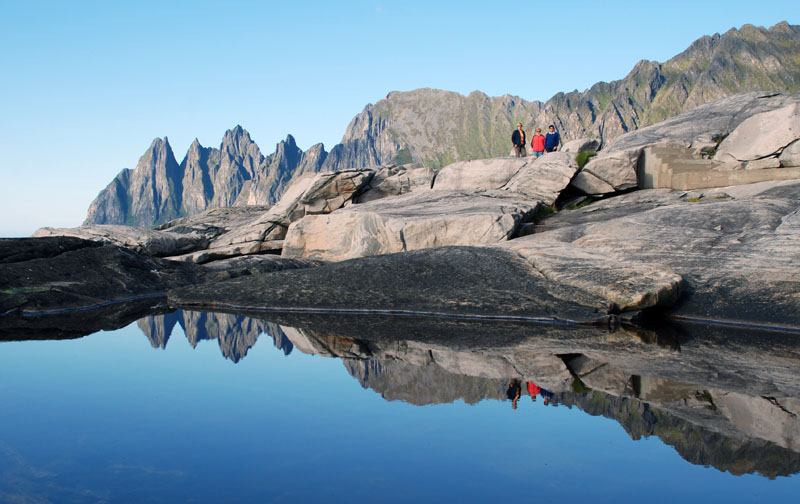
Senja
Menon concludes that tourism companies along the tourist route on Senja have more than quadrupled their value creation from 2010 to 2017. This is far higher than comparable companies in the districts of Troms, Northern Norway and nationally, which have all grown by just over 50 per cent in the same period. The report also finds that the tourist road has increased the value of local trade companies. This is a clear indicator that the national tourist route has had a positive impact on the companies along the road.

Norwegian National Tourist Road Initiative Contributes to increased Local Value
Norwegian national tourist road Gaularfjell

Gaularfjell
The national tourist route Gaularfjellet has also increased value creation for the tourism companies, which has had a value-added growth of 60 per cent from 2010 to 2017. The growth has been stronger than similar tourism in Sogn and Fjordane, Western Norway.  Given the general growth in adventure tourism and more established attractions elsewhere in the county, this is a clear indication that the tourist routes have had a positive effect on the tourism-related business sector.

Related: Along Norwegian Fjords by Car

Norwegian National Tourist Road Initiative Contributes to increased Local Value
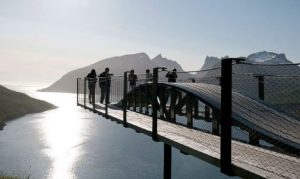
Viewpoint Tungeneset in Senja

Interviews support the conclusion
Menon’s quantitative analysis is supplemented by 38 qualitative interviews of businesses along the two sections, carried out by the Norwegian Public Roads Administration. The feedback from the interviews supports Menon’s conclusion that the national tourist roads have had a positive impact on the tourism industry both on Senja and Gaularfjellet.

Norwegian National Tourist Routes consist of 18 roads through beautiful Norwegian nature where the experience is enhanced by innovative architecture and thought-provoking art at adapted viewpoints and picnic areas. The tourist roads go through areas with unique natural qualities, along coasts, fjords, mountains and waterfalls.

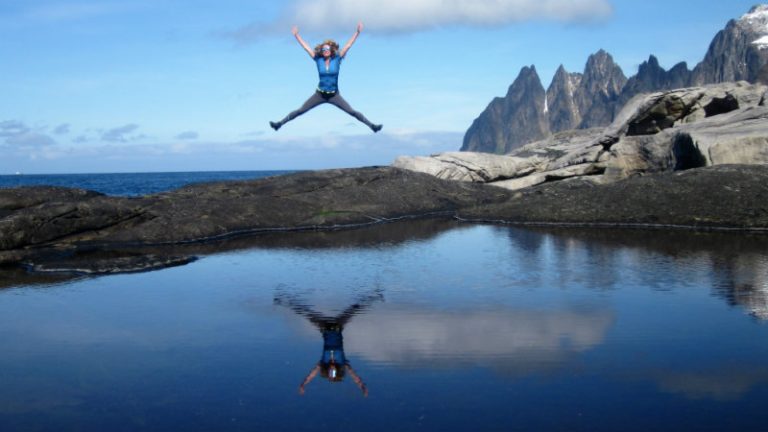
Feature image (on top): From Senja

Norwegian National Tourist Road Initiative Contribute to increased Local Value, is based on a press release.