What the U.S. Could Learn from Clean Energy Adoption in Scandinavia

Scandinavian countries are renowned for their clean living and efficiency. Countries like Sweden even use their influence to make Europe greener by closing coal-fired cogeneration plants and committing to lofty coal-free goals by 2030. Learn what the U.S. could learn from clean energy adoption in Scandinavia.

This commitment to clean energy is why all Scandinavian countries emit less than half the CO2 per capita of US citizens. In 2022 alone, US emissions per capita topped 14.9 t while Norwegians emitted just 7.5 t. Impressively, Danes emitted just 4.9 t while Swedes came in at 3.6 t per capita — nearly a quarter of American emissions.

Scandinavian countries are committed to clean energy adoption, too. They find a way to make solar, wind, and hydroelectric power work, and put the US to shame when it comes to setting sustainability standards. This makes Northern Europe the perfect role model for the US to follow as the world switches to clean, green energy.

What the U.S. Could Learn from Clean Energy Adoption in Scandinavia, article continues below the image.

What the U.S. Could Learn from Clean Energy Adoption in Scandinavia

Renewable Energy Production

Scandinavian nations outpace the rest of Europe in terms of clean energy production. Countries like Norway already source 67.5% of all their energy from renewable sources like wind, solar, and hydroelectric power. This is helping to close the green energy gap and reduce the carbon footprint of Scandinavian citizens. Some Scandinavian countries are experimenting with Biomass, too, and sourcing a considerable amount of energy from animal and plant matter.

Countries like Denmark also produce solar energy, despite the fact that the winters are notoriously dark. This proves that the US can get around the biggest problems associated with solar energy, as most US states receive far more annual sunlight than Denmark. Instead of dragging their feet on solar panels, US decision-makers should target ways to improve PV efficiency, increase storage capacity, and maximize solar reliability.

Scandinavian countries like Sweden are world leaders in hydroelectricity, too. Hydropower accounts for 45% of the nation’s green energy production and plays an integral role in powering the country’s electricity grid.  Hydropower works by harnessing water’s potential energy via turbines. These turbines can capture kinetic energy and turn it into electricity via a generator and a transformer. Swedes have been using this method for over a century and used it to power Sweden’s industrialization in the 19th century.

In the US, clean energy suppliers can use Sweden as a case study to alleviate investors’ fear of reliability. This is key, as hydropower has an entry cost of tens of millions of dollars. Many hydropower dams will need to be relicensed soon, too, meaning public support and awareness are more important now than ever before. Public support is crucial when trying to transition some of the US’s 90,000 dams to hydropower generation stations, as the typical hydropower station is a 50 to 100-year commitment from stakeholders across industries.

What the U.S. Could Learn from Clean Energy Adoption in Scandinavia, article continues below image.

What the U.S. Could Learn from Clean Energy Adoption in ScandinaviaIngenuity and Clean Energy

Like most countries, Scandinavian nations face serious challenges while trying to switch to more renewable energy. Rather than calling it quits early, nations like Denmark are leading the charge toward a cleaner future by creating energy islands that can help capture wind energy and support giant offshore wind turbines. This requires a serious investment of up to $34 billion, but will generate enough electrical power to send some of the energy to neighboring nations, too.

These same principles apply to home modifications, too. Norway has made headline news for rediscovering the power of heat pumps in recent years. Two-thirds of Norwegians now have heat pumps in their home due to their cost-saving features. Other benefits of installing a heat pump include:

  • Improved health due to fewer fumes;
  • Increased energy efficiency;
  • 20% reduction in greenhouse gases;
  • Require minimal maintenance.

As the US population continues to grow, increased adoption of heat pumps could significantly reduce emissions while keeping folks warm for less. This is key in states like Texas, where politicians have made headline news for failing to keep their grid properly powered. Heat pumps cannot completely solve faulty grids, but can reduce emissions and minimize strain on the overall system.

Scandinavian businesses are also leveraging ingenuity to make a difference by committing to sustainability standards. In Norway, businesses are leading the charge towards net zero by 2030 by adopting more clean energy and investing in solutions like electric vehicle fleets. This places pressure on all the nation’s stakeholders to act responsibly while solving social, environmental, and economic challenges. This is an ethos that could easily become the norm in the US, too, with the right mix of legislation and improved environmental education.

What the U.S. Could Learn from Clean Energy Adoption in Scandinavia
In the US, clean energy suppliers can use Sweden as a case study to alleviate investors’ fear of reliability.

What the U.S. Could Learn from Clean Energy Adoption in Scandinavia – Conclusion

Adopting clean energy is the largest challenge our generation faces. Scandinavian countries are leading the charge by adopting a clean energy grid and by making the most of existing technology. Countries like Sweden, Norway, and Denmark have set lofty sustainability goals that empower business leaders and hold stakeholders accountable. This approach could make a world of difference in the US, where climate change and green energy remain a contentious subject of debate.

What the U.S. Could Learn from Clean Energy Adoption in Scandinavia
Ainsley Lawrence

What the U.S. Could Learn from Clean Energy Adoption in Scandinavia, written dedicatedly for Daily Scandinavian by Ainsley Lawrence. Ainsley is a regular contributor to Daily Scandinavian. She is a freelance writer from the Pacific Northwest. Ainsley is interested in better living. through technology and education. She is frequently lost in a good book.

Feature image (on top): © Mudit Agarwal / Unsplash
How to Get the Best Northern Lights Experience? Chasing the Aurora Borealis

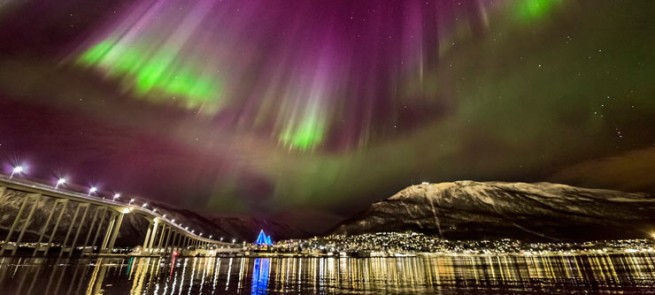
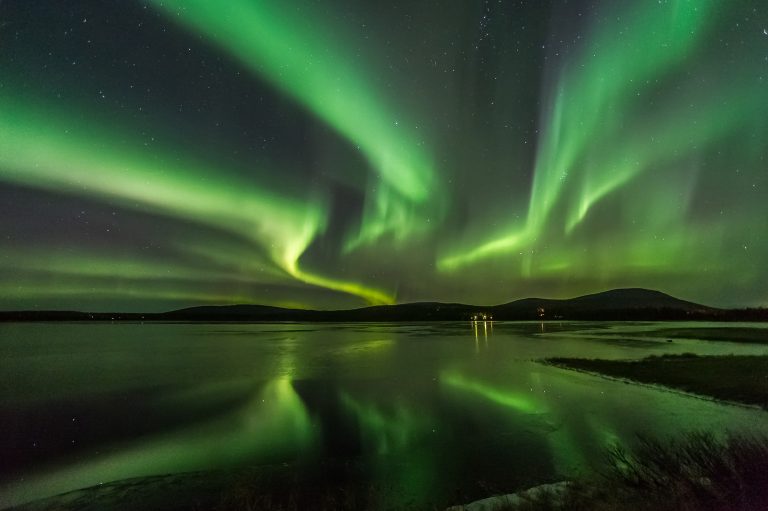
Even in the age of computer graphics and mind-blowing special effects, few sights are as humbling and awe-inspiring as the Northern Lights. Pictures might tell a thousand words each, but they pale compared to the wonder and delight seeing the lights in person brings after a long, cold wait. How to Get the Best Northern Lights Experience? Chasing the Aurora Borealis. Read on and get inside advise.

This article has been depublished due to editorial concerns.

However, we don’t want to disappoint you. Here are three articles om Northern Lights that we’re convinced you will enjoy:

Norwegian Scientist Solved the Mysteries of Spectacular Aurora Borealis

How to Get the Best Northern Lights Experience? Chasing the Aurora Borealis
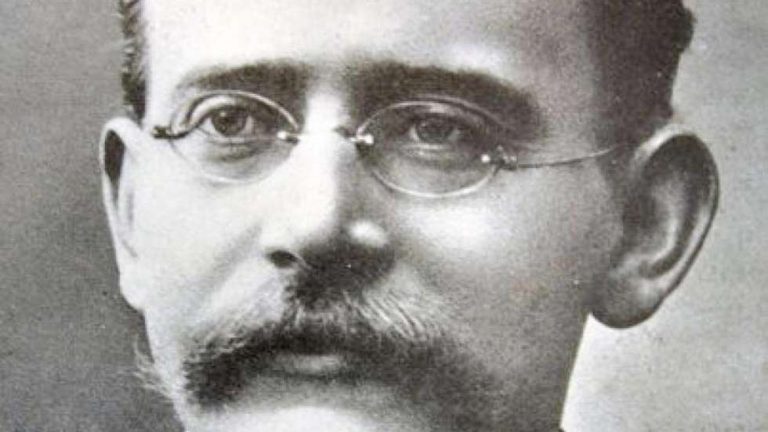
Kristian Birkeland

The “Blue Peeping Hole” in Sweden to Watch the Northern Lights

How to Get the Best Northern Lights Experience? Chasing the Aurora Borealis, the original article depublished due to editorial concerns.

How to Get the Best Northern Lights Experience? Chasing the Aurora Borealis
The “Blue Peeping Hole”

How to Get the Best Northern Lights Experience? Chasing the Aurora Borealis, the original article depublished due to editorial concerns.

Seducing Northern Lights in Scandinavia

How to Get the Best Northern Lights Experience? Chasing the Aurora Borealis
Seducing Northern Lights in Scandinavia

Feature image (on top) © Markus Kiili/Visit Finland

Iceland’s Extraordinary Women

Canadian-Icelandic Eliza Jean Reid (b. 1976) has been a freelance writer for multiple Icelandic magazines and editor of the Icelandic Stopover from 2012 to 2016. In 2004, she became the First Lady of Iceland through her marriage to Icelandic President Guõni Th. Jóhannesson. In 2020, she published the book about her adopted country and its progressive gender politics, ‘Secrets of the Sprakkar: Iceland’s Extraordinary Women’.

At 27, she moved to Iceland ‘for love’, after falling for “a curly-haired single Viking dad she met at Oxford University, Gudni Johannesson, a Ph.D. student. At that time she had completed her MA degree in modern history.

Learning the Icelandic language was key to Reid’s assimilation. She studied at the University of Iceland in the evenings while working full time in marketing for a software start-up. After two years of study and years of living in Iceland she now speaks Icelandic fluently.

Iceland’s Extraordinary Women
Learning the Icelandic language was key to Reid’s assimilation.

**********************************
Related: Top 7 Books Written About Scandinavia
**********************************

In 2017, the Panama Papers implicated the sitting prime minister and his wife in financial impropriety. At that time, the country, fresh from its recession, erupted in protest. Johannesson appeared on television for six hours straight, commenting on the situation — and was promptly drafted to run for president, winning handily.

In October 2020 her book ‘Secrets of the Sprakkar: Iceland’s Extraordinary Women and How They Are Changing the World was announced, and was published by Sourcebooks in the US and Simon & Schuster in Canada in 2022.  The book was well-received and gained endorsements from numerous high-profile authors, as well as from Hillary Clinton, and became a national bestseller in Canada.

As a foreign-born Icelander, she has raised the immigrant population’s profile in a country stereotyped for its ethnic homogeneity.  She ran up against traditional expectations of the role in egalitarian Iceland and decided to lean into the goal of modernizing the job, requesting speaking engagements and pushing back on the media’s tendency to cover political spouses as ‘arm candy for their husbands’. “If there is anywhere from which to challenge these outdated gendered-based assumptions,” Reid writes, “Iceland is it.”

Iceland’s Extraordinary Women
Reid’s husband Icelandic President Guõni Th. Jóhannesson at Blejski strateški forum 2022. Photo: Nebojša Tejić

***********************************
Related: Living the Lagom Life in Sweden
***********************************

Reid is known as a vocal proponent and advocate for women’s rights and gender-parity. In 2019, she was honored in Berlin with an award on International Women’s Day. On June 19, 2017, during the 102nd anniversary of women’s right to vote in Iceland, Reid advocated for gender rights and acknowledged there is still much work for Iceland to do in this regard. In March 2018, Reid gave a keynote speech at the Young Women Business Leaders.

In 2014, she co-founded the Icelandic Writers Retreat, drawn in part from Reykavik’s status as a Unesco City of Literature. Six year’s later, she published her book, after heading across Iceland to meet sprakkar – or extraordinary women. “A guest’s eyes see more clearly,” she says, quoting an Icelandic saying about the advantage of an outsider.

On 31 August 2019, Reid used her public Facebook page to respond to an opinion article by Zoe Williams in the British newspaper The Guardian, which criticized the media coverage of the spouses of global leaders attending the 2019 G7 conference, writing “I make a concerted effort not to be seen as an accessory to my husband”. She has also been vocal about the undefined nature of being the partner of a head of state, and the perils and opportunities of that situation.

As the subject of her book suggests, Reid is passionate about Iceland’s hard-earned reputation for gender equality. She was pleasantly surprised that no one batted an eyelid when her first employer’s board president breast-fed while chairing a meeting. Women hold leadership roles across society, from the bishop of Iceland to the national police commissioner.

The IIPT Celebrating Her Awards – Eliza Jean Reid, United Nations Special Ambassador for Tourism and the Sustainable Development Goals.

For the last dozen years running, Iceland has landed the No. 1 spot on the World Economic Forum’s list of countries closest to achieving gender equality. (The United States trudges in at No. 30.) It has more women in Parliament than any other country without quotas (nearly 48 percent, versus the US Congress’s 27 percent), and was the first nation on the planet to democratically elect a female head of state (Vigdis Finnbogadottir, in 1980). It’s also the most peaceful country in the world.

Reid is now in the process of writing her second book, a mystery novel. It will of course be set in Iceland and have a strong female lead.

Iceland’s Extraordinary Women, written by Tor Kjolberg

Iceland is not part of Scandinavia, but the Nordic region. For this reason, Daily Scandinavian has for years omitted Finland and Iceland from our editorial content. We have now decided it’s time to include these important Nordic countries in our editorial scope. Many people, including Scandinavians, are confused when it  comes to the Scandinavian subregion, which consists of Denmark, Norway and Sweden only. (Editor’s notes).

Norway’s Arctic Fox Program Aims to Restore the Arctic Fox Populations

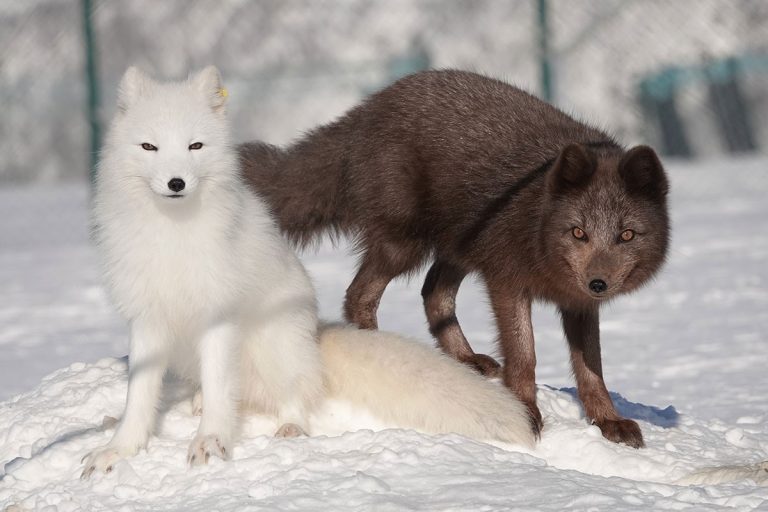
The Arctic fox is listed as Endangered in Norway. In 2000, there were as few as 40 – 60 adults remaining in Scandinavia. Norway’s state-sponsored Arctic Fox program aims to restore the arctic fox populations and has been feeding the animals for nearly 20 years.

In the beginning of the 20th century, the arctic fox was a common species in alpine and Arctic tundra across Norway. The low Arctic tundra in Finnmark was a stronghold for the species, likely because here – as in other parts of the circumpolar Arctic – Arctic fox habitats (i.e. tundra) extend down to the coast and marine resources.

In Finnmark, only a few arctic foxes were left in 2004, when researchers from the University of Tromsø initiated the project “Arctic fox in Finnmark” as a part of the national arctic fox conservation program of the Norwegian Environment Agency. The project aimed to uncover the drivers of the decline of the Arctic fox by means of adaptive ecosystem-based monitoring. Adaptive monitoring is a hypothesis-driven approach to long-term research and often includes management interventions.

Norway’s Arctic Fox Program Aims to Restore the Arctic Fox Populations
Captive reared offspring en route from the breeding station to Oppdal from where they are transported to their release sites.

In 2005, a captive breeding facility, NINA, was established at Sæterfjellet, approximately 25 km south of Oppdal, Norway. NINA is commissioned by the Norwegian Environment Agency to manage and run the captive breeding program.

**************************************
You might also like to read Bridges for Reindeer in Sweden and Moose in Norway Save Lives for Animals as Well as Humans
**************************************

In the middle of the night on November 21, 2023, a small animal with white fur enters a pen. This is happening on the Varanger Peninsula, located in the far northeast of Norway. Inside the pen lies a tempting, dead bird. But as soon as the animal enters, the door slams shut behind him.

The long-term project represents a central pillar in the species’ conservation in Norway. Each year, captive-reared offspring are strategically released in various mountain areas across Norway.

“Without these conservation measures, the Arctic fox would surely have become extinct in Norway,” says Bjørn Rangbru, a senior adviser on threatened species with the country’s environment agency.

********************************************
You might also like to read Tourist Board of Northern Norway Adopts Sustainable Marketing Guidelines to Promote Responsible Tourism
********************************************

Berit Tønsberg Gaski watches the trap on the Varanger Peninsula on video 150 kilometers from its position. Along with several colleagues, she is also outdoors in the clear cold night.

The captive-reared offspring are trapped and transported to release sites in January/February each year, at approximately eight months of age. By this point they are as large as the adults and in no way dependent on their parents. The foxes are transported from the breeding station to a temporary holding facility near Oppdal. After receiving a health check and parasite medication, the foxes are loaded up and transported to their designated release sites. To maximize their post-release survival, supplementary feeding stations and artificial dens are deployed at release sites. To date, captive-reared foxes have been reintroduced into nine different populations across Norway.

The program additionally involves close collaboration with the Norwegian Nature Inspectorate (SNO) and several local conservation authorities, who are responsible for field-related activities and monitoring of the foxes in the wild.

Norway’s Arctic Fox Program Aims to Restore the Arctic Fox Populations
The long-term project represents a central pillar in the species’ conservation in Norway.

“We check the wildlife camera on the other side of the peninsula, and sure enough, an Arctic fox had entered the pen,” Gaski tells sciencenorway.no. She is a research technician at UiT – The Arctic University of Norway.

The project has resulted in the reestablishment of three locally extinct Arctic fox populations and strengthened numbers in numerous others. Emigration of released individuals into Sweden and Finland have benefited the Scandinavian population as a whole, and in 2020 the Norwegian-Swedish Arctic fox population was estimated to number 452 adults.

Norway’s Arctic Fox Program Aims to Restore Arctic Fox Populations, compiled by Tor Kjolberg

All images ©  Craig Jackson / NINA

Sweden’s Love for Classic Cars: A Rich History That Lives On Today

0

Roughly 5,000 classic American cars are imported into Sweden every year. While it may seem strange that so many classic American vehicles can be found in a Scandinavian country, Sweden’s classic car scene is one filled with passion for classic cars and rooted in the raggare culture that began back in the 1950s. Learn more about Sweden’s love for classic cars: A rich history that lives on today.

From the history behind it all to how the country’s love for classic cars is kept alive today (and how anyone can experience it first hand) Sweden’s classic car scene is certainly one worth traveling for.

Raggare’s beginnings

According to Your Living City, Sweden’s raggare culture was inspired by America’s greaser subculture, which came to fruition following World War Ⅱ. The ‘greaser’ style itself is characterized by a defined style — which includes slicked back hair, leather jackets, and of course, flashy vintage cars. With that in mind, Your Living City explains that raggare began in Sweden as an “aesthetic rebellion against Sweden’s small, understated cars and prim and proper culture,” however, it’s noted that the law treating the movement as a ‘violent rebellion.’ As a result, a panic spread over the country in the 1950s. “Newspapers warned of the dangers of these gangs of young men, and the city of Stockholm commissioned a report looking into what could be done,” a Car and Driver post explained. The 1962 report led to the passing of Sweden’s “raggare laws,” which gave police reason to stop American cars.

Sweden’s Love for Classic Cars: A Rich History That Lives On Today
Two genuine raggare at Power Big Meet 2005. Photo: Wikipedia

**************************
Related:
Nostalgic Driving in Sweden
********************************

The Guardian delves deeper into the early days of raggare, noting that the first raggare would travel in convoy from one town to the next “to beat lumps out of each other and ogle the women.” While it’s noted that there are still organized raggare brawls, the movement today has become much more mainstream, with classic American cars still being driven and vintage clothing accompanying the aesthetic. Car and Driver highlights Thomas O’Dell, a professor of ethnology at Lund University, who notes that the whole point of raggare was “to be seen in the biggest, flashiest cars.” That sentiment still rings true today, with the classic car scene alive and well.

Sweden’s Love for Classic Cars: A Rich History That Lives On Today
Sweden’s raggare culture was inspired by America’s greaser subculture, which came to fruition following World War Ⅱ.

The legendary Power Big Meet

When it comes to showcasing Sweden’s classic car scene, the Power Big Meet serves as one great example. Known as one of the biggest car events in the world, Power Big Meet is held for three days each summer in Lidkӧpin. One 2017 Wired article highlights the typical scene that takes place at the Power Big Meet, noting that the three-day party “looks like something out of American Graffiti,” complete with hanging out, drinking, and spending “an almost absurd amount of time cruising the main drag in big cars.” Many of the cars are classic American vehicles, though Swedish and German cars are occasionally present as well. “It’s super-inspired by Americana and American motor culture, but it’s really become its own culture,” said Axel Ӧberg, a photographer. Wired goes on to highlight the fact that the Power Big Meet began in 1978, when 400 greasers and 80 cars gathered for the first time — nearly four decades later, those numbers grew exponentially to 150,000 people and an impressive 24,000 cars, effectively underlining the sheer power of the event itself.

*******************************
You might also like to read The First Car Tourist in Norway
*****************************

Sweden’s Love for Classic Cars: A Rich History That Lives On Today, article continues below image.

Sweden’s Love for Classic Cars: A Rich History That Lives On Today
The whole point of raggare was “to be seen in the biggest, flashiest cars.” Photo: Svidd Gummi

Experiencing the classic car scene for yourself

While the culture may seem exclusive to Sweden and Sweden alone, it’s imperative to note that the country’s classic car scene is for everyone. In 2024, the 45th annual Power Big Meet is set to take place July 4th-6th at the Hovby Airfield outside of Lidkӧpin, highlighting a wonderful travel opportunity for classic car enthusiasts from around the world. According to the event’s website, the 2023 event brought in visitors from over 40 countries from around the world, with over 13,000 cars. Power Big Meet may generate plenty of buzz, but it’s far from being the only classic car event in Sweden. Vӓsterås Summer Meet and Classic Car Week are additional events that shouldn’t be overlooked. Attending one of Sweden’s classic car events is a fantastic way to immerse oneself into the country’s love for classic vehicles while connecting with like minded enthusiasts from around the world, though taking things a step further by bringing in your own car for show or competition is another option worth considering.


Sweden’s Love for Classic Cars: A Rich History That Lives On Today, article continues below image.

Sweden’s Love for Classic Cars: A Rich History That Lives On Today
Sweden’s classic car scene is one of passion, bringing to light a rich history that all began in the 1950s. Photo: Mekonomen

Shipping your classic car to an international auto show can sound like a stressful feat, though it can be easily achieved with careful planning and preparation. Enlisting the help of an auto shipping company can make things easier, especially when considering the fact that such companies have specialized knowledge and expertise in ensuring that cars reach their intended destination in prime condition. When planning to successfully ship your vehicle internationally, choosing the right shipping company is imperative — this involves ensuring that the company has plenty of experience, though additional factors are also necessary to consider. In addition to investing in insurance, it’s essential to consider the type of shipping you’ll need for your car. This is especially important for classic vehicles, as long distance travel can lead to damage (sun and salt can lead to corrosion and fading, etc.). With that in mind, it’s generally recommended to consider enclosed car shipping, which will help keep your classic car pristine while on the long journey to Sweden.

Sweden’s Love for Classic Cars: A Rich History That Lives On Today
Unknown model and a raggare at ØPower Big Meet 2005. Photo: Wikipedia.

Sweden’s classic car scene is one of passion, bringing to light a rich history that all began in the 1950s. With classic car events and enthusiasts from around the world keeping the culture alive and well even today, experiencing the culture first-hand can be done as a spectator or even as a participant.

Sweden’s Love for Classic Cars: A Rich History That Lives On Today
Karolone Gore

Sweden’s Love for Classic Cars: A Rich History That Lives On Today, written dedicatedly for Daily Scandinavian by Karoline Gore. Karoline is a freelance writer from Stoke on Trent in the UK who left the corporate grind when she started a family and has never looked back. She enjoys contributing to a range of online publications on the topics that are important to her.

Feature image (on top): ©  Ryan De Hamer / Unsplash

Sweden’s First Doctor in Redesign

0

Anna Lindström, a researcher and Senior Lecturer at The Swedish School of Textiles in Borås, has become Sweden’s first doctor in redesign. She has, however, a backround in “conventional” fashion design.

Now, she specializes in the field of redesign, reuse and resource recovery from a design perspective. Anna’s aim is to inspire you to start exploring your own style and expression. Her Instagram account is full of outfits with colors and patterns that truly makes you want to buy only second hand.

When she earned her doctorate she had worked hard with her thesis for almost six years. The material scope of her thesis is outlined by the term ‘garment materials’. Conventional design material allows the designer to select color, texture, weight, print, amount of material, and such, while garment material is whatever garment is at hand, something already designed and may be in ever-shifting conditions, qualities, and quantities, regardless of whether it is constituted by surplus products or post-consumer waste.

Sweden’s First Doctor in Redesign
Anna Lindström

***********************
Related: New International Library of Fashion Research Opened at the National Museum in Oslo
***********************
She admits she has a lot of clothes, but most of her garments are not new. People donate clothes to her since they know she’s a designer. As part of doing the artistic research and teaching, she also did a lot of industry work in Science Park Borås. Working with design students over a long period of time turned out to be fruitful in order to get hold of all types of questions, also those not related to technical ones. It became an almost philosophical journey.

Her thesis explores challenges for conventional design methods and design thinking in redesign processes and introduces a contribution to the development of the methodological foundations of redesign. The subject has previously been looked upon from other disciplines, but not in a systematic way from design. The work focuses on defining design potential in waste materials, surplus production, and product elements as well as design methodology for processing waste materials, surplus production and product elements for reuse and redesign. The theoretical foundation developed in the thesis is also in turn based on the results and findings from her earlier and ongoing teaching in higher education and innovation projects in the industry.

Sweden’s First Doctor in Redesign
The material scope of her thesis is outlined by the term ‘garment materials’. Photo: Rohsska museet/Isak Berglund Mattsson

Some Swedish companies like Hodakova, Main Nué, and Rave Review have started to experiment with implementing redesign as a sustainable strategy.

Except colors and patterns Anna likes details such as earrings. “The details are like the spices in the salad, you want to add some roosted nuts.  My closet is a mix of everything, sweet, bitter and salty!” she says.

**************************************
Related: Swedish Designers Change the Way Companies Think About Waste
**************************************

Sweden’s First Doctor in Redesign
Conventional design material allows the designer to select color, texture, weight, print and amount of material.

Today, it is more important than ever to address low quality, big volumes and the fast pace. The amount of leftovers existing within different companies can be reused and become a resource for another company. It is really an interesting aspect to look into. Existing products should no longer be thought of as the end point of a design process. It need to be reconsidered to be the creative starting point of a redesign process.

“If you want to buy something, make sure you love it! Sometimes we are afraid of not following trends or be like others and this fear makes us consume more than necessary. When we are unsure, we follow trends, and we forget who we are and what we like. A sustainable closet is more about finding your own style,” she stated in an interview.

When asked if factories and retailers can learn stuff from her thesis, she says, “Hopefully! In order to save resources, money, and different costs, we should also be able to, for instance, redesign in the factories to begin with, when everything is collected, before it’s scattered around the world. And that could also be a way – when you see that maybe something is going wrong, you can try to fix it there, in the factory. And also that the major companies have that dialogue with their producers.

Sweden’s First Doctor in Redesign
Ellen Hodadkove costumes

However, the problem is that the producers don’t know what to do with a pair of jeans, but they know what to do with the roll of fabric of denim. So again, in this shift in thinking there’s still so much that needs to be done. A lot has happened, but we still need to work on terminology and methodology and also explain that this is another perspective which has effect on business and production.”

Sweden’s First Doctor in Redesign, written by Tor Kjolberg

Feature mage (on top): Rave Review is setting the bar for sustainable high-end fashion by sourcing and recycling materials to use in its designs. This process, called upcycling, is becoming increasingly more popular in the world of fashion and among consumers.

Beyond the Fjords: Why Scandinavians Should Experience Australia’s Vast Outback

Scandinavia, with its beautiful fjords, lush forests, and charming tradition, is undoubtedly a vacationer’s paradise. However, venturing past the acquainted landscapes of Northern Europe can open up an international of latest studies. Here an Australian encourages to go beyond the fjords: Why Scandinavians should experience Australia’s vast outback.

For Scandinavians looking for journey and exploration, Australia’s large outback offers a stark contrast and an unforgettable journey. In this article we’ll explain why every Scandinavian ought to bear in mind experiencing the wonders of the Australian outback.

Spectacular Landscapes

Australia’s outback gives a beautiful array of landscapes that assess sharply with Scandinavia’s surroundings. Here are a number of the most hanging capabilities:

  • Endless Red Deserts: The outback’s substantial pink deserts increase as far as the eye can see, providing a sense of boundless expanse and quietness that is unlike whatever found in Scandinavia.
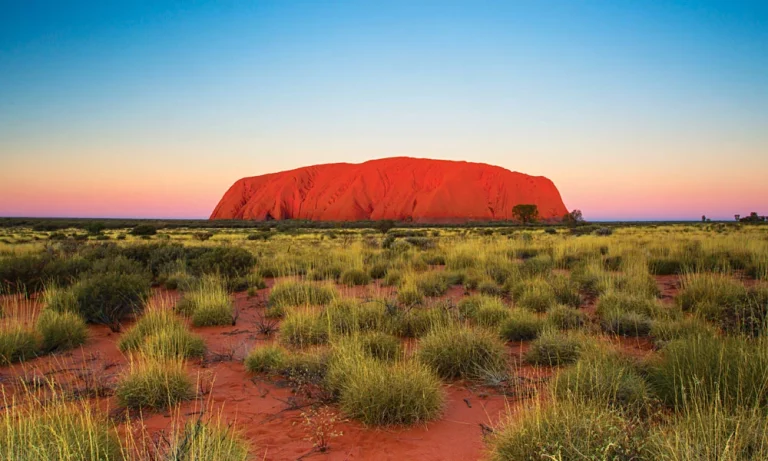
  • Iconic Rock Formations: From the implementing monolith of Uluru to the awe-inspiring domes of Kata Tjuta, the outback is home to a number of the world’s maximum recognizable rock formations, supplying an experience of marvel and majesty.
  • Breathtaking Night Skies: With minimum mild pollutants, the outback affords extraordinary stargazing opportunities. The clean, dark skies offer a spectacular display of stars, making it a really perfect place for tenting beneath the vast canopy of the Milky Way.
Beyond the Fjords: Why Scandinavians Should Experience Australia's Vast Outback
The outback’s substantial pink deserts increase as far as the eye can see.

Rich Indigenous Culture

Exploring the outback allows travelers to immerse themselves in Australia’s rich Indigenous way of life. Here’s why it’s well worth experiencing:

  • Aboriginal Heritage: From studying approximately Dreamtime stories to experiencing conventional bush tucker, there are limitless opportunities to benefit perception into the arena’s oldest dwelling subculture.
  • Art and Craft: Indigenous art is deeply rooted within the outback’s landscape and traditions. Visitors can recognize difficult dot paintings and sculptures, gaining a deeper appreciation for the religious connection between the land and its people.
  • Warm Hospitality: Despite its vastness, the outback is home to many welcoming groups. Visitors will discover that locals are keen to proportion their testimonies, traditions, and manner of life, making for enriching cultural exchanges.

Unique Wildlife Encounters

Australia’s outback is a haven for a specific and captivating natural world. Here’s why encountering those creatures is an unforgettable revel in:

  • Diverse Species: From kangaroos and wallabies bounding across the red earth to elusive echidnas and colorful bird species, the outback is teeming with flora and fauna found nowhere else on the planet.
  • National Parks: Exploring countrywide parks and conservation areas gives enough opportunities for flora and fauna recognizing and gaining knowledge of approximately the sensitive ecosystems that aid those diverse species.Beyond the Fjords: Why Scandinavians Should Experience Australia’s Vast Outback, article continues below.
Beyond the Fjords: Why Scandinavians Should Experience Australia's Vast Outback
Navigate rugged tracks and difficult terrain at the back of the wheel of a four wheel drive vehicle.

Adventure Activities

For thrill-seekers and adventurers, the outback offers plenty of coronary heart-pumping sports. Here’s why it is well worth exploring:

  • Four-Wheel Driving: Navigate rugged tracks and difficult terrain at the back of the wheel of a four wheel drive vehicle, presenting an exciting manner to explore the outback’s far flung corners.
  • Camel Trekking: Embark on a camel trek through wilderness landscapes, immersing yourself inside the undying beauty of the outback even as experiencing a mode of shipping utilized by early explorers.
  • Hot Air Ballooning: Take to the skies in a warm air balloon at sunrise, offering a breathtaking perspective of the significant expanse below because the outback comes to life within the early morning light.

Cultural Experiences in Outback Towns

The outback’s towns and communities offer a wealthy tapestry of history and way of life. Here’s why they are really worth exploring:

  • Historic Significance: Step returned in time as you explore ancient outback cities, gaining insight into the hardships and triumphs of early settlers who cast lifestyles in this harsh but beautiful panorama.
  • Local Events and Festivals: Experience the vibrant spirit of outback lifestyles by attending local activities and festivals, which showcase the particular traditions and customs that continue to thrive in those far off groups.
Beyond the Fjords: Why Scandinavians Should Experience Australia's Vast Outback
gaini insight into the hardships and triumphs of early settlers who cast lifestyles in this harsh but beautiful panorama.

Culinary Adventures

Exploring the outback isn’t always pretty much the landscapes and natural world—it’s also approximately the unique culinary studies ready to be savored. Here’s why foodies will satisfaction inside the outback’s gastronomic offerings:

  • Bush Tucker: Sample traditional bush tucker, inclusive of local end result, seeds, and meats, prepared using historical Indigenous strategies. From kangaroo steaks to damper bread cooked over an open fireplace, those culinary delights provide a taste of the outback’s wealthy cultural historical past.
  • Outback Pubs and Cafés: Enjoy hearty food and clean liquids at iconic outback pubs and old fashioned cafés, wherein pleasant locals and vacationers alike gather to swap memories and share a meal after an afternoon of exploration.
Beyond the Fjords: Why Scandinavians Should Experience Australia's Vast Outback
Support Indigenous-led tourism projects that prioritize cultural protection.

Sustainable Tourism Initiatives

As travelers turn out to be more and more privy to their environmental footprint, sustainable tourism initiatives within the outback are gaining momentum. Here’s why accountable tourists will respect these efforts:

  • Conservation Efforts: Participate in eco-friendly excursions and sports that assist conservation efforts within the outback, which includes flora and fauna monitoring applications and habitat recovery tasks, making sure that destiny generations can keep enjoying those pristine landscapes.
  • Cultural Preservation: Support Indigenous-led tourism projects that prioritize cultural protection and provide monetary opportunities for nearby groups, allowing tourists to analyze from and engage with Indigenous tradition in a respectful and significant way.

Citizenship Australia

Obtaining Australian citizenship opens up a world of opportunities for Scandinavians trying to make the outback their home. Here’s why it is well worth considering:

  • Exploration: With citizenship comes the chance to completely immerse oneself in Australian life, from exploring the outback’s far flung corners to embracing its vibrant cities. Whether it is embarking on an avenue experience through the rugged terrain of the Northern Territory or absorbing the cosmopolitan atmosphere of Sydney, Australian citizenship presents the liberty to discover and revel in the various landscapes and cultures of the country.
  • Access to Services: Citizenship Australia gives entry to world-elegance healthcare, education, and employment possibilities, making it an appealing prospect for those looking for a new starting down beneath. From extraordinary public healthcare offerings to across the world renowned universities, Australia offers a high preference of living and enough possibilities for personal and expert increase. With citizenship, Scandinavians can revel in the blessings of these services and make a contribution to the colorful and multicultural cloth of Australian society.

Embracing the Outback Adventure

As Scandinavians contemplate their next journey destination, the allure of Australia’s extensive outback ought to now not be overlooked. From the breathtaking landscapes to the rich Indigenous lifestyle, the outback offers a myriad of stories ready to be discovered. Whether in search of adventure inside the excellent outdoors or immersing oneself inside the warmth of outback groups, the adventure guarantees to be not anything quick or unforgettable. With Australian citizenship opening doors to exploration and access to world-class offerings, the outback becomes greater than just a destination—it turns into a domestic faraway from domestic. So, pack your luggage, including the spirit of adventure, and set forth on a journey with a view to go away all the time changed through the wonders of the Australian outback.

Other articles in our Scandinavian Explorers series you might be interested in:

Scandinavians Exploring Bordeaux
Scandinavians Exploring Dubai

Beyond the Fjords: Why Scandinavians Should Experience Australia's Vast Outback
Lina Belu

Beyond the Fjords: Why Scandinavians Should Experience Australia’s Vast Outback, written by Lina Belu. Traveling is Lina’s passion, and she loves discovering new cultures and foods. Her work aims to inspire readers with a sense of wanderlust, encouraging them to explore the world and take on thrilling new adventures.

All images © Lina Belu

Industrial Traditions in Dalarna, Sweden

0

Dalarna in Sweden is considered exclusively rural, but that’s not true. In fact, there are deep industrial traditions in Dalarne, Sweden.

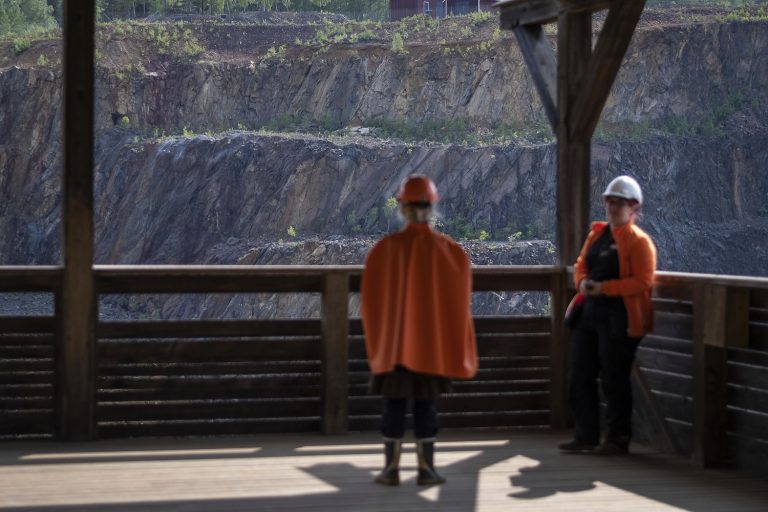
Bergslagen district has been mined for a millennium, and the whole area is now a Unesco World Heritage site. The most impressive industrial site is the 17th-century Falu Gruva (Falu Mine) on the edge of the provincial capital Falun, with machinery, museum and 1½ hour tours into the depths.

Industrial Traditions in Dalarna, Sweden
Hedemora claims to be the oldest town in Dalarne with a charter dated 1459. Photo: Wikipedia

Copper was extracted here, as were the iron pigments used to color the iconic Falu Red paint, liberally applied to all Sweden’s little red houses.

Industrial Traditions in Dalarna, Sweden
From Bergslagen Exo Museum. Photo: ecomuseum.se

Hedemora claims to be the oldest town in Dalarne with a charter dated 1459; its privileges as a market town go back even further than that, while parts of the church are 13th-century. The locals have devised Husbyringen, a 56km (5-mile) “museum trail” which you can take by car through the area northeast of the town to see a number of industrial archeology sites.

Industrial Traditions in Dalarna, Sweden
Säter is one of the best preserved wooden towns in Sweden. Photo: Visit Dalarne

Also worth visiting is Säter, one of the best preserved wooden towns in Sweden. Compared with Hedemora it is quite an upstart, with a town charter dated 1642. The ravines of the Säter Valley were created at the end of the Ice Age and are of interest for their flora.

There are also other attractions in Dalarne worth visiting.

Industrial Traditions in Dalarna, Sweden, written by Tor Kjolberg

Feature image (on top): Falu Mine. Photo © Visit Dalarne

First Hotel Gaming Rooms in Scandinavia

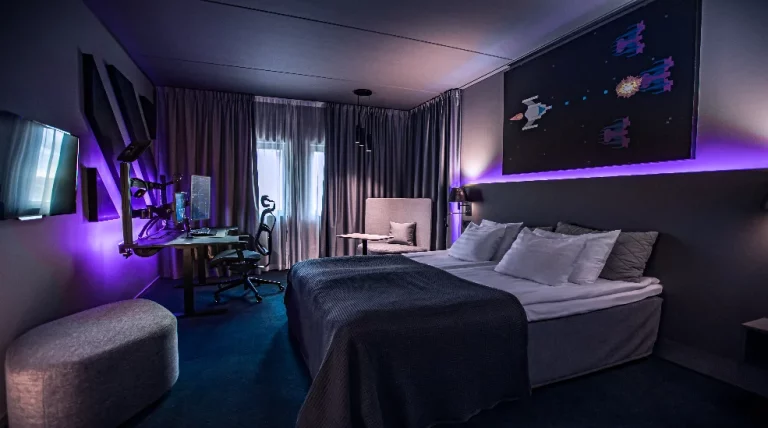
The first Telia Gaming Center Services have opened up in various hotels under the Nordic Choice franchise. These are the first hotel gaming rooms in Scandinavia.

Quality Hotel™ Globe in Stockholm was first out. Then came Quality Hotel Expo in Oslo.

Swedish gamer Copycatish tried out the gaming rooms at Quality Hotel™ Globe. “This is excellent. They’ve thought of everything here,” she said.

In case you haven’t heard, hotel gaming is spreading like wildfire as Telia Esports and Nordic Choice Hotels have paired up to launch the first gaming room services in the Nordic region. Both adults on business trips and families on city breaks have been fascinated by the offer.

These hotel rooms are the first of their kind and are specially designed for gaming and streaming.”It’s fantastic!” enthuses Alexandra Feline, a gamer from Nynäshamn who uses the Twitch handle Copycatish.

**************************************************
Related: Nordic Mythology in Gaming: Unveiling the Rich Cultural Inspirations Behind Popular Titles
**************************************************

First Hotel Gaming Rooms in Scandinavia
Swedish gamer Copycatish tried out the gaming rooms at Quality Hotel™ Globe.

What Is the Telia Gaming Center Service?

Telia’s Gaming Center Service offers accommodation establishments like hotels the ability to outfit their own gaming centers. The service includes hardware installations, guaranteed to work properly in commercial conditions.

Telia Esports will also provide hardware maintenance to ensure that people who use the gaming center get nothing but the best gaming experience while on vacation in the Nordic region. On top of that, the company also offers its gaming center clients software and server installations to provide five-star gaming to hotel clients.

“If you want to have a good and trusting relationship with your gamer child, it is important to engage in their passion for gaming,” says Anna-Carin Wettefors, a children’s rights and bullying prevention expert at Friends.se.

“At last, there’s a market for this. Some people just want to relax and watch TV, but I also want to hang out with my friends. It almost feels like I’m at home, but I don’t have to bring loads of my own stuff. Here, I can connect with my entire community,” says Copycatish.

*************************************
Related: Top 7 Scandinavian Influencers: From Gaming to Fashion Icons
*************************************

First Hotel Gaming Rooms in Scandinavia
Telia’s Gaming Center Service offers accommodation establishments like hotels the ability to outfit their own gaming centers.

Designed for streaming

They have thought of everything here. Just listen to this: the room has sound-absorbing curtains and sound dampeners, high-speed internet, LED lighting, and blackout curtains. The technology in the rooms is developed in collaboration with Telia, while GSIGN is responsible for the interior design and gaming furniture. And of course, you have a computer, access to a variety of popular games, two monitors, and a headset that meets the demands of even the most discerning gamers.

First Hotel Gaming Rooms in Scandinavia
Tina Hedman, hotel director at Quality Hotel™ Globe.

Why the hotel has a gaming room

“When I get an idea, I go straight to 150 kilometers per hour! This has been a huge success,” says Tina Hedman, hotel director at Quality Hotel™ Globe She is smiling and is full of enthusiasm.

She’s the one behind the idea of including gamers in today’s hotels, an idea which led to the first of these innovative hotel rooms opened at Strawberry in November 2022. Tina points out that gaming isn’t just a hobby — it’s also a sport and source of entertainment. Among the guests, you’ll find business travellers as well as young gamers with their families.

Updates and Remote Support on Subscription

The gaming center service from the Telia Esports Series is available to hotels via subscription plans. For a recurring fee, Telia Esports provides client hotels with software updates and remote support. The company also includes staff training on equipment and server troubleshooting.

Since Quality Hotel™ Globe took the lead in launching the gaming rooms, Quality Hotel™ Match in Jönköping, Sweden, has also followed up with five rooms of its own. In Norway, the gaming rooms have recently been introduced at the Quality Hotel™ Expo in Oslo.

“We know that this is the future, and that it’s growing rapidly. We are welcoming everyone from adults aged 30-50 on business trips who want to unwind in the evenings, to families with children and teenagers. Gamers don’t watch TV in the evening; their way of disconnecting from everything else is gaming,” explains Tina.

First Hotel Gaming Rooms in Scandinavia
The room has sound-absorbing curtains and sound dampeners, high-speed internet, LED lighting, and blackout curtains.

What Kind of Experience Can Guests Expect in a Hotel Gaming Room? 

Hotel gaming is a fairly new concept in the realm of esports. With Telia Esports providing its groundbreaking service, guests can look forward to esports center gaming even when on holiday — particularly in the Nordic region!

There has been a lot of concern about screen time in the past, and it is important to be aware that this is where many children actually socialize with their friends. In the gaming world, many children experience a strong sense of camaraderie. It’s social, and it’s where they hang out with their friends.

This is precisely what Tina Hedman wants to achieve with the new gaming rooms – allowing gamers to play even when they are on holiday. Regardless of age.

Play together with your children and engage in the world they’re a part of. Children love being able to teach their parents something.

First Hotel Gaming Rooms in Scandinavia, based on a press release from Strawberry

Camp Lejeune Marines Join the NATO Nordic Response ’24: Exploring the Alliance of Two Military Powers

When it comes to the relationship between America and the Nordics, nothing is a secret. The US has enjoyed healthy relations with the Nordic nations for over a century. Did you know that nearly 11 million Americans belong to a Nordic lineage? Now, Camp Lejeune Marines Join the NATO Nordic Response ’24: Exploring the Alliance of Two Military Powers.

From regional to social issues, the two practice the principles of peace and cooperation with each other. The same holds true in terms of defense ties. For instance – American troops have defended Iceland since 1951. Norway is the storehouse for US pre-positioned military equipment.

Moreover, the US and Denmark made negotiations for rotational troop deployments in 2022. President Joe Biden even attended the 3rd US-Nordics Leaders’ Summit in Finland in 2023. He has sought to renew and strengthen the bonds with the Nordic nations.

Another way the alliance stays fresh and strong as ever is the periodic hosting of winter warfare training by the Nordic defense forces. Keeping in line with tradition, The US Marines from Camp Lejeune Base joined the North Atlantic Treaty Organization or NATO Nordic Response of 2024.

What is this training all about? In this article, we will answer that and explore the rich history and union of two rising military powers.

Camp Lejeune Marines Join the NATO Nordic Response ’24: Exploring the Alliance of Two Military Powers
The NATO exercise Steadfast Defender is a record-breaking series that takes place every other year. Photo: Norwegien Defence

Understanding the NATO Nordic Response ’24 

Now, NATO itself is a military alliance formed between 30 countries from Europe and North America. It was founded in 1949 to safeguard the freedom of its member nations through military and political means.

The NATO exercise Steadfast Defender is a record-breaking series that takes place every other year. In it, military servicemen from different countries gather at the Germany-Baltic-Poland belt for winter warfare training.

***********************
Related: Nordic Cross Border Military Training
***********************

Between January and March, over 20,000 soldiers from across 14 nations will participate in the training exercise. Some 10,000 will be deployed on land whereas the others will attend at sea or in the air. It is expected that the NATO Nordic Response ’24 will have 50+ frigates, submarines, and other amphibious vessels.

Moreover, there will be over 100 surveillance aircraft, transport carriers, and fighter jets. As for the terrestrial personnel, they will defend the Nordic territory using tanks, artillery systems, and tracked vehicles. Most of the main activities will take place in the northern Nordic region.

Camp Lejeune Marines Join the NATO Nordic Response ’24: Exploring the Alliance of Two Military Powers, article continues below image.

Camp Lejeune Marines Join the NATO Nordic Response ’24: Exploring the Alliance of Two Military Powers
Nearly 170,000 people occupy the property, out of which 63,000 are active military members.

The Warfighting History of Camp Lejeune’s Expeditionary Forces

The military soldiers from Camp Lejeune are among the thousands joining from other member nations of NATO. The reason we discuss the integration of US-Nordic forces is because of the profound relations the two have shared for so long.

This is not to negate the fact that both forces are among the most powerful worldwide. As for Camp Lejeune’s expeditionary forces, they’ve had their fair share of ups and downs. With the Base established back in 1942, warfighters were geared up to train for overseas humanitarian missions.

However, a tragic mishap was lurking in the background. Between 1953 and 1987, those stationed at Camp Lejeune consumed water contaminated with Volatile Organic Compounds (VOCs). Unfortunately, thousands of soldiers (and civilians) suffered from conditions like kidney cancer, infertility, multiple myeloma, renal toxicity, neurobehavioral defects, etc.

Under the Obama administration, the victims were provided free healthcare, but President Joe Biden turned the tables completely. He officially passed the Camp Lejeune Justice Act (CLJA) in 2022 for legal compensation.

According to TorHoerman Law, military members, National Guard members, and civilian workers were eligible to file an administrative claim. If no resolution was made within six months, they could file a lawsuit. The Camp Lejeune lawsuit is an active litigation awaiting trial.

It’s been a long road to date, but legal justice seems right around the corner. Once the trial is over and the jury verdict is given, the individual payout for Camp Lejeune will be clear.

The process of contaminant removal was a long and time-consuming one. The water only became completely safe by the end of 1987 (with polluted wells being shut down in 1982).

Since then, the North Carolina US Marine Corps Base has been operational. It continues to proudly stand as the site for major Marine Corps and US Navy commands, including amphibious units, infantry, artillery, and reconnaissance. Nearly 170,000 people occupy the property, out of which 63,000 are active military members.

The Base has been a seven-time recipient of the Commander-in-Chief’s Award for Installation Excellence.

*************************
Related: Norwegian Researchers on Ukraine’s Astonishing Defense
************************

Camp Lejeune Marines Join the NATO Nordic Response ’24: Exploring the Alliance of Two Military Powers
The US marine corps base camp continues to proudly stand as the site for major Marine Corps and US Navy commands. Photo: Wikimedia

The Warfare Capabilities of Nordic Expeditionary Forces

The II MEF Commanding General, David A. Ottignon stated at the NATO Nordic Response ’24 that the US armed forces were looking forward to exercising with their Norwegian hosts. He further exclaimed that no other region (other than the Nordic countries) was good enough to sharpen warfighting skills.

This statement in itself gives us a glimpse of the warfare capabilities that Nordic forces have. With each country (within the Nordic regions) holding specific world-class competency, the prospect of a joint military force becomes promising.

Camp Lejeune Marines Join the NATO Nordic Response ’24: Exploring the Alliance of Two Military Powers
II MEF Commanding General, David A. Ottignon. Photo: YouTube

Out of the four Scandinavian military powers, Sweden is the strongest from the defense viewpoint (followed by Norway, Denmark, and Finland). With Finland and Sweden joining NATO, the lead researcher for the Norwegian Institute of Foreign Affairs (NUPI), Karsten Friis, believes that air defense would improve significantly.

Not only that, but the Norwegian government has decided to increase defense investment for a target GDP of 2% in 2026. Even now, the country’s defense spending is 10% above the NATO guideline.

Camp Lejeune Marines Join the NATO Nordic Response ’24: Exploring the Alliance of Two Military Powers, article continues below image.

Camp Lejeune Marines Join the NATO Nordic Response ’24: Exploring the Alliance of Two Military Powers
the NATO Nordic Response of 2024. will naturally offer Norway an opportunity to strengthen its overall defense. Photo: defence.gov

A Time to Hone Winter Warfare Tactics and Strengthen Bonds

What’s even more interesting than the aforementioned details is the fact that 70% of Norway’s defense equipment is imported from the US. This means America holds a significant share of the country’s imports.

Now, let’s refocus our attention on the NATO Nordic Response of 2024. This exercise will be completely transparent and visible to the public. It will naturally offer Norway an opportunity to strengthen its overall defense.

Camp Lejeune Marines Join the NATO Nordic Response ’24: Exploring the Alliance of Two Military Powers
70% of Norway’s defense equipment is imported from the US. Photo: USmarines.mil

As mentioned in the Treaty, the objective of conducting such an exercise is to form a solemn agreement. In other words, all participants have agreed that an armed attack against any one of them would be considered an attack against all. With the Nordic Response ’24, NATO aims to reiterate its strength and willingness to defend its territory.

In turn, the exercise will benefit the US – In case of a critical security crisis (terrorism or war), NATO becomes the country’s guarantor for safety. Preparing for adverse events in the cold Arctic climate covers all possible challenges that the military may face during an attack. It is indeed the only way to ensure steadfast support among the allies.

Thus, Camp Lejeune’s military forces will stay in the far North for another month or so till the Steadfast Defender training is complete. Meanwhile, NATO’s expansion is preparing the whole of Scandinavia for a potential war.

Camp Lejeune Marines Join the NATO Nordic Response ’24: Exploring the Alliance of Two Military Powers
Sweden’s Prime Minister, Ulf Kristersson. Photo: government.se

Sweden’s Prime Minister, Ulf Kristersson, wanted his citizens to prepare themselves with weapons. The full-blown Ukraine invasion disturbed the calculus of neutrality. Hence, the geopolitical balance is now shifting. It is believed that with new avenues for economic growth have emerged new defense vulnerabilities.

Camp Lejeune Marines Join the NATO Nordic Response ’24: Exploring the Alliance of Two Military Powers
Deepika Ravi

Camp Lejeune Marines Join the NATO Nordic Response ’24: Exploring the Alliance of Two Military Powers, written for Daily Scandinavian by Deepika Ravi. Deepika is a budding content creator and is passionate about art and poetry. She holds a Bachelor’s in Literature from the University of Calcutta. With humble beginnings as a junior writer, Deepika climbed up to the ranks of editor and content manager. Currently, she’s writes as a freelancer and enjoys learning about different brands, their audiences, and how relevant content brings them together.

Feature image (on top): © Unsplash, Marek Studzinski