It apparently started in April 2017. In April that year, 30 years after the first blue IKEA bag was made in 1987, the fashion house Balenciaga launched a blueprint of the IKEA bag Frakta. Ikea Chick Fashion was born. From Yellow Shopping Bags to IKEA Chick Fashion is the fascinating story about how the Swedish furniture giant also became a leader of fashion.
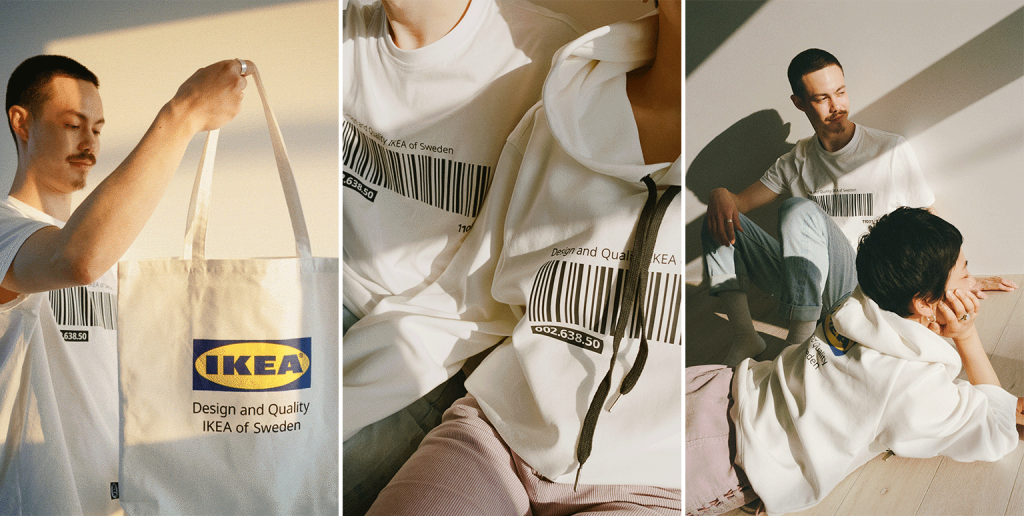
Autumn 2021, the company released its first branded merchandise collection, Efterträda (In English, Successor), featuring 10 pieces of clothing and accessories emblazoned with its logo and the barcode of the iconic Billy shelving system. The line inclined t-shirts, hoodies, bottles, umbrellas, towels, and tote bags. The tops and towels were made from 100 per cent sustainability-sourced cotton, while the collapsible umbrella was made from recycled polyester.
By clicking the image below, you can learn more about IKEA’s e-commerce growth.
Click the image
IKEA aimed to become the new symbol of democratic design represented by the brand. The capsule was born from a collaboration between the parent company in Sweden and the IKEA Japanese branch of Tokyo, one of the capitals of design and above all of streetwear worldwide, with in mind the values at the base of all Ikea products, which today range from furniture to home décor, also passing through publishing and foods & beverages, which are those of simplicity , functionality and minimalism.
IKEA t-shirt
Is this a sign of the times? In the past, luxury brands such as Balenciaga and Luis Vuitton have been copied to excess. Now, a low-cost supplier of furniture is taking the driver’s seat by launching a streetwear collection.
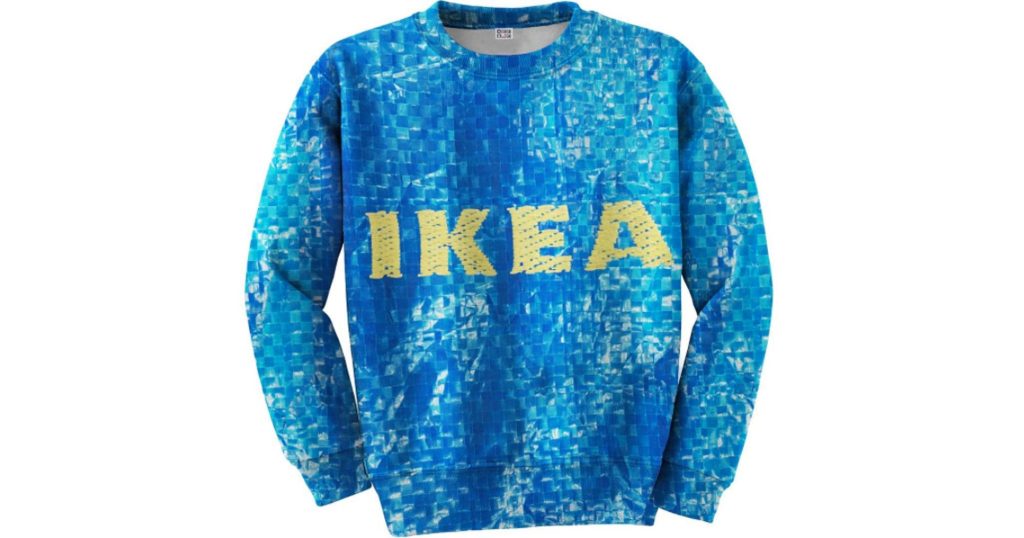
IKEA sweather
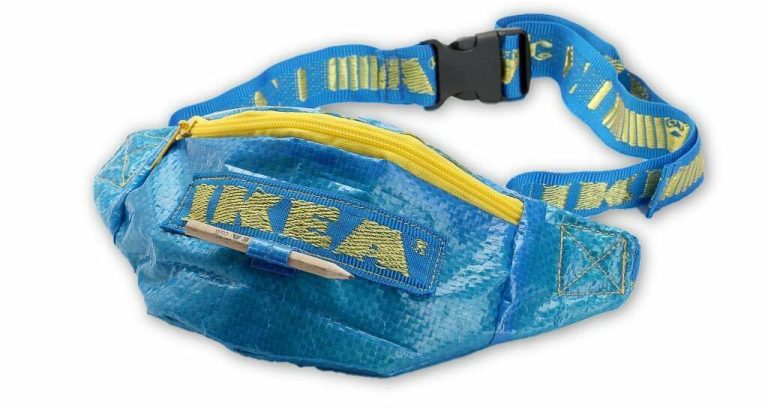
Bootleg IKEA-branded clothing and accessories have proliferated on the internet for years, with designer Demna Gvasalia copying the brand’s iconic blue Frakta bag for Balenciaga in 2017 and two LA-based brands teaming up to turn the tote into a baseball cap.
Balenciaga IKEA bag (left)
By clicking the image below, you can learn how IKEA conquered the world with innovation and design.
Click the image
The streetwear collection, however, does not consist of simple Ikea branded merch but represents a concrete effort in the field of lifestyle that starts from clothing items such as t-shirts, sweatshirts and tote bags but includes daily accessories such as portable fans, key rings, water bottles and towels. The graphics that decorate all the objects in the collection are those of the now iconic IKEA logo and that of the barcode. Especially the items that bear such graphics recall the aesthetics of the Off White x IKEA Receipt Carpet of the Markerad collection created by Virgil Abloh.
IKEA cap
However, the Balenciaga bag was only part of what has become a do-it-yourself movement. In the wake of the bag, an army of design products appeared, so-called hacks, where creative souls all over the globe had designed the IKEA bag into almost by the numbers. The cheap plastic bag appeared online transformed into raincoats, thongs, face masks, dog clothing, bum bags. The list is long.
IKEA street fashion
According to IKEA, the Efterträda collection mimics its approach to home-furnishing, “with simple, everyday takes on clothes and accessories”.
Read the story about the Swedish furniture giant by clicking the image below:
Click the image
The boom in popularity of IKEA’s blue shopping bags thanks to Demna Gvasalia and Balenciaga is eloquent. But the fact that the brand counts among its collaborators personalities such as Abloh, Daniel Arsham, Olafur Eliasson and Sarah Andelman as well as with brands such as Sonos and Greyhoud Originals has proved to be trendsetting. Not to mention, as pointed out by the brand strategist Lucile de Goallec on the pages of Fashion United, that the graphics of the barcode suggest ideas of homologation and commodification, as well as not being the maximum of originality.
IKEA fashion items
People who have been ashamed of replica Aalto stools, Billy bookshelves or cheap IKEA mattresses with difficult Scandinavian names can get over their embarrassment. IKEA is once again a wizard.
From Yellow Shopping Bags to IKEA Chick Fashion, written by Tor Kjolberg
If you’re looking for a vacation destination for your next getaway, consider visiting any of the Scandinavian countries. Whether you’re visiting Denmark, Sweden, or Norway, you’re guaranteed to see unforgettable sights and meet amazing people. If this is your first trip out to these parts, here are6 Things To Keep in Mind When Visiting a Scandinavian Country for the First Time.
Get these things squared away to have the best trip possible.
If you plan to hike and see the sights, then bring your layers but also take your walking shoes and hiking boots and ensure they’re comfortable because you’ll be in them a lot. Photo: muckbootcompany.
1. What To Pack
What you pack for your Scandinavian trip will depend on where you’re going and what you plan to do during your visit. Those who plan to lounge and relax can pack lighter clothing, but you should pack short and long-sleeve tops because the weather can be on the cooler side. It’s advised to wear layers even during the warmer months because you can always take something off as the day gets warmer or you go to a different place.
Click the image below to learn about the Scandinavian all-season packing list.
Learn more about the Scandinavian all aeason packing list. Click the image.
If you plan to hike and see the sights, then bring your layers but also take your walking shoes and hiking boots and ensure they’re comfortable because you’ll be in them a lot. Those planning to spend a lot of time outside should also pack or plan to buy a raincoat because there’s often a chance of rain. The sun can also be harsh up north, so take sunglasses and a hat, and plan to put on sunscreen.
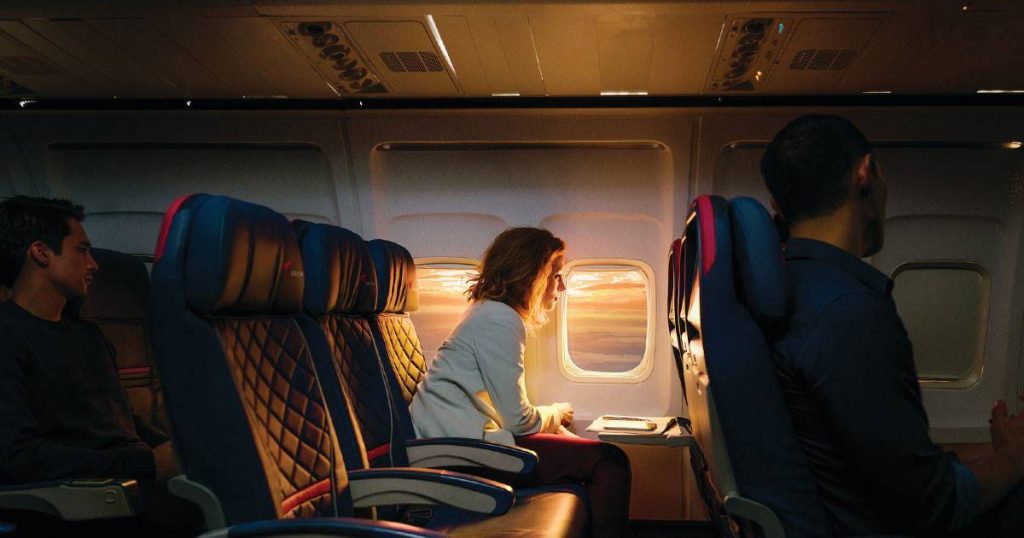
Whether you’re taking those shorter flights or flying home at the end of your trip, you’ll want to make sure you are comfortable when you travel. Photo: Consumer reports.
2. Stay Comfortable While Flying
Many people decide to make a whole adventure out here, and they desire to travel between at least two Scandinavian countries. Whether you’re taking those shorter flights or flying home at the end of your trip, you’ll want to make sure you are comfortable when you travel.
You may get drowsy during longer trips, so pack your blanket and small pillow and bring an eye mask if that helps. During the flight, drink some water and try to avoid alcohol so you stay hydrated. Every once in a while, get up, walk, and stretch your legs to keep the blood flowing. If you’re often anxious on flights, then know that you’re not alone, but you don’t need to be afraid. Bring some mindfulness tools like a journal so you can write down your feelings, and bring headphones so you can listen to relaxing music.
Fear of flying? Click the image below to get some tips on curing flying anxiety.
Want to cure flying anxiety? Click the image.
3. Keep It Clean And Eco-Friendly
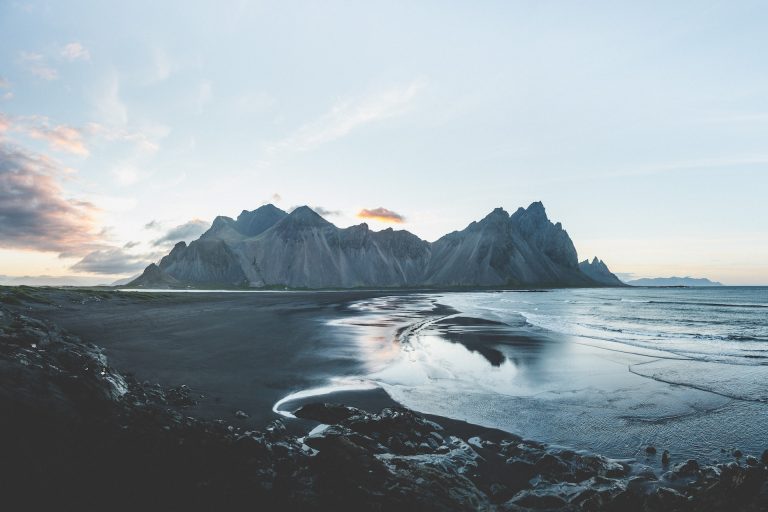
Regardless of which Scandinavian country you visit, you’re almost guaranteed to see some of our planet’s most beautiful landscapes and vistas. They’re the kind of sights that you’ll someday want your grandkids to see, so to keep it pristine, make sure to be responsible, clean up after any messes, and make your vacation eco-friendly.
6 Things To Keep in Mind When Visiting a Scandinavian Country for the First Time – the article continues below the image.
Regardless of which Scandinavian country you visit, you’re almost guaranteed to see some of our planet’s most beautiful landscapes and vistas. Here from Dalen Hotel. Photo: De historiske.
That means reducing your carbon footprint and creating less waste by using recycled water bottles that you can refill repeatedly. Also, try to avoid the urge to rent a car and instead try public transportation so you’re not unnecessarily polluting the air with exhaust fumes. Whenever possible, cook your own food. It’s tempting to eat out for every meal while on vacation, but doing so may drive you to eat more processed or packaged foods, which generate waste to produce.
Don’t forget to pack your FitBits, Apple Watches, and other technological devices and install the apps that can help you along the way. Here’s the Apple watch, series 8, with walking stats.
4. Bring Your Wearable Tech
You’ll be so busy exploring the wonder of these Scandinavian countries that you’ll need some help from digital tech to keep track of it all. Don’t forget to pack your FitBits, Apple Watches, and other technological devices and install the apps that can help you along the way. Using wearable tech can improve your quality of life, and help you track your wellness while you are vacationing. For instance, while you’re doing all that hiking across amazing landscapes, you can use your fitness tracker to see how many calories you’re burning along the way. Plus, you can monitor your heart rate and other factors to know when to take a break.
Wearable tech can be incredibly helpful when you have a health condition and want to keep an eye on your stats while you’re far from home. Bring your blood pressure and ECG monitors and keep them with you at all times to keep your health in check during your wonderful trip.
The beauty of Scandinavian cuisine is that it’s diverse. Photo: Holmedal kantineservice.
5. Try The Food
No vacation is complete without trying the local food and the Scandinavian countries are famous for their cuisine, so prepare to be dazzled. The beauty of Scandinavian cuisine is that it’s diverse, and there’s something for everyone, so try everything. While there’s a lot of variety, there are certain delicacies that you should try based on the country you visit.
Learn more about Scandinavian food and drink by cliking the image below.
Learn more about food and drink in Scandinavia by clicking the image.
When in Sweden, try a dish with lingonberries, try the seafood in Norway, pork in Denmark, bilberries in Finland, and fish dishes in Iceland. Although you should try each, don’t let this list limit you. Try the smaller local restaurants, and you’ll surely have a meal you won’t forget. While you’re traveling, meet and talk with some of the locals and ask them about their favorite spots.
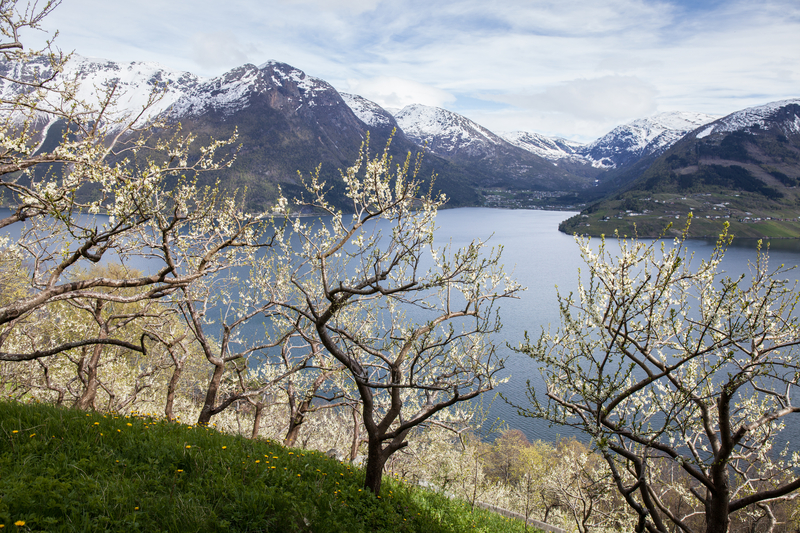
Fruit Flowering Kvalvik, Ullensvang, Hardanger, Norway Foto: Oddleiv Apneseth/Nordic Council of Ministers
6. See The Natural Beauty
We’ve mentioned the amazing beauty that you can behold in any Scandinavian country, and it’s true. You can turn your head almost anywhere and see something unique. With that said, there are certain natural wonders that you simply must explore, including Mons Klint. That’s an amazing cliffside destination where you can walk along the water, venture through the forest, or go fossil hunting and find souvenirs that are millions of years old.
Another must-see destination is Lappeenranta in Finland, which is the country’s largest lake. While there, you can walk along the waterside or bike through the trails. If you’re more adventurous, you can take a canoe or kayak, travel down the incredible river, and behold the beauty surrounding you. There are tons of great sights to see, so ask your tour guide for the best spots. Don’t forget to take your camera.
Remember these essential tips for your next visit to some or all of the amazing Scandinavian countries. Plan your trip ahead of time and pick out some of the best sights and make it a trip to remember forever.
6 Things To Keep in Mind When Visiting a Scandinavian Country for the First Time, written dedicatedly for Daily Scandinavian by Ainsley Lawrence. Ainsley is a regular contributor to Daily Scandinavian. She is a freelance writer from the Pacific Northwest. Ainsley is interested in better living through technology and education. She is frequently lost in a good book.
The camping guests have had their say and voted for their favorite campsites in Sweden. Here is the list of camping tourists’ favorites in Sweden.
SCR – Svensk Camping conducted a survey earlier this year on the website Camping.se, where they asked readers to vote for their favorite campsites in Sweden. This resulted in the Camping.se Campers’ Choice 2023 list, where 12 campsites from all over the country eventually came out on top. A total of nearly 7,000 guests took part in the survey, and the Camping.se Campers’ Choice award is a competition in which the guests’ favorites are named through an annual vote.
Frpom Apelviken camping.
Destination Apelviken – Halland
Right by the sea and only a short walk from Varberg’s center is Destination Apelviken, the perfect campsite for those who want both beach, swimming and activities and pulse at the same time. You will find Apelviken where the Kattegat’s waves hit the sand. It is Halland’s only five-star campsite, and you stay right in the middle of both beach and city life in Varberg. Goodies such as a pool, kids’ club, windsurfing course and water gym ensure varied days. In addition to caravan spaces, cabins and apartments are also offered. Ullared and Liseberg are half an hour away.
Learn more about the rocky west coast of Sweden by clicking the image below.
Click the image tyo learn more about the rocky west-coast of Sweden.
Dragsö Camping & Stugby – Blekinge
In Blekingen’s archipelago, just outside Karlskrona, is Dragsö Camping & Stugby, close to the water and the beach. Here you are offered a wide range of choices in terms of pitches, cabins and activities. The campsite is on an island but has a bridge connection to the center.
From Dragsö camping.
At Dragsö Camping & Stugby there is always something to do. Play on the adventure golf course or rent a bike, kayak or motorboat. In the high season, a summer program is arranged with fun activities such as ghost evenings, ghost hunting, sandcastle competition, barbecues and much more. In addition, there is regular music and family entertainment in the restaurant. The nearby World Heritage town of Karlskrona offers an archipelago atmosphere, historic buildings and cultural experiences.
Other recommendations: 19 Unique Accommodations in Sweden. Click the image to learn more.
You might also like to learn about these 19 unique accomodations in Sweden. Just click the image.
Böda Sand Beach Resort – Öland
From Böda sand.
Along the mile-long, child-friendly sandy beach on Öland you will find Böda Sand Beach Resort, one of Sweden’s most popular campsites. Böda Sand, or “Böda Camping” as it is also called, is a holiday paradise for the whole family. Sun and bath, play and rest, well-being, friendship and beach sports are just some of the ingredients at Böda. At Böda Sand, you don’t have to worry about idling, and it doesn’t matter if you’re old or young, sporty or calm. The activity menu is broad and ranges from water parks to yoga, tennis and diving, to sand volleyball and water aerobics.
From Hälleviks camping.
Hälleviks Camping – Blekinge
On Listerlandet, on the south-east coast of Sweden, is one of the country’s most beautifully situated (and mosquito-free) campsites. There are pitches for caravans, mobile homes and tents, with or without electricity. The nice location by the sea, the scents from the pine forest, a clean and well-functioning facility, the long shallow sandy beach, child-friendly swimming and the good service are some of the things that make Hällevik a favorite among guests.
Here you live in a caravan, mobile home, tent, cabin or apartment. No matter which form of accommodation you prefer, you are offered a comfortable and relaxing stay close to the sun, swimming and entertainment. The campsite also offers a range of activities, such as fishing, football, jazz days in August, swimming camp, playground, mini golf, dog pool, nature area and hiking trail.
From Gullbrannagården.
Gullbrannagården – Halland
Gullbrannagården is a lovely family campsite, 10 km south of Halmstad, close to the sea and a child-friendly sandy beach. There are 320 campsites for caravans, motorhomes and tents, as well as 27 well-equipped cabins and apartments. Every day in the high season there are children’s and family activities, an obstacle course, volleyball, sandcastle building and lots of other fun.
From Gekåsbyn, Ullared.
Gekåsbyn Ullared – Halland
In the middle of the Halland forests lies Gekås Ullared, which is best known for its famous department store. A stone’s throw from the department store is Gekåsbyn camping. A year-round camping and cabin village not far from Sweden’s most famous bargain paradise. At Gekåsbyn Ullared there are as many as 600 campsites and 250 cabins for rent. Cook a meal with your travel companions, try on newly bought clothes together, take a bath in the jacuzzi or challenge your friends to a round of miniature golf in the evening.
From Tingsyd camping.
Tingsryd Resort – Småland
In the south of Småland is Tingsryd Resort, a four-star camping resort with cabins, pitches, restaurant, bistro, jacuzzi, sauna, swimming pool, mini golf and much more. In the high season, they have many family and children’s activities, such as gym kidz, minigolf, minidisco, circus, music quiz, horse-drawn carriage, fishing and rental of rowing boats, canoes and bicycles. Although you can easily fill your days with fun things to do at the campsite, the area around Tingsryd also offers many fun family activities. If the weather is rough, you can, for example, take a trip to the water park Kaskad in Tingsryd.
From Särna camping.
Särna Camping – Dalarna
Särna Camping is centrally located by Lake Särna in Dalarna with a view of Vedungsfjällen and the forest.
Särna Camping is a campsite with a quiet atmosphere, beautiful views and a stone’s throw from Särnas Playa, a long and child-friendly sandy beach. In the camping area there is a wharf, café, mini golf, playground, fishing opportunities and canoe hire. With beautiful surrounding natural areas, and with close proximity to wilderness, this is a campsite that many return to year after year.
In Dalarne, you’ll experience the great lakes in Sweden. Learn more about them by clicking the image below.
Leran more about the great øakes in Sweden by clicking the image.
Överhörnäs Camping – Västernorrland
From Överhörnas camping.
Överhörnäs Camping is a quiet campsite at Själevadsfjärden 9 km south of Örnsköldsvik. The campsite is a perfect starting point for visiting Ö-vik or the world heritage Höga Kusten, with its wonderful nature. Here you can swim, fish and hike on great hiking trails. There is also access to a kayak, rowing boat, washing machine and Wi-Fi included.
From Byske Havsbad.
Byske Havsbad – Västerbotten
By the Bay of Bothnia and the salmon river Byskeälven lies Byske Havsbad, 3 miles north of Skellefteå. The campsite has 450 pitches for motorhomes, caravans and tents, 42 pitches reserved for motorhomes only, and 83 cabins. Here there are plenty of things to do for the whole family with the rental of bicycles, pedal boats and segways. In addition, there is also a large pool area with slides inside the area, and a restaurant with delicious food when the stomach rumbles. Relax on the beach, take a bike ride or try your luck at fishing, there are many possibilities here.
From Västra kajen camping.
Västra Kajen Camping & Guest House – Norrbotten
The campsite with guest harbor is only 500 meters from the center of Piteå. Västra Kajen Camping is a cozy campsite with a maritime feel and a short distance to shopping, museums, restaurants and nice cycling and hiking trails. Västra Kajen Camping & Gästhamn offers Skipskafé with outdoor seating and has large plots with sea views, electricity, wireless internet and a boat shed as a service house.
From Torsby camping.
Torsby Camping – Värmland
Welcome to a wonderful campsite by the mythical lake Fryken! Torsby Camping has a beautiful south-facing location with a view of the water and the forest. A popular restaurant, Fröknarna Fräs has all alcohol rights and entertainment. The site offers mini golf, luxurious cabins and panoramic views. Torsby Camping is an eldorado for children, with, among other things, a playground, trampolines and a long shallow beach
About SCR – Swedish Camping and Camping.se
SCR – Svensk Camping is the industry organization for Swedish campsites and those who operate the website Camping.se. On Camping.se you will find 310 different campsites to choose from around Sweden. All the campsites on Camping.se are certified by SCR Swedish Camping’s trade association.
Camping Tourists’ Favorites in Sweden is based on a press release from SCR.
Norway, the Land of the Midnight Sun, holds a special place in the hearts of travelers worldwide. From the breathtaking fjords to the magical Northern Lights, it provides a spectacle of natural wonders. Lean more by Understanding Norway: Cultural etiquette for the first time traveler.
When you marvel at these unique sights, it’s also essential to understand the local culture and etiquette. Being aware of Norwegian norms will ensure a pleasant journey, leaving you with fond memories and an enriched perspective. Let’s explore these aspects of Norwegian society to help you blend in seamlessly on your first trip!
Norwegians love the great outdoors, and their laws reflect this. Photo: Norwegian Trekking Association
1. A Love for Nature and Outdoors
The Right of AccessNorwegians love the great outdoors, and their laws reflect this. The “Right of Access” (Allemannsretten) allows anyone to roam freely in the countryside, pick wildflowers, berries, and camp almost anywhere. “When in Norway, feel free to enjoy this unique freedom, but remember to respect nature and private property boundaries. Don’t litter, make excessive noise, or disrupt wildlife,” says Sarah Kendall, a travel blogger SolidEssay.
Click the image to learn more about the right to access in Norway.
Do you want to know more about everyman’s right in Norway, just click the image below.
Hiking and Skiing
Hiking and skiing are integral to Norwegian culture. Be prepared to partake in these activities, as they are typical pastimes and excellent ways to connect with locals. No matter the season, Norwegians always find a way to enjoy their splendid outdoors!
Understanding Norway: Cultural Etiquette for the First-Time Traveler, the article continues below the image.
The Law of Jante, is a societal norm in Norway that emphasizes equality and humility.
2. Embracing Janteloven
Janteloven, or the Law of Jante, is a societal norm in Norway that emphasizes equality and humility. It discourages individuals from boasting about their achievements or showing off. When interacting with Norwegians, remember to mirror this modesty and respect for egalitarianism. You’ll find that while Norwegians might come across as a bit reserved initially, they are warm, genuine, and friendly once the ice is broken.
3. Politeness and Punctuality
Polite but Straightforward
Norwegian people are polite but straightforward and honest. They value directness, and you’ll notice this in their communication. Do not be surprised if a Norwegian person provides a frank response to your question. It’s their way of being respectful, and it’s something to appreciate rather than take personally.
Punctuality Matters
Being on time is critical in Norwegian society. If you have arranged to meet someone, ensure you’re not late. If you are running behind schedule, inform the other party. Punctuality is a sign of respect in Norway, reflecting your value for the other person’s time.
4. The Norwegian Social Etiquette
Personal Space and Privacy
According to Celia Wright, a lifestyle writer BeeStudent, “Norwegians value their personal space, so avoid standing too close to someone during a conversation or in a public setting. Also, respect their privacy. Personal questions about wealth, salary, or intimate details are generally not welcomed unless you’re close to the person.
The Art of Invitations
If you’re invited to a Norwegian home, it’s customary to bring a small gift, like flowers, chocolates, or a bottle of wine. Do remember to remove your shoes before entering – it’s customary practice to maintain cleanliness.
While Norway is not typically known for its cuisine, it does have unique dishes like rakfisk (fermented fish). Photo: Celebrity Cruises.
5. Food and Drink Etiquette
Norwegians typically eat three meals a day, with dinner being the main one. If you’re invited for a meal, wait for the host to start eating or propose a toast before you start. The most common toast is “Skål” (pronounced ‘skoal’).
While Norway is not typically known for its cuisine, it does have unique dishes like rakfisk (fermented fish) and brunost (brown cheese). Embrace these culinary experiences to immerse yourself fully in Norwegian culture.
Do you want to learn more about the Scandinavian demon drink? Just click the image below.
Learn about the Scandinavian demon drink by clicking the image.
A Culture Rooted in Respect and Love for Nature
Norwegian culture revolves around respect— for time, for equality, for nature, and for each other’s personal space. As a traveler, your experience will be enriched when you understand and respect these norms. Engage with the locals, embrace the love for outdoor activities, be humble and direct, and cherish the unique Norwegian culinary experiences.
While you are there, remember to abide by their rules and respect the pristine natural environment. This land belongs as much to its wild inhabitants as it does to its humans. The concept of friluftsliv, or ‘open-air living,’ is deeply ingrained in Norwegian life. It signifies a fundamental understanding of the harmony between humans and nature, encouraging you to step outside and find peace, joy, and health in nature’s lap.
By clicking the image below, you get 5 tips for mind-blowing nature experiences in Norway.
By clicking the image, you can learn about these 5 mind-blowing experiences in Norway.
Lastly, Norwegians are known for their high standard of living, boasting one of the best quality of life measures globally. As you navigate this Scandinavian gem, observe how the local culture is built around community welfare, work-life balance, and an unwavering commitment to sustainability.
So pack your bags and get ready to explore the marvels of Norway. With these etiquette tips in your travel toolkit, you’re all set to make the most of your first trip to this beautiful country. Not only will you witness spectacular natural sights, but you will also experience a society where mutual respect and love for nature lie at its core. Happy Travels!
Chris Porter
Understanding Norway: Cultural Etiquette for the First-Time Traveler, written dedicatedly for Daily Scandinavian by Chris Porter. Chris writes for Collabnix, Gisuser as well as GlobalGurus, loves to talk about his travel experiences and different ways of living life. He enjoys trying new things and sharing his stories with his readers. His big dream is to motivate people to try different lifestyles and maybe leave their regular day jobs.
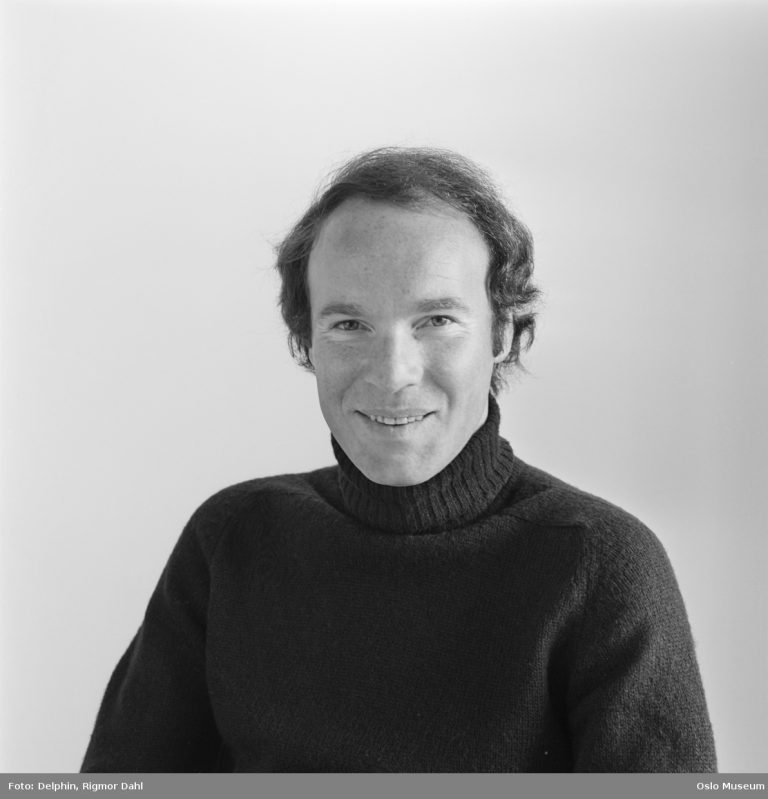
William Duborgh Jensen (1935-2017) started as a window decorator for his father’s business Ebbesen & Jensen. In the spring of 1958, he launched his first collection in Oslo under the name William. As Norway’s first “fashion king”, he became very important for Norway’s domestic fashion environment. He made his debut as a costume designer in 1963 in the performance “Teenager love” at Det Nye Teater in Oslo.
His first fashion show was, however, already in 1958. With Gøsta Ekman, the older, as a godfather and a grandmother who was a famous actress, he was influenced in the direction of the stage. At the age of 17, he started dancing with the great Norwegian dancer and choreographer of the time, Rita Tori.
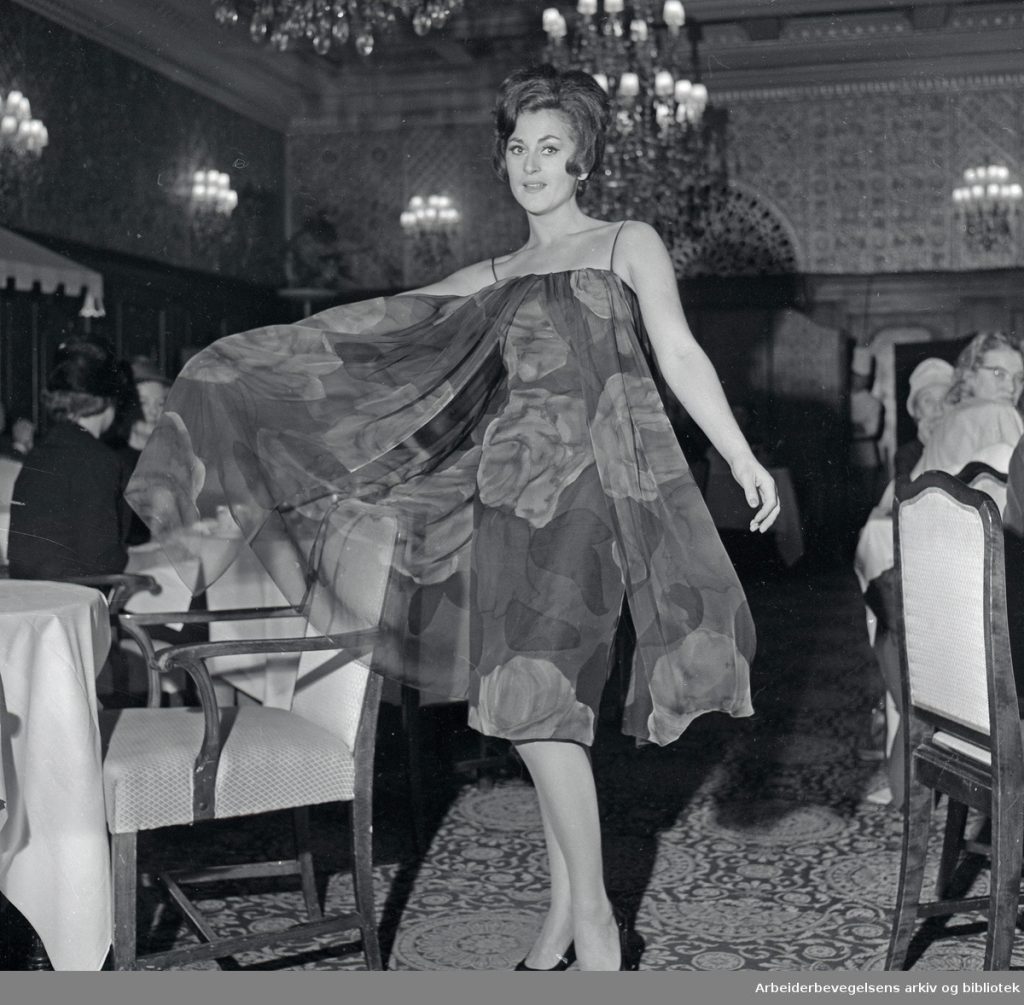
Fashion designer William Duborgh Jensen presents his collection at Hotel Bristol in Oslo, 1963.
It was, however, his father who gave him the opportunity in the direction of design work. His father was the owner of Ebbesen og Jensen, a still-existing clothing store with a tradition dating back to the end of the 19th century. William was offered to make a display window for the store in Prinsensgate, before he became “too famous”, as his father expressed it. It must have been to the taste of both his father and the audience, and not least William himself, who thought it was fun to combine colors and fabrics. It inspired William to sign up for an international window display competition and he reached all the way to the top.
Ebbesen & Jensen. (Oslo National Library).
Learn about an interesting up and coming Norwegian fashion designer by clicking the image below.
Bror August is a Norwegian up and cominmg fashion designer.
William Duborgh Jensen’s clothes were initially characterized by wild whims and sculptural, often outlandish shapes. Later he switched to a simpler, more classical style. Several of the customers came from the capital’s cultural milieu, such as actresses Wenche Foss, Lise Fjeldstad, Vibeke Løkkeberg, and not least Norway’s Queen Sonja.
Norwegian Fashion designer Kristine Vikse is filling a gap. Learn more by clicking the image below.
Norwegian fashion designer Kristine Vikse is filling a gap.
However, it took an Englishman to kick-start his fashion career. “I met an English fashion designer in a party – his name was Raymon Abel – and he asked: Why is there no one who makes fashion and clothes in Norway. Hopeless and young, I said: I can do that!,” recalled William. “I had never done anything or studied fashion. But I did what I told him, and when I woke up I was famous! Not least thanks to the weekly news magazine NÅ (Now).”
Party dress, 1962 (National Museum)
William Duborgh Jensen was the first Norwegian fashion designer to design and produce his own collections under his own name, William. He had two collections a year, and kept it going for 30 years, with some breaks with theater involvement. He collaborated with several young Norwegian designers from 1978 to 1988.
He was awarded the Royal Norwegian Order of St. Olav, Knight 1st Class, in 2006.
About himself, he has written: “The truth is that I was not the least bit different from any of the others. I didn’t care one bit about clothes – and by the way, I couldn’t draw either.”
William Duborgh Jensen was the first Norwegian fashion designer to design and produce his own collections under his own name, William.
When Norway’s first fashion king died in May 2017, his death was passed over in silence. Only his old friend, the former television personality at Norwegian Broadcasting Corporation, Terje Sølsnes, wrote a memorial for William Duborg Jensen in Norway’s largest newspaper, Aftenposten.
In the months after his death, the fashion designer’s daughter, Lully Kjøsterud, cleaned out his apartment in Riddervoldsgate at Briskeby in Oslo. When she found the scrapbooks of his 30-year career as the elite’s preferred clothing designer, she had no doubts. They had to be taken care of. Former senior curator at the National Museum, Anne Kjellberg, had no doubts either.
A new chapter in Norwegian fashion history was written.
The Norwegian deposit is estimated to be worth 70 billion tons at least, which is just under the 71 billion tons of proven world reserves as evaluated by the US Geological Survey in 2021. Read more aboutthe world’s largest underground deposit of high-grade phosphate discovered in Norway.
Along with phosphate, Norwegian deposits also contain vanadium and titanium, which are also classified as critical raw materials by the EU.
The European Raw Materials Alliance (ERMA) has announced that it will support Norge Mining in securing finances for responsible sourcing of crucial minerals in Norway to secure EU’s autonomy on critical raw materials.
Is this Norway’s new oil? Find out more by clicking the image below:
Click the image to learn more
The deposit, pitched as the world’s largest, is big enough to satisfy world demand for fertilizers, solar panels and electric car batteries over the next 100 years, according to the company exploiting the resource.
Today, the largest phosphorite deposits in the world with reserves of about 50 billion tons are located in the Western Sahara region of Morocco. According to US estimates, the next largest reserves are found in China (3.2 billion tons), Egypt (2.8 billion tons) and Algeria (2.2 billion tons).
“Now, when you find something of that magnitude in Europe, which is larger than all the other sources we know – it is significant,” said Michael Wurmser, founder of Norge Mining.
European production of these materials is critical to lowering the increasing risks associated with imported supply, as well as supporting Europe to achieve its 2050 net zero carbon emissions target. Currently, China produces approximately 59% of the world’s vanadium and 41% of titanium, while 34% of traded phosphate rock is sourced from Morocco, according to the latest EU figures. Before Russia’s invasion of Ukraine, Russia was the world’s largest supplier of aerospace-grade titanium.
Screen drop Norge Mineraler.
“Now, when you find something of that magnitude in Europe, which is larger than all the other sources we know – it is significant,” said Michael Wurmser, founder of Norge Mining, the company behind the discovery.
Norway is also the poster child for electric vehicle adoption. Learn more by clicking the image below:
Click the image to learn more.
The European Commission, in a Euractiv comment, welcomed the confirmation of the existence of a massive Norwegian deposit of phosphorites.
Norge Mineraler AS holds 61 exploration licences, totaling more than 520 km2 in the Bjerkreim-Sokndal basin, located in southwestern Norway. The area’s large deposits of high-grade raw materials, and the company’s core focus on sustainable and responsible mining, make the project fully aligned with ERMA’s vision, as it will contribute to ensuring reliable, secure, and sustainable access to raw materials as key enablers for a globally competitive, green, and digital Europe.
The deposit is pitched as the world’s largest.
“The discovery is indeed great news, which would contribute to the objectives of the Commission’s proposal on the Critical Raw Material Act,” said a spokesperson for the EU executive.
About 90% of the world’s mined phosphorite ore is used in agriculture for the production of phosphorus, which is needed in the production of fertilizers, for which there is currently no alternative.
Rare Earth Metal is also discovered in Sweden. Learn more by clicking the image below:
Click the image to learn more.
Bernd Schäfer, CEO and Managing Director of EIT RawMaterials, which manages ERMA, commented:
“Europe is in an excellent position: we can use our advantage in clean tech innovation and skills development to turn the industry into a powerhouse of innovation and change, and, in doing so, achieve the highest social and environmental standards for European mining, just as Norge Mineraler AS is doing.”
Bernd Schäfer, CEO and Managing Director of EIT RawMaterials.
According to Wurmser, Norway will be able to observe stricter environmental standards when digging out and refining those minerals than Asian competitors currently do, by applying carbon capture and storage technology.
Currently, Europe does not mine rare earth elements, so it depends on the import of these minerals, where China completely dominates the market. However, the demand for these raw materials will increase sharply in the process of electrification, which will lead to a global shortage of supply against the background of increasing geopolitical tensions.
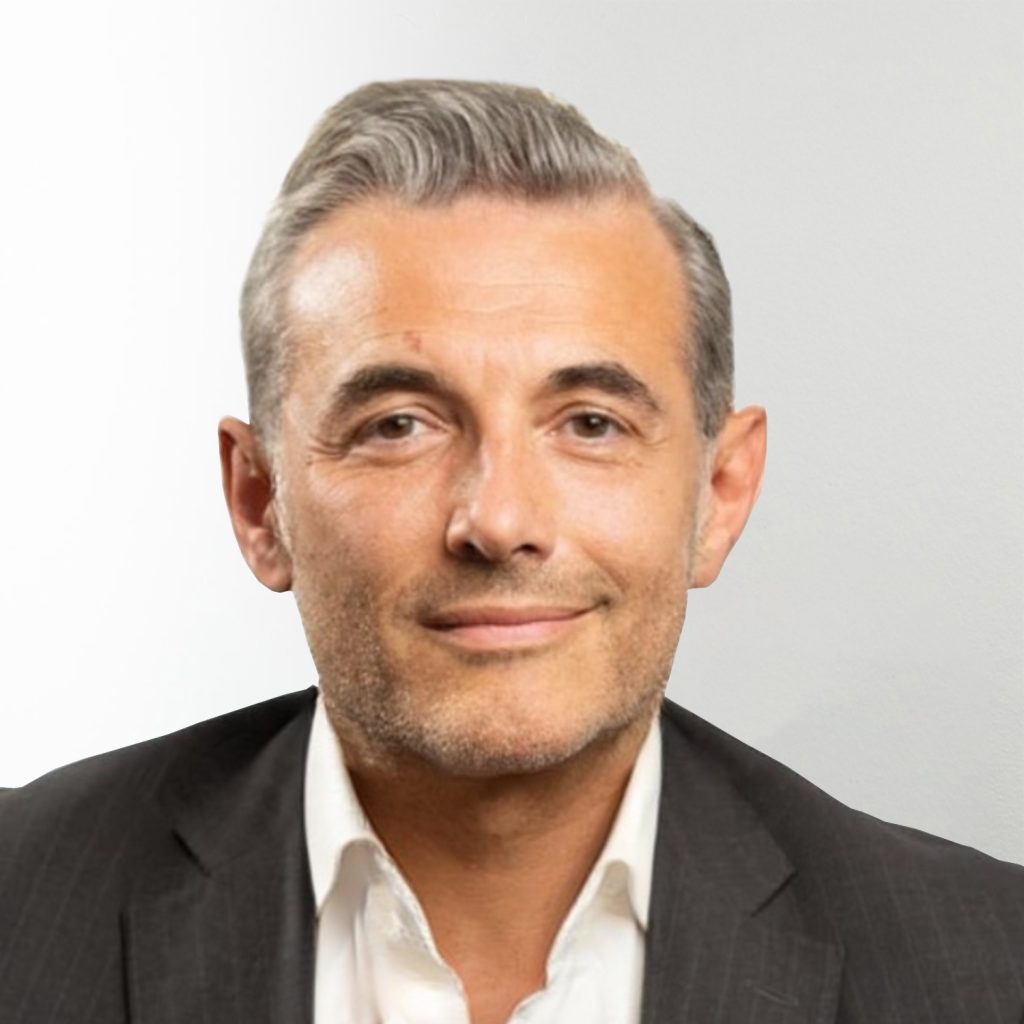
John Vergopoulos, Chairman of Norge Mineraler AS.
John Vergopoulos, Chairman of Norge Mineraler AS, commented:
“Raw materials are finally getting the attention they deserve, and we are determined to help Europe secure a domestic supply of responsibly sourced critical raw materials to enable its successful transition to renewable energy sources. With the environment and community at the top of our corporate agenda, we are proud that Norge Mineraler AS is striving to meet the highest environmental, social, and governance (ESG) standards for mining vanadium, phosphate, and titanium in Europe,” he commented.
The World’s Largest Underground Deposit of High-Grade Phosphate Discovered in Norway, edited by Tor Kjolberg
Scandinavian countries have an excellent reputation among tourists, as found in a 2008 article published in the journal, Scandinavian Studies, by Eric Schaad. In particular, Scandinavia is a place that is famed for its order and safety.However, there are some stubbornly myths, and here I am debunking some of the myths about Scandinavia.
Scandinavian people are also lauded for their conscientiousness, which in turn could be related to the cleanliness and order observed by tourists. There is an idea that things always function properly in countries like Sweden.
On the downside, tourists often refer to Scandinavian prices as expensive. What’s more, they sometimes describe Scandinavians as having a more subdued, genuine friendliness than people from other nations. As noted by Schaad, travel bloggers commonly mention the stereotype of a “taciturn, cold Scandinavian,” and many are delighted to find that “most people in Sweden are friendly.”
It is fascinating to see how travelers typically head to Scandinavian destinations with deeply ingrained biases that do not necessarily match their experience when they visit these countries. Below are a few more myths that can easily be debunked through observation, an openness to genuine experience, and grounding one’s opinions on scientific information.
studies by Our World in Data indicate that Scandinavians rang fairly low on the list of alcohol-drinking countries.
Myth 1: Scandinavians Are Big Drinkers
Travellers and bloggers have revealed their surprise at the “transformation” of Scandinavians from peaceful and quiet to either highly sociable or aggressive, owing to the effects of alcohol. In fact, studies by Our World in Data indicate that Scandinavians rang fairly low on the list of alcohol-drinking countries. The top 10 countries in terms of alcohol consumption are the Seychelles, Uganda, Czech Republic, Lithuania, Luxembourg, Germany, Ireland, Latvia, Spain, and Bulgaria. Scandinavian countries are not even within the top 15 entries in this list.
Want to know more about drinking in Scandinavia? Just click the image below.
Click the image to learn more about Scandinavian drinking.On a global scale, blonde and red hair are actually anomalous and eye and hair colour does not differ from one area to another as much as many people believe. Photo: Maria Lysenko/Unsplash
Myth 2: Scandinavians Are All Blonde and Blue-Eyed
Regional differences in hair and eye colour are not as prevalent as many people realize. Over 90% of the world’s population has either brown or black hair. On a global scale, blonde and red hair are actually anomalous and eye and hair colour does not differ from one area to another as much as many people believe. Having said that, there is no doubt that there is a higher percentage of blonde, blue-eyed people in Norway, Sweden, and Denmark, than in many parts of the world. The highest percentage of fair-haired people can be found around the Baltic Sea (including Denmark, the Polish Coast, and the Baltic states). As a whole, it is estimated that in countries like Sweden, around 54% of people have blonde hair. In other words, although blonde hair is more common, it is by no means universal.
Myth 3: Scandinavians Do Not Speak English Well
Despite stereotypes presented in some comedies, Scandinavians do speak English—and they speak it well. Statistics indicate that around 80% do so fluently, with urban areas such as Stockholm, Gothenburg, and Malmö having higher English proficiency rates. There are many reasons why Scandinavians are such good English speakers—including the fact that English, Swedish, Danish, Norwegian, and Icelandic all belong to the same core language family—Germanic. What’s more, many Scandinavian countries have adapted common English words to replace words in their own language. You can expect to find a high percentage of English speakers throughout countries like Sweden, so if you’re visiting, feel free to ask locals about suggestions for everything from attractions to dining spots.
By clicking the image below, you can learn about the 5 most common mistakes Scandinavians make when speaking English.
Click the image to find the 5 most common mistakes scandinavian make when speaking EnglishRates of depression in these countries are similar to what they are in the rest of the world. Photo: Nik Shuliahin/Unsplash
Myth 4: Most Scandinavians Are Depressed
A common stereotype about Nordic countries is that their peoples are depressed, owing to the fact that in some parts of Scandinavia, countries are plunged into darkness for half of the year. In fact, rates of depression in these countries are similar to what they are in the rest of the world. Overall, depression affects about 5% of the general population. In Nordic countries, it impacts between 3.5% and 5% of people. Interestingly, Nordic countries often top the polls as the happiest in the world, as found by the UN and the OECD.
There are various myths that are frequently perpetuated by the media and the film industry. These include the myths that Scandinavians are all blue-eyed, big drinkers, and depressed. Many travellers are surprised to find that reality differs greatly from their expectations—which is just one of many fantastic reasons to visit one or more Scandinavian countries.
Karoline Gore
Debunking Myths About Scandinavians, written dedicatedly for Daily Scandinavian by Karoline Gore. Karoline is a freelance writer from Stoke on Trent in the UK who left the corporate grind when she started a family and has never looked back. She enjoys contributing to a range of online publications on the topics that are important to her.
Europe has for a long time been regarded as the safest continent on the planet. It has low crime rates, especially when it comes to violent crimes. Including Sweden, European countries also enjoy political stability, effective justice systems, and well-facilitated police forces. All these contribute to the public’s overall sense of safety. What’s the crime rate like in Sweden? 3 statistic and facts to know.
Europe is, however, a continent made up of several regions and countries, meaning different demographics and differences in the elements used to evaluate the safety, from crime rates to political instability.
Assuming you’re traveling or want to relocate to Sweden, one of the first things you’d want to learn about is its crime rates, right?
Here’s a quick glimpse at what it’s like living in Sweden alongside a few statistics and facts you should know regarding this Scandinavian country’s crime rates.
There are many reasons why Sweden remains a great place to settle down or even travel to. Photo: Visit Sweden
How it’s like Living in Sweden
Living in Sweden presents a high standard of life, boasting excellent healthcare, free education, and majestic natural beauty. It’s renowned for work-life balance, gender equality, and environmental consciousness. These are just a few of the many reasons it remains a great place to settle down or even travel to.
Before moving to Sweden, however, understanding the current security situation is crucial despite its peaceful reputation over the years. This is especially considering the increased reports of heightened drug-related crime and gun violence in recent times by various sources of both social and mainstream media.
Facts and Statistics About Crime Rates In Sweden
• According to statistics, there’s a higher rate of burglary compared to other European countries.
Property Crime
Property crime in Sweden is relatively high, with theft and burglary being the most reported crimes.
According to statistics, there’s a higher rate of burglary compared to other European countries.
If you live in Sweden, this means upgrading All Security Equipment in your home or business premises, from front doors to gate openers, and even parking systems. Remote access systems are specifically known to reduce property crime in the sense that they give you better control of who enters and leaves your property.
Want to learn about prison life in Scandinavia? Just click the image below.
Click the image to learn more about prison life in ScandinaviaOne unsettling statistic is from The National Crime Prevention Council, indicating that Sweden is currently the only European country experiencing an increase in gun-related mortality rates. Photo: Gender policy report
Gun Crime
The matter of gun crime in Sweden cannot be ignored. Recently, the nation has seen a noticeable uptick in gun-related offenses, a challenge that’s become particularly prominent within urban neighborhoods spanning from Stockholm to Malmo.
2021 saw a total of 342 shootings and 46 deaths reported in Sweden.
One unsettling statistic is from The National Crime Prevention Council, indicating that Sweden is currently the only European country experiencing an increase in gun-related mortality rates. This spike primarily reflects the violence associated with ongoing gang conflicts taking place in these metropolitan areas.
However, while these patterns are undoubtedly concerning, it’s worth emphasizing that they do not determine the entirety of life or safety conditions within the country as a whole.
Scandinavia is one of the most cyber-secure countries in the world. Want to know more? Just click the image below.
Click the image to learn why Denmark is one of the most cyber-cecure countries in the world.
What’s the Crime Rate Like in Sweden? 3 Statistics and Facts to Know, article continues below the image.
• Innocent bystanders have also become victims of Sweden’s uptick in gang violence.
Gang Violence
Gang violence has taken an upward trend across major Swedish cities in recent times, with several feuds noted by law enforcement agencies.
As of 2022, an alarming pattern suggested young individuals were getting more involved in these violent group activities due to socio-economic disconnection and distrust of established systems or institutions.
Innocent bystanders have also become victims of this uptick in gang violence.
Remember, while these facts may seem concerning, they don’t define everyday life for everyone living in or visiting Sweden.
Want to know how Denmark’s fight against bank robberies has succeeded? Just click the image below.
Click the image to learn how Denmark’s fight against bank robberies succeeded.
All in all, the majority of people live their lives safely without encountering such issues directly, largely due to police vigilance and community resilience.
Hopefully, the country will keep pace with the new trajectory and see the crime rates reduced even further in the near future.
Nadine Westwood
What’s the Crime Rate Like in Sweden? 3 Statistics and Facts to Know, written dedicatedly for Daily Scandinavian by Nadine Westwood. Nadine is a registered dietitian, travel blogger & fitness lover. In her spare time, she helps save stray animals. Nadine really does enjoy sharing her fitness journey with others who might need help with weight loss or finding a stress reliever.
The most competitive and productive country in the world is Denmark. But the country also has the highest tax burden. What about people in the Nordics? Here you will find six possible explanations why Nordic Countries rank high on Happiness and Finance indexes.
In most cases, happiness and general well-being are linked to money, but that’s not always the only explanation. However, in most cases they do have something to do with a wallet.
Why do people in Nordic countries consistently rank as the happiest and what can we learn from them?
For second year in a row, Denmark has been ranked as the no. 1 country in the world.
1. Trust in government
The Swiss Institute for Management Development issues the World Competitiveness Ranking Index. For second year in a row, Denmark has been ranked as the no. 1 country in the world.
The UN organization Unctad has launched a new index, Productivity Capacities Index. It measures a country’s capacity to produce goods and services, so that the economy can grow and develop. In this ranking too, Denmark comes out best of all countries.
Want to know more about the gigantic Norwegian Wealth Fund? Just click the image below.
Bank of Norway. Photo: UiO
But not all wealthy countries have happy inhabitants. Singapore, one of the wealthiest in the world, sits for instance at 25th place, while Saudi Arabia, the world’s seventh richest, sits at 26th.
One reason might be that Nordic countries are known for having low levels of income inequality. However, researchers have not proven that it actually correlates with high life satisfaction.
What they have been able to prove, however, is that if income inequality leads to mistrust, then it does directly contribute to lower life satisfaction. Simply put, people really do hate feeling cheated. Trust in government might therefore be the number one explanation.
The Danish Parliament
2. Environmental factors
Last week, the cooperative organization for the rich countries, OECD, launched its biennial report on how well politicians govern their countries. Government at a Glance does not select winning countries but ranks the countries according to a number of different criteria. Denmark scores very high on many important indicators.
Studies indicate that 60 to 70 per cent of the difference in happiness between people is caused by environmental factors, so again, what governments do are important.
The Economist Intelligence Unit (EIU) ranks Norway as the most democratic country in the world
3. Democracy
The Economist Intelligence Unit (EIU) ranks Norway as the most democratic country in the world, a score Norway has retained for several years.
Want to learn more about the Norwegian democracy? Just click the image below:
Norwegian democracy
The quality of government institutions and welfare state have an important and positive impact on life satisfaction, so much in fact, that the Corruption Perception Index can work as a predictor of who will make it to the top or the bottom of the happiness ranking.
Progressive taxation leads to happiness via public and common goods such as health care, education, and public transportation that the taxation helps to fund. And ultimately, you guessed it, trust. People trust the money will be used and distributed wisely.
4. The Employment Situation
Statistics from the OECD show that Norway, Sweden and Denmark are the three countries with the most employees in the public sector. The proportion of employed people is 30.9 per cent, 29.4 per cent and 28 per cent respectively. The average for all OECD countries is 18.6 per cent.
Want to learn about growing job fields in Sweden? Just click the image below.
Data shows people are more satisfied with their lives in countries where there is institutional quality. That’s usually divided into the democratic quality and delivery quality. The latter is the one more strongly related to citizen happiness, according to the WHR: good pensions, generous parental leaves, maintenance for the ill and disabled, free health and education, solid unemployment benefits, etc.
5. Openness to International trade
Earlier this year, the Swiss bank Credite Suisse published its third economic analysis of small countries. The main conclusion is that many small countries do well because of their openness to international trade. It ensures that the countries must be competitive in order to manage in the global economy.
Paper family in hands isolated on white background welfare concept
6. Well-functioning welfare states and a good social safety net
The Nordic countries show that it is entirely possible to combine economic success and sustainability with a good social safety net.
The Danes also manage to combine a good city life and an impressive gourmet culture. The EIU recently named Copenhagen the second best city to live in after Vienna.
So, the Nordic countries have managed to enter a very virtuous cycle, where efficient and democratic institutions are able to provide citizens security, so that citizens trust institutions and each other, which leads them to vote for politicians that promise and deliver a successful welfare model.
Six Explanations Why Nordic Countries Rank High on Happiness and Finance Indexes, written by Tor KJolberg
In 2017, Norwegian Ada Martine Stolsmo Hegerberg was officially named Europe’s best female soccer player. In 2018, she won the Ballon d’Or (French for Golden Ball). Learn more about the world’s first best women’s soccer player – from Norway.
That’s quite unique for a woman who comes from a country that is not known to be a powerful football nation. Nevertheless, the name Ada Martine Stolsmo Hegerberg will forever be written in gold in the history books of soccer as the first ever female winner of the Ballon d’Or.
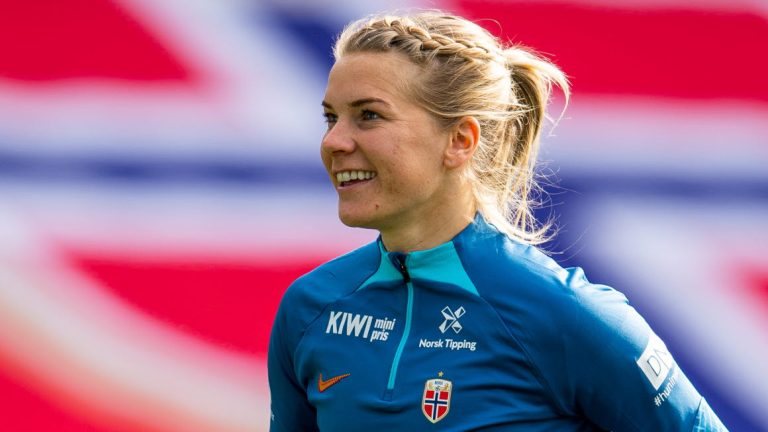
Ada Martine Stolsmo Hegerberg, winner of Ballon d’Or. Photo: Panoramic.
By clicking the image below, you can read how Norway criticized Quatar Human Rights Record at the FIFA 2022 Congres.
FIFA 22
Hegerberg has represented Norway at the youth international level, and made her debut for the senior team in 2011. In 2013, she was a part of the silver medalist team at the 2013 UEFA Women’s Championship. She was on team Norway at the 2015 FIFA Women’s World Cup, the 2017 UEFA Women’s Championship and the 2022 UEFA Women’s Championship.
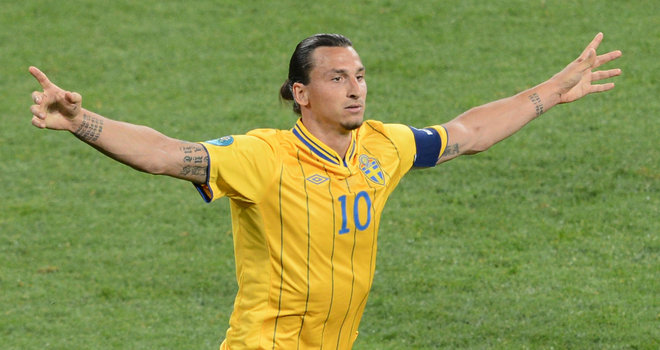
By clicking the image below, you can read about the Swedish football legend Zlatan.
Swedish football legend Zlatan.
Since 2014 she has played in Olympique Lyonnaise, the most successful club in the UEFA competition’s history, winning the title eight times, including five consecutive titles from 2016 to 2020.
Since 2014 Ada has played in Olympique Lyonnaise. Photo: Norwegian Soccer Assciation.
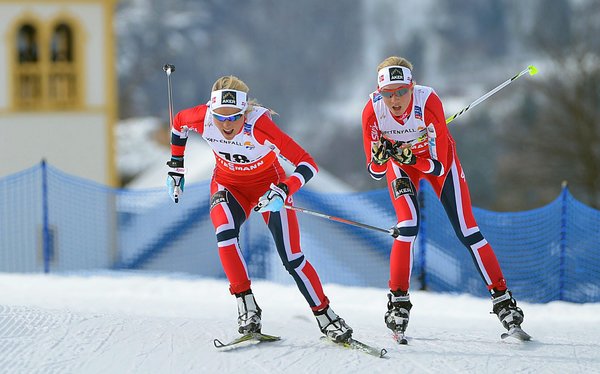
Find out more about Scandinavian sporting heroes by clicking the image below:
Scandinavian sporting heroes
On 18 May 2019, Hegerberg delivered a Player of the Match performance in the 2019 UEFA Women’s Champions League Final. With a hat-trick in just 16 minutes, she became the first player to score three goals in a UWCL final. Lyon completed the treble against Barcelona with a 4–1 victory, winning a fourth UWCL trophy in a row, a unique performance in modern football. By the end of the season, Hegerberg had won 13 out of 15 trophies possible in her stay with Lyon.
The Ballon d’Or is an annual football award presented by France Football. It has been awarded since 1956 and become the most prestigious individual award in international soccer. Until 2018, it was exclusively awarded to male players.
Hegerberg was born in Molde 1995 but grew up in Sunndalsøra where she played for Sunndal Fotball along with her older sister Andrine. In 2007, their family moved to Kolbotn outside Oslo.
Hegerberg has been a controversial figure in Norwegian soccer after stepping away from the national team after a disastrous European Championship in 2017 for no apparent reason other than “frustrations with the way women’s soccer was treated within Norway.”
“The fact that we have such icons who lead and show the way, and who also have a personality and a demeanor that is incredibly serious in relation to the sport, helps to increase interest and recruitment. It is also incredibly important for the commercial value of women’s soccer in Norway. It is the power of example,” said Terje Svendsen, president of the Norwegian Football Federation (NFF).
“It’s a historic moment for women, and maybe even Norwegian history,” said Hegerberg smiling when she received the Ballon d’Or. “It’s a mix of many different emotions, and I’m speechless.”
Hegerberg has had a massive media impact over the past years. Photo: SportsPro Media.
Ada and Andrine’s father, Stein Erik Hegerberg, says that he has “never asked them to do a single thing”, but feels that there has been a “craving for learning” throughout. To this day, they leave time for their own training sessions when he visits them in Europe. “Then it’s just the two of us in the whole world,” says Anita Hegerberg, adding that this is what she misses most about living in Lyon. She would gladly pay him to visit her more regularly.
Hegerberg has had a massive media impact over the past years, widely considered as the number one spokesperson for her sport, given the numerous interviews she gave for women’s football.
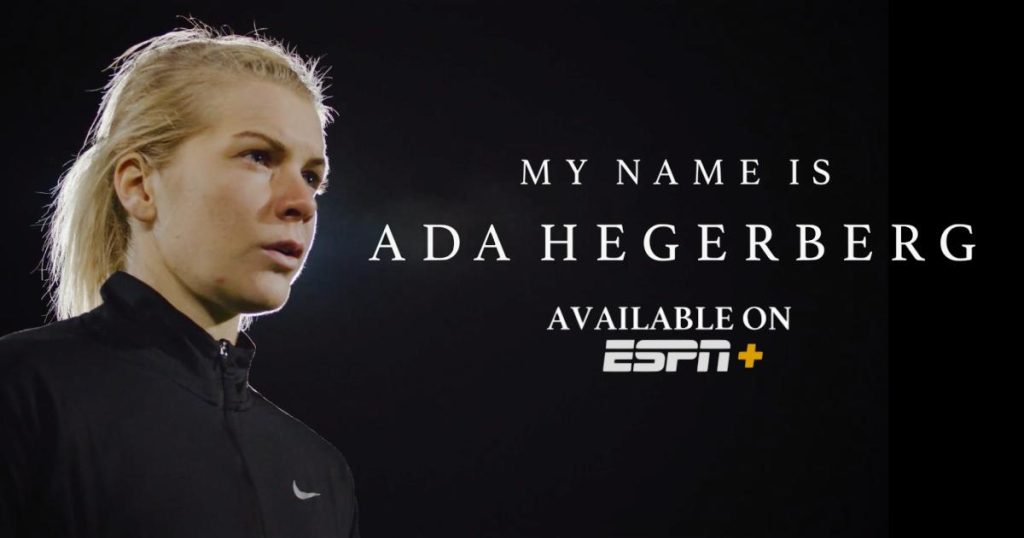
On 19 November 2020, the US-based streaming platform ESPN+ published a documentary about Hegerberg: My Name is Ada Hegerberg.
Hegerberg has been named one of the most powerful women in sport by a number of media, including Sports Illustrated.
The World’s First Best Women’s Soccer Player – From Norway, written by Tor Kjolberg.










 6 Things To Keep in Mind When Visiting a Scandinavian Country for the First Time, written dedicatedly for Daily Scandinavian by Ainsley Lawrence. Ainsley is a regular contributor to Daily Scandinavian. She is a freelance writer from the Pacific Northwest. Ainsley is interested in better living through technology and education. She is frequently lost in a good book.























 4. The Employment Situation
 5. Openness to International trade



 “The fact that we have such icons who lead and show the way, and who also have a personality and a demeanor that is incredibly serious in relation to the sport, helps to increase interest and recruitment. It is also incredibly important for the commercial value of women’s soccer in Norway. It is the power of example,” said Terje Svendsen, president of the Norwegian Football Federation (NFF).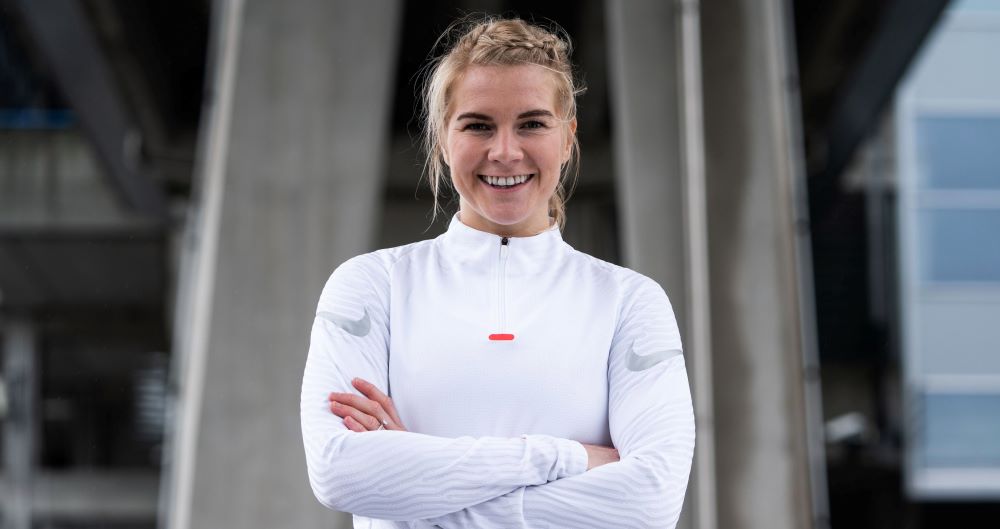
 On 19 November 2020, the US-based streaming platform ESPN+ published a documentary about Hegerberg: My Name is Ada Hegerberg.