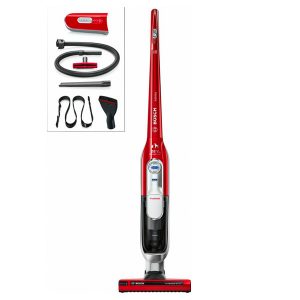
Finding just the right vacuum cleaner can be a challenge. It is perhaps the most important cleaning tool you have in your home, and something you would want to splurge a little bit on. However, a vacuum cleaner does not have to be as expensive as you might think, and you can get a lot for your money if you look in the right places. Learn How to Find the Right Vacuum Cleaner in Norway.
There is a great selection of vacuum cleaners in Norway, that is there to fulfill your cleaning needs. As many know, Norway is known for being an expensive country and there are certainly many things here that many spend an unnecessary amount of money on. Here is a guide to how you can find the best vacuum cleaner in Norway, for a reasonable price.
The one that aces the test A good tool for when you are looking for the right vacuum cleaner, is a vacuum cleaner test. This will provide you with sufficient information about the once that have scored the best in tests done by professionals and everyday people. Here you might just find the right vacuum cleaner for you and even discover one with new and useful features. The test covers every element and function of the machine, as well as going in depth as to how well it works. This can be everything from suction ability, design, noise level and power consumption.
Furthermore, the test will tell you what rating every machine has gotten and which one is the very best. If you are looking to splurge, you might go for the best one, which is often the most expensive. However, there are many good vacuum cleaners for lower prices. The test can also reveal how the most expensive ones are not always the best ones, sometimes a cheaper option is better. You can look at a good vacuum test from Norway here.
With wire or without? There are several elements to a vacuum cleaner to take into consideration, before you buy one. You know your preferences best and try to think about what you are going to use it for in the future. Is it simply to vacuum the floor occasionally, or do you need it to clean other things? Are you many people in your household and need to clean almost every day? Do you have pets that shed?
These are some of the factors that plays a big role when it comes to pick a vacuum. If you have a big home, you might want a cordless vacuum cleaner, to make it easier to use and store. This lets you clean without the stress element of having to unplug the cord and find a new outlet.
Vacuum cleaners are a must in any Norwegian household. Whether it is to keep dust out, clean up after your kids or pets, or get sand and dirt away from your door mat, it is a must-have and something you should spend some time and effort picking.
How to Find the Right Vacuum Cleaner in Norway, written exclusively for Daily Scandinavian.
The first thing you must do before renting a car in Scandinavia is to research the set rules and regulations. Do this well in advance of commencing your trip. Once you do that, you can start with the rental process of your vehicle. Learn more about renting a car in Scandinavia and learn everything you need to know.
Plan well to give yourself ample time to secure the vehicle that you want. Your desired vehicle will not only provide you with peace of mind, but the process will also save you money. You will then have a choice between different types of vehicles from various rental companies. You will also be able to compare the different rental companies’ fine print with each other. If you do not plan and pitch up at the first rental company, they will overcharge you almost every time. Your vehicle choice might not be available, and after a long flight, you would not be interested in reading the fine print anymore.
Plan well to give yourself ample time to secure the vehicle that you want. Photo: Why Kei / Unsplash
Go through the following checklist with care when you’re planning to rent a car in Scandinavian countries.
Should you ever need to rent a car in Scandinavia, Discover Cars has updated information.
Age restrictions
Age restrictions vary depending on the country where you plan to rent the car and also the type of car. For instance, to rent a car in Sweden, you have to be at least 18 years old and you must have had your license for 2 years. While in Norway, you have to be 19 years old and have held your license for 1 year. In Denmark, you have to be 21 years old and also have held your license for 1 year. It would be best if you had your international driving permit. Getting an international driver’s permit allows you to easily get around in a foreign country.
Rules of the road
In all Scandinavian countries, trolleys, buses, and passengers disembarking have the right of way. If a bus passenger exits at a crossing, you must wait until they have crossed the street before proceeding. Whether the weather is cloudy or clear, dipped headlights are required during the day.
Renting a car in Scandinavia: Everything you need to know, continue reading
In all Scandinavian countries, trolleys, buses, and passengers disembarking have the right of way. Photo: Samuel Foster / Unsplash
Parking and Tolls Scandinavian countries don’t have any toll highways. But when you’re driving in Copenhagen, you must show a one-hour parking disc (which you can find in petrol stations, banks, tourist information centers, etc.) on your dashboard if meters are not available. Parking is prohibited on major roads of Norway, however, there are numerous municipal lots. Parking meters are color-coded, with yellow meters allowing one hour of parking, gray meters two hours, and brown meters three hours. In most Swedish cities, they have both metered on-street parking and timed ticket machines from 8 a.m. to 6 p.m
Speed limits
Speed limits differ slightly in Scandinavian countries. The speed limit for driving in the city for all the countries is 31mph/50kph. While for driving on highways, Sweden and Denmark’s speed limit is: 68mph/110kph, while for Norway: 55mph/90kph
Insurance
Fire and third-party liability insurance are mandatory when renting a car in Scandinavian countries. Because the cost of car rental insurance varies greatly depending on the period of your rental and also the laws of the nation where you rent the car, you should choose carefully before making your reservation.
Before you sign the agreement
Check the car carefully, and make sure any damage appears on the rental agreement. You may even take some photos of the damage. If something is not working in the car, or if there are switches or controls that you do not understand, ask for help and explanation. A good idea would be to keep fuel receipts if any issue appears later. And also take a picture of the fuel gauge when you leave the car.
Hertz, Europcar, Budget, Avis, Thrifty, and Sunnycars are some of the most popular car rental brands in Sweden
Accidents and breakdowns
Everyone in most of Scandinavia is compelled by law to assist in the event of an accident, even if they were not engaged in the disaster. You can access emergency services in any Scandinavian country by dialing 112, the European Emergency Number.
Hertz, Europcar, Budget, Avis, Thrifty, and Sunnycars are some of the most popular car rental brands in Sweden. Be alert and keep your eyes on the various road signs and drive safely.
Ensure that you choose the right vehicle to hire Are you traveling with children or a lot of gear? Choose a large sedan or SUV. Remember, European cars are smaller. Be sure to order the size you need in case you do not get an upgrade. Looking to save money on rental rates and gas? Reserve the smallest available model. Make sure about any age restrictions regarding drivers of rental vehicles.
In many countries, manual transmissions are the norm, and you’ll have to pay a premium for an automatic and reserve it in advance. Familiarize yourself with the local rules of the road long before you get there. Know which side of the road to drive on, who has the right of way in a traffic circle, and whether you’re permitted to turn right (or left, in some countries) on a red light.
This information can be found in an up-to-date guidebook. Smartphone mapping apps can be expensive to use and hard to access, depending on your cell phone plan. Take a printed road map as a backup. Renting a GPS unit from your rental car company is another option; set it to English if you don’t know the local language.
Having only one driver reduces the cost hugely, but you might want to consider adding a second driver. Make sure what your car hire company’s rules are.
Alesia Hundermort
Renting a car in Scandinavia: Everything you need to know, written exclusively for Daily Scandinavian by Alesia Hundermort. Alesia is working as a Construction Manager, She relocates to different locations and stays for several months to oversee a project. While being there for work she also takes this opportunity to explore the area. Alesia also likes to write and share her experience with the online audience.
Norway is an incredible country to visit, but because of the constant weather changes, you need to spend time carefully considering how you will pack for your trip. The weather can change in an instant, one minute it is sunny and warm and the next you find yourself surrounded by heavy snow. Most Norwegians are really warm and friendly people, and most of them can speak perfect English. Learn how to pack for a trip to Nprway on a budget.
Although a lot of people opt to skip Norway while travelling through Europe because it is known to be one of the most expensive countries in the world, it is possible to travel through Norway on a budget. You won’t be able to stay in fancy hotels or eat out in nice restaurants but there are ways you can move through Norway without having a large sum of money sitting in your bank account.
Wet socks in Utlandsdalen
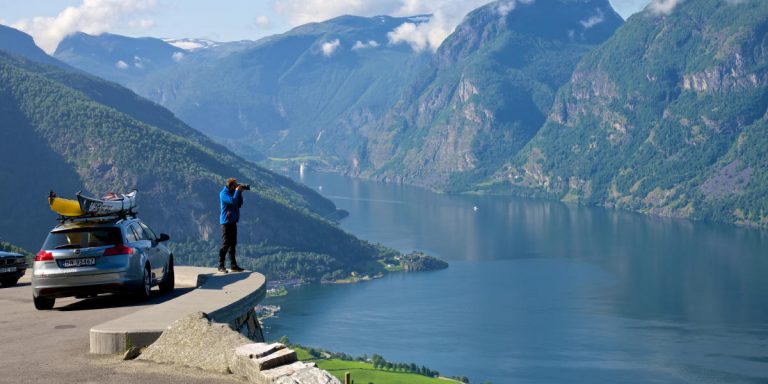
How to Pack for Hiking in Norway There are plenty of places throughout the country ideal for hiking. If you are going hiking in the fjords, make sure you are prepared. Make sure you bring lots of warm layers and plenty of rain gear too. The issue that a lot of people find when hiking in Norway is that they need to carry a large backpack to store all the different layers. For a lot of these hiking trails, you will want to be an experienced hiker, with a lot of upper body strength to carry heavy baggage. A lot of people avoid packing extra layers to make their bag lighter, but they often regret it once they are hiking. If you are not used to extremely cold conditions, perhaps hiking in Norway is not for you.
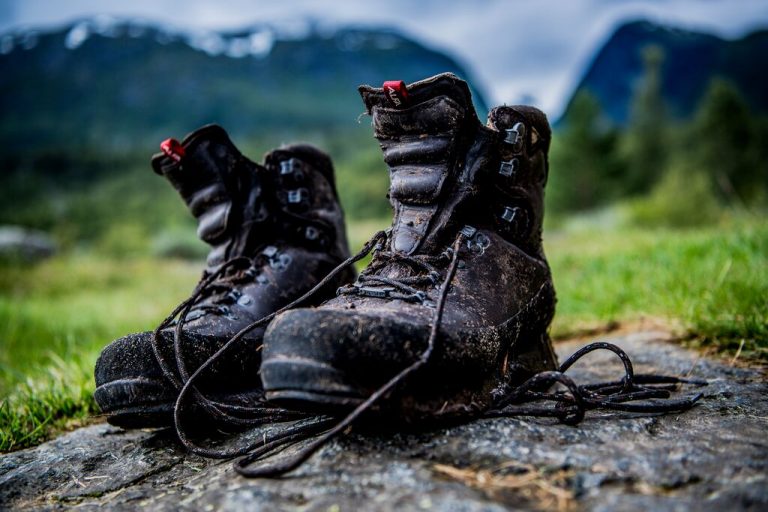
Make sure you have plenty of spare socks. Even with high-quality hiking boots, your socks are bound to get damp. Having a spare pair of clean socks can help make your overall experience more enjoyable.
A lot of trail maps can cost a lot of cash in stores in Norway, so instead of spending money, there are plenty of free trail maps available to download. However, if you plan on using a smart device while hiking, make sure it is fully charged. It might be worth your while investing in a portable power bank. These handy devices allow you to charge your devices on the go, which makes them an ideal purchase for those travelling through Norway. These chargers are so popular there are lots of affordable devices on the market.
Vetti Gard
How to Organize items before you get to Norway? As mentioned earlier, Norway is one of the most expensive countries on the planet, so if you are on a budget, do your shopping somewhere else first. If you lose some of your items, you might be forced to spend an outrageous amount of cash replacing them, so consider labelling your items first. There are companies like the dutchlabelshop.com shop that allow you to make your custom labels. Not only will it add style to your belongings, but it will also lower the chances of getting items mixed up with other people’s belongings. You can put labels on anything, such as electrical devices, backpacks, sleeping bags and even add a quilt label.
Because you will need to pack a lot of gear, make sure that you roll all clothing items up, so they don’t take up a lot of space in your bags. Before you get on a flight, if you feel your big hiking boots are taking up too much space, why not wear them before checking in your luggage. Although you’ll need boots to hike, they can cause a lot of frustration when packing for your trip. So instead of stuffing them in your bag, put smaller trainers inside instead and wear the hiking boots while commuting.
From Utladalen
What should Women Pack before Going to Norway? Here is a checklist that will help women pack before setting off for Norway:
Good quality waterproof jacket: Most hiking jackets on the market are waterproof. However, if you are looking to buy a new jacket, consider checking out reviews online first. You can save money on a lot of items, but investing in a quilty rain jacket, especially before a trip to Norway will prove worthwhile.
Thick gloves: To keep your fingers warm, a pair of thick, woolly gloves will do the trick.
Dresses: There are plenty of incredible places throughout the country that will make for an ideal photo opportunity, so don’t forget to pack at least one dress.
Waterproof Pants: If you find yourself hiking through the fjords in heavy rain, you might have wished that you brought a pair of waterproof pants. If you have a light pair, you can wear them over other pants to keep you warm and dry.
Pyjamas: Even if you are not used to wearing pyjamas, you might want to start getting used to it. It can get very cold in Norway, especially during the night. Comfortable pyjamas will add much-needed warmth and pyjamas can help you get better quality sleep.
Swimwear: There are lots of great places where you can go for a nice swim in Norway.
Hat: Hats like beanies are ideal for cold conditions.
If you have a friend or family member that is willing to lend you some of their belongings before the trip begins, examine each item thoroughly for damage first. You don’t want to get caught in a storm in Norway and then realize there’s a hole in your waterproof jacket.
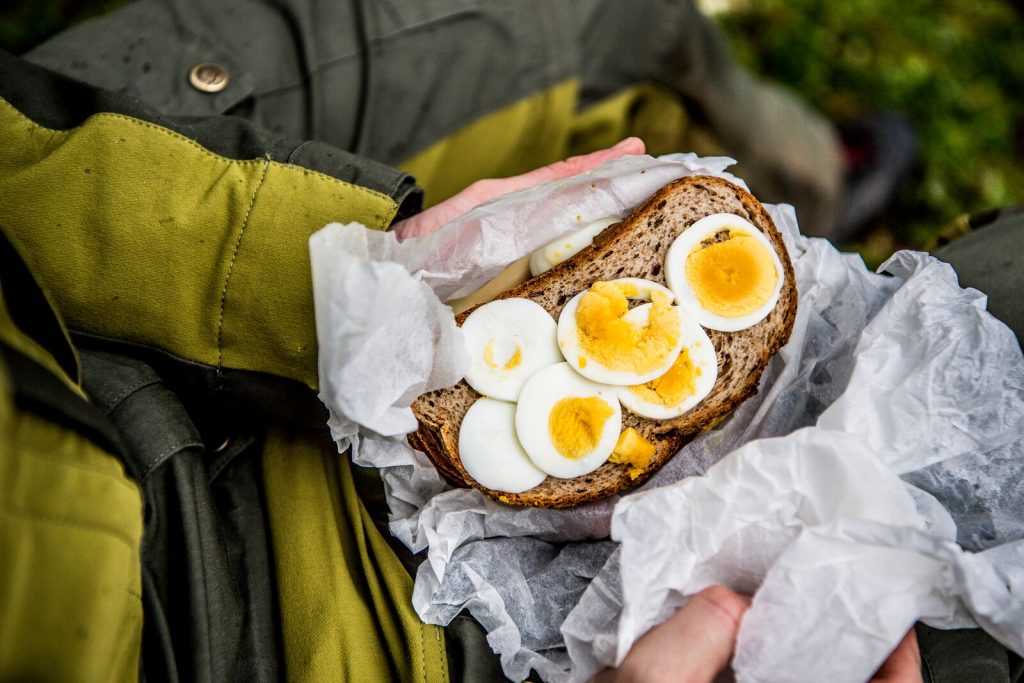
Packed lunch in Utladalen
What should Men Pack before Going to Norway?
Although a lot of items mentioned in the women’s checklist are the same for men, here are a few items that men should consider packing before jetting off to Norway.
Long underwear: A lot of men living in Norway wear long underwear to keep them warm, so you should consider doing the same thing.
Short-sleeved shirts: It’s not always cold in Norway, so pack multiple short-sleeved shirts. When it is cold, you can wear these shirts under your other clothes to keep you warm.
Pair of pants: Bring at least two pairs of pants.
Down jacket: A well-insulated down jacket with comfortable under feathers is a must for any man going to Norway. It will help keep you insulated in cold conditions.
Woolly socks and a warm hat: The best way to stay warm is by making sure your feet and head are covered. Woolly socks and a quality beanie will help keep you warm.
Although most of these items are readily available in stores in Norway, avoid spending top dollar on them by ordering them online before you start your trip.
How to Pack for a Trip to Norway on a Budget? Conclusion Norway is a wonderful place to travel however it can cost a pretty penny. To save money on accommodation in Norway, there are a lot of hosts that offer their spare rooms, or even their couches to travellers for free. So, you won’t have to put your hand in your pocket to get a good night’s kip and you will also meet some local people in doing so. Don’t be afraid to talk with the locals in Norway because they are great, fun-loving folks.
How to Pack for a Trip to Norway on a Budget, written exclusively for Daily Scandinavian.
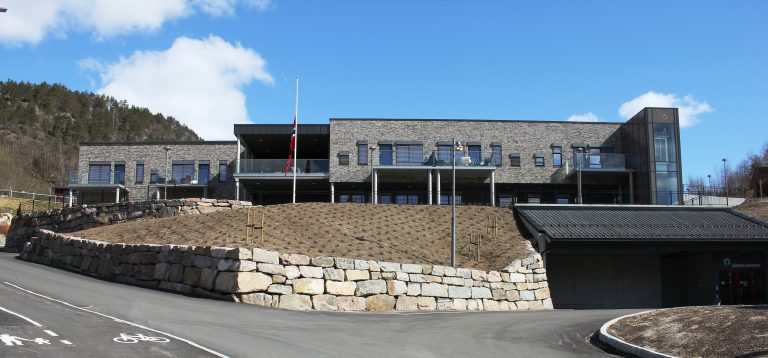
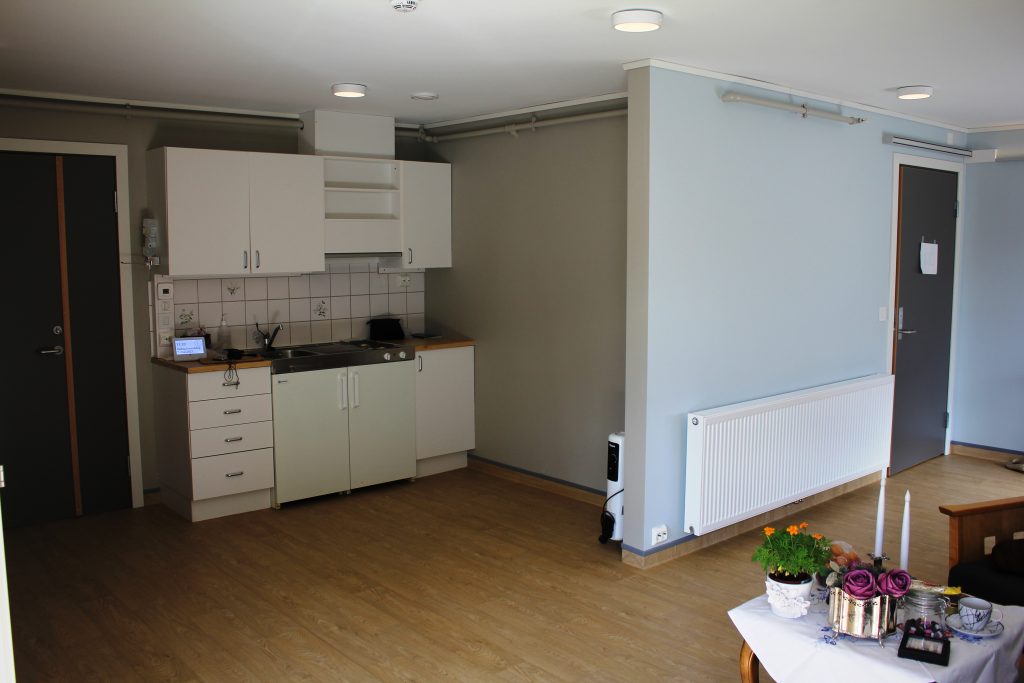
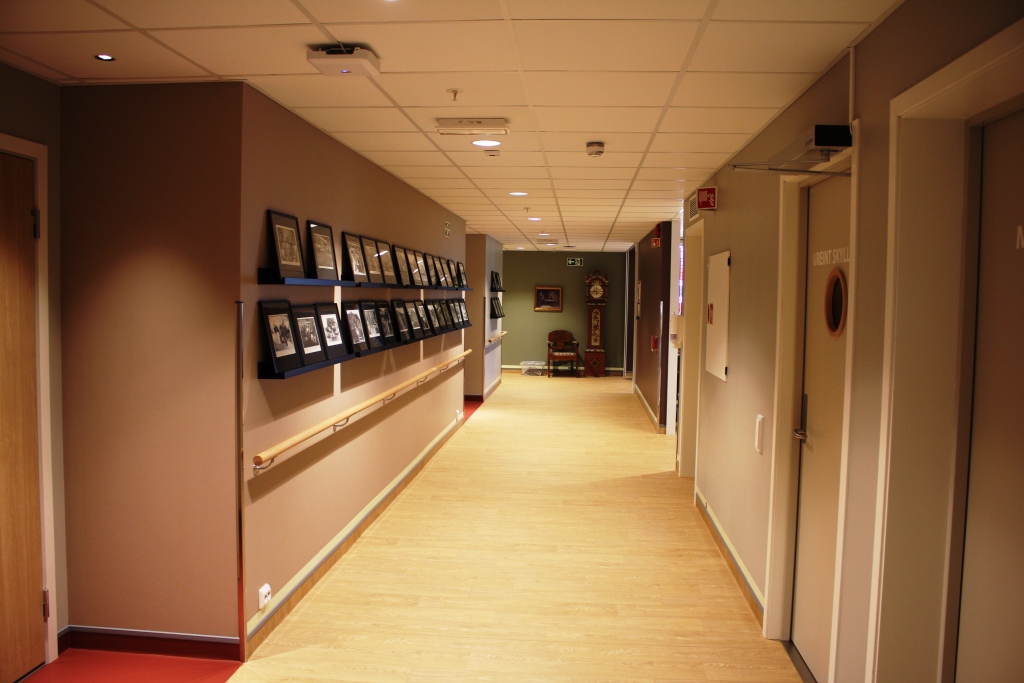
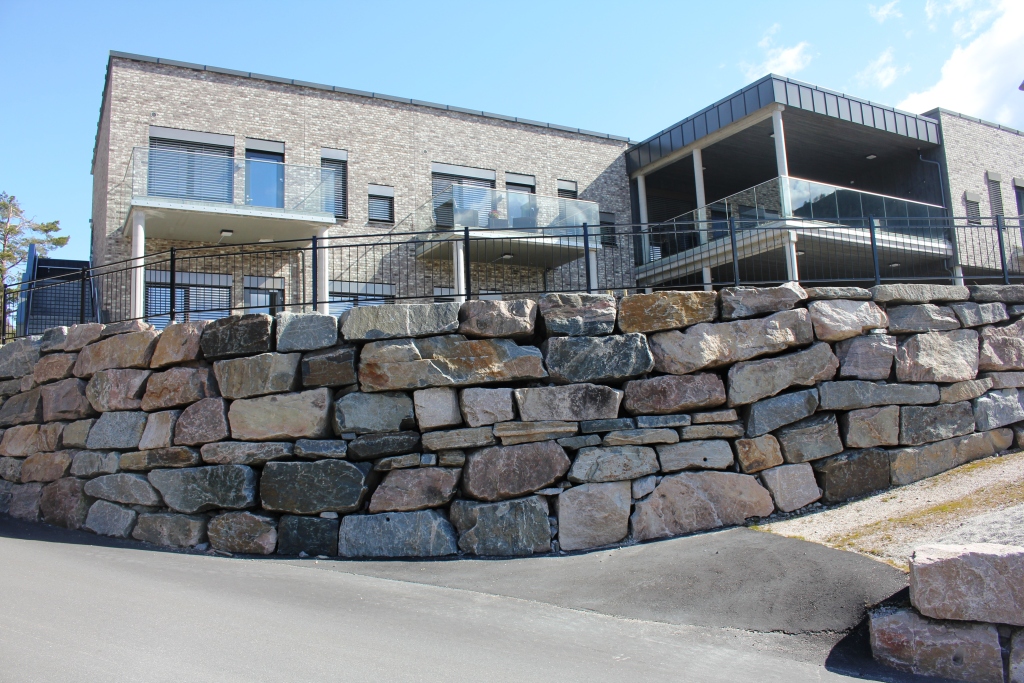
Åseral is a Norwegian inland municipality north-east of Kristiansand with a population of just under 1,000, equaling to 1.2 inhabitants per square kilometer. Late last year, a new assisted retirement home was completed after 11 years of planning and a building period of 22 months. It has become a Norwegian assisted senior home with 20 apartments and a hotel feeling.
“The aim was to create a care home without an institutional character,” says architect Siv Nordbø at ENO arkitekter AS in Kristiansand. “We started by analyzing the old building which was too large and unserviceable, and applied the principles of space planning. To accommodate all technical installations, the actual ceiling height construction is now 4 meters, while the visible operational ceiling height is only 2.5 meters in some corridors,” she explains.
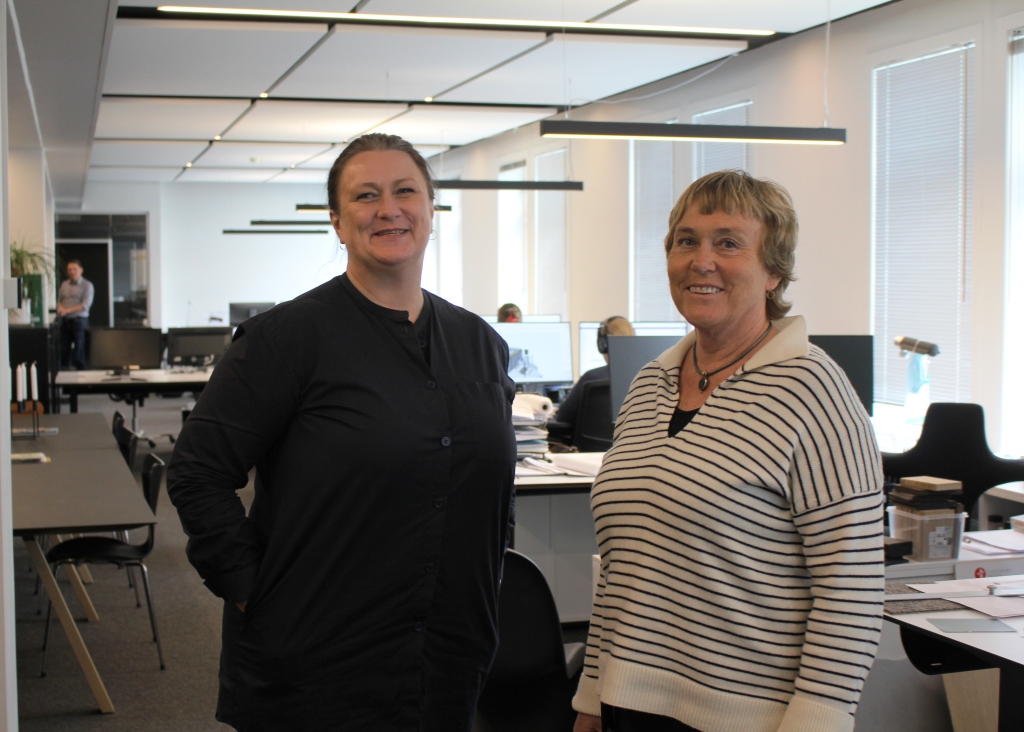
Construction technician Kristine Berg (left) and architect Siv Nordby, ENO Arkitekter AS
Space planning is a complex process with many factors to consider and is frequently about compromise. In this case, the emphasis has been on lifestyle since elders are often forced to make the most dramatic lifestyle changes.
Spacious rooms for all in need of care at Åseral Senior Home
Focused on operating expenses “Not only do our loved ones have to leave their familiar environments they used to, but they must also accept the fact that advancing age and/or increasing health needs necessitate this move. We wanted all residents to be on the same floor level. It would simplify operations, and we focused on operating expenses,” says Nordbø. “We have emphasized open spaces without unnecessary walls and doors that provide greater freedom of movement for people with reduced mobility. At the same time, however, this was a challenge for the safety regulations, and therefore we have installed invisible fire curtains in the ceilings, “she adds.
Project engineer Jan Oddvar Lineikro proudly introduced and guided us through the new care building in Åseral
Project engineer Jan Oddvar Lineikro proudly introduced and guided us through the new care building in Åseral. Technical installations that control most things in the house, from temperature, sun-screening and sorting waste and dirty clothes to sensors that can warn of dementia’s unwanted absence.
Part of technical room
A hotel feeling
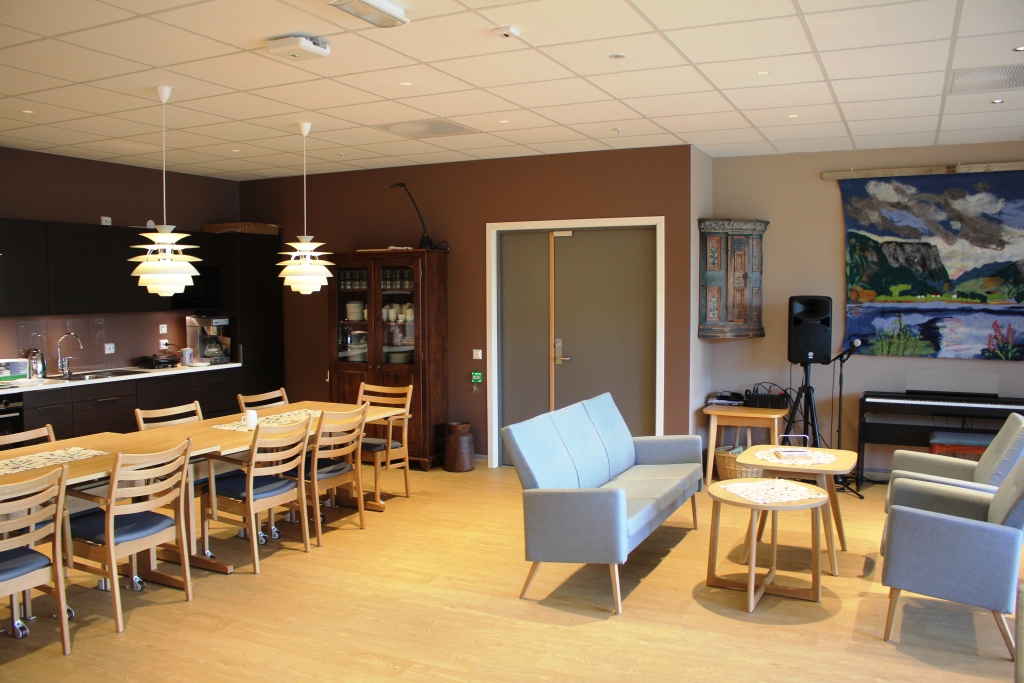
Åseral assisted senior home with a gross area of 2910 square meters contains 8 apartments, 5 nursing home places, 2 emergency places and 5 separate units in a housing association adapted for demented residents. In addition, there is a day center for seniors, a hair salon, a physiotherapist studio as well as kitchen and several common and living rooms.
View from terrace
From the building there is a fantastic view over the village and the Øvrevatn lake and the outdoor area has a universal design including paths and seating areas. It is a sensory garden for the demented and maybe there will even be some hens. The nearest neighbors are an elementary school and kindergarten, which it turns out that the residents appreciate.
Cosy outdoor areas
It strikes us immediately when we enter the building that It doesn’t smell like a residential institution at all. It’s like entering into a hotel. Most seniors wish to remain in the comfort of their own homes surrounded by memories and personal belongings. But when their care needs increase and the safety, assistance and social interaction that a well-planned senior center offer, they can feel more at peace with the idea of the move and ease into their new home.
“The aim was to create a care home without an institutional character,” says architect Siv Nordbø at ENO arkitekter AS in Kristiansand
“I believe the residents at Åseral care center appreciate the safety, warmth and friendship this good assisted living facility offers,” concludes architect Siv Nordbø.
Common roomPhysiotherapist studioCommon roomHallway connecting divisionsHairdressing saloonÅseral assisted senior home with a gross area of 2910 square meters contains 8 apartments, 5 nursing home places, 2 emergency places and 5 separate units in a housing association adapted for demented residents.
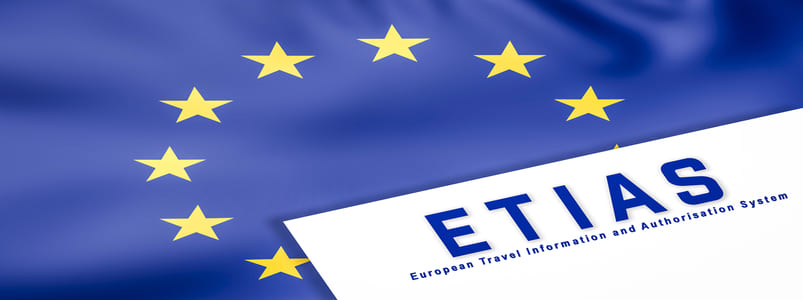
Travelers to Europe in 2022 will need to get an ETIAS visa waiver before entering the EU. Read How Traveling to Europe and Scandinavia Will Change in 2022 and find out what you will need to do to get ready for this change.
2022 will be a milestone year for traveling to Europe as it will mark the launch of the ETIAS visa waiver.
Until now, entering the EU Schengen Area has just involved a passport check and little else for travelers from the US, UK, or Canada. However, this will change next year and ETIAS will become a mandatory step from 2023 onwards for visitors from visa-exempt countries.
However, getting an ETIAS waiver will be a fast and simple process and once you have it registered it can be used multiple times for up to 3 years. More importantly, it’s going to make travel to Europe more seamless and secure.
2022 will be a milestone year for traveling to Europe as it will mark the launch of the ETIAS visa waiver
Read on below to learn more about:
Why ETIAS will be introduced next year
Who needs it
How to apply for your electronic visa waiver online
The most important travel tips for 2022
What Is ETIAS and Why Is Travel to Europe Changing?
ETIAS (Electronic Travel Information and Authorization System) was first proposed in 2016 as a means to enhance the border security of the Schengen Area and reduce illegal immigration into the bloc.
Since then, it has been enshrined in EU legislation and work carried out to make it a reality from 2022 onwards.
As part of the passenger screening goals of the project, those visiting Europe without a visa for trips of under 90 days within a 180-day period will need to register with the system prior to arriving.
This will be done via an electronic visa waiver. This will give authorities the chance to properly check passengers to ensure they don’t pose a threat to EU residents or have a history of overstaying on visas.
To find out more check here for further information.
Getting an ETIAS waiver will be a fast and simple process and once you have it registered it can be used multiple times for up to 3 years
Who Needs an ETIAS Visa Waiver? Anyone traveling to Europe from one of 62 visa-free countries will need an ETIAS visa waiver to visit the 26-country Schengen Area. This will be a mandatory requirement from 2023 onwards.
This includes nationals from the USA, Canada, the UK, Australia, and New Zealand. Visitors from these countries will need to hold a valid ETIAS authorization prior to visiting any Schengen countries.
How to Apply for ETIAS The application for ETIAS can be accessed and completed fully online. It will only take 10-20 minutes to complete the form for most people applying.
It is also expected that approval or denial will be given within 24 hours of submission. However, passengers are advised to apply at least 72 hours before departure in case mistakes or discrepancies occur on their form.
When filling out the application you will be asked to provide data, such as your:
Name
Nationality
Date of birth
Passport information
Arrival country in the EU
Answers to background questions
Once done, you will need to pay a small administration fee by debit or credit card and enter a working email address.
The latter is especially important as it will be your primary source of contact with the EU authorities during the process. It is also how you will receive the approved visa once it is authorized.
After you have received an approved visa waiver it is then electronically linked to the passport you registered during the application process. The waiver itself is valid for 3 years from its date of issue although you will need to reapply if your travel document expires or is replaced during this time.
The application for ETIAS can be accessed and completed fully online
What to Know Before Traveling to Europe in 2022 If you want to visit the EU and countries such as Denmark, Norway or Sweden it will be possible to apply for ETIAS once the system goes online in late 2022. It will become mandatory for eligible passengers from 2023 onwards.
Your visa waiver will be checked when you first arrive in the Schengen area. After you have passed through border security you will then be able to visit all 26 countries in the passport-free zone for up to 90 days with no further documentation checks.
It isn’t necessary to print your ETIAS authorization although it’s advised to keep a physical or digital copy just in case. As the document is electronically linked to your passport the authorities will be able to see whether visitors have the correct entry authorization during the immigration process.
ETIAS is going to be an essential change to prepare for in 2022 and 2023. However, there are many benefits that the system will bring and travelers can expect a faster, more efficient, and more importantly, safer experience of visiting Europe in the future.
How Traveling to Europe and Scandinavia Will Change in 2022, written for Daily Scandinavian by ETIAS, The European Travel Information and Authorisation System,
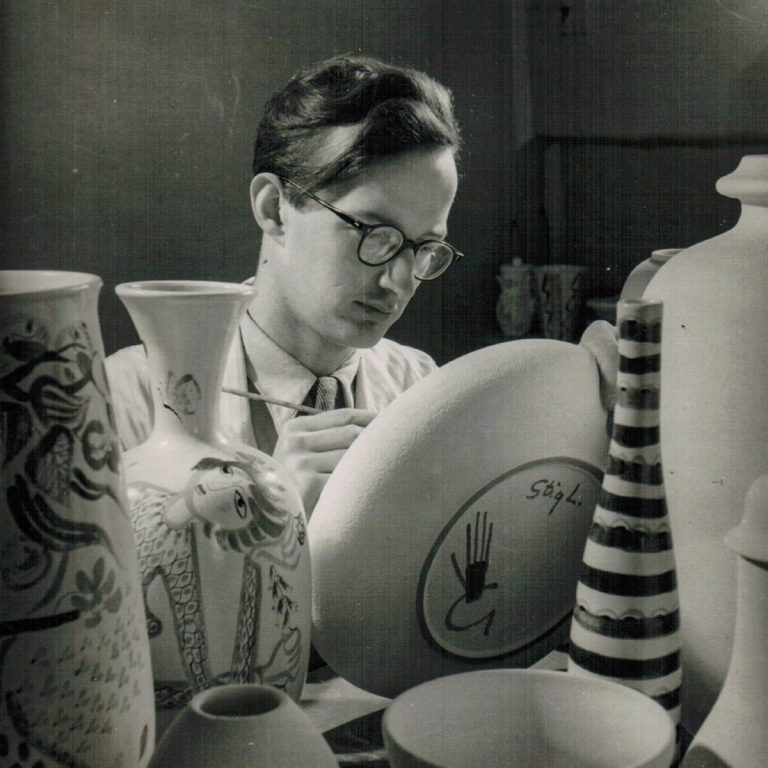
Stig Lindberg (1916–1982) was one of Sweden’s most important postwar designers and was working with ceramics, glass, textile, illustrations, paintings as well as industrial design. Read more about one of Sweden’s most prolific designers.
Stig Lindberg was active in a period in which segmentation and specialization within the design profession was less developed. His work can therefore be found in a variety of materials, from melamine to textiles and enameled steel, but also in a variety of forms, from ceramics to book illustrations and public fountains.
Lindberg’s design patterns characterized the Swedish folk home from 1940 to 1980 with, for example Prunus dinnerware with blue plums
Before a wood-cutting accident in his northern Swedish home, changed his mind the young Lindberg seriously considered a piano career, but after the incident he concentrated on drawing and studied with Helmer Osslund, a local artist.
It is said that a young Stig Lindberg on a June day in 1937 appeared at the porcelain factory in Gustavsberg outside Stockholm to ask for a summer job. The factory did not go well, and since the boss could not even promise him a position as a summer trainee, Lindberg said: “If you hire me, I will make sure there will be enough to do at the factory.”
Stig Lindberg achieved fame for his eccentric forms and whimsical decoration.
Gustavsberg, a three hundred years old factory at that time had just (1937) been sold to KF (Kooperativa Förbundet) The strongly socialist inspired cooperative culture was both instrumental in changing the status of designers by allowing Wilhelm Kåge to introduce the “studio” system, as well as in encouraging the young Stig Lindberg in studying in Paris and in Denmark.
During a long career with the Gustavsberg pottery factory, Lindberg created whimsical studio ceramics and graceful tableware lines. Stig Lindberg studied painting at the University College of Arts, Crafts and Design. In 1937, he went to work at Gustavsberg under Wilhelm Kåge. In 1949, he was named Kåge’s successor as art director. From this period until he left Gustavsberg in 1980, he designed individual ceramic items, as well as factory produced ranges and lines of dinnerware. He achieved fame for his eccentric forms and whimsical decoration.
During a long career with the Gustavsberg pottery factory, Lindberg created whimsical studio ceramics and graceful tableware lines.
Lindberg’s design patterns characterized the Swedish folk home from 1940 to 1980 with, for example Adam, cup-ware with the dot pattern or Prunus with blue plums, or Berså with stylized green leaves. In the 2000s, several of the series were put into production again.
Stig Lundberg also designed faience, textiles, public art, graphic design, industrial design and enamel art. He died from a myocardial infarction in 1982.
One of Sweden’s Most Prolific Designers, written by Tor Kjolberg
Celeriac has been known in Scandinavia for centuries, but has been used sparingly, mostly as a flavoring for soups and stews. The root is not widely eaten anywhere else, except in France. Read more about Scandinavian celeriac.
Celeriac is too strong-flavored to become a universal favorite, and it is rarely eaten on its own, bit for those who love it, celeriac is a marvel, and do not mind if it is served as the main vegetable. However, many don’t love it, particularly children. Adults share childhood memories of how celeriac floating among the diced carrots and leeks was the scare of the week. The carrot and leek were acceptable, end edible, but the celeriac was considered nothing but a punishment. Even worse were the celeriac ‘steaks’, a slab of boiled, breaded and fried celeriac that health-conscious housewives believed to be good for you.
The celeriac has been selected for its swollen roots, over millennia, and looks very much like celery when growing. Photo: REMA 1000
How it grows In other parts of the world, a similar taste is achieved by celery, or the herb parsley-celery, or par-cel, which is actually the ancestor of them both.
They are all biennials and umbellifers, like carrots, and will flower in their second year. The celeriac has been selected for its swollen roots, over millennia, and looks very much like celery when growing, except that part of the root above the ground and most growers will mulch the roots to keep them pale. The leaves of celeriac taste like celery, only much stronger, and are very useful as pot-herb, or chopped like parsley and scattered over winter-dishes.
Celeriac is a greedy feeder, and must be sown indoor in February, as it grows extremely slowly.
Appearance and taste The taste of celeriac is so overwhelming that it is often used more like a herb than a root. Its flavor, a cross between that of celery and a parsley root, with overtones of parsley leaves and lovage. The root can be used in any size, from tennis-ball to monumental football, like other roots, a very young, small celeriac is the most delicious and tender. The roots have a tendency to become spongy in the middle, due to a lack of minerals while growing, so choose one that is very firm and heavy, with no soft spots. They keep forever wrapped in plastic in the fridge.
The easiest way to clean a celeriac is to cut it into thick slices and peel the slices individually. Photo: coop.no
Culinary uses Celeriac is used as flavoring in stews, soups and braises; celery adds a similar, but milder flavor, though celery is seldom used in Scandinavia. Celeriac can also be mashed and made into fries and gratins, because of its starchy nature. Try a 50/50 potato-celeriac mash, or include it as part of a mixed root bake.
When raw celeriac has a delicate nutty taste and, if very finely diced, it’s beautiful in a salad. Even children seem to like it raw, or made into chips as an alternative to the more usual potato. These will never become crisp but the frying brings out the sweetness and a caramelized melting quality that children love. They are very good with game,
Coarsely grated, raw celeriac, coated in a vinegary homemade mayonnaise or crème fraiche, spiked with mustard, is a delicious accompaniment for venison, and very good in sandwiches with all kinds of cold cuts. When very young, in late summer, and only the size of a tennis-ball, celeriac can be braised whole in butter, or simmered in stock and served as a very interesting accompaniment for fish and beef, or in their own as a starter. A whole large celeriac is difficult to handle and clean. The roots make up a tangle at the bottom, and if you cut them all off, there is not always much left. The easiest way to clean a celeriac is to cut it into thick slices and peel the slices individually.
In this soup you get the full advantage of celeriac’s spectacular taste. The topping makes a good spicy contrast to the velvety soup.
1 teaspoon cardamom seeds, picked from whole green pods
2 medium celeriac
2 leeks
2 garlic cloves
1 tablespoon of salted butter
3 heaped tablespoons Madras curry powder
1 liter very strong chicken or fish stock.
Salt and coarsely ground black pepper
for the topping 200ml whipping cream
50g fresh ginger, finely grated
Finely grated zest of 1 orange
Juice of 1 lime
Serves 6
First, whip the cream for the topping in a bowl. Press the juice from the grated ginger by wringing it through a handkerchief, add this with the other seasonings to the cream, which will thicken and be soured by the seasonings. Set aside.
Grind the cardamom seeds to a fine powder.
Rinse the celeriac and leeks and cut into large chunks
Fry the leeks and garlic gently without browning in the butter: when they become translucent and fragrant, add the curry powder and cardamom, and fry a little more.
Add the celeriac and stock and season sparingly with salt and pepper. Add water just to cover the vegetables. If necessary, simmer until the vegetables are very tender.
whizz in a food processor until smooth Adjust the seasoning, then eat while really hot with the cream on top.
Go underground in Sweden and experience world-unique installations from war-time hangars and silver mines to contemporary art beneath a modern-day city to a mysterious underground church. Find out more about these four Swedish underground attractions.
The secret airbase in Gothenburg
Hidden near Gothenburg City’s Airport is a vast underground airbase, built in the start of the Cold War, extending over 22,000 square meters. The above-ground area covers 70,000 square meters.
Once top secret, the site has been transformed into an interactive aviation museum. Photo: Visit Stockholm
Once top secret, the site has been transformed into an interactive aviation museum, complete with simulators, a coffee shop and planes kids can scramble on.
Since January 1st 2008, Aeroseum has been part of the SMHA (Sveriges Militärhistoriska Arv – Swedish Military Heritage) network, under the umbrella of Statens Försvarshistoriska Museum (SFHM – The National Swedish Museums of Military History).
Today, the Aeroseum offers experiences that have not previously been available to the general public, including flying in vintage aircraft and helicopters.
The “mine suite” said to be the world’s deepest hotel room. Photo: Uniwue Hotels, Sweden
A room without a view at Sala
The old silver mine at Sala, 120km north-west of Stockholm has a suite hidden 155m beneath the surface. In the 1500s, King Gustav Vasa used to call the Sala Silver Mine “Sweden’s Treasure Chest.” Today, the mine is still a treasure chest—filled with history and adventures, above and below ground.
Temperatures in the tunnels hover just above freezing but the “mine suite”, said to be the world’s deepest hotel room in which you may be served a soup, is kept at a relatively balmy 18 degrees.
The underground church in Västerbotten
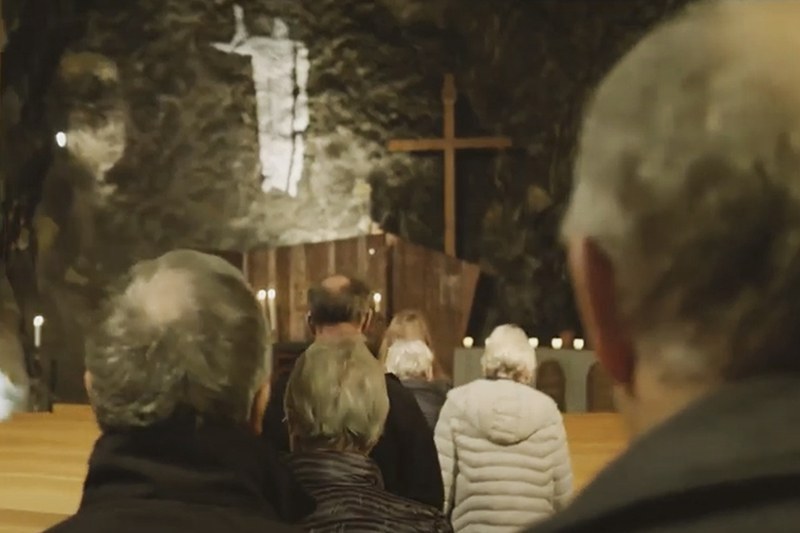
Working deep beneath Västerbotten County in 1946, the miner Johan Olofsson discovered a 2m-high image on one of the walls resembling Christ – apparently caused by detonations in the mine.
The church is open for worship complete with a replica of the Jesus-like image. Photo: Källan hotel
The news spread like wildfire and Norra Västerbotten published the picture in the newspaper. People flocked to Kristinebergsvägen to get down to the 120-meter level and climb 13 meters up on a vertical iron ladder to admire the figure.
The space was eventually filled in and the life in this small community continued and so did the mine. Until in year 1968 when a marble slab from the Co-op in Kristineberg was reversed and a dark image of Christ on a white background appeared. Christ had apparently appeared a second time.
In 1986, the ecumenical underground church of St. Anna was built 90m below ground in Kristineberg, close to the original spot. It’s still open for worship complete with a replica of the Jesus-like image.
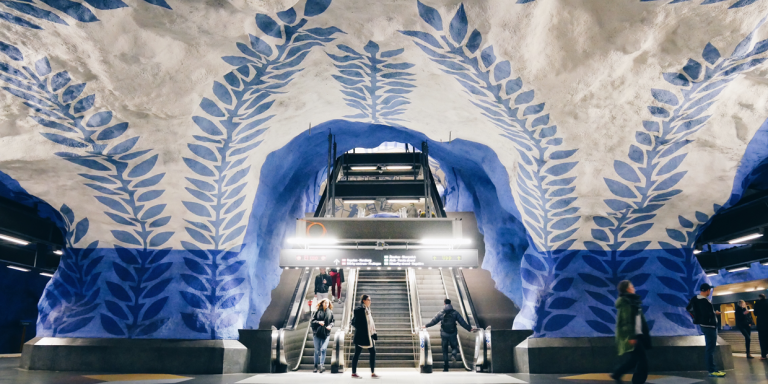
Stockholm’s Metro Art Gallery
Travelling by subway in Stockholm is like being in a personal, mobile art gallery. It has often been described as ”the world’s longest art museum”. For the price of a Metro ticket, you can enjoy impressive works spanning from the 1950s to the 2000s.
The Stockholm metro has more than one hundred stations, and at least ninety of them have elaborate art installations as part of their status quo decor. It evokes feelings of being part of a modern-day archeological expedition, full of undiscovered secrets and surprises.
Four Swedish Underground Attractions, written by Tor Kjolberg
Feature image (on top): The Metro in Stockholm. Photo: Visit Stockholm
During World War II, Norway’s Crown Princess Märtha and her three children fled the Nazis and lived in exile in Bethesda, Maryland. The location was convenient to Washington and to President Franklin D. Roosevelt. The crown princess, 39 years old at that time, travelled to USA at the invitation of the American president. The Norwegian Broadcasting Corporation has made a television drama, “Atlantic Crossing”, which has created a massive public debate around artistic liberties, and indignant historians have branded it “fake news”. Read more about the Norwegian royal drama from World War II.
The Crown Princess and the Crown Prince had become close friends with the US President and his wife during a comprehensive tour to the USA in the summer of 1939. The Crown Princess worked assiduously hard to promote Norwegian interests, and their friendship opened doors. Crown Princess Märtha was involved in a wide range of activities, from sending relief aid and participating in relief operations for refugees to paying official visits and giving lectures and speeches.
The US President was happy to welcome his Royal visitors
In 1939, the Norwegian Storting (the parliament) had deep concerns for Norway’s safety and security against Germans on the march. Crown Prince Olav, a naval officer, became a secret emissary to the US, making several trips to meet with President Roosevelt.
King Haakon, Crown Prince Olav and members of the Norwegian government never surrendered to Hitler. They won asylum in Great Britain and ran the country’s resistance from London, while Crown Princess Märtha and her three children were invited by the US President.
‘Atlantic Crossing’ is “Inspired by true events”
FDR was happy to welcome his Royal visitors, and offer the hospitality of the White House, which became their “second home” in the US. Shortly after their arrival, the Norwegian government leased a suitable house (on 140 acres) at Pook Hills, in Bethesda, MD and purchased it outright in 1941. The house was built by Merle Thorpe, the founder and publisher of Nation’s Business magazine.
Those behind the NRK’s seriesstaunchly defend their production, interpretation of events and artistic license
The show suggests that the exact nature of the relationship between the Crown Princess and the US President is shown to be faintly romantic. Due to this relationship Märtha was single-handedly able to convince the president into entering the Second World War, freeing up food, arms and most importantly, soldiers, to join the Allied effort. In one scene, Märtha is seen guiding Roosevelt to declare war on Japan following the bombing of Pearl Harbor, something else that historians have cast heavy doubt on.
LOOK TO NORWAY: Crown Princess Märtha in Washington with President Franklin D. Roosevelt during the President’s speech «Look to Norway». His wife Eleanor can be seen in the back to the right. The speech was a tribute to the Norwegian sailors and Little Norway. Photo: Jan Haug
“NRK gives viewers a fundamentally untrue story,” wrote history professor Tom Kristensen and royal biographer Tore Rem. The newspaper Aftenposten published a merciless headline, “Atlantic Crossing puts NRK’s credibility in play”.
The Pooks Hill that viewers see in “Atlantic Crossing” is certainly impressive: cream-colored stone, a domed copper roof flanked by reclining figures. However, the actual Tudor design house at Pooks Hill is nothing like the neoclassic 1911 Chateau Kotera in the Czech Republic in which the Pork Hill segments were shot.
Crown Princess Märtha sadly passed away from cancer in 1954 before her husband succeeded to the throne.
Those behind the NRK’s series, which has been sold to scores of countries and due to be shown on PBS Masterpiece in the US next spring, staunchly defend their production, interpretation of events and artistic license. They claim that while Norwegians know how Crown Princess Märtha made a major contribution to the war effort, and kept spirits up from abroad, she seldom won widespread recognition for her efforts. The text that is shown at the beginning of each episode states that the ‘Atlantic Crossing’ is “Inspired by true events,” not “This is a documentary.” Märtha was just stateside, remending Americans of the war that was raging across the ocean.
Søren Pilmark plays King Haakon in ‘Atlantic Crossing’
A romantic relationship between the President and the Crown Princess has never been proven
Franklin Roosevelt always enjoyed feminine company and companions. If they were young and attractive, so much the better. If they were intelligent – another plus. And if they were gentle tempered, non-demanding and content to bask in the President’s limelight, it was the epitome. Märtha not only embodied all the above, but one additional plus: like FDR (who was twenty years her senior), she had a marvelous sense of humor, according to those who knew her.
Märtha was the President’s guest at his home at Hyde Park, and also at Shangra-La, the presidential retreat in Maryland (now called Camp David.) He, in turn, was invited to visit her Bethesda home – particularly on those occasions when Crown Prince Olav had slipped quietly into the country for a brief visit.
Whether or not there was a romantic relationship between the two has never been proven, but witnesses at the time have concluded that Roosevelt did have feelings for the royal, even if not returned. Roosevelt’s son James once stated, ‘There was no question that Märtha was an important figure in father’s life during the war… there is a real possibility that a true romantic relationship developed between the president and the princess.’ Roald Dahl, who was an RAF pilot in Washington at the time wrote, ‘The President has it in his mind that he would like to sleep with her.’
An important time period in our history
In the series, Crown Princess Märtha is played by Swedish actress Sofia Helin and the US President Franklin D Roosevelt is played by American actor Kyle MacLachlan. “It is wonderful to see such an important time period in our history on American television screens every week,” Anniken Krutnes, Norway’s ambassador to the United States, wrote in an email to Answer Man. “I notice a lot of engagement both locally and from people around the country! For me, it enforces what we know to be true, that our two countries were always close and that the experiences during World War II brought us even closer.”
After the war, Märtha and her children (who include current monarch, King Harald) returned to their home, but Märtha sadly passed away from cancer in 1954 before her husband succeeded to the throne.
A Norwegian Royal Drama From World War II, written by Tor Kjolberg
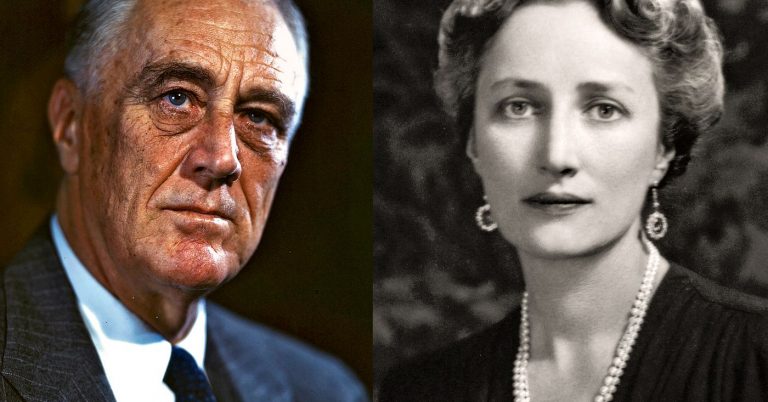
Feature image (on top): US President Franklin D. Roosevelt (1944) and Crown Princess Märtha (1943). Leon Perskie/Franklin D. Roosevelt Library and David Burns/De kongelige samlinger
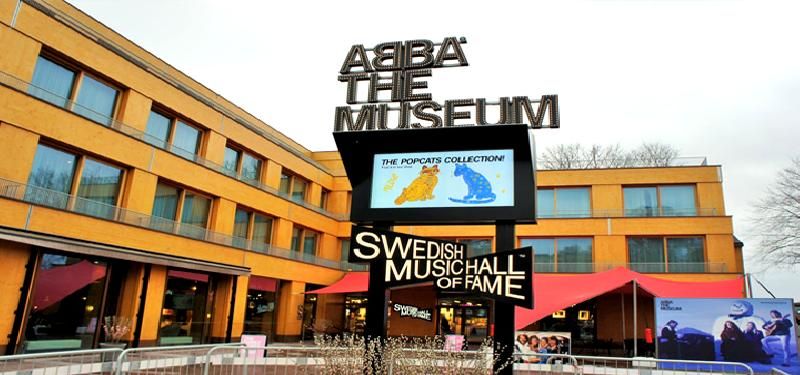
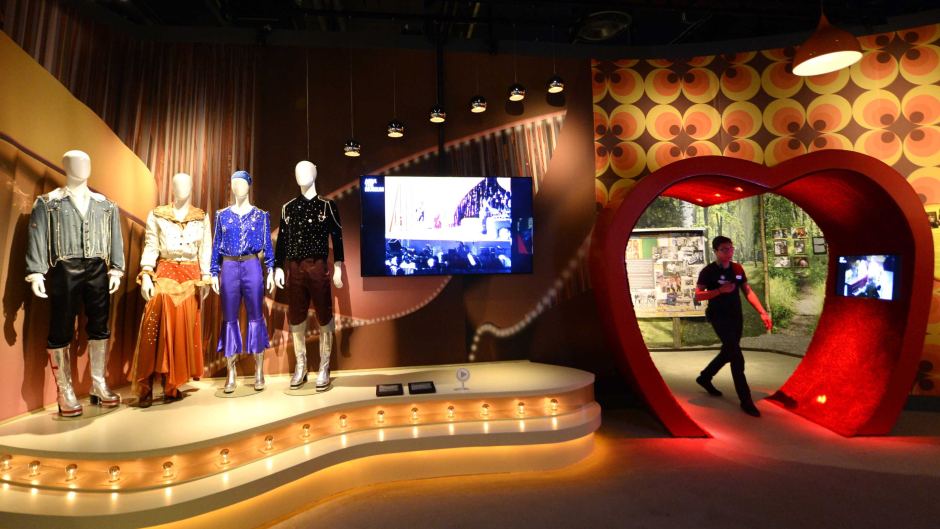
After having been closed since November last year, the ABBA Museum in Stockholm reopens on today. The planned ABBA Hologram Tour has also been postponed, but it has now been decided: ABBA goes live after the pandemics this year!
“After being closed for almost 200 days we are now getting ready to reopen and we are really looking forward to welcoming visitors again. We can´t wait to be able to exceed our visitors’ expectations and let them enjoy the music, the magic and the memories of ABBA, to have them once again. We will open in a responsible way and have adapted the museum, due to the pandemic. A visit to ABBA The Museum is safe and secure for both our visitors and our staff,» says Caroline Fagerlind, Museum Director ABBA The Museum.
“A visit to ABBA The Museum is safe and secure for both our visitors and our staff,» says Caroline Fagerlind, Museum Director ABBA The Museum.
She continues: “I´m also glad to share the good news that we have prolonged our popular temporary exhibition MAMMA MIA! Behind The Movie Magic, an exhibition that takes the visitors behind the scenes of movie making, until December this year.»
ABBA fans can now look forward to the ABBA Hologram Tour releasing 5 new songs
ABBA The Museum have a new ticketing system that gives visitors the possibility to cancel their tickets, by themselves, up to 24 hours before their visit, to encourage visitors to stay home if they have any symptoms. To ensure the maximum visitors allowed and keep an even flow in the exhibition the museum uses slot-times and only allow pre-booked tickets online.
ABBA The Museum has installed new hand sanitizer stands that are placed in strategic locations around the museum, plexiglass protection between staff and visitors in the cashiers and visitors will be helped to think about distance and caution by the museum’s staff, markings on the floor and clear signage throughout the museum.
From the ABBA Museum
Walk In. Dance Out.
The ABBA 2021 Hologram Tour ABBA fans can now look forward to the ABBA Hologram Tour releasing 5 new songs. In 2017, it was announced that the band would reunite in digital form in 2019. The group should perform as “Abbatars” for the first time since they split in 1982. As a reward to fans waiting for the reunion due to the COVID-related delays, the group will release 5 new tracks. It will be the first new ABBA music in 35 years!
After being closed for almost 200 days, The ABBA Museum in Stockholm is getting ready to reopen
In 1969, musicians Björn Ulvaeus and Benny Andersson met singers Agnetha Fältskog and Anni-Frid Lyngstad. Not only did the foursome pair off into couples (Fältskog and Ulvaeus wed in 1971, Lyngstad and Andersson in 1978), they also formed a musical group using the letters of their first names. In 1972, ABBA topped the charts in Sweden.
ABBA released their statement regarding their excitement in their journey, saying: “The decision to go ahead with the exciting ABBA avatar tour project had an unexpected consequence. We all four felt that, after some 35 years, it could be fun to join forces again and go into the recording studio.”
By the mid-1970s, the band was one of the most popular musical groups in the world. Singles such as “Waterloo,” “Dancing Queen” and “Fernando” gained ABBA fans in the U.S., Europe, Australia and elsewhere.
In an interview with The Times, Ulvaeus discussed how Agnetha Faltskog and Anni-Frid Lyngstad’s vocals were now in a lower pitch – “about one tone lower, perhaps” – but promised that the sound fans would hear on the tour would still be “very much Abba.” ABBA, however, will appear as their younger selves.
Bjorn Ulvaeus reveales how the process was done
Bjorn Ulvaeus revealed how the process was done: “They photographed us from all possible angles, they made us grimace in front of cameras, they painted dots on our faces, they measured our heads. Apparently, a cranium doesn’t change with age the way the rest of your body falls apart.”
About the new songs, Ulvaeus says: “One of them is a pop tune, very danceable. The other is more timeless, more reflective, that is all I will say. It is Nordic sad, but happy at the same time.”
ABBA Goes Live After the Pandemics, compiled by Tor Kjolberg