A World of Luxury and Wellness at The Well Spa and Hotel in Oslo

0

Before 2015, Norwegian spas lagged way behind the likes of Hungary, Germany, Austria and Italy – countries where spa-going has been a part of the culture for centuries and taking a steam, sauna or cold dip (often in the nude, men and women alike) was the most natural thing to do. In 2015, however, the three floor, 10,500 square meter The Well Spa outside Oslo opened its doors. Six years later, in June 2020, the much-anticipated hotel at The Well could welcome its first guests, making The Well an exquisite boutique resort with a luxury vibe. Experience a world of luxury and wellness at the Well Spa and Hotel in Oslo.

One month after the inauguration of the hotel, we were welcomed by General Manager André Julseth. Just a 20 minutes’ drive from downtown Oslo, we arrived at The Well Resort in its beautiful wooden surroundings with a full range of world class indoor and outdoor spa facilities. The Well spa is in fact the largest, most comprehensive spa and bathhouse in the Nordic region.

Related: Swedish Spa Hotel Combining Art and Wellness

A World of Luxury and Wellness at The Well Spa and Hotel in Oslo
Art is an important part of your stay at the Well – ouside and inside. Photo: Tor Kjolberg


A World of Luxury and Wellness at The Well Spa and Hotel in Oslo. Photo: Tor Kjolberg
The Well is Just a 20 minutes’ drive from downtown Oslo
A World of Luxury and Wellness at The Well Spa and Hotel in Oslo
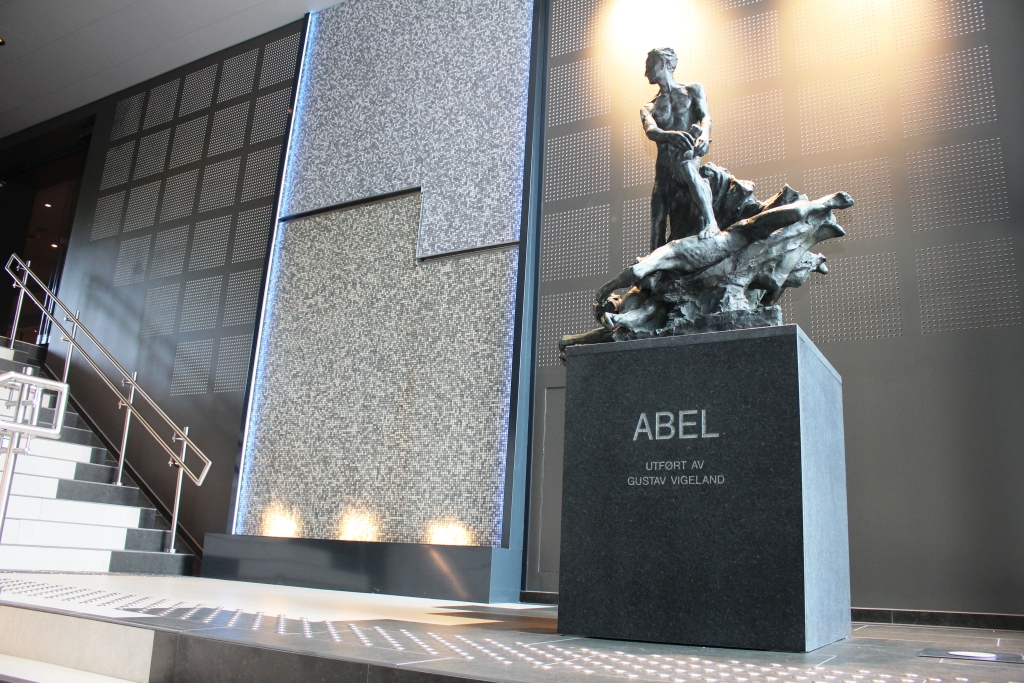
Abel, Sculpture by Gustav Vigeland in the reception area. Photo: Tor Kjolberg
A World of Luxury and Wellness at The Well Spa and Hotel in Oslo
Delicate natural colors in the reception. Photo: Tor Kjolberg

Rooms at the Well
Julseth tells us that there are no standard rooms among the 100 + rooms at the hotel. Ranging from Signature Rooms to the highly exclusive The Well Suite, all rooms are decorated with great variety, making each visit an experience of something new. The proximity to the forest has been an important element in the entire development process and you can rest your eyes on the colors of nature just by entering into the hotel.

A World of Luxury and Wellness at The Well Spa and Hotel in Oslo
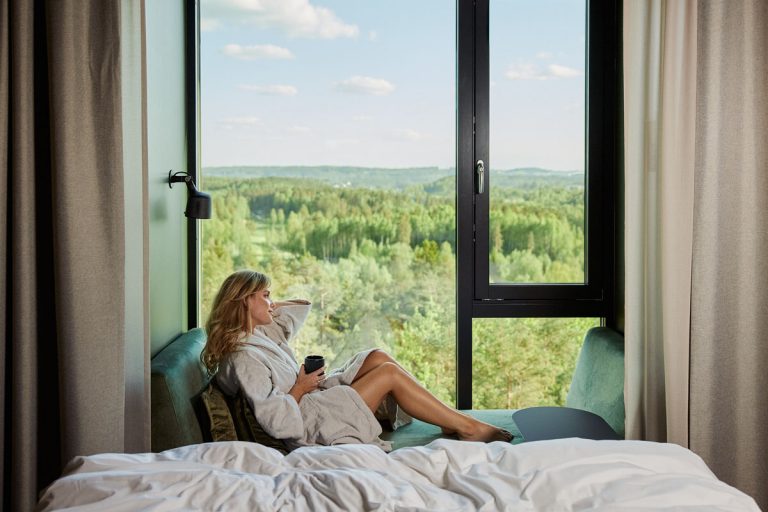
All rooms are decorated with great variety. Photo: The Well
A World of Luxury and Wellness at The Well Spa and Hotel in Oslo
Every room comes with luxurious bathrooms and fluffy robes. Photo: The Well

Every room comes with luxurious bathrooms, fluffy robes, coffee machines, aromatic The Well toiletries, B&O Bluetooth sound systems, mini bar and hairdryers. All rooms are decorated with an eclectic mix of luxury and comfortable coziness and gorgeous views.

A World of Luxury and Wellness at The Well Spa and Hotel in Oslo
Spa- as well as room-bookings have shot up abruptly this summer. Photo: The Well
A World of Luxury and Wellness at The Well Spa and Hotel in Oslo
The Well offers a full range of world class indoor and outdoor spa facilities. Photo: The Well

Growing interest for wellness, fitness and mindfulness
“Our insatiable interest for wellness, fitness and mindfulness is growing, especially in these times with home-working desk-bent bodies and minds,” says Julseth and adds, “This has pushed spa-bookings as well as room-bookings up considerably, and the hotel has proven to have a huge appeal to both loyal and new spa-goers.”

A World of Luxury and Wellness at The Well Spa and Hotel in Oslo
“Our insatiable interest for wellness, fitness and mindfulness is growing, especially in these times with home-working desk-bent bodies and minds,” says General Manager at the Well, André Julseth. Photo: Tor Kjolberg

André Julseth studied hotel management in Australia. He was appointed General Manager for the Well one year before the opening and comes from a manager position at the Thief Hotel in Oslo.
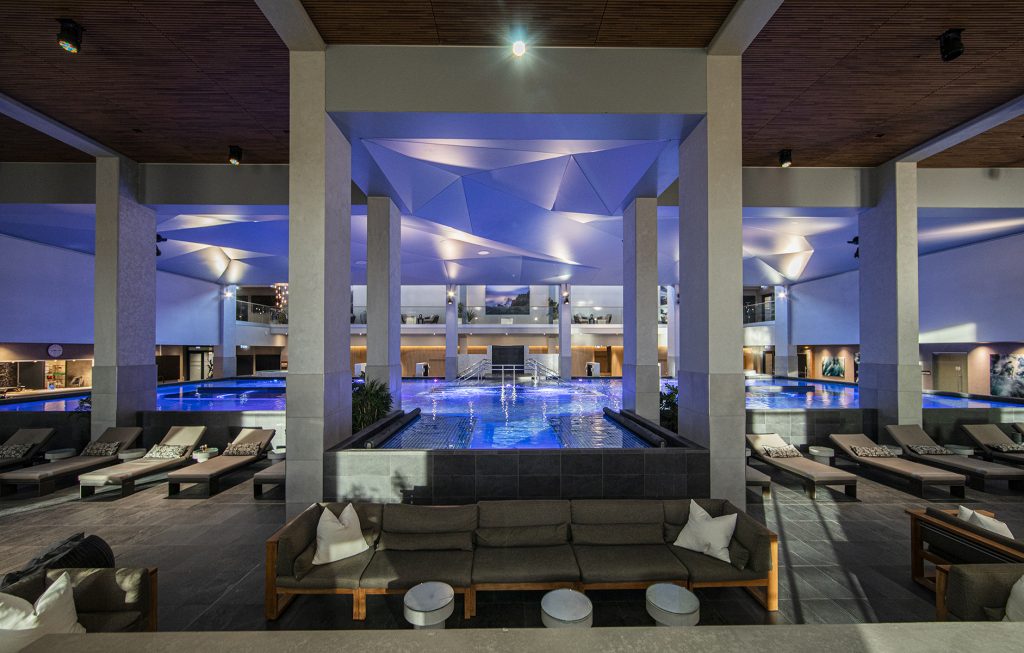
A World of Luxury and Wellness at The Well Spa and Hotel in Oslo
The Wellness Pool. Photo: The Well

“Here, the spa was built first and the hotel came later,” says Julseth. “The nakedness in the spa or using The Well’s own swimwear (the only type allowed) have both a hygienic and aesthetic function. A visit to The Well Spa feels comfortable for most people. The “perfect-body-pressures” brought on by modern society vanishes almost instantly upon arrival in the spa, guests feel comfortable wearing swimwear or not.”

Related: Norwegian Luxury Spa Hotel Directly on the Waterfront

The Well Spa
With its 15 different saunas and steam rooms, 11 different pools, more than 100 showers, waterfalls and 29 treatment rooms combined with its distinctive architecture and themes, The Well Spa creates a world of well-being. A Japanese bathhouse with an Onsen hot spring, Oriental Hammam, Rhassoul clay treatments and relaxation rooms are just some of the offers.

Embark on a 25- or 45-minutes’ treatment program with the encouragement of certified and talented therapists. The treatments in the Well Spa are immensely popular, so we recommend you to book your favorite treatments two to three weeks before your arrival. You can, however, visit the spa without being a hotel guest at a relatively moderate entrance fee. There are many regular guests, it is even possible to buy a frequent-visitor-pass.
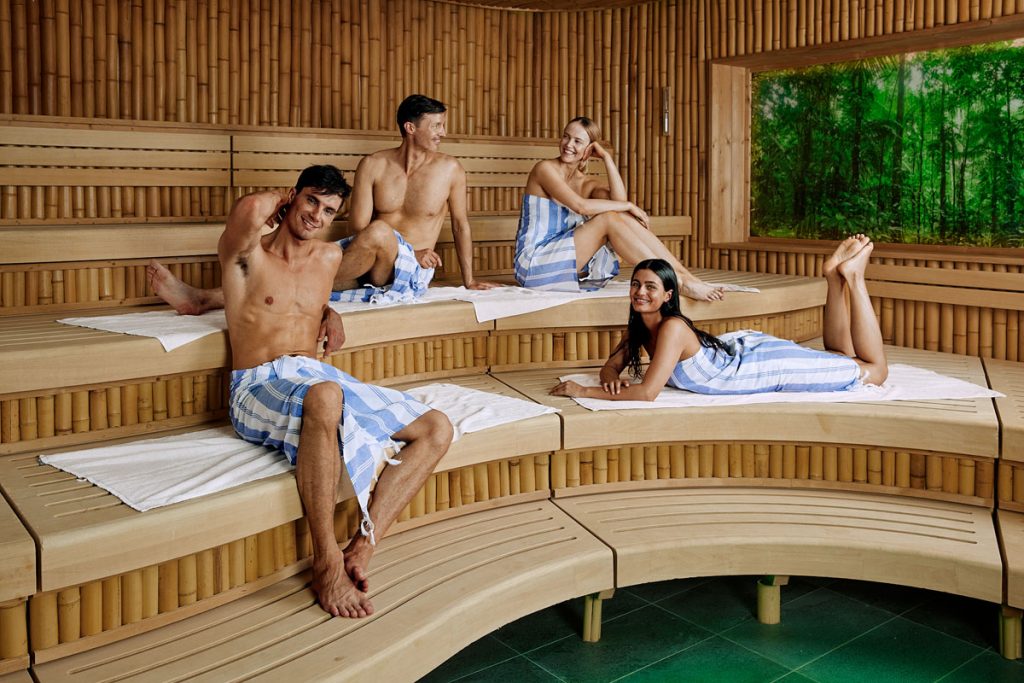
A World of Luxury and Wellness at The Well Spa and Hotel in Oslo
The Well Spa creates a world of well-being with its 15 different saunas and steam rooms, 11 different pools, more than 100 showers, waterfalls and 29 treatment rooms. Photo: The Well

The outdoor area of the spa features a large swimming pool, two whirlpools and a sauna built in a rustic style, nestled among rocky outcrops and pine trees. During the summer season the outdoor area features over 100 sun beds and a poolside bar serving refreshments.

A 300-meter-long lit path is under construction in the forested area on the resorts´ property. 20 full size art sculptures will be strategically placed and will adorn the pathway.

Related: Sound of Silence in Luxury Spa Hotel Outside Oslo

A World of Luxury and Wellness at The Well Spa and Hotel in Oslo
Food & Beverage Manager Maria together with ASndré Julseth. Photo: Tor Kjolberg

Eat and drink at the Well Spa and Boutique Hotel
In between well-being and relaxation, you can enjoy good food and drink in the spa’s Brasserie restaurant or the Mori top terrace restaurant where you can choose from a wide range of Asian fusion specialties prepared by Hungarian chef Attila Havans or enjoy signature cocktails and drinks at the Library Bar in the hotel. Mori is Japanese, meaning forest, and with the roof restaurant’s spectacular location, Mori becomes a destination in itself.

Except for the Brasserie, you can visit these facilities without staying overnight at the hotel.

A World of Luxury and Wellness at The Well Spa and Hotel in Oslo
A quick starter. Photo: Tor Kjolberg
A World of Luxury and Wellness at The Well Spa and Hotel in Oslo
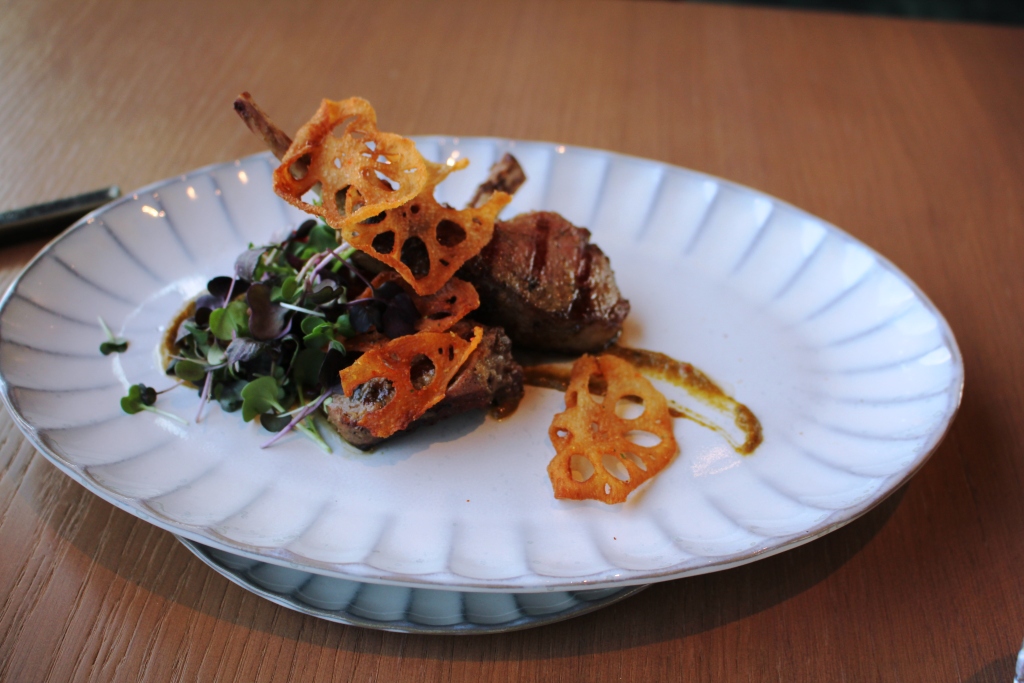
Lamb shops. Photo: Tor Kjolberg
A World of Luxury and Wellness at The Well Spa and Hotel in Oslo
Beef-steak. Photo: Tor Kjolberg
A World of Luxury and Wellness at The Well Spa and Hotel in Oslo
From the Mori restaurant. Photo: Tor Kjolberg
A World of Luxury and Wellness at The Well Spa and Hotel in Oslo
We were professionally taken care of and waited upon by waiter Teressa Tomislava from Croatia. Photo: Tor Kjolberg
A World of Luxury and Wellness at The Well Spa and Hotel in Oslo
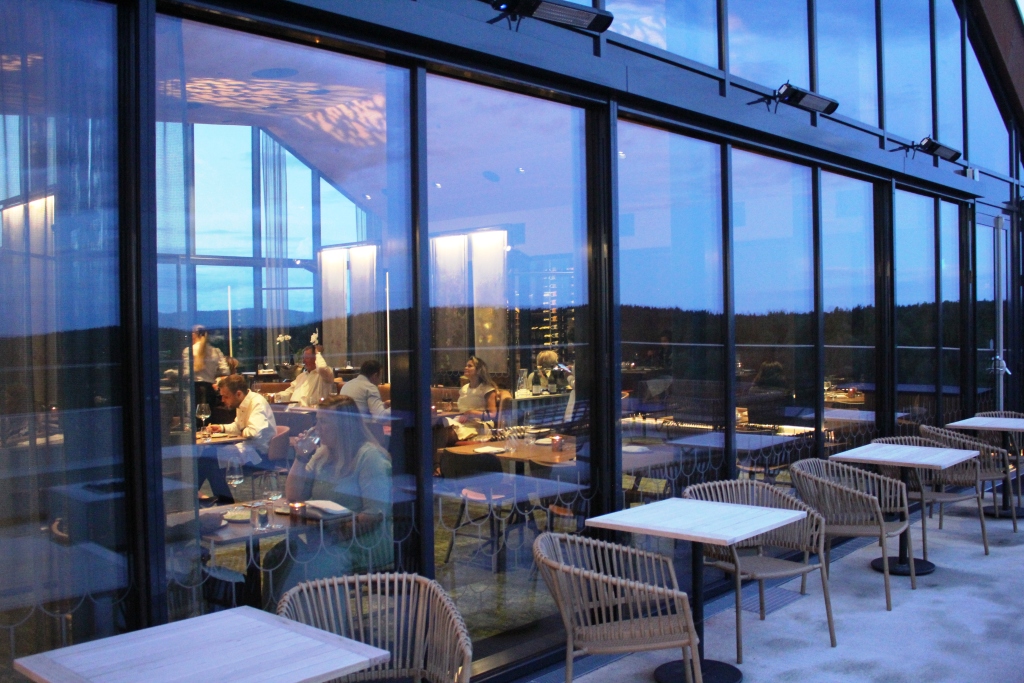
The Mori top terrace restaurant offers wide range of Asian fusion specialties prepared by Hungarian chef Attila Havans. Photo: Tor Kjolberg
A World of Luxury and Wellness at The Well Spa and Hotel in Oslo
The Mori Restaurant at night. Photo: Tor Kjolberg

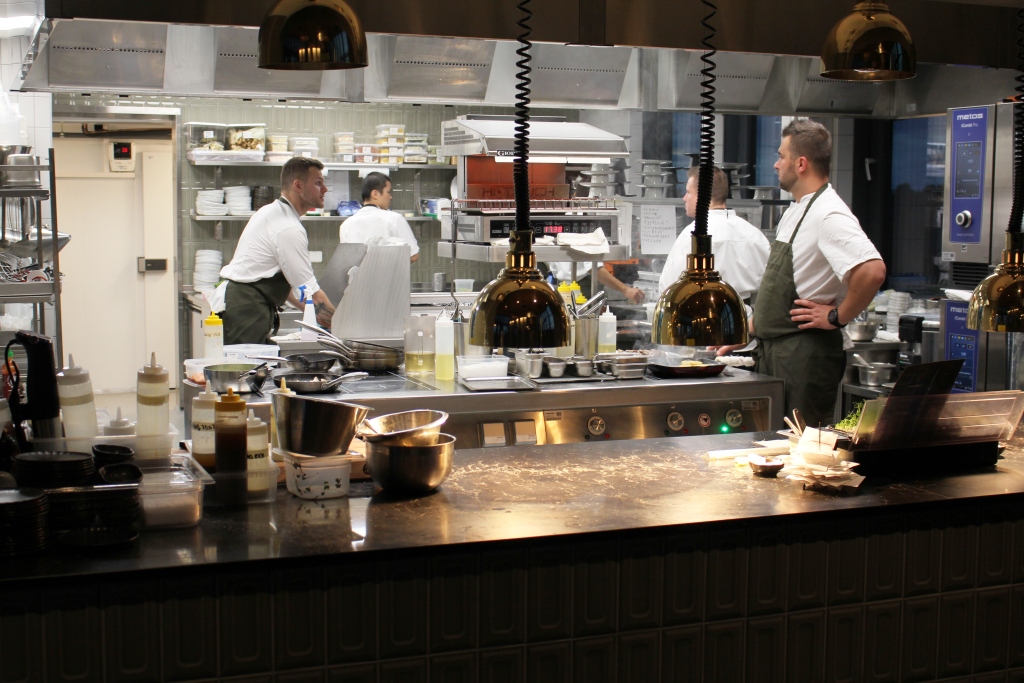
At Mori we chose a quick starter followed by lamb chops and beef steak respectively, talentedly prepared in the open kitchen, accompanied by a bottle of Riocca red wine. We were professionally taken care of and waited upon by waiter Teressa Tomislava from Croatia.

A World of Luxury and Wellness at The Well Spa and Hotel in Oslo
The Library Bar. Photo: Tor Kjolberg
A World of Luxury and Wellness at The Well Spa and Hotel in Oslo
Bartender Kim Sanström preparing one of his signature drinks. Photo: Tor Kjolberg

An the Library bar we enjoyed signature drinks made by bartender Kim Sandström, one he called SISU (he is half Finnish) and another one named TILT (which is an acronym for “Tomorrow Is a Long Time”) He says it takes 6 hours to prepare the cocktail.

Breakfast is served in the Brasserie in the spa section. Choose to wear either your private clothing or spa bathrobe if you’re heading out to the spa facilities afterward. In addition to a buffet with everything you could possibly wish for, from cold cuts and cheeses to cereal, fruits and freshly baked pastries, there is a small a la carte menu of hot dishes. We ordered delicious poached eggs with avocado.
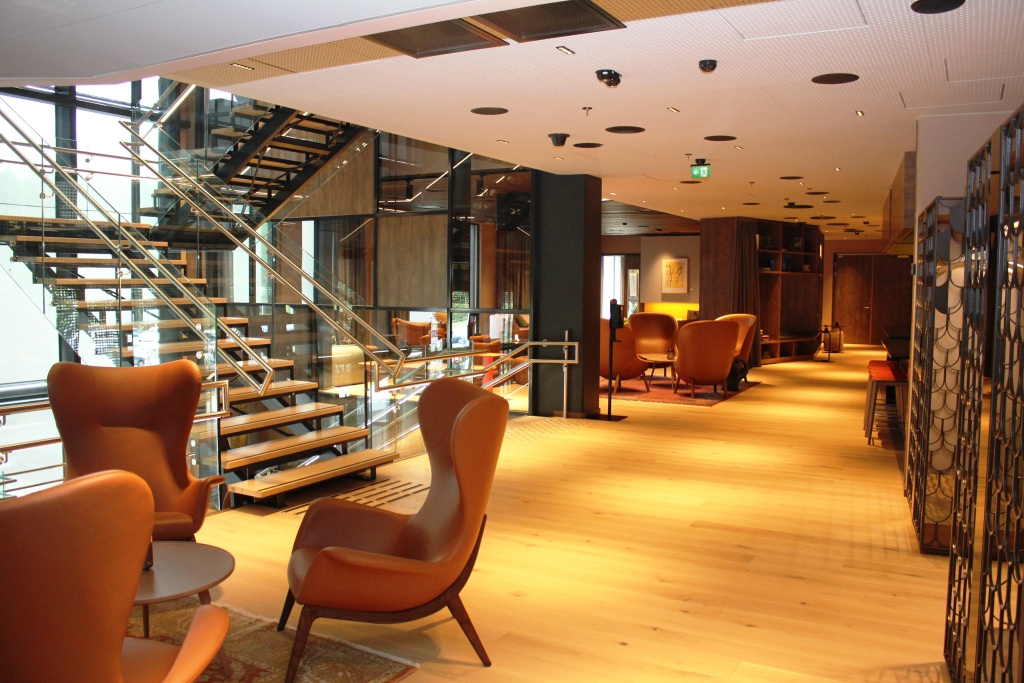
A World of Luxury and Wellness at The Well Spa and Hotel in Oslo
From one of the resting areas. Photo: Tor Kjolberg

A World of Luxury and Wellness at The Well Spa and Hotel in Oslo – Conclusion
Service at the Well Spa Resort is friendly, welcoming and professional. It was also refreshing to experience a young and dynamic team of staff. Indulge yourself in a world of luxury and wellness at The Well Spa Resort in Oslo.

A World of Luxury and Wellness at The Well Spa and Hotel in Oslo, written by Tor Kjolberg

Feature image (on top): Photo by The Well.
Rediscovering Scandinavia’s Golf Courses as Gems for Golfers

While primarily famed for its stunning landscapes, rich Viking history, and impressive breweries, you’ll be surprised to know that Scandinavia is also a go-to destination for golf enthusiasts. This European region is home to some of the most renowned courses that have to make it onto your bucket list. Here we’re rediscovering Scandinavia’s Golf Courses as Gems for Golfers.

 If you haven’t yet discovered the irresistible charm of Scandinavian golf courses but are already getting your car ready and revved for the road trip of a lifetime, here are a few clubs you’ll want to throw into your itinerary.

Rediscovering Scandinavia's Golf Courses as Gems for Golfers
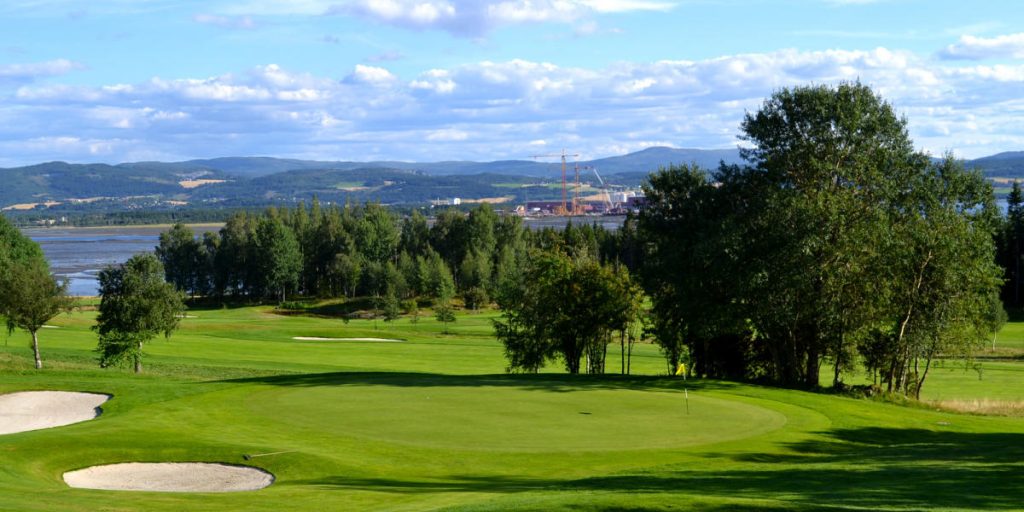
The Stiklestad Golfklubb doubles as a hiking and recreation area. Photo: Stiklestad Golfclub

Stiklestad Golfklubb – Norway
Located in central Norway, the Stiklestad Golfklubb doubles as a hiking and recreation area. It is rife with lush greens, breathtaking scenery, and all the facilities an avid golfer needs. Plus, history buffs will get a kick out of the stunning views of Trondheim Fjord, the third-largest inlet in the Norwegian Sea.

While the temperature typically drops low, you’ll catch a generous glimpse of the sun on these rolling hills, so don’t forget a golf hat!

Related: Norway Bucket List: Check out these golf courses in the land of the midnight sun

Rediscovering Scandinavia's Golf Courses as Gems for Golfers
Established in 1924, this once nine-hole course, Oslo Golf Club Bogstad, is now 18 holes long and Norway’s oldest golf course.

Oslo Golfklubb – Norway 
Established in 1924, this once nine-hole course is now 18 holes long and Norway’s oldest golf course! Nowadays, it’s home to the Norwegian Masters and Ladies European Tour, so don’t be surprised if you encounter budding professionals!

When in Norway, don’t forget to check out these other must-see golfing destinations!

Rediscovering Scandinavia's Golf Courses as Gems for Golfers
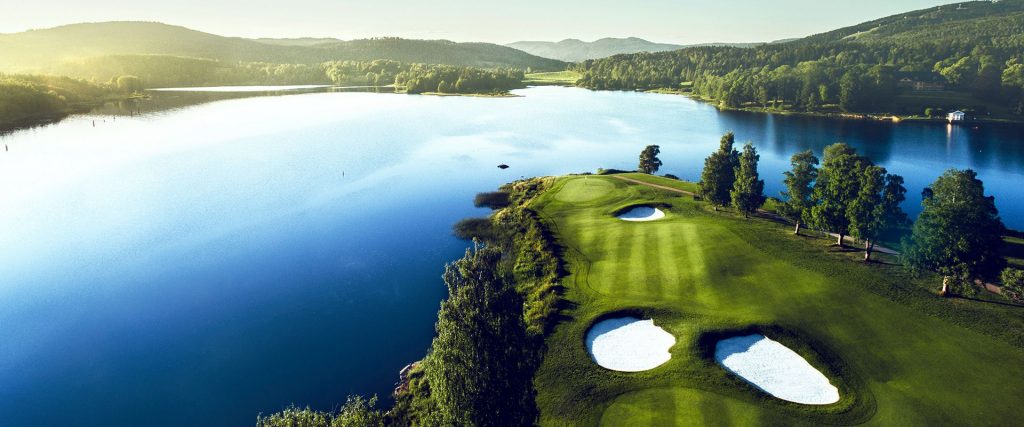
The remote Great Northern Golf Course is not just a prestigious golfing destination but also boasts a unique Nordic design

Great Northern Golf Club – Denmark
When in Denmark, you can’t miss out on the Great Northern Golf Club. This remote course is not just a prestigious golfing destination but also boasts a unique Nordic design. Surrounded by clear blue lakes, you’re likely to stumble upon a picture-perfect moment with every hole.

Overall, this 18-hole course is also one of the most challenging in the country, so you may want to pack along a more forgiving driver until you perfect this terrain.

Rediscovering Scandinavia's Golf Courses as Gems for Golfers
Home to two golf courses, the Scandinavian in Denmark is just a stone’s throw away from Copenhagen

The Scandinavian – Denmark
Home to two golf courses, the Scandinavian in Denmark is just a stone’s throw away from Copenhagen. Both courses are highly varied, making them an excellent destination for practicing various difficulties.

Each of the two also consistently ranks for Europe’s best golf courses, so you can rest assured you’ll get the challenge you need! Plus, its natural environment is awe-inspiring and a magnet for tourists from all over the world.

Rediscovering Scandinavia's Golf Courses as Gems for Golfers
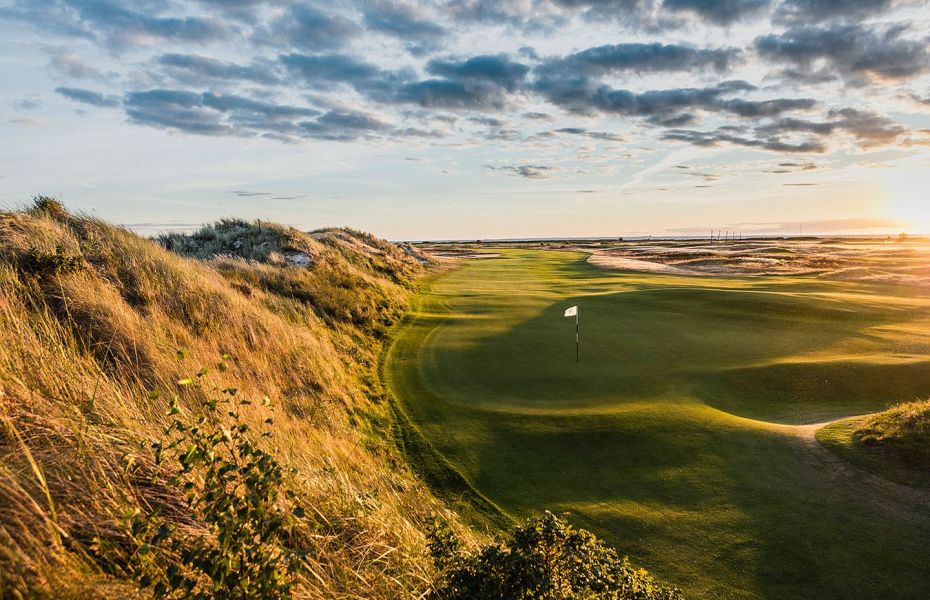
Falsterbro Golf Course, established in 1909, is the oldest in Sweden

You may also like to read: It’s All About Well-Being at Swedish Spa Hotel

Falsterbo Golfklubb – Sweden
This golf course, established in 1909, is the oldest in Sweden and has stood the test of time for good reason. It is remote, unspoiled, and right next to some of Sweden’s most beautiful beaches.

It currently ranks among the Top 100 Golf Courses and neighbors many highly-rated BNBs where you can retire after a long day under the sun.

Rediscovering Scandinavia's Golf Courses as Gems for Golfers
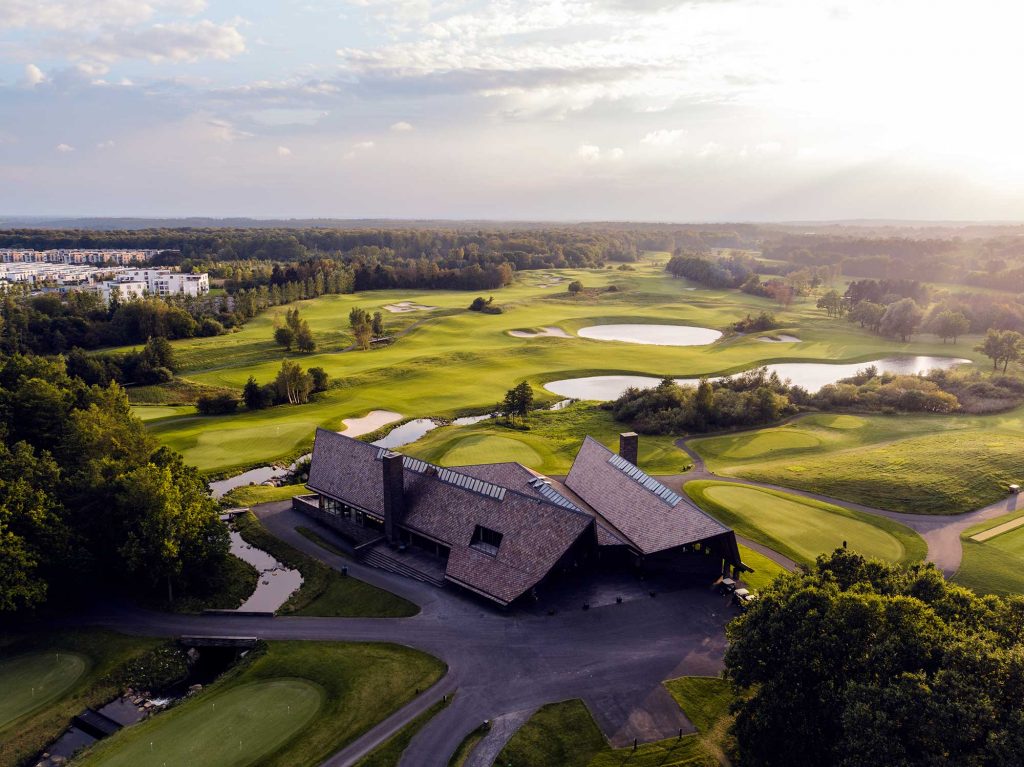
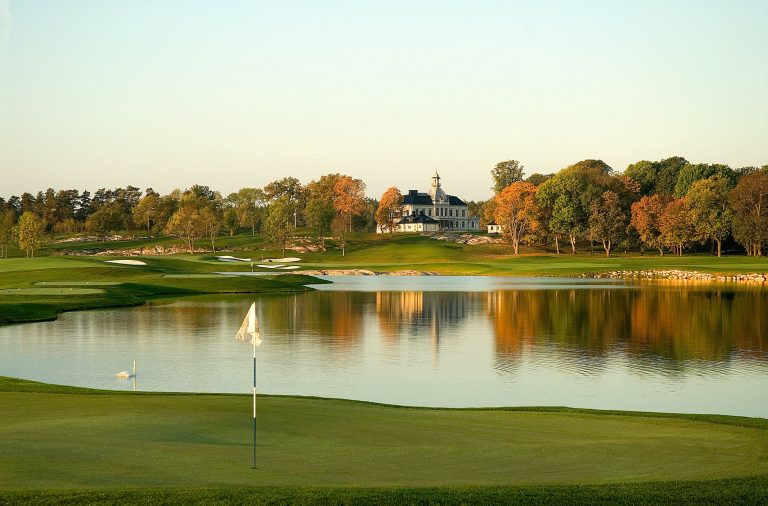
The Bro Hof Slott tournament-grade golf course isn’t just renowned for its challenging holes—it’s also home to a lavish castle! Photo: Lennart Hyse / Bro Hof Slott GK

Bro Hof Slott Stadium Course – Sweden
This tournament-grade golf course isn’t just renowned for its challenging holes—it’s also home to a lavish castle! While this course is relatively new, it’s won a multitude of accolades since its grand opening in 2007.

Those who love a good challenge can take on this 8,000-yard course while enjoying an entire afternoon of picturesque views and rolling hills.

You may also like to read: Proper Workout at Elegant Swedish Yacht Club

Rediscovering Scandinavia’s Golf Courses as Gems for Golfers – The Bottom Line
When in Scandinavia, you’ll get your fair share of standout golf courses no matter where in the country you are. If you’re shopping for golf balls in preparation for your European trip, don’t forget to give these must-see destinations a peep!

Rediscovering Scandinavia’s Golf Courses as Gems for Golfers, compiled by Jordan Fuller.

Feature image (on top): © Bro Hof Slott Stadium Course – Sweden

World’s First Fossil-Free Steel From Sweden

0

Without use of fossil fuels, Sweden has delivered the world’s first shipment of steel delivered to the Volvo group. This is a major milestone on the road towards cutting carbon emissions from industry. Learn more about the world’s first fossil-free steel from Sweden.

The HYBRIT project is owned by SSAB, Vattenfall and LKAB, and it looks to revolutionize an industry where just 553 conventional steel plants worldwide account for about 9% of global greenhouse gas emissions. The HYBRIT projects was set up in 2016 and started test operations at its pilot plant for fossil-free steel in Lulea, northern Sweden, a year ago. It’s hoped that an industrial scale can be reached as early as 2026. The IEA forecasts that steel production globally will grow by a third through to 2050.

World’s First Fossil-Free Steel From Sweden
The HYBRIT project is owned by SSAB, Vattenfall and LKAB

Related: Norwegian Zero Emissions Ship Without Crew

The whole country of Sweden produced just over 45 million metric tons of CO2 emissions in 2020, but across all its operations SSAB was responsible for almost 9 million. HYBRIT claims that by eliminating fossil fuels from the steelmaking process, it could reduce Sweden’s total CO2 emissions by “at least” 10%.

“The first fossil-free steel in the world is not only a breakthrough for SSAB, it represents proof that it’s possible to make the transition and significantly reduce the global carbon footprint of the steel industry,” Martin Lindqvist, SSAB’s president and CEO, said.

Speaking at a press conference, the Swedish minister for business, industry and innovation Ibrahim Baylan said he was “happy to be minister for enterprise and energy in a country where industry is bubbling with energy for a [green] reset.”

Related: Norway – The Poster Child For Electric Vehicle Adoption

According to the International Energy Agency, the iron and steel sector is responsible for 2.6 gigatons of direct carbon dioxide emissions each year. In 2019, this figure was greater than the direct emissions from sectors such as cement and chemicals.

Anna Borg, CEO of Vattenfall, which is also responsible for some of Europe’s largest wind farms, said HYBRIT “shows how partnerships and collaboration can contribute to reducing emissions and building competitiveness for industries.”

World’s First Fossil-Free Steel From Sweden
HYBRIT claims that by eliminating fossil fuels from the steelmaking process, it could reduce Sweden’s total CO2 emissions by “at least” 10%.

Related: Danish Scientists Unravel Occurrence of “Impossible” Crystals

HYBRIT is not the only project looking to mitigate the effects of steel production. Another, H2 Green Steel, plans to build a steel production facility in the north of Sweden that will be powered by a “green” hydrogen plant. H2 Green Steel claims it will be up and running by 2024.

Volvo said in April it would start production this year of prototype vehicles and components from the green steel.

World’s First Fossil-Free Steel From Sweden, written by Tor Kjolberg

Norwegian Forest Lights

0

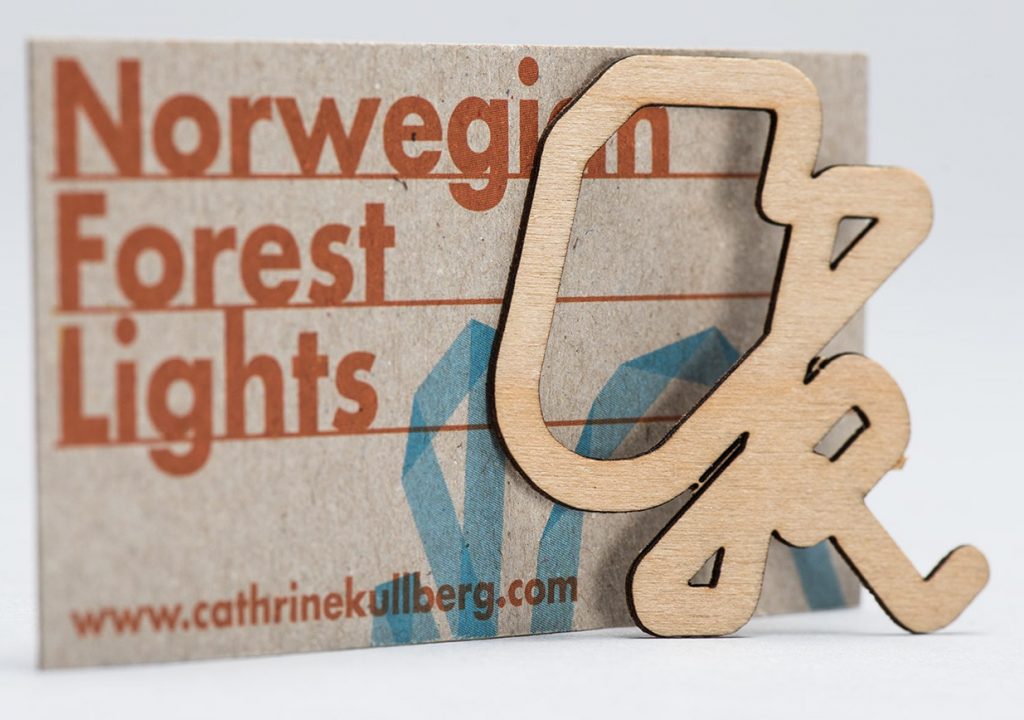
The Norwegian designer Cathrine Kullberg made her very first Norwegian Forest Lamp in 2007, made by natural or white ash and birch and assembled by hand from her studio workshop in Oslo. When sales volume increased, the license to produce and distribute her lamps was given to the lighting company Northern Lighting. Read more about the Norwegian Forest Lights.

Nordic romantically, “Norwegian forest” is a lamp made by hand following the Scandinavian tradition processing techniques. Thin strips of natural birch translucent or white ash, together with carvings are delicately laser-cut into forest motifs, then carefully bent to form a shade. The double layered 0,9 mm veneer was custom made for the collection. The shade is hand-sewn onto a white steel frame using natural leather string creating a rich pine forest and animals.

Norwegian Forest Lights
Nordic romantically, “Norwegian forest” is a lamp made by hand following the Scandinavian tradition processing techniques.

Related: Oslo Wood Lamp in New Colors

By day, the fixture adds interest and a unique visual texture to any space. But at night, when lit from within, it’s pure magic: the entire shade takes on a warm glow, while points of bright light peek through the carved treetops.

The lamps have been sold in almost 30 countries and lighting many homes and public areas with its warm glow of light through the cut forest contours. In 2020, the lamp was included in the permanent collection of National Museum of Decorative Arts and Design in Trondheim  (Nordenfjeldske Kunstindustrimuseum), as well as in the Norwegian National Museum of Art, Architecture and Design.

Norwegian Forest Lights
Oliver Dupon found 75 leading artisans from Europe, Australia and the USA, including Cathrine Kullberg

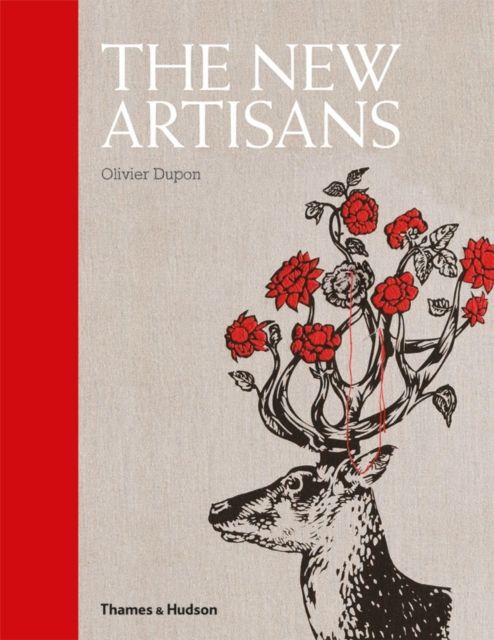
According to the author of the book “The New Artisans – Handmade Design for Contemporary Living”,
it’s time to blow the dust off the term ‘artisans’. Oliver Dupon found 75 leading artisans from Europe, Australia and the USA, including Cathrine Kullberg. “Functional art” is the term Dupon prefers, whether the objects have a purely artistic purpose or are utility objects.

Related: Norwegian Designer Makes Traditionally Knitted Reading Lamps

Cathrine Kullberg was born in 1971 in Norway. She has a Master’s degree in Political Science and Esthetics from the University of Oslo and a Master’s degree in Design from the Central Saint Martin’s College of Art and Design in London.

Norwegian Forest Lights
Cathrine Kullberg

She went to work at the renowned Thomas Heatherwick Studio as a designer and project manager. Upon her return to Oslo, she worked as project leader at Norsk Form at the Norwegian Centre of Design and Architecture.

Norwegian Forest Lights, written by Tor Kjolberg


19 Apps to Adapt in Denmark as a Student

0

Studying in a foreign country can be very overwhelming, especially as a student. You need to get around the city every day for your classes, interact with classmates and professors, as well as abide by local rules and regulations you know nothing about. Here we present 19 Apps to Adapt in Denmark as a Student – and other travelers as well.

Today we will try and help out those students who live and study in Denmark. We had put together the list of 19 mobile applications that will help in the day-to-day life of a Danish student. There are many apps to choose from, so go ahead and pick the ones that seem most helpful to you.

Related: An Introduction To Studying In Scandinavia

Our Top 20 Apps Students in Denmark Should Install
There are hundreds of apps online, but not all of them are equally useful. We choose a bunch of apps based on what typical Danish students enjoy using daily so that you don’t have to rummage through endless online resources on your own. Keep reading to discover the 20 best apps students in Denmark find super useful.

19 Apps to Adapt in Denmark as a Student
Apps for getting around. Photo: Max Aduyanukosol/Unsplash

For Getting Around
Here are some great apps to help foreign students with transportation across an unfamiliar city.19 Apps to Adapt in Denmark as a Student

Rejseplanen is an ultra-helpful app for residents and tourists alike. It helps to navigate travel via train, bus, and subway. It offers you available routes you can take, while also showing how long it will take you to get from one place to another. This information is crucial for students who don’t want to miss their classes. It is available in English, which is great for foreigners.

19 Apps to Adapt in Denmark as a StudentExploring new places is most fun when you are a student, even though you have little time and money for adventures, you’re free of any other restrictions and full of energy to spend. Flixbus is an app that allows inexpensive yet comfortable travel within Denmark as well as outside the country.

19 Apps to Adapt in Denmark as a StudentMany students note how much they love GoMore app. They claim that this car-sharing application allows the cheapest traveling in Denmark, as it doesn’t set a specific sum for a single ride. It helps car owners and passengers find one another and travel together, sharing the traveling expenses with mutual benefit.

19 Apps to Adapt in Denmark as a StudentWere you aware that 9 out of 10 Danes own a bike? It’s officially nations’ favorite means of transportation, so you better get familiar with this traditional vehicle too. Donkey Republic app allows people to rent bikes and take them for a spin. It operates in 13 cities of Denmark so installing this application will be handy if you plan a local vacation.

19 Apps to Adapt in Denmark as a StudentEasy Park is an app for those who like traveling around Denmark by car. This parking app is a handy way to pay for the parking space and track the duration of your parking so that you don’t receive any tickets. As a student, you likely don’t have extra cash stashed for tickets, and rather spend your money on something better, like succulent Danish food.

19 Apps to Adapt in Denmark as a Student
Apps to help you determine the best spots to eat some tasty local food. Photo: Shane Rounce/Unsplash

For Grabbing A Bite
Now that you know your way around the block, here are some apps to help you determine the best spots to eat some tasty local food.

19 Apps to Adapt in Denmark as a StudentStudents are notorious for living off of fast food and sugary bars, so we are here to make finding good food easier for them. Just Eat is a food delivery app that partners with over 2000 cafes and restaurants that can deliver provisions to your dorm or apartment.

19 Apps to Adapt in Denmark as a StudentWolt is a different food delivery service that utilizes Denmark’s favorite vehicle – bikes! This makes Wolt a good delivery alternative for eco-friendly students who still want to enjoy meals that require zero cooking time. This app also allows you to track the whereabouts of your courier while your order is being delivered.

19 Apps to Adapt in Denmark as a StudentToo Good To Go
Speaking about environmentally conscious decisions, this awesome app helps reduce food waste by offering you the list of establishments that have produced surplus. Numerous cafes, restaurants, stores, and hotels across Denmark joined this initiative, and you can too by ordering perfectly delectable food that will otherwise go to waste.

19 Apps to Adapt in Denmark as a Student‍Hungry.dk is yet another food delivery service in Denmark you can try as a student. It has an intuitive interface and is loved by many Danes. It is known for swiftly adding new establishments to its options, which is great for hungry students who love trying something new.

19 Apps to Adapt in Denmark as a Student
Apps to help you study Danish. Photo: Kate Kalvach/Unsplash

For Communication
Maybe you’re fluent in Danish, but it’s likely that, as most foreign students, you’re still getting a hang of it. See the few apps to help you study Danish below.

19 Apps to Adapt in Denmark as a StudentBabbel is a self-study app that offers 14 languages to choose from, including Danish. It helps improve communication skills, grammar, and vocabulary in short sessions that even the busiest students can squeeze into their schedule. Lessons with this app are very resultative because it uses interactive techniques, even though they don’t take up more than 15 minutes of your time.

19 Apps to Adapt in Denmark as a StudentDuolingo
This language learning application is well known by many. You can use it to learn languages from scratch, starting with the simplest words and moving on to long sentences. Featured tasks are grouped by their difficulty. Foreign students can improve their reading, listening, and speaking skills with this app.

19 Apps to Adapt in Denmark as a StudentPimsleur is a language learning app that has been around for over 50 years. It has its own science-based learning methodology that helps learn swiftly and effectively. It offers a variety of lessons and exercises that train speaking, reading, grammar, and vocabulary. These are short 30 minute lessons busy students can more easily fit into their schedules.

19 Apps to Adapt in Denmark as a StudentMondly is another language learning app perfect for students. It offers short lessons one can easily complete on a go. It emphasizes teaching how to speak, which is the most important language skill for foreign students. It uses new technologies and scientific data to make lessons effective as well as fun.

19 Apps to Adapt in Denmark as a StudentStudieskolen online course
This course is an ultimate resource to learn Danish if you are located in Copenhagen, as you will be able to visit their offline lessons. It is great for foreign students and Scandinavians alike. They have many courses for students of different proficiency levels and focus their curriculum on speaking and teaching proper Danish pronunciation that most foreigners have trouble with.

If there’s nothing wrong with getting some digital help with learning a language, you can’t judge a fellow student for trying to get additional aid to make their life and education in a foreign country more fruitful. Students in need can use Edubirdie as a platform that can help them with academic writing assignments. Specialists at Edubirdie will help you keep on top of your assignments and perform well in a school abroad.

19 Apps to Adapt in Denmark as a Student
Miscellaneous applications will help you organize and manage your life in Denmark. Photo: Shane Rounce/Unsplash

Other Helpful Apps
Some great apps are hard to categorize, but we do want you to note them. These miscellaneous applications will help you organize and manage your life in Denmark.

19 Apps to Adapt in Denmark as a StudentMobilePay
This application is the number one most used app in Denmark in 2020, which you can confirm by viewing the table below. It is a program that allows those who have a Danish bank account to send and receive payments easily and without fees. Denmark has always been among the pioneers of cashless payments, so as a student you better install this ultra-popular app as soon as possible.

19 Apps to Adapt in Denmark as a StudentInformation provided by Statista

19 Apps to Adapt in Denmark as a StudentE-Boks is another must-have application most Manes use. It’s an administrative resource that helps manage notifications from governmental institutions in one place. You can use it to view important documents like tax or hospital notices. Although this app doesn’t bring any fun, students often need it on hand.

19 Apps to Adapt in Denmark as a StudentBoligPortal is a housing app that helps locals and foreigners search for accommodations in many Danish cities. It is super useful for students, as they often need to locally find a room or an apartment to live in while studying.

19 Apps to Adapt in Denmark as a StudentMinSundhed is an application most people use to teach their hospital appointments, receive medical reports or test results. With Covid-19 still being an issue, such an app is as relevant as ever.

19 Apps to Adapt in Denmark as a StudentCopenhagen City Walks
This app is a handy tool for foreign tourists and students who wish to take a break from their studies and learn more about the city. It provides many picturesque routes you can explore without a tour guide, which will help students save money.

Related: Street Charm in Copenhagen

19 Apps to Adapt in Denmark as a Student
Copenhagen city walks. Photo: Sabbylin Zavgorodniaia/Unsplash

App-ly Your Newfound Knowledge!
Now that you have learned about numerous apps that can help you manage your travel, shopping, leisure, studying, and other aspects of a student’s life in Denmark, you can spend a lot less time manually managing details. Don’t be hesitant to adapt helpful digital solutions in your daily life, as they can be super handy, especially in a new setting. Being relieved of some tedious tasks allows you to study hard, make some friends, explore a new country and properly take in all it has to offer!

19 Apps to Adapt in Denmark as a Student, written exclusively for Daily Scandinavian by Jessica Fender. Jessica is a professional writer and educational blogger at Writeload. Jessica enjoys sharing her ideas to make writing and learning fun.

Feature image (on top): Photo by Christian Möller / Unsplash

Grotesque World Premiere In Bergen Norway

Socially critical and groundbreaking works by Paul McCarthy and a large-scale exhibition dedicated to Nikolai Astrup are among the highlights at KODE Art Museums and Composers Home in Bergen this autumn. In addition to old favorites returning after refurbishing, a grotesque world premiere in Bergen Norway is in the pipeline.

“The audience can look forward to being seduced, upset, provoked and outraged,” says director Petter Snare. The program ranges from a research-based exhibition about Astrup and Bergen’s interwar artists, to the first major exhibition by the British artist Paul McCarthy (b. 1945) in a Norwegian museum.

Grotesque World Premiere In Bergen Norway
“The audience can look forward to being seduced, upset, provoked and outraged,” says KODE director Petter Snare,here in front of a painting by J. C. Dahl

Related: The Silver Treasure in Bergen, Norway

«With extraordinary allocations for art purchases from the Ministry of Culture during the pandemic, I also look forward to display what we have collected in the last two years,” says Snare.

Works from KODE’s collection by Nikolai Astrup have this year aroused great success in the USA under the title «Visions of Norway». Now the art returns to Western Norway for the large-scale exhibition “Raw Nature” which opens on 15 October.

«This will be the largest Astrup exhibition in a long time in Bergen with almost a hundred works. The audience can look forward to a reunion with well-known, but also completely newly discovered works», says Snare.

The exhibition is curated by the British art historian Mary Anne Stevens.

Related: Beautiful Bergen: It’s Art and Artists

The exhibition “Bergen painters in Paris 1920” curated by the honored art historian Gunnar Danbolt opens November 12. It deals with how the stay of seven Norwegian artists with French André Lhôte (1885–1962) would affect the art life in Bergen in the interwar period.

For the exhibition, KODE has made several purchases to strengthen the collection of this important period in Bergen’s history.

World premiere: Paul McCartney solo exhibition
In KODE’s series of exhibitions with central American art, the museum is proud to present a living legend this autumn. A comprehensive presentation of the artist Paul McCarthy opens on 19 November.

Grotesque World Premiere In Bergen Norway
A comprehensive presentation of the artist Paul McCarthy opens on 19 November.

With highly socially critical and groundbreaking works, McCarthy has created disgust, protests and debate in the United States since the late 1960s. He is known for mixing grotesque and violent expressions with symbols from popular culture and the consumer industry.

«All the works in the exhibition are newly produced for Bergen and reflect the present in a completely unique way”, says Snare.

The exhibition consists of a video installation in a specially built room, a performance, and a wide selection of drawings and sculptures. The exhibition is curated by Philip Larratt-Smith.

Grotesque World Premiere In Bergen Norway
Raw western Norwegian nature and the French heritage

Norwegian contemporary art: New acquisitions
On December 3, opens the extensive group exhibition «First the Good News».

For KODE, the pandemic’s extra funding has quadrupled its procurement budget, and for the first time an opportunity to make broad purchases from the contemporary art scene. The works are primarily purchased from local exhibition venues and artists associated with Western Norway.

«We have taken a critical approach to identify shortcomings and skewed representation in the collections”, says Snare.

Related: Old Bergen Stock Exchange Converted into Boutique Hotel

A large selection of what has been acquired through purchases, deposits and gifts in recent years will be displayed. Among them, installations by Siri Aurdal and Bergen artist Toril Johannessen, paintings by Ida Ekblad, central court drawings by Esther Maria Bjørneboe and art by Sami Britta Marakatt-Labba.

The audience success “Paul Cézanne: Masterpieces from the Courtauld” will also be shown throughout the autumn, until 12 October.

Grotesque World Premiere In Bergen Norway
KODE Art Museums and Composer Homes in Bergen is one of the largest museums for art, craft, design and music in the Nordic countries.

About KODE
KODE Art Museums and Composer Homes in Bergen is one of the largest museums for art, craft, design and music in the Nordic countries.

KODE has a unique combination of art museums and composers’ homes, of contemporary art, historical objects, concerts and parklands.

The museums stewards almost 50,000 objects ranging from paintings, works on paper, sculptures, installations, videos, musical instruments, furniture and works of fine craft and design. These objects can be experienced in four museum buildings in Bergen city centre (KODE 1, 2, 3 and 4), and in the homes of the composers Ole Bull, Harald Sæverud and Edvard Grieg.

Grotesque World Premiere In Bergen Norway, based on a press release from Kode Bergen.

The Fascinating History of Scandinavian Horses

Scandinavian horses have been spotted on the land since the last ice age. Various horse breeds have been used in farming, showing, and pleasure riding. Most of them make excellent companions because of their calm nature. In this article, we’ll explore the history of the most popular horse breeds from Denmark, Norway, and Sweden. Learn more about the fascinating history of Scandinavian horses

Here’s a list of Scandinavian horse breeds that you should know about.

The Fascinating History of Scandinavian Horses
The Swedish Ardennes is a breed that is descended from the Ardennes. Photo: Rolf52/Shutterstock draft horses.

1. Swedish Ardennes
The Swedish Ardennes is a breed that is descended from the Ardennes draft horses. This horse breed has never been used for military purposes. Because it was deemed too small and weak to be of any use in war. The horse was bred in the 19th century for agricultural purposes.

This Scandinavian horse breed stands at 14 hands (56 inches) high but can grow up to 16 hands (64 inches). It weighs between 800-1100 pounds (360-500 kilograms) with an average weight of 900 pounds (400 kilograms).

The Swedish Ardennes is most known for their ability as an endurance runner. This horse breed’s running gait is so smooth that those who first saw them thought they were floating across the ground touching down on hooves!

Such horses are known as long-livers. Their lifespan goes up to 30 years. If compare horse years to human years this is equal to an 88-year-old man. The body is compact and hardy. The head is small with little eyes. The neck is thick and short. The legs are short and have feathering. The common colors are black, chestnut, and bay. The Swedish Ardennes is intelligent and good-tempered.

The Fascinating History of Scandinavian Horses
The Scandinavian coldblood trotters were brought over by immigrants to Scandinavia in the 1700s. Photo: MrsSparrow/Wikipedia

2. Scandinavian Coldblood Trotter
The Scandinavian Coldblood Trotter is a draft horse breed. Scandinavian Coldblood Trotters are descendants of the Friesian, Clydesdale, and Shire breeds. They were brought over by immigrants to Scandinavia in the 1700s. These horses were primarily used for farm work. Soon after, Coldblood Trotters became popular as harness racing horses during WWII when gas was limited.

Today, you can see the Scandinavian Coldblood Trotter outside their native countries. As the breed’s bloodlines have been exported throughout Europe and North America. Coldblood Trotters are usually bay, chestnut, or black. White markings on the face and legs are allowed by the breed’s registry.

The average height of the Scandinavian Coldblood Trotter is 15.1 hands (60.4 inches). The horse stands high at the withers (main ridge along the upper back). Scandinavian Coldblood Trotters typically weigh between 1000 and 1200 pounds (454-544 kilograms). They’re well proportioned with a long neck that’s slightly arched and deep through the chest. The head of a Scandinavian Coldblood Trotter is well chiseled with large eyes. Their small ears are set high on the skull and good width between each eye.

The Scandinavian horse breed’s temperament can vary based on their use in work or sport. Generally, these horses are intelligent, well-mannered, and willing to work. That’s beneficial for equestrians who’re looking for horses for long-distance races and endurance rides.

The Fascinating History of Scandinavian Horses
The Fjord Horse was developed in the mountains and coastal areas across Norway, Sweden, Denmark, and Iceland. Photo: Lotelien / Pixabay

3. Fjord Horse
The Fjord Horse was developed in the mountains and coastal areas across Norway, Sweden, Denmark, and Iceland. This cold-climate horse is known for its heavy build as well as an active temperament.

Fjord horses have been used to plow fields. They were first domesticated over 4,000 years ago. Nowadays, these Scandinavian horses are still utilized for farm work. But mostly, you’ll see a Fjord Horse being ridden during sports events. These include dressage competitions and long-distance races like the Nordkapp ride (an endurance race from Paris to Northern Cape).

The Fjord Horse is defined by the thick winter coat. It covers the horse’s short legs with strong joints and good bone structure underneath it all. Fjords also come with broad backs and chests. Their bodies are compact and strong. All Fjord horses are of a dun color.

Fjord horses have an average height of 14 hands (56 inches) but can grow to 16 hands (64 inches) high. The average weight of the Fjord Horse is 880 to 1100 pounds (400-500 kilograms).

Being a hard worker with good instincts for farm work, the Fjord Horse is quite versatile. These Scandinavian horses enjoy human interaction and attention from their owners. Such horses are gentle, playful, and docile.

The Fascinating History of Scandinavian Horses
The Dole Trotter is a Scandinavian horse breed from Norway. Photo: Uhryn Larysa/Shutterstock

4. Dole Trotter
The Dole Trotter is a Scandinavian horse breed from Norway. The Dole Trotter was developed in the 19th century. Local Nordic breeds were bred with Oriental horses such as Hackneys and Arabian Horses. This draft horse breed was used as a pack horse and for agricultural purposes. The breed is known for its ability to work under harsh conditions and pull heavy weight.

The breed’s characteristics include strength, speed, agility, endurance, and intelligence. Dole Trotter is a versatile horse breed. It makes the horse suitable for harness racing and riding sports. The Dole Trotter took part in the creation of the North Swedish Horse. The goal was to develop a lighter horse that is suitable for harness racing.

As for the conformation, the head has a straight profile line without any dished face similar to the Arabians but smaller. The neck is of medium length proportionate to the body while being thick at the base (which differs from other Scandinavian breeds). The lower legs have feathering.

The average height of a Dole Trotter is 14.1 to 15.3 hands (57 to 63 inches). The weight ranges from 1190 to 1390 pounds (540 to 630 kilograms). Dole Trotters are quite intelligent and curious horses.

You may also like to read: Dances With Wolves in Norway

The Fascinating History of Scandinavian Horses
The Danish Warmblood was developed in Denmark during the late 19th and early 20th centuries. Photo: Anastasija Popova/Shutterstock

5. Danish Warmblood
The Danish Warmblood was developed in Denmark during the late 19th and early 20th centuries. It was bred by crossing European stallions and Danish mares. The breed is used for dressage, show jumping, combined driving, eventing, and endurance riding.

The Danish Warmblood has a strong square-built body with an average height of 15 hands (60 inches). The average weight is 880 to 1100 pounds (400-500 kilograms).

The head is straight or slightly concave on the profile with big eyes. The horse bears a thick neck without any crest at all. The Danish Warmblood features short sloping shoulders and a deep chest along with good bone quality. Especially in its legs which are free from featherings. However, the limbs appear quite bulky due to fleshy skin folds called boxy warts found around their knees above the cannon bones.

The Danish Warmblood is the most popular in Denmark and Sweden. It’s known for its calm temperament and high spirit. Such a breed is easily trained. The common colors include black, bay, chestnut, and brown.

You may also like to read: Scandinavian Elk

The Fascinating History of Scandinavian Horses – The Final Word
Horses are fascinating creatures, and no one knows them better than the people of Scandinavia. The cultural heritage includes not only the Dala horse from Dalarna. The history of Scandinavian horses goes back centuries before most other breeds were even discovered. The equines have been used for farming, transportation, war, and companionship.

Some of the breeds are well-known all over the world. Due to their excellent temperament, Scandinavian horses are top-notch companions for humans. You’ll find them advantageous in most aspects of our lives.

The Fascinating History of Scandinavian Horses
David Garcia

The Fascinating History of Scandinavian Horses, written exclusively for Daily Scandinavian by David Garcia. David considers himself a huge fan of equestrian sports. Being born in a family of farmers, he was literally living at the ranch. His first riding experience was when David was six. He was so fascinated with the grace and intelligence of horses so he decided to plunge into equestrianism deeply. Thus, he’s been participating in a range of horse races and shows where he often grabs medal positions.

David believes that we could be better by sharing our experiences. That is why he founded Horsezz – a blog that is dedicated to equestrian sports.

Feature image (on top): Horses on a meadow in summer. Photo by Nilsgh / Pixabay

Scandinavian Dill

Dill is the ultimate Nordic herb adding a special fresh and typically northern taste to almost every dish made with fish, shellfish, lamb and vegetables. Learn more about Scandinavian dill.

Scandinavian dill cannot be replaced with anything else. If you must, you can try a mix of fennel, parsley and tarragon, but it will not be the same, though still good. Dill seeds are not a successful substitute as they are more like caraway.

Scandinavian dill
Dill is an annual and a very easy herb to grow, particularly in partial shade. Photo: Plantasjen

How it grows
Dill is an annual and a very easy herb to grow, particularly in partial shade. Sow it in a shallow drill from April onwards, water well, then thin to 5cm. You can pitch the soft leaves, or wait for the flowers, lime green and lovely, which are a herb in their own right, with a stronger, more caraway-like taste.

Scandinavian dill
Scandinavian dill cannot be replaced with anything else. Photo: frukt.no

Culinary uses
Dill is a prolific umbellifer, used for pickles, pickled fish, gravad fish, in mild spring stews with veal or lamb, and served with all kinds of fresh fish. It is perfect for boiling fish and shellfish and for marinating all kinds of vegetables. Spring or summer cabbage is lovely with dill.

Scandinavian dill
Lamb cooked with dill from Hedmark, Norway. Photo: oppskriftkroken.no

Lamb stew with loads of dill
In this recipe, the dill penetrates the whole dish with a wonderfully, fresh green taste that Scandinavians love. You can add delicate spring vegetables, such as peas, spring cabbage, new carrots or asparagus, but it’s better to eat the vegetables on the side. In winter, you could add a root vegetable, such as scorzonera or salsify, parsley, or even celery.

If you ask your butcher to bone the lamb for you, make sure you ask to keep the bones.

1 neck of lamb or large shoulder or leg, boned (approx. weight 1.5kg, including the bones).
1 large onion, sliced
2 garlic cloves
1 bouquet garni, consisting of the green parts of 1 leek, 2 celery sticks, the stalks from the     dill (see below) and 1 sprig of fresh thyme.
Butter for frying
Salt and one teaspoon whole black peppercorns
200ml white wine or cider
A little plain flour for coating

to finish
200ml whipping cream
1 tablespoon cornflour
2 large bunches of dill, chopped

Serves 4

Scandinavian dill, written by Tor Kjolberg

Feature photo (on top): Flowering dill. Solhatt.no

Kiruna In Sweden Is About More Than Space

0

The world’s most versatile space center, Esrage, is located in the very north of Sweden, above the Arctic Circle. The facility has been operational since 1966 and has access to a vast, unpopulated impact and recovery area. However, Kiruna in Sweden is about more than space. Read on.

Esrange is located in the very north of Sweden, above the Arctic Circle and has access to a vast, unpopulated impact and recovery area. Presently it is used by the international scientific community for launching sounding rockets for microgravity and atmospheric research as well as high altitude balloons for astronomy, atmospheric research and drop tests of space and aerial vehicles.

Kiruna In Sweden Is About More Than Space
Some 17km away in the village of Jukkasjärvi is the world’s original and largest ice hotel which first opened in 1990. A visit to the ice bar is a must. Photo by Asaf Kliger – Nordic Choice Hotels

The Icehotel is nearby
Some 17km away in the village of Jukkasjärvi is the world’s original and largest ice hotel which first opened in 1990. It gets remade each year using frozen water from the nearby Torne River, and from December to April is filled with lavish ice sculptures, the famous ice-bar and the very decent Icehotel Restaurant. It’s become a worldwide brand, but it’s no less impressive for it.

Kiruna In Sweden Is About More Than Space
Mountain rewsearch in Malmberget. (Press photo)

It’s got the world’s largest iron ore mine
You can head 540m underground on a tour of Kiruna’s LKAB iron ore mine, a staggering place where 76,000 tons of iron ore are brought to the surface every day. At its deepest point, the mine goes down to 1,540m.

Kiruna In Sweden Is About More Than Space
Abisko national park. Photo by Frederic Alm / Alm & ME /LKAB

It’s near Sweden’s highest mountains, and one of Europe’s largest wilderness areas
It’s about one hour’s drive to Abisko National Park, where you can hike the famous 440km Kungsleden (The King’s Trail) through one of Europe’s largest natural wilderness, taking in Kebnekaise, Sweden’s highest mountains at 2,111m.

Kiruna In Sweden Is About More Than Space
Hiking at Björkliden.

The activities are different
If reindeer and dog sledding and snowmobile riding aren’t enough, there’s always snow golf – with orange balls and “whites” rather than greens, it’s often played in the evenings to coincide with Northern Lights. For more information go to Bjorkliden.

Kiruna In Sweden Is About More Than Space
Skiing at Riksgränsen (border between Sweden and Norway). Phoito by Riksgränsen

It’s got skiing (and cars)
Nearby Riksgränsen (country border) is not only one of Sweden’s top ski resorts, with skiing possible under the midnight sun – it’s also a testing point for European cars, which come to drive on snow-covered roads and frozen lakes.

Kiruna In Sweden Is About More Than Space, compiled by Tor Kjolberg

Why More People Should Be Eating the Nordic Diet

It seems like a new “fad diet” comes around every year, making thousands of people change the way they approach food. Some are better than others, but many of them completely cut out certain food groups or focus on ingredients that might make you lose weight but aren’t necessarily good for your body. Find out why more people should be eating the Nordic diet.

The goal of any diet plan should be health. If you want to lose weight, it’s about eating fewer calories. But, you shouldn’t focus on weight loss at the expense of your overall wellness.

That’s why it’s always better to make a dietary lifestyle change, rather than jump on fad diet bandwagons. The Nordic diet is a perfect example of that. The countries of Sweden, Denmark, Iceland, Finland, Norway, and Greenland follow a delicious diet that doesn’t deprive you of things you’ll love to eat.

Related: 5 Reasons Why Scandinavia Is One Of The Healthiest Regions In The World

If you want to take charge of your health, it starts with your diet. Instead of cutting out food groups or doing something extreme, let’s take a look at the Nordic diet and how it can help you reach your health goals.

Why More People Should Be Eating the Nordic Diet
The Nordic diet is based on whatever is seasonal in Scandinavia, Photo: Anna Pelzer/Unsplash

What Does the Nordic Diet Look Like?
When most people hear the word “diet” they automatically think of cutting things out. That isn’t necessarily true. Your diet is simply what you eat every day. For Scandinavians, that consists of a variety of healthy, nutrient-dense staples like:

Whole-grain cereals
Berries and other fruits
Fatty fish
Legumes

More important than the specific ingredients is the approach to eating. The Nordic diet is based on whatever is seasonal in Scandinavia, so what is available changes regularly. It’s a great way to keep the diet “fresh” and to keep it from getting boring.

It’s less about cutting things out and more about making smarter choices
There are some foods that you’ll eat often on this diet, like the ones listed above. Others are to be eaten in moderation, and some are to be eaten rarely. Because the Nordic diet focuses mostly on seafood and legumes as sources of protein, red meat is rarely eaten. Does that mean you’ll never be able to enjoy a steak again? No. It does mean, however, that it shouldn’t be a staple in your diet if you go this route.

Why More People Should Be Eating the Nordic Diet
The Nordic diet is rich in vitamins and minerals, including Vitamin E. Photo: Nordwood Themes/Unsplash

Related: 6 Scandinavian Health Philosophies We Should All Embrace

Things like eggs, yogurt, and cheese can all be eaten in moderation on a Nordic diet. So, as you can see, it’s less about cutting things out and more about making smarter choices for your body.

What Are the Benefits?
One of the biggest benefits of the Nordic diet is that it provides your body with the nutrients it needs. It’s estimated that 92% of the population has at least one vitamin deficiency. While taking supplements can help, it’s recommended that most nutrients come from the food you eat.

The Nordic diet is rich in vitamins and minerals, including Vitamin E. It can help to reduce your risk of infection, improve your skin health, and protect most of the cells in your body. High levels of Vitamin E are found in foods like spinach and greens, as well as many fruits.

Other researched benefits of this diet include a reduced risk of cancer, diabetes, and cardiovascular disease. Because of the focus on fruits, vegetables, and herbs, it can even improve your vein health and lessen the risk or discomfort of varicose veins.

Foods rich in vitamins and minerals
When you’re eating foods rich in vitamins and minerals, you’re likely to feel better physically and mentally. Making the switch to a Scandinavian-based diet can improve your overall health and well-being, and you can experience everything from more energy to a better mood.

How to Make More Scandinavian Swaps
It can be difficult to give up your current diet and make a complete switch to something new. Doing so might discourage you from sticking with the newer diet. So, don’t feel as though you have to dive head-first into the Nordic diet while giving up everything you already love.

Instead, try to incorporate more Scandinavian ways of cooking and eating into your regular diet. Swap out things slowly, and you’ll quickly find out what your new favorite dishes are, which ingredients you favor, and what’s easiest to cook. With a slower transition, you’re more likely to make lasting healthy habits instead of falling victim to a fad diet.

Why More People Should Be Eating the Nordic Diet
When you’re eating foods rich in vitamins and minerals, you’re likely to feel better physically and mentally. Photo: Joanna Kosinska/Unsplash

Not sure how to get started? Try preparing some Scandanavian vegetables with your meals and using them to swap out other sides. Some of the most common veggies eaten in Scandinavia include:

Leafy greens
Beetroot
Red cabbage
Cucumbers

If your traditional sides include things like french fries and potato chips, making swaps for these (or other) vegetables can make a big difference. Eventually, you might crave those unhealthy foods less as your body gets used to foods that are richer in nutrients.

The Nordic diet is a way of changing your eating habits to look and feel your best. With so many health benefits, it’s a great way to improve your overall well-being without having to go to extremes.

Why More People Should Be Eating the Nordic Diet
Ainsley Lawrence

Why More People Should Be Eating the Nordic Diet written exclusively for Daily Scandinavian by Ainsley Lawrence. Ainsley is a freelance writer from the Pacific Northwest. She is interested in better living through technology and education. She is frequently lost in a good book.

Feature image (on top) Photo by Cecilia Par / Unsplash