The Royal Tiaras of Norway

0

The Norwegian Royal Tiaras reveal a wonderful snapshot of Norway’s history, some more than 200 years old and one just 20 years old. The tiaras also provide its close links with the country’s neighbors. Learn more about the royal tiaras of Norway.

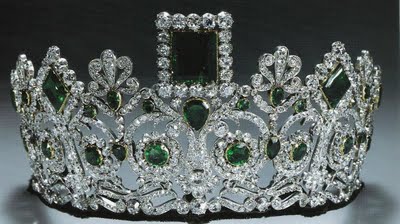
The Emerald Parure is a magnificent tiara thought to have originated from Empress Joséphine, first wife of Napoléon. It was made by French jewelers Bapst and was given to her granddaughter, Queen Josephine of Sweden and Norway and was worn by her daughter-in-law and successor, Queen Sofia.
The Royal Tiaras of Norway
The Emerald Parure was made by French jewelers Bapst

Princess Märtha of Sweden, who married her cousin, Crown Prince Olav of Norway, received the tiara as a wedding present from her parents, and, upon her death, it was handed down to Princess Astrid, who often acted as the first lady of Norway with her father until Sonja married her brother, Harald.

Related: A Norwegian Royal Drama From World War II

Since then, Queen Sonja has made it one of her most popular tiaras, being the only royal who currently wears it. Despite its long history in the country, she is the first Queen of Norway to actually wear the Norwegian Emerald Parure Tiara.

The Royal Tiaras of Norway
Queen Maud’s Pearl and Diamond Tiara
was worn by Queen Maud at the 1902 Coronation of her father, King Edward VII

Queen Maud’s Pearl and Diamond Tiara was a wedding gift to the queen in 1896 from her parents Edward VII and Alexandra. The large piece features an intricate design on a base of collets between two rows of diamonds with diamond uprights, interchangeable with turquoises, on top.

It was worn by Queen Maud at the 1902 Coronation of her father, King Edward VII and it was one of her main tiaras after she became Queen of Norway in 1905. She wore it regularly until her death in 1938. It was held in the United Kingdom until 1953 (kept there for safety during the World War II). It was reunited with the Norwegian royals at a state visit to the newly-crowned Queen Elizabeth II.

Queen Sonja wore the tiara regularly afterwards and sent it along with several small jewels to London to be cleaned at Garrard. It was stolen and Garrard had to create a replica that is now used by Queen Sonja and other women of the royal Norwegian family. The replica worn as a bridal tiara by Princess Martha Louise in 2002.
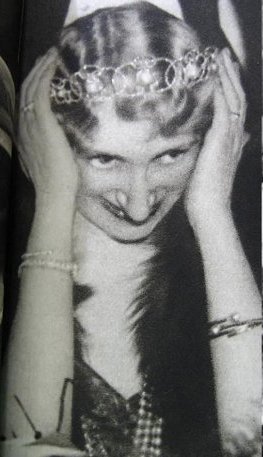
The Royal Tiaras of Norway
Princess Ingeborg’s Boucheron Circle Tiara was made by Boucheron around 1900

Princess Ingeborg’s Boucheron Circle Tiara is a delicate tiara of interlocking diamond circles set in platinum, with diamond and pearl button elements that were later additions to the piece. Made by Boucheron around 1900 and purchased by Prince Carl of Sweden for his wife, Princess Ingeborg. Later passed down to her granddaughter, Princess Ragnhild, and now likely still owned by her descendants.

Worn by Princess Ingeborg of Sweden, Crown Princess Martha, Princess Margaretha of Denmark, and Princess Ragnhild.

Queen Alexandra’s Turquoise Circlet was left to Queen Maud, who wore it at the pre-wedding of her only son, future King Olav V, in 1929. While the Pearl Tiara, Maltese Circlet, and Vifte Tiara went to King Harald and Queen Sonja, the Turquoise Circlet Tiara was inherited by Princess Astrid in 1968, when her grandmother’s jewels were divided between the three children of King Olav.

The Royal Tiaras of Norway
Queen Alexandra’s Turquoise Circlet is Princess Astrid’s grandest Tiara

This is Princess Astrid’s grandest Tiara, and worn for important occasions along with turquoise jewels that were a wedding gift to Queen Maud. Princess Astrid wore it in an official portrait released to mark her 85th Birthday.

Related: The Norwegian Palace Park in Oslo

The Maltese Circlet originated in the United Kingdom as a tiara for Queen Alexandra following the death of Edward VII. After Queen Alexandra died in 1925, the tiara was handed over to her daughter, Queen Maud of Norway. Queen Maud wore the tiara at the 1937 coronation of her nephew, George VI. The jewels were with her when she died the following year and did not return to Norway until 1953. Now, Queen Sonja typically wears the intriguing tiara on special occasions.

When King Harald came to the throne in January 1991, his wife Queen Sonja bought back the glittering tiara from Norway’s first queen consort since 1938. Today, Queen Sonja has many spectacular tiaras at her disposal.
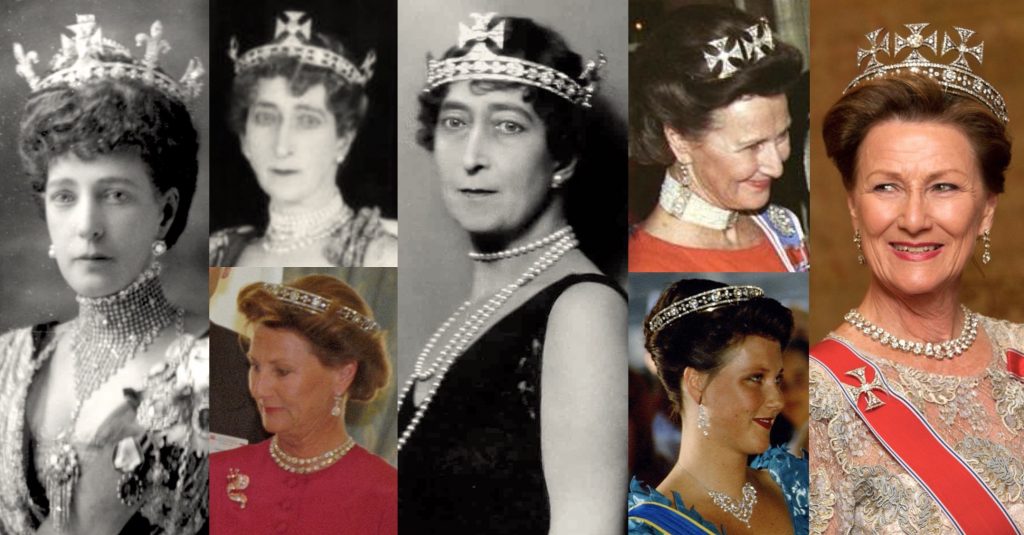
The Royal Tiaras of Norway
The Maltese Circlet originated in the United Kingdom as a tiara for Queen Alexandra following the death of Edward VII.

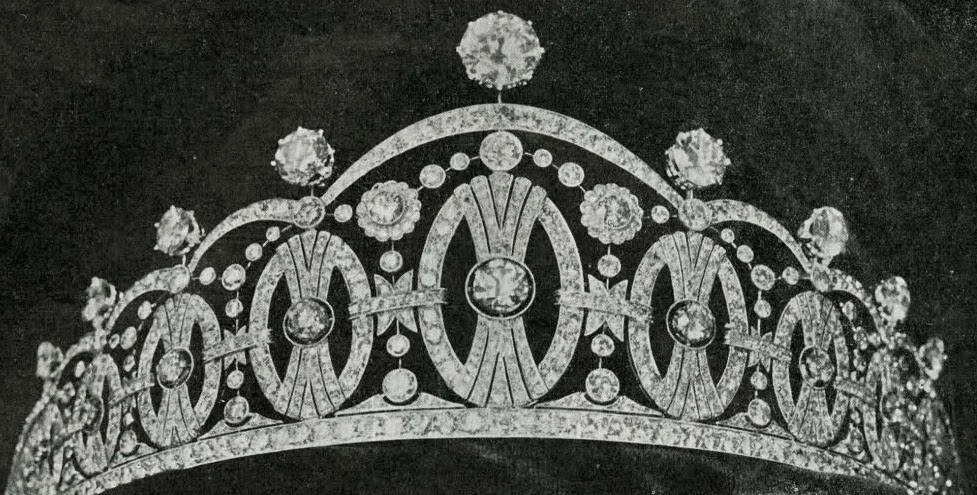
The history, however, leads way back to 1911, when the parure was lent to Crown Princess Margareta of Sweden, Queen Sofia’s granddaughter-in-law, for the coronation of her cousin, King Geroge V in London.  At her death in 1912, Queen Sofia left the Emerald jewel to her third daughter-in-law, Princess Ingeborg. In 1937. She loaned the parure to her daughter, who had become Crown Princess Martha of Norway. During World War II, when Princess Martha had fled to Sweden to escape the Nazis, Princess Ingeborg gave the parure to her daughter, telling her to “sell the valuable heirloom jewels if her family should face a financial crisis.”

The tiara is said to be the grandest tiara in the Norwegian Royal collection, and today, Queen Sonja is the sole wearer of the piece and only wears it for the most important events.

The Royal Tiaras of Norway
Queen Sonja has worn the Norwegian Amethyst Parure Tiara both as a tiara and a necklace. Here, Crown Princess Mette Marit. Photo: Tiara Mania

Norwegian Amethyst Parure Tiara is another gift to Queen Sonja from her husband. It is a simpler design than some of the other of the queen’s tiaras with amethysts and diamonds in a traditional setting. Queen Sonja has worn it both as a tiara and a necklace. The tiara has been loaned out to her daughter-in-law on an almost exclusive basis, but Princess Märtha Louise has also worn it.
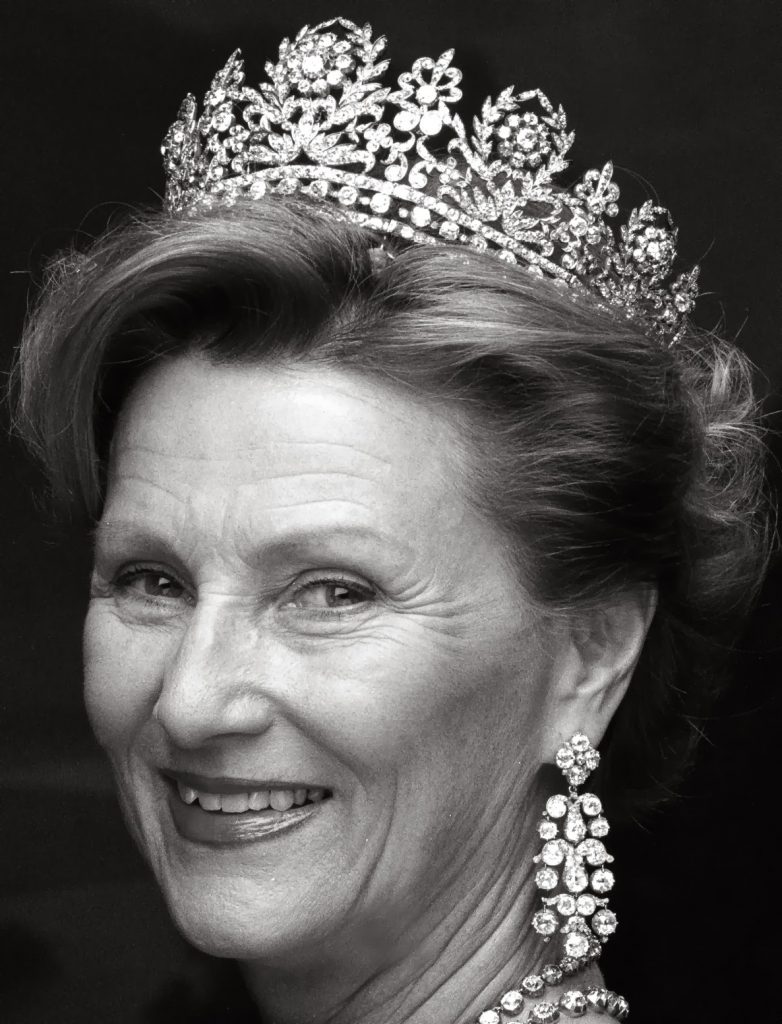
The Royal Tiaras of Norway
Queen Josefina’s Diamond Tiara was depicted on Queen Josephine of Sweden and Norway in 1849 and might have been worn at her wedding in 1823. Photo: Tiara Mania

Queen Josefina’s Diamond Tiara is composed of floral motifs and laurel wreaths depicted in diamonds and mounted in gold and silver. It was depicted on Queen Josephine of Sweden and Norway in 1849 and might have been worn at her wedding in 1823. In 1876, the Diamond Tiara was left to her granddaughter, who became Queen Louise of Denmark. Queen Louise left it to her unmarried son, Prince Gustav, who loaned it to his sister, Princess Thyra, and niece, Crown Princess Martha of Norway, eventually leaving it to her in 1944. It has also been worn by Princess Astrid, but since 1968 it has been worn exclusively (albeit rarely) by Queen Sonja.

The tiny Vifte diamond tiara can be transformed into a necklace

The Vifte Tiara is a small fan-shaped tiara (vitfe is Norwegian for ‘fan’) that originates with Queen Maud. The future Queen of Norway reportedly received this tiara as an 18th birthday present from her grandmother, Queen Victoria of the United Kingdom and brought it to Norway upon her marriage.

The tiny diamond tiara can be transformed into a necklace and has mainly been worn by Queen Sonja and Crown Princess Mette-Marit as such.
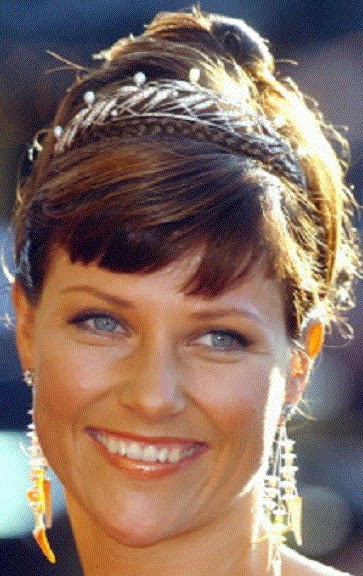
The Royal Tiaras of Norway
King Olav’s Gift Tiara
was given to Princess Martha Louise as an eighteenth-birthday present in 1989 by King Olav V

King Olav’s Gift Tiara is made of scattered diamonds ears of wheat, topped by a row of small pearls. It was given to Princess Martha Louise as an eighteenth-birthday present in 1989 by King Olav V. It has been worn by Princess Martha and Queen Sonja.

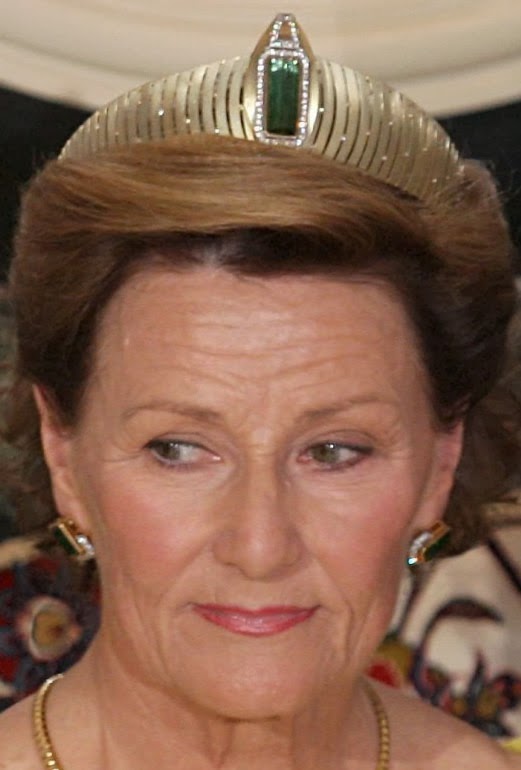
The Modern Gold Parure Tiara was a 60th birthday gift to Queen Sonja from King Harald in 1997. This modern tiara is a rarity with diamonds set in yellow gold with a detachable center piece with multiple parure sets to mimic the central stone. Queen Sonja has, so far, been the only Norwegian royal to wear this tiara,

The Diamond Daisy Bandeau, a low-profile tiara of diamond daisies set within individual diamond halos, was given to Crown Princess Mette-Marit as a wedding present in 2001 by King Harald V and Queen Sonja. The Diamond Daisy Bandeau was made ca. 1910.
The Royal Tiaras of Norway
The Modern Gold Parure Tiara was a 60th birthday gift to Queen Sonja from King Harald in 1997. Photo: Tiara Mania
The Royal Tiaras of Norway
Queen Sofia’s Gold Bandeau is a tiara made of gold and set with semi-precious gemstones, accompanied by additional coordinating pieces to form a parure

Queen Sofia’s Gold Bandeau is a tiara made of gold and set with semi-precious gemstones, accompanied by additional coordinating pieces to form a parure. Originally owned by Queen Sofia of Sweden and Norway. Later in the collection of Princess Ingeborg of Sweden, and presently owned and worn by her granddaughter, Princess Astrid.

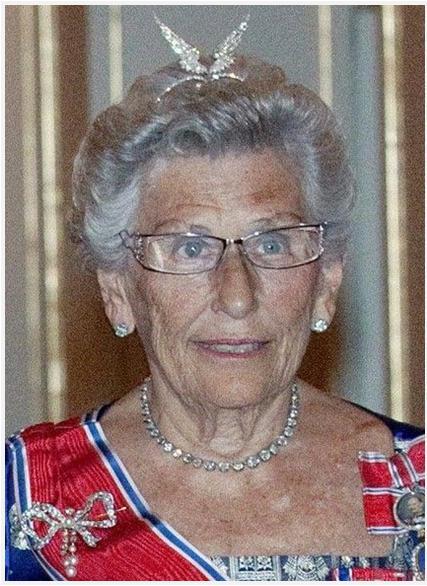
Princess Astrid’s Diamond Feather Aigrette is a small aigrette element of diamond-set feathered wings, worn atop a slim frame (also used with the Ruby and Diamond Aigrette).

The Feather Aigrette is reportedly from the collection of Queen Maud. Presently owned and wore by Princess Astrid.

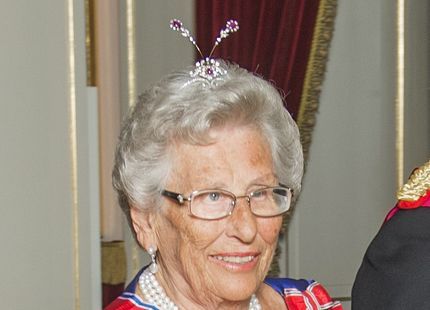
Princess Astrid’s Ruby and Diamond Aigrette is a small aigrette of ruby and diamond “antennae” elements, worn atop a slim frame (also used with the Diamond Feather Aigrette). Presently owned and worn by Princess Astrid.
The Royal Tiaras of Norway
The Feather Aigrette is reportedly from the collection of Queen Maud
The Royal Tiaras of Norway
Princess Astrid’s Ruby and Diamond Aigrette is a small aigrette of ruby and diamond “antennae” elements, worn atop a slim frame
The Royal Tiaras of Norway
The Vasa tiara is made by C. F. Carlman and presented to Crown Princess Martha as a wedding gift by the city of Stockholm in 1929

The Vasa Tiara is a diamond and platinum Art Deco tiara, featuring the heraldic symbol of Sweden’s Vasa dynasty, able to be worn both atop the head and low across the forehead.

The tiara is made by C. F. Carlman and presented to Crown Princess Martha as a wedding gift by the city of Stockholm in 1929. Later inherited by her daughter, Princess Astrid. Worn by Crown Princess Martha, Princess Ragnhild, and Princess Astrid.

The Royal Tiaras of Norway, compiled by Tor Kjolberg

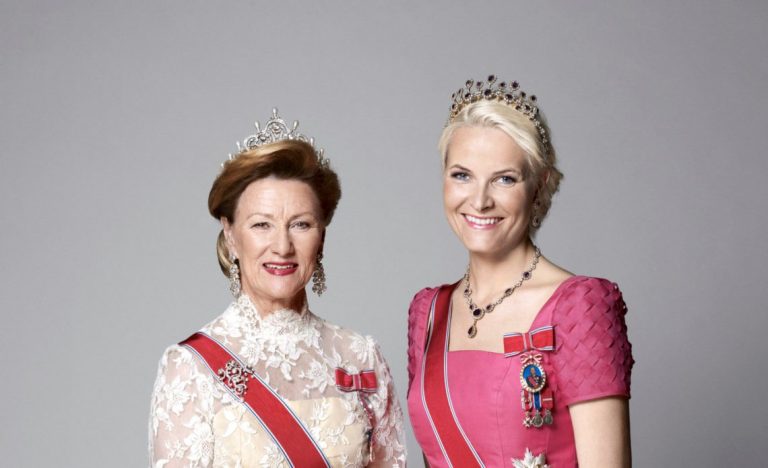
Ferature image (on top): Queen Sonja of Norway (left) and Crown Princess Mette Marit. Photo: Sølve Sundsbøe / Royal court
Scandinavian High School Dropout Has Sold Online Tutoring for $360K

0

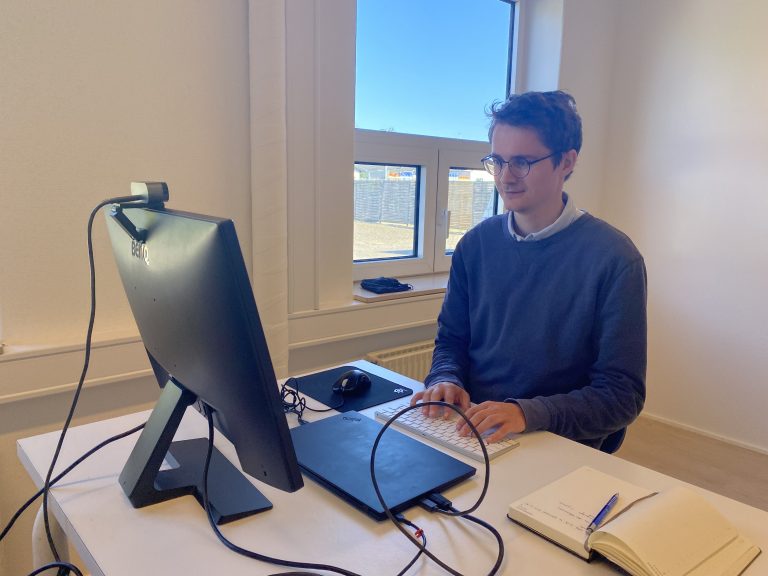
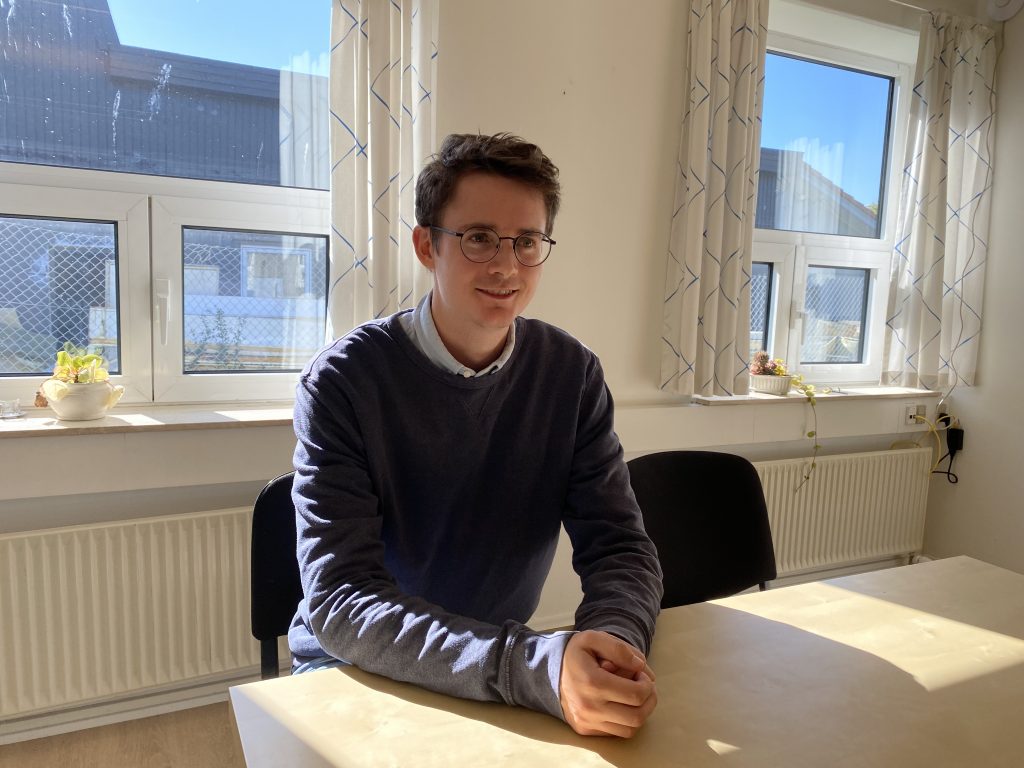
Danish Philip Rossen believed high school wouldn’t get him too far in life. So, he decided to build his own future. More specifically, a platform that would achieve a higher purpose. That of connecting people from all over the world while learning a new language. It was his way to make up for the lost time and prove to the world that personal initiative is king. Read more about the Scandinavian high school dropout who gas sold online tutoring for $360K.

The fewer resources he had, the higher the aspirations would be. The most important thing was to live life on his own terms. So, he gathered over three hundred qualified tutors from all over the world and gave them a platform to manifest their love for teaching.

Scandinavian High School Dropout Has Sold Online Tutoring for $360K
The most important thing for Philip Rossen was to live life on his own terms.

In a much more rudimentary way, he tried the method himself. Because he didn’t have much money to pay a private tutor in Denmark and his friends and family would want him to be on his own, he found a lecturer online and passed his German exam. This experience also helped him refine his idea, particularly the fact that the platform shouldn’t be free, that users should pay the price for the language lessons because, with Justlearn, he wanted to make it loud and clear that paid means high quality. That doesn’t mean it should be expensive. It means a rigorous schedule, the desire and willingness to achieve much more than you think you’re capable of. In the end, that’s what talented tutors should instill in students every day.

Related: How to Schedule Learning Swedish

The onlne platform
The online platform Justlearn has an intuitive interface to ensure students don’t miss a lesson.

The company has been valued at +$1 million.

Scandinavian High School Dropout Has Sold Online Tutoring for $360K
Philip found a lecturer online and passed his German exam.

From the beginning, the company has been growing slowly and steadily until it reached a valuation of $1.26 million. All those ambitious plans Philip had when he started to dream big panned out. Part of the recent increase in revenue has been generated by the global COVID-19 crisis when many people had the chance to reevaluate their priorities and decided that learning a new language is part of them.

Related: On Learning Norwegian

EdTech has changed learning forever
With the current trend of global education reform, EdTech companies are in full effect. The EdTech industry is now valued at $74.64 billion and will grow to $318.8 billion by the year 2027. With today’s technological advancements, companies like Justlearn can provide more affordable, convenient, and personalized education to the masses with the push of a button. We expect to impact over 200.000 students worldwide by 2025.

Scandinavian High School Dropout Has Sold Online Tutoring for $360K
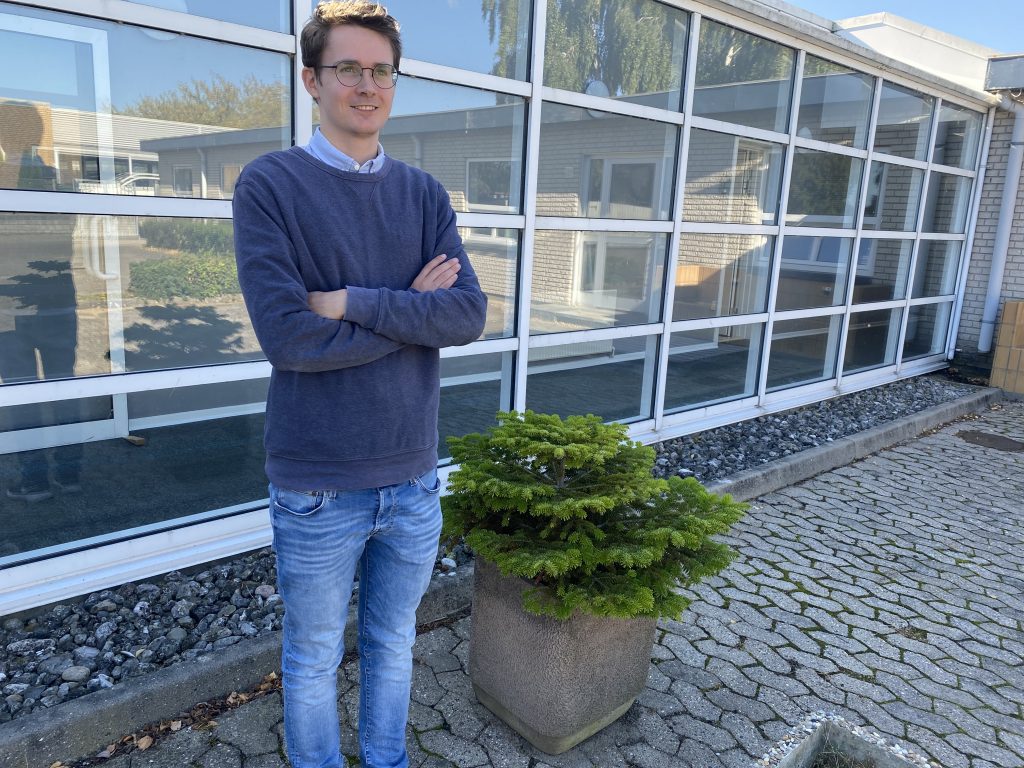
Philip Rossen outside his office in Haderslev

The Scandinavian educational system promotes experimentation
Part of the company’s success is determined by the fact that the educational system in Denmark encourages an experimental approach. It’s ok to dream big, fail, and start again. You don’t have to get everything right from the get-go. The website is and will be for a long-time work-in-progress. Only through a series of iterations will the platform serve as many people as possible and will reach a level of accuracy that will serve its purpose.

Related: 5 Most Common Mistakes Scandinavians Make When Speaking English

Personalized, convenient, and affordable
Learning a new language is difficult. When a student is new and struggling, it’s hard to get feedback and support. With Justlearn, students have access to a community of like-minded people who support and help each other with conversations and lessons. Justlearn offers a team of professional tutors available 24/7 to help students improve their foreign language skills. We also have a one-of-a-kind online immersion program for learners who wish to study in-depth. All of this adds up to better education and a brighter future.

Scandinavian High School Dropout Has Sold Online Tutoring for $360KAbout EdTech
EdTech is the new frontier in education. This industry has grown exponentially in recent years. It is now valued at $74.64 billion and will increase to $318.8 billion by 2027. Schools are starting to shift their focus from traditional lectures to interactive, engaging learning experiences driven by augmented reality, virtual reality, artificial intelligence, big data analytics, and more. The growth of EdTech can be explained by the following key factors: cost, availability, and accessibility of EdTech tools, new ways to learn with technology, and new generations who are used to using technology for learning purposes.

In the world of entrepreneurship, EdTech start-ups are transforming the way we think about education. Through our platform, we offer various solutions, such as personalized education, adaptive learning, and gamified learning, to help meet the educational needs of learners of all ages and circumstances. Our company’s vision is to create an inclusive and personalized learning experience for everyone. With our products, students get the personalized help they need, and teachers can tackle more students.

Scandinavian High School Dropout Has Sold Online Tutoring for $360K, based on a press release from EdTech.

In August Over One Million Passengers Traveled With SAS

During the summer season the customer demand has increased, and more than one million passengers flew with SAS in August. This is about the same level as in July, but an increase of almost 52% compared to the same month last year. In August Over One Million Passengers Traveled With SAS.

Capacity was marginally lower than last month, but 65% higher than the
same month last year. The total load factor for August ended at 61%, which is in line with July.

In August Over One Million Passengers Traveled With SAS
mposed travel restrictions remain and everybody at SAS are doing everything possible to make traveling
easier for the customers. Photo: SAS

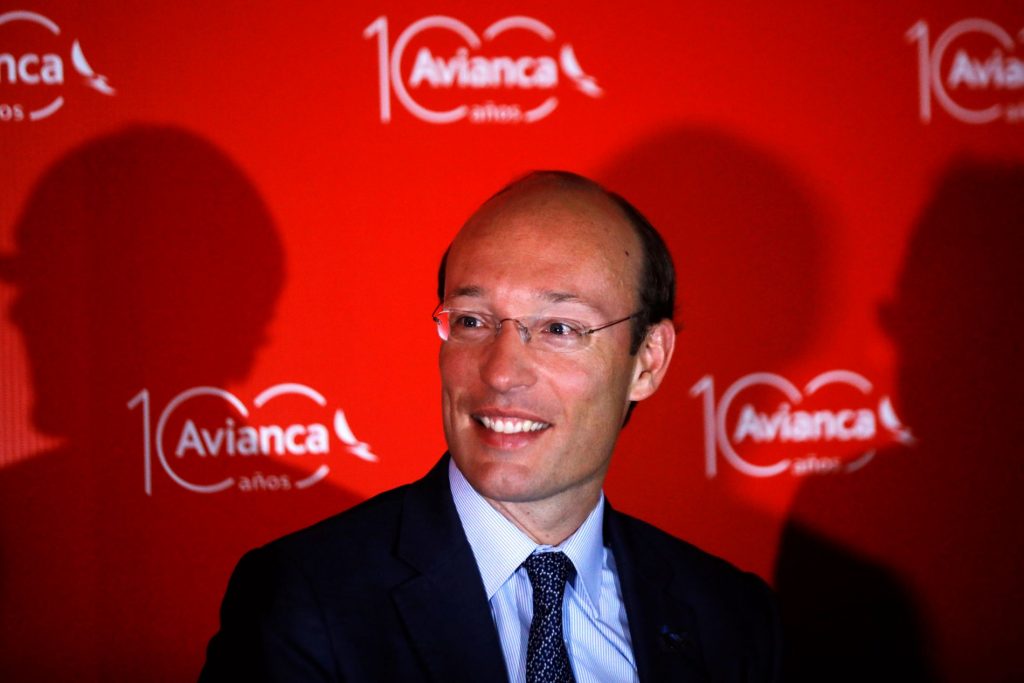
“Imposed travel restrictions remain and everybody at SAS are doing everything possible to make traveling easier for the customers. We continue to open new routes when travel restrictions and demand allow. However, there are still major uncertainties regarding the development of the pandemic, affecting the whole airline industry negatively. Flexibility during the ramp up phase to be able to respond quickly to changes in demand remains key,” says Anko van der Werff, President and CEO at SAS.

In August Over One Million Passengers Traveled With SAS
President and CEO at SAS Anko van der Werff. Photo: SAS

Related: SAS – Scandinavians agains Scandinavians

SAS scheduled traffic Aug21 Change1 Nov20- Aug21 Change1
ASK (Mill.) 2,068 58.7% 12,080 -39.2%
RPK (Mill.) 1,239 103.7% 5,195 –58.0%
Passenger load factor 59.9% 13.3 pp 43.0% -19.1 pp
No. of passengers (000) 1,038 48.4% 4,929 -55.7%
Geographical development, schedule Aug21           vs.          Aug20 Nov20- Aug21   vs.   Nov19-Aug20
RPK ASK RPK ASK
Intercontinental 429.9% 154.5% -80.7% -43.4%
Europe/Intrascandinavia 128.9% 72.4% -52.6% -46.1%
Domestic 16.7% -0.8% -36.7% -20.5%


SAS charter traffic Aug21 Change1 Nov20- Aug21 Change1
ASK (Mill.) 168 211.4% 383 -58.5%
RPK (Mill.) 122 183.3% 279 -65.0%
Load factor 72.5% -7.2 pp 72.8% -13.7 pp
No. of passengers (000) 49 172.2% 113 -57,4%
SAS total traffic (scheduled and charter) Aug21 Change1 Nov20- Aug21 Change1
ASK (Mill.) 2,236 64.7% 12,462 -40.1%
RPK (Mill.) 1,361 108.9% 5,473 -58.4%
Load factor 60.9% 12.9 pp 43.9% -19.3 pp
No. of passengers (000) 1,087 51.5% 5,043 -55.7%

1 Change compared to same period last year. pp = percentage points

Preliminary yield and PASK Aug21 Nominal change1 FX adjusted change
Yield, SEK 0.96 -17.0% -17.5%
PASK, SEK 0.57 6.5% 5.9%
Aug21
Punctuality (arrival 15 min) 87.4%
Regularity 98.8%
Change in total CO2 emissions, rolling 12 months -56,7%
Change in CO2 emissions per available seat kilometer -13,1%
Carbon offsetting of passenger related emissions 54%

Related: How Traveling to Europe and Scandinavia Will Change in 2022

Change in CO2 emissions per available seat kilometers – SAS passenger related carbon emissions divided with total
available seat kilometers (incl. non-revenue and EuroBonus), rolling 12 months.

Carbon offsetting of passenger related emissions – Share of SAS passenger related carbon emissions compensated
by SAS (EuroBonus members, youth tickets and SAS’ staff travel).

Related: New Norwegian Airline

In August Over One Million Passengers Traveled With SAS
From fiscal year 2020 SAS will report change in CO2 emissions in total and per Available Seat Kilometers (ASK). Photo: SAS

From fiscal year 2020 SAS will report change in CO2 emissions in total and per Available Seat Kilometers (ASK) to align
with its overall goal to reduce our total CO2 emissions by 25% by 2025, compared to 2005.

In August Over One Million Passengers Traveled With SAS, Press release from SAS.

All images © SAS

Along the Danish West Coast of Funen

0

When exploring the island of Funen’s west coast, you’ll find the town Middelfart, where the Middelfart Church, dedicated to St. Nicolas, is located close to the harbor at the end of Algade. In this article, we’ll take you along the Danish west coast of Funen.

On the road to Middelfart, a broad west-facing bay at Tybrind Vig is a site for underwater archeology.

Along the Danish West Coast of Funen
St. Nicholas Church in Meddelfart. Photo: Visit Middelfart

Related: The Two Peaceful Towns in South Funen, Denmark

Must see in Middelfart
The Middelfart Church, or St. Nicolas Church, was built in several stages and has a late Romenesque chancel, a tower first constructed in the 14th century. The richly carved altarpiece is from 1650. In Middelfart, you should also visit the Henner Friiser Hus, a half-timbered house dating from around 1575, and now a part of Middelfart Museum. It contains exhibitions related to the history of the town.

Along the Danish West Coast of Funen
The Culture Island (Kulturøen) in Middelfart. Photo: Visit Middelfart

The Culture Island
The Culture Island (Kulturøen) contains the public library, a cinema, a restaurant, a café and the tourist office.

Related: The Historic Harbors on the Danish Island of Funen

North of Middelfart, dramatic steep cliffs line the shore.

Along the Danish West Coast of Funen
Bybækken i Bogense. Photo: Visit Bogense

The popular tourist spot Bogense
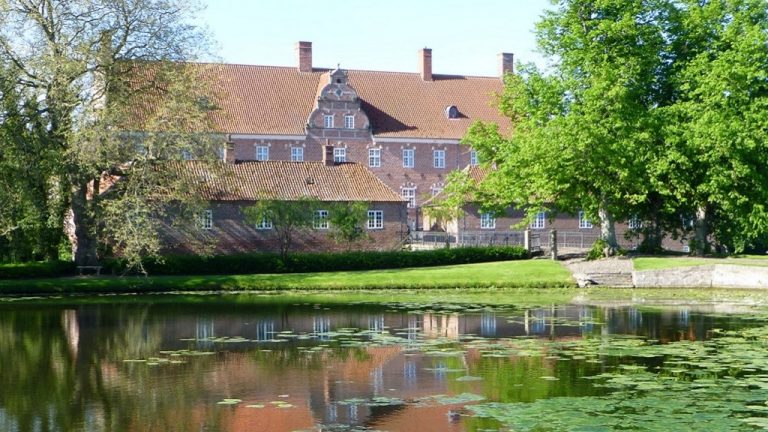
The popular tourist spot Bogense is a town with half-timbered houses, narrow streets and a large marina. The city is connected to Odense and Middelfart via buses operated by Fynbus. About 3km (2 miles) east of Bogense is the castle Gyldensteen (feature image on top), a late Renaissance building with an impressive gatehouse (closed to the public). Here, Karen Blixen (pen name Isak Dinesen), author of Out of Africa, wrote some of her books during the German Occupation of Denmark in World War II.

Related: The Danish Fairytale City

Along the Danish West Coast of Funen
From the Funen Open Air Museum. Photo: Free Images

Walk to the island of Æbelø
From Bogense, you can complete the Funen circle by touring along the sparsely populated north coast to the Hindsholm peninsula and Kerteminde. At low tide you can walk to the island of Æbelø, an unspoilt landscape rich in wildlife.

Along the Danish West Coast of Funen, written by Tor Kjolberg

Feature image (on top): Castle Gyldensteen. © Visit Nord-Fyn

7 Rules of Norwegian Life that You Won’t Believe Right Away

0

Norwegians seem to be the most ordinary people: moderately polite, restrained, stylishly dressed. But once you dig a little deeper, you will find that their lives are subject to a host of strange rules. And the typical habits of local residents cannot be called anything other than unusual. As they say, scratch a Norwegian and you will find a Viking. What do they surprise foreigners with the most today? Learn about the 7 rules of Norwegian life that you won’t believe right away.

7 Rules of Norwegian Life that You Won’t Believe Right Away
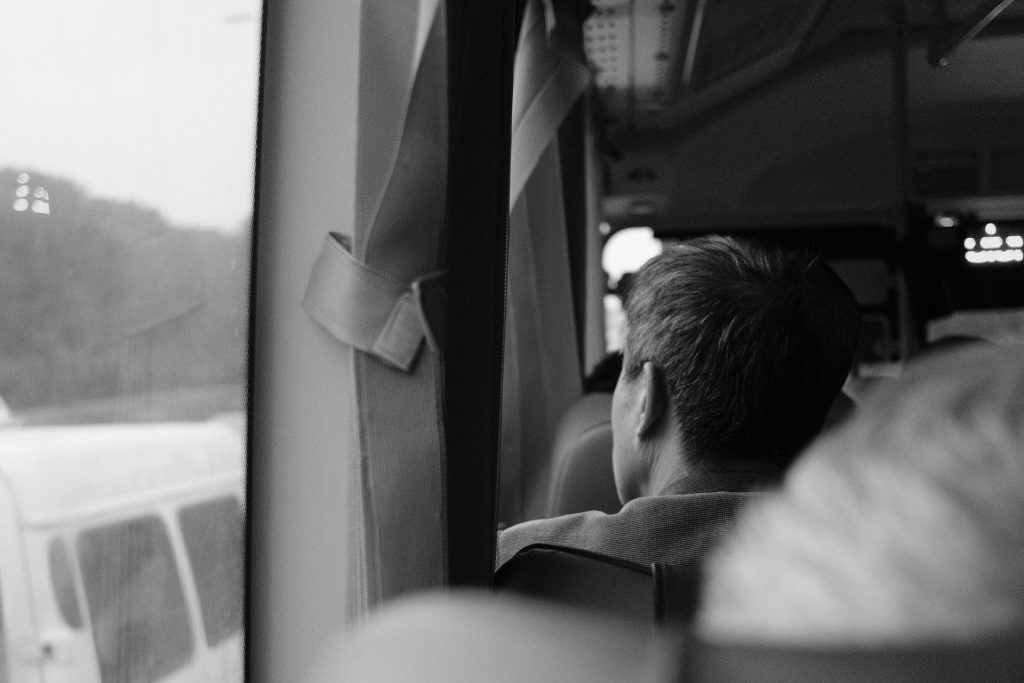
It is considered unacceptable without a valid excuse to talk to strangers in parks or transport. Photo: Alan Chen/Unsplash
  1. Invasion of personal space is unacceptable
    In Norway, it is considered unacceptable without a valid excuse to talk to strangers in parks, transport, shops, or sit next to a stranger on a bus, even if it is overcrowded. They will also not be happy if you decide to drop in for a visit without a call, because “I was not far here, I decided to drop in.” Moreover, they will not hide it for the sake of decency: a typical Norwegian in such a situation will most likely politely say that he is busy and slam the door in front of you.

    7 Rules of Norwegian Life that You Won’t Believe Right Away
    Work in Norway begins at 8:00. Photo: Julian Hochgesang/Unsplash
  2. Get to work as early as possible
    Norwegians are obsessed with the idea that they have to be as useful to society as possible. That’s why the locals want to find a job right after graduation, young mothers are no more than a year on the maternity leave, and even to get unemployment benefits, the applicant must meet one of the main requirements – to actively look for work. Work in Norway begins at 8:00, rarely at 9:00. At the same time, the work week is shorter than the standard work week – only 37.5 hours.

    7 Rules of Norwegian Life that You Won’t Believe Right Away
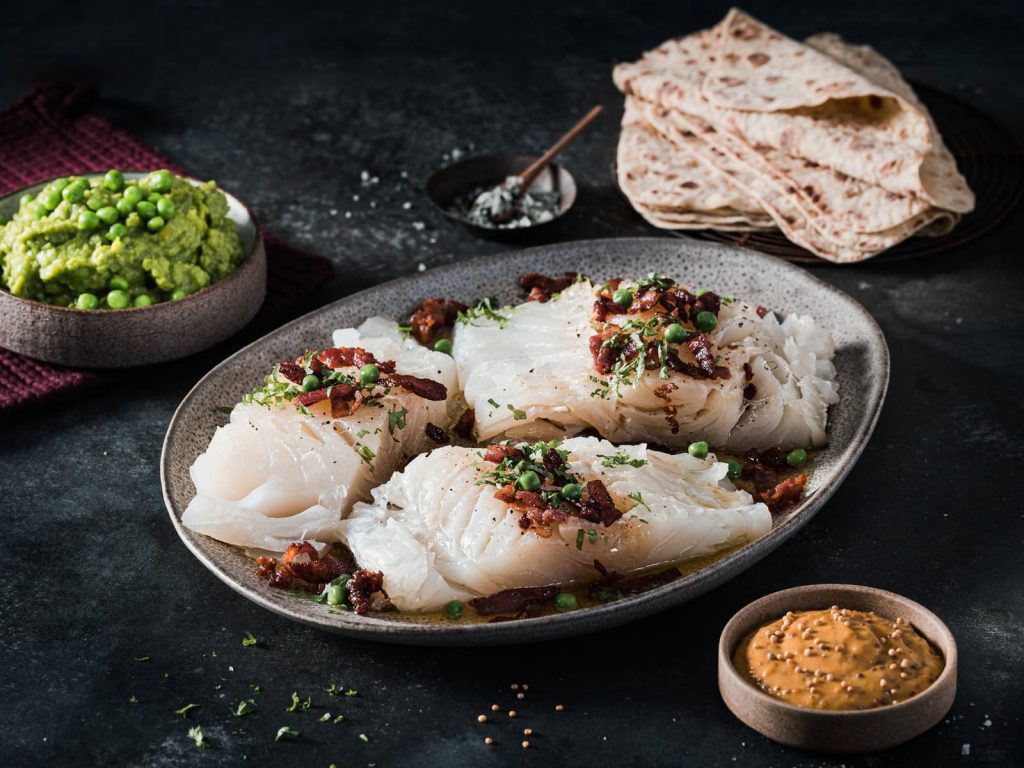
    The Norwegians, wishing to impress an expensive foreign guest, will certainly advise them to try lutefisk. Photo: Meny

    Related: Norwegians Are Not Born With Skis on Their Feet

  3. Fall in love with pickled cod and herring
    It’s hard to understand how one could love such a thing, and even call it a delicacy, but the reality is unforgiving. The Norwegians, wishing to impress an expensive foreign guest, will certainly advise them to try “surströmming” (fermented, read – squeezed, if not to say rotten herring) and “lutefisk” (dried cod soaked in lye) – and they will be happy to join the meal.

    7 Rules of Norwegian Life that You Won’t Believe Right Away
    Sandwiches are taken on hikes, walks, to work. Photo: Norsk friluftsliv
  4. Feed your kids with fast food and leave them to sleep in the freezing cold
    A typical kindergarten menu is different types of sandwiches. Moreover, children can “collect” them themselves from the proposed ingredients: bread, cheese, sauce, caviar, sausage, fish sticks, eggs. Hot in the gardens is served once a week. Sandwiches are also more common at home, especially in the mornings and evenings. Sandwiches are taken on hikes, walks, to work.Related: Stubborn Norwegians

Babies from the cradle are taught to sleep outside at lunchtime in any weather. Coldly? Snow? Is it dripping with rain? It’s OK. They wrapped the child warmer, put a raincoat on the stroller, pulled it on – so it will be healthier. True, with growing up, they refuse such a daytime sleep.

7 Rules of Norwegian Life that You Won’t Believe Right Away
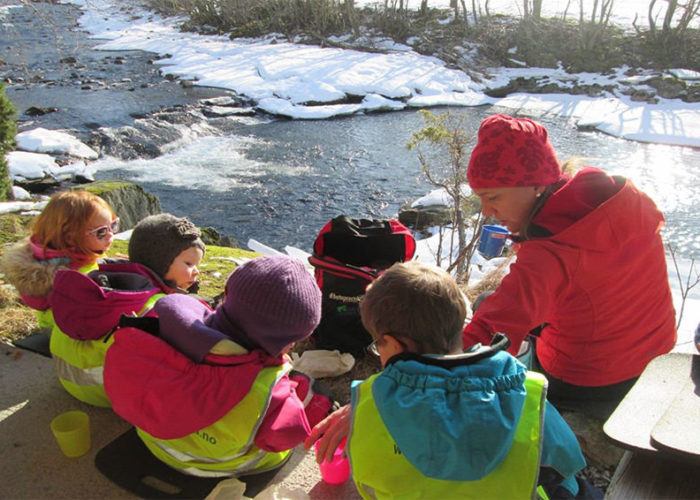
The main feature of the Norwegians is their love for nature. Photo: Nasjonalt senter for kultur og opplæring
  1. Love nature
    The main feature of the Norwegians is their love for nature, and it is customary to prove it every week. This is why local cities are emptying out over the weekend. Norwegians lock their apartments with a key, take children, parents, fishing rods, food and go to the wilderness, away from civilization, closer to dampness, inconvenience and beauty. It is this kind of pastime that is considered the norm. The rest are deviations worthy of public censure.

    7 Rules of Norwegian Life that You Won’t Believe Right Away
    Photo by Dainis Graveris/Unsplash
  2. Gender equality is a must
    In the Land of Fjords, a man’s attempt to pay for a woman in a restaurant can be regarded as an insult. It is customary to divide everything, including housekeeping. Moreover, it works both ways: not only a man should, for example, wash dishes or bathe children, but a woman should also make an equal contribution to the family budget with her partner. However, each family negotiates in its own way.Related: The Cool Norwegians

    7 Rules of Norwegian Life that You Won’t Believe Right Away
    It is not customary to stand out in this country. Photo by Thanos Pal/Unsplash
  3. Be indifferent to luxury
    It is not customary to stand out in this country. Therefore, luxurious mansions, expensive supercars, pompous interiors and deliberate demonstration of diamonds are absent from the word “absolutely”. Solid bicycles, emphasized “casual” in clothes and well-known to the world restrained Scandinavian style in interiors. And this despite the fact that salaries in Norway are higher than the European average.
7 Rules of Norwegian Life that You Won’t Believe Right Away
Jean Hartley

7 Rules of Norwegian Life that You Won’t Believe Right Away, written exclusively for Daily Scandinavian by Jean Hartley. Jean leads freelance projects as an essay writer free. She will give you the best recommendations on how to write a personal essay. Jean is inspired by nature and books.

Feature image (on top): Illustration University of Bergen

Oslo Welcomes a New Edvard Munch Museum

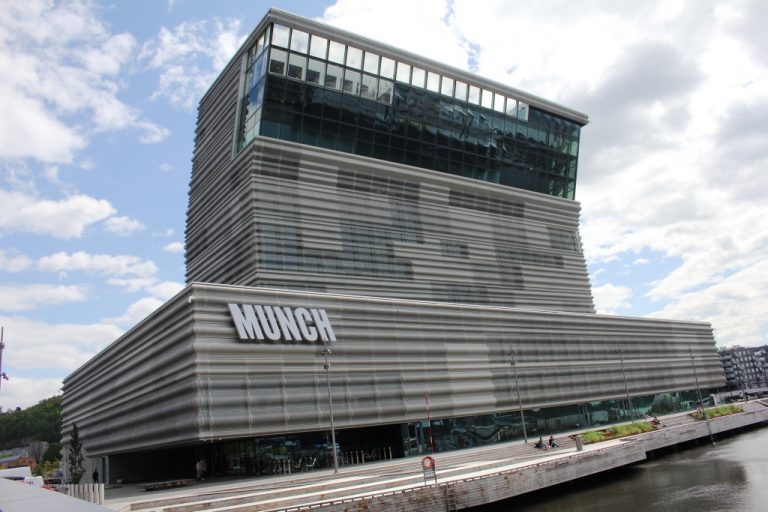
The new Edvard Munch Museum, located on Oslo’s waterfront alongside the Oslo Opera House and the award winning Deichman – Oslo Public Library, has been exquisitely designed by the Spanish architect practice Estudio Herreros. The new museum opens its doors on 22 October. After a planning and building period of 12 years, Oslo now welcomes a new Edvard Munch Museum.

The new MUNCH Museum will be able to display more of Edvard Munch’s art than ever before in one of the world’s largest museums devoted to a single artist. “Munch gave a huge gift to Oslo. Soon we will share this gift with the rest of the world in a framework that truly does Munch’s art justice,” said the Governing Major of Oslo, Raymond Johansen, at a press conference called to announce the opening date. “The whole world is welcome to a world-class cultural attraction», he added.

Oslo Welcomes a New Edvard Munch Museum
Governing Major of Oslo Raymond Johansen. Photo: Tor Kjolberg

“Edvard Munch is Norway’s most important contribution to art worldwide, and the museum’s collection is in great demand internationally,” says the museum’s director Stein Olav Henrichsen.

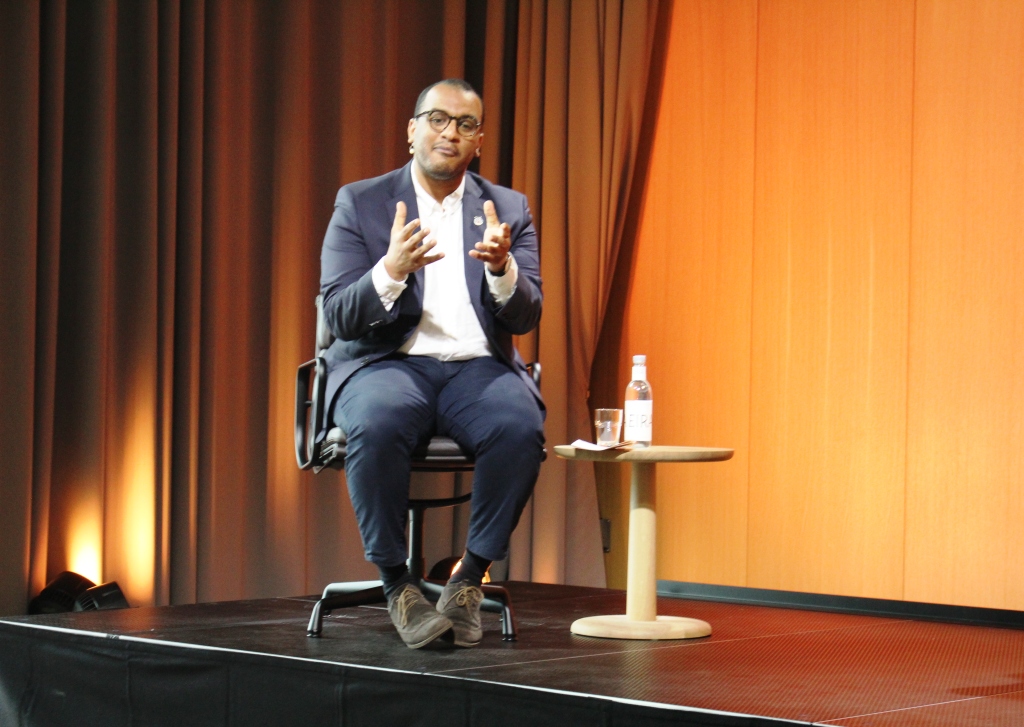
Museum director SteinOlav Henriksen interviewed during a press conference. Photo: Tor Kjolberg “The new MUNCH will be a cultural powerhouse for the city, the country and the world,” said  Vice Mayor in Oslo for Culture And Sport, Omar Samy Gamal.
Oslo Welcomes a New Edvard Munch Museum
Vice Mayor in Oslo for Culture And Sport, Omar Samy Gamal Photo: Tor Kolberg

The loneliness of the soul
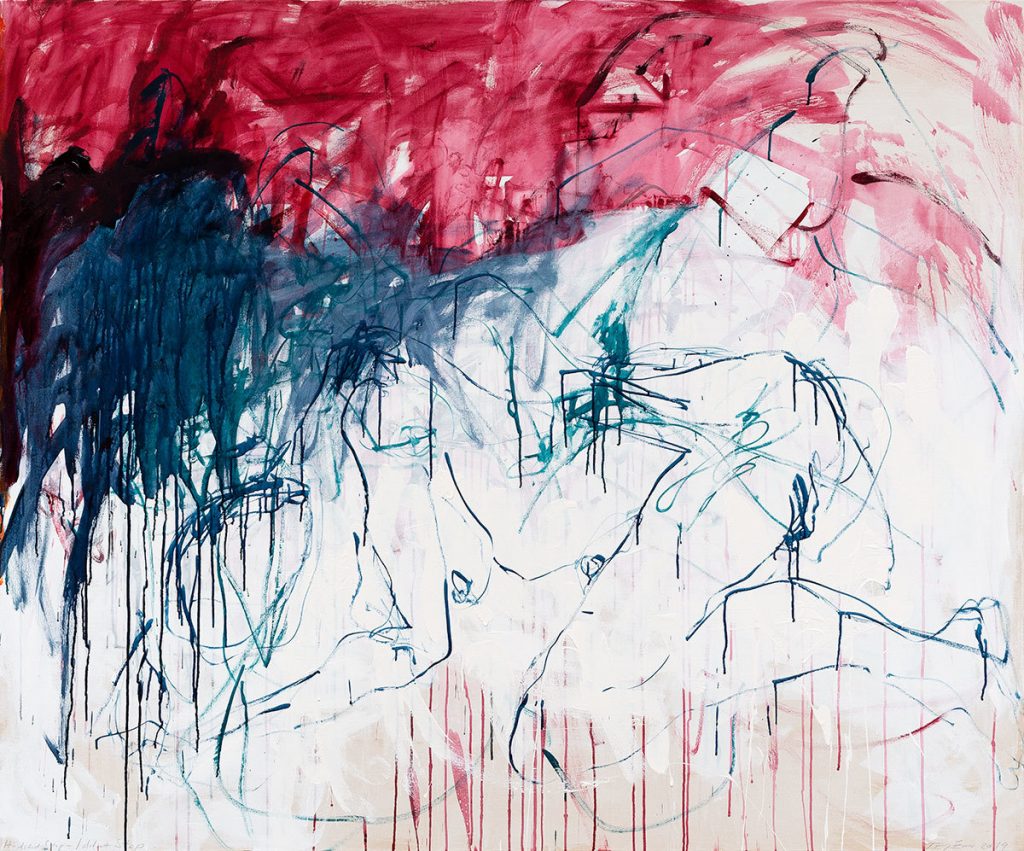
An exhibition by British artist Tracey Emin, who was a major influence for Munch, is among the highlights of the opening program (from October 22, 2021 through January 2, 2022). Tracey Emin is one of the UK’s most celebrated and controversial contemporary artists. In the exhibition “The Loneliness of the Soul” visitors can experience Emin’s wide-ranging artistic practice and gain rare insight into her long-standing fascination with Edvard Munch.

Oslo Welcomes a New Edvard Munch Museum
“It didn’t stop – it did-t stop”, painting by Tracey Emin. Photo: Royal Academy UK.

A vertical museum
The MUNCH Museum is a vertical museum, 58 meters high, with 13 floors and 11 exhibition spaces and will for certain put the museum as well as Oslo on the map. The translucent, perforated aluminum façade and the towering top section that bows towards the Oslo fjord make the building highly visible and recognizable from all angles.

Oslo Welcomes a New Edvard Munch Museum
Press conference in the tower. Photo: Tor Kjolberg

Regarded internationally for his exploration of humanity’s darkness, Norwegian artist Edvard Munch is best known for his iconic four versions of The Scream, which depicts an agonized figure against a fiery sky. Visiting the new MUNCH will be like a journey of discovery in Edvard Munch’s art. In the opening exhibition named “Infinite” the museum invites visitors to discover the richness of Munch’s work – the themes and motifs that the artist explored repeatedly during his entire life, and that continue to touch and inspire people today.

Oslo Welcomes a New Edvard Munch Museum
Portrait of Edvard Munch. Photo: Edvard Munch Org

A quick run-through of Edvard Munch
Today, Edvard Munch (1863-1944) almost needs no introduction. Nevertheless, here’s a quick run-through: Edvard Munch was the son of Christian Munch, a military doctor, and his wife Laura. He spent his childhood in Kristiania, today’s Oslo, where the family liveed on his father’s meagre doctor’s salary.

As a child, Edvard was sick and close to death more than once. At 17 years old he writes in his diary: “It is my decision now to become a painter.” Munch’s youth is shaped by the religious rigour and emotional instability of his father, but also by the creative home environment. At the age of 22, thanks to a scholarship, Munch finally travels to Paris where he stays for three weeks. For the first time, a bigger world beyond Norway opens up to him.

In 1885 Munch has his first love affair. In the coastal town of Åsgårdstrand, where he often spends his summers, he meets Milly Thaulow who is four years older and married. Their secret relationship fills him with lust and love, but also shame and ambivalence.

In the spring of 1889, Munch rents a space in Kristiania and fills it with his own paintings. It is the very first solo exhibition in the city, a bold move which helps him secure a scholarship for a one-year stay in Paris.

Oslo Welcomes a New Edvard Munch Museum
The Vampire, by Edvard Munch. Photo: MUNCH Museum

Munch and his association with Berlin artists
In 1892 Munch is invited to exhibit his pictures at the Association of Berlin Artists. Munch’s art polarizes opinion among the members of the Association and shocks the German public. After only one week the show is shut down. However, he makes new friends in Berlin, among them the Swedish writer and artist August Strindberg, the Polish author Stanisław Przybyszewski and the music student, Dagny Juel. They gather at a wine tavern which Strindberg names ‘The Black Piglet’. It is a place of excess, freedom and intellectual sparks, with energetic discussions about life and art, accompanied by heavy drinking. In this period Munch creates some of his most famous motifs, including The Scream (pastel version), Vampire, Puberty and Madonna.

In this period, he also first discovered printmaking. He used various techniques before finally trying his hand at woodcuts, which perhaps gave him the greatest freedom for exploration. The audience is invited to try their hands at one of his motifs in a special workshop.

Edvard Munch spent his last 30 years of his life at Ekely, his estate just outside Oslo. He died peacefully in his sleep on the 23rd of January 1944. His life’s work was bequeathed to the city of Oslo. 77 years later, Norway’s capital city will finally have a museum big enough to showcase the entire collection.

The Ekely villa was demolished in 1960, but in a new exhibition “Shadows”, Munch’s home has been reconstructed in a multimedia installation that uses light, sound and moving images to tell stories from his life.

Oslo Welcomes a New Edvard Munch Museum
The Sun, by Edvard Munch. Photo: Wikipedia

Large scale paintings
In a dedicated double-height space you can experience some of the largest paintings ever created by Edvard Munch, the largest measures approximately 50 square meters, are versions of the paintings made by Munch for the University of Oslo’s Ceremonial Hall.

Edvard Munch had close relationships with a number of supporters, including the art collector and business man Rolf E. Stenersen. Initially, Stenersen only bough works by Munch but gradually broadened the scope of his collection. Visitor’s will now have the opportunity to experience Munch in company with works by other important Nordic artists collected by Stenersen.

“Nothing is small, nothing is great” is a quotation from one of the biggest mysteries in Munch’s collection. No one really knows why Munch assembled this album but it draws attention to the diversity of the collection he left behind.

Oslo Welcomes a New Edvard Munch Museum
Black Metal meets Munch. Photo: Tor Kjolberg

Coming 2022
The Norwegian black metal band Satyricon meets Edvard Munch’s art in the exhibition “Satyricon & Munch” which explores the intersection of black metal and visual art, where a specially composed musical work is connected with a selection of Edvard Munch’s images.

SOLO OSLO is a series of exhibitions featuring young Oslo-based artists supported by Talent Norge and Canica AS. The first exhibitor is Sandra Mujinga (born 1989), a Norwegian artist and musician who works with sculpture performance text, electronic music, photography and video, often all combined in a single work.

Oslo Welcomes a New Edvard Munch Museum
Drawing by Sandra Mujinga. Photo: University of Lund

Munch is often associated with Symbolism, a movement in literature and the visual arts that emerged in the 1880s. The exhibition THE SAVAGE EYE focuses on the relationship between Surrealism and some of the most important Symbolist artists, including Paul Gauguin, Odilon Redon, August Strindberg, Edvard Munch and Auguste Rodin.

Eat, Drink and Enjoy
The MUNCH Museum is also a place to eat, drink and enjoy. Past the museum’s lobby you will find Munch Dell & Bakery. On the 12th floor you will find the bistro that leans on continental traditions with a smile.

The view from the 13th floor can be enjoyed best with a good pillow in the back and bubbles in the glass while you look down on the city and the fjord.

Oslo Welcomes a New Edvard Munch Museum, written by Tor Kjolberg

Feature image (on top) Photo by Tor Kjolberg

The Norwegian Riviera

0

The southern part of Norway (Sørlandet in Norwegian) has been the number one summer holiday destination for Norwegians as well as for international visitors for decades. Still, it is a hidden gem for many visitors. Read more about the Norwegian Riviera.

Southern Norway is the southernmost region of Norway, with 25 municipalities and 305 244 inhabitants (2019). Driving, hiking or sailing along the coastline, you’ll find beautiful islands, fishing villages and picturesque towns with white wooden houses around every corner.

From coastal summer paradise to popular skiing resorts
Sørlandet stretches from the coastal areas with its many rocky islands and skerries via an inland belt with forests, lakes and rivers. There are excellent salmon rivers and in the mountain areas around Setesdal are many popular skiing resorts. In Setesdal and Sirdal the altitude ensures long and stable winters, perfect for winter activities.

The Norwegian Riviera
sail along the coast line to visit historic locations like Merdø. Photo: Visit Norway

In the summer, locals love tootling around the idyllic islands in their small boats. The coast of Sørlandet has a typical coastal climate, with relatively mild climate year-round. Sørlandet is the region in Norway with most summer days during the year. Happy summer-guests from all over the world visit the towns and villages.

Island hopping
The summer holiday can be spent in a picturesque white cabin along the coast or maybe in a boat along the Norwegian Riviera ready to jump in the sea in the morning and then sail along the coast line to visit historic locations like Merdø or Lyngør.

The Norwegian Riviera
Lyngør village consists of four islands, only available by boat or ferry. Photo: Visit Sørlandet

The car-free island just outside Arendal is a favorite among the locals during the summer season. There are old wooden houses and narrow paths that brings you from a museum to the sandy beaches to the boulder and rock beach on the southern side of the island.

Related: Beaches and Picturesque Seaside Towns in Southern Norway

Lyngør village consists of four islands, only available by boat or ferry, and the houses there are built in the style of the days of sail. In 1991, Lyngør was awarded Europe’s best-preserved village. Many people left the islands when the steam engine’s arrival put an end to Lyngør’s prosperity. The stone quays and the narrow paths of concrete and stones where left as they were.

Today, this mixture of paths and wooden houses invite walking across the islands, a break on a bench, or on one of the islands’ restaurants.

Related: The Smiling Landscape of Southern Norway

Despite its small size, Risør has a proud history of sailing ships and lumber export. The village is known for its white wooden houses built by merchants along the waterfront. There’s an annual wooden boat festival.

The Norwegian Riviera
Bystranda, Kristiansand. Photo: Wikipedia

Children’s holiday paradise
Southern Norway is also called the children’s holiday paradise, not least because of its long sandy beaches, Kristiansand Zoo and Sørlandsbadet in Lyngdal. The long list of activities and attractions also include the Mineral Pak in Evje, the Science Center in Arendal and the Aquarama in Kristiansand. In the Setesdal Valley the cultural heritage includes folklore, folk music and silverware.

Arendal is celebrating its 300th anniversary in 2023 and the Norwegian architects Snøhetta has unveiled plans to revive a traditional harbor bath with a layered structure that looks like a topographical map of the area.

The Norwegian Riviera
The towns of Risør, Tvedestrand, Arendal, Grimstad, Lillesand, Lyngdal, Kristiansand, Mandal and Flekefjord are spread like a string of pearls along the coastline. Above, Tvedestrand. Air photo by Atle Goutbeek/Visit Norway

Tvedestrand is best-known for its range of new and antique bookstores. However, once you’ve finished admiring the dusty tomes, don’t miss Strykejernet, said to be Norway’s narrowest house!

The towns of Risør, Tvedestrand, Arendal, Grimstad, Lillesand, Lyngdal, Kristiansand, Mandal and Flekefjord are spread like a string of pearls along the coastline. Along this coast you can find traces of the coastal culture; the many lighthouses, coastal forts, fishing villages and boat wharfs. There are also abundance of flowers and various shops, cafes and fine restaurants.

The Norwegian Riviera
Lyngdal cruise port. Photo by Johan Remen/Cruise Norway

Sørlandet is also home to around 100 festivals each year, most of which take place during the summer months.

The Norwegian Riviera is quitter the rest of the year, but with merely a few hours between the sea and the high mountains, many visitors choose to come at this time and enjoy the activities that are offered. Hiking along the coast or up to the mountain summits, fishing and biking are all popular activities.

In the wintertime, the skiing possibilities are many with places like Hovden, Evje, Bortelid and Åseral.

The Norwegian Riviera
Lindesnes lighthouse. Photo: Visit Sørlandet

History
Most of the coastal towns in Southern Norway had a prosperous period during the sailing ship era in the 1800’s. The islands furthest out at sea and along the ship route were popular outposts where the fishermen, the sailors and the harbor pilots lived. The outposts provided safe havens for the ships that sailed to and from Norway with goods. Timber and salmon were the main export articles of the region. Today these outposts are mainly populated with holiday guests during the summer months, and are idyllic reminders of life in the old days.

Ever since the great glaciers retreated about 10,000 years ago and left behind a small strip of land, people have lived in southern Norway. There are traces of Stone Age settlements from Kristiansand to Lista, with one of the most famous places being the Penne area at Lista. Here you find rock carvings, as well as ancient ruins and burial mounds from the Iron Age.

Today Sørlandet is Norway’s leading exporter of processed goods, with future-oriented businesses based on supplying the oil and gas sector, the solar cell industry, wind turbine industry, car industry, and high-tech processing of metals.

Welcome to Southern Norway!

The Norwegian Riviera, written by Tor Kjolberg

Feature image (on top): Photo © Adam Reed/Visitsorlandet

Views: Norway Seen From The Road 1733-2020

0

The Norwegian Road Administration has developed 18 national tourist routes in Norway. How have the numerous road developments, train lines and itineraries shaped the Norwegian landscape? These are questions that are answered with words and pictures in the book “Views: Norway Seen From The Road 1733-2020” published by foragetpress.no

High mountains, narrow fjords, deep valleys. Norway’s views are national pride – and an international brand. It is, however, easy to forget that a view is not available to us without the road that brings us there.

Views: Norway Seen From The Road 1733-2020
Picnic areas and viewpoints throughout Norway have been built by the Norwegian Road Administration to strengthen the travelers’ experience of nature and cultural landscapes.

Ever since the 18th century, the view of the Norwegian landscape has been inextricably linked to the various stages in the development of the Norwegian road network. The latest contribution to this development is National Tourist Routes constructed by the Norwegian Road Administration. Picnic areas and viewpoints throughout Norway have been built to strengthen the travelers’ experience of nature and cultural landscapes.

Related: Norwegian National Tourist Road Initiative Contribute to increased Local Value

Views: Norway Seen From The Road 1733-2020
From Skjarvelandet. Photo: Dahlman

The project has also become an important arena for Norwegian contemporary architecture. National Tourist Routes is part of a long cultural-historical tradition for staging the Norwegian landscape. For 300 years, painters, illustrators and photographers have documented dramatic stretches of road and magnificent nature.

Related: The Beautiful Tourist Roads in Norway

The book «Views: Norway seen from the road 1733–2020» gathers some of the most important milestones among these picturesque stories. The result is a book that allows us to see both the road, the landscape and the country in a new way.

Related: New Spectacular Step Bridge in Norway

Views: Norway Seen From The Road 1733-2020
November sunrise

A group of art historians, architects and researchers have contributed to the book becoming an exhibition, a magnificent book and a research project. “What we perceive as beautiful and what we perceive as landscape, are shaped by culture, ideology, politics, building customs and industrial practice,” says the book’s editor Janike Kampevold Larsen.

Original title: “Utsikter: Norge sett fra veien 1733-2020” issued in Norwegian only.

Views: Norway Seen From The Road 1733-2020, written by Tor Kjolberg

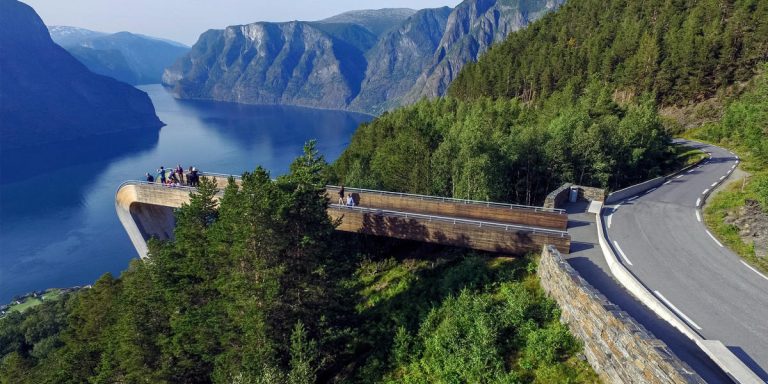
Feature image (on top): National tourist routes, Stegastein Aurlandsfjellet. Photo: Visit Norway.

Queen Margrethe Of Denmark Makes Headlines

Netflix has hired Queen of Denmark as set designer on new Netflix film. She is, however, not the first royal to join the Netflix family – Meghan Markie and Prince Harr signed a multiyear deal with the streaming company last year. Learn more about Queen Margrethe Of Denmark making headlines.

Having celebrated her 80th birthday last year, Queen Margrethe of Denmark has no intention of retiring. Now, an exciting new side gig takes place in addition to her royal duties. The queen has been hired as a set designer for the upcoming adaption of Karen Blixen’s fantasy novel Ehrengard, overseeing scenography and costumes in the lead-up to its premiere in 2023.

Queen Margrethe Of Denmark Makes Headlines
The queen has been hired as a set designer for the upcoming adaption of Karen Blixen’s fantasy novel Ehrengard

Related: Super Model Prince Nikolai of Denmark

Based on a 1962 novella by Danish author Karen Blixen (writing under the pseudonym Isak Dinesen), Ehrengard also has royal elements. The story takes place in the fairytale kingdom of Babenhausen, and follows Cazotte, a young “self-appointed expert on love”, who’s hired by the scheming Grand Duchess to help her secure an heir for the shy, awkward crown prince. Naturally, the plan backfires, and an heir ends up being conceived out of wedlock, forcing the royal family to go into hiding, and forcing Cazotte to acknowledge the limitations of his expertise on love.

Ehrengard will be directed by Bille August, the veteran Danish director of Pelle the Conqueror (which won both the Palme d’Or and Oscar for best foreign language film in 1988) and The Best Intentions (which won August a second Palme d’Or).

Ehrengard was first produced in 1982 by Italian film directed Emidio Greco. It premiered at the 1982 Venice International Film Festival. However, due to the bankruptcy of the producers, it was not released theatrically until 2002.

Margrethe ascended to the Danish throne in 1972 and is commander-in-chief of the country’s defence forces. This is, however, far from the Queen’s first design job. She’s an accomplished painter and illustrator who’s designed costumes for the Royal Danish Ballet in the past, and contributed drawings to a 1970s Danish edition of The Lord of the Rings, and exhibitions at galleries including the Arken Museum of Modern Art in Ishøj near Copenhagen. She also has screen credits as a production designer on the 2009 fantasy fairy tale The Wild Swans, and a short film adaptation of Hans Christian Andersen’s The Snow Queen in 2000.

Related: Scandinavian Royal Line

In a statement, Margrethe said: “Karen Blixen’s stories have always fascinated me, with their aesthetic tales, their imagination and their, to me, image-creating worlds – and I’m very happy to be part of this project. I have tried to interpret Blixen’s fantastic universe in the creation of the decoupages and costumes and I’m looking forward to seeing the tale of Ehrengard come to life in this film.”

Queen Margrethe Of Denmark Makes Headlines
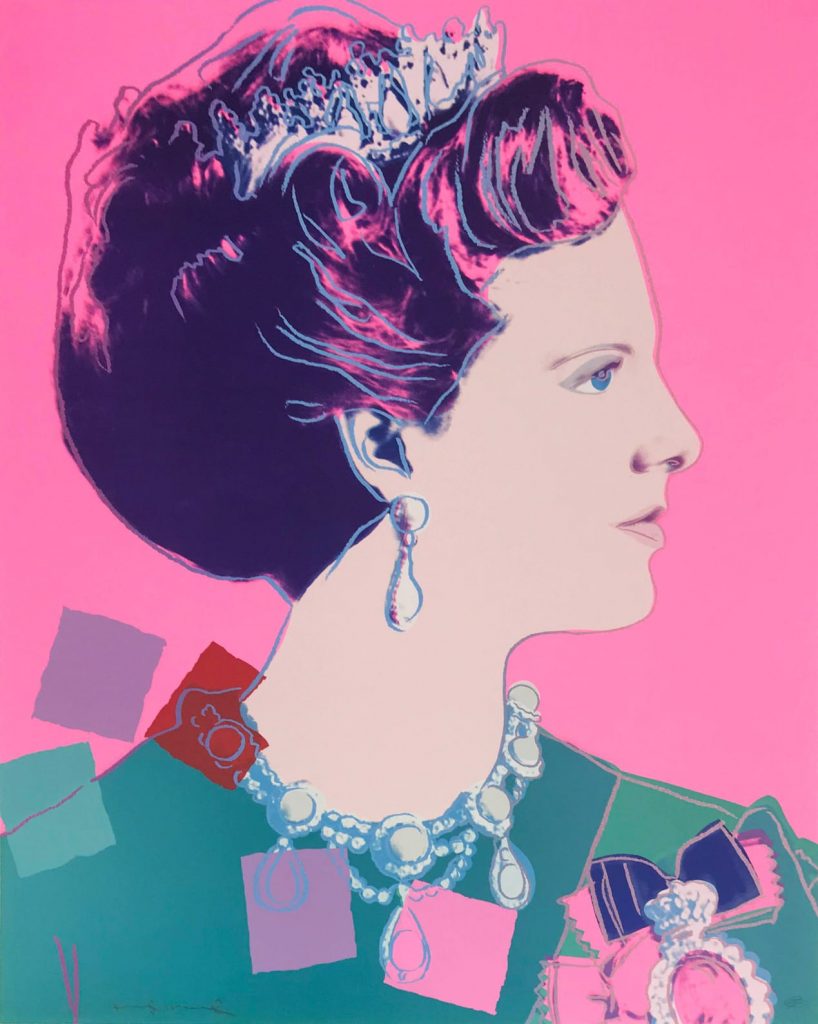
Queen Margrethe painting by Andy Warhool

Related: Fairytale Castles in Denmark

“The Queen has created the most fantastic decoupages for the occasion, and they will be the dominant feature of the film’s overall scenographic expression,” director Bille August said in a statement. “‘Fantastic’ (in the most literal sense) is our starting point for the film; we wish to use humor and elegance to create a devil-may-care, burlesque, fabulous and autonomous visual universe.”

Queen Margrethe made headlines earlier this year when she became the first European royal to publicly receive a dose of the COVID-19 vaccine.

Queen Margrethe Of Denmark Makes Headlines, written by Tor Kjolberg

Feature image (on top) Photo © Kongehuset, Danmark

Fall Foods in Scandinavia for Healthy Autumn

Autumn in Scandinavia is one of the most delightful times of the year. The changing leaves, the crisp air, and in-season foods provide a quintessential fall experience. But with the colder weather, it can be easier to indulge in comforting albeit fatty foods. If you’re trying to maintain your wellness throughout the fall and winter, consider picking up some of these fall foods to keep you on track. Learn more about fall foods in Scandinavia for healthy autumn.

Fall Foods in Scandinavia for Healthy Autumn
Photo by Inigo de la Maza/Unsplash

Root Vegetables
Root vegetables get their name from growing underground in the dirt. These include a lot of classic autumnal staples like squash, potatoes, radishes, carrots, and parsnips. Many of these root vegetables are actually native to Scandinavia. These plants provide hearty sustenance for the colder months. Popular recipes that include these vegetables are soups, chowders, and accompaniments to meats and roasts. Root vegetables have a variety of nutritional benefits. They are filled with fiber and antioxidants which promote a healthy gut and organ function. They’re relatively low in calories, cholesterol, and fat. They’re naturally packed with carotenoids which not only help strengthen the eyes but also protect the body from certain cancers. Additionally, they are loaded with minerals that are beneficial to the body, like potassium, folate, and manganese.

Fall Foods in Scandinavia for Healthy Autumn
Photo by Sydney Rae/Unsplash

Apples
Apples are a classic fall fruit. Not only are they delicious all year round, but they’re particularly tasty in the autumn season. Apples come packed with unmatched health benefits. They can lower cholesterol and blood pressure because of the presence of soluble fiber. Soluble fiber helps prevent plaque build-up in the walls of blood vessels. Additionally, this fiber can help aid in digestion. It helps you feel more full and promotes a healthy gut. The presence of antioxidants in the fruit helps your pancreas and in turn, reduces the chances of type 2 diabetes. You can incorporate apples in classic Scandinavian dishes. For a healthy and tasty breakfast, add chopped-up apples into your aebleskivers. Or alternatively, add them into some savory Scandinavian bread stuffing.

Fall Foods in Scandinavia for Healthy Autumn
Photo by Jonathan Mast/Unsplash

Pears
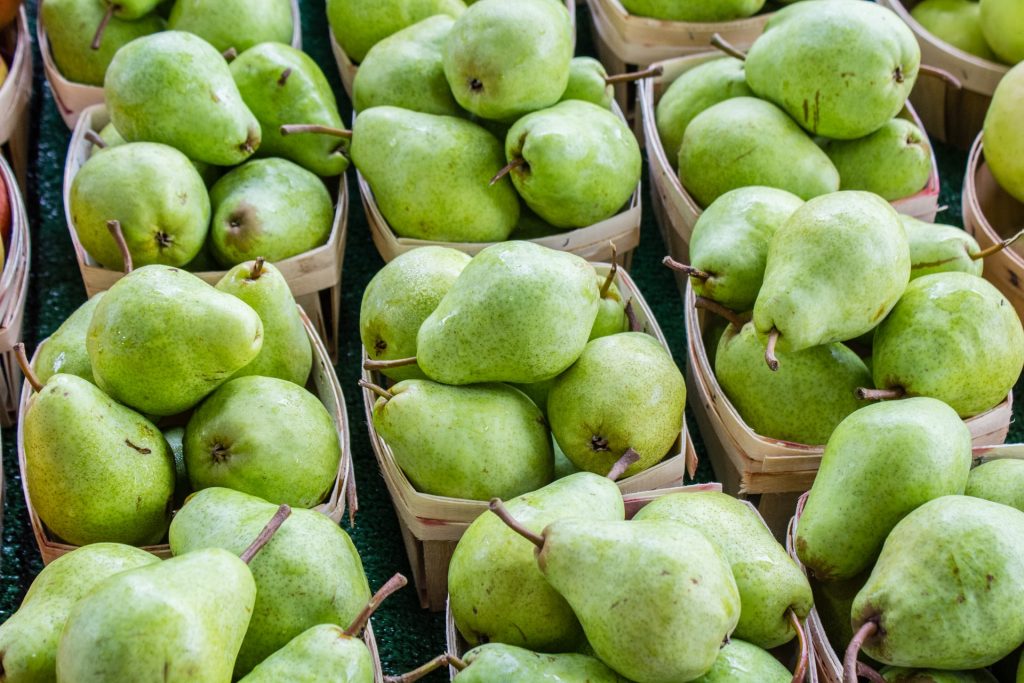
Pears are another autumnal staple. You can find them in classic pear tarts and spiced pear cakes. Like apples, they come filled with fiber to help with bowel regularity and facilitate good bacteria in the gut. In fact, one pear has about 22% of your daily fiber needs. If you struggle with chronic inflammation, then pears may be your saving grace. They are packed with anti-inflammatory properties that can help fight inflammation and can decrease your risk of getting certain diseases. Additionally, pears have vitamins C, K, and copper which work to reduce inflammation in the body.

Fall Foods in Scandinavia for Healthy Autumn
Photo by Usman Yousaf/Unsplash

Meat
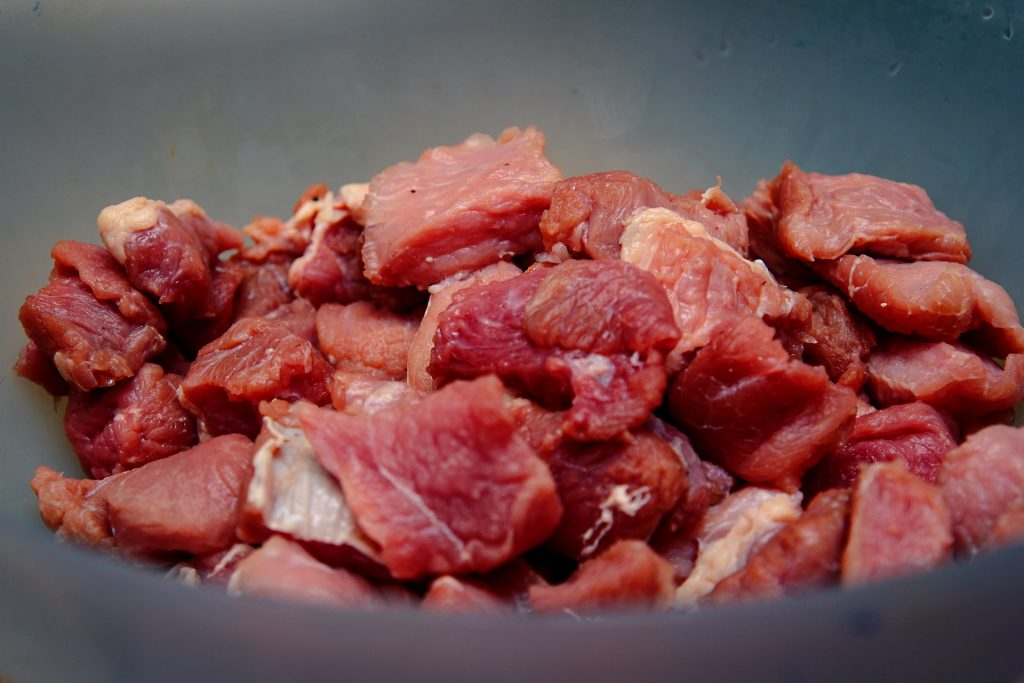
Meat provides health in a different way than fruits and vegetables. While it is not as packed with vitamins and minerals as the fruits and vegetables, it provides a very important nutrient, protein. Protein is a key nutrient that keeps the body functioning properly. It is a necessary component in the processes that carry oxygen throughout the body. It feeds muscles and bones to promote strength, recovery, and healthy growth. Additionally, protein helps the body generate antibodies which are critical in fighting off infections and illnesses. Getting the right amount of protein in your diet can help you live a more healthy life. In Scandinavia, there are a lot of classic, comforting meals with meat in them. Swedish meatballs are a classic dish that adds a healthy amount of protein to your meal. If you don’t particularly like meat or try not to eat meat, fish is a great replacement for still eating protein. Not to mention, fish has the added benefit of healthy fats and omega fatty acids.

Fall Foods in Scandinavia for Healthy Autumn – Bottom Line
The colder seasons don’t have to mean throwing your health goals out the window. Scandinavia offers a lot of great fruits, vegetables, and proteins to keep your body functioning properly. From soups, to roasts, to desserts, incorporating these nutrient-rich foods into your diet can greatly increase your quality of life and can promote a longer life with less disease.

Fall Foods in Scandinavia for Healthy Autumn
Chad Turner

Fall Foods in Scandinavia for Healthy Autumn, written exclusively for Daily Scandinavian by Chad Turner. Chad is a fitness enthusiast, personal trainer, health coach, and triathlete based out of Dallas, TX. His mission is to make the world of health and fitness more accessible to people from all walks of life.

Feature image (on top): © Wesual Click / Unsplash