Private Chef and Luxury Private Dining in Oslo

0

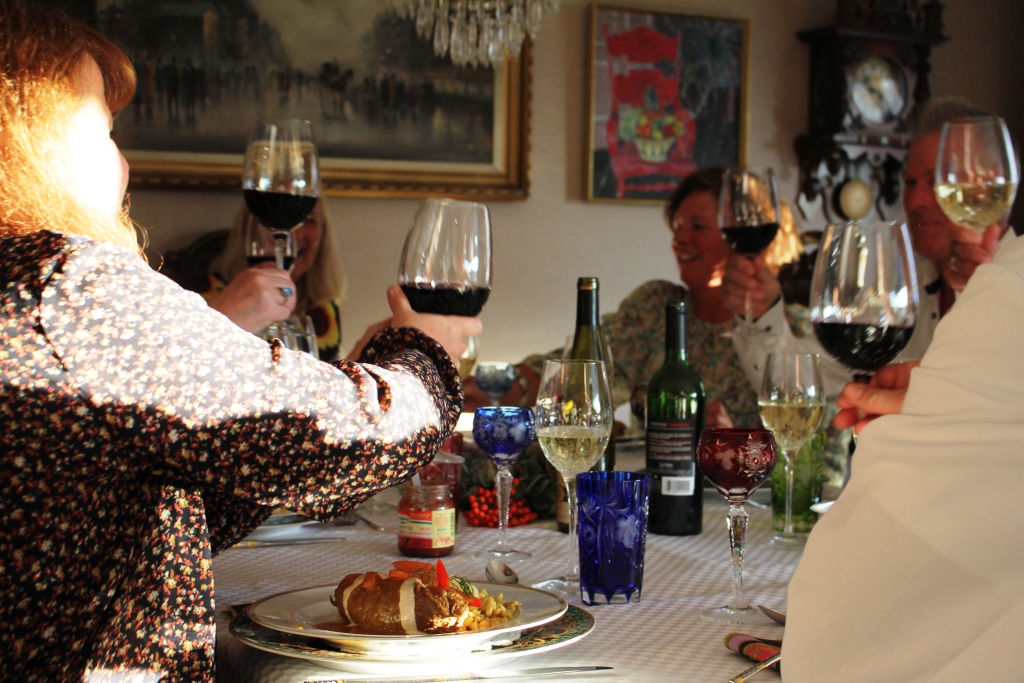
Want a top restaurant-quality dinner in the intimacy of your own home? Invite master chef Laszlo to your apartment where he will treat you to a bespoke gourmet experience where he will work his magic in your kitchen. In fact, we invited him to our home – it was delicious in a relaxed atmosphere. Laszlo is your private chef for luxury private dining in the Oslo area.

Private dinner parties are a fantastic way of spending quality time with your guests whilst enjoying the treat of fine dining. In our home, we were eight guests, thus, we assure you from first-hand experience, Laszlo can easily cater for dinner parties throughout the Oslo area with menus completely bespoke to your specific tastes and dietary requirements.
Private Chef and Luxury Private Dining in Oslo
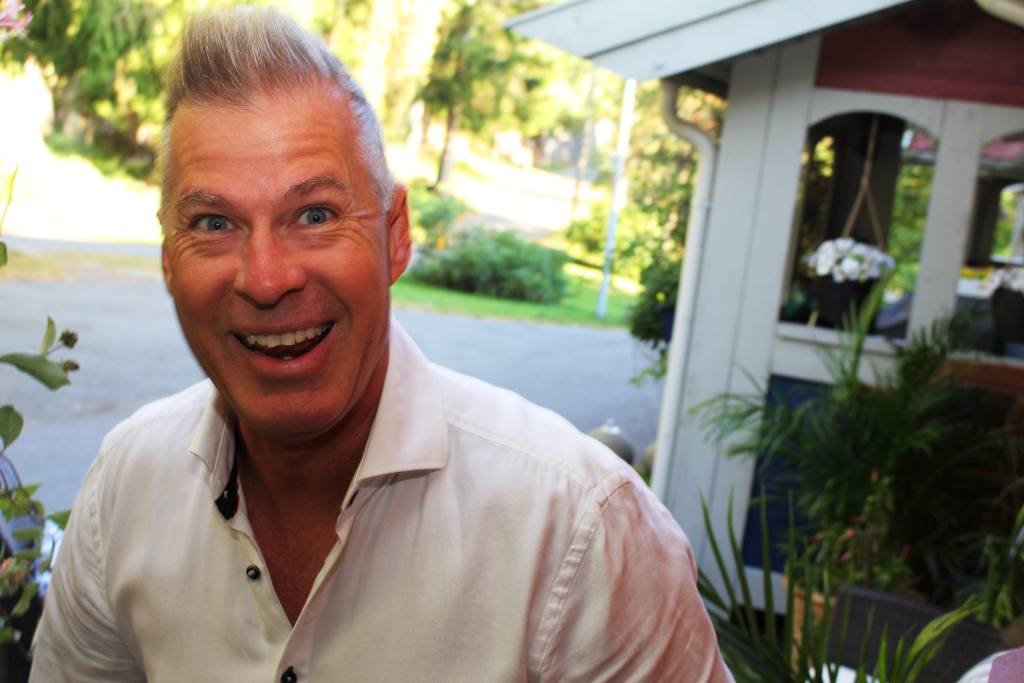
Expectant guest arriving
Private Chef and Luxury Private Dining in Oslo
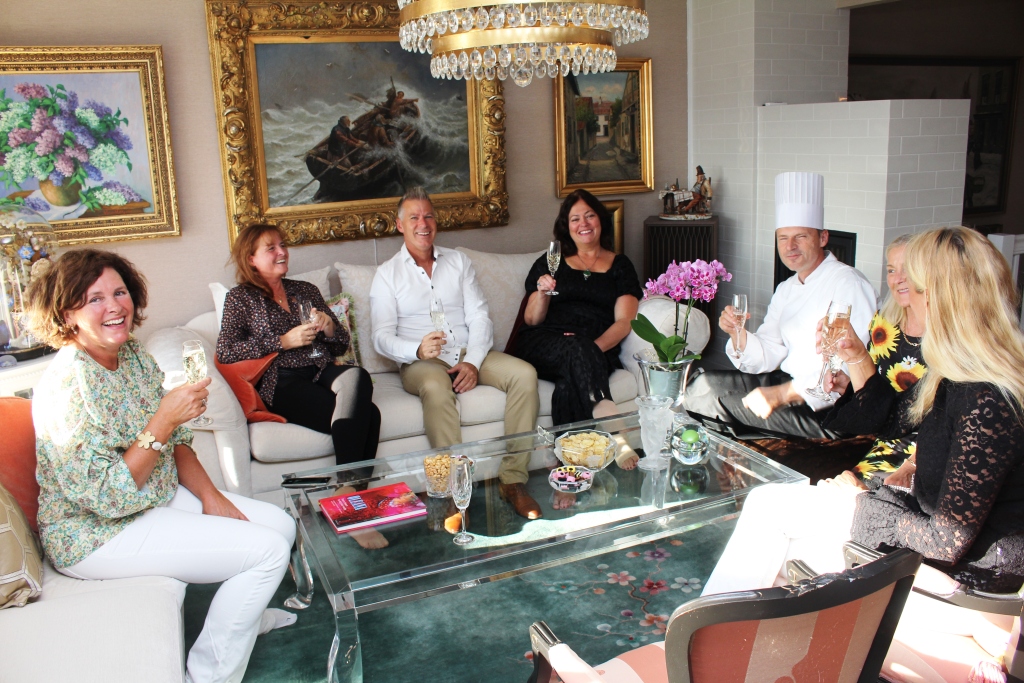
Aperitif – Laszlo explaining about the evening’s menu

Luxury private dining
In collaboration with the host, he creates dishes using the highest quality, seasonal ingredients, offering something for every taste. He has become an expert on the food of many nationalities. He is happy to prepare them or help his clients to make them. He is also more than happy to give advice to those who have eating or health problems to enjoy cooking and eating again.
Private Chef and Luxury Private Dining in Oslo
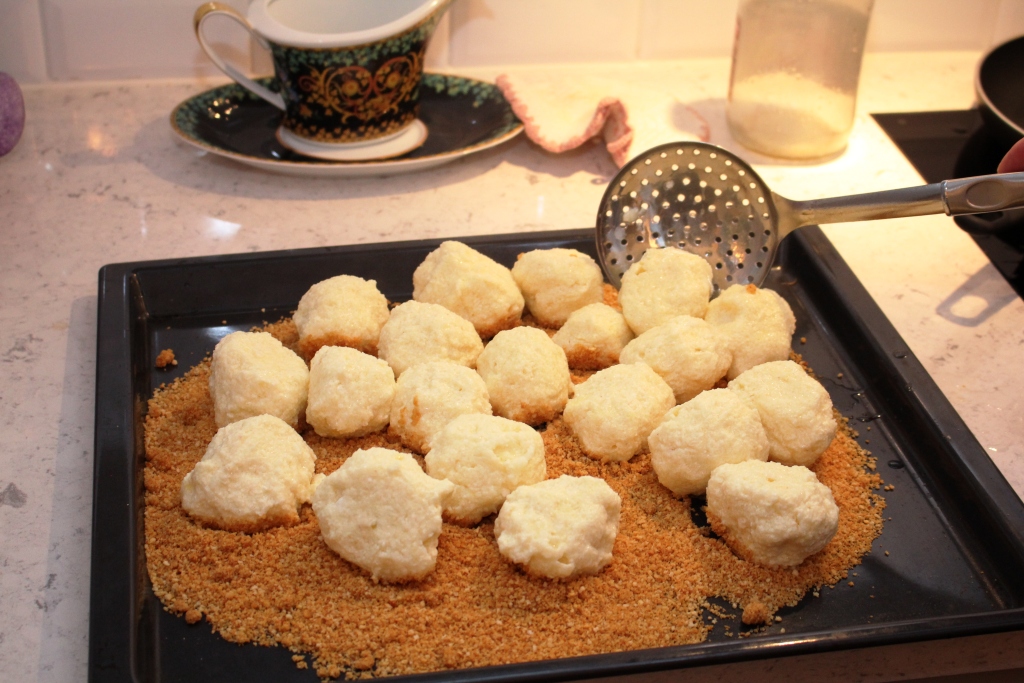
Food in preparation
Private Chef and Luxury Private Dining in Oslo
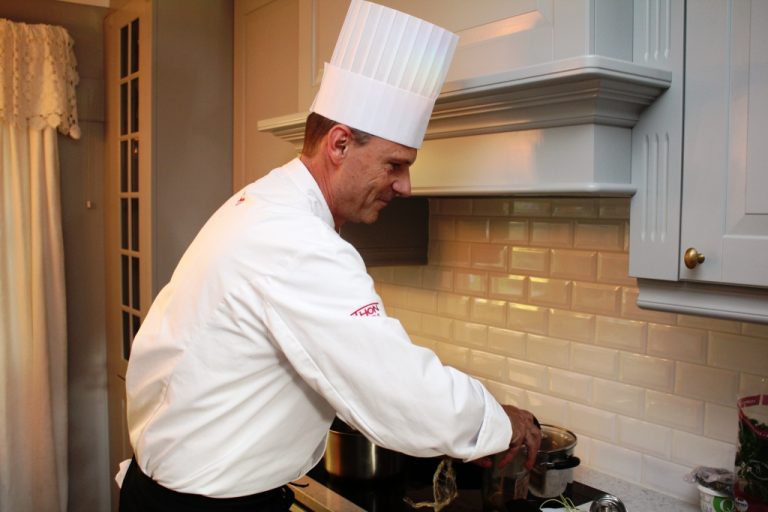
Laszlo preparing the soup

Related: Meet the Danish Ambassador for the European Region of Gastronomy

Since Lazlo is from Hungary, we decided to arrange a Hungarian dinner, where he prepared three dishes:

Starer: Ujhazi – chicken consommé

Private Chef and Luxury Private Dining in Oslo
Chicken consommé

Main dish: Csáky – Beef roulades with wheat balls and paprika sauce

Private Chef and Luxury Private Dining in Oslo
Beef roulades

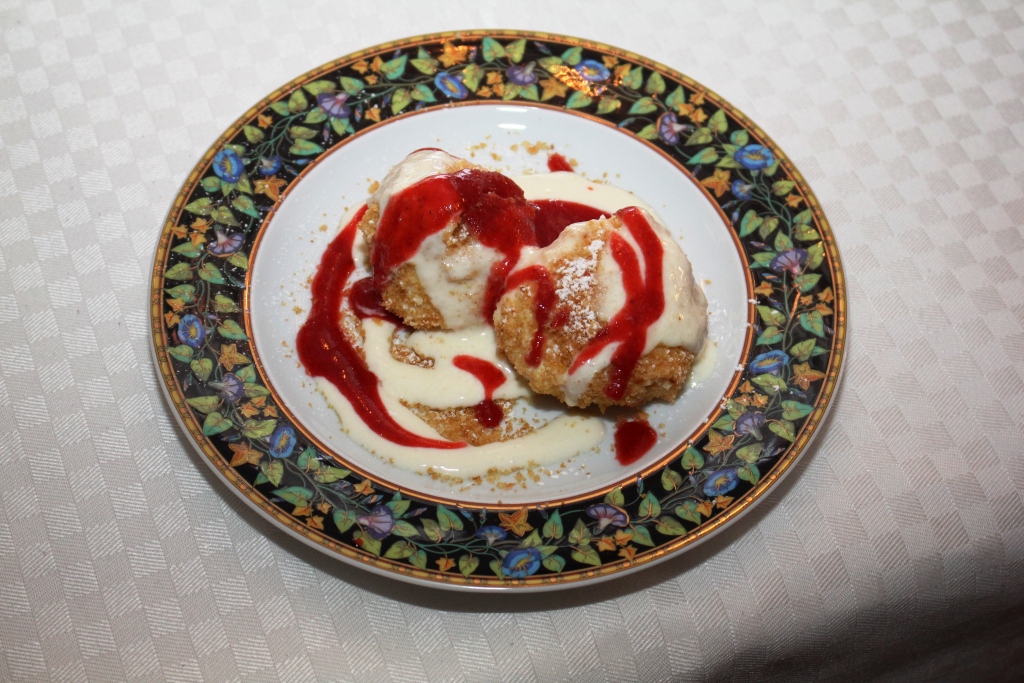
Dessert: Knödel (dumpling) – Hungarian cottage cheese with strawberry sauce.
Private Chef and Luxury Private Dining in Oslo
Hungarian cottage cheese with strawberry sauce

We have all spent a delightful evening with not only exquisite food creations, but with plenty of great advices about how to optimize our time spent in the kitchen, and how to integrate seasonal ingredients into our everyday cooking habits. Consequently, we have already begun thinking about our next event.

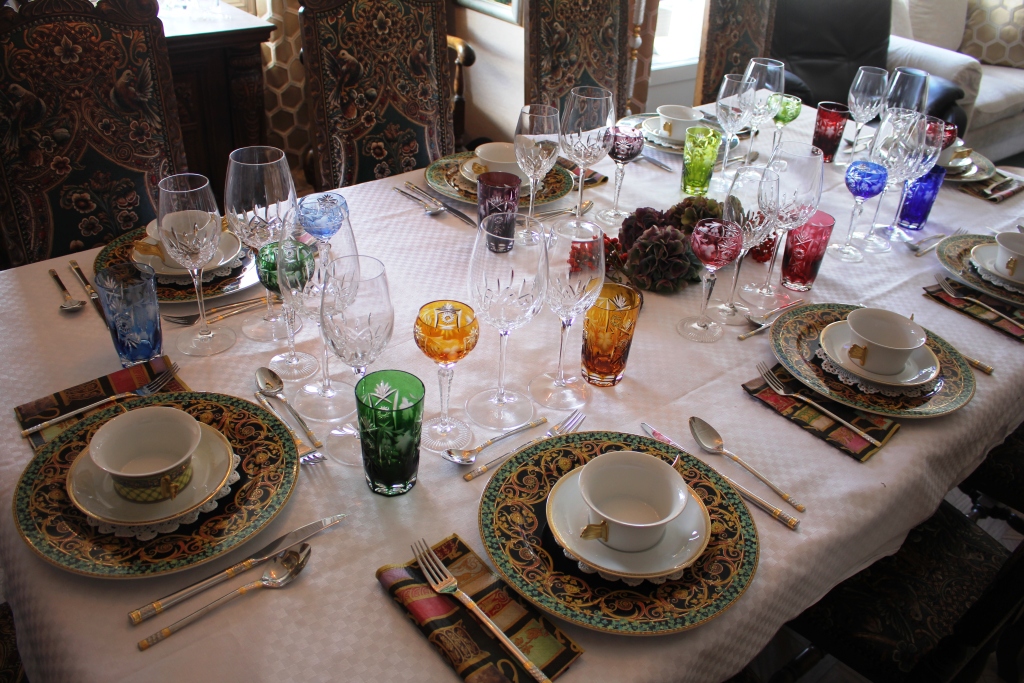
Private Chef and Luxury Private Dining in Oslo
Please be seated
Private Chef and Luxury Private Dining in Oslo
An elegant setting
Private Chef and Luxury Private Dining in Oslo
A successful dinner

Related: Hard Core Fishing and Champagne in Norway

Dinners for larger groups
However, small private dinner parties are just one option. What about jubilees, barbeques, business gatherings or weddings? Not forgetting kitchen and fridge optimization, cooking class for your family and business?  Because, Laszlo will be there for you.
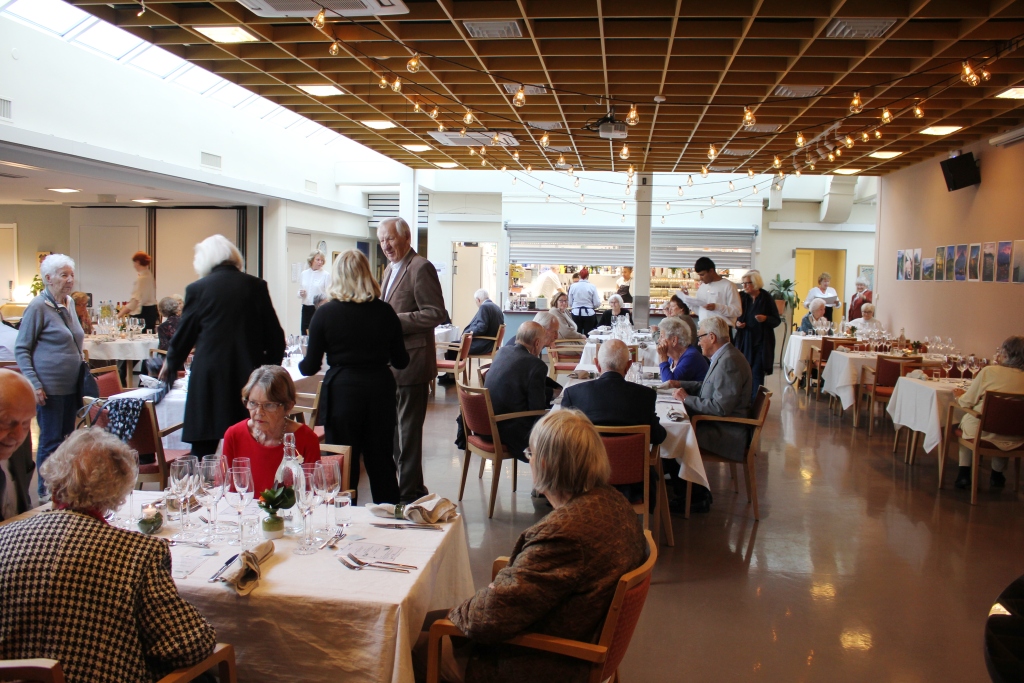
Private Chef and Luxury Private Dining in Oslo
Dinner for 50 people
Private Chef and Luxury Private Dining in Oslo
Laszlo in the kitchen with colleague Istvan Solberg

We also attended a community arrangement I Oslo. The district had received funds from the municipality to arrange 5 dinners for residents in one of the capital’s regions In connection with covid-19. Laszlo, together with executive chef at Galla Catering, Istvan Solberg, had created a typical Norwegian dinner:

Starter: Trout tartare with sour cream, lemon, caviar, salad and toast

Private Chef and Luxury Private Dining in Oslo
Trout tartare with sour cream, lemon, caviar, salad and toast

Main dish: Veal roast with creamy sauce, thyme marinated potatoes and root vegetables
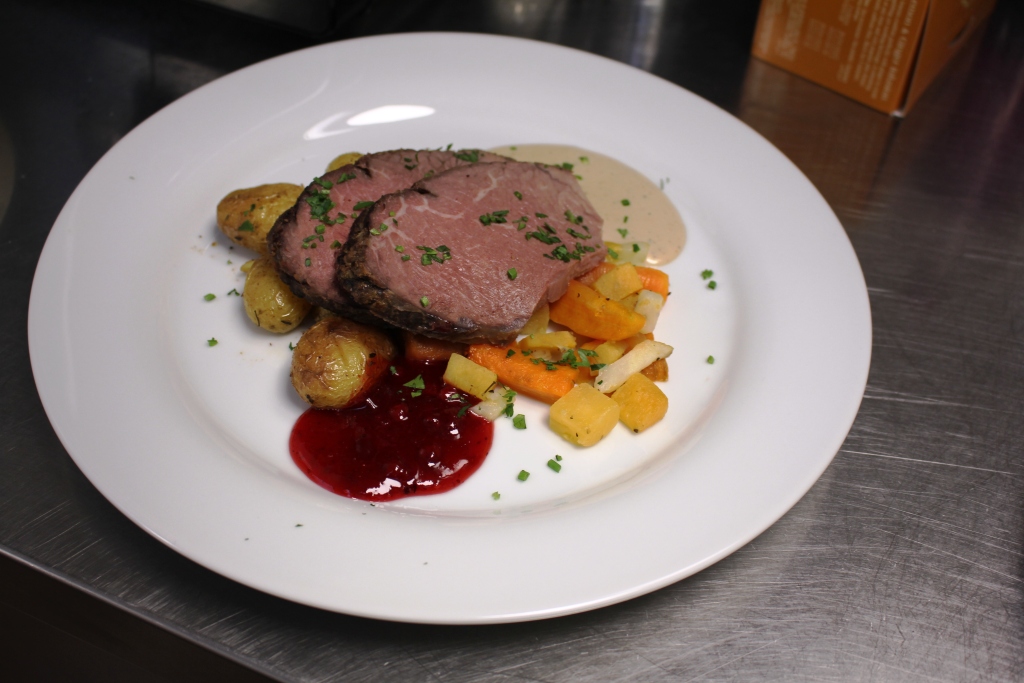
Private Chef and Luxury Private Dining in Oslo
Veal roast with creamy sauce, thyme marinated potatoes and root vegetables

Dessert: “Peche melba” (Peaches, piece of cake and whipped cream).

Private Chef and Luxury Private Dining in Oslo
Peche melba” (Peaches, piece of cake and whipped cream)

Two of the guests, Siri Nylandrl and Rosemarie Kurt, living in the Skovheim Allsenter, where the event took place, had participated in three of the dinners and couldn’t praise the arrangement enough. An elderly lady from the area told us she felt like a queen, being picked up by a taxi from her residence, allowing her to attend a heavenly dinner and driven home again when it all was over.

Private Chef and Luxury Private Dining in Oslo
Two of the guests, Siri Nylandrl and Rosemarie Kurt (in the middle one of the evening’s waitors)

Executive leader of Skovheim, Benthe Vik Andreassen, says she is grateful to have had the opportunity to create these dinner parties for groups of 50 people. “It has been very special and absolutely outstanding,” she says.
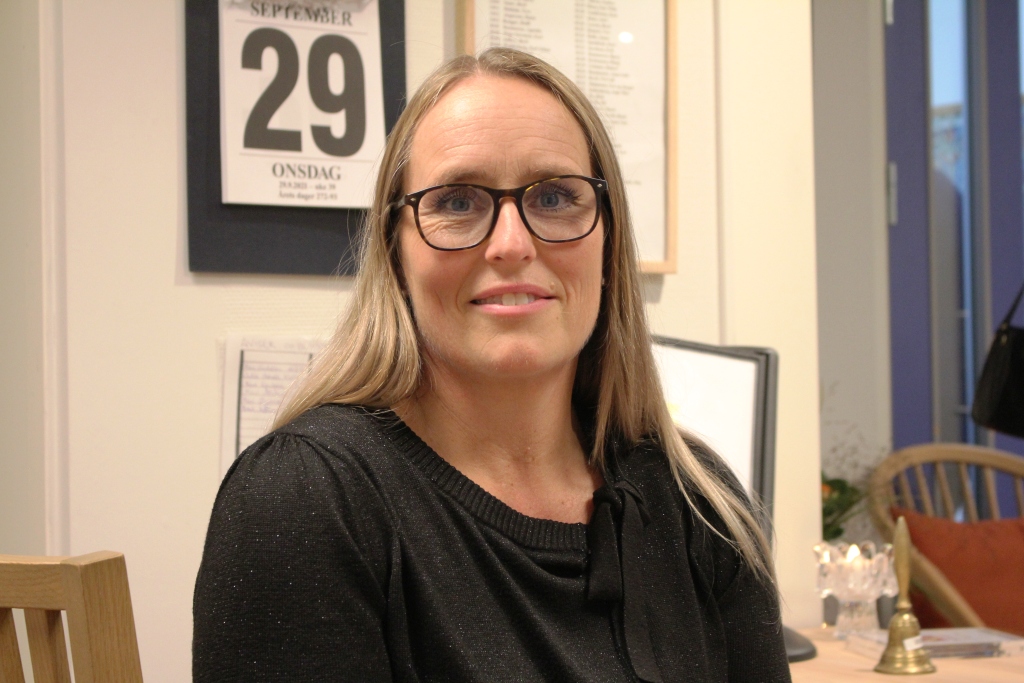
Private Chef and Luxury Private Dining in Oslo
Executive leader of Skovheim, Benthe Vik Andreassen

Related: Sweden’s Culinary Island Gotland

Laszlo Tankovics is from Budapest and is a professional chef, who has established and run acclaimed restaurants in the Hungarian capital. He was in charge of the kitchen of the Norwegian embassy in Budapest for 10 years, where his interest for Norway was established. He moved to Oslo in 2008.

Private Chef and Luxury Private Dining in Oslo
Laszlo Tankovics

Taste the transformation
Now, he proposes his gourmet know-how to a wider public, while he aims to share his decades of culinary experiences with both private and business clients who wish to spend a joyful time in their kitchen or in their dining room. “I have learned so much from hectic kitchen work and since I am also a certified coach, I want to tell people how they can learn to cook and at the same time master private challenges,” he says. He adds, “I love challenges in life and I learn something new out of them, thus I wish to share this knowledge with people in order to help them achieve a healthier, consequently happier lifestyle”.

You can learn more about Laszlo and his Cooking & Couching course at Taste the Transformation. His contact information is also there. Readers of Daily Scandinavian can reach him on telephone 047 93485487.

Private Chef and Luxury Private Dining in Oslo, written by Tor Kjolberg
All images © Tor Kjolberg/Daily Scandinavian

9 Richest Scandinavians and Their Businesses

Scandinavia does not have as many billionaires as many other European countries. The region has 57 billionaires, with Sweden and Norway accounting for 31 and 12 billionaires, respectively. In this article, we discuss 9 of these rich Scandinavians and their businesses.

Even though not many of them are in the region, these few billionaires are not inferior to others from other countries.

9 Richest Scandinavians and Their Businesses
Stefan Persson. Photo: Wikipedia

Stefan Persson
This Swedish billionaire is the richest in the region, with a $13.5 billion net worth. He was the CEO of H&M (one of the largest fashion groups in Sweden) until he handed over to his son in January 2020 after 11 years of filling that position. However, he remains the largest single shareholder of the company, with over one-third of the company’s shares.

Jorn, Kirsten and Finn Rausing
As mentioned in an essay writing service UK, this Swedish family is among Scandinavia’s wealthiest people. The Rausing family is famous in Germany for its Tetra Pak (belonging to Tetra Level Group). Kirsten, Finn, and Jorn are grandchildren of the founder Ruben Rausing and are members of Tetra Laval’s Board of Directors.

9 Richest Scandinavians and Their Businesses
Tetra Pak founder Ruben Rausing. Photo: Wikipedia

In addition, these siblings have shares in International Flavors & Fragrances (a New York-based company manufacturing aroma and fragrance substances). Jorn is also involved in Ocado and has a $10.3 billion net worth, while the other siblings are at $9.1 billion.

9 Richest Scandinavians and Their Businesses
Andders Holch Povlsen. Photo: Bestseller

Anders Holch Povlsen
This is the richest man from Denmark and one of the richest Scandinavians. His fortune is mainly from the fashion industry. He started leading his family company, Bestseller, when he was 28. He also holds shares in several other businesses such as Asos and Zalando, Nemlig, and Klarna. He achieved notoriety after the killing of three of his children in Sri Lanka during a terrorist attack.

9 Richest Scandinavians and Their Businesses
Niels Peter Louis Hansen. Photo: Hansen fonden

Niels Louis-Hansen
Niels, the deputy chairman at Coloplast (a medical technology company), is another Dane on the list. His father founded the company in 1957, and he is currently the majority shareholder with one-fifth of the shares. He is also a shareholder at Ambu (another medical technology company) and worth $7.4 billion.


9 Richest Scandinavians and Their Businesses
Kjeld Kirk Kristiansen. Phot0: Wikimedia Commons

Kjeld Kirk Kristiansen
Kjeld Kirk Kristiansen is the owner of the Lego toy icon. The long-time boss at Lego now has over 75 percent of his company’s shares distributed among his three children Agnete, Sofie, and Thomas, to ensure that it remains a family possession.He left his position at the company in April 2019, with his son Thomas being the Board of Directors deputy chairman. Apart from this toy company, they are also shareholders at Legoland amusement park with other investments in real estate and wind farms. He is currently worth $ 6.1 billion.  


Frederik Paulsen
The billionaire inherited a pharmaceutical company from his father in 1983, and that was the infancy stage of the Ferring group. Today, the annual turnover has grown from $ 15 million to more than $2 billion.

9 Richest Scandinavians and Their Businesses
Frederik Paulsen jr. Photo: Wikipedia

The company now has thousands of employees across 60 countries. He remains the chairman of the company’s board to date, and although he is from Sweden, he is based in Switzerland. He currently has a net worth of $5.8 billion.

9 Richest Scandinavians and Their Businesses
Melker Schorling. Photo: Melker Schorling AB

Melker Schorling
Melker Schorling took over Securitas (Swedish security group) in 1987 as the CEO. He later founded his investment company in 1999 and went public after seven years. He currently holds shares in Assa Abloy (a lock system manufacturing company) and Hexagon (a Swedish technology and software measurement group). He retired from his positions in management in 2017 and handed these offices over to his daughters. Schorling is also one of the largest property owners in Sweden. According to Forbes, the family has a net worth of $ 5.6 billion.

9 Richest Scandinavians and Their Businesses
Antonia Axson Johnson. Photo: Wikimedia Commons

Antonia Axson Johnson
Antonia Axson Johnson has led the Axel Johnson Group (an active retail company across Sweden and several other European countries) for about 40 years. She took over this business from her late dad in 1982 and handed the reins of chairmanship in 2015 to her daughter. However, she remains the company’s owner and member of the board of directors. She has a net worth of $ 5.1 billion.

9 Richest Scandinavians and Their Businesses
Bertil Hult. Photo: Wikimedia Commons

Bertil Hult
Bertil Hult is the founder of EF and started the language trip in 1965 for two teachers and 33 students to England. What was formerly called “European Holiday School” is a group of companies in 114 countries with over 600 offices. The company is now named “Education First.” His sons now run the company after he retired from an operational business in 2008. His net worth is estimated at $ 5 billion, according to Forbes. He has other involvements outside the company, including the “Hult Prize” for budding founders.

9 Richest Scandinavians and Their Businesses – Conclusion 
While at least 57 billionaires in the Scandinavian region, this article profiles the top 9 billionaires within the region and their businesses.

You should also know how to buy bitcoin cash to start investing and become more financial literate.

9 Richest Scandinavians and Their Businesses
John Peterson

9 Richest Scandinavians and Their Businesses is written exclusively for Daily Scandinavian by John Peterson. John is a journalist with four years of experience working in London magazine “Shop&buy.” He is a professional mini-tennis player, and he has written a novel, “His heart.” You can find him on FB.
Feature image (on top) by Moods of Norway

Gold Rush in Denmark

0

Danish amateur metal detectorist found buried treasure from the Iron Age just hours after turning on his metal detector. It has created a gold rush in Denmark.

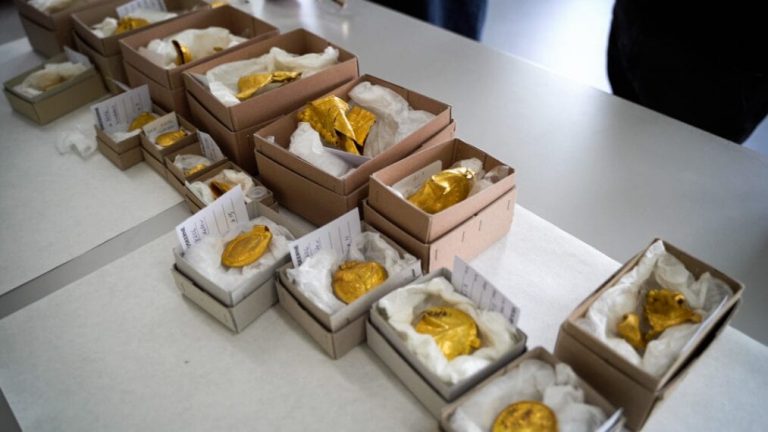
According to a press release from the Vejle Museums in southeastern Jutland, the “enormous” find consists of almost one kilogram (2.2 pounds) of gold buried 1,500 years ago. It is described by the museum as “one of the largest, richest and most beautiful gold treasures in Danish history so far.”

Gold Rush in Denmark
According to a press release from the Vejle Museums in southeastern Jutland, the “enormous” find consists of almost one kilogram (2.2 pounds) of gold buried 1,500 years ago

Ole Ginnerup Schytz stumbled across one of the largest gold treasures in the country’s history; huge medallions the size of saucers, coins, and jewelry, nearly 1 kg (2.2 pounds) of gold. The museum reports that the treasure had been buried for 1,500 years.

Related: Exceptional Viking Finds in Denmark’s Oldest Town

Gold Rush in Denmark
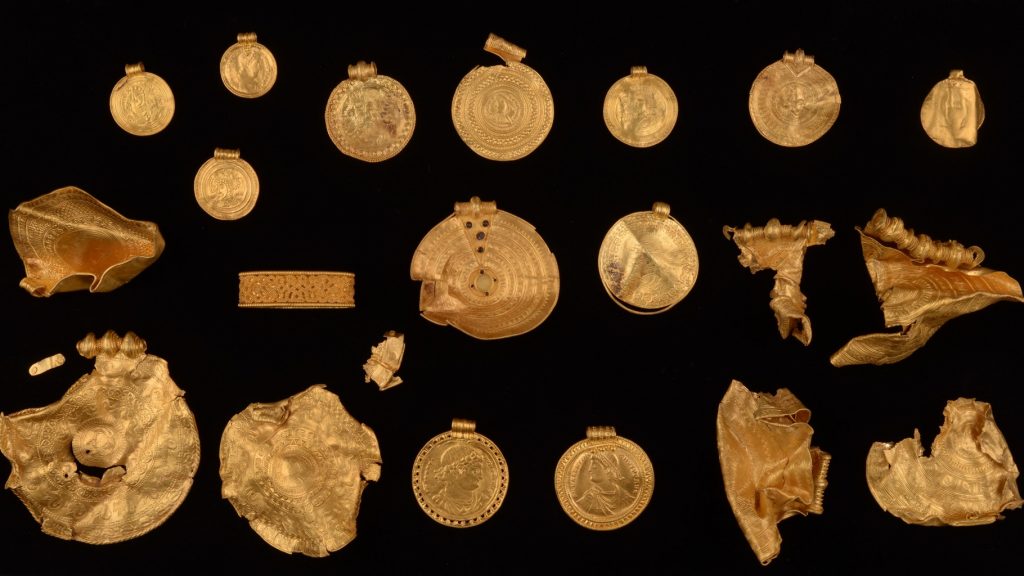
Coin with face and horse

Something significant?
The hoard was discovered in Vindelev, near the Danish town of Jelling. An Iron Age chieftain may have buried the gold to appease the gods after a volcano eruption. Ginnerup Schytz found the treasure on land belonging to a former classmate.

Mads Ravn, head of research at Vejlemuseerne, told CNN that he almost fell off his chair when Schytz sent him a photo of an object, asking him if it was anything significant. The first piece he found was full of scratches and covered in mud and looked like the lid of a can of herring.

Gold Rush in Denmark
The hoard was discovered in Vindelev, near the Danish town of Jelling

“Well, that’s the epitome of improbable luck,” the rookie detectorist said in an interview with Danish outlet TV Syd. “Denmark is 43,000 square kilometers, and then I happen to choose to put the detector exactly where this find was.”

Related: Sensational Archeological Excavation in Denmark

The Vindelev Hoard
Over the last nine months, archaeologists from the Vejlemuseerne have carefully excavated the site along with a team from the National Museum, uncovering the treasure.

Gold Rush in Denmark
Over the last nine months, archaeologists from the Vejlemuseerne have carefully excavated the site along with a team from the National Museum, uncovering the treasure

The artifacts were buried in a longhouse by an Iron Age chieftain, revealing that Vindelev was a center of power at the time, says the museum. “Only a member of the absolute cream of society would have been able to collect a treasure like the one found here,” Mads Ravn, head of research at Vejle Museums, said in a statement announcing the finding to the public.

The treasure is now known as the Vindelev Hoard. It consists of decorated saucer-sized medallions known as bracteates as well as Roman coins that were turned into jewelry. One of the bracteates is decorated with a male head and a number of runes, as well as a horse and a bird. A runic inscription on the horse reads “the high one,” according to preliminary research, which could refer to the chieftain or the god Odin. One of the Roman coins depicts the Roman emperor Constantine the Great, who ruled from 285-337 AD.

Related: 1,500-year Old Sweden’s Pompeii

Chaotic times
At the time, Norse mythology was developing and would have been in competition with more ancient religions, said Ravn, around 300 years before the ancient sagas were written down.

Gold Rush in Denmark
A gold saucer crop

A 2015 study found evidence that an ash cloud from a large volcanic eruption in 536 AD cooled the Scandinavian climate, causing crop failures and resulting in widespread famine. That’s right around the time the hoard was buried. Archaeologists have also found other gold hoards in the nearby area that date to the time period following the eruption. Together, this suggests Denmark’s occupants during the late Iron Age may have buried gold as a means of appeasing their gods during a chaotic time, according to museum experts.

The Vejle Museums in Jutland will exhibit the unprecedented find starting in February 2022.

Gold Rush in Denmark, written by Tor Kjolberg

All images by Vejle Museums

Best Nordic Album of the Year

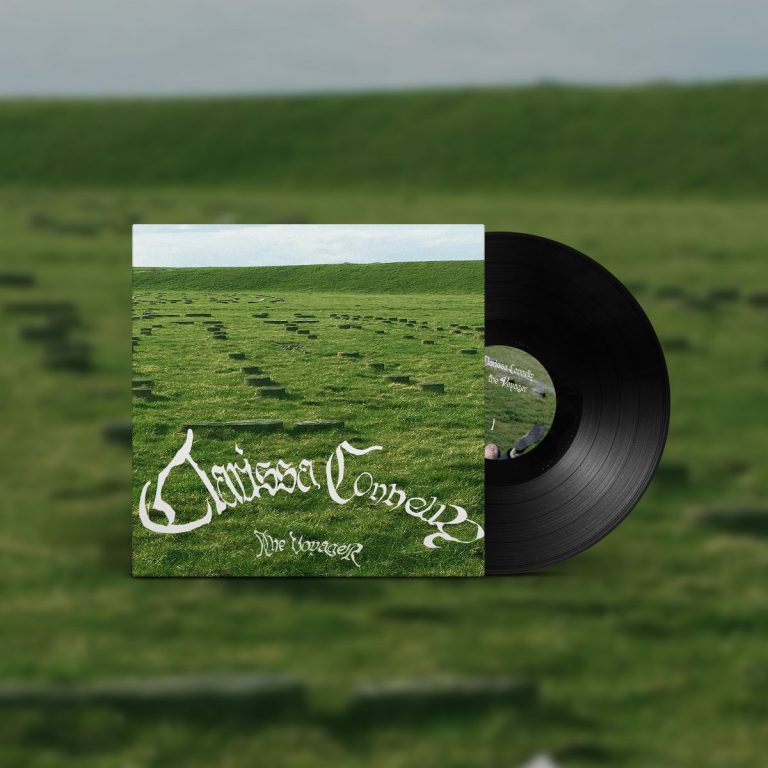
The prize winner is Danish Clarissa Connelly with her album The Voyager. Read more about the best Nordic album of the year.

An international jury of experienced musicians named The Copenhagen based vocalist, composer and multi-instrumentalist Clarissa Connelly as the artist of this year’s best Nordic album. She won over other Scandinavian album contestants such as Musti, Girl-in-Red, Nekromantheon and Ane Brun.

Adventurous and ambitious, but never bombastic
“After a year where the world has been locked down and learned to re-evaluate open spaces and freedom, this is a record that beckons you outdoors. Its fresh and radiant atmosphere, full of wonder and re-enchantment with nature, straddles both the structures and cadences of traditional Nordic folk music with abstract digital experimentation.

Adventurous and ambitious, but never bombastic or inaccessible, this is an artist with a foot in two cultures whose music similarly bridges the ancient and modern,” said Stuart Maconie (BBC) on behalf of the jury.

Best Nordic Album of the Year
Copenhagen based vocalist, composer and multi-instrumentalist Clarissa Connelly

Related: The Incredible Sound of Iconic Danish Singer/Songwriter

Has Clarissa scratched the surface of present-day Denmark and found a landscape rich in pre-Christian relics? She has at least composed all the album’s songs after visiting many of the ancient sites and a new voice is created in The Voyager.

This is the first time that the Nordic Music Prize goes to a Danish artist. The award honors artists and album formats as an art form. It has been arranged since 2010.

About the music of Clarissa Connelly
Clarissa Connelly originally hails from Fife in Scotland, but moved as a child to her mother’s homeland of Denmark. It’s from the latter country’s nature and history that Connelly primarily draws inspiration, along with modern influences like Kate Bush, Enya, Mike Oldfield and Joni Mitchell. The rich cultural heritage and mythology of the Viking Age is woven together with 80s-tinted pop arrangements to form a soundscape unlike any other. The Voyager follows two previously released cassettes on the Brystet label, 2015’s Come In Roses and 2018’s Tech Duinn.

Related: Fascinating Scandinavian Rappers

But Clarissa Connelly is not comparable to any other artists. The combination of Viking mythology and retro-pop is unique to the artist, and she does it incredibly intelligently. Some of her Scottish roots may be part of the explanation.

Best Nordic Album of the Year
Has Clarissa scratched the surface of present-day Denmark and found a landscape rich in pre-Christian relics?

The Voyager
The album’s complex arrangements of multitracked vocals and manipulated guitars, piano and flute braid with the distinctively 1980s presets of her Korg M1 synthesizer. Guests joining her on the record include members of neo-shoegaze group Collider and string quartet Halvcirkel.

When her album The Voyager was released in November 2020, it was joined by the app Vandringen, created in cooperation with a series of Danish artists. In the app, the user can explore Danish heritage sites and learn about the history behind the sites.

Best Nordic Album of the Year
Clarissa Connelly originally hails from Fife in Scotland. Photo by Gaffa

Clarissa is fascinated by old buildings in cities. “Like a church, looking at the stones and wondering who built it,” she says. “But they’re only maybe a thousand years old. Looking at these more ancient sites, the burial mounds and Viking fortresses, that’s even further back into history. I just get awestruck and want to sing or write about it,” she continues.

Connelly is an artist with a foot in two cultures, and her music builds a bridge between the old and the modern.

Best Nordic Album of the Year, written by Tor Kjolberg

Swedish Weddings: Traditions and Trends

0

There’s perhaps nothing more poignant than watching a new family come into being. And there’s perhaps no more significant human experience than finding that special someone and building a life with them. Learn more about Swedish weddings – traditions and trends.

And maybe that’s why, let’s face it, we’re all pretty much suckers for a good wedding. But while love and hope rest at the center of any marriage ceremony, wherever and whenever it may be, wedding traditions, as well as trends, can vary significantly around the globe.

Sweden, for instance, boasts some pretty fascinating wedding customs, both old and new. And whether you’re considering a destination wedding to Europe, planning to inject a bit of international flair into your nuptials, or you simply want to know how people in other parts of the world are getting it done, this article is for you!

Swedish Weddings: Traditions and Trends
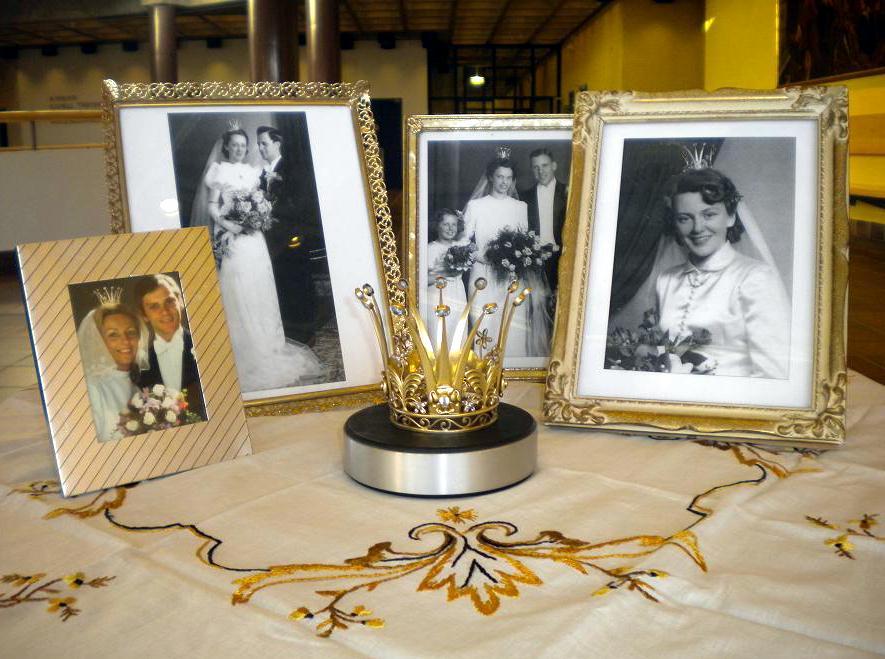
Bridal crown by Bo Stefan. Photo: Wikipedia

Related: Denmark’s Love Island

Traditions, Old and New
Sweden is an ancient nation with rich cultural traditions that both reflect the nation’s storied history and its exciting future.

The Bridal Crown
Traditionally, brides in Sweden didn’t wear veils or tiaras but rather a bridal crown made of myrtle leaves to symbolize innocence. This was usually paired with a traditional multi-colored wedding dress quite different from the white wedding dresses so common across Europe and North America today.

Nowadays, though, many Swedish wedding parties are looking much more like their British and American counterparts, with brides decked out in white gowns and veils and grooms sporting snazzy tuxedos.

Swedish weddings blend tradition with modern elegance for a truly unique celebration. If you’re planning your big day, explore this collection of wedding dresses that also combines tradition with modern trends, and so will fit right in at a Swedish wedding.

Related: The Ultimate Jaw-Dropping Scandinavian Wedding Destinations

Swedish Weddings: Traditions and Trends
Sweden boasts some pretty fascinating wedding customs, both old and new. Photo: Tristan Gassert/Unsplash

The Wedding March
For all its antiquity, Sweden is a pretty progressive country with many modern ideals. And perhaps nowhere is that better reflected than in the bridal procession. You won’t see a father “giving his daughter away” in a Swedish wedding. Oh no, no, no. Instead, the betrothed walked down the aisle to the altar together, as equals.

And, not only this, but many Swedes are now opting for gender-neutral weddings, to reflect the trend of same-sex unions, which have been legally recognized in Sweden for more than two decades. This speaks to a pretty stark difference between Sweden and the US, for instance, where same-sex marriage was only recently recognized under federal law and where it continues to be debated and contested in many states.

Related: Love and Relationships in Scandinavia

Swedish Weddings: Traditions and Trends
Royal weddingin Stockholm 2010. Photo: Wikipedia

Kiss-Kiss
For most of us, the highlight of any wedding is that all-important first kiss that seals the deal and makes the union official. But, at a Swedish wedding, it’s not just the happy couple that gets a kiss. In fact, pretty much everyone gets to have a go!

That’s because, at the reception, when the groom leaves the room, all the gents get their own chances to kiss the bride. And same goes for the bride, as all the ladies get to take their turn with the groom when the bride exits! Not only that but the bride and groom each have a bell they can ring to signify they want their guests to line up and give their new spouse some sugar!

Wedding Rings and Precious Coins
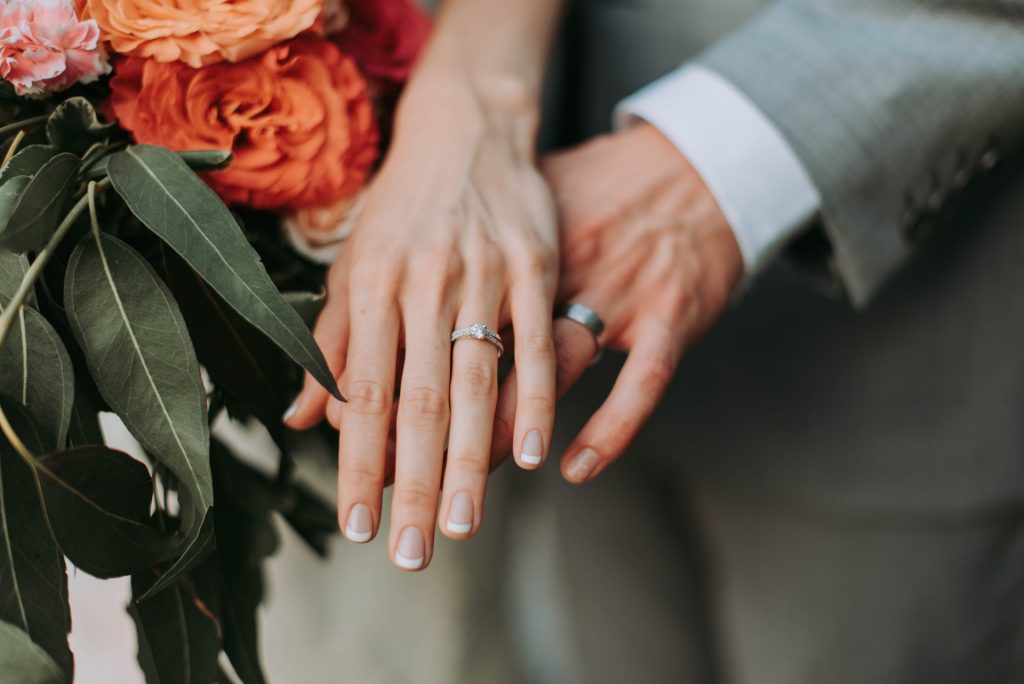
Swedes also handle the custom of the wedding ring a bit differently than in the US and UK. Both the intended bride and groom get an engagement ring, but the groom generally removes his before the ceremony so that it can be reused as his wedding band.

The bride, on the other hand, gets both an engagement ring and a separate wedding band, to which she adds a third ring when she becomes a mother. Brides’ rings tend to be more ornate than the grooms’, often featuring large gemstones in contrast to the groom’s traditional gold or silver band.

Swedish Weddings: Traditions and Trends
Swedes also handle the custom of the wedding ring a bit differently than in the US and UK. Photo: Samantha Gades/Unsplash

Another ancient Swedish custom is for brides to place one silver coin given to her by her father in her left shoe and one gold coin from her mother in her right. This symbolizes the continuing bond she shares with her parents, signifying the fact that she will always be protected and provided for.

Emerging Trends
While Swedish weddings are steeped in tradition, there is also a lot that has changed about modern marriage in Sweden:

Marrying Later in Life
Couples in Sweden today tend to marry later than their peers in the US. Often, they will wait until their mid to late 30s, after they have completed their studies and launched their careers. Many couples have already been living together for several years before they marry, and a large proportion of them already have children, which is considered entirely socially acceptable in this progressive nation.

In the US, on the other hand, while the trend is also toward later marriage, the motivations are often far different. Rather than cohabiting while building careers and having children, as with late marriages in Sweden, in the US, delayed marriage is often a result of the so-called “failure to launch” syndrome, with young adults choosing to remain in the parental home well into young adulthood. This is often attributed to economic uncertainty, significant student debt, and challenges in developing the kind of stable career needed to build and maintain a household.

Not Marrying At All
In Sweden, you don’t necessarily have to be officially married to enjoy many, if not all, of the legal protections of a spouse. Because of this, many Swedes are choosing to go ahead and build their own little nuclear family without going through the ritual of marriage, whether in a formal wedding or a civil ceremony.

Swedish Weddings: Traditions and Trends  -The Takeaway
Sweden is a land of beauty, history, and tradition. It is also the land of loving, modern families, whether in the form of traditional marriage, cohabiting partners with children, or same-sex unions.

Swedish Weddings: Traditions and Trends
Ainsley Lawrence

Swedish Weddings: Traditions and Trends, written exclusively for Daily Scandinavian by Ainsley Lawrence. Ainsley is a freelance writer from the Pacific Northwest. She is interested in better living through technology and education. She is frequently lost in a good book.
Feature image (on top): Nick Karvounis/unsplash

The Swedish Eel Fishers’ Last Outpost

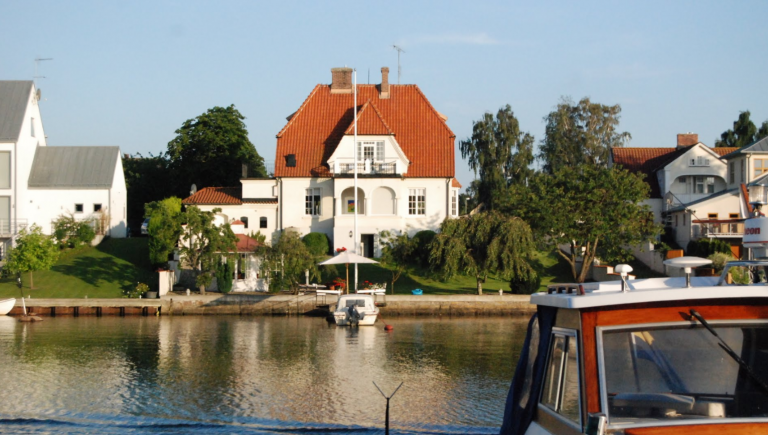
In a dark still active eel fishing hut in Åhus at the sandy Baltic coast of Skåne in the south of Sweden (once a part of the Danish kingdom), we meet four off-beat characters in their sixties or seventies. Åhus is the second largest locality in Kristianstad municipality and the Swedish eel fishers’ last outpost.

Åhus is famous for its Swedish eel parties (ålagille) where people come together during August and September to eat smoked eel and drink considerable amounts of schnapps, preferably Absolut Vodka which is produced in the town and exported worldwide.

The Swedish Eel Fishers’ Last Outpost
Eel is a mystery to some, but a delicacy for others

The Eel Mystery
Eel is a mystery to some, but a delicacy for others and although eel fishing is not directly banned, it is controversial. Eel fishing has become a hot topic that stirs usually calm and subdued Swedes and divides the nation. The eel population in Europe is endangered and it is an urgent need for fishing ban, activists claim.

Related: Scandinavian Eel

There are many great thinkers who have been interested in the eel, the worm-like, tenacious, slightly unfathomable migratory fish from the Saragossa Sea, east of Cuba. Aristotle believed that the eel must have originated from mud, from “the bowels of the earth.” But he was wrong. Sigmund Freud came to the conclusion that the eel must be a hermaphrodite, since he dissected hundreds of them and still did not find any genitals. He was in a way right.

Long Swedish tradition
Eel fishing has a 500-year long tradition in Skåne. Smoked eel on Christmas table and eel feats at Midsummer are part of the local inhabitants’ DNA. Nevertheless, it’s hard to find eels on the menus in the local restaurants. The reason is obvious. According to the International Council for the Exploration of the Sea (ICES), all human impact on the European eel should be “reduced to, or kept as close as possible to, zero”.

The Swedish Eel Fishers’ Last Outpost
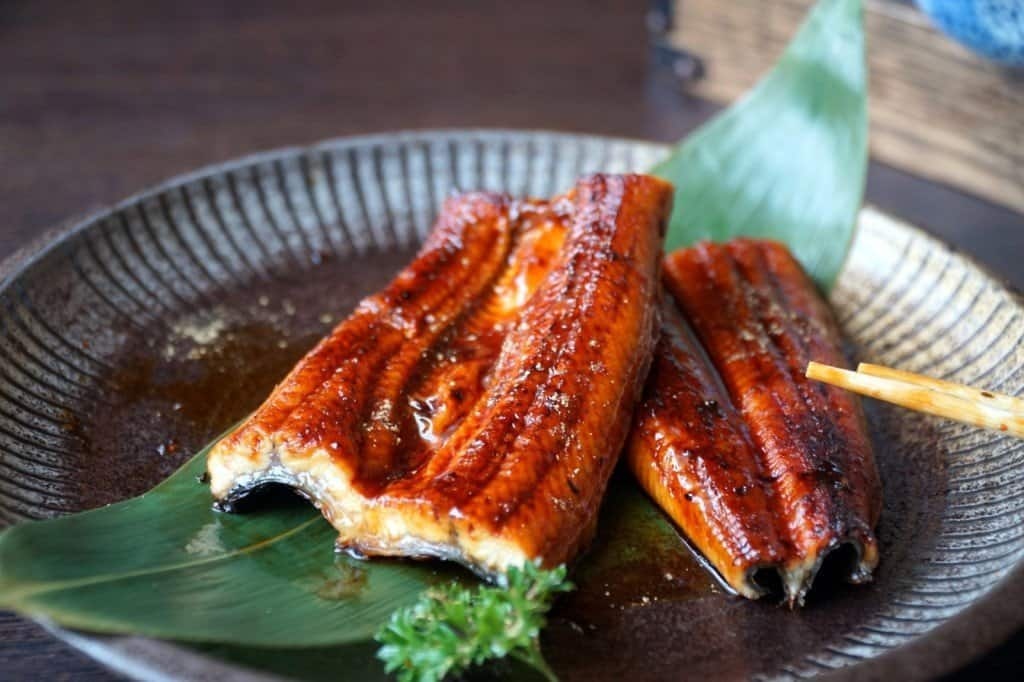
Smoked eel

But the inhabitants of the Swedish coastal city are innovative people. Åhus is the eel’s unofficial capital. Eel fishermen from the town supply the rest of the country with party food. Even the Swedish king is said to have visited Åhus incognito to take part in an ‘eel party’.

Ever since back in the 1990s eel was put on the Red List of Threatened species in Sweden. Despite this, there is extensive commercial eel fishing conducted throughout the full life cycle of the eel. Fishing still kills hundreds of tons of eel in Sweden every year. Nonetheless, the fisheries management considers that Swedish fishing for emigrating silver eels has a negligible impact on the population. However, this assumption is based on uncertain estimations.

In 2007, eel fishing was banned in Sweden. However, commercial Swedish fishermen can apply for a dispensation from the ban, but according to a strict EU regulation, they only get a fishing license for two years at a time, and they can only sell the eel in own shops and not let the license be inherited. This has reduced the eel fisherman to an endangered curiosity.

The Swedish Eel Fishers’ Last Outpost
Eel fishing has a 500-year long tradition in Skåne

it has become a favorite cause for the activists who are trying to prevent the general population from consuming it and to paint the fishermen who fish them as brutal savages. However, being listed on the red list in Sweden doesn’t mean you are not allowed to consume it.

Eel fishing is a culture
According to commercial fishermen, eel fishing is not an industry that depletes the raw stock, but a culture that cultivates it. During its long life, the eel changes shape several times. From genderless glass eel, to yellow eel, to silver eel. The silver eel is the most well-bred and returns to the Sea of Zaragoza to mate. Before they set out on the 7,000 km long journey home, however, some of them are caught in the nets of Swedish fishermen and end up in a filtered harbor pool where they swim off the slime.

The clock is ticking
No wonder, eel is a mythological creature that has always had a very special place in people’s imagination. To this day.  They are also known for their longevity – the oldest eel ever found was 130 years old, living deep in a well, taunting several generations of villagers. However, these thick, meaty, fatty creatures’ ordinary age is between 15 and 20 years old.

The clock is ticking on this tradition and the commercial fishermen, who speak about eel fishing with both sparks in their eyes and some sadness, seem to know that.

The Swedish Eel Fishers’ Last Outpost, written by Tor Kjolberg

Feature image (on top): Åhus. Photo: 100 Places To Visit In Sweden

Why are Norwegians more interested in stocks than ever before?

0

Investing used to be something we thought only people within in the finance world could do. Luckily, we know better now. The stock market and investments have been a hot topic in the media and more and more Norwegians are finally understanding that investing is for everyone. There are more Norwegians investing now than ever before. This can only be looked upon as a great development for the society. Why are Norwegians more interested in stocks than ever before? Read the article and find the answer.

Economy is one of the most important topics in our lives. Not because money is the only thing that matters but because being able to afford the thing we want in life, whether it is material things or experiences with the people we love, can only happen when we have control over our personal economy. We all pay bills, we all pay taxes, and we all create budgets to make everything click. Still, we barely talk about this topic in school – even though this is an area we really need to have under control.

Why are Norwegians more interested in stocks than ever before?
Economy is one of the most important topics in our lives

Start investing today
More people would be aware how important it is to generate a passive income if we talked more about this topic in school. If you are thinking that stocks and shares are something you would like to know more about, you can take a look at Aksjeskole which is a great place to find information about this exact topic. It is never too late to start creating a greater economic future for yourself but start today. The earlier you learn about trading, investment, and stocks, the better.

The last few years there have been some changes in the Norwegian pension scheme which has acquired that more people think about their pension and the importance of increasing the pension they already have. Our economic future looks different than the reality retirees are living in today. In other words, creating a greater economic future for oneself starts now. Norway will always be able to provide our pension but to what extent and to which amount will most likely be adjusted.

Why are Norwegians more interested in stocks than ever before?
It is never too late to start creating a greater economic future for yourself but start today

Create a strategy
Generally speaking, there are two different ways to invest. We differentiate between the two ways of investing into high-risk and low-risk investments and long-term and short-term investments.

Why are Norwegians more interested in stocks than ever before?
To find out what kind of investor you are, you need to create a strategy

To find out what kind of investor you are, you need to create a strategy. No matter what kind investor you are, this will be one of the most important things you will do for yourself when talking about investments. This as a great way to make sure you make the best choices along the way so that you can be the best investor possible, and at the same time make a greater economic future for yourself.

Why are Norwegians more interested in stocks than ever before? Written exclusively for Daily Scandinavian by Christian Skov.
All images © aksjeskole.com

Tarragon in Scandinavia

Tarragon has to be one of the great culinary herbs though people who grow Russian tarragon never understand the love that growers of the true French tarragon have for this herb. No wonder, as they are two very different plants. Tarragon is really a French spice but often used in Scandinavia. Learn more about tarragon in Scandinavia.

The Russian variety (Artemisia dracunculoides) is a tall bullying perennial, totally hardy, with a sometimes brutish, bitterness and none of the aromatic elegance or tenderness of its less hardy, French cousin (Artemisia dracunculus). Tarragon is mostly named estragon in Scandinavia.

Tarragon in Scandinavia
French tarragon (Artemisia dracunculus)

How it grows
Unfortunately, French tarragon cannot be grown from seed and is much trickier to grow than the Russian version. If buying plants to grow at home, make sure you buy the right kind as few commercial growers sell the French type. Plant tarragon in a hot, sunny and dry spot and don’t overwater.

Tarragon in Scandinavia
If buying plants to grow at home, make sure you buy the right kind as few commercial growers sell the French type. Photo: Wikimedia Commons

Appearance and taste
Tarragon has slim, tender leaves on a tough stalk. French tarragon has a powerful but glorious and elegant aniseed taste.

Culinary uses
Tarragon is well worth growing as the soft tips are magical in every dish with eggs, tomatoes, chicken, shellfish, and also in pickles and marinades. Its complex anise flavor is related to the anise in dill, chervil and basil, and you can both mix and replace them all with each other. Try it instead of dill in gravad fish, chervil cream is also lovely made with tarragon.

Tarragon in Scandinavia
Tarragon’s complex anise flavor is related to the anise in dill, chervil and basil. Photo: Gardenia

Slow-roast chicken with tarragon and peas

Tarragon has a very special affinity with chicken. The following is a spring/summer recipe and a new take on an old theme, and is well loved by all. New potatoes are the only side needed.

1 chicken, weighing at least 1.5kg
1 lemon
1 large bunch of French tarragon, leaves separated from stalks
Salt and pepper
Knob of salted butter
200ml whipping cream
200 ml water

for the peas
150g bacon, diced
150g shallots, peeled but left whole
300ml hard cider
400g fresh shelled peas (frozen if necessary)
4 little Gem lettuces, quartered
Salt and pepper

SERVES 4-5

Terragon in Scandinavia
Slow-roast chicken with tarragon and peas. Photo: Splendid Table.

Preheat the oven to 160C/gas mark 3.
Cut the lemon in half. Pare the zest and extract the juice from one half (reserving both the zest and the juice) and put the other half in the cavity of the chicken. Put the tarragon stalks inside the chicken with the lemon and salt and pepper.

Rub the surface of the chicken with the butter, salt and pepper. Put it in a tight-fitting ovenproof pot, preferably clay, and scatter over the tarragon leaves and lemon zest. Pour on cream and water, and put the lid on.

Put the chicken in the oven and let it roast for 1¼ hours. The cooking time can vary, so keep an eye on it when a thigh is easily yanked off it is done. The sauce should be reduced to a thick glaze in the pot, if it has separated take out the chicken and add a little cold water. Season with the reserved lemon juice and more salt and pepper.

While the chicken roasts, prepare the peas. Fry the bacon in a heavy-based pan at a low heat so that the fat runs off. Add the shallots and let them fry slowly until soft and lightly golden. Pour in the cider and let it reduce to half.

When the chicken is done, and while you are fiddling with the sauce, add the peas and lettuce to the bacon and shallots, put a lid on and leave the vegetables to heat through, until the lettuces have wilted – this should take about 10 minutes. Season with salt and pepper.

Serve the vegetables in the pan with the chicken, nicely carved on top. The sauce should be served separately.

Tarragon in Scandinavia, written by Tor Kjolberg

Feature image (on top): Store norske leksikon

Has Sweden Become the Silicon Valley of Europe?

0

Swedish Sebastian Siemiatkowski began coding on a computer when he was 16. Two decades later his payments firm Klarna is valued at $46 billion and plans to go public probably early next year. Has Sweden become the Silicon Valley of Europe? It’s a reason to believe so.

Businessman and entrepreneur Sebastian Siemiatkowski has an impressive professional track record. In addition to serving as a role model and inspiration for young entrepreneurs, he serves as the CEO of the payment firm Klarna. In less than 15 years, the company became a $46B business and customers rave about their user experience.

Has Sweden Become the Silicon Valley of Europe?
Businessman and entrepreneur Sebastian Siemiatkowski has an impressive professional track record

Sweden – the world’s Broadband leader
In late 1990, the Swedish government policy was to put a computer in every home. At that time, personal computers were inaccessible for low-income families. “When the reform came into play, my mother bought us a computer the very next day,” Sebastian told Reuter.

Related: Doing Business in Sweden

Mr. Siemiatkowski co-founded Klarna in 2005, and has been the CEO and involved in governance as an advisor on the board since the company was launched. It all started with a beautifully simple business model: The need for customers to have more freedom when paying for their purchases, and the need for retailers to have a smooth desktop and payment solution. This simple business model soon proved to outrank other, more established brands.

In 2005, when Klarna was founded, there were 28 broadband subscriptions per 100 people in Sweden, compared with 17 in the United States – where dial-up was still far more common – and a global average of 3.7, according to data from the World Bank.

Has Sweden Become the Silicon Valley of Europe?
Smooth Situation. Home Cinema. A beautifully simple business model: The need for customers to have more freedom when paying for their purchases

A seamless online payment system
The seamless online payment system of Klarna grew rapidly throughout Europe and more recent expansion includes North America. The financial startup is now a fully licensed bank with a customer base of 60 million and a merchant user base of 170,000.

Related: 6-Hour Workdays in Sweden Boost Productivity, Energy, and Happiness

As a CEO and founder, Mr. Siemiatkowski’s drive and customer-first approach reminds us of Steve Jobs. But he admits that his success only could happen in a country where broadband was the standard when other markets were too slow to implement it.

Entrepreneur of the year
Sebastian has received a great deal of praise and recognition for his contributions to the success of Klarna. He was awarded the European Entrepreneur of the Year Award from Tech Tour in 2012. Adecco named him Leader of the Year in 2015, and was also named the Global EY Entrepreneur of the Year award runner up.

“If you want to be a good leader, you need to learn about people’s behavior,”  he said in an interview with Northzone. “I recommend reading The Five Dysfunctions of a Team by Patrick Lencioni to explore this topic further. I’ve learned so much from it”.

Has Sweden Become the Silicon Valley of Europe?
Sebastian has received a great deal of praise and recognition for his contributions to the success of Klarna

The Swedish welfare system with its deep social safety net launched in the 1950s, is often viewed as counter to entrepreneurial spirit and innovation.  Sebastian was only 23years of age when he co-founded Klarna.

Related: Sweden- the Best Startup Country in the World

Has Sweden become the Silicon Valley of Europe?
Sebastian Siemiatkowski has achieved a mark of success that has put him at the top in his niche. Klarna is a startup that has surpassed the billion-dollar figure in valuation. According to Elle, Klarna is currently worth approximately $5 billion. This staggering number makes Mr. Siemiatkowski a very wealthy man. A comparison with Steve Jobs is not far-fetched. Perhaps Sweden has become the Silicon Valley of Europe.

Has Sweden Become the Silicon Valley of Europe? written by Tor Kjolberg

All images © Klarna

Essential Swedish Travel Phrase Guide

0

Swedes can comfortably transact business in English. It is for this, among other reasons that the country attracts such a huge number of foreign tourists. You interact freely with locals and can perform any business without requiring a translator. Get custom thesis help online or other forms of assistance with homework to free your time and make it easy to travel to Sweden or any other country around the world. Here’s your essential Swedish travel phrase guide.

 While Swedes also love using their local language. A few phrases here and there will help you to cement your business relationship. You do not have to learn all the Swedish words and phrases to communicate with locals.

Like all other foreign languages, the Swedish language can be difficult to learn. The words will not make sense sometimes because of the speed of the speaker. In case you miss a word, you may ask the speaker to repeat it slowly.

It is now easy to learn Swedish without enrolling in a language class. The internet offers apps that allow you to create customized lessons. You may also turn to YouTube where tutors offer simplified lessons in the Swedish language. At the same time, you may listen to Swedish podcasts to master a few words.

Swedish is easy to understand if you already know German. The two languages have a similar origin, alongside Danish and Norwegian. Dutch and Icelandic speakers would also find Swedish easy to speak and understand. The language is spoken by more than 10 million people. By understanding Swedish, you will have a better experience and exchange with locals.

Related: How to Deal with Language Barriers while Traveling to Scandinavia

Pronunciation
Swedish pronunciation makes learning easier for people who already know English. It is almost similar to English, especially the vowel sounds. Some of the common phrases you will be using in conversations include

  • Yes- Ja
  • Thank You- Tack
  • No- Nej
  • Please- Nalla
  • Hello- Hej
  • Goodbye- Adjö

Related: Scandinavian Translation Service Gets Your Message Across – in Any Major Language

Traveling Words
These are common words you will use when moving from one point to another. They refer to transport means, direction, and amenities you may need while you travel. Some of the phrases include

  • Bus – Buss
  • Train – Tåg
  • Train Station – Tågstation
  • Bus Stop – Busshallplats
  • Room available- Lediga rum
Essential Swedish Travel Phrase Guide
Photo by Adam Cai/Unsplash

Spending Money
Paying for items and bills is part of every travel experience. You need to know how much you are paying for each item. You can get the best writing service UK to allow you to travel the world while still in college. Here are words to guide you when negotiating prices or making payment

  • Zero- noll
  • One- ett
  • Two- tva
  • Three – tre
  • Four – fyra
  • Five- fem
  • How much is …. – Hur mycket kostar den?

Related: How To Schedule Learning Swedish

Essential Swedish Travel Phrase Guide
Photo by Oscar Helgstrand/Unsplash

Tourist Essential Words
For tourists, there are words that you cannot skip when traveling in Sweden. Here are phrases that will endear you to Swedes, guaranteeing one of the best business or tour experiences.

  • My hotel- Mitt Hotell
  • Bank- bank
  • Embassy- Ambassaden
  • What time does… open/close?- Nar öppnar/stänger de?
  • Men- Herrar
  • Women – Damer

Many other words strike a chord with Swedish people when used by tourists. When you speak in their native language, you will enjoy a more cordial relationship for showing the effort to learn their language. The words will help you to get by easily, especially by making many new friends.

Essential Swedish Travel Phrase Guide
Adrian Lomezzo

Essential Swedish Travel Phrase Guide, produced exclusively for Daily Scandinavian by Adrian Lomezzo. Adrian has been among the top website promoters for five successive years now. Besides making his contribution to business owners, he also uses his knowledge to help students write their assignments. Adrian is passionate about tertiary education, and he uses every opportunity he gets to help students improve their college grades. As a freelance writer, he is knowledgeable on many topics and is always taking up challenging assignments to broaden his knowledge base.


Feature image (on top) photo by Axel Antas-Bergkvist / Unsplash