
Exquisite Indian Dining in Oslo

0

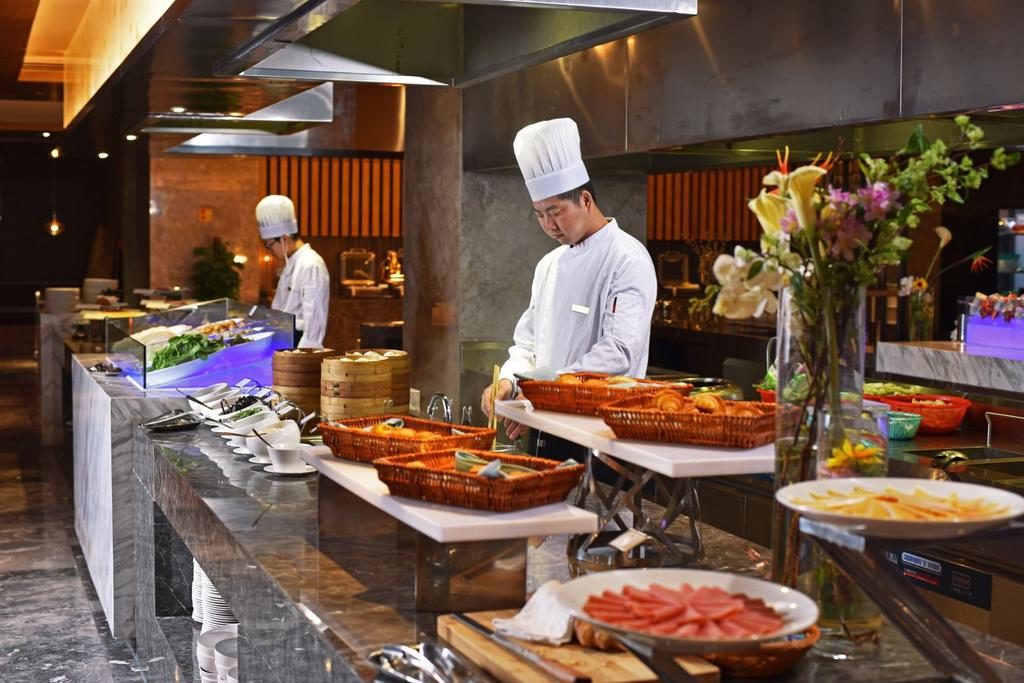
Barely 13 years ago Vijay and Sharda Shama took a risk and opened their Jewel of India restaurant in Oslo, Norway serving authentic Indian cuisine. Several Indian guests are claiming that their food is among the best Indian food in the world outside India. So, you should experience exquisite Indian dining in Oslo.

A chat with Vijay and Sharda, uncovers how destiny brought them together after they arrived in Norway in 1984. They started to collect everything they required bit by bit. Both being masters in their own field (Economics & Chemistry) always with a zeal to pursue their dream of opening their own Indian restaurant in which they have been working hard day and night for the last 30 years.

Exquisite Indian Dining in Oslo
The editor posing together with the knowledgeable and servicemimnded waitor

Exquisite Indian Dining in Oslo
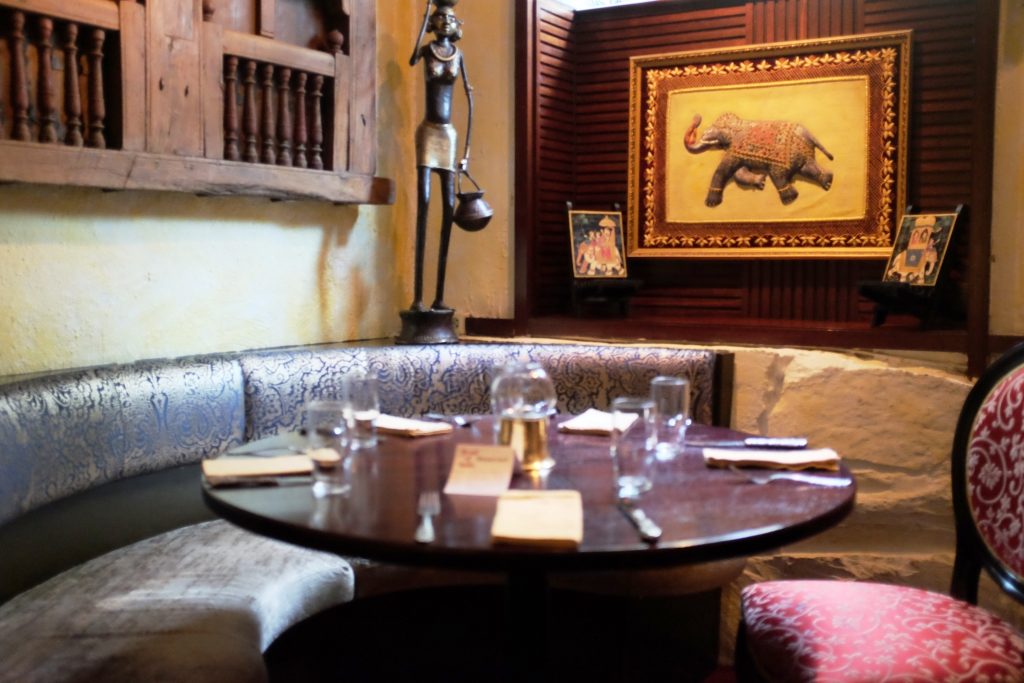
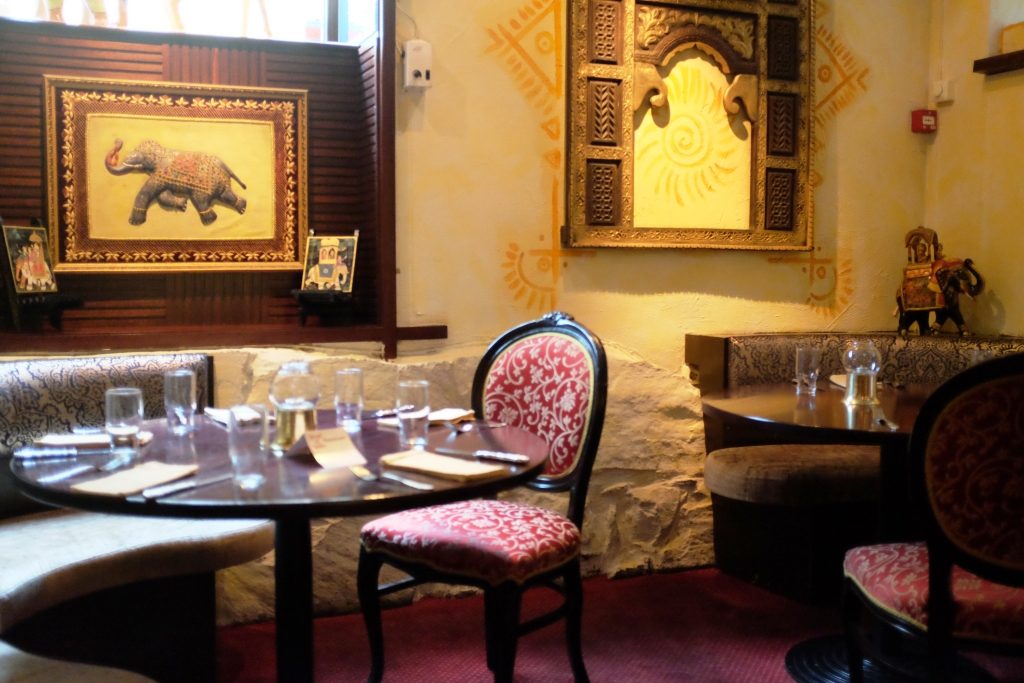
“The learning process will always go on,” they say. Both of them were attracted to the western world with traditional India in their heart, which can be clearly seen when you visit Jewel of India in the Frogner district of Oslo. There you can feel India in everything, be it ambience, décor, staff – all is made in India.

Exquisite Indian Dining in Oslo
In Jewel of India you can feel India in everything, be it ambience, décor, staff – all is made in India

Related: The Indian Goodwill Ambassador to Scandiavia

Exquisite Indian Dining in Oslo
“The learning process will always go on,” says Vijay and Sharda Shama

“Our dishes are classical Indian cuisine with a modern twist presented at gourmet level,” says Sharda. “We have something for every palate; light dishes with few ingredients, festive dishes for indulgence with different meats and dishes for cleansing. We have many Indian and local guests, of which many are regular visitors,” he adds.
Exquisite Indian Dining in Oslo
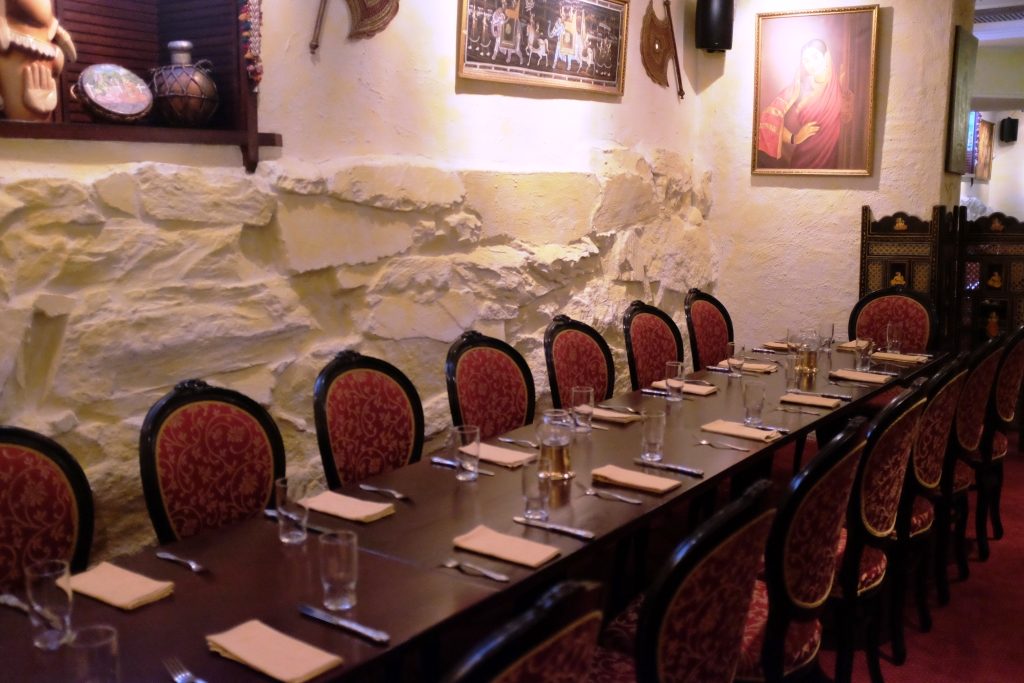
Separate rooms allows any size of party in a friendly atmosphere

Celebrities enjoy excellent Indidan food
Many celebrities have enjoyed the excellent food at Jewel of India. The food is never premade. All dishes are made just before serving. Indian guests claim that “It’s the feeling of coming home to India. It’s our second home.”
Exquisite Indian Dining in Oslo
“This is our second home,” says Vijay and Sharda

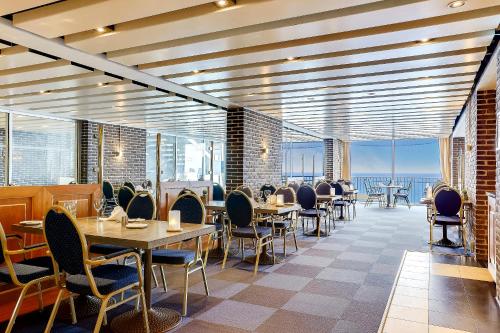
The restaurant has carefully carved a distinct brand, from the nostalgic Indian interiors (red and yellow colors and original paintings) to its separate rooms allowing for any size of party in a friendly atmosphere. There’s also a branch at Grefsen in Oslo.
Exquisite Indian Dining in Oslo
Jewel of India accomodates any size of party

Related: Cycled From India to Sweden for Love

Exquisite Indian Dining in Oslo
The fine dining begins even before the starter

“We are learning all the time,” says Vijay enthusiastically. “We enjoy reading good reviews letting us know how well our guests enjoy our food and our service,” she adds.

Exquisite Indian Dining in Oslo
The food is never premade

Our menu
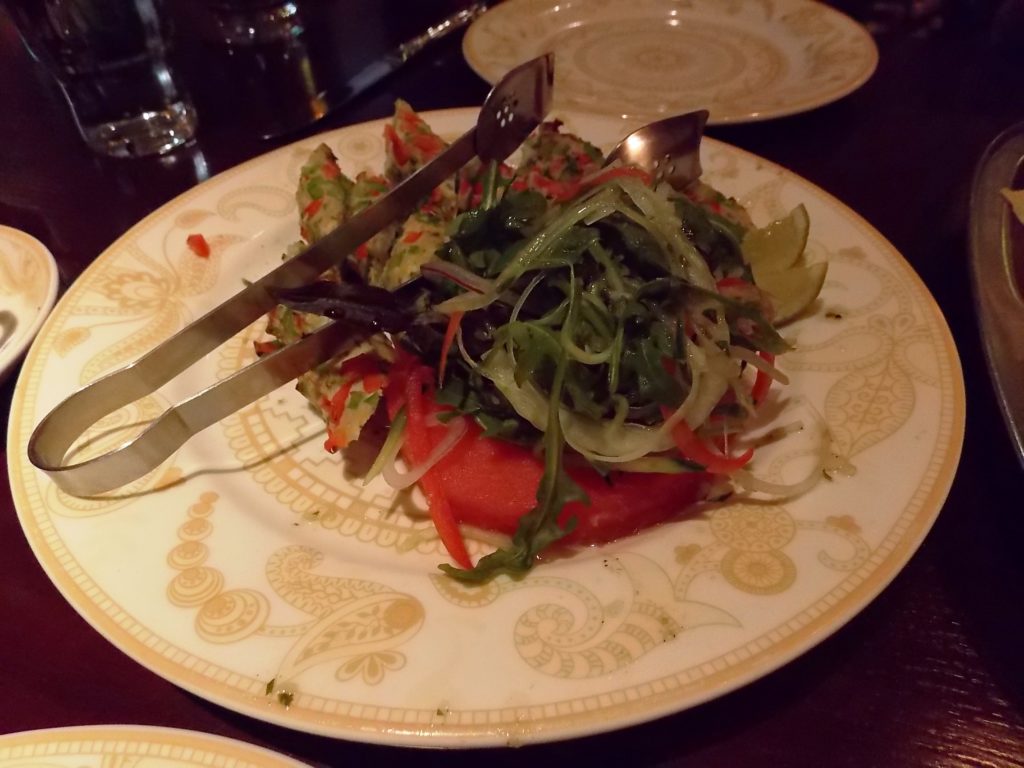
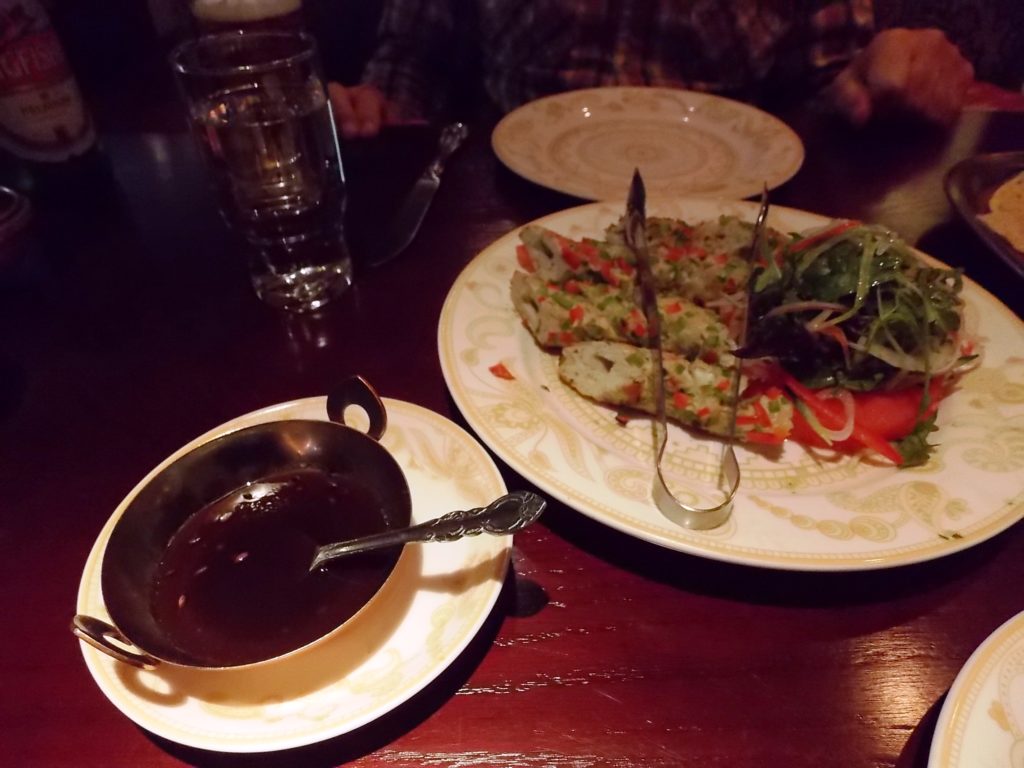
We had the pleasure of enjoying chicken mince mixed with fragrant Indian spices, nuts and cheese, finished with a gilafi (means cover) of onion, tomato and capsicum accompanied with onions, salad and spicy mint chutney.
Exquisite Indian Dining in Oslo
Classical Indian cuisine with a modern twist

Followed by Malabari Tandori Prawns made with Indian spices, lemon juice, coconut, curry leaves ‘singing garlic’, coriander seeds, finger-suck seeds crusted in Tandoori style.

Exquisite Indian Dining in Oslo
Dishes for every palate
Exquisite Indian Dining in Oslo
It seems like a never ending story of Indian cuisine tales
Exquisite Indian Dining in Oslo
…and the story goes on and on

Our main course was Murg Badami Pasanda and Champe Laziz, chicken breast stuffed with chicken mince, almonds flaube, onions, fresh coriander, salt, white pepper, green cardamom powder and masala around cumin powder. Excuse me for omitting Indian flavors I cannot even pronounce.
Exquisite Indian Dining in Oslo
No need to say, it was a delightful filling experience

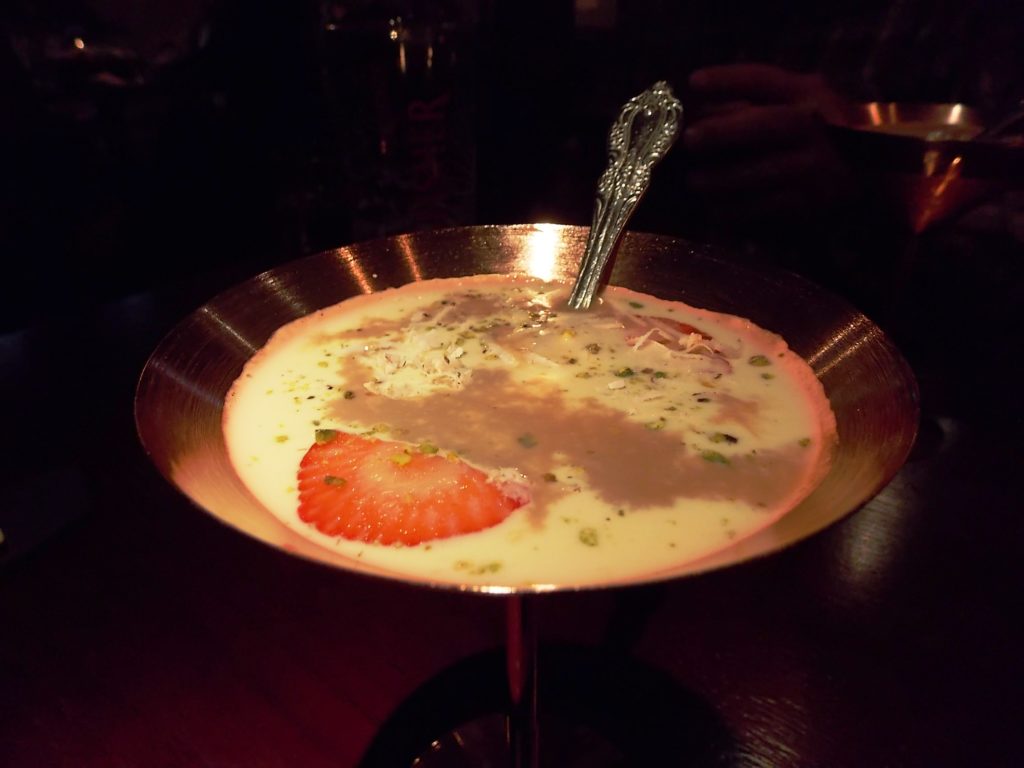
For dessert we were offered Rasmali, a typical Bengali festive delicacy made especially for us by the chef of the day, consisting of soft paneed balls immersed in chilly creamy milk and topped with a dash of liqueur.

Related: Introducing Oslo Dining Club

Exquisite Indian Dining in Oslo
We chose Indian Kingfisher beer from Bangalore

Selected wines – and beer
Jewel of India has a wide selection of wines, dry sweet red wines like Italian Passos and half dry Rieslings. For our meal, however, we chose Indian Kingfisher beer from Bangalore. Kingfisher is brewed under license by Heineken but to the same recipe as used in India.

Traditional but global
Vijay and Sharda emphasize that their cuisine is difficult to describe, but can be thought of as traditional but global. All the familiar flavors and spices remain, but the execution and presentation fall in line with modern fine dining. “It’s more like inventive Indian food,” they explain. “They are the same dishes reinvented in a global manner.”

Exquisite Indian Dining in Oslo, written by Tor Kjolberg

All photos: Helgard Mahrdt and Tor Kjolberg

Swedes Will Pay for Christmas Gifts by Implanted Microchips This Year

0

Use of cash fades in Sweden and more than 4,000 Swedes have implanted microchips in their hands to pay for things. People with the implants can wave their hand near a machine to unlock their office or gym, rather than taking out a key card. So, many Swedes Will Pay for Christmas Gifts by Implanted Microchips This Year

An implant lets these Swedes enter buildings, access concerts and share via social media. A cafe in Stockholm has become completely cash-free. Few places are tilting toward a cashless future as quickly as Sweden, which has become hooked on the convenience of paying by app and plastic.

Swedes Will Pay for Christmas Gifts by Implanted Microchips This Year
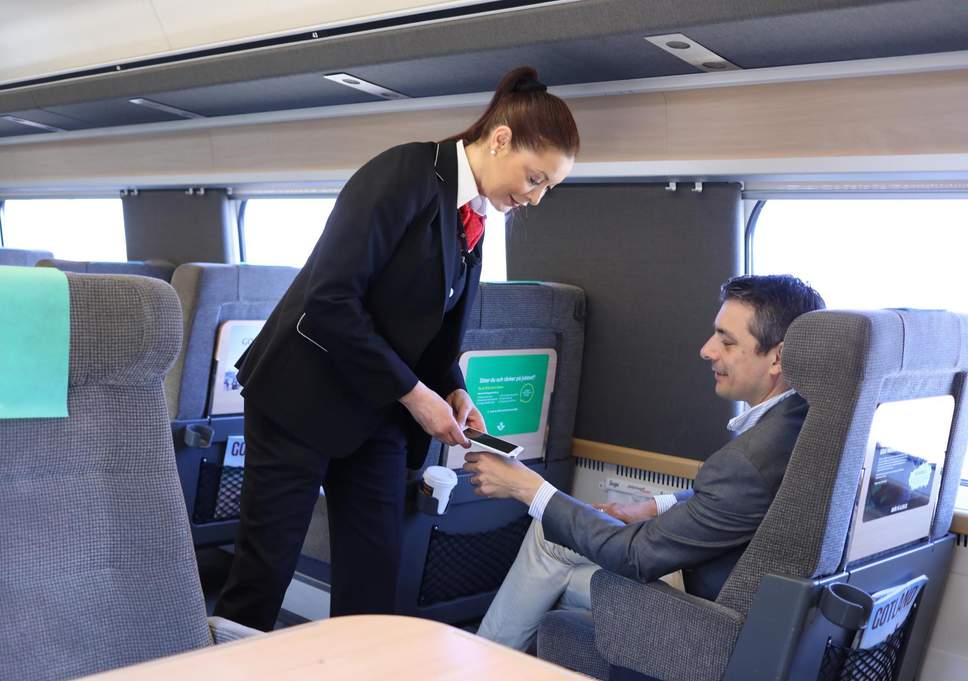
In June 2017, the state-owned SJ rail line started scanning the hands of passengers with biometric chips to collect their train fare while on board

Related: The Only Card You Need To Carry When Traveling to Scandinavia

What about bio-hacking?
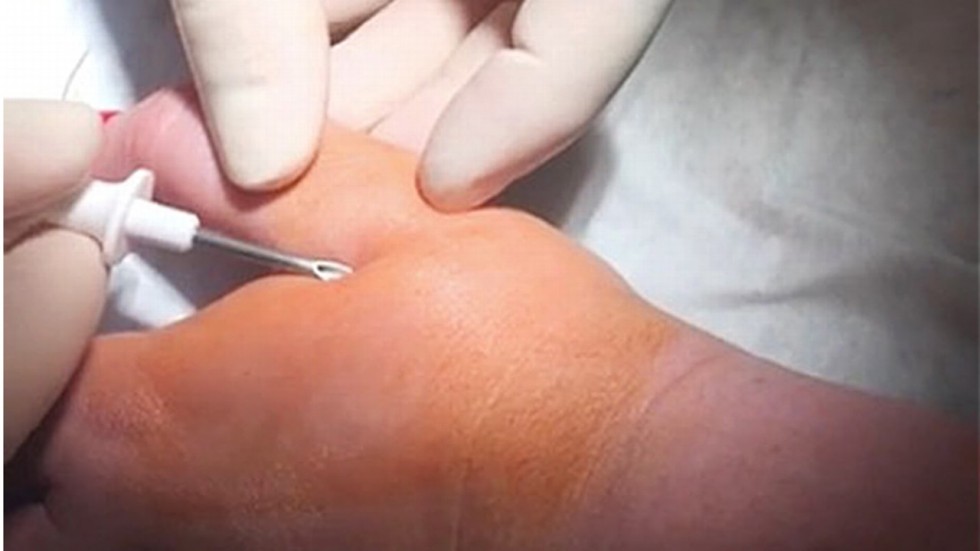
However, so-called biohacking is on the rise as more people depend on wearable technology and interconnected devices. It costs about $180 (£140) to have a microchip implanted in the hand and the chip is the size of a grain of rice. Several companies in Sweden offer the service to their employees for free

Swedes Will Pay for Christmas Gifts by Implanted Microchips This Year
Users with microchips in their hands have replaced their gym cards and office key cards

Half of Sweden’s retailers are predicting they will stop accepting bills before 2025 and the government is recalculating the societal costs of a cash-free future. Most microchip users are not concerned with hacking or surveillance at this point.

Related: Norway – A Cashless Society by 2020?

Swedes Will Pay for Christmas Gifts by Implanted Microchips This Year
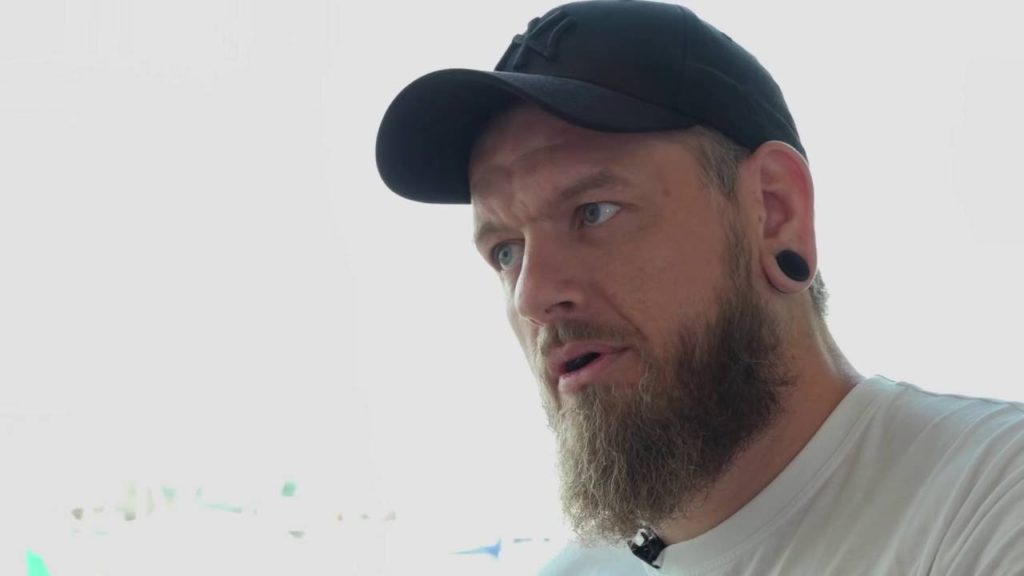
Jowan Osterlund, a former professional body piercer, is the man behind BioHax International

Swedes Will Pay for Christmas Gifts by Implanted Microchips This Year
The Swedish central bank is testing a digital currency, an e-krona, to keep firm control of the money supply. Lawmakers are exploring the fate of online payments and bank accounts if an electrical grid fails or servers are thwarted by power failures, hackers or even war.

The implants have already helped replace the need for a host of daily necessities. Users with microchips in their hands have replaced their gym cards and office key cards. When they enter their workplaces, they simply wave their hands near a small box and types in a code before the doors open.

Related: Empty Your Piggy Bank for Swedish Krona

Swedes Will Pay for Christmas Gifts by Implanted Microchips This Year
The chip is the size of a grain of rice

Market leader
BioHax International is the market leader in this innovate industry and has captured public imagination since it was started five years ago by Jowan Osterlund, a former professional body piercer. Ask most people in Sweden how often they pay with cash and the answer is “almost never.” A fifth of Swedes, in a country of 10 million people, do not use automated teller machines anymore.

In June 2017, the state-owned SJ rail line started scanning the hands of passengers with biometric chips to collect their train fare while on board. The train conductor can read the chip with a smartphone to confirm the passenger has paid for their journey.

Swedes Will Pay for Christmas Gifts by Implanted Microchips This Year
Erik Frisk, a Web developer and designer, uses his implanted chip to unlock his office door in Stockholm.

Disadvantages
Consumer groups say the shift leaves many retirees — a third of all Swedes are 55 or older — as well as some immigrants and people with disabilities at a disadvantage, and some experts say the ethical dilemmas will become bigger the more sophisticated the microchips become.

Swedes Will Pay for Christmas Gifts by Implanted Microchips This Year, written by Tor Kjolberg

Botanical Gardens and Rosenborg Castle in Copenhagen

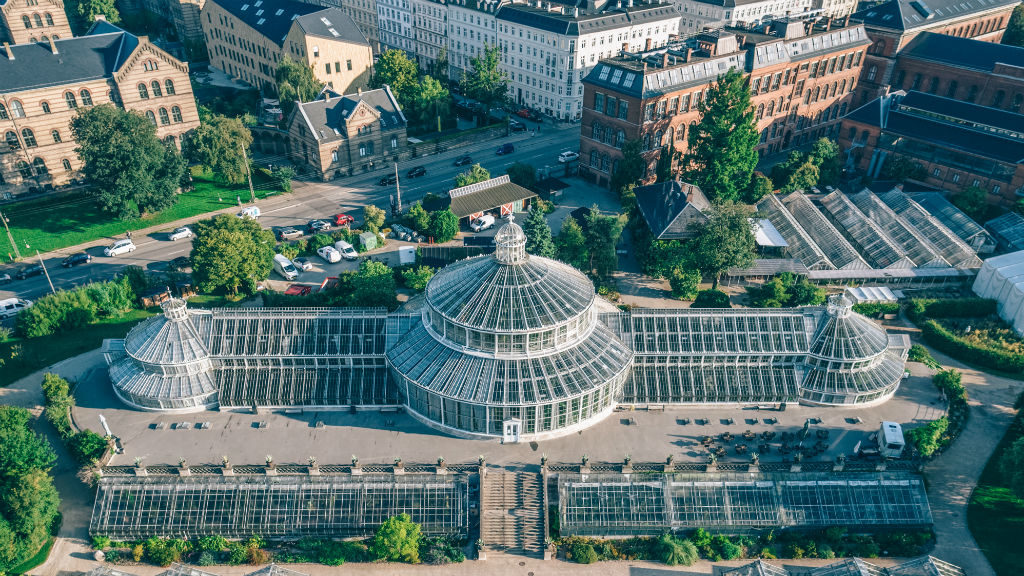
The Botanical Gardens in Copenhagen is a part of the Natural History Museum of Denmark. Visit the rosarium, the perennials and a huge conservatory with tropical and subtropical plants. And just across from the Botanical Gardens is one of Copenhagen’s most attractive sights, Rosenborg Castle. Both Botanical Gardens and Rosenborg Castle in Copenhagen are worth a visit.

The Botanical Garden
The Botanical Garden is affiliated to the largest Danish herbaria collections with plants and fungi, and is furthermore connected to the central library for botanical literature in Denmark, Botanisk Centralbibliotek.

Botanical Gardens and Rosenborg Castle in Copenhagen
The Botanical Garden is affiliated to the largest Danish herbaria collections with plants and fungi

Related: Fine Arts Collections in Copenhagen

The purpose of the Botanical Garden is to add to our knowledge and understanding of the diversity of the vegetable and fungi kingdom, and through that advance the knowledge of plants and fungi and their conservation. Another purpose of the garden is to strengthen the interest in national and global nature values.

Related: Fredriksstaden in Copenhagen

Botanical Gardens and Rosenborg Castle in Copenhagen
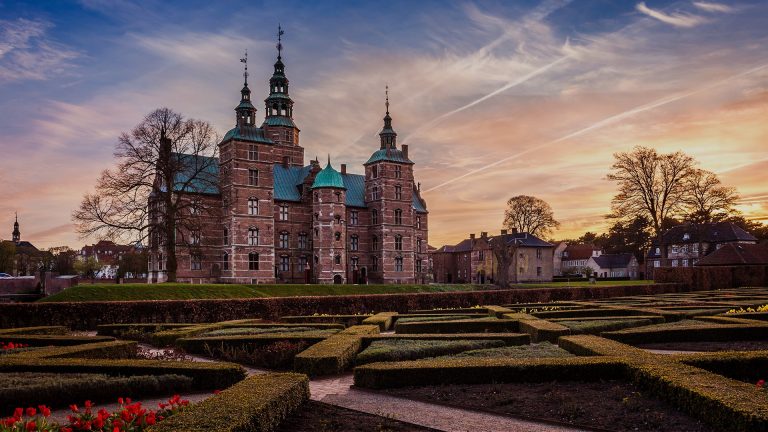
Rosenborg Castle is the fairytale castle across from the Botanical Gardens

Rosenborg Castle
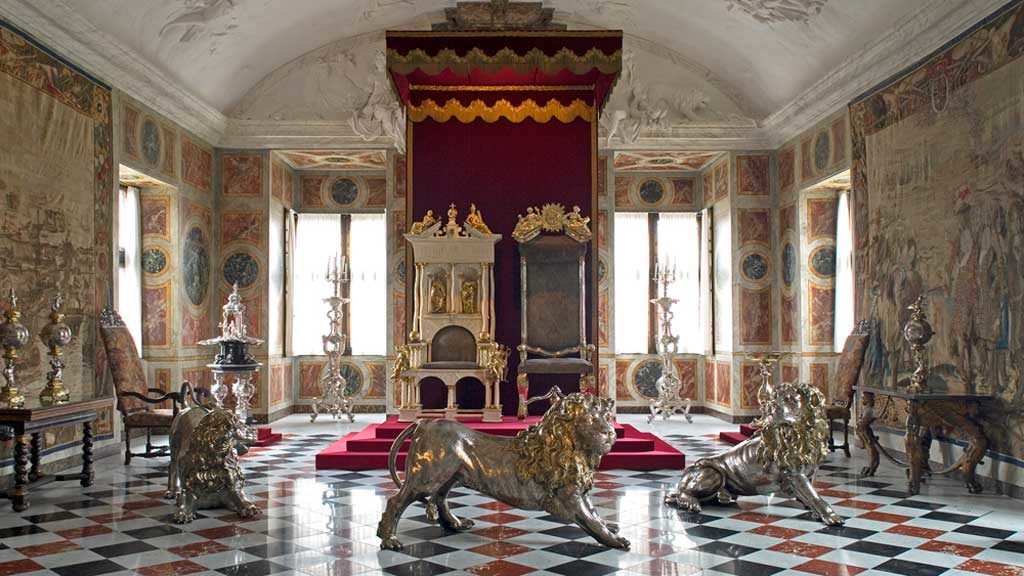
Rosenborg Castle, the fairytale castle across from the Botanical Gardens, King Kristian IV’s exquisite palace in Dutch Renaissance style is now a museum. It contains three centuries worth of royal treasures, as well as the crown jewels.

Related: National Museum in Copenhagen – A Journey in Time and Space

Botanical Gardens and Rosenborg Castle in Copenhagen
Roseborg Castle contains three centuries worth of royal treasures, as well as the crown jewels

The garden surrounding it, Kongens Have (King’s Garden) has been a favorite with Copenhageners for centuries.

Botanical Gardens and Rosenborg Castle in Copenhagen, written by Tor Kjolberg

The Rauma Railway, Norway

0

Now over 90 years old, the Rauma Railway between Åndalsnes and Dombås in Norway has always unashamedly been a tourist track. It is known as one of Norway’s wildest and most beatuful train journeys. You should experience the Rauma Railway in Norway.

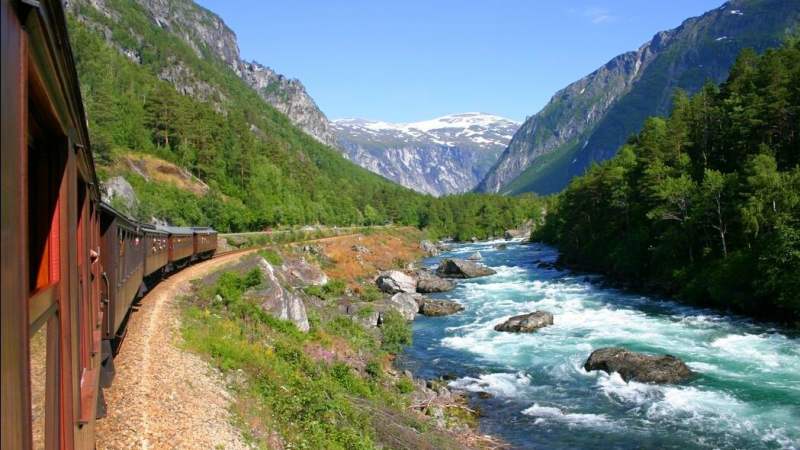
Aside from a brief period when it was used to ferry around the country’s gold reserves, it has operated to cater for the cruise ships trade arriving into Romsdalsfjord and Åndalsnes. The Rauma Railway takes you through the beautiful Romsdalen to famous natural attractions like the Trollveggen cliff and the Kylling bridge. The whole trip takes 1 hour and 40 minutes.

The Rauma Railway, Norway
The Rauma Railway takes you through the beautiful Romsdalen to famous natural attractions like the Trollveggen cliff

Related: Ten Hours With the Trolls in Norway

The Rauma Railway, Norway
Whereas other railway journeys take you past wonderful sights as if by coincidence, the Rauma Railway has a single purpose – to show off Norway at its finest.  The Rauma Railway runs as a sightseeing train from the end of May to the end of August.

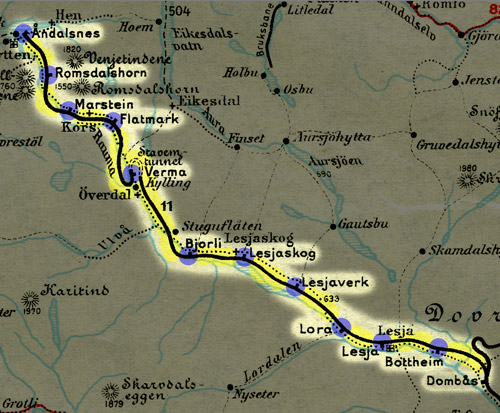
This 114km (182mi) long marvel of 1920s engineering starts at Åndalsnes, the northern gateway to the fjords. Right from the start the views are spectacular and as the train climbs steadily, hugging the mountainside, you are treated to breathtaking views of the valley below.

The Rauma Railway, Norway
The whole trip takes 1 hour and 40 minutes.

Map, courtesy: The Semaphore

Related: Western Norway – The Storehouse Area

Guide service
On the train there is a guide service in Norwegian, English and German. All passengers receive a brochure describing the highlights of your journey and a map of the train line. The train will slow down at the best sights.

The Rauma Railway, Norway
Raumabanen railway at Leifolestadis fjord

You are torn between looking up or looking down
The imposing peaks of Romsdalshorn and Trollveggen soon dominate the skyline. You are torn between looking up or looking down as the train crosses Kyllingbrua, a startingly high stone arched bridge which hangs high above the Rauma River.

Related: Norwegian Mountain Hikes

It seems scarcely possible to climb any higher, but that is exactly what happens just after you pass Verma, as the train takes you through a corkscrew tunnel under the mountains. This really is a giant fairground for grown-ups.

The Rauma Railway, Norway
The Rauma Railway has a single purpose – to show off Norway at its finest. Photo: Fjord Norge

As you approach Dombås, the scenery opens up offering panoramic views of this most remarkable of lands. Here you can either continue to Oslo or Trondheim or, better still, go back and do it all again.

Feature image (on top): Rauma Railway at Trollrindene. Photo Leif J Olestad / Visit Norway

The Rauma Railway, Norway, written by Tor Kjolberg

Meet the Danish Ambassador for the European Region of Gastronomy

0

Lebanese-Danish Chef Wassim Hallal is without a doubt, one of the most dedicated, uncompromising and hardest working, perfectionist Danish chefs – to date! Meet the Danish Ambassador for the European Region of Gastronomy.

“My food doesn’t fit into any box, and I don’t want it,” says Wassim Hallal. “I want people to come to my restaurant and have a spectacular experience that they couldn’t have anywhere else.”

Meet the Danish Ambassador for the European Region of Gastronomy
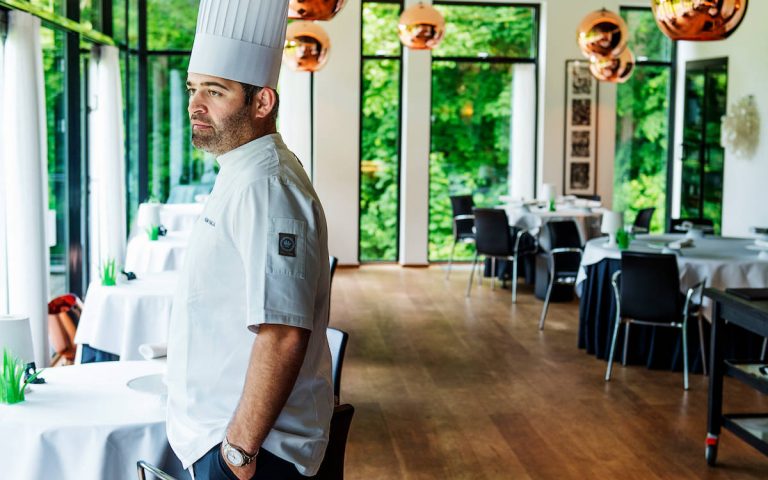
Chef Wassim Hallilin action in his Fredrikshøj Restaurant in Aarhus

Wassim Hallal is undoubtedly one of the best in the world of gastronomy. Last year the Turkish Foundation of Cinema and Audiovisual Culture introduced a gastronomy section for the Rendezvous Istanbul International Film Festival and invited him to meet Turkish fans.

Related: Discover the Danish Region of Gastronomy

Meet the Danish Ambassador for the European Region of GastronomyHis restaurant Fredrikshøj in Aarhus has become so popular that it is booked up several months in advance, with most diners opting for the full 17-course menu. However, six- and ten course options are also available. The restaurant has maintained its one-star Michelin rating for the fourth year in a row now. Many wonders why it hasn’t received more stars.
Hallal believes people in Scandinavia’s fine dining society have moved away from Michelin, and we agree. A new way of judging restaurants has emerged. Whereas Michelin still judges on classic fine dining criteria, things like the 50 Best list have made darlings of the most experimental ones. Personally, I have spoken to several people who feel like Michelin hasn’t been rewarding the most innovative restaurants.

Meet the Danish Ambassador for the European Region of Gastronomy
While most diners are opting for the full 17-course menu, six- and ten course options are also available

Related: Aarhus – the World’s Smallest Metropolis

Fine dining in beautiful surroundings
Wassim Hallal’s fine dining restaurant Frederikshøj sits on the seafront of one of Denmark’s most diverse landscapes. Set on top of a slight hill at the foot of the Marselisborg forest and on the periphery of the country’s main farming district Jutland, it is the perfect place to dig into everything this happily placed city can offer.

There Hallal produces some of the most attractive, beautiful and playful food I’ve seen in the scope of Danish gastronomy and has continued to operate what many foodies have labeled the best one-star restaurant in Denmark. Housed in a somewhat unassuming, minimalist, modernist building, it is – on the inside – a setting of ultimate luxury.

Related: Michelin Stars in Scandinavia

Meet the Danish Ambassador for the European Region of Gastronomy
Wassim Hallal is undoubtedly one of the best in the world of gastronomy

Meet the Danish Ambassador for the European Region of Gastronomy
“I could have gone to Copenhagen,” he says. “But my family’s here, and now my business is here, so I want to stay and fight. I want my restaurant to be up there with the best in the world.” Relying upon good-quality, carefully sourced ingredients, the chef’s food is classic and European, with a Nordic feel and a touch of the theatrical.
Meet the Danish Ambassador for the European Region of Gastronomy
many foodies have labeled Fredrikshøj the best one-star restaurant in Denmark

“Our menus tell a story and are theatrical as well as tasteful,” says Hallal. “It is a real experience – where we even change rooms at one point. One of the menus starts off with a dish using apples from my own garden at home, and we have to be careful changing anything as when you are Michelin star, people come for the signature dishes that have been recommended.

Meet the Danish Ambassador for the European Region of Gastronomy
The restaurant has maintained its one-star Michelin rating for the fourth year in a row

We never change a whole menu at once. We will constantly tweak and change ingredients according to the suppliers and season, but the dishes are named by one description word only, which offers a lot of freedom in the kitchen. Each dish is explained to the table each time it is served, so there is an element of surprise for the guests every time.”

Meet the Danish Ambassador for the European Region of Gastronomy
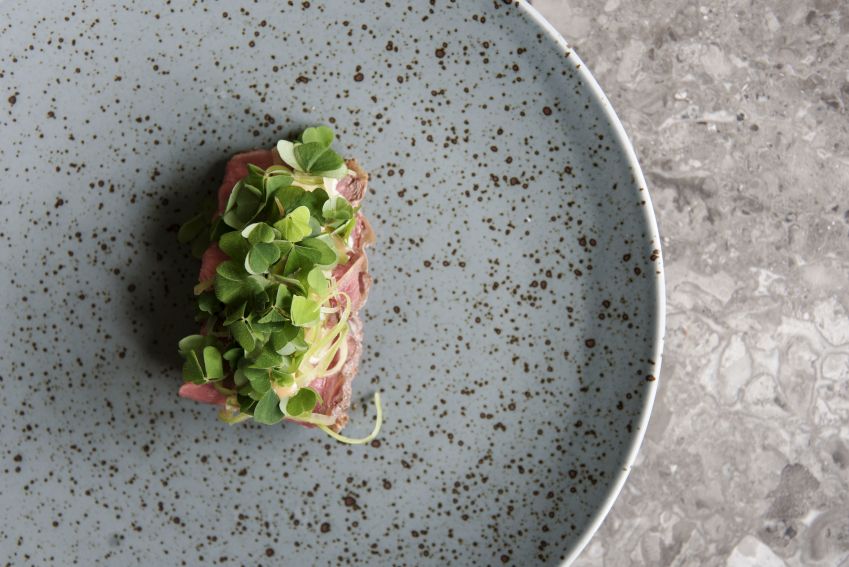
Hallal produces some of the most attractive, beautiful and playful food

If there’s but a bit of justice left in this world, the sometimes berated Michelin Guide will realize the error of its ways and 2019 will (finally) see the birth of Denmark’s next two star restaurant, Frederikshøj.

Meet the Danish Ambassador for the European Region of Gastronomy, written by Tor Kjolberg

The Only Card You Need to Carry When Traveling to Scandinavia

– or anywhere else in the world. A new debit card, Curve, lets you connect all your existing Mastercard and Visa debit and credit cards to one single card and helps you control your spending better. The new Curve debit card is ‘the only card you need to carry when traveling to Scandinavia’.

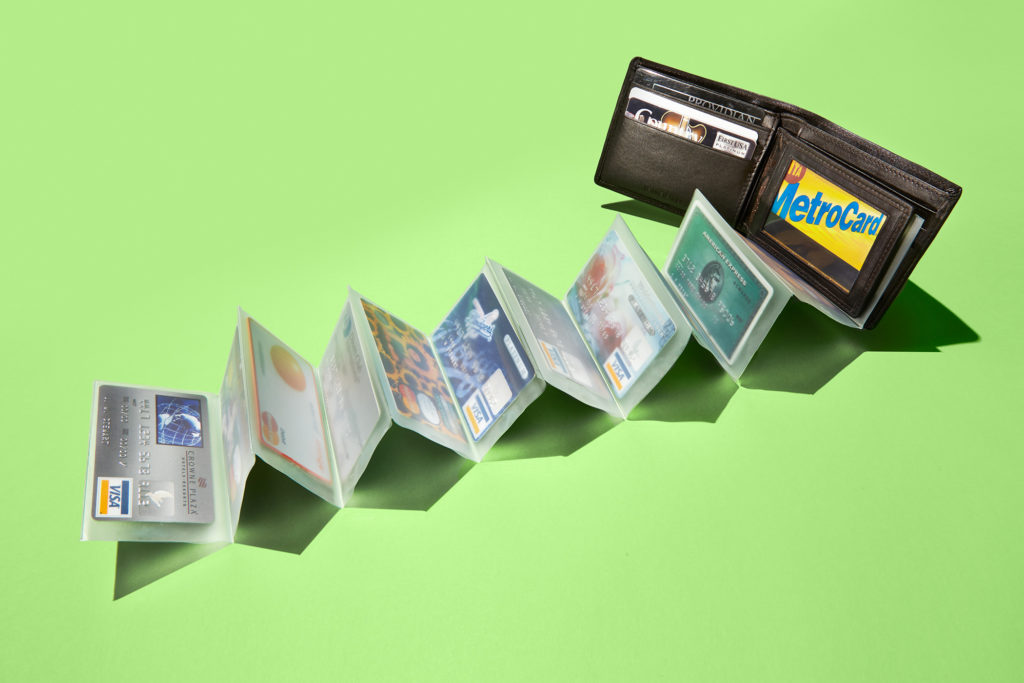
The solution is that The MasterCard-issued contactless Curve debit card is linked to a mobile app. Centralizing all your transactions from multiple providers in a single app, Curve aims to be the only card you need to carry. The Curve card allows you to charge payments and cash withdrawals to most card you possess. When you use the Curve card in a store or online the card you selected in the app will be billed.

The Only Card You Need to Carry When Traveling to Scandinavia
The Curve card allows you to charge payments and cash withdrawals to most card you possess

You might also like to read: Sweden – the Best Startup Country in the World

The Only Card You Need to Carry When Traveling
Most people carry around between 3 or 4 cards and with Curve you only have to remember one pin number. As a travel journalist I consider this a great advantage since I spend a lot of time traveling.

The Only Card You Need to Carry When Traveling to Scandinavia
All your paying cards in one

You can see all of your spending in the app, which is available for iOS and Android, and it can also be used as a way of spending on your credit card in places that don’t officially take credit cards.  The physical card is nicely brushed black and has expiry and account information printed on the back for an extra-clean look.

You might also like to read: Innovation in Copenhagen

The Only Card You Need to Carry When Traveling to Scandinavia
With Curve you only have to remember one pin number

Everyday spending with Curve
Curve is simply a debit card, so there’s no current account with it and no hard credit check when you apply. The activation is handled with the Curve app and is entirely straightforward.  The card lets you do your everyday spending on it, and has a feature which lets you ‘go back in time’ by up to two weeks, to change the card you used for a purchase. This could be useful if you accidentally use the wrong card, or want to manage your credit.

If you lose your card, you can freeze it in the app, and unlock it later if you find it again. You can also get a PIN reminder by entering your password. So, the worry of card cloning isn’t so much of a worry.

Curve will notify you of how much you’ve spent in both the local currency and your home currency, every time you spend.

If you’re interested in extra income as an affiliate credit card og financial advisor, you should have a look at Diggity Marketing.

You might also like to read: Doing Business in Norway

The Only Card You Need to Carry When Traveling to Scandinavia
The solution is that The MasterCard-issued contactless Curve debit card is linked to a mobile app

Curve is more secure than your bank
Curve’s main selling point, however is the claim “the only card you need to carry”. In practice this has in fact more than one direct benefit. You can for instance use your credit card where it’s not normally accepted and charge it to your credit card. In addition, Curve offers a layer of protection better than most other cards.

The Only Card You Need to Carry When Traveling to Scandinavia
“The Curve Card brings all of your banks to the 21st century”, says Matthew Phillips at Curve

“The Curve Card brings all of your banks to the 21st century”, says Matthew Phillips at Curve. “By giving you instant spend notifications, no exchange fees abroad, the ability to lock with one tap, seeing all your spend in one place and many other magical details,” he adds.

How to apply for Curve?
To get one of the cards you need to download the Curve app, which is available on Android and iOS.

Sign up for a card. Once registered, you can add your existing cards to the app, and set a default card. You can add any Mastercard or Visa debit or credit card to the app.

About Curve Card
Curve was founded in 2015 by Shachar Bialick. The company secured seed funding of $2 million in December 2015, after launching a closed beta of the card and its app. Open beta for iOS users in the “business community” was launched in February 2016. In December 2016, Curve announced that the app was made available for Android users.

In July 2017, Curve secured funding of £8 million in a series A round , including investors such as Santander InnoVentures, Connect ventures, SpeedInvest and Investec. In 2018 the card was made available to the general public.

The Only Card You Need to Carry When Traveling to Scandinavia, written by Tor Kjolberg

Norwegian’s Latest Tail Fin Hero

100 years since the birth of the popular Norwegian poet Hans Børli (1918-1989) he’s become the airline Norwegian Air Shuttle’s latest tail fin hero.

The portrait of the popular “poet of the woods” graces the tail fin of Norwegian’s newest Boeing 737  MAX 8 aircraft which has taken to the sky this month.

Norwegian’s Latest Tail Fin Hero
Hans Børli, “poet of the woods” graces the tail fin of Norwegian’s newest Boeing 737 MAX 8 aircraft

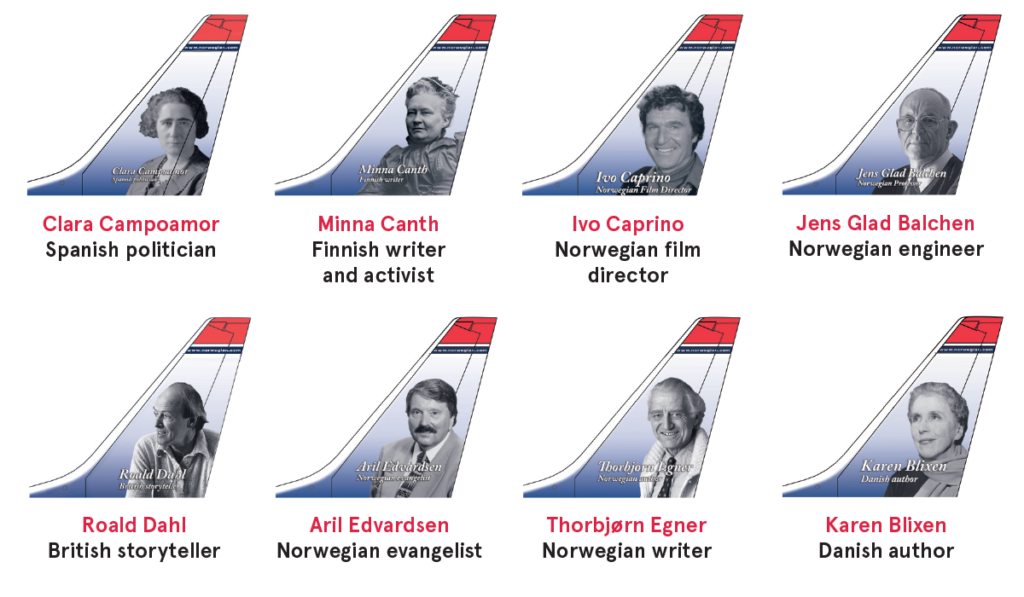
Norwegian Air Shuttle proposed to establish a strong bond with its clients with a creative gesture of appreciation, through their airborne campaign titled “Tail Fin Heroes.” Since 2002, when the first 737-300s took to the skies, the airline has dedicated their aircraft’s tails to honor famous and historically distinctive figures that have exceeded their personal limits and inspired others to do the same.

Related: Roald Dahl – First Norwegian Air Shuttle’s British Tail Hero

It was former Minister of Finance and now County Governor of the county of Hedmark, Sigbjørn Johnsen, who suggested the Norwegian lyricist as a tail fin hero of Norwegian Air Shuttle. He has, on many occasions, recited Hans Børli’s poems, also from the parliament’s chair.

Norwegian’s Latest Tail Fin Hero
Norwegian Boeing 737 Max 8 at Edinburgh Airport

Here is Sigbjørn Johnsen’s greeting for the new tail hero:

Now you can travel around the world, Hans – by plane.
And much farther than you did with Tjæreborg* to the Canary Islands.
You have nevertheless traveled farther than most in your poetry universe.
From the low ant-paths with broken straws on the land soil
to the starry skies’ endless arch, a level above all humans.

* Tjæreborg was a Danish travel agency, founded by a priest, Eilif Krogager in 1951. The company was taken over by Simon Spies in 1989. Spies also started Sterling Airways, which for a time was the world’s largest charter airline.

You might also like to read: How to overcome Jet Lag

Norwegian’s Latest Tail Fin Hero
Since 2002 Norwegian has established a close bond with its clients trough their airborne campaign ‘the Tail Fin Heroes’

Since Norwegian’s first aircraft took to the skies, the airline has always honored iconic figures on the tails of its aircraft, using personalities who symbolize the spirit of Norwegian by pushing boundaries, challenging the norm and inspiring others.

Today Norwegian Air Shuttle has tail heroes from several of the countries in which it’s established, including all the Nordic countries, Spain, France, England, Ireland, Scotland and the United States.

Thanks to Norwegian’s initiative, their tale fins are literally shooting stars leaping through the skies.

Norwegian’s Latest Tail Fin Hero, is based on a press release from Norwegian Air Shuttle


The Danish Art of Happiness

The Danish word ‘hygge’ has no single, literal translation, but its baldest definition is ‘coziness’. According to ‘The book of Hygge’ by Louisa Thomsen Brits, the word covers ‘a feeling of belonging and warmth, a moment of comfort and contentment’. Her aim is to teach us the Danish art of happiness.

But can the Danish really teach us how to live?

As a Scandinavian, although not Danish, I have worked with and know the Danes and their mentality quite well. When in Denmark, I must admit I have the feeling of ‘hygge’ which means I am reminded to slow down, to dwell and savor rather than rush and spend and to connect with place and with one another.

The Danish Art of Happiness
The book of Hygge has beautiful full-color photographs and instructive meditations on relishing the everyday

The Danish Art of Happiness
If you’ve ever sat in an Arne Jacobsen egg chair, been beguiled by the fairytales of Hans Christian Andersen, or enjoyed a piping hot æbleskive at a county fair, you’ve had a taste of Danish culture. It’s a kind of lighting the fire in winter every day or having a light at our breakfast table and sharing ‘hygge with family or friends.

According to the author, when you curl up by the fire with a blanket, or have a simple meal with friends, that is hygge. When you acknowledge the sacred in the secular, or focus on people rather than things, or when you express love through small gestures, that is hygge.

The Danish Art of Happiness
The book of Hygge by Louisa Thomsen Brits questuins what is hygge?

Hygge is a hot topic around the world
Despite being somewhat amorphous, hygge has become a hot topic around the world. A few minutes of research turns up a number of books that tout their hyggelig credentials, including multiple adult coloring books, collections of cake recipes, crafts, and games, and even a book about knitting Nordic sweaters “to keep you cozy.”

The climate play a role in hygge
The Danish prominence of pyromania is probably due to the Scandinavian climate. In her book, The Year of Living Danishly, Helen Russel writes: “We have a saying in Denmark that there is no truly bad weather, just bad clothes.” You might twist this saying around many Danish situations.

The Danish Art of Happiness
When you curl ip wuth a blanket, that is hygge

The Book of Hygge is an invitation to welcome abundance and contentment into your life. It is a call to live more fully by focusing on what moves you.

The Danish Art of Happiness
A knitted woolen sweather is also hygge in practice

Material things often do play a role in hygge and can be used to invoke and cultivate a hyggelig feeling — for example, a mug of hot chocolate on a chilly winter night, a natural wood table worn smooth by caring hands, or, yes, a knitted woolen sweater. The valorization of the cold is possibly the most distinctive feature of the region, and certainly the least exportable.

The Danish Art of Happiness
You are sharing hygge with family or friends

With beautiful full-color photographs and instructive meditations on relishing the everyday, The Book of Hygge is your essential guide to cultivating the coziness that has made Danes the happiest people in the world.

And for those of us whose basic needs are met, why not indulge in the physical pleasures of hygge?

The Danish Art of Happiness
According to the author Louisa Thomsen Brits, when you curl up by the fire with a blanket, or have a simple meal with friends, that is hygge

ABOUT THE AUTHOR
Louisa Thomsen Brits was born in Uganda to a Danish mother and English father. Louisa is a mother of four, an amateur naturalist and wild swimmer. She has been a radio restaurant and arts critic and a tribal belly-dance teacher. Louisa is interested in the overlooked details of ordinary lives, liminal places, community and craft. She writes about the art of living, the nature of things, our common life and the rhythms and rituals that unite and define us all.

“The most poetic of the hygge books. I found myself repeatedly returning to its list-like incantation of hyggeligt habits,” wrote Louisa Kamps in ELLE magazine.

The Danish Art of Happiness, written by Tor Kjolberg

Snowshoeing and Dogsledding Adventure in Norway

0

For many Norwegians, winter is the favorite time of the year. They love winter activities in the Norwegian winter mountains. The snowshoeing and dogsledding adventure in Norway starts about three hours from Oslo, the capital of Norway.

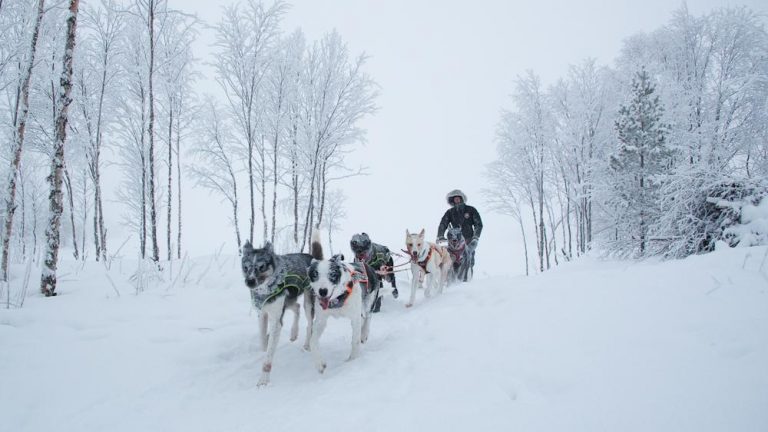
Now you can experience a guided 7-day snowshoeing and dogsledding adventure by the foot of the Jotunheimen National Park, an area where all of the highest Norwegian mountains are situated.

Snowshoeing and Dogsledding Adventure in Norway
Now you can experience a guided 7-day snowshoeing and dogsledding adventure by the foot of the Jotunheimen National Park

Snowshoeing and Dogsledding Adventure in Norway
You can explore Jotunheimen on snowshoes and with your dogsled team for two full days before you move towards to the Norwegian fjords in western Norway.

Snowshoeing and Dogsledding Adventure in Norway
Local travel in Norway

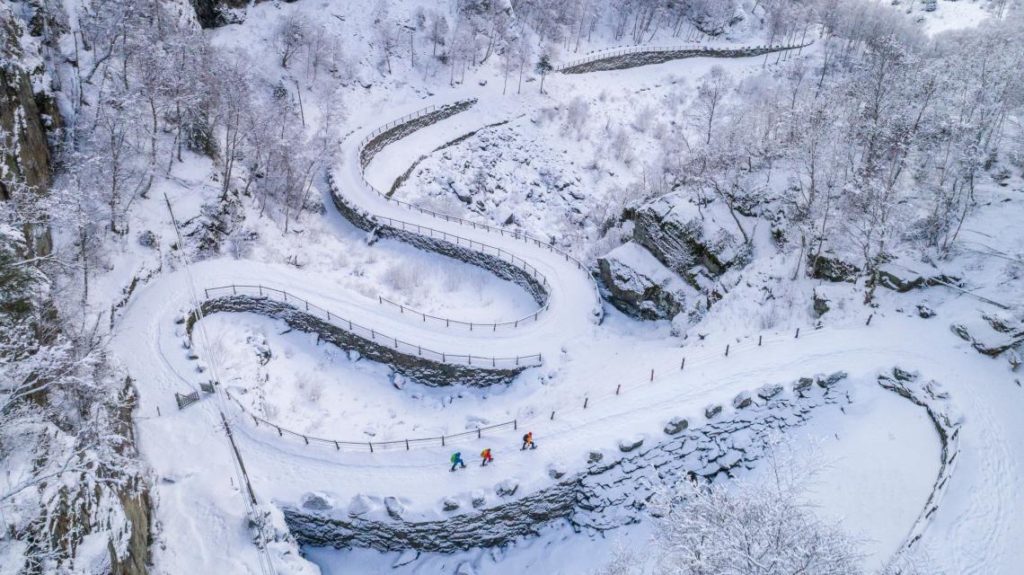
In Jotunheimen you stay in the authentic over 100 year old Bygdin Mountain Hotel. When snowshoeing on The King’s Road, you will learn about the Norwegian Trekking Association.

In the journey towards the Norwegian fjords you are hiking on «Vindhellavegen”, considered by some the most impressive part of the journey.

Snowshoeing and Dogsledding Adventure in Norway
When snowshoeing on The King’s Road, you will learn about the Norwegian Trekking Association.

Related: Winter Sports in Scandinavia

Experience the famous fjords of Western Norway
Arriving the west coast of Norway, you’ll enjoy a spectacular fjord cruise on the UNESCO listed Nærøyfjord, and you will stay in an authentic farmstead from the 1600’s.

Snowshoeing and Dogsledding Adventure in Norway
You can explore Jotunheimen on snowshoes and with your dogsled team for two full days before you move towards to the Norwegian fjords

When the journey ends at Flåm, you take the train either to Oslo or Bergen, on what is called “the most beautiful train ride in the world”.

Snowshoeing and Dogsledding Adventure in Norway
These dogs are very friendly!

Not used to dogs?
During your stay you will join the local dogsledders, or mushers as they are called, on their adventures. Not used to dogs? Don’t worry. These dogs are very friendly! If the snow conditions are right, you can cover up to 40 kilometers in one day. While running, the dogs are silent, and mushing is simply a beautiful, quiet and nature-friendly way of experiencing the Norwegian mountains during winter. Well-fed on traditional dishes served by local hosts, your winter holiday will no doubt give you the experience of a lifetime!

All images: Hvitserk Adventures Expeditions

Snowshoeing and Dogsledding Adventure in Norway, is based on a press release from Hvitserk Adventures Expeditions.

A Swedish Delicacy Called Surströmming

This Swedish specialty is made from a Baltic strain of small herring called strömming, which is fermented in cans (sur means ‘soured’). The Swedish delicacy called surströmming is not for the fainthearted.

Eating it is not for the fainthearted, though in Scandinavia it has a large and eager following. The taste is acid, cheesy, intoxicating and redolent of rotten eggs for those who have acquired the taste.

Related: Scandinavian Gravad Fish

A Swedish Delicacy Called Surströmming
Gastro obscura: Surströmming

A Swedish Delicacy Called Surströmming
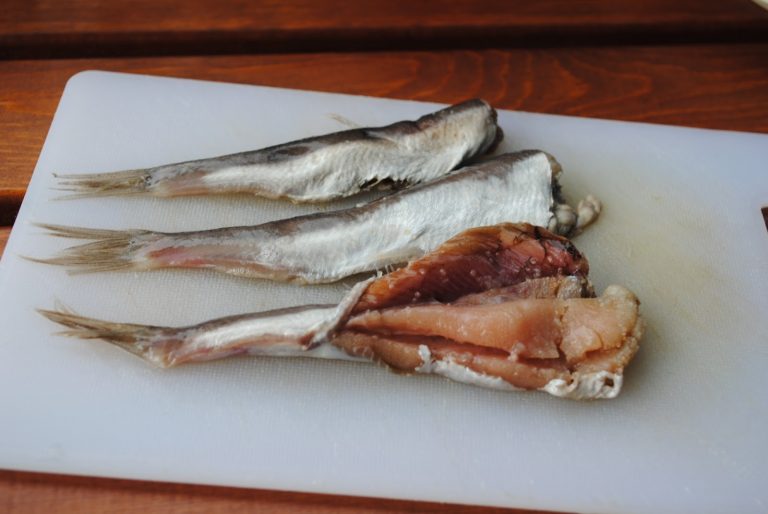
The herrings are fermented with lactic acid first, then lightly salted in huge barrels, and then canned. The fermentation continues in the can, turning it into a football shape in a matter of months. The can virtually explodes when opened, which is why this is generally done out of doors, far from the habitation.

Several international airlines have forbidden taking these cans on board, so you’d better try this particular specialty in situ.

A Swedish Delicacy Called Surströmming
The herrings are fermented with lactic acid first, then lightly salted in huge barrels, and then canned

The treatment dates back at least 5,000 years
The treatment of the strömming dates back at least 5,000 years and is known throughout the north and Russia, too. The Romans used an almost identical process to make their famed spice sauce, garum, which they used to flavor almost anything. The process was invented at a time when salt was scarce, and you used only as much salt as is necessary to prevent putrefaction – thus leaving room for unharmful preserving bacteria and yeasts to take hold.

Related: Scandinavian Salted Fish

The fermentation process is similar to that used in producing all sorts of foods, but particularly cheese – hence the strong, rather cheesy taste.

A Swedish Delicacy Called Surströmming
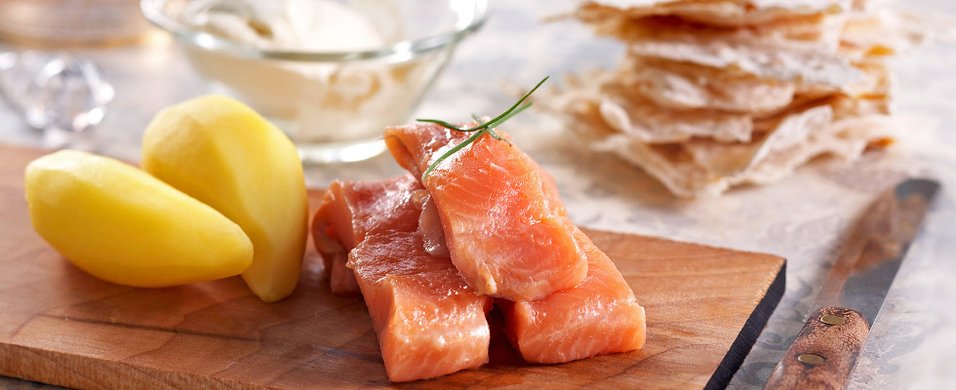
Norwegian rakefisk

A similar Norwegian specialty
The Norwegians produce a specialty similar to surströmming, called rakefisk, which is made from trout and fermented in closed jars. In Norway it’s widely eaten as a Christmas dish, and is easier for the uninitiated to eat as it is milder and less cheesy.

Related: World’s Best Oyster – A Wild Swedish Delicacy

Both surströmming and rakefisk are eaten on soft crispbread, with onion and sour cream, or with waxy potatoes and the same accompaniments as a main dish.

A Swedish Delicacy Called Surströmming, written by Tor Kjolberg