
Scandinavian Fish Roe

Scandinavian people have a predilection for anything with fish eggs, something that we share with the Russians. We love the roe from lumpfish, cod and all its relatives, and also from vendace and powans which are inhabitants of primarily Swedish lakes and produce particularly delicious and expensive roe.

Like the rest of the world we also enjoy the shine, orange beads from sea trout and salmon, though while they are lovely as a garnish they are a bit too oily to eat on their own.

Scandinavian Fish Roe
Boiled cod roe

Maybe we have become too conservative in our choices, and eating roes from a wider variety of fish certainly makes good sense, given the ongoing problem of overfishing in our seas and oceans. Already some of the most popular roes, including from cod, have moved from everyday staple to luxury.

While roes vary in texture and color, they all share a breezy sea taste – un the same way oysters and mussels do – and a sweet, mineral-rich flavor.

Scandinavian Fish Roe
Hot smoked cod’s roe

Buying and storing
Roes are seasonal treat, to be eaten fresh in early spring.

They can be bought fresh and unsalted (sometimes in the membrane), salted or smoked, depending on the type. Cod’s roe, flatfish roe and herring roe are usually bought fresh, to be cooked at home, while other types of roe are often bought salted and are eaten raw.
Scandinavian Fish Roe
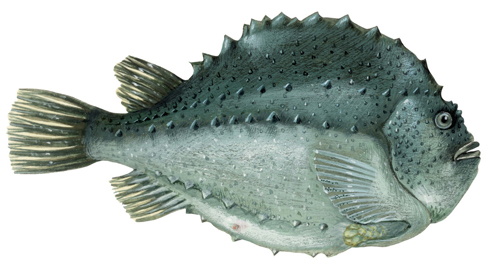
Cyclopeterus lumpus (lumpfish)

Salmon, trout and lumpfish roes can be bought either salted and cleaned, or come in a whole membrane, to be cleaned and salted at home. Preserves of roes are not worth the cost and will deprive you of the seasonality and taste of fresh roes.

As with all other food from the sea, roe must smell invitingly fresh. You should generally steer clear of frozen roes, except for those of the vendace and powan – they are so small that they are not really affected by freezing. Canned roes (of cod or salmon, for example) are not to be recommended; they are too oily and salty, without the fresh sea taste of the real stuff.
Scandinavian Fish Roe
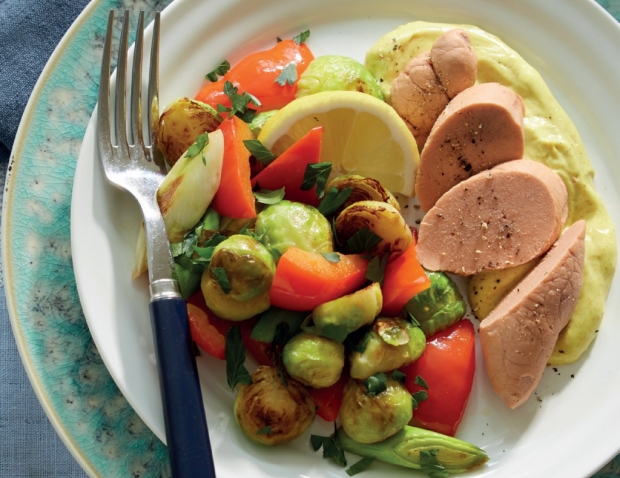
Cod’s roe dish

Health benefits
Fish roe is rich in minerals, vitamins and omega 3 fatty acids.

Culinary uses
Cod’s roes, flatfish roes and herring roes are boiled or fried whole and eaten hot for dinner with a rich sauce and potatoes – if fried alongside, or baked inside, the fish, they have a very different soft and creamy consistency – or eaten cold on an open sandwich.
Scandinavian Fish Roe
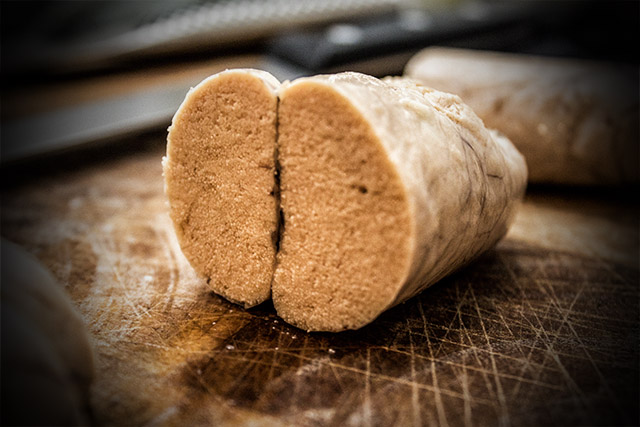
Cooked cod’s roe

Salted salmon, trout, lumpfish and vendace roes are never heated, but eaten as a topping on open sandwiches, or as garnish for all kinds of dishes with fish, as a starter with blinis or potato pancakes, lemon, crème fraiche and sharp sweetness from the onions is just perfect.

Cod’s roe
All over Scandinavia, cod’s roe – and of the cod’s many relatives, often sold as cod’s roe – is very popular. It is also versatile, and can be eaten either fresh (boiled or fried) or smoked. But while eating cod’s roe used to be an everyday experience, since strict fishing quotas have been imposed ut has become very expensive.

Scandinavian Fish Roe
Canned cod’s roe

Fresh cod’s roe is in season in early spring. Try to buy small roes, about the size of two fingers, as they are by far the most delicious, creamy and sweet; the large cod’s roes can be rather coarse and grainy, mainly because the eggs are too mature. The eggs must have intact membranes, or the roe will be impossible to prepare, whether it is to be boiled, fried or smoked. No cleaning is required.

Boiled whole cod’s roe is delicious served plain and hot for dinner, with potatoes and lemon and a rich sauce, such as egg sauce or the hollandaise. The boiled, cooled roes can also be sliced, fried in butter until crisp, and served with same accompaniments. Boiled and cooled, cod’s roe makes a classic open sandwich, sliced on rye bread with a lemony mayonnaise or remoulade, fresh dill and lemon. This is seasonal food at its very best.

Scandinavian Fish Roe
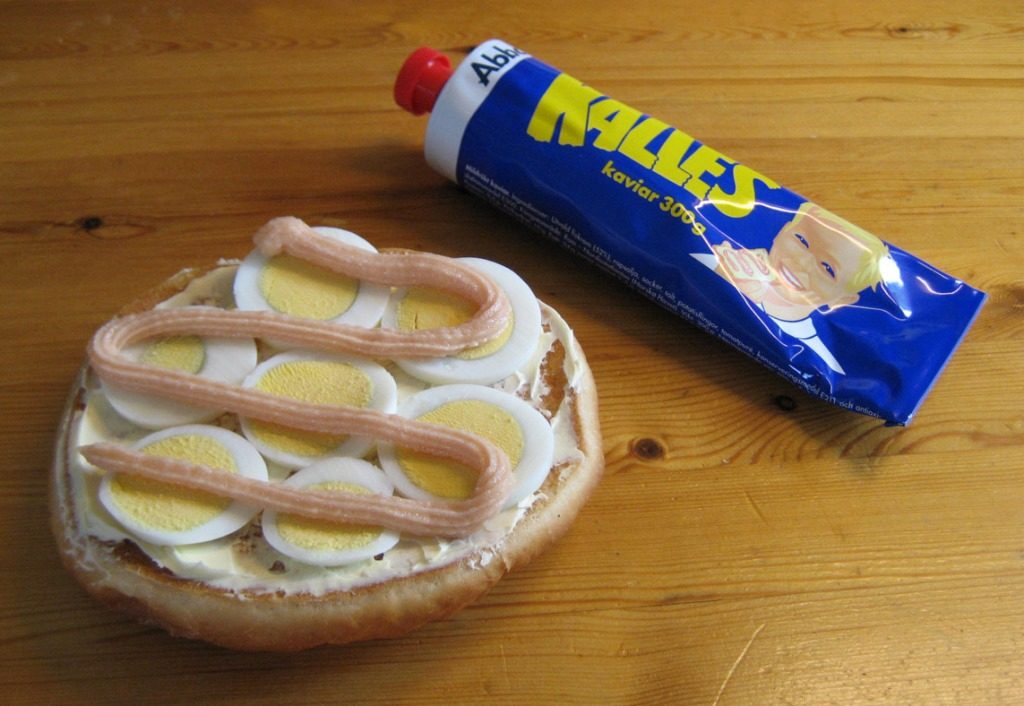
Egg and roe sandwich

Smoked cod’s roes, and roes from many of its relatives often sold as cod’s roes, are a delicious topping for open sandwiches, either hot or cold smoked. The hot-smoked version is browned on the outside and firm inside, and is easy to make at home; it is delicious on rye bread with a homemade mayonnaise and lemon. Cold-smoked cod’s roe looks like amber and is soft. It’s either spread on toast or rye bread as it is, or made into a Nordic version of taramasalata, with crème fraiche and/or mayonnaise, dill and black pepper, to beaten, preferably, on crispbread. This is the real thing compared to the ever-popular Nordic industrial spread sold in tubes in every supermarket. This is eaten in crispbread often with hard-boiled egg and cucumber, and I must confess it vis actually rather good, even if purists enjoy disliking it.
Scandinavian Fish Roe
Cooking cod’s roe

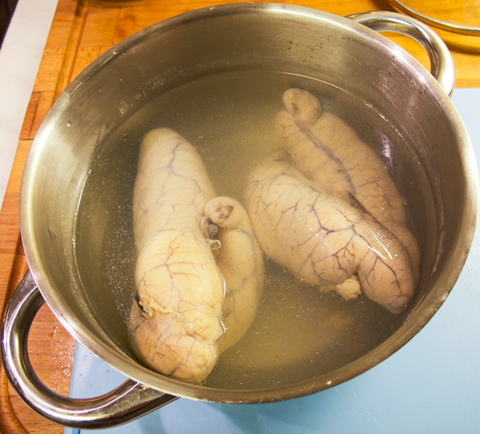
Boiled cod’s roes
Wrap the roes in separate parcels of parchment paper, making sure the packages are even in size; you can put several small roes together in one parcel. Arrange them tightly in a pan and cover with cold salted water (allow 1 generous handful of salt per 2 liter of water). Bring slowly to the boil.

Small roes need to cook for 3 minutes from boiling point, huge ones 10 minutes. Take the pan from the heat and let the roes cool in the water. If you aim to eat them as they are, let them steep in water for 15 minutes. Remove the outer membrane before eating.

Cod’s roes must be boiled the day they are bought, after that, they will keep for 2 days in the fridge.
Scandinavian Fish Roe
“Caviar” in tube

Herring roe
The eggs of herring roe are large, and a little gritty, and must be fried or baked. It was once common to eat herring roe but now very few people do, maybe because many regard fresh herrings with disrespect as poor man’s food. As a result, it can be hard to find herring roes, but they are delicious.

Scandinavian Fish Roe
Lofot caviar

Flatfish roe
Personally, I like creamy, pale roes from flatfish such as sole and turbot; these are usually fried or baked alongside or inside the fish they come from, and are eaten as a bonus with the fish.

Vendance and powan roes
Several fish in the Coregonus family, part of the salmon family, yield the most expensive and delicate of all the Scandinavian roes. It is usually called løjrom, no matter what the fish. The Kalix løjrom, from Sweden, is a protected name, and is always from the Coregonus albula, or vendace, a small, silvery fish living in the Baltic. It is eaten as it comes, raw, but salted, in small quantities, like real sturgeon caviar. It’s delicious just served on plain toast with a little lemon, dill and crème fraiche, and onion or chives; as a topping for boiled, baked or fried fish; or with potato pancakes.

If you buy frozen vendace or powan roes, open the package and let is thaw in the fridge, if large; however, very few people can afford a package too large to be thawed on the kitchen worktop in an hour. Eat within 2 days, as long as correctly stored in the fridge.

Scandinavian Fish Roe
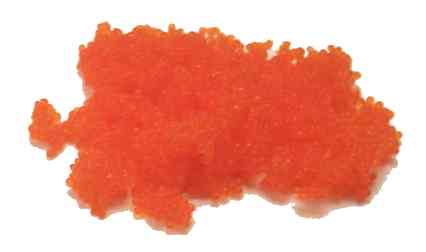
Frozen salmon roe

Salmon and sea trout roe
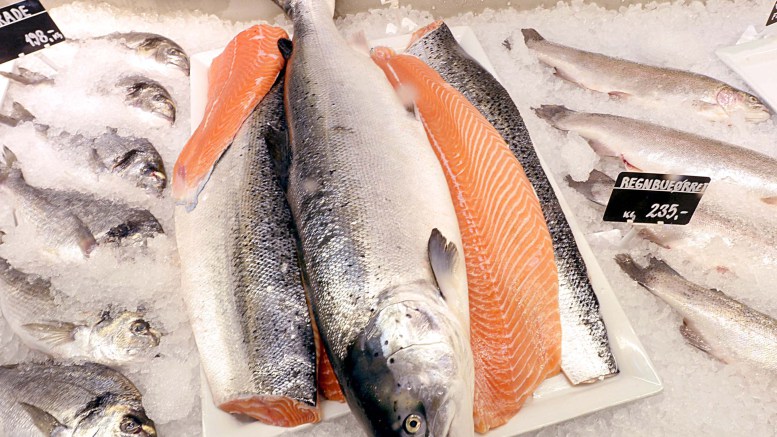
You can buy these large beaded beauties fresh when they are in season, in early spring; or you may be lucky enough to buy (or even catch) a whole fish with the eggs inside. Salmon roe can be bought fresh, already cleaned and salted, but it’s not difficult to do it yourself, as with lumpfish roe.
Scandinavian Fish Roe
Lumpfish roe

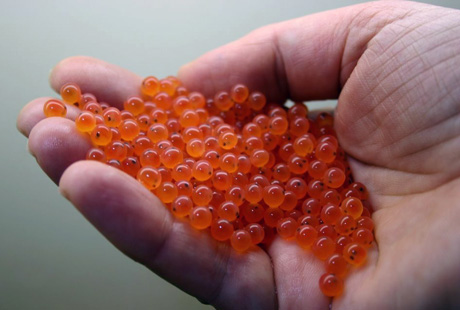
Lumpfish roe
Fresh lumpfish roe can look like a weird glow.in-the-dark toy, the spooky fluorescent sheen caused by unharmful algae. In Scandinavia, roes from the female lumpfish are abundant in spring (the fish itself is extremely ugly and flabby and is not eaten), rather expensively, or not cleaned, very cheaply; or you may be lucky enough to catch or buy a whole fish with the eggs inside. It is not difficult to clean the roes yourself, but it’s not a job for the faint-hearted as the giant bag filled with millions of rosy beads looks positively monstrous. When salted, the roes will keep for 3-4 days in the fridge.

Lumpfish roe is rosy by nature, and we unfortunately have a bad habit of dying it dark grey, black or very red (to imitate sturgeon roes) and marketing it as ‘caviar’ sold in glass jars. It’s a mess on the plate, is too salty and has a strange chemical taste. In short, it is disgusting in every way and should be avoided.

Lumpfish roe is eaten like løjrom, with blinis or crisp potato pancakes, or just plainly on rye bread or toast. It’s often paired with crème fraiche, lemon juice and red onion.
Scandinavian Fish Roe
Pressure treated fish eggs

How to clean and salt roes
Salmon, trout and lumpfish roes must be cleaned and salted before use.

Put the whole roe, inside its membrane, in a large bowl with a handful of coarse salt. Add cold water almost to cover. Whisk with a balloon whisk until the non-edible parts cling to the whisk; you amy have to clean the whisk several times. Rinse through a fine sieve and clean under the cold tap, then leave to dry off any excess moisture. Adjust the salt – yoy ant enough to bring out the falvour, bit not too much. Eat within 3 days.

Scandinavian Fish Roe, written by Tor Kjolberg

Related content:
Scandinavian Flatfish
Scandinavian Monkfish
Scandinavian Garfish
Listen to the Danish Future of Sound

Bang & Olufsen’s new Beolab 50 speakers delivers truly exceptional performance with innovative sound controls and a uniquely unfolding design. The Danish Hi-Fi company let us listen to the future of sound now.

First time we listened to the Beolab 50 we were literarily floored by the sound, and we were impressed by the trickle-down tech. Bang & Olufsen is known for their tasteful design, and the Beolab 50 speakers are no exception. If you can afford five figures on a pair of floor speakers – then you should consider a switch.

Listen to the Danish Future of Sound
Bang Olufsen’s Beolab 50 – a Danish audio heaven

In our opinion these high-end speakers combine advanced sound technology with elegant, aesthetic and meticulous craftsmanship.

Listen to the Danish Future of Sound
Beolab 50 in a living room

$20,000 per speaker is indeed a massive price tag, but if you’re a sound nut they may be worth at least a test drive. And best of all, the beautifully designed centerpiece device will certainly stand out in a room rather than be hidden away in a corner.

The BeoLab 50 speakers originates from the ground breaking Beolab 90, which raised the standards for state-of-the-art speakers when they were released by the end of 2015. Each of the speakers is equipped with seven drivers with individual 300-watt built in amplifiers, and reads a room’s acoustics and modifies the sound output to suit its needs.

“From the magical moment when the acoustic lens majestically rises up and slowly opens towards its audience, you have no doubt that you can expect a sound experience out of the ordinary,” is rightfully described in Bang & Olufsen’s own promotion for the products.

For our tech nerds readers we will point out that a pair of the powered speakers can be linked up into a master-slave configuration to source wired audio directly, but each individual speaker also features WiSA technology for high-resolution wireless connectivity.

Listen to the Danish Future of Sound
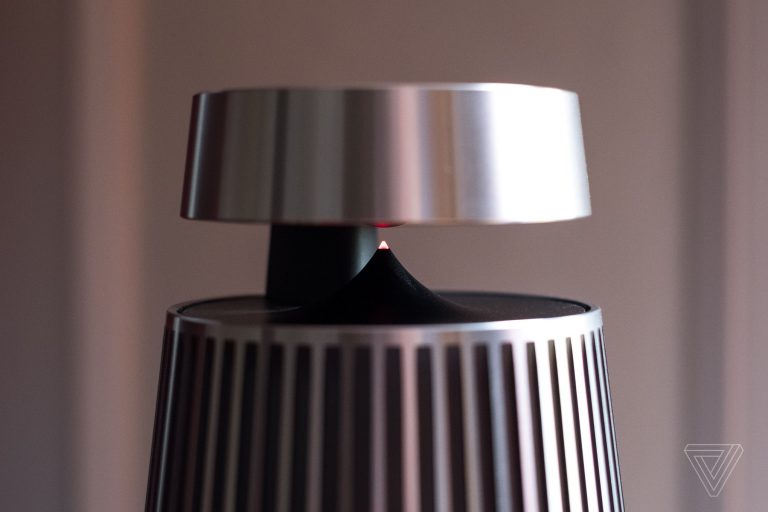
Beolab 50 “acoustic lens”

As a nice touch, hidden on top of the device is a three-fourths-inch tweeter that the company calls an “Acoustic Lens” that rises out of the speaker when you turn it on. The Bang & Olufsen engineers and designers have not unexpectedly done it again!

Listen to the Danish Future of Sound, written by Tor Kjolberg

Related content:
Danish Researchers on Music and Memory

The Stunning Opera House in Oslo

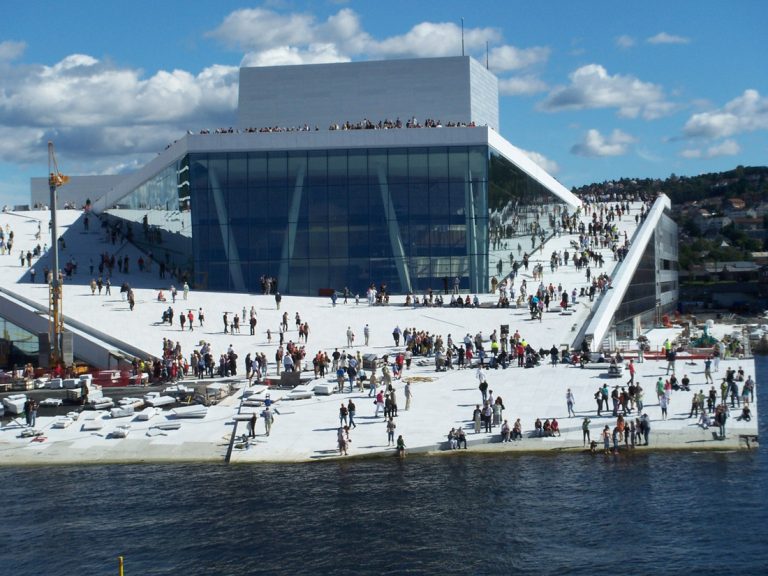
The no-expense-spared Opera House in Oslo, sloping like an iceberg into the waves, opened in 2008 to international acclaim, at a cost of 4.4 billion kroners.

The Oslo Opera House is not just a cultural center, but an inviting public space which draw visitors in their thousands. The Opera House is today the cornerstone of a dynamic, increasing new residential, cultural and commercial district, emerging in the old industrial port area of Bjørvika.

The Stunning Opera House in Oslo
The Oslo Opera House from above. Photo: birdseyepix.com/Christopher Hagelund.

The modern structure has pride of place on the waterfront, just a five-minute walk from Oslo S (Central) train station, out of the south entrance and across Dronning Eufemias gate. The award-winning design by Norwegian architects Snøhetta is a truly Nordic concoction, built to resemble snow fields and floating ice, with fabulous acoustics. Norway’s largest venue for opera and ballet has three stages, with seating for 1,364 in the main auditorium.

The Stunning Opera House in Oslo
The main auditorium in the Oslo Opera House with seating for 1,364.

The Opera House was deliberately planned so that even non-opera-goers could find something to enjoy. The sweeping slopes of Italian Carrara marble flank the main bulk of the building, allowing the public to stroll onto the roof, sunbathe, picnic – in short, to claim the building as their own. There is also a gift shop, bar, brasserie and Argent restaurant for fine dining.

The Stunning Opera House in Oslo
Birdseye view to the Oslo Opera House

The harborside location and radical design have lent the Opera House two unusual features. Much of the Building is below sea level – orchestra members in the main auditorium actually sit 15 meters (50ft) “underwater”. It’s also the only opera house in the world to have its own underwater sea defences, a barrier to protect it should the Oslo – Copenhagen car ferry ever drift off course.

The Stunning Opera House in Oslo, written by Tor Kjolberg

Related content:
Oslo –The Nordic City of Light
Portrait of a Norwegian Architect Company
Architecture – Oslo Recoded

A Short Introduction to Norwegian Literature, Art and Music

In 1814 Norway was emancipated from Denmark after 500 years’ existence as a Danish province. It was necessary for the young nation to create its own national literature, art and music.

In 1849 a large cultural festival was organized at the Christiania Theatre where traditional Norwegian fairy tales, folk art and folk music were brought into the limelight. It was at this event the legendary violinist Ole Bull played his new folk music-inspired rhapsody “Seterbesøket” (The Visit to the Summer Farm) with the famous “Seterjentens søndag” (The Dairy Maid’s Sunday).

Norwegian Literature, Art and Music
Norwegian violinist and composer Ole Bull

Bull also posed as a model for the fiddler in the famous painting by Tidemann and Gude, “Brudeferd I Hardanger” (The Bridal Procession on the Hardanger fjord).  This particular painting concluded the festival as a “tableau vivant”. The ‘tableau vivant’ presented people in the national costumes and was orchestrated around the music of the composer Halfdan Kjerulf.

Despite the fact that this festival had a distinct national romantic flavor, it is evident that even at that time Norwegian artists and performers viewed their work in a wider and more international perspective. For instance, a tableau called the “Neapolitan Fisher Family” was included in the festival.

https://youtu.be/Wt99_n6NfTM
Adolph Tideman & Hans Gude: Bridal Procession on the Hardangerfjord (National Gallery, Oslo)

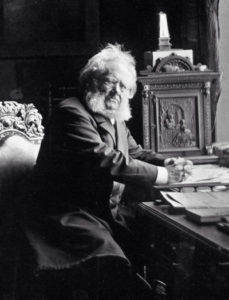
Moreover, a significant part of the very best Norwegian literature and music is created in the cross-section between patriotic love for Norwegian artifacts and the admiration for exotic international impulses. The famous playwright Henrik Ibsen, for instance, makes his Peer Gynt character visit ‘everyone’ from the ultimate Norwegian “Dovregubbens hall” (Hall of the Mountain King) to the young exotic Arabic girl Anitra. A parallel range is found in Edvard Grieg’s well known composition to this play. In fact, Henrik Ibsen gad to a large degree moved away from the national romantic ideas when he wrote Peer Gynt, and of which Peer Gynt is a caricature, but figures like “Dovregubben” crept into people’s consciousness and became genuine national symbols.

Norwegian Literature, Art and Music
Norwegian playwright Henrik Ibsen

A quarter of a century later, when the artists of Kristiania (now Oslo) met in 1874 for a masquerade ball, the theme for the ball was the wedding of Dovregubben’s daughter and the southern European Prince Carnival. The guests consisted of Norwegian super-national mountain and forest creatures like dwarfs, gnomes, gremlins and huldras (the latter is a female underground figure) as well as Southern European guests like Bacchus, Columbine, Harlequin and Pierrot.

This colorful meeting between north and south is beautifully captured for the occasion by Johan Svendsen’s sparkling music in which two Norwegian danced, “springer” (a running dance), and Brudeslått (bridal tune) are combined with a popular Neapolitan song.

Norwegian Literature, Art and Music
Norwegian composer Johan Halvorsen

So it is in the cross-section between the national and international that Svendsen composed one of the most inspired masterpieces, “Norsk Kunstnerkarneval” (Norwegian Artists’ Carnival).

Norwegian Literature, Art and Music
Christiania Theatre, by architect Christian Heinrich Grosch

This is also true of his colleague Johan Halvorsen who wrote the piece “Entry of the Boyard” which has distinct Norwegian Mountain King style depicting the march into Bucharest by Russian warriors.

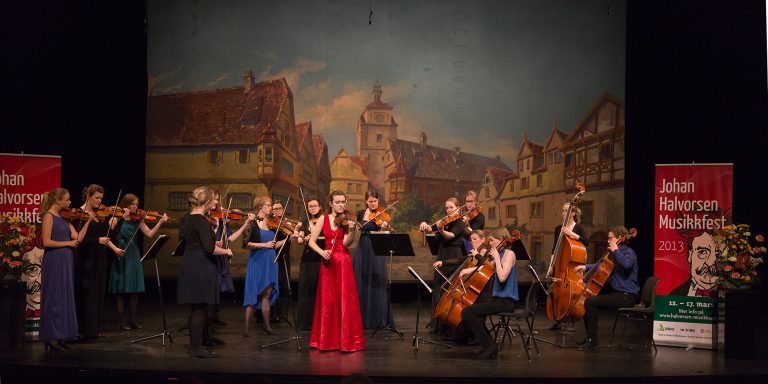
Feature image (on top): From the Johan Halvorsen Music Festival 2017

A Short Introduction to Norwegian Literature, Art and Music, written by Tor Kjolberg

Related content:
150th Anniversary of Norway’s Peer Gynt
Art and Culture in Norway
Ten Hours with Trolls in Norway

Supreme Danish Furniture Design

0

Master cabinet maker Carl Hansen founded his company in Odense, Denmark in 1908. His son Holger took over and initiated a partnership with then-unknown designer Hans J. Wegner. Their collaboration continued throughout Wegner’s historic career.

Today, third generation Knud Erik Hansen, runs the family business. For over a decade, Carl Hansen & Søn manufactured furniture designed by great artists such as Tadao Ando, Mogens Koch, Kaare Klint, Ole Wanscher, Poul Kjærholm and Hans J. Wegner

Supreme Danish Furniture Design
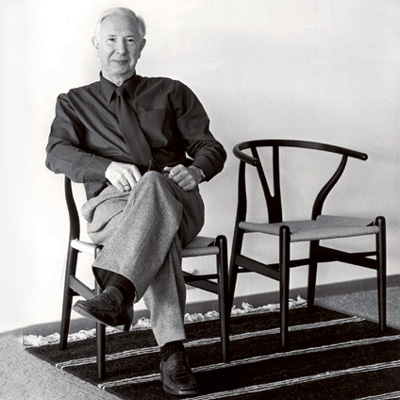
Hans J. Wegner

As a driving force behind ‘Danish Modern’, Hans J. Wegner helped change the general public’s view of furniture in the 1950s and 1960s. One of his most iconic designs is his Shell Chair.

Supreme Danish Furniture Design
Hans J. Wegner’s Shell chair

The PK1 dining chair for instance, designed by Poul Kjærholm in 1955, is an early example of Kjærholm’s unique ability to combine steel with organic materials. The design has an understated look which requires skilled craftsmanship and an in-depth understanding of the inherent nature of the materials.

Carl Hansen & Søn is known as the world’s largest producer of architect Hans J. Wegner furniture that is nearly all made from wood that has grown in sustainable Danish forests. The 165 passionate employees ensure that every piece leaving the Danish production site is a masterpiece of precision.

Supreme Danish Furniture Design
Poul Kjærholm’s PK1 Hero

See more  of Carl Hansen & Søn furniture here

Related content:
A Danish Furniture Icon
Best in Scandinavian Design
Cool Scandinavian Looks

The Beauty of Norway From Behind a Camera

Norwegian self-taught photographer Anders Beer Wilse (1865-1949) immigrated to America in 1884 and worked as a railroad engineer and cartographer from Minnesota to Washington. Norway’s most famous photographer left behind a cultural treasure consisting of more than 200,000 documented photographs of his life’s work.

What Wilse observed, he wanted his countrymen to enjoy as well – from poor fishermen to royals. He has played an important role in the shaping of Norway’s national self-image. He was born in Flekkefjord, Vest-Agder and raised in Kragerø, Telemark. Having received his technical degree, he immigrated to America in 1884 and lived in Seattle from 1892 to 1900, where he in 1897 established his own photographic business.

The Beauty of Norway From Behind a Camera
Pioneer photographer Anders Beer Wilse

Expeditions in Montana included photographing Grasshopper Glacier, containing billions of entombed locusts, and the discovery of Mount Wilse.

On a return visit home to Norway aboard the emigrant ship Geyser in 1888, which collided with the Thingvalla and sank, he nearly drowned.

The Wilse family returned to Norway around 1900, where he became a world-class photographer.

Long before the ‘selfie’ became a term, people associated with the press knew what a “Wilse” was. Already in the 1920s the meaning was cemented: it was a photograph stretching itself towards technical and compositional perfection.

The Beauty of Norway From Behind a Camera
Anders Beer Wilse: Struggle for Life

Wilse left a legacy of early photographs documenting this period of unprecedented growth and change in Seattle’s history, including views of the Alaskan Gold Rush of 1896 – 1899, but he is perhaps most famous for documenting Norway’s landscape and its natural and urban life. He also worked as a photographer for many major Norwegian companies – among them Norsk Hydro.

The Beauty of Norway From Behind a Camera
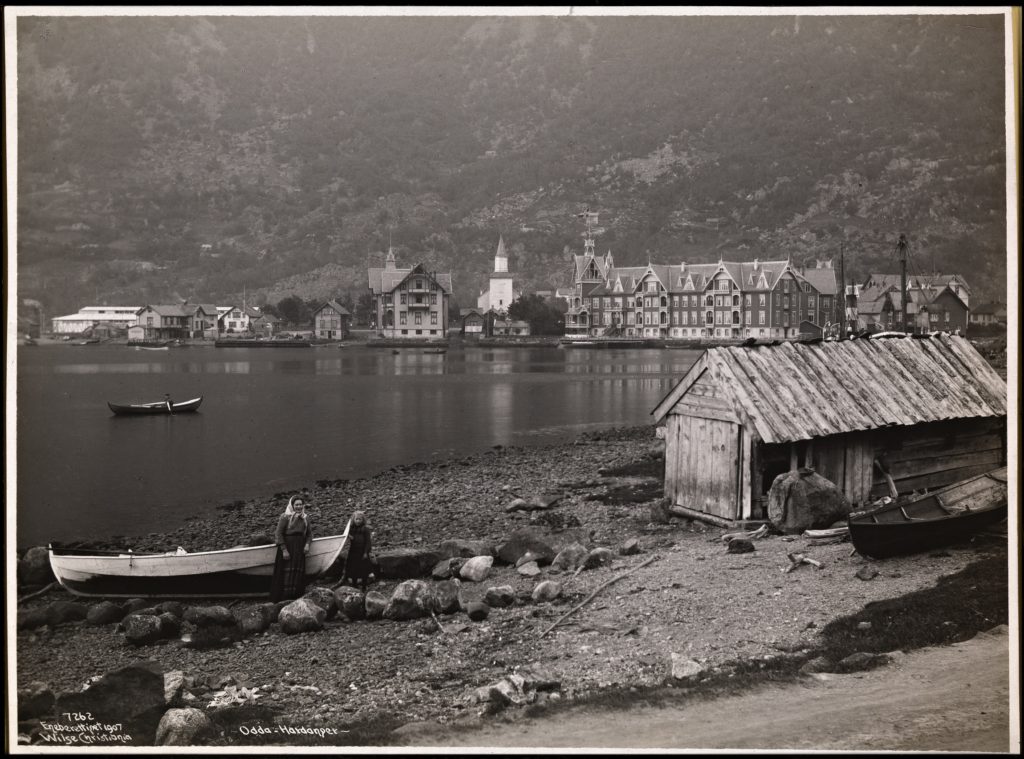
Anders Beer Wilse: Odda, Hardanger, 1907

Today, six institutions manage various parts of Wilse’s formidable life work. The photo material was in 2014 incorporated in Norway’s documentary heritage, which is a part of the UNESCO’s Memory of the World register.

The Beauty of Norway From Behind a Camera
Anders Beer Wilse: Norwegian author Knut Hamsun next to an unidentified man on tractor, June 1929

Anders Beer Wilse died 83 years old 20 February 1949.

The Beauty of Norway From Behind a Camera
Anders Beer Wilse: Testing Cedar River Water

Those who did not get the pleasure to meet him, will, in his two books, Life of a Young Norwegian Pioneer (1936) and Norwegian Men and their Country (1943), receive an unpolished view of him as a man and a lively commentary to his life’s work: A national anthem in pictures.

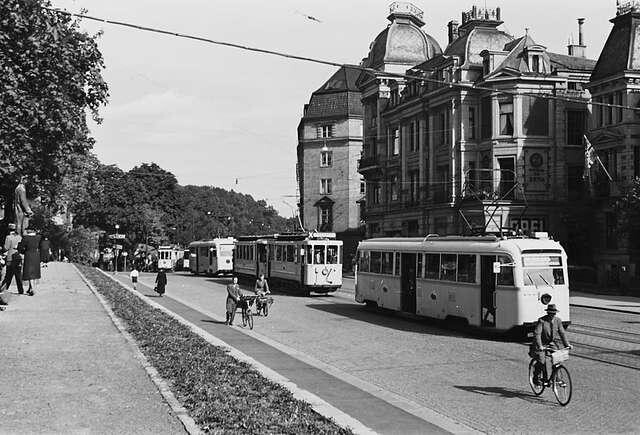
Feature image (on top) The SDkøyen Line, Oslo 1940

The Beauty of Norway From Behind a Camera, written by Tor Kjolberg

Related content:
The World of Ski Photography
Wild Scandinavia
Architectural Photo Marathon in Scandinavia

Can Brexit Britain Learn Something From the Sweden – Norway Border?

The British government has published a paper stating there should be no border posts or immigration checks between Ireland and Northern Ireland after Brexit. Disruption of trade should also be kept to a bare minimum. Perhaps Britain has something to learn from the Norway – Sweden border?

Swedish officials in EU have warned the British government of long border queues, diesel laundering and smuggled goods when being dragged into the Brexit debate. Norway has the closest possible trading relationship with EU without actually being a part of the bloc. There were 229,286 checks on crossing vehicles in 2016.

Can Brexit Britain Learn Something From the Sweden – Norway Border?
Map of Norway and Sweden

Sharing a border of 1,640 km, with close to 80 crossings between Norway and Sweden demonstrates the challenges Northern Ireland and Ireland may face in the future.  U. K.’s vision of a frictionless Northern Irish border will be difficult to achieve.  One EU politician even described it as ‘fantasy’.

Northern Ireland exported more than €3 billion worth of goods to Ireland in 2016 and many businesses have complex supply chains.

Border force officials on both sides of the Sweden-Norway border demonstrate their concerns when surveying battered cars and vans driven by smugglers of alcohol, cigarettes and drugs, caught by the customs. Norway has chosen to impose high tariffs in such goods.

Can Brexit Britain Learn Something From the Sweden – Norway Border?
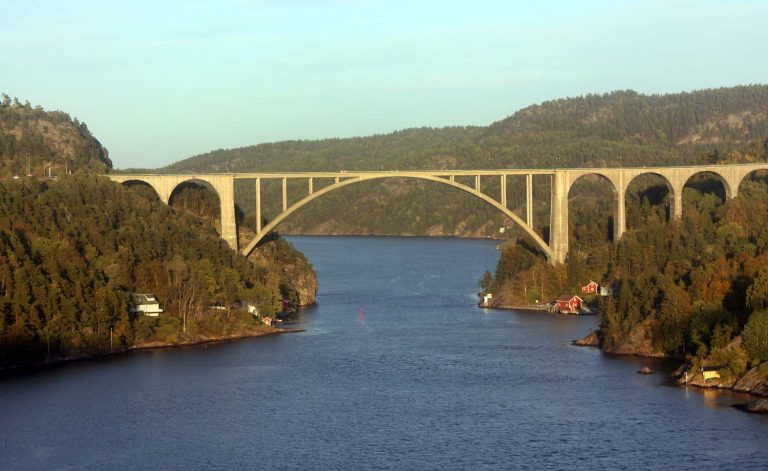
The old bridge at Svinesund, one of the borders between Sweden and Norway border
Photo: Heiko Junge / NTB scanpix

However, with Norwegian-Swedish trade links worth €18.6 billion annually, there is a huge economic and political interest in keeping trade and traffic flowing between the two countries.

Can Brexit Britain Learn Something From the Sweden – Norway Border?
Customs check in Norway

Within the EU, citizens can load up as much alcohol as their vehicles can safely carry and legally drive it over internal borders, as long as they can credibly claim it is for private consumption. Not so in Norway. Even if Norwegians and Swedes have enjoyed open-border travel since before the EU came into existence, Norway, not an EU member, has restrictions on import of cigarettes and alcohol.

Can Brexit Britain Learn Something From the Sweden – Norway Border?
The new Svinesund bridge

Streamlined border checks are now possible through technological advances. So called automatic number plate recognition (ANPR) scanners are used in both stationary form and on Norwegian police vehicles. However, sometimes at peak-times there may be queues of a couple of hours at on-site border checks even with technical equipment.

Can Brexit Britain Learn Something From the Sweden – Norway Border?
Nothing tp declare

Norwegian customs seized 47,000 liters of spirits and 322,000 liters of beer in the first half of 2017.

Can Brexit Britain Learn Something From the Sweden – Norway Border?
Passing the Norwegian-Swdish border 17 June 2015

The two Scandinavian neighbors tightened travel document checks after the large inflow of migrants into Europe in 2015. Now, after the number of arrivals subsided, passport checks are rare.

Can Brexit Britain Learn Something From the Sweden – Norway Border?
Svinesund Bridge between Sweden and Norway

While Sweden joined EU in 1995, Norway chose not to join after a referendum in 1994. Doing so would cost the country control over its productive fishing grounds, was one of the reasons. Sweden and Norway were united under one head of state until 1905.

There are reasons to believe that the EU’s outer border running between neighbors with close ties will soon be echoed on the island of Ireland, where U.K.-governed Northern Ireland and the Republic of Ireland meet.

However, Britain has said it does not favor electronic surveillance on its border with Ireland. But questions are now being asked about what form the border should take, and what the various options would mean for business, political security and smuggling. Ireland is keen to avoid any hard border with Northern Ireland.

Can Brexit Britain Learn Something From the Sweden – Norway Border?
Sweden-Norway border post

Despite flattering remarks from Belfast, officials in Sweden and Norway are wary about being dragged into the Brexit debate, especially when the U. K. last August presented a paper on the issue stating it wanted not only to avoid border checks, but also to rule out any border infrastructure at all — for fear it would become a target for dissident republicans.

Can Brexit Britain Learn Something From the Sweden – Norway Border?
Svinesund customs

One lesson from Norway is, however, that even with the Scandinavian country’s close ties to the bloc, border checks are necessary.

Can Brexit Britain Learn Something From the Sweden – Norway Border? written by Tor Kjolberg

Related content:
Scandinavian Borders and Migration
Friends and Foes in Scandinavia
What makes Scandinavia different?

More Seafood from Norway

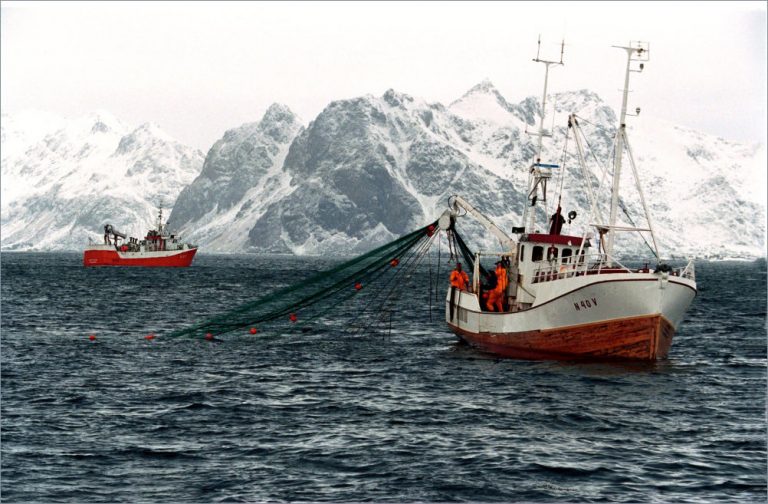
2016 was a record year for Norwegian export, and 2017 is likely going to be even better.  Norwegian seafood exporters shipped fisheries and aquaculture products with a total value of NOK 91.6 billion (USD 10.8 billion, EUR 10.2 billion) last year.

Norway has also come up with an ambitious plan to dramatically increase its seafood exports to China, and expects the trade to be worth 10 billion yuan ($1.45 billion) by 2025. Poland, France and Denmark remain the largest buyers of Norwegian salmon, while Japan, the United States and Thailand are Norway’s main markets for trout.

More Seafood from Norway
EU was last year the biggest market for Norwegian seafood

A growing global middle class will probably request more fish, and the EU was last year again the biggest market for Norwegian seafood with export to the bloc totaling NOK 61.3 billion (USD 7.2 billion), up 23 percent from 2015.

Related content: This Robot Can Transform Norwegian Fishing Industry

More Seafood from Norway
Largest seafood nations

“2016 was a fantastic year for Norwegian seafood exports. Exports increased by 23 percent and passed NOK 90 billion for the first time. Sixty-seven percent of exports, measured by value, went to Europe. Norway is highly dependent on the European market,” said Renate Larsen CEO of the Norwegian Seafood Council.

According to NSC’s director for the Chinese mainland and Hong Kong, Sigmund Bjørgo, the plan for increased export to China is based on the consumers’ preference for Norwegian seafood.

Related content: Positive Trend for Norwegian Salmon

More Seafood from Norway
Norwat will export seafood to EU totaling NOK 61.3 billion (USD 7.2 billion), up 23 percent from 2015

The council, which comes under the country’s Ministry of Trade, Industry and Fisheries, said it aims to see Norwegian salmon consumption reach 156,000 metric tons in China and Norwegian arctic cod consumption to reach 40,000 tons by 2025, along with increased consumption of other species including halibut, mackerel, lumpfish, snow crab and king crab.

More Seafood from Norway
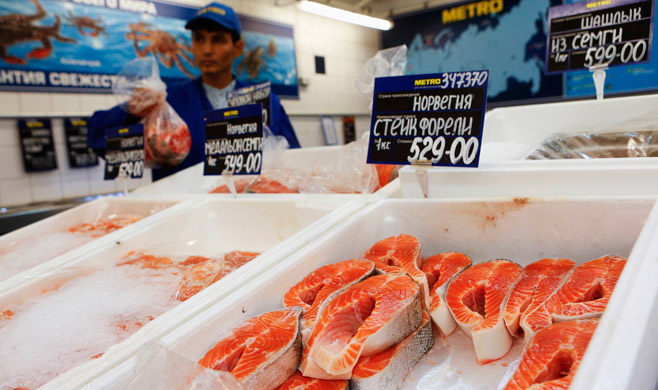
Norwegian salmon sold in a Moscow supermarket

By 2050, revenues from seafood exports could have passed today’s oil and gas revenues at a good margin, according to forecasts from Sintef.

In total, Norway exported seafood to 146 countries last year.

More Seafood from Norway, written by Tor Kjolberg

Roger Ballen Visits Oslo

World-renowned artist/photographer Roger Ballen exhibits his works in Oslo. And for one night only you can experience his mesmerizing universe in an old circus tent at Aker Brygge.

The Roger Ballen exhibition will take place in Willas Contemporary in Oslo from 14 October through 11 November. The artist will be visiting Oslo from 11 to 14 October.

Roger Ballen Visits Oslo
Roger Ballen portrait

On Friday, 13 October, Ballen and the Norwegian sound artist Timon Botez will present a selection of the artist’s photographs combined with movies, projections and a very distinctive soundscape in an entirely new way in an old circus tent raised at Aker Brygge, a short distance from the Willas Contemporary.

The circus tent event will be a world premiere of the virtual reality version of Ballenesque, produced by OONI and is a result of close collaboration with Uncontaminated Oslo.

A sales exhibition will open to the public on Saturday 14 October.

Roger Ballen carries a PhD in Geology and was born in New York in 1950. He has worked and lived in Johannesburg, South Africa since the early 1980’s.

Roger Ballen Visits Oslo
Rpger Ballen: Brian with pig

‘The images I create, I create not to inform. They are much rather meant to be understood as a coherent commentary on the chaos in our incomprehensible world. If I could attach any meaning to the images, they would be nothing more than simple photographs,’ says Ballen.

Roger Ballen Visits Oslo
Roger Ballen: McZaint

Roger Ballen’s work is shown in prestigious institutions around the world and represented in museum collections such as Centre Georges Pompidou, Paris, France, Tate London, England, The Museum of Modern Art, USA and Louisiana in Denmark.

Roger Ballen: Mirrored top

Ballen’s collaboration with the rap group Die Antwoord has opened his universe to the younger generation – his music video I FINK U FREEKY has received over 100 million views on youtube. He has issued 24 books since 1979, and his next book; BALLENESQUE – A Retrospective, published by Thames and Hudson will be launched at a book signing event at WILLAS contemporary on Saturday, October 14th from 1-3 pm.

Roger Ballen Visits Oslo
Sergeant F. de Bruin, Department of Prisins, emplyee Orange Free State 1992

Willas Contemorary
First opened in Shanghai, Willas Contemporary is an Oslo-based art space showcasing internationally acclaimed artists. The gallery strive to create an edgy, vibrant space where an exchange between culture and commerce can take place. The identity explores the combination of mystery and clarity, the contemporary and the traditional, while always being humble in relation to artists and shows. A study of Willas’ architectural spaces — following the principle of form follows function — were incorporated into the identity system. The logo’s dynamic behavior made it possible to visualize Willas’ unique supervision on artists, shows and talks. The identity allows the art to shine in its entirety, while simultaneously communicating Willas’ invaluable work as the representative.

Roger Ballen Visits Oslo, compiled by Admin

Related content:
The Norwegian Photographer Who Never Existed
Dior by a Swedish Illustrator
World’s Best Photographic Museum

New Lego House Opened in Billund, Denmark

2 million visitors are drawn annually to the tiny town of Billund in Denmark, the home of the Lego toy company’s theme park and headquarters. Lego House opened last month.

Now you can explore Legoland and visit the LEGO House, which opened last month in the center of Billund, where Lego was invented in 1932. Lego House is a stacked-block formation with a huge Lego-style brick topping it.

New Lego House Opened in Billund, Denmark
Aerial view of Lego House, Billund, Denmark

Have you ever wondered what it would be like to be inside a real LEGO House? This is now possible. The LEGO House, also called “Home of the Brick”, is a unique experience house.

New Lego House Opened in Billund, Denmark
Inside the Lego House in Billund

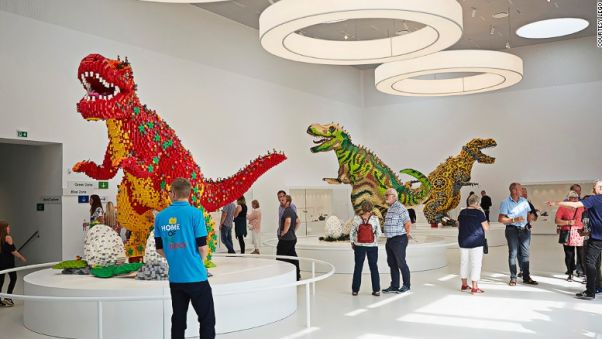
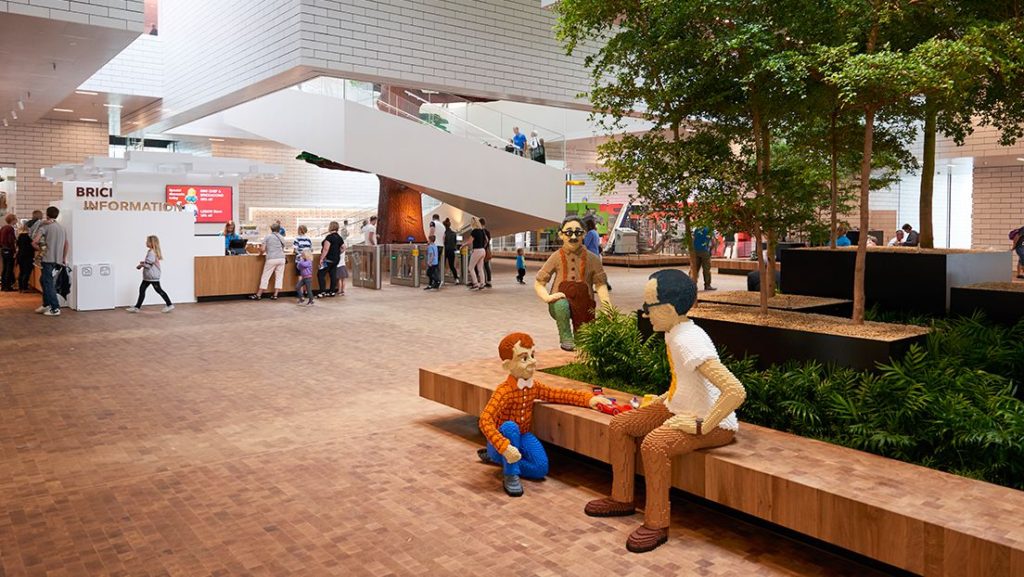
The 130,000-square-foot building has been designed with Lego in mind. The 6.3-million-brick centerpiece is built as homage to Lego’s roots as a wooden toy. The yellow and blue Lego bricks are scaled up to human size, so Lego fans of all ages will get the ultimate Lego experience.

New Lego House Opened in Billund, Denmark
Detail from the Lego House, Billund

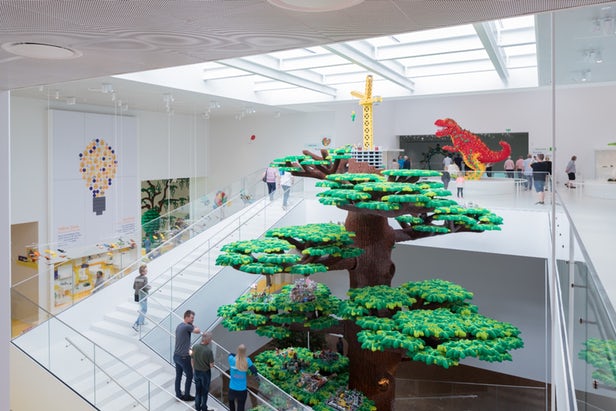
The building is made up from 21 white blocks stacked like a pile of the brand’s famous toy building blocks. There are four color-coded experience zones, one for spontaneous creativity, one for roleplay, one testing your dognitive skills and one for playing with emotions.  There can kids of all ages learn through play. Inside you can also enjoy the Epic Stairs by the Three of Creativity and the Masterpiece Gallery. In the History Collection you can follow the timeline through the Lego history.

New Lego House Opened in Billund, Denmark
Three of Creativity, The Lego House, Billund

It has been said that the largest block crowning the building, will make the whole building recognizable as a Lego brick from Google Earth. “My vision with this house is to create the ultimate Lego experience which truly unfolds the endless possibilities there are with our bricks and our Lego system of play and have all these experiences in one house, the home of the brick,” said the Lego Group’s majority owner, Kjeld Kirk Kristiansen, in his opening speech.

New Lego House Opened in Billund, Denmark
Public area sqiare in Lego House, Billund

The terrace playgrounds are installed with Lego-style toy furnishing; a helicopter, a rocket and chairs and tables linked by staircases that run both inside and outside the blocks, free for the public to explore. Employees stationed in each zone offer suggestions and help small hands find the perfect piece for their creations among some 25 million bricks.

New Lego House Opened in Billund, Denmark
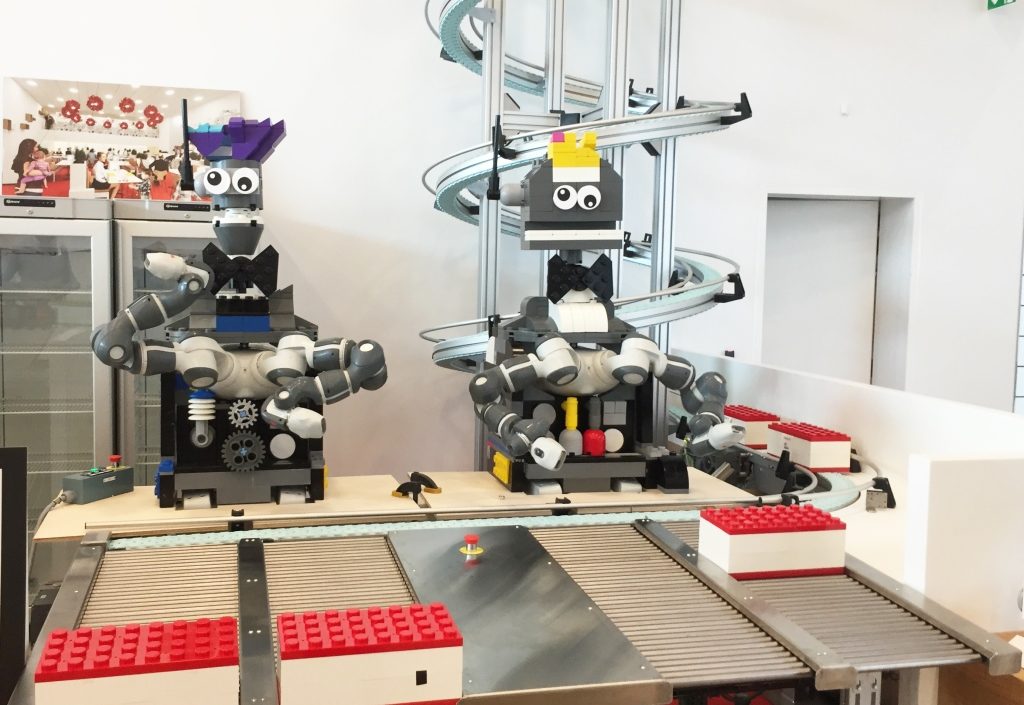
Robots in Mini Chef restaurant, Lego House

The building also includes three restaurants. In one of these, called the Mini Chef restaurant, customers place their orders on Lego bricks and are being served by robots. The food is upscale and health-conscious with adult-friendly ingredients. The kids receive a mini-figure chef toy with their meal.

New Lego House Opened in Billund, Denmark
Red Zone in Lego House, Billund

The building’s nine rooftop playgrounds, ground-level atrium and surrounding parks are free and open to the public, and designed around the idea of Lego House as an indoor town square for the people of Billund and visitors alike. Tickets to the experience zones are DKK 199 per person ($25).

Lego House is located 900 m from Hotel Legoland in Billund town center.

Related coverage
Family-friendly Scandinavia
Magic in Scandinavia’s Fun Capital
Liseberg, Gothenburg, Sweden

New Lego House in Billund, Denmark, written by Tor Kjolberg