
Norway’s Sovereign Wealth Fund Surpasses the $1 Trillion Mark

Norway’s Government Pension Fund, also known as the Norwegian Oil Fund, the Norwegian Government Fund Global was established in 1990 to invest the surplus revenues of the Norwegian petroleum sector.

Surpassing the $1 trillion mark, it is now the time to undergo the most drastic changes to its mandates in decades as it ratchets up investment risk and pulls back on the amount of oil money it can spend. The world’s largest sovereign wealth fund was driven by health-care stocks in the second quarter.
Norway’s Government Pension Fund Surpasses the $1 Trillion Mark
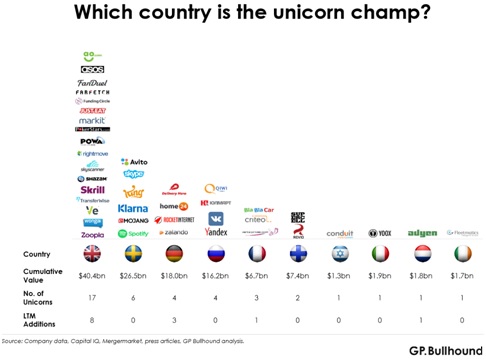
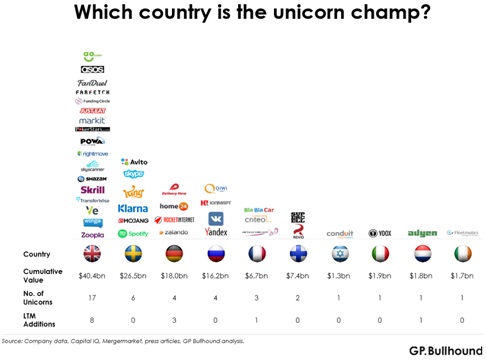
Europe’s Unicorn startups 1 billion mark 2015

If the Norweguan fund had been a country, it would rank somewhere ahead of Mexico and behind Indonesia in terms of gross domestic product. In September this year it was worth $192,307 per Norwegian citizen.

Norway’s Government Pension Fund Surpasses the $1 Trillion Mark
The European startup continent 2016

“The Government Pension Fund Global has a long investment horizon. The assessments of the equity share is henceforth based on long term considerations, including assessments of expected return and risk and the state’s ability to carry risk in the Fund. Returns are likely to be lower going forward, as assessed by two separate public commissions and Norges Bank (Bank of Norway). We must adapt to this fact and therefore propose to adjust the return estimate downwards,” Siv Jensen, Norway’s Finance Minister told CNBC via email.
Norway’s Government Pension Fund Surpasses the $1 Trillion Mark
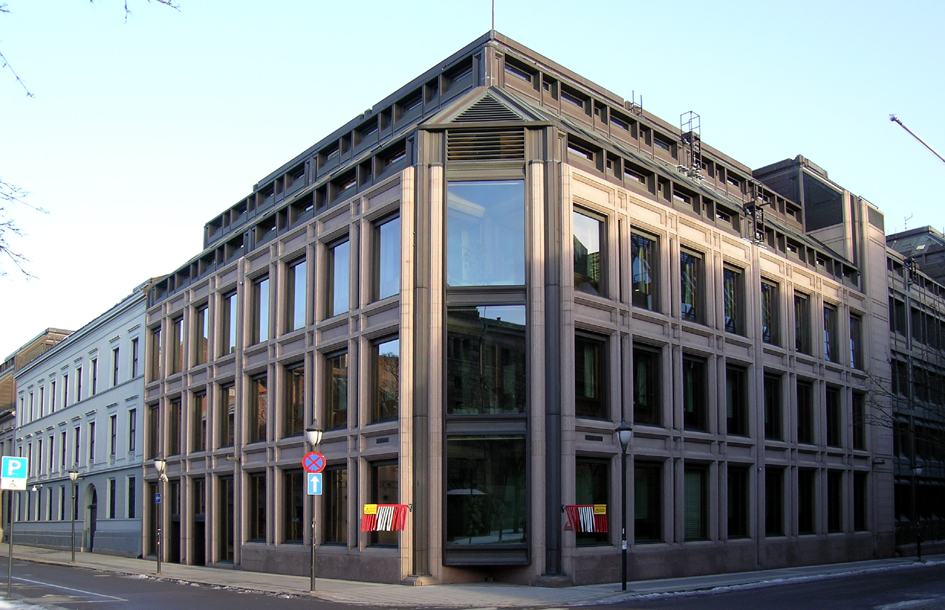
Bank of Norway, Oslo

The fund produced a 7.34 percent gain in the first six months of 2017, according to an investment report. That compares with a 3.33 percent loss in the first half of 2016.

The Norwegian wealth fund has now a larger value than most economies for the first time in its history. The fund holds shares, portfolios of real estate and fixed-income investments. Many companies are excluded by the fund on ethical grounds.

Norway’s Government Pension Fund Surpasses the $1 Trillion Mark
The Norwegian Global Investment Fund’s general responsibility framework

The vast reach of the fund is exemplified by the fact it already invests in 78 countries, owning around 1.3 percent of listed companies worldwide and 2.3 percent of listed companies in Europe. The investment pool serves essentially as an endowment for Norwegian citizens.
Norway’s Government Pension Fund Surpasses the $1 Trillion Mark
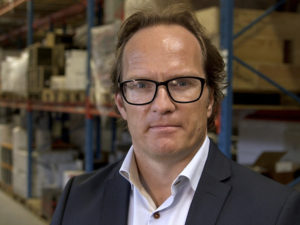
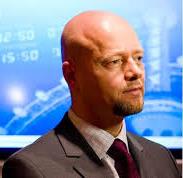
Yngve Slyngstad, CEO at Norges Bank Investment Management

Related content: Could a Norwegian Saved the Greek From Drowning?

“I don’t think anyone expected the fund to ever reach $1 trillion when the first transfer of oil revenue was made in May 1996,” said Yngve Slyngstad, CEO at Norges Bank Investment Management, in a news release.

In fact, The Government Pension Fund of Norway comprises two entirely separate sovereign wealth funds owned by the government of Norway.

Norway’s Government Pension Fund Surpasses the $1 Trillion Mark
Norway’s government pension fund

The Government Pension Fund Norway is smaller and was established in 1967 as a type of national insurance fund. It is managed separately from the Oil Fund and is limited to domestic investments and is therefore a key stock holder in many large Norwegian companies, predominantly via the Oslo Stock Exchange.

Norway’s Government Pension Fund Surpasses the $1 Trillion Mark
Øystein Olsen, governor of Norges Bank

Norway’s central bank governor has been vocal over the past several months in asserting that the government must desist from spending so much of the fund’s assets.

Related content: Doing Business in Norway
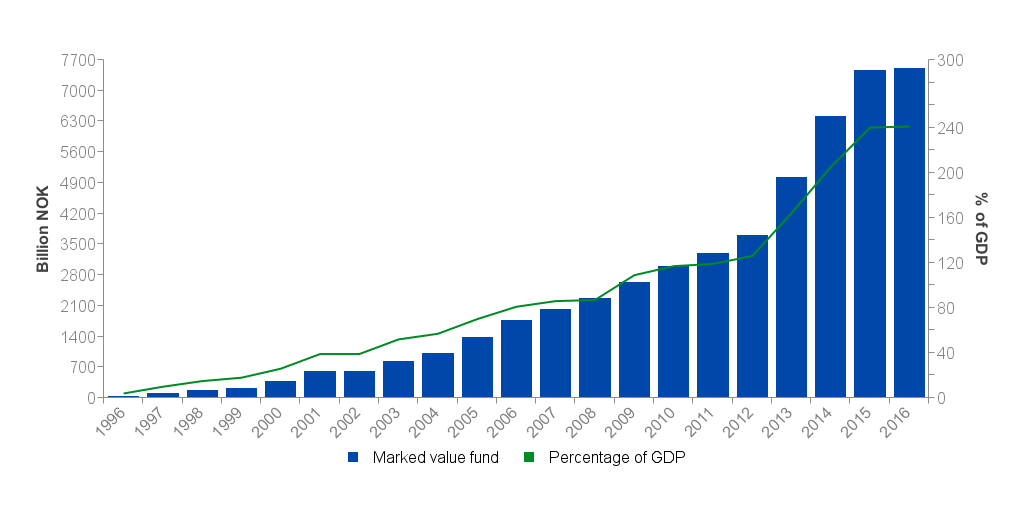
Norway’s Government Pension Fund Surpasses the $1 Trillion Mark
The market value to the Norwegian Government Pension Fund Flobal

“It would be unwise to increase petroleum revenue spending from today’s level even if the [fund] continues to grow,” Øystein Olsen, governor of Norges Bank stated on Thursday, adding that the government risked running a budget deficit of up to 8 percent of GDP (gross domestic product) excluding contributions from oil and shipping.

“Consideration of environmental, social and governance related risk factors may result in divestments from companies where we see elevated long-term risks,# said a spokesman for the fund. “In total, we have divested from 210 companies on these considerations.”

Norway’s Government Pension Fund Surpasses the $1 Trillion Mark, written by Tor Kjolberg

Historic Trading Post in Copenhagen

Although there has been a harbor at Copenhagen since the 8th century, until the Middle Ages it was just a simple trading post called Havn (Harbor), albeit one with an important geographical position.

Havn was within easy access of Skåne (Sweden), then part of Denmark, across the Sound, and a handy halfway point on the trade route between the growing medieval cities of Roskilde and Lund.

Historic Trading Post in Copenhagen
Børsen (The Stock Exchange) Copenhagen

Its fortune changed dramatically, however, in 1167, when King Valdemar I commanded the local bishop Absalon of Roskilde, to fortify Havn in order to protect it against Wendic pirates.

Related content: Art and Design in Copenhagen

Historic Trading Post in Copenhagen
Archbishop Absalon of Roskilde (Painting, Roskilde Dome)

Absalon built a fortress on the spot where the Parliament building now looms. Copenhagen was on the way to becoming Denmark’s biggest and most important town. The fortress became Christiansborg, borg meaning castle.

Centuries later, it remains the seat of Danish politics, housing the Folketing (Parliament).

Related content: Copenhagen’s Post War Nyhavn

During the long reign of Kristian IV (1588-1648), Copenhagen solidified its role as the country’s seat of power. The visionary town planner strengthened the city’s overseas trade links, enhanced the city’s military might with a huge defensive fortification and made it the country’s economic center by buiding Børsen, said to be the oldest stock exchange in Europe – a Renaissance structure with a spire of entwined dragons, steep copper roofs, tiny windows and gables galore.

Historic Trading Post in Copenhagen
Christianborg, Copenhagen

Historic Trading Post in Copenhagen, written by Tor Kjolberg
The Unique Energy Design Hotel in Norway

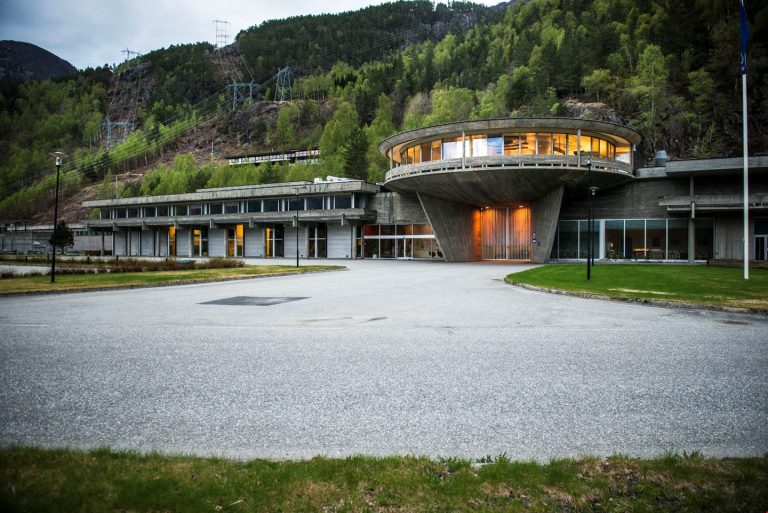
Only 25 minutes away from the popular Røldal ski center in Norway you find the architectural gem, the Energy Design Hotel, built in the 1960s by the famed Norwegian architect Geir Grung (1926-1989). It was originally a part of the hydro-power plant Røldal-Suldal Kraft.

The Kilen area at Nesflaten is a unique architectural site, located in the midst of the Norwegian Discovery Route, through the fjords in the Ryfulke and Hardanger districts, between Stavanger and Bergen. The trail is based on a historic travel route for overseas tour operators in the 1880s.

The Unique Energy Design Hotel in Norway
Energy Hotel has 14 double rooms, all with view of the Suldals Lake and the mountains

Geir Grung developed the plans for the Sildal power plant and an adjacent dining hall, which are listed among the 12 most significant modern buildings in Norway.

The Unique Energy Design Hotel in Norway
Energy Hotel, Nesflaten

Related: A Norwegian Furniture Design Icon

The Unique Energy Design Hotel in Norway
Norwegian furniture designer Sven Ivar Dysthe

New owners took over the dining hall to transform it into an exclusive hotel in 2006.
In Energihotellet (The Energy Hotel) you can now enjoy original ‘60s furniture designed by Norwegian furniture designer Sven Ivar Dysthe, seen in the American TV-series Mad Men.  You can also experience the warmth from the hotel’s very special fireplace in gold.

Architects Helen & Hard invited three artists to develop parts of the hotel’s interior with the intention to add more layers of exquisite value. The moveable reception is designed by Marli Mul, a dlecible textile room divider by Yngve Holen and furniture in the conference room by Randy Naylor.

Related: Be Seated the Norwegian Way

The Unique Energy Design Hotel in Norway
Enjoy the fireplace in gold at the Energy Hotel

There are good opportunities for hunting, fishing and hiking un the nearby mountains. The Energy Hotel has 14 double rooms, all with view of the Suldals Lake and the mountains. The Energy hotel offers delicious local food.

The Unique Energy Design Hotel in Norway
Norwegian architect Geir Grung

Geir Grung was born in Bergen. He was trained at Bergen Arts School (Bergen kunsthåndverksskole) and later at the Norwegian National Academy of Crafts and Art Industry in Oslo. He received his diploma as an architect in 1949 and established his own architectural practice in 1950. Grung was a so-called modernist, involved in a group of architects known as Team 10. He was also an active participant in the Congrès International d’Architecture Moderne

The Unique Energy Design Hotel in Norway, written by Tor Kjolberg

Sweden- the Best Startup Country in the World

0

Not yet – but Sweden do has ambitions to be the world’s best startup country, and is already no. 2 according to the country’s startup manifesto.

According to the authors of the Swedish Startup Manifesto, they want “Sweden to become the most startup friendly country in the world where many, many young companies grow, thrive and stay.”

Sweden- the Best Startup Country in the World
Swedish virtual srartup reality

Sweden is a tiny country, known for having high government spending. How can it expect to breed a large number of vibrant businesses?

In spite the fact that Sweden’s capital Stockholm is the second most prolific tech hub in the world on a per capita basis, behind Silicon Valley, many believe that the country’s big corporations push the Swedish economy forward. The fact is, however, that 99 per cent of all companies in Sweden are small businesses, which today account for four out of five jobs.

Sweden- the Best Startup Country in the World
Swedish startup-company

Related: Doing Business in Sweden

Sweden is a leading country when it comes to promoting the formation of ambitious new businesses. In spite of being a 10 million population country, no 89 on the world population ranking, the level of new and expanding startups is astonishing.

Sweden- the Best Startup Country in the World
Spotify – a Swedish startup-company

For instance, the Swedish music-streaming company Spotify, started six and a half year ago by a 23-yar old boy from Stockholm, has reached a valuation of $8.53bn and is by many considered better than Apple Music.

Sweden- the Best Startup Country in the World
European Unicorns startups 2015

Did you know that Skype was the first Swedish unicorn? It was bought by eBay for $2.6bn in 2005. Also the online-payment company Klarna and the gaming company King were founded in Stockholm.

Related: Sweden’s Museum of Commercial Flops

Sweden- the Best Startup Country in the World
The European startup continent 2016

Paradoxically enough, Sweden is the second best country in the world when it comes to producing modern billion-dollar startups. In Sweden there are 20 start-ups, compared to only five in the United States, when defined as companies of any size that have been around for at most three years – per 1,000 employees, according to data from OECD.

Sweden- the Best Startup Country in the World
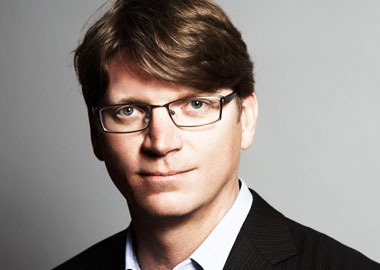
Skype creator Niklas Zennström

At the Inaugural Brilliant Minds Conference in Stockholm in June, Skype creator Niklas Zennström said, ““Stockholm is becoming a world leader in technology.” “We are living in an extraordinary time, and there is no doubt that Sweden is a leader in this proud new world. The dream we had of becoming a tech community 10 to 15 years ago is now becoming a reality,” added Spotify founder Daniel Ek.

The Swedish Startup Manifesto states: “Our goal is for Sweden to become the best country in the world when it comes to startups as a popular movement. Startups with a breadth of solutions from different industries, with founders from many different backgrounds, in different phases of developments, that creates jobs, welfare and the next generation of large companies.”  

Sweden- the Best Startup Country in the World
Spotify founder Daniel Ek

Not surprisingly, Sweden ranks highest in the developed world when it comes to perceptions of opportunity: Around 65 percent of Swedes aged 18 to 64 think there are good opportunities to start a firm where they live, compared to just 47 percent of Americans in the same age group.

According to a report published in March by the Stockholm-based investment firm Creandum, the Nordic region represents 2pc of global GDP but has accounted for almost 10pc of the world’s billion-dollar exits over the last decade, with more than half of these coming from Sweden.

For any economy, striving for efficiency, job creation and all-around dynamism, producing startups matter. Last year marked the best year ever in terms of exit value for Nordic companies, including three $1bn exits and more than $13bn in total exit value.

Sweden- the Best Startup Country in the World
IKEA launching its first program for startups

During the financial crisis in the 1990s, when Swedish GDP growth sank and unemployment spiked, the government raised interest rates to 500 percent in an effort to avoid devaluation of its currency. The government also deregulated industries such as taxis, electricity, telecommunications, railways, and domestic air travel to increase competition. Deregulation helped lower prices in industries such as telecommunications, which attracted more customers. Some public services such as elder care and primary education were outsourced to private firms.

The tech scene in Sweden, with a population slightly more than London, thrives because of, not in spite of, its small population. The domestic market is too small for expansion, and Sweden has therefore always been exporters. Just think of Ericsson, Volvo, IKEA and …ABBA.

The 1990s financial crisis helped in fact Sweden to be a startup nation. Today the country has proved that a dynamic economy can coexist with relatively high taxes and a robust safety net. It has also proved that economies can change over time.

Sweden- the Best Startup Country in the World, written bvy Tor Kjolberg

Copenhagen’s Oldest Wine Shop

0

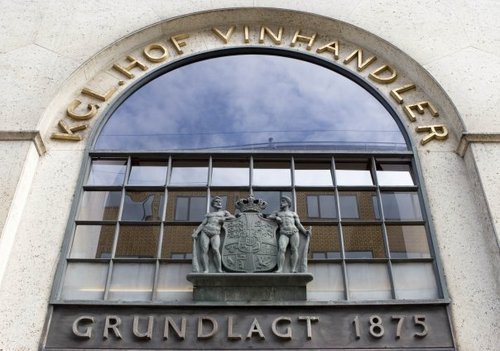
In Copenhagen’s oldest wine shop Kjær & Sommerfeldt, now also a wine bar, you can choose between 1795 labels, even a Chateau Lafite Rotchild from 1870.

Kjær & Sommerfeldt, founded in 1875, was frequented by the Danish court and Nobel Prize-winner Niels Bohr, who came to buy Bordeaux wine, stored in the cellars in Gl. Mønt 4. Kjær & Sommerfeldt takes great pride in its illustrious heritage as well as its modern business approach. However, not much has been changed, a fact that should please today’s visitors.

Copenhagen’s Oldest Wine Shop
Kjær & Sommerfeldt was founded in 1875

Charles Christian Kjær and Wilhelm Ferdinand Sommerfeldt established the company in 1875. They received a royal warrant, as wine merchant to the King 25 years later. They established their store In Gammel Mønt in 1928, a heritage location that is core to the company’s commitment to its histpry and soil. Since then it has welcomed wine connoisseurs and wine lovers.

Copenhagen’s Oldest Wine Shop
Kjær & Sommerfeldt takes great pride in its illustrious heritage

Today, with a glass of wine in hand in this historic oasis, you can be inspired by the same atmosphere where the Danish cartoonist Storm P signed for his afternoon glass of wine with small drawings.

Copenhagen’s Oldest Wine Shop
Charles Christian Kjær and Wilhelm Ferdinand Sommerfeldt established the company in 1875

Their little 1903 pocket-catalogue lists a chateau-bottled Château Margaux for DKK 5.00 ($0.62), an 1893 Johannisberger for DKK 6.00 and a 1893 Steinberger Cabinet for DKK 6.50. Kjær & Sommerfeldt has always specialized in fine wines from Bordeaux but over the years the portfolio has developed to include classic appellations and vintages as well as inspiring specialty wines.

Copenhagen’s Oldest Wine Shop
Wine tasting at Kjaer & Sommerfeldt

Related: Urban Winery in Stockholm

Kjær & Sommerfeldt has seen many changes, from being a family-owned wine merchant to becoming a corporate business. From 1973 to 2008, the company had a succession of owners: Danish Carlsberg, Finnish Marli Group and Swedish V&S. Then in 2008, Mads Stensgaard, CEO of V&S Wine Denmark, made a management buyout, along with two external investors, Henrik Pedersen and Niels Boel Sørensen, and key employees. Kjær & Sommerfeldt became a privately owned company once again.

Copenhagen’s Oldest Wine Shop
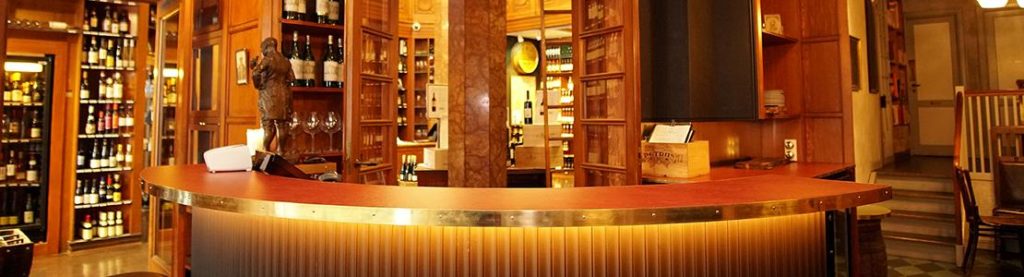
New wine bare at Kjaer & Sommerfeldt

Today it is an ideal place to learn about and enjoy wine. The wine shop has set up some service areas for both private and business customers. The shop, the wine bar and the first floor rooms overlooking the beautiful shop with its colossal, unique PH chandelier in the center, form a framework for wine tasting, wine festivals, conferences, launches and many kinds of experiences in the universe of wine.

Related: Spirits of Norway

Copenhagen’s Oldest Wine Shop
Mads Stensgaard

The shop where you could buy popular wines is still there, and last month the former smokers’ room was respectfully restored to a new wine bar. There you can choose between 1795 different wines, which, in principle, mean their entire selection. The price is the shelf price plus a fee of DKK 150 a bottle. If you want a Chateau Lafite Rotchild from 1870 or a little more ordinary bottle – the choice is yours.

Every day, the staff selects a special wine to be served by the glass, but there’s also a wine list of 10-20 wines. If you’re hungry tapas plates and snacks are on the menu as well.   .

Copenhagen’s Oldest Wine Shop, written by Tor Kjolberg
Open Air – Art Exhibition in Stavanger

The exhibition Open Air at the Stavanger Museum of Fine Art, displaying the art of the Norwegian landscape painter Kitty Lange Kielland (1843-1914) is the largest exhibition of her works in Norway ever. It’s also a virtual exhibition.

Open Air – Art Exhibition in Stavanger
Norwegian painter Kitty Kielland (Stavanger Museum of Fine Arts)

Kitty L. Kielland was the first Norwegian painter to paint outdoors and she treated her home district Jæren as a subject for her landscape painting.

Open Air – Art Exhibition in Stavanger
Kitty Kielland: From Jæren

Kielland was born to an affluent family in Stavanger, the older sister of author Alexander Kielland. Kielland’s mutual interactions with her brother would be important to shaping her as an artist and feminist.

Open Air – Art Exhibition in Stavanger
Kitty Kielland: After sundown

The exhibition consists of about 120 of her paintings, sketchbooks, drawings and watercolors, many of which were never shown, as well as 20 works by artists she was inspired by and collaborated with.

Open Air – Art Exhibition in Stavanger
The exhibition consists of about 120 of her paintings, sketchbooks, drawings and watercolors

The name Open Air refers to both outdoor painting and freedom of expression. She studied painting with Norwegian painter Hans Gude in Karlsruhe, Germany, 1873–75. His adherence to realism inspired her and is visible in her later works.

Open Air – Art Exhibition in Stavanger
Kitty Kielland: Sea Landscape

Through advanced 3D lenses (HoloLens), visitors can see a three-dimensional animation of Kielland herself painting, while they’re peeking over her shoulder.

Open Air – Art Exhibition in Stavanger
Open Air catalogue

She was an unusual artist. While most female artists at that time painted interiors and portraits, Kielland specialized in landscapes. She painted her beloved landscapes of windswept Jæren, forests in northern France, mountains in Norway and calm ponds in Central Norway.

She lived in Munich from 1875-78, where she joined a colony of Norwegian artists living there. She studied with the French-inspired realist Hermann Balsch and with the Norwegian painter Elif Peterssen. The latter is considered to be her most important teacher.

In the exhibition catalogue, Norway’s foremost Kielland expert, Marit Ingeborg Lange, contributed, among other issues, to an article about her relationship with author Arne Garborg, whom Kielland was unhappy in love with. Author Karl Ove Knausgård, who recently made a Munch exhibition in Oslo, also expresses his admiration for the artist in the catalogue.

Open Air – Art Exhibition in Stavanger
Kitty Kielland: Washing pond, Bretagne

In 1879 Kielland moved to Paris and exhibited there for the first time. She became briefly a pupil of the landscape painter Léon Germain Pelouse who lived in the area. Kielland left Paris in 1889.

Open Air – Art Exhibition in Stavanger
Kitty Kielland: Lobster fishermen (private owner)

“Kielland conquered the landscape and made it her own. She was on the men’s arena, “says curator Margaret Lund Gudmundson.

Open Air – Art Exhibition in Stavanger
Kitty Kielland: Landscape Cernay la Ville (National Museum, Oslo)

Under the influence of Jens Ferdinand Willumsen, Kielland worked on simplifying her art in the 1890. She participated eagerly in public debates regarding women’s rights. Towards the end of her life she hardly painted anything. She suffered from senile dementia and died in Kristiania (now Oslo) in 1914.

Open Air is produced by Stavanger Museum of Fine Art, in collaboration with Lillehammer Art Museum and Haugar Vestfold Art Museum. It’s on display in Stavanger through 29 October, and will then move to Lillehammer and Haugar.

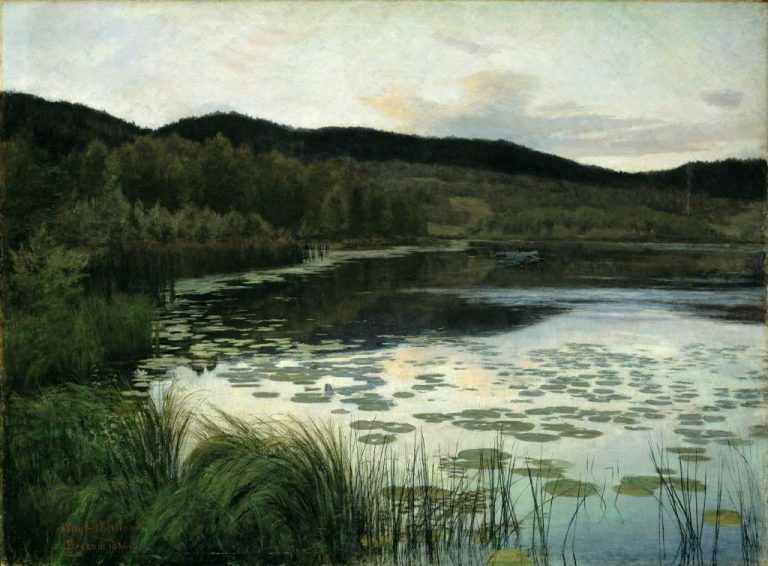
Feature image (on top): Kitty Kielland: Summer Night (National Museum, Oslo)

Open Air – Art Exhibition in Stavanger, written by Tor Kjolberg

Shifting Boundaries in Oslo

Twelve European photographers address and explore a changing Europe. The photo exhibition Shifting Boundaries has been touring Europe and has now come to the Nobel Peace Center in Oslo and their photos where it will be on display through 28 January 2018.

The twelve photographers interpret the theme very differently:

Ariana Arcara (Italy) introduces us to the 180 km long line, since 1974 dividing Cyprus and being controlled by UN-peacekeepers.

Shifting Boundaries in Oslo
Arianna Arcara (EPEA)

Pierfranscesco Celada (Italy) has chosen to explore the metropolitan area just outside Milan’s present day city center, documenting an urban territory in expansion.

Shifting Boundaries in Oslo
Pierfranscesco Celada (EPEA)

Marthe Aune Eriksen (Norway) investigates various areas in the borderlands between the city and periphery.

Shifting Boundaries in Oslo
Marthe Aune Eriksen (EPEA)

Jakob Gansimeier (Germany) focuses on a journey through Poland, a country which has always considered itself as a borderland.

Shifting Boundaries in Oslo
Jakob Ganslmeier ((EPEA)

Margarida Gouveia (Portugal) explores in her project The Mirror Game parts of two bodies where different objects and space are converted into digital data to be transferred onto a digital platform.

Shifting Boundaries in Oslo
Margarida Gouveia (EPEA)

Marie Hald (Denmark) has documented the daily life of young women in Malawa, Poland during their fight against anorexia and bulimia.

Shifting Boundaries in Oslo
Marie Hald (EPEA)

Dominic Hawgood (UK) focuses in methods associated with computer-generated images questioning the borders between the real and virtual.

Shifting Boundaries in Oslo
Dominic Hawkgood (EPEA)

Robin Hinsch (Germany) combines 14 large-scale color photographs portraying the conflict in the eastern Ukraine.

Shifting Boundaries in Oslo
Robin Hinsch (EPEA)

Eivind H. Natvig (Norway) documents the plight of Palestinian refugees in Norway. He has visited their descendants in Iraq, living in different parts of Norway.

Shifting Boundaries in Oslo
Eivind Natvig (EPEA)

Ildikó Péter (Hungary) follows the unprecedented high number of immigrants arriving in Europe in the summer of 2015. He attends to the current situation of Europe and the futire of the European idea.

Shifting Boundaries in Oslo
Ildikó Péters (EPEA)

Marie Sommer (France) focuses on the breakup of former Yugoslavia and the dissolution of a territory.

Shifting Boundaries in Oslo
Marie Sommer (EPEA)

Christina Werner (Austria) examines the phenomenon of right-wing populism and violence on the old continent.

Shifting Boundaries in Oslo
Christina Werner (EPEA)

Rune Eraker is the exhibition’s curator.

Related: Immigration Tensions in Scandinavia

These are the topics featured in Shifting Boundaries, an exhibition about both physical and mental borders. Shifting boundaries is a photo exhibition about a changing Europe.

The photographers receive support for a period of six months to work on the topic, with four curators selected by each foundation. The resulting exhibition is displayed in four prestigious European cultural institutions.

Immigration Tensions in Scandinavia
The twelve photographers EPEA 03

“This is a thought-provoking exhibition about how Europe is changing,” says Liv Tørres, director of the Nobel Peace Center. “For many years, we have taken the European community for granted, but now we see that borders are springing up again and that increasing inequality and extremism are leading to new, invisible barriers between peoples.”

Shifting Boundaries is a visual experience in addition to a commentary on today’s Europe. The European Photo Exhibition Award (EPEA for short) is led and financed by the Norwegian foundation Fritt Ord, in conjunction with the Italian Fondatione Banca del Monte di Lucca, the Portuguese Fondation Calouste Gulbenkian and the German Körber-Stiftung. “The project is in itself an interesting and literally transborder collaboration between European non-profit foundations,” says Knut Olav Åmås, executive director of Fritt Ord.

The European Photo Exhibition Award (EPEA for short) aims to create a free space where socially relevant topics concerning Europe are developed and discussed by talented young European photographers. The twelve appointed photographers will translate their observations, analyses and statements on a set and socially relevant subject into a photo essay. The results are presented in joint touring exhibitions within Europe. The first exhibition was held at the Haus der Photographie in the Deichtorhallen in Hamburg in May 2012.

Oslo is the last stop of the exhibition which runs through 28 January 2018.

Feature image (on top) Atiana Arcara’s press card. She claims she survives in a world of male war photographers

Shifting Boundaries in Oslo, compiled by Tor Kjolberg

A True Taste of Norway

The mining town of Røros is sometimes called Bergstaden which means “the rock town” due to its historical notoriety for copper mining. It is one of the historically designated “mining towns” in Norway. Combining modernity with traditions, Bergstaden Hotel is a natural first choice in the heart of this historical and charming town.

All of the 90 rooms have been transformed into luxurious and cozy retreats, perfect after a day of exploring the old copper mining town and UNESCO World Heritage site since 1981.

A True Taste of Norway
The church in Bergstaden

The staff of the Bergstaden Hotel takes guest experience as the utmost priority and ensures that the wide range of activities and attractions on offer make for an unforgettable experience for young as well as old.

A True Taste of Norway
From the bar in Bergstaden hotel

The hotel also offers many entertainments. Home to two bars, a nightclub and the Peder Hjort Mathus (restaurant). In the restaurant, which really captures the rustic atmosphere of the area, you can indulge in an excellent menu. With an international influence, it keeps a strong focus on local ingredients for a true taste of Norway.

The staff of the Bergstaden Hotel takes guest experience as the utmost priority and ensures that the wide range of activities and attractions on offer make for an unforgettable experience for young as well as old. The hotel also offers many entertainments. Home to two bars, a nightclub and the Peder Hjort Mathus (restaurant). In the restaurant, which really captures the rustic atmosphere of the area, you can indulge in an excellent menu. With an international influence, it keeps a strong focus on local ingredients for a true taste of Norway. Related: Step Back in Time in Rosos Bergstadens Hotel is an easy walk to the Røros railwaystation, and the hotel is right in the middle of the town! Norwegian breakfasts are widely known for its variety and quality, and Bergstaden Hotel is no exception. The breakfast there is extraordinary and features many products from the area,. Don’t miss the Norwegian waffles with plenty of flavorful cardamom! A True Taste of Norway, written by Tor Kjolberg
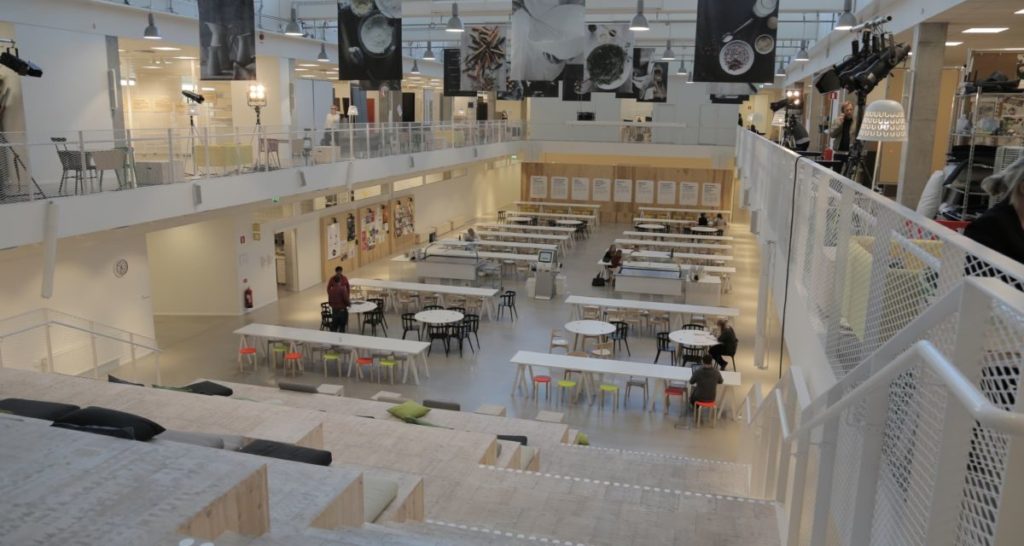
Peder Hiort Mathus restaurant

Related: Step Back in Time in Rosos

Related: Step Back in Time in Rosos Bergstadens Hotel is an easy walk to the Røros railwaystation, and the hotel is right in the middle of the town! Norwegian breakfasts are widely known for its variety and quality, and Bergstaden Hotel is no exception. The breakfast there is extraordinary and features many products from the area,. Don’t miss the Norwegian waffles with plenty of flavorful cardamom! A True Taste of Norway, written by Tor Kjolberg
The breakfast at Bergstaden hotel is extraordinary

Bergstadens Hotel is an easy walk to the Røros railwaystation, and the hotel is right in the middle of the town! Norwegian breakfasts are widely known for its variety and quality, and Bergstaden Hotel is no exception. The breakfast there is extraordinary and features many products from the area,. Don’t miss the Norwegian waffles with plenty of flavorful cardamom!

Featire image (on top) Christmas time in Røros

A True Taste of Norway, written by Tor Kjolberg

Unusual Views of Stockholm

Stockholm is an unusual city, and visitors may well want to explore the delights in an unusual way. There are certainly plenty of opportunities.

The city sails along on its 14 islands – join the water dance by taking to the Riddargjärden or Saltsjön in a kajak, rowing boat, paddle boat or canoe. Saltsjön is a bay of the Baltic Sea that extends from Stockholm archipelago to the inner city of Stockholm.

Unusual Views of Stockholm
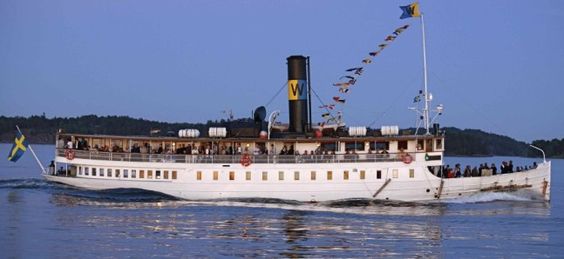
These days the old vessels are in service from May to September.

You can also enjoy one of the many 100 year old steamers which can take you as a visiting passenger to far away cozy small islands for a cheap ticket. On board there’s often served high standard food, like the “Ongbotsbuff” (Angbatsbiff), Steamship beef, or local fish with excellent sauce. Enjoy your meal with a cold beer in the sun.

Originally built to accommodate the new needs of bourgeoisie, travelling between the city and their summer houses, these old vessels still serve Stockholmers as well as tourists who want to cruise the archipelago in style. These days they are in service from May to September.

Related: Sweden’s Ten Quirkiest Tourist Attractions 

Unusual Views of Stockholm
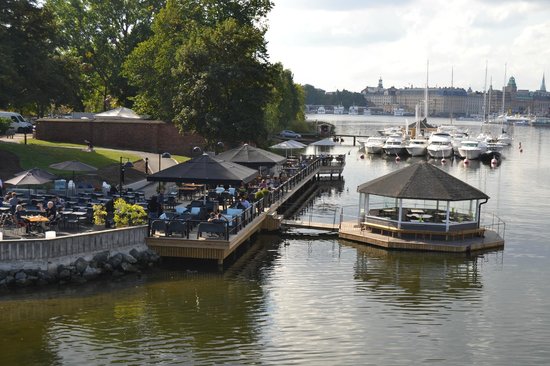
Djurgardsbron Sjöcafe, with restaurant, bar, pizzeria, kiosk, a visitor center and bicycle rental.

Don’t miss the charming Djurgårdsbron Sjöcafe which re-opened in 2013 with a restaurant, bar, pizzeria, kiosk, a visitor center and bicycle rental.

Unusual Views of Stockholm
See the sights of Stockholm’s trendiest district through the eyes of Lisbeth Salander and Mikael Blomkvist

The Millenium Tour run by the Stadsmuséet takes thriller-lovers on to a walk round Södermalm. Here you can see the sights of Stockholm’s trendiest district through the eyes of Lisbeth Salander and Mikael Blomkvist. Over 80 million people have read Swedish author Stieg Larsson’s three Millennium books — The Girl with the Dragon Tattoo series. The tour gives additional background information about the popular characters.

Related: Christmas and Gingerbread Houses in Stockholm

Unusual Views of Stockholm
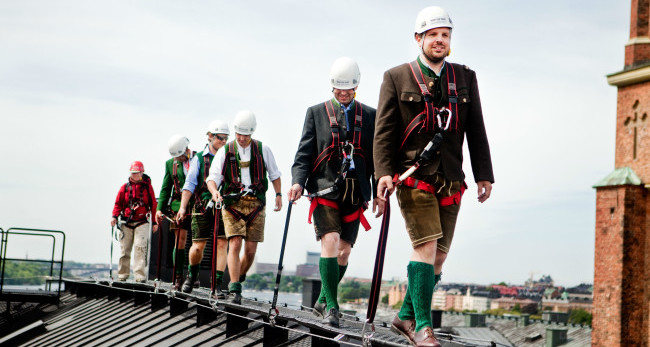
RooftopTour_004©Upplev Mer-Andreas Karlsson

Vertigo-sufferers may pale in the idea of a rooftop tour, but Upplev Mer’s ladders and catwalks allow access to the dizzy heights of Riddarholmen with views over Gamla Stan. Visitors can clamber across the top of Riddarholmen’s Old Parliament building, taking in eight of Stockholm’s islands with 360-degree views. It’s a beautiful sight that’s not for the faint of heart… or those afraid of heights.

If you’re here in winter, you can experience the nearest thing to flying with tour skating. Although routes depend on which parts of the archipelago are solidly frozen, tours generally end with a skate through central Stockholm, right past the Stadshus (City Hall). Don’t worry if you’ve never tried ice skating before, anyone can do it!

Unusual Views of Stockholm, compiled by Tor Kjolberg

Is he Norway’s Victor Borge?

0

Not quite. While the Danish-born pianist and comedian Victor Borge emphasized more on humor than playing the piano, Norwegian Aksel Kolstad (36) is a piano virtuoso using humor in his presentations.

Comedy writer Jeffrey Gurian described him, however, as “the new Norwegian Victor Borge”, while the Swedish paper Göteborgposten called him “The Franz Liszt of our time”.

Is he Norway’s Victor Borge?
Aksel Kolstad at his piano

Born 1981 in Oslo, Aksel took piano lessons from the age of four. His mother was an actress and singer who started to improvise with him on the piano.  At the age of twelve, the legendary Professor Eva Sandvik Stugu developed his talents until the end of his teenage years.  At 25 he completed his bachelor degree under Professor Sigurd Slattebrekk at the Norwegian Academy of Music in Oslo and continued to complete his master’s degree with the same professor performing George Gershwin’s piano concertos.

Since then he has performed his own virtuosic works for piano solo and conducted his orchestral works all over the world, always spiced with his natural comedian tendencies.

Related: Scandinavian Sound of Success

Is he Norway’s Victor Borge?
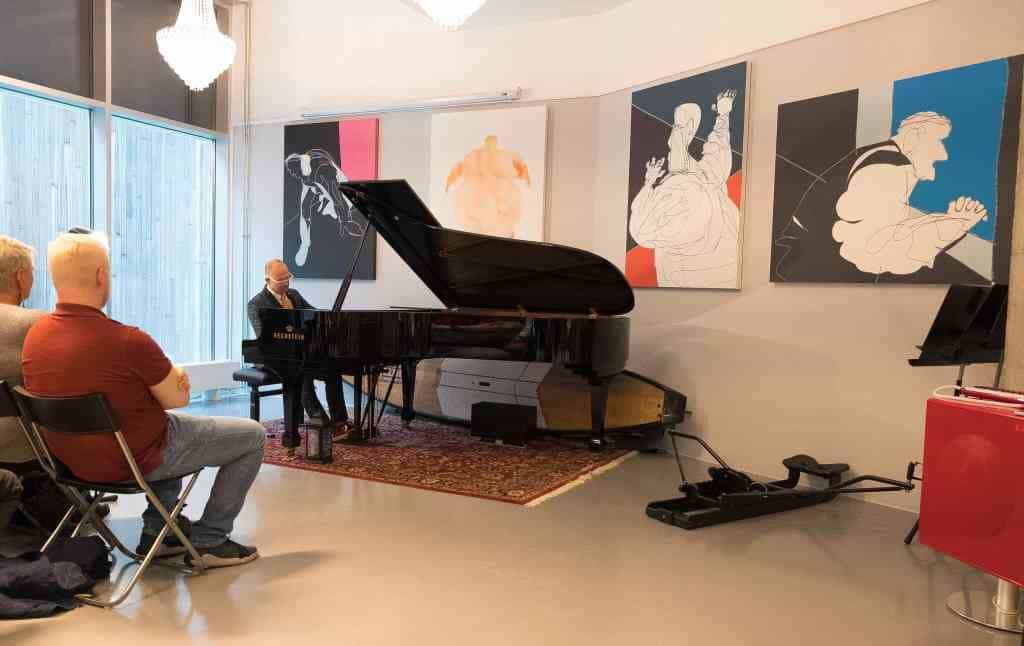
Aksel Kolstad performing on his Bechstein in his Café de Concert

When Kolstad had his debut concert in Carnegie Hall in New York In October 2010 it was with a full house and a standing ovation. “It’s one of the moments I am most proud of,” says Aksel to Daily Scandinavian. Therefore we understand why TIME magazine compared him to the classical music’s answer to Quentin Tarantino.

Is he Norway’s Victor Borge?
On this occasion the walls in Café de Concert were decorated by enlarged drawings by composer and artist Bjørn Kruse

Aksel Kolstad is not only a piano virtuoso but a respected composer as well.  His aim is to share classical music with people, normally not genuinely interested in this kind of music. Therefore he opened his own concert gallery, Café de Concert, in 2003 (reopened in 2009). There he offers free concerts the last Thursday of every month.

In fact we attended the concert last month, where he was among other works brilliantly playing his second edition of “Variations on a theme of Rachmaninov”.


Café de Concert is a place where classical music melts with fantastic contemporary art. This

Is he Norway’s Victor Borge?
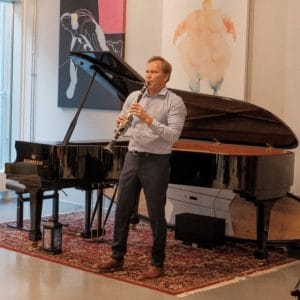
Splp calrinetist Fredrik Fors playing Stravinsky

evening professor and composer Bjørn Kruse was present, lecturing about some of his works, including his Concert for Clarinet and Orchestra (Chronotope) which he composed with collaborative efforts of solo clarinetist Fredrik Fors. Fors was also present performing three pieces for solo clarinet by Igor Stravinsky.

Enlarged drawings by Bjørn Kruse decorated the walls on this occasion.
Related: A Tribute to Viktor Borge

We asked Kolstad why he combines classical music with being a comedian, both genres an art in itself.

“Actually I am calling myself a humorist, while I’m often described as a comedian. I like that!” answers Aksel.

Is he Norway’s Victor Borge?
Composer Bjørn Kruse in front of one of his drawings

When we ask him what his biggest challenges are, he says it is to combine the two so that one doesn’t go at the expense of the other. “To me it’s important that the playing is spotless even when I’m including contrasting verbal moments of surprise,” he says.

By the end of this year Café the Concert will move from Tjuvholmen to the Vulkan area in Oslo.

“My aim is to make Café de Concert even better and hopefully even make the relatively newly restored Vulkan area stronger,” he adds.

Is he Norway’s Victor Borge?
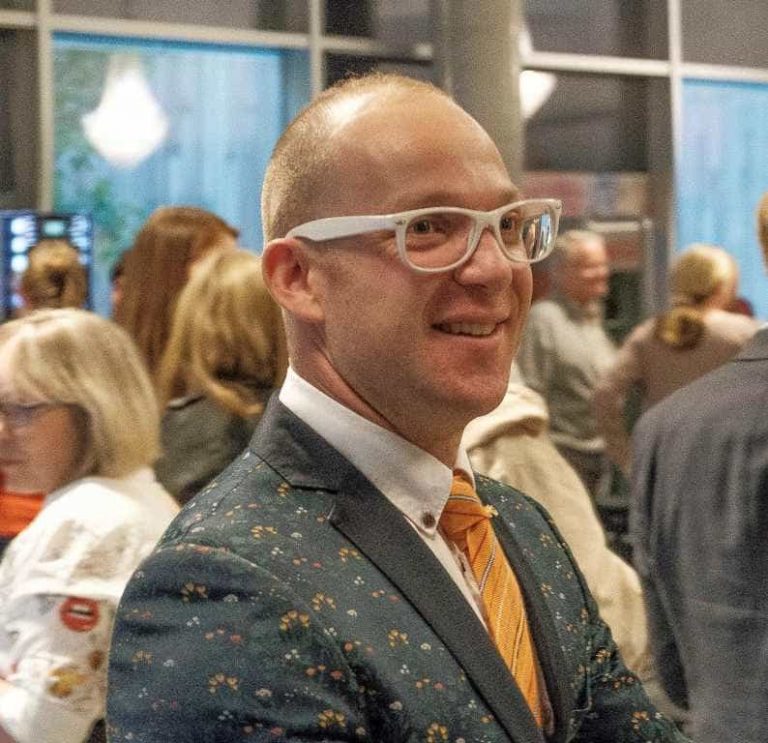
Aksel Kolstad and our editor-in-chief

Aksel Kolstad has performed in several of the most respected chamber festivals in Norway as well as in Estonia, Russia and Asia – and even on Caribbean islands. Daily Scandinavian is in fact now in the process of arranging a set of concerts in Sri Lanka.

What Aksel does best is that he amazes his audiences by his virtuosic playing while he makes the public laugh. He turns his concerts into magical storytelling moments.

“I absolutely love Aksel’s amazing playing,” said David Juritz,  internationally acclaimed violinist, London’s Mozart Players Concertmaster and Director of Burton Bradstock Festival.

Is he Norway’s Victor Borge? written by Tor Kjolberg

All photos: Jon-Arne Foss