
Letter to the Editor

0

“Scandinavia…actually consists of Denmark, Finland, Iceland, Norway and Sweden!” wrote a lady, working in an agency named Lila Travelpartners, to us some weeks ago.

The mail continued:

“Dear editors,

Times of 3 country Scnadinavia are definitely over…
The world has shrunk..

After working 30 plus years sending Americasns et all to all over.
The Scsndinavian tourist bureau comprised all 5 countries..
Do not shoot in your own foot by trying to promote just the three countries.
For instance Lapland continues till Russian border over Finland.
Even
You tube is full of Aurora borealis videos from all over Lapland.!!

..or
are you funded by SAS airtlines?

Most respectfully
(to be polite we have omitted the name of the sender, but not corrected the spelling mistakes.)
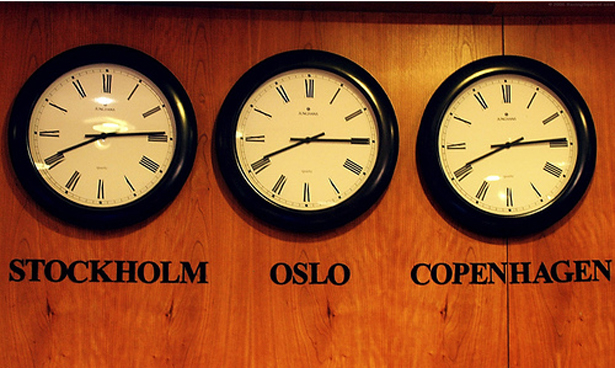
040215-scandinavian-time

… and we could not hesitate to send our reply to the sender:

Dear xxxx,

I am sorry, but you are wrong. Scandinavia consists of just three countries, Denmark, Sweden and Norway. Please refresh your geography lessons,

http://en.wikipedia.org/wiki/Scandinavia

As a Scandinavian I should know. Citing my British journalist friend, “The Finns have, however, reserved the right to opt in or out of the old marauder’s club as and when it suits them, and we don’t think the Icelanders would be too upset to be labelled Scandinavians either.”

If we are going to lump all five countries together we really ought to use the term “Nordic.

Thank you for your interest in our online magazine.

Yours sincerely
Tor Kjolberg, PhD, MNJ

Editor in Chief

(Both the Letter to the editor and our reply are authentic communication.

Illustrations: Graphic Stock

Oslo -The Best Coffee City in Europe?

0

Oslo, Norway, is reinventing coffee in a very good way. That’s one of the reasons USA Today ranked Oslo as one of the ten top coffee cities in the world.

The signature roast in Oslo is exceptionally light, resulting in an unusual flavor that, for most, takes a little getting used to. But converts say the style celebrates the true nature of the beans, turning a great cup of coffee into a fantastic one.

“I’m a convert. After spending two weeks in Oslo and drinking some of the most extraordinary coffees I ever encountered. While many cities are resting on their creaking reputations, Oslo is forging a new standard,” wrote Oliver Strand, coffee writer in New York Times.

“Oslo is on top with Seattle, Portland and San Fransisco,” says an enthusiastic George Howell, behind the coffee chain “The Coffee Connection,” later bought by Starbuck.

The beginning of the huge interest for coffee in Norway was the trade with Brazil. Norway exported dry fish and received coffee in exchange

But it was not before 1994 the American trend with coffee bars based on Italian espresso culture arrived in Norway.

Here are some of Oslo’s hottest coffee bars recommended by the Daily Scandinavian team.

Fuglen (The Bird)
Having served coffee continuously since 1963, Fuglen has one of the longest pedigrees in Norway. Located in downtown Oslo, set slightly apart from the main streets in the area, it is at once both close by and tucked away. In 2011 Fuglen has been featured in global publications such as Monocle, where it was just listed as one of the world’s five best retail concepts. Fuglen opened a branch in Tokyo in May 2012.

030215-fuglen-oslo-tokyo
Java at St. Hans Haugen offers their black coffee batch brewed, or brewed to order using a variety of different methods – normally a syphon or Hario V60 pour over. The exterior has no signage, but it’s hard to miss, with its enormous windows and tiled interior. The owner, Robert W. Thoresen won the Coffee World Championship in Monte Carlo in 2000.

030215-java-oslo
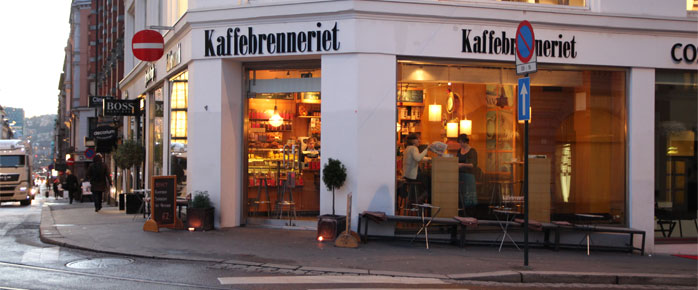
Kaffebrenneriet i(‘The Coffee Roastery’) is Oslo’s longest-running chain of coffee shops. Since opening their first shop in 1994, a stripped space in Oslo’s Bislett area, Thomas Pulpan and Steinar Paulsrud have built a thriving business that is now the single largest purchaser of Cup of Excellence coffee for the consumer market—globally.

030215-kaffebrenneriet
Mocca Mocca Kaffebar & Brenneri is a laid-back coffee bar located at the upscale neighbourhood of Briskeby. This is a great spot to unwind while enjoying well-crafted black coffee and espresso drinks.

030215-mocca-oslo
If you’re downtown in Oslo and in need of a fantastic cup of coffee, then head over to Stockfleth’s in Lille Grensen. Stockfleth’s happens to have several locations around town, but this is the original, dating back to 1895.

030215-Tim-Wendelboe
Tim Wendelboe micro roastery and espresso bar located at Grunergt 1, east in Oslo.
“It feels like a neighborhood shop, but it’s run like a Michelin-starred restaurant,” according to Strand. Tim Wendelboe won the Coffee World Championship in 2004.

Feature image (on top): Shutterstock

Sweden Annexes Finland

0

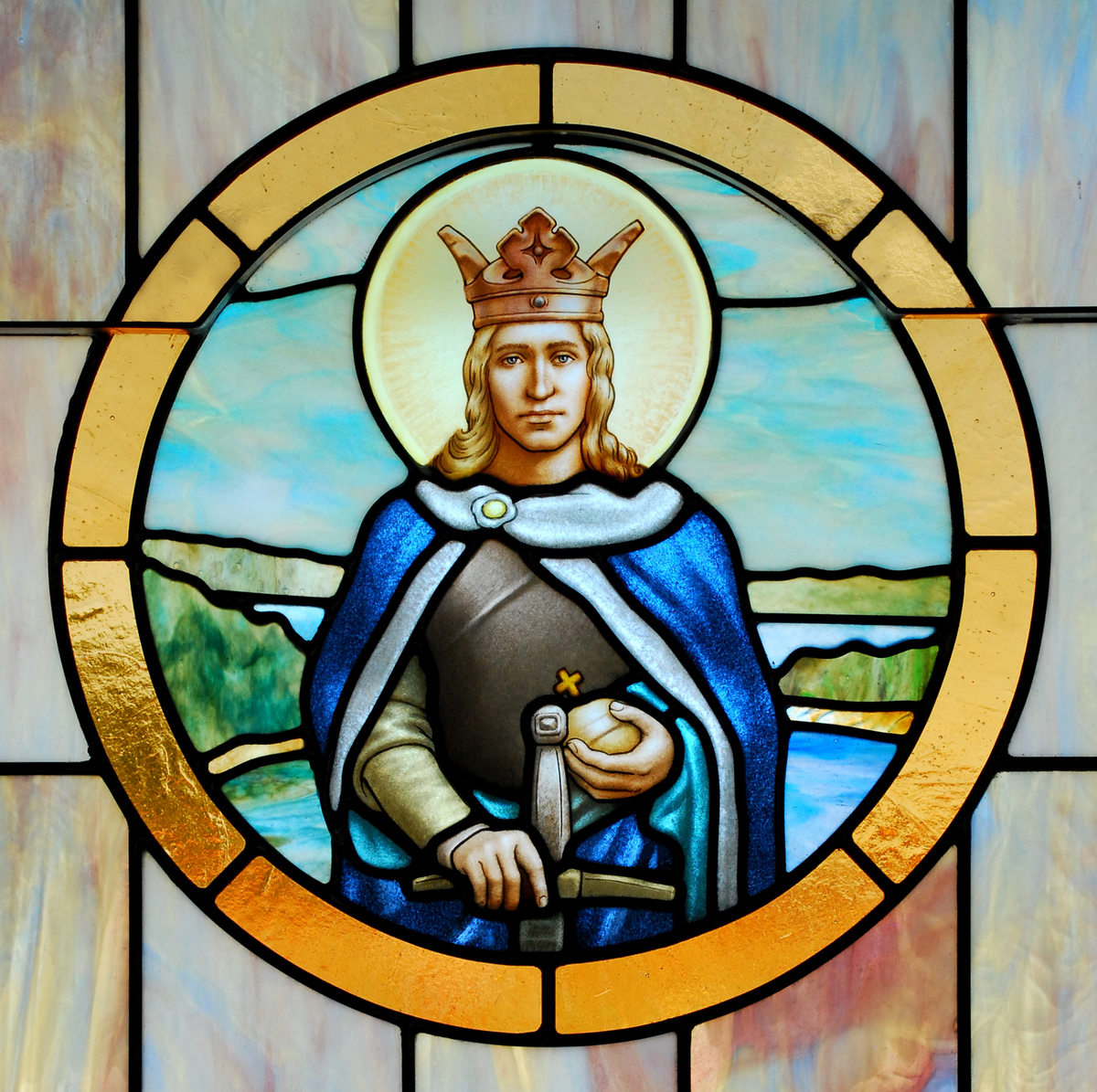
Erik I of Sweden did his crusader service among the Finns during the 12th century, marking the start of Sweden’s 700-year annexation of Finland and Erik’s climb to the status of his country’s patron saint.

?????????????????????????????????????????????????????????????????????????????????????????????????????????????????????????????????????????????????????????????????????????????????????????????????????????????????????????????????????????????????????????????????????????????????????????????????????????????????????????????????????????????????????????????????????????????????????????????????????????????????
The skull and crown of Swedish 12th century King Erik Jedvardsson, called Erik the Saint

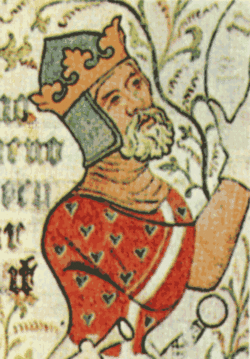
020215-Valdemar-II-of-Denamrk
But aggrandizement was all too easily reversed, as occurred in Denmark on Valdemar II’s exit. “The crown fell off the head of the Danes,” a chronicle wailed, “and they became the laughing stock for all their neighbors through civil wars and mutual destruction.”
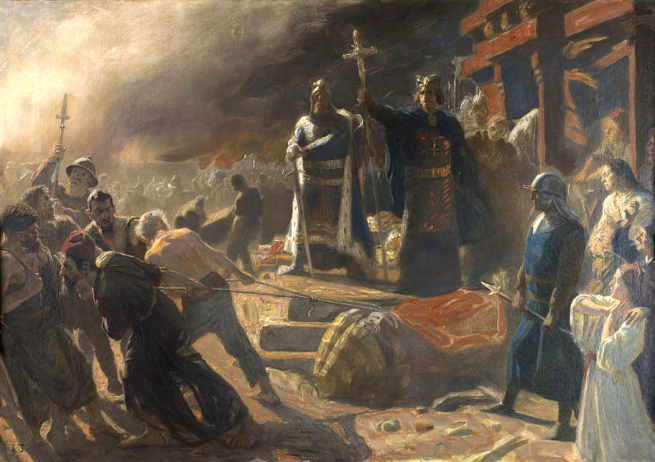
020215-Eric-I-of-Sweden
In Sweden, the saintly Erik I was murdered by the son of the king he had removed, Sverker, leaving Erik’s son in no doubt about what was expected of him. He did not disappoint.

Like the Church, German and Dutch Hansa traders recognized the chaotic absence of government as an excellent opportunity. Scandinavia had an abundance of fish but a shortage of grain. By tying up the markets in both commodities, and the shipping in between, the Hansa had a goose of pure gold, and it gave them a network of strategic ports and market towns across the continent.

But if Scandinavia was sapped by an extortionate exchange rate between fish and grain, it was then poleaxed by the Black Death in 1349. With the population of Norway for example, cut by more than half, economics reverted to the Stone Age.

020215-Hansa-traders
One interlude in the slow reconstruction process was the arrival of shoals of herring so dense that fish could be caught with bare hands. Fishing vessels raced from all over Europe until some 40,000 were crammed into the Sound, temporarily loosening the Hansa’s grip on the market.

020215-valdemar-IV-of-denamrk
The 14th-century king Valdemar IV of Denmark launched a snap invasion of the Hansa’s base at Visby in Gotland and, flushed with success, assumed the title of “King of the Goths”. The Hansa were not amused. Throwing the resources of their 77 towns and cities into a military alliance with Swedes, they bounced Valdsemar off his Danish throne and invited applications.

Margrethe, the young wife of King Håkon VI of Norway, proposed their son Oluf. He was five years old.

Shadows of War

0

The summer of 2014 was the 100th anniversary of the first shots fired in Sarajevo.  In art history World War I marks the transition from a hero worshipping war iconography to the metastasizing of human war-sufferings and its meaninglessness.

The avant-garde and tendency art that followed in the wake of that war was keenly felt in Norway. The exhibition Shadows of War, Political art in Norway 1914-2014, shows how artists at different times have rebelled against established norms, depicted dramatic collective experiences and created utopias of a better world.

The exhibition consists of 150 works and gives the audience a unique opportunity to see contraventions and continuity in political art in Norwegian history.

Per Krogh and other key artists from the interwar period up to today appear in Kunstnerenes hus from January 30th to March 29th.  Take this opportunity to experience works by, among others,  Per Lasson Krogh (1889-1965), son of the bohemians Oda and Christian Krogh. The family lived in Paris when Per Krogh was growing up and as an adult he had an important position on the Norwegian art scene and was headmaster at the National Art Academy for several years.

Growing up in Paris, Krogh showed early a clear artistic talent, and in the years 1903-1907 was a student of his father on Académie Colarossi and in 1909-1910 a student of Henri Matisse at the Matisse Academy in Paris along with several other Norwegian artists.  He was clearly influenced by Pablo Picasso and the cubism idiom, with decomposed images in cubes and geometric shapes with schematic and decorative constructions.  Below we see the painting Cabaret (musicians and female dancers) 1913/14 which was purchased by the Oslo National Gallery in 1966.

300115-Per_Krogh-Cabaret-Musicians-with-female-dancers
The exhibition’s theme of art relating to war and society is more relevant than ever today. How should we relate to our time’s wars and sufferings?  Do artists have a special obligation to do so?  As a result of new source material consisting of paintings, photographs and drawings, several of the works have never been exhibited before, and so the exhibition illustrates the importance of war and rebellion on the artist’s role and the development of contemporary arts.

The exhibition focuses on three periods; the  interwar  (1919-1939), the postwar years  and the present (2000-2014).

The tradegy of the First World War with millions of dead soldiers in the miles-long trenches are part of modernity’s experience and memory. War changed art from a nation’s hero worshipping war iconography to an accentuation of suffering and meaninglessness, which had great influence on  avant garde artists  and paved the way for a political message trend in art.  Henrik Sørensen (1882-1962) believed the artist had a special obligation to react against injustice and suffering, but his pacifist commitment was seen as utopian and naive infatuation in the 1930s.

Henrik Sorensen
Henrik Sorensen

Several of his anti-war works from the interwar period are centrally located in the exhibition, such as the large tableaux Street Fight (1930) and Ground of Honor (1931) along with sketches for the mural Dream of the eternal peace, the League of Nations in Geneva in 1939. In addition, paintings by Per Krohg (1889-1965),  Reidar Aulie (1904-1977),  Willi Midelfart (1904-1975), Kai Fjell (1907-1989), Arne Ekeland (1908-1994), as well as photographs of activist Nanna Broch (1879-1971) from the slums of and posters from Østkantutstillingen on Ankertorget (East side exhibition at Anker Square) are represented in the exhibition.

Henrik Sorensen: Gound of Honor

Text: Tor Kjolberg

Feature image (on top): Henrik Sorensen: Street Fight

Bella Donna – Danish Hospitality Giant Partners with Marriot International To Expand Footprint

0

Bella Sky Hotel joins Marriott International’s AC Hotels by Marriott brand. Solstra acquires Copenhagen Marriott Hotel, creating one of Denmark’s largest operators in the hotel, conference and hospitality industry.

Solstra, majority owner of Bella Center A/S, including Hotel Bella Sky and owner of Crowne Plaza Copenhagen Towers hotel, is now acquiring the Copenhagen Marriott Hotel. The acquisition makes Solstra one of Denmark’s largest operators in the hotel, conference, exhibition and Danish hospitality industry.

290115-Bella_Sky_Comwell_hotel-Copenhagen
The Copenhagen Marriott Hotel will continue to operate as normal and the sale will not impact day-to-day business, the employees or the many guests served by the hotel.

In connection with the purchase of the Copenhagen Marriott Hotel, Bella Center’s parent company is changing its name to BC Hospitality Group A/S. With wide ranging operations, BC Hospitality Group is now one of the absolute biggest and strongest players in the hotel, conference, exhibition and hospitality sector in Denmark, with total revenue of approximately DKK 1 billion annually.

“With the purchase of the Copenhagen Marriott Hotel, we continue our planned expansion and strategic development, realising our stated intention of creating a market-leading hospitality company that can further solidify Copenhagen’s position as an attractive destination,” says Oscar Crohn, Managing Partner at Solstra Capital Partners. He adds: “With Denmark’s strongest hospitality management team, we create added value and extract synergies in our portfolio. And we are not finished. If the right opportunities arise, we are prepared for further expansion. The aim is to be the undeniably strongest, best-run hospitality company in Denmark.”

290115-Bella_Sky_Hotel_-_lobby
In connection with the Marriott agreement, Bella Sky Hotel is being re-branded as “AC Hotel Bella Sky Copenhagen”. Bella Sky Hotel thereby becomes the first Danish hotel in the modern and rapidly growing international brand, AC Hotels by Marriott.

Solstra now operates its hospitality portfolio through the company BC Hospitality Group, which includes the following hospitality brands and hotels: Bella Center Copenhagen, Crowne Plaza Copenhagen Towers, AC Hotel Bella Sky Copenhagen, Comwell Conference Center Copenhagen, CIFF (Copenhagen International Fashion Fair), Forum Copenhagen and International House.

“We have a declared goal of being Denmark’s leading hospitality company. With the acquisition of the Copenhagen Marriott Hotel, the re-branding of Bella Sky with the AC Hotels by Marriott brand and the establishment of Comwell Conference Center Copenhagen, we have sent a strong and clear signal to the market that by ‘leading’, we not only mean biggest, but also best in terms of market-leading brands and quality in everything we do,” says Allan L. Agerholm, CEO of BC Hospitality Group. Agerholm adds: “We take the word ‘hospitality’ seriously – we must be Denmark’s best hosts for our customers and guests.”

Aula Medica – The Pulpit

0

Aula Medica, the lecture hall complex in Stockholm’s Karolinska Institute , with its 1,000-seat auditorium, was offiucially opened last summer. It enables the university to arrange major public events, such as the Nobel lectures, which attract audiences from around the world.

280115-aula_medica-detail-2
Long-felt need
As far back as 1937 architect Ture Rydberg drew up plans for a large lecture hall, his “Per Haps” proposal winning Karolinska Institutet’s architecture competition for future campus development. The plans were however shelved due to lack of funds.

280115-Aula-medica-inside
Karolinska Institutet has a close, interactive relationship with the wider community. Seminars, lectures and symposia form a natural part of its schedule of activities. Despite this, the university has previously lacked its own premises in which to arrange public events, and there has long been a need for its own lecture hall complex.

Private donation
Work started on the new lecture hall complex in September 2010. The auditorium, with the exception of the office and service facilities, has been fully financed by a private donation from the Erling-Persson Foundation.

Aula Medica was completed in the summer of 2013 and houses a 1,000-seat auditorium, office space for 90 staff, 100 conference seats, two restaurants and a café. Nobel lectures, large scientific symposia, gala receptions and conferences will be held here.

280115-Aula-Medico-detail
Building design
Wingårdh has designed the building, the form and geometry of which contrasts with the traditional low-rise brick buildings on the campus. It is situated along Solnavägen opposite the new university hospital. With its central location and geometric form, the lecture hall complex opens up the campus area to the main public thoroughfare.

Energy-efficient building
An environmental program has been produced to ensure a green build. Highly energy-efficient solutions have been devised following investigations into choices of system. For example, the carcass of the building comprises triangular elements that form an airtight, energy-lean façade.

Source: Karolinska Institutet, Stockholm

Malala and Kailash – Winners at the Oslo Peace Center

0

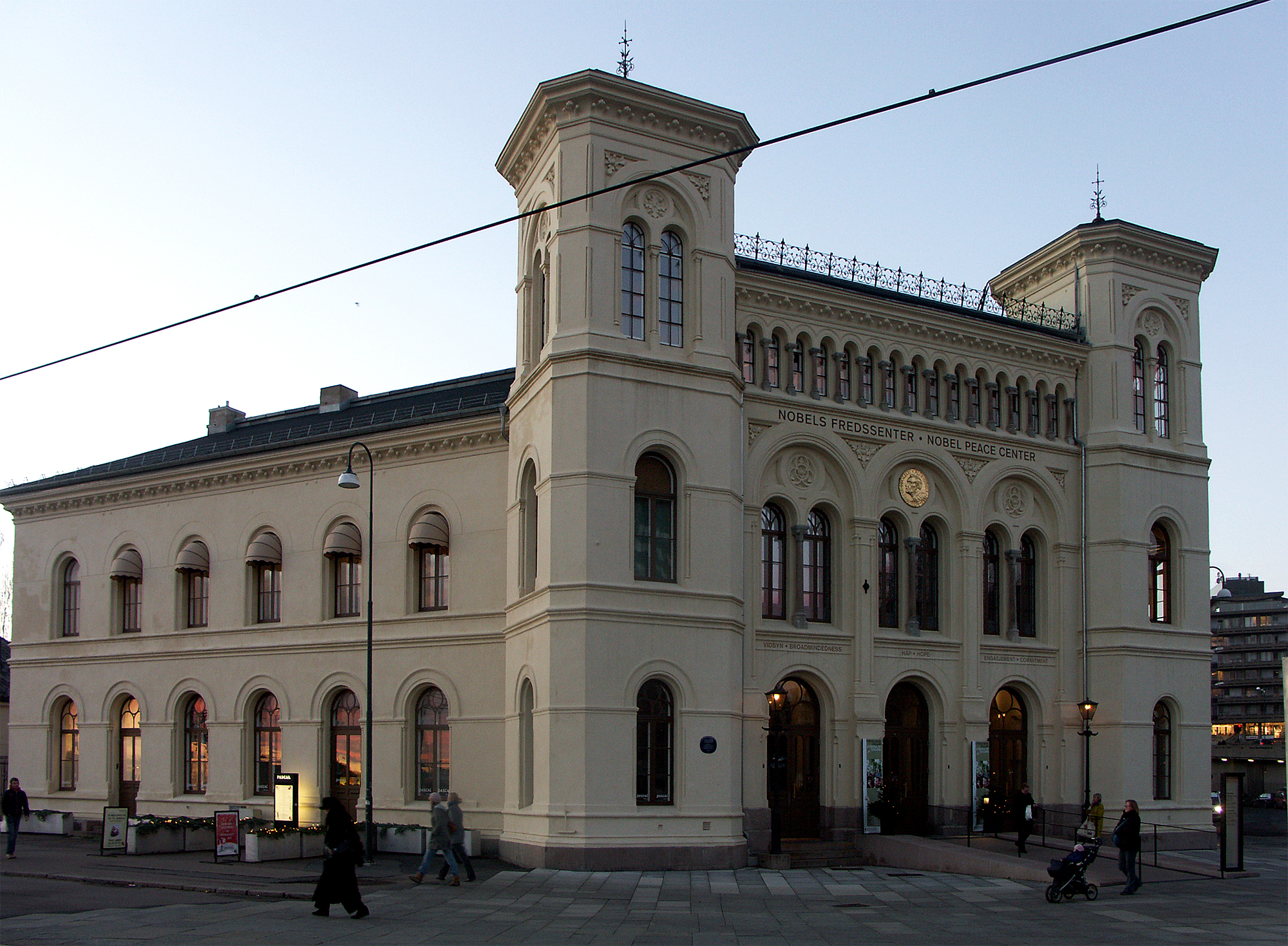
Record number of people visited the Malala and Kailash Exhibition at the Oslo Peace Center.

227,322 people visited the Nobel Peace Center in Oslo during 2014.

It is the best visitor figure for the Peace Center since its opening in 2005.

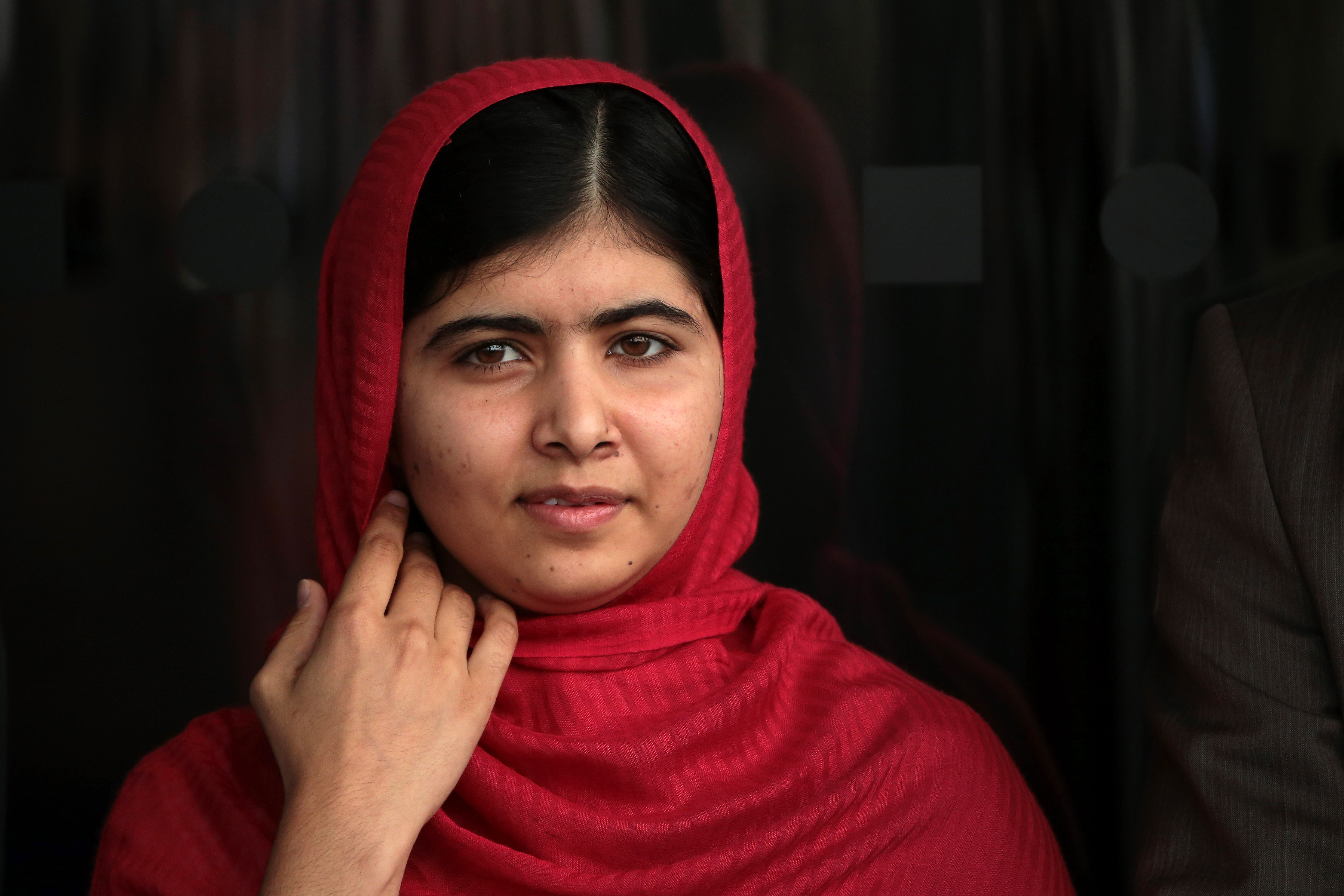
Malala Yousafzai Opens Birmingham Library
Especially during the last few weeks in December many people were drawn to the Peace Prize events. The exhibition Malala and Kailash was a winner – with 34,333 visitors.

In 2014, 944 school groups attended education in the various exhibitions.

Ett minne av unionstiden
Nobel Peace Centre is today one of Norway’s most visited museums.

Source: NTB

Picture This: Herb Ritts at Fotografiska, Stockholm

0

Herb Ritts was one of the world’s most sought-after fashion photographers. With his powerful imagery he also developed into a popular portrait composer, getting models and artists to reveal their true selves. The Exhibition “In Full Light” at Fotografiska runs through February 15.

270115-herb_ritts_in-full-lightHerb Ritt was born in California into a well-to-do family, and with Steve McQueen as his
next-door neighbour, Herb Ritts grew up at a time when the cult of the body began to emerge. Herb lived a carefree life wiyhout specific plans for the future, but he completed economics degree from Bard College in upstate New York, studied art history and then began working in his family’s furniture company.

A puncture while driving around the desert with his friend Richard Gere in their Buick Le Sabre radically changed Ritts’ life. He took some casual photos of Richard Gere, sweaty in a white singlet, cigarette provocatively in mouth, while he was changing tires in a garage in San Bernardino and before long the major fashion magazines wanted to employ him.

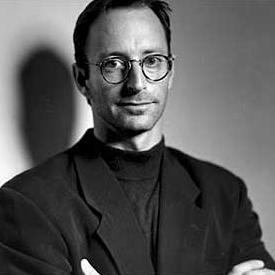
Herb Rotts
Herb Ritts

He exhibited for the first time in the show Working in LA., sponsored by the lifestyle magazine Interview. Then came fashion shoots for magazines such as Harper’s BazaarVogueElleVanity Fair and Rolling Stone, and music videos for, among others, Madonna, Michael Jackson, Jennifer Lopez and Chris Isaac.

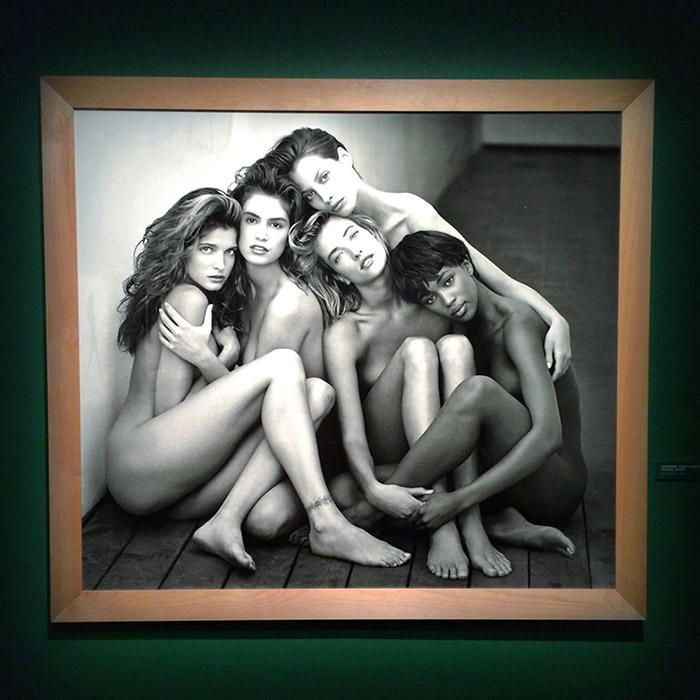
Stephanie Seymoour, Cindy Crawford, Christy Turlington Tatjana Patitz and Naomi-Campbell by Herb Ritts
Stephanie Seymoour, Cindy Crawford, Christy Turlington Tatjana Patitz and Naomi Campbell by Herb Ritts

He has worked with fashion companies such as Donna Karan, Calvin Klein, Versace and Giorgio Armani, and contributed to international publicity campaigns for Chanel, Lancôme, Revlon and Cartier, always with his trademark stylistic virtuosity.

270115_nicholson-by-herb-ritts
With a graphically perfected aesthetics he created his own glamorous universe. Transgressing boundaries, blending male forms and female strength, he created erotic and sensually elegant arrangements. His images may be body-fixated but they are never stereotyped; rather they express a love for form, color, harmony and light.

Herb Rotts for Versace
Herb Ritts for Versace

“I’ve always had a fondness for and innate sensitivity to light, texture, and warmth. I abstract it in my photographs: I like large Alek Wek, Los Angeles 1998planes and spaces, areas of texture and light, like deserts or oceans or monumental places,” Ritts explained.

Ritts’ images often contain a sense of humor and a smile – they are tongue-in-cheek and feature unaffected emotions. Reading his comments in his successful book, “Notorious”, one discovers a self-distance and a relaxed approach to the famous people he depicted.

Two days after Christmas Eve 2002, Herb Ritts died from pneumonia at the age of 50. He is remembered as one of the major lifestyle photographers of the ‘80s and ‘90s. He loved people and it shows in his images. “Basically, I fell into photography. I literally bought a little camera and went on vacation and started taking pictures of friends of mine and I guess I had an eye.” is how Ritts explained his success.

Feature image on top: Pierre and Yuri by Herb Ritts January 26, 2015

Porsgrunn on the architectural map

0

The new Porsgrunn Maritime Museum and Exploratorium is situated in the Norwegian town of Porsgrunn, 100 km south west of Oslo. It will tell the story of the town’s dock yard industry and its maritime history, which has employed thousands of people from the whole region.

In addition, the attractive location of the museum right on the riverside opens up an important process for the city concerning the future extensive urban renewal of the entire Porsgrunn Harbor area.

230115-adam-mork-porsgrunn-maritime-museum
“Porsgrunn is an industrial town, which is reflected clearly in the museum’s surrounding context. It consists of small to medium sized industries in the shape of small characteristic wooden buildings. It was important to create a museum with a high level of sensitivity towards these surroundings, yet at the same time for the new Maritime Museum and Exploratorium to stand out as a spectacular contemporary building and become a landmark of Porsgrunn”, Lars Bendrup explains, Owner of the Danish archetcts TRANSFORM, and continues, “Our general vision was to turn a backside into a frontside. With the new museum the town will now orientate itself towards the beautiful river, which for much too long has been Porsgrunn’s industrial backside”.

New meets old
The new Maritime Museum and Exploratorium is composed of eleven smaller square volumes, together amounting to almost 2,000 m2. Each volume has a different roof slant that assembled make up a varied roof structure. A characteristic aluminum facade, locally produced in Porsgrunn, not only holds the dynamic building structure together, but at the same time reflects light and colors from the surrounding Norwegian mountain landscape.

Dan Stubbergaard, Founder and Creative Director of COBE, elaborates, ”It is a sensitive art adding new to old in a historic area. First of all we wanted to understand the area’s characteristics and then we wanted to strengthen it but at the same time create something new and contrasting. The abrupt building structure of downscaled building volumes and the expressive roof profile are for example clear references to the area’s historic small wooden buildings, which all have their own particular roof profiles. This interpretation of the area’s pitched roofs and small wooden building entities sets the final frame for a unique and characteristic contemporary building”. He continues: “The goal was to create a house that not only understands and shows consideration for its surroundings, but also contributes with something radically new and different”.

Porsgrunn on the architectural map
Even before its openining in November 2013 the new Maritime Museum and Exploratorium received Porsgrunn Municipality’s building practice prize 2013 (“Byggeskikkpris”). The committee among other things emphasized the expressive form of the house, the aluminium facade, and an obvious readable logic of the building.

230115-rasmus-hjorthoj-porsgrunn-maritime-museum
”The building is so fine that it puts Porsgrunn on the architectural map”, the foreman of the jury said at the award ceremony.

The childrens favorite place to visit, lots of activities

Du Verden – Maritime Museum and Exploratorium is a vibrant venue with activities, experiments, interactive communication and information shows.

Converting the Heathens

0

Denmark’s particular difficulty in the 11th century was not fragmentation but a succession of kings so ineffectual (e.g. “Harald the Hen”) that several were simply taken out to sea and drowned.

In Sweden, the throne bobbed between two dynasties who routinely murdered the opposing incumbent. Next to these goings-on, the princes of the new power in the land, the Church, looked purposeful.

220115-Harald_Hen_coin
As comfortable in the saddle as the pulpit,  Bishop Absalon of Roskilde (1128-1201) personally sorted out “the heathen Wend”, a tribe of defiant Baltic pagans whose headquarters were of red-and-white banner in the heavens. It became Denmark’s national flag, the oldest national flag in the world and a source of pride among Danes. It must never touch the ground and only a pennant version may be flown at night. (Same rules apply to the Norwegian and Swedish national flags).

Absalon was a highly influential personality in medieval Denmark and a key figure in the development of the country after years of civil war. Portrayed on top as warrior on his rearing horse on Højbro Square in Copenhagen.

220115_statue_of_Absalon_of_Roskilede-in_Copenhagen

Absalon was born in 1128 as son of the wealthy landowner, Asser Rig, and his wife, Inge. His childhood home is a farm in Fjenneslev on Zealand Island. The farm is gone, but a memorial  for the bishop converting the heathens marks the place, where it was.

220115-bishop-absalon-denmark
In 1192, Absalon resigns at the age of 64. He lives his last years in Scania, where he was Arch Bishop of Lund since 1177. Absalon dies during Easter in 1201 and is buried in Sorø Monastery Church.