Top ten places for Stockholm Visitors

Big and small. Well-known and unique. Classics like the Vasa Museum and modern newcomers like ABBA The Museum and Fotografiska. In Stockholm, there are more than a hundred attractions to choose from. We have boiled it down to a list of ten things you simply cannot miss.
180914_Kaknastornet_Stockholm
Here are some suggestions for our Stockholm visitors:

Kaknästornet
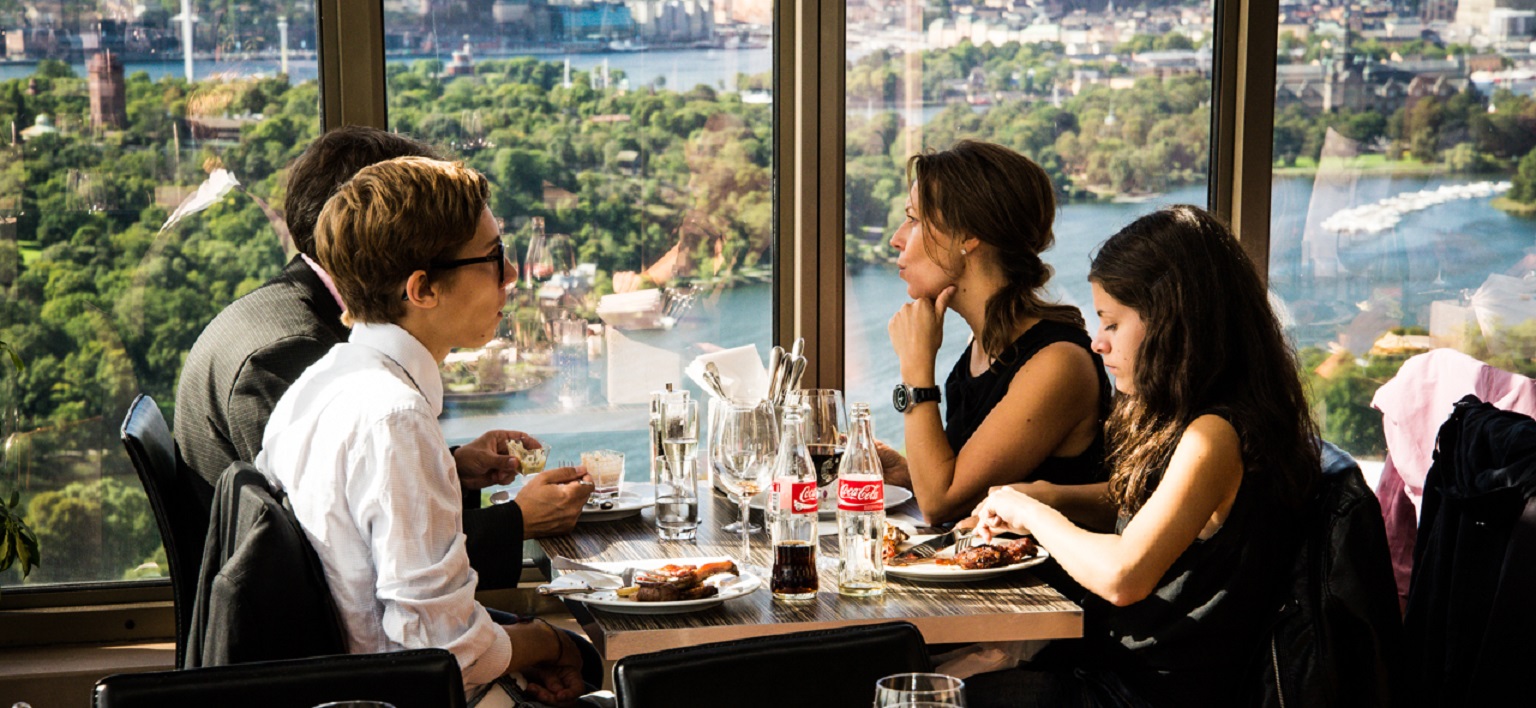
Kaknästornet, Stockholm tv-tower, 155 meter high with the best view of Stockholm, day and night, summer and winter, rain or shine, offers a unique environment for both ordinary days as partys Enjoy the tv-tower restaurant Stockholm, café, skybar, viewpoint and souvernir shop.
Elevator fee: 55 kr (7-15 years olds, 20 kr).
KONICA MINOLTA DIGITAL CAMERA
Skansen

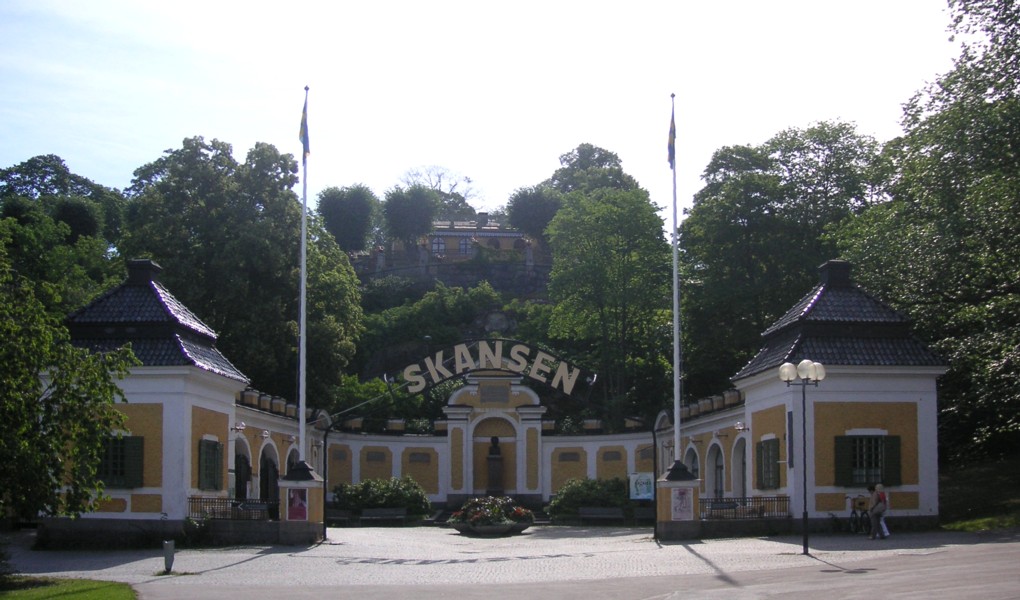
Skansen is the world’s first open-air museum, founded in 1891. Here you can stroll through five centuries of Swedish history, from north to south, with a real sense of the past all around in the histori¬cal buildings and dwellings, peop¬led by characters in period dress.
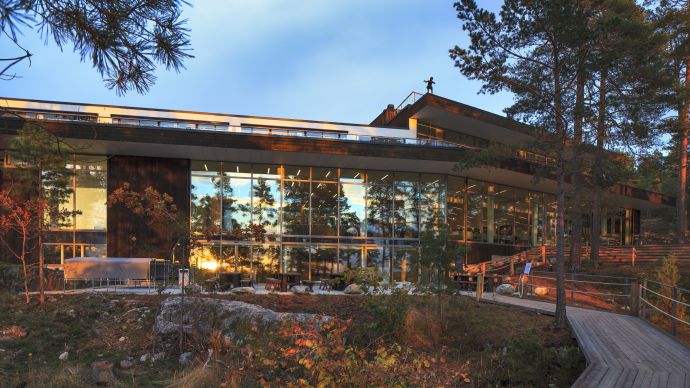
180914_Artipelag_Museum_Stockholm
Artipelag Museum

Artipelag is a new international venue for art, good food, events and activities – beautifully set on Värmdö in the Stockholm Archipelago, just 20 minutes from the city centre. Getting here is easy; whether by bus, car or boat. There are 350 parking spaces, a pier for passenger boats from Stockhom city and a long guest marina for visiting private boats. The visiting address is Artipelagstigen 1, Gustavsberg and the position N 59° 18´ 04″, O 18° 20´ 07″.

180914_Vasa_Museum_Stockholm
Vasa Museum

The Vasa Museum has become a natural part of Stockholm’s skyline. Its masts rising high above Djurgården have become a beacon guiding curious tourists and Stockholmers alike. Vasa has not always been housed in such splendour. From her salvaging in 1961 until 1988 Vasa’s home was a 27-year long temporary one at the Wasavarvet Museum.
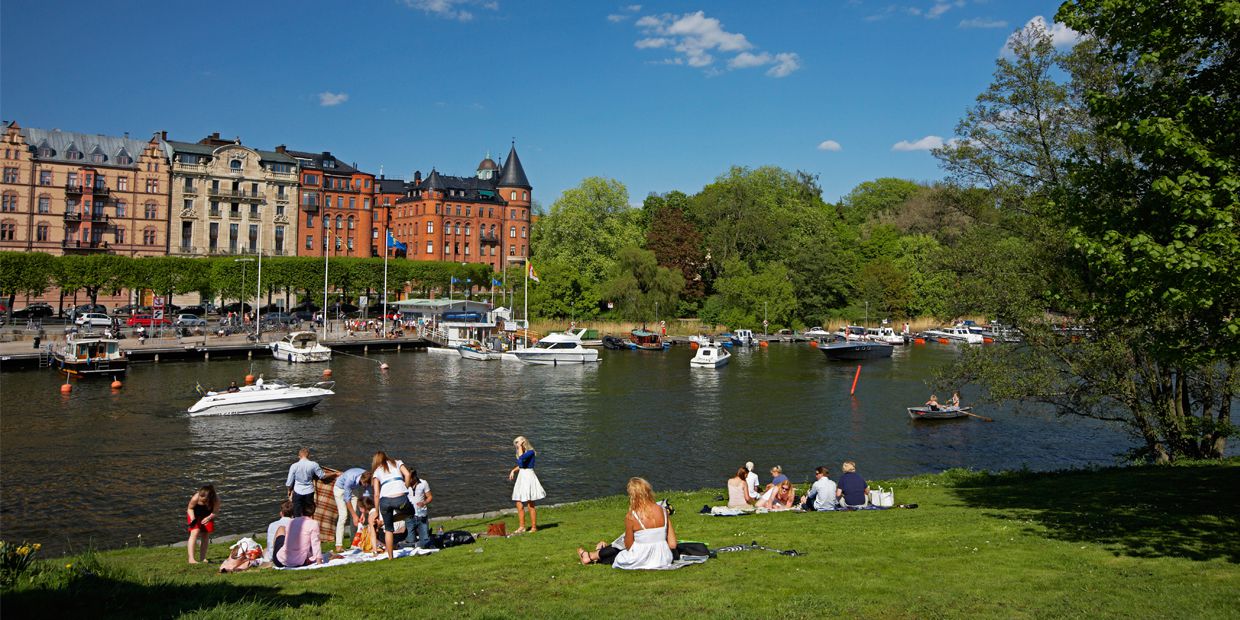
180914_Djurgarden_Stockholm
Djurgården

The green island of Djurgården, close to central Stockholm, is beloved by both Stockholmers and tourists. Djurgården is a calm oasis which has been royal land since the fifteenth century. There are fine areas to stroll, for example around the Djurgårdsbrunn canal and Blockhusudden. Djurgården is also home to several of city’s top museums and attractions, as well as enjoyable cafés and restaurants. It’s easy to reach Djurgården on foot, by the Djurgården ferry boat from Gamla Stan/Slussen, by tram from Norrmalmstorg or by bus.
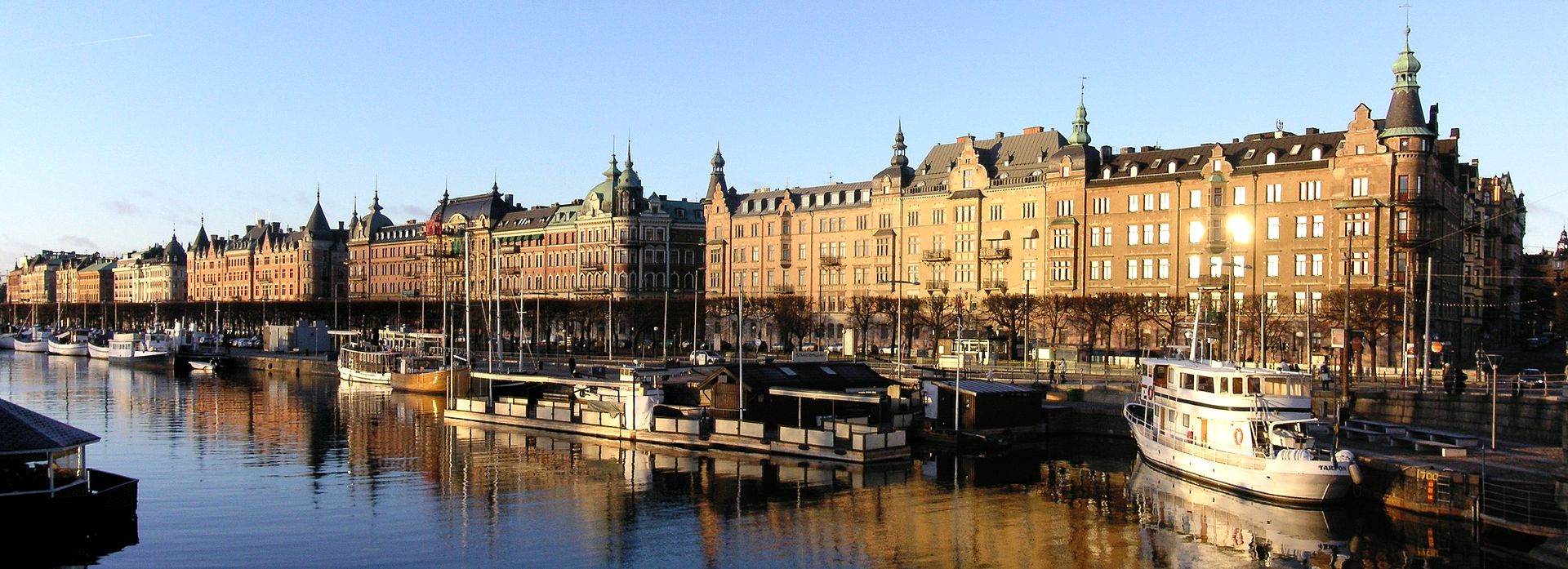
180914_Strandvaegen_Stockholm
Take a walk

Strandvägen (Swedish for “Beach Road”) is a boulevard on Östermalm in central Stockholm, Sweden. Completed just in time for the Stockholm World’s Fair 1897, it quickly became known as one of the most prestigious addresses in town.
It’s hard to say which walk is the best direction to head, but strolling along the waterside on Strandvägen in Östermalm is hard to beat. Painters, boats, mini-stalls with ice-cream and treats. If you can combine it with a loop of the island of Skeppsholmen beforehand, you’re sure to impress your guests. Extra points if you mention to your visitor that the big white boat is actually a youth hostel.

180914_From_Gamla_Stan_Stockholm_Sweden
Gamla Stan
Here are a lot of unique things to see when visiting the old town in Stockholm. The old town is the original Stockholm. The town was set up during the 1300 century. There are about 3000 people living in the old city today. Most buildings are from the 1700 and 1800 century. If you can spare a few hours take the time to walk about the old town. The dominant building in the old city is the king’s castle. The old town is the place to be if you want to experience the town’s pulse. The area has Stockholm’s biggest ranges of restaurants, tourist shops, studios and museums. There are many wonderful paths to walk in the old town.

180914_Royal_Palace_Stockholm
The Royal Palace

Take a day trip to Drottningholm and experience a historic milieu of the highest standard. Drottningholm Palace is Sweden’s best preserved royal palace constructed in the seventeenth century, the permanent residence of the royal family and one of Stockholm’s three World Heritage Sites.

Photo Visit Sweden / Gomer Swahn
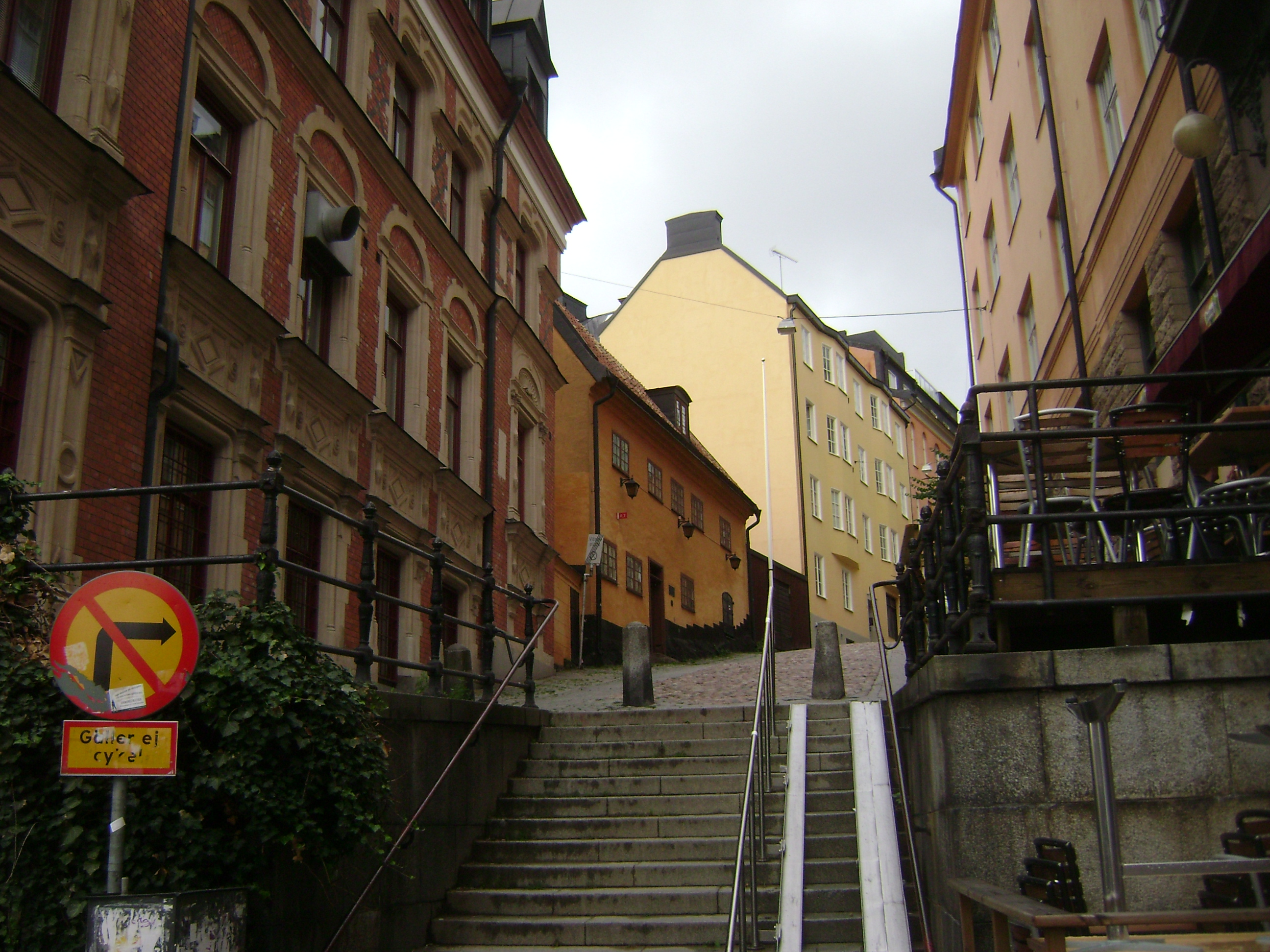
180914_Sweden._Stockholm_From_Södermalm
Hipster spotting in Södermalm

The vibe in the streets of Södermalm is relaxed, creative and trendy, especially in the Sofo area. This neighborhood offers a myriad of vintage stores, eclectic shops, Swedish fashion, galleries and design stores, mixed with an abundance of places to eat and drink.
Two of the best viewpoints in the city are located on Södermalm: Fjällgatan and Monteliusvägen. Art galleries are nestled shoulder to shoulder on Hornsgatspuckeln. The Hornstull area has undergone a renaissance and is now a trendy meeting place for Stockholm hipsters.

180914_Katarina_Elevator_Stockholm
Gondolen

Originally built in 1883 and replaced in 1935, this public elevator connects Slussen below to Södermalm above. Take a ride to the top and take in the nice views of Gamla Stan and other parts of the city, and of course the water, for 10SEK each way. There is a man in the elevator that will take your money once on the way up, once on the way down. There’s a bit of a wait for the elevator to come. There is a nice restaurant at the top, which is good, but not as impressive as the view itself.

100% Norway 2014

Bergen Academy of Art and Design has been invited by the Norwegian Design Council and the Norwegian embassy in London to design and curate the exhibition ‘100% Norway’ in 2014. Professors Dave Vikøren and Petter Bergerud of the Department of Design was appointed project managers.

170914_Cool_PhotobyAugustLundberg-100-percent-norway
The two professors have been busy at their drawing boards in Marken 37 designing the 260 sq. m exhibition space. ‘We were invited because we have made a name for ourselves in the international design arena for several years now. Our work has been noticed. I believe we were given the ‘100% Norway’ in 2014 assignment in recognition of our efforts,’ says Dave Vikøren.

170914_Lina_elephant_lorez-100-percent-norway
The ‘100 % Norway’ exhibition has been an important Norwegian contribution at the annual London Design Festival. The exhibition has presented and promoted new Norwegian design and has been positively received and highly praised. It has been organized jointly by the Norwegian Ministry of Foreign Affairs, the Embassy in London, the Norwegian Design Council, Innovation Norway and the Federation of Norwegian Industries.

170914_Morten-Jonas_bit-by-bit_100-percent-norway
Since 2013, the Federation of Norwegian Industries and Innovation Norway are no longer part of the project. For 2014, the board behind 100% Norway has chosen to renew the concept, and the Norwegian Design Council and the Norwegian Ministry of Foreign Affairs/the Embassy in London invited KHiB to take responsibility for the design and curating of the exhibition in 2014. This year’s exhibition in Old Truman Brewery  will be entitled ‘100% Norway’ and lasts from 18th to 21st September.

170914_Peacock_brass_round_lowres-100-percent-norway
In its artistic research, Bergen Academy of Art and Design focuses on the development of and innovation in design. Internationally, KHiB has been active in producing exhibitions that illustrate the processes behind and the results of these efforts, for example in Seoul, Helsinki and Stockholm.

170914_SEW_evening-100-percent-norway
A selection of student projects from the master’s programs in design offered by various educational institutions in Norway will also be included at the exhibition in order to show what  future designers in Norway are interested in. Projects from Oslo National Academy of the Arts, Oslo School of Architecture and Design, the Norwegian University of Science and Technology, Oslo and Akershus, University College and Bergen Academy of Art and Design will be represented at the exhibition.

170914_SEW_shelter-100-percent-norway
The objects selected for inclusion at the exhibition will be chosen on the recommendation of a jury of professional designers.

170914_Wave_100-percent-norway

Summer Nights in the Norwegian Tree Top Cabins

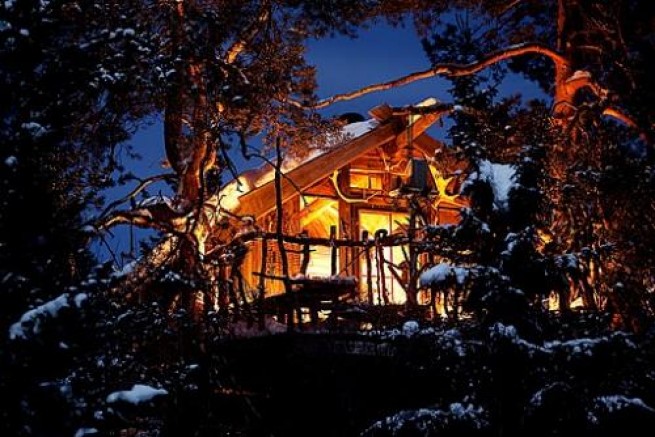
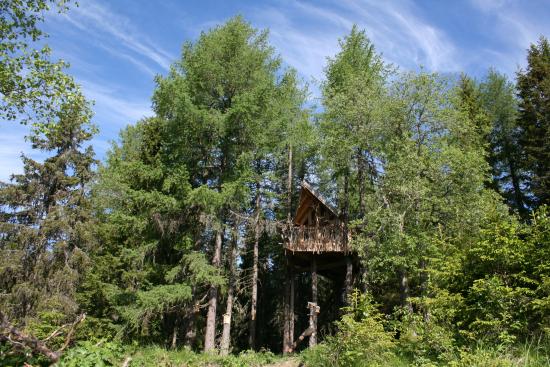
In the Hamar Region in Norway  the “Tretopphyttene”, Tree Top Cabins, have become a very popular attraction. Built on the top of tree crowns, the cabins are an exciting, yet very safe and comfortable, place to spend the night.

160914_Treetop_Cabin_Hamar_Norway_Daily_Scandinavian
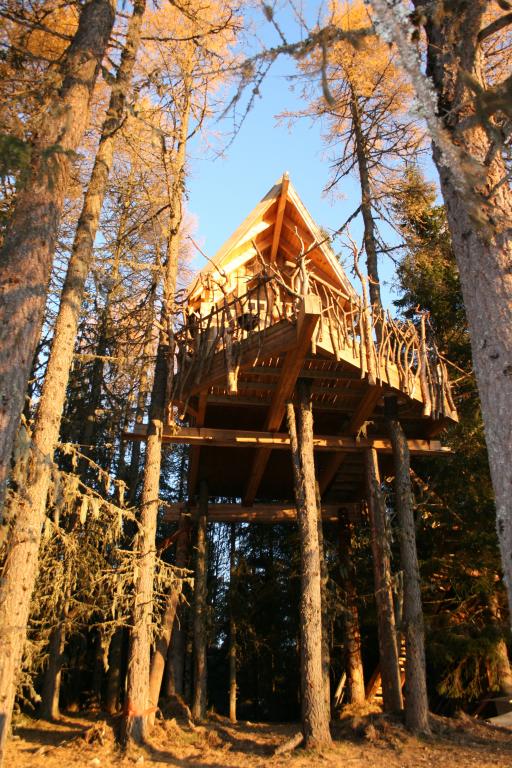
25 feet above the forest floor, high in the tree crowns hangs the treetop cabins. They are an amazing way to experience the beautiful Norwegian nature up close and personal. These three unique cabins are placed in close proximity to each other in the woods of Ringsaker, between Hamar and Lillehammer, an hour and half north of Oslo.

160914_Treetop_Cabin_Hamar_NorwayThe newest addition, the pine cabin even has a ramp that makes it easily accessible for wheel chair users. So please permit yourself to take a minute and plan what will be an unforgettable experience wether it be a trip, vacation or a gift. The cabins comfortably houses 6-8 people and prices start at 999,- NOK per night.

If the wind gets up, the cabins move gently with the trees, just to let you know you are in a cabin like no other. This makes you aware you are not in a city hotel or in any normal cabin.

In the Norwegian Tree Top cabins you can sleep safely and comfortably among the tree crowns. You can also enjoy the great Norwegian wilderness and get up close with the many birds and beasts of the forest.

The cabins are located far away from the sights and sounds of traffic and populated areas. This means that on any night the silence is and light sounds of the forest are calming to the soul. And on clear nights you get to enjoy dark skies littered with beautiful stars.

Environmental Challenges in Scandinavia

Scandinavia is blessed with vast uninhabited landscapes, and a small, environmentally-aware population who recycle, have a passion for bicycles and public transport, and see their countryside as a national asset that must be protected.

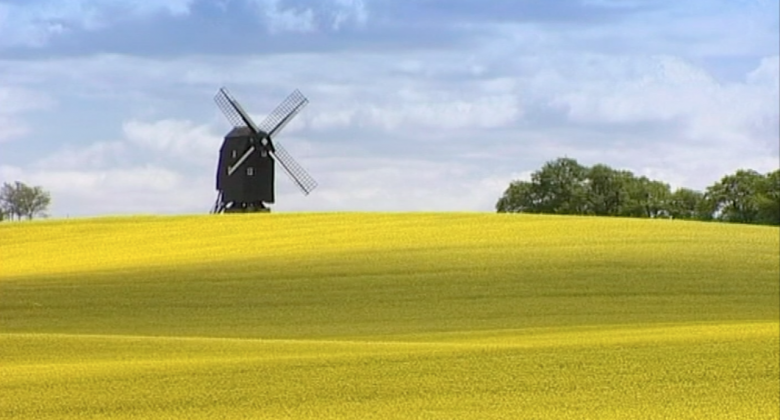
150914_Windmill_in_Skane_Sweden
In December 2009, Oslo received the distinction of the third greenest city in Europe (after Copenhagen and Stockholm). Always aware of the wealth of their fisheries, water and fossil fuels, the Norwegians were among the first Europeans to feel concerned by the protection of the environment. Beyond the postcards of mountains plunging into the sea, fjords and spectacular northern lights stands a modern country that strives to protect its natural heritage.

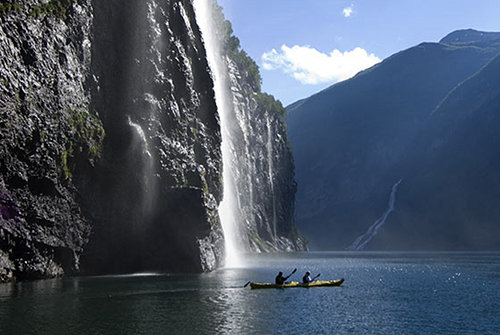
150914_Norwegian_fjords_Daily_Scandinavian
Although there are challenges in Scandinavia, Scandinavia’s environmental record puts the rest of Europe to shame. Stockholm was designated Europe’s first Green Capital in 2010, Sweden plans to be carbon-neutral by 2020, and Norway by 2030.

150914_Krankesjoen_Skane_Sweden
Scandinavian nations invest heavily in their clean environments, and Sweden tops the list for Northern Europe. Count clean energy sources, efficient public transportation (like green-friendly rail networks) and top notch health care as reasons for the high ranking.

150914_Clean_forests_in_Scandinavia
Sweden and Norway are backing a green free trade agreement that will open up trade in environmentally friendly products. The agreement was signed last January in Davos by the EU, the US, China and Japan, along with a number of other countries that agreed to move ahead with the initiative to promote green trade.

Norway is a land known for its natural beauty and glorious fjords, but they keep it pristine with their public policy. That dramatic scenery is an invaluable national treasure which is well protected by progressive environmental legislation across the board!

Løv Organic has created a range of 22 high quality organic packed whole leaf teas that are both irresistible and environmentally friendly. The tea is french, but inspired by Scandinavia.

150914_lovorganic_Daily_Scandinavian

The Swedish artist Carina Björck has hand painted all pillowcases with environmentally friendly watercolours.

SONY DSC
Wind supplies 20 percent of Denmark’s electricity, and the world’s biggest solar power station is on the island of Aero.

150914_solar-power-plant-aero-denmark_daily_scandinavian
There are some headaches though. Nitrogen run-off from Sweden’s southern farmland contributes to Baltic Sea pollution and in Denmark, overfishing is a serious concern. The demands of a greedy 21st century are seen most clearly in Greenland, whose melting icecaps and stranded polar bears are shorthand for global warming.

In 2010 oil reserves were discovered in Baffin Bay; and Greenland’s first aluminium smelter will open this year.

Denmark and Norway have no nuclear power stations. Sweden is reassessing its following the failure of Japan’s Fukushima nuclear plant in 2011.

Cardboard Cabin in Gothenburg – the Chameleon

The spark of inspiration for cabins come from all sorts of places, but this one was certainly unique. A printer in Gothenburg, Sweden, wanted to show off its capabilities, so it commissioned White Arkitekter and branding agency Happy F + B to design a small structure. Note that again: a printer. Of paper.

120914_chameleon-cabin-gothenburg_sweden
This corrugated paper cabin designed by architect Mattias Lind is printed to resemble black marble on one side of the folds and white marble on the other so it looks different from either .

As well as the folded elevations, the two gable ends are also printed in corresponding shades so that the entire building looks black or white depending on which side it’s viewed from. A bright yellow interior provides a contrasting warmth that also covers the window reveals.

120914_Chameleon-cabin_White-arkitekter_Gothenburg_Sweden
The proportions of the cardboard cabin in Gothenburg are based on the Swedish friggebod, a small shed that can be erected without planning permission.

The corrugated folds of the modules that form the walls and gabled roofline create a stable structure and are fitted together using a simple system of tabs and slots.

120914_Chameleon-Cabin_by_Mattias-Lind_Gothenburg_Sweden
A total of 95 modules were needed to assemble the building, which weighs approximately 100 kilograms and has a floor space of around seven square metres. The modular construction system could be used to produce buildings of any length.

The entire structure is made from MiniWell, a two-millimetre-thick corrugated paper produced by Swedish company EuroWell.

Photos by Rasmus Norlander

Read about other Scandinavian vacation cabins: Tanto – the allotment garden.


Ride by Rickshaw in Copenhagen

Sit back, relax and prepare to take in the sights of majestic Copenhagen. View the city from the unobstructed comfort of a rickshaw. Enjoy photo opportunities along the way, stopping at your convenience, as well as scheduled breaks at the Little Mermaid, Amalienborg Palace, Rosenborg Castle and Copenhagen’s cathedral.

110914_Rickshaw_in_Copenhagen
In the Danish capital Copenhagen, where more than a third of the population cycles to work, a rickshaw ride allows you to see the city through a typical Danish cyclist’s eyes.

A guided tour by rickshaw in Copenhagen can be booked here.

Our journey through the cobbled old town included stops at the romantic Rosenborg Castle and the royal gardens, which house the crown jewels such as the 3kilo monarch’s crown. We also caught a glimpse of the world-renowned bronze statue of The Little Mermaid.

Easy to explore
We stayed at the Radisson Blu Royal Hotel Copenhagen, designed by the famous Danish architect Arne Jacobsen, on Vesterbrogade and appreciated the close proximity to the Tivoli Gardens and Strøget’s pedestrian-only shopping street.

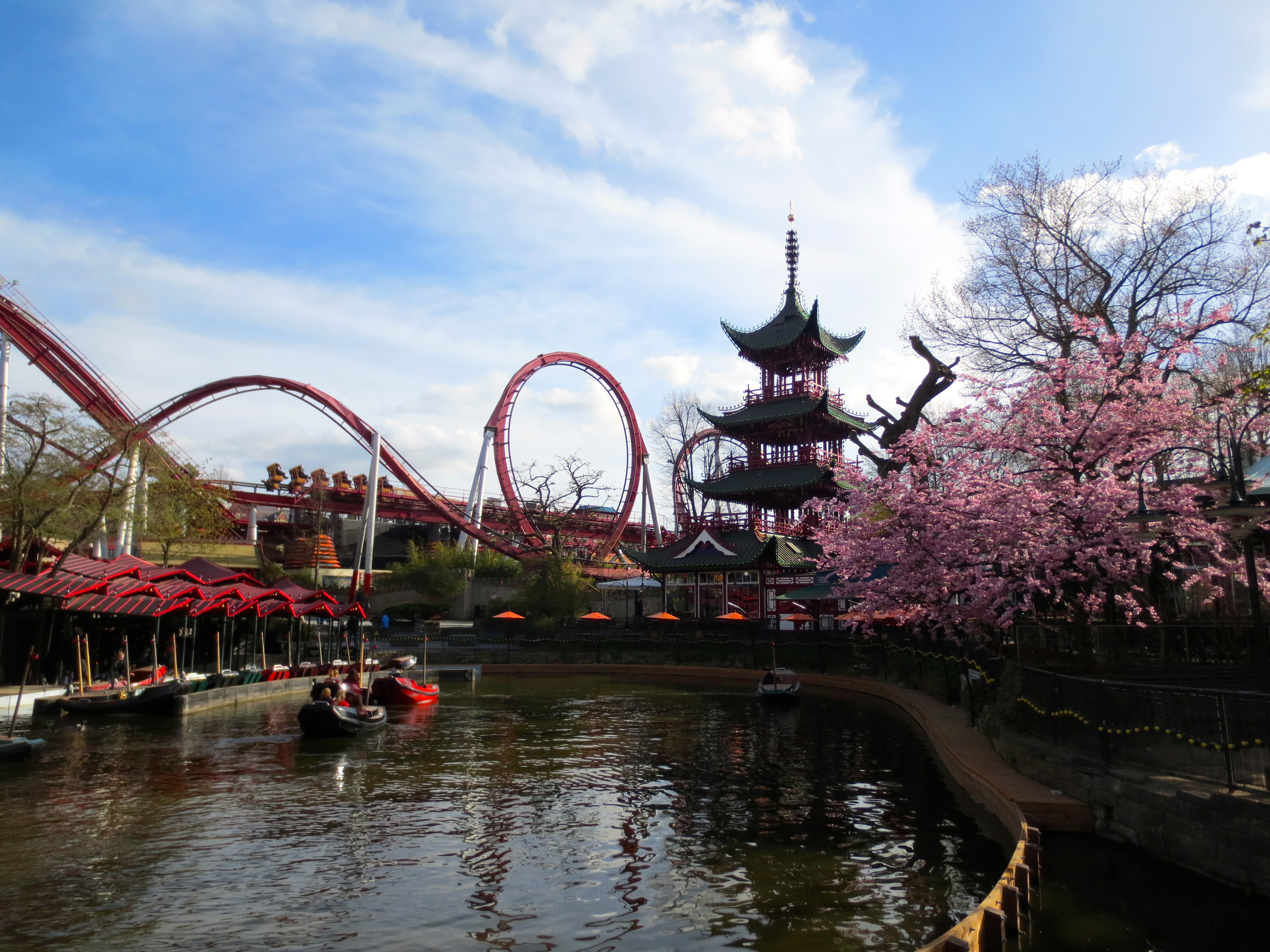
110914_tivoli-copenhagen
Across the street is the Copenhagen Central Station, the city’s first railway connection. Its first line led the way to the ancient capital of Roskilde, the hometown of Bishop Absalon — the founder of Copenhagen.

The town’s marvel is the Roskilde Cathedral, which was built from three million bricks baked using the holy “kilde” (springwater). Work began in 1170 and it took a hundred years to complete. The addition of a ring of royal sepulchral chapels was made around 1400. Today, it is the burial ground for the Danish monarchy.

110914_roskilde-cathedral-denmark
As one of the earliest French-inspired Gothic brick buildings in the world, the cathedral made it to the Unesco World Heritage list in 1995.

If you visit the Roskilde Cathedral in summer — from June to August — be sure to join the tours or catch the performances on a 500-year-old organ. Check the timetable at www.roskildedomkirke.dk.

Sail away like a Viking
It is also in Roskilde that you can view the five 1,000-year-old Viking ships, which were lifted from the depths of the channel of Roskilde Fjord 50 years ago in “the greatest find from the Viking Age and the Danish National Museum’s first large-scale underwater excavation”.

110914_Vikingshobsmuseet_Roskilde_Denmark
Besides viewing the archaeological finds at the Viking Ship Museum, you can check out the Viking cooking, metal smith and costume dress-up stations.

We had a blast trying to set sail on a life-size reconstructed Viking ship out of the harbour. It costs 80 DKK (S$18) for a one-hour sail. Back on shore, our hungry and tired group fuelled up on Viking egg cake, malted sourdough bread and wines.

Almost a fairy tale

After the strenuous activity of rowing a Viking ship, relax as you hop on a ferry from the nearby Hillerød city centre along a picturesque lake to Frederiksborg Castle. Along the way, you will be treated to a gorgeous view of “the most beautiful sea mile” in Denmark.

Known as the “Versailles” of the Nordic region, the Frederiksborg Castle — not to be confused with Frederiksberg Palace in Copenhagen city — is a museum that traces 500 years of Danish history (www.dnm.dk/uk).

110914_Fredriksborg_castle_denmark
From Easter to mid-October, you can meet castle hosts dressed up as Christian IV and enjoy the lakeside baroque garden for free.

Special exhibitions this year include “Søren Kierkegaards’s 200th Anniversary” in the Golden Age rooms and “Denmark and the Russian Empire 1600-1900” in the Great Hall, where gowns will be exhibited.

On the way back to Copenhagen, stop at Klampenborg train station and visit Dryehaven (Deer Park), home to thousands of deer. There, you can enjoy a horse ride through the dreamy lush green forest where you won’t be able to tell one Bambi from the next.

The former royal hunting grounds is also home to the oldest amusement park in the world — the 426-yearold Bakken amusement park. The Tivoli Gardens, dating back to 1843 is the second-oldest. So let your inner child indulge in some good oldfashioned fun for a perfect ending to your holiday in Copenhagen.

The Bluest Light in Scandinavia

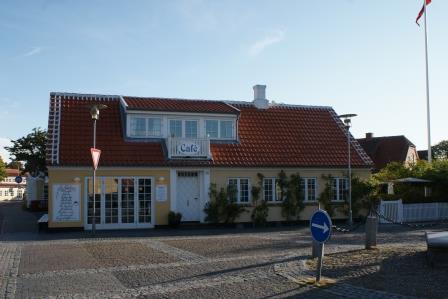
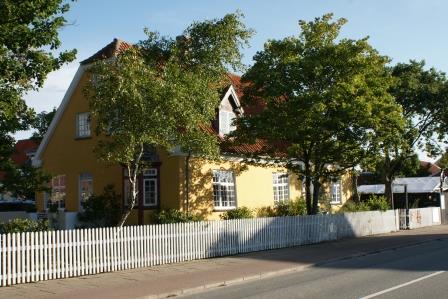
Skagen, a harbor village at the top of the Jutland Peninsula, was discovered by a group of painters in the middle of the 19th century who were drawn here by the unique play of light in this area of Scandinavia.

????????
As one Skagen painter said, “Where two seas meet, the light can’t help but be the bluest in cration.”

????????
The Danes consider this something if a Riviera, while Americans liken it to Cape Cod. At the Jutland peninsula’s – and mainland Europe’s – northernmost tip pointing into the North Sea, the small weather-hardened fishing communities who for centuries inhabited these heathered moors and sea-swept coastline have been joined by a thriving artist’s colony – and the tourists who followed.

????????
All were lured by Skagen’s simple life – the characterful town and unspoiled dunes.

The small but excellent Skagen Museum illustrates works of the local, late-19th-century impressionist movement that was inspired by the land- and seascapes, and the shifting colors and quality of the light here.

????????
An all-year destination
In Skagen there’s always something exciting going on – whatever the time of year. Late summer, for instance, or magical Blue September as it is also called, there are exciting and crazy events with a blue theme.

Spring is a time for temptation. Spend a couple of days to enjoy the town, scenery and art before the bulk of the tourists arrive. Let the spring sun kiss your cheeks.

The atmosphere on a summer day is absolutely unique. The town and the harbor buszz with life and you can enjoy your meals outdoors.

When the great invasion of summer guests is over, you can experience the town in a completely new way. It’s your chance to meet the real Skagen.

????????
A winter holiday allows you to immerse yourself in the Skagen painters or the town’s history. Wrap up and go for a walk on the beach to experience the enormous forces of nature at first hand. Ore head for the dune plantation to shelter from the wind.

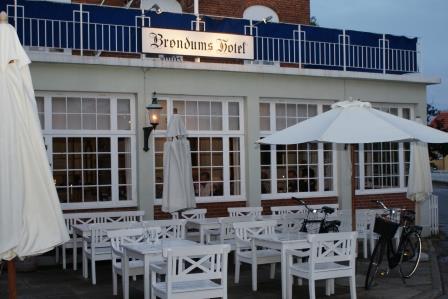
Writers have been equally moved: Isak Dinesen wrote much of Out of Africa while a guest at the wonderful charming, gabled Brøndums Hotel. Creaking floors and antique-furnished sitting rooms kame this feel like a private home, one distinguished by a number of old paintings given in exchange for lodging.

????????
The 150-year-old inn’s intimate dining room produces exceptionally fresh and delicious meals, with a predictable accent on seafood.

Every morning at dawn, the local townfolk have the pick of the best at the wharf’s barnlike fish-auction house before the day’s catch is spoken for and shipped off to markets all over northern Europe.

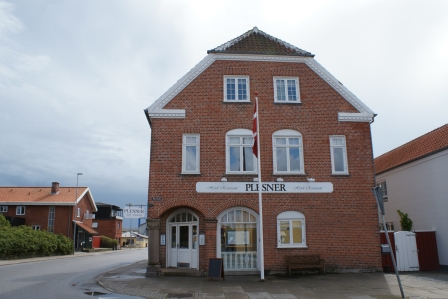
It was simply by chance that architect Ulrik Plesner was sent to Skagen in 1891 to supervise the erection of a lighthouse in Old Skagen. On arriving in the town, he checked in at Brøndums hotel and quickly got to know the Skagen painters. For the next 40 years Plesner left his mark on Skagen’s architecture, in addition to which several well-known architects followed in his wake.

????????
Plesner was a part of Skagen’s famous and infamous artistic community, which in the late 1800’s introduced an unprecedented decadent and liberated life style in town, and to this very day, Plesner hotel, which he designed in 1907, carries on his spirit.

We stayed at Brøndum hotel and Plesner hotel. Experience the bluest light in Scandinavia!

Reviews will follow soon.

Text and photos: Tor Kjolberg, except featured image on top by Lasse Tur.

Nine Pioneering Scientists Receive the 2014 Kavli Prizes Today

0

Oslo September 9, The Kavli prizes recognize scientists for their seminal advances in astrophysics, nanoscience and neuroscience. This year’s laureates were selected for pioneering the theory of cosmic inflation, for transformative contributions to the field of nano-optics and for the discovery of specialized brain networks for memory and cognition.

090914_kavli-week-oslo-norway
The Kavli Prize is awarded by The Norwegian Academy of Science and Letters and consists of a cash award of 1 million US dollars in each field. The laureates receive in addition a gold medal and a scroll. The announcement was made by Nils Chr. Stenseth, President of The Norwegian Academy of Science and Letters, and transmitted live to New York as part of the opening event at the World Science Festival on May 29.

Kavli Prize in Astrophysics
The Kavli Prize in Astrophysics is shared between Alan H. Guth, Massachusetts Institute of Technology, USA, Andrei D. Linde, Stanford University, USA, and Alexei A. Starobinsky, Landau Institute for Theoretical Physics, Russian Academy of Sciences, Russia. They receive the prize “for pioneering the theory of cosmic inflation”. The theory of cosmic inflation, proposed and developed by the three prize winners, has revolutionized our thinking about the Universe.

090914_Kavli_astro-three
According to this theory, very soon after our universe came into existence it underwent a short-lived phase of exponential expansion. During this brief period the universe expanded by a huge factor – hence the name inflation. The consequences of this episode were momentous for the evolution of the cosmos.The field of inflation theory now occupies thousands of theorists, and many variations of inflation are being actively debated.

Kavli Prize in Nanoscience
The Kavli Prize in Nanoscience is shared between Thomas W. Ebbesen, Université Louis Pasteur, Université de Strasbourg, France, Stefan W. Hell, Max Planck Institute for Biophysical Chemistry, Germany, and Sir John B. Pendry, Imperial College London, UK.

090914_Kavli-nano-three
They receive the prize “for transformative contributions to the field of nano-optics that have broken long-held beliefs about the limitations of the resolution limits of optical microscopy and imaging”.

With their respective work, they have challenged established beliefs about the resolution limits of optical imaging, showing that light can interact with nanostructures smaller than its wavelength.

Seeing at the ‘nanoscale’ was long considered to be limited in visible resolution by the finite wavelength of ‘light’, so that only objects larger than ~ 200 nanometers could be imaged. This is about 100 times smaller than the diameter of a human hair.

Each of this year’s prize winners, through their different insights and routes, has independently advanced our ability to ‘see’ nanostructures using ‘ordinary’ light. This ability to see and image nanoscale objects is a critical prerequisite to further advances in the broader field of nanoscience.

Kavli Prize in Neuroscience
The Kavli Prize in Neuroscience is shared between Brenda Milner, Montreal Neurological Institute, McGill University, Canada, John O’Keefe, University College London, UK, andMarcus E. Raichle, Washington University in St.Louis School of Medicine, USA. They receive the prize “for the discovery of specialized brain networks for memory and cognition”.

090914_Kavli-neuro-three
The recipients of the Kavli Prize in Neuroscience have all played major roles in advancing our understanding of memory and in the development of techniques to measure the brain. They have discovered that these functions are produced by specialized systems in the brain, which they analysed through a variety of research approaches. They have found the specific regions of the brain that are involved in memory, and how specialized nerve cells perform different roles.

The higher cognitive functions of our brains such as attention, memory, and planning are crucial to create our rich mental lives: memory is essential for humans, from the recognition of where we are, through learning new skills, to being able to recall events. In humans memory can be said to define who we are, and we know that loss of memory can have devastating effects on an individual’s personality. Knowing how memory function should work in healthy people could open the door to understanding what has changed in patients with dementia and memory loss.

About the Kavli Prizes
The Kavli Prize is a partnership between The Norwegian Academy of Science and Letters, The Kavli Foundation (USA) and The Norwegian Ministry of Education and Research. The Kavli Prizes were initiated by and named after Fred Kavli (1927 – 2013), founder of The Kavli Foundation which is dedicated to advancing science for the benefit of humanity, promoting public understanding of scientific research, and supporting scientists and their work.

Kavli Prize recipients are chosen biennially by three prize committees comprised of distinguished international scientists recommended by the Chinese Academy of Sciences, the French Academy of Sciences, the Max Planck Society, the U.S. National Academy of Sciences and The Royal Society. After making their selection for award recipients, the recommendations of these prize committees are confirmed by The Norwegian Academy of Science and Letters.

The 2014 Kavli Prizes will be awarded in Oslo, Norway, on the 9th of September. His Majesty King Harald will present the prizes to the laureates. This year’s ceremony will be hosted by Alan Alda and Haddy N’jie.

The ceremony is part of Kavli Prize Week – a week of special programs that celebrate extraordinary achievements in science, educate the public on important scientific advances, and bring together distinguished members of the international community to discuss key global issues in science and science policy.

Featured image on top: The laureates met President Obama
President Barack Obama greets the 2014 Kavli Prize laureates in the Oval Office, July 31, 2014. Clockwise from left: Kavli Laureates Andrei D. Linde, John O’Keefe, Alan H. Guth and Marcus E. Raichle; Kåre R. Aas, the Norwegian Ambassador to the United States; Rockell N. Hankin, Chairman of The Kavli Foundation; Robert W. Conn, President and CEO of The Kavli Foundation; Miyoung Chun, Executive Vice President of Science Programs of The Kavli Foundation.
(Official White House Photo by Pete Souza)

For more detailed information on each of the prizes, the 2014 laureates and their work, and Kavli Prize ceremony and other events during the Kavli Prize Week in September, see the Kavli Prize web page www.kavliprize.no

A Wild Land

Scandinavia’s countryside is cherished by its green-minded inhabitants, a spiritual retreat full of flush berries and wild animals.

060614_Norwegian_fjord
Stretching from mainland Europe to the North Pole’s back yard, Scandinavia’s vast territory covers all manner of environments. From well-groomed Danish farmland to Norway’s wild and breathtaking fjords; from Sweden’s great lakes and islands to white sand-beaches full of sunbathers and empty oceans drifting with iceberg – there’s a Scandinavian habitat to suit every mood.

060614_Swedish_cottage
Country retreats
Scandinavians, many only a few generations away from rural life, have a deep-rooted love of nature. With thousands of square miles of pristine countryside, and an enshrined legal freedom roam through it at will, it’s no wonder that they head for the hills at every opportunity. In Norway and Sweden, the family hytte or stuga is not just a holiday cottage, but a place for spiritual rejuvenation.

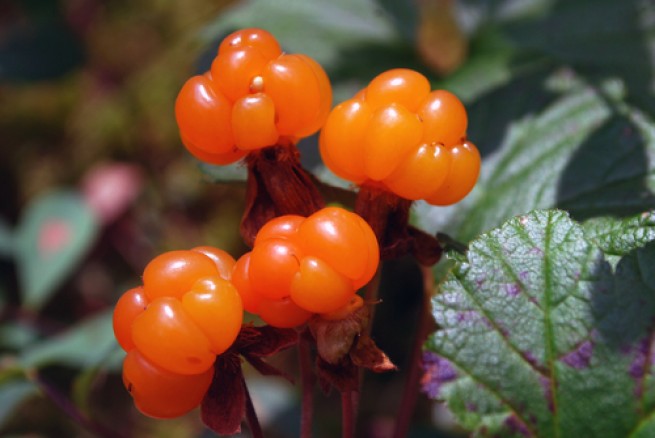
Berry-picking is a common summer pastime – crowberries, bilberries, lingonberries and precious Arctic brambles and cloudberries appear on kitchen tables, supplemented in autumn by earthy mushrooms.

Scandinavians have always integrated home and landscape, from wood-built cottages to turf-roofed houses. Modern architecture uses glass to bring nature inside, and the simple lines of Scandinavian design often echo the curves of a lakeshore, or the pale slant of winter sunlight.

Scandinavian landscapes
Denmark’s
countryside was compressed during the Ice Age. Mollehoj in East Jutland is its zenith, a vertiginous 170 metres (560ft) above sea level. Free from trees, 40 percent of Denmark is rich arable farmland, glowing with blossom in spring, and golden harvest fields in late summer. With more than 7,400 (4,600 miles) of coastland, no point in the country is more than a 45-minute drive from the sea.

060614_Mollehoj_East_Jutland
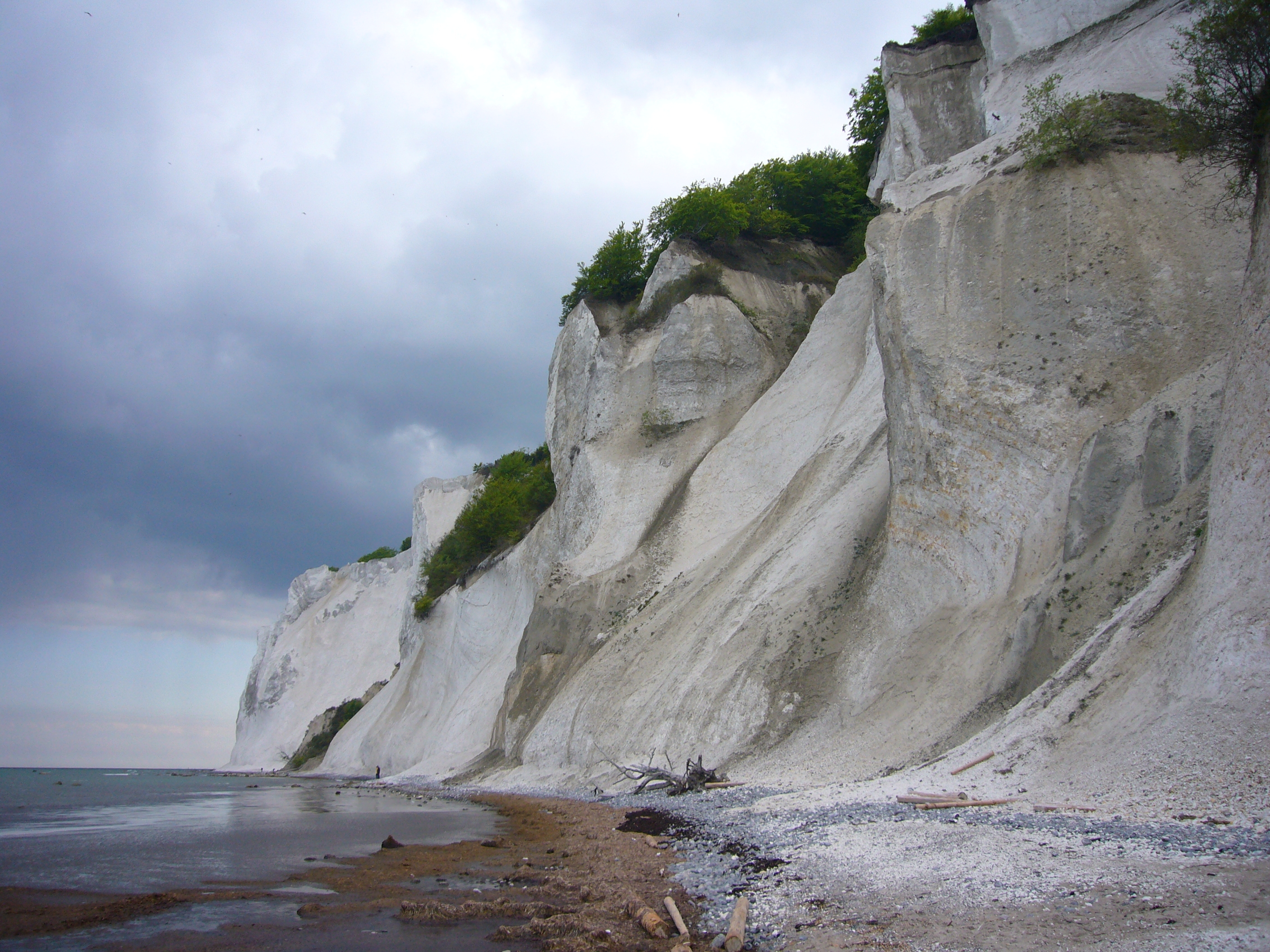
North Zealand and Jutland are filled by sandy beaches, which draw countless summer visitors, as do the wonderful 70-million-year-old chalk cliff at Møns Klint.

060614_Moen_white-cliffs
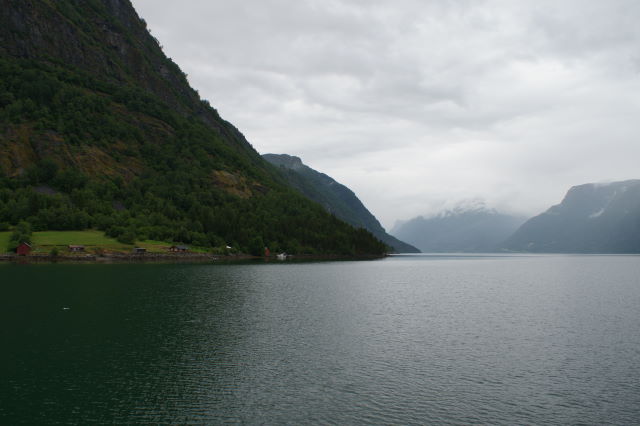
Composer Edvard Grieg acknowledged a hint of the “trollish in some of his music, a sound that summons up Norway’s mountains, fjords and valleys. The mountains run like a rocky spine over 46 percent of the country, during the Ice Age from south to northern tip, Glaciers scored great grooved valleys into the rock, which filled with water and became Norway’s amazing fjords when ice retreated.

SONY DSC
Sweden’s south is characterize by mild, fertile farmland. But Skåne’s rolling fields soon give way to vast lakes and heavy woods. In Dalarne, Lake Siljan was formed not by glacial retreat, but by the catastrophic impact of a 2.5km (1½ mile)-wide meteorite. In the northwest of Sweden, the land rises, Alpine peaks shrug off their tree cover, and huge boulders, glaciers and rushing rivers dominate the scenery.

The Arctic skies
contain other odd light displays besides the aurora borealis. Sundogs, ice pillars, arcs and coronas often appear in high-latitude skies, as ice crystals in the atmosphere cause the sun’s light to refract.

This is a wild land!

Featured image (on top) authorized by Shutterstock

A Destination for Fashion and Lifestyle in Oslo

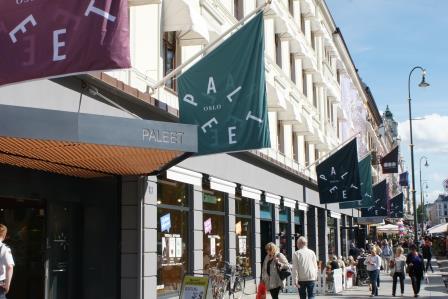
Paleet Shopping Center on Oslo’s main street,  Karl Johansgate, reopened on Wednesday of this week.

Artisans have labored strenuously since June of last year building space for almost 30 fashion and lifestyle stores and ten restaurants, showcasing real lifestyle in Oslo. 

????????
Get ready to shop “til you drop” as you are guaranteed to find delights that you have never seen nor tasted before and will want to see and taste again and again.

????????
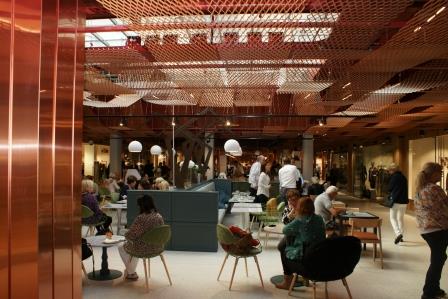
Even with a multitude of temptations,  Paleet feels like an intimate shopping centre and is set to change the way Oslo citizens and visitors shop,  bringing several high-end retailers who will be making their first appearance in the center.

????????
“This is a totally new shopping experience for Oslo”, says Oystein Aurlien, centre manager of Paleet. “Paleet is a destination for fashion and lifestyle with handpicked shops, products, bars, eateries and restaurants. Central Oslo has been missing good lunch offerings, but that’s history now. I think we may revitalize Central Oslo. The center is going to be a great destination for customers to come to. What we wanted to put here was something that was indicative of the latest styles, the latest fashions and the things that people want”.  Aurlien has been in charge of planning and rebuilding for two and half years.

????????
Oystein Aurlien, centre manager of KLP Properties’ Paleet, inside the new center in Oslo’s high street.

????????
In addition to a bookstore, hair salon, pharmacy, and other service providers Paleet will feature stores such as Aphru, by TIMo,  Enzo Poli,  Follestad,  Ilse Jacobsen,  JohnnyLove, Kiman Woman,  Lara, Paleet Pop Up Shop,  Phase Eight, Riccovero, Svean, Timberland, Trent & Trent and Yme.

????????
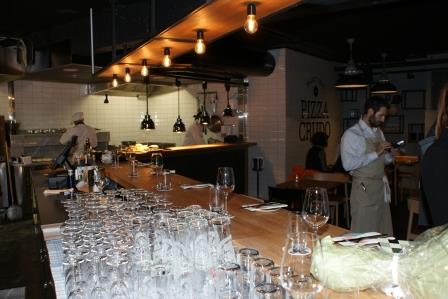
The center also features several interesting new cafeterias and restaurants.

????????
Chef Carlos Portela at El Godo Bodega is busy, preparing a delicious dish.

????????
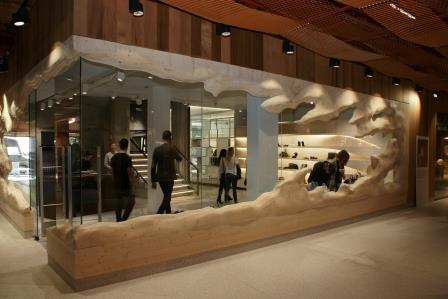
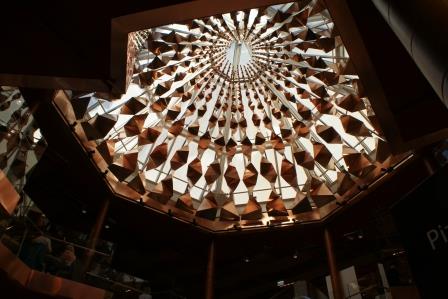
Paleet focuses on exclusive materials – even in the interior, which includes wooden walls and leather- and copper-covered pillars.

????????
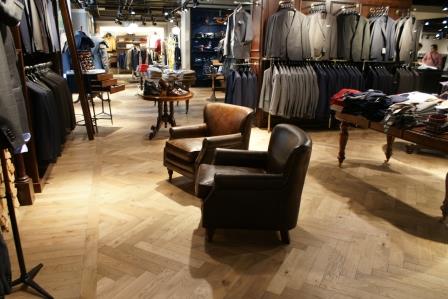
The beautifully manicured Follestad Young Men’s Fashion Shop, adorned in wood and new Finnish wooden floors  without formaldehyde, the first in the world, is designed to give visitors a British castle library feeling.

????????
Store manager William Follestad poses on the floor of the new 500 square meters’ Follestad Store. Follestad operates eight (soon nine) stores in the Oslo area.

????????
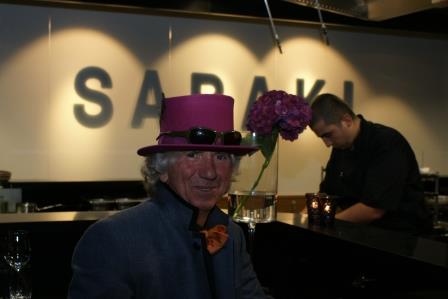
Among the celebrities and artists visiting Paleet on its opening day was artist Petar Tale from the Tale Art Museum. Petar Tale was born in Montevideo but has since 1977 lived and worked in Norway.

????????


Text and photos: Tor Kjolberg