A Stockholm Portrait

0

I was expecting the capital city of one of the world’s richest, cleanest and happiest countries to be another concrete jungle of towering skyscrapers and postmodern architectural monstrosities.

Yet the only entities breaking Stockholm’s skyline are intricate church steeples and stunning monumental towers. My first thoughts when doing this Stockholm portrait were “Where are all the skyscrapers?”

210814_Stockholm_Harbour_Daily_Scandinavian

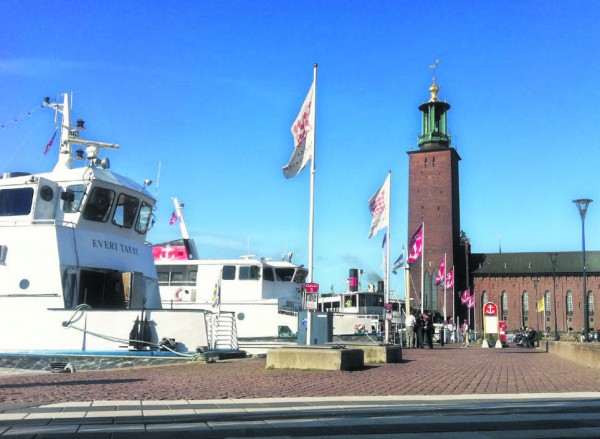
Beautiful Stockholm is a medieval city of sea, lake and land built on 14 islands. In the heart of the city, ferries and yachts dock in the Norrström Channel — where one can even fish or swim in — waiting to fetch tourists for a breathtaking peek at The Archipelago, comprising an astounding 30,000 islets, stretching 80 km to the east.

Numerous historical buildings dot the city. The most famous of them is the massive city hall, Stadshuset, and its 106m square tower topped with three crowns, the symbol of Stockholm. Located just out of the main city area, this was one of Sweden’s biggest architectural projects of the 20th century and is today the venue for major events like the Nobel Prize festivities.

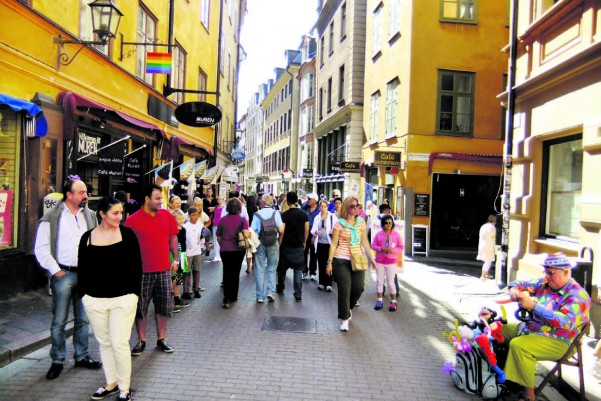
Most historical buildings are concentrated within Gamla Stan, Stockholm’s old town. A walk along its cobblestone paths and narrow alleys — the narrowest is at 3 ft wide — with yellow-plastered townhouses lining their sides, reveals buildings and monuments of heritage that tell stories dating back 700 years.

210814_Old_Town_Stockholm
210814_Amusement_Park_Grona_Lund_Stockholm

Looking on from a slight distance away, Riddarholmskyrkan with its unique latticed spire is the resting place of many royal figures, whose sarcophagi and graves lie within the church’s compounds.

With 100 or so museums here, this is one of the most museum-endowed cities in the world.

Even if you’re a museum enthusiast and bought the value-for-money Stockholm Card which allows entry to most popular museums and attractions, it’s impossible to see even half of them.

A relic in itself, the af Chapman, a 1888 freight ship permanently berthed off the island of Skeppsholmen since 1949, is a budget hostel where I stayed. The divine salmon and sausage dishes from the on-deck restaurant make this a worthy place to visit.

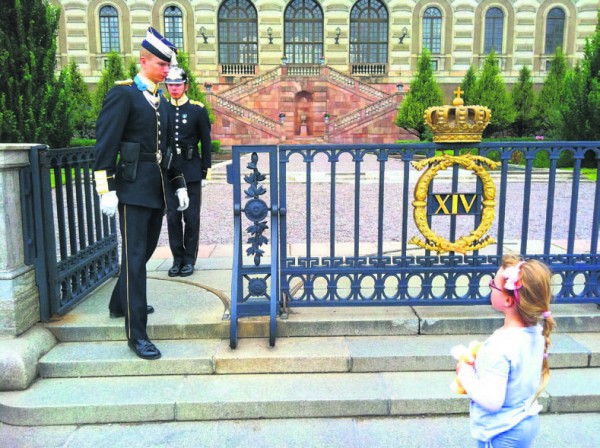
210814_Stockholm_Castle_Guards
Stockholm is also visibly artistic, and the city comes alive in a kaleidoscope of arts related events during summer. During my visit, there were nightly jazz concerts by the harbourside, art fairs and free activities at various art museums, as well as at Kulturhuset, the city’s cultural centre identifiable by a tall obelisk, which was hosting a three-day performance art event as part of the Stockholm Fringe Festival.

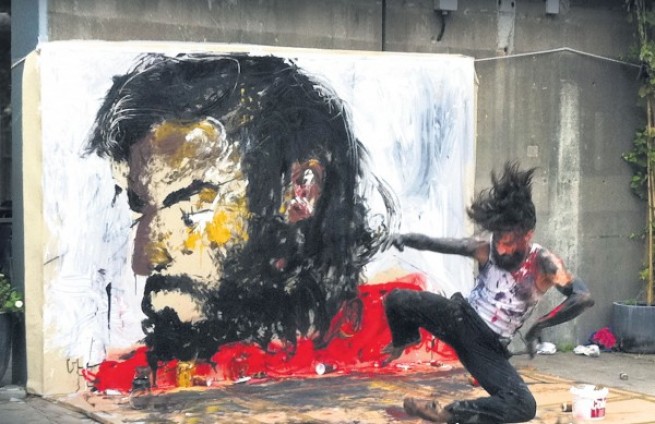
Taking in the Swedish arts scene, enjoying concerts in the park, sidewalk magic shows and even nude performances live in the middle of a public square are the highlights. These attracted not only a huge inquisitive crowd but also a couple of policemen who drove their police cars right up to the venue just to be part of the audience.

Written by guest contributor

Copenhagen Liveability

“Copenhagen Liveability” is a holiday concept containing three experience routes with a point of departure in the certain Copenhagen liveability combining the old and the new, castles and cutting-edge architecture and culture. Cosmopolitan yet with a small-scale and provincial, green lifestyle, Copenhagen offers the best of all worlds.

200814_Copenhagentivoli_Photo_Ty_Stange

The three suggested experience routes each have separate target groups, but can be combined according to taste and time…

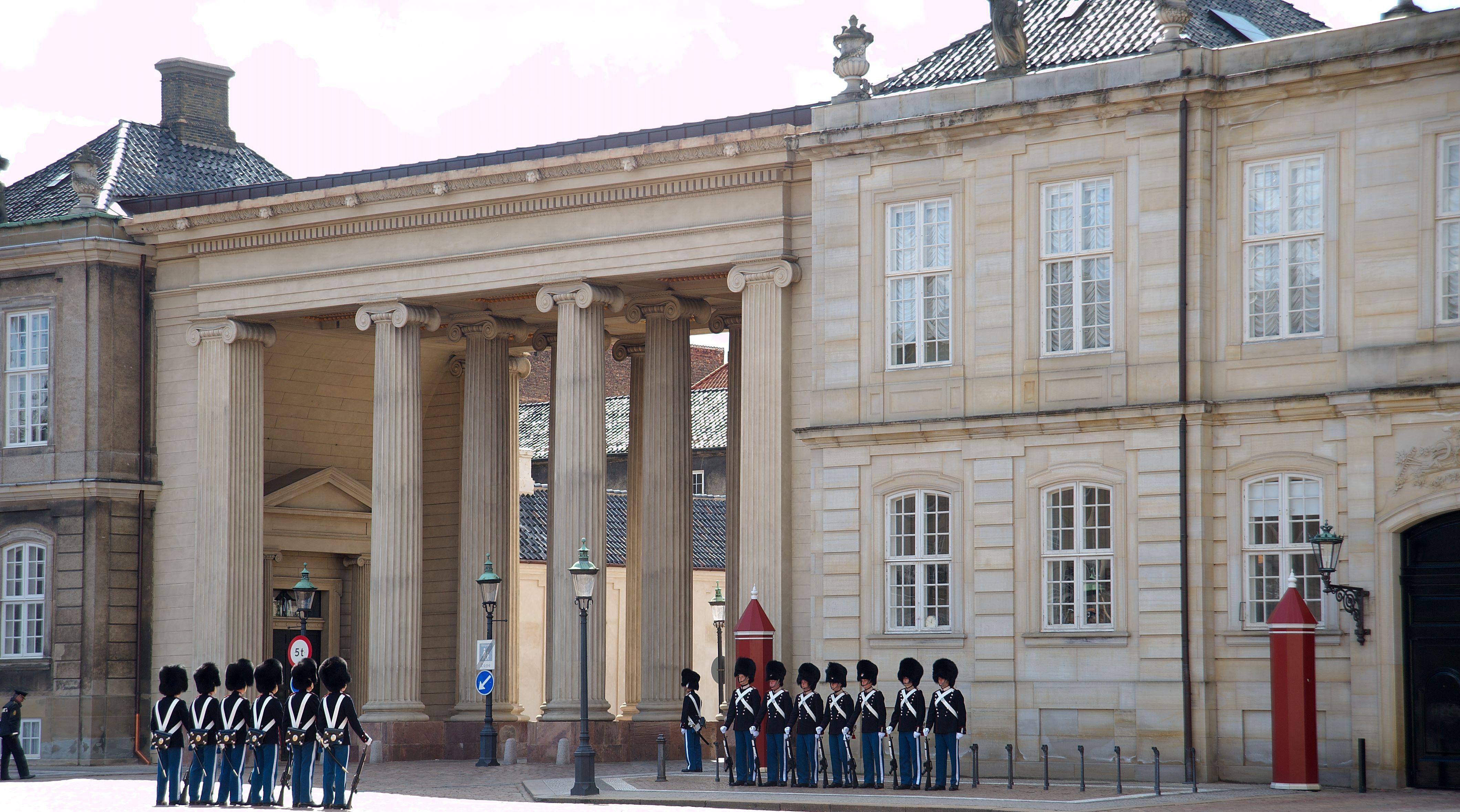
200814_Amalienborg_Castle_Copenhagen
1. A Royal Experience
 – Captures the very heart of Danish royal history and culture from the past to the present. From Hamlet’s Kronborg castle to royal shopping.

24 hours program

48 hours program

72 hours program

200814_Canal-Boat_Copenhagen_at_Nyhavn
2. Maritime Copenhagen
 – Focuses on the unique experiences from harbour baths to castles and art museums all interacting with the water – always a ever present element in the capital region.

24 hours program

48 hours program

72 hours program


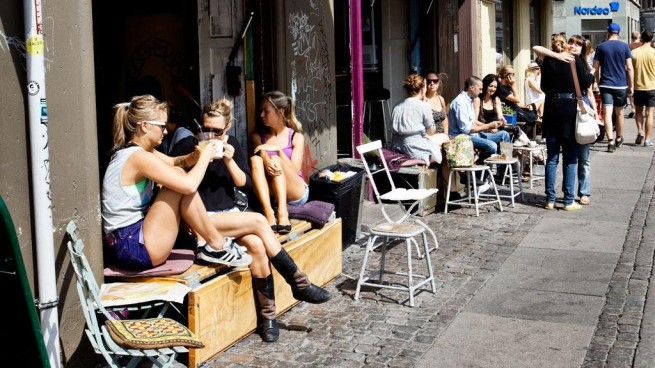
200814_Royal_Cafe_Copenhagen_Daily_Scandinavian
3. New Nordic
 – The route features highlights and must-sees within the certain Nordic way of life, from architecture and design to gastronomy and art.

24 hours program

48 hours program

72 hours program

Read Cultural Evening Suggestions here
See a list of hotel recommendations here

Download the Ebook “Copenhagen – A City For Life Holiday Concept” here

Seasons, weather and climate in Northern Norway

0

The Arctic Circle marks the starting point for the midnight sun and totally dark winters lit up by the magical northern lights.

190814_north_norway_Daily_Scandinavian
Northern Norway shares the same latitude as Alaska, Greenland and Siberia, but compared to these areas Northern Norway has a milder climate. Find out what clothes to pack when planning your holiday in Northern Norway, check out recent snow reports for your destination or go to weather forecast for Northern Norway to find out about sasons, weather and climate in Northern Norway.

190814_northernlights-Harstad-Norway

Summer
In Northern Norway you can experience the midnight sun from the middle of May to the end of July. Late June to early August is when the weather is warmest with temperatures sometimes reaching as high as 25°C – 30°C.

190814_lofoten_norway_Daily_ScandinavianAutumn
Then the autumn darkness comes gradually. From late August, every new day sees the sun setting earlier and earlier. However, on bright autumn days you can enjoy nature’s sparkling colours of red, orange and yellow.

Winter
From the middle of November until the end of January, the sun does not rise at all. October, February and March are the best months for seeing the spectacular show of the northern lights.

The interior areas of Northern Norway have an Arctic type of climate in winter with snow, strong winds and severe frosts. Temperatures can reach below -40 °C in the inner areas of Finnmark and Troms, but if this does not happen every winter.

By contrast, the coastal areas have comparatively mild winters. However, gales, rain and clouds are frequent and heavy. Thanks to the Gulf Stream and warm air currents caused by the coriolis effect, the harbours along the coast of Northern Norway are free of ice throughout the year.

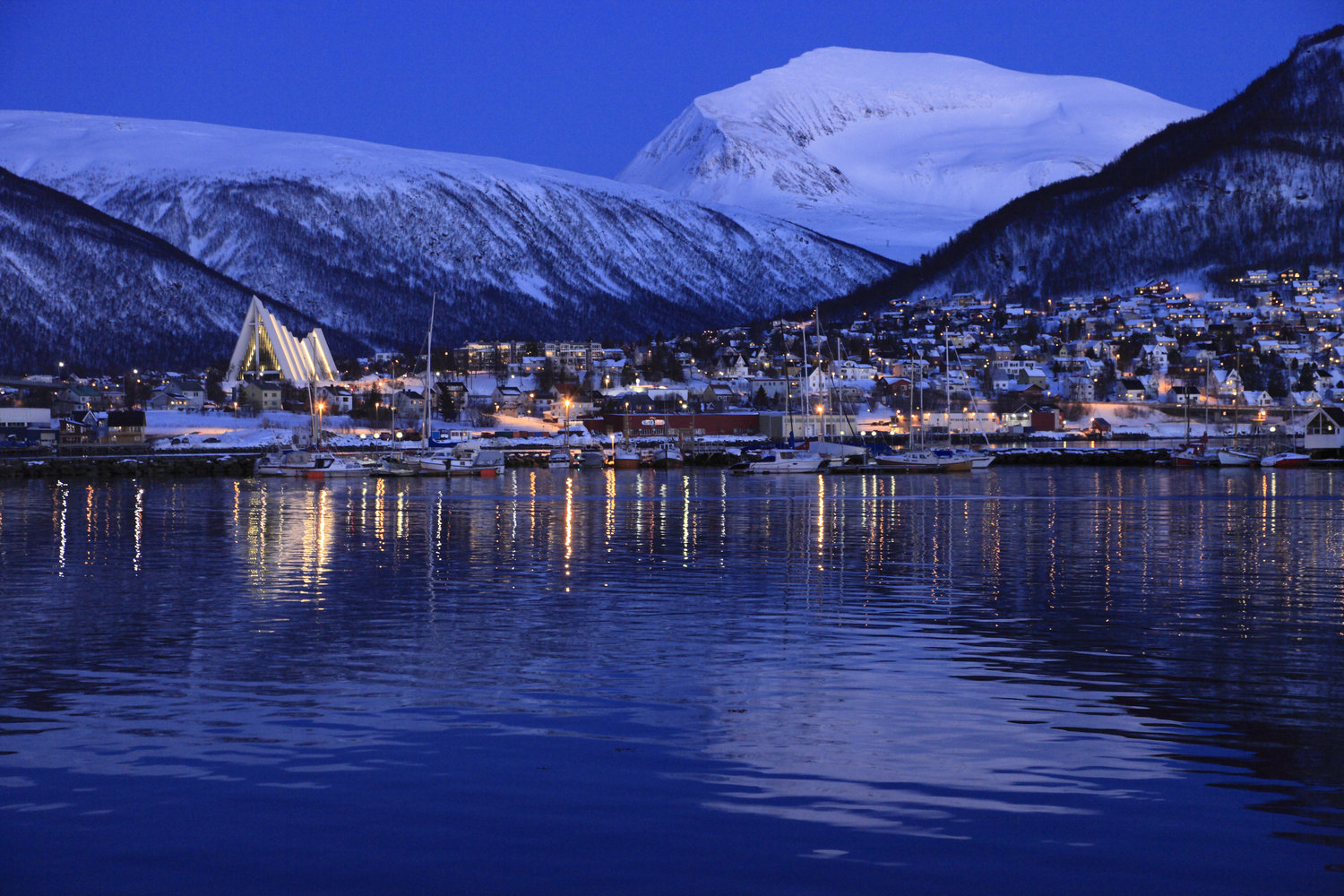
190814_Daily_Scandinavian_Tromsoe_Norway

Spring
Spring can arrive as late as the end of May, but this varies from year to year.

The interior areas of Northern Norway have an Arctic type of climate in winter with snow, strong winds and severe frosts. Temperatures can reach below -40 °C in the inner areas of Finnmark and Troms, but if this does not happen every winter.

Remember that the weather and temperatures can change quicklythroughout the entire region. So whether summer or winter, autumn or spring – bring good footwear and warm clothes.

Average daytime temperatures

Kirkenes Alta Bodø Tromsø
January -7.4°C -8.7°C -2.2°C -4.4°C
February -8.3°C -7.9°C -2.0°C -4.2°C
March -9.9°C -5.2°C -0.6°C -2.7°C
April -0.9°C -0.6°C 2.5°C 0.3°C
May 7.5°C 4.8°C 7.2°C 4.8°C
June 9.4°C 10.0°C 10.4°C 9.1°C
July 13.9°C 13.4°C 12.5°C 11.8°C
August 10.1°C 12.0°C 12.3°C 10.8°C
September 7.2°C 7.2°C 9.0°C 6.7°C
October 1.7°C 1.6°C 5.3°C 2.7°C
November -2.9°C -3.6°C 1.2°C -1.1°C
December -12.2°C -7.0°C -1.2°C -3.3°C

Source: Meteorologisk institutt and yr.no

Ida – The Oldest Complete Primate Skeleton In The World

0

Ida is the world’s oldest complete primate skeleton, and the most valuable object exhibited at The Natural History Museum of Oslo. She was bought by the museum in 2007, and presented to the world in 2009.

180814_Ida
Ida fascinates us in several ways.

How old was Ida when she died?
The teeth of fossils can tell us a lot. They can tell us which species the fossilized animal was, whether it was an herbivore or a carnivore, and they can often tell us a good deal about the animal’s age.

Mammals have milk teeth – i.e., teeth which fall out (exfoliate) when young animals grow up. The milk teeth are replaced by teeth which should last for life.

Since these permanent teeth are present inside the jaw from birth, we can see them in X-ray images. Below we see what the teeth of a seven-year old human child look like, compared with an X-ray of Ida’s teeth. In both, we see some teeth which have other teeth below and behind them. These are milk teeth which will be pushed out. We can also see that both Ida and the child have molars which have not emerged yet.

By comparing Ida with other primates, we can determine that she had reached the age when tooth exfoliation had started.

Where did Ida live?
Ida was found in 1983 in the Messel Pit, a disused oil-shale quarry near the German city of Frankfurt. At the time, the pit was about to become a garbage dump. It was widely known that it contained a great number of unique fossils, and both professionals and amateurs were involved in an intense fossil hunt, endeavouring to unearth the goodies before opportunity was lost.

In 1995 the plans for a garbage dump were finally abandoned, and The Messel Pit was declared a UNESCO World Heritage Site. However, the German authorities now faced a new problem: What were they to do about all the fossils which had wound up in private hands?

180814_Messel_today
Privately owned fossils are not available for research. In order to draw conclusions and allow other researchers to validate them, the fossils must be available in public museums for researchers to study. With all these fossils in private hands, there was a risk that valuable knowledge would be lost because the owners feared prosecution for illegal fossil hunting.

German authorities therefore decided to declare a general amnesty for fossils unearthed before 1995. Thus the owner of Ida could now legally sell her, if she or he wished to.

What did the world look like when Ida lived?
50 million years ago, the continents had begun to find their present shape. But we can see that Europe was not one continuous land mass, the way it is today. It was rather a cluster of islands, not unlike today’s Indonesia.

The ninth primate fossil – Ida

Adapted excerpts from an article by professor Jens L. Franzen, The Senckenberg Museum in Frankfurt, in Natur und museum # 1 2010. See also: Who were Ida’s relatives?

We were hugely surprised when a complete primate fossil turned up at the mineral and fossil fair in Hamburg in December 2006. The fossil was even surrounded by fossilized soft tissue, preserved all the way to the tips of its hair! Only the fur of the tail was incomplete. Comparisons with the sixth primate find from Messel revealed that these two finds were each other’s counterparts.

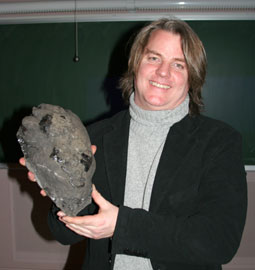
“Personally, I was made aware of the find through an e-mail from Jørn Hurum, a colleague from The Natural History Museum of The University of Oslo. I received the news about the fossil and got the opportunity to see the pictures on my 70th birthday, and I could not have wished for a better present. It was simply incredible!”
180814_Dr-jorn_hurum

The only complete fossil primate
To begin with, Ida, Darwinius masillae, is the only complete fossil primate of any age that has ever been discovered.
Until now, scientists studying early primate evolution in the Middle Eocene Period have only had fragments of fossils to study.
They are trying to understand how early primates split into the prosimian and anthropoid groups.

Miraculous condition
Now they have a fossil that is not only extraordinarily old, but also preserved in astonishing detail. For a creature of any age, she is in a miraculous condition. Ida is the oldest complete primate skeleton in the world.

Her skeleton is almost 100% complete. Around the skeleton is a shadow of the fur, and among the bones, where the intestines would have been, are the fossilized remains of her last meal.

Studying all these features allows us to reconstruct her life history, the way she moved and her diet. There is no primate fossil from the Eocene from which we can learn so much – in fact, there is no primate so well preserved before human burials.

Evidence for evolution
Charles Darwin first proposed and gathered evidence for the theory of evolution by natural selection.
He proposed the idea that species change over time, gradually evolving into new species. But when he published his groundbreaking theory in On the Origin of Species in 1859, there were major gaps in the fossil record.

Just two years later, in 1861, the famous transitional fossil Archaeopteryx was discovered. This beautifully illustrated an intermediate form between dinosaurs and birds, supporting Darwin’s ideas.
significance of Ida and where she fits into the story of early primate evolution.

Until January 4 2015, the real Ida has been lent out to the Munch Museum in Oslo for an exhibition called Through Nature.

The Natural History Museum at the University of Oslo is Norway’s most comprehensive natural history collection. For almost 200 years, preserved plant specimens, animal specimens, rocks, minerals and fossils have been collected, studied and preserved here.

A selection of specimens are on display for the general public, in the Geological Museum and the Zoological Museum. Both are to be found in the beautiful Botanical Garden. Located at Tøyen in the east of Oslo city centre, the garden is not only popular for recreation, but is a scientific collection in itself.


Norway’s Leading Hotel

Grand Hotel Oslo was named “Norway’s Leading Hotel”, and received the award “Norway’s Leading Suite” at the World Travel Awards in Athens earlier this month.
140814_grand_hotel_facade

World Travel Awards is regarded as the tourism industry’s Oscar, and was this year held for the 21st time. The prizes are a result of more than 500,000 individual votes among business and leisure travelers.

In addition to the two prices the hotel was nominated “Norway’s Leading Business Hotel” and “Norway’s Leading Spa Hotel”.

Grand Hotel won these categories in 2013 and 2012, respectively.

– The two prizes are an important confirmation that the work we put into the hotel being noticed and appreciated, says a proud executive director of the Grand Hotel, Frederikke Næss.

Grand Hotel has undergone a major renovation during the last years to meet today’s individual needs. Each of the hotel’s deluxe rooms and junior suites are renovated.

– The award is a big victory for the hotel and a recognition of the long-term and good work being done every day by all who work here, says the CEO of the mother company, Scandic Norway, Svein Arild Steen-Mevold.

Svein Arild Steen-Mevold
Grand Hotel was founded 140 years ago by Julius Fritzner, on August 15. In spite of the modernization, the hotel has retained its classic style, and is still the epitome of a dignified world class. The hotel is full of tradition and history, with Henrik Ibsen and Fridtjof Nansen among former regulars, and Nobel Prize winners, rock stars and state leaders preferred accommodation in Oslo.

– It is important for us to maintain the history. It is the soul of the Grand Hotel. At the same time we have in the course of more than 140 years developed and renewed the hotel in step with the times, which makes the hotel stand out as modern, functional and luxurious, says Næss.

Other Norwegian prize winners were:

Norway’s Leading Boutique Hotel – Herangtunet Boutique Hotel

140814_Herangtunet-boutique-hotel-norway

Norway’s Leading Business Hotel – Comfort Hotel Grand Central

140814_Grand_Central_hotel_Oslo_Norway

Norway’s Leading Resort – Radisson Blu Resort, Trysil

140814-Radisson-blu-resort-trysil-prestige-norway

Norway’s Leading Spa Resort – Farris Bad, Larvik

140814_Farrisbad_hotel_norway

Axor Shower Products by Front

0

Front Design Group was inspired by Water pathways in their most original form. It wanted to draw attention to the hidden aesthetics of technology in a particularly elegant way, turning pipes, joints, valves and funnels into a new shower set.  150814_Daily_Scandinavian_Overhead_Shower_Wall_by Front_Grohe

The Stockholm based design group Front consists of Sofia Lagerkvist, Charlotte von der Lancken and Anna Lindgren. The products are sold as Axor Shower Products.
150814_Daily_Scandinavian_Front_Design_Group_Stockholm

Their works are based on common discussions, explorations and experiments and they are all involved in the projects from initial ideas to the final product. Front’s design objects often communicate a story to the observer about the design process, about the material it is made of or about conventions within the design field. In their work they have assigned part of the making of design to animals, computers or machines. Front has made a constantly changing interior, created objects with explosions, robotic furniture and a range of furniture inspired by their fascination with magic. You may watch other products by Front here.

Federico Zanellato From Copenhagen’s NOMA Participates In “Sabor a Cabo” November 30 – December 6.

A selection of the world’s finest chefs will gather in Los Cabos November 30 – December 6 in celebration of the 9th Annual “Sabor a Cabo” (The Flavors of Cabo) food & wine festival.

130814_Federico_Zanellato
This highly anticipated event is expected to be the largest yet and for the first time, will include a weeklong series of ticketed events highlighting Baja California Sur’s cuisine and Mexico’s celebrated Baja wine region.

130814_sabor-a-cabo-2013-2
The festivities, beginning November 30, include a Country Side Taste incorporating Baja’s local flavors; a Sunset Gourmet Gala aboard a luxurious yacht; an Oktobeer Fest showcasing artisanal beer; a Wine & Art Walkin San Jose del Cabo with participation of 16 wineries, art galleries and restaurants; and a Star Chef Dine-Around. The main event, consisting of 50 participating restaurants, will take place December 6 from 5pm – 11pmat the Sculpture Garden in Puerto Los Cabos and is expected to attract over 2,000 attendees.

130814_8th-sabor-a-cabo-2013

“We are looking forward to welcoming the world’s best chefs to Los Cabos for the 9th Annual Sabor a Cabo event,” said Eduardo Segura, Managing Director of the Los Cabos Tourism Board. “Our destination has a rich and booming culinary scene that many people are still discovering. Events such as Sabor a Cabo highlight these offerings and provide us with a platform to position the unique products, sustainable brands and delicious flavors available in this particular region of Mexico.”

Confirmed to attend are several world-renowned chefs including Federico Zanellato, Chef and Partner of Copenhagen’s NOMA Restaurant in Denmark, Richard Sandoval, Chef and Restaurateur of over 35 restaurants world-wide, including Pampano and Zengo in New York City, and Dieter Koshina, Owner of Portugal’s Vilajoya Restaurant.

130814_Noma_Copenhagen

Travelers interested in attending can purchase tickets by visiting http://saboracabo.workzentre.com/. General admission tickets are $100 if purchased prior to September 30 and $125 if purchased after. Special lounge area access tickets are $150 and for a seat at one of the event’s VIP tables tickets are $1,000 per person.  Main event proceeds will be donated to the Fire Department, Red Cross and Children’s Foundation of Los Cabos.

SOURCE Los Cabos Tourism Board

Norway – A Cashless Society by 2020?

0

The leading Norwegian financial organization, Finans Norge, claims the country is on course to becoming a cashless society by 2020.

Despite critics arguing that people should be allowed to purchase things without a trace, data shows that just five per cent of Norwegian transactions involve issuing cash.

Finans Norge supports bringing an end to cash-based transactions in the Scandinavian country, claiming that such a policy could prevent issues such as financial crime, so-called black money and robberies. The confederation, which represents 200 active financial institutions and groups in the country, said that it would be possible to live in a cashless society as only a small proportion of transactions were made with cash.

The organisation pointed out that in the first six months of this year there was an 8.6 per cent increase in card use, with people less inclined to handle cash due to the costs involved. It also noted that cash is now used in just five per cent of Norwegian transactions, with just the UK and Sweden recording a lower figure.

120814_guri-melby-leftwingHowever, critics of scrapping cash as well as privacy advocates believe that bringing an end to cash transactions could affect a person’s right to privacy. Venstre Party member Guri Melby said people must be allowed to pay with cash for things without everything they purchase being recorded.

She went on to say that the removal of cash won’t lead to crime disappearing as there is already a high amount of fraud linked to electronic payments and bank cards as well as new payment methods such as Bitcoin, pop up. She added that the crime opportunities did not depend on the payment methods available in society.

Datatilsynet, Norway’s data protection authority, also was against the idea, noting that it would be a major concern from a policy perspective if people were not allowed to pay for things anonymously. Norway – a cashless society by 2020?

The Cobalt Works and Mines in Norway

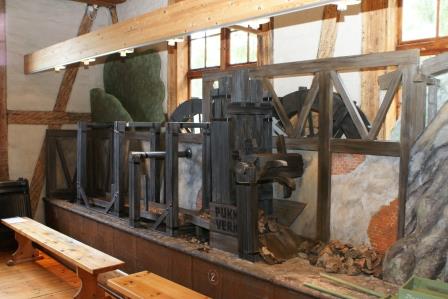
In 1772, a miner called Witloch found cobalt in Modum. This was the beginning of an industrial fairytale. The first half of the 1800s the Cobalt Works was the most modern and successful mining and refining cobalt industry in Europe.

????????
The Cobalt Works and Mines in Norway met an amazing 80% of the world’s demand for cobalt blue pigment, which was used for coloring porcelain and glass.

????????
The Royal Cobalt Works of Modum, Norway was established in 1773 to extract ore from the cobalt mines. The cobalt was used in the production of cobalt blue pigment for the world’s porcelain and glass industry.

????????
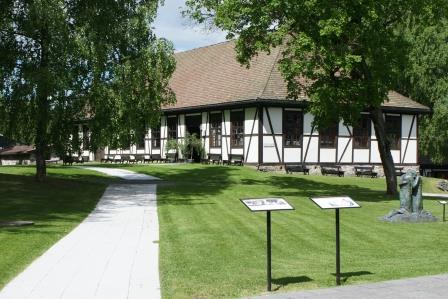
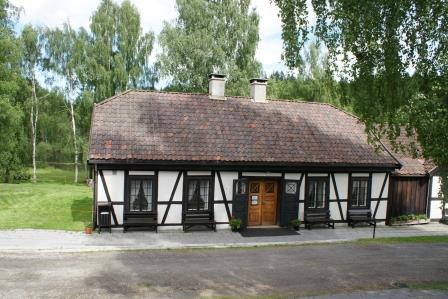
Today it is a museum stretching 8 km (nearly five miles) mixing art, culture and beautiful nature, offering recreation and experiences for all generations with:

  • Daily guided tours in the mines from the 19th century
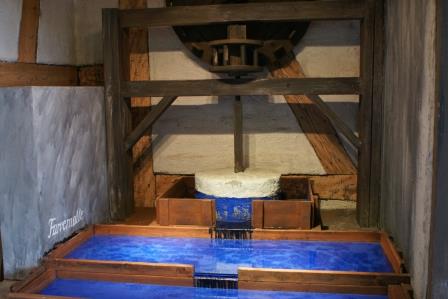
  • The mining museums show the mining technology????????
  • Hiking areas around the quarries with great viewpoints
  • Cheese matured in the mine
  • Koboltkoia – The Norwegian Trekking Association’s cabin at the Cobolt Mines????????
  • Three new art exhibitions every year
  • Six exciting museum shops with many specialities and Scandinavia’s best selection of cobolt blue glass products????????
  • Three inviting cafés where traditional homemade Norwegian dishes are served
  • Haugfossen waterfalls (with its 39 m drop and the source of hydroelectric power), scenic viewpoints by the Cobalt Works????????

Be sure to visit The Th. Kittelsen Museum. Theordor Kittelsen (1857 – 1914) was one of his time’s most interesting and beloved Norwegian artists. His magnificent interpretations of nature, forest, mountains and trolls are presented with authentic works in oil, mixed techniques, watercolors, drawings and personal belongings.

????????


All Photos: Tor Kjolberg

Lunch Concert At Troldhaugen

Enjoy the daily, half-hour lunchtime concerts in Troldsalen, perhaps Norway’s most beautiful chamber music hall. In the midst of the Grieg Museum grounds in Bergen, a concert in Troldsalen is an experience not to be missed.

070814_Edvard_Grieg_copyright_Troldhaugen

In the period 1st June to 14 September 2014 there is a bus service from Bergen Tourist Information at 11:30am. Return to Bergen at 2pm.

Price for concert and bus:
NOK 250 for adults
NOK 200 for students and Bergen Card holders
NOK 100 Children

Unique opportunity to visit the composer Edvard Grieg’s beautiful villa, his charming little composer’s cabin and his monumental gravesite – all located in the lovely natural surroundings at Hop in Bergen.

The ticket includes the concert, entrance to the exhibition and a guided tour through Edvard Grieg’s villa, Troldhaugen.

For groups:
All year round Edvard Grieg Museum Troldhaugen offers a standard concert package for groups. The package includes a 30 min piano recital followed by a guided tour in the villa.

Tickets can be bought at the Tourist Information in Bergen or at Edvard Grieg Museum Troldhaugen.

Until September 14 2014 Monday – Sunday 01.00 pm – 01.30 pm

Troldhaugen – home of composer Edvard Grieg
The home of composer Edvard Grieg (1843-1907) and his wife Nina. Grieg lived here for 22 years and composed many of his best-known works in the little garden hut. Also visit the cliff-hewn tomb where he was buried, the concert hall “Troldsalen” and the museum.

Troldhaugen in Bergen is now a living museum comprising an exhibition centre with shop and cafe, concert hall, composers’ cabin and Grieg’s villa dating from 1885.

Guided tours of the villa run continuously for both groups and individual tourists.

It is also possible to hold private concerts in the villa or concert hall.

Images © Troldhaugen / Bergen Museum