Europe’s longest border on land is the national boundary between Sweden and Norway, spanning roughly 1,620km. Here you can read about fun tourist facts about Sweden’s border with Norway.
The Swedish border with Norway runs through a diverse range of landscapes from bare mountains and bush areas to picturesque lakes and streams. Boundary markers aside, there are several fun facts that the visitor can add to their knowledge for a better appreciation of these two nations. These pieces of knowledge which can be anecdotes and stories combine entertainment and intrigue to enhance travel experiences. Above all, these facts bring the two places to life adding a depth of understanding of the region and a greater appreciation of the cultural and natural beauty of the area.
Sharing Borders
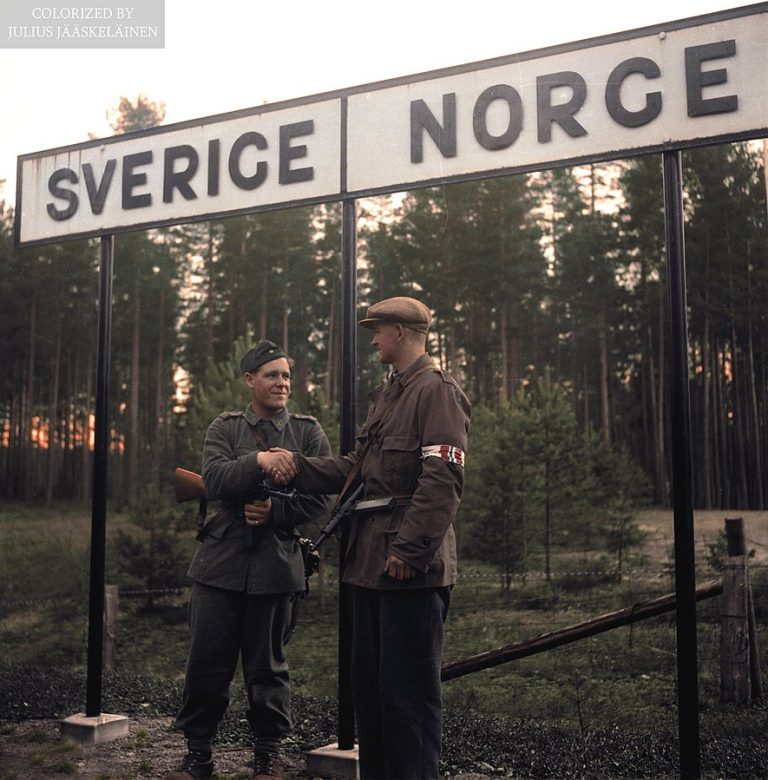
Boundary markers define sovereignty and governance as well help in administrative control. They are also useful for national security and the control of movement of people/goods. In addition, they help preserve and promote cultural, linguistic, and historical identities as well as enhance international relations. The border between Sweden and Norway was established by the Treaty of Bromsebro in 1645. Further treaties followed where existing borders were supplemented with new markers and some removed. Survey markers are used to define borders demarcating the exact limits of land ownership. They prevent disputes between neighboring countries and provide legal clarity. During World War I, many Norwegians fled to Sweden to seek refuge. At that time, Sweden remained neutral while Norway was under Nazi occupation.
Border between Sweden and Norway at KirnsjØ. Photo: Wikipedia
On the other hand, sharing a border can also be convenient. For example, in Marker, a sliver of Sweden spills into Norway which allows visitors to experience both cultures with a short walk. Did you hear about the legend of savvy shoppers? According to a folktale, shoppers in the Kornsjo use oversized shopping bags to avoid customs duties. However, this is not a practical way to avoid customs as both countries have regulations and duties are based on the value and the quantity of the goods. Items are declared and customs officers typically check luggage and belongings even if they are in oversized baskets. Other than that, the two countries share a lot culturally and linguistically. Understanding basic Swedish might get you by in Norway and vice-versa. Some border towns also celebrate national holidays of both countries such as Midsummer or Solstice and Constitution Day celebrations.
Breathtaking Beauty Close By
Sweden’s border with Norway boasts spectacular scenery. The eyes can feast on stretches of boreal forests, crystal clear lakes, and majestic mountains that dot the edges. Explore the amazing Fulufjallet National Park and marvel at the stunning Njupeskar Waterfall. It is the highest in Sweden with a height of 93m and a free fall of 70m. Look for the Old Tjikko, an ancient Norway spruce, one the world’s oldest known trees estimated to be more than 9,000 years old. Hike on trails that will take you through diverse landscapes comprising a rich flora and fauna, unique geological features of dramatic cliffs and ravines, and rivers and streams. Get to know to Sami culture through various informational displays and possibly local guides. Sweden’s highest mountain is also near the border.
Njupeskar waterfall. Photo: Visit Dalarne.
On the other side of the border is the Femundsmarka National Park, Norway’s hidden gem. It is known for its pristine wilderness and diverse natural attractions. Characterized by rugged landscapes including expansive forests, open heathlands, and rocky terrain, the park offers a quiet place to explore and contemplate. If you’re fond of fishing, Norway’s third largest lake offer opportunities for fishing, boating, and canoeing. Klarälven, a river that flows through Sweden and Norway is a haven for Atlantic salmon. Hence, if you’re an angler with the right permits, cast your line and enjoy the thrill of catching one or two of this magnificent species. The park is also home to a variety of wildlife including bears, wolverines, moose, and reindeer. Like in Sweden, the area has a rich cultural history and remnants of old Sami settlements and traditional summer farms exist.
Kayak experience in Sweden. Photo: Visit Sweden
Fun facts add a layer of entertainment and charm to your Scandinavian travels. They are also conversation starters with locals showing an appreciation for their unique culture and enriching travel experiences in the Sweden-Norway border region.
Karoline Gore
Fun Tourist Facts About Sweden’s Border with Norway, written dedicatedly for Daily Scandinavian by Karoline Gore. Karoline is a freelance writer from Stoke on Trent in the UK who left the corporate grind when she started a family and has never looked back. She enjoys contributing to a range of online publications on the topics that are important to her.
For those of you who are traveling on a budget or cannot get extended time off work, consider a weekend getaway trip to a popular city. Find out more about how to make a cheap weekend getaway trip.
I once created the ‘Cheap Weekend Getaway Trip’ to maximize the number of cities or countries I could visit on a trip. This method allowed me an opportunity to see a city and/or its surroundings without spending the typical one-week vacation there. On day one, I took an organized tour, and on day two, I explored the city on my own.
Sometimes a long vacation far away can in fact be more exhausting than relaxing. That’s why a cheap weekend getaway can be more rejuvenating. And if you’re ready for some time away to decompress, or you just need a change of scenery, don’t miss the chance to save money on a cheap weekend trip. Even though weekends can mean higher rates on hotels, flights, and travel packages, a little planning and extra digging for travel deals can get you on the road to a frugal adventure.
After researching what I found to be the most interesting landmarks in a desired destination, I booked a tour for the first day that covered the majority of these landmarks. This enabled me to get the lay of the land in a particular city. Tour guides offer a wealth of information, not just about the sights and landmarks, but also the local cuisine and landmarks. Travelers to Scandinavia can for example get tons of information and inspiration about Scandinavia by reading Daily Scandinavian and using the search function for desired topics.
On the second day I often revisited the places I enjoyed from the tour or went somewhere entirely new. This is a good time for just enjoying a beach or try hidden gem restaurants that only the locals know about. Personally, I enjoy sitting in a corner-café watching the world go by on a cobblestone street. Such a two-day stay allows you to see the more famous historical landmarks while taking in the culture and beating heart of a city, albeit through a brief snapshot.
Longer vacations can also cost a lot of money compared to a smaller weekend getaway. Because it’s just for one weekend, you usually don’t have to take any time off of work either. All of this makes cheap weekend getaways the best solution for preventing burnout and getting the rest and relaxation you deserve.
That said, longer stays are suitable for relaxing and getting your mind and body in good shape again. Popular Paros in the heart of the Aegean is ideal for any holiday. On this island in the Cyclades, natural beauty and rich history effortlessly meet modern-day pleasures. There you can stay cheaply or in luxury villas with a private pool.
A cheap weekend getaway can be more rejuvenating. Photo: Amtrak
Procrastination can in fact pay off when it comes to cheap weekend trips. Waiting until the last minute to book a flight or vacation package usually means fewer choices that could come with higher than average rates. However, you may be able to score a competitive price on your flight, hotel, or vacation package by taking advantage of last-minute deals.
If time and budget allow, try taking the modified three-day-stay approach. This one mirrors the two-day stay outlined above but allows for an extra day to take a day trip outside the city, or to a nearby town. Here’s an example of a trip I planned in Bordeaux, France:
* Day One: 2.5-hour city tour that included most of the cultural and historical sites inside the city limits.
* Day Two: 10-hour tour to Saint Emillion that included a visit to one of the 700+ wineries in the district.
* Day Three: Relax in the city to visit restaurants, neighborhood cafes and bars in or near historical buildings.
A three-day stay allows you to get a more in-depth view of a country by checking out a region outside of your chosen arrival city in a particular country. Photo: Visit Bergen
The three-day stay allows you to get a more in-depth view of a country by checking out a region outside of your chosen arrival city in a particular country. Perhaps many of you will balk at this approach, but every single person that has traveled with me so far has become a believer and loves this method of exploring the world on a budget without taking long leaves of absence.
The key to planning such a successful weekend vacation on a budget is to plan your trip activities and finances well. Making an airtight vacation budget will help you get the fun and rest you need while keeping your wallet from suffering.
The cathedral in Bordeaux. Photo: Tor Kjolberg/Daily Scandinavian.
One way to save on cheap weekend getaway trips is to find undercover and secret deals on hotel websites and third-party sites. With this type of bargain, you often won’t know the name of the hotel until you click to make your purchase. I have had success with a site called Hotwire. If you can tolerate a little mystery, you can be rewarded with a deep discount on your reservation, and these offers usually include stays at brand name hotels. With some providers, you can snag a deep discount and still choose your date, location, and star rating, and then you’ll learn the hotel’s name after booking.
As a bonus on a short stay, you won’t spend a lot of money only to find out that a certain destination does not have that much to offer and you wish you had only planned a few days there. That has happened to me on a few occasions. One such time was during a trip to Egypt. We simply booked too many days in Sharm el-Sheik as it doesn’t have a lot to see. We stayed there a few days too long and simply rotted until our flight back home. We did, however, make a day trip to the pyramids in Cairo and a trip on the Nile. But I could have saved money and spent time in a location with more to see and do.
So first, figure out where you’re going and how you’ll get there. Maybe you want a beach vacation with water sports and white sand beaches, or maybe you want to visit the local hall of fame or museums. You could even just go to a nearby city, spend a day on a nice golf course, and spend the evening listening to lively music downtown.
Take an organized tour on your first day. Photo: First Bus Aberdeen.
Following airlines on social media and signing up for their email newsletters to find special offers and save money on cheap weekend trips is also a good idea.
As I mentioned before, each person has his or her own preferred style of travel – and there is no right or wrong. However, I recommend you to try this method at least once. It is a great way to see more of the world in small snippets. Remember that you can always return to cities and countries you enjoyed at a later date and spend more time there. I have returned many times to London, Prague, Budapest, Rome, Malaga, Berlin and many more.
How to Make a Cheap Weekend Getaway Trip, written by Tor Kjolberg
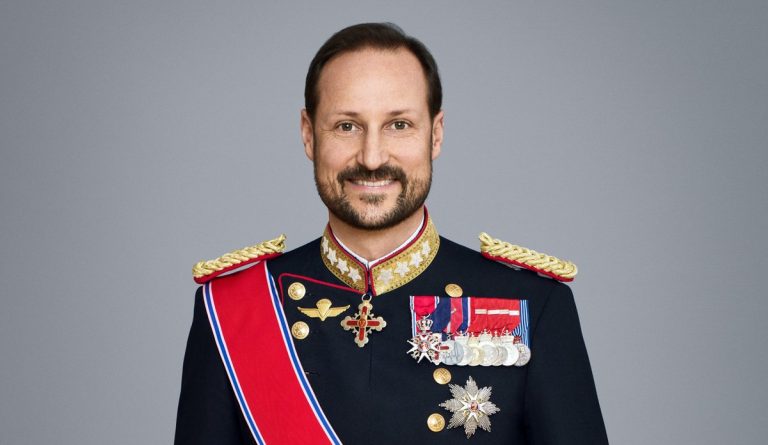
When state-owned enterprise Innovation Norway organizes trips for Norwegian companies looking to do business abroad, it sends along a secret weapon: His Royal Highness the Crown Prince Haakon of Norway- a business ambassador.
Crown Prince Haakon (born 1973) graduated from the Royal Norwegian Naval Academy in Bergen in 1995.
The holds a Bachelor in political science from the University of California at Berkeley and a Master’s Degree in development studies from London School of Economics and Political Science. The studies at Berkely started in the autumn of 1996 and he received his Bachelor in 1999. The MA in development studies was completed in London in 2003, with a specialization in international trade and Africa.
There are many examples of the crown prince’s many business representations
In 2000, the Crown Prince was a trainee with Norway’s delegation to the UN and in 2001, he followed the Foreign Ministry’s trainee program for diplomats.
In 2013, he initiated the SIKT conference. This has become an annual meeting place where young leaders from all sectors of Norwegian society discuss the future of Norway.
Examples of his many business representations are his visit to Japan in 2019, meeting selected representatives of the Norwegian business community there, offering some insights and updates about the latest news and trends in the Norway-Japan environment.
In 2022, Edda Aradóttir, CEO of Carbfix, welcomed the Crown Prince at the power plant‘s Geothermal Exhibition in Iceland.
In 2022, Edda Aradóttir, CEO of Carbfix, welcomed the Crown Prince at the power plant‘s Geothermal Exhibition, and Helga Jónsdóttir, chairwoman of ON Power, gave an introduction about the utilization of geothermal power in Iceland.
In April this year, His Royal Highness was on a mission to the US’s West Coast. Busy executives as the likes of Amazon, Apple, Google, Microsoft. Nvidia and Salesforce make time in their schedules when a crown-prince offers to visit their corporate headquarters – more willing perhaps than if it were just a trade minister who came knocking. That said, Norway’s ministers covering trade, industry and digitalization were there too.
The 50-year-old royal is a regular fixture in the head-of-the-country’s trade efforts – and one whose soft-power appeal open doors. Crown Prince Haakon carries out a wide variety of official engagements in Norway every year, focusing especially on entrepreneurship and innovation in Norwegian business, youth and diversity, and nature – with a special regard for the ocean and the issue of climate change.
***************************************
Read also: Scandinavian Royal Line
***************************************
In 2019, the crown prince visite Japan to meet selected representatives of the Norwegian business community there
The heir to the Norwegian throne is a keen participant known to ask probing questions and engage with CEOs. It’s a role that helps the business behind Business Norway, eager to sell solutions for electric cars, maritime transport and digital services to friendly powers such as Germany, the US and the UK – all three of these NATO-allies have received Norwegian business delegations in the past 18 months.
Business Norway is Norway’s official portal showcasing green and sustainable solutions and providing insight into key industries, foreign direct investment opportunities and international events where you can meet Norwegian companies and Team Norway.
Business Norway helps international companies to gain access to the Norwegian market and brings Norwegian companies to the attention of international customers, investors and partners.
The Crown-Prince of Norway – a Business Ambassador, compiled by Tor Kjolberg
Feature image (on top): His Royal Highness The Crown Prince Haakon. Photo: Jørgen Gomnæs / Det kongelige hoff.
For an all-day hike, Swedish Agnes Maltesdotter recommends packing food, snacks, water, and an extra base layer in case you get sweaty or anything gets wet. Pack a shell jacket to protect yourself from wind and water so you don’t catch a chill. Learn more about gear recommendations for hiking in Scandinavia.
Gear Recommendations for Hiking in Scandinavia
Agnes also recommends bringing a buff, gloves, safety kit, wind sack, map and compass, and an extra pair of breathable socks you can change into.
“It’s essential to give yourself the time you need to stop and put on layers,” says Agnes Maltesdotter.
Gear recommendations for a multi-day hike
For a multi-day hike, be sure to pack all the gear listed above and bring more food so you have enough sustenance. Sturdy, comfortable footwear is also crucial for a long-distance hike. “I recommend wearing waterproof and breathable shoes so you are comfortable in any weather changes,” she says.
For food, I love the Real Turmat packages, which only require hot water in a thermos to cook yourself a proper meal. If you are not staying in a hut, a tent, sleeping bag, and mat is a first-class stay. I normally hike with a lightweight tent for 2 people, so my dogs fit in there as well.
For food, Agnes loves the Real Turmat packages, which only require hot water in a thermos to cook yourself a proper meal.
A few safety tips for long-distance hiking
Agnes recommends bringing poles, which help a lot when you get tired. Packing a wind sack can be a lifesaver if the weather changes quickly. Bring a bottle with hot water to help your body temperature heat up if you get cold. Make sure only to drink water that is moving! Bringing clothes to change into also makes a big difference if you want to change your base layer if you’ve been sweaty.
It’s essential to give yourself the time you need to stop and put on layers. Bring more food than you think you’ll need since long-distance hikes can be unpredictable, and you never know if you’ll be stuck anywhere. Make sure friends or family know about your hike. Let them know the route and your estimated time of being there. This makes it easier if you get lost and struggle to find your way back.
“If you are new to long-distance hiking, I would recommend joining a hiking group like Merrell Hiking Club,” says Agnes.
“If you are new to long-distance hiking, I would recommend joining a hiking group like Merrell Hiking Club, this women-centric community provides an inclusive and safe space for hikers of all levels,” she concludes.
Loen is one of the most picturesque spots in Norway. Adventurous visitors to Loen can now try the rope ladder to the sky in Western Norway. Do you have the nerve to try?
If you have the nerve to try the new staircase, you have the feeling of floating in the air, and you’r rewarded with spectacular views and undeniable thrills. The stairway is 131 foot (40 meters) long and called the “Stigull” ladder. It dangles some 2,591 feet (790 meters) above the fjord by the small village of Loen.
The new “floating” staircase in Norway promises spectacular views and undeniable thrills – but it’s probably not for the fainthearted.
Climbers can embark on the via ferrata with a guide or, if they’re more experienced, hire the gear themselves. Photo: Kjersti Kvamme/Loen Active
Stigull opened 31 May this year and is one of the newest attractions in Fjord Norway. To reach the 120-step ladder, you must first climb on foot the initial part of ‘Route 2’ leading to the top of Mount Hoven.
The ladder, which offers spectacular views, forms part of the Via Ferrata Loen. Photo: Joachim Neumayr/Loen Active
“Stigull is built to make the Via Ferrata facility in Loen more complete, and it is the first of its kind in Norway. With 120 steps and a slope of 45 degrees, this is a long ladder to the sky by international standards. The location offers an incredible view of the fjord landscape,” says Per Helge Bø.
Bø is the operations manager at Loen Active, the company behind this and several outdoor activities based in and around Loen.
Loen zipline. Photo: Marius Bech Dahle / Loen Skylift
Stigull is part of ‘Route 2’, which is located east of the Loen Skylift cable car – another popular attraction. The Via Ferrata is connected with both a zipline and a suspension bridge, as well as climbing routes of varying difficulty. Once at the top of Mount Hoven, visitors can enjoy a fantastic view, as well as a restaurant and shop connected to the cable car.
Via Ferrata Loen is a spectacular climbing route designed for keen adventurers, who must have moderate physical fitness. Guided tours are available, while individual tours are possible without a guide for people with experience.
The zipline, which can easily be combined with a trip to Via Ferrarta Loen, flies above the Tungejølet gorge, looking towards the suspension bridge in Via Ferrata Loen. Both ziplines are located 1000 meters above the fjord, and only a five minute walk northeast of Loen Skylift — one of the steepest cable cars in the world.
Photo: Kjersti Kvamme / Loen Active.
Although other Via Ferratas exist in Norway, nothing quite like this rope ladder extension exists in the country. The renowned Austrian company HZI installed the ladder.
Rope Ladder to the Sky in Western Norway, written by Tor Kjolberg based on a press release from Fjord Norway.
Scandinavians are renowned for their great health and well-being. Nations like Norway and Sweden routinely rank in the top ten for health and have an average life expectancy of over 80 years. Learn more. Eating patterns and longevity in Scandinavia: Lessons from the world’s healthiest populations.
The secret to Scandivian longevity lies in their diet and lifestyle. Folks who live in the Scandinavian subregion typically follow a diet rich in fish, vegetables, seasonal fruits, and whole grains. This enhances inhabitants’ well-being and helps them lead active healthy lifestyles.
Folks from nations like Finland are more likely to eat together, too. This subtle difference gives Scandivians an important social boost that enhances happiness and increases well-being. This can also combat memory loss in later life and ensures that folks are able to lead a full life in their golden years.
Diet
Following a Scandinavian diet is one of the easiest ways to quickly boost your health and well-being. Based on a high intake of healthy whole grains, fat-rich fish, and homegrown vegetables, the Scandinavian diet is designed to give you all the nutrients you need to look and feel great. The Scandinavian diet also comes with benefits like:
Immunity: Eating plenty of whole foods and healthy fats can improve your gut’s microbiome and help combat inflammation. This can make a world of difference if you’re used to eating a refined, processed diet that is high in saturated fats.
Stress: Following the Scandinavian diet is also proven to help combat stress. Foods that are high in omega-3 help regulate your cortisol levels and support your mood.
Depression: Good food nourishes your spirit and helps you feel happier. This is because a nutrient-rich diet supports healthy gut functioning which is associated with improved mood.
Eating Patterns and Longevity in Scandinavia: Lessons from the World’s Healthiest Populations, article continues below image.
Based on a high intake of healthy whole grains, fat-rich fish, and homegrown vegetables, the Scandinavian diet is designed to give you all the nutrients you need to look and feel great. Photo: Sons of Norway
Eating a balanced, nutrient-rich diet can help you adopt a healthier lifestyle, too. You’re far more likely to go on a post-work run or early morning swim if you’re fueled with a combination of healthy fats, lean proteins, and whole-food carbohydrates like sourdough.
Following a Nordic-style diet has been proven to counteract some neurological disorders, too. This is echoed by research published in Frontiers in Nutrition, which found that those who follow Nordic diets see improvements in cognition and neuropsychological function while lowering the risk of stroke and depression.
This can help you lead a longer, fuller life well into old age. This is important, as taking steps to prevent memory loss in old age can meaningfully improve your quality of life. In addition to hobbies like reading more and playing memory games, eating a diet rich in fish and seafood is plentiful in vitamin B and omega-3s and will help you stay sharp for longer. Similarly, green vegetables offer fiber that can enhance cognitive function.
Alcohol
Scandinavians are associated with a history of beer drinking and mead festivals. Today, however, nations like Sweden, Denmark, and Finland drink significantly less than the rest of the world. This is largely due to a number of policy changes that have regulated monopoly systems and protected young people from booze. This has helped educators communicate the risks associated with alcohol and has reduced consumption.
Strict customs regulations for ravelers arriving in Norway.
Following the example of Scandinavian countries reducing the amount of alcohol you drink can make a huge difference to your health, well-being, and longevity. The negative health effects of drinking alcohol can impact the following:
CNS: Drinking suppresses your central nervous system and impairs your cognitive abilities. This is why drink is so commonly associated with serious accidents.
Digestion: Beer, wine, and spirits interfere with your ability to digest food properly and may lead to future issues like GERD and acid reflux.
Circulation: Alcohol is associated with higher instances of stroke, heart attack, high blood pressure, and cardiomyopathy.
Immunity: You’re far more likely to fall ill once you’ve had some booze to drink. This is because alcohol undermines your autoimmune response and interferes with your ability to fight illnesses.
Renal System: Booze damages your internal organs and may lead to issues like dehydration. This can be a huge issue if you’re already fatigued or are on medication.
The health consequences of drinking alcohol regularly far outweigh any potential benefits of easier socialization and reduced stress. Curbing your consumption gives your immune system a much-needed boost and can improve the efficacy of your circulation. That’s why Scandinavians only drink in moderation, despite the fact they are social eaters who often dine together.
Well-being
Healthy foods and low alcohol consumption put you in a prime position to lead a healthy, happy life. You can use the energy you gain from eating a rounded diet to follow some other Scandinavian traditions that boost longevity, including:
Year-round bathing;
Spas and massages;
Sustainable eating based on seasonal foods;
Hiking, surfing, skiing, and cycling.
Eating Patterns and Longevity in Scandinavia: Lessons from the World’s Healthiest Populations, article continues below image.
Year-round bathins is a popular Scandinavian activity. Photo: Tripadvisor.
These activities and habits will enhance your happiness and help you get more from later life. Regularly taking spa days and massages can boost your physical health and help you destress after a tough week at work.
Eating Patterns and Longevity in Scandinavia: Lessons from the World’s Healthiest Populations – Conclusion
The Scandinavian diet supports health, well-being, and longevity. It also gives you the energy you need to partake in other health-boosting activities like hiking, skiing, and yoga. You can follow in the footsteps of Scandivains today by reducing your alcohol consumption, increasing your fish intake, and sticking to whole foods whenever possible.
Ainsley Lawrence
Eating Patterns and Longevity in Scandinavia: Lessons from the World’s Healthiest Populations, written dedicatedly for Daily Scandinavian by Ainsley Lawrence. Ainsley is a regular contributor to Daily Scandinavian. She is a freelance writer from the Pacific Northwest. Ainsley is interested in better living. through technology and education. She is frequently lost in a good book.
Norwegian-born, London-based fashion photographer and filmmaker Sølve Sundsbø has garnered respect for his open-mindedness towards new technologies like 3-D scanning and hand-painted retouching. The impressive images by the Norwegian photographer has been featured in numerous exhibitions.
Sølve Sundsbø was born in Norway in 1970 and came to London in 1995 to study photography at the London College of Printing. He left college to work as first assistant to British photographer Nick Knight.
Sundø has shot for publications such as Italian Vogue, Perfect, Love, V Magazine, i-D, L’Uomo Vogue and Vogue Hommes International.
Sundsbø first branched out into moving images in 1999, after i-D magazine’s founder and editor-in-chief Terry Jones, suggested it.
Portrait photo by Michael Hemy for BoF
He photographed images of the Alexander McQueen archive for the catalogue of the “Savage Beauty” retrospective at the Metropolitan Museum in New York in 2011.
**********************************
Related: A Norwegian Photographer and his Dog
*******************************************
Same year, he was awarded an Emmy for his direction of a series of short films, shot for the website of the The New York Times Magazine. The series, 14 Actors Acting commissioned by Kathy Ryan, was acclaimed as a “new approach”, but the Norwegian photographer claims he simply “dabbles” in film.
Sølve Sundsbø has garnered respect for his open-mindedness towards new technologies.
In 2012, Sunsdbø collaborated with W magazine, creating and exhibiting an installation of his film “The Ever Changing Face of Beauty”.
Sundø has shot for publications such as Italian Vogue, Perfect, Love, V Magazine, i-D, L’Uomo Vogue and Vogue Hommes International. Among numerous exhibitions, the Vogue Photo Festival, “Beyond the Still Image”, at the Palazzo Reale in Milan in 2018 was a milestone.
Sundø’s commercial clients include Chanel, Hermès, Nike and Yves Saint Laurent and, outside the fashion world, Norwegian band Röyksopp,, Swedish group Coldplay and English Friendly Fires. They have all chosen his work for their album covers.
The artwork for the Coldplay’s album A Rush of Blood to the Head was made into a stamp by Royal Mail in 2010 to celebrate the ten most iconic album sleeve artworks from the last forty years.
Sølve has produced stills and moving image for major fashion and beauty brands including Chanel, Armani, Cartier, Mugler, Gucci, Prada, Louis Vuitton, Hermes, and Guerlain.
Today, Sølve continues to push the boundaries of image-making, working across a range of platforms from photography to fashion film, while constantly uniting traditional, old-fashioned techniques with pioneering technologies. His artwork has been included in auctions by Phillips De Pury and is held in the permanent collection of the National Portrait Gallery, London.
Impressive Images by Norwegian Photographer, written by Tor Kjolberg
For a football fanatic residing in Scandinavia, a journey to go watch a Premier League match is one of a lifetime. The energy, the environment, and the adrenaline rush of watching the team of your choice live in perhaps the most exciting league in the world is a must-watch for every fan. Now you can start planning the perfect Premier League Football trip: A Guide for Scandinavian fans.
Picking your team and game: First of all, you must choose the team and the match that you are interested in. If you are a fan of a particular club or want to see a great match, it is crucial to choose a game that will be interesting to you. The fixture list of the Premier League is typically released in June, so look for a match that you can attend on the designated date.
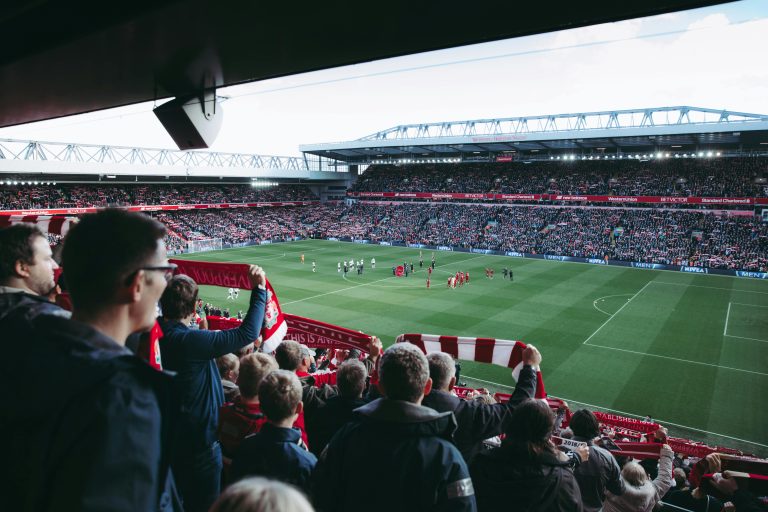
Liverpool-Everton. Photo: Permier Skills
Consider Derby Matches: If one wants to have an exciting time, then he or she should watch a derby match. Climaxes such as Manchester United against Manchester City or the North London Derby between Arsenal and Tottenham Hotspur are always characterized by passionate fans and heated competition. You must remember, it is also important to note that tickets for these games are not as easy to get as those for the usual games.
Step 2: Protecting Your Tickets
Club-related Websites and Memberships: It is always advisable to get your match tickets from the respective club’s official website. Some clubs offer a membership package that grants you a chance to book tickets before other people do. If you are planning on attending multiple games or have a particular team that you want to watch all season, then yes, it may be more cost effective to purchase a membership.
Planning the perfect Premier League Football trip: A Guide for Scandinavian fans, article continues below image.
It is always advisable to get your match tickets from the respective club’s official website.
Retail Channel and Hospitality Packages: If tickets through the official channels are sold out, one can consider buying from an authorized reseller or through hospitality packages. Hospitality packages are usually more expensive than individual tickets but can come with additional amenities such as pre-match dinner, stadium tour, and prime location seating.
Step 3: Plan Your Trip Well In Advance
Flights: Flights are the next thing to book once you have your match ticket. Several airlines have direct flights between the Scandinavian countries and some of the major cities in the United Kingdom. Some of the related flight companies include Norwegian Air, SAS, and British Airways, which tend to offer similar prices. Advance booking is also beneficial in that it can help you avoid paying more than you have to for travel and get the best times.
To get the best accommodation, you should consider booking a hotel close to the stadium
Accommodation: To get the best accommodation, you should consider booking a hotel close to the stadium or in the business district. Depending on your financial resources, you can choose between a hotel, Airbnb, or a hostel. For special services, it is recommended to stay in hotels related to football; they offer transport to the match-day Premier League stadium.
Step 4: Tracing the City
Pre-Match Excitement: It is advisable to plan for a trip a day or two prior to the match in order to tour the region and get the feel of the place. Some of the largest cities in the United Kingdom that are home to Premier League teams include London, Manchester, and Liverpool, all of which have much to see and explore. Go out and have a drink in a bar, find like minded people and get ready for the match.
Planning the perfect Premier League Football trip: A Guide for Scandinavian fans, article continues below image.
Liverpool waterfront. Photo: Wikipedia
Stadium Tours: Almost all Premier League clubs provide their fans with a chance to tour the stadiums and get a glimpse of the dressing rooms, the pitch and the club’s museum among others. Tours are generally taken on non-match days so it is advisable to book for one for a particular day that is not a match day.
Step 5: The Match Day Experience
Getting to the Stadium: Matches are very much on your tour as a fan and that is why match day is the best. Make sure you know how to get to the stadium. Public transport is always the most preferable option with many football stadiums being located close to railway stations, bus stops, or metro stations. This way one will also get a chance to be early around the ground and feel the build-up atmosphere.
Wearing your jersey or scarf is the best way to demonstrate loyalty and bond with fellow supporters.
Wearing Your Colors: Come on to the game in support of your team and don’t forget to dress in your favorite team’s colors! Wearing your jersey or scarf is the best way to demonstrate loyalty and bond with fellow supporters. However, do not be rude always especially when you are in an area frequented by the supporters of the other team.
Enjoying the Match: Once inside, there is more to take in, and enjoy. The singing, chanting and emotion that is attached to the Premier League fans is very unique. It will also be important to get a pie or a hot dog for a traditional football snack and a pint to wash it down.
Step 6: Post-Match Celebrations
Win or loss, such is life: Regardless of the outcome, incorporate yourself with the fans in local pubs and bars to enjoy or drown your sorrows. The banter with other fans and the post-match wrap up are also part of the process. If you are in a large city there will be more places that you could go and have fun at night.
Tib Street Tavern, Manchester
Exploring Further: If you have the time consider staying a few more days and continue discovering great places in the UK. See other attractions in other cities, tour other historical landmarks, or watch another game if there is still time. There are many things to do in the United Kingdom apart from football, so do not waste your time.
Planning the Perfect Premier League Football Trip: A Guide for Scandinavian Fans – Final Tips
Stay Safe: As you party, always be vigilant and cautious, more so if you are attending a high profile match. Stay with large groups and do not wander into areas where there may be heightened ethnic tensions.
Make sure that you have a good medical travel insurance
Travel Insurance: Make sure that you have a good medical travel insurance in case of an emergency, travel insurance in case of trip cancellation or interruption and specific insurance for travel and any sport that you may be involved in.
Currency and Payments: Most places accept credit cards, but it is wise to have some pocket money for minor purchases, particularly near the stadium.
If followed carefully, the following steps will help Scandinavian football fans to have a perfect Premier League trip. To be able to purchase tickets, get to the stadium, feel the match day spirit and everything in between can make it a memorable experience. So if you are ready, start packing your bags and plan your trip to witness the exciting football games in one of the most popular sports leagues around the globe.
Planning the Perfect Premier League Football Trip: A Guide for Scandinavian Fans, written for Daily Scandinavian by John Cunningham. John is an enthusiastic content creator renowned for skillfully crafting compelling and enlightening articles. Possessing a journalism background and a profound fascination with technology, travel and lifestyle subjects, John infuses each of his creations with a unique outlook. His captivating narrative style and thorough investigative approach aim to not merely educate but also ignite inspiration within his audience. Beyond his writing endeavors, he can be discovered venturing into unexplored destinations, delving into photography experimentation or immersing himself in the pages of a captivating book.
Starting a new life in Denmark is an exciting adventure but comes with challenges, especially when understanding local customs and behaviors. Learn more about Cultural Etiquette in Denmark: What New Migrants Need to Know
Knowing Denmark’s cultural etiquette is essential for a smooth transition for those moving to Scandinavia. Denmark, known for its high quality of life and strong sense of community, has specific social norms and traditions that might be unfamiliar to newcomers. This guide provides a comprehensive look at the essential aspects of cultural etiquette in Denmark, helping new migrants integrate seamlessly into Danish society.
Greetings and Social Interactions
In Denmark, greetings are typically straightforward and polite. A firm handshake combined with direct eye contact is the standard way to greet someone formally or informally. Unlike in the US, where hugging or kissing on the cheek may be common, Danish people usually reserve such gestures for close friends and family. When meeting someone for the first time, it is customary to use their last name and title, but once you establish a more informal relationship, you can use first names.
Public behavior in Denmark requires maintaining a quiet demeanor and respecting personal space in shared areas. Photo: joshi-milestoner/Unsplash
Punctuality is highly valued in Denmark. Being on time for appointments, whether social or professional, is a sign of respect. If you are running late, it’s important to inform the person you’re meeting as soon as possible. This cultural aspect highlights the Danish appreciation for other people’s time and the importance of planning.
Danish Workplace Etiquette
The Danish workplace features a flat hierarchy and a collaborative environment. People value teamwork and consensus, and decision-making processes often involve input from various staff levels. In Danish workplaces, communication tends to be direct and to the point. Employees openly share their opinions, and managers usually straightforwardly give feedback.
Regarding dress code, Danish work attire tends to be smart casual. While some industries may require more formal dress, neat and professional clothing is generally acceptable. Additionally, Denmark places a strong emphasis on work-life balance. It is common for employees to leave work on time to spend evenings with family and friends. Respecting personal time and ensuring a good balance between work and leisure is a core aspect of Danish culture.
Legal and Administrative Etiquette
Navigating Denmark’s legal and administrative systems is essential to settling in. Upon arrival, new migrants must register with the local municipality and obtain a CPR number, which is necessary to access healthcare, open a bank account, and access other services. It’s important to familiarize yourself with Danish laws related to residency, work permits, and discrimination to ensure compliance and protect your rights.
Denmark has strict laws against discrimination, and understanding these regulations can help you navigate the legal landscape. If you encounter any issues, various resources and organizations can provide assistance and support.
Denmark has strict laws against discrimination, and understanding these regulations can help you navigate the legal landscape. Photo: businessculture.org
For those relocating from bustling cities like New York City, the shift to Denmark’s orderly and regulated environment can be significant. Engaging a team of international movers familiar with the local area in NYC and the specific needs related to Danish regulations can be incredibly beneficial. These professionals help with the physical aspects of moving and offer valuable advice on the necessary administrative steps upon arrival. This support can ease the transition, allowing new residents to focus more on adapting to their new home’s cultural and social norms rather than the stress of moving logistics.
Dining Etiquette
Dining etiquette in Denmark differs from what new migrants may be used to. When invited to a Danish home for a meal, bringing a small gift, such as flowers, chocolates, or wine, is polite. Table manners are important, and waiting for the host to start eating before you begin is customary. Saying “Velbekomme” (enjoy your meal) is a common courtesy before starting a meal.
Danes typically enjoy three main meals daily, with lunch often a simple affair of sandwiches or salads and dinner being the main meal. Traditional Danish foods include smørrebrød (open-faced sandwiches) and frikadeller (meatballs). When dining out, it’s important to note that tipping is not as customary in Denmark as in the US, but rounding up the bill or leaving a small amount as a gesture of appreciation is always welcome.
The concept of ‘hygge’ plays a significant role in social gatherings. Hygge, translated as coziness, involves creating a warm atmosphere and enjoying the good things in life with good people. That might include lighting candles, having a home-cooked meal, or simply enjoying a relaxed conversation with friends and family.
Communication Style
Danish communication style emphasizes directness and honesty. Danes get straight to the point and appreciate clarity and efficiency in conversations. This directness can sometimes come across as bluntness, but it is generally not intended to be rude. Non-verbal communication, such as body language and personal space, plays an important role. Maintaining eye contact shows respect and attentiveness while keeping an appropriate distance, which is considered polite.
Danes get straight to the point and appreciate clarity and efficiency in conversations. Photo: DIS Copenhagen
Humor in Denmark is often dry and understated, with a preference for irony and subtlety. Understanding this aspect of Danish humor can help in social interactions. Additionally, when communicating via email or phone, it is essential to be concise and to the point. Overly elaborate or flowery language is not typically appreciated.
Cultural Etiquette in Denmark: Gift Giving
Gift-giving is generally reserved for special occasions such as birthdays, holidays, and significant events. When invited to someone’s home, bringing a small gift as a token of appreciation is appropriate. Common gifts include flowers, wine, chocolates, or souvenirs from your home country. It is important to present and receive gifts graciously. When receiving a gift, it is customary to open it immediately and express your thanks.
For birthdays and other celebrations, typical gifts might include books, home decor items, or personal gifts tailored to the recipient’s interests. Being thoughtful and considerate in your gift choice reflects your understanding of Danish etiquette.
Public Behavior and Manners
Public behavior in Denmark reflects a strong sense of respect for others and the community. Various aspects of daily life demonstrate this. For instance, people maintain quiet when using public transportation and avoid loud conversations. In public spaces like parks and streets, Danes generally behave in a reserved manner and appreciate personal space.
Public behavior in Denmark requires maintaining a quiet demeanor and respecting personal space in shared areas. Photo: Febiyan/Unsplash
Queuing is a common practice in Denmark, and it is essential to wait your turn patiently without pushing or cutting in line. Environmental consciousness is also a significant part of Danish culture. Denmark is known as the cleanest country in the world, and recycling is a standard practice. There are separate bins for different types of waste, and it’s important to follow these guidelines to contribute to the country’s sustainability efforts.
Celebrations and Traditions
Understanding Danish celebrations and traditions can help new migrants feel more connected to their new home. Major holidays in Denmark include Christmas, Easter, and Constitution Day. Each of these holidays is celebrated with unique customs and traditions. For example, Christmas in Denmark involves a series of festive events, including ‘Julefrokost’ (Christmas lunch) and dancing around the Christmas tree.
Birthdays are also significant events, often celebrated with a traditional Danish layer cake called ‘lagkage.’ Participation in local festivals and events, such as the Copenhagen Carnival or the Roskilde Festival, can provide great opportunities to experience Danish culture firsthand.
Language and Learning Danish
While many Danes speak excellent English, learning Danish can greatly enhance your integration into Danish society. Knowing the local language helps in daily interactions and shows respect for the culture. Various resources are available for learning Danish, including language classes, online courses, and language exchange programs.
Common Danish phrases to know include greetings like “Hej” (hello) and “Farvel” (goodbye), as well as expressions of thanks such as “Tak” (thank you) and “Mange tak” (many thanks). While it may take time to become fluent, speaking Danish can go a long way in building connections and better understanding the local culture.
Understanding Danish Values
Danish values are rooted in equality, trust, and community. The concept of ‘Janteloven,’ which emphasizes humility and the collective good over individual success, is central to Danish social behavior. This cultural norm encourages modesty and discourages bragging or self-promotion.
Family values are important in Denmark, with a strong emphasis on spending quality time together. Photo: Fauxels/Pexel
Family and community play a crucial role in Danish life. Social welfare systems are designed to support families, and work-life balance is strongly emphasized. Understanding these values and the broader cultural etiquette in Denmark can help new migrants navigate social expectations and build meaningful relationships.
Cultural Etiquette in Denmark: What New Migrants Need to Know – Final Thoughts
Adapting to a new culture can be challenging, but understanding and respecting the cultural etiquette in Denmark can significantly ease the transition. By familiarizing yourself with Danish social norms, workplace practices, and traditions, you can integrate more smoothly and build meaningful relationships. Embracing these aspects of Danish culture will help you feel more at home and enrich your overall experience in this beautiful country. And while you’re here, don’t miss the chance to travel north and get the best Northern Lights experience, adding another memorable aspect to your life in Scandinavia.
Rosehips, the berry like fruit of roses, have always been eaten by man and birds. They are regarded as a healthy treat and, especially in wartime and periods of famine, as an important source of vitamin C, but luckily, they are delicious. Learn more about Scandinavian rosehip.
How it grows
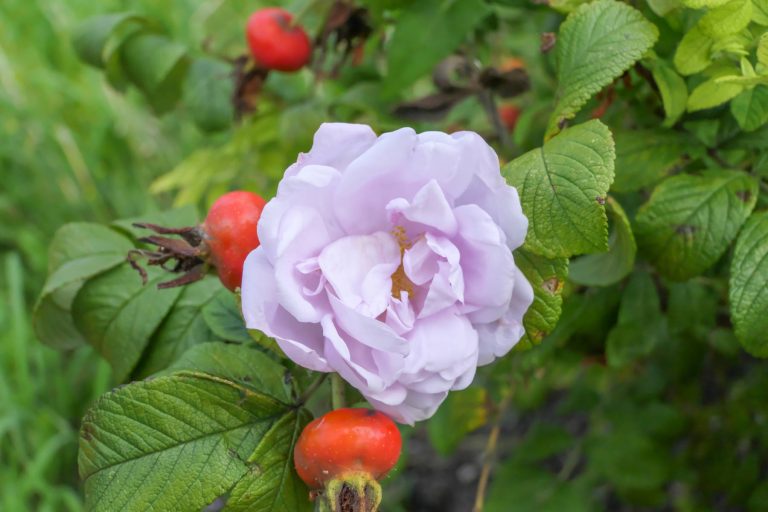
Any rose cultivate with sizable hips can be eaten. The hips from Rosa rugosa are the most widely used as the fruits are large and relatively easy to handle. But this rose is not indigenous to Scandinavia. It comes from Japan and is, in fact, a terrible weed, colonizing vast areas of sandy coastal ground.
Appearance and taste
The hips of wild ripen in early autumn and are usually scarlet. Some species have black or purple fruits. Inside the fruits is a large number of ivory seeds, used by children to tease each other as they itch terribly when they come in contact with soft skin.
Rosehip bush. Photo: Norsk institutt for biovitenskap.
The ripe rosehip is mushy, so hips must be picked just before ripeness if you want to use them for jam, in which the fruit is kept in beautiful, translucent halves (see receipt below). The taste is sweet and a bit bland. They are a little like overripe tomatoes, but will transform themselves with heat, sugar and a little acidity from lemon or vinegar and will have a delicious taste of their own.
*******************************
You might also like Scandinavian blackberries
*******************************
Buying and storing
Fresh rosehips are not sold in the shops, but they can be picked for free almost anywhere. They freeze well, and the seeds are actually easier to extract when frozen. Dried rosehips are available in health food shops and can be made into a delicious herbal tea or rosehip soup.
Health benefits
Rosehips contain a lot of vitamins C, D and E, calcium and a load of antioxidants. They are been considered as a treatment for gout Rosehip seed oil is rich in vitamin C and essential fatty acids, and is much used in skin care.
Rosa rugosa comes from Japan and is, in fact, a terrible weed, colonizing vast areas of sandy coastal ground. Photo: Inform.no
Culinary uses
The velvety flesh is used for a very popular fruit soup, especially in Sweden, and also in drinks, cordial, jam, jelly, and as filling in cakes. The seeds are not eaten, and must be taken out by hand if you are making jam. It’s a bit fiddly, and impossible if the fruit is overripe. If you want the fruits for soup or cordial, you can boil them in water as they are, with the seeds, and strain them from the liquid later.
With all rosehip preparation, it’s essential to add a fragrant acidity, as rosehips need this to balance their meaty blandness. Cider vinegar adds an even more fruity ripeness, lemon juice an exotic note.
Rosehips turn into a beautiful jam
Rosehip jam
This is a beautiful jam – translucent scarlet fruits suspended in clear orang syrup, and with a taste so exotic it’s hard to believe that the rosehips grow all the way to the Arctic Circle. The jam is very good on toast, and in cheese sandwiches.
Collect the hips from Rugosa roses, remove the remnants of the blossom, cut in half and scoop out the seeds with a teaspoon. Rinse in a bowl of cold water, then dry.
2kg rosehips, rinsed
For the syrup,
600g sugar
1 liter water
200ml cider vinegar
Pared zest of 1 lemon, in thin strips
To finish, juice of 1 lemon
Boil the syrup ingredients in a large, non-corrosive pan. When the sugar has dissolved, drop in the rosehips and simmer until translucent. Take them out with a slotted spoon and divide among sterilized jars.
Reduce the syrup until thick and stir in the lemon juice. Pour over the fruit, then seal.



















 Common Danish phrases to know include greetings like “Hej” (hello) and “Farvel” (goodbye), as well as expressions of thanks such as “Tak” (thank you) and “Mange tak” (many thanks). While it may take time to become fluent, speaking Danish can go a long way in building connections and better understanding the local culture.