



By this point in autumn, the seasonal shift is hard to miss. Mornings grow darker, evenings arrive earlier, temperatures keep falling, and trees that were green only weeks ago turn shades of yellow, orange, and red. Read on to learn how autumn changes the way we eat, move, and live as the season progresses.
However, the seasonal shift involves much more than a change in scenery. Changes in daylight, temperature, and daily routines can affect when we sleep, how much time we spend outdoors, how active we are, and what we choose to eat. Autumn can therefore be a useful time to review our routines and make small adjustments that support health and well-being as the season progresses.
Make the Most of Daylight
One of the most noticeable changes as autumn progresses is the continued decrease in daylight. Light is a primary environmental signal that regulates the body’s circadian rhythm, our internal 24-hour clock involved in sleep, wakefulness, and other physiological processes. This makes natural daylight especially important as the darker months approach. Research on light, sleep, and circadian rhythms supports the importance of daytime light exposure in regulating circadian timing, sleep, and alertness.
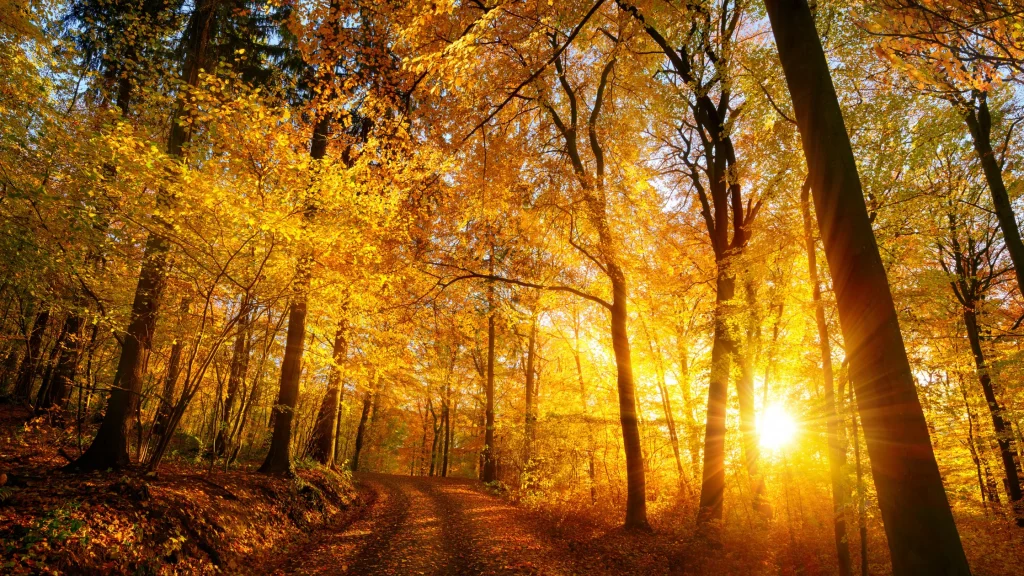
Shorter days can change how much we move. Use daylight as your opportunity. A morning or lunchtime walk provides both natural light and physical activity. Walking to a shop, cycling, hiking, working in the garden, or simply stepping outside for part of the day can help you stay active as daylight becomes more limited. A peaceful walk in the dark is also an option, as many people prefer an after-dinner walk to ease the day’s stress. Any time is a good time to move, truly.
A good reminder, and something Scandinavians are already known for, is to aim for the guidelines recommending at least 150 minutes of moderate-intensity aerobic activity each week, plus muscle-strengthening activity on two or more days. You don’t need to do those minutes all at once or in a gym; the goal doesn’t have to be an elaborate fitness routine. Consistency matters more. A brisk walk through changing leaves is a great way to get active, and remember, you don’t necessarily need to lift weights to do weight-bearing exercises.
Simply doing squats, lunges, or any resistance activity that naturally occurs, like raking leaves, can make a huge impact and may be one of the easiest ways to make the most of what autumn gives us.
________________________________________________________________________
Related: Facing Change: The Role of Mental Wellness in Embracing the Transition from Nordic Summer to Autumn
________________________________________________________________________
Let the Season Change the Plate
Autumn brings some of the year’s most distinctive produce. Apples, pears, cabbage, Brussels sprouts, mushrooms, root vegetables, pumpkins, and winter squash roast and bake well and lend themselves to soups and other warm meals.
Winter squash is a particularly good example. Butternut, acorn, delicata, and other varieties provide carbohydrates and fiber, plus a range of vitamins, minerals, and naturally occurring plant compounds. For example, one cup of cubed raw butternut squash contains approximately 63 calories, 16 grams of carbohydrates, and nearly 3 grams of fiber. Its orange color comes in part from carotenoids, including beta-carotene, which the body can convert to vitamin A.
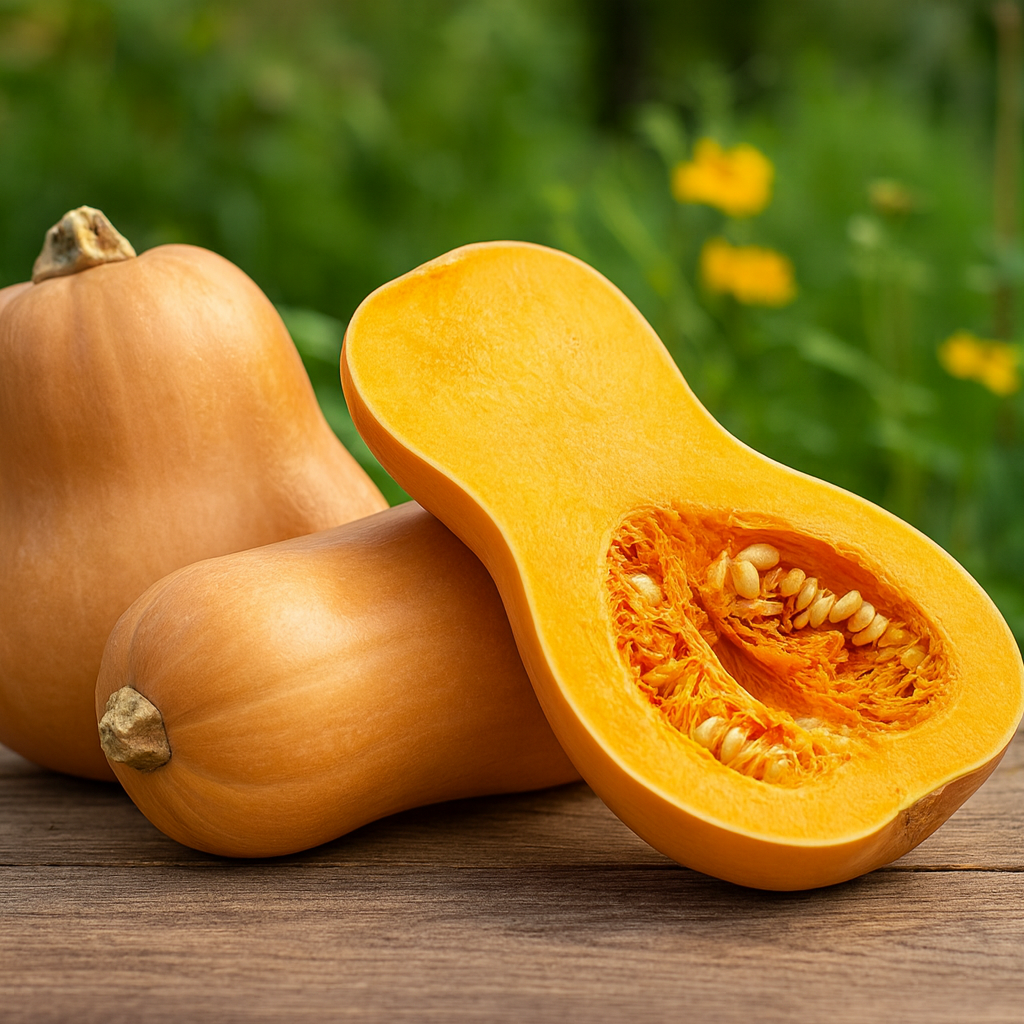
Vitamin A plays important roles in normal vision and immune function. Squash also provides vitamin C and potassium. Fiber is another reason to put squash on the autumn table. Dietary fiber supports digestive health, promotes satiety, and is a key part of eating patterns linked to cardiovascular and metabolic health. We should all aim for at least 30 grams of fiber per day, and autumn fruits and vegetables pack it in.
______________________
Related: Arctic Autumn
______________________
Two Recipes for the Autumn Table
 Martha Stewart’s Baked Acorn Squash with Brown Sugar combines roasted acorn squash with butter and brown sugar for a straightforward autumn side dish. With minimal prep, it is also an easy way to put one of the season’s most recognizable vegetables on the table.
 For something warming, Apple-Butternut Squash Soup combines butternut squash and apples with cumin, coriander, ginger, and a little cayenne. It is a particularly good example of using familiar seasonal produce to create a satisfying autumn meal.
Both recipes also illustrate an important point about healthy eating: nutritious food need not be stripped of everything that makes it enjoyable. Butter or brown sugar in a recipe does not erase the nutritional value of the squash beneath it. What matters most is our overall eating pattern.
Making the Most of More Time Indoors
As autumn progresses, where we spend our time changes, too. Evenings grow darker earlier. Temperatures fall. Naturally, more of daily life moves indoors.
As we spend more time outdoors during shorter days, slowing down and spending more time indoors at home can also boost positivity and well-being. In fact, a healthy home, routine, and rest provide a useful, enjoyable counterbalance to busy schedules and constant stimulation.

A quiet, cozy evening might mean reading, sipping hot tea, cooking a meal, inviting someone over, calling a friend, stretching while watching TV, taking a hot bath, or simply letting some part of the day have fewer demands. Softer evening lighting can help ease the transition toward rest. A comfortable place to read can make putting down the phone more appealing.

An Autumn Read: The Overstory
Richard Powers’ The Overstory is a great read and a fitting seasonal choice.
Winner of the 2019 Pulitzer Prize for Fiction, the novel brings together the stories of people whose lives become connected through trees and the natural world. It is a substantial book about people, nature, time, and interconnectedness, and what can happen when we pay closer attention to the natural world around us.
Highlights/ A Few Things to Try This Week
- Get outside in daylight. Take a morning or lunchtime walk and make use of the natural light.
- Keep movement on the calendar. As daylight decreases, decide when and where regular activity will fit into your week.
- Add something seasonal to the table. Roast a squash, make soup, pick up apples or pears, or try a vegetable you have not prepared recently.
- Create one restorative evening. Make tea, dim the lights, put the phone away, pick up a book, and allow yourself an evening with fewer distractions.
Changing With the Season
Autumn is a magical season in its own right and a reminder that our routines need not remain the same year-round. Daylight changes. Foods change. Our schedules change. The amount of time we spend indoors and outdoors changes. Instead of resisting those shifts, we can notice them and make small adjustments to keep eating well, moving regularly, sleeping consistently, and staying connected.

The Seasonal Shift: How Autumn Changes the Way We Eat, Move and Live, written specifically for Daily Scandinavian by Nicole Hammond. Nicole is a health educator, coach, and wellness writer with a Master of Science in Health and Human Performance and a Bachelor of Science in Health Science. She is also certified in stress management, coaching, and feng shui design. She enjoys writing, researching, creating, and facilitating practices that support health and balance for mind, body, and home. In her spare time, Nicole reads, cooks, travels, exercises, and spends time with her family, including her two golden retrievers and a cocker spaniel.
Feature image (top): © Nicole Hammond.
More articles by Nicole Hammond:
Spring Blossoms and Well-Being: Enjoying the Renewal in Nature, Light, and Simplicity
The Art of Being Human: How Creativity Supports Well-Being Throughout Life
Ancient Wisdom, Modern Wellness
New School Year Wellness Routine Ideas For 2026
Eat for Nitric Oxide: The Powerful Health Benefits of Beets