
5 Things We Can Learn From Swedish Sustainability Efforts

The Swedish region in northern Europe is what many call “the world’s most sustainable nation”. Sweden consistently ranks high on lists for environmental sustainability and carbon neutrality. They have dedicated a lot of time and focus to urban planning and infrastructure. The goal is to become as eco-friendly as possible. Here are 5 things we can learn from Swedish sustainability efforts.

Since the 1990s, Sweden has made massive strides towards revolutionizing the world of sustainability. Environmental stewardship is promoted through every aspect of their lives. Whether it’s behaviors at home, education in schools, or government discussions. There are many things that other nations can adopt to help fight against global warming.

5 Things We Can Learn From Swedish Sustainability Efforts
Many Swedish families have embraced turning their home environment into a sustainable fortress.

Energy Efficiency At Home
While it can be difficult to sway big companies into changing their ways, what we do in our homes is under our control. Many Swedish families have embraced turning their home environment into a sustainable fortress. Through recycling, energy-efficient appliances, and composting, they do what they can to benefit the greater good. The Swedish government even incentivizes its citizens to participate in these programs. The rewards are financial compensation and tax reductions. Many cities have adopted district heating as an energy-efficient option to the traditional single home heating systems. District heating is also known as centralized heating. It is the use of central energy plants that use recyclable heat to distribute heat through networks that cover large areas of homes and apartments. This reduces the number of greenhouse emissions and promotes a communal effort.

Related: Gothenburg, Sweden Worked Hard For Greenest City Title 

5 Things We Can Learn From Swedish Sustainability Efforts
Urban gardening eliminates the process of importing and unites the farmer and the consumer

Urban Farming
Because of its climate, Sweden imports more than half of its vegetables. The process of importing goods is detrimental to the environment. To combat this, many Swedes have taken up urban gardening. Urban gardening eliminates the process of importing and unites the farmer and the consumer. Koloniträdgårdsförbundet, the Swedish association of allotment gardens, has focused its efforts on sustainable gardening and consumption practices. They established community gardens all over the nation, which provide sustainably grown foods to the citizens of the area. Additionally, there has been a boom in vertical farming. This is the process of growing vegetables and verbs on shelves stacked on top of each other to reduce land and water use. Vertical gardens exist in buildings with optimal temperatures for growth. This makes produce accessible all year round.

5 Things We Can Learn From Swedish Sustainability Efforts
When children grow up with a sense of environmental stewardship, they grow into adults who have a profound understanding and respect for the natural world. Photo: UNESCO

Sustainability Infused Education
It has long been known that education is an integral part of how a society develops. In Sweden, sustainability is integrated into education as early as preschool. When children grow up with a sense of environmental stewardship, they grow into adults who have a profound understanding and respect for the natural world. It is no surprise that their society is so dedicated to bettering the environment. Public education in Sweden teaches children about the environment as a part of other subjects from science to home economics. They are taught to think critically about sustainability. Educators and administrators promote sustainability through behavior changes outside of the classroom as well. Students are taught to recycle their lunch wrappers and compost their leftover food.

Related: Growing Job Fields in Sweden
5 Things We Can Learn From Swedish Sustainability Efforts
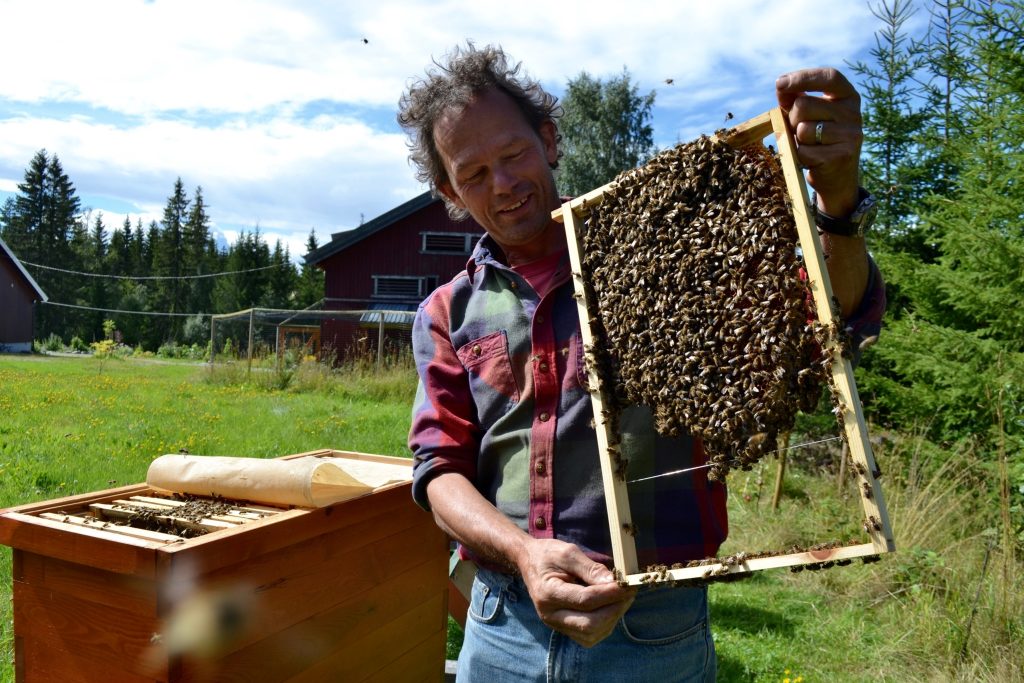
Beekeeping has become a popular hobby and business model in urban Sweden. Photo: Renmat.no

Save The Bees
In recent years the importance of bees to the environment has made massive waves in sustainability efforts worldwide. Sweden is no exception. Beekeeping has become a popular hobby and business model in urban Sweden. Some companies and programs encourage municipalities and their citizens to adopt beehives and help further efforts of biodiversity and ecosystem reconstruction. Aside from producing honey, bees pollinate acres of produce that we consume as food. Due to climate change, many colonies of bees have died and their loss has been felt immensely in the agriculture industry. Urban planning committees have established bee-friendly zones and rooftop gardens to house the beehives.

Related: The History of Bees

5 Things We Can Learn From Swedish Sustainability Efforts
Plantagon Greenhouse, Sweden

Work Together 
The biggest thing we can take away from the Swedish approach to sustainability is a community effort. The Swedes have understood something that many countries still struggle to grasp. Sustainability is not possible without community engagement. While individual efforts don’t go unnoticed, to make institutional changes we must be committed to the cause as a community. Civil engagement is the backbone of Swedish sustainability. Whether it’s schools coming together to make curriculums more environmentally centered, municipalities adopting beehives, or massive companies incentivizing walking and biking to work, a communal effort is one of the most powerful actions we can take. The world belongs to all of us, thus we should all work together to combat climate change and environmental degradation.

5 Things We Can Learn From Swedish Sustainability Efforts
Joe Carter

5 Things We Can Learn From Swedish Sustainability Efforts, written exclusively for Daily Scandinavian by Joe Carter. Joe is a semi-retired contractor who writes in his spare time. Throughout his career, he has always strived to integrate sustainability in all his construction projects. His passion for the environment stretches through all areas of his life. When he’s not writing, you can find him walking along the beachside and picking up litter as he goes.

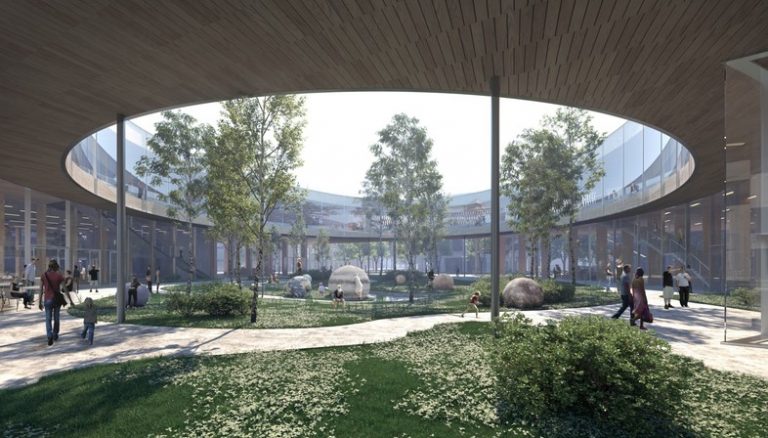
Feature image (on top): Sustainability; The project by the Danish firm COBE won the international design competition for the construction of the new Science Museum in the Swedish university city of Lund. The museum is expected to be completed in 2024.
Scandinavia’s Emerging 2022 Design Trends

Scandinavia has been at the forefront of interior and architectural design for many years. Many prolific designers and architects are native to this region. As time goes forward and the world evolves, trends evolve along with it. Design acts as a reflection of the time we’re in. This is evident in the emerging 2022 trends. After a difficult year of unprecedented experiences, this next year’s design embraces colors, materials, and styles that induce a feeling of comfort and security. Learn more about Scandinavia’s emerging 2022 design trends

Materials
 Popular materials this year include light woods, concrete elements, and brass. Light-colored wood is a Scandinavian classic. But it will not just be used for flooring. Wood elements on walls and ceilings will usher in this new trend. To pair with the wood, concrete continues to be a popular choice.

Scandinavia’s Emerging 2022 Design Trends
Concrete is not just stylish, but sustainable as well. Photo: Paul Povoroznuk / Unsplash

Related:  2021 Scandinavian Interior Design Trends You Need to Know

Concrete is not just stylish, but sustainable as well. With the looming climate crisis, using sustainable materials is a focus in the region. For increased sustainability, recycling concrete from older projects is an excellent method. Many concrete removal companies offer old pieces to be reused and made into something new. For a contrasting material, copper is out and brass is in. Brass is similar to gold but more muted. Brass hardware, faucets, and showerheads are becoming more and more popular. The metal’s color pairs well with other materials and offers a warm glow to your space.

Colors
 The colors of this next year evoke security and comfort, two feelings the world is much in need of. Navy blue is an emerging trend for accent walls and furniture. Designers are saying navy blue is the new black. This dark blue creates an elegant feel, without being as dark and dreary as black. In terms of furniture, navy velvet or suede upholstery has seen an uptick in sales. A contrasting color, burnt oranges, and reds are also making an appearance. These rustic colors are warm and bright. Think of the red desert of Morocco or the United States.

Scandinavia’s Emerging 2022 Design Trends
Navy blue is an emerging trend for accent walls and furniture. Photo: Tom Podmore / Unsplash

Swedish Designers Change the Way Companies Think About Waste

Lastly, neutral creams, off-whites, and tans continue to be a popular choice. These colors in knit and woven forms are a comfortable classic. Nothing feels quite as inviting as a big beige blanket. Neutral touches in contrast with the brass, light wood, and concrete materials create a feeling of sophistication merged with comfort. Concrete can feel cold without a plush cream rug. These combinations generate an environment of intimacy and closeness.

Styles
 In terms of styles, there are a few options coming into the limelight this next year. The first is a vintage style. Vintage style or Art Deco as some call it, has been popular in the past. Its re-emergence comes with some modern updates. Though fairly similar to its original art deco roots, this trend is paired with contemporary materials and textures. Chunky woven threads and wicker textiles are a fitting touch that adds contrast while also maintaining a sense of unity.

Aside from the vintage style, sustainable modern design is another popular style for 2022. The up-and-coming materials for this next year focus on what’s already available. Due to the environmental crises we are facing, designers have begun to transition towards reusing materials. Recycled plastics, glass, and ceramics have become foundations of new pieces in furniture, textiles, and decorations. Inviting the environment into the home through sustainable textiles blends style and eco-design. The idea of environmental design is to create harmony between the interior aesthetic of the home and the exterior aesthetic of the natural world. As Scandinavia is at the forefront of sustainability efforts, it is only natural that they bring it into the home design space.

Scandinavia’s Emerging 2022 Design Trends
Vintage style or Art Deco as some call it, has been popular in the past. Its re-emergence comes with some modern updates. Photo: Mael Balland / Unsplash

Related: 3 Ways To Incorporate Scandinavian Interior Design Into Your Home

Scandinavia’s Emerging 2022 Design Trends – In Review
 In 2022 we should expect to see a wave of ecological and natural materials inside the home. Raw woods, concrete, and brass are the foundation elements of the home with navy, burnt orange, and cream/beige as accompanying colors. Interior designs and furniture choices will reflect the world around us. Designers are hopeful that the growing popularity of environmentally friendly materials will encourage homeowners to approach decorating their homes in an ecological way. Scandinavia has already made great strides in terms of sustainable living with major reductions in electricity and energy use. The interior aspect is simply a natural next step in the process. 2022 will be an exciting year for design, and perhaps some new, unforeseen trends will come up as well.

Scandinavia’s Emerging 2022 Design Trends
Chad Turner

Scandinavia’s Emerging 2022 Design Trends is written exclusively for Daily Scandinavian by Chad Turner. Chad is a fitness enthusiast, personal trainer, health coach, and triathlete based out of Dallas, TX. His mission is to make the world of health and fitness more accessible to people from all walks of life.

Feature inmage (on top) Trendphoto by InHouse

One of Denmark’s Most Important Painters Visits Lillehammer

This summer, Anna Ancher’s art is in Lillehammer, where curator Cecilie Skeide intelligently has divided the Danish painter’s works into the categories, portraits, simplicity, Landscape, colors, community, light and religion. The Norwegian artist Hanne Borchgrevink has been exclusively invited to compliment Anna Ancher’s art by coloring two of the exhibition halls, following the themes of Light and Religion. It is a rare possibility to see the art of one of Denmark’s most important painters when her art visits Lillehammer.

Anna Ancher (1859-1935) was born Anna Brøndum, the daughter of Erik Brøndum, owner of Brøndums Hotel, which housed the artist colony in Skagen at the end of the 19th century. The fact that Ancher was a hotel daughter was probably important for her artistic career. She was served food and help with housework. She was one of the few women in her time who had a fairly large production.

One of Denmark’s Most Important Painters Visits Lillehammer
It is a rare possibility to see the art of one of Denmark’s most important painters when her art visits Lillehammer

Archer found also much of her inspriration abroad – especially in Paris – and experimented with light, colors and simplification. According to curator Cecilie Skeide, her works are full of portraits of those she loved, but also of people who happened to be available as models.

She married the painter Michael Ancher, and they had a daughter, Helga Ancher, who also became an artist.

One of Denmark’s Most Important Painters Visits Lillehammer
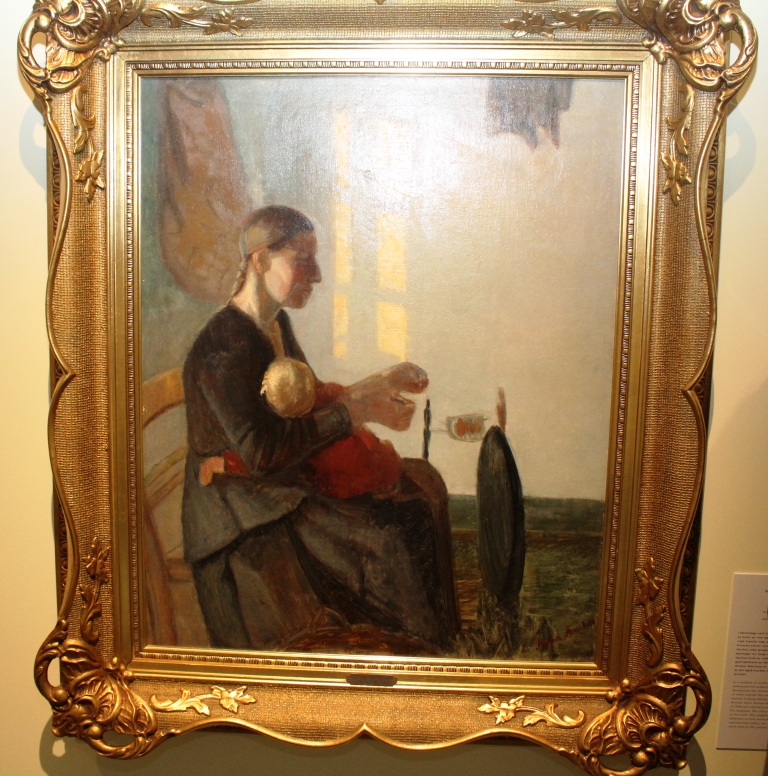
Anna Ancher: Young mother with child – 1887

The Skagen Painters are often associated with the movement of Naturalism, which aimed to represent the world as accurately as possible. Cecilie Skeide tells us that Anna Ancher developed her own style of painting and often returned to the same subject over and over again.

One of Denmark’s Most Important Painters Visits Lillehammer
Curator Cecilie Skeide, Lillehammer Art Museum

Anna Ancher’s motifs are beautiful, and in many ways timeless. In Lillehammer we can experience her delicate interiors. She is often referred to as a ‘painter of interiors – suggesting that she mostly painted scenes depicting rooms and indoor spaces. However, landscape paintings can be found scattered throughout most of her body og work as can be seen in the exhibition.

One of Denmark’s Most Important Painters Visits Lillehammer
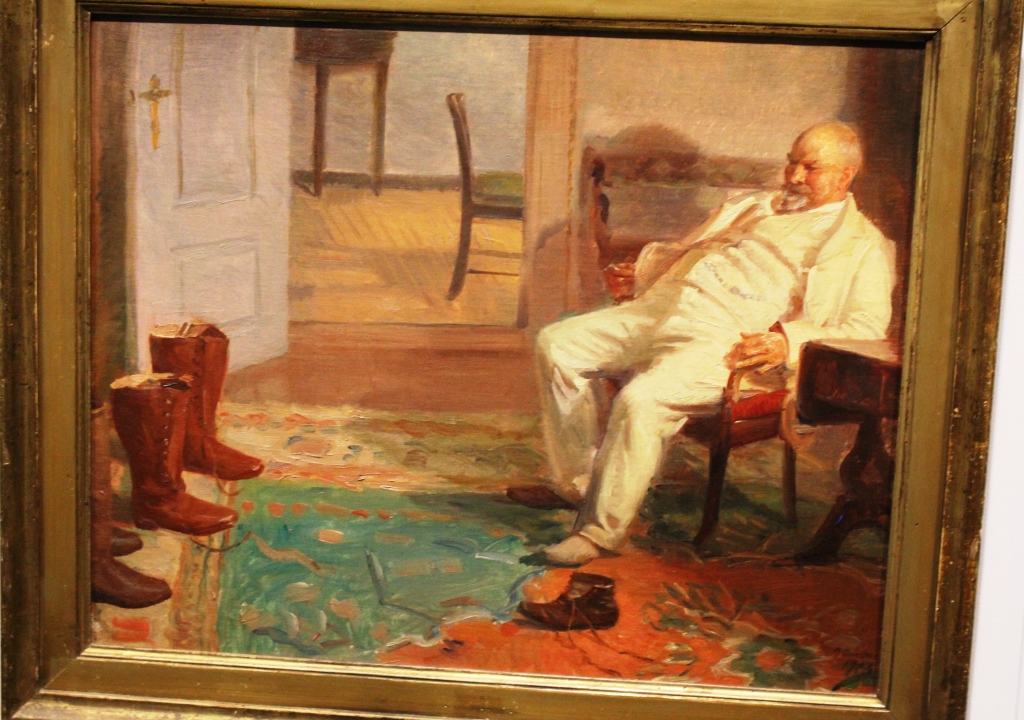
Anna Ancher: The new hunting boots – 1903

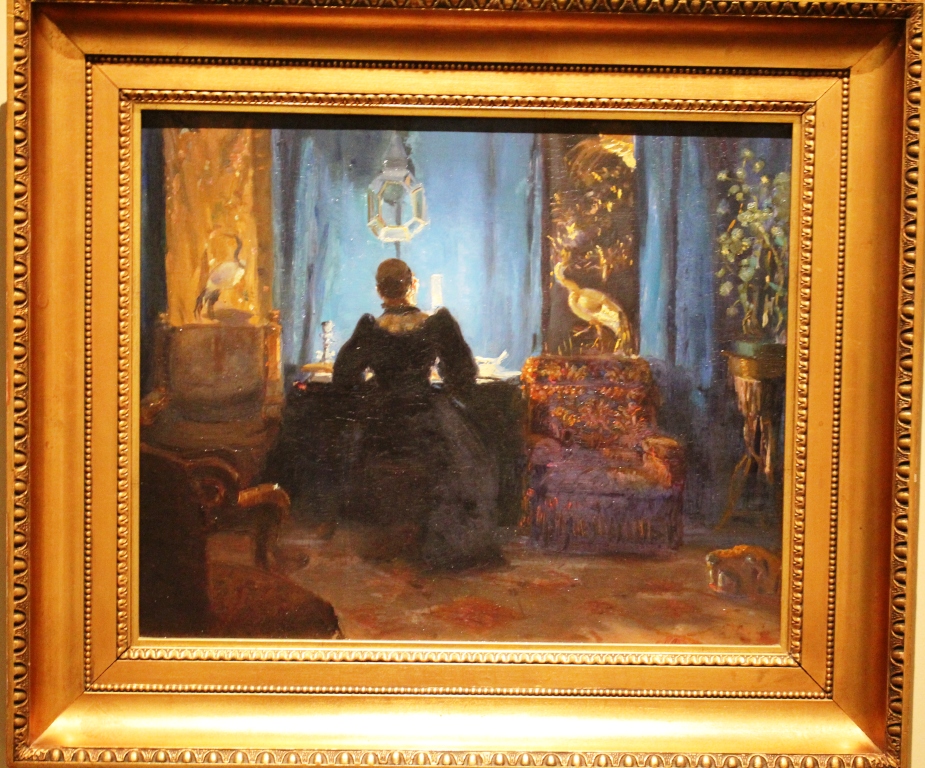
Thematically, Ancher’s paintings were influenced by an intimate connection to the local communities and a lifelong connection to the light and geography of Skagen. Sunlight falling onto a wall is Anna Ancher’s key recurring motif, and she captured the special light that Skagen is so famous for.

Continue to read One of Denmark’s Most Important Painters Visits Lillehammer

One of Denmark’s Most Important Painters Visits Lillehammer
Anna Ancher: Sunshine in the blue livingroom

At the same time, she managed to incorporate some of the most modern and radical artistic ideas to such an extent that her paintings contributed to a rethinking of Danish painting.

One of Denmark’s Most Important Painters Visits Lillehammer
Anna Ancher: A young girl plucking a swan

“Anna Archer’s work are full of depictions of everyday life and social circumstances in Skagen,” says Cecilie Skeide, and continues, “Depictions of everyday life is a typical theme during this period.”

One of Denmark’s Most Important Painters Visits Lillehammer
Anna Ancher’s motifs are beautiful, and in many ways timeless

It is an event that Lillehammer Art Museum now shows the exhibition «Anna Ancher – Skagen – From Within and Without». It was seen by 250,000 people in Skagen and Copenhagen last year – despite long interruptions with closure.

The exhibition lasts through 15 August.

We’ve interviewed Nils Ohlsen, director Lillehammer Art Museum.

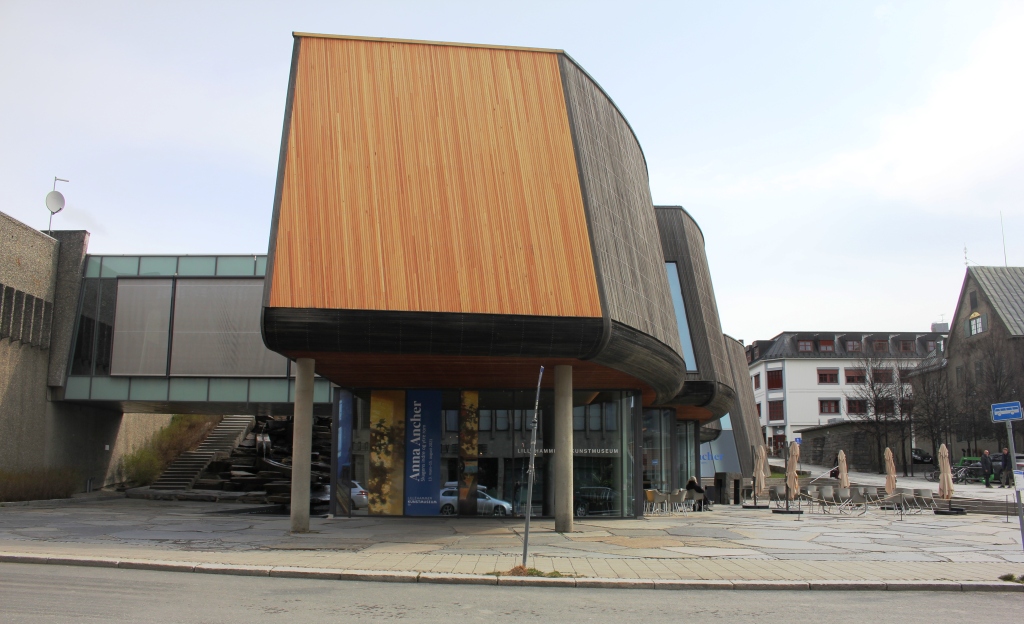
After having previously been located in an old wooden house next to the church , the Lillehammer Art Museum and Lillehammer Cinema were established in an Erling Viksjø-designed building in 1964, which is considered today a definite representation of the architectural style of its time. In 1994, Snøhetta completed an extension to the Museum with the construction of an independent building that sought to bridge the architectural language of the 1960s building and contemporary formal expression. This building, which is already iconic today, provides the museum with further gallery space dedicated to the collection of about 1500 mostly Norwegian works of art from 1800 until today..

One of Denmark’s Most Important Painters Visits Lillehammer
Lillehammer Art Museum

Nils Ohlsen (b. 1967) has been the director of Lillehammer Art Museum since 2018.

From 2010-18 he worked as the director of the National Gallery,  the department old masters and modern art at the National Museum of Art, Architecture and Design in Oslo. Originally from Oldenburg, Germany, Ohlsen started as curator at the Kunsthalle Emden in 2000, where he worked from 2006 as scientific director. He studied art history, classical archaeology and prehistory, as well as graphic design, in Berlin and Stockholm.

One of Denmark’s Most Important Painters Visits Lillehammer
Director Nils Ohlsen at Lillehammer Art Museum

What does it take to set up an organization like Lillehammer Art Museum?
As the world has become more internationalized, it is important to establish international as well as Scandinavian connections. A museum’s reputation and network are very important factors, and money is of course fundamental. Today, we are funded by Stiftelsen Lillehammer Museum, an umbrella organization for five museums: Maihaugen, including the Norwegian Postal Museum, Bjørnstjerne Bjørnson’s home Aulestad, Sigrid Undsets home Bjerkebæk, the Norwegian Olympic Museum and Lillehammer Art Museum.

One of Denmark’s Most Important Painters Visits Lillehammer
Anna Ancher: A funeral – 1891

Our present situation enables us to  collaborate with some of the very best art museums internationally. 25 years have passed since an Anna Ancher exhibition has been seen outside Denmark. We are very proud to have been entitled to have such an important exhibition here in Lillehammer! It might have helped that Anna Ancher’s work was an extensive part of my PhD.

Has the museum’s direction changed over time?
Concerning our collection we are still holding onto our initial mission/vision of promoting Norwegian art history, but we also want to go further and tell the story of Nordic art as a whole. Personally, I want to advance more women in art. Next year we will present an exhibition of about 30 female Chinese artists. It will be an important exhibition and there is so much to explore.

One of Denmark’s Most Important Painters Visits Lillehammer
Anna Ancher: Living room with blue curtains – 1892

How do you select artists for exhibitions and how do you find new artists?
Network is still the important factor. It is not an easy process because it’s not just about finding important artists and their work. We also need to consider our mission and responsibilities to our domestic community and over time present a good mix of Norwegian, Nordic and international art, preferably in different formats. My conservator team is extremely important in the planning process and preparation of this task.

What’s the average time between finding an artist or theme you like and then having a show presented at the museum?
Normally we work on a three years’ perspective, but smaller exhibitions can be finalized in some months. We strive to create contemporary exhibitions. I believe we’re the only museum in Norway right now planning an exhibition on fashion, containing works of the adored Danish fashion designer Henrik Vibskov. This way we try to extend our profile and open up for new visitor groups

An exhibition exploring Nordic illustrators of fairy tales, e. g. Th. Kittelsen and John Bauer, is also in the pipeline.

One of Denmark’s Most Important Painters Visits Lillehammer
“I love to create excitement. Together with my curators and other team members we’re always thinking of new ways to attract interest in our museum,” says Nils Ohlsen, Director Lillehammer Museum

What’s the organizational structure of the museum, and has that been important to its success?

The Stiftelsen Lillehammer Museum employs about 100 people. Our museum has only 2 mediators, 1.5 project managers and 2 conservators. However, we are one individual museum, not a department of the foundation. It is important to maintain our identity.

How are you funded?
The money to run Lillehammer Art Museum comes 60% from the cultural department, 20% from the federal state and 20% from the city of Lillehammer. During the pandemic we have received three times one million Norwegian crowns  to purchase Norwegian contemporary art. For special projects the Sparebankstiftelsen DNB is very important. This foundation supports learning programs, exhibitions or digital offers to our public.

As a museum director, how involved are you in the selection of artists and exhibitions?
I love to create excitement. Together with my curators and other team members we’re always thinking of new ways to attract interest in our museum. For instance, what about an exhibition presenting paintings and photographs from the same period side by side?

Most curators I know of are women. Any comments?
I think there will be more female directors in the future as well. Today, it’s more about how and why the students chose their subjects. As the society changes over time, so will choice of careers. I appreciate to work with a lot of great female colleges!

Thank you, Dr. Ohlsen. We wish you every success in the future.

You may also be interested in: Five Summer Exhibitions in Norway

One of Denmark’s Most Important Painters Visits Lillehammer, written by Tor Kjolberg

All photos © Daily Scandinavian / Tor Kjolberg

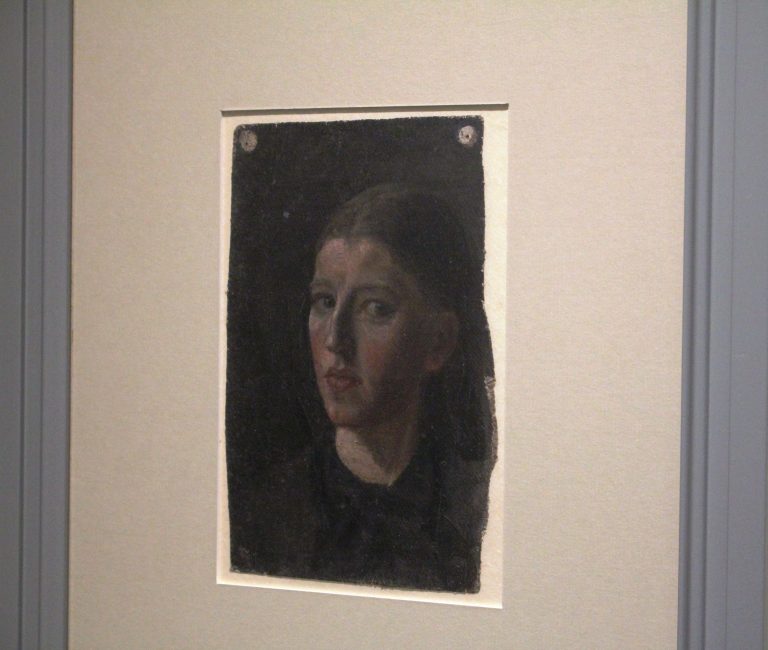
Feature image (on top): Anna Ancher self portrait 1879

Danish Company is Storing Renewable Energy in Stones

The technology, which stores electrical energy as heat in stones, is called GridScale, and could become a cheap and efficient alternative to storing power from solar and wind in lithium-based batteries. It is developed by the Danish company Stiesdal Storage Technologies (SST), and the GridScale demonstration plant will be the largest electric storage facility in Denmark with a capacity of 10 MWh. Read more about the Danish company which is storing renewable energy in stones.

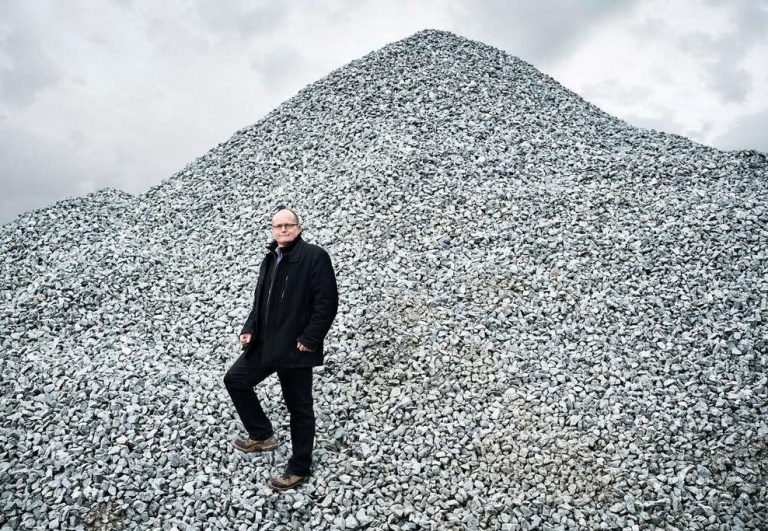
The GridScale storage system is an industrialized and scalable technology for cost-effective thermal storage of electric energy. GridScale uses crushed rock as a low-cost storage medium and offers high round-trip efficiency with no geological or topological constraints. Following an investment by Danish power and fiber-optic group Andel of some DKr75m ($12m), the ‘hot rocks’ energy storage system design is heading for prototyping in the front-running long-duration thermal concept.

Danish Company is Storing Renewable Energy in Stones
Stiesdal hot rock energy storage technology

Related: 2017 – New Wind Energy Record in Denmark

GridScale is built for modular adaptation to local demands
Pea sized crushed stones heated to 600C in large, insulated steel tanks using an innovative pump-based system and releases the stored energy via a turbine to produce electricity are at the heart of a new innovation project aiming to make a breakthrough in the storage of intermittent wind and solar electricity. GridScale is built for modular adaptation to local demands. The storage duration is adjusted with the number of storage tanks.

The technology has undergone tests at the Technical University of Denmark (DTU), but will now be trialed at a solar array in the Zealand region on the Baltic Sea, as well being incorporated in a Danish Energy Agency ‘GridScale’ project.

Danish Company is Storing Renewable Energy in Stones
SST industrial factory

While lithium batteries are only cost-effective for the supply of energy for short periods of up to four hours, a GridScale electricity storage system will cost effectively support electricity supply for longer periods – up to about a week.

However, the GridScale range covers both the 12-18 h duration required for day-to-day smoothing of solar PV, and the 3 to 7 days duration required for smoothing of wind power over gaps caused by low wind periods.

Related: How the Nordics Are Standing Up to Climate Change

Danish Company is Storing Renewable Energy in Stones
“SST represents a very special technological competence. We must now jointly complete a prototype, which can subsequently be tested and displayed,” says Andel CEO Jesper Hjulmand

Stone is an inexpensive and sustainable material
“Stone is an inexpensive and sustainable material, which can store large volumes of energy taking up only a little space, and it can withstand innumerable rounds of charging and discharging of the storage,” says Ole Alm, Andel’s head of development. “We know this from our tests at the Risø [DTU] facility. We must now create units that are flexible and relatively easy to handle.”

“The only real challenge with establishing 100 per cent renewable electricity supply is that we can’t save the electricity generated during windy and sunny weather for use at a later time. Demand and production do not follow the same pattern. There are not yet commercial solutions to this problem, but we hope to be able to deliver this with our GridScale energy storage system,” says Henrik Stiesdal, founder of the climate technology company Stiesdal Storage Technologies.

Danish Company is Storing Renewable Energy in Stones
Henrik Stiesdal, founder of the climate technology company Stiesdal Storage Technologies. Press image 2012

Stores large amounts of energy in small spaces
The hot storage reservoir material is crushed basalt rock. Basalt is formed by the cooling of lava, and due to its volcanic origin, it is very resistant to rapid heating and cooling. Basalt is abundant and easily accessible, and it is readily available in large volumes all over the world.

Related: Denmark – The World’s Leading Wind Power Nation

Andel CEO Jesper Hjulmand said: “SST represents a very special technological competence. We must now jointly complete a prototype, which can subsequently be tested and displayed.”

“Basalt is a cheap and sustainable material that can store large amounts of energy in small spaces, and that can withstand countless charges and discharges of the storage facility. We are now developing a prototype for the storage technology to demonstrate the way forward in solving the problem of storing renewable energy – one of the biggest challenges to the development of sustainable energy worldwide,” says Ole Alm.

Danish Company is Storing Renewable Energy in Stones
A typical lithium ion battery system. NPS

A very inexpensive storage medium
The total specific cost of the thermal storage materials, including storage tanks, insulation, etc. is expected to be less than 10 EUR per kWh for serial production systems. In comparison, conventional battery storage systems typically have storage capacity costs in the range of 200 EUR per kWh.

SST CEO Peder Riis Nickelsen, spotlighted that “commercially sustainable” storage of large volumes of energy would need “a very inexpensive storage medium and that the supplementary equipment can be mass produced – GridScale technology fulfils both of these criteria”.

The GridScale prototype will be the largest storage facility in the Danish electricity system, and a major challenge will be to make the storage flexibility available on the electricity markets in a way that provides the best possible value. Consequently, this will also be part of the project.

Since 2019, the GridScale concept and technology has been validated through a wide range of tests using a combination of standard industrialized components and proprietary technology.

In 2022, the first full scale demonstration project will be installed. It comprises a 1-2 MW, 24 h capacity unit to be installed at a decentral heat and power plant in Denmark.

The demo plant will operate commercially.

Danish Company is Storing Renewable Energy in Stones, written by Tor Kjolberg

Feature image (on top) Andel CEO Ole Alm.

How to Choose a Specialized Hybrid Bike to Travel in Scandinavian Countries

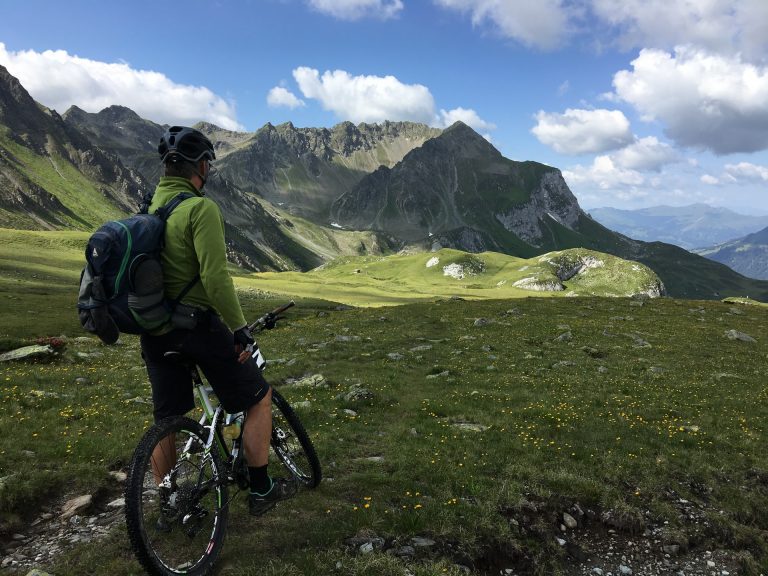
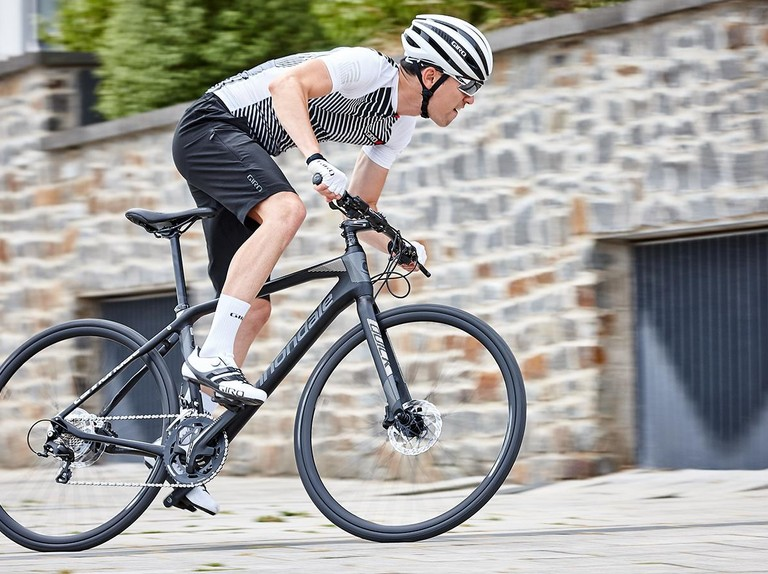
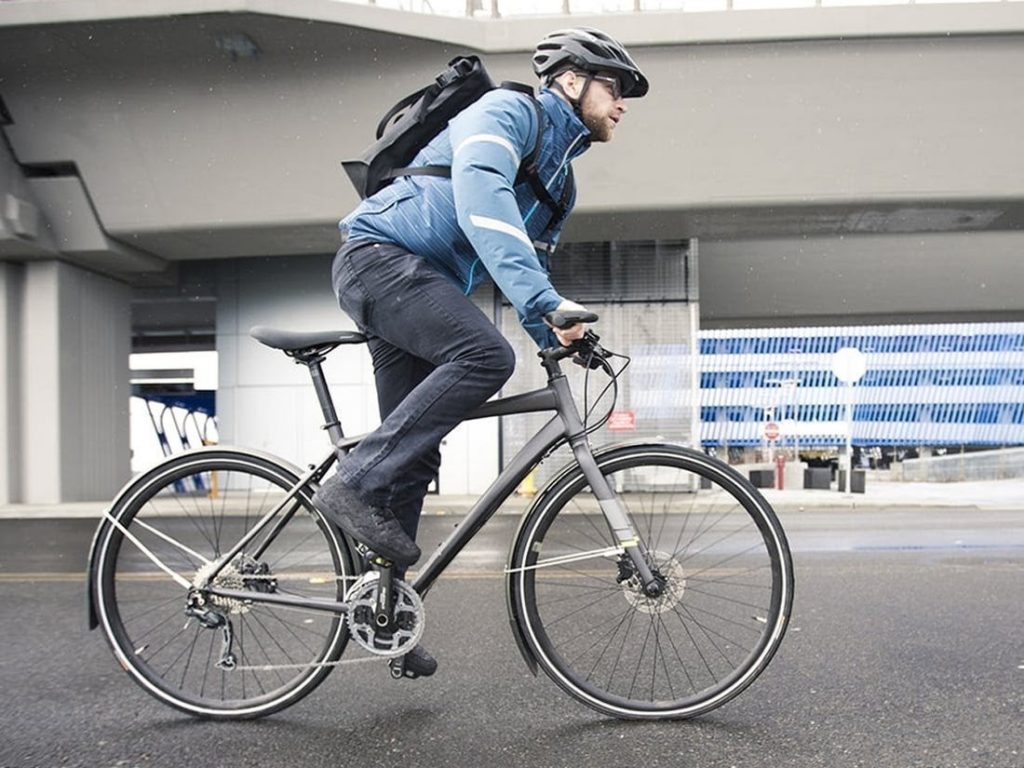
A specialized hybrid mike can completely transform how you view biking. Specialized hybrid bikes take the best of both road and mountain biking, creating a better riding experience. Before looking at the best hybrid bike under $500, know “what size hybrid bike do I need?” Here you can learn how to choose a specialized hybrid bike to travel in Scandinavian countries.

 What is a Hybrid Bike?
A hybrid bike is a cross between a mountain bike and a road bike. Hybrid bike pedals are different. Hybrid bike tires are different. There are different hybrid bike tire pressure requirements. There are even different hybrid bike sizes. Know the difference between a road bike vs hybrid and what makes these comfort bikes.

How to Choose a Specialized Hybrid Bike to Travel in Scandinavian Countries
A hybrid bike is a cross between a mountain bike and a road bike

Criteria for Choosing a Specialized Hybrid Bike to Travel in Scandinavian Countries
Traveling is a great way to combat burnout and stress. If you like biking on new terrains, here are some criteria to consider before you head out on your next endeavor.

Bike Wheel Size
Bike wheel size is important. Know how to measure bike wheel size and know what an adult size big wheel is. If you don’t know how to measure wheel size, there are various outlets that offer a steering wheel size guide. The right sized wheel can make a huge difference in how you navigate the terrain, especially in Scandinavian countries.

Related: Biking the Danish East Coast Route

Cycle Gir
What about cycle gear? Bike gears dictate how much speed you are able to get. If you are into hybrid bikes, you no doubt know how to adjust bike gears. Bike safety gears are helpful to keep you from careening out of control. When you start feeling your bike gears slipping, it can be far more difficult to maintain control. That puts you at risk of a potentially dangerous crash. Safety is paramount when it comes to biking, so take the proper precautions.

How to Choose a Specialized Hybrid Bike to Travel in Scandinavian Countries
. Know how to measure bike wheel size and know what an adult size big wheel is

Bicycle Brake
Bicycle brakes are perhaps the most important safety component for your bike. There are different components, too: bicycle brake pads, the bicycle brake lever, and the bicycle brake cable. For your bicycle brake to work effectively, all of those components must be in working order. Otherwise, you run the risk of not being able to come to a stop when you most need to. That can have serious implications you would otherwise avoid.

Related: Sweet and Safe World-Class Biking on the Norwegian Western Coast

Bike Frame
The bike frame is an often overlooked aspect. Learn how to measure a bike frame as well as what bike frame protection is optimal. The bike frame material that you choose is important, too. Bike frame materials need to be lightweight yet durable, so that you don’t feel bogged down as you are riding. The bicycle frame is something important that can really make an impact on how the bike rides. If you measure a bike frame, you get a better idea on the sizing of your bike and others in general, which is helpful.

Bike Cargo Rack
Carrying stuff with you? Invest in a bike trunk or bike cargo rack. A bicycle cargo rack, more commonly referred to as a cargo rack, can give you the comfort and flexibility of carrying everything that you need with you on your journey. Bike cargo racks can vary greatly in size depending on what you need it for. If you are only bringing the bare necessities, you can get away with a smaller rack. If you are biking and camping, you might need to bring a lot more gear with you.

How to Choose a Specialized Hybrid Bike to Travel in Scandinavian Countries
Bicycle brakes are perhaps the most important safety component for your bike

Related: High Mountain Biking in Northern Norway

Bike Fenders
Bike fenders should not be overlooked. The bike fender, like your frame, plays an integral role in the balance and safety of your bike. Check your bike fender if you have never noticed it before. Get familiar with it and you will find that there are plenty of different bike fenders out there to choose from. You can even get creative with the aesthetic depending on the brand of bike that you go with. Every component of the bike is essential, no matter how little you may notice them.

Bike Handlebars
Your bicycle handlebar grips are of the utmost importance. For bigger riders, bicycle handlebar extensions may be needed. You can choose from bike handlebar tape or even bike handlebar grips to improve your overall grip.

Whatever you choose, make sure that your bike handlebars are comfortable and steady. Keeping a grip on your bike can make all the difference in the world in how it handles. The better your comfort level, the easier it is to steer and navigate, too.

Which Specialized Hybrid Bike is Best for Travel in Scandinavian Countries?
Scandinavian travel means taking an extreme bike trip. When looking for a specialized hybrid bike, start by looking for the best hybrid bike under $500. After all, you want to learn about the aspects that matter most to you.

How to Choose a Specialized Hybrid Bike to Travel in Scandinavian Countries
The bike frame is an often overlooked aspect

When you get the hang of your new bike, you can then start to branch out and look for the kind of bike that you want to make a long-term investment in. That is the bike that will become your companion, keeping you safe as you travel across rough terrains. Being safe and comfortable is of the utmost importance and the most crucial aspects of owning a specialized hybrid bike.

How to Choose a Specialized Hybrid Bike to Travel in Scandinavian Countries – Conclusion
There are many aspects to finding an effective hybrid bike. Take stock of each of the components. Get more familiar with them, their role in the bike, and how you can positively improve them. All will come together to improve your overall experience.

It is about finding comfort and reliability as you navigate unfamiliar and potentially rough terrain. Having a bike that you can’t trust will have you second-guessing things as you ride. That is the quickest route to flying off of your bike.

Most of all, make sure that your hybrid bike is safe. You need to be able to trust your bike to keep you protected when things get rough. Anything less and you may as well skip the trip and take a ride down the street.

How to Choose a Specialized Hybrid Bike to Travel in Scandinavian Countries
Liam Mills

How to Choose a Specialized Hybrid Bike to Travel in Scandinavian Countries, written exclusively for Daily Scandinavian by Liam Mills. Liam is a Supplier Quality Assurance Manager and expert, and founder of ValueHunta.

Feature image (on top) © Photo by Kay Liedl / Unsplash

3 Best Denmark Travel Guides You Can Get for Free

Traveling to Scandinavia might be one of the best experiences of your life. Scandinavian countries have something specific to them, something legendary and mysterious. Danish folklore is one of the best you’ll read about. Their fairy tales, folk tales, and fables are one of a kind. Plus, Denmark is liberal (yes, that means you can smoke freely), very rustic but urban as well, and has some of the best foods you’ll ever try. So, if you’re traveling to Scandinavia, you must visit Denmark. It is, in the end, one of the most productive countries in the world. Learn more about the 3 Best Denmark Travel Guides You Can Get for Free

But I’m guessing you already know this since you’re reading this. If you’re looking for the best Denmark travel guides, this article will help you figure that out. We will be looking at the best reason to visit this awesome country and then, move on to help you find the best free travel guides. Let’s dig in!

Why Should I Visit Denmark at least Once?
Denmark’s rich history can be partially seen in the country’s museums and art galleries. You’ll learn about the Vikings, the most beautiful parts of Scandinavia, and about old Danish cities. The National Gallery of Denmark is a must-see, as Janet, writing specialist at FreeEssayWriters recommends.

3 Best Denmark Travel Guides You Can Get for Free
Some are traveling to Denmark for the music, some for the clothes, and others for…the beer!!!! Photo: LidkoebVesterbro, Copenhagen bar ©Malin-Poppy-Darcy-Mörner

The old architecture combined with the modern buildings makes this country look extraordinary. Visit their palaces and castles, if you can, and don’t forget to pay a visit to their Royal Library in Copenhagen.

How cool would it be if I told you that in Denmark everyone bikes everywhere? Yes, that’s right. The Scandinavian countries are known for their cool environment policies (they’re the best in the world). You can discover a new forgotten city via bike when you visit this country, argues Chloe, research paper writing service specialist.

If you’re into fashion, this is the place for you. Denmark is known for its fancy clothes stores and wide jewelry selection. This country is the Paris of Scandinavia.

If you’re simply looking to enjoy some good music, this is the place for you. One of the best music festivals in Europe is held here (Roskilde Festival), and it features artists from around the world. If you’re traveling for the music, try to book a ticket during the summer.

Some are traveling for the music, some for the clothes, and others for…the beer!!!! Danish beer is tasty and delicious, so if you’re choosing Denmark, you’ve got to taste it.

You can also find many cool places to swim around Denmark if you’re into the outdoors or, if you’re traveling this upcoming winter, you can ice skate on frozen lakes (yes, Europeans do that). You could also take a boat tour to get a new perspective upon the city as you sail down its river. You could also learn how to write about your beautiful travels here and write your own travel book one day!

For those of you passionate about winter traveling, Denmark is a wonderland. It will be freezing but completely worth it. What better way to enjoy the castle views than when the whole city is covered in snow?

Funny fact: for those of you who don’t know, Denmark is known to be one of the happiest in the world. In fact, they ranked first three times in a row in the UN World Happiness Report.

What Are the Best Denmark Travel Guides?
I hope that I’ve convinced you to visit this beautiful country by now. Here are the best free travel guides that you’ll find.

3 Best Denmark Travel Guides You Can Get for FreeArrivalGuides
7 out of 10 travelers research two or more destinations during the early stages of their planning process. Digital travel sites are able to help travelers choose their destination. Destination content plays a huge role here as it serves as a rich source of inspiration and can guide visitors into choosing a specific destination. ArrivalGuides is doing just that!.

3 Best Denmark Travel Guides You Can Get for FreeVisitDenmark
This is another popular website among tourists. You can find information about favorite Danish destinations, accommodation plans and last-minute deals, and advice on how to plan your trip. You could also get access to the highlights of Denmark by visiting this free travel guide.

3 Best Denmark Travel Guides You Can Get for Free
Now, you can also subscribe to a free monthly magazine, SCANDINAVIAN monthy

Daily Scandinavian
is almost like a Scandinavian encyclopedia. With almost 2,000 articles on destinations, attractions, food & drink, accommodation and much more, it’s a valuable source for curious visitors. Now, you can also subscribe to a free monthly magazine, SCANDINAVIAN monthy.

3 Best Denmark Travel Guides You Can Get for Free, written exclusively for Daily Scandinavian by Jessica Chapman. Jessica is a writing editor and college-paper.org review specialist from Chicago. She is into sports and politics and enjoys travelling. If you ever need to buy an essay, you can reach out to her, as she offers cheap dissertation writing services to any student.

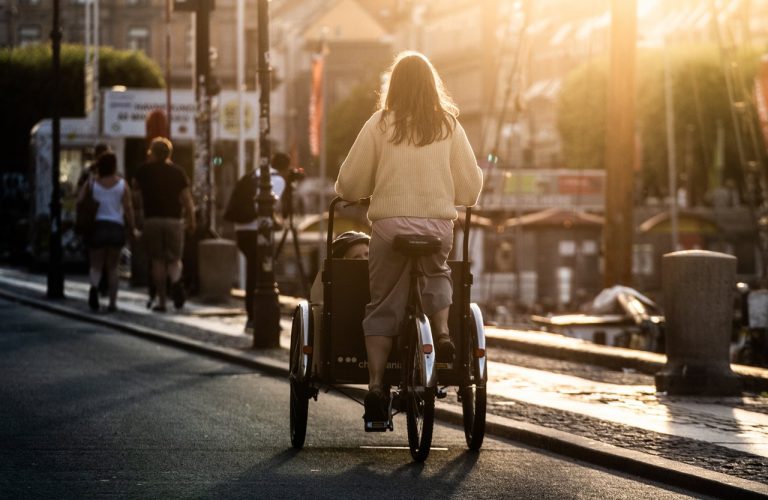
Feature image (at top): Copenhagen cargo bike ©Viggo-Lundberg

Five Summer Exhibitions in Norway

Five Summer Exhibitions in Norway

The museums have gradually begun to open in Norway after the pandemic and here we present some of the gems that open up to the public this summer. The museums invite to paintings of female nudes, storytelling by François-Auguste Biard, fundamental questions of life and death as well as works from the Astrup Fearnley collection. Learn more about these five summer exhibitions in Norway.

Five Summer Exhibitions in Norway
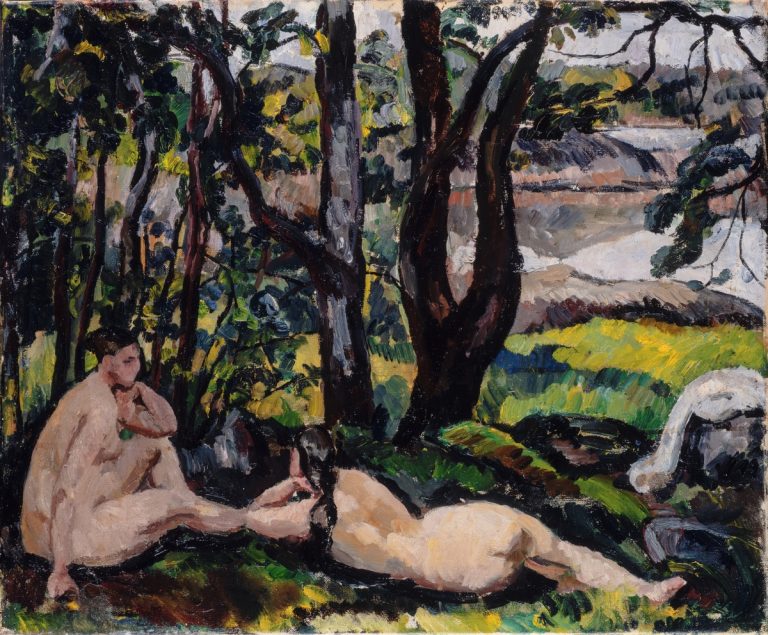
Heiberg Welhaven image: After the bath, 1914. Photo: Audbjørn Rønning, Lillehammer kunstmuseum.

Astri Welhaven Heiberg at Haugar kunstmuseum Tønsberg
This exhibition is the result of extensive research carried out by art historian Signe Endresen, who has also been invited to curate it. This is a unique chance for Haugar to show a relatively unknown artistry and at the same time contextualize Welhaven Heiberg’s work in relation to contemporary painting colleagues.

Astri Welhaven Heiberg (1881–1967) is best known for her portraits of female nudes and landscapes.

The exhibition runs through 26 September.

Five Summer Exhibitions in Norway
Battle with Polar bear, François-Auguste Biard

THE OTHERS – Nordnorsk kunstmuseum Tromsø
Welcome to the first retrospective exhibition on the French romantic artist François-Auguste Biard (1799-1882). In Norway, Biard is primarily known for his depictions of Sami indigenous peoples and Arctic nature and culture, but the exhibition will show that he also travelled to and painted from all around the world.

The lives of others
This exhibition is a collaboration with the museum Maison de Victor Hugo in Paris, France, and is a thorough and broad presentation of Biard’s life and work. The exhibition brings together a large selection of works of art from public collections in France, international and national institutions and private, often unpublished, collections, in addition to works from NNKM’s collection. But the exhibition also includes both contemporary and historical works by other artists who contextualize Biard’s art from a northern perspective, like Aslaug Juliussen, Tomas Colbengtson, John Savio and Marja Hellander. Sami artist Raisa Porsanger has made several installations unique for this exhibition, in direct dialogue with Biard’s works.

The exhibition runs through 29 August

Five Summer Exhibitions in Norway
Life and death model: Head and respiratory tracts

Life and Death at Teknisk Museum Oslo
What is health? What is illness? What is good treatment?

The goal of this exhibition is to inspire dialog about and new knowledge on medical history and the present – and what it means to be human.

The most important starting point is the collections. The design revolves around one particular and special body – the mummy “Maren.”

The project leader, Ellen Lange, has planned for it to inspire people to ask questions about what medicine and health are — and what they can and should be.

When the museum now handles medicine and health in the new permanent exhibition, it does so with the aim to touch and be touched.

“We want to give our visitors a good and strong experience that hits them in the gut, head, and heart. The hope is that they will carry it with them for a long time. We also want to make it possible for users to influence and influence us – that is, the exhibition and the museum – by enabling us to take in their perspective and input and thereby be constantly evolving,” Ellen Lange says enthusiastically.

Permanent exhibition at Norsk Teknisk Museum, Norway’s national museum of science and technology

Five Summer Exhibitions in Norway
Bruce Neuman: Run for fear Run from rear – BONO

Summer exhibition at Astrup Fearnley Museum, Oslo
Astrup Fearnley Museum in Oslo houses Norway’s largest collection of international contemporary art. The collection includes seminal works by artists from around the world. Since its genesis in the 1960s, the collection has focused on selected artists, following their development in depth over many years and through different phases. Chief curator Solveig Øvstebø at the Astrup Fearnley Museum in Oslo is from this year on in charge of the museum’s program.

“In planning the exhibitions, I have considered the museum’s history and institutional position, which in recent years has had one foot firmly planted in the American contemporary art scene and the other in that of Norway. It was therefore a deliberate choice to invite one American artist and one Norwegian artist for the two main exhibitions this year. At the same time, I wished to highlight other notable currents in the museum’s extensive collection, so in the summer of 2021, we will present a new selection of works from the collection, in an exhibition spread across both of the museum’s buildings,” she says.

The exhibition runs through 5 September

Five Summer Exhibitions in Norway
Anna Ancher image: Sunshine in the blue living room, 1891 (section) © Skagen kunstmuseer

Anna Ancher at Lillehammer kunstmuseum
Anna Ancher is one of the most popular Nordic artists of the period 1880–1920. The exhibition includes nearly 200 works, which makes it the largest ever solo exhibition of Ancher’s art. The exhibition is being organized in collaboration with SMK and Art Museums of Skagen in Denmark.

A separate review of the Anna Ancher exhibition at Lillehammer Museum of Art will be published in Daily Scandinavian in a few days.

The exhibition runs through 15 August.

Five Summer Exhibitions in Norway, compiled by Tor Kjolberg

Feature image (on top) Nude women, Astri Welhaven Heiberg

Cozy Friday in Sweden

0

The Swedes have a wonderful tradition, after a working week they are spending Friday evenings on their sofa in the living room, watching TV, drinking wine and enjoying taco, pick’n’mix and snacks. They call it ‘fredagsmys’. It’s cozy Friday in Sweden.

On cozy Fridays, families grab their fuzzy slippers, play games while the fireplace’s a-crackling and get warm-and-cuddly ideas for cooking, decorating, and more. However, pickled herring and meatballs are the global faces of Swedish cuisine, and the old generation in Sweden are still sticking to these delicacies, having ABBA music in the background. It’s as Swedish as IKEA.

After a busy working week, instead of staying late at the office, or going out for drinks with colleagues, the Swedes are heading home and put on their favorite sponge clothes
after a good cleaning session. This is perhaps not surprising given that for much of the year, hibernating is the Swedes’ best defense against the cold and dark nights.”

Cozy Friday in Sweden
Fredagsmys means enjoying pick’n’mix and snacks. Photo: Hamza Bouasria / Unsplash

Back in the 1950s, Sunday was the day Swedish families reserved for festive dinners. In the 1960s, celebrations became less formal and were moved to Saturday. Fast-forward to today, and Friday has become the family high point of the week in Sweden.

Until the late 1980s, television in Sweden was a publicly-funded state monopoly. In 1987, the first Swedish satellite channel, TV3, began broadcasting from the United Kingdom, and the governmebt allowed commercial players into the market. With a bigger selection of shows to watch together, the family-viewing trend was improving and optimized for fredagsmys nights.

Related: 5 Scandinavian Life Philosophies that Can Make You Happier

Cozy Friday in Sweden
: spending time together with loved ones and relaxing while enjoying some easy-to-make food is the main principle of fredagsmys. Photo: Scott Warman / Unsplash

Nobody is sure exactly how or when fredagsmys was formally conceptualized, but grew immensely popular in the 1990s, as part of a marketing campaign for Swedish crisp brand OLW, but it grew into a popular movement in the 2000s. According to a recent survey by Swedish Tex-Mex brand Santa Maria, one-third of Swedes aged 15 to 70 take part in fredagsmys every week, whilst a massive 78% enjoy fredagsmys once a month. The term made its way into the Swedish dictionary in 2006.

Fredagsmys has become a deep-rooted ritual that affords Swedes a weekly treat, while upholding the country’s strong family values and obsession with work-life balance. Cozy Friday is the beginning of your weekend, you have a sense of freedom and you don’t have to think about the next day. It’s just a great start to the weekend.

Regardless of whether you’re embracing fredagsmys with family, friends or four-legged pals, the main principles are the same: spending time together with loved ones and relaxing while enjoying some easy-to-make food. By building this day into your week, it takes the pressure off coming up with an amazing or big way to mark the end the work week.

Cozy Friday in Sweden
Fredagsmys has become a deep-rooted ritual upholding the country’s strong family values and obsession with work-life balance. Photo: Ekaterina Shakharova / Unsplash

Related: Danish Happiness Explained

Today, the majority of Swedes choose a ‘cosy Friday’ above any other activity, including a gig, a cinema night, exercising and even sex.

There are similar concepts in Norway (fredagskos) and Denmark (fredagshygge), but personally I think the Swedes do it best.

Cozy Friday in Sweden, written by Tor Kjolberg

Feature image (on top) © Pablo Merchan Montes / Unsplash

Salmon Fishing in Norway

Salmon fishing is often thought of a sport reserved for some privileged people. However, splendid salmon fishing in Norway does not have to be expensive or exclusive. In the Bjerkreim river, Rogaland county’s longest watercourse, you have good chances of getting fish at a reasonable cost. Read more about salmon fishing in Norway.

Norway has also the reputation being an expensive country and for this reason many sport fishermen see salmon fishing in Norway as an impossible dream. Even many Norwegians don’t realize how privileged they are with regards to fishing.

Bjerkreim river.
The Bjerkreim River has got its name of the village Bjerkreim which it is passing before reaching the Atlantic Ocean at Egersund. Screenshot YouTube

Related: Scandinavian Salmon

There are many big salmon rivers in Norway, but the salmon season is relatively short. On the other side, the cultural outlook is different than in many other salmon fishing countries where there are now more fish released than taken. Like other game, salmon in Norway are seen as a resource that can be harvested, and Norwegian rivers are classified on the number of fish that are killed.

For fly fishermen, Bjerkreim river is perhaps Southern Norway’s finest river with affordable prices and unlimited sales of fishing licenses. In addition, it is an incredibly beautiful river, which makes up for the fact that the size of the salmon is moderate. However, the number compensates for the size.

Related: Positive Trend for Norwegian Salmon

The season is mainly from June through July, but locals are fishing here almost through September.

The most interesting period, however is between 10th of July until end of August.  The Bjerkreim River has got its name of the village Bjerkreim which it is passing before reaching the Atlantic Ocean at Egersund. The quickest and easiest way to arrive here is by flight to Stavanger in combination with a rental car. By car from Stavanger on highway E39 it takes less than an hour.

Owners of parts of the river offer cabins and apartments for rent. Fishing in Norwegian rivers is always private, but the owners have been organized in order to offer longer stretches of the river and often at both sides. This explains the owners’ engagement for protection and improvement of the salmon population in the Bjerkreim River.

There are few other rivers in Norway that have the same objection to wild salmon as the Bjerkreim River. Fish counts show that 14,000 salmon swam up the watercourse. In 2020, 4,000 of these were caught on rods. The average weight of the salmon was a little over two kilos, and eight percent of the fish was released again.

Salmon Fishing in Norway
Fish counts show that 14,000 salmon swam up the watercourse In the Bjerkreim river in 2020, 4,000 of these were caught on rods. Photo: Henrik Suort /Fjord Norway

Related: A Norwegian Eldorado for Anglers

Do not forget to perform a disinfection of all equipment and waders after arrival. You get all needed equipment as well as necessary information at the fishing shop “Fiskekroken Bjerkreim”.

For further information, here’s the link to the Bjerkreim River’s official website.

Another useful link for those who might want to travel to Norway for salmon fishing is the official site for Norwegian salmon rivers (in Norwegian only).

Salmon Fishing in Norway, written by Tor Kjolberg

Feature image (on top) © Gaspar Manuel Zaldo / Unsplash

How to Find the Right Vacuum Cleaner in Norway

Finding just the right vacuum cleaner can be a challenge. It is perhaps the most important cleaning tool you have in your home, and something you would want to splurge a little bit on. However, a vacuum cleaner does not have to be as expensive as you might think, and you can get a lot for your money if you look in the right places. Learn How to Find the Right Vacuum Cleaner in Norway.

There is a great selection of vacuum cleaners in Norway, that is there to fulfill your cleaning needs. As many know, Norway is known for being an expensive country and there are certainly many things here that many spend an unnecessary amount of money on. Here is a guide to how you can find the best vacuum cleaner in Norway, for a reasonable price.

How to Find the Right Vacuum Cleaner in Norway
Miele Complete C-3 Black Diamond Ecoline

Related: How to Clean Your Scandinavian Birch Wood Furniture

The one that aces the test
A good tool for when you are looking for the right vacuum cleaner, is a vacuum cleaner test. This will provide you with sufficient information about the once that have scored the best in tests done by professionals and everyday people. Here you might just find the right vacuum cleaner for you and even discover one with new and useful features. The test covers every element and function of the machine, as well as going in depth as to how well it works. This can be everything from suction ability, design, noise level and power consumption.

You might also like to read: In Bed With a Norwegian

Furthermore, the test will tell you what rating every machine has gotten and which one is the very best. If you are looking to splurge, you might go for the best one, which is often the most expensive. However, there are many good vacuum cleaners for lower prices. The test can also reveal how the most expensive ones are not always the best ones, sometimes a cheaper option is better. You can look at a good vacuum test from Norway here.

You might also like to read: Hand-Made Brushes from Sweden

How to Find the Right Vacuum Cleaner in Norway
Bosch wireless

With wire or without?
There are several elements to a vacuum cleaner to take into consideration, before you buy one. You know your preferences best and try to think about what you are going to use it for in the future. Is it simply to vacuum the floor occasionally, or do you need it to clean other things? Are you many people in your household and need to clean almost every day? Do you have pets that shed?

These are some of the factors that plays a big role when it comes to pick a vacuum. If you have a big home, you might want a cordless vacuum cleaner, to make it easier to use and store. This lets you clean without the stress element of having to unplug the cord and find a new outlet.

Vacuum cleaners are a must in any Norwegian household. Whether it is to keep dust out, clean up after your kids or pets, or get sand and dirt away from your door mat, it is a must-have and something you should spend some time and effort picking.

How to Find the Right Vacuum Cleaner in Norway, written exclusively for Daily Scandinavian.

Feature image on top: Cord-free Dyson