
The Swedish Runner

0

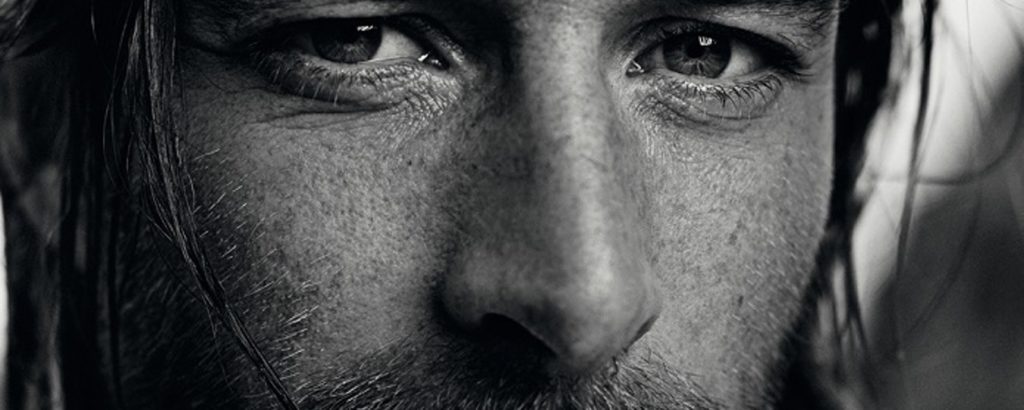
When an injury put and end to the Swedish runner Markus Torgeby’s running career, he lost his foothold in life. Then he wrote the book about his four years living more or less alone in the remote northern forests in Sweden. “The Runner: Four Years Living and Running in the Wilderness” is a memoir about loving in the wilderness, withstanding the elements, seeing no one, and doing almost nothing but running. The Swedish runner is a metaphor of the essentials in life.

As a teenager, Markus Torgeby didn’t do very well at school.   “I don’t understand why I should be stuck inside doing something I don’t want to do,” he writes of his boyhood. “I don’t bother with my homework and always have the lowest marks in my class in every test. I just want to run.”

And he turned out to be a very talented long-distance runner. It didn’t take long before he was discovered by an enthusiastic coach who set very high goals.

The Swedish Runner
The book became a bestseller in Sweden

Related: A Living Swedish Football Legend

The Swedish runner
However, while Markus performed brilliantly in training, during competitions he often failed inexplicably. In 1999 when Markus was just 20 years old, he moved to one of the most isolated and cold regions of northern Sweden. When he first took to the trees, he regularly covered 40 miles a day. His resting heart rate was 40 beats per minute. The average for a healthy moderately fit individual is 72.

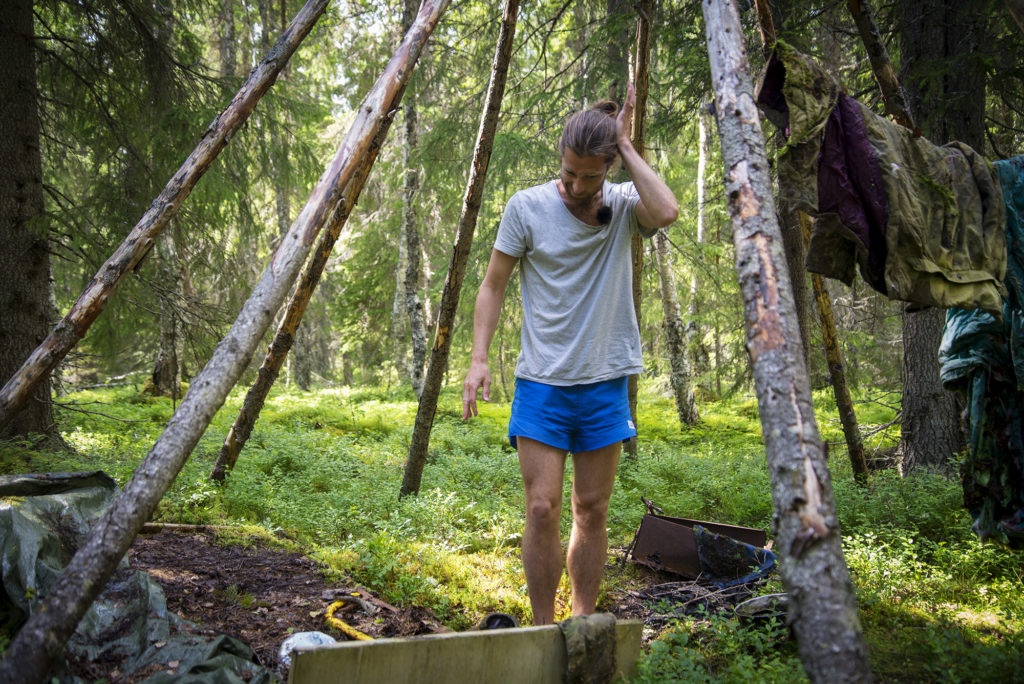
he lived as a recluse for four years staying in a tent and braving the harsh Scandinavian winters. And he ran. His time alone would prove to be more than an escape and was in fact a search for a direction in life. He was running in the depths of the Swedish winter, with temperatures as low as minus 42C “so your pee freezes before it hits the ground”. When he was unable to run on account of the snow, he skied similarly fearsome distances instead.
The Swedish Runner
In 1999 when Markus was just 20 years old, he moved to one of the most isolated and cold regions of northern Sweden

Related: Scandinavian Sporting Heroes

Portrait of an extraordinary man
Markus took odd jobs in the countryside when his money ran low. A journalist wrote some articles about him, but he wondered why people were interested. Some readers may be tempted to agree with him, as he didn’t come across as particularly perceptive or reflective.

The Runner is a unique and powerful book: a portrait of an extraordinary man as well as a fascinating exploration of running and personal wellbeing. However, the book isn’t about running per se. For the young Torgeby, running was the means — and now, in this book, the metaphor — for stripping life to its essentials to see how he coped and what he could learn about himself.

Related: Active Life in Scandinavia

A Swedish bestseller
The book became a bestseller in Sweden. Other runners found inspiration in his story, and he made his re-entry into civilization, with a wife, a family, and a message about how little you need to live life to the fullest.
The Swedish Runner
Markus Togeby lived as a recluse for four years staying in a tent and braving the harsh Scandinavian winters

“Few people have the courage to be true to the person they really are… A fascinating story about a man dedicated and entirely devoted to his true love, running,” wrote Dean Karnazes, legendary ultramarathoner and NY Times bestselling author

The Swedish Runner, written by Tor Kjolberg

Queen’s Street in Stockholm

Stockholm’s Drottninggatan (Queen’s Street) is an old street which leads directly through the Riksdagshus (Parliament building) and over the bridge from the Royal Palace. It’s one of Stockholm’s main pedestrian ways. Don’t miss Queen’s Street in Stockholm when visiting the capital of Sweden.

In summer, it is full of casual crowds strolling or sitting at one of the outdoor cafés. At the northern end is the excellent Strindberg Museum, housed in the top-floor flat of the Blue Tower (Blåtornet) where Sweden’s greatest playwright spent his last years and wrote his last epic play, The Great Highway in 1908.

Queen’s Street in Stockholm
At the northern end of Drottninggatan is the excellent Strindberg Museum

Related: Royal Parks and Gardens in Stockholm

Even at the end of his life, Strindberg was astonishingly prolific; he produced some 20 books in his four years in the Blue Tower.

Queen’s Street in Stockholm
From Hötorget in Stockholm

Walking south along Drottningsgatan to Kungsgatan, on your left you’ll come to Hötorget, with its open-air food stalls and indoor market. This is where Swedes shop for food. Here you can find Swedish delicacies such as elk steak and reindeer and the many varieties of Scandinavian cured herring.

Related: Stockholm’s shopping centers

Drottninggatan’s history
The street was laid out in the 1630s and 1640s when the surrounding area was built on a rectilinear grid plan, a significant innovation in Stockholm’s urban environment. It was originally named Stora Konungsgatan (“Great King’s Street”) and was later renamed as Drottninggatan in honour of Queen Christina, who ruled from 1632 to 1654. Its name was paired with that of nearby Regeringsgatan(“Government Street”).

Related: King’s Garden in Stockholm

Queen’s Street in Stockholm
In summer, Qieen’s Street is full of casual crowds strolling or sitting at one of the outdoor cafés

This style of naming was relatively novel for Scandinavia, which did not have a tradition of streets named for the king or queen. It was most likely borrowed from Amsterdam or Copenhagen, where groups of streets were given names from the same semantic categories. Thus in Copenhagen’s district of Christianshavn, laid out in 1618, three streets were named Kongens gade (“King’s Street”), Dronninggaden (“Queen’s Street”) and Prinsensgade (“Prince’s Street”). Source: Wikipedia

Queen’s Street in Stockholm, written by Tor Kjolberg

World-famous contemporary artist interprets Edvard Munch in Oslo

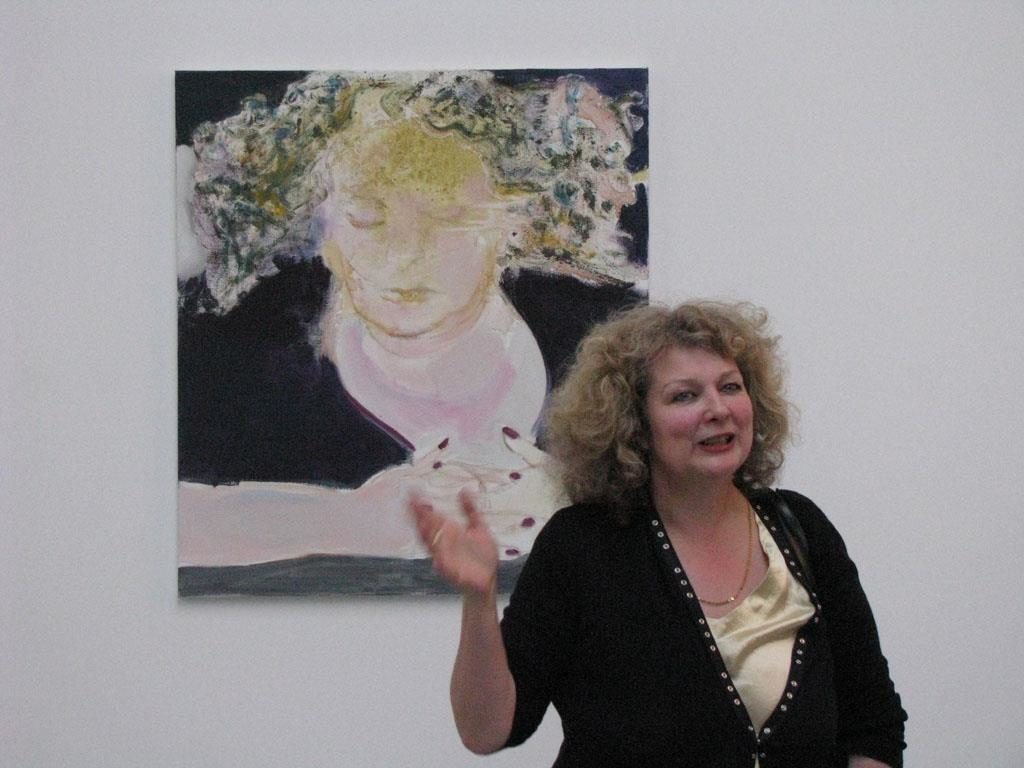
Marlene Dumas is one of the most influential painters in contemporary art. She confronts and seduces us with her expressive figurative motifs. Taking on the role of curator for the first time, she presents us with Edvard Munch’s art in dialogue with her own works at the Munch Museum in Oslo.  The world-famous contemporary artist interprets Edvard Munch.

Born in Cape Town, South Africa, in 1953, Marlene Dumas moved to Amsterdam in 1976, where she has since lived and worked.  In this autumn’s exhibition at the Munch Museum, she shows us how she perceives Edvard Munch’s artwork in relation to her own. She has been fascinated by Munch’s body of work for a long time. In 1981, she visited the Munch Museum and saw his series of lithographs called Alpha and Omega (1908), which opened her eyes to their similarities.

World-famous contemporary artist interprets Edvard Munch in Oslo
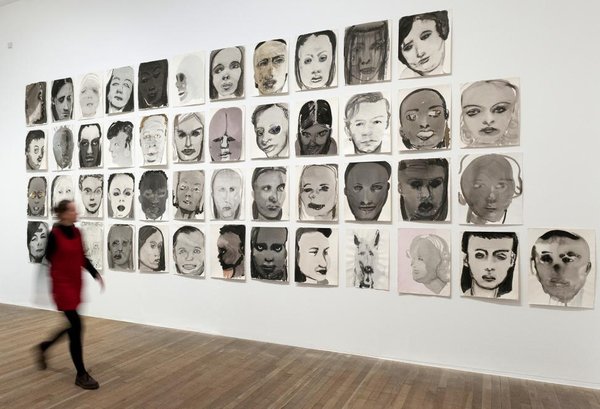
Narlene Dunmas at Tate Modern, London

Related: The Edvard Munch Museum in Oslo on the Move

World-famous contemporary artist interprets Edvard Munch in Oslo
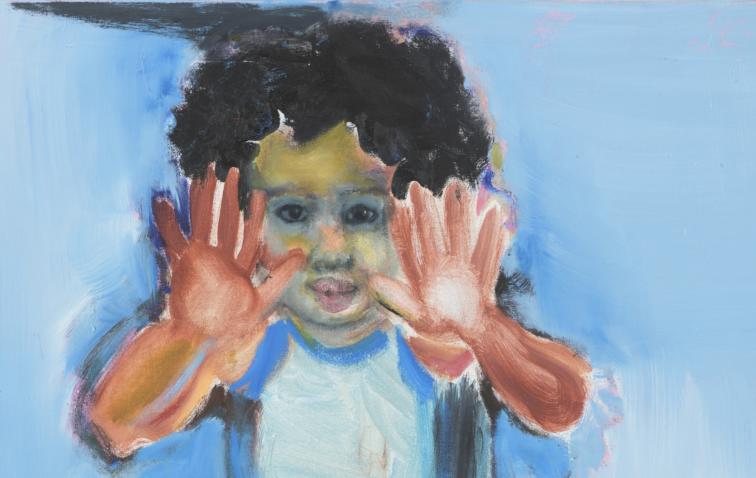
“I have always said that I wish to paint love stories, and here Munch did just that, many years before me”, she says. According to her, Munch painted modern love stories – not just between men and women, but also between mankind and nature. Encompassing a diverse array of scales, styles, and subjects, Dumas’s new works respond more than ever to the uncertainty and sensuality of the painting process itself. Allowing the structure of the canvases and the materiality of the paint greater freedom to inform the development of her compositions, the artist has likened the creation of these works to the act of falling in love: an unpredictable and open-ended process that is as filled with awkwardness and anxiety as it is with bliss and discovery.

World-famous contemporary artist interprets Edvard Munch in Oslo
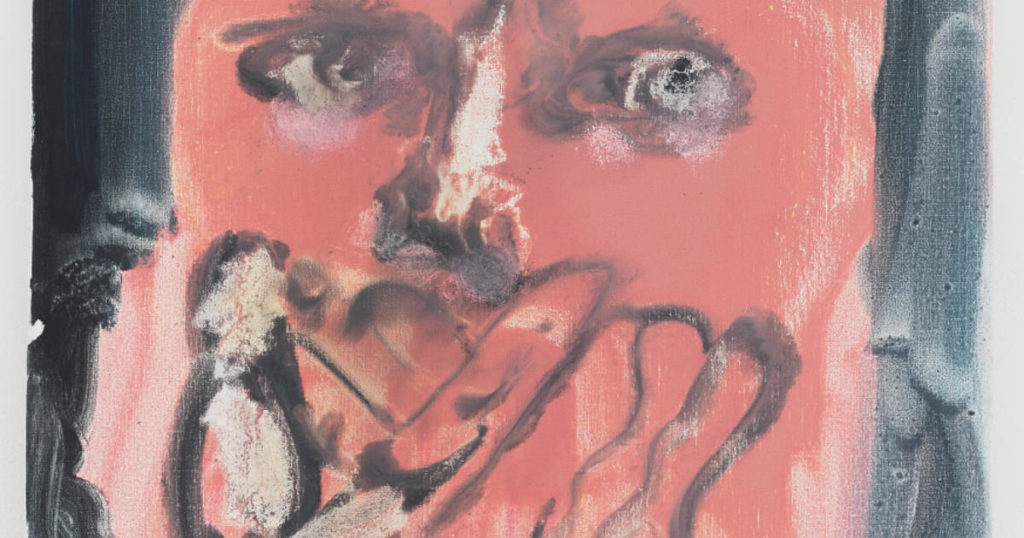
Marlene Dumas, “Stop in the name of love”

Marlene Dumas is famous for her confrontational and expressive paintings and has held separate exhibitions in major museums like MoMA in New York and Tate Modern in London. When she reaches the Munch Museum with the Moonrise exhibition. Marlene Dumas & Edvard Munch, she shows her own works in dialogue with a number of Munch’s works, carefully chosen by herself.

Related: The Universality of Loneliness at the Edvard Munch Museum in Oslo

World-famous contemporary artist interprets Edvard Munch in Oslo
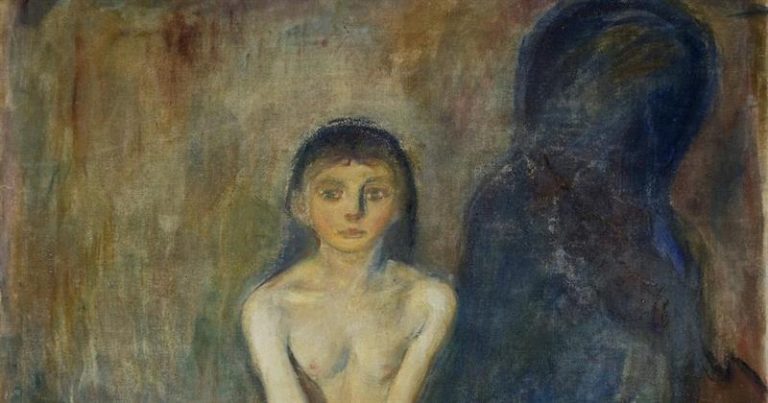
Munch’s Alpha and Omega and a new series by Dumas, Venus and Adonis, sets the tone for the exhibition, encompassing themes such as innocence, sexuality, loneliness, anxiety and death. Its title is borrowed from Moonrise, one of the lithographs in the series, in which Alpha and Omega are turned towards the ocean, their glances fixed on the golden glow of the column created by the moon’s reflection. Dumas associates the moonrise with something feminine and magical, yet connected to the darkness of the night. She writes the following about Edvard Munch: “Yes, he understands the night with its shadows. Yet his works are bright with light”. The atmosphere of the exhibition is colored by the moonlight.

World-famous contemporary artist interprets Edvard Munch in Oslo
Marlene Dumas confronts and seduces us with her expressive figurative motifs

One of the most influential painters in contemporary art
In 2017, Dumas presented an altarpiece made in collaboration with Jan Andriesse and Bert Boogaard as a permanent installation at the Annenkirche (St. Anne’s Church) in Dresden. Also opening in Dresden in October of that year, the Albertinum and Kupferstich-Kabinett, Staatliche Kunstsammlungen Dresden hosted concurrent solo exhibitions. And now, the artist has curated an exhibition of her work alongside that of Edvard Munch and René Daniëls at the Munch Museum, Oslo, entitled Moonrise.

In Moonrise, Dumas wants to show us Munch’s artwork through her own eyes, and she compiles her own works with works by Munch and her Dutch artist colleague René Daniëls. Dumas tells Daniëls to teach her to see Munch as a modern artist, and precisely for that reason she has chosen works that give the audience the opportunity to see Munch the way she as a painter experiences him. Dumas puts spotlight on the picturesque aspects of Munch, which we may not have noticed before.

World-famous contemporary artist interprets Edvard Munch in Oslo
Marlene Dumas, “Venus with the body of Adonis”

Related: Edvard Munch Through the Eyes of Andy Warhol

Stories exploring themes
Text is an important part of both Munch and Dumas’ oeuvre. They have written extensively about art, and are preoccupied with stories exploring themes of inner emotional tension, such as love and death. Munch and Dumas share a poetic and distinctive linguistic style, blurring the lines between prose and poetry. According to Dumas, “words and pictures are disparate, but equally important and just as ambiguous”.

World-famous contemporary artist interprets Edvard Munch in Oslo
Marlene Dumas, “Omega’s Eyes”

Films connected to the exhibition
A series of films connected to the exhibition will be screened at Cinemateket in Oslo this autumn. Among the films Marlene Dumas has selected, are Carl Dreyer’s Ordet (The Word), Nagisa Oshima’s Realm of the Senses and Alfred Hitchcock’s Psycho. On 21 October, Dumas will talk about the relevance of film to her own artistry.

The exhibition runs through 13 January 2019

World-famous contemporary artist interprets Edvard Munch in Oslo, written by Tor Kjolberg

The Indian Goodwill Ambassador to Scandinavia

The widely traveled KV Singh has been a tourism planner since 1976. A wild-life enthusiast, horseman, mountaineer, environmentalist and a gourmet, he simply loves the Scandinavian region. A scion of the royal family of Khandela, he owns and operates lovely boutique hotels and resorts in India. Together with Daily Scandinavian his organization is now ready to promote regional tourism growth in India as well as in Scandinavia.

Daily Scandinavian has interviewed CEO K. V. Singh at India Heritage and Culture Tours, who wants to broaden his business by constructing a meaningful concept of tourist experiences between the two regions, India and Scandinavia.

The Indian Goodwill Ambassador to Scandinavia
Daily Scandinavian has interviewed CEO K. V. Singh at India Heritage and Culture Tours

Related: Cycled from India to Sweden for Love

Royal family background
“My family has been pioneers in tourism. My father introduced horse safaris with stays in magnificent forts, places and castles of nobles and princes of Rajasthan State of India,” says Singh. “What began in 1953 as a non-commercial activity was transformed into high-value personalized tours with focus on heritage and wildlife experiences,” he adds.

The Indian Goodwill Ambassador to Scandinavia
Castle Hotel Mandawa Rajasthan

Because of the family’s background his father was able to create a niche market and organized authentic royal palace wedding events. K. V. Singh has continued this business and introduced many new elements into it.

You may also like to read: Planning a Trip to Scandinavia

K. V. Singh tells me that his family has been rulers of the estate of Khandela for over thousand years until India became a republic in 1950.

The Indian Goodwill Ambassador to Scandinavia
Main gate at Castle Mandawa Rajasthan

“My wife and I are now hosting guests with aplomb, entertaining them in evening soirees and offering them delectable meals of immense variety,” he says enthusiastically.

Tourism is a challenging business. What keeps you motivated to renew and improve your business?

“I find this business challenging but joyful. Traveling around the country to discover new areas, new routes, the local culture and traditions, myths and legends, arts and crafts and above all the benefits to local communities when we promote or open their areas for tourism is what thrill me greatly.”

The Indian Goodwill Ambassador to Scandinavia
“We are offering our guests delectable meals of immense variety,” says K V Singh enthusiastically

You may also like to read: Nordic Cookery

What’s your secret to being able to offer visitors the best of India?

“I try to craft tours that are not “rushed” so that the guests are able to soak in the atmosphere, the drama of everyday living, participate in the local fairs and festivals and explore the extraordinary heritage of India in its myriad forms.”

Will there come any interesting new offerings in the near future?

“We are working on several new offerings: volunteer tours, yoga and meditation tours, vegan tours and Thar Desert Jeep Safaris with stay in tented accommodation. We will also have wonderful small group offerings for Bhutan – The Land of Happiness.”

The Indian Goodwill Ambassador to Scandinavia
The K V Singh family, Jaipur, Rajasthan

Do you support business travelers as well as vacation tourists?

“Our company supports business travelers, royal palace weddings, wellness, volunteer tours and vacation tourists of all age-groups. We offer an immense variety of holidays. We also like to organize tours for solo travelers, couples, families and small groups who can be given personal attention without being intrusive.”

Any advice to people planning a visit India for the first time?

My only advice to those visiting India for the first time or subsequently is to come with an open mind, not being judgmental, dress appropriately and have an in-depth cultural exchange with the many people they will meet. An empathetic attitude is just what people here want. I am sure they will go back with wonderful memories.”

The Indian Goodwill Ambassador to Scandinavia
Royal wedding in Jaipur

What are your free time activities – if you have some time left?

Whenever I have free time I spend it on supporting my daughter who runs a non-profit
organization dedicated to educating adolescent girls. Through a large network of school teachers, health workers, families and the girls themselves we endeavor to highlight the importance of personal and environmental hygiene. We also help conduct self-defense classes and teach girls on what is an appropriate touch or not.”

The Indian Goodwill Ambassador to Scandinavia
Painted interior walls

Can you with a few words tell how your travel business is different from many others?

“My travel business is unique in that we try to avoid the superficiality that often characterizes tours.

This is only made possible by our extended family members across India who own and operate majestic palaces, forts, castles and havelis and where I accommodate my guests.

There is always a family member on the property to spend time in the evenings with the guests, offer them barbeque, drinks and slow cooked food. They talk with the guests about their history, family traditions, armory, battles won and lost, cavalry, the exotic liquors that were distilled, hunting expeditions and much more.

It is these unique interactions that make my guests wanting me to design tours for them for the many regions of India. They are my repeat customers who have become long lasting friends.”

The Indian Goodwill Ambassador to Scandinavia
Mr. Singh concludes by saying that he is very keen to find out how he can deepen his relationship with Scandinavian travelers.  He finds the Scandinavian people very attractive and is deeply interested in being a part of constructing a meaningful concept of tourist experiences between the two regions, India and Scandinavia.

The Indian Goodwill Ambassador to Scandinavia, written by Tor Kjolberg

Feature image (on top): CEO K. V. Singh at India Heritage and Culture Tours and his wife Rudrani Singh. She is an expert in slow cooked food cooking.

All images, courtesy K V Singh

Let it Rain – Norwegian Rain

0

The outerwear brand Norwegian Rain, created 2007 in the rainiest city of Europe, Bergen in Norway, is today available worldwide in 114 stores across 15 countries. Their first location outside of Norway was London’s St James’s. Let it rain – Norwegian rain-

Tailor and designer T-Michael and business graduate Alexander Helle created the waterproof, extreme outerwear concept Norwegian Rain, inspired by Japanese sensibility and rainy life in Bergen where it’s raining 2 out of 3 days.

Let it Rain - Norwegian Rain
The garments are waterproof, stylish, effortless, technical and textured, always with the well-being of the wearer in mind

Related: Durable Scandinavian Workwear

Let it Rain – Norwegian Rain
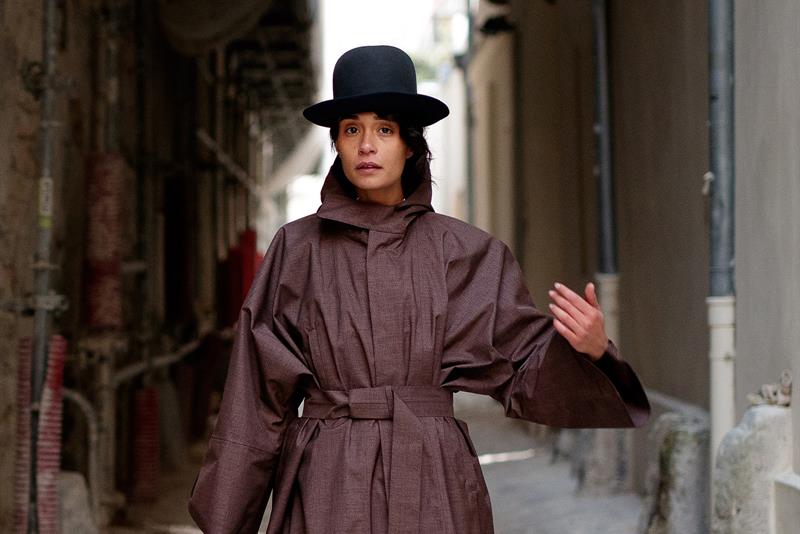
This autumn’s collection strikes a balance between the utilitarian functionality of the brand’s raincoats and contemporary men’s style. The garments are waterproof, stylish, effortless, technical and textured, always with the well-being of the wearer in mind. You might think the brand was born out of need, but really, it’s stylish too. The two entrepreneurs fuse fine tailoring techniques with 100 % waterproof eco fabrics to create raincoats that don’t look like raincoats. The high tech is hidden!

Related: 100% Wool – Norwegian Cool

Let it Rain - Norwegian Rain
You might think Norwegian Rain was born out of need, but really, it’s stylish too

Focus on rainwear
If you reside in Europe most major cities suffer with plentiful rainfall, year-round, so we can’t help but admire Norwegian Rain’s niche focus on rainwear. And trying to remain dry and “cool” – and by cool, I mean seriously stylish – during these months is a difficult task. Sure, items such as the traditional trench coat are a timeless option for the sartorially-inclined gentleman, but for those seeking something a little more unique – a little more edgy – Norwegian Rain should be your first port of call.

Related: World Famous Knitwear from Dale of Norway

Let it Rain - Norwegian Rain
Norwegian Rain is inspired by Japanese sensibility and rainy life in Bergen

Let it Rain – Norwegian Rain, written by Tor Kjolberg

Feature image (on top): Tailor and designer T-Michael and business graduate Alexander Helle

Oslo celebrates peace and human rights

The capital of Norway, the University of Oslo, the Norwegian Nobel Institute and the Nobel Peace Center invite the city’s population and visitors to celebrate the Oslo Peace Days; eight days in December. Oslo celebrates peace and human rights.

Oslo is one of the most peaceful cities in the world, leading in peace and human rights research, and not least, the city where Nobel Peace Prize is awarded. In December, the Nobel institutions, the University of Oslo and the municipality are organizing the Oslo Peace Days. The purpose of the initiative, launched on the UN International Day of Peace, is to create more commitment to the Nobel Peace Prize and to put themes related to peace and human rights even higher on the agenda.

Oslo celebrates peace and human rights
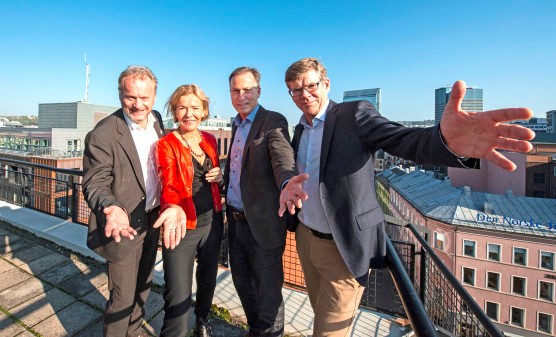
Oslo City Council leader Raymond Johansen, Director at Nobel Peace Center Liv Tørres, Director at the Norwegian Nobel Institute Olav Njølstad and og rektor Svein Stølen from the University of Oslo. (Photo: UiO / Anders Lien)

Related: Controversial Nobel Peace Prize Winners

Oslo celebrates peace and human rights
“We want to put Oslo as peace city on the map. I hope and believe that Oslo Peace Days and the cooperation between Oslo Municipality, the Nobel Institute, the University of Oslo and the Nobel Peace Center will contribute to engagement and increased knowledge of Oslo as a peaceful city,” says City Council leader Raymond Johansen.

Oslo Peace Days begins December 5th with the award of the University of Oslo Human Rights Prize. The highlight is the award of the Nobel Peace Prize in the City Hall on 10 December, and on 12 December, it will be concluded with the opening of this year’s Peace Prize Exhibition at the Nobel Peace Center. There will be activities for the public and a contentive academic program. Full program for Oslo Peace Days will be released on October 11th.

Oslo celebrates peace and human rights
The highlight is the award of the Nobel Peace Prize in the City Hall on 10 December, and on 12 December, it will be concluded with the opening of this year’s Peace Prize Exhibition at the Nobel Peace Center.

Related: Holocaust Museum to be Built in Sweden

A long-lasting cooperation
“We want Oslo Peace Days to become an arena where the whole population can learn about and discuss issues related to peace, democracy and human rights,” says Svein Stølen, rector at the University of Oslo.

Oslo celebrates peace and human rights
From a Nobel Peace Prize ceremony at the Oslo University Aula

The Nobel Institute’s cooperation with the University of Oslo and Oslo municipality goes back many years. From 1947 to 1989, Nobel Peace Prize Award Ceremony was held at the University’s aula, and since 1990 the ceremony took place in Oslo City Hall.

Oslo celebrates peace and human rights
From a Nobel Peace Prize ceremony at the Town Hall in Oslo

Peace must be built every day
After the Nobel Peace Center opened in 2005, the museum has been a focal point for activities related to the peace prize. “Cooperation between these four actors will hopefully contribute to increased commitment to the peace prize and greater awareness of peace issues,” says Olav Njølstad, director of the Norwegian Nobel Institute.

“Peace is something that must be built every day through activities and dialogue, and not least by experiencing things together. That’s what we’re going to do during Oslo Peace Days, “says Liv Tørres. Director of Nobel Peace Center.

Related: Swedish Photographer on Innocent War Victims

Oslo celebrates peace and human rights
Rge Nobel Peace Center, Oslo

About the Nobel Peace Center

One of Norway’s best-visited museums with about 250,000 visitors per year.

Presents the story of Alfred Nobel and the Peace Prize winners and their work

Arena for debate and reflection on current topics related to war, peace and conflict resolution

Internationally recognized for its commitment to documentary photography and interactive technology

Welcomes many hundred school classes a year to discuss topics on peace issues.  located on the town hall square in Oslo

The board is elected by the Nobel Committee

Main sponsors are Hydro, Telenor Group and ABB

Oslo celebrates peace and human rights, is based on a press release from the Nobel Peace Center in Oslo

Feature image (on top): The Nobel Institute in Oslo.


A Green Revolution in the Norwegian Fjords

Of the 60+ fully electric or hybrid vessels in operation globally, 40 percent are Norwegian. Norway is decarbonizing its maritime industry and a green revolution is going on in the Norwegian fjords and Norway’s maritime industry. The country is using its oil and gas riches to engineer emission-free vessels. There is a green revolition in the Norwegian fjords.

From its first fully electric ferry, to the development of large hybrid cruise ships, Norway is looking beyond road transport and takes on the larger and more challenging sector of marine transport. The country emerges as a pioneer on the development of a new generation of marine vessels.

A Green Revolution in the Norwegian Fjords
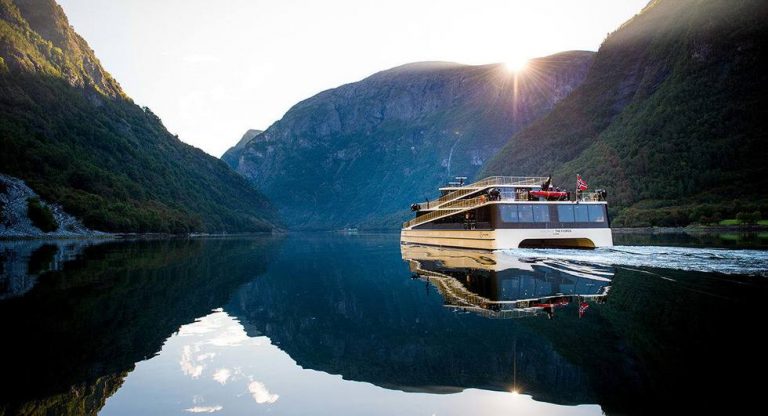
The vessel Future of the Fjords

Related: Norwegian Zero Emissions Ship Without a Crew

A Green Revolution in the Norwegian Fjords
The green revolution in the Norwegian fjords are currently creating great interest in international media. The Norwegian ferries are portrayed as the first step towards a decarbonized, international shipping industry.

Western Norway’s rustic port village of Flåm, a remote goat-farming hamlet and summer escape set deep among the region’s fjords framed by its towering, snow-capped peaks, seemed an unlikely launch site for the future of sustainable nautical travel.

A Green Revolution in the Norwegian Fjords
Western Norway’s rustic port village of Flåm

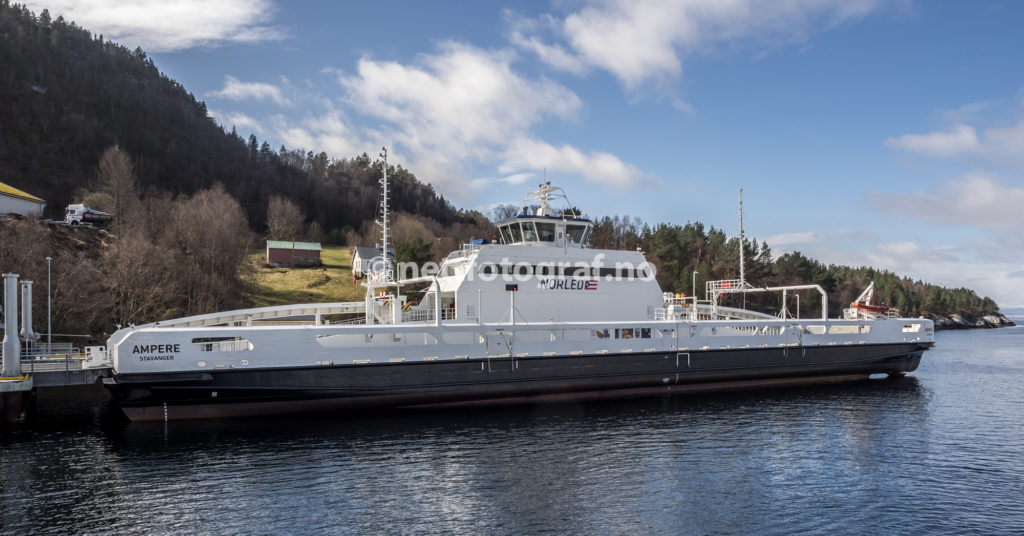
However, electrification proves highly beneficial also for transfer ferries operating in the fjords. between shore towns; Norway has approximately 180 ferries operating between shore towns across the country. The first zero-emissions ferry, MF “Ampere”, started sailing between the villages of Oppedal and Lavik along the Sognefjord in 2015.

Related: The Postman Pat Vehicle from Norway

A Green Revolution in the Norwegian Fjords
Norway emerges as a pioneer on the development of a new generation of marine vessels

Future of the Fjords
The sleek, black-and-white, 42-meter passenger vessel Future of the Fjords, a catamaran anchored in Flåm’s tiny harbor at the end of the glimmering Aurlandsfjord, is a glimpse into the future of maritime vessels. It is the sister ship of Vision of the Fjords, which won the title “ship of the year” at the Maritime Future Summit SMM in Hamburg 2016.

In recent years Norway has seen a growing awareness of the environmental impact of maritime transport, and an increasing political pressure to clean up transport in the country. Future of the Fjords houses 5,500 kilograms of batteries. Otherwise, nothing announces the curious boat as a pioneer of the next generation of seafaring, save for the neat block lettering on its bow.

The elephant in the room
When it comes to cutting emissions from transport, shipping (together with aviation) has often been referred to as the elephant in the room, having been excluded from the Paris agreement and being inadequately addressed under existing UN conventions and EU legislation.

With our more than 1000 fjords, Norway’s road infrastructure is a network of tunnels and hundreds of short ferry services to connect communities. Norway is also a big offshore and shipping nation, with the world’s 4th largest fleet.

A Green Revolution in the Norwegian Fjords
The vessel Yara Birkeland. Photo: Kongsberg

“This has led to a revolution in transport power and a burgeoning maritime cleantech cluster in the country.  It was positive state and industry backed encouragement that saw Norway lead the way with LNG-fueled shipping from 2000 and it is now leading the way with battery powered shipping,” writes online shipping news and analysis service Fathom.

Related: Norway – Undisputed World Leader for Electric Cars

The future of emission free vessels
Norway has ruled that by 2026, access to its two fjord areas classified as World Heritage Sites, which includes part of the Aurlandsfjord, will be restricted to zero-emission vessels. Four years later, the country will begin restricting other fjords and Norwegian waters to ships with low- or zero-emission technology.

A Green Revolution in the Norwegian Fjords
The first zero-emissions ferry, MF “Ampere”, started sailing between the villages of Oppedal and Lavik along the Sognefjord in 2015

Marine transport has been in the shadow of road transport, though it is impossible to neglect its contribution to local air pollution and serious impact on human health. With 90% of the ports in Europe being located in major cities, it is time to step up the decarbonization process of marine transport.

The International Council on Clean Transportation warns sea transport could be responsible for 17 percent of CO2 emissions by 2050, up from 2-3 percent now. The push towards solutions that can allow ships to reduce their reliance on fuels like diesel and heavy fuel oil are therefore prevalent.

A Green Revolution in the Norwegian Fjords, written by Tor Kjolberg

Scandinavian Salted Fish

Salting is a method of preserving in its own right. The salt, by drawing out water, prevents bacteria from spoiling the food, and adds a new taste in the process: salting is usually followed by fermentation, changing the aromas of the food to something even more inviting. Salting is what comes first in all the different and delicious fish preserves from the north. Some fish, like the famous gravlax, is eaten as it is, but most salted fish is treated further. Read more about Scandinavian salted fish.

Appearance and taste of Scandinavian salted fish
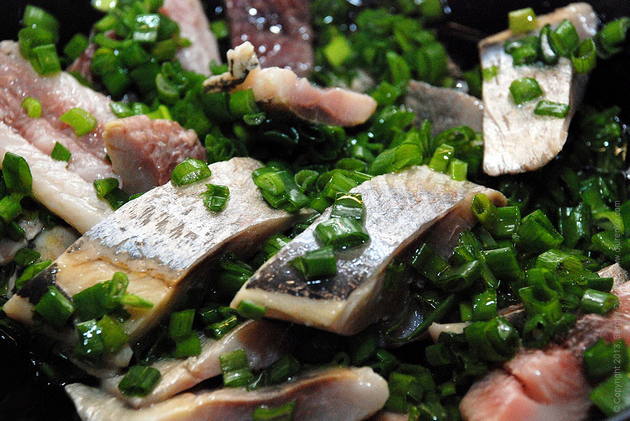
The best and fattest are known as ‘Iceland Diamonds’, which come in two forms: plain salted herrings or spiced salted herrings, the latter red-hued from sandalwood, cloves, pepper and allspice. Which you initially choose is mostly a matter of taste.

Scandinavian Salted Fish
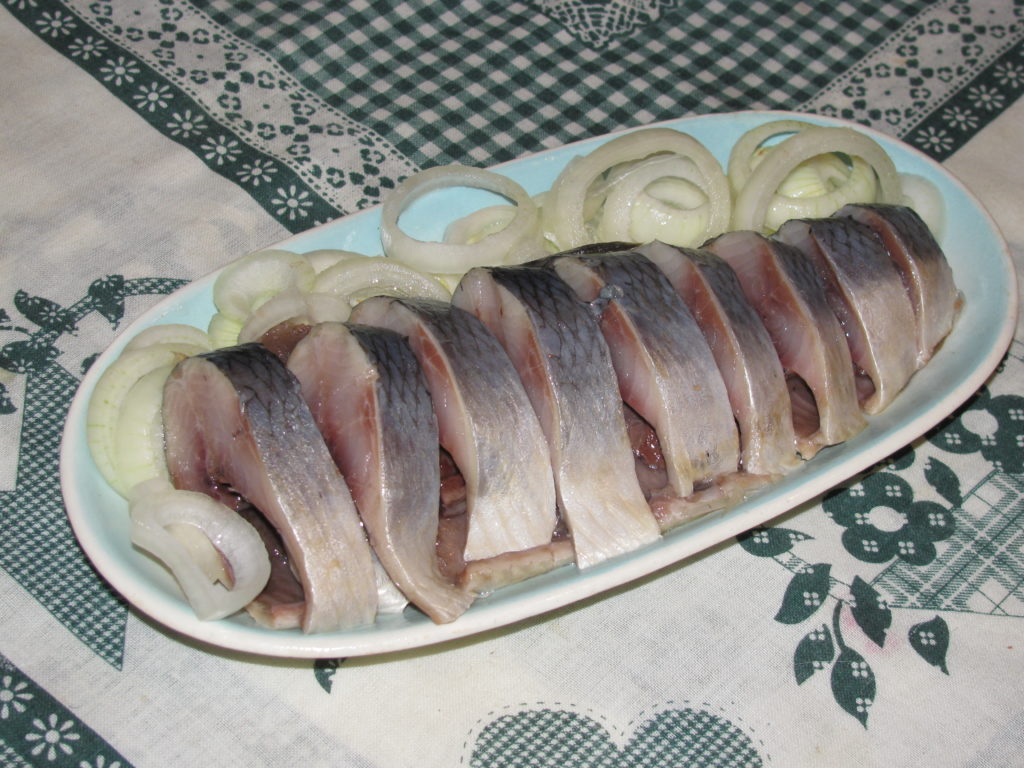
Herring with onions

Related: Scandinavian Fish Roe

They are both sold as whole (to be gutted and filleted at home) or some filleted fish, in brine, and are the starting point for a wealth of herring recipes.

Scandinavian Salted Fish
Pickled herring

Either way, the fish must be soaked in cold water, to remove excess salt, and then anointed in a marinade, often consisting just of vinegar, sugar, spices and onions, and left to macerate for a day before eating.

However, the tradition is huge, and we have literally hundreds of local marinated herring recipes including flavorings from mustard and dill to curry, tomato and sherry.

Related: Scandinavian Preserved Fish

Scandinavian Salted Fish
Pickled herring and dill

To confuse matters more, salted herrings, both spiced and plain, can be bought desalted and already in a variety if marinades, and ready to eat. There are so many to choose from that it can be bewildering. The taste in herrings differs throughout Scandinavia, with countless local specialties, and also particular herrings for different seasons – it’s an inexhaustible wealth of variation.

Most people these days buy ready-marinated herrings, which can be as good as the homemade versions, but many families still have special traditional herrings-recipes, mostly made for Christmas.

Scandinavian Salted Fish
Salted herring fillet with fat onion on rye bread

Matjes herrings are a special Swedish way with salted marinated herrings, and they are delicious. They are sold ready to eat in oblong cans, as whole fillets.

Buying and storing
Buy salted herrings in quantities to suit immediate use as the fat in the fish goes rancid when kept out if the brine. Once home-marinated, the shelf life of the fish depends on the marinade. Marinated herrings sold in cans or jars keep for a long time, though some are semi-preserved and must be kept cool.

Scandinavian Salted Fish
Salted herring in a barrel

Related: Scandinavian Crayfish

Culinary uses
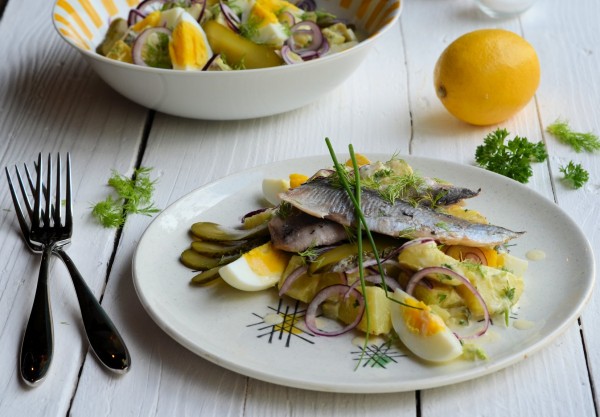
All marinated herrings taste good more or less served in the same way, which is very simple: on rye bread, with egg, onion, cold boiled potatoes, chives and sliced apples, plus a blob of crème fraiche for herrings that are nit already in a creamy marinade.

Scandinavian Salted Fish
Salted herring with caviar

This must be the ultimate Scandinavian open sandwich, and the ultimate lunch: you can serve one type of herring on a ready-made open sandwich, or put a variety on a plate to pit on the bread yourself. Or you can serve them as a summer dinner or lunch dish with new boiled potatoes, crème fraiche or butter, dill and chives.

Scandinavian Salted Fish, written by Tor Kjolberg

Van Gogh in Copenhagen – For the First Time in 50 Years

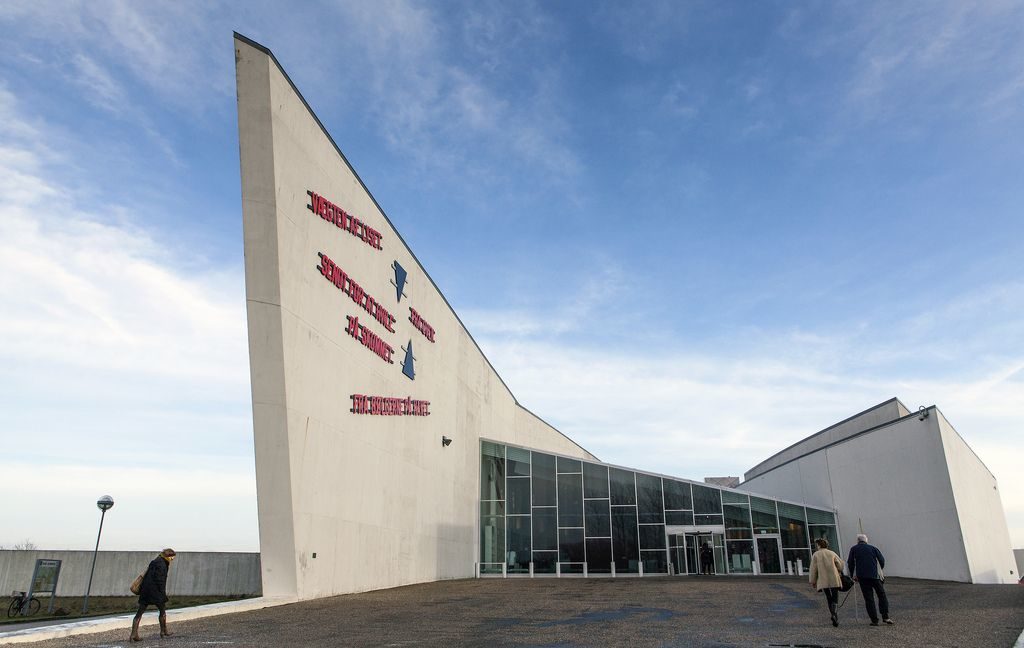
There’s still plenty of scope for major institutions to continue to explore the life and work of the Dutch artist Vincent van Gogh (1853-90). The exhibition at the Arken Museum of Modern Art in Ishøj, Copenhagen is the first major exhibition dedicated to his art in Denmark. Van Gogh in Copenhagen – for the first time in 50 years.

It is more than 50 years since the Danish public has been able to experience a large exhibition devoted exclusively to van Gogh’s paintings and drawings. In a unique collaboration with the Kröller-Müller Museum, The Netherlands, ARKEN has opened its doors for a wide-ranging exhibition of van Gogh’s works with a focus on the relations among art, humanity, nature and religion.

Van Gogh in Copenhagen - For the First Time in 50 Years
Arken Museum of Modern Art, Copenhagen

Related: Art and Design in Copenhagen

Van Gogh in Copenhagen – For the First Time in 50 Years
The exhibition consists of 28 paintings and 11 drawings from the Kröller Müller Museum in the Netherlands depicting hard-working farm laborers and captivating landscapes in French Arles expressing the divine in nature and mankind at a time of new departures in society when traditional faith was coming under pressure from modern philosophy and science.

Van Gogh in Copenhagen - For the First Time in 50 Years
Vincent van Gogh, The Sower

The son of a protestant pastor, Van Gogh spent many years aspiring to become a priest, only to be rejected by the Dutch Reformed Church. Early in life he lost his faith in the church as an institution, although he did not lose his faith in God. He was convinced, in fact, that he could do good deeds by creating beautiful paintings.

Van Gogh in Copenhagen - For the First Time in 50 Years
Vincent van Gogh, Pine Tree at Sunset (detail), 1889

Related: Art in Copenhagen

Vivid landscapes from Arles
Van Gogh spent only ten years of his life as an artist, from 1880 until his death. During that short time, in intense, fervent works, he was able to develop an original visual language, one that expressed his personal, spiritual approach to nature and the creation of pictures.

Van Gogh in Copenhagen - For the First Time in 50 Years
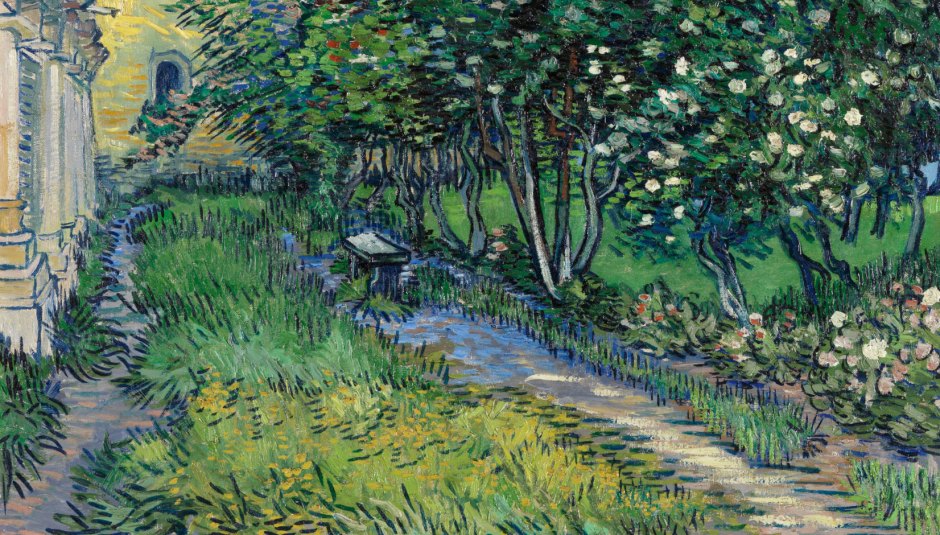
Vincent van Gogh, Garden of the asylum at Saint Rémy (detail) 1889

Van Gogh is best known for his time spent in Arles in the South of France, where he painted vivid landscapes using thick, frenetic brushstrokes. These works betray van Gogh’s close interest in nature, which can be traced back to his youth.

On 23 December 1888, when Vincent van Gogh cut off most of his left ear during a psychotic episode, he was still entirely unknown as an artist. He had no idea that this violent action would help define the framework for the mythmaking that would later surround his life and art. A less well known but quite crucial dimension in Van Gogh’s life, however, is his religiosity.

Related: Louisiana Museum of Modern Art, Copenhagen

Moving paintings and letters
Van Gogh is loved for his moving paintings and letters, which give us intimate insights into his life and thoughts. For Van Gogh life and art were a hard struggle. Yet he was able to create an original artistic idiom that demonstrates his profound belief in the cosmic unity of man and nature.

Van Gogh in Copenhagen - For the First Time in 50 Years
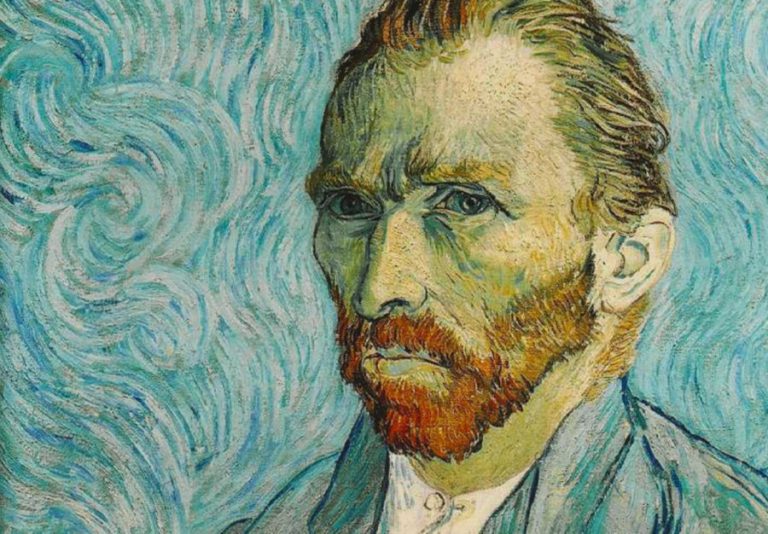
Vincent van Gogh, Selfportrait 1887

“What am I in the eyes of most people? A nonentity or an oddity or a disagreeable person — someone who has and will have no position in society, in short a little lower than the lowest. Very well…, then through my work I’d like to show what there is in the heart of such an oddity, such a nobody,” wrote Vincent van Gogh in a letter to his younger brother Theo van Gogh in July 1882.

The Van Gogh exhibition at Arken Museum of Modern Art, runs through Van Gogh 20 January 2019.

Van Gogh in Copenhagen – For the First Time in 50 Years, written by Tor Kjolberg

Discover the Danish Region of Gastronomy

0

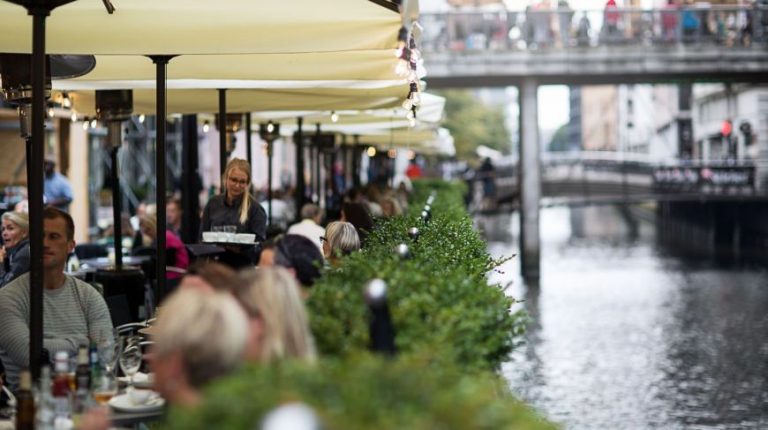
In 2017, Aarhus was awarded both the European Capital of Culture and the European region of gastronomy. The city has Denmark’s youngest population, with an average age of 38 years. Tourists from all over the world are enjoying their time in the city. Discover the Danish Region of Gastronomy

Denmark’s second largest city Aarhus has along with the Central Denmark Region fast been gaining a worldwide reputation as a center of Gastronomy. If you are into food, culture and experiences, this Central Denmark Region is the right place to be.

Discover the Danish Region of Gastronomy
If you are into food, culture and experiences, Asrhus is the right place to be.

Discover the Danish Region of Gastronomy
The region has allocated 1 million euro over three years to secure the 2017 title. This initiative will be run from 2018 until the end of 2021. As part of the region’s Growth Plan 2016-2020, the European Region of Gastronomy program has a strategic role in supporting regional sustainable development by strengthening cross-sectoral collaboration between gastronomy, culture and education with the aim to develop Central Denmark Region as an international gastronomic hub.

Related: Aarhus- European Capital of Culture 2017

Discover the Danish Region of Gastronomy
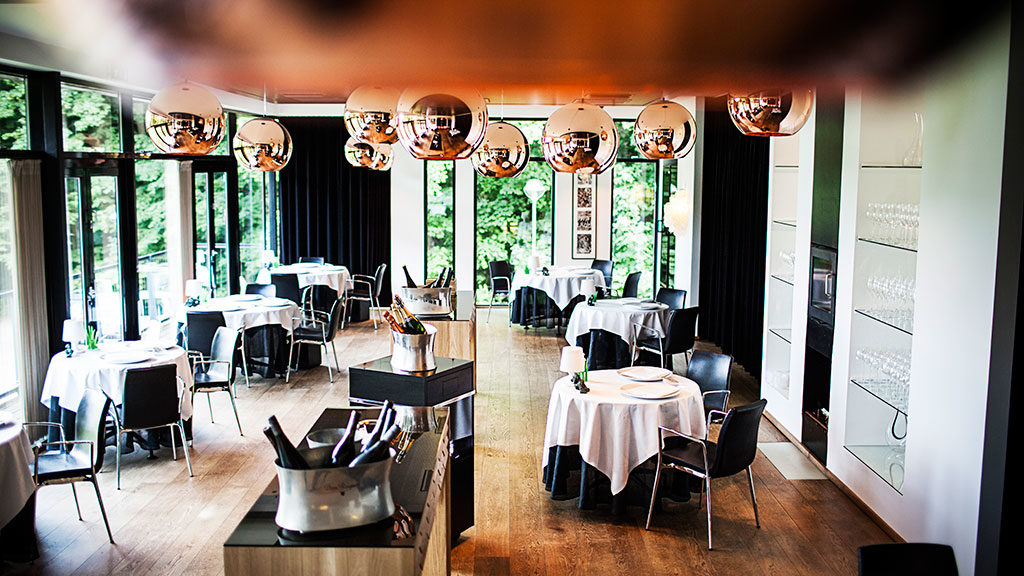
Restaurant Fredrikshøj, Aarhus

With outstanding fresh ingredients and new restaurants, bars and food markets adding to its culinary prowess, the region continues to gather international acclaim for its Michelin star restaurants and annual Aarhus Food Festival which has grown to become the largest in the North.

Discover the Danish Region of Gastronomy
Denmark’s second largest city Aarhus has along with the Central Denmark Region fast been gaining a worldwide reputation as a center of Gastronomy

Focus on local gastronomy
Historically, Aarhus has been sidelined by the culinary might of its capital, Copenhagen, the home of the “New Nordic” movement and chef Rene Redzepi’s restaurant Noma. The region’s strategy has now a focus on local gastronomy and food produce as a means to create more and better food experiences for citizens and visitors that will contribute to generate local revenue and boost an integrated development of the region’s urban and rural areas. Innovation will be at the center of the project’s efforts addressed to an increasing convergence of gastronomy, culture and tourism with other sectors such as climate, the environment, health, mobility, education, and energy solutions.

Related: Aarhus- The World’s Smallest Metropolis

Denmark’s second largest city Aarhus has along with the Central Denmark Region fast been gaining a worldwide reputation as a center of Gastronomy
Michelin star restaurant Substans

Supported by passionate farmers and producers and a creative bunch of food entrepreneurs, the region has an ever-developing food scene, continuously rethinking and redeveloping gastronomy and products. Therefore it came as no surprise to the locals that the Michelin Guide levelled the playing field by awarding three Aarhus restaurants, Fredrikshøj, Gastromé and Substans, a coveted star rating in its first Nordic cities guide.

Denmark’s second largest city Aarhus has along with the Central Denmark Region fast been gaining a worldwide reputation as a center of Gastronomy
Wassim Hallal in his Restaurant Fredrikshøj

Appetite for Michelin-style food
Wassim Hallal, owner of the Michelin Star Restaurant Frederikshøj and Ambassador for European Region of Gastronomy 2017 commented: “My job is to spotlight Danish gastronomy and promote Aarhus and Denmark internationally in this respect.”

Related: Michelin Stars in Scandinavia

Denmark’s second largest city Aarhus has along with the Central Denmark Region fast been gaining a worldwide reputation as a center of Gastronomy
Nordisk Spisehus, Aarhus

That there is an appetite for Michelin-style food is clear from the presence of Nordisk Spisehus in the smart Frederiksbjerg borough, just south of the city center. It is, to our knowledge, the only restaurant in the world that recreates (with permission) signature dishes and menus from Michelin-starred establishments around the world.
Denmark’s second largest city Aarhus has along with the Central Denmark Region fast been gaining a worldwide reputation as a center of Gastronomy
From Hotel Royal, Aarhus

Plenty to try
With plenty to try, skip all additives and enjoy the pure philosophy of newly opened deli and restaurant SÅRT where only organic locally farmed and sourced ingredients meet traditional techniques to create exceptional seasonal food; go for a Michelin star at Restaurant Gastromé where the two innovative chefs serve the food they personally love – gourmet country-inspired cuisine; or more casually relax in the bistro styled Pondus Restaurant where the best of fresh Danish cuisine is served at affordable prices. Adding to its vast stable of fine eateries, try the Danish farm shop chain Landmad which has recently set up shop in a 300 year old merchants house in the heart of the Latin Quarter or head down to the harbor to the Danish wine and tapas bar VinDanmark to enjoy a bit of bath tub dining!

Denmark’s second largest city Aarhus has along with the Central Denmark Region fast been gaining a worldwide reputation as a center of Gastronomy
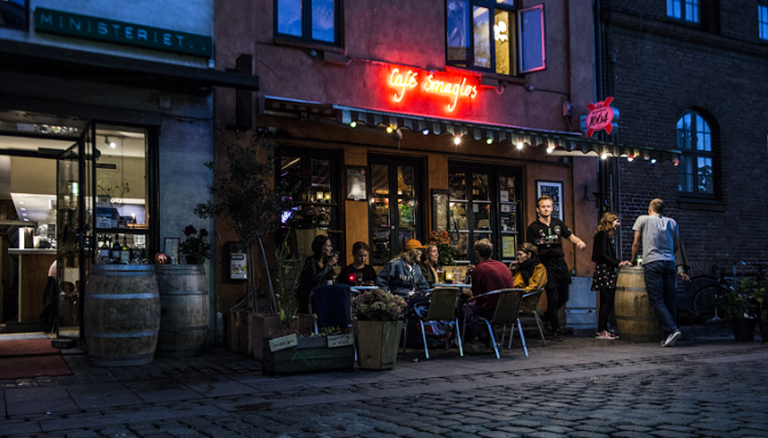
Danish sense of humor: Cafe Smagløs (translated into English means Café Tasteless)

Candidates and awards to Regions of Gastronomy is guided by IGCAT.

About IGCAT
IGCAT is a non-profit institute established in 2012, working with regional stakeholder consortiums in the fields of gastronomy, culture, arts and tourism. It counts on the expertise of a worldwide network of experts and works in partnership with specialized intergovernmental organizations.

IGCAT aims to empower local communities by guiding, facilitating, and supporting leaders in regions to understand the potential of their distinct food, culture, arts and sustainable tourism assets.

Discover the Danish Region of Gastronomy, written by Tor Kjolberg