This year, the Swedish footwear company Tretorn celebrates its 50th Anniversary of the Nylite tennis shoe.The same Scandinavian country that brought us safe cars, Hasselblad cameras and ABBA has a signature shoe brand that’s been around 125 years.
Tretorn was founded by Johan Dunker in Helsingborg, Sweden, in 1891, setting the stage for one of the most enduring success stories born from the late industrial revolution. Tretorn’s past is important to what the brand is today, and like so many European inventions, its brilliance lies in its elegance and simplicity.
Tretorn boots
While they’ve had many popular styles, the Nylite has been a staple for the company, and this year they are celebrating the shoe’s 50th anniversary. When Tretorn started making tennis shoes (for both men and women), it was all about clean silhouettes and functioning under pressure.
Tretorn by Jason Artiensa
Instead of cake with 50 candles, Tretorn decided to partner with fifty unique artists, hand them over a blank pair of Nylite, and ask each to do their magic. Tretorn does it again: Making history with a legacy and a story.
The Nylite is the prime example of Tretorn modernizing an iconic sneaker, when the brand infused premium materials and added an EcoOrtholite insole to upgrade the model and create a new classic.
Tretorn by Samara Shuter
One of the participating artists, Jayson Atienza, has drawn the distinct lines of the Nylite style. Other artists are Matthew Tapia, Ron Bass and Luciano Fontanez. You can read more here.
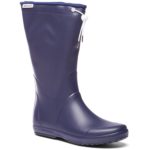
Tretorn Viken rain boot
Tretorn’s first products were however driven by functional needs: high-quality rubber galoshes primarily used by villagers, fishermen and the military. In the 70s they created the Nylite tennis shoe for avid tennis players, and claim they stand firmly, always with one rubber-clad foot, in these seemingly opposite worlds.
Born Out of Scandinavian Weather, written by Tor Kjolberg
Breathtaking scenery, historic sights and modern cities are the big attractions for the traveler to Norway.
Norway is synonymous with nature: abundant with majestic mountains and mysterious fjords, imposing waterfalls and glaciers, lakes and rivers, and a coastline littered with bays, inlets and thousands of islands.
Map of Norway
Its landscape is full of contrasts: beautiful and brutal, hospitable and hostile: barren rock submits to soft fertile plains. The Norwegians themselves have adapted rather quickly – the lusty Vikings have turned into global peacemakers.
Barcode, Oslo
Norway has both urban excitement and rural tranquility: shopping malls and big Tesla electric vehicles rub shoulders with compass and rucksack: high-technology parallels steadfast tradition. A thriving offshore oil industry has brought prosperity, and as a consequence, social habits are changing rapidly: however, in a society where the divorce rate is high and cohabitation the norm, the home and family still remain important.
The ancient capital of Trondheim
Oslo may be reputed as one of the most expensive cities in the world, but visitors are invited to share the wealth of its cultural and recreational offering. The Norwegian capital boasts a world-class Opera House, a renewed World Cup ski facility, an Intercultural Museum, Human Rights Communication Center and a diversity of world cuisine.
In less than two hours from the city, one can escape to charming hamlets with historic fortresses, open-air museums and manor houses.
Pulpit Rock
Norway is a long, narrow strip of a country, stretching north from mainland Europe, far into the Arctic. The ancient capital of Trondheim is 500km (350 miles) from modern Oslo, yet only a quarter of the way up the country’s jagged coast.
Waterfalls at Geiranger
The southern coast is as far from Monaco as it is from the Nordkapp (North Cape), and Norway’s northernmost outpost, the islands of Svalbard (Spitsbergen), are hundreds of kilometers further still. With a population of just five million, Norway has, above all else, space.
Breathtaking Norway, written by Tor Kjolberg
Feature image (on top): From Lofoten (Visit Norway)
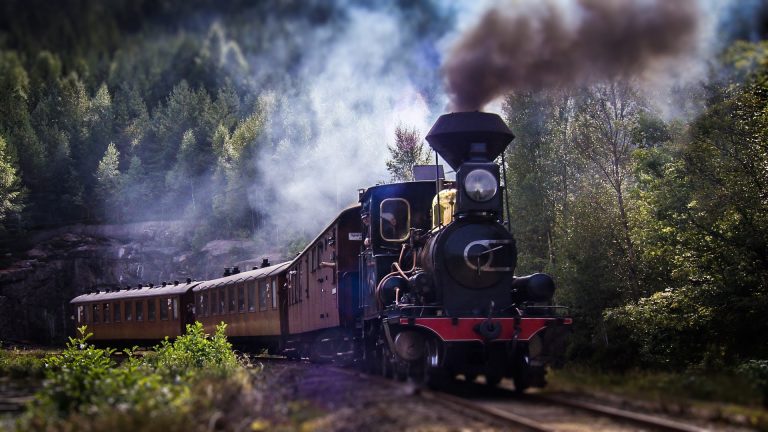
In Vennesla near Kristiansand you’ll find a narrow gauge preserved railway line (3’6” gauge) using 100 years old steam locomotives and carriages.
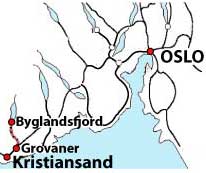
The 48.5 miles long Setesdalsbanen was opened up to ordinary service between Kristiansand and Byglandsfjord in November 1896. More than hundred years later the coal is still hlowing and the water is boiling on the old steam locomotives.
From Kristiansand to Grovane Station: Follow the RV-9 road to Mosby
The gauge chosen, 3’6”, was commonly used at the time. Take a unique journey through a little piece of Norway and enjoy the stylish teak carriages and the sight of the venerable station buildings along the way.
Take time to go off the train at Kringsjå station and have a look at the ruins of Kringsjå power plant, which was built by “Rallere” from 1899 to 1900. All machinery was transported from Kristiansand by train. Just before the plant closed down in 1957 it delivered 6000kW. Just follow the signs from the station.
Setedalsbanen
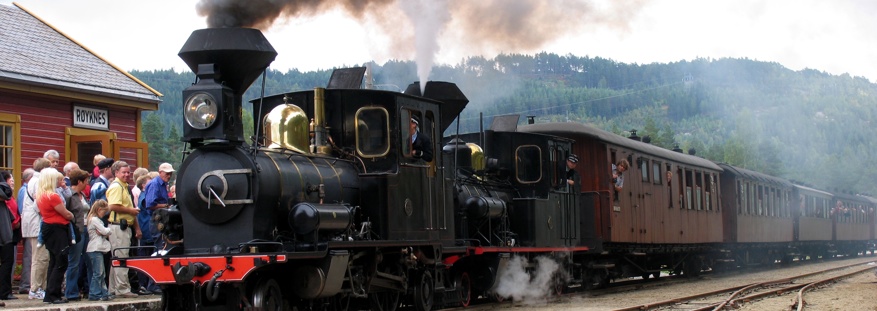
At Røyknes station you can enjoy the old wooden village buildings at the west side of the river Otra. Røyknes has only about 100 inhabitants.
Setesdalsbanen at Røyknes station
At Grovane station it is possible to buy light refreshments and souvenirs.
Setedalsbanen at Beiholen dam
The railway represents part of Norway’s transport history and is one of the greatest tourist attractions in the southern part of Norway.
The railway represents part of Norway’s transport history
Directions by road from Kristiansand to Grovane Station: Follow the RV-9 road to Mosby. Then follow RV-405 to Vennesla and Grovane Station. Setesdalsbanen is situated about 21 km from Kristiansand city center.
In 2012 a huge stone, wood and concrete building at Hållunden outside Stockholm opened its doors to the public. Artipelag, as the art gallery is called, has become a favorite haunt for as well journalists as Stockholmers who want an injection of world-class art, good food and unspoilt nature.
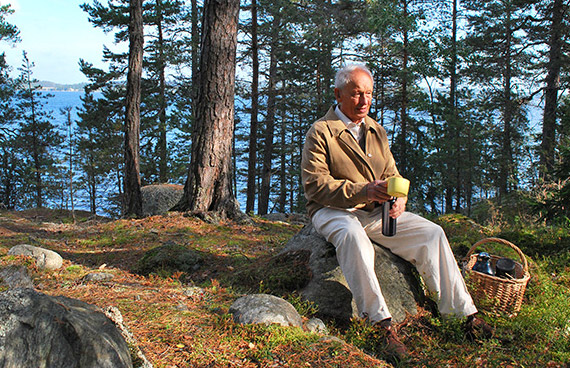
In 2000, Björn Jakobson , after many profitable years in Swedish business world, was struck with the idea of creating a beautiful building for art and cultural experiences somewhere in the Stockholm archipelago. That way he could combine his own deep interest in nature with his wife Lillemor’s background in art and design.
Björn Jacobson
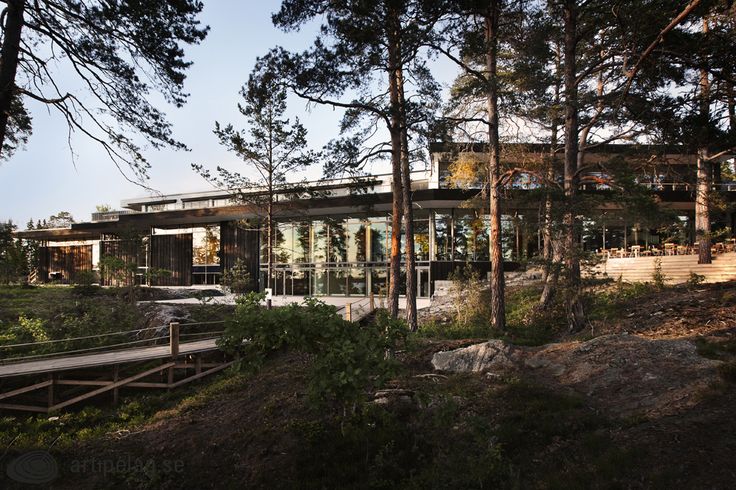
To call Artipelag an art gallery is a far too narrow term because Björn wanted an architecture in tune with nature. When he approached architect Johan Nyrén, the architect sair to Björn, “I won’t give you Bilbao, but an installation in tune with nature – that I can do.”
Artipelasg, outside Stockholm
The result is a very Nordic-looking creation that almost disappears between the pine trees, only really visible as you approach the cape from the water because of the reflections in the big glass panels.
An architecture in tune with nature
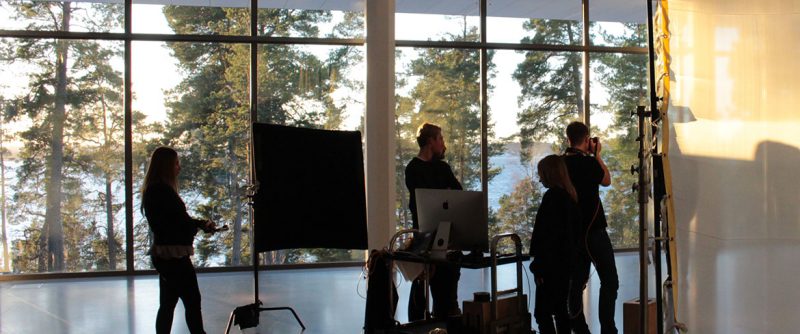
Artipelag toay is an international venue for art, good food, events and activities – beautifully set on Värmdö in the Stockholm Archipelago, just 20 minutes from the city centre of Stockholm. If one approaches the art gallery from the seaward side, one needs good eyes to make it out. The black-tarred wooden construction blends perfectly into the landscape.
Artipelag is an international venue for art
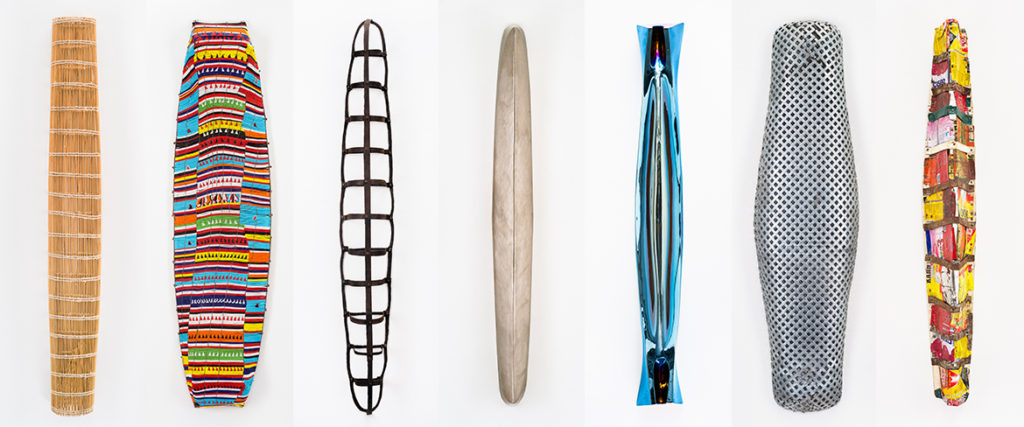
This summer sees the nature theme evolve with an exciting new exhibition, Score for a Longer conversation by the Norwegian artist Bård Breivik. Score for a Longer Conversation consists of several vertical, elongated shapes. Though various craft techniques and materials were used to fashion the sculptures, all have the same length.
Score for a longer converdsation, by Norwegian artist Bård Breivik
In a Norwegian context, Breivik is seen as a pioneer in modern sculpture and installation art. He is known for his deliberate choice of materials and keen interest in traditional arts and crafts.
The exhibition runs until 20 August.
The name Artipelag is a combination of Art, Activities, and Archipelago
The name Artipelag is a combination of Art, Activities, and Archipelago. It says a lot about what the center can offer, but it does not tell it all. The intention has been to create a destination of high international quality – with boundary-crossing art exhibits, inspiring activities, and good food.
Location for photos and filming
There is a café for lighter meals and coffee and an upstairs à la carte restaurant, both with sea views and accessible for wheelchairs.
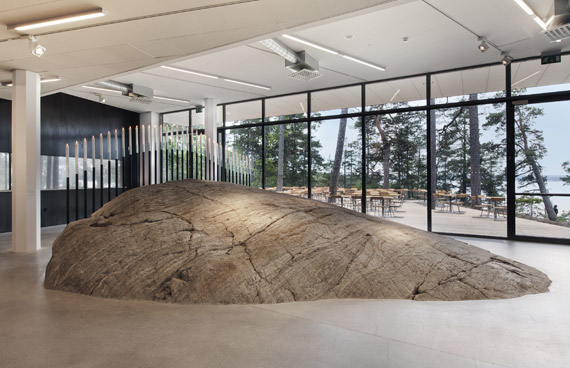
There is ample space at Artipelag – about 32,000 square feet – for a large art hall and a shop with own custom-designed products. The site also boasts its Artbox, an enormous concert – event – and studio locale of 13,000 square feet with accompanying artists’ space.
Artipelag interior
Those who want to see the area from above, can go to the roof terrace of the art gallery where the view of the bay Baggensfjärd and the archipelago is truly impressive.
Artipelag has been dubbed “the Louisiana of Sweden”, and that is no doubt a compliment. The name says it all, really: it is art and activity in the archipelago – all in tune with nature.
Sculpture at Artipelag
How to get there
In summer – especially in fine weather – we recommend the boat that brings you in an hour and a half from central Stockholm to Hålludden.
By car it takes about 20 minutes from central Stockholm. You drive on the road 222 towards Gustavsberg. Parking at the Artipelag is no problem.
Moreover, there are direct buses from Vasagatan (next to the central station) to the Artipelag. Timetables can be found on the Artipelag website.
Last month Norway’s plug-in electric vehicle sales notched a strong 31.7% increase, hitting 4,339 sales and an awesome 30.6% market share.
While reaching a 3% market share is difficult in most countries, Norway has long been the exception to the rule and it is now breaking more market share records. This means that almost one in every three cars sold now is a plug-in electric vehicle of some kind. That makes Norway the market with the highest rate of electric vehicle (EV) adoption anywhere in the world.
E-V statistics for Norway
The highly anticipated Opel Ampera-e, which arrived in late May, had 230 new registrations. American automaker Tesla has so far been the winner. However, a newcomer like the Hyundai Ioniq Electric has also started contributing with new deliveries.
A Nissan Leaf driving in bus lane
Diesel’s market shares are also falling fast in the country. It now sits at ~13% as local governments are exploring restrictions on the fuel. Compared to other European countries the EV market penetration percentage is 5.1% in the Netherlands, 3.2% in Sweden, 1.3% in the UK, 1.2% in France, and 0.7% in Germany (figures from 2016).
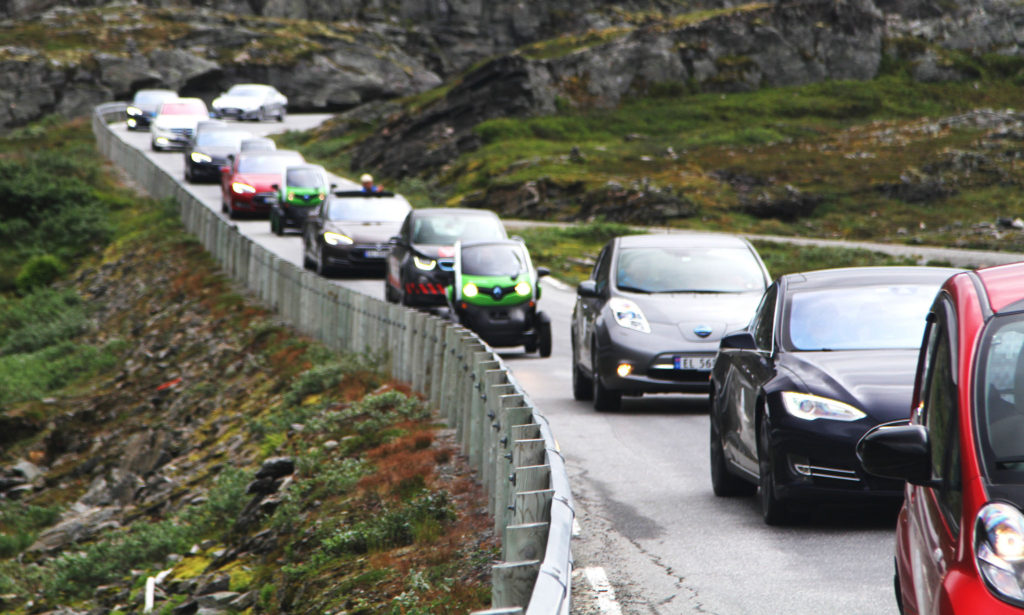
Electric car rally in Geiranger. Photo: Norsk elbilforening
Norway has the goal of 100% of new car sales to be zero-emission vehicles starting in 2025. As a reminder here, the plug-in electric vehicle market penetration percentage in the US was around 0.9% in 2016.
So far, US made Tesla is the most sold E-V in Norway
15 different all-electric models are offered in Norway and while it’s more than in most other markets, it’s still not enough to cover every consumer’s needs. Norway is thus like a lab experiment for electric transport.
Some EV taxis can also be seen in Norway. Photo: Andrew Henderson
And as new all-electric vehicles come to market within the next year, like the Chevy Bolt EV (Opel Amera E) and the Tesla Model 3, Norway could be on its way to reach the tipping point of the majority of car sales being electric.
Environment Friendly Norway Loves Plug-in Electric Cars, written by Tor Kjolberg
Swedish pop artist Jens Lekman has produced his first new album in nearly five years. Lekman, born and reared in Gothenburg, Sweden, is a songwriter, adventurer and retired bingo hall employee.
He says that his last record from 2012, I Know What Love Isn’t, was very difficult to write. The lyrics were very personal, so in his opinion the audience wasn’t able to relate to them.
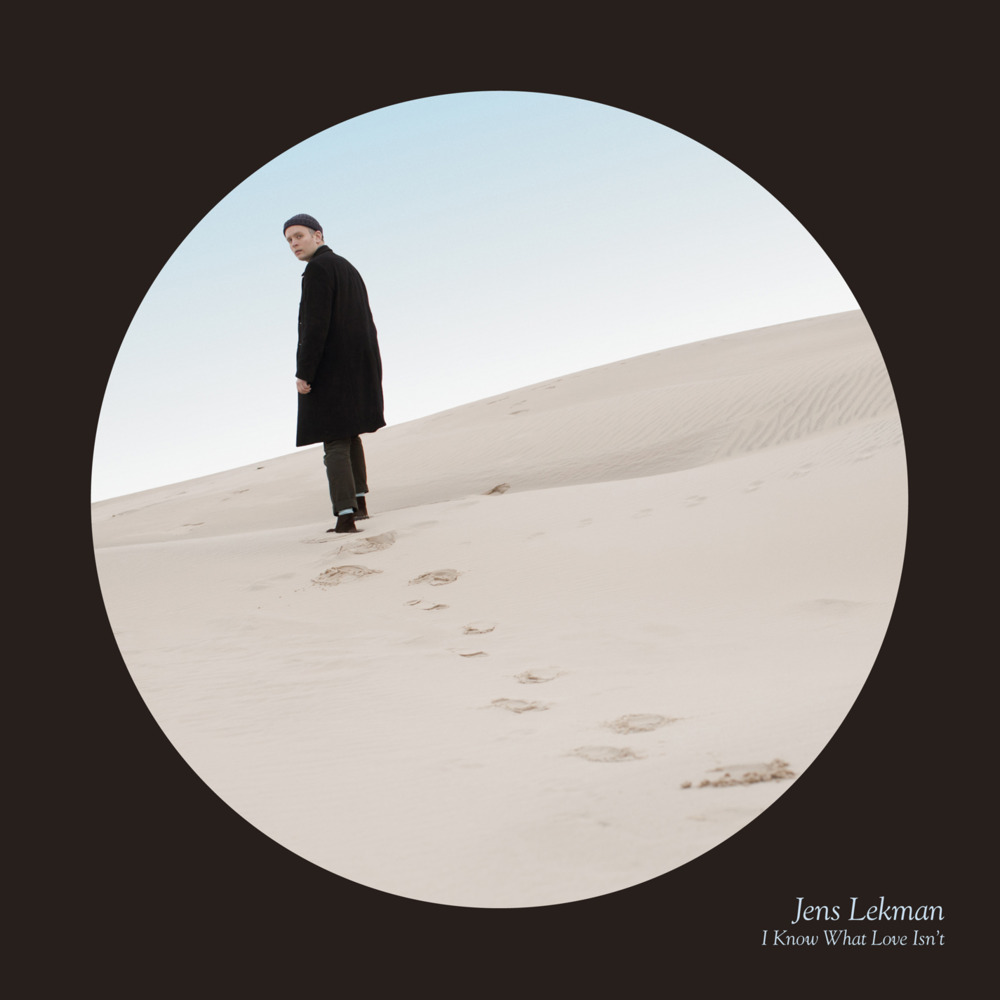
Album “I know what love isn’t” by Jens Lekman
Lekman, known for his darkly comical storytelling, has now released his calypso- and disco inspired album Life Will See You Now, including the playful, up-tempo tale about lost love, What’s That Perfume That You Wear? featuring steel-pan samples from the 1978 album The Path by Ralph MacDonald, a percussionist known for his soft-rock collaborations with Roberta Flack, George Benson and Burt Bacharach.
Since his 2007 full-length Night Falls Over Kortedala, Lekman has made hopeless romantics of us all.
Album “Life will see you now” by Jens Lekman
“The more you expose yourself and your feelings, the more vulnerable you become,” he says.
Swedish singer and songwriter Jens Lekman
In a musical language, Lekman’s songs serve as a reminder to look closer at the world around us, ti appreciate its beauty, both when its most heartbreaking and most absurd. .
Album “Nights falls over Kortedala” by Jens Lekman
“I don’t want to be the type of musician who puts his work above the people around him,” says Lekman. “The new record is about the transition from the aesthetic to the ethical in search of a sense of duty, joy and responsibility,” he adds.
Swedish Existentialism in Music, written by Tor Kjolberg
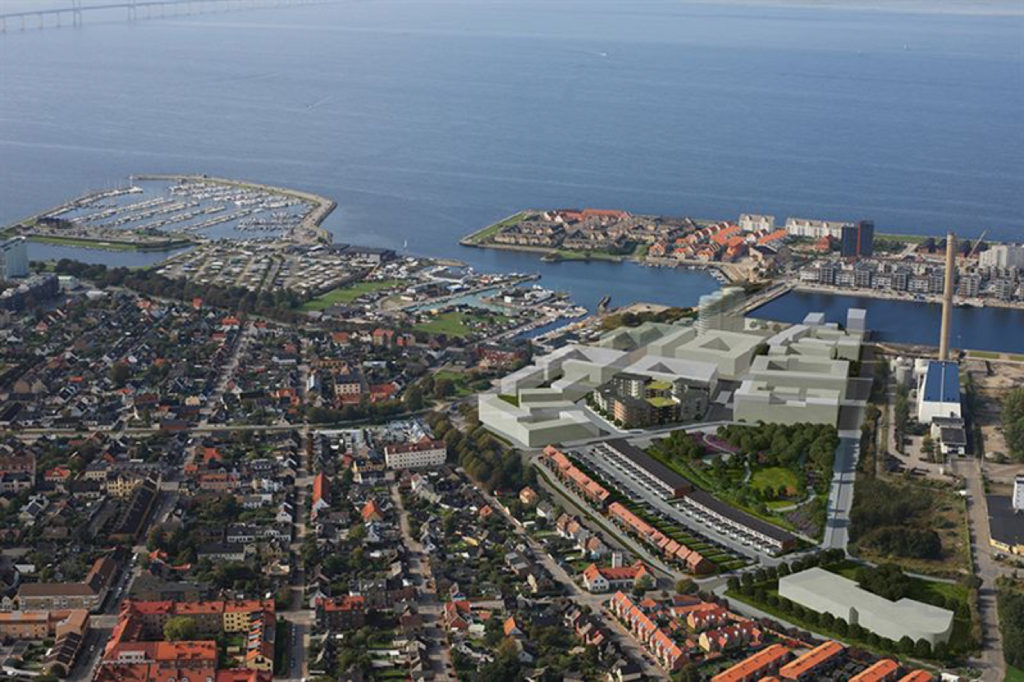
Before the Øresund bridge opened, it was pretty easy to cycle up to the old ferry port and wheel your bike aboard a craft. Such bike-friendly ferry routes were once the norm for these sister cities, Copenhagen in Denmark and Malmö in Sweden, divided by the Øresund Strait. This summer an old 18 meter long ferry is plying the waters again.
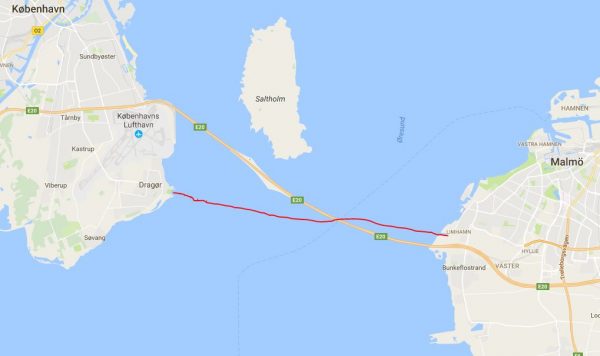
This summer the probably most bike-obsessed nations in the world give cyclists a dedicated way to cross the maritime border that divides them. The bike ferry M/S Elephanten is shuttling some 36 cyclists and their bikes between Dragør in Denmark and Limhamn in Sweden.
Map of Dragør – Linhamn
The route has existed before, but ceased to operate in 1999 ahead of the bridge across the Sound opening in July 2000, News Øresund reports. While Copenhagen and Malmö have been joined ever closer together since the opening of the Oresund Bridge in 2000, cyclists have been somewhat left behind, even if bikes are allowed on the train beneath the bridge for the price of child ticket.
M/S E,lephanten
Last summer when four bikers tried illegally to use the bridge’s 25,738-foot long span, the police closed the bridge.
The old harbour in Dragør
M/S Elephanten is a converted fishing boat, built in 1940, which will make three trips a day in each direction in June, July and August. The crossing is estimated to take one hour.
From Limhamn, Sweden (including plans for future development)
Bring Your Bicycle on a Ferry from Denmark to Sweden this Summer, written by Admin
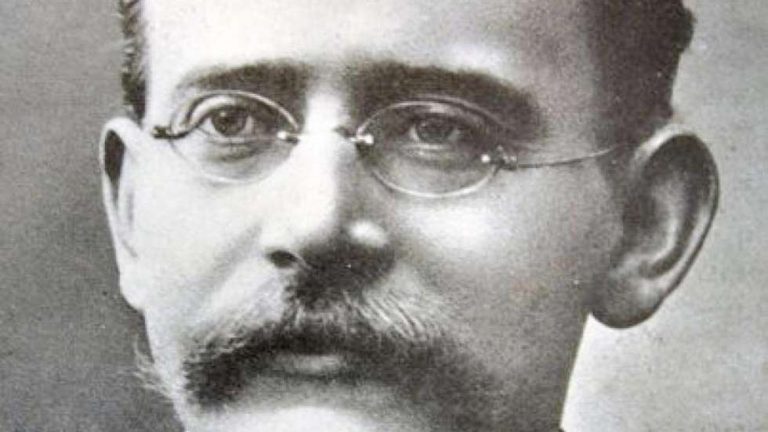
It is 100 years since Norway’s most famous physicist and industry researcher died. Kristian Birkeland was the world’s first space researcher and put Norwegian physics on the world map.
Author Lucy Jago has written an excellent book on Kristian Birkeland, “Northern Lights – The True Story of the Man who Unlocked the Secrets of Aurora Borealis”. Ex-TV documentary producer Lucy Jago came across Birkeland’s story while making the BBC series The Planets.
Aurora borealis book cover
Norwegian scientist Kristian Birkeland (1867-1917) accomplished this by inventing two other scientific feats that were ahead of their time, the Birkeland-Eyde process of fixing nitrogen from the air and the electromagnetic cannon, which funded his research on the aurorae. It is surprising that the genuine discovery of a scientist and inventor of such obvious eminence and importance has escaped attention until now.
Birkeland’s pursuit took him to some of the most forbidding landscapes on earth, from the remote snowcapped mountains of Norway to the war-torn deserts of Africa. In the face of rebuke by the scientific establishment, sabotage by a jealous rival, and his own battles with depression and paranoia, Birkeland remained steadfast. Discoveries this big will never be instantly accepted especially during those times. The concept, called Birkeland currents, remained controversial for more than half a century mostly because a phenomenon this wide in scale cannot be proven by mere ground-based projections and measurements.
Birkeland’s electrical cannon
Kristian Olaf Birkeland was born on December 13, 1867 in Oslo (called Christiana at that time). When he was 18, he completed his first ever scientific paper, showing his great interest and potential in the scientific field.
The expedition Birkeland led to northern Norway in 1899-1900, to spend a winter observing
Kristian Birkeland and his vacuum chamber
the aurora continuously with a battery of equipment, led to the first consistent explanation of the phenomenon – that beams of electrons (the particles had been discovered only two years previously by J.J. Thomson).
In continental Europe Birkeland was reckoned to have made an immense breakthrough and was considered a figure of international importance, but in Britain, sadly, the Royal Society dismissed him as a crank.
Birkeland’s other major claim to fame was his invention of a workable electric furnace for the conversion of nitrogen from the atmosphere into a solid form that could be used as agricultural fertilizer.
Bust of Kristian Birkeland at Northern Lights Park in Alta
However, It was not until 1967, long after Birkeland’s death that his theories were finally proven to be correct. A US Navy satellite, the 1963-38c, observed magnetic disturbances every time it passed the high-latitude areas of the earth. It wasn’t until these disturbances were further analyzed that they realized that these were in fact the currents that Birkeland claimed to exist half a century ago.
Kristiain Birkeland
Birkeland was nominated for the Nobel Prize seven times, but his hopes for the prize scuttled —at the time of his death in 1917, almost certainly from an accidental overdose of a sleeping draught, in a Japanese hotel room.
Lucy Jago’s book offers a rare look inside the mind of one of history’s most visionary scientists.
Norwegian Scientist Solved the Mysteries of Spectacular Aurora Borealis, written by Tor Kjolberg
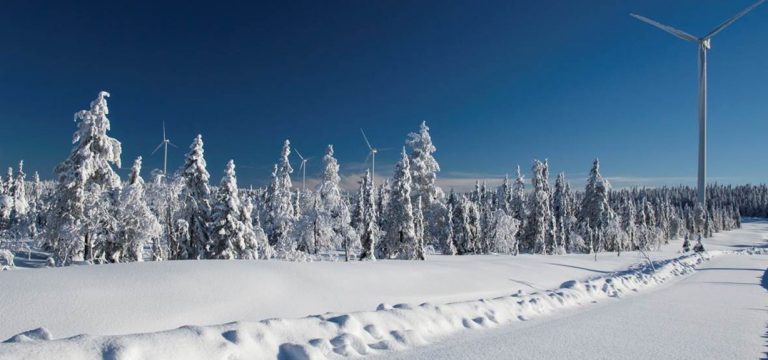
The Research Institutes of Sweden (RISE) and the Energy Research Centre of The Netherlands (ECN) have signed a collaboration agreement to set up a cold climate test center in Sweden.
On its website the Cold Climate Test Center states that “cold climate areas are providing huge potential for wind power all around the globe. But chill and ice demand a great deal on technology and require optimal testing conditions.”
Cold climate testing
RISE and ECN will establish a test center in the northern part of Sweden for full-scale testing, research, verification and certification of new generations of wind turbines and subsystems in cold climate.
RISE said the test center would be located “in a place with excellent conditions for testing wind turbines”. However, a specific location is yet to be determined.
Climate testing in Västerbotten
The two organizations have extensive experience in wind energy and testing activities. Their strengths complement each other and together they form an ideal team for developing such a unique cold climate facility.
The center should be installed on a “plateau” according to RISE to minimize the turbulence on prototypes to be installed there.
From Västerbotten
RISE already operates field facilities in cold conditions in Sweden and has a long experience in measurement, testing and validation. ECN has its own full-scale wind turbine test center, an accredited measurement team, and over 40 years of dedicated R&D in wind energy.
Partners are: Skellefteå Kraft – a regional developer and power utility operating 930 GWh wind power, all in cold climate conditions.
Vindkraftscentrum – an organisation in the northern part of Sweden who promotes the establishment of wind power.
Vinnova – the Swedish national research funding agency for innovation and sustainable growth.
Swedish Wind Power Technology Centre (SWPTC) – a research center formed by the technical universities of Chalmers and Luleå.
Vattenfall – a utility company operating more than 1 000 wind turbines, from the cold Nordic to places further south in Europe.
For more information please visit the Cold Climate website.
Feature image (on top): Stor Rotliden (Vattenfall)
New Test Center for the Global Wind Industry in Sweden, edited by Admin
In October 2013, Norwegian entrepreneur Berta Lende Røed launched what has been called “love in a box”. Her Fuelbox was intended to teach couples how to conduct ‘a great conversation’.
What Berta wanted was having more great conversations with her husband instead of just small talk. One late Saturday evening she surprised him with red wine and a deck of card with questions from an envelope.
Fuelbox illustration
“I think I am married to a pretty awesome guy, and our thing was our great conversations. We could spend hours talking about everything there is to life,” says Berta. “Then two more kids arrive, in addition to my two boys from a previous marriage, and I suddenly experience that we are spending far too many nights, exhausted on the couch, in front of the TV or other screens, and our natural curiosity for each other and those great conversations is more or less gone.”
She knew that she missed their great conversations, which were now nothing more than how things were at work, the kids or the neighbor’s new car. So she began to write down different questions she wanted to ask her husband, and questions that she wished he would ask her.
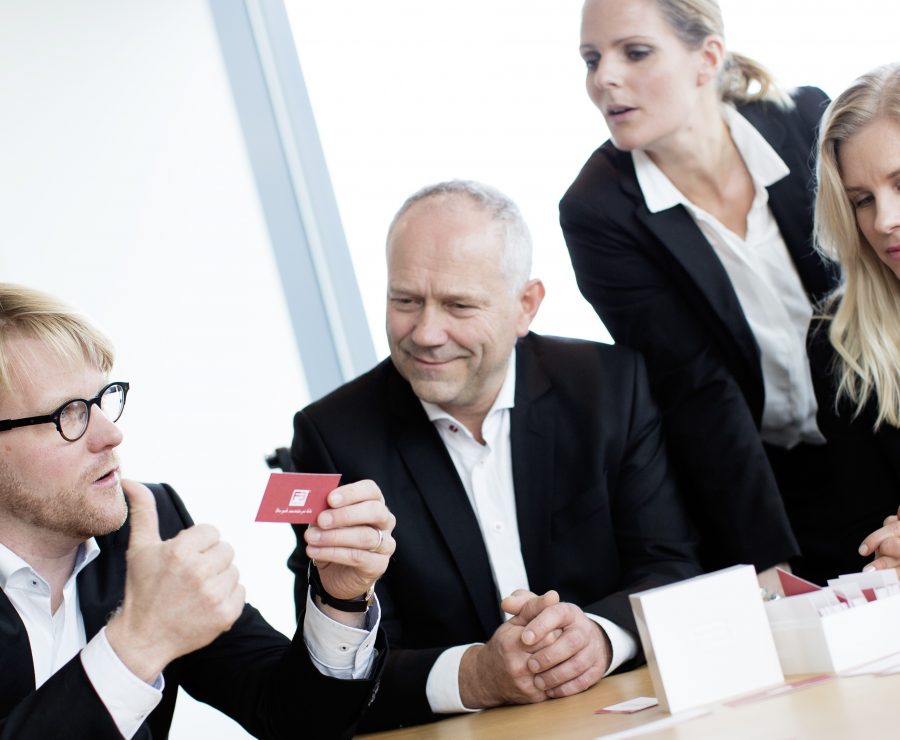
Fuelbox leadership version
Later she had several couples to try out the questions from the envelope and the response was very positive from both sexes. In October 2013 she launched her Fuelbox, The box of great conversations for couples.
Later came other editions developed to create reflections and great conversations that are meaningful and entertaining and also strengthening for both individuals and relations.
Fuelbox family
But what is a great conversation, Berta?
“For me it is when we discover new things about each other, when we suddenly understand or laugh out loud together! Challenging yes, but important.”
Together with her partner Tonje Flack and relevant experts, she has also developed Fuelbox programs to help businesses improve their human relations and performance. “It’s often hard for employees to be honest at work. A Fuelbox has no hidden agenda, so people speak up,” explains Berta Lende Røed.
Fuelbox business
Today, Fuelbox is far from limited to the Scandinavian market. Fuelbox can be found in thousands of homes and offices in Australia, Denmark, Germany, Norway, Singapore, Sweden and United Kingdom.
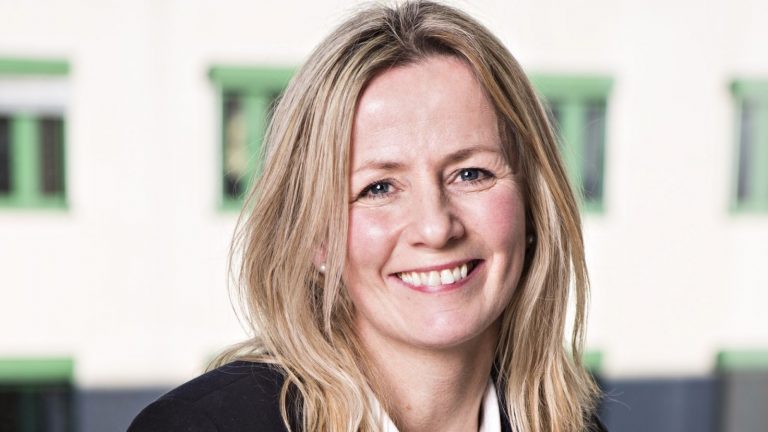
Feature image (on top): Berta Lende Røed
Norwegian Entrepreneur Thinks Inside the Box, edited by Tor Kjolberg