Wildlife Conservation in Norway

0

Wildlife conservation programs are vitally important in the effort to protect species and their habitats. Norwegian wildlife conservation’s surveys bring good news this year for the much prosecuted wolf population of the country and not so good for the shy lynx population. 

Wolves in Norway
Wolves in Norway

This summer nine family groups of lynx have been registered in the wild predator regions of Norway, including Vestfold, Buskerud, Telemark and Aust-Agder.

The Eurasian lynx is a wild cat native to Norway and Sweden as well as large swathes of Eastern Europe and Siberia. Its natural prey includes deer and foxes. This constitutes a reduction of 6.5 family groups compared to last year, according to NRK (Norwegian Broadcasting).

Lynx
Lynx

There are only 30 wolves in Norway—and last year 11,000 people applied to kill half of them.

However Norway’s wolf population has nearly doubled according to another article in the Local published in June. Over the past winter, there were about twice as many Norwegian wolves compared to the year before.

Lynx kitten
Big Cat Lynx

“This winter, a total of seven litters were registered. Six of them were born in territory that is more than 50 percent within the administrative area for breeding wolves. The Norwegian population target of three annual wolf litters within the zone is therefore reached,” Jonas Kindberg of Rovdata said in a press release.

Jonas Kindberg, Tovdata. Photo: Fredrik Widermo

Rovdata is responsible for operating, communicating and developing the Norwegian Large Predator Monitoring Program. The organization collects, analyzes, and reports monitoring data on the Eurasian lynx, wolverine, brown bear, wolf and golden eagle. It communicates data to the media, the public, key stakeholders and government authorities.

Wildlife Conservation in Norway, written by Admin

Sweden’s First Gastro-Hotel

PM & Friends (PM & Vänner) ranks among Sweden’s top ten restaurants, according to the country’s leading authority on dining, the White Guide.

Restaurant PM & Vänner’s culinary philosophy is based on three cornerstones: forest, lake and meadow. The raw produce is transformed by the modern Småland kitchen with international perspectives.

Entrance at PM and Friends

In 2012, the company acquired a large 1960’s office block in which PM & Vänner was located, and commissioned Lindvall A & D to create a concept and to design the interior, as well as a number of unique pieces of furniture for Sweden’s first gastro hotel, which opened in April 2014.

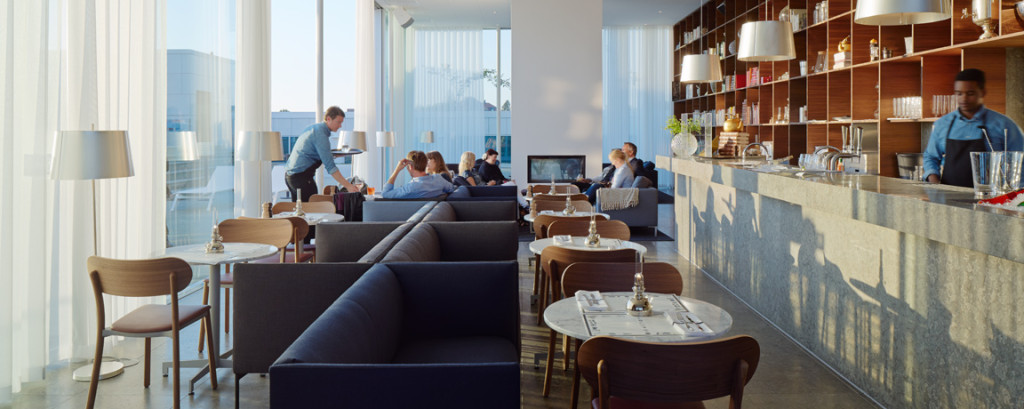
Relaxing in the bar
Relaxing in the bar

The hotel offers its guests a grand hotel experience. PM & Friends Restaurant is named one of the Nordic region’s best restaurants and has one of the world’s 300 best wine cellars and wine lists according to the prestigious guide World of Fine Wine .

Restaurant at PM and Friends in Smaaland

In February 2016, PM & Vänner Hotel was awarded three red houses and its restaurant one Michelin star by the Michelin Nordic Guide. PM & Vänner is among the first establishments in the Småland region to enter the famed guide.

The fine dining dishes are like small works of art

The creativity at PM & Vänner is enormous and the fine dining dishes are like small works of art. You can find wood sorrel in little parcels or delicate, baked spades to eat with. The tasting menu is the flagship, but it’s not all about fine dining.

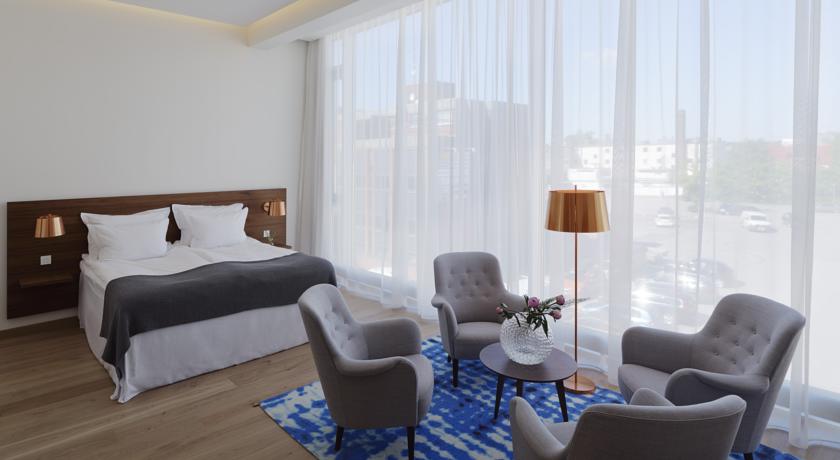
Rooms with a welcoming athmosphere
Rooms with a welcoming atmosphere

The hotel is an experience in itself. For example, limestone from the neighboring island of Öland was used in the bathrooms, reception and bar, representing not only the foundation of the hotel, but also the topography of the region. Oiled oak floors made of wood from Småland adhere to the simple palette, creating a neutral backdrop to design classics such as Carl Malmsten chairs. The façade was also painted white, to reflect its minimal interior.

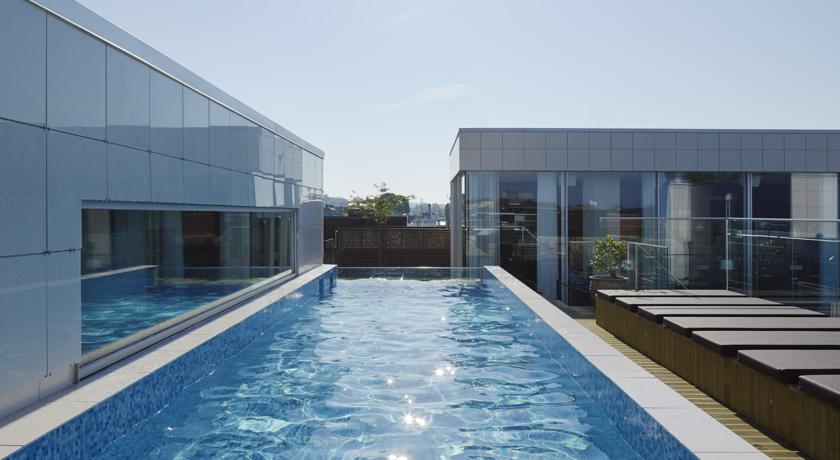
The pool area
The pool area

A main entrance, double-height master suite, smaller suites and a rooftop bar and pool area were added to the existing architecture. The cube-like suites are slotted in between the row of buildings, and jut out from the façade. Each has a unique layout. The 160 m2 rooftop bar was built on top of the existing flat roof. It has a glazed façade on three sides, constructed from 4.1-metre-high by 16-metre-wide motorized sliding glass panels. The roof also contains an outdoor swimming pool and hot tub, and two separate terraces, one of which is used as an outdoor dining area.

The hotel is a perfect place for those who want to mingle with “the locals” as the rooftop bar has become a watering hole for both hotel guests and Växjö residents.

Sweden’s First Gastro-Hotel, compiled by Admin

Future Art in Stavanger

Center for Future Art in Stavanger, Norway, has produced and hosts the Sixth Article Biennal 2016 in Stavanger. Article Biennial – represents the region’s most innovative arts festival focusing on media art that expresses contemporary technology and science.

080816-article_2016_stavanger_norway
The first Article Biennal was arranged in 2006, and the main purpose is to promote art forms commenting on our contemporary technology that affects ethical and political issues concerning our time.

Article Biennal is a dynamic festival arranged at various places and with a new theme for each production.

A biennal for unstable art

Article Biennial 2016 is curated by i/o/lab by Hege Tapio in collaboration with co-curator Nora Vaage, who wrote her doctoral thesis on Bioart at the University of Bergen.

The theme for this year’s Article Biennal is “New Eden” or the new paradise. What happens when human beings become aware of everything and the opportunity to create the world in his own image? Where is the line between good and evil, and will we be able to know everything, or have eternal life?

Article biennal
Article biennal

According to Christian creation story, man lived thoughtless and innocent in the Garden of Eden, until the serpent tempted Adam and Eve to eat of the tree of knowledge.

Article Biennial 2016 exhibition New Eden explores our advanced knowledge of manipulating life, and where we might be heading with this.

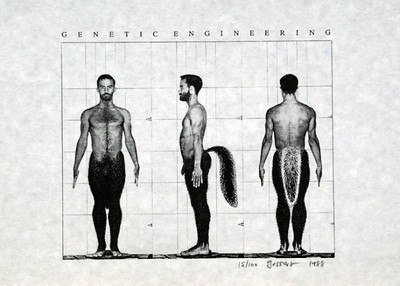
"Vital beauty" by Heroge Gessert
“Vital beauty” by Heroge Gessert

In the New Eden you may experience creatures that have been created through advanced intervention in the natural order. Today we have enough knowledge to create gold, make skin to withstand bullets, and store information in DNA. What do we do with this knowledge? And what does it do to us? What are the implications of the new biotechnology on society?

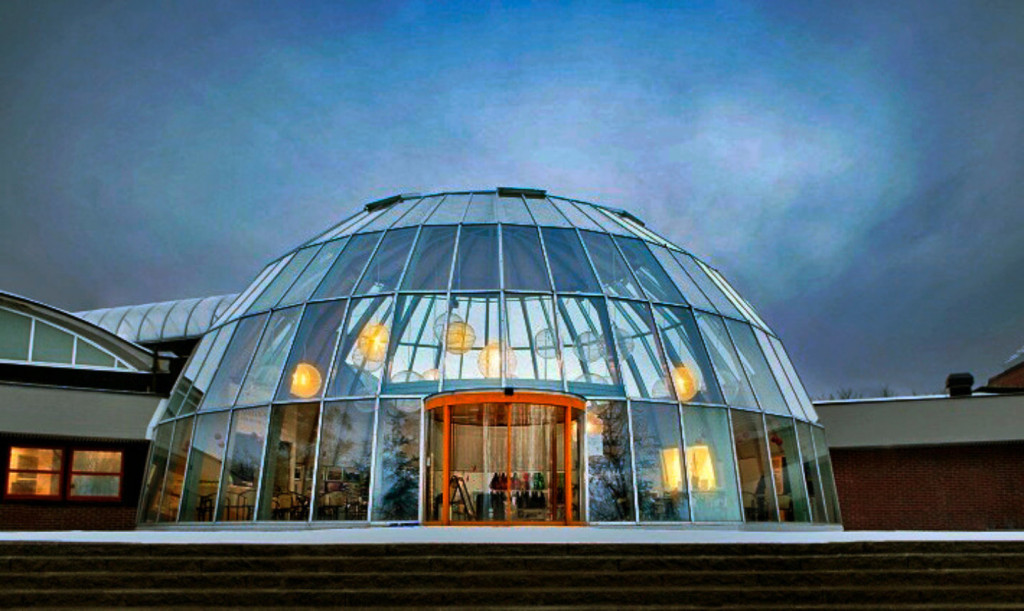
Stavanger Art Museum

The art exhibition will feature art with advanced use of biotechnology, participatory plant breeding, continuation of primeval Norwegian traditions and the ability to preserve your secrets for eternity. During the opening weekend, Norway’s premiere film festival BIO · FICTION will also be presented in collaboration with Stavanger Kino. This international film festival for synthetic biology, science and art is produced by Biofaction.

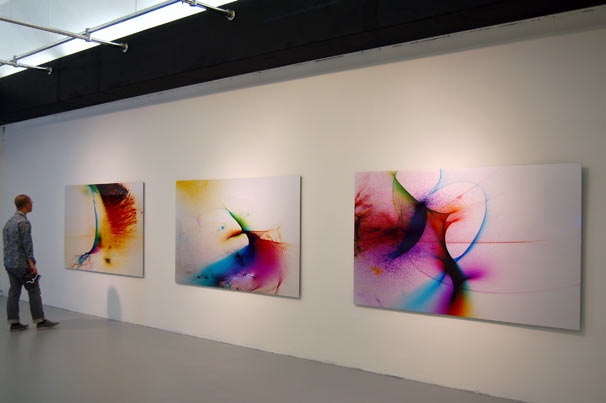
Photo paintings by Gints Gebrans

Afterwards, you can quench your thirst of knowledge under i/o/lab`s suite Art Science & Cocktails – and pamper yourself with exquisite experiences of the three things we love most.

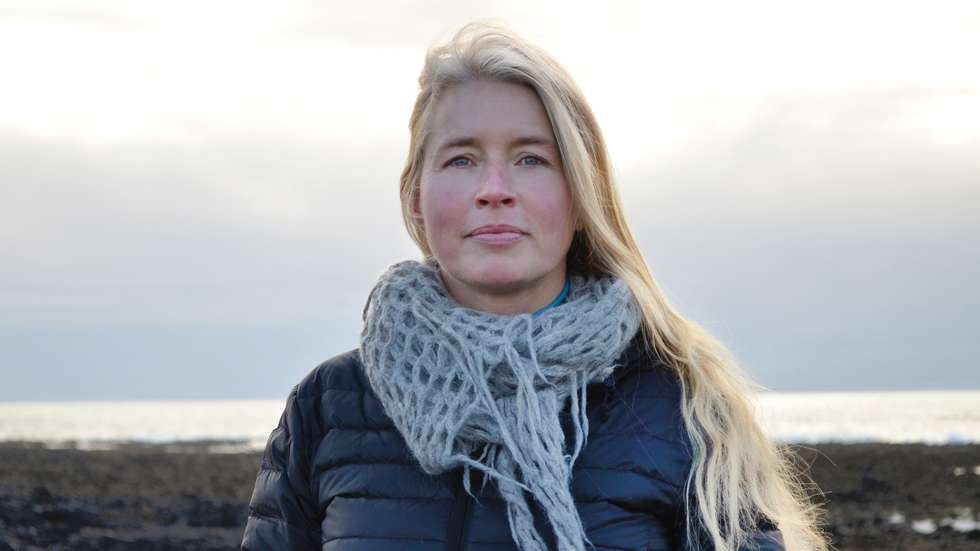
Participating artist Eva Bakkeslett

The opening weekend will be spiced with opportunities for discussions, reflections, and a meeting with artists who have made their mark internationally with their research.

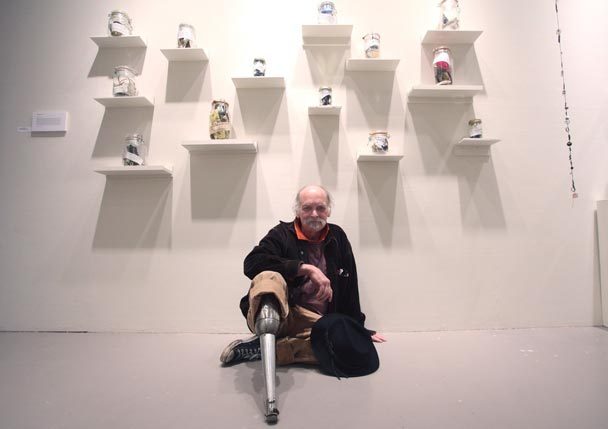
Participating artist Joe Davis

Participating artists are Eva Bakkeslett (Norway) / Joe Davis (USA) / Jalila Essaïdi (Germany) / Gints Gabrans (Latvia) / George Gessert (USA) / Margherita Pevere (Germany)

Participating artist Jalil Essaidi
Participating artist Jalila Essaidi

The Sixth Article Biennial is presented in Stavanger
August 11th – 2nd October 2016 at Sølvberget Galleri

Participating artist Margherita Pevere

View the full program here

Feature image (on top): Ten blows rouge by Marie Vic

Future Art in Stavanger, source: i/o/lab

Strange Facts about Scandinavia

Looking for facts about Scandinavia? Here they are…

Swedish people recycle so much that the Waste-to-Power plants actually import waste from Norway.

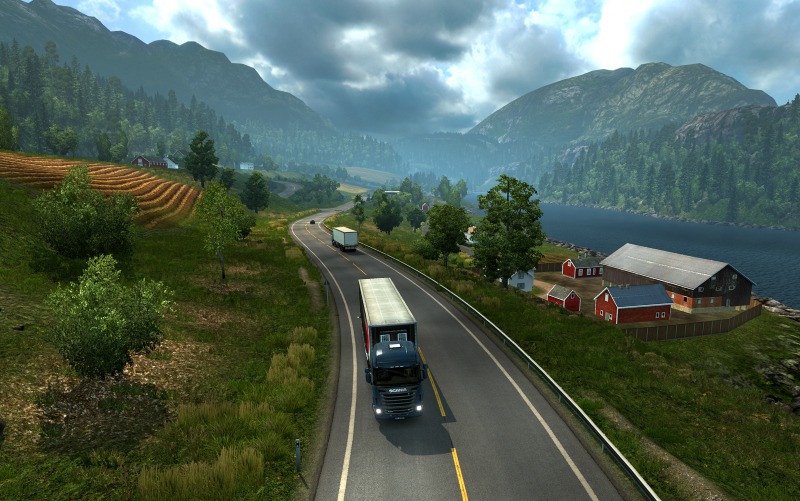
Norway is one of the largest oil exporters in the world, yet has one of the highest prices of gasoline ($9.79/gallon as of this writing).

Danish pastries aren’t Danish, but Viennese.

Danish 'Wienerbrød'
Danish ‘Wienerbrød’

Good Swedish drivers can take part in a lottery funded by bad driving fines.

It’s illegal to buy sex, but it’s ok to sell it in Norway.

There’s a 100% tax on gasoline in Denmark.

150816-driving-in-norway
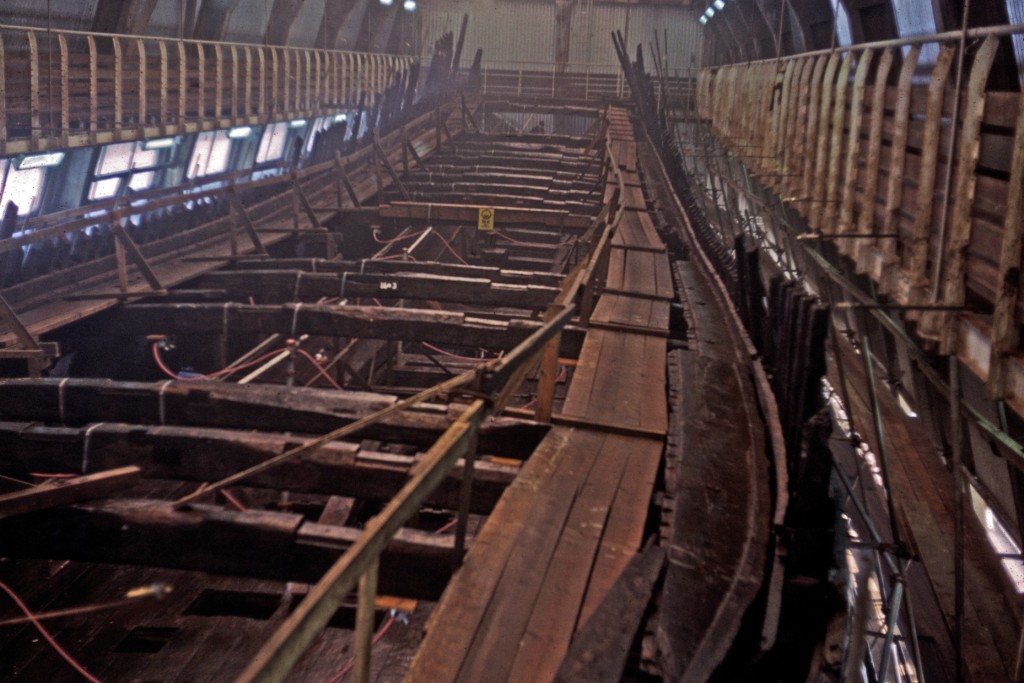
In 1628, the Swedish nation was so proud it created a huge warship (the Vasa) to reflect the country’s power. The boat sank a mile from shore within 20 minutes.

Many Norwegians claim Leif Erikson as their explorer, although he was actually born in Greenland.

In Denmark it’s illegal to burn any foreign flag, but it’s ok to burn a Danish flag.

Warship Vasa in its steam chemical treating building will preserve the wood

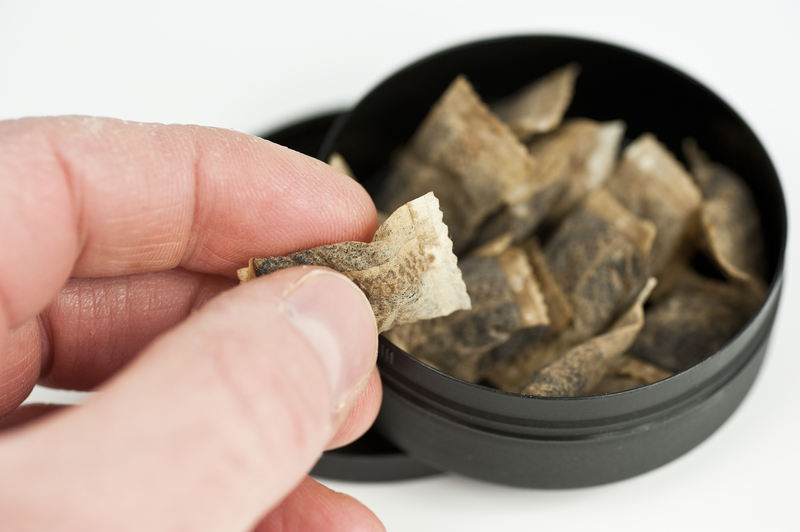
Snus (snoose) is incredibly popular in Sweden. The trendier brands come in something which looks like a teabag to tuck into your mouth.

Norway has spent millions on a ‘Doomsday Vault’ on an island that is designed as a seed preserve for plants from all over the world. International millionaires have also donated funds to support it.

Dane Niels Bohr won the Nobel Prize in 1922 and to reward him, the Carlsberg Brewery bought him a house with a direct pipeline into the brewery.

Swedish snus
Swedish snus

Men in Sweden are strongly encouraged to take 2 months of (paid) paternity leave. Daycare is based on a family’s income.

A Norwegian non-working pregnant woman’s entitlement money runs at about $5,500-6,500.

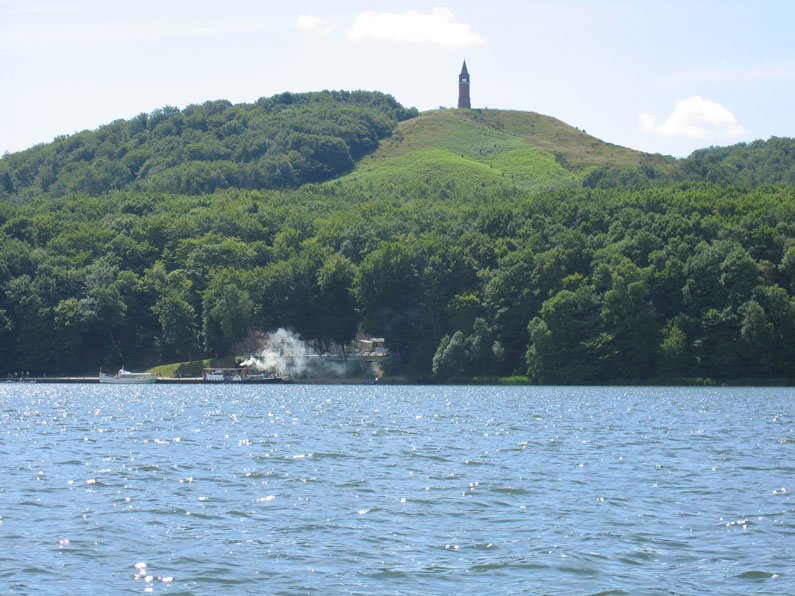
Denmark’s highest mountain is a paltry 170m.

Heaven Mountain in Denmark with Hjelten lighthouse

Famous Swedes include actress Greta Garbo, tennis player Bjorn Borg and inventor Alfred Nobel (of the Nobel prize). Interesting Swedish inventions are dynamite, the Celsius thermometer and the pacemaker.

Norwegian police stations run on office hours and are often closed for the weekend.

Legos were invented in Denmark as was the fiberscope. The drummer Lars Ulrich, the actor Mads Mikkleson and author Hans Christian Andersen are a few famous Danes.

Greta Garbo Photo by Moviestore Collection / Rex Features (1579080a) Mata Hari, Greta Garbo Film and Television
Greta Garbo
Photo by Moviestore Collection / Rex Features (1579080a)
Mata Hari, Greta Garbo Film and Television

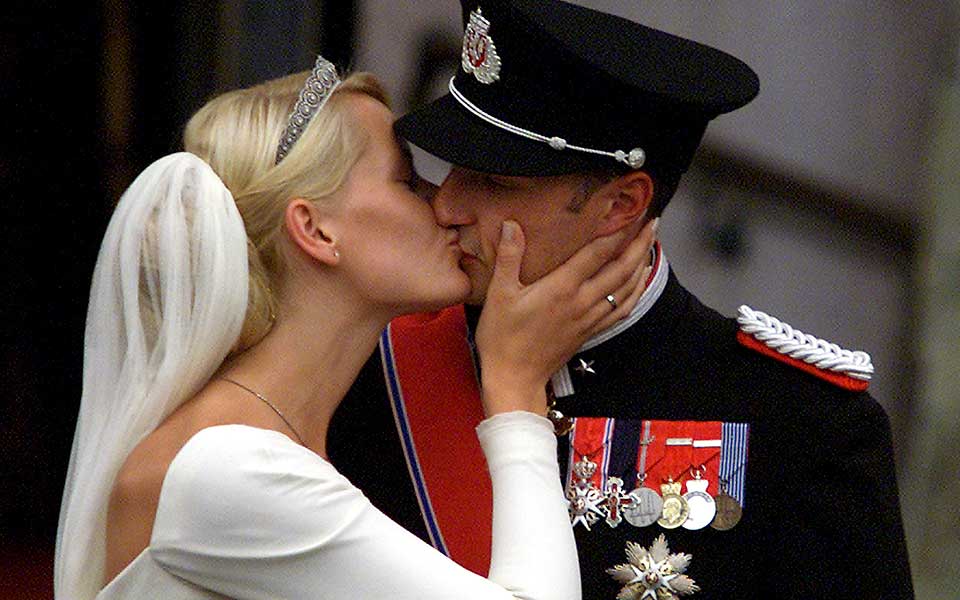
Norway’s current Crown-Prince married a single mother with a dodgy past.

Scandinavian countries take Eurovision extremely seriously.

The border trade between Norway and Sweden (Sweden’s much, much cheaper for basics like meat and milk products) is around $2 billion a year.

Mette Marit and Norwegian crown prince Haakon

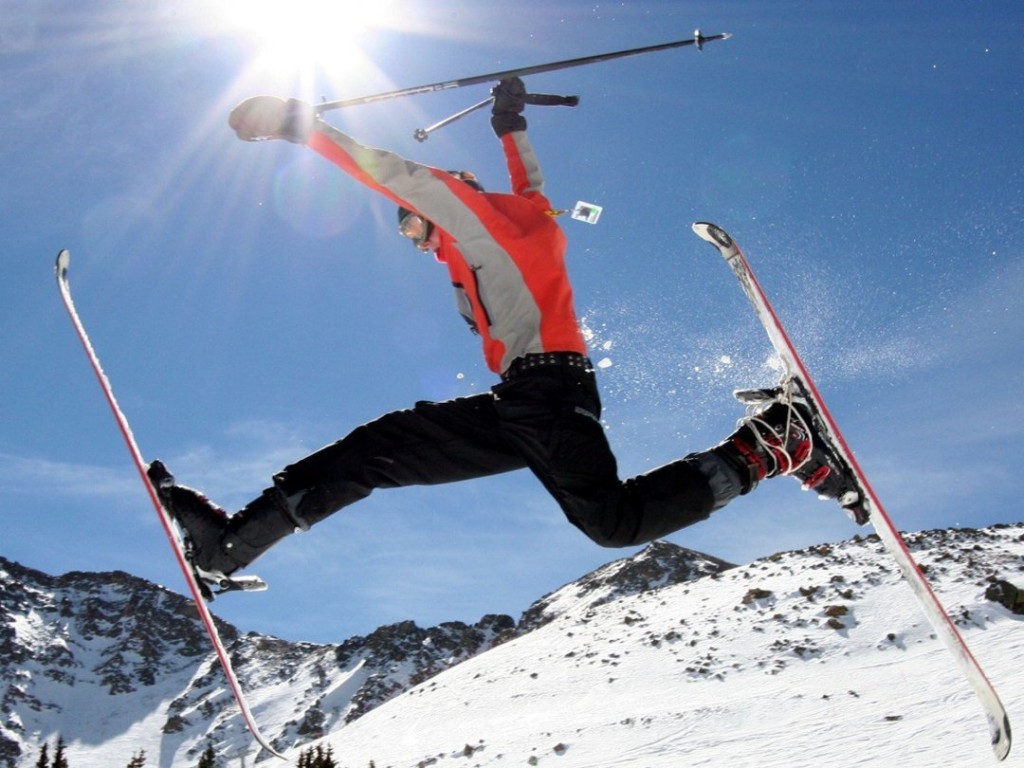
Scandinavians skied over 6,000 years ago, and also worshiped a ski god: Ullr.

You can be put in prison for speeding in Norway. Just ten miles over the speed limit can cost you $500+. Compare that to being caught with heroin: $250 fine or so.

Scandinavians believe most in evolution and they also publish more books (per capita) yearly than any other area.

150816-scandinavian-skiing
If you want to upset a Norwegian, ask them about whale hunting. It’s an insult to their heritage.

Krakens, trolls, dwarves, elves and ‘Nisse’ (the trickster version of Santa Claus) are very much a part of Scandinavian cultures.

Famous Norwegians include play-write Henrik Ibsen, explorer Roald Amundsen and painter Edvard Munch. Norwegians are also behind the beta invention of the spray can and the cheese slicer, but not paperclips.

Nirwegian trolls
Norwegian trolls

Lutefisk is a popular Norwegian fish dish but beware: it’s slightly rotted and then put into lye (used in soaps and such) to cure it.

Strange Facts about Scandinavia, collected by Admin

The County of Oppland, Norway

0

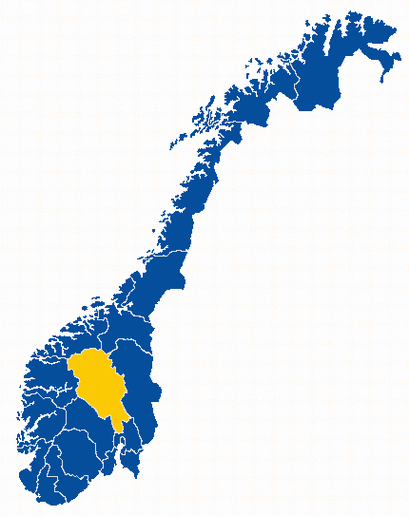
Oppland extends from Sør-Trøndelag in the north, and has seven counties which neighbor it to the north, south, east and west.  The main road E6 connecting Oslo to Trondheim runs across the county.  Travelers on this road have historically varied from the meanest peasants and peddlers,  pilgrims, soldiers at war to future kings on their way to coronations in Nidaros, the medieval name for Trondheim, the capital of Norway’s first Christian kings.

040816-oppland-map
The climate is typical for the inland part of Norway, hot in summer and cold in winter. There is an impressive collection of high mountains located within the boundaries of Oppland, despite the fact that half the county is very high – much is above the tree line.  Oppland has some of the country’s largest agricultural and forestry areas. With so much good soil, it is not surprising that we find early traces of human settlement here.

Petroglyphs
Petroglyphs

Petroglyphs indicate that people stayed here about the same time as Isaac and Jacob went to the land of Canaan.  Later, kings and princes cast their eyes on this district, and subjugated large areas.

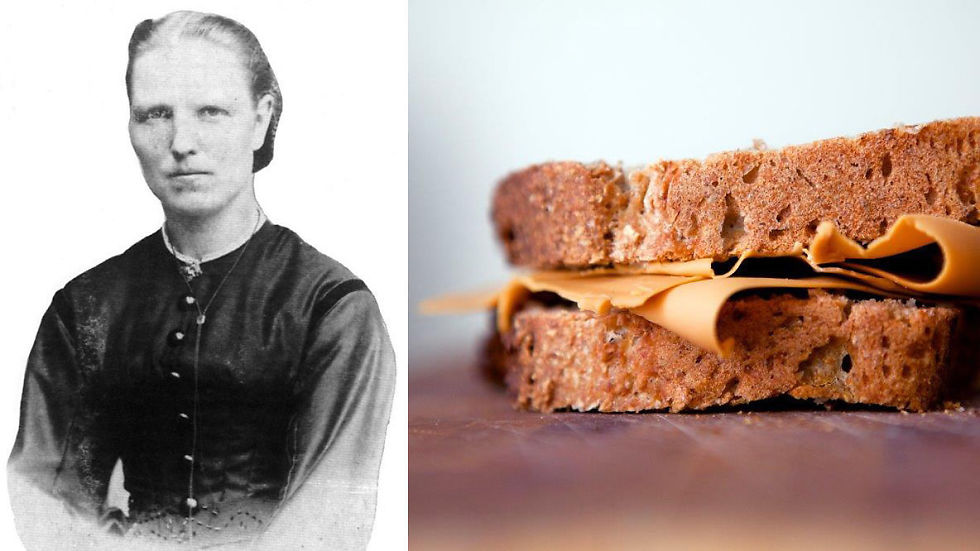
Anne Haav, inventor of the Gudbrandsdalen cheese

Oppland County has traditionally been one of quickest to adopt the latest agricultural technology. The people started to grow early potatoes, and by the 1800s this became a major industry, leading to increased moonshining until it was banned by law in 1848.  Potatoes were still a staple at the dinner table though, saving on other things, such as for example turnips.

Salt-boiled new potatoes

Potatoes were also used for milk food of various kinds, and of course with meat and freshwater fish. Raw grated potatoes were mixed with barley flour and a little salt and boiled in lightly salted water. Bits of bacon added to the mixture resulted in cheap and good food. The boiled water was then used as a soup, usually with added turnips, onions and thyme – making it rich and flavorful.

Mountain pasture Nordangsdalen

Mountain pastures have centuries-long traditions in Oppland. Many farms had several mountain pastures and it was not uncommon for the housewife to bring the children with them to stay there in the summer, both for variety, and of course, to work alongside the servants. On the mountain farms there was always good food of many kinds; butter and soft, sweet, brown whey-cheese, porridge and fresh fish – as these small mountain pastures were often located near lakes.

High mountain farm near freshwater

Gudbrandsdalen (the valley) has for many people been a symbol of Norwegian national dishes. Gudbrandsdal cheese is familiar to many, both at home and abroad. This famous cheese was invented by Anne Håv, who received the King’s Medal of Merit in 1933 for what the cheese has meant to Gudbrandsdalen’s economy. Its secret lies in the combination of new thinking, looking to the future and at the same time taking care of the old. This must be the right way to go – taking care of traditional Norwegian national dishes, but also to let these be the basis for innovative dishes.

Seremony at winter olympic games in Lillehammer 1994

Oppland County has experienced a significant development from a unilateral operation in the traditional industries to what is now happening. Olympics at Lillehammer in 1994 were a grand experience, putting Norway on the world map in more ways than one. Tourism experienced a flowering increase: carpentry and rose painting took a leap from being a domestic industry to becoming a very lucrative multimillion-dollar business. Still the inhabitants do not feel that they are selling their heritage – it is so deeply rooted in the people that generations to come will be able to enjoy national treasures in the same way as does the current population.

Knut Hamsun
Knut Hamsun

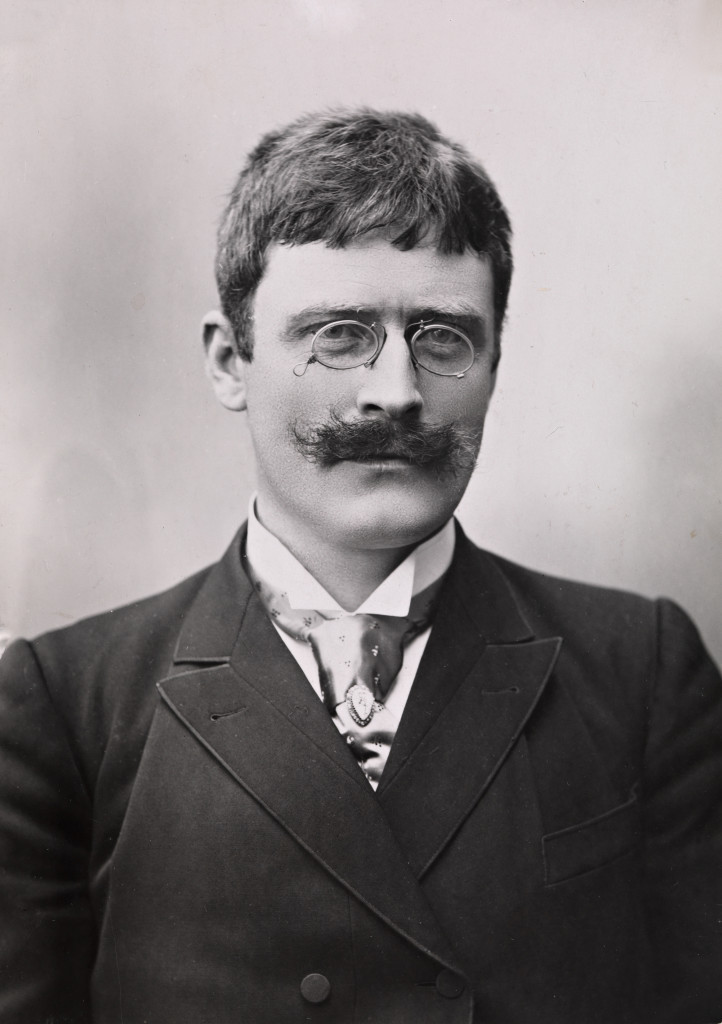
Artists and cultural people also have a strong foothold in Oppland, and many have their roots here. Bjørnstjerne Bjørnson lived for a time in Gausdal, and Knut Hamsun was born on the farm Garmo in Lom. Hans Aanrud from Gausdal is a well-known author and the man behind “Sidsel Sidserk” (Sidsel Longskirt -a Norwegian children classic), also having written the joyful story of the farmer’s son from Evenstad, a son who was so spoiled that he only wanted to eat “lefsklining” (flatbread with butter).

Sigrid Undset 1928
Sigrid Undset 1928

Sigrid Undset was from Lillehammer. We can still find many of the big farms from “Kristin Lavransdatter” and other novels – such as Formo, Romundsgård and Sandbu in Vågå.

Norwegian folk tale collectors Asbjørnsen and Moe

The folk tale writers Asbjørnsen and Moe collected much of their material from this area and were inspired by the German folktale collectors  the Brothers Grimm In “Rensdyrjagt at Rondane” (Reindeer Hunt at Rondane) – one of the more unknown fairy tales – in which we find Peer Gynt, who later is better known as one of Henrik Ibsen’s figures.

Heritage and tradition is strong in Oppland.

The County of Oppland, Norway, written by Tor Kjolberg

Related article
The Inland Counties in Eastern Norway


Fresh Fish in Scandinavia

0

Northern waters are still teeming with fish, even if it’s not as it used to be. Overfishing of certain species is a threat to the sustainability of marine life, with the cold waters being more fragile than warm seas, and restrictions are being made on the most popular fish, such as cod, herring and salmon.

This brings in new species to try, and for the adventurous it’s a thrill to eat strange-looking creatures from the deep with eyes like huge silver coins, dressed in spikes and thorns.

Strange looking fish in Scandinavia

These days, Scandinavian fish lovers are beginning to eat more humble fish, as the most popular types become more expensive. Chefs are doing their best to introduce new fish, showing Scandinavians how to cook them, because even if people in the north eat lots of fish, most of them stubbornly cling to the well-known ones, despite other fish being just as delicious.

White pollock - pollack (Pollachios pollachius)
White pollock – pollack (Pollachios pollachius)

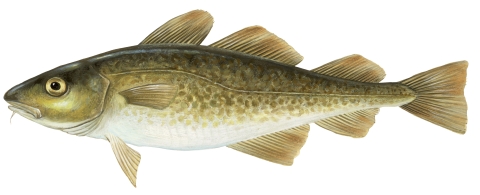
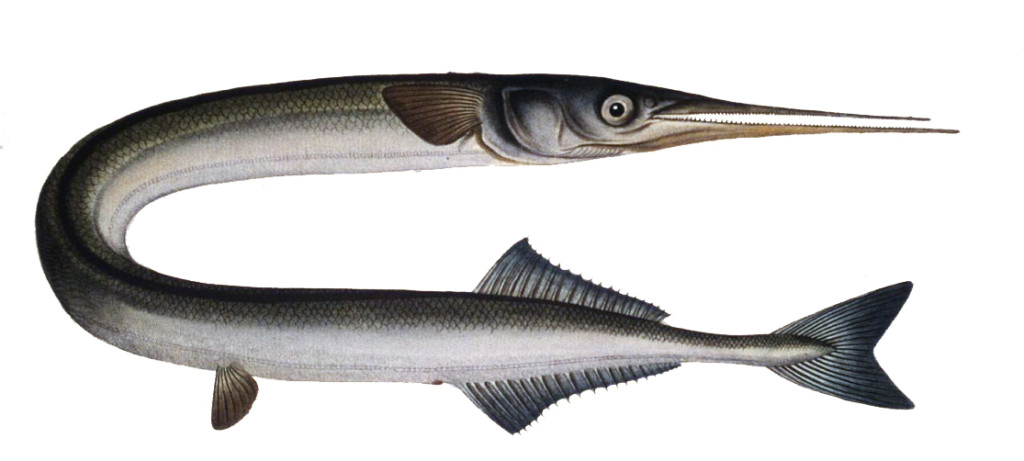
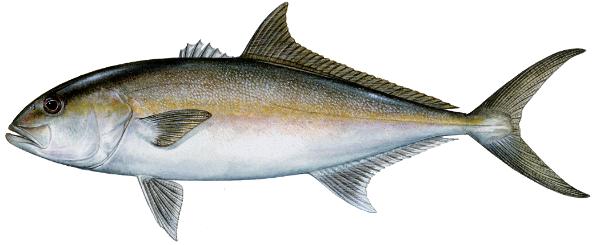
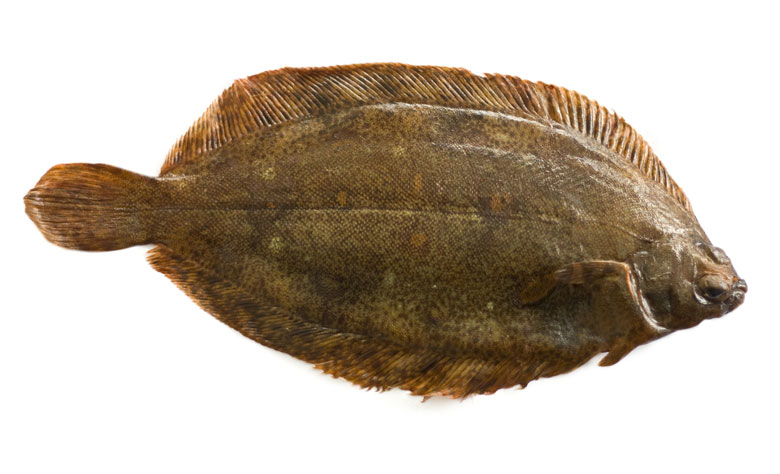
Garfish, shark, Norwegian haddock, whiting, ling, forkbeard, smelt, witch, dab and Pollack are slowly becoming household names. Even die-hard traditions are challenged – new fatty fish are being cured, smoked and pickled, which is a solace to people in other parts of the world who want to try Nordic ways of preparing fish, using their local varieties.

Cod
Cod

As long as you replace them with a similar species: fatty or lean meat, dense flesh or flaky, the result will be successful. And it’s also a necessary challenge to find new ways with fish. Even if there are fine tradition of fish cookery in the north, the people there need to reinvent: crisper skin, less overcooking and more spice.

Dab
Dab
Forkbeard
Forkbeard
Garfish
Garfish
haddock (melanogrammus-aeglefinus)
Ling
Ling
Rainbow smelt
Rainbow smelt
Whiting
Whiting
Witch
Witch

Fresh Fish in Scandinavia, written by Tor Kjolberg

The Hamsun Center in Northern Norway

Knut Hamsun is Norway’s most innovative and controversial writer through all times. With the publication of Hunger in 1890, and the Nobel Prize in Literature in 1920, Hamsun gained a position as Norway’s greatest author. His pro-German sympathies during WWII represented a major fall. The debates about Knut Hamsun’s literary and political legacy continue to this day.

Knut Hamsun
Knut Hamsun

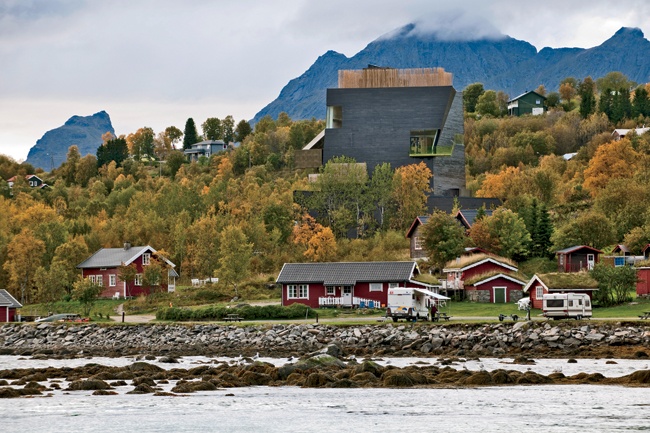
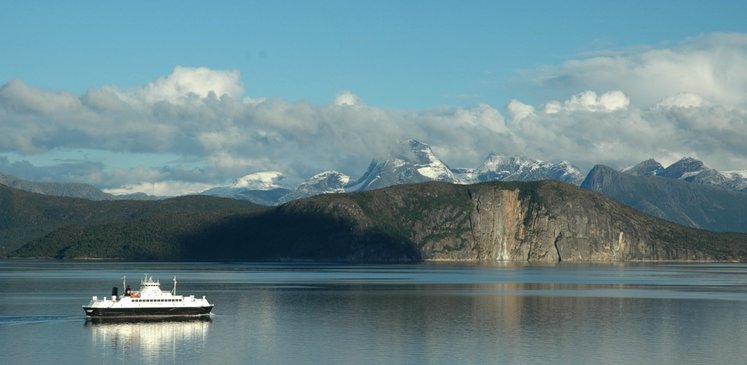
The Knut Hamsun Center is located by the vicarage ruins on the banks of the Glimma River in Presteid in Hamarøy Municipality in Northern Norway. The center is situated in a beautiful cultural landscape surrounded by nature that remains virtually as untouched as it was in Hamsun’s time. The center’s tower offers an impressive view over the realm of Hamsun, the area that inspired the author to write such world renowned books as Pan, Growth of the Soil and Wayfarers.

260716-hamsun-center-north-norway
Architecture
The Hamsun Center was designed by the American architect Steven Holl. The center comprises two buildings – a six-floor main building (known as the tower) and a single floor auditorium.

Steven Holl
Steven Holl

These buildings are connected by an underground passage and have a surface area of 837 m² and 524 m² respectively. The buildings collectively form an entrance area which may be used for outdoor events. The main tower houses exhibition areas, reception, café, library, shop, cloakrooms/toilets and the administration.

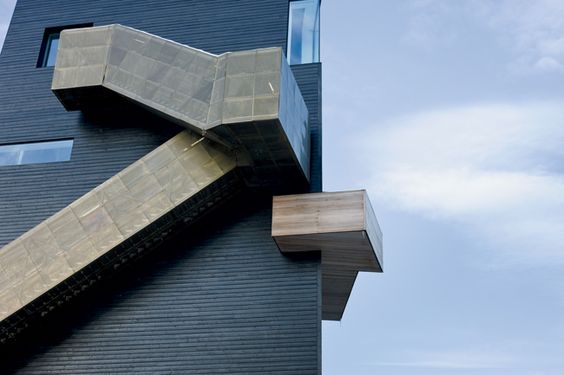
Stairway
Stairway

The auditorium features a flexible stage with a telescopic amphi theatre with a seating capacity of 219, which may be used for school presentations, as a theatre, cinema, for concerts, lectures, conferences and more.

The tower
The spine of the main building is a central elevator shaft of perforated brass and you can move in a spiral movement down the building, alternating through a large open room which rises five floors and several smaller, more intimate exhibition rooms.

260716-hamsun-center-hamarøy-norway
The ground floor houses the reception, shop and café. On this floor, you can get information about the exhibition, events at the Knut Hamsun Center and other Hamsun-related activities.

260716-hamaroy_hamsun-center
The basement houses the administration’s offices, cloakrooms, public toilet facilities and the passage connecting the main building with the cultural auditorium.

The exhibition areas are located on floors 1-4 and are designed to provide a varied and flexible exhibition. The natural light enters the building in dramatic “light columns”, which strike important places in the building on special days of the year. The building features a roof-top terrace, several balconies and windows from where visitors can admire the surrounding cultural landscape.

Exhibition
Exhibition

Auditorium
The auditorium comprises a large room divided into an amphitheatre for the public and a stage floor. The rear of the building features a vestibule, toilets and a control room.

The auditorium
The auditorium

The passage from the stage floor connects the auditorium with the basement of the tower building, which features cloakrooms and toilets. The technical room is located below the amphitheatre. The stage floor is large and is ideal for dances, concerts and the like. The auditorium accommodates 219 people, including the amphitheatre which seats 142.

The exhibition
represents a journey through the life and works of Knut Hamsun. It explores the breadth and ambiguities of this celebrated and condemned writer; his modernist narrative and his criticism of modernity, his restless, wandering characters, his idealization of agricultural life, his tales of love, of the North Norwegian nature and the shifting moods of the human soul.

Hamsun’s political sympathies are central elements in the exhibition, which is interwoven with quotations illustrating Hamsun’s remarkable powers of articulation. The exhibition has been produced by Hybris Produksjon AS.

260716-hamsun-center-norway-detail
The exhibition is structured into different themes, allowing you to begin wherever you like. Take the elevator up to the 4th floor and start with the debates about Hamsun’s political and literary legacy – or begin on the 1st floor by exploring the author’s childhood and years of adolescence in Nordland. On each floor you can further immerse yourself in the various themes of the exhibition via Hamsunweb.

4th floor – The Wanderer
Knut Hamsun was constantly on the road, and the figure of the wanderer is central to his works. His travels to America, throughout Europe and to the Orient, impacted both his life and his literary style.

The novel about Isak Sellanraas’ settlement in the wilderness of the northern Norwegian mountains was perceived as a message of peace and self-sufficiency upon its publication in 1917. Today, Growth of the Soil is seen as a novel expressing ambivalence toward modern life and the idea of progress. In 1920, Hamsun received the Nobel Prize in Literature for this book.

Knut Hamsun 1909
Knut Hamsun 1909

3rd floor – Flowers and blood
Knut Hamsun is considered one of the world’s greatest writers on the subject of love. Who were the women in his life and his writings?


During the 1890s, Hamsun wrote some of the most influential novels in the history of literature. He wanted to craft a new type of psychological literature – an exploration of “the whispering of the blood and the prayer of the bone.” HungerMysteries and Pan are today regarded as highlights of literary modernism.


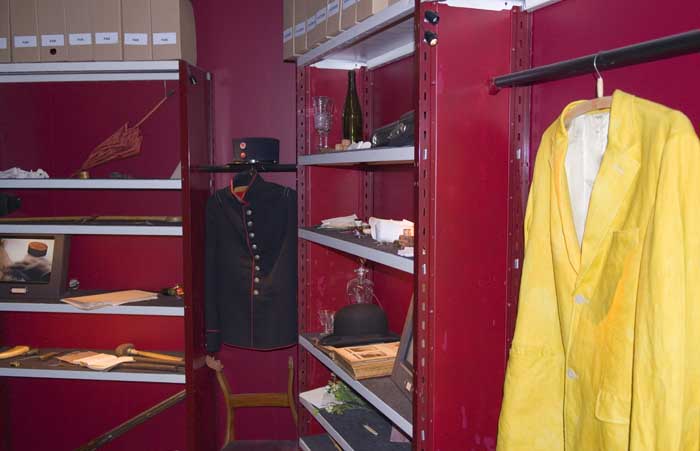
The walls of “the Archive” building allow you to explore Hamsun’s creative process – handwritten notes, restlessness, writer’s block and euphoric outbursts of inspiration. Here you may experience articles and objects from some of Hamsun’s books – Ylajali’s veil, Nagel’s yellow suit and Glahn’s Lieutenant’s uniform.

Hamsun-land
Hamsun-land

1st floor – Childhood
Knut Hamsun was born as Knud Pedersen in Gudbrandsdalen on 4 august 1859. Three years later, the family moved to the farm property Hamsund in Nordland. How did Hamsun’s childhood memories and impressions affect his writings?

More than half of Hamsun’s roughly forty titles are in some way associated with Nordland. Life along the fjords inspired Hamsun to write many humorous stories, as well as harsh criticisms of the modernization taking place in society.

“Modern life has influenced and changed and refined human beings,” Hamsun said in 1891. Throughout his writings, he was attentive to all things modern – and critical to the hectic and superficial aspects of the new age.

Hamsun was interested in politics throughout his life.

260716-hamsun-growrh-of-the-soil-book-cover
History
It has been a long and eventful process from the conception of the idea about a Hamsun Center in the mid 1980s until the completion of the building on August 4, 2009 – the 150th anniversary of the birth of Knut Hamsun.

The idea about an international museum or center for Knut Hamsun arose from the environment around the Hamsun Days festival in Hamarøy in 1986. In 1994 the Nordland County Council and Hamarøy Municipal Council set up a limited liability company to lead the work. Later that same year the American architect Steven Holl was engaged to design the Hamsun Centre.

260716-hamsun-shallow-soil-book-cover
Holl spent considerable time gaining an insight into Knut Hamsun’s life and works and immersing himself in Hamsun’s literature. The novels Hunger, Mysteries, Pan and Victoria and Hamsun’s contrasting literary characters were of particular importance to Holl. He travelled to Hamarøy and started to draw. When he presented his characteristic watercolor sketches for the first time in 1996, they showed a strange tower, a building that was an interpretation of Hamsun’s literature and which the architect himself described as a Hamsun character.

“Building as a Body: Battleground of Invisible Forces… The building is conceived as an archetypal and intensified compression of spirit in space and light, concretizing a Hamsun character in architectonic terms. Peculiar and phenomenal experiences in space perspective and light create an inspirational frame for the exhibition.”

The building’s design generated considerable attention and debate in Hamarøy, Nordland, Norway and abroad. In 1996, MoMA in New York purchased the model of the building and in 1997 Holl received an award at the Progressive Architecture Awards in USA.

260716-hamsun-tales-of-love-and-loss-book-cover
In 1997, the decision was made to locate the center in Presteid and the auditorium was added. In 2000, the Nordland county parliament decided the Nordland County Council would act as owner of the Hamsun Center. The center was jointly financed by the Nordland County Council, Hamarøy Municipal Council, the state and a host of private sponsors and collaboration partners. The final state allocations were received in 2007 and in 2008 the foundation stone was finally laid. Steven Holl was the guest of honor and there were major festivities in Hamarøy. In 2009, Salten Museum took over operational responsibility of the Hamsun Centre.

260716-hunger-by-Hamsun-book-cover
The building was completed in 2009 and formally opened by the Crown Princess Mette-Marit at a major opening ceremony, which was the highlight of the 150th anniversary of the birth of Knut Hamsun on August 4. The Hamsun Centre opened to the public on 13 June, 2010.

Part of this article is written by by Nina Frang Høyum. English translation: Thilo Reinhard.

The Hamsun Center in Northern Norway, source: Hamsun Center, Hamarøy

Nightlife in Copenhagen

Wonder where to spend your night in Copenhagen? Here is an overview of our favorite places in the Danish capital.

Rust
Guldbergsgade 8 – Nørrebro

Rust in Nørrebro experienced a tragic fire in 2008, but reopened soon after with its classic club feel on three floors. In the Basement music varies depending on who is running the night.

050816-rust-nightclub-copenhagen
The Main Floor is also dominated by various music styles, except on Saturdays. The top floor is the lounge-area where you are allowed to smoke without being sent outside.

Moderate priced beers in the Basement.

Culture Box
Kronprinsessegade 54 st. – 1306 København K

050816-Copenhagen-Culture-Box
Culture Box is Denmark’s regional venue for electronic music and one of the country’s most prominent nightclubs.

On weekends and holidays, the nightclub always has a solid line-up of international and local artists from the underground.

Culture Box is divided into three compartments. White Box is the pre-clubbing bar, Red Box is the intimate lower floor, and Black Box where the biggest names play on the massive sound system.

The music ranges from electronica, through bass music, to house and techno.

Mesteren & Lærlingen
Flæsketorvet 86 – 1711 København V
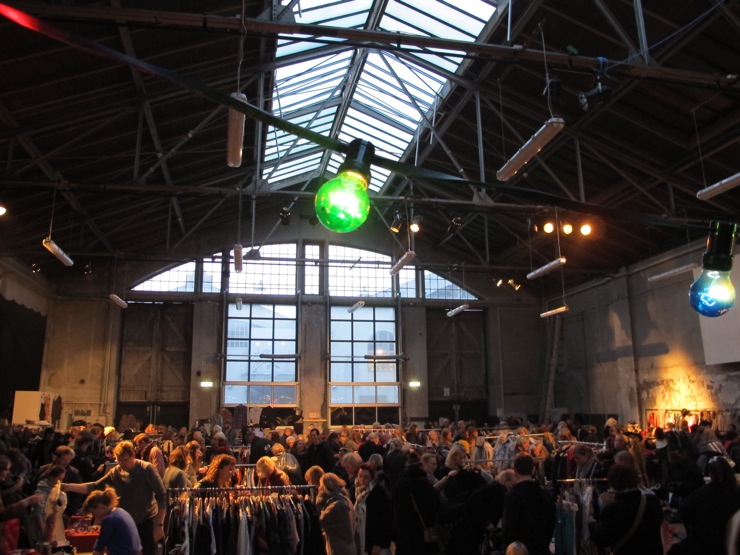
050816-mesteren-og-lærlingen-copenhagen
Mesteren & Lærlingen (The Master & the Apprentice) is one of the oldest bodegas in the Meatpacking District, aiming a cheap bar and a cozy and informal atmosphere with good music.

At Mesteren & Lærlingen, there’s guests in all ages. There are the old butchers dropping by the bar for a beer, there are the students and then there are the locals.

Mesteren & Lærlingen cherish the old pub atmosphere, so it is allowed to smoke both inside and outside.

Four DJs arrange the music, which makes the atmosphere relaxed and cozy.

Simons
Store Strandgade 14 – 1255 Copenhagen K

050816-simons-copenhagen
Two party pioneers, Simon Lennet and Simon Frank, created this place in the summer of 2010. Som call Simons posh, other say snobby, but who cares?

Many international bookings are made at Simons, so you can expect a wide variety of music-genres, though the club’s main staple is electronica.

This is a huge place, more than 950 square meters located in an old gallery. Two floors high and a yard for smokers make Simon’s one of the places to visit in Copenhagen.

Note: Simon will be closed for renovation from Saturday Oct 12 until November


Bakken
Flæsketorvet 19-21 – 1712 København V
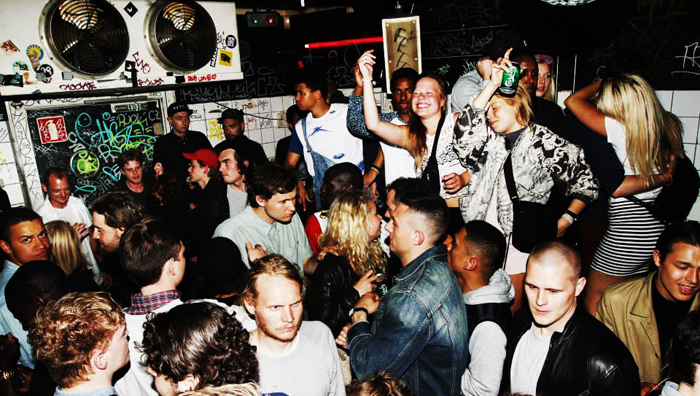
050816-bakken-copenhagen
Bakken is located on the ground floor in the Meatpacking District, where a patio and colored lights are making the atmosphere nice and cozy.

Bakken ensures a great party, and in most of the weekends, there are organized events which include live music. The Thursday club, THRST is particularly popular in the Copenhagen nightlife.

At Bakken, the atmosphere is relaxed and people are open-minded and cheerful, so go enjoy a beer in the old slaughtering halls or in the patio and make some new acquaintances.

Jolene
Flæsketorvet 81-85 – 1711 København V
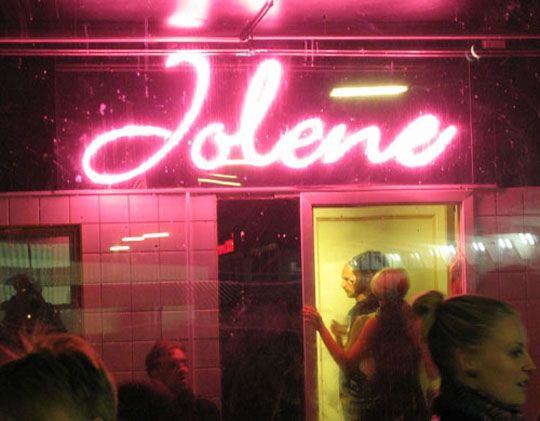
050816-jolene-copenhagen
Jolene opened in 2007 and instantly became a boisterous success. So boisterous it was shut down after only 4 months due to incessant neighbor complaints.

In 2008, Jolene relocated to chic new digs in White Meat City, Vesterbro. This is also where you’ll find the hip Karriere and Kødboderne 18, featuring a restaurant, café, and bar, a former slaughterhouse turned serious all-night party venue!

Jolene is a bar. Not a cocktail venue. At Jolene’s you drink your beer from the bottle. Period. Shabby furniture and tattered lamps all contribute to the relaxed, industrial-chic atmosphere in which vibe-thrusting DJs spin their way through the night. Now and then live rock bands take over.

Jolene is a real find!! And you can be as noisy as you like.

Zefside
Frederikholms kanal 4 – 1220 – Copenhagen K

050816-zefside-copenhagen
Do you want to get the best drinks in town for a decent price? Then Zefside is the place for you. Placed in the old town of Copenhagen, you can see businessmen drinking a Friday-beer and later the young and fresh Copenhageners arrive. It’s not the biggest place in town, but the bartenders are always on their toes and do indeed participate in the party with swinging light balls and bass arms in the air.

The music usually starts out with light Electronica and later during the night the classic Dance chart tracks will be taking over.

Bremen Teater
Nyropsgade 39-41 – 1602 København V

050816-bremen-teater-copenhagen
Applause, people calling for “encore” and the smell of cigar are a few of the things that comes to mind when you enter Bremen Theatre’s proud foyer. During the week, the historical stages are to this day still used to present music events, comedy and plays.

Every Friday and Saturday, the chandeliers and champagne cabinets are tucked away, and the grand foyer is turned into a tremendous Nightbar, with a vibrant atmosphere and a DJ playing all the right music hits until people go home in the wee hours.

Bremen Theatre on Nyropsgade is among other things known for being owned by “Denmark’s travel King” Simon Spies, who was best known for starting the charter airline Spies Rejser, today owned by MyTravel.The theatre was originally called The Merkur Theatre, and worked as a cinema for the prosperous citizens in Copenhagen.

The theatre’s scenes and halls are kept in the same style as when Simon Spies owned it and has kept its old charm and patina. If the walls could talk, they could tell many mysterious and chocking tales that has found place in this theatre.

KB18
Kødboderne 18 – 1714 København V

050816-kb18-copenhagen
KB18 is Copenhagen’s underground music destination. The club and concert venue presents artists within genres such as electronica, techno, punk rock, alternative rock and garage rock.

The interior of KB18 is both intimate and unconventional, with low ceilings, unfinished floors and graffiti. The prices are cheap and the nights long, with opening hours until late morning.

Hive
Skindergade 45-47 – 1159 København K
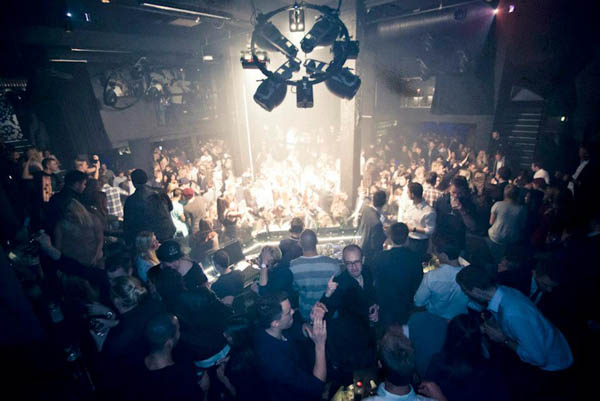
050816-hive-copenhagen
The nightclub HIVE is located in the heart of Copenhagen close to Gammeltorv. HIVE is part of Copenhagen’s more exclusive clubs as Zen and Sunday, which also appears in the club’s decor.

The style is simple, and by all the tables you will find chargers for iPhones. Besides, the tables in the great hall, you will find two lounges and a secret table, which is stored behind a large thick curtain.

On Fridays, HIVE is called XII, 12, and is for the more energetic audience, where several DJ’s ensure that you get a fun evening with lots of good music.

On Saturdays, HIVE is transformed to a universe with a mix from the 1300s and 2013 with 3-d visual walls, different levels, first floors, secret table areas and a dungeon from 1300 where only the visionaries from the other world can go.

The Jane
Gråbrødretorv 8 – 1154 København K

050816-the-jane-copenhagen
The nightclub and cocktail bar, The Jane is located in the heart of Copenhagen on Gråbrødre Square. Here you are invited into rooms in best ‘Mad Men’-style.

When you walk down the stairs to the 340 square meters nightclub, you will see a fireplace and a large bar where the bartenders are ready to make your favorite drink.

You can enjoy your cocktail at the bar or in an adjacent room, where you can sit in Chesterfields and plush chairs.

In some of the rooms there are old bookshelves, which during the evening open and reveal hidden doors. Behind these doors there are several other bars.

If you like to dance, a DJ will play around midnight.

KB3
Kødboderne 3 – 1714 København V

050816-kb3-copenhagen
KB3 is not called a giant nightclub for nothing. The place is 850 m2 with a 13 meter long bar. In addition, there are seven meters to the ceiling, an outside smoking area and a special ‘friend toilet’ (with two toilet bowls next to each other!).

The club has room for 800 people and is open every Friday and Saturday night.

Ideal Bar
Enghavevej 40 – 1674 København V

050816-Ideal-Bar-Copenhagen
Ideal Bar is the music venue VEGA’s concert hall and bar located in the Vesterbro district of Copenhagen. Ideal Bar is an integral part of VEGA, but the intimate bar lives a life of its own every weekend as a popular nightclub.

Several times a month, Ideal Bar hosts intimate concerts, and sometimes it will be open before concerts at big brother VEGA. On weekends Ideal Bar turns into a popular nightclub with drinks, DJs and a dance floor.

When there are live concerts on, Ideal Bar opens one hour before the concert starts. Check out VEGA’s website for Ideal Bar’s concert calendar. You must be over 18 years old to enter the nightclub on weekends, but there is no age restriction for the concerts.

Nightlife in Copenhagen, compiled by Admin

Norwegian Massacre

0

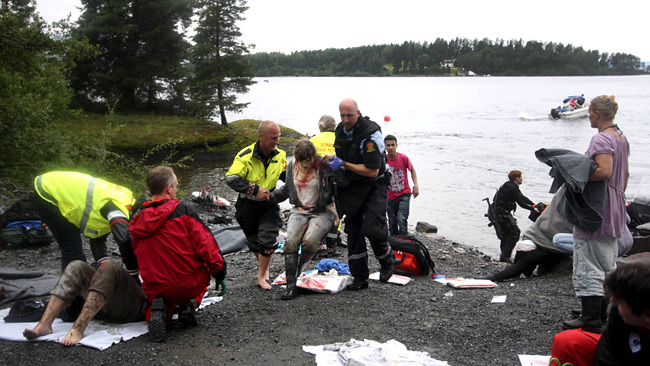
Nothing could have prepared the Scandinavian countries for what happened in Norway five years ago on 22 July 2011, when Anders Behring Breivik exploded a car bomb near government building in Oslo, killing eight people, then travelled to the nearby island of Utøya and gunned down 68 young people attending a Labor Party youth rally.
220716-anders-bhering-breivik
The 2011 Norway attacks conducted by a lone wolf terrorist on 22 July 2011 claimed a total of 77 lives.

In his 1,500-page manifesto, “2083 – A European Declaration pf Independence”, Breivik claimed he had carried out the killings to precipitate a revolution against Islam and multiculturalism.

Utøya youth camp massacre

The massacre led to much soul-searching across the region, shaking as they did the traditional image of the Scandinavian countries as places of tolerance, liberalism and hospitality.

Prime minister Jens Stoltenberg after the Oslo bomb blast

In Norway, hundreds of thousands of people expressed their revulsion at the killings by demonstrating their support for democracy and unity.

As the prime minister Jens Stoltenberg, put it, “If one man can show so much hate, think how much love we could show standing together.”

Norwegian Massacre, written by Tor Kjolberg

Related article:
Egoiste from Norway

Europe’s Longest and Fastest Roller Coaster

0

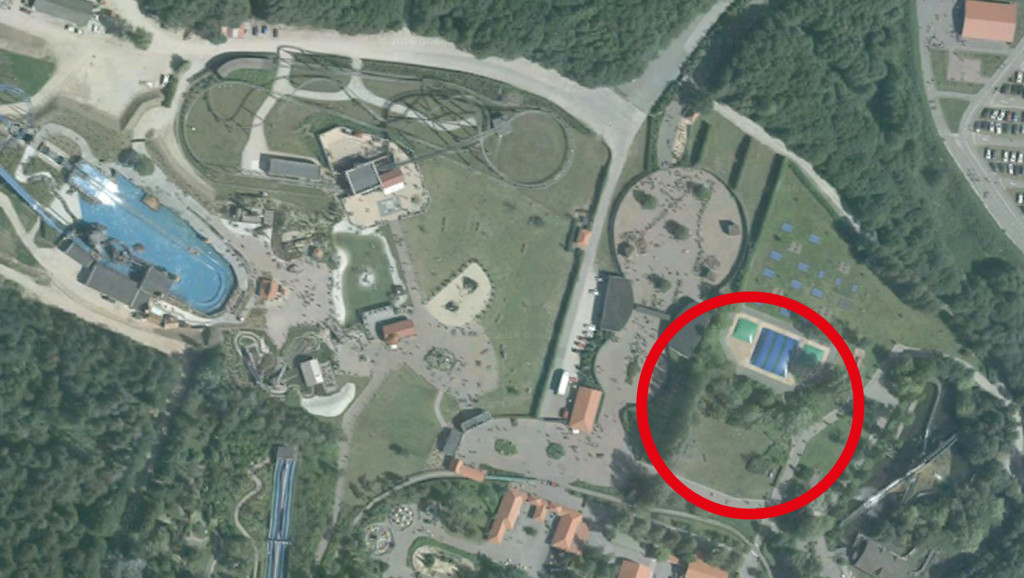
Djurs Sommerland in Denmark has invested DKK 90 million in a new roller coaster with a top speed of 85 km/h, a length of 825 meters and a height of 30 meters. The new attraction will open in May 2017.

The new attraction will thus be Europe’s longest and fastest Family Suspended Coater (carts located on the underside of the rails), and the roller coaster is so large that it takes a whole year to build it. It is the largest single investment in a Danish amusement park ever.

https://youtu.be/a2B5jwr3YiY

When it is finished, the roller coaster is able to give a full blown adrenaline and 4G experience to approximately 750 people an hour, with a running time of two minutes. The new attraction will be a part pf a new and extensive theme area.

010816-djurs-sommerland-2017-area
Djurs Sommerland
s latest investment is an extension of the park’s ambitious investment strategy, which also includes the Pirate (2008) and Jewel (2013).

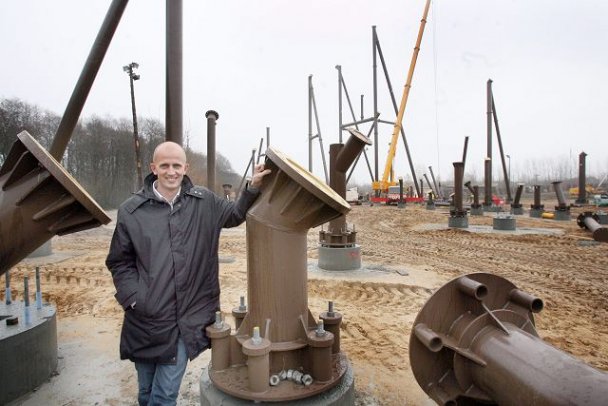
CEO Henrik B., Nielsen (Photo: Flemming Højer)

When the new attraction is in place it will be the 27th park launch since 2008, a period in which Djurs Sommerland has invested over DKK 400 million in development. It has apparently paid off, since the number of visitors has increased from over 487,000 guests in 2007 to 801,000 in 2015, according to a press release from the amusement park.

Related article:
International Interest in Denmark’s Longest Roller Coaster

Europe’s Longest and Fastest Roller Coaster, written by Tor Kjolberg