The Fairhair dynasty (Hårfagreætta) was a family of kings founded by Harald I of Norway which united and ruled Norway with few interruptions from the latter half of the 9th century to 1387 (traditional view), or through only three generations of kings ending with Harald Greycloak in the late 10th century (the view of many modern scholars).
Harald Fairhair by William Borde
Harald Fairhair (c. 850 – c. 932) is thus considered the first king of Norway. He inherited a few, scattered kingdoms in eastern Norway from his father Halfdan the Black, but proceeded to unite Norway under his rule. According to legend, he proposed to Gyda, who refused to accept him until he was king of all of Norway – and in turn, he vowed to not cut nor comb his hair until he had reached his goal. This is why he was named Fairhair.
Harald was succeeded by his son Eirik Bloodaxe (c. 885 – c. 954), who ruled alongside his father for three years. After Harald’s death, Eirik’s rule was challenged by his brother Haakon, and he escaped to England to become king of Northumbria.
Haakon the Good (c. 920 – c. 961) was the youngest son of Harald Fairhair, and gained favour by promising reductions in property tax. He organized meetings for law making and was the originator of the nationwide naval defence. Haakon repeatedly fought battles against the sons of his brother Eirik, and was eventually killed in battle.
Saint Olaf of Norway
Saint Olaf (995 – 1030) was King of Norway from 1015 to 1028 and is traditionally given credit for the Christianization of Norway, but most scholars now recognize that he had little to do with the process himself, as the process of changing the country’s main religion was a lengthy one, and certainly not accomplished by one man alone.
However, Olaf was canonized as saint shortly after his death, and this act united the nation in a way no foreign monarch could have achieved. According to legend, his hair and nails kept growing after his death.
Feature image (on top): Norwegian Viking Fairhair Dynasty by Peter Nicolai Arbo
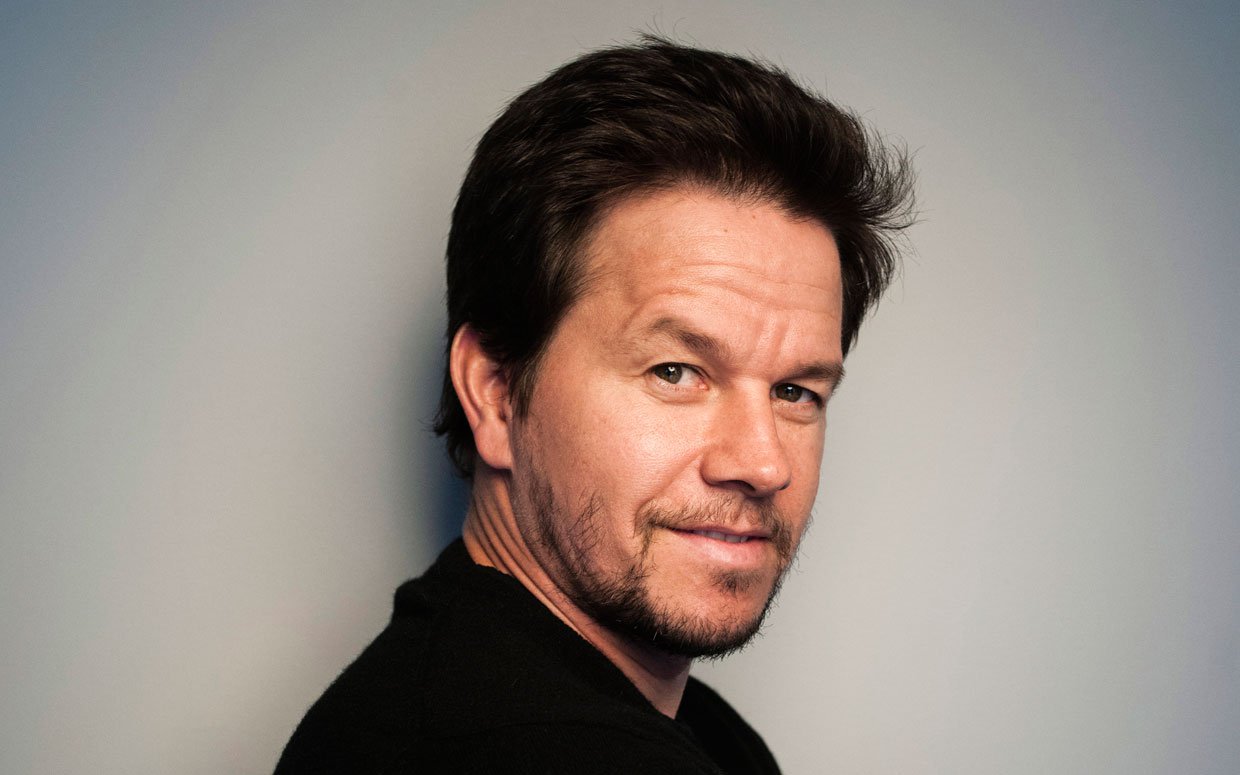
From teen pop idol to respected Hollywood producer, American actor and producer Mark Wahlberg, born 1971, had troubles early in his life. With the film “Contraband”, which he produced and starred in, he sort of revisited his criminal past.
Mark was the youngest of nine children. His father, Donald, was half Swedish and half Irish. Before starting acting he was known as part of the boyband New Kids on the Block, started in 1984 by his big brother Donny (b. 1996). Later he was best known as Marky Mark, the pants-dropping rapper, attaining fame with his group the Funky Bunch, most known for the 1992 hit single “Good Vibrations”.
Same year he received the lion’s share of attention for a Calvin Klein ad campaign, in which he was wearing nothing more than his underwear, Kate Moss, and his attitude.
Wahlberg turned his attention to acting with a role in “The Substitute”, which was a commercial failure, but “the Renaissance Man” (1994) with Danny De Vito, gave him positive notices. He garnered In particular early praise for his role in “Boogie Nights” (1997). The film was nominated for three Oscars and a slew of other awards by associations ranging from the British Academy to the New York Film Critics Circle to MTV.
From then on a wide range of magazine covers gave him greater Hollywood pulling power.
Wahlberg’s follow-up to Boogie Nights was 1998’s “The Big Hit” (1998), proved, however, to be a disappointment. His next film, “The Corruptor” (1999), co-starring Chow Yun-Fat, showcased Wahlberg’s familiar macho side and indicated that success in Hollywood is a strange and unpredictable thing.
The following year, with his lead role in Tim Burton’s much-anticipated remake of Planet of the Apes, the role that Charlton Heston made famous, received some hefty criticism.
A victim of one of Mark Wahlberg’s racially motivated attacks as a teenage delinquent in segregated Boston in the 1980s insists now that he shouldn’t be granted a pardon for his crimes. “I don’t think he should get a pardon,” Atwood, now 38 and living in Decatur, Georgia, said in an interview with Associated Press.
In 1988, Wahlberg, then 16, attacked two Vietnamese men while trying to steal beer near his Dorchester home.
Since these events, Mark Wahlberg has certainly been able to forgive himself. In an interview with ABC in 2006, he stated: “You have to go and ask for forgiveness, and it wasn’t until I really started doing good and doing right, by other people as well as myself, that I really started to feel that guilt go away. So I don’t have a problem going to sleep at night. I feel good when I wake up in the morning.”
“My cowboy-days are far gone,” he said in an interview some years earlier. “I now go to bed at nine o’clock every night. I feel good when I wake up in the morning.”
If you’re in Oslo during the seasons February through April and September through November, you may enjoy quality opera performances every Saturday for just about 13 USD.
Opera to the People is now in its 13th year, having rented the stage on the second floor of the old Oslo City Hall which dates back to 1641.
Performances are mostly by students from the Oslo Opera College and freelance singers, administered by the opera singer Gjøril Songvoll, who sometimes participates on the scene as one of the opera’s characters.
“My motivation for doing this is twofold,” says Songvoll to Daily Scandinavian. “Firstly, we want the students to get experience, standing in front of a public. Secondly, we want people in general to know how beautiful the opera genre actually is. I noticed a statistic some years ago, claiming that just 10 percent of the population liked opera, while 90 percent liked football. Today the statistics show that 15 percent like opera. This is probably not due to Opera to the People but more likely to our new opera house at Bjorvika.
Performances begin at 3.30 p.m. lasting for one and a half hours including two to three short intermissions. The bar is open, serving mineral water, beer, wine and some snacks.
Audiences are a mix of members (some attend every performance!), opera lovers and just people like you and me passing by.
We attended the opera a Saturday in February, thoroughly enjoying excerpts from Verdi’s La Traviata. The brilliant singers were Hanne Korsbrekke Askeland, soprano (make a note of her name), Knut Kristian Mohn, tenor and Sigmund Aasjord, baritone. Ieva Berzini brilliantly played the piano.
Hanne Korsbrekke-Askeland, soprano
Knut Mohn, tenor
Sigmund Asajord, barytone
The venue houses less than 100 guests, so it’s recommended to arrive in good time.
Ieva Berzina, piano
All portrait photographs, courtesy by Opera to the People.
Text and other images: Tor Kjolberg
The Mirror House in Copenhagen used to be covered in graffiti. Danish-American architects MLRP, has transformed an existing graffiti-plagued playground to an inviting and reflective pavilion as part of the new Interactive Playground Project in Copenhagen.
Designer MLRP thought, why not make use of an “interactive element” that can serve as a “transition between natural and built environments”? The entire house seems to be playing tricks with your eyes and mind, as it would mimic the appearance of the surroundings, and even look like an invisible structure sometimes.
The Copenhagen Central Park has thus been transformed from an existing playground pavilion into the ‘mirror house’, where the structure has been converted into an interactive element, inviting visitors to peer into the gable ends lined with funhouse trick mirrors. This engages a play with perspective, reflection and tranformation. Instead of a typical closed gable facade, the mirrored gables creates a sympathetic transition between built and landscape and reflects the surrounding park, playground and activity.
Windows and doors are integrated in the wood-clad facade behind facade shutters with varied bent mirror panel effects. At night the shutters are closed making the building anonymous. During the day the building opens up, attracting the children who enjoy seeing themselves transformed in all directions.
With simple means it has succeeded to transform an existing, sad and anonymous building to a unique and respectful installation in the newly renovated park.
The roof and facade is clad with heat-modified wood and the gables and shutters are clad with mirror polished stainless steel. The Mirror House is a flexible space and restrooms, used by kindergarden classes.
Mirror House is an example of a successful transformation project for limited funds. The playground pavilion was run down by years of neglect and vandalism, but the masonry structure, roof and foundations were in good condition and therefore the building’s life could be extended.
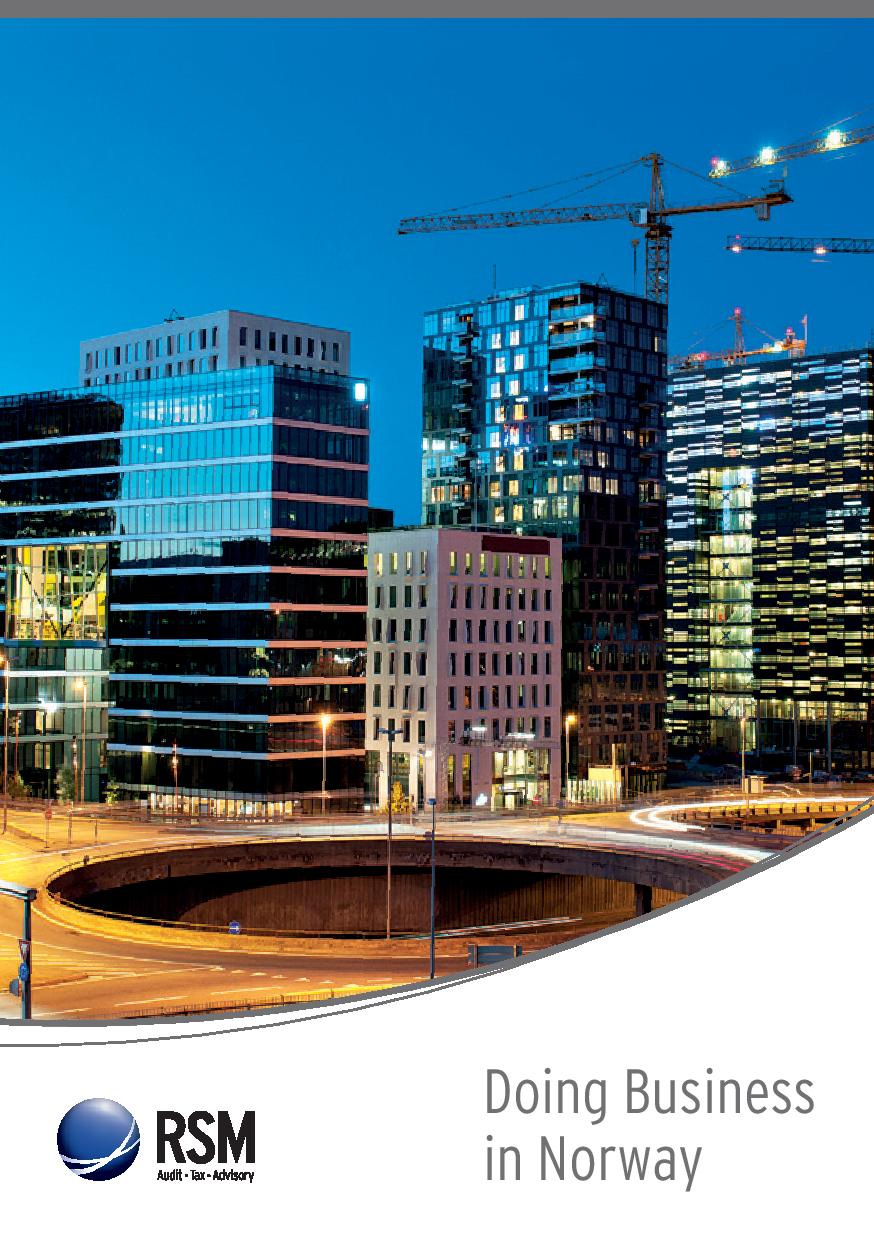
So you’ve decided to do business in Norway! That’s a wise decision. This article focuses on how to best do business in Norway and how to avoid small missteps. The article is broken down into four areas, “Country Background”, “Business Practices”, “Protocol” and “Cultural Orientation”.
Nice to know
– The Norwegian Trygve Lie was the first Secretary General of the United Nations.
– The Nobel Peace Prize is awarded in Norway
– As in other Scandinavian languages, Norwegian’s additional letters of “æ – ae” “ø – oe” and “å – aa” are listed at the end of the alphabet. Remember this when searching for words beginning with such sounds or letters in a telephone dictionary.
– Norwegians enjoy discussing sports – cross-country skiing began in Norway.
– There was a turn-of-the-century fashion in Norwegian interior design for disguising interior doors. You may have to search for a door in older homes; do not be surprised if the door is covered by wallpaper. Doors are traditionally kept shut.
– Some Norwegians believe in an old fishermen’s superstition that spitting at a departing person (towards them, not hitting them) brings that person good luck.
Country Background
History
The Vikings (also called Norsemen) were feared for their raids throughout northern Europe from the eighth to eleventh centuries. These Vikings eventually became the Norwegians, the Swedes and the Danes.
Political power became concentrated in Denmark, which came to rule much of Scandinavia, including Norway. Eventually, Sweden became a rival power. Denmark sided with Napoleon during the Napoleonic Wars. To punish Denmark, the postwar Congress of Vienna took Norway from Denmark and gave it to Sweden in 1815.
The fishermen, sailors, and merchants of Norway had little in common with the aristocrats of Sweden. Friction developed. Fortunately for the Norwegians, their rugged, rocky nation could not be divided up into the vast farming estates preferred by the Swedes. After a century of Swedish occupation, Norway peacefully gained its independence in 1905. The Norwegian parliament invited a Danish prince to become their constitutional monarch, so King Haakon VII became the first king of Norway.
Norway remained neutral in World War I. However, despite its neutrality, Norway was occupied by Nazi Germany during World War II. For this reason, the Norwegians shifted from believing in neutrality to collective security. Norway signed the North Atlantic Treaty of 1949 and participated in the foundation of the United Nations.
Type of Government Norway is a multiparty (hereditary) constitutional monarchy. There are three branches of government. The executive branch is made up of the king, who is chief of state, the prime minister, who is the head of government, and the cabinet, or the Council of Ministers. Executive power actually resides in the Council of Ministers in the name of the king, or King’s Council. The prime minister sits on this council. The prime minister is chosen by the leading political parties. The legislative branch is a modified unicameral parliament, known as Storting. Members of the Storting are elected according to a system of proportional representation. They serve for four years. There is a Supreme Court.
Norway became a major oil and gas producer in the 1970s. The income from this sector allowed it to further advance its social welfare system. Today it hopes to make the non-oil sector of its economy more efficient and less dependent on subsidies.
The United States is Norway’s fourth most important trading partner. Norway has twice rejected to join the European Union, but is an associate member through an EEA (European Economic Area) agreement.
Language The official language of Norway is Norwegian, which is a Germanic language related to Icelandic, Danish and Swedish. It has two forms, a “book language,” known as Bokmål, and a commonly spoken language, known as Nynorsk, a mixture of Norwegian dialects. According to law, Nynorsk must sometimes be used in instructions and in the media.
The principal minority language is Lappish (also called “Sami”), spoken by the Lapps or Laplanders. The group is also known as the Samis, although some find that term derogatory.
Most Norwegians have studied English. English is widely spoken in business circles and in major cities.
Religion Norway has complete religious freedom, but it does have an official state church, the Evangelical Lutheran Church, or Church of Norway. About 90 percent of the population belong to this church.
Demographic The population of Norway is about 5 million. About 65 percent live along the coast. Oslo, the capital, has about 500,000 people. Today many foreign workers and immigrants come to Norway, and about 2,000 people obtain citizenship per year.
Cultural Orientation
How Norwegians Organize and Process Information The Norwegians are generally cautious toward outside information. New products and new ways of doing things are viewed with circumspection. The education is becoming more abstractive, and people are beginning to process information conceptually and analytically. Although they are deeply concerned with social welfare, their individualism disctates that all be subject to the same rules and regulations.
Negotiation Strategies: What Norwegians Accept as Evidence Norwegians’ faith in the ideologies of the social welfare state dictates the truth in most cases. This is usually supported by objective facts rather than subjective feelings.
Value Systems: The Basis for Behavior Norway is a highly nationalistic culture with a liberal philosophy of tolerance for dissent and deviation. The following three sections identify the Value Systems in the predominant culture – their methods of dividing right from wrong, good from evil, and so forth.
Decision Making There is a strong belief in individual decisions within the social welfare system. There is an emphasis on individual initiative and achievement, with a person’s ability being more important than his or her station in life. Although the dignity and worth of the individual is emphasized, there is a strong feeling of obligation to help those who are not able to help themselves.
Sources of Anxiety Reduction Life’s uncertainties are accepted and anxiety is reduced through a strong social welfare system. Life is given stability and structure by a strong nuclear family. Young people are encouraged to mature early and take risks to develop a strong self-image.
Issues of Equality/Inequality Nationalism transcends social differences, and a largely homogeneous population minimizes ethnic differences. Norway is a fiercely democratic and egalitarian society in which those at different power levels have an inherent trust in people. It is basically a middle-class society that strives to minimize social differences. Husbands and wives share the responsibilities of child care.
Business Practices
Appointments
Remember that many Europeans and South Americans write the day first, then the month, then the year (e. g. December 3, 2014, is written 3.12.14). This is the case in Norway.
When you deal with a Norwegian firm, the secretary of the firm will make an appointment for you.
The workweek is Monday through Friday, 8:00 a. m. to 4:00 p. m. Business people leave their offices promptly and go home for dinner, which is typically held at about 5:00 p. m.
It’s best to avoid business trips ti Norway at Easter time and July and early August – most people take vacation then.
Negotiating
When writing to a Norwegian firm, it is gracious to use the name of the division head, even if you do not know the person.
Norwegians are relatively informal (far more so than the neighboring Swedes).
You can introduce yourself to the executive with whom you are meeting, rather than waiting for the secretary to introduce you.
It is a good idea to set a time limit on the meeting.
Norwegians are wary of the American concern with legal matters. Written confirmation of business deals is sufficient; if you mention bringing in a lawyer, be discreet.
Scandinavians appreciate knowledge about the differences among the countries of their region.
Avoid personal topics (employment of your host or family members, salary, and social status).
Hobbies, politics, sports and travel are good topics for conversation.
Avoid criticism of other people or systems. The Norwegians stress tolerance. Chastising Norwegians for permitting the hunting of whales will not win you any friends.
Avoid comparisons between Norway and the United States, especially concerning the cost of living. Norwegians are bored with hearing how expensive their country is.
Norwegians appreciate nature and are proud of their clean environment.
Business entertaining
If you have a late morning meeting, you can invite your Norwegian colleague to lunch.
The person who extends the invitation pays for the meal.
Lunch is a light meal but, if it is used for business, it will usually be a hot meal rather than just sandwiches.
In most Norwegian restaurants, alcohol is served only after 1:00 p. m.
You may discuss business at any time during the meal.
In restaurants, raise your hand to call the waiter over.
Norwegians usually eat dinner at 5:00 or 6:00 p. m.
When you go to a Norwegian home, wait to be asked in; wait again until you are asked to sit down. At the table, wait until the host invites everyone to begin eating.
Some Norwegians have a cocktail before dinner; others do not. It is possible that you will be directed to the dinner table as soon as you arrive. Arrive on time.
Hands should not be kept in the lap at the table.
It is preferable to finish what is on your plate.
A dinner in a Norwegian home may have numerous courses and last several hours. Pace yourself.
At the end of the meal, people thank the hostess by saying takk for maten, or “thank you for the food”; you will please your hosts by saying this in Norwegian.
You should initiate your own departure, as your hosts will not. Expect the evening to end around 10:00 p. m. in the winter. However, in the summer, the sun does not set until around midnight. Your hosts may suggest a walk after dinner, followed by a final drink. In the summer, expect to leave around 11:00 p. m.
Time
Norway is one hour ahead of Greenwich Mean Time (G.M.T. + 1); or six hours ahead of Eastern Standard Time (E.S.T. + 6).
Protocol
Greetings
The handshake is the standard greeting for men and women.
People great each other by saying “Morn” (which means “morning”) or “Hei” at any time of the day.
Norwegians are a fairly quite people. Avoid speaking loudly.
Titles /Forms of Address
The order of names is the same as in the U. S; first name followed by surname.
The use of first names is not as common as in the United States. Follow the lead of your hosts. Indeed, many men are addressed solely by their surnames, without even a “Mr.” in front.
Among older people, titles are used; among younger people, usage varies. In general, professional titles (Doctor, Engineer, Professor, and so forth) are used, followed by a surname; business titles (Director, President, and so forth) are not typically used. With government officials, it is appropriate to use titles. Oddly, lawyers and clergymen do not use titles.
Gestures
A toss of the head means “come here.”
Norwegians do not always rise when another person enters the room. Don’t be offended by this.
However, do rise when you are being introduced to someone.
Talking with one’s hands in one’s pocket is considered too casual.
The North American “O.K.” gesture (thumb and forefinger forming a circle) is considered insulting.
Gifts
Flowers, liqueurs, wine, or chocolates are appropriate gifts for your hostess when invited to a Norwegian home.
When giving flowers, avoid the following, since they are all used only for funerals; little carnations, and all white flowers, as well as wreaths.
Alcohol taxes are high, so alcohol makes a prized gift.
It is not appropriate to give a business gift at the first meeting.
If you give a business gift, be sure it is wrapped in good-quality paper. Make the gift neither too extravagant nor too skimpy.
Dress
In general Norwegians dress more informally than American business people; however, visitors should dress as they would in a business context at home.
Men should always wear a tie for business appointments, but a sports jacket rather than a suit is usually acceptable.
Women may wear dresses or pants.
Clean blue jeans and t-shirt are standard casual wear, but torn clothes are unacceptable. Shorts are worn for hiking; they are not common in urban areas.
Norway is ahead of US on Best Countries for doing business (No. 8) with GDP: $516 B, Tax Burden rank: 14, Innovation rank: 15, Monetary Freedom rank: 48, Red Tape rank: 22 (only minor changes from year to year).
A Swedish woman living in London was denied a store card when she registered for it online because her first name is considered a rude word for vagina in the UK.
Having a name with sexual connotations may make you the unwilling target of sniggers and lame jokes, but being prevented from acquiring a supermarket loyalty card seems strange.
Fanny Carlsson, 19, from Uddevalla, in the southwest of Scandinavia, has worked at natural beauty chain The Body Shop for five months, but was rejected a points card by the supermarket Sainbury’s because her first name was “invalid”.
The 19-year-old, however, saw the funny side of her predicament and tweeted a picture of her ‘invalid’ name being rejected. She has now got a card with her middle name, Linnea, on it. She explained that she knew the meaning of ‘fanny’ before moving to the UK so already went by Linnea at work and among all her new friends except the Swedes she meets.
‘My parents already knew I had had some problems with my name, so they’re mainly just happy they gave me a middle name that works better.
The website Svenska Namn (Swedish names) reports that there are more than 10,000 women and one man named Fanny in Sweden.
After she received her loyalty card she wrote on Twitter that she bore no ill will towards the supermarket chain.
Nectar released the following statement: ‘Like many companies we block a number of words on the Nectar website.
‘We are sorry for the inconvenience caused to this particular customer and are reviewing this going forward.’
«Älskar att heta Fanny och bo i UK,» wrote Fanny Carlsson on Twitter.
From Jæren in the south to the Lofoten Islands in the north, Norway is an exciting, relatively undiscovered surf destination. Not for long.
Norway is an increasingly popular ‘cold water’ surf destination. Consistent swell, fantastic scenery and pristine waters mean Norway is attracting more and more surfers, many of whom coming here in the hope of finding undiscovered waves and breaks along Norway’s notoriously long coastline.
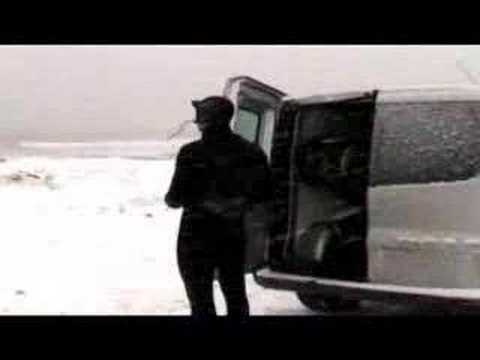
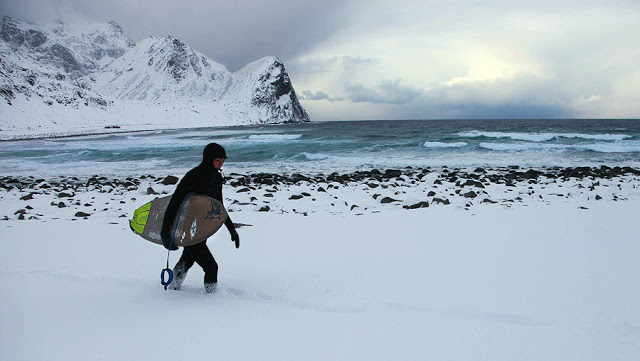
Advances in wetsuit technology mean that it is now possible to surf in Norway year round, although the lack of light in winter, especially in the northern regions, cuts surfing down to a few hours a day – attracting only the most hardened surfers. For the rest, the season lasts from February to November: summer is most welcoming for beginners, while the late autumn and winter have more exciting conditions. So whether learning basic moves off the Jæren Coast in summer or storm riding in the Lofoten Islands in mid-winter – Norway has something for all surfers.
Learning to surf (Jæren near Stavanger) The stretch of coastline along Jæren is an ideal spot to try thewinds and waves of the North Sea. This area south of Stavanger offers surfing spots that range from easy and gentle beaches for beginners, to more demanding boulder rock points for more advanced surfers.
The beaches at Solastrand, Hellestø, Sele Point, Borestrand, Brusand and Ogna are particularly suited for those with less or no experience. Windsurfing and surf-kiting are also popular at Solastrand because of its relatively sheltered wave conditions even in strong winds (S-SW).
Stad: A hidden surfing paradise in Fjord Norway
Long considered a hidden surfing paradise, Stad in Sogn og Fjordane offers ideal conditions for those seeking good surf spots without the crowds. The best spot is Hoddevik, just 65 kilometres south of Ålesund. Here you will find clear waters framed by 300 metre tall mountains. In August and late September, as serious waves start making their appearance, water temperatures still average a pleasant 18 degrees Celsius. Few foreigners have traditionally come to “Stadlandet” as this stretch of the Norwegian West Coast is called, but this is beginning to change as more and more discover the joys of surfing here.
Surfing at Hoddevik
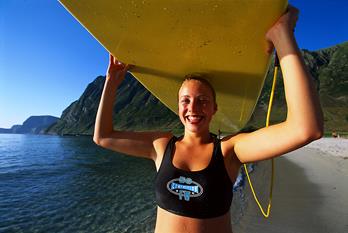
Arctic surfing in the Lofoten Touted as one of the best places on earth to surf in cold water, the Lofoten Islands in Northern Norway offer world-class waves and wild nature. Although there are many other good surfing spots, Unstad is the best known location in the archipelago – it gets waves almost every day of the year. Quite a contrast from crowded surfing beaches elsewhere in the world, the Lofoten Islands are particularly suited for surfers who love the great outdoors – where else can you surf alone with only a seal, a porpoise or a sea eagle for company? The midnight sun in summer means round the clock surfing is possible on good days, with surfers never missing the peak of a swell, which can often occur at night.
Surf and snow Many board sport enthusiasts like trying their moves on both water and snow, and Norway is particularly appealing in that it offers both great surfing and snowboarding. With their rugged peaks and steep slopes, the Lofoten Islands are a thrilling choice for those wanting to combine the two sports in one trip, and come winter offer the perfect playground – one where it is possible to catch the perfect snow and waves on the same day.
The Lofoten Masters Focus once again on the Lofoten Islands in Northern Norway with the world’s northernmost surfing competition. An annual contest attracting local and international surfers to Unstad on the island of Vestvågøy, the Lofoten Masters take place in the autumn and feature a number of different categories (ladies, open, longboard, 11-16 and under 11). 50 competitors took part last year (2012). The next competition will take place 10-13 October 2013.
Surfing in the Oslofjord Did you know it was possible to surf in the Oslofjord? The best spot is Saltstein (see feature image on top), outside Larvik. The quality of the waves here varies hugely, with the best surfing to be had in late summer. The waves can get big but they also get crowded (due to the proximity of the capital – only 135 kilometres to the northeast). The spot is suitable for both beginners and more advanced surfers. On the other side of the fjord, the waters just outside Sletter and Jeløya in Moss are popular for kite surfing.
Norwegian surfing talents A former Norwegian champion and team rider for Billabong, Jonas Paulsen is regarded by many Norwegians as the best surfer in the country. With a playful style and a good repertoire of moves, he has earned good rankings in European competitions. Now living in Stavanger, Paulsen is originally from Larvik, where he began surfing just outside his home at Saltsteinen (see above). This is the best place for surfing in Eastern Norway according to him. Other recent Norwegian champions include Åge Obrestadt (Norwegian champion 2012) and Gil Ferreira Kåberg (Norwegian champion 2011).
Did you know? Norway Surf Association (Norges Surf Forbund, or NSRF) was founded in 1985. It was the brainchild of Roar Berge, one of the first to start surfing in Norway, and to this day a strong advocate of Norway surfing. Last year (2012) the NSRF became part of the Norwegian Confederation of Sports (NIF), reflecting the sport’s growing popularity and significance in Norway.
Although not recommended for beginners, storm surfing provides a real thrill for advanced surfers looking for a challenge. The best places in Norway to try this are again Stad in Sogn og Fjordane and the Lofoten Islands in Nordland.
International Surfing Day is held every year on or near the date of the summer solstice (usually 21 June). The event celebrates surfing and the surfing lifestyle, but also aims to raise awareness of environmental issues related to the sustainability of ocean resources. Various places in Norway celebrate International Surfing Day.
Over 1,000 surfers visit the Lofoten Islands every year between February and November (the surfable months). Just under half of them are foreigners, mostly from Sweden, Finland, France, the USA and Australia. Many of the overseas surfers are experienced surfers and some are even professional surfers.
Unstad Arctic Surf offers surfing courses for all levels, including coaching. They also arrange surf camps throughout the year (tel +47 48 23 33 80)
Unstad and Hoddevik offer affordable accommodation in small dorms or cabins of various sizes, and food prepared with locally grown ingredients. Tired after riding the waves? At Unstad Arctic Surf surfers can ease weary muscles in a hot tubor relax in the sauna onsite.
Fjord Surfboards is a Scandinavian brand for surfers believing in ‘cold waters and uncrowded lineups’.
There are no fewer than four surfing schools in the Jæren area south of Stavanger, offering a range of courses and private instruction. Some also offer accommodation.
Still off the radar for most surfers, the Saga Islands (Giske, Vigra, Godøya and Valderøya) a few kilometres from Ålesund in Fjord Norway also offer good surfing.
The Nixon Surf Challenge took place in Lofoten in 2011.
Thanks to advance in technology and good wetsuits, surfing in Norway in winter is not as cold as one might think.
Jæren has many ocean fronts and can receive both southern, western and north-western wave swells, which compensates for the less consistent swell and means one can almost always find a place to surf.
The movie Norwegian Tides, a documentary about surfing in Norway (in English) by surfer and director Hans Kristian Waarum, was released in 2008. The film gives an insight into the Norwegian surf scene with a strong focus on Jæren. Much good surfing also features in old and young Norwegian talents such as Jan Erik Jensen, Jonas Paulsen, Kristian Engstrom, Richard Bentley, Zano Beck, Åge Obrestadt, Per Arne Zahl, and others.
WARNING: Must Love Dogs… Doggie drool. It’s slimy, smelly and disgusting!But if you LOVE dogs (or men for that matter)…well… you learn to live with it.
And if you really love dogs, you’ve GOT to check out… … dog sled vacations!
Dog sled vacations in Sweden? No experience or gear is required and all ages are welcome, and you may choose among several operators:
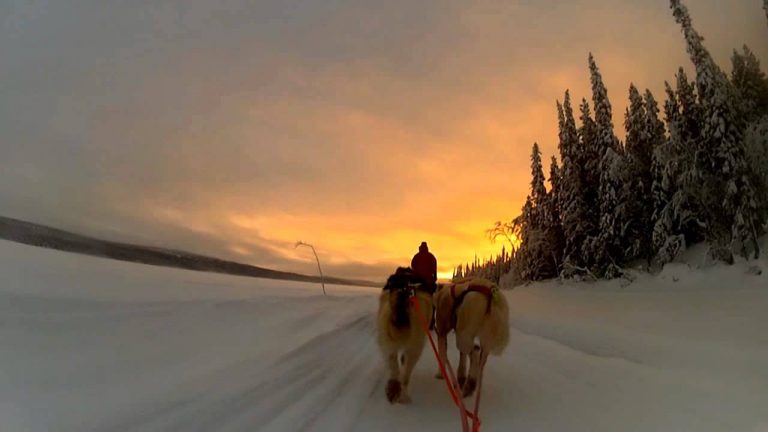
After learning voice commands, break, balance and the pedal kick, the only thing you can hear is the panting of the dogs and the sound of soft paws making their way through the pristine snow. Usually you share a team of 5-6 dogs with another participant and take turns driving and sitting on the sled through the Northern Swedish wilderness – with the assistance of an expert guide, of course.
Cool!
The sun is low in the sky and the shadows of the trees spread over the snow-covered swamp like silver streams.
Different packages are available from one-day excursions to all-inclusive multiday explorations into the wilderness.
In this article we present snapshots of Sven Ivar Dysthe’s most prominent designs and innovations in industrial design , including his furniture for use in private houses as well as in public buildings, hotels and companies.
This is a homage to Sven Ivar Dysthe’s sixty-year career as one of Norway’s most celebrated designers in the post-war period. Sven Ivar Dysthe (b. 1931), one of Norway’s few internationally trained designers, was graduated in 1954 with a masters degree in industrial design from the prestigious Royal College of Art in London.
Five year old, his grandfather had given Sven Ivar a carpenter’s bench. “I want to be a carpenter. A cabinetmaker!” he repeated after finishing his fourth form.
He had not been comfortable in school, but woodworking classes had filled him with confidence and belief in his own skill. Even so, his father was disappointed. He had built up an agency business, which he was probably hoping his son would take over. But the youngster had different ideas, and with the help of an acquaintance his father managed to find an apprenticeship at one of Trondheim’s most reputable carpentry workshops.
On 1951 Sven Ivar designed and crafted a huge master dresser, which he made in mahogany with rounded doors, dovetailed drawers, a slatted roll front, internal compartments for envelopes and A4 writing paper, a space to hang shirts and trousers, drawers for underwear and socks, a ventilated drawer for shoes, and even a drinks cabinet from which the owner could serve himself a little restorative, as respectable gentlemen were once inclined to do. This “daredevil creation” and the skills of the young man who made it were assessed by the jury of the Craftsmen’s Guild, and approved as outstanding with regard to all the disciplines involved.
Sven Ivar Dysthe did not exactly hide his ambitions in an interview he gave one September day in 1953. Like the Danish designer Poul Kjærholm, of the same age as Dysthe, the 22-year-old from Norway was trained as a cabinetmaker and the reason for the interview was that Dysthe was about to embark on his final year of training as an industrial designer at the Royal College of Art in London. His professor at the Department of Wood, Metal and Plastics was far from unknown. In 1944 Richard Drew Russell had been appointed “Royal Designer for Industry”, and his influence had been crucial to the design of the forward-looking Festival of Britain in 1951.
In 1954, Dysthe graduated from the Royal College of Art with the best achievable grade, Diploma of Design, First Class.
In 1955 Dysthe returned to Oslo to take up a “summer job” working for the furniture dealer Einar Mortensen A/S. He was commissioned to design a living-room interior for the annual autumn exhibition organized by the Norwegian Association of Applied Art. He created an almost rectangular ensemble of upholstered chairs with a low table arranged around what was in those days the typical focus of such conversational spaces, the fireplace.
That autumn, Sven Ivar Dysthe also met his future wife, Trinelise Hauan, a recent graduate from the School of Interior Design in Copenhagen, where she had studied under Finn Juhl. The fact that both had spent time in the country meant they shared the same aesthetic outlook.
In 1958 Dysthe participated in a competition organized by Askim Gummivarefabrikk to design furniture that would use the company’s Viking foam rubber. Winning first prize, he received 2,000 kroner for the best chair and 2,500 kroner for the best sofa-bed. The chairman of the jury, architect Odd Brochmann, stressed that “Sven Ivar Dysthe’s chair and sofa-bed are in a class of their own, in terms of both design and the use of foam rubber.”
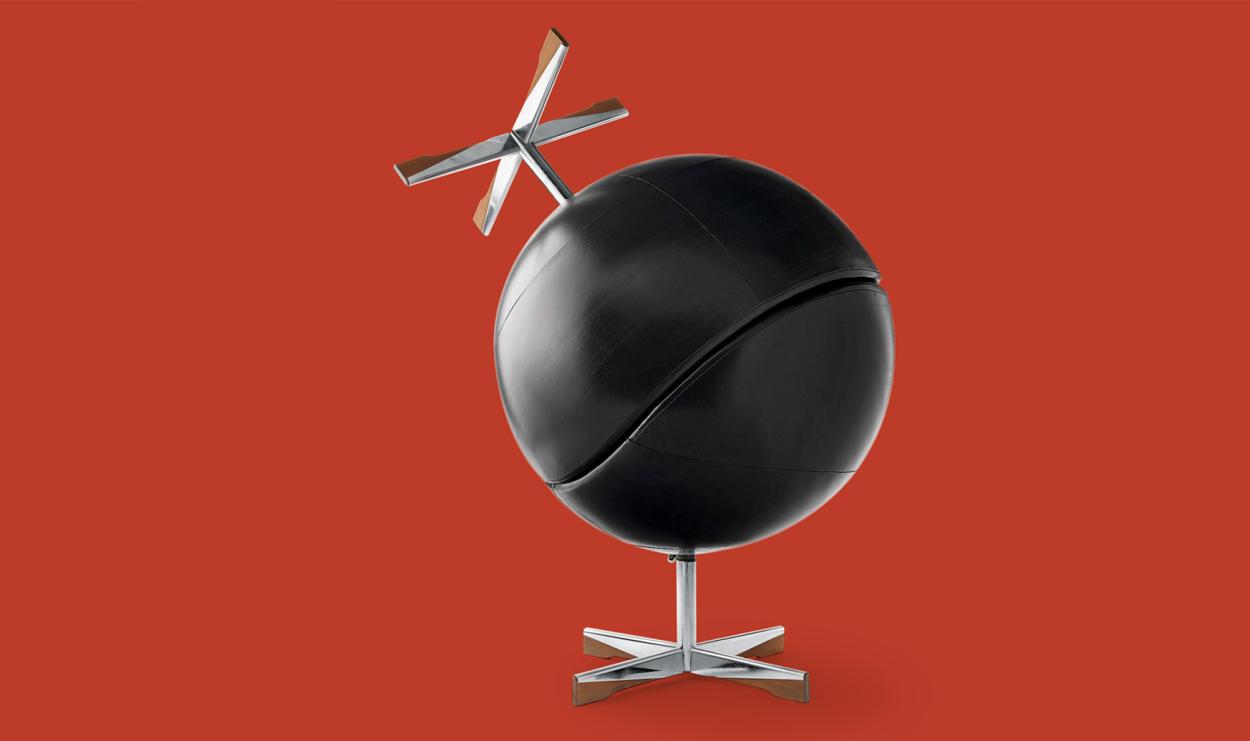
It was the Norwegian experiments with plastic moulding techniques and Lauritz Sunde’s so called “Sundolitt” (polyurethane) that provided the background for Sven Ivar Dysthe’s first shell chair, the hemispherical Globus. Designed in the autumn of 1963 for Møre Lenestolfabrikk, it was produced under the name Planet in 1964.
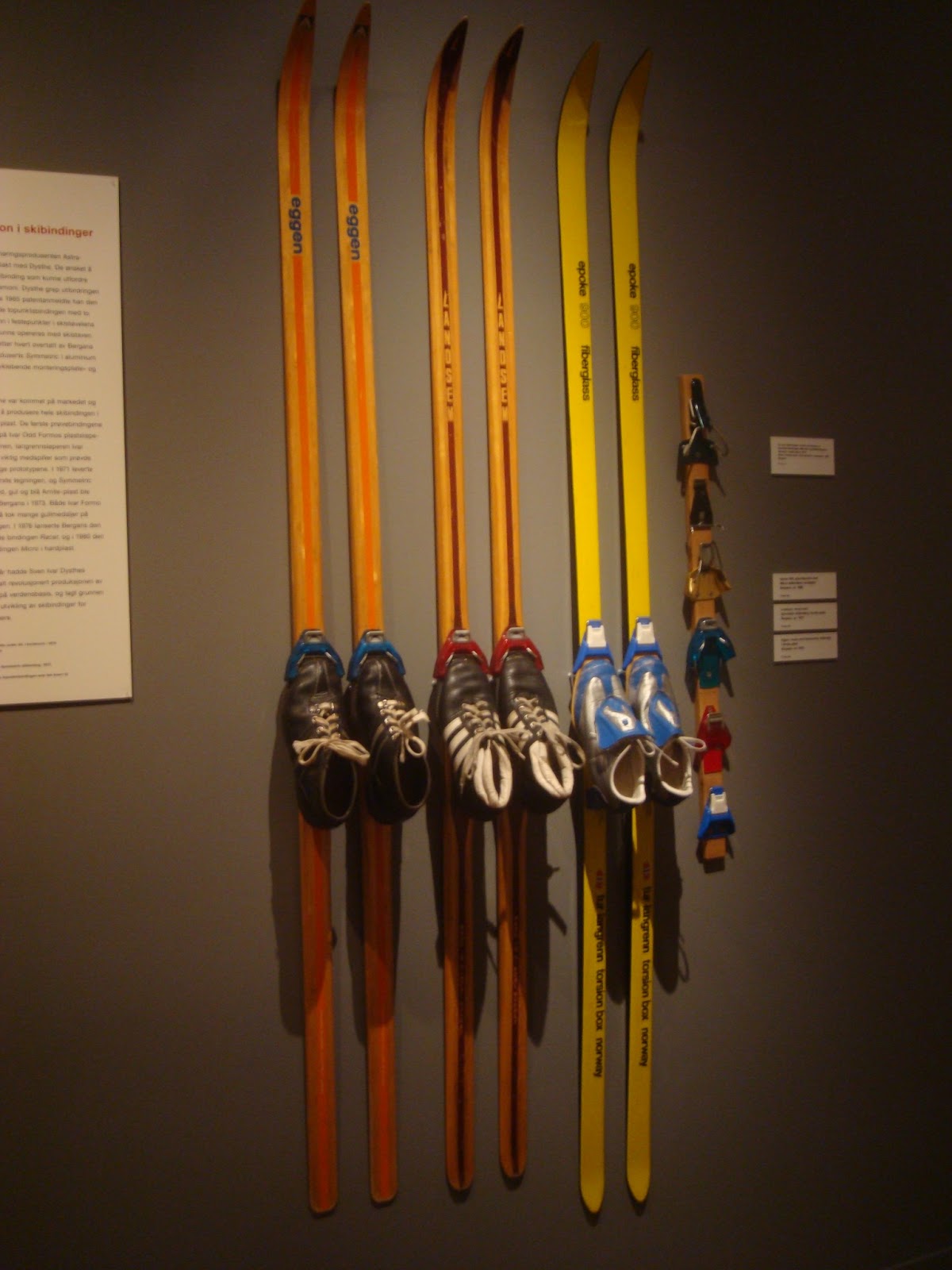
In the 1960s, Dysthe experimented with other inventions besides round plastic chairs, later re – marking that his new “plastic ski bindings were his biggest challenge. ”It was no easy matter to break the market dominance of the traditional Rottefella binding, yet this was the task Dysthe set himself when the ski wax manufacturer AstraWallco AS approached him in 1964.
His works represent something important in a dying Norwegian industry of finished products, not least within Norwegian furniture.
Sven Ivar Dysthe’s most famous designs
1960 Leather furniture series 1001
1963 Wall lamp Butterfly
1965 Laminette stack chairs
1965 Swing chair Planet
1966 Ski binding Symetric for Bergans
1968 Glass fiber chair Popcorn, designed for Heine Onstad Art Center
1975 Car adherent Pluss Plass (More Space)
1994 Waiting room benches Gardist for Oslo Airport Gardermoen
1999 Theatre chair Back-up for the amphi stage at Oslo National Theatre
This article is based on excerpts from the book Sven Ivar Dysthe – Swinging 60s, edited by Widar Halén.
The myth about «free Scandinavian love» – is it true or false?
Is the institution of marriage disappearing? “Marriage is slowly dying in Scandinavia,” wrote the Weekly Standard, as early as 2004. “Same-sex marriage has undermined the institution of marriage,” researcher Stanley Kurz claimed in the magazine.
The fact, however, is that statistics show that it’s not so, even if USA Today echoed the statement, suggesting that “marriage in parts of Scandinavia is dying.” Why is an American researcher worried about marital bliss, or lack thereof, among people living on the roof of Europe?
I admit that many Scandinavian couples live together as unmarried, so-called ‘sambo’. Some of these couples eventually decide to have a wedding, if only as an excuse to have a big party.
Norwegian weddings today look similar to those of the U.S. and other European countries. The typical bride wears a long white dress and her groom will have on a black tuxedo. After coming to America, many Swedish immigrants abandoned the wedding attire of their homeland in favor of the fashions that were popular there at the time. However, the first generation of Swedish-Americans often returned to the old traditions such as wearing the bridal crown. Bridal couples in Sweden today wear what we would consider traditional wedding attire: a white dress and tuxedos. Are argument by Kurz and other researchers is debatable. The Nordic Statistical Yearbook shows that the number of marriages in the Nordic countries has increased since 1990, but with individual patterns and fluctuations among the different countries.
What exactly is a marriage?
One definition in the Webster dictionary is “an act, process, or instance of joining in close association.”
In Norwegian folklores and tradition we find wedding formulae that seem to be ancient, i.e., “He weds you to honor and to be the lady of the house, to half the bed and to locks and keys … under one blanket and one sheet.” Perhaps these words go far back in time.
People in Scandinavia today regard legal marriage as a serious step, but not more serious than having a loving, long-term relationship, or parenthood. “Marriage is a contract and symbolic commitment to remain together forever, said the unmarried model Maria Rhodin, when she was 27 and six-months pregnant. “At the same time, it is an expression of love. These ideals of stability, love and commitment haven’t gone out of style, even in progressive and liberal Scandinavia.”
“True love is still very popular as ideal, and people are getting married more now than they did years ago,” said Birthe Linddal Hansen, a researcher at the Copenhagen Institute of Future Studies. Love and relationships in Scandinavia are stronger than ever.
“The concept of a nuclear family is not disappearing, but changing. Marriage is no longer a precondition for settling a family – neither legally nor normatively. This can be illustrated by the fact that about 60 percent of all first-born children have parents who are unmarried and that a marriage certificate is no longer needed to be shown in order to get housing. In other words, what defines and makes the foundation of the Danish family can be said to have moved from marriage to parenthood,” wrote Mogens Nygaard Christoffersen at Danish National Social Research Institute.
Scandinavians seem, however, to be waiting longer to get married and waiting longer to get divorced. It’s quite normal to wait to get married until the couple is in their 30s, after having finished their studies.
To many Americans, this practice of waiting, even to have a child or two, before marrying seems strange. But there are many reasons for this. Longer education, career or the price of buying the first apartment are some of them in addition to the fact that weddings in Scandinavia have become increasingly elaborate and expensive. The high cost of church weddings is a major reason why the majority of couples in Denmark now choose a civil ceremony.
Wedding rituals
Influenced by practices in other parts of the world, wedding rituals in Scandinavia are continuously changing.
“Young women’s participation in global media consumption across different sites indicates that many of the ‘opportunities’ for young women appear to exist beyond the school in the reconfigured labor and leisure patterns of late modern culture,” write Mary Jane Kehilyand Anoop Nayak in their paper Global femininities: consumption, culture and the significance of place.
The fact that Scandinavia is a more secular society than America, that daycare is readily available to working parents, and that government policies actively encourage equality between the sexes all contribute to the widespread pattern if uncertified or delayed marriage. In Norway, for example, parents of infants 1 to 2 years old who do not use subsidized childcare, receive monthly tax-free payments until the child is 19 months amounted to NOK 6,000 (about 860 US dollars) per month.
This is also a reason to a very high female participation in the labor force.
Uncertified marriages
The willingness to accept so-called “open unions” in the Scandinavia countries has existed for a very long time. In Scandinavia, where de facto unions are widespread, that partners also have rights and obligations concerning property, inheritance and maintenance payments following a separation.
The Finnish artist Heta Kucka says, “I have been there, done that. To me getting married just means finding someone to be with, and to be loved, and of course that is something that everyone wants.”
If you believe in the myth about “the Scandinavian sin”, we advise you to think twice.