Scandinavian Christmas Decorations

December is the darkest time of the year in Scandinavia. So, there is no better time than December to make some light with candles which give emphasis with lights and wisdom and other Christmas light decorations that brighten up their surroundings. Read more about Scandinavian Christmas decorations.

Located at the top of Europe in the northern hemisphere, Scandinavia is composed of Denmark, Norway and Sweden. The Scandinavian Christmas style is famous for its beautiful celebration of the holiday season. The sleek silhouettes depict a simple palette from Northern Lights to its snowy winter scenes. The Nordic countries have for centuries been a great inspiration for homes all over the world – from bringing outdoors to the dining table to sophisticated decorations placed on walls and trees outside their homes.

Scandinavian Christmas Decorations
Norwegian inspired Christmas

Related: The Scandinavian Christmas Card History

The ideal setting for the right Christmas mood
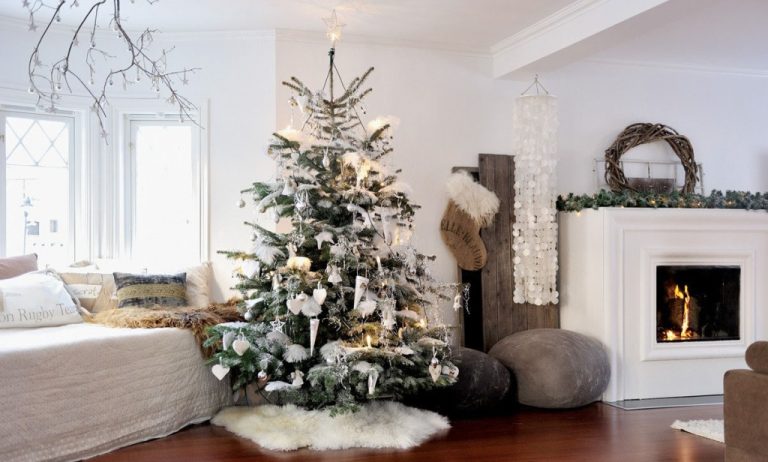
Rustic elements, glamorous fur details and natural evergreens give warmth and brightness to a Scandinavian Christmas.  With the holiday season right around the corner, we love to share with you the joy of a Scandinavian Christmas and how Scandinavians brighten up the dark season – with style.

Scandinavian Christmas Decorations
Scandinavian Christmas table decoration

Candles, stars, Christmas balls, mini stuff toys and figurines create a wonderful outcome. Imagine a cold winter outside and a well heated Scandinavian home and you have the ideal setting for the right Christmas mood. A Christmas tree is a must, that be a fresh tree from the woods or an artificial tree inspired by nature.

Related: A Norwegian Christmas Star
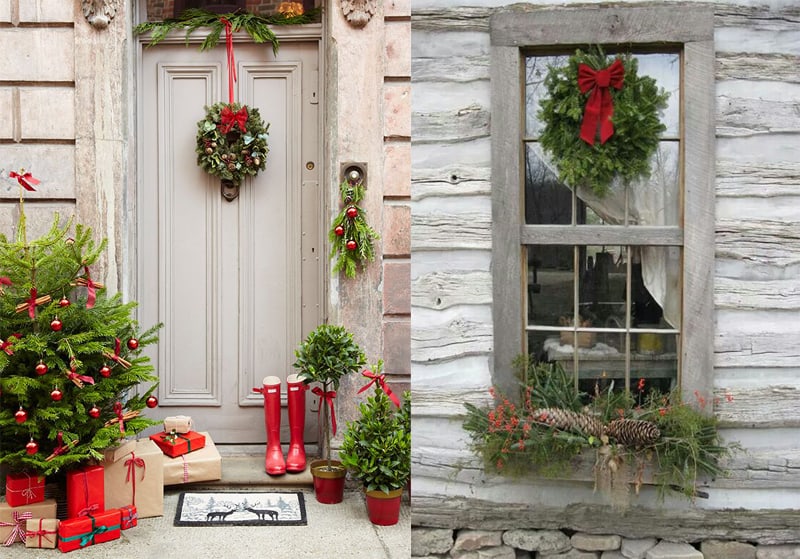
Scandinavian Christmas Decorations
The Scandinavian Christmas style is famous for its beautiful celebration of the holiday season

Less is more
A typical Scandinavian holiday color palette is a white base woven with silver sparkle and bold pops of red. Scandinavian design is known for its sweet simplicity, and also when it comes to Christmas decorations less is more. It is about scaling back and letting a few hey elements shine against a mostly white backdrop.

A Scandinavian winter look is supposed to feel like a breath from fresh mountain air. Adding greenery and some favorite natural textures, is a great way to capture this nature-inspired feeling. Soft pillows and furry throws in a room styled with wood and evergreens become often a huge part of the décor.

Scandinavian Christmas Decorations
Gingerbread house

Related: A Merry Scandinavian Christmas With Song and Music

Scandinavian Christmas Decorations
Tea-lights everywhere in the home is a classic Scandinavian look. Many Scandinavian homes will also have a gingerbread house as decoration on the dining room table to get all the family involved in the Christmas spirit. Speaking of the dining table, linens in the traditional colors of the holiday, silver white and red, are commonly used.
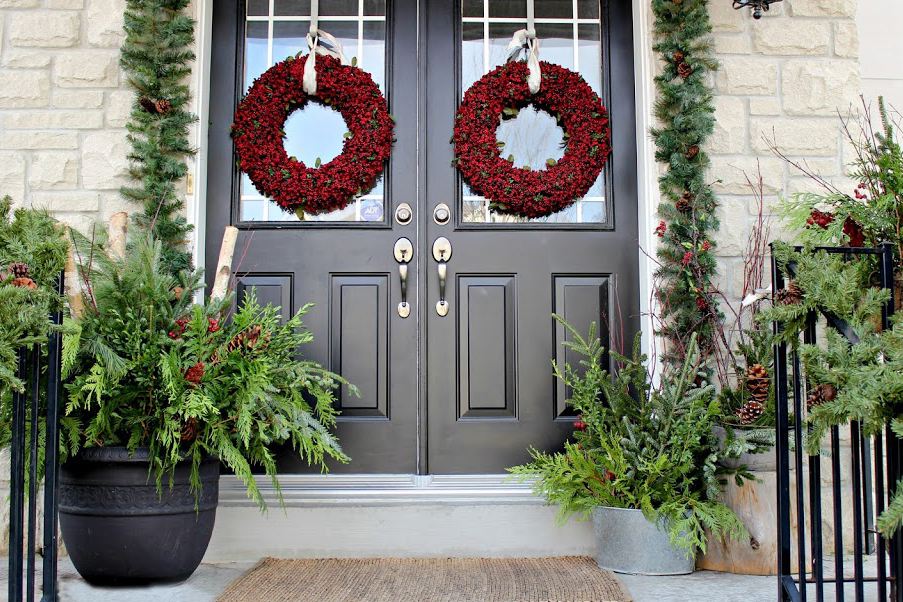
Scandinavian Christmas Decorations
Scandinavian design is known for its sweet simplicity

Traditional bakes include kransekake and the “seven types” for Christmas: donuts, Sand Cakes, Syrup Cakes, Goro, Curved Cakes, Poor Man and Berlin Wreath – and Gløgg – a homemade Scandinavian mulled wine usually served with blanched almonds, raisins and ginger biscuit to dunk.

Scandinavian Christmas Decorations
Gløgg is a homemade Scandinavian mulled wine usually served with blanched almonds, raisins and ginger biscuit to dunk

A traditional Scandinavian Christmas meal ends with a buffet of sweets, including lots of marzipan. There you have it, Christmas decorations and traditional Christmas food and drink, and everybody have a Scandinavian holiday party to remember.

We wish you all a Merry Christmas!

Scandinavian Christmas Decorations, written by Tor Kjolberg

White Xmas Lies From Norway

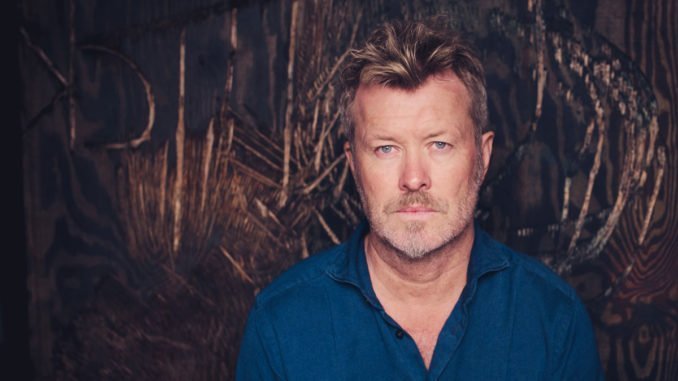
A-HA’s lead singer Magne Furuholmen has released his third solo-album, White Xmas Lies, which is an album with a different take on Christmas. It’s all about loneliness in the darkest period of the year. We’re tempted to say, White Xmas Lies is the most miserable Christmas album ever.

Magne Furuholmen is most known for his work with A-ha and co-writing the group’s most famous hit ‘Take on Me’. And now, as a solo singer, he has released an album about a dark and melancholic Christmas. The album contains 15 original songs with titles like A Punch-Up on Boxing Day, Hells Bells, The Season to be Melancholy and Dark Days. The album also includes two surprising cover-versions.

White Xmas Lies From Norway
Magne Furuholmen

Related: A Merry Scandinavian Christmas With Songs and Music

‘White Xmas Lies’ From Norway
Magne says White Xmas Lies is more a winter album than a Christmas album, a kind of a Nordic take on Christmas that would somehow be meaningful. A little bit more musical quality to Christmas celebrations.

White Xmas Lies From Norway
White Xmas Lies album cover

‘I am lucky to have a family around me, but for many people, Christmas is a rough time, and a harsh reminder of loss, longing, and crippling loneliness. I wanted to try and make an album which would be meaningful also to those who fall outside our commercial Christmas frenzy – an album which looks at the more melancholic, darker sides to Christmas: broken family ties, things we sweep under the rug, resentment hidden behind fake, jocular smiles – an album for holiday contemplation, not just sentimental décor,’ he says.

Related: The Norwegian Musician, Model and Actress Okay Kaya

The gloomiest Christmas album ever
Christmas is the most miserable time of the year. Songs about family punch-ups and crippling loneliness feature on White Christmas Lies, the gloomiest Christmas album ever. Christmas is supposed to be a happy family thing, but for people who for some reason don’t share the sentiment, it might seem like a materialistic hyper-fest where they don’t feel connected.

‘I am ashamed to be part of a Christmas which these days seems to be mostly about buying more and more shit that no one needs or even really wants…a tacky, superficial celebration in stark contrast to the original Christmas message of hope, charity, and compassion,’ says Furuholmen.

Related: Christmas in Scandinavia

An album for maximum misery
White Xmas Lies is a double album for maximum misery and includes “broken family ties, things we sweep under the rug and resentment hidden behind fake, jocular smiles”. Christmas sneaks up on us, because we’re all part of the world of entertainment, the world of consumerism. Magne says he wanted to make this record as a gift to people who otherwise wouldn’t feel included. He wanted to describe as many situations as possible that we can all relate to, but that we somehow sweep under the carpet at Christmas time.


The result is a double-album with a rich blend of unusual and thoughtful Christmas material, ranging from brooding introspection and piercing observation, to hopeful, uplifting songs.

You can read about the different formats and order here.

‘White Xmas Lies’ From Norway, written by Tor Kjolberg

The Taste of a Typical Norwegian Christmas

0

We must admit it, grown-ups in Norway are looking forward to the Christmas season mostly because of traditional Christmas meals and drinks. All December is Christmas  party-time in Norway. Every company or social group hold their own julebord (Christmas party), which means Norwegians attend at least one during the month of December. This season Daily Scandinavian enjoyed its Christmas party at the Sorgenfri restaurant in Oslo to enjoy the taste of a typical Norwegian Christmas.

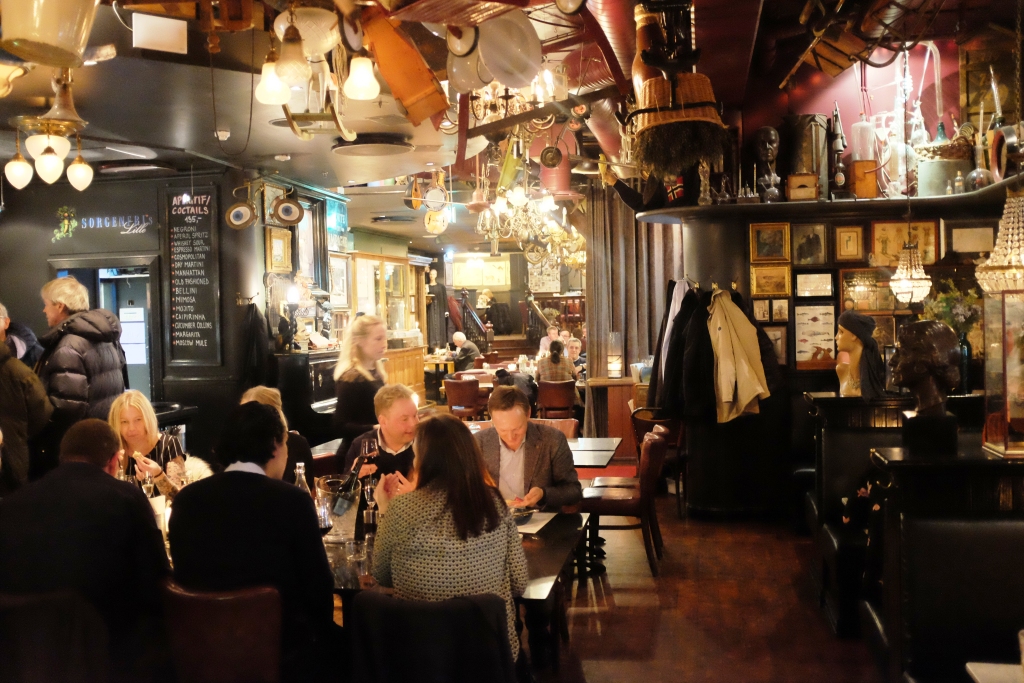
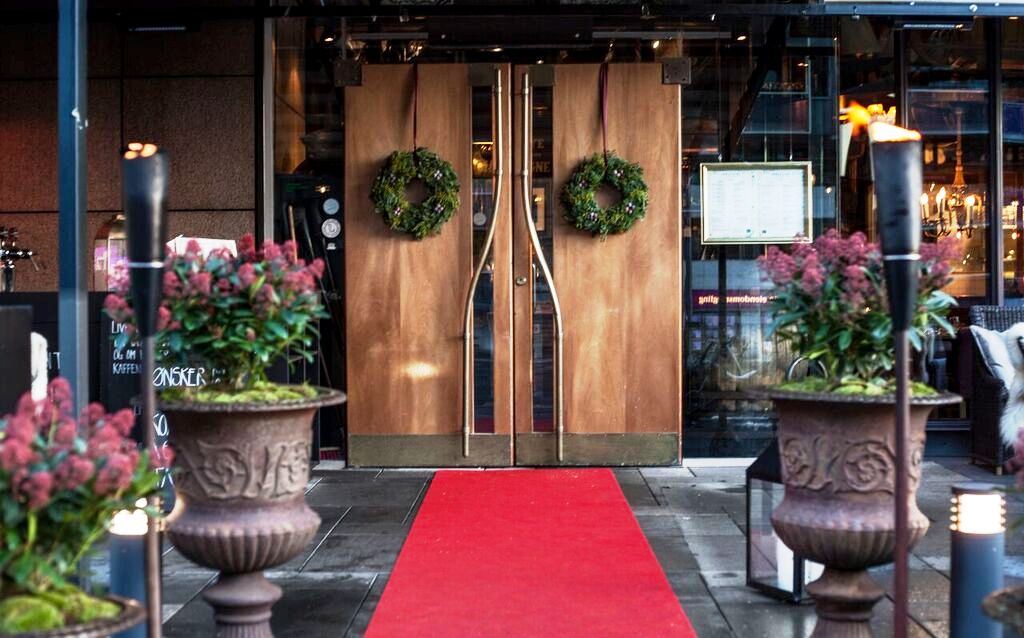
Sorgenfri (closed down Octorber 2020) at Aker Brygge is a popular down town restaurant all year round and is not overwhelmingly decorated for Christmas. The restaurant has a calm-down atmosphere which suites us perfectly. Head waiter Lilje Sverve Antonsen served us this evening and was kind enough to shoot pictures of the dishes too.

The Taste of a Typical Norwegian Christmas
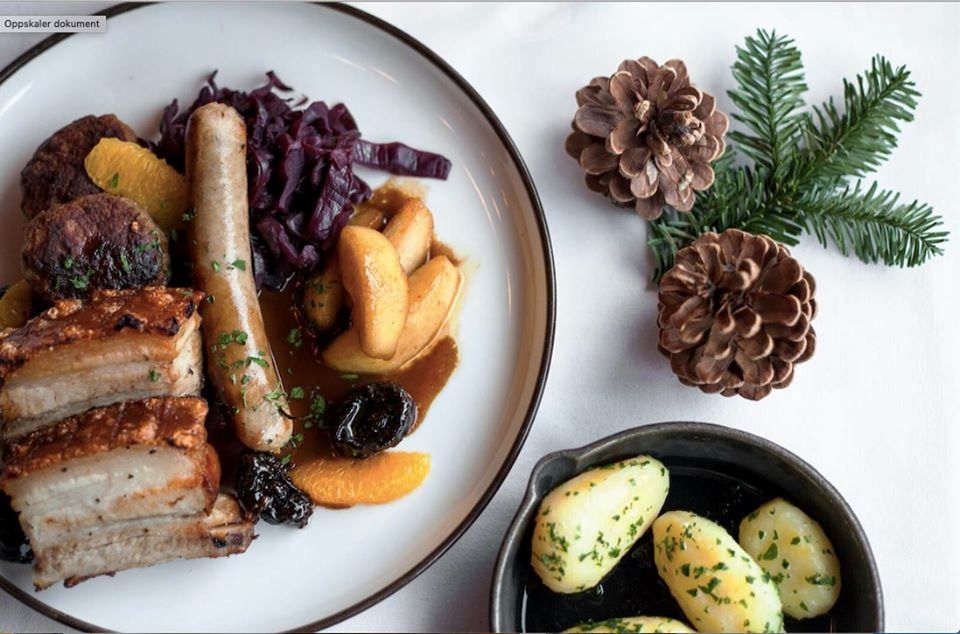
Ribbe at Sorgenfri. Stockphoto

Ribbe
The most popular Christmas dinner in central Norway is ribbe, which consists of pork ribs. In the old days this Christmas meal gave energy for the rest of the winter. There are several side dishes to the “ribbe” and the most common is sauerkraut, red cabbage, patties, sausages and potatoes.

Related: Extreme Easting – Norwegian Lutefisk

The Taste of a Typical Norwegian Christmas
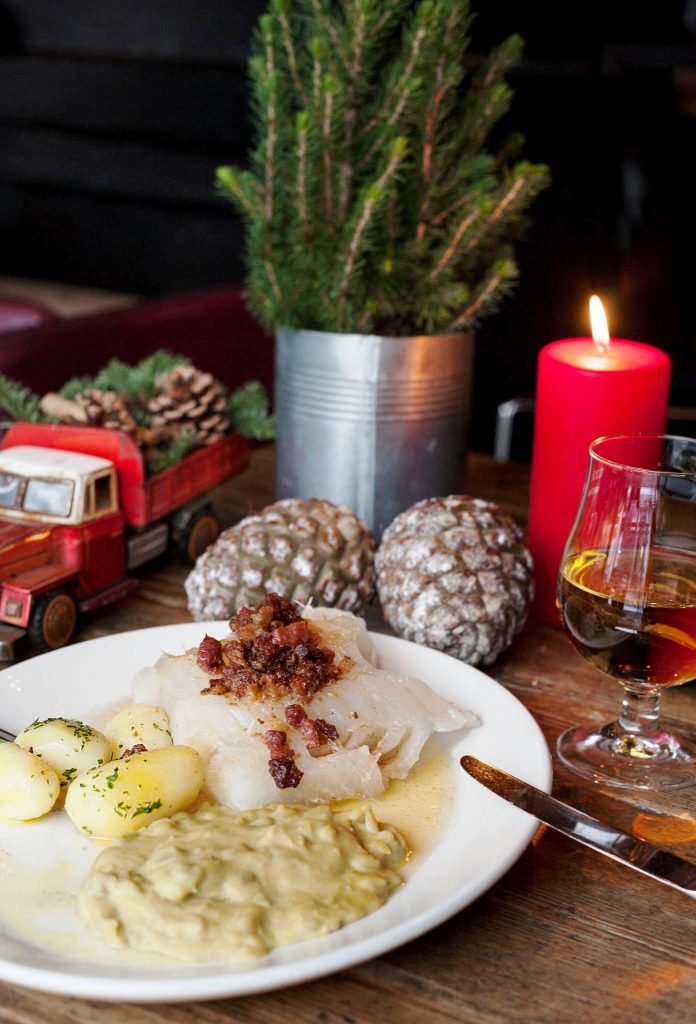
Lutefisk at Sorgenfri

Lutefisk
Our main dish, however, was lutefisk. Lutefisk is usually served with a variety of side dishes, including, but not limited to, bacon, green peas, green pea stew, potatoes, lefse, gravy, mashed rutabaga, white sauce, melted or clarified butter, syrup, geitost (goat cheese), or gammelost (“old” cheese).

The Taste of a Typical Norwegian Christmas
Happy guests at Sorgenfri, Oslo. Photo: Tor Kjolberg

Lutefisk means literally “lye fish” and is made by mixing lye of potash and water and soaking dried cod in it. It has an extremely strong, pungent odor which is mostly avoided by foreigners not used to the dish. I have, however, encountered more and more visitors to our country, claiming that they love the taste of the fish and side dishes – and not least the accompanying schnaps, aquavita and beer. Lutefisk is rarely eaten more than once a year.

According to forskning.no, lutefisk has been a common Christmas dish for a lot longer than people realize. It was eaten on Catholic holidays as long ago as the mid-16th-century.

The Julebord tradition is an important part of the Norwegian culture. Norwegians normally dress casually, but the Julebord is one of the rare occasions when they dress up in formal attire.

Related: Food and Drink in Norway

The Taste of a Typical Norwegian Christmas
Pinnekjøtt at Sorgenfri

Pinnekjøtt
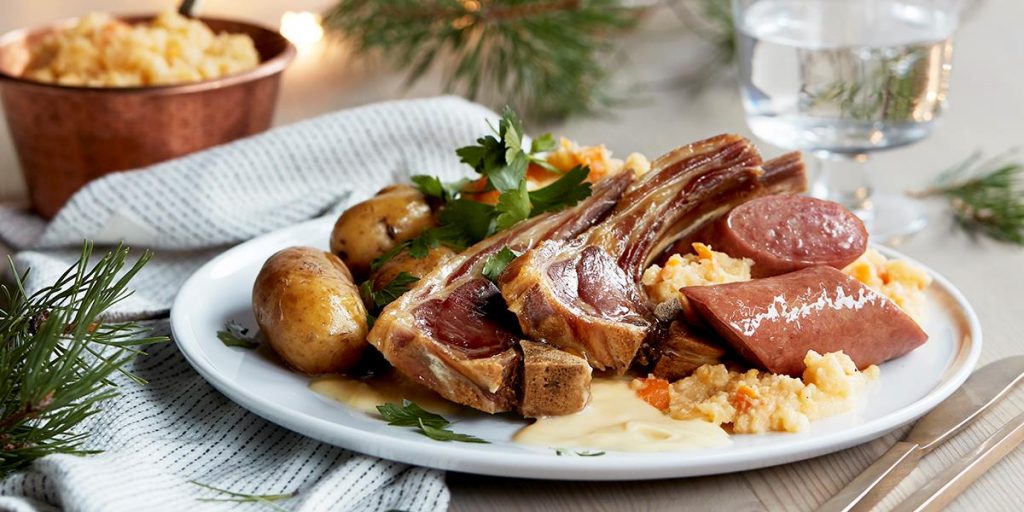
Pinnekjøtt (racks of lamb or mutton cured in brine or coarse sea salt) is another main Christmas dish in Norway, mainly in Western Norway. Pinnekjøtt has, however, rapidly gained popularity in later years also in other regions. Its unique flavor comes from the traditional preservation methods of curing, drying and in some regions also smoking as means of inhibiting the growth of micro-organisms.

The Taste of a Typical Norwegian Christmas
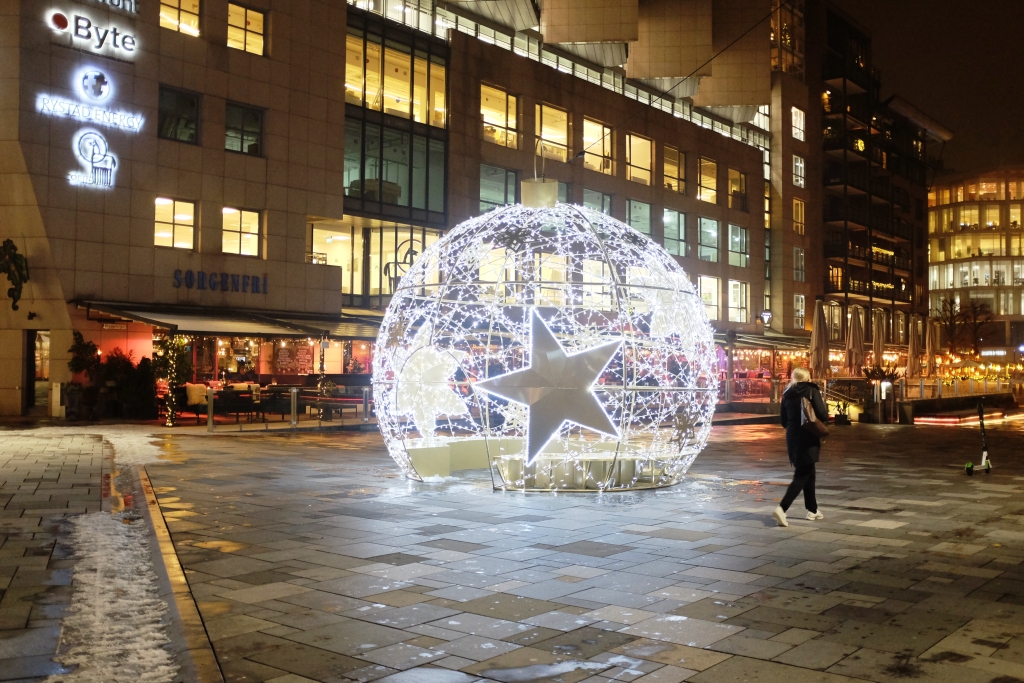
Christmas at Aker Brygge. Photo: Tor Kjolberg

A traditional Norwegian Christmas dessert is Riskrem (Rice Pudding), which is made from leftover rice porridge and whipped cream, with some sugar and vanilla added. It is usually topped with a red berry or served with fruit sauce. It is fluffy and creamy with a little tang from the sauce.

The Taste of a Typical Norwegian Christmas
Riskrem at Sorgenfri

Related: Norwegian Christmas Aquavit

The Taste of a Typical Norwegian Christmas
Sorgenfri at Aker Brygge is a popular down town restaurant all year round and is not overwhelmingly decorated for Christmas

Juleøl
During the season, most breweries release batches of Christmas beer (juleøl). These are Christmas versions of their beers, usually darker and spicier than their regular brews.  Today, aquavit and beer often accompany the meals due to its use at festive and ceremonial occasions.

The Taste of a Typical Norwegian Christmas
Juleøl. Stockphoto

Not everyone in Norway celebrates Christmas with dishes described here, but most people more or less enjoy the season according to these traditions. In later years, many immigrants also celebrate, using elements of the traditional Norwegian Christmas.

All photos by Lilje Sverve Antonsen if not otherwise noted.

The Taste of a Typical Norwegian Christmas, written by Tor Kjolberg

The Coolest Library in the World for Kids – in Norway

TIME Magazine has compiled its first annual list of the World’s 50 Coolest Places. Biblo in Oslo, a library created for young people ages 10 to 15, and NASA’s Space Center in Houston, USA are both on the list in the new ranking. Read more about the Coolest Library in the World for Kids – in Norway.

Time for Kids’ Magazine ranks the children- and youth-library in Oslo as one of the world’s 50 coolest places of 2019! The library is praised for its design to inspire with many colorful exhibits and surprises. Grab a seat in a pillow-packed wheelbarrow, a vintage pickup truck, or a repurposed ski lift. The best part? This library is just for kids—no adults allowed!

One of the Coolest Places in the World for Kids to Read, Learn and Create – in Norway
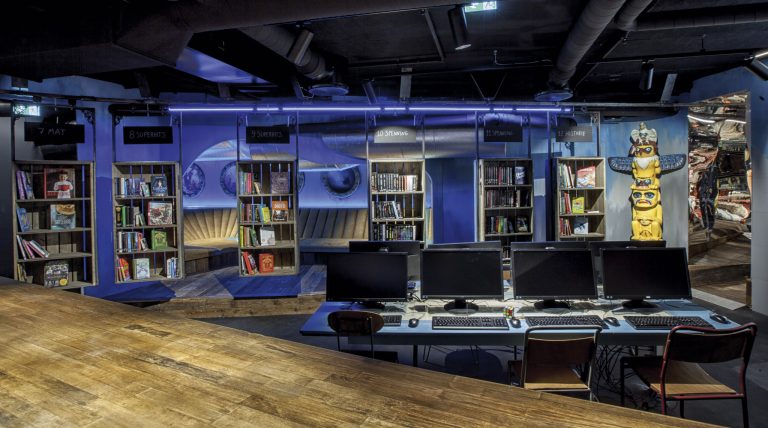
In the library there’s Teddy, an old Volvo truck, with a functional kitchen in the back and a sofa in the hood

Changing Library Rules
Oslo Public Library (Deichmanske bibliotek) is breaking and changing library rules. In the library, children and adolescents between the ages of 10 and 15 can do homework, cook, borrow books, experience author visits, film nights, concerts and theater, or explore and express themselves through art, performance and digital technology. No charge.

To rethink and redesign the library space the design team went directly to the source – young people – to find out their wants and needs. The result is a cool and comfortable alternative between school and home where they can learn, explore, and not least -be themselves.

One of the Coolest Places in the World for Kids to Read, Learn and Create – in Norway
The library is praised for its design to inspire with many colorful exhibits and surprises

Fun and educational activities
The dedicated staff at Biblo wants to inspire visitors to love learning and reading books through fun and educational activities such as drama, music, cooking,  computer programming and 3-D printing. In the center of the library there’s Teddy, an old Volvo truck, with a functional kitchen in the back and a sofa in the hood. The entire library embodies and encourages creativity and imagination.

Related: Largest Climbing Park in Scandinavia

One of the Coolest Places in the World for Kids to Read, Learn and Create – in Norway
Oslo Public Library (Deichmanske bibliotek) is breaking and changing library rules

The design team went directly to the source to begin their mission to rethink and redesign the library space. They held focus groups with young people to find out their wants and needs. The youth said they wanted a place to hang out, relax, and escape parents and siblings. In addition, they needed a safe place to socialize and said it should be a space where they can create and do things together. The library has achieved these goals by creating a cool and comfortable ‘third’ space between school and home where youth can learn, explore, and be themselves.

Many floating elements
The space is filled with a sense of weightlessness and ease due to the many floating elements, including bookshelves. This project was a truly unique endeavor that allowed the design team to cater to an extremely important target audience. The result is probably the most fascinating library you will find – anywhere.

One of the Coolest Places in the World for Kids to Read, Learn and Create – in Norway
The entire library embodies and encourages creativity and imagination

World’s Coolest Library in the World for Kids – in Norway
The Biblo library is located at Tøyen Square in ‘Old Oslo’, an area that is being modernized to compensate for the removal of the Munch Museum from the quarter. Biblo opened in 2017.

One of the Coolest Places in the World for Kids to Read, Learn and Create – in Norway
Gondolas at Biblio in Oslo. Photo: Marco Heyda/Jan Willem van Bruggen

“Libraries are special places where kids can read, learn, and create. Deichman Biblo Tøyen is one of the coolest of them all. This striking library for children ages 10 to 15” wrote TIME for Kids.

The Coolest Library in the World for Kids – in Norway, written by Tor Kjolberg

A Norwegian Author’s Love For Germany

0

If Norwegians are not generally very interested in Germany, it was certainly not the fault of late Norwegian author Jahn Otto Johansen (1934-2018), who worked tirelessly to promote German-Norwegian understanding. Read more about a Norwegian author’s love for Germany.

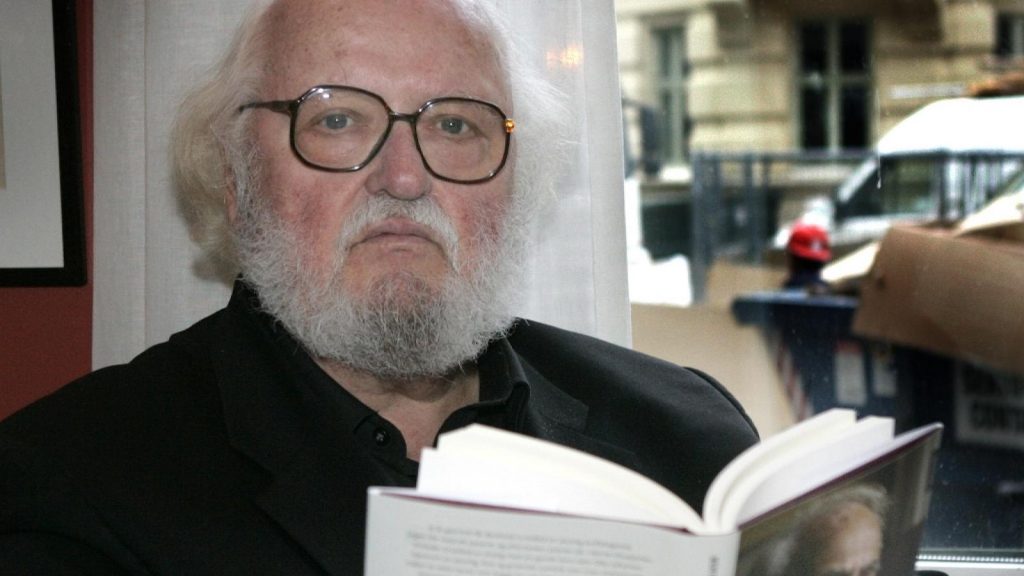
Jahn Otto Johansen with his familiar face with a bushy white beard atop a figure whose bulk was clear evidence of its owner’s love for the good things in life, was easy to recognize. Jahn Otto Johansen had a long career as a foreign correspondent for the Norwegian Broadcasting Corporation in Moscow, Washingtodn D. C. and Berlin, and author of several books about the relationship between Germany and Norway.

A Norwegian Author’s Love For Germany
Jahn Otto Johansen with his familiar face with a bushy white beard atop a figure whose bulk was clear evidence of its owner’s love for the good things in life

Related: Best-selling Norwegian Author Maja Lunde

Love for traditional German dishes
The inspiration for his number of books and articles about Germany came largely from the old-fashioned bars of Berlin. Ensconced at a table at the “Schildkröte” or the “Schweibelfish” he enjoyed traditional German dishes such as pork shank, potato soup, stuffed cabbage leaves and herring, while listening to other guests’ views on political issues of the day. His pictures hang on the walls. People came in and asked where he was – because they thought that was where he sat – at the time – in the bar!

And he did not mind sharing his own strong views with his fellow guests who listened with interest to this familiar figure. There is probably no one in Norway over the age of 45 who would not rank him as one of the country’s most important foreign correspondents of all time.

Related: Fishy Tales From Award-winning Norwegian Author

A Norwegian Author’s Love For Germany
Jahn Otto Johansen had a long career as a foreign correspondent for the Norwegian Broadcasting Corporation in Moscow, Washingtodn D. C. and Berlin

Mini-America
When he realized that fewer and fewer children in Norway chose to study German in school, Johansen was quick to respond. “It is tragic that Norwegian youngsters are choosing not to study German in school. By doing so they are denying themselves knowledge of a rich culture, that not only comprises 82 million Germans, but the whole of German-speaking Europe. There are not many people in the Norwegian media who can even read German any more, so you cannot take what they write or say seriously. Germany is Norway’s most important supporter in the EU and our biggest market for gas and fish,” he wrote.

“So, the lack of interest in Germany is completely incomprehensive, if is not simply a matter of the language, although that is important. Nor can you carry on blaming the war. The explanation lies rather in the fact that Norway is one of the most Anglo-Americanized countries in Europe. That is the answer,” he concluded.

Related: A Norwegian Heritage

A Norwegian Author’s Love For Germany
Jahn Otto Johansen was author of several books about the relationship between Germany and Norway.

Love of nature
If Norwegians are going to Germany, it is often to the big cities. But when Germans come to Norway, they are looking for fjords, mountains and fishing opportunities. But what do Germans really know about Norway?

“That depends on where in Germany they come from,” said Johansen. “Germans from the south of the country tend to think of Norway as being a long way away. Those from the north know a lot more about our country and are keen to visit us.”

Love of the city
Johansen did loose count of the number of Norwegians he and his wife, Siv Kirsten, had accompanied on visits to Berlin.

“What we want is for Norwegians to experience the real Germany, which is exciting, interesting and hospitable, with an ancient and important culture. A country which is going through a difficult transition phase.”

A Norwegian Author’s Love For Germany
The book on the German Patient has not been translated into other languages

The German Patient
This is something he explained in detail in his prize-winning book, “Den tyske pasient” (“The German Patient”), which was published in 2006. In the book, Johansen addressed the reforms and economic problems that was facing Europe’s oldest and best-developed welfare state.

After the costly reunification, the country simply could not maintain the welfare schemes its citizens had been accustomed to enjoying. “And Germany’s role as a driving force in the EU and “engine” in the European economy meant that the problems sooner or later would hit the entire continent – probably Norway, too,” says a spokesperson of packimpex.de.

The book has not been translated into other languages.

A Norwegian Author’s Love For Germany, written by Tor Kjolberg

Some of Norway’s Most Spectacular Sights

Though Bergen is known as the capital of Norway’s fjord country, Rogaland county centered on the west-coast port of Stavanger, has some of Norway’s most spectacular sights. It also has the country’s highest average temperature. In winter there is little snow. And the fertile fields are green for most of the year. Rogaland county is ideal to experience some of Norway’s most spectacular sights – all year round.

The Ryfylke area northeast of Stavanger is true fjord country. It starts with Lysefjord and stretches north past long narrow lakes that once were open fjords, until it reaches Vindafjord, Saudafjord and Suldalsvatn.

Some of Norway’s Most Spectacular Sights
Pulpit rock

Pulpit Rock
Every visitor should try to make the trek to stand on Prekestolen (Pulpit Rock), a dramatic table of rock soaring 597 meters (1,958 ft) above Lysefjord, and the country’s most famous vantage point. It can be reached via a two hour’s trail from the Prekestolhytta (hut) along a steep but well-paved path that gives way to steeper, rather soggy terrain, then to thrilling granite slabs and windswept cliffs. There are also buses which link up the ferries, that provide a different perspective from the water below.

Ulstein Kloster
The sheltered bay north of Stavanger, and other islands such as Karmøy, protect Ryfylke’s inshore island from the North Sea. Christianity flourished early here under the protection of the bishops of Stavanger, and the islands are sprinkled with churches, notably the 12th century Utstein Kloster on Mosterøy.

Some of Norway’s Most Spectacular Sights
Ulstein kloster (Monastery)

Bird-watching, sailing and canoeing
The many lighthouses are not only landmarks for islanders and seafarers but make excellent bird-watching sites. The waters around these peaceful islands are well trafficked. Most of the island grocers also provide boat services, and it is easy to hire rowing boats and small craft with outboard engines.

Related: The Beautiful Tourist Roads in Norway

In the northeast highlands of Rogaland, the fjords, lakes and rivers are rich in fish and fine for sailing and canoeing. There are good cross-country skiing tracks in winter and excellent Alpine slopes.

Some of Norway’s Most Spectacular Sights
Sand Salmon Observation Studio

Salmon Observation Studio
Among the best holiday areas is the Suldal district, stretching from Sand on Sandsfjord, along the Suldalslågen River. At the Sand end of Suldalslågen is Laksestudioet, an observation studio built under a waterfall.

Some of Norway’s Most Spectacular Sights
Kolbeintveit Old Farmstead Museum

Old Farmstead Museum
Also worth a visit, the Kolbeinstveit Old Farmstead Museum (Ryfylke Museum), dating to the 1850s and has recreated traditional farm life in a number of authentically restored buildings.

Some of Norway’s Most Spectacular Sights, written by Tor Kjolberg

The Silver City in Norway

A legend has it that two shepherd children discovered silver in a valley in the Kongsberg area, Norway in 1623. When the Kongsberg Silved Mines were closed in 1958 it was the largest mining field in Norway from pre-modern time, with more than 200 different mines. At its peak in 1770, 4,000 workers were engaged there. Visit the silver city in Norway. The silver mines are still open for tourists.

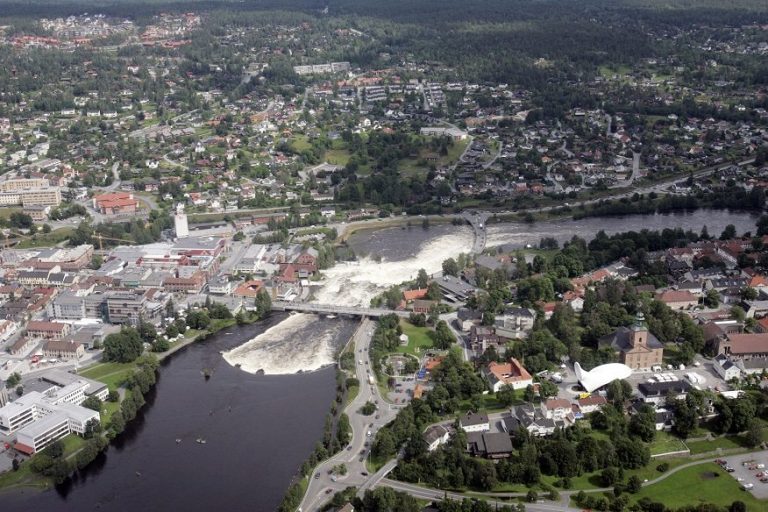
The city of Konsgsberg (meaning ‘the mountain of the king’) lies just a little more than one hour by train from Oslo. The Silver Mines in Kongsberg were once the place where all the silver was mined to produce coins for the whole country. Today, the city still has an eerie energy that brings Middle Earth to mind.

The Silver City in Norway
The Silver Mines in Kongsberg were once the place where all the silver was mined to produce coins for the whole country

Related: Norway’s Mining Past

Silver mining
Between 1623 and 1957, silver mining made Kongsberg Norway’s second largest city for a brief period. The city produced over a million kilograms of the world’s most coveted form of silver, the native wire silver. Today, you can join a train ride that takes you, 342 meters below the surface and 2.3 kilometers into the deepest mountains through stopes, adits and shafts- The “Fahrkunst”, a mine elevator built in 1881 is just one of many attractions to experience on a guided tour which takes about 1,5 hours.

Kongsberg’s Mining Museum is in fact five museums housed under the same roof and there you can see one of the biggest raw silver collections in the world, learn the history of coinage and even brush up your knowledge on Norwegian minerals in a range of extraordinary presentations. The exhibitions include the world’s largest crystalized silver exhibition, the Ski exhibition, The Royal Norwegian Mint Exhibition, the Kongsberg Industry exhibition and the Norwegian Minerals and Mining exhibition. The Mint Collection holds the Norwegian central bank’s collection of coins and medals dating back over 300 years.

Related: The Cobalt Works and Mines in Norway

The Silver City in Norway
The Silver Mines,are located 8 kilometers west of Central Kongsberg

The Stone Chambers
Be sure to be dressed warm, for the temperature in the mines is just 6 degrees Celsius. The Stone Chambers, built in 1943, was once a storage room for the National Archives of Norway with 2,000 shelf meters of documents. From July 1943 to June 1945 a dozen people had their daily work there. Today, it is a banquet hall with a capacity for 200 people used for events, concerts and company get-togethers.

The Silver Mines, located 8 kilometers west of Central Kongsberg, are open seven days a week from May to September.

Related: The Silver Treasure in Bergen, Norway

The Silver Mines, located 8 kilometers west of Central Kongsberg
The mines produced over a million kilograms of the world’s most coveted form of silver

The Activity Square
Outside the Silver Mines, the Activity Square provides fun and educational activities where children can learn and take part in the tasks of a traditional miner. You can make your own coin in the same technique as was used in Kongsberg 300 years ago. With a hammer and chisel you can “excavate” minerals that are yours to keep.

There is also a popular spot for bathing, a café (Sakkerhuskroa) and a museum shop in “Sakkerhusene”. Sakkerhusene was traditionally the shelters used by the miners during the week. These magnificent buildings were built by architect Georg Andreas Bull between the period 1867 and 1874. Sakkerhuskroa is open daily from 18 May to 30 August, and during weekends in September.

The Silver City in Norway
Take a mining safari in Kongsberg

Beer as cold as your ex’s heart
Kongsberg Bryggeri is a small microbrewery hidden in an alley. Once they had a sign declaring that they served “beer as cold as your ex’s heart”. The beer selection is indeed cool and not to be missed. Groups should definitely arrange a beer tasting.

Cultural center
Krona Kino in Kongsberg is part of a cultural center and also a part of the local university. Going to watch a movie there feels almost like you just stepped on campus. When it comes to your viewing experience, however, the shows are just as professionally as in any good cinema in the world with 4D movies, latest releases and all.

The Silver City in Norway
Today, Kongsberg is Norway’s leading industrial technology enterprise in a number of fields within the maritime, defense, aerospace, oil, gas and digitalization sectors

The Silver City in Norway
In 2014 Kongsberg celebrated 200 years in business, emerging as a pioneering global technology provider. Today, Kongsberg is Norway’s leading industrial technology enterprise in a number of fields within the maritime, defense, aerospace, oil, gas and digitalization sectors.

In April, Kongsberg Maritime parent company Kongsberg Gruppen, following European Commission approval, completed the acquisition of Rolls-Royce Commercial Marine (RRCM). Officially part of Kongsberg Maritime, RRCM will operate under the Kongsberg brand and the Kongsberg Maritime legal entity.

The Silver City in Norway, written by Tor Kjolberg

Nationalmuseum in Stockholm in a New Light

Nationalmuseum in Sweden opened its doors for the first time in 1792 in the Royal Palace, Stockholm. In 1866 it was moved to the current building at Blasieholmen was considered one of the most modern museums in Europe. 150 years later, however, the museum was outdated and the Swedish government decided to close the museum for five years to undertake a renovation project. Today, you can experience the Nationalmuseum in Stockholm in a completely new light.

Last year, Sweden’s museum of art and design, Stockholm reopened in a new light. Daily Scandinavian has interviewed senior curator Dr. Helena Kåberg, who took an essential part in the process and has also edited and co-written the book, Nationalmuseum in a New Light.

Nationalmuseum in Stockholm in a New Light
Dr. Kåberg tells us that the biggest challenge of the renovation process, was to develop the building for modern requirements and needs

Dr. Kåberg tells us that the museum had never been renovated and the biggest challenge of the renovation process, which started in 2014, was to maintain the 150-year-old cultural building and develop it for modern requirements and needs,  including climate, lightning, logistics and extensions.

Related: The Island of Skeppsholmen in Stockholm

Nationalmuseum in Stockholm in a New Light
The collections comprise of painting, sculpture, drawings and prints from 1500-1900 and applied arts, design and portraits from early Middle Ages up until present day.

A demanding task
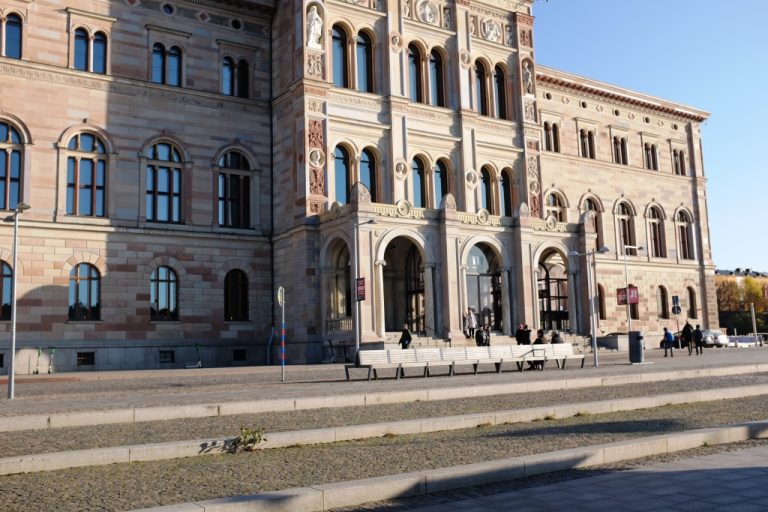
In October last year, the museum building designed by the German architect Friedrich August Stüler, had undergone a wide-ranging renovation and refurbishment carried out by the National Property Board Sweden.

Related: Sweden’s Largest Art Museum Reopens after 5 years of Renovation

Nationalmuseum in Stockholm in a New Light
It was important to find the right colors on the walls to present different paintings in the best possible way

“Collaborating with architects as well as the National Property Board Sweden has been a demanding task,” says Kåberg, “but it has been a constructive process to get an old building to function as a modern museum able to offer diverse activities as well as exhibitions. The construction of technical installations has been a challenge in itself, but we are proud of the result», she adds.

Related: Sweden’s Largest Art Museum Reopens After 5 Years of Renovation

Nationalmuseum in Stockholm in a New Light
Even if the color scheme is new, it has been inspired from the Stühler’s color scales from the 1860s

From 1,700 to 5,300 pieces of art
5,300 cubic meters of stone carved out from the ground have been removed and given place for both technical rooms buried in the rock under the museum and raised the capacity to display works from about 1,700 pieces to 5,300. Now, the National Museum can have up to 2,000 people in its premises at the same time, twice the previous number.

Kåberg emphasizes that the most important part of the whole process has been to present the artworks in the best possible way. For most paintings, it’s essential to consider the background as part of the composition. Therefore, it was important to find the right colors on the walls to present different paintings in the best possible way. Even if the color scheme is new, it has been inspired from the Stühler’s color scales from the 1860s, and in our view the result has become a fine-tuned balance of creativity and elegance.

Nationalmuseum in Stockholm in a New Light
The museum building designed by the German architect Friedrich August Stüler

Related: National Museum in Copenhagen – a Journey in Time and Space

Background colors and light
Deciding on the colors was, however, not an easy process, admits Dr. Kåberg.  In the 1800s, architects were more focused on colors other than white on the walls, and the cultural-historical views eventually gained a foothold.

Nationalmuseum in Stockholm in a New Light
The wide-ranging renovation and refurbishment h ave been carried out by the National Property Board Sweden

A background color is best suited to a particular type of images, while other colors emphasize others better. Combining paintings with sculptures and artefacts from the same period, has also proven to create environments that other museums can learn from.

The windows to the south atrium were covered by bricks in the 1960s and turned into an auditorium and a magazine. Other windows were covered from the inside. These windows have now been opened up, letting the light in. The atrium has been given new roofs and an impressive, enormous lift has been installed to take a large number of people and artworks up and down the three floors to simplify the logistic. Imagine an elevator big enough to host an opening party for the co-workers.

Nationalmuseum in Stockholm in a New Light
Climate, lightning, logistics and extensions have all been an important part of the renovation process

One million visitors last year
Since the opening last year, more than one million people has visited the Nationalmuseum compared to about previously 390,000 annually.

Nationalmuseum in Stockholm in a New Light
Dr. Kolberg beside one of the fire security solutions

«The future challenges», says Kåberg, “is to present more diversified exhibitions and attract a younger audience. This can be done by linking stories to exhibitions from different eras and thereby creating relevant conversation topics based on visual experiences».

Nationalmuseum In A New Light book-cover

National Museum in Stockholm Stockholm in a New Light
In the beautiful book, Nationalmuseum in a New Light, Dr. Helena Kåberg and other experts invite the reader to follow the entire process, from the founding of the Nationalmuseum and on through its early developments and the changes in the 20th century and the beginning of the 21st century. The book is richly illustrated with the original watercolor drawings of Friedrich August Stüler, archive pictures and newly taken photographs by Bruno Ehrs. This publication marks a milestone in the museum’s history. Nationalmuseum in a New Light is published in a Swedish as well as an English version.

The renovation has been financed by the Swedish government and some private funds.

All photos: Tor Kjolberg

Nationalmuseum in Stockholm in a New Light, Dr. Helena Kåberg interviewed by Tor Kjolberg

The Norwegian Lorck Schive Art Award

The sleepy town of Trondheim in Norway, with a population og less than 200,000 people houses an art museum called the Trondheim Kunstmuseum. In 1878, a year before his death, a local wealthy landowner, Christian Lorck Schive, established a trust, the Norwegian Lorck Schive art award, that decreed a percentage of all rental income from his local properties to support artists, centered around the local museum. He was said to own around 30% of the town.

The area owned by the trust is known as Bakklandet, on the east bank of the river Nidelva that runs through the center of Trondheim. Today, the area is home to sundry cafes, restaurants, craft shops and the like. Part of the rent funds the Lock Schive prize every second year.

The Norwegian Lorck Schive Art Award
Christian Lorch Schive

Norway’s biggest art award
The Lorck Schive art prize is Norways biggest art award. At NOK 500,000 (£38,000) it’s comparable to the UK’s Turner Prize. In 2015, Vanessa Baird was announced the winner of the Lorck Schive art prize.

In 2017, Vibeke Tandberg was the recipient of the prize, and this year, Eline Mugaas receives the Lorck Schive art award. Mugaas has, together with artist Elise Storsveen, since 2008 published the fanzine ALBUM. ALBUM is comprised of ubiquitous images culled from Scandinavian etiquette manuals, cookbooks, travel magazines, craft books, fashion magazines, and sex guides.

The Norwegian Lorck Schive Art Award
Eline Mugaas

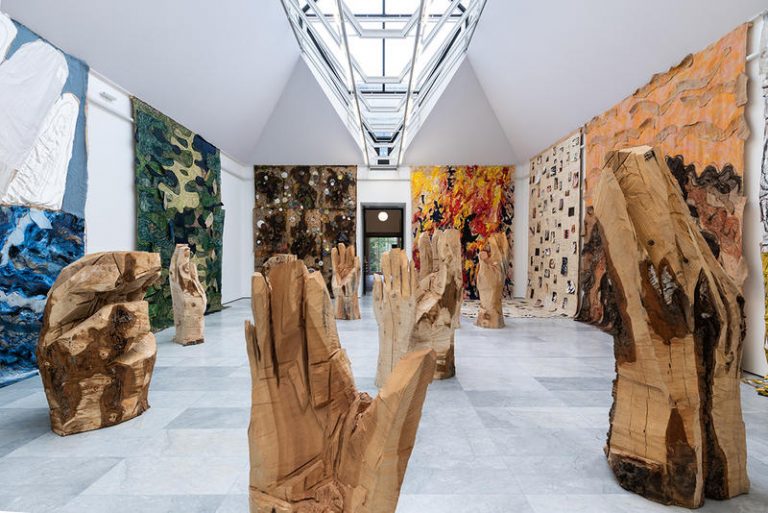
The Norwegian Lorck Schive Art Award 2019
Mugaas has researched extensively on Norwegian artist Siri Anker Aurdal (b 1937) and thereby brought visibility to a body of work that had largely disappeared from art history. Currently, Mugaas is working on issue two of a series of five visual essays under the title Dyslexic Times.

This year’s committee has consisted of Heidi Ballet, an independent curator based in Berlin and Brussels; Per Formo, an artist who studied in Trondheim; and Maria Lind, a curator, writer and educator from Stockholm. Together they had the arduous task of whittling down four nominees to one winner.

Related: Wonderland in Trondheim

The Norwegian Lorck Schive Art Award
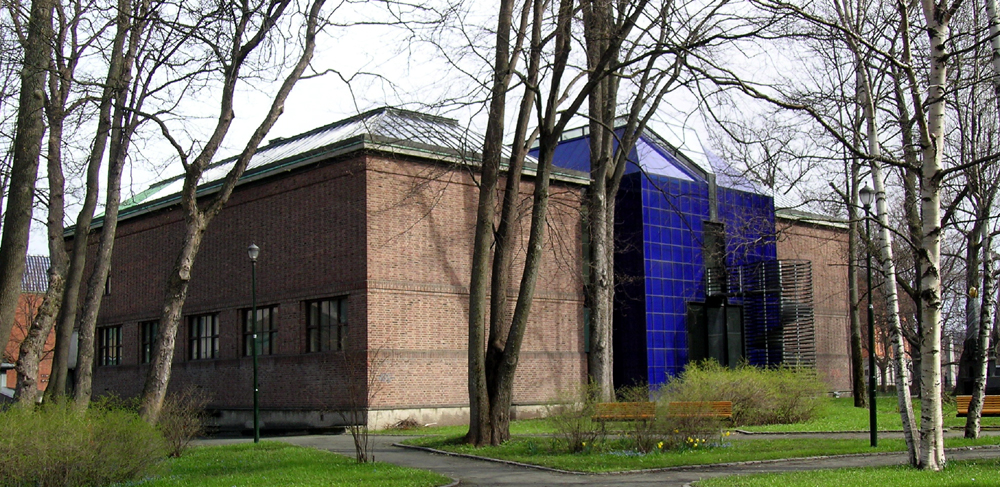
Trondheim kunstmuseum

Trondheim Kunstmuseum
Trondheim Kunstmuseum houses today a national collection of both modern and contemporary art that is almost 150 years old and provides great insight into the history of the country’s cultural legacy. The paintings by great artists, little known past the country’s borders, display scenes full of domestic interiors and gloomy weather.

Trondheim, which was once the medieval capital of Norway, has now cemented its place as Norway’s second city of art. The Lock Schive Prize at Trondheim Kunstmuseum is on show until 19 January 2020.

The Norwegian Lock Schive Art Award, written by Tor Kjolberg
The 2019 Nobel Peace Prize Exhibition in Oslo

0

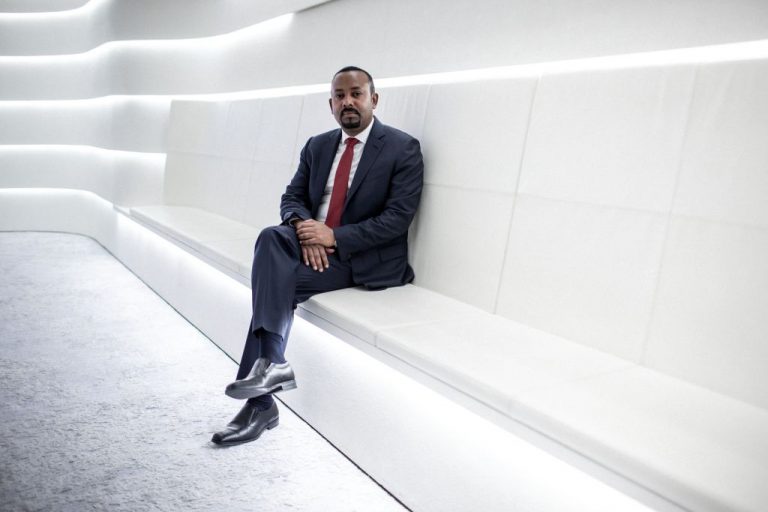
Today, Nobel Peace Prize Laureate Abiy Ahmed Ali will be present at the opening of this year´s Peace Prize Exhibition at the Nobel Peace Center in Oslo. The 2019 Nobel Peace Prize exhibition in Oslo, Crossroads Ethiopia, shows portraits of the Laureate himself, but also a close-up on change, hope and challenges in his country.

The Exhibition is called Crossroads Ethiopia and portraits Ethiopia´s ongoing process of peace and democracy.

The 2019 Nobel Peace Prize Exhibition in Oslo
Photo: © Finbarr O’Reilly for the Nobel Peace Center Photo: © Finbarr O’Reilly for the Nobel Peace Center Photo: © Finbarr O’Reilly for the Nobel Peace Center

Peace is an ongoing process
“It is exciting to create an exhibition about an ongoing process. Abiy Ahmed has great ambitions, but he also faces great challenges. Through this exhibition, we want to show how complex and time consuming the road to peace and democracy is, and also the risks involved”, said Programme Director Toril Rokseth.

Ethiopia’s Prime Minister Abiy Ahmed Ali received the 2019 Nobel Peace Prize yesterday for his reforms at home and his efforts to create peace with his neighboring country Eritrea.

Related: Controversial Nobel Peace Prize Winners

The 2019 Nobel Peace Prize Exhibition in Oslo
Photo: Mulugeta Ayene (From Addis Foto Fest Archives, curated by Aida Muluneh for DFA)

The 2019 Nobel Peace Prize Exhibition in Oslo
The exhibition, which will open for the public tomorrow at 12:00, consists of a series of photographs taken by the award winning Irish-Canadian photographer Finbarr O´Reilly who visited Ethiopia in November 2019 on assignment by the Nobel Peace Center.

“I had very limited time with the Laureate – just a few minutes to make a handful of portraits. So, I focused on documenting some of the political changes implemented by the Laureate, and how he has positioned himself to lead his country as it heads towards elections scheduled for next year,” says O’Reilly.

The 2019 Nobel Peace Prize Exhibition in Oslo
Chair of the Nobel Committee Berit Reiss-Andersen. Photo: Wikipedia

Related: Danish Nobel Winner Foiled the Führer

Experience O’Reilly and Ethiopia’s seven highest ranking photographers
O´Reilly has captured some of the women assigned to power in Abiy´s new government and how the changes inflict the society in Addis Ababa. He has also visited the disputed areas of the North where traces of the conflict with Eritrea still lingers.

Ethiopia’s capital Addis Ababa has a thriving photograph scene which is also depicted in one part of the exhibition with photographs captured by Ethiopia´s seven highest ranking photographers, curated by Aida Muluneh. The images show the transition the county has gone through. This is in cooperation with the Photo Festival Addis Photo Fest.

“To tell the story of what is happening in Ethiopia now, it is important to include the voices of Ethiopians. The images themselves also show how freedom of speech is increasing in the country”, said Rokseth.

Related: Peacetime Recovery in Scandinavia

The 2019 Nobel Peace Prize Exhibition in Oslo
Ethiopia’s Prime Minister Abiy Ahmed Ali received the 2019 Nobel Peace Prize yesterday

Crossroads Ethiopia
The Exhibition is created by the Nobel Peace Center in cooperation with photographer Finbarr O´Reilly. It is curated by Project Manager Asle Olsen and Head of exhibition Liv Astrid Sverdrup

One part of the exhibition shows images captured by Ethiopian photographers from the archives of Addis Photo Fest, co-curatert by Aida Muluneh, Desta for Africa Creative Consulting Plc (DFA).

The Exhibition is supported by the City of Oslo, 5th element group and Canon (print&imaging partner).

The exhibition will be on display at the Nobel Peace Center from 12 December 2019 till November 2020.

Feature image (on top): © Finbarr O’Reilly for the Nobel Peace Center Photo: © Finbarr O’Reilly for the Nobel Peace Center Photo: © Finbarr O’Reilly for the Nobel Peace Center

The 2019 Nobel Peace Prize Exhibition in Oslo, press release from Nobel Peace Center, Oslo