Berns Salonger has been an institution in Stockholm since 1863. Many famous artists have performed here over the years, and concerts and other entertainment events are constantly being organized. On Sunday 6 October, Americana rock group, The Gary Douglas Band with Southside Johnny & The Asbury Jukes visit venerable Berns Salonger in Stockholm.
Berns Salonger are located in Berns Hotel, just north of Gamla Stan in the heart of the Swedish capital. Gary Douglas spends each and every day, both as a rebel rocker and as a Trial Lawyer Hall of Fame attorney fighting for workers’ rights and the victims of corporate greed. With The Gary Douglas Band’s bracing new LP, DEEP IN THE WATER, he has now crafted his most powerful statement thus far, a clarion call of passionate rock ‘n’ roll fueled by expertly crafted melodies, stadium-sized choruses, and Douglas’ uncompromising lyricism.
Concert at Berns Salonger, Stockholm. Photo: Heineken
Fighting for people who have been exploited
“Law is about fighting for people who have been exploited or taken advantage of,” Douglas says, “people who have been harmed and hurt by the powerful elites in our society. Music is just a different medium to get to the same result. These songs, they’re about the same people, their struggles and their lives. Both things, it’s about giving voice to the voiceless.”
Gary Douglas newest released album, Deep in the Water
Exploring social effects of politics and power
Songs like “Nothing Ever Goes As Planned” and the forceful title track find the singer-songwriter-bandleader opening up his rousing American sound to better explore the social and emotional effects of politics and power on living, breathing people.
Indeed, DEEP IN THE WATER’s remarkable title track reflects Douglas’ recent efforts on behalf of multiple plaintiffs battling DuPont for injuries sustained by the chemical giant’s illegal dumping of the dangerous chemical C8 into the Ohio River.
“Law is about fighting for people who have been exploited or taken advantage of,,” says Douglas
Gary Douglas Band Visits Venerable Berns Salonger in Stockholm The Gary Douglas Band will be playing with Southside Johnny & The Asbury Jukes on 10/6 at Berns Salonger, Stockholm. Don’t miss them perform live! Buy tickets here.
Gary Douglas Band Visits Venerable Berns Salonger in Stockholm, edited by Tor Kjolberg in cooperation with the Miles High Productions.
The Louisiana Museum of Modern Art in Humlebæk 55 km (22 mil) north of Copenhagen opened its doors in 1958. At that time, it’s founder, Knud W. Jensen, intended it to establish a home for modern Danish art. However, a few years later he changed course and Louisiana became an international museum of modern art. But why is there a Louisiana Museum of Modern Art in Denmark?
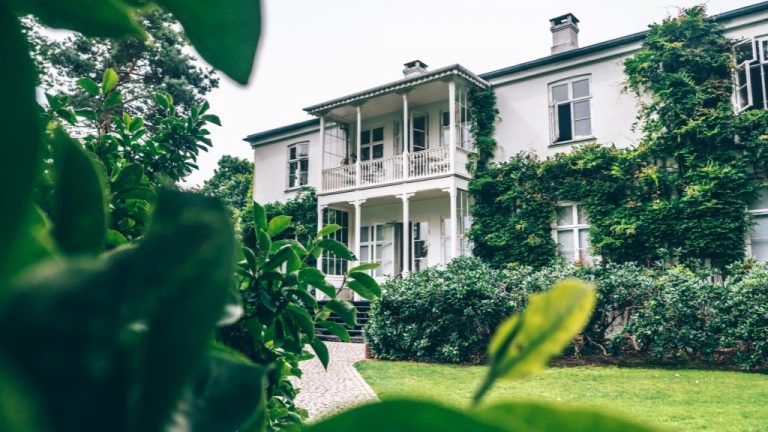
Today, Louisiana Museum of Modern Art has an extensive permanent collection of modern and contemporary art as well as special exhibitions and is the most visited art museum in Denmark. Claude Monet was the focus of a major exhibition in 1994. When you enter through the modest courtyard and old country villa, you immediately will be surprised what opens up.
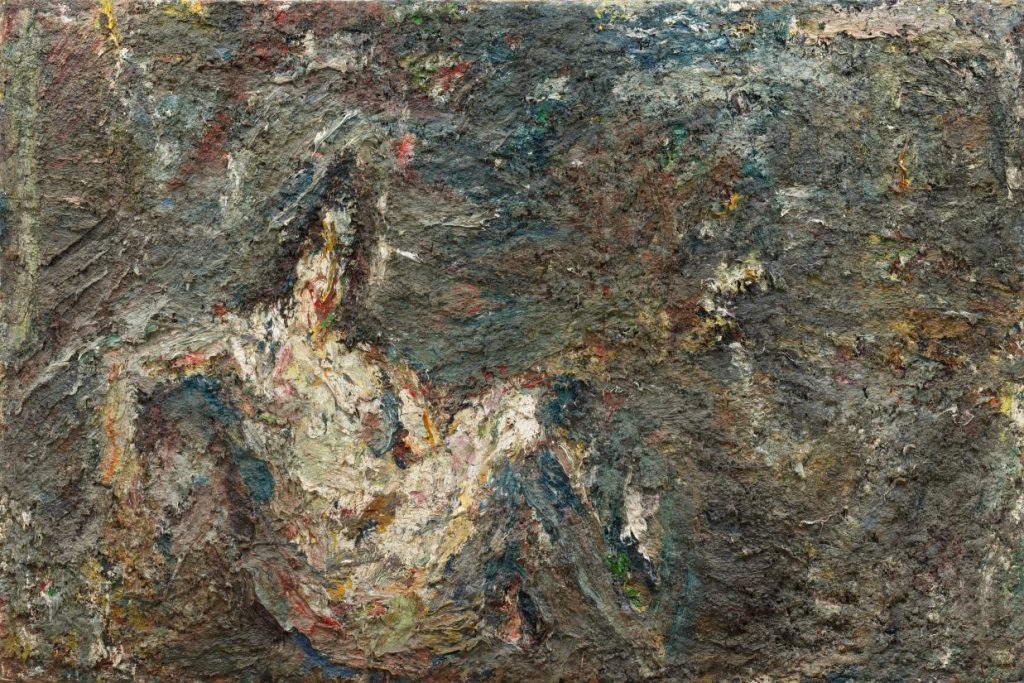
Grand nu assis, by Eugéne Leroy
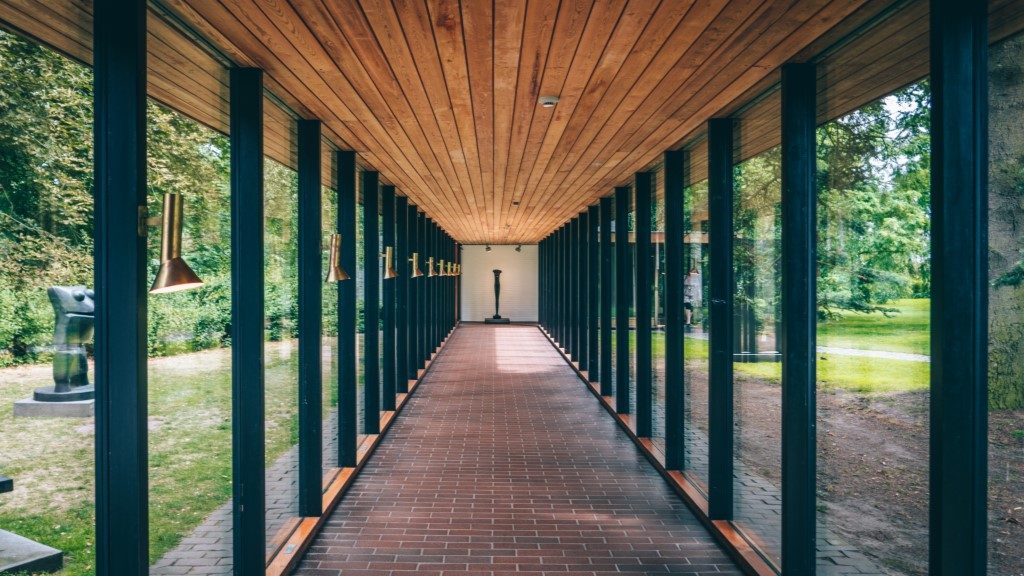
Louisiana’s close contact and collaboration with the international arts and cultural milieu has been one of the museum’s greatest strengths. The museum is also acknowledged as a milestone in modern Danish architecture, and is noted for its synthesis of art, architecture, and landscape.
Louisiana has achieved a standing as one of the world’s most respected exhibition venues, which is able to attract exhibitions and artists at a level that few other museums – either in Denmark or abroad – can match.
Louisiana Museum of Modern Art has an extensive permanent collection of modern and contemporary art as well as special exhibitions and is the most visited art museum in Denmark. Photo: Daniel Rasmussen
It can be said that Louisiana is inspired by German Bauhaus, the California Bay Area and Japanese architecture, but the intimacy, choice of materials and the light are unmistakably Danish.
Louisiana’s close contact and collaboration with the international arts and cultural milieu has been one of the museum’s greatest strengths. Photo: Poul Buchard
Louisiana’s exhibition practices have followed the tradition at MoMA, the Museum of Modern Art in New York, which in the first half of the twentieth century had become famous – and notorious – for expanding the range of modern art to include architecture, design, photography, film and other genres. On its own account, Louisiana has also supplemented modern art with cultural and ethnographic exhibitions and placed an importance on the versatility of the program by highlighting the interplay among the various artistic fields.
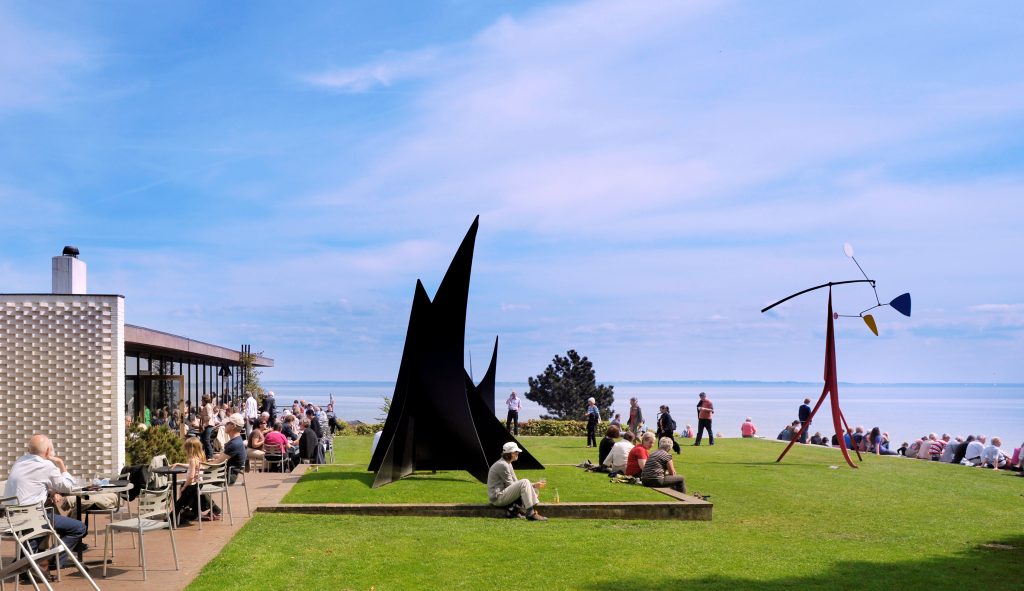
The museum has a wide range of modern art paintings, sculptures and videos dating from World War II to the present day, including works by artists such as Roy Lichtenstein, Andy Warhol, Anselm Kiefer, Alberto Giacometti, Pablo Picasso, Yves Klein, Robert Rauschenberg, David Hockney and Asger Jorn. The videos are often housed in room settings where the viewer is made to feel part of the scene being portrayed. Perched above the sea, there is a sculpture garden between the museum’s two wings with works by artists including Henry Moore, Alexander Calder, and Jean Arp.
The museum’s strong commitment to literature, music, culture-policy, international dialogue etc. creates a constant dialogue with society and a transdisciplinary mindset.
Of particular interest is the Giacometti Gallery containing the collection of Giacomettis. The proportions of the gallery and the view of the lake form an artistic totality which is majestic, serene and breathtaking. The Sculpture Park, with its Henry Moores and Alexander Calders and view of the sea, is a reason in itself to visit the museum.
Louisiana is indeed a living museum. The interaction between art, architecture and nature and the museum’s strong commitment to literature, music, culture-policy, international dialogue etc. creates a constant dialogue with society and a transdisciplinary mindset. Only a handful of museums in the world have achieved such a well-tempered interplay between different disciplines.
Almost from the very beginning, Kund W. Jensen divided the exhibitions into hot and cold varieties, a technique he called the “sauna principle”. The hot consisted of artists that the guests already knew – the great modern classics – while the cold gave room for names the guests had never heard of. The trick WAS to combine the two so that the popular exhibitions attract guests who on the same occasion also get to see something other than what they would have come for themselves.
Perched above the sea, there is a sculpture garden between the museum’s two wings with works by artists including Henry Moore, Alexander Calder, and Jean Arp.
The Concert Hall was built in 1976 in connection with the West Wing which had been built in 1966 and 1971.
The South Wing opened in 1982 to make room to present more and larger exhibitions and pieces. The opening attracted prominent visitors.
In 2008, when Louisiana, upon the occasion of its fiftieth anniversary, introduced evening hours, it was precisely in order to strengthen and further develop this tradition and way of thinking.
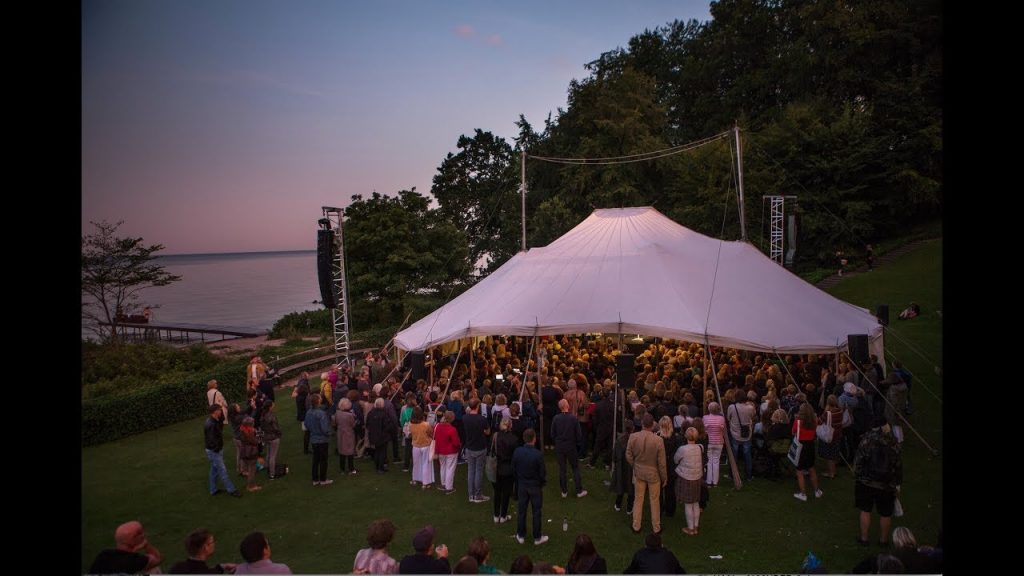
In 2010, the museum launches its annual Louisiana Literature festival. The festival features about forty writers from across the world. They perform on stages around the museum and in the sculpture park, and attract more than 10,000 people each year.
In late November 2012, Louisiana Museum of Modern Art launched Louisiana Channel, a web-TV channel contributing to the development of the museum as a cultural platform.
In 2013, the museum’s music department launched Louisiana Music, a webpage dedicated to musical videos produced by the museum in collaboration with world-famous musicians.
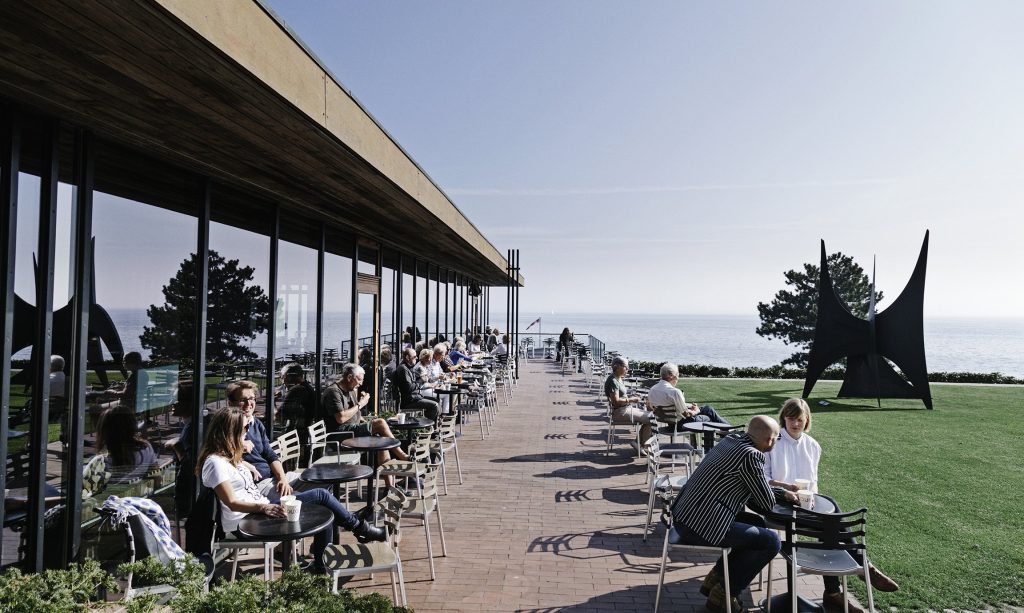
From the café at Lousiana Museum of Modern Art
In proportion to the size of Denmark, Louisina’s membership club is one of the biggest in the world and on the rise. The amount of really young members aged 18-27 is growing most rapidly and has quadrupled in recent years.
So, why the name Louisiana?
The name of the museum derives from the first owner of the property, Alexander Brun (1814-93), who named the villa after his three wives, all called Louise. Knud W. Jensen chose to “take over” the name of the country house.
From Tuesday to Friday the museum is open from 11am to 10pm (from 11am to 6pm on Saturday and Sundays, and closed on Mondays).
Only 30 square meters, the Norwegian architects Lund Hagem’s designed cabin situated in Sandefjord, Norway, the name Knapphullet (Buttonhole) is indeed appropriate. Knapphullet is a small annex replacing two small sheds on the property.
This small seaside holiday home nestles against a cliff, and features a stepped concrete roof folding down to the ground that doubles as a viewing platform. Knapphullet is a small annex to one of the Oslo studio’s founding architects’ summer residence.
Knapphullet is a small annex to one of the Oslo studio’s founding architects’ summer residence.
The small annex contains an open living space with a bathroom and a mezzanine bed that sleeps two people. Although the building occupies such a small footprint, the space expands vertically over four levels including a roof terrace.
The Buttonhole Cabin in Norway
The project began as an idea for how to utilize a naturally sheltered area surrounded by large rocks and dense vegetation. The idea developed to create a way to climb up from this shelter to see the panoramic view over the sea, which led to the characteristic shape of the roof: a stepped ramp leads up from the terrain to the roof.
Wedged between weather-beaten boulders, a typical example of a Norwegian coastal landscape, double its height, Cabin Knapphullet is protected from extreme weather conditions
Wedged between weather-beaten boulders, a typical example of a Norwegian coastal landscape, double its height, Cabin Knapphullet is protected from extreme weather conditions. Its walls are glazed, but it is sheltered beneath a chunky concrete roof.
A sheltered outdoor area The annex is accessed by a footpath that runs along the small meandering wooded area to the north of the site. The slit on the roof pours light into the building, combined with a hammock.
The project began as an idea for how to utilize a naturally sheltered area surrounded by large rocks and dense vegetation
A matching concrete patio fits around the rocky outcrops and provides a sheltered outdoor area with an open fire. A concrete bench extends along one side of the patio and through a glass wall into the small residence, which also has concrete floors and is warmed by a wood-burning stove.
Exploring the materials Exploring the detailed execution of each material expands this seemingly restricted material palette. The roof is executed in 270mm thick reinforced concrete with 20mm VIP insulation underneath. Courtyard and floors are white concrete. The concrete itself is water resistant. Acoustic ceiling is covered with woven oak strips to mask joints in the panels making a continuous surface. Interior walls are natural sawn oak 50/50mm.
The Buttonhole Cabin in Norway, text description provided by the architects.
Famous Danish architects like Juhl, Karpf, Kjærholm, Vedel and Utzon put Denmark on the designers’ world map in the 1950s and 1960s. The Danish designer company Architectmade promotes high-quality rare and timeless hand-crafted design products by famous Danish masters.
Architectmade scours archives, drawings and museums to reveal what makes for mastery and to search for objects from Denmark’s leading architects. In collaboration with some of Denmark’s most prominent designers and architects the company then produces exclusively selected design objects from the golden age of Danish design.
Simple and sophisticated aesthetics Danish architects are known for their simple and sophisticated aesthetics in buildings as well as furniture. “Architectmade is more than a collection. It’s a philosophy,” says Morten Jensen, owner of Architectmade.
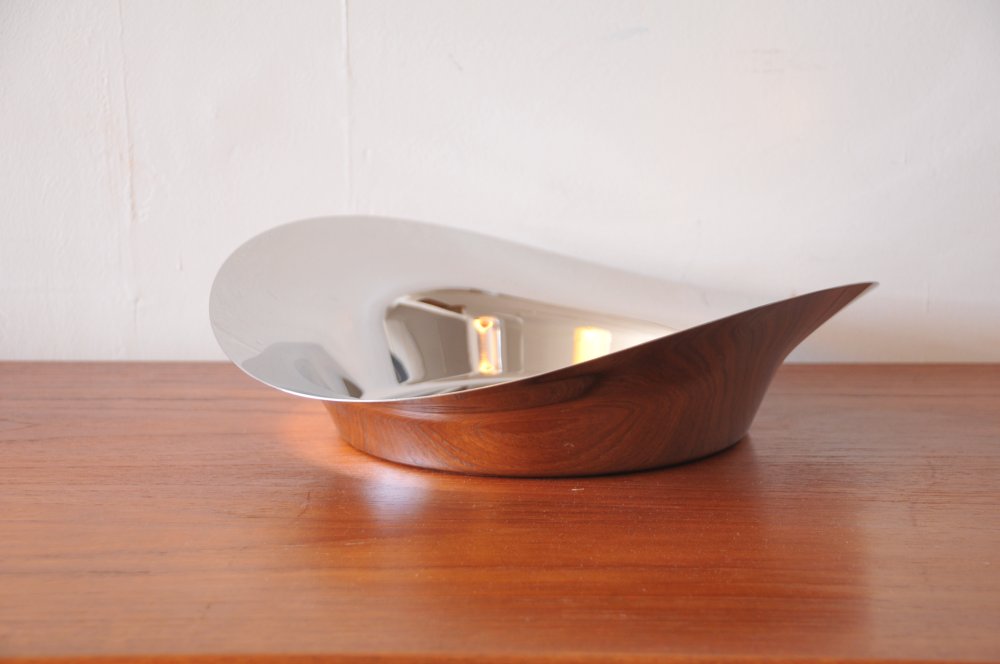
Architectmade products are designed to share, for generations to come. The company has managed to find unique design objects that were created many years ago but have since been forgotten. The products have been given a new lease of life and can boast the title ‘design classics’. Examples are Kristian Vedel’s family of birds from 1959 and Finn Juhl’s Circle Bowl from 1954.
Architect-precision and personal vision
Each Architectmade object is designed with architect-precision and personal vision that comes from the heart, reflecting the individual values, beliefs and ways of life of some of the greatest Danish architects of our time. All objects are made by hand from durable and carefully selected materials.
Rare Design Objects from Danish Designer Company
“The Danish architects created amazing products. Testament to their elegant simplicity and refined craftsmanship, they’ve become icons, standing the test of time and serving as reminder that in today’s trending world, quality is still timeless,” says Morten Jensen.
Architectmade performs strict quality controls to ensure no product is sold without being seen first.
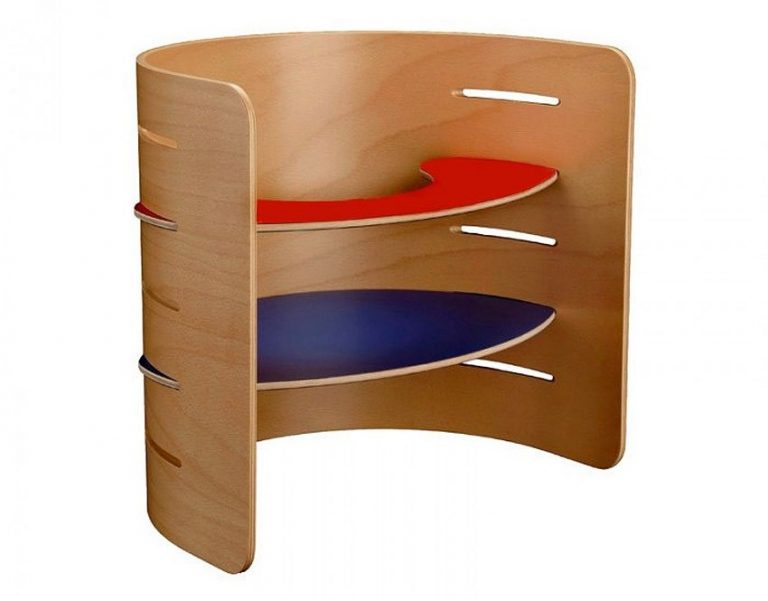
Feature image (on top): Child’s chair by Architectmade
Rare Design Objects from Danish Designer Company, written by Tor Kjolberg
When you think of Scandinavian interior design it is very possible that ‘Ikea’ is the first thing that comes to mind. The Swedish furniture giant is without a doubt the epitome of stylish interior design and with very good reason. Here, Karoline Gore is looking at 3 ways to incorporate Scandinavian interior design into your home.
Scandinavian interior design is taking the world by storm with its neutral colors, sleek forms, and minimalistic approach to décor. There is no shortage of renowned interior designers including Elisabeth Heier and Johanna Bradford who will effortlessly transform any living space into a design masterpiece. Alternatively, you can decide on the design yourself and simply rope in the necessary contractors where needed. There are countless ways, such as the following in which you can add traditional Scandinavian design elements to your home.
Scandinavian interior design is taking the world by storm with its neutral colors, sleek forms
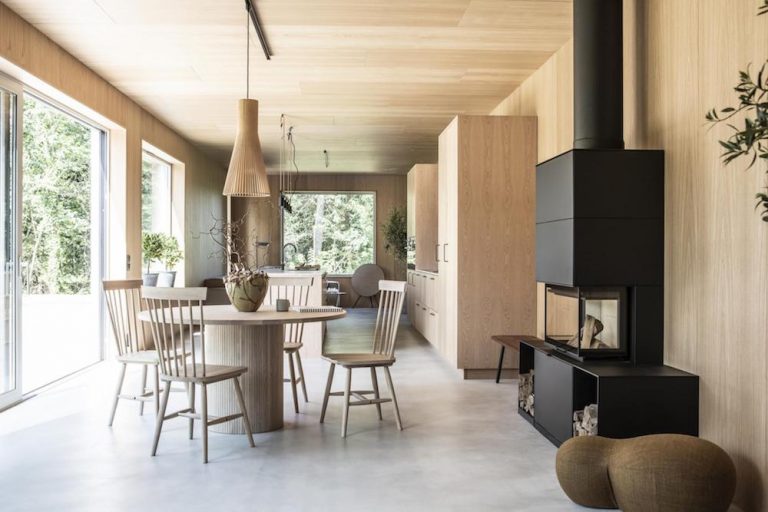
Declutter your living spaces If you want to give your home interior a Scandinavian makeover you need to start by decluttering. Getting rid of any unnecessary furnishings will give your rooms the open, minimalist feel that is typical of a home in Scandinavia. All spaces within the home must be well-utilized without any redundant pieces of furniture or décor. Storage spaces are functional and unobtrusive and do not detract from the peaceful, well-organized interior. Having white walls light floors and neutral-colored furnishings with only a few pops of color add to the serenity of a room and is one of the easiest ways to give your living quarters a traditional Scandinavian makeover.
If you want to give your home interior a Scandinavian makeover you need to start by decluttering
A fireplace is an absolute must! Whether you have smart temperature control installed or not, a fireplace is an absolute must in a Scandinavian home during winter. While a fireplace may take center stage in a typical American home the same is not the case in Scandinavia where they were typically only installed for heating and cooking purposes. Even today, Scandinavian fireplaces are typically found in the corner of a room despite them becoming somewhat more ornate in recent years. A modern, sleek fireplace will not only add heat and charm to a room but can also increase your property value while acting as an interesting conversation piece. There are countless fireplaces to choose from ranging from understated, free-standing mini fireplaces to more elaborate brick hearths with intricate details.
Although there are countless public saunas that can be utilized, nothing beats having access to one without leaving your house.
Saunas are popular – especially in Finland Saunas are extremely popular in Scandinavian homes with it being estimated that there are more than 3.3 million of them in Finland* alone. Whereas saunas in the USA are generally associated with health and fitness, they are very much part of the culture in Scandinavia. Although there are countless public saunas that can be utilized, nothing beats having access to one without leaving your house.
Before adding a sauna to your home you need to conduct sufficient research in order to establish how your personal needs can be met best. Hot stone saunas are the norm in Scandinavia although state-of-the-art infrared models are becoming increasingly popular among homeowners who want to break away from tradition and indulge in a more contemporary sauna design for the home.
Due to its striking simplicity, Scandinavian interior design is trending worldwide. Whether you redesign your entire home or simply add subtle design hints reminiscent of a typical Scandivanian home, you will undoubtedly enjoy every minute you spend in your beautiful home.
* Finland is per definition not a part of Scandinavia, but belongs to the Nordic countries. However, many people, including Scandinavians, are somewhat confused of this matter (Editor’s remarks)
3 Ways To Incorporate Scandinavian Interior Design Into Your Home, written for Daily Scandinavian by Karoline Gore
“It’s an absurd discussion,” said Denmark’s prime minister of President Trump’s interest in purchasing Greenland. However, during the World War I in 1917 Denmark sold the Virgin Islands of Saint Thomas, Saint John and Saint Croix to the US for $25 million in gold coin. When Denmark sold 3 Virgin Islands to the USA is a fascinating story.
The negotiations began already in 1867 when the United States attempted to expand its influence into the Caribbean. Due to political difficulties the transfer was delayed until March 31, 1917. The three islands commemorate the deal with their “Transfer Day”.
From Charlotte Amalie, St. Thomas
Related: The Danish Annus Horribilis
The European settlement
Christopher Columbus landed on St. Croix in 1493. At that time native Carib Indians occupied the islands. However, most of the native population had died from diseases introduced by early explorers by the time Europeans began to settle there in the 1600s.
The Danish West Indies were controlled by several European powers and went back and forth between Spanish and French rule before coming under Danish control in the late 1600s. In 1733 the Danish bough St. Croix from France and built a permanent masonry fort and named it Fort Christiansværn (“Christian’s Defense”), in honor of King Christian VI of Denmark-Norway.
St. Thomas
Related: Faroe Islands – Grand, Wild and Majestic
Economic decline
After the 1830s, when sugar prices fell, the islands entered into an economic decline and became increasingly expensive to administrate. During World War I the U.S. threatened Denmark by a military attack on the neutral nation. Preferring a peaceful transfer, Denmark agreed to the U. S. demands and the two countries signed a treaty in New York on August 4, 1916.
Related: The Viking Mystery on Greenland
St. Croix
When Denmark Sold 3 Virgin Islands to the USA
The U.S. Virgin Islands is the only country ever purchased from another imperial power. Today, the U.S. Virgin Islands are a popular vacation spot. If you visit them you can still see Danish street names as well as Danish heritage and imagine how life on the islands used to be.
Feature image (on top): St. John
When Denmark Sold 3 Virgin Islands to the USA, written by Tor Kjolberg
After serving as Norway’s Foreign Minister during the critical years of World War Two, Trygve Lie was elected the first Secretary-General of the United Nations. In September 2016, a public artwork by Norwegian artist Lina Visle Grønli, the Peace Clock, was unveiled visible from across First Avenue and the United Nations headquarters in Manhattan. You find the Peace Clock in New York at the Trygve Lie Plaza.
The Peace Clock is an abstract kinetic sculpture which does not tell time in a traditional manner; only the hour hand moves, forming the peace sign twice a day at 4:30. In this way UN’s ongoing mission is connecting with Lina Visle Grønli’s lifelong aspiration of universal peace and freedom. The Trygve Lie Plaza is a small and relaxing block-long park.
Lina Viste Grønli (b. 1976 in Bergen) grew up in Stavanger and currently lives and works on the East Coast of the United States
The Story Behind the Norwegian Peace Clock in New York The Peace Clock was commissioned by New York City with support from the Royal Norwegian Consulate General, Trygve Lie’s family and other generous donors.
“Situated across from the United Nations building, Lina Viste Grønli’s Peace Clock reminds us that peace is not something we can take for granted,” said Cultural Affairs Commissioner Tom Finkelpearl at the ceremony in 2016. “Thanks to our partners in the Norwegian Consulate and NYC Parks, this tribute to the visionary UN leader Trygve Lie will serve both as a powerful symbol for international collaboration, and an urgent call to action for everyone who encounters it.”
Time is always offering the opportunity to achieve world peace Inspired by the history of the UN’s formation and Lie’s dedication to peace and fundamental human freedom, Grønli’s clock stands as a reminder that time is both fleeting and infinite, always.
The Peace Clock is an abstract kinetic sculpture which does not tell time in a traditional manner
Lina Viste Grønli (b. 1976 in Bergen) grew up in Stavanger and currently lives and works on the East Coast of the United States. Her work engages language, semiotics, and sculptural strategies. She explores collective references and challenges conceptual understanding. Grønli has exhibited at a number of renowned institutions for contemporary art in Norway and internationally, including Sculpture Center, NYC.
The Story Behind the Norwegian Peace Clock in New York, written by Tor Kjolberg
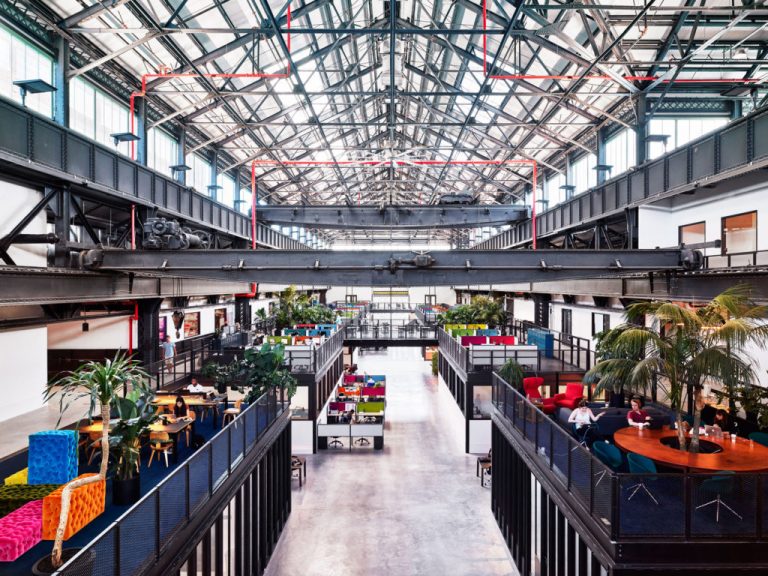
Two years ago, Norwegian Magnus Grimeland established the startup creation platform Antler in a closed down military shipyard in Brooklyn. His mission is to help serious entrepreneurs all over the world to succeed with their enterprises. Read more about how the Norwegian startup creation platform in New York works.
Magnus Grimeland knew what he wanted. After consultancy at McKinsey he went to Singapore and founded online fashion retailer Zalora South East Asia. This gave him the idea of establishing a startup creation platform bringing together would-be entrepreneurs with different and varied ideas teaming up to develop business ideas.
Movers and shakers are incompatible Why did a Harvard graduate leave a successful career in retail to identify and nurture next generation of game-changing companies? The idea is to help connect founders to mentors and potential co-founders in the very early stages of building a company, a demanding selection process for every entrepreneur. For obvious reasons.
The reason most start-up companies fail is not their products or their ideas but rather that its movers and shakers are incompatible. So, in short Antler sources the most promising young talents, puts them together to co-found businesses that they will own and run, and provides them with the mentorship and access to funding they need to succeed.
Great talent from around the globe brought together in specific teams, securing investment and building the companies.
Two months introduction
Magnus is leading a global team of professionals, while creating a pipeline for top talent to pursue a career in entrepreneurship and innovation. Only three per cent of applicants are accepted into the program.
It all starts with a cohort where circa 100 promising entrepreneurs come together for two months presenting their ideas. Antler then picks the selected few which they believe in and invests $140,000 for a 10% equity stake. Put simply, Antler’s mission is to “turn the world’s top talent into great founders of great companies”.
Magnus Grikmeland is leading a global team of professionals
Building companies from scratch
From its first cohort in 2018 Antler invested in 13 companies and so far, a total of 62 founders from 22 companies have founded 29 companies. Quite an achievement in two years. The companies represent a wide range of industries from real estate to e-commerce.
To make Antler a professional start up platform Magnus Grimeland and his partners have interviewed VCs, accelerators and organizations all over the world and created a program helping founders build companies from scratch.
Talent first
Talent is important, then comes co-founding teams. Great talent from around the globe brought together in specific teams, securing investment and building the companies. That’s a very unique concept.
Antler does not create franchises. The company is now represented in the US, Europe, Australia and Africa. New partners are added continuosly to support its companies.
Feature image (on top): Antler new lab, New York. Photo: Spencer Lowell
Norwegian Startup Creation Platform in New York, written by Tor Kjolberg
Summer in Scandinavia is well and truly swinging, but it’s not too late to book a special trip with your other half. So, with that in mind we’ve put together this list of the top 10 romantic hotels to escape to in Scandinavia this season.
Romantic hotels in Denmark
CMMNR7 Pavilion at dusk, Tivoli Gardens, Copenhagen, Denmark, Scandinavia, Europe
Let’s start in Copenhagen. From the outside, Nimb looks like a Moorish palace, but inside it’s anything but. The finest Scandinavian design makes this a comfortable and modern place to stay. But the best and most romantic part of Nimb Hotel is its location – it’s right in the middle of Tivoli Gardens, one of the oldest and most magical theme parks in the world. Besides having a theme park on your doorstep, there’s plenty to keep you and your other half entertained here. Enjoy the warm Nordic atmosphere, Nimb’s selection of restaurants and bars, and the rooftop infinity pool!
What do you expect from a Danish summer? Well, forest bike rides, relaxing on the beach, and walks through quaint little harbours are just some of the things that Danes like to do in the warmest season of the year. Staying at Skovshoved Hotel in Charlottenlund means that you can do that too! It’s just a stone’s throw away from Copenhagen so you can split your time between city life and enjoying the Danish countryside. For couples, there’s even a summer offer which doesn’t only include the room price, but also a buffet breakfast and bike rental too!
This small and cosy inn is one of the oldest and best-preserved in the whole of Denmark. Sonderho Kro offers views of a unique marsh and tidal area, while being just steps away from a dyke. Each room has been individually decorated and while they’re in a newer building, they still incorporate classic Danish design to feel cosy and homely. If you want to have a memorable and romantic dinner, head to the restaurant. A 5 course meal selected by the chef with wine pairings here is the perfect end to a lovely day!
This five star hotel right in the heart of Oslo is a luxury experience that you and your loved one will absolutely adore. Thief Islet used to be a home for smugglers, which is how the hotel got its name. However, now it’s one of the top hotels in Norway. There’s a spa, cutting edge Scandinavian furniture, and the walls are even adorned with international art! It’s not cheap, but escaping to The Thief is one big romantic gesture!
On the edge of Hardangerfjord about 130km from Bergen, Hotel Ullensvang is an incredible place to escape into nature. This would be suitable for combining a romantic trip with some active and outdoor stuff, as it’s a great place to base yourself if you plan on visiting Trolltunga (the Troll’s Tongue) and Dronningstien (The Queen’s Trail). This hotel has a swimming pool and its own private beach, so it’s got plenty of options to cool off after a long day of hiking!
This unique hotel isn’t easy to find, but once you get here you will be astounded. Europe’s first landscape hotel, Juvet incorporates nature, modern architecture, and cultural history to supply an accommodation that really has the wow factor! After a meal in the barn (which is now a gorgeous restaurant) retire to one of the 9 unique rooms, each of which offers a unique perspective on the rugged Scandinavian landscape.
Some of the most romantic Norwegian hotels are well away from the cities, and Røisheim Hotel is certainly one of them. It’s a base for mountaineering set at the border between Eastern and Western Norway. Mountaineering couples will love that it’s right in the shadow of Norway’s highest mountain, Galdhøpiggen. Enjoy the restored rooms and painted buildings in a version of Norway that’s like stepping back into the past!
Hotel Skeppsholmen markets itself as an urban oasis set in a 300 year old historical house, situated on one of Stockholm’s many waterfronts. A true escape from the hustle and bustle of the Swedish capital, it’s a great spot for couples on a long weekend! Easy access to the city centre sights, while still being an escape in the evenings. Enjoy contemporary Swedish cuisine, and art and design in a tranquil setting.
This place is romantic, quirky, and totally unforgettable. Treehotel offers a number of capsules up in the trees, giving exquisite views of the forest surrounding Harads. Choose from the Mirror Cube, the Bird’s Nest, The UFO, the Dragonfly, and other intriguing designs to spend your night in. And if you actually want to leave your room during the day, you can enjoy barbeques by the lake, moose safaris, phat bike riding, canoeing, and many other activities. Another hotel that will cost a pretty penny but is worth every single one!
Of course, there’s a hotel in Stockholm’s nearest castle, Ulfsunda Slott. Just 15 minutes away from the centre of Stockholm and close to Bromma airport, here you can combine a romantic stay with a bit of history and also some exquisite cuisine and wine, from the hotel/castle’s very own wine cellar! The castle is also surrounded by beautiful gardens and if you’re lucky enough your room may even have a wiew of the jaw-dropping Mälaren Lake. This experience will be something special for both of you, and you’ll easily be able to get into Stockholm too!
Final Thoughts
So, that concludes our list of the best romantic hotels in Scandinavia. It’s a great area to go in the summer, but if you’re looking to head further south for some winter sun, then Greece could be just what you’re looking for! Why not take a look at the best vacation rentals in Athens here. Now, you have romantic summer AND winter vacation ideas! But don’t forget that autumn is a romantic season in Scandinavia as well, not least when you choose one of the top romantic hotels in Scandinavia.
Feature image (on top) Juvet landscape hotel, Norway
Top 10 Romantic Hotels to Escape to in Scandinavia This Season is a compilation produced for Daily Scandinavian by the editorial team of Trip 101.
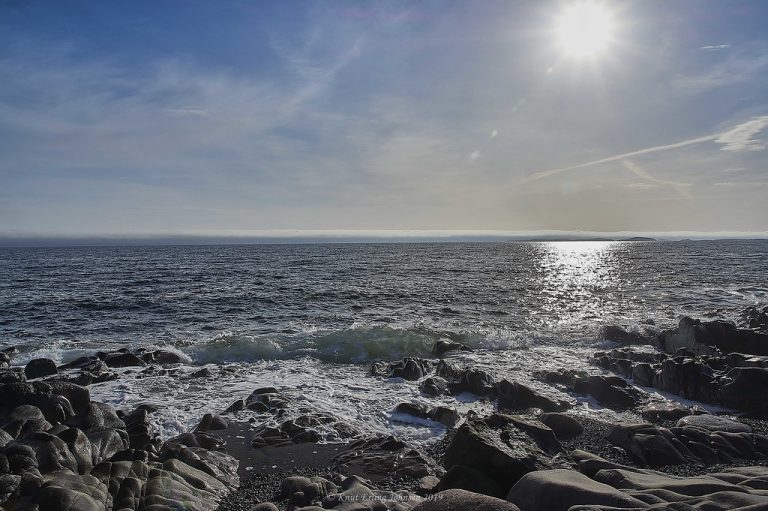
East from Kristiansand, the Norwegian coastline of the Skagerak strait is made up of islets, skerries and coves. It is relatively protected but with rocky rather than sandy beaches. The Norwegian Skagerrak contains some of the busiest shipping routes in the world, with vessels from every corner of the globe. It also supports an intensive fishing industry
The principal centers along the coast, in order, are Risør, Lillesand, Grimstad and Arendal.
Risør is the sunniest spot in Norway, with an average of 266 hours of sunshine per month in June and July. Photo: Visit Norway
Risør – The Tree House Town Risør (today called the Tree House Town) was struck by fire in 1861 and the entire center of the town was destroyed. However, Risør was quickly rebuilt with white wooden houses, and new regulations should prevent fires in the future. Vertical wooden paneling, straight roofs and windows with three panes are the norm today.
You can experience the special character when walking through the town’s picturesque center. Some of the town’s oldest houses which survived the fire, including Tanggata 28, built in the 1720s, can be seen in the Tangen neighborhood, The local tourist office provides a self-guided walking tour which can be downloaded as an app that can be used offline.
Risør is the sunniest spot in Norway, with an average of 266 hours of sunshine per month in June and July.
In the summer the population in Lillesand increases significantly, due to tourism and the many summer homes in the municipality. Photo: Visit Norway
Lillesand – a popular holiday town Lillesand is located in the most famous part of the archipelago along the Skagerak coast. It is a popular holiday town with a lively harbor overlooked by white clapboard houses. Once a major shipbuilding center. In the summer the population increases significantly, due to tourism and the many summer homes in the municipality.
The Norwegian author Jostein Gaarder refers to this town in several of his books, for example in Sophie’s World, where The Solitaire Mystery refers to Lillesand.
Grimstad seen from Torskeholemn
Grimstad – surrounded by small islands Grimstad has some of the most atmospheric pedestrian streets on the Skagerak coast. It is a pretty laidback town, indelibly associated with Henrik Ibsen, who served his apprenticeship to a chemist here. Dating to 1916, the Ibsen Museum is Norway’s oldest museum.
Grimstad was struck by fire in 1863, and lost the houses on stilts that had earned the nickname “Little Venice”, but the town still enjoys a lovely setting, surrounded by small islands and features many restored wooden buildings.
Pollen, Arendal. Photo: Store norske leksikon
Arendal – the liveliest town on the Norwegian Skagerak coast Arendal is one of the liveliest towns on this stretch of coast, founded on the industries of shipping, forestry and mining. It developed into one of the wealthiest towns in Northern Europe during the 17th and 18th centuries. Walking through the old part of town, Tyholmen, you can still feel the spirit of the town’s golden days.
The Arendal Town Museum has extensive displays, delineating local history, and the Town Hall, previously the home of a merchant, is said to be one of the largest wooden buildings ever constructed in Norway.
The Norwegian Skagerak Coast, written by Tor Kjolberg