The Norwegian comic book artist Jason (real name John Arne Sæterøy) has produced a series of acclaimed graphic novels that have proven amazingly versatile.
Jason (born in Molde 16 May 1965) is known for his sparse drawing style and silent, anthropomorphic animal characters. Even his name reflects his minimalist artistic style. In 1989, he was admitted to Norway’s National Academy of the Arts, where he studied graphic design and illustration.
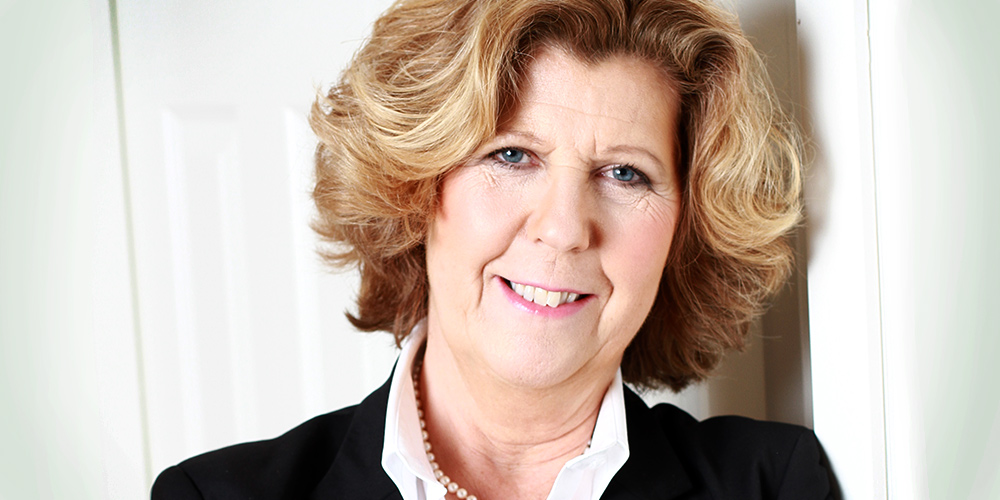
Jason – self portrait
The subject matter of Jason’s comics varies widely
Jason has created gag comedy (Meow, Baby!), romantic melodramas (Tell Me Something), dramas (Hey, Wait…) and genuine thrillers (The Iron Wagon).
Acclaimed Norwegian comic book artist
The Norwegian comic book artist Jason won the Norwegian Comics Association award in 1991 for the short work Pervo.
He has been nominated for two Ignatz Awards, won the Norwegian “Sproeing” award twice for “Best Norwegian Comic Book”, in 1995 and 2000. He has received praise in Time and won the Harvey Award for best talent as well as several Eisner Awards. He is a master of the ligne claire style, which, as you may have surmised, means “clear line”.
From Jason’s story about a man who travels through time to assassinate Hitler
Jason had his work published for the first time in 1981 in the Norwegian comics magazine KonK, to which he contributed several short stories during its lifespan. His scenes are stripped down and set against backgrounds that are often solid blocks. His colors are muted or turned off completely.
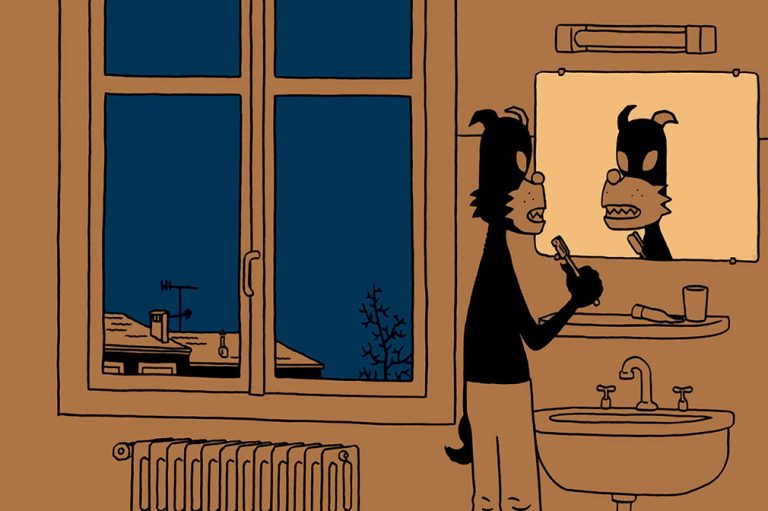
Jason is known for his sparse drawing style and silent, anthropomorphic animal characters
Stunning reviews
The subject matter of Jason’s comics varies widely. For example, he writes about a man who travels through time to assassinate Hitler, about a thief who poses as a werewolf only to be hunted down by actual werewolves, and about the long-term ramifications of childhood tragedy.
“One of the medium’s finest storytellers,” wrote Publishers Weekly.
“The graphic novel’s cinematic qualities have rarely been so well wielded as they are by the artist known only as Jason,” wrote Bookslut.
An international audience
The simplicity of Jason’s comics allows for conceptual complexity that would be lost in busier presentations. His work is beautiful artistry that provides space for us to make it our own and to get a little closure while we’re at it.
His works has been translated into Swedish, Finnish, German, Italian and French in addition to English. Jason lives now in Montpellier, France, from where he regularly blogs at Cats Without Dogs.
Feature image (on top) From “Werewolves in Montoellier”
The Great Norwegian Comic Book Artist, written by Tor Kjolberg
Norway (and the Scandinavian countries) is said to be very closely to realize the democratic social ideal. It’s a country that is considerably more successful than most other countries in the world on virtually every social metric one can name. Why? Here’s our take on Norwegian politics for dummies.
Norwegian politics is a color game
There are nine political parties in Norway, and In Norwegian politics there is a color spectrum: green – red – blue. The more “green” a part is, the more at the left of the political spectrum they are, at least in theory. The more “blue”, the more on the right end of the political spectrum.
Some parties are only of one color. Høyre (the conservative party in Norway) is only blue and Arbeiderpartiet (The Labor Party) is only red. There are three parties in Norwegian politics that has only green as their color: The Green (of course), the Center party and the Liberal party.
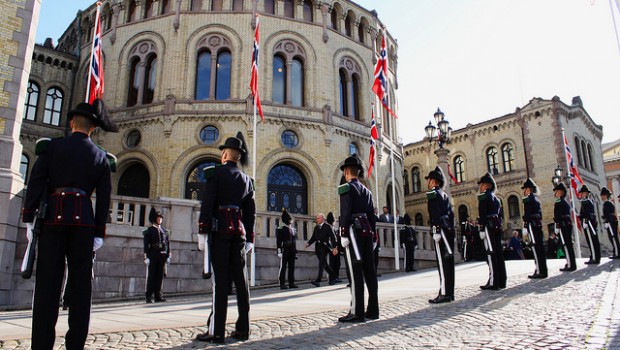
King’s Guard in front of the Parliament biolding in Oslo
If that was all, everything would have been so much simpler. But there are some other parties having a bit of every color; the Cristian Democratic Party (KrF) and the Socialist-Left party. I can’t really tell you what color they end up with.
If you want to learn more about Noregian politics
The Norwegian welfare system The governments of western democracies are alike in many ways. But they are also very different, most apparent in national election years when news and public awareness focuses on how the leaders of a country are chosen.
Democratic socialism is a political tradition aiming broadly at democratic control of the economy, achieved through electoral processes. This leads to a complete cradle-to-grave welfare plus democratic state ownership of big swathes of the economy through mechanisms like the Norwegian social wealth fund and state-owned enterprises.
There are, however, terms that rule out authoritarian systems, like the state socialism seen in the Soviet Union.
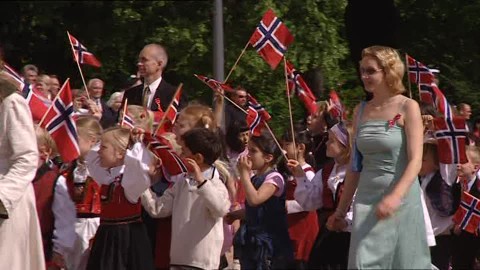
Norwegians celebrating their National day on 17 May
A different social system The Norwegian political system reflects differences in the relationship between the government and its people. The root of these differences lies in history and is today the most evident data about differences between other democracies.
Norwegian politicians tocay
Norwegian workers are heavily protected, with 70 percent of workers covered by union contracts, and over a third directly employed by the government. The state-owned enterprises in Norway are worth 87 percent of GDP. Of all the domestic wealth in Norway, the government owns 59 percent, and fully three-quarters of the non-home wealth (as most Norwegians own their home).
Confusing political party ideologies I understand that it’s confusing for foreigners to understand what different Norwegian political parties’ ideologies are. The second biggest party in Norway, Høyre (meaning Right) is the main conservative party, while Venstre (meaning Left) is the main Socialist party. However, Venstre is not a left party at all while the Labor Party is the main left party. Norwegians are forced to have their own interpretation of political colors.
The Norwegian Constitution of 1814
A land of farmers and fishermen Norway is a tiny country. The area of the country is just 1/25 of e. g. USA. The population is only 1/62 of the population in USA. Across the country, there’s an average of 35 people per square mile, compared to USA with 90.6 people per square mile. Thus, Norway is less urbanized than most other western democratic countries.
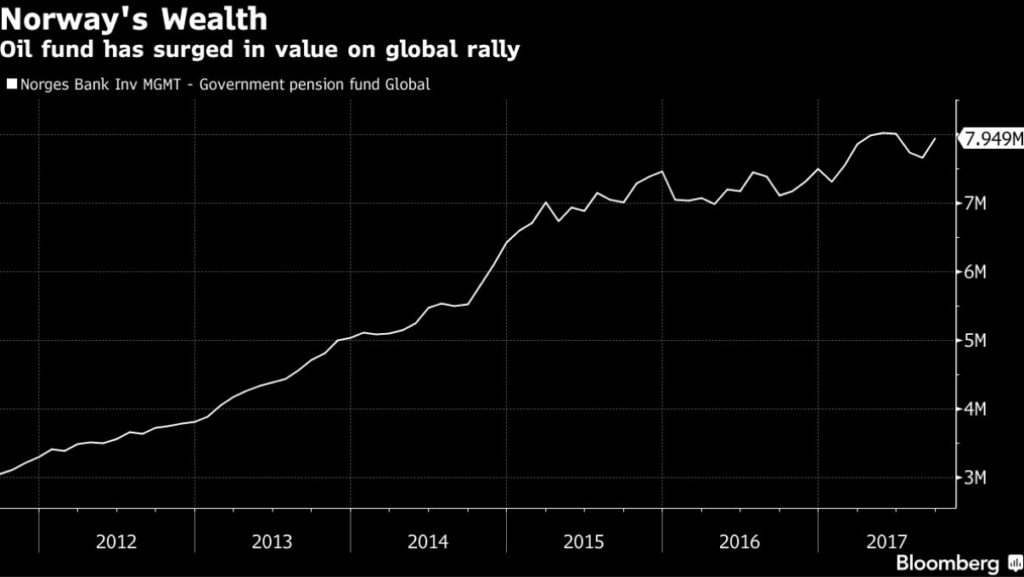
However, the Norwegian ‘farmers and fishermen’ are wealthy people, with a GDP of over $70,000 per person. Even when you correct for the moderately large oil sector (which accounts for a bit less than a quarter of its exports), it still has a cutting-edge, ultra-productive economy — far from some states living off oil rents like Dubai.
For this reason, no political party in Norway want to abolish the welfare system, it’s in a way sacred.
The happiest people in the world Socially, Norway ranks as one of the happiest countries in the word. No. 2 in 2018 and no. 1 in 2017.
The Norwegian ‘farmers and fishermen’ are wealthy people, with a GDP of over $70,000 per person
Here are some stunning statistical facts about Norway;
Life expectancy: 81.7 years
Infant mortality rate: 2/1,000 live births.
Murder rate: 0.51/100,000
Incarceration rate: 74/100,000
Norway – a constitutional monarchy Norway has a parliamentary system of government in which the king is the head of the state and the prime minister is the head of government.
The king, now Harald V, officially has executive power, but today his duties are essentially only representative and ceremonial. The prime minister now is Erna Solberg, the second woman PM after the first, Gro Harlem Brundtland, who was PM in 1981 and 1986-89. The administrative divisions of the country comprise 19 counties. The legislature is the unicameral Storting (Parliament).
Norwegian socialism works Norwegians are eager to point out that capitalism run wild can ruin a country. However, the citizens are not against capitalism – far from. But they are indeed interested in building a decent place to live.
Norwegian socialism
The nine major Norwegian political parties, and some smaller ones, shape the ways in which the citizens view and choose their leaders. Politics loom large in Norwegian perception of government, and information provided by government agencies is prominent in everyday affairs.
While the United States has two major political parties and some smaller ones, Norway has nine major political parties and some aspiring fringe ones. These differences shape the ways in which the citizenry views and chooses its leaders. While Americans tend to vote for a single personality, Norwegians vote for the parties. So politics loom large in Norwegian perceptions of government. Likewise, information provided by government agencies is prominent in everyday affairs.
Norwegian Politics for Dummies, written by Tor Kjolberg
The Prussian-Austrian occupation of Sønderborg in Denmark in April 1864 was the beginning of the Danish annus horribilis. Over a century and a half ago, Denmark fought a battle for the southern part of Jutland – the Battle of Dybbøl – and lost.
The conflict that led to the war in 1864 had roots that went all the way back to Medieval times, when Schleswig (the southernmost part of Jutland and northernmost part of Germany) became a duchy with special laws. It was the duty of the duke of Schleswig to protect Denmark against foreign tribes threatening the southern border of the country.
The Danish annus horribilis
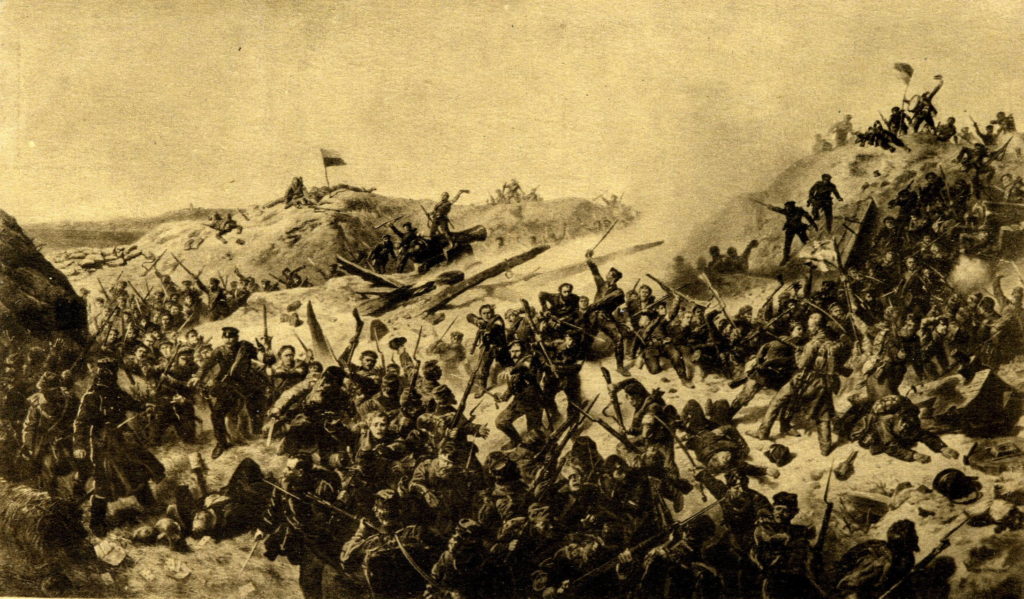
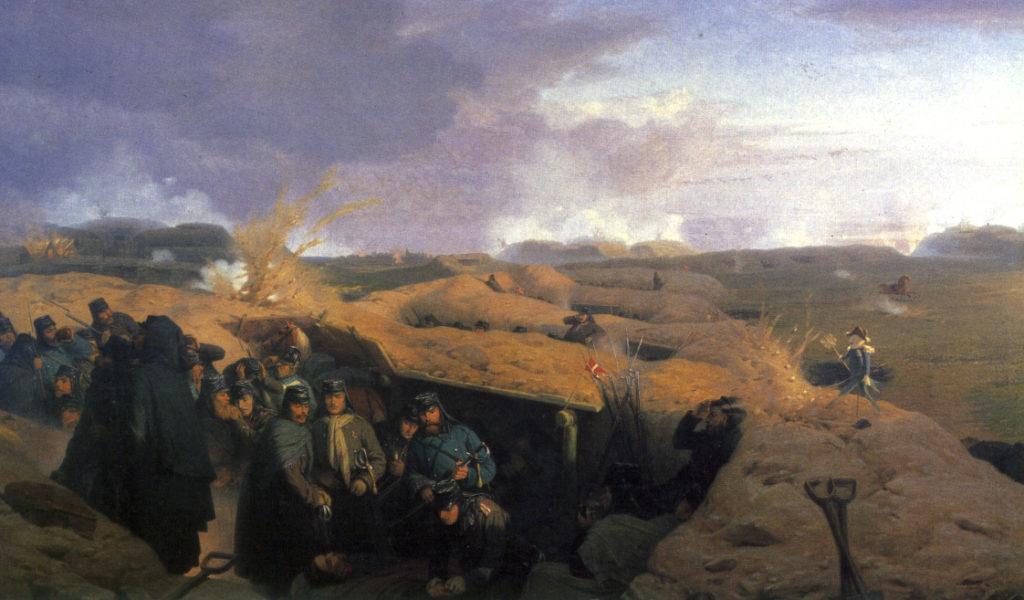
The Battle of Dybbøl was the key battle of the Second Schleswig War and occurred on the morning of 18 April 1864 following a siege starting on 7 April. Since the Danes had to load their old muzzle-loading rifles standing, they were easy targets for the Prussian army, which were equipped with breech-loading rifles that could be loaded while the user was lying down.
During the occupation, the need for the Jutland Danes to preserve their national identity became crucial and they gathered in the community hall to sing patriotic Danish songs and celebrate their Danish-ness. The battle of Dybbøl has had an enormous impact on the Danes’ self-perception and foreign politics ever since. The war is a complex part of the Danish history and has always been associated with tension and strong opinions.
The Battle of Dybbøl was the first battle monitored by delegates of the Red Cross
Related: German Invasion of Denmark
Rolf Krake – a mobile seaborne artillery platform
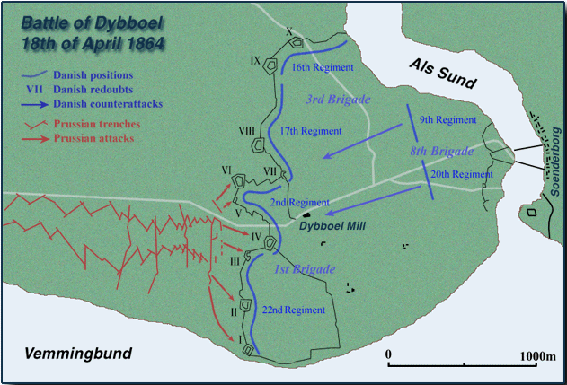
The attackers reached Dybbøl Mill and in a counter-attack the Danish 8th Brigade lost half their men, dead, wounded or captured. The Danes did, however, have one major advantage in that they were able to deploy the modern ironclad Rolf Krake to the scene to support Danish ground forces at Dybbøl with shore bombardments from its turret-mounted eight-inch guns.
Map of Bybboel
For much of the siege, Rolf Krake was used as a mobile heavy seaborne artillery platform and the Prussians were almost helpless to counter it since they had no naval forces of their own capable of matching the Danish navy, a fact that sapped Prussian morale.
The official army casulaity list
Still, the last resistance, lasting for six intense hours, collapsed at the bridgehead in front of Sønderborg. After that there was an artillery duel across the Alssund.
A Danish official army casualty list at the time said: 671 dead; 987 wounded, of whom 473 were captured; 3,131 unwounded captured and/or deserters; total casualties 4,789. The 2nd and 22nd Regiments lost the most. Also, the crew of the Danish naval ship Rolf Krake suffered one dead, 10 wounded.
Dybbøl fort lies in a short blunt peninsula that defends against access to the fort by land and featured an enclosed pier for ferry across the Alssund to Sønderborg on the island of Als.
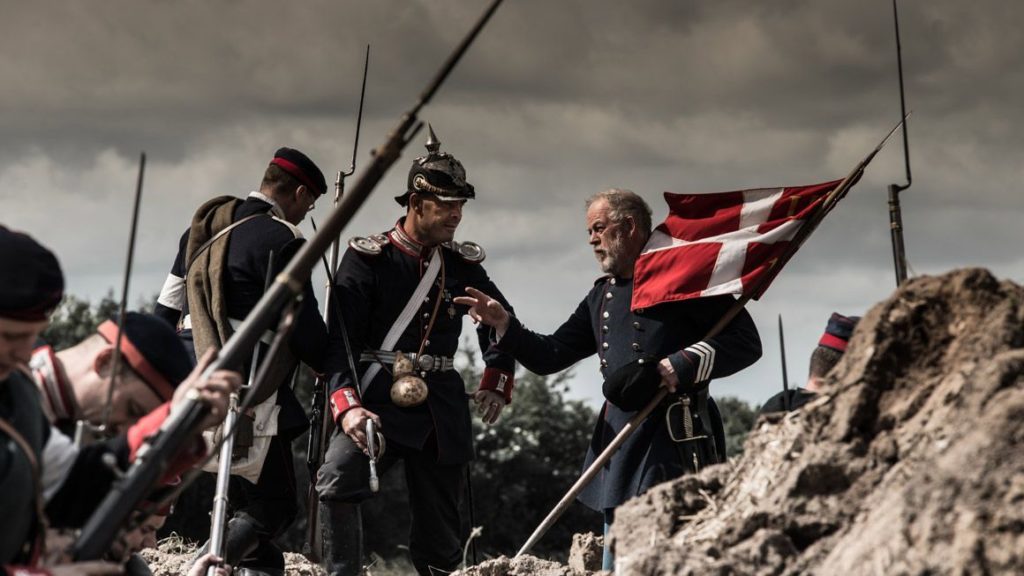
Scene from the TV production “Battle of Als”. Photo: Jonas Faegtevold Foerstoe
The Visitor Center at Dybbøl
After a referendum in 1920, southern Jutland was handed back to the Danes. Today, a visitor center attached to the windmill tell the story, while across the road, on the site of the Dybbøl Battlefield, a memorial pays homage to the fallen Danish soldiers.
The Battle of Dybbøl was the first battle monitored by delegates of the Red Cross.
The Danish Annus Horribilis, written by Tor Kjolberg
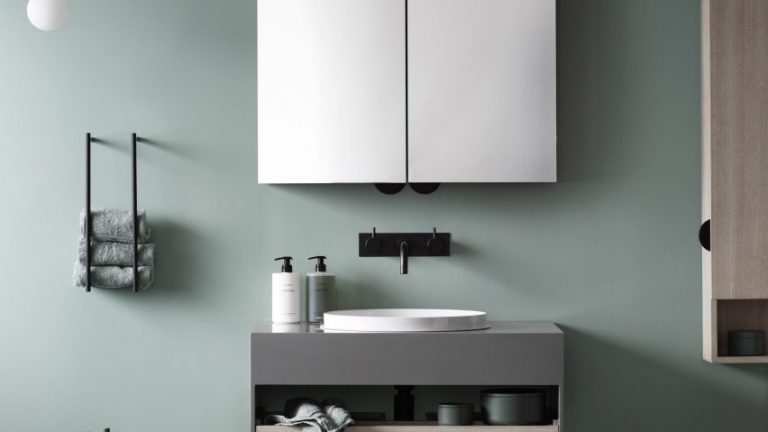
The Korean brand Lagom Bath wanted to change the formal and similar looking bathroom ranges in the Asian market. They asked the Swedish design studio Note to create something new, , and now the Swedish designers have created bathrooms for the Asian market.
The task was to create bathroom furniture and accessories that helped to bring a more emotional and comfortable touch to the bathroom space. Note decided to create a smart and easy to use bathroom setup attracting the Korean public.
In the cultures is Scandinavia as well as in Asia there is an appreciation of purity and simplicity in design
Similar cultures
This is the first time the two companies collaborate and the result is a collection including minimalistic accessories, cabinets, lamps and hooks, specifically created for compact living spaces in Asian cities.
“With small details, like combination of materials, smooth colors and a little design twist on the handles we believe that we can put a little smile on the user’s face every morning,” say the Swedish designers.
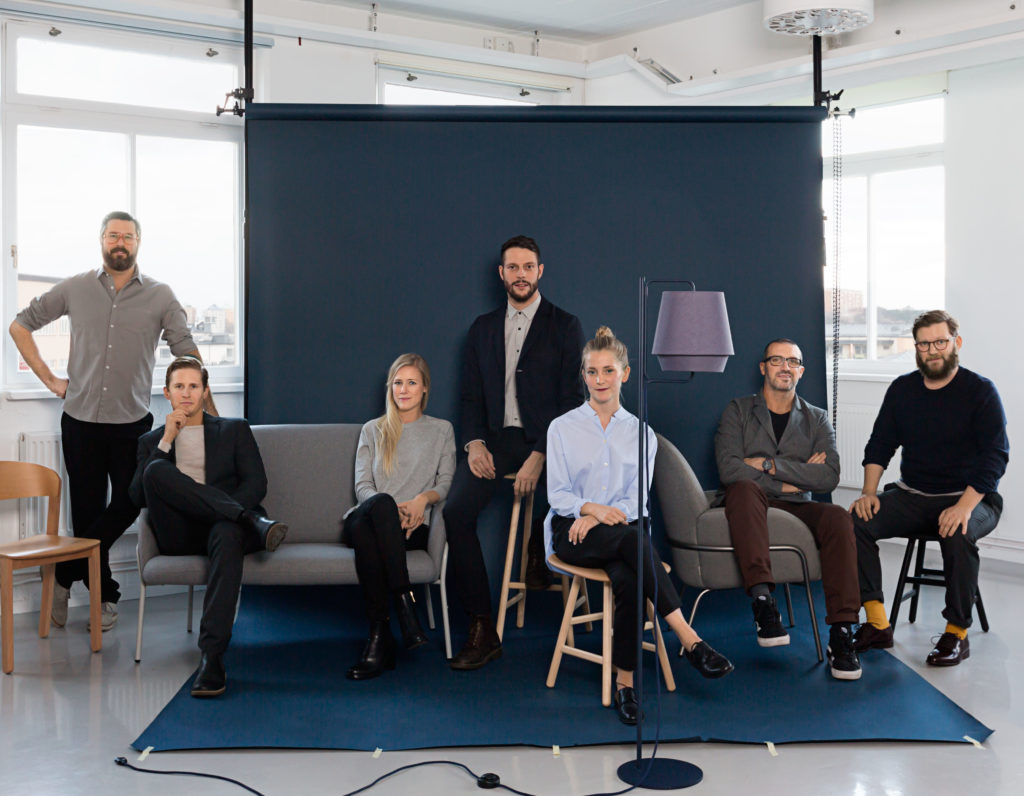
Note Design group
In the cultures is Scandinavia as well as in Asia there is an appreciation of purity and simplicity in design,” the add.
Lagom bath furniture and accessories by Note Design Group
Swedish designers create bathrooms for the Asian Market
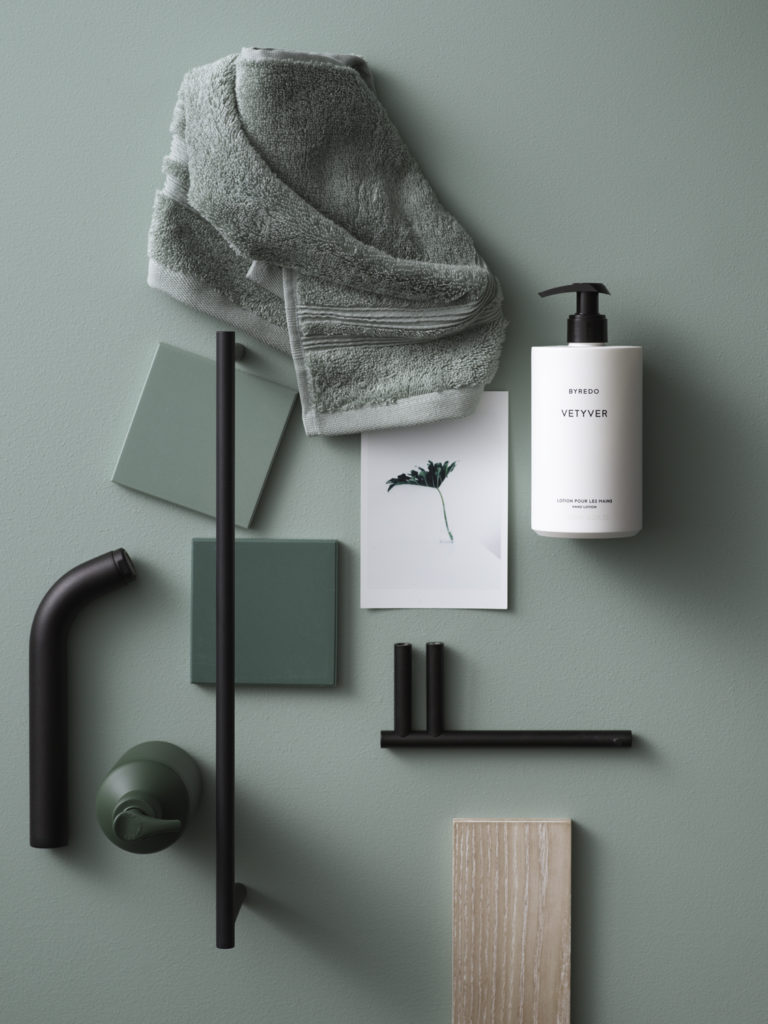
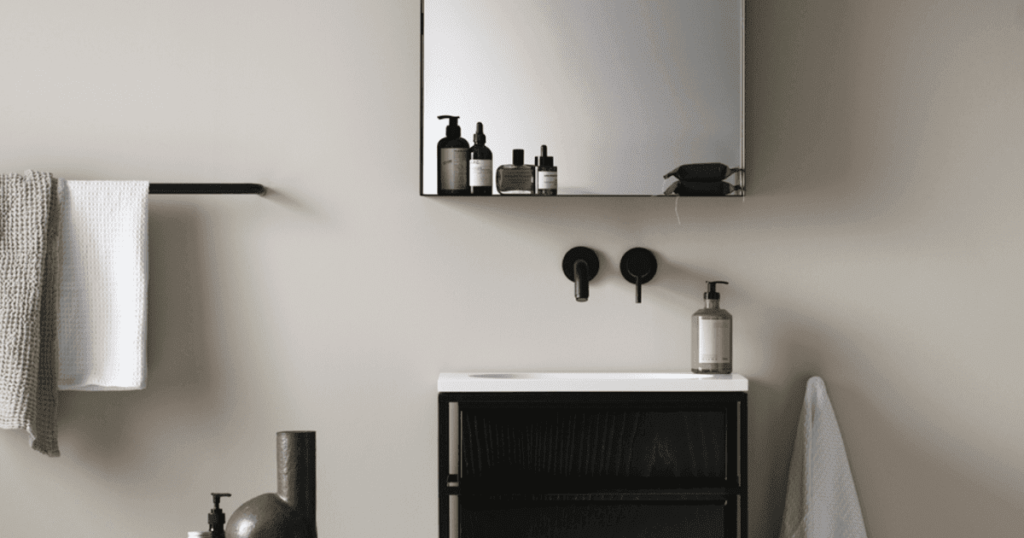
The collection is split into two types that are quite complementary to each other but offer slightly different finishes and form. One features plain green tiles, a natural ash cabinet and a simple wall lamp with an arched stem. The other includes mirrored cabinets, a pendant lamp and two speckled beige tiles.
Lagon by Note is a collection including minimalistic accessories, cabinets, lamps and hooks, specifically created for compact living spaces in Asian cities
Both include the same black semi-circular handles, black metal towel rail, toilet roll holder and shelf.
The Danes have done it before Note Design Studio are not the only designers to contribute to the brand’s debut collection. Copenhagen-based Norm Architects has also created a collection of minimal bathroom cabinets and accessories for Lagom that are designed for use in tight living spaces.
Swedish Designers Create Bathroom Furniture for the Asian Market, written by Tor Kjolberg
The beautiful rooms from 1200s in the Medieval Park in Oslo can take your breath away. That’s only one reason to visit the Medieval Oslo.
However, the Medieval period is one characterized throughout the Western world as one of violence. Artwork from this era shows not only violence done towards other cultural groups, but dangers and suffering from daily life.
Harald Håråde, founder of Oslo, Painting by Axel Revold
The founding of the capital of Norway took place in the turbulent period between the Viking Age and Norway’s Catholic Middle Ages.
The Medieval Oslo
During the Middle Ages, Oslo grew from being a small trading center innermost in the Oslo fjord to become Norway’s capital. In 1624 the inhabitants of Oslo were forced to move to the new city Christiania, before the abandoned old Oslo was laid underground and forgotten, covered by fields, roads, train tracks and new buildings.
Norway’s economic system in the Middle Ages was also more sophisticated than previously thought
Human remains have been vital in understanding the extent and manner of violence in the Medieval period. Brodholt and Holck (2012) summarize the findings from the Medieval Schreiner Collection of human remains from Oslo in order to create a more nuanced interpretation of the violence occurring in this era.
Widespread circulation of coins
Norway’s economic system in the Middle Ages was also more sophisticated than previously thought. Coinage was first introduced in Norway in the 11th century. It was gradually integrated in regular trade and eventually replaced goods as currency. According to historian Svein Gullbekk at the University of Oslo the use of coin circulation in Norwegian society in the years between 1050 to 1320 was widespread and frequent.
Oslo Ladegård’s Medieval Office is located in Ladegaarden
The Black Death
Many remnants and ruins from Ancient Oslo can be found in the Memorial Park. The city had a fascinating, interesting and dramatic history. Oslo´s population was substantially reduced during the time of the Black Death in 1348 which claimed over 50% of the inhabitants. This epidemic also had political consequences for Norway, which became reduced to a province of Denmark. During this period Copenhagen was the actual capital of Norway.
Ruins of the Clemens Church
Pompeii if the North
In the 19th century, the Medieval town was found as a “Pompeii of the north” and today, the ancient medieval city is waking up from its nearly 400-year-old Cinderella sleep. Remains of medieval Oslo are found in Gamlebyen, in the form of ruins, building parts and cultural layers. Here you also find Oslo Ladegård’s Medieval Office, that can help you with information about medieval Oslo or a guided tour in the ruin park.
From the Water Mirror (Vannspeilet) at the Medieval Park
The Medieval Park (Middelalderparken) in the borough of Gamle Oslo in Oslo was built in 2000 in Sørenga in The medieval town of Oslo (Gamlebyen). That is about ten minutes’ walk from the Oslo Central Station. The park is located within the so-called Medieval Park area, which also included the Memorial Park and Ladegården on the north side of Bispegata. In this area, development is not allowed due to ruins and plenty of cultural remains in the underground.
Ruins of St. Mary’s Church
Ruins of The Church of St. Mary in Oslo The Church of St. Mary was once a royal chapel and collegiate church situated on the sandy tongue of land that made up the southern end of Oslo. Its building history, from a small wooden church to a Gothic structure with a monumental façade, reflects key architectural developments in the span of Norway’s Medieval Period (AD 1050–1537). Several excavations have shed light on this evolution, in which the question of form and dating has played a leading role.
The Vaterland boat wreck is now being reconstructed in full scale
The Vaterland boat wreck A boat wreck was discovered during excavation work outside the bus terminal in Oslo. The excavation of the wreck was carried out by Byantikvaren and the Norwegian Maritime Museum in 2011.
The reconstruction project is part of Oslo City’s plans for the development of the medieval park. After the boat is completed, it will be put into operation on Vannspeilet (the Water Mirror).
The Vaterland boat wreck is now being reconstructed in full scale. The museum’s boatbuilder workshop has moved to the medieval park and is open all summer.
Exhibition at Oslo Medieval Park
The Middle Age Exhibition 2018 About hundred years ago the construction of a railway brought the Middle Ages back into the light. This year’s exhibition in Ladegaarden shows what has been found in the excavations in the 1880s and up to the spectacular findings made in connection with today’s excavations.
The exhibition will be open every Saturday and Sunday at 12 – 16pm in the period June-September 2018.
Munks’ room at the Medieval Park
Free Memorial Park Walks, including visit to secret and rare rooms The tour includes a visit to two exciting rooms from the 1200’s Olav monastery, which today is located under the Bishop’s office in the Memorial Park.
From the Olav Monastery
One of the two old rooms was the monk’s library and the other their meeting room. The beautiful stone rooms can take your breath away. As we know, you get the best experience of history in its original surroundings.
Free Memorual Park walks through August, every Sunday at 1pm from the garden at Oslo ladegaard.
The Reputation Institute has for 20 years measured the reputation of countries and companies. Scandinavia Ranks on Top on the List of World’s Most Reputable Countries. On top of the list this year is Sweden, up from number three last year, followed by Norway (4) and Denmark (9).
The institute’s Country RepTrak reveals that Sweden earns top spot as Most Reputable Country in the World, based on perceptions of fostering happiness, altruism, aesthetic appeal, and overall feel good factor as well as economy, technology and efficient use of public resources and contribution to global culture.
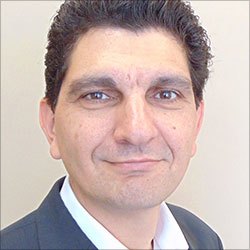
Nicolas Georges Trad, executive partner at the Reputation Institute
55 countries measured
“People are expecting more and more from companies and countries, in terms of solving the challenges we’re seeing around the world, and they’re being let down,” says Nicolas Georges Trad, executive partner at the Reputation Institute, in a statement.
Scandinavia Ranks on Top on the List of World’s Most Reputable Countries
Based on more than 58,000 individual ratings among the General Public across the G8 economies, the study evaluated 55 of the world’s largest countries by GDP and familiarity with at least 51% of the G8 general population during the period from March to April 2018. The 55 countries considered were those with the greatest gross domestic product.
Stephen Hahn-Griffiths, Reputation Institute’s chief reputation officer
“There’s been a lot of disruption in the world in the last 18 to 24 months,” adds Stephen Hahn-Griffiths, the institute’s chief reputation officer. “It really adds up to a lingering feeling of uncertainty in the world at the intersection of geopolitical tension, nationalism and underlying social unrest.”
Neither size nor economy is a guarantee of an excellent country reputation, according to the institute. The Top 10 most reputable countries in 2018 are: 1. Sweden 2. Finland 3. Switzerland 4. Norway 5. New Zealand 6. Australia 7. Canada 8. Japan 9. Denmark 10. Netherlands.
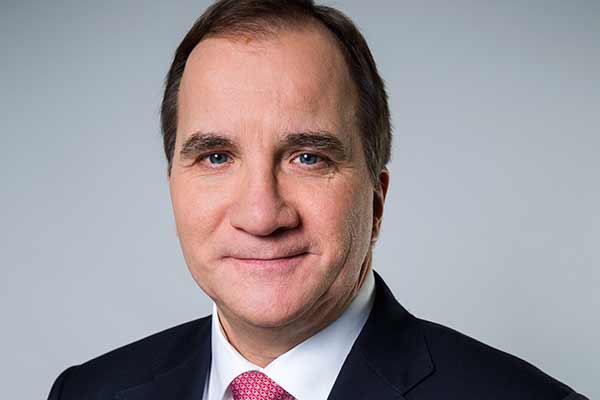
Prime Minister of Sweden, Stefan Løfven
Sweden’s social model
Sweden’s Prime Minister Stefan Löfven says he is convinced that this result stems from the fact that the country’s social model creates not only growth but also freedom, equality and security. More and more people understand that inequality is a major obstacle for economic development in the world.
55 countries measured bu the Reputation Institute
With almost universally excellent reputation scores, Sweden is seen as the #1 most ethical country with high transparency and low corruption, as well as the country with the most progressive social and economic policies.
Related: The Sophisticated Swedes
Altruistic happiness
“A new and significant trend that is emerging is altruistic happiness,” says Hahn-Griffiths. “The countries that rise to the top of the rankings are the ones that allow you to fulfill the pursuit of happiness.”
Generous social benefits, liberal holiday policies, and gender equality are stated as some of the factors behind Sweden’s top score.
Sweden – a welcoming country
“It is gratifying to see that Sweden ranks number one as the most reputable country. Especially with characteristics such as being a welcoming and progressive country. For being such a small country, a lot of creativity, design and technology comes from Sweden – just look at IKEA, Spotify and H&M. It really shows that our ways of living make a mark globally and gives reasons for tourists to come visit our country,” says Ewa Lagerqvist, CEO at Visit Sweden.
The 55 countries considered were those with the greatest gross domestic product.
The 29 nations ranked with declining reputations in the report would do well to take note of Sweden’s narrative strategy.
Scandinavia Ranks on Top on the List of World’s Most Reputable Countries, written by Tor Kjolberg
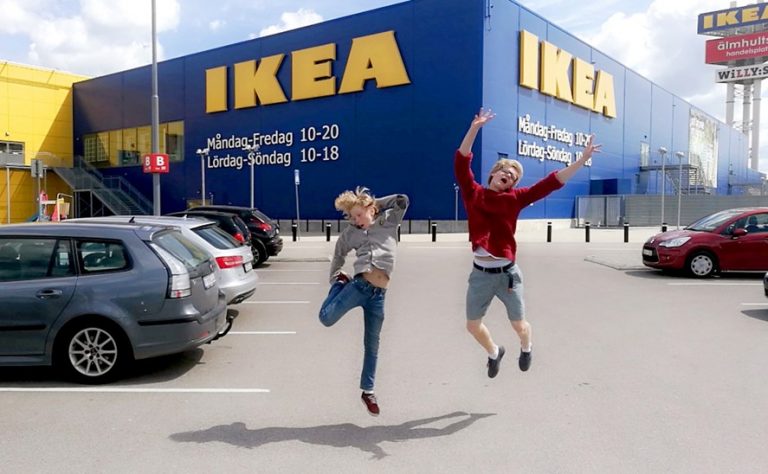
Feature image (on top) Ikea, Almhult. Photo: Vilhelm Carlstrom
The stave churches are Norway’s unique contribution to the world architecture. Their distinctive design and construction represent some of the finest creations of the Norwegian Middle Ages.
Stave churches are concentrated om North-West Europe. However, aside from Hedared Church in Sweden and Greensted Church in England, the most interesting and best- preserved examples are located in Norway.
Stave churches are characterized by the “staves,” or thick wooden posts, that hold them up. Using the same woodworking prowess that made the Vikings such adept shipbuilders, traditional stave churches were often built using nothing more that expertly crafted joints and joins, with no nails or glue. The only stones used were in the base of the structures.
Visitors spending time in Norway can see some of these beautiful stave churches throughout the country, most of which date from the 12th and 13th centuries. The stave churches that have been preserved to date are, however, by no means identical. They consist of different types: built at different times, by different types of craftsmen and at differing levels of ambition.
Today there are only 28 remaining stave churches from this era, all of which are in Norway:
During the thirteenth century, the Kingdom of Norway was at the height of its powers and had its own archbishopric, with its seat in Trondheim. At that time there were still just under a thousand stave churches, spread over most of the country. In all, it is thought that the country had over two thousand churches.
Today, there are only 28 left. Most of these are to be found in the inner part of Eastern Norway and in Sogn.
Standing as striking reminders of the early days of Christianity in Scandinavia, these churches are a sight to behold. Take a look at some of the most beautiful stave churches ever cobbled together.
Heddal stave church
The largest stave church in Norway
The largest of all stave churches in Norway is Heddal Stave Church. Heddal was constructed in the beginning of the 13th century, and its origins have some unusual roots. Legend says that the entire church, an enormous structure by stave standards, was built in just three days by five local farmers. Whether or not that is true, it adds intrigue to the church. Heddal’s exterior was restored in the 19th and 20th centuries, and its interior had serious changes under Lutheran control in the 16th century.
Borgund stave church
The best-preserved stave church in Norway
Arguably one of the best-preserved stave churches in Norway is Borgund Stave Church. Built roughly between 1180 and 1250, Borgund Stave Church has what is known as a basilica layout, and it has several tiered, overhanging roofs. Since the late 19th century, the church hasn’t been used for religious purposes, but it is now a museum for the public. Of particular note for visitors are the inscriptions found on the wall, which are believed to date back to the 13th century.
Urnes stave church
The stave church on the UNESCO World Heritage List
Surrounded by picturesque beauty, including fjords and lush green fields, stands the 12th century Urnes Stave Church. Since it is one of the earliest stave churches, it serves as a link between the Viking religions and a more Western Christianity. The church is on the UNESCO World Heritage List. There is a lot of animal imagery, some of which comes from the Bible and some of which comes from Norse mythology. The church is not used for regular services, but locals still have weddings and baptisms in the unique structure. The church receives approximately ten thousand visitors per annum.
Hopperstad stave church
One of the oldest stave churches in Norway
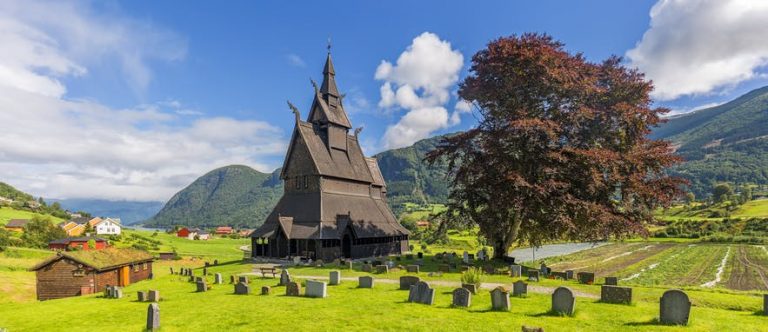
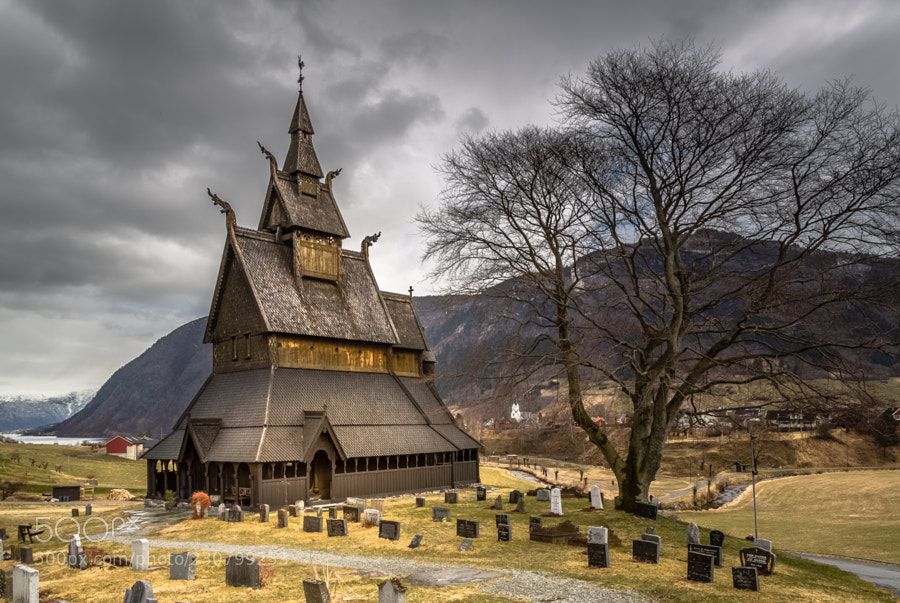
Outside the tiny village of Vikøyri, you’ll find Hopperstad Stave Church. Constructed in the beginning of the 12th century, the structure is one of the oldest stave churches in Norway. By the 19th century, however, the church was abandoned. Even some of the wood siding was removed from the building. Thankfully, the church was purchased and restored. The triple nave is still an important feature, as is the altar dedicated to the Virgin Mary.
Reinli stave church
The most traditional looking stave church in Norway
The 12th century Reinli Stave Church in Oppland County is likely the third structure to have stood in that exact spot. While that isn’t unusual, what is definitely uncommon is that the previous structure was a pagan building. The Reinli Stave Church looks more traditional than some other stave churches in Norway, but it is still a wonderful glimpse into the past. In the 20th century, some renovations updated the building, adding in things like electricity, lights and heating.
Kaupanger stave church
In continuous use for more than 800 years The 12th century Kaupanger Stave Church has been in continuous use for more than 800 years, which makes it a great example of local culture, history and heritage. It has a large number of staves, or weight-bearing columns, which sets it apart from other older churches in Norway. In the 19th century, there were drastic renovations to the Kaupanger Stave Church. Thankfully, however, most of these unattractive changes were undone in the 1960s, creating an image of the church that more accurately reflects its medieval origin.
Røldal stave church
Both a museum and a functioning church
Røldal Stave Church is unique in that today, it serves as both as museum and a functioning church. On two Sundays each month, parishioners gather in Røldal Stave Church for services. The rest of the time, the 13th century structure is open to the public and preserved as a museum. Inside the church, wooden sculptures dating to the 13th century depict biblical stories like the Virgin Mary with child and the Archangel Michael visiting Earth.
Undredal stave church
One of the smallest stave churches in Norway
In the year 1147, the Undredal Stave Church was constructed in the small village of Undredal, which is situated right on the banks of the Aurlandsfjorden. This church is one of the smallest of its kind still operating in Norway. It has just 40 seats, and the floor plan of the building is a scant 4 by 12 meters (13 by 39 feet). Like many of the medieval stave churches, Undredal has been relocated several times, often with minor changes made along the way.
Gol stave church
The most replicated stave church in Norway
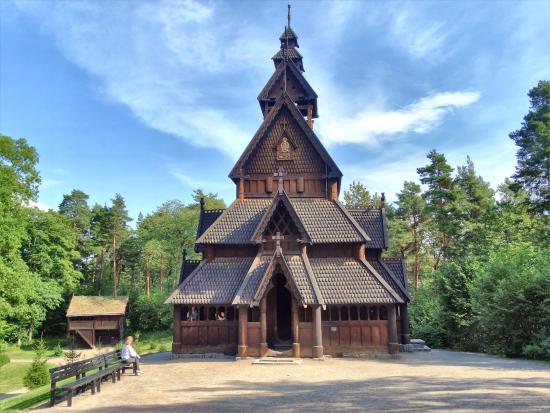
As the name suggests, the Gol Stave Church was originally located in Gol. Today, however, this stave church is found at the Norwegian Museum of Cultural History in Oslo. The entire structure was to be replaced a century ago to make way for a new church, but King Oscar II decided to preserve it. The unusual design, with multiple pitched roofs, is so impressive that multiple replicas have been made. There is even one found in North Dakota, America!
Flesbreg stave church
The farmers’ stave church
The Flesberg Stave Church is located in Buskerud County, and was constructed toward the end of the 12th century. The church was renovated in a significant way in the middle of the 18th century. As a result, little of the structure is entirely original. What makes Flesberg Stave Church particularly interesting is the slate fence surrounding the building, which has iron rings attached to it. Historically, each ring belonged to a local farmer and was where he would tie his horse when in church.
Book on Norwegian stave churches
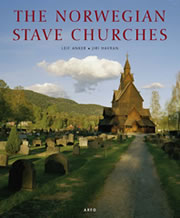
A book on the Norwegian stave churches The book The Norwegian Stave Churches presents all 28 stave churches in Norway as well as Vang Stave Church, which was purchased by the King of Prussia in the mid-1800s and was later rebuilt in the former German province of Schlesia, now a part of Poland.
Norwegian stave churches These medieval churches were notable for mixing Christian iconography and pagan designs like dragons and animals, giving them a distinctive look found nowhere else in the world.
Norwegian Stave Churches, compiled by Tor Kjolberg
In Denmark’s second-largest city, Aarhus, a new 44-story residential tower is already under construction. According to the contractors the building is on track to become the tallest residential building in Denmark.
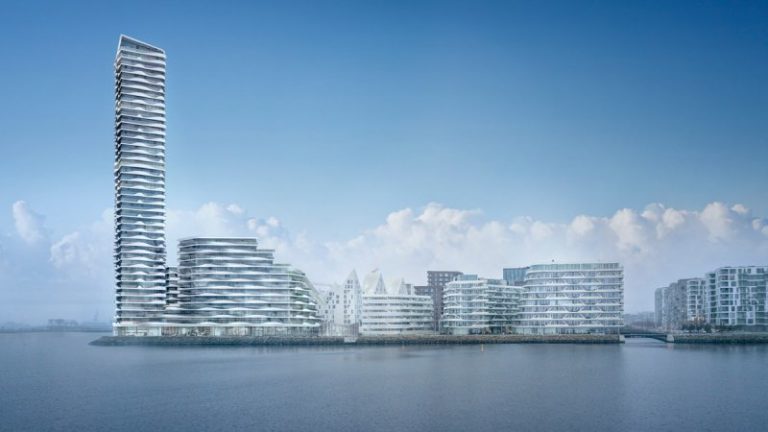
The building will rise in Aarhus by 2021 and many Danes are curious about the country’s new architectural landmark located in the upcoming harbor known as Aarhus Ø. The tower will consist of 44 floors and more than 200 apartments, along with a café, restaurant, tourist information center, kayak club and an observation deck and a sky bar located at the top of the building.
Denmark’s tallest residential building will rise in Aarhus by 2021
Luxury apartments with best view of Aarhus
All residences are designed to have a sunny south face and a north view and will feature curved balconies. The Copenhagen-based 3XN Architects aims to transform the waterfront at the harbor into an urban area, emphasizing the interaction of private, semi-public and public areas.
The condominiums will range in size from 500 to 3,000 square feet
The condominiums will range in size from 500 to 3,000 square feet and from one-bedrooms up to five-bedrooms. Garden plots for residents will also be available. Prices have not yet been announced. As is standard practice in real estate, a status certificate will be provided to each buyer.
All residences are designed to have a sunny south face and a north view and will feature curved balconies
Tallest residential building in Denmark
Builder will be Aarsleff, a leading Danish contracting company, together with engineering and design management by Ramboll, a Danish firm founded in 1945. The local architectural company 3XN Architects has been looking to develop the site for over a decade and has previously developed two now-scrapped schemes. Now, the tallest residential tower in Denmark becomes a reality.
The Copenhagen-based 3XN Architects aims to transform the waterfront at the harbor into an urban area
“Over many years, we have been working with promoting life and urbanity on Aarhus Island, and with the Lighthouse development, we will now attempt to embed the temporary urban life into the new neighborhood as a permanent element. Throughout the whole process, we have focused on giving something back to everybody and not just those who will live in the building,” said Rune Kilden, an urban developer and co-owner of Kilden & Mortensen, in a statement.
The architects attempt to embed the temporary urban life into the new neighborhood as a permanent element
Luxurious harbor development
The master plan for the harbor development calls for a seaside promenade with cafes, shops, a large square for leisure activities and lots of open spaces.
“This is as luxurious as you can get in the city of Aarhus,” says architect Kim Herforth Nielsen of 3XN. “It’s at the tip of the harbor with ocean views all around.”
Tallest Residential Building in Denmark, written by Tor Kjolberg
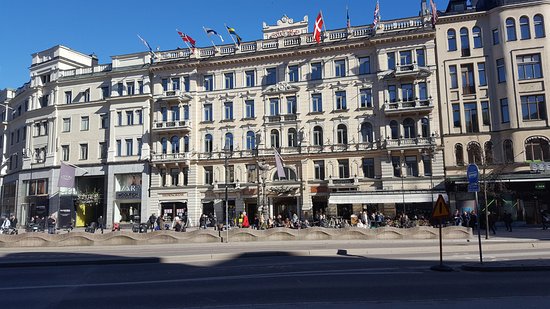
Sweden’s equivalent of Harrods or Bloomingdales is Nordiska Kompaniet (NK) on Hamngatan (just opposite Sweden House), whose rooftop illuminated sign, constantly rotating, is visible from far and wide in the city. In Stockholm’s shopping centers you can find almost everything.
Shopsaholics – welcome to Stockholm’s shopping scene!
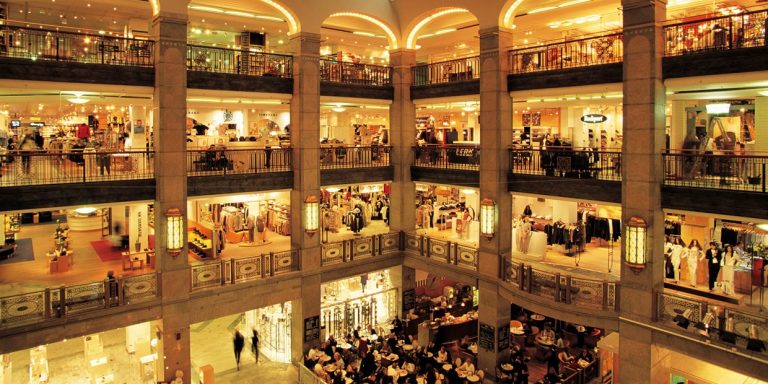
Nordiska Kompaniet NK Department Store on Hamngatan.
Nordiska Kompagniet sells almost everything
NK sells everything from shoes to sporting equipment, men’s and women’s clothing, glass, pottery and silver, jewelry and perfume; its serviced range from personal shoppers to post office and travel agency, and multicultural staff are always on hand to assist with changing currency and shipping your purchases back home.
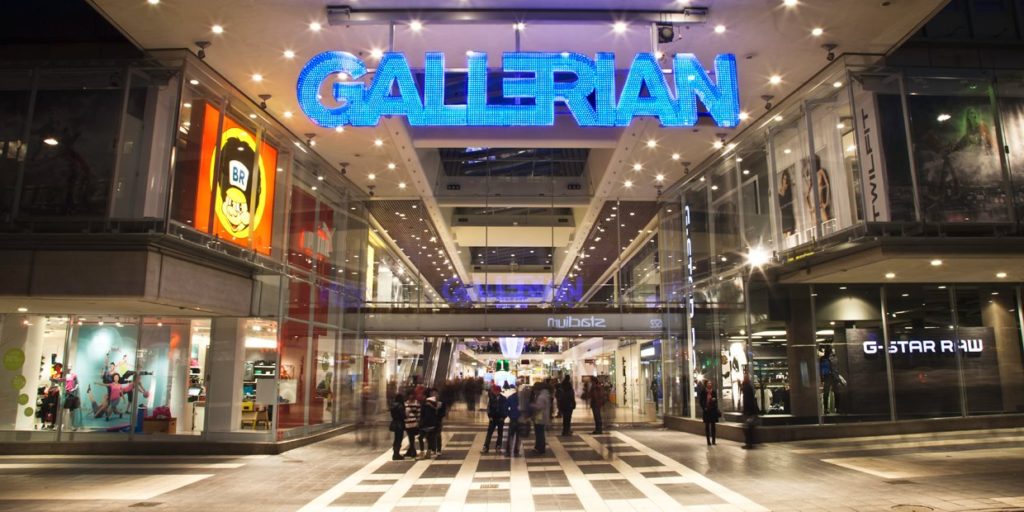
Gallerian is another of Stockholm’s Shopping Centers
Heading West along Hamngatan, you come to Gallerian, a huge covered shopping arcade that stretches to Jakobsgatan; a block west is Sergels Torg, on whose southern side is Culture House (Kulturhuset), a popular meeting place and venues for lectures and entertainment, and the National Theatre.
Don’t miss the food department at Åhlens City
Visit the food department at Åhlens City
Åhléns City is on the corner of Sergels Torg and Drottninggatan. It has a similar range and quality to NK, and a visit to its supermarket food department is a sightseeing tour in itself.
Sturegallerian is the most glamorous gallery in Stockholm
The most glamorous gallery – Sturegallerian
Stockholm’s most glamorous galleria is found at Stureplan in the heart of the city and is loaded with top end boutiques. You won’t find H&M here – instead you’ll find amazing shoe shops, one of the best handbag shops in the city, and tons and tons of gorgeous clothes for both men and women.
There are also several good cafés and restaurants, and a small food hall.
Shopping in Sweden
Shopping in Sweden is rarely cheap. But goods are always high quality. For a bargain, the words to look out for are rea, which means sale, and extrapris, which does not mean extra, but special low price.
Stockholm’s Shopping Centers, compiled by Tor Kjolberg
Feature image (on top): Inside Nordiska Kompagniet NK
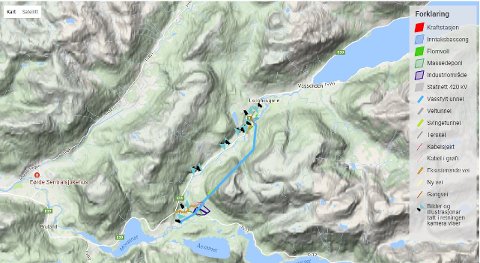
The new power plant “Jølstra” will be located close to the city of Førde. YIT and Sunnfjord Energi AS, a Norwegian power company, recently signed an agreement on building a new hydropower plant in the Sogn and Fjordane County in Western Norway. The contract covers the construction of a power plant, including water intake, power station and approximately 7 kilometers of tunnel.
The value of the contract is EUR 32 million. The work will begin in July 2018, and it will be completed in December 2020.
YIT and Sunnfjord Energi AS, a Norwegian power company, recently signed an agreement on building a new hydropower plant in the Sogn and Fjordane County in Western Norway
Strong position in infrastructure construction solutions
“We have a strong position in infrastructure construction solutions and services in the Nordic and Baltic countries. This contract is a good example of projects where our special expertise in energy sector construction plays a crucial role,” says Harri Kailasalo, Executive Vice President of YIT’s Infrastructure projects segment.
Harri Kailasalo, Executive Vice President of YIT’s Infrastructure projects segment
Several power plant projects in Scandinavia
The company has earlier built a similar hydro power plant in Norway and has also built power plants and been involved in power plant projects with foundation engineering or renovation work in Sweden and in Finland.
The new power plant “Jølstra” will be located close to the city of Førde
About YIT
YIT is the biggest construction company in Finland and a major player in Northern Europe.The company constructs and develops apartments, business premises and entire residential areas. Furthermore, they are specialists in infrastructure construction and paving. Together with their customers andits 10,000 professionals it creates increasingly functional, appealing and sustainable cities and living environments. YIT has operations in 11 countries: Finland, Russia, Scandinavian and Baltic countries, the Czech Republic, Slovakia and Poland. The new YIT was created by the merger of YIT Corporation and Lemminkäinen Corporation, both over 100 years old, on February 1, 2018. In 2017, the pro forma revenue totalled more than EUR 3.8 billion. YIT Corporation’s share is listed on Nasdaq Helsinki.
New hydropower plant to be built in Western Norway, based on an YIT press release