Macbeth Visits Scandinavia

The American Drama Group is visiting Scandinavia this summer to give four performances of Shakespeare’s Macbeth in Copenhagen, Stockholm, Bergen and Kristianstad. Macbeth visits Scandinavia is a part of the group’s annual Castle Tour.

The American Drama Group Europe
ADG Europe was formed by Ohio native Grantly Marshall in 1978 in the city of Munich. it was linked in the beginning to the University of Munich where the first performances were held. It expanded quickly to other theatres in Munich and also began to give guest performances in other German cities. The expansion later continued to include many countries in Europe and Asia. In 1994, the ADGE began touring European Castles featuring many illustrious places and surprises. We are hoping to make it a pan-European tour.

Macbeth Visits Scandinavia
ADG Europe was formed by Ohio native Grantly Marshall in 1978 in the city of Munich

The Tragedy of MACBETH by William Shakespeare
If MACBETH is not the finest play ever written, it is certainly the most performed.  The play explores the corruption of power and its terrifying results, both politically and personally. But while the themes are profound and complex, the form is hugely entertaining: this is a thriller, a war story, a romance, a nightmare, a horror story and a most powerful presentation of the supernatural.

Related: Copenhagen – the Capital City of Green Spires

Macbeth Visits Scandinavia
Bergenshus fortress, Norway

The witches ride above this play as both demons and restorers of the natural order that MACBETH and his murderous wife seek to destroy.  The evil that the royal couple unleash rebounds upon themselves and, by means of the most extraordinary poetry, we, the audience, watch the collapse of naked ambition into tortured self-doubt and ultimate insanity.
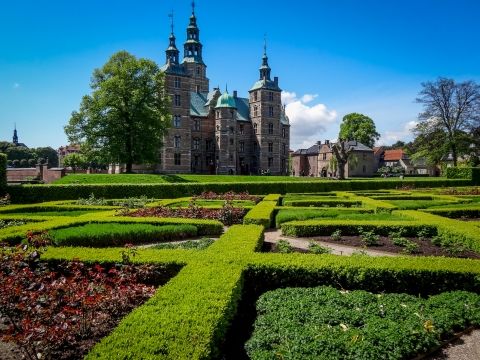
Macbeth Visits Scandinavia
Rosenborg gardens, Copenhagen

Acclaimed all over the world
Macbeth was the company’s first Shakespeare production.  The production has been so successful that it has been constantly revived and toured worldwide since 2001 to over forty countries on four continents. This might be the most performed production of MACBETH this century.  Audiences have thrilled to this production from London to Atlanta, from Beijing to Berlin, from El Salvador to Thailand and from Australia to Norway.

Related: Royal Residences in Stockholm
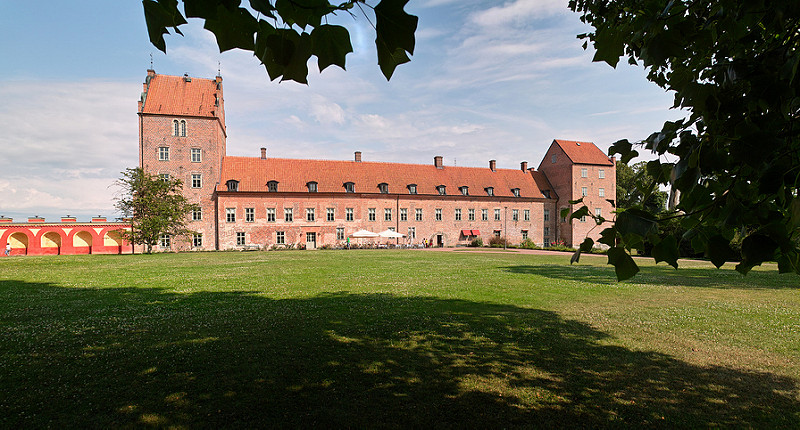
Macbeth Visits Scandinavia
Bäckaskog Castle, Sweden. Photo: Ulf Bodin

A full-blooded version if Shakespeare’s Macbeth
This is a full-blooded version of the play, witch-driven in its intensity. The production is not frightened of the supernatural or compromised by modern dress. But this is not an old-fashioned production either; the musical score by Paul Flush drives the play forward and creates a compelling sound texture of almost filmic quality. Forest and castle merge and melt. The witches are an almost constant presence, neither male nor female (or both) and as ruthless as Greek Furies.
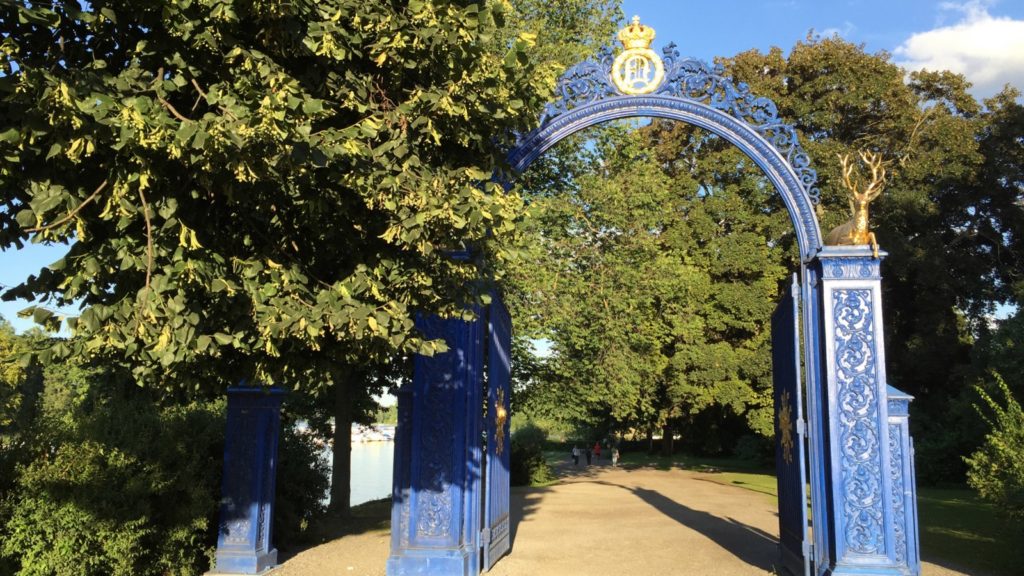
Macbeth Visits Scandinavia
Kungliha djirgården, Stockholm

Macbeth – the murderous monarch
The acting is fast and physical. Above all the production releases the poetic intensity of Shakespeare, writing at the height of his powers. The play is not so much interpreted as elucidated, exposing its universal truths. In our modern world where power seems divorced from morality and the irrational seems to sweep all before it, this mighty drama reminds us that we are not only corrupted but diminished by evil.  For without a moral compass we shall be like MACBETH the murderous monarch.

Related: Beautiful Bergen – Its Arts and Artists

Stunning reviews
“Feral cries pierce he air…from the very first moment of this MACBETH, the audience were held is a vice like grip” wrote JAPAN TIMES

“I never knew Shakespeare could be so entertaining”. CNN TV

“World class theatre”. The Observer UK.

Macbeth visits Scandinavia
Directed by Paul Stebbings, Macbeth will be performed at open-air theatres in

Bergen, Bergenhus festning – courtyard – August 20
Copenhagen, Rosenborg Garden – King’s Garden – August 23
Kristianstad, Bäckaskog Slot – August 31
Stockholm, Kungliga Djurgarden – September 3

Macbeth Visits Scandinavia, Source: ADG Europe

The Saga of Norwegian-based Actor Gisli Örn Gardarsson

He was never accepted admission to the Academy of Theatre in Oslo. However, that did not prevent Icelandic actor Gisli Örn Gardarsson from being accepted at Broadway or in West End and working closely with Nick Cave. Today the Norwegian-based actor is acclaimed by international producers.

Earlier this year, when an actor was unable to do the English version of a new comedy TV series titled One Night Stand due to a death in the family, Gardarsson was ready to step in.

The Saga of Norwegian-based Actor Gisli Örn Gardarsson
Norwegian-based actor Gisli Örn Gardarsson

“He did it in 3 days’ notice, which must be regarded as extremely brave,” says director Øystein Karlsen.

Related: Norwegian Star Actor

The Saga of Norwegian-based Actor Gisli Örn Gardarsson
Gardarsson interprets Robin Hood

Norwegian-based actor Gisli Örn Gardarsson is an international star
Following the recent success of Norwegian television series like Skam, One Night wanted international attention. For that reason, they chose to shoot in English. It is already creating buzz, having been named one of the top ten foreign ‘must see series’ by Deadline.

London audiences got their first glimpse of his restless ingenuity in 2003, when his rapturously received adaptation of Romeo and Juliet played at the Young Vic, before transferring to the Playhouse Theatre.

The Saga of Norwegian-based Actor Gisli Örn Gardarsson
Vesturport is performing Faust

In 2005, the Reykjavik-based Vesturport theatre company, which Gardarsson co-founded with a group of friends while they were still at theatre school, was bringing an equally ambitious production to the Young Genius season, a collaboration between the Young Vic and Barbican BITE.

Related: Prestigeous Prize to Norwegian Film Director


Critical successes

“Gisli Gardarsson’s shows have been such critical successes, doing what is almost impossible in today’s multimedia society; attracting a new young audience to the theatre,” wrote BBC News and continued: “He made his directing début with a circus-themed production of Shakespeare’s Romeo and Juliet at the Reykjavík City Theatre in 2003, also playing Romeo. The production’s success led to a transfer to the Young Vic in London, from where it moved in 2004 to the Playhouse Theatre in the West End. He has since directed further stage productions all over the world, including an adaptation of Kafka’s Metamorphosis in association with David Farr.”

Büchner’s Woyzeck at the BAM Next Wave Festival, directed by Gísli, was his work’s first appearance in the US. He has since been to Boston, Toronto, Winnipeg, New York and San Francisco with his work.

Related: Shame – the Successful Voice of Youth in Norway

The Saga of Norwegian-based Actor Gisli Örn Gardarsson
In three days’ notice Gardarsson stepped in and took a role in a new TV series titled One Night Stand

Travel between Oslo and London
He has acted in, written and produced many theatre, film and TV productions, winning numerous awards, such as the Broadway World and Boston theater awards for The Heart of Robin Hood and Metamorphosis and the prestigious European theater awards in 2011. In 2007 he received the European Shooting Star for his acting in the film Children.

His productions of Woyzeck, Metamorphosis and Faust had the music specially composed by Nick Cave and Warren Ellis. Gisli continuously works across the Globe, mounting productions of all sizes to a very broad audience. He is an associate director at the National Theatre in Oslo, Norway and at the Young Vic Theatre in London.

The Saga of Norwegian-based Actor Gisli Örn Gardarsson, written by Tor Kjolberg

On Copenhagen’s Amager Island

Visitors glancing out of the plane window near Copenhagen (Kastrup) airport may be intrigued – or even alarmed – by what appears to be a swirling vortex on Amager Island.

The spiraling landmark is actually one of many surprising buildings springing up around Copenhagen. On its completion in 2013, it became the home of Scandinavia’s biggest aquarium, The Blue Planet. The aquarium has water on all side and is intended to give the visitors a feeling of being under water. The building has five “arms” from its center so that guests can choose their own way around to see exotic animals.

On Copenhagen’s Amager Island
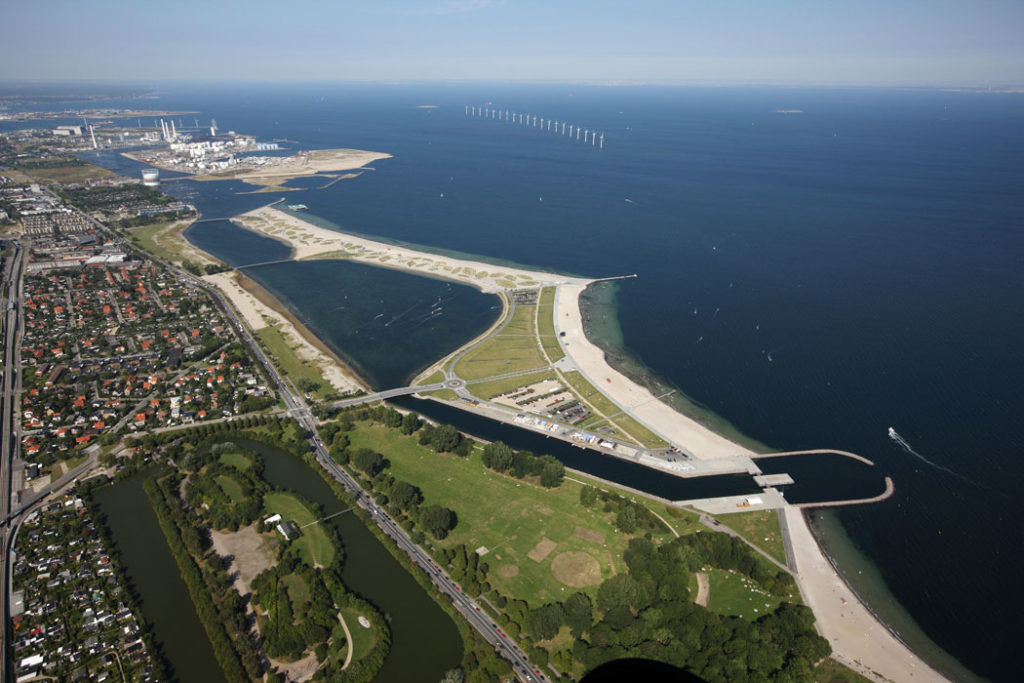
Amager beachpark

Exciting architecture on Copenhagen’s Amager Island
For years, Amager was quiet hinterland, created by some judicious damming and a mass of Copenhagen landfill. Today, it’s the scene for some of Denmark’s most exciting architecture.

Related: Copenhagen’s Latin Quarter

On Copenhagen’s Amager Island
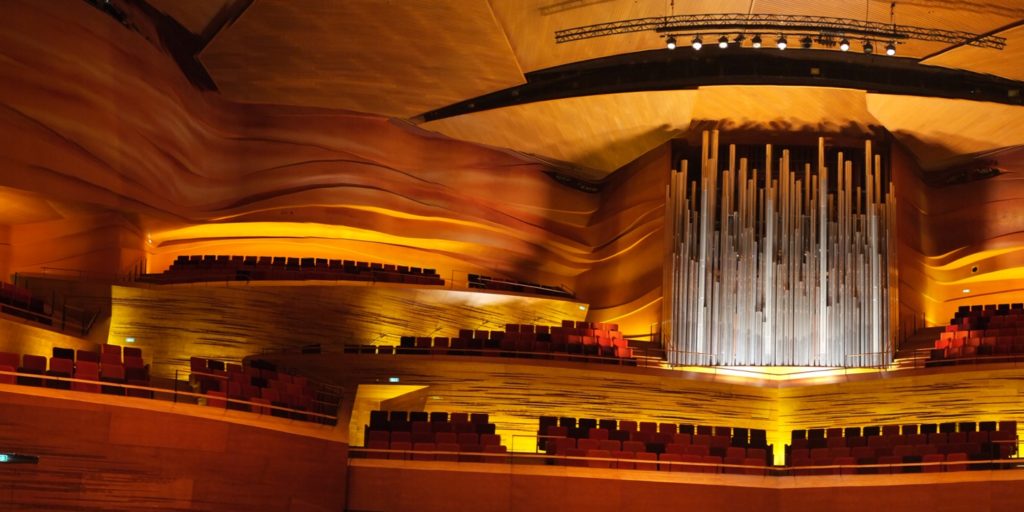
From the beautiful DR Koncerthuset

A whole ‘downtown’ area, Ørestad, is being created from scratch here; a shining new metro station brings shoppers to one of Denmark’s largest malls, and to the beautiful DR Koncerthuset, a part of the DR Byen (DR Town),home of the Danish Broadcasting Corporation. The concert complex consists if four halls with the main auditorium seating 1,800 people, in which you can enjoy listening to the Danish National Symphony Orchestra. The venue was officially opened in 2009.

On Copenhagen’s Amager Island
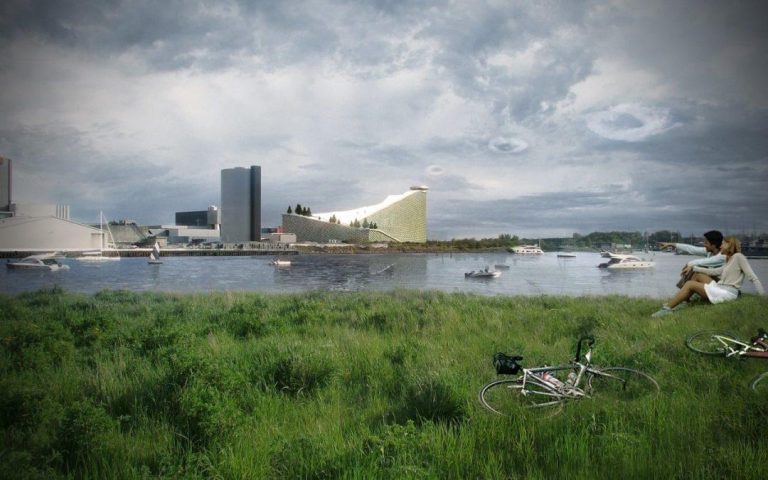
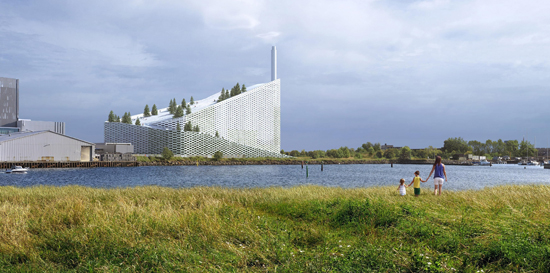
The waste-to-energy plant Copenhill/Amager Bakke features a rooftop ski slope.

An attractive waste-to-energy-plant on Copenhagen’s Amager Island
The new waste-to-energy plant Copenhill/Amager Bakke opened last year, and it features a rooftop ski slope. The power plant is not only one of Europe’s most energy-efficient, environmentally friendly and highest capacity waste-to-energy plants, but also the most visually attractive and publicly acceptable, according to builder Babcock & Wilcox Vølund (See feature image, on top).

Nearby, the Øresund bridge uses the island as a launchpad to curve itself over to Swedish shores.

On Copenhagen’s Amager Island
From the wonderful Havneparken (Beach Park) at Islandsbrygge

Islandsbrygge, on the west of Amager, has more to offer the casual visitor, with its wonderful Havneparken (Harbor Park). The water around Copenhagen is clean enough to swim in, and in the park, you’ll find the harbor baths – five outdoor pools full of happy, splashing people.

Even more luxury, Amager Strandpark is a beach development in the east, with over 4km (2 ½ miles) of beaches, an artificial island and a lagoon.

On Copenhagen’s Amager Island, written by Tor Kjolberg

European Leading Guitar Maker Is Looking to Norway

The Czech Republic-based acoustic guitar brand Furch is an exceptional tale of creative rebellion. When the company wanted to revitalize its visual expression recently, the European leading guitar maker was Looking to Norway and reached out to the Bergen-based design and strategy company KIND.

Conceptional branding
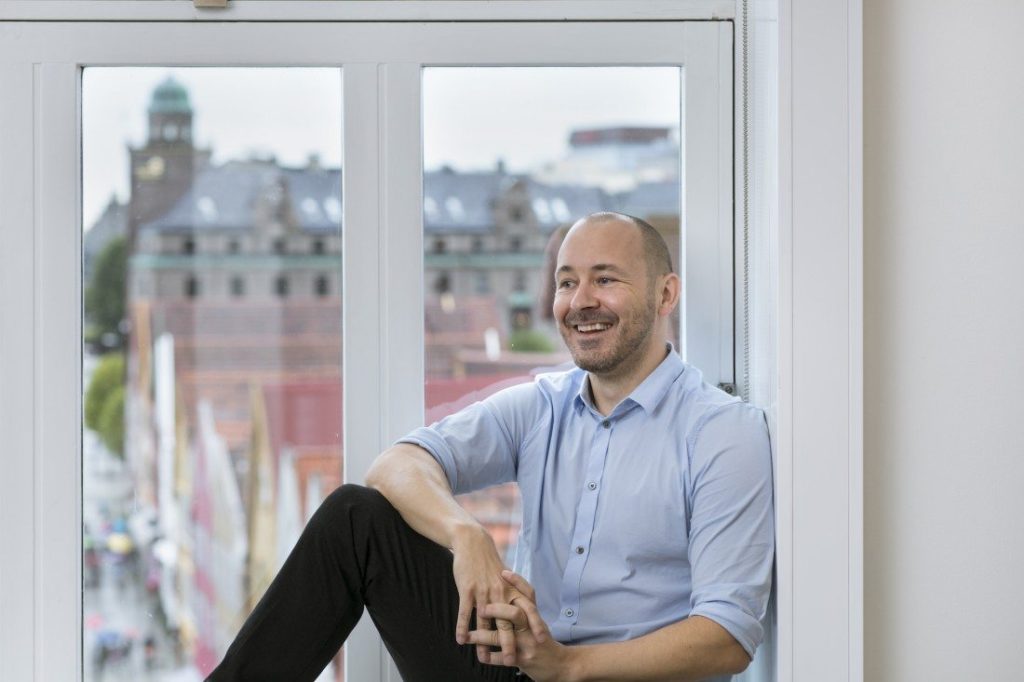
CEO Tom Emil Olsen founded KIND in February 2013. In 2012, Olsen was listed on Adweek’s Magazine’s Talent 100 list as one of the top 100 creative talents in the world.

European Leading Guitar Maker Looking to Norway
From KIND design and strategy company

KIND conceptional branding
What KIND is doing is called conceptional branding and the company claims it is expert at finding the sweet spot between a brand’s ‘look’ and its own ‘soul’. Conceptional branding can be described as extended brand building where the focus is on both the visual and emotional aspect of a brand. To KIND it’s all about creating an emotional attachment instead of only developing logos and colors.

European Leading Guitar Maker Looking to Norway
KIND co-founder and CEO Tom Emil Olsen (Courtesy Bergensmagasinet)

KIND’s positioning allows the designers to work closely with the client from the idea phase to implementation, ensuring the creation of a unified concept. According to KIND, the key to a successful brand lies in telling stories which appeal to the heart.

High-quality acoustic guitars for almost four decades
Czech Republic-based Furch is a European acoustic guitar maker with an incredible focus on quality and constant innovation. When the company wanted to refine its nearly 40-year-old brand, it turned to KIND.

Related: Norwegian Musician Plays the Largest Instrument Ever Invented

European Leading Guitar Maker Looking to Norway
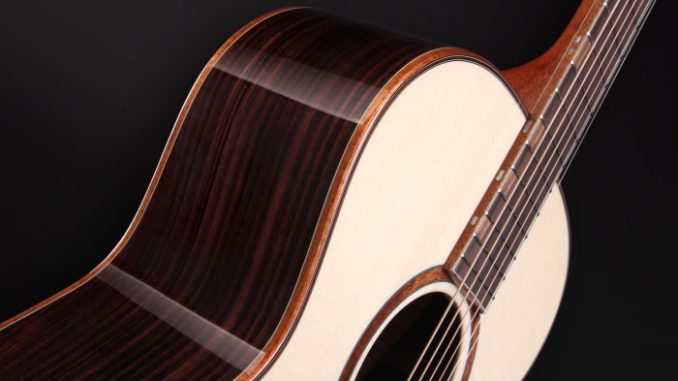
Furch 632 sm custom made acoustic guitar

The Furch name has been synonymous with high-quality acoustic instruments for almost four decades. Its guitars are used by a diverse roster of major artists worldwide, including the legendary Suzanne Vega, hitmaker Per Gessle of Roxette, former Dire Straits rhythm guitarist and now solo artist David Knopfler, plus Oscar-winning Irish singer/songwriter Glen Hansard.

European Leading Guitar Maker Looking to Norway
Furch aciustic color series 2018

The Furch logo story
Since the establishment of Furch in 1981, its logo has only changed twice. A yellow-black diamond shape, illustrating two reverse “F” letters, have decorated the head of the guitar up to 1996. The last one was replaced by a handwritten Furch inscription in a pearl design. The longest used and currently well-established logo, in the shape of an elegant “F” symbol did not start appearing on the guitars until 2000.

This year, the Furch underwent its third change, which is less visible at first glance but completely natural. Compared to the existing 17-year-old option, most of the original curves have been changed and the minor details have been fine-tuned. Thanks to this change, the Furch logo appears lighter and clearer. The change in the logo symbolically reflects the continuous technological development and qualitative advantage of the Furch guitars in the field.

European Leading Guitar Maker Looking to Norway
Furch new logo, 16 July 2018

The European leading guitar makes is looking to Norway
Petr Furch, who joined the management team of Furch in 2006 and is now CEO of the company that his father created, said: “The recent refinements are subtle when it comes to our new logo, but this was a challenge that KIND worked with us closely on and they respected our desires and needs. It was very much a case of showing a path of natural evolution. The logo change reflects our commitment to continuing technological development and the high quality of Furch guitars.”

“With our team of designers, we were successful in shifting our logo to a higher level. We emphasized the importance of preserving the well-established F symbol, which I perceive as a fundamental visual element of our brand,” Furch adds.

European Leading Guitar Maker Looking to Norway
Conceptional branding can be described as extended brand building where the focus is on both the visual and emotional aspect of a brand

Natural evolution
KIND’s first task was to enhance the Furch logo with a subtle update; essentially the client wanted a slightly refined, more modern and cleaner take of the logo that guitar players have been accustomed to for decades. ‘Aspire to perfection’

In addition, KIND has created a bold, distinct advertising campaign for the brand which will feature in a host if international guitar publications in 2018 and beyond. To complement this, KIND was also commissioned to produce a short video – which the agency christened ‘Aspire to perfection’ – to capture the soul of Furch. This film now forms a central role on the company’s marketing.

KIND has also received a lot of international recognition for their local projects, which in turn has led to companies all over the world contacting them for their in-house expertise.

European Leading Guitar Maker is Looking to Norway, sources:  KIND and FURCH

The Great Norwegian Comic Book Artist

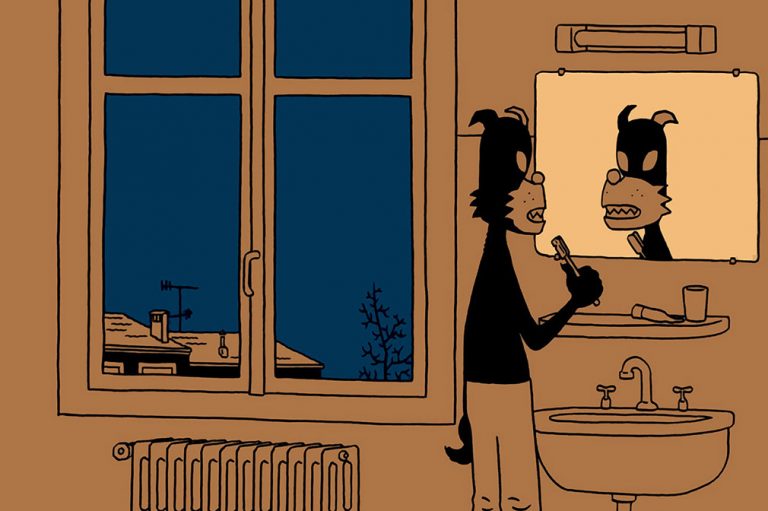
The Norwegian comic book artist Jason (real name John Arne Sæterøy) has produced a series of acclaimed graphic novels that have proven amazingly versatile.

Jason (born in Molde 16 May 1965) is known for his sparse drawing style and silent, anthropomorphic animal characters. Even his name reflects his minimalist artistic style. In 1989, he was admitted to Norway’s National Academy of the Arts, where he studied graphic design and illustration.

The Great Norwegian Comic Book Artist
Jason – self portrait

The subject matter of Jason’s comics varies widely
Jason has created gag comedy (Meow, Baby!), romantic melodramas (Tell Me Something), dramas (Hey, Wait…) and genuine thrillers (The Iron Wagon).

Related: Meet Rocky in Stockholm

The Great Norwegian Comic Book Artist
Jason – John Arne Sæterøy

Acclaimed Norwegian comic book artist
The Norwegian comic book artist Jason won the Norwegian Comics Association award in 1991 for the short work Pervo.

He has been nominated for two Ignatz Awards, won the Norwegian “Sproeing” award twice for “Best Norwegian Comic Book”, in 1995 and 2000. He has received praise in Time and won the Harvey Award for best talent as well as several Eisner Awards. He is a master of the ligne claire style, which, as you may have surmised, means “clear line”.

The Great Norwegian Comic Book Artist
From Jason’s story about a man who travels through time to assassinate Hitler

Jason had his work published for the first time in 1981 in the Norwegian comics magazine KonK, to which he contributed several short stories during its lifespan. His scenes are stripped down and set against backgrounds that are often solid blocks. His colors are muted or turned off completely.

Related: The Many Masks of Damselfrau From Norway

The Great Norwegian Comic Book Artist
Jason is known for his sparse drawing style and silent, anthropomorphic animal characters

Stunning reviews
The subject matter of Jason’s comics varies widely. For example, he writes about a man who travels through time to assassinate Hitler, about a thief who poses as a werewolf only to be hunted down by actual werewolves, and about the long-term ramifications of childhood tragedy.

“One of the medium’s finest storytellers,” wrote Publishers Weekly.

“The graphic novel’s cinematic qualities have rarely been so well wielded as they are by the artist known only as Jason,” wrote Bookslut.

Related: Oslo Goes Pop

An international audience
The simplicity of Jason’s comics allows for conceptual complexity that would be lost in busier presentations. His work is beautiful artistry that provides space for us to make it our own and to get a little closure while we’re at it.

His works has been translated into Swedish, Finnish, German, Italian and French in addition to English. Jason lives now in Montpellier, France, from where he regularly blogs at Cats Without Dogs.

Feature image (on top) From “Werewolves in Montoellier”

The Great Norwegian Comic Book Artist, written by Tor Kjolberg

Norwegian Politics for Dummies

Norway (and the Scandinavian countries) is said to be very closely to realize the democratic social ideal. It’s a country that is considerably more successful than most other countries in the world on virtually every social metric one can name. Why? Here’s our take on Norwegian politics for dummies.

Norwegian politics is a color game
There are nine political parties in Norway, and In Norwegian politics there is a color spectrum: green – red – blue. The more “green” a part is, the more at the left of the political spectrum they are, at least in theory. The more “blue”, the more on the right end of the political spectrum.

Norwegian Politics for Dummies
Norwegian politics is a color game

Related: Come Celebrate the Norwegian Constitution

Some parties are only of one color. Høyre (the conservative party in Norway) is only blue and Arbeiderpartiet (The Labor Party) is only red. There are three parties in Norwegian politics that has only green as their color: The Green (of course), the Center party and the Liberal party.

Norwegian Politics for Dummies
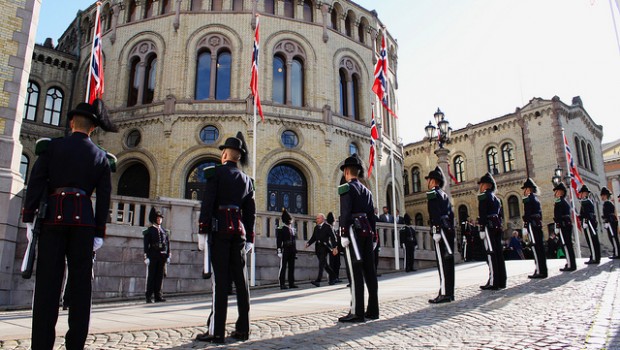
King’s Guard in front of the Parliament biolding in Oslo

If that was all, everything would have been so much simpler. But there are some other parties having a bit of every color; the Cristian Democratic Party (KrF) and the Socialist-Left party. I can’t really tell you what color they end up with.

Norwegian Politics for Dummies
If you want to learn more about Noregian politics

The Norwegian welfare system
The governments of western democracies are alike in many ways. But they are also very different, most apparent in national election years when news and public awareness focuses on how the leaders of a country are chosen.

Related: Norway – World’s Best Democracy

Democratic socialism is a political tradition aiming broadly at democratic control of the economy, achieved through electoral processes. This leads to a complete cradle-to-grave welfare plus democratic state ownership of big swathes of the economy through mechanisms like the Norwegian social wealth fund and state-owned enterprises.

There are, however, terms that rule out authoritarian systems, like the state socialism seen in the Soviet Union.

Norwegian Politics for Dummies
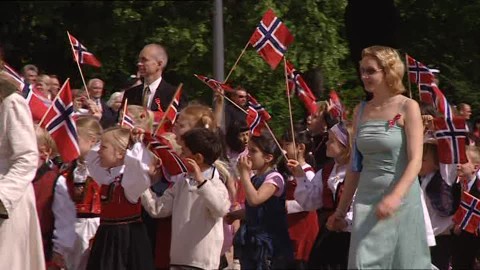
Norwegians celebrating their National day on 17 May

A different social system
The Norwegian political system reflects differences in the relationship between the government and its people. The root of these differences lies in history and is today the most evident data about differences between other democracies.

Norwegian Politics for Dummies
Norwegian politicians tocay

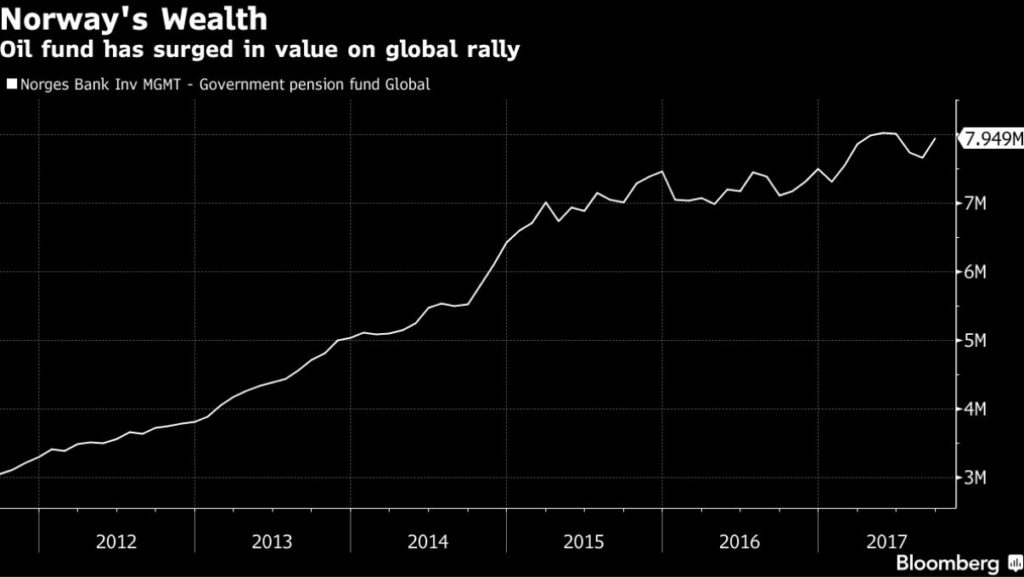
Norwegian workers are heavily protected, with 70 percent of workers covered by union contracts, and over a third directly employed by the government. The state-owned enterprises in Norway are worth 87 percent of GDP. Of all the domestic wealth in Norway, the government owns 59 percent, and fully three-quarters of the non-home wealth (as most Norwegians own their home).

Confusing political party ideologies
I understand that it’s confusing for foreigners to understand what different Norwegian political parties’ ideologies are. The second biggest party in Norway, Høyre (meaning Right) is the main conservative party, while Venstre (meaning Left) is the main Socialist party. However, Venstre is not a left party at all while the Labor Party is the main left party. Norwegians are forced to have their own interpretation of political colors.

Norwegian Politics for Dummies
The Norwegian Constitution of 1814

A land of farmers and fishermen
Norway is a tiny country. The area of the country is just 1/25 of e. g. USA. The population is only 1/62 of the population in USA. Across the country, there’s an average of 35 people per square mile, compared to USA with 90.6 people per square mile. Thus, Norway is less urbanized than most other western democratic countries.

However, the Norwegian ‘farmers and fishermen’ are wealthy people, with a GDP of over $70,000 per person. Even when you correct for the moderately large oil sector (which accounts for a bit less than a quarter of its exports), it still has a cutting-edge, ultra-productive economy — far from some states living off oil rents like Dubai.

For this reason, no political party in Norway want to abolish the welfare system, it’s in a way sacred.

The happiest people in the world
Socially, Norway ranks as one of the happiest countries in the word. No. 2 in 2018 and no. 1 in 2017.

Norwegian Politics for Dummies
The Norwegian ‘farmers and fishermen’ are wealthy people, with a GDP of over $70,000 per person

Here are some stunning statistical facts about Norway;

Life expectancy: 81.7 years
Infant mortality rate: 2/1,000 live births.
Murder rate: 0.51/100,000
Incarceration rate: 74/100,000

Norway – a constitutional monarchy
Norway has a parliamentary system of government in which the king is the head of the state and the prime minister is the head of government.

The king, now Harald V, officially has executive power, but today his duties are essentially only representative and ceremonial. The prime minister now is Erna Solberg, the second woman PM after the first, Gro Harlem Brundtland, who was PM in 1981 and 1986-89. The administrative divisions of the country comprise 19 counties. The legislature is the unicameral Storting (Parliament).

Norwegian socialism works
Norwegians are eager to point out that capitalism run wild can ruin a country. However, the citizens are not against capitalism – far from. But they are indeed interested in building a decent place to live.

Norwegian Politics for Dummies
Norwegian socialism

The nine major Norwegian political parties, and some smaller ones, shape the ways in which the citizens view and choose their leaders. Politics loom large in Norwegian perception of government, and information provided by government agencies is prominent in everyday affairs.

While the United States has two major political parties and some smaller ones, Norway has nine major political parties and some aspiring fringe ones. These differences shape the ways in which the citizenry views and chooses its leaders. While Americans tend to vote for a single personality, Norwegians vote for the parties. So politics loom large in Norwegian perceptions of government. Likewise, information provided by government agencies is prominent in everyday affairs.

Norwegian Politics for Dummies, written by Tor Kjolberg

The Danish Annus Horribilis

The Prussian-Austrian occupation of Sønderborg in Denmark in April 1864 was the beginning of the Danish annus horribilis. Over a century and a half ago, Denmark fought a battle for the southern part of Jutland – the Battle of Dybbøl – and lost.

The conflict that led to the war in 1864 had roots that went all the way back to Medieval times, when Schleswig (the southernmost part of Jutland and northernmost part of Germany) became a duchy with special laws. It was the duty of the duke of Schleswig to protect Denmark against foreign tribes threatening the southern border of the country.

The Danish Annus Horribilis
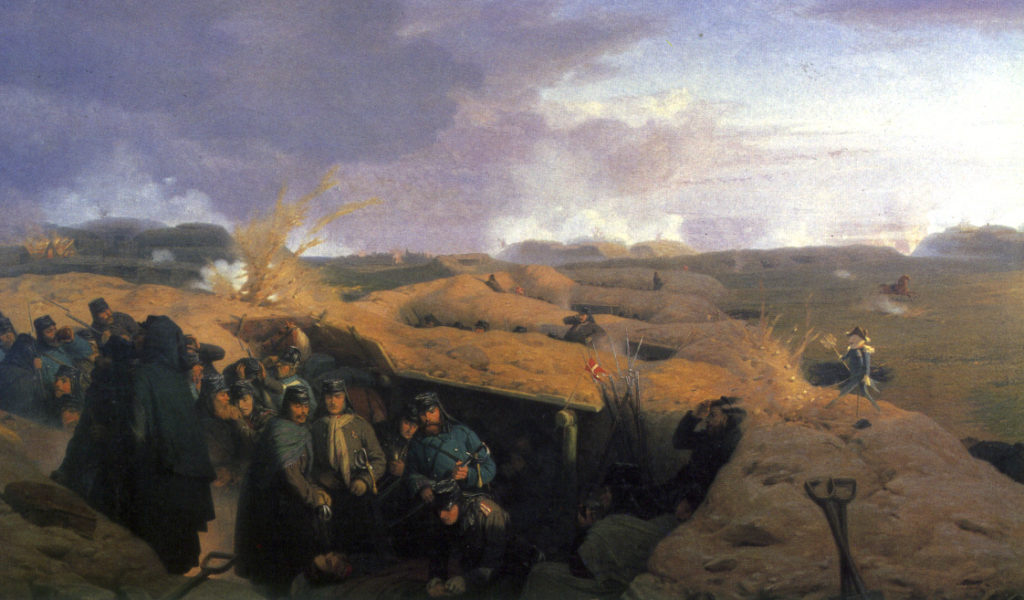
The battle at Dybbøl Fort

Related: Danish Movie – A Warning Sign for Europe
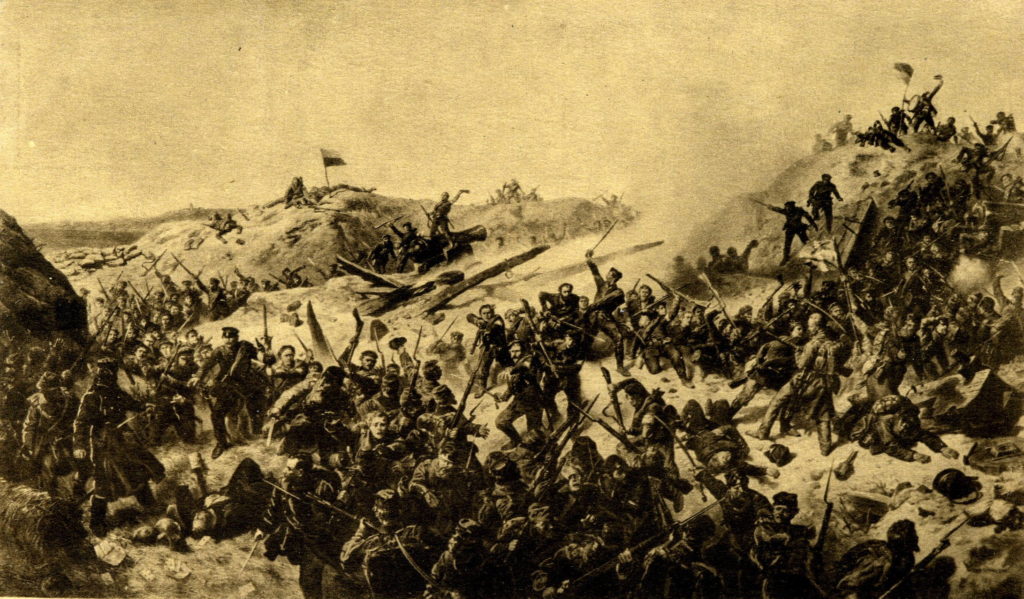
The Danish annus horribilis
The Battle of Dybbøl was the key battle of the Second Schleswig War and occurred on the morning of 18 April 1864 following a siege starting on 7 April. Since the Danes had to load their old muzzle-loading rifles standing, they were easy targets for the Prussian army, which were equipped with breech-loading rifles that could be loaded while the user was lying down.

During the occupation, the need for the Jutland Danes to preserve their national identity became crucial and they gathered in the community hall to sing patriotic Danish songs and celebrate their Danish-ness. The battle of Dybbøl has had an enormous impact on the Danes’ self-perception and foreign politics ever since. The war is a complex part of the Danish history and has always been associated with tension and strong opinions.

The Danish Annus Horribilis
The Battle of Dybbøl was the first battle monitored by delegates of the Red Cross

Related: German Invasion of Denmark

Rolf Krake – a mobile seaborne artillery platform

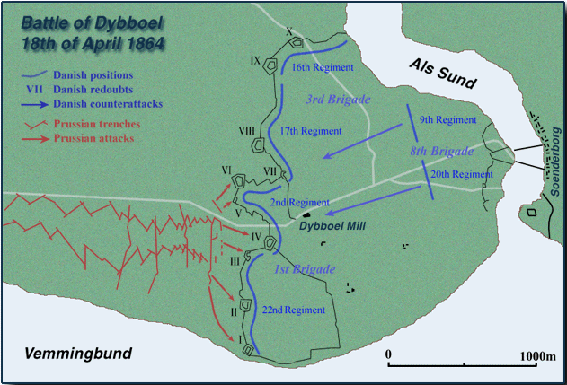
The attackers reached Dybbøl Mill and in a counter-attack the Danish 8th Brigade lost half their men, dead, wounded or captured. The Danes did, however, have one major advantage in that they were able to deploy the modern ironclad Rolf Krake to the scene to support Danish ground forces at Dybbøl with shore bombardments from its turret-mounted eight-inch guns.

The Danish Annus Horribilis
Map of Bybboel

For much of the siege, Rolf Krake was used as a mobile heavy seaborne artillery platform and the Prussians were almost helpless to counter it since they had no naval forces of their own capable of matching the Danish navy, a fact that sapped Prussian morale.

The official army casulaity list
Still, the last resistance, lasting for six intense hours, collapsed at the bridgehead in front of Sønderborg. After that there was an artillery duel across the Alssund.

A Danish official army casualty list at the time said: 671 dead; 987 wounded, of whom 473 were captured; 3,131 unwounded captured and/or deserters; total casualties 4,789. The 2nd and 22nd Regiments lost the most. Also, the crew of the Danish naval ship Rolf Krake suffered one dead, 10 wounded.

Dybbøl fort lies in a short blunt peninsula that defends against access to the fort by land and featured an enclosed pier for ferry across the Alssund to Sønderborg on the island of Als.

The Danish Annus Horribilis
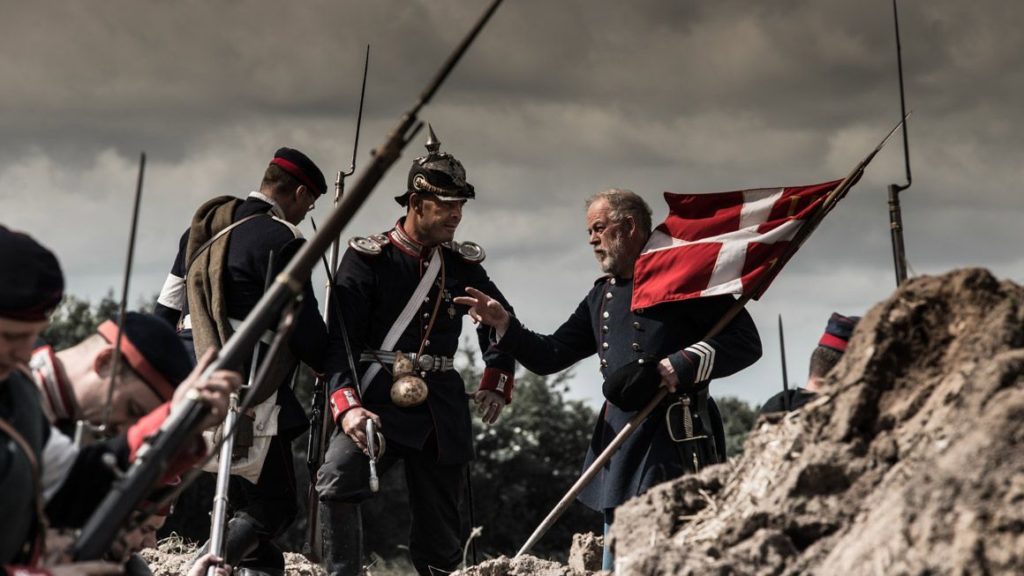
Scene from the TV production “Battle of Als”. Photo: Jonas Faegtevold Foerstoe

The Visitor Center at Dybbøl
After a referendum in 1920, southern Jutland was handed back to the Danes. Today, a visitor center attached to the windmill tell the story, while across the road, on the site of the Dybbøl Battlefield, a memorial pays homage to the fallen Danish soldiers.

The Battle of Dybbøl was the first battle monitored by delegates of the Red Cross.

The Danish Annus Horribilis, written by Tor Kjolberg

Swedish Designers Create Bathrooms for the Asian Market

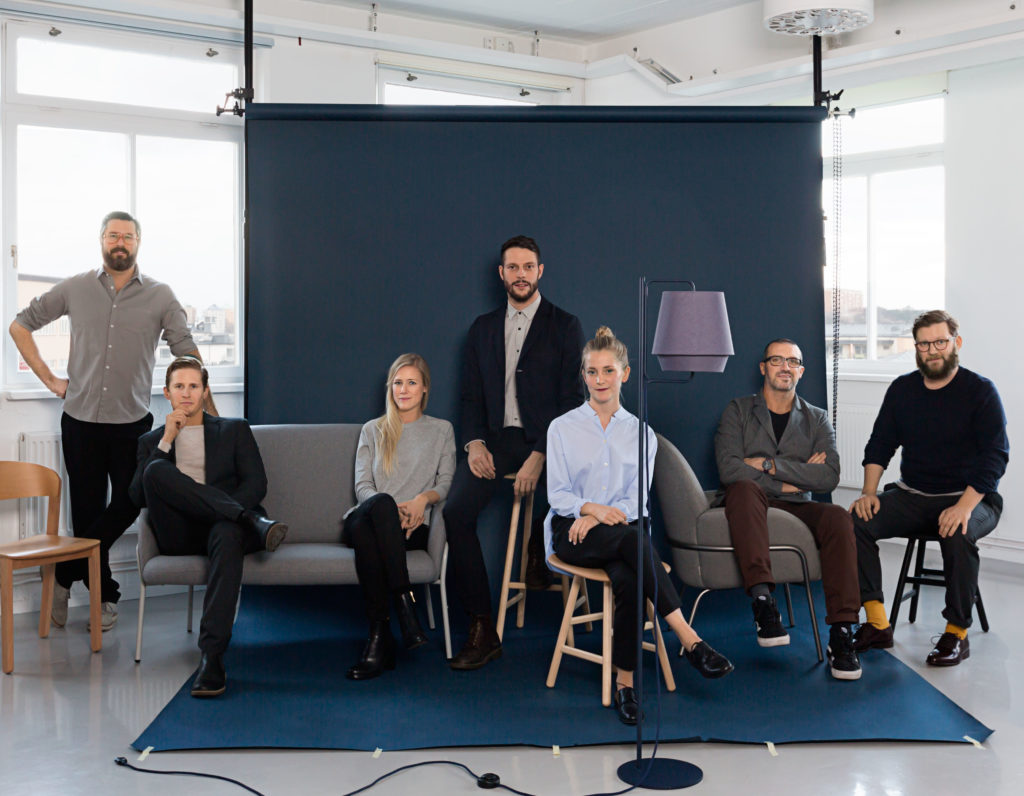
The Korean brand Lagom Bath wanted to change the formal and similar looking bathroom ranges in the Asian market. They asked the Swedish design studio Note to create something new, , and now the Swedish designers have created bathrooms for the Asian market.

The task was to create bathroom furniture and accessories that helped to bring a more emotional and comfortable touch to the bathroom space. Note decided to create a smart and easy to use bathroom setup attracting the Korean public.

Swedish Designers Create Bathrooms for the Asian Market
In the cultures is Scandinavia as well as in Asia there is an appreciation of purity and simplicity in design

Similar cultures
This is the first time the two companies collaborate and the result is a collection including minimalistic accessories, cabinets, lamps and hooks, specifically created for compact living spaces in Asian cities.

Related: Swedish Design Goes Milan

“With small details, like combination of materials, smooth colors and a little design twist on the handles we believe that we can put a little smile on the user’s face every morning,” say the Swedish designers.

Swedish Designers Create Bathrooms for the Asian Market
Note Design group

In the cultures is Scandinavia as well as in Asia there is an appreciation of purity and simplicity in design,” the add.

Related: Swedish Furniture Design Conquers the World

Swedish Designers Create Bathrooms for the Asian Market
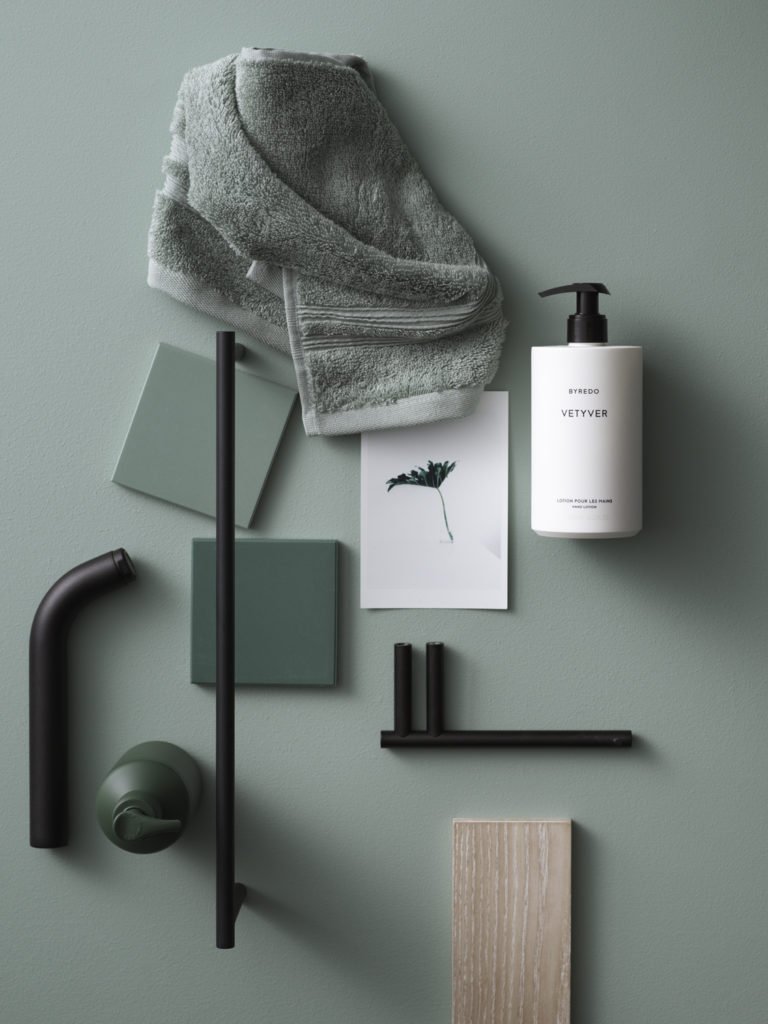
Lagom bath furniture and accessories by Note Design Group

Swedish designers create bathrooms for the Asian Market
The collection is split into two types that are quite complementary to each other but offer slightly different finishes and form. One features plain green tiles, a natural ash cabinet and a simple wall lamp with an arched stem. The other includes mirrored cabinets, a pendant lamp and two speckled beige tiles.

Swedish Designers Create Bathrooms for the Asian Market
Lagon by Note is a collection including minimalistic accessories, cabinets, lamps and hooks, specifically created for compact living spaces in Asian cities

Both include the same black semi-circular handles, black metal towel rail, toilet roll holder and shelf.

Related: Swedish Furniture Rooted in Nature

Swedish Designers Create Bathrooms for the Asian Market
Lagom bathroom furniture by Note Design Group

The Danes have done it before
Note Design Studio are not the only designers to contribute to the brand’s debut collection. Copenhagen-based Norm Architects has also created a collection of minimal bathroom cabinets and accessories for Lagom that are designed for use in tight living spaces.

Swedish Designers Create Bathroom Furniture for the Asian Market, written by Tor Kjolberg


Photography is by Ragnar Ómarsson and styling is by Lotta Agatom.

The Medieval Oslo

The beautiful rooms from 1200s in the Medieval Park in Oslo can take your breath away. That’s only one reason to visit the Medieval Oslo.

However, the Medieval period is one characterized throughout the Western world as one of violence. Artwork from this era shows not only violence done towards other cultural groups, but dangers and suffering from daily life.

Medieval Oslo
Harald Håråde, founder of Oslo, Painting by Axel Revold

The founding of the capital of Norway took place in the turbulent period between the Viking Age and Norway’s Catholic Middle Ages.

Related: Ancient Hunting Ground Discovered in Norway

Medieval Oslo
Memorial Park, Oslo

The Medieval Oslo
During the Middle Ages, Oslo grew from being a small trading center innermost in the Oslo fjord to become Norway’s capital. In 1624 the inhabitants of Oslo were forced to move to the new city Christiania, before the abandoned old Oslo was laid underground and forgotten, covered by fields, roads, train tracks and new buildings.

Medieval Oslo
Norway’s economic system in the Middle Ages was also more sophisticated than previously thought

Human remains have been vital in understanding the extent and manner of violence in the Medieval period. Brodholt and Holck (2012) summarize the findings from the Medieval Schreiner Collection of human remains from Oslo in order to create a more nuanced interpretation of the violence occurring in this era.

Widespread circulation of coins
Norway’s economic system in the Middle Ages was also more sophisticated than previously thought. Coinage was first introduced in Norway in the 11th century. It was gradually integrated in regular trade and eventually replaced goods as currency. According to historian Svein Gullbekk at the University of Oslo the use of coin circulation in Norwegian society in the years between 1050 to 1320 was widespread and frequent.

Medieval Oslo
Oslo Ladegård’s Medieval Office is located in Ladegaarden

Related: In the Medieval Footsteps of Norway

The Black Death
Many remnants and ruins from Ancient Oslo can be found in the Memorial Park. The city had a fascinating, interesting and dramatic history. Oslo´s population was substantially reduced during the time of the Black Death in 1348 which claimed over 50% of the inhabitants. This epidemic also had political consequences for Norway, which became reduced to a province of Denmark. During this period Copenhagen was the actual capital of Norway.

Medieval Oslo
Ruins of the Clemens Church

Pompeii if the North
In the 19th century, the Medieval town was found as a “Pompeii of the north” and today, the ancient medieval city is waking up from its nearly 400-year-old Cinderella sleep. Remains of medieval Oslo are found in Gamlebyen, in the form of ruins, building parts and cultural layers. Here you also find Oslo Ladegård’s Medieval Office, that can help you with information about medieval Oslo or a guided tour in the ruin park.

Related: Norwegian Viking Saga Confirmed

Medieval Oslo
From the Water Mirror (Vannspeilet) at the Medieval Park

The Medieval Park
(Middelalderparken) in the borough of Gamle Oslo in Oslo was built in 2000 in Sørenga in The medieval town of Oslo (Gamlebyen). That is about ten minutes’ walk from the Oslo Central Station. The park is located within the so-called Medieval Park area, which also included the Memorial Park and Ladegården on the north side of Bispegata. In this area, development is not allowed due to ruins and plenty of cultural remains in the underground.

Medieval Oslo
Ruins of St. Mary’s Church

Ruins of The Church of St. Mary in Oslo
The Church of St. Mary was once a royal chapel and collegiate church situated on the sandy tongue of land that made up the southern end of Oslo. Its building history, from a small wooden church to a Gothic structure with a monumental façade, reflects key architectural developments in the span of Norway’s Medieval Period (AD 1050–1537). Several excavations have shed light on this evolution, in which the question of form and dating has played a leading role.

Medieval Oslo
The Vaterland boat wreck is now being reconstructed in full scale

The Vaterland boat wreck
A boat wreck was discovered during excavation work outside the bus terminal in Oslo. The excavation of the wreck was carried out by Byantikvaren and the Norwegian Maritime Museum in 2011.

The reconstruction project is part of Oslo City’s plans for the development of the medieval park. After the boat is completed, it will be put into operation on Vannspeilet (the Water Mirror).

The Vaterland boat wreck is now being reconstructed in full scale. The museum’s boatbuilder workshop has moved to the medieval park and is open all summer.

Medieval Oslo
Exhibition at Oslo Medieval Park

The Middle Age Exhibition 2018
About hundred years ago the construction of a railway brought the Middle Ages back into the light. This year’s exhibition in Ladegaarden shows what has been found in the excavations in the 1880s and up to the spectacular findings made in connection with today’s excavations.

The exhibition will be open every Saturday and Sunday at 12 – 16pm in the period June-September 2018.

Medieval Oslo
Munks’ room at the Medieval Park

Free Memorial Park Walks, including visit to secret and rare rooms
The tour includes a visit to two exciting rooms from the 1200’s Olav monastery, which today is located under the Bishop’s office in the Memorial Park.

Medieval Oslo
From the Olav Monastery

One of the two old rooms was the monk’s library and the other their meeting room. The beautiful stone rooms can take your breath away. As we know, you get the best experience of history in its original surroundings.

Free Memorual Park walks through August, every Sunday at 1pm from the garden at Oslo ladegaard.

The Medieval Oslo, written by Tor Kjolberg

Scandinavia Ranks on Top on the List of World’s Most Reputable Countries

The Reputation Institute has for 20 years measured the reputation of countries and companies. Scandinavia Ranks on Top on the List of World’s Most Reputable Countries. On top of the list this year is Sweden, up from number three last year, followed by Norway (4) and Denmark (9).

The institute’s Country RepTrak reveals that Sweden earns top spot as Most Reputable Country in the World, based on perceptions of fostering happiness, altruism, aesthetic appeal, and overall feel good factor as well as economy, technology and efficient use of public resources and contribution to global culture.

Scandinavia Ranks on Top on the List of World’s Most Reputable Countries
Nicolas Georges Trad, executive partner at the Reputation Institute

55 countries measured
“People are expecting more and more from companies and countries, in terms of solving the challenges we’re seeing around the world, and they’re being let down,” says Nicolas Georges Trad, executive partner at the Reputation Institute, in a statement.

Related: All Scandinavian Capitals on the “50 Smartest Cities in the World” List

Scandinavia Ranks on Top on the List of World’s Most Reputable Countries
Based on more than 58,000 individual ratings among the General Public across the G8 economies, the study evaluated 55 of the world’s largest countries by GDP and familiarity with at least 51% of the G8 general population during the period from March to April 2018. The 55 countries considered were those with the greatest gross domestic product.

Scandinavia Ranks on Top on the List of World’s Most Reputable Countries
Stephen Hahn-Griffiths,
Reputation Institute’s chief reputation officer

“There’s been a lot of disruption in the world in the last 18 to 24 months,” adds Stephen Hahn-Griffiths, the institute’s chief reputation officer. “It really adds up to a lingering feeling of uncertainty in the world at the intersection of geopolitical tension, nationalism and underlying social unrest.”

Related: 12 Scandinavian Universities Rank Among the 300 Best in the World

Neither size nor economy is a guarantee of an excellent country reputation, according to the institute. The Top 10 most reputable countries in 2018 are: 1. Sweden 2. Finland 3. Switzerland 4. Norway 5. New Zealand 6. Australia 7. Canada 8. Japan 9. Denmark 10. Netherlands.

Scandinavia Ranks on Top on the List of World’s Most Reputable Countries
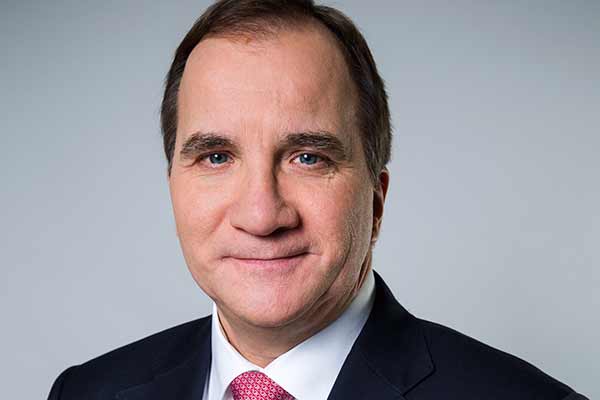
Prime Minister of Sweden, Stefan Løfven

Sweden’s social model
Sweden’s Prime Minister Stefan Löfven says he is convinced that this result stems from the fact that the country’s social model creates not only growth but also freedom, equality and security. More and more people understand that inequality is a major obstacle for economic development in the world.

55 countries measured bu the Reputation Institute

With almost universally excellent reputation scores, Sweden is seen as the #1 most ethical country with high transparency and low corruption, as well as the country with the most progressive social and economic policies.

Related: The Sophisticated Swedes

Altruistic happiness

“A new and significant trend that is emerging is altruistic happiness,” says Hahn-Griffiths. “The countries that rise to the top of the rankings are the ones that allow you to fulfill the pursuit of happiness.”

Generous social benefits, liberal holiday policies, and gender equality are stated as some of the factors behind Sweden’s top score.

Scandinavia Ranks on Top on the List of World’s Most Reputable Countries
Ewa Lagerqvist, Visit Sweden. Photo: Vibeke Aronsson

Sweden – a welcoming country
“It is gratifying to see that Sweden ranks number one as the most reputable country. Especially with characteristics such as being a welcoming and progressive country. For being such a small country, a lot of creativity, design and technology comes from Sweden – just look at IKEA, Spotify and H&M. It really shows that our ways of living make a mark globally and gives reasons for tourists to come visit our country,” says Ewa Lagerqvist, CEO at Visit Sweden.

Scandinavia Ranks on Top on the List of World’s Most Reputable Countries
The 55 countries considered were those with the greatest gross domestic product.

The 29 nations ranked with declining reputations in the report would do well to take note of Sweden’s narrative strategy.

Scandinavia Ranks on Top on the List of World’s Most Reputable Countries, written by Tor Kjolberg

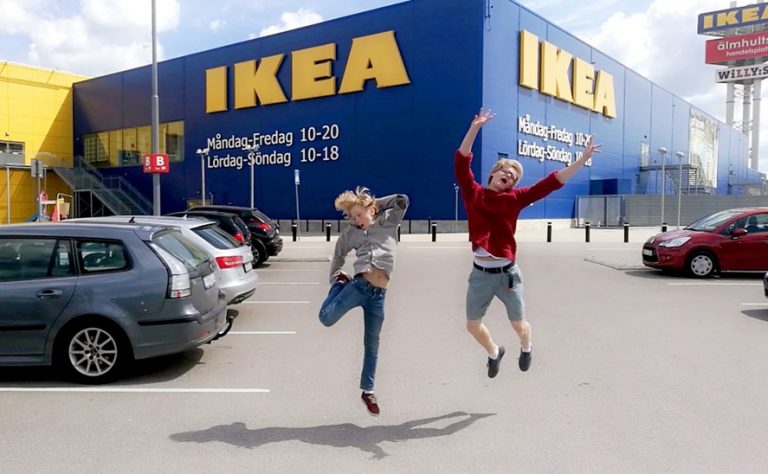
Feature image (on top) Ikea, Almhult. Photo: Vilhelm Carlstrom