A Norwegian Heritage

When Sturlason Press Agency in Oslo closed its operation in the 1970s, the photo archive of nearly one million images was stowed away in a basement.

Svein A. Sturlason (1906-1989) started his business in Oslo in the 1930s. He photographed about 1600 theater performances in Oslo between 1942 and 1980 as well as hundreds of thousands of photographs from around the world, covering news, politics, social life, culture, royal history and wars from 1900 to the early 1960s.

The enormous press archive was stored in a basement and remained untouched until spring 2010. In 2010, the archive was reopened, and it was agreed that it would be deposited, supported by the Ministry of Culture and The Norwegian Freedom of Expression Foundation, in the National Archives, Riksarkivet.
A Norwegian Heritage
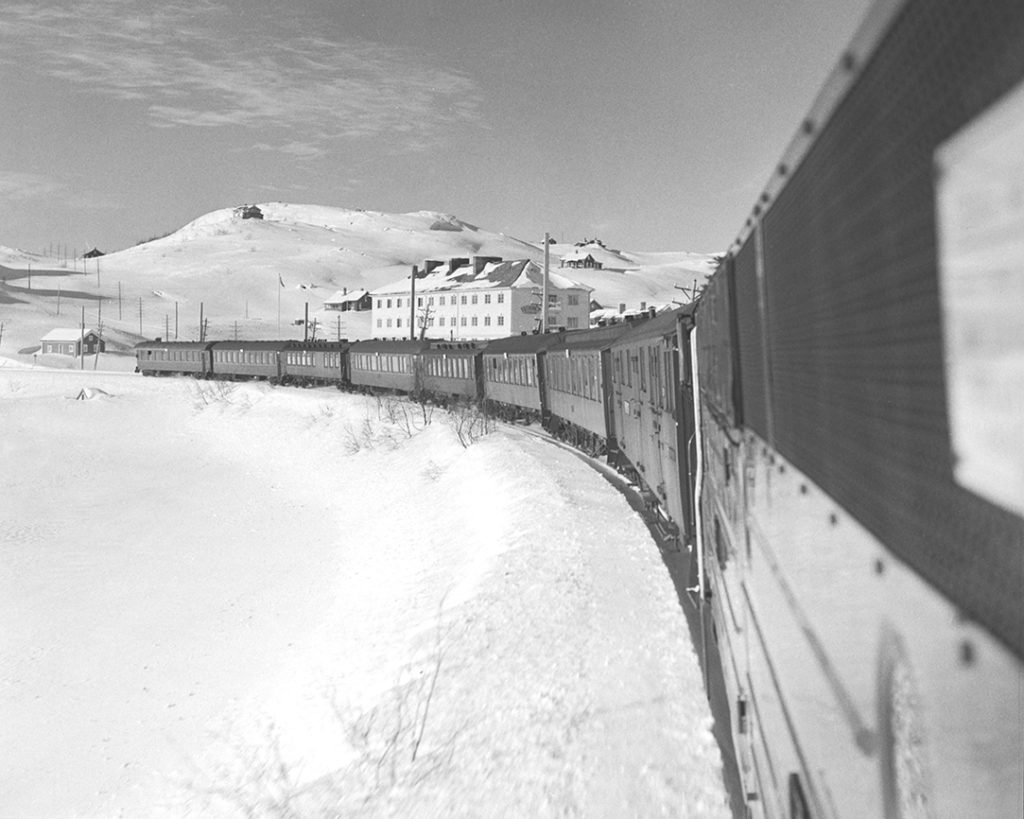
The Oslo-Bergen railway at Ustaoset 1961

There was no catalogue of the photographic material, so listing the contents of the archive has to be made from scratch. Samples taken so far show that the archive contains, besides many familiar images, several images which have never been seen. Most of the pictures in the collection have a typed text on the back explaining the time and place of the shot. These are valuable aids to identification.

A Norwegian heritage
Svein A. Sturlason 1944

The archive and the rights to all images in the collection belongs to Sturlason AS Polyfoto. Here Daily Scandinavian presents a selection of unique images from the collection.

Below, the Norwegian author Bjornstjerne Bjornsen and his wife Karoline Bjørnson (Aulestad 1897). Their daughter Bergliot Ibsen (Henrik Ibsen’s daughter in law) in the background. Photo: Visnes Dahl

A Norwegian heritage
Bjørnstjerne Bjørnson

Two Norwegian revue and film actors and theater directors Ernst Diesen (1913-1970) and Leif Juster (1910-1995)

A Norwegian heritage
Ernst Diesen (left) and Leif Juster

Spanish dictator Francisco Franco (1892-1975) fishing in Spain.

A Norwegian heritage
Francisco Franco

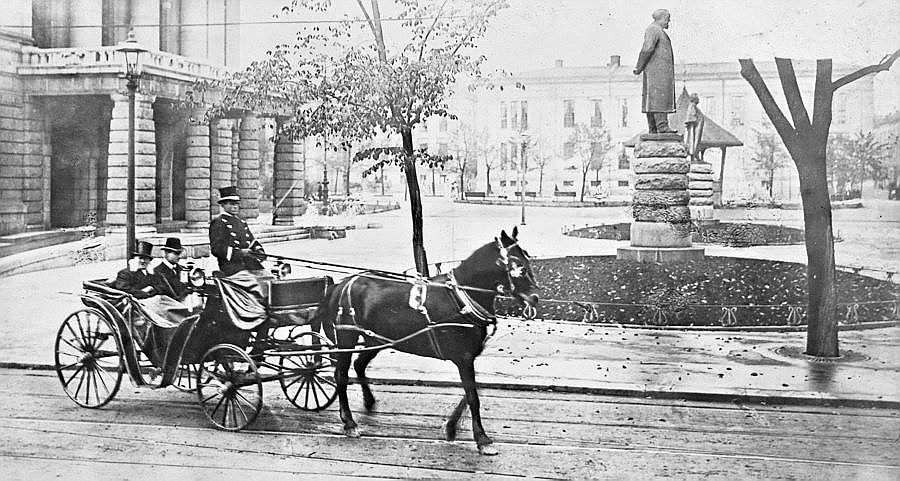
The Norwegian playwright Henrik Ibsen (1828-1906) (far left) passing the National Theatre in Oslo, 1906.
A Norwegian heritage
Henrik Ibsen

The Norwegian speed skater Hjalmar “Hjallis” Johan Andersen (1923 –2013) won three gold medals at the 1952 Winter Olympic Games of Oslo, Norway. He was the only triple gold medalist at the 1952 Winter Olympics, and as such, became the most successful athlete there.

A Norwegian heritage
Norwegian speed skater Hjallis

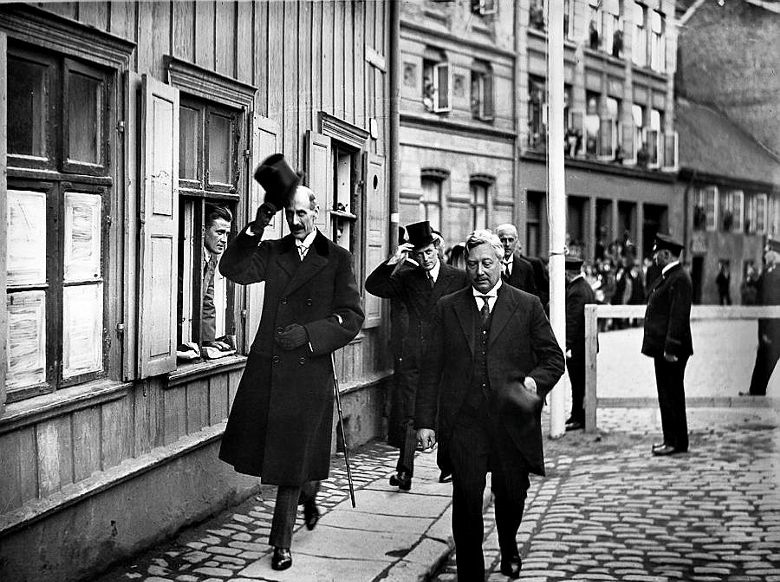
King Haakon VII (1872-1957) known as Prince Carl of Denmark until 1905, was a Danish prince who became the first king of Norway after the 1905 dissolution of the union with Sweden. He reigned from November 1905 until his death in September 1957.
A Norwegian heritage
King Haakon VII (1931)

King Olav V (1903-1991) was king of Norway from 1957 until his death. Here with Crown-prince Harald (b. 1937 – now King Harald V of Norway).

A Norwegian heritage
King Olav V of Norway and Crown-prince Harald 22 July 1958

King Olav V of Norway after the coronation in June 22 1958.

A Norwegian heritage
King Olav V of Norway

The Norwegian campaign during WWII, though hastily improvised, was meant to play to Britain’s maritime strength. Cutting off the supply of Swedish iron ore shipped through Narvik, which the Ministry of Economic Warfare believed could fatally weaken the German war effort in months — was dubious.

A Norwegian heritage
Narvik 1925

Queen Elizabeth at the Derby, photographed by Sturlason.

A Norwegian heritage
Queen Elizabeth at the Derby

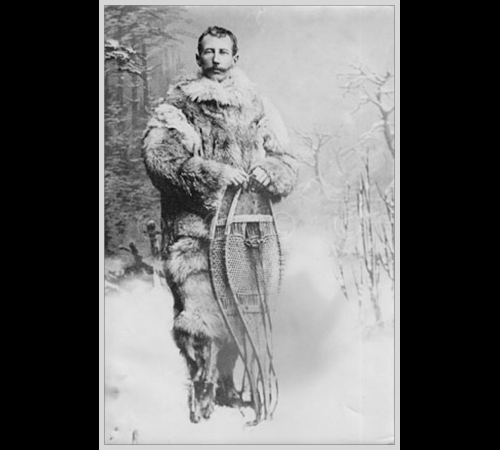
The Norwegian explorer Roald Amundsen. The image was not signed and there is no info in its backside.
A Norwegian heritage
Norwegian explorer Roald Amundsen

Sonja Henie (1912 – 1969). Three-time Olympic Champion, ten-time World Champion and six-time European Champion. Unknown time and place. Photo: Myres Press Agency

A Norwegian heritage
Norwegian figure skater Sonja Henie

A Norwegian heritage, compiled by Tor Kjolberg


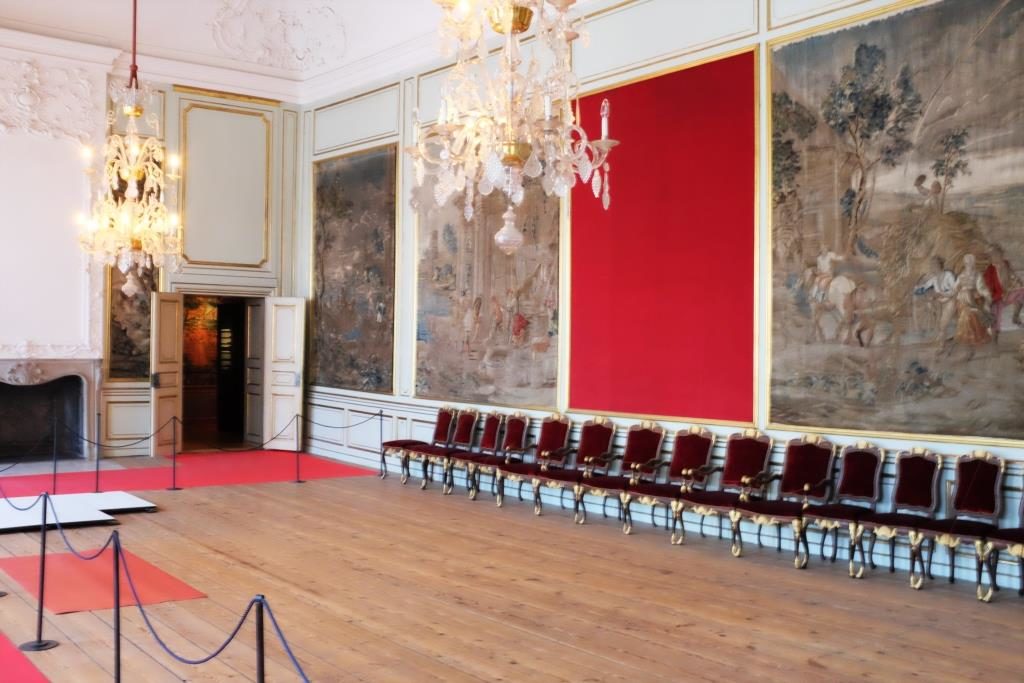
National Museum in Copenhagen – A Journey in Time and Space

Anni Mogensen, who took over the leadership of the National Museum in Copenhagen in March this year, after holding a position there as head of public programs for two years, has just one aim: to convey cultural heritage in a context you have only in very few places. That is the museum’s major value and it is very precious.

I met Anni Mogensen in her office in the great treasure house of the museum in Ny Vestergade and she is warm and friendly and answers my questions softly and carefully. And she has vast ambitions for the museum – plans that will, if they see the light of the day, transform the museum for generations to come.

Related: The Medieval City of Copenhagen

National Museum in Copenhagen – A Journey in Time and Space
The aim of the National Museum in Copenhagen is to convey cultural heritage in a context you have only in very few places

Mogensen and her team are aiming to put the museum through a major renovation project that will culminate in a complete redisplay of its galleries. However, the building is old and partly protected, which is a challenge considering that the state of the essential services, such as electricity, heating  and ventilation, which are in dire need of repair. Mogensen will test out different ways of doing this together with her team.

National Museum in Copenhagen – A Journey in Time and Space
The National Museum, Copenhagen – the atrium

That doesn’t sound so remarkable until you begin to absorb the scale of the job. Mogensen tells me there are 10,000 square meters of exhibitions, equal to 14 football pitches. It’s a six kilometers walk containing 45,000 items.

Related: The Danish Viking Land

National Museum in Copenhagen – A Journey in Time and Space
The museum contains 10,000 square meters of exhibitions, equal to 14 football pitches. It’s a six kilometers walk containing 45,000 items

They cannot close the museum. It is one of the most visited museums in Copenhagen, 350,000 visitors last year, so that’s entirely out of the question. Work will have to be phased and is projected to take nine years. And who will pay, when the government’s funds are reduced by two percent annually? There will certainly be a need for fundraising campaigns.

National Museum in Copenhagen – A Journey in Time and Space
Anni Mogensen, Head of the National Museum, in playful surroundings – at the children’s collection

By the end of all this Mogensen hopes to achieve a display that is more coherent – and more interconnected. “Human history has always been driven by exchange, by cultures communicating. The interconnection she is keen to demonstrate might also be across time. “We have responsibilities,” she says. “The history can meet us in the life we’re living today, but at the same time expand across time and place, for instance through existential themes such as death,.” She is referring to a Grand Tour in time from the most ancient parts of the ethnographical collection through the Viking Age ending up in our present time. Where are we going from here?

The museum’s job, Mogensen says, is to take the long view, to confront the whole of human history, to understand that present time is just a moment in the turbulent story of the world. The National Museum in Copenhagen is a symbol of Denmark and a repository of global knowledge. “We present stories from the present alongside monuments of antiquity as well as listening to and playing with our children,” explains Mogensen.

Related: Bronze Age Artwork in Scandinavia 

National Museum in Copenhagen – A Journey in Time and Space
Can you find the boredom button?

Focus on the children
Just now the museum has a focus on the children. At the end of the interview we go over to the director’s keenness to demonstrate the interconnectedness also across themes. This year all power is given to the children. There’s an emphasize on exhibitions and activities for children. They’re even asking the children what they think is good and less good about the museum. Mogensen is proud of the backing given to and from the coming generation. “Children are honest, playful, curious and a source of inspiration,” she says.

However, many children think it’s boring to visit museums. They have to be quiet, they can’t play and they’re forbidden to touch anything. But the National Museum of Denmark is about to change all this. They have launched a ‘boredom button’.  If cabinets with arrowheads and potsherds don’t interest them, this button is designed to bring the museum to life, so the children experience that history wants something from them.

Viking Exhibitions
The next big initiative on the agenda is a total renewal of the museum’s Viking exhibitions, also with the museum’s many foreign visitors in mind. The Viking collections in Copenhagen as well as in Stockholm and Oslo are all in the process of renewal, and a cooperation comes naturally.

National Museum in Copenhagen – A Journey in Time and Space
A collection of drinking horns

“I would never be doing something like this without asking who it is for,” says Mogensen. “It’s all about asking the question: ‘How is our public going to profit from this?’ “I cherish every day working in this environment,” she concludes.

When exploring the National Museum, why not take a break to enjoy delicious Danish smørebrød accompanied with special made beers and aquavits at Restaurant SMØR right in the center of the museum.

Anni Mogensen
studied rhetoric and social sciences at Copenhagen University and holds a HD from Copenhagen Business School. After a position at the Danish Embassy in Canada, she took the position as Head of Public Programs at the National Museum in Copenhagen, before she was promoted to Head of the Museum in March this year.

National Museum of Denmark
The National Museum is Denmark’s cultural historical main museum, covering both Denmark and foreign cultures. The Museum is actually 20 different museums spread all over the country, whilst the National Museum in Ny Vestergade is a time-machine with destinations such as Vikings, Egyptian mummies and a hash stall from Christiania.

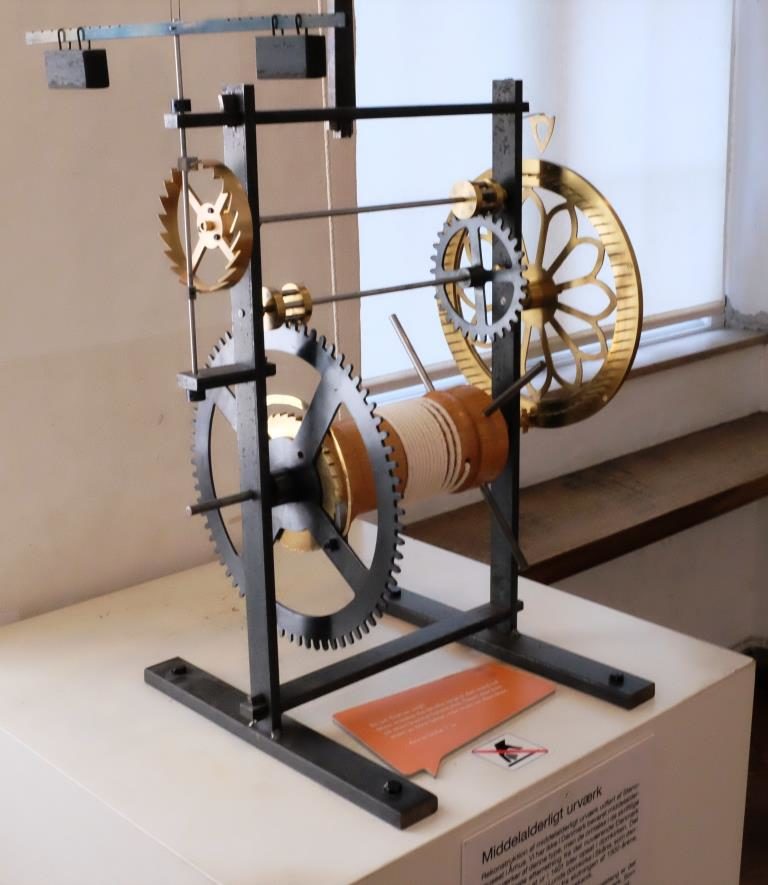
Feature image (on top): Timepiece from the Medieavl times

All photos by Tor Kjolberg
National Museum in Copenhagen – A Journey in Time and Space
, written by Tor Kjolberg
The Vigeland Sculpture Park in Oslo

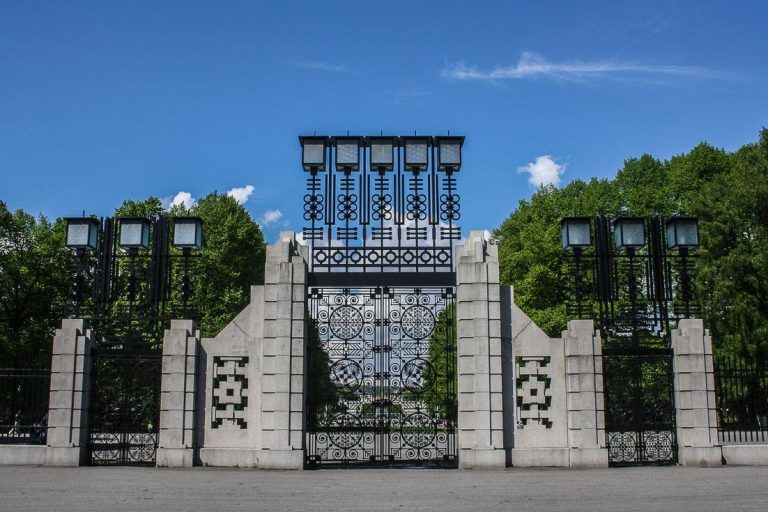
The works of one of the Norwegian painter Edvard Munch’s contemporaries, sculptor Gustav Vigeland (1869-1943), dominate the Vigeland Sculpture Park (Vigelandsparken) in Oslo in Frogner Park to the west of the city center, an extensive display of human life and emotion cast in stone and bronze.

The most captivating piece here is Vigeland’s Monolith, a swirl of 121 intertwining figures carved from a single block of granite in a moving tribute to the human condition. A 10-minute walk south of the obelisk, at the edge of the park, is the Vigeland Museum.

Related: One of the World’s Best Sculpture Parks

This was the artist’s atelier and home in the 1920s and is full of sketches, photos, casts and sculptures linked to his work in the sculpture park.

The Vigeland Sculpture Park in Oslo
One of the sculptutes in the Vigeland Park, Angry Boy

Also within the park is the Oslo City Museum (Bymuseet) in the beautiful Frogner Manor House which explores 1,000 years of Oslo’s cultural history and urban development.

The Vigeland Sculpture Park in Oslo
From the Emanuel Vigeland Museum

A few block uphill near Slemdal T-Bane station is the Emanuel Vigeland Museum. Gustav Vigeland’s brother, painter Emanuel Vigeland (1875-1948), was also fascinated by themes of life and death, and used them in the alfresco decoration of a mauseleum, entitled Vita (Life), the museum’s main attraction.

The Vigeland Sculpture Park in Oslo, written by Tor Kjolberg
1,500-year Old Sweden’s Pompeii

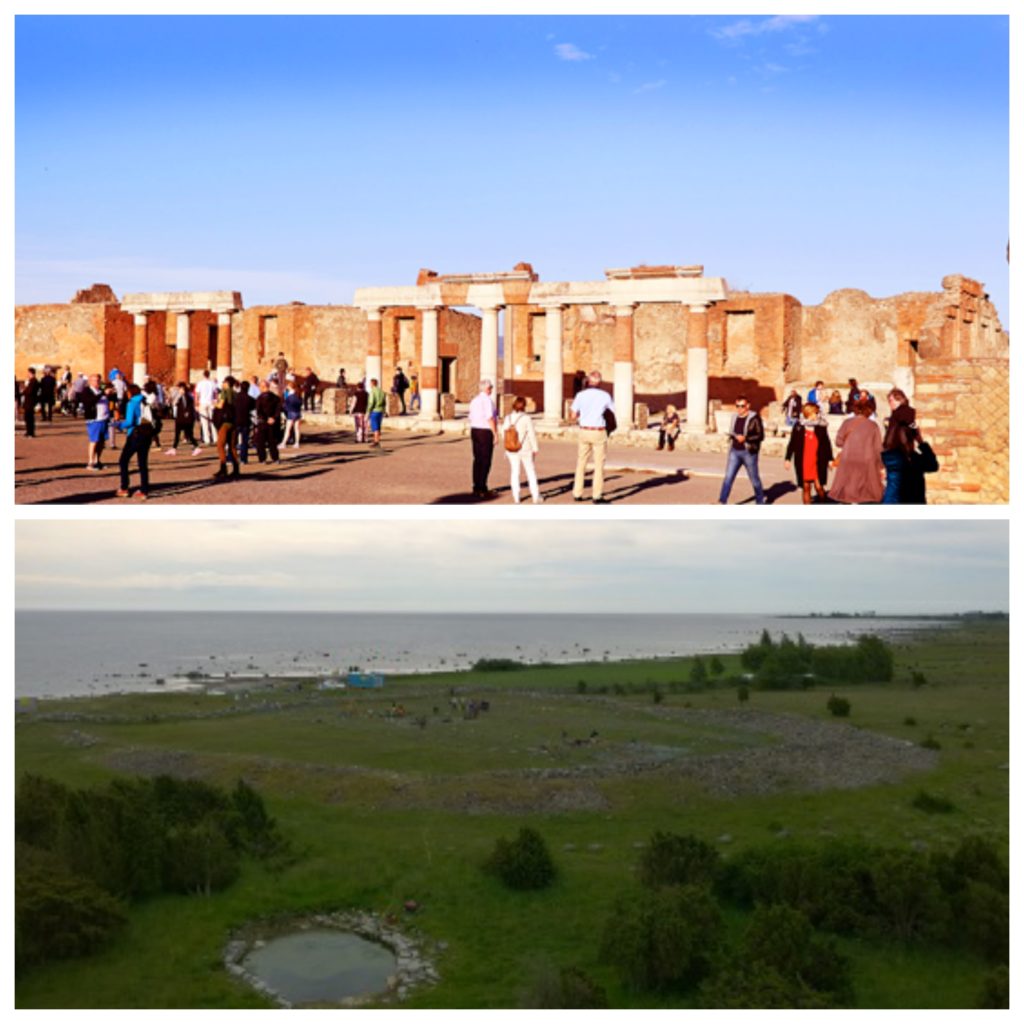
The Swedish Pompeii Project started in 2000 as a fieldwork project initiated at the Swedish Institute in Rome. The aim was to record and analyze an entire Pompeian city-block, Insula V 1.

Since then archeologists in Sweden have uncovered gold and jewelry at the site of a fort called Sandby Borg on the Swedish island of Öland. Hundreds died in a ‘brutal massacre’ at the island fort 1,500 years ago, and recently archeologists have unearthed one of their most exciting discoveries so far; an onion from the time of the massacre.

1,500-year Old Sweden’s Pompeii
Sandby Borg, Öland

You may also be interested in: Stockholm Medieval Museum

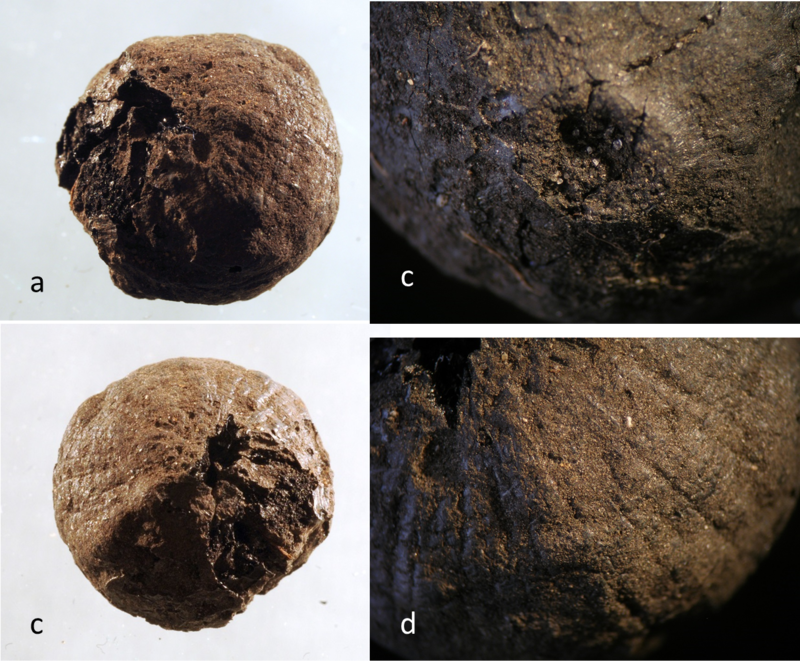
During the excavation of a home, the archeologist found something they originally thought must be some kind of a large nut. However, when testing, the lab confirmed that it was in fact a burnt onion. So, it is the oldest onion discovered in Scandinavia.

1,500-year Old Sweden’s Pompeii
1500-year old burnt nut found at Sandby Fort

Why the Sandby Fort has been left untouched for 1,500 years still remains a mystery. Since autumn 2010 the Swedish Pompeii project and its research is directed from the Department of Archaeology and Ancient History at Lund University. The onion is an exciting find, because it means that the area’s trade with ancient Rome must have included foodstuffs, in addition to things like gold and jewelry.

Before the brutal massacre, the site appears to have been a peaceful and prosperous place, where people lived comfortably in small huts and reared livestock for meat. But their peace was shattered when a group of unknown men burst in one night butchering the residents in a vicious and unexplained attack. This is maybe one of the reasons Atlas Obscura has nicknamed Sandby “Sweden’s Pompeii”.

1,500-year Old Sweden’s Pompeii
Pompeii-like ruins frozen in time have been uncovered in Sweden

You may also be interested in: Ice Age Scandinavia

‘It’s like Pompeii: Something terrible happened, and everything just stopped,’ said Helene Wilhelmson, a researcher at Sweden’s Lund University,

1,500-year Old Sweden’s Pompeii
Pompeii, Italy / Pompeii, Sweden

The site was left undisturbed for the next 1,500 years. One theory is that the location became taboo after the massacre, with people simply too terrified to set foot there.

1,500-year Old Sweden’s Pompeii
The Swedish Pompeii project 2007

Perhaps the onion will help shed some light on the situation

1,500-year Old Sweden’s Pompeii, written by Tor Kjolberg
New exhibition in Oslo: What is a Home?

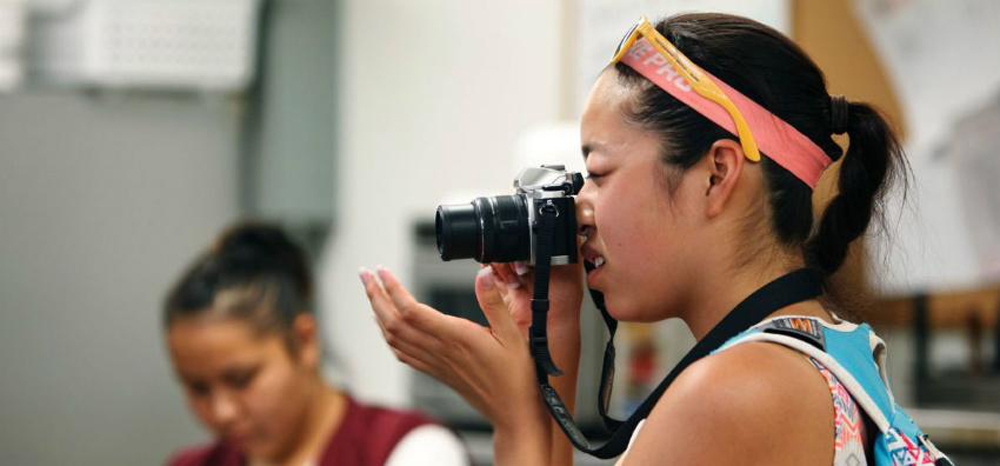
Over the course of six months in 2017, young refugees and youth living in Norway and Greece participated in four National Geographic Photo Camps in the Norwegian cities of Oslo, Bergen and Trondheim, and in Athens, Greece. National Geographic Photo Camp is a program that teaches young people from underserved communities, including at-risk and refugee teens, how to use photography to tell their own stories and explore the world around them.

Related: Shifting Boundaries in Oslo

Mentored by renowned National Geographic photographers, these young people explored each other’s cultures and the meaning of home, with the goal of creating increased understanding and developing deep connections with others through photography as a universal language.

“National Geographic Photo Camp aims to inspire a new generation of storytellers as well as the members of the community who view their work,” said Kaitlin Yarnall, vice president of media innovation at the National Geographic Society. The “What is a Home? exhibition celebrates this wonderful program and provides new audiences with the opportunity to view the powerful work of these young people and experience their stories through photography.”

New exhibition in Oslo: What is a Home?
What is a home? A home can be a place, but it can also be a feeling

Related: The Nobel Peace Prize 2016

This is the first time the Nobel Peace Center cooperates with National Geographic in creating an exhibition. “It has been fantastic to work with a renowned and inspiring storytelling institution like National Geographic on a project that is empowering young people and inspiring us all to think in new ways. The work of these talented, young photographers tells us that everybody needs to feel at home, although our understanding of home can be very different,” said Liv Tørres, director at the Nobel Peace Center.

New exhibition in Oslo: What is a Home?
A decade of storytelling. Ar rhe National Geographic Photocamp

Related: Controversial Nobel Peace Prize Winners

Together with photos taken by National Geographic photographers Lynn Johnson, Andrea Bruce, Pete Muller and Marcus Bleasdale, the work from the young photographers will be showcased in the “What is Home?” exhibition displayed on the Peace Wall outside the Nobel Peace Center.

New exhibition in Oslo: What is a Home?
The Nobel Peace Center is situated on the City Hall Square in Oslo, on the harbour front. Photo: Johannes Granseth / Nobel Peace Center

The Peace Wall is the building fence hiding the construction site for the new National Museum that is being erected in Oslo, visited by thousands of people every day. It was turned into an arena for contemporary art in 2015 as an initiative of the Nobel Peace Center in cooperation with the Norwegian Directorate of Public Construction and Property (Statsbygg).

The exhibition will run through September 2018.

New exhibition in Oslo: What is a Home?
Kaitlin Yaranall

About the National Geographic Society
The National Geographic Society is a leading nonprofit that invests in bold people and transformative ideas in the fields of exploration, scientific research, storytelling and education. The Society aspires to create a community of change, advancing key insights about the planet and probing some of the most pressing scientific questions of our time, all while ensuring that the next generation is armed with geographic knowledge and global understanding. Its goal is measurable impact: furthering exploration and educating people around the world to inspire solutions for the greater good. For more information, visit www.nationalgeographic.org.

New exhibition in Oslo: What is a Home?
“The work of these talented, young photographers tells us that everybody needs to feel at home, although our understanding of home can be very different,” said Liv Tørres, director at the Nobel Peace Center. Photo: NTB

About the Nobel Peace Center
One of Norway’s most visited museums with approximately 250 000 visitors per year
presents the Nobel Peace Prize laureates and their work, in addition to telling the story of Alfred Nobel is an arena for debate and reflection around topics such as war, peace and conflict resolution
is internationally recognized for its emphasis on documentary photography and interactive technology.

The museum presents changing exhibitions, engaging digital solutions, films, seminars and events
and is an independent foundation, with the Norwegian Nobel Committee appointing the board.
Olav Njølstad is the leader of the board, Liv Tørres is the Executive Director.
The museum is financed by a combination of public and private funds; the main sponsors and collaborating partners are Hydro, Telenor Group and ABB.

New exhibition in Oslo: What is a Home? Is based on a press release from the museum

Feature image (on top): The Peace Wall in Oslo

The Sayings of the Vikings

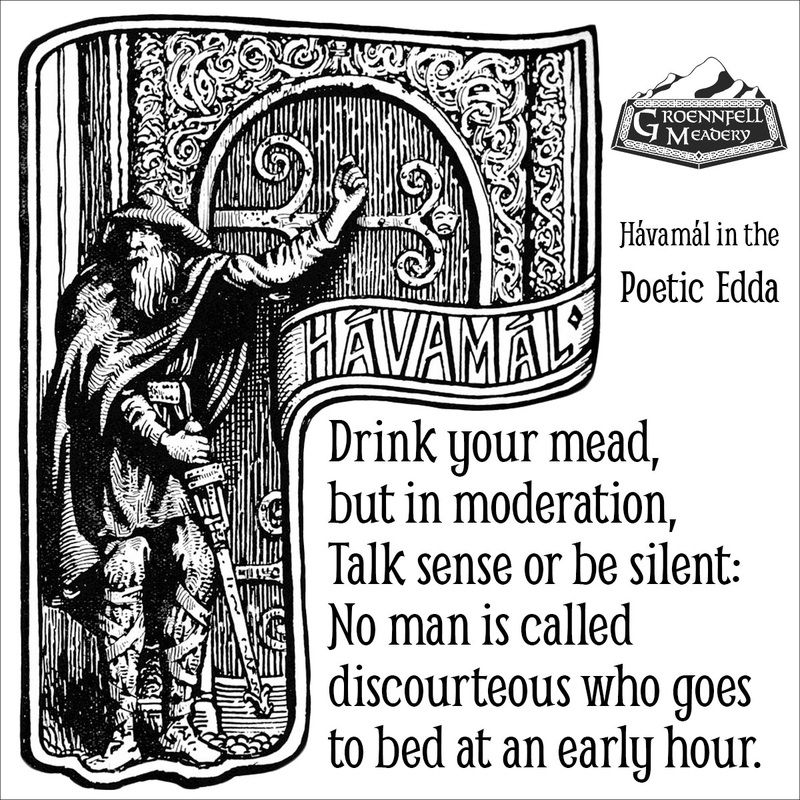
The authentic Hávamál was the more than 1000 years old famous guide on how to manage everyday life.  A new and readable translation into English is now available from Danish publishing company Gudrun.

Hávamál is one of the more famous and certainly one of the most popular of the so-called Eddaic poems. The part of Hávamál which is published in the tiny, charming book from publishing company Gudrun is unique in its being neither heroic nor mythological, but rather a poem of didactic nature.

The Sayings of the Vikings
Hávamál is one of the more famous and certainly one of the most popular of the so-called Eddaic poems

The Edda signify for the northern culture what the Vedas mean to India and the Homeric poems are for the Greek. Their variety and wealth are such, that they have been a source of inspiration and delight for generations, and still are.

Related: Valley of Vikings in Norway

Scholars do not agree on where the Hávamál was written, nor when; some argue it originated in Norway, some hold it was composed in Iceland, others still in the British Isles. Apart from the problem og discovering where the Hávamál was composed, there is the question of origination.

The Sayings of the Vikings
Bookcover

Is it a collection of ancient sayings, which were hovering in the cultural atmosphere of the ancestors of the Vikings, and finally written down by a scribe in one of these countries? Is it a mixture of Latin proverbs and the old heathen wisdom bound together in the metre of Edda?

Related: The Danish Viking Land

The question of age of the Hávamál is of course related to the question of where and how. There is almost a consensus that it was composed in the period around AD700-900, though it could have been written down for the first time later.

The Sayings of the Vikings
Harald Fairhead’s saga. Vignette by G. Munthe

One thing is certain, however. The spirit of the poem, at least, has been greatly influenced by the attitude and culture of the Viking era culminating in the period AD800-1000.

Related: England Under Attack From Vikings

The Sayings of the Vikings
The Edda signify for the northern culture what the Vedas mean to India and the Homeric poems are for the Greek

The aim of this little softcover book is to make the Hávamál accessible to the English reading public. Many people have helped the translator Björn Jónasson. An in the book’s foreword he thanks Mr. Christopher Sanders of the Amamagnæan Institute in Copenhagen and Mr. Martin Regal of the University of Iceland, for their invaluable criticism, and especially Mr. Bernard Scudder for his criticism, ideas and inspiration. “Where this translation has succeeded, it is because of the aid of these generous people, and where it has failed, is in through faults if mine,” writes Jónasson.

The Sayings of the Vikings, from the book’s foreword

Norwegian Pop Band Highasakite Is Back With Brand New Single

The Norwegian group caught the eye of Conan O’Brian and the rest of the world when it performed at the Nobel Peace concert in 2017 and super-producer Stargate produced the success single “5 Million Miles”. One year after, the band again exposes passion and trust.

The indie pop group was formed as a duo when singer Ingrid Helene Håvik from Ålseund met drummer Trond Bersu at the Ytondheim Jazz Conservatory in 2010 and began to write, record and perform together. Håvik rends towards the Björk/Lykke Li school of idiosyncratic vocalese.  The two recruited Thomas Dahl, a producer, to help out on bass and guitar, and Øystein Skar joined the group to play synthesizer. 

Related: Musical Electro Waves From Norway Conquer the World

Norwegian Pop Band Highasakite Is Back With Brand New Single
The band released their debut album “All That Floats Will Rain” in 2012

The band released their debut album “All That Floats Will Rain” in 2012 to rave reviews, and now Highasakite is again marrying up where the pair started, just Håvik and Bersu in a room doing what they love, performing “Out of Order”. Håvik expresses warmth, passion and trust. There is one key line that resonates above the chiming guitars, swelling synths and the drums: “And I will bring my baby home…”  Perhaps not a love song, but a significant step in a healing process.

Norwegian Pop Band Highasakite Is Back With Brand New Single
Highasakite at the Nobel peace concert in 2017

Related: Sigrid From Norway Winner Of BBC Music Sound Of 2018 Poll

“It was important for me to find my way back to the core,” explains Håvik. In “Out Of Order” the original Highasakite has found their soul again and I hope this new phase of the duo brings out more music like this.

“Out Of Order” is out now via Propeller Recordings.

Norwegian Pop Band Highasakite Is Back With Brand New Single, written by Tor Kjolberg

Scandinavian Common Crab

Common crabs (cancer pagurus) also known as edible crabs) are very, well, common, and certainly not a fisherman’s friend.

They destroy nets, eat the fish in them and their powerful claws can easily cut your fingers off. The claws are the only part of the common crab that’s usually eaten in Scandinavia. This practice often means that the fishermen tear off the claws and throw the defenseless creatures back into the sea – enough to put off eating the crab at all. And, in fact, the whole beast can be eaten, even if it’s a bit fiddly.

Scandinavian Common Crab
Scandinavian snowcrab

Appearance and taste
Common crabs are sold at a mature age. They are huge – 20-25cm across is not unusual – and have varying colors depending on their habitat. The claws contain fine, thread-like, juicy meat. If you want to eat the crabs whole, female crabs have a broader behind to contain the roe and are much meatier than the males. Crabmeat generally is more fibrous and has a much more distinct taste than other shellfish.

Related: Scandinavian Shellfish and Molluscs

Scandinavian Common Crab
Scandinavian common crab

Buying and storing
In Scandinavia claws are not too expensive, but whole crabs you can buy for almost nothing. You should always try to buy whole crabs, and ones that are not only fresh but alive – beware of the claws, though they should normally be clamped by a rubber band. Ready-boiled claws are always overdone, and it’s hard to know if they are fresh enough. If you detect any whiff of ammonia, the meat is too old.

Related: World’s Best Oyster – A Wild Swedish Delicacy

Scandinavian Common Crab
Scandinavian kingcrab

Culinary uses
Crabmeat’s strong taste means that it can take a heftier spicing – chili works well – or be made into a spicy salad with a saffron-garlic mayonnaise. The easiest and freshest way to dress the whole crab is to mix the edible parts with a little of your preferred mayonnaise, a little diced celery, cucumber, shelled peas, asparagus, or just lettuce. Serve this salad in the shell, so guests can pick at the claws as well as eat the luscious salad – accompanied by some toasted rye bread or sourdough, of course. Alternatively, crab claws can be grilled whole for 10 minutes under a very hot grill. Eat with a green salad, sourdough, lemon, and a mayonnaise or chervil cream.

Related: Norwegian Crow’s Balls

How to prepare and eat crab

To boil
Crabs can be boiled in the same court-bouillon as that used for crayfish. Whether you are preparing whole crabs or claws only, put them in the boiling liquid, cook for 10 minutes, then remove from the heat and leave to cool in the pan. Remove when they have just cooled and, in the case of the claws, crack them with a hammer – preferably outside!

Scandinavian Common Crab
Crab claws

To eat
The claws are relatively straightforward: you simply extract the meat with a lobster fork, or a small pointed knife. When it comes to a whole crab, the fun part is to distinguish the edible from the inedible inside it – it’s not difficult but it is messy, which is to reason whole crabs are so cheap.

To begin, pry the top shield off. Stuck inside it is reddish goo, which has a wonderful taste: scrape it into a bowl. The rest of the crab is mostly greenish grills, seemingly made of rock wool, and they must be removed. The rule hereafter is that anything soft and chewable inside the crab is great to eat, including the green, black and brown stuff.

Scandinavian Common Crab, written by Tor Kjolberg

The World is Mourning the Death of Swedish DJ Avicii

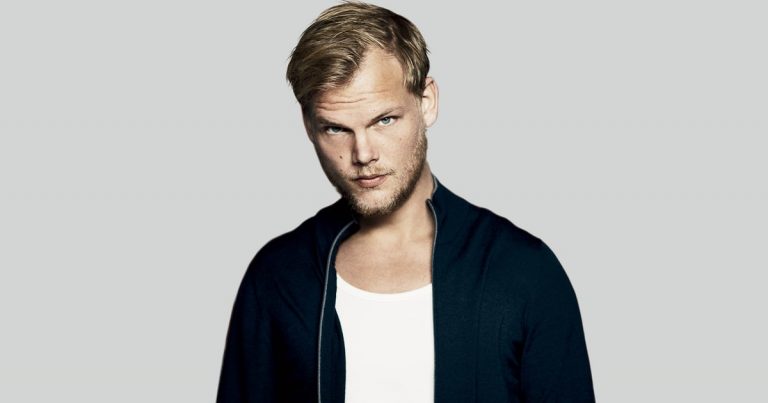
28-year old Avicii, born Tim Bergling, was found dead on April 20 in Muscat, Oman. His body will now be taken back to his native Sweden.

Avicii was said to be on holiday in Oman and he had been open about his health issues, due in part to excessive drinking. He had previously retired from touring battling with acute pancreatitis.

The World is Mourning the Death of Swedish DJ Avicii
Avicii, born Tim Bergling, was found dead on April 20

The Swedish DJ made the wedding of Sweden’s Prince Carl Philip and Princess Sofia in 2015 unforgettable with his music, and among fans and members of the music community they are mourning his death.

Related: Swedish Existentialism in Music

The World is Mourning the Death of Swedish DJ Avicii
The Swedish DJ made the wedding of Sweden’s Prince Carl Philip and Princess Sofia in 2015 unforgettable with his music

The Grammy-nominated electronic dance DJ who performed sold-out concerts for feverish fans around the world had also massive success on U.S. pop radio.

Related: Swedish Pop Singer Moved to 1st Place On Billboard’s Radio Songs List

The World is Mourning the Death of Swedish DJ Avicii
Avicii had also massive success on U.S. pop radio

His former partner Emily Goldberg – who dated the ‘Hey Brother’ musician for two years until 2015 – took to social media to share her grief.

She wrote: “‘Come on babe, don’t give up on us. Choose me, and I’ll show you love.’ Those are lyrics from a song Tim wrote for me. I wish I could have lived up to them. For the two years we were together, he was my closest confidante, and my best friend. Now I can’t look at Bear without knowing I’ll never see his face again. I’m still collecting my thoughts and thank you for all your kind words and texts. Wake me up when it’s all over, because I don’t want it to be real.”

Related: Thank you for the Music, ABBA

His most recognized song, “Wake Me Up,” was a multiplatinum success and peaked at No. 4 on Billboard’s Hot 100 chart. On the dance charts, he had seven Top 10 hits. His biggest hit was “Le7els.”

The World is Mourning the Death of Swedish DJ Avicii, written by Tor Kjolberg

New Nordic Cocktail Bar in Copenhagen

Soon you can enjoy Nordic ingredients in your cocktail served with delicious snacks in Copenhagen. The team behind Kadeau, honored with two Michelin stars, is opening a new Nordic cocktail bar in the upcoming upscale boutique hotel Herman K in June.

The bar will be named after its zip code 1408 and will be found in the premises right next to Kadeau in Christianshavn.

New Nordic Cocktail Bar in Copenhagen
Kadeau chef Nicolai Nørregaard

The ambition level is high and the new cocktail bar is said to be one of the world’s best.
“We already make food that people travel from all over the world to taste. We will work together with a cocktail genius, “says Rasmus Kofoed, one of the three owners of Restaurant Kadeau.

Related: Cocktails in Copenhagen

New Nordic Cocktail Bar in Copenhagen
Herman K Hotel

Nordic with Nordic ingredients
The cocktail bar will be 100% Nordic and the bar’s cocktails will be made exclusively with Nordic ingredients. For example, Citrus might for example be replaced by fermented berries. The concept of the cocktail bar has been developed by Morten Damgaard, who is also the man behind a number of other so-called “postcode” bars such as 1105 and 1656.

The cocktail bar has teamed up with Simon Lennet and Simon Frank, veterans in the Copenhagen nightlife scene, owners of nightclubs such as Chateau Motel and At Dolores.

Lots of food
In addition to delicious cocktails, you can enjoy high quality bar snacks, matching some of the food already served at the Kadeau.

New Nordic Cocktail Bar in Copenhagen
Rasmus Kofoed, one of the three owners

“We are very excited to develop the so-called cocktail card with a creative minded person like Morten. Therefore, we also provide all the knowledge about Danish raw materials, herbs, taste and cooking techniques from our newly developed Kadeau’s food lab. Finally, we will thank a number of chefs who have assisted Morten to develop our juice menus at the two Kadeau reataurants,” says Kadeau chef Nicolai Nørregaard.

For DKK 595 you can enjoy a composite menu called ‘The 1408 Pairing’ with three cocktails and three different snack servings.

New edition of White Russian
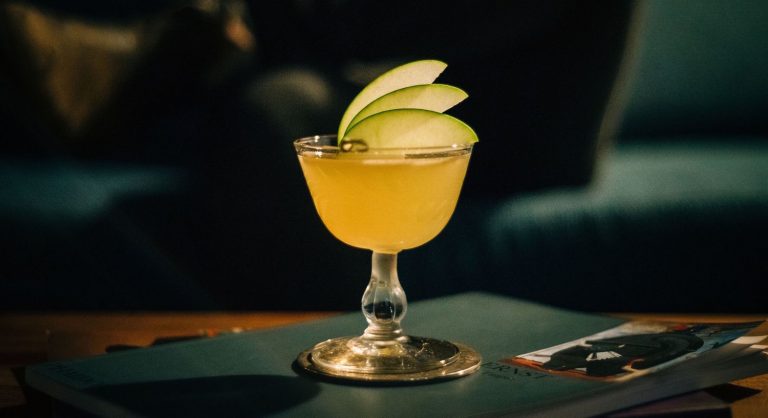
On the menu you will find a variety of cocktails such as a new interpretation of the favorite White Russian called Pharisee. It consists of snaps, coffee liqueur, fermented honey, egg liqueur and fried cream. This cocktail is served on a tray, so you can choose your own taste and sweetness.

Prices for snacks start at DKK 65, and cocktails cost 125 DKK.

Bar 1408 will open at Wildersgade 10a, 1408 Copenhagen in June 2018.

New Nordic Cocktail Bar in Copenhagen, written by Tor Kjolberg

Feature image (on top) illustration photo only