In the 1100s, the crusaders invaded Europe to the extent that a Christian country could not escape being affected.
Several thousand Norwegians answered the call of the Pope Urban II to undertake the perilous journey to Jerusalem. The 11th and early 12th centuries marked a golden age for the Kingdom of Norway. The Norwegians had only recently, within the last couple of hundred years, abandoned the old Norse gods in favor of the Christian monotheism and formed themselves into a single nation.
Sihurd Jorsalfar. The 11th and early 12th centuries marked a golden age for the Kingdom of Norway
The Norwegian king Sigurd Jorsalfar was the first Scandinavian king to go on crusade to the Hoiy Land. The crusaders did not lose a single battle during the Norwegian Crusade. The Byzantine Empire was under pressure from Seljuk Turks, who controlled their own vast empire in the Middle East and Southwest Asia, so the Pope asked Christians in Western Europe to help their fellow Christians in Eastern Europe. Pope Urban II’s call for help was presented at a church council in Clermont, France, and the message spread like wildfire.
Several thousand Norwegians answered the call of the Pope Urban II to undertake the perilous journey to Jerusalem
At that time the Kingdom of Norway encompassed not just the modern nation of Norway but also areas of Sweden, Scotland, Ireland, Iceland and Greenland. The Norwegians had recently, under King Harald Hardrada, been thwarted in their attempts to reconquer England in 1066 by the Saxon King Harold Godwinson (who was killed a few days later at the battle of Hastings by William the Conqueror and his Norman invasion). However, this had not marked the end of Norwegian power in Europe as Harald Hardrada’s great-grandson would demonstrate in his epic crusade across Europe. Sigurd and his men sailed from Norway in the autumn of 1107 with sixty ships and perhaps around 5,000 men.
The conquest of Jerusalem, 1099
In the autumn he arrived in England, where Henry I was king. Sigurd and his men stayed there the entire winter, until the spring of 1108, when they again set sail westwards. But this was not just about saving the Byzantine Empire. Jerusalem, the holiest city in the world, was also the target of this radical new form of pilgrimage—the First Crusade.
At a young age, in 1098, Sigurd was given his first taste of war when Magnus took him on campaign to claim the Orkney Islands, and the Isle of Mann for Norway. During the journey, the Norwegians encountered a great pirate fleet of galleys which were seeking peaceful trading ships to rob. However, Sigurd set his course straight for the pirates and stormed their ships. After a short time, all the pirates had been either slain or escaped, and Sigurd acquired eight ships from them.
In the years after Pope Urban II’s call for help, thousands of people from all walks of life—nobles, knights, priests, monks, the poor, sick and old—undertook the journey to Jerusalem. The First Crusade ended in success when Jerusalem was conquered in 1099.
Fall of Jerusalem
The Norwegians were given many treasures and relics, including a splinter off the True Cross that Jesus had allegedly been crucified on. This was given on the condition that they would continue to promote Christianity and bring the relic to the burial site of St. Olaf.
However, the new kingdom on the far side of the Mediterranean was vulnerable as the bulk of the first crusade returned to Europe. Jerusalem was left with barely 300 knights and a small sliver of land amidst a sea of hostile Muslim states.
The book “Kingdom of the Crusaders,” by Steven Runciman gives insight in the life and history of the crusaders
Sigurd, who shared the throne with two half-brothers, launched a much larger expedition with a total of 60 ships that sailed from Norway in 1108. Various historians have estimated that anywhere from 2,000 to 10,000 men were on the ships. Sigurd was then just 20 years old.
In the spring of 1109, they arrived at Sicily (Sikileyjar), where they were welcomed by the ruling Count Roger II, who at that time was only 12-13 years old. In the summer of 1110, the finally arrived at the port of Acre (Akrsborg), where they were warmly welcomed by the ruling crusader king Baldwin I, King of Jerusalem.
Sigurd helped Baldwin I to consolidate his position in the Middle East, and he participated in the siege of Sidon in 1110. Sidon is located in today’s Lebanon, and the city was besieged by Sigurd from the sea and by Baldwin from the land. Baldwin rode together with Sigurd to the river Jordan, and back again to Jerusalem.
Jerusalem, the holiest city in the world, was the target of Sigurd Jorsalfar’s radical new form of pilgrimage
When Sigurd was preparing to go back to Norway, he gave all his ships and valuable figureheads to Alexios I of Constantinople. In turn Sigurd received many horses, which he would use to travel home over land. Many of his men stayed behind to take up service with the Byzantines.
Sigurd’s journey back to Norway would take nearly three years during which he would be welcomed by the courts of the various places he visited, including Emperor Lothar of the Holy Roman Empire. On his return to Norway in 1113 he arrived in Denmark and was greeted by King Niles, who eventually gave him a shop so that he could sail home to Norway.
There Sigurd was greeted by his brother Øystein who had proven himself most efficient at ruling in his brother’s absence.
Sigurd was buried in Hallvard’s Church (Hallvardskirken) in Oslo. In the 17th century the church had fallen into such a state of decay that a student took Sigurd’s skull for safe-keeping. In 1957 the skull was interred in the wall of the Royal Mausoleum at Akershus Fortress.
A crusade became a kind of alternative to entering a monastery, and knights could thus serve God in other ways. It was kind of a Norwegian Games of Thrones. The Latin kingdom in the Middle East held sway until 1291.
The Norwegian Game of Thrones, compiled by Tor Kjolberg
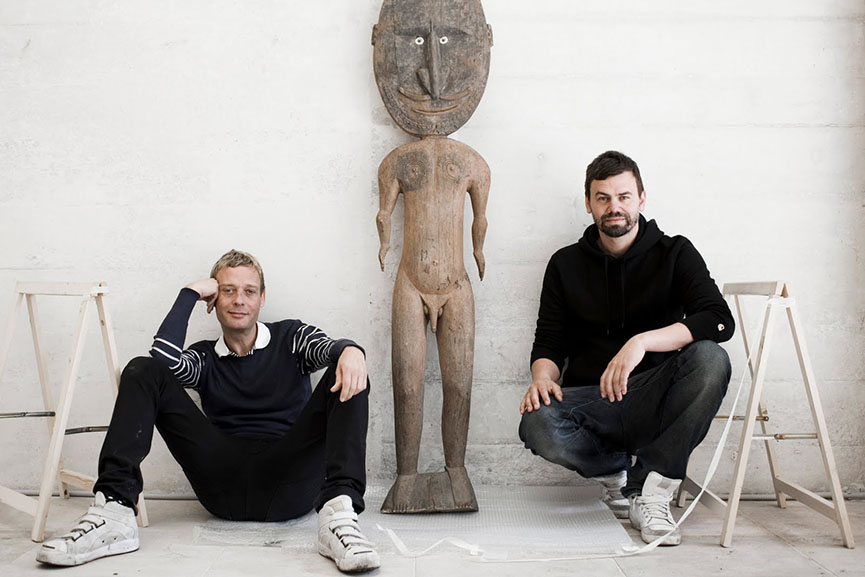
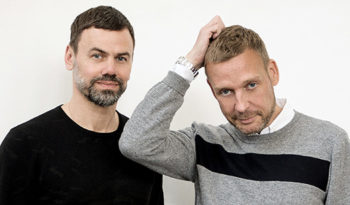
Danish-born Micael Elmgreen and Norwegian-born Ingar Dragset were the curators of the 15th Istanbul Biennial which ended 12 November.
The Istanbul Biennial has in recent years focused on subjects such as the city’s anti-authoritarian protests in Gezi Park in 2013 and Europe’s migration crisis. The biennial’s manifesto has since 2009 stated that the biennial should display “political neutral art as a means of policing the art world”.
The Scandinavian artist-duo and curators, now based in Berlin, suggested “a good neighbor” theme for the 15th Istanbul Biennial
The Scandinavian artist-duo and curators, now based in Berlin, suggested therefore “a good neighbor” theme for the 15th Istanbul Biennial, the very question of how to live together as people and countries.
The celebrated duo Elmgreen & Dragset stands for an aptly and consistently use of narrativistic techniques to convey messages that are anti-simplistic in nature that in itself has become a political cause that needs to be celebrated, protected and given ample place to be experienced.
The biennial’s manifesto has since 2009 stated that the biennial should display “political neutral art as a means of policing the art world”
Controversial art is, however, almost entirely absent in a country having increasingly tense relationship with Europe, even if, on the surface, Turkey is recovering a superficial form of normality.
The duo acknowledged an absence of anti-government slogans or artwork incorporating overt activism
Was it possible for the curators to carve out space wide enough for the biennial and its artworks to unfold rather than be forced through a narrow filter? The Scandinavian duo vigorously denied they have practiced self-censorship, although they hinted at the difficulties of working in Turkey. At a press conference prior to the biennial Michael Elmgreen explained that the artworks were presented as an incompetent sentence, and most likely one ending with a question mark. The duo acknowledged an absence of anti-government slogans or artwork incorporating overt activism, but said contemporary politics had been infiltrated in more subtle ways.
Alajandro Almanza Pereda displayed at the Pera Museum
In our opinion the duo delivered a biennial that was politically charged and poetic, anchored in its local scene yet international in reach. The curators’ language around their title “a good neighbor” was without burdens. “It’s a little flat if art gets reduced to being a direct response to very populist politics, and very simple answers on very complicated matters,” said Elmgreen.
The duo Elmgreen & Dragset said but said contemporary politics had been infiltrated in more subtle ways
“A good neighbor” was also a lesson in curating. The exhibition’s scale with 56 artists spread across six locations, was modest and manageable. Dragset drew a distinction between the art world and geopolitics: “Art is not there to react the same way as politicians or the media, using the same simplified populist language,” he said.
Elmgreen & Dragset talk about curating the 15th Ustanbul Biennial
For art stars of their caliber, Elmgreen & Dragset kept a remarkably low profile at the biennial. Having participated in numerous biennials themselves, the two insisted on a scale that ensured the viewers’ full engagement with every work on view – even the videos.
“The Dlesh is Yours” by Michael Rakowitz
However, both artists admitted they had been sensitive to the political climate faced by Turkish artists, and the duo’s show stood in stark contrast to the last Istanbul Biennial, curated by Carolyn Christov-Bakargiev.
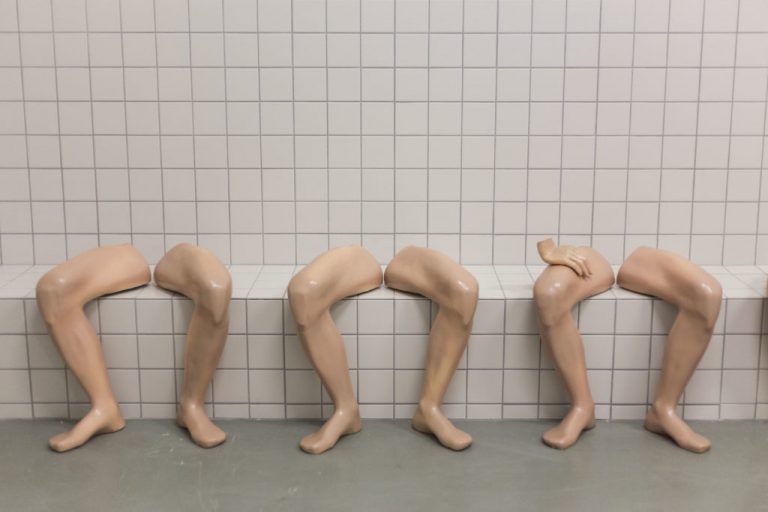
Hamam, by Monica Bonvincini
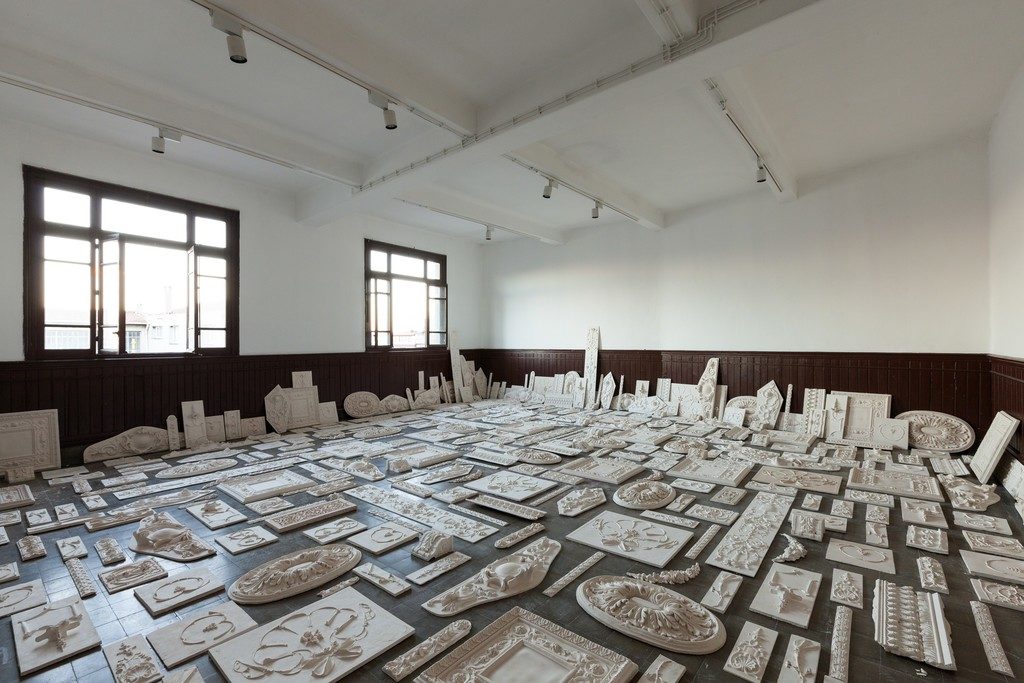
Some of the most striking works in the exhibition were installed inside the Galata Greek Primary School. Installed pieces by Dan Stockholm, Pedro Gomez Egana and Kasia Fudakowski, placed on different levels of the building, illustrated the private home, bodies inhabiting domestic places and its physical and personal foundations and what made a home personal, all in stylistically varied ways. A work by Leander Schönweger, displaying a maze of white-washed walls and unusually sized door frames, sent the viewers through a disorienting and potentially claustrophobia-inducing quest.
Installation at Galatea Greek Primary School
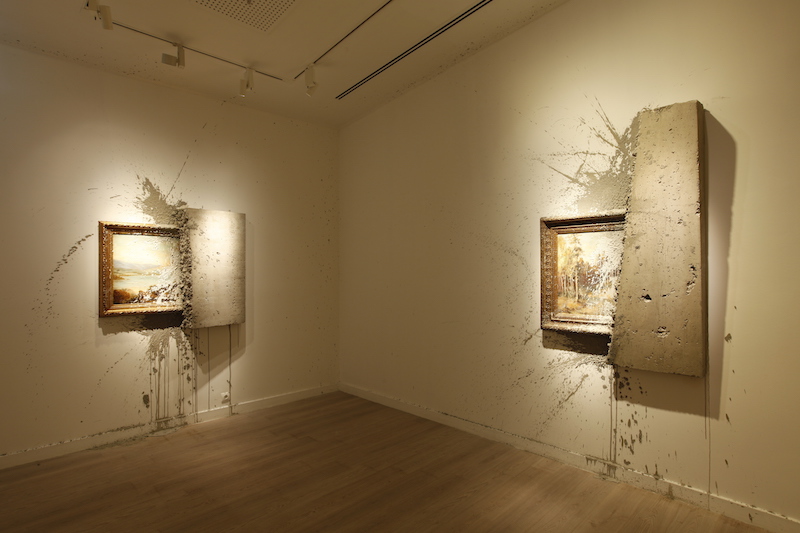
One of the most political pieces was by the Moroccan-French visual artist Latifa Echakhch, which featured two concrete walls painted with a flaking mural of the protests in Istanbul’s Gezi Park in 2013.
The number of artists had been kept purposefully low, and 30 of the 56 participants presented new commissions, asking questions around the theme, ranging from “is a good neighbor someone you rarely see?” to “is a good neighbor genderless?”
In fact, many works in the exhibition deal with gender and sexual identities, and one location, a Bauhaus-style villa housing the cultural space Arc Kultur, was entirely dedicated to one work by Mahmoud Khaled, titled “Proposal for a House Museum of an Unknown Crying Man” (2017). Elmgreen & Dragset, who are gay, said the biennial was meant to be a celebration of diversity, exhibiting works in six venues, mainly located in Istanbul’s European city center; Galata Greek Primary School, Istanbul Modern, Pera Museum, ARK Kültür, Yoğunluk Atelier, and Küçük Mustafa Paşa Hammam.
In our opinion the duo delivered a biennial that was politically charged and poetic, anchored in its local scene yet international in reach
Elmgreen & Dragset suggested that both artists and viewers should think about the role of art, the spaces it fills, and what can be expected of it in politically fraught times. Like almost all cultural events in Turkey, the biennial is run by an independent private foundation, and only about 6% of its funding comes from the Ministry of Tourism and Culture.
It’s difficult to consider Istanbul and the concept of neighbors without thinking about its border country, Syria. Roughly three million Syrian refugees currently live in Turkey, the overwhelming majority of them without access to basic facilities. No art can truly do justice to the catastrophic enormity of this human tragedy, but Erkan Özgen’s short video Wonderland (2016) was a poignant evocation of the ongoing situation.
Artwork by Lafita Echakhch
Elmgreen & Dragset’s biennial was a generous and relevant platform, fizzling with new energies. It didn’t set out to change the world, but proved that art can offer considered reflections on what it might mean to share it with others.
Scandinavian Artist-Duo Curated Politically Fraught Istanbul Biennial 2017, written by Tor Kjolberg
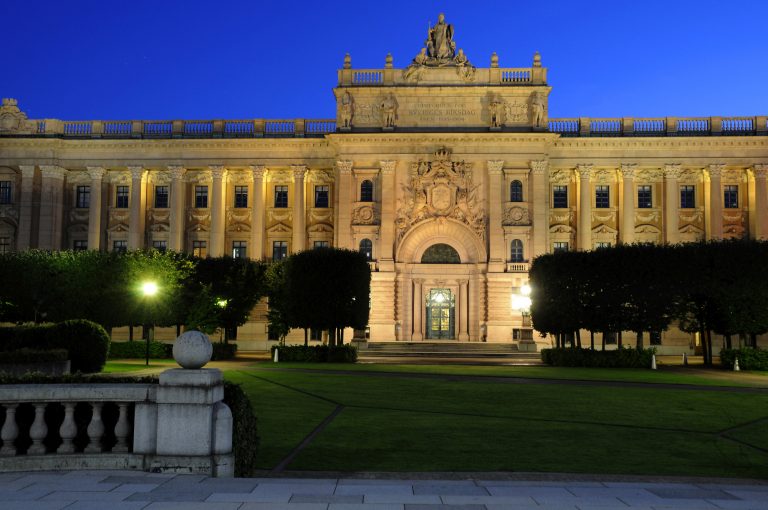
The refurbishment of the Parliament Building (Riksdagshus) on Helgelandsholmen to the north of Gamla Stan in Stockholm during the 1970’s led to a remarkable archeological find and a new museum.
When the builders started to excavate the Riksdagshus terrace to form an underground car park, they discovered layer upon layer of the past, including part of the medieval Town Wall which Gustavus Vasa had built in the 1530s, the cellars of an apothecary shop and the churchyard of the medieval Helgelandshuset (House of the Holy Spirit), which uncovered 7 metric tons of skeletons. No less than 11 boats were also found. The excavations aroused great attention and debate in the press and were soon christened “Riksgropen” (the National Pit).
No less than 11 boats were also found when excavating the present ground of the Stockholm Medieval Museum
The Country Administrative Board decoded that these remains should be preserved as permanent heritage monuments, ands so the Medieval Museum came about. The State bore the building costs while the City of Stockholm dealt with the fittings and fixtures, displays and running costs.
The archaeological investigations on Helgeandsholmen from 1978—1980 are the most comprehensive so far undertaken in the inner-city area of Stockholm
The archaeological investigations on Helgeandsholmen from 1978—1980 are the most comprehensive so far undertaken in the inner-city area of Stockholm. Altogether an area of 8,000 square meters was investigated and when the project was completed a volume of some 50,000 meters of earth had been dug through and carried away. The excavations made it possible to follow the development of settlement in the area from the mid thirteenth century to the present day.
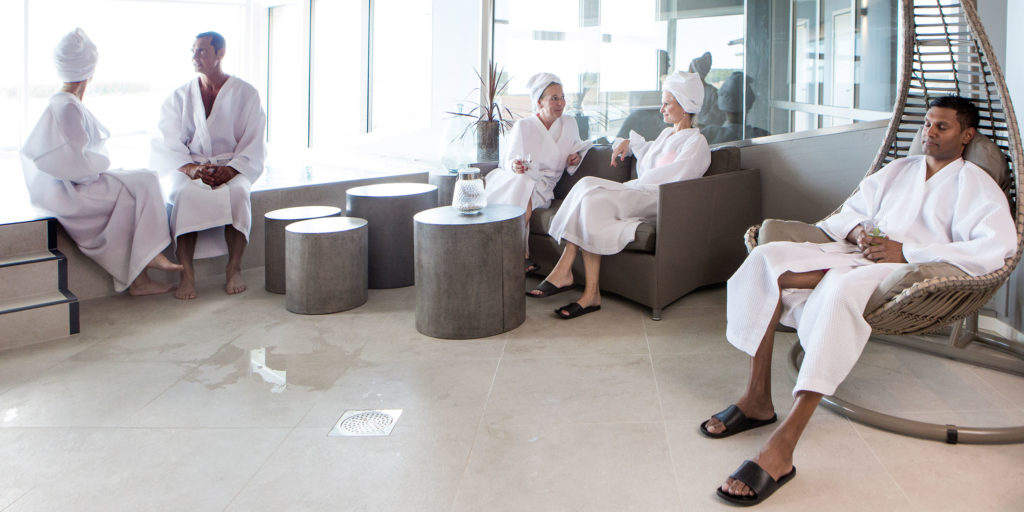
Research shows that winter bathing is good for both body and mind, and now TanumStrand in the beautiful archipelago of the Swedish west coast revives the old tradition from Bohuslän. The doors of a newly built sauna are now open, just in time to advent, and only a few steps from the bathing ladder on the pier.
The first bathing facility in Grebbestad was built in 1844, specializing in mud baths from the ocean bay, which was considered to be very healthy for the body. There were both hot and cold bathhouses in Grebbestad at this time, but the latter was demolished in 1974.
The concept behind SPA Horizon at TanumStrand is called Fire & Ice
“I am from Grebbestad and know many of the local people who keep the cold bathing tradition alive. Ur’s trherefore extraordinarluly to be able toi offer this wonderful experience to our guests,” says Martha Lindberg Listad, SPA manager at Tanum Strand,
On the pier, just a few steps from the salty ocean, there is built a small cozy, hot sauna ready to be taken into use just in time for the Christmas table season.
Spa ritual at Tanum Strand
“Talking about cold bathing, many people shake their heads, but I really recommend everyone to try it at least once,” says Marthina. “You tend to be hooked, it’s a wonderful experience and a real kick! Moreover, research shows that it is pure health insurance. Winter bathing minimizes tension, fatigue, poor memory as well as having a positive effect on the mood. In other words, perfect in stressful Christmas times,” she concludes.
Guests booking a Christmas table at TanumStrand can now choose from several different activities to start their stay before enjoying their Christmas dinner
When you mention cold bath, many people shake their heads, but I really recommend everyone to try it at least once. You tend to be hooked … It’s a wonderful experience and a real kick! Moreover, research shows that it is pure health insurance. Winter baths minimize tension, fatigue, poor memory and have a positive effect on the mood. In other words, perfect in stressful Christmas times, says Marthina.
The concept behind SPA Horizon is called Fire & Ice, alternating between heat and cold. Several smaller fireplaces contribute to the cozy atmosphere, and the hot sauna meets its contrast in cold showers and ice scrub.
“The fact that we now also have a proper winter bath feels very good and fit perfectly into our concept,” says Marthina.
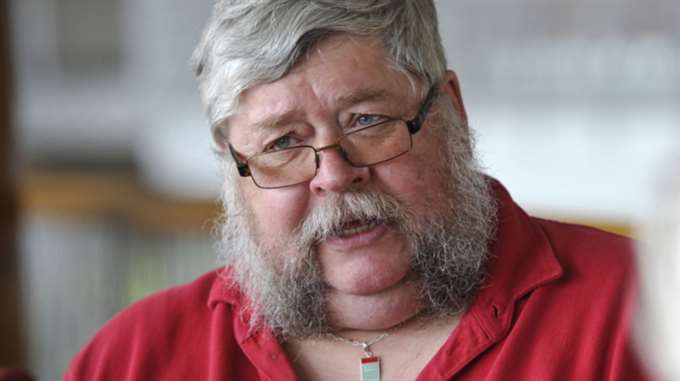
This Christmas you can taste herring together with Swedish TV celebrity Peter Harryson
Guests booking a Christmas table at TanumStrand can now choose from several different activities to start their stay before enjoying their Christmas dinner. You can for example make beer in the boathouse, boil fresh crayfish on the pier, taste herring together with Peter Harryson or do Christmas sauna bathing, jumping in the ocean.
At TanumStrand there are 165 hotel rooms and 97 fully equipped, detached cottages, a total of 1100 beds.
Ice-cold Tradition is on Fashion Again in Sweden, based on a press release from TanumStrand
The Daily Scandinavian team has explored the best ski resorts in Norway. Norwegians passion for snow sports makes the country a superb winter holiday destination, for beginners as well as seasoned ski enthusiasts. Here’s our One Stop Guide to Skiing in Norway.
Norway’s snow conditions are so reliable that many resorts offer a snow guarantee from November to May.
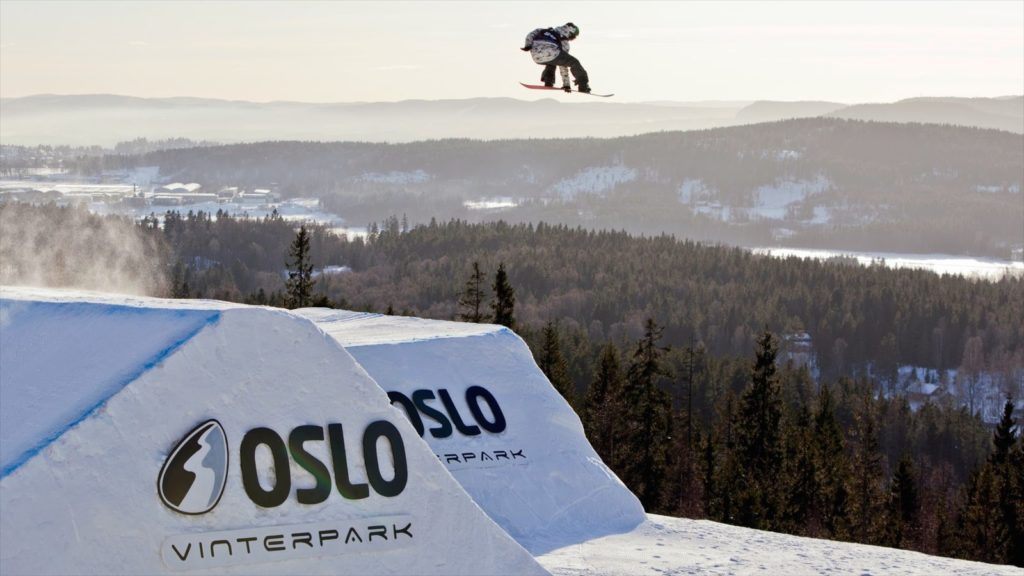
Oslo Winter Park Half an hour by the tube from the Oslo City Center, you’re in winter wonderland. If you’re into sledge running, you can start with the city’s free-to-use 2km Corkscrew (Korketrekkeren in Norwegian). The sledge run starts near a tube stop, and the tube also brings you back to the start from the end of the run. There is also an off-piste 10-minutes thrilling stretch a bit from the station, from where you also can enjoy the stunning view of the twinkling lights from the city center and the glittering water of the Oslo fjord.
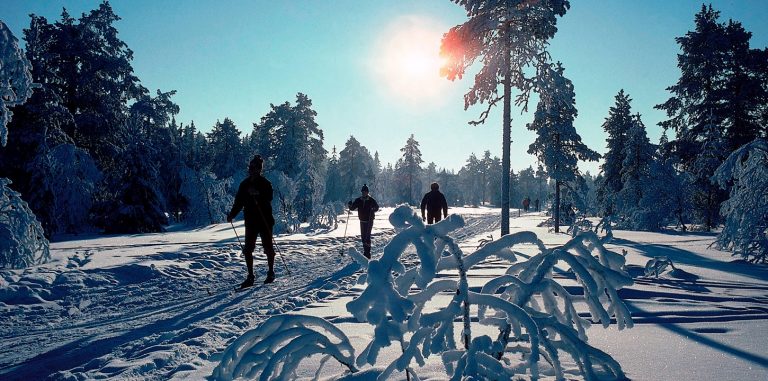
Enjoy skiing through snow-drenched trees, across frozen lakes, uphill and down in Oslo Winterpark
If you take the tube some more stops to Frognerseteren you’re in the middle of Oslo Winter Park with its 11 lifts and 18 slopes from 138 to 529 meters and 10.2 kilometers pistes. Enjoy skiing through snow-drenched trees, across frozen lakes, uphill and down.
Views of the illuminated Holmenkollen ski jump at night from downtown Oslo are almost as good as the other way around. The ski jump is not far from the Winter Park
Oslo Winter Park is open until 10pm most days.
Croos-country skiing in Norway is a cool sport. There are more than 2,600km tracks around Oslo, and plenty of opportunities both day and night (in lighted slopes).
Norefjell About 110km drive by car or bus north-west from Oslo, you’re in the middle of impressive spa resort facilities in the ski area that hosted the Alpine ski events for the Oslo 1952 Winter Olympics.
Winter landscape at Norefjell
The Norefjell spa resort is set on a tranquil forested hill overlooking the Lake Kroederen in the municipal of Noresund. There are slopes both above and below the hotel, which means guests can go skiing right from the entrance and glide to the nearest ski lift.
Here is also one of the greatest vertical drops (1,008m) in Scandinavia, and was in fact the Olymoic debut of Giant Slalom in 1952. The resort boasts being a part of the very first purpose-built ‘athlete’s village’ of the modern Olympic Games. Norefjell was voted Norway’s Leading Spa Resort in 2011.
There are three slopes for beginners, one reserved for children only. Located just below the mid-altitude resort village there’s a small terrain park, equipped with a basic selection of rails, jib modules and jumps.
Most of the slopes are surrounded by a sheltering forest of pine and birch, softening the landscape and providing useful points of reference in flat-light conditions. The most testing slopes are find at the mid sections of the lower sector runs, one of them reckoned to be the steepest black piste in Norway.
The uppermost sector is open and above the tree line and offers easy runs, except a couple of the area’s longest red runs.
Sleigh rides, dog-sledding, and go-karting or quad-biking on snow circuits are offered as excursions in the surrounding district. Floodlit night skiing sessions are also possible on a couple of evenings each week.
Norefjell has become a popular year-round conference and wedding destination as well as a stylish weekend retreat for Oslo urbanites, attracting as many non-skiing winter visitors as it does skiers and snowboarders. The resort facilities include indoor and outdoor heated swimming pools plus a range of hydro-massage pools. A wide range of wellness and beauty treatments are offered.
Evenings are very civilized and focused on fine dining in the restaurants in the resort’s two main hotels.
Geilo Set in the heart of southern Norway, halfway between Oslo and Bergen, Geilo is a resort bustling with life. In Norway’s oldest ski resort there are 34km of pistes, and plenty to entertain. The longest run is black with genuinely steep pitches leading down to Godt Brod Café where you are offered hot chocolate made with Belgian chocolate pellets.
In Geilo, visitors can choose accommodation from five-star hotels to traditional Norwegian log cabins
With the arrival of the Bergen-Oslo railway in 1909, the area has grown and is to-day flanked by two ski areas with 20 lifts and 40 runs covering 35km.
Situated 1,065m above sea level, the resort is treeless and home to arctic foxes, northern Europe’s largest herd of reindeer and snowy owls in Norway’s largest national park, Hardangervidda, which is also the largest mountain plateau in Northern Europe.
Visitors can choose accommodation from five-star hotels to traditional Norwegian log cabins. Uncrowded slopes make Geilo well suited for beginners, families and intermediates.
The resort is quiet, especially during the week, so if you enjoy skiing on perfectly groomed, uncrowded slopes, Geilo is the place to be. And after a snowfall you don’t even have to leave the marked runs to get a taste of that fresh powder feel beneath your skis. However, Geilo us much lovelier during week-ends.
Activities in Geilo include husky safari, ice fishing – and the search for Santa. We recommend a visit to Langedrag nature park and mountain farm where you can see arctic foxes, lynx, fjord ponies, wolves, yak and reindeer.
Intermediately skiers can enjoy large terrain park built after the local 2013 X-games female ski gold medal winner Tiril Sjastad Christensen. The more challenging ones should try the off-piste Korken sector.
Scandinavian cuisine is world famous, and Geilo has its own celebrity chef, Frode Aga, whose Hallingstuene restaurant offers delicious dishes using local ingredients. There are, however, restaurants and eating places for everyone in Geilo.
We definitely recommend you to take the Bergen-Oslo train, one of the world’s most scenic journeys between the capital and Norway’s second largest city.
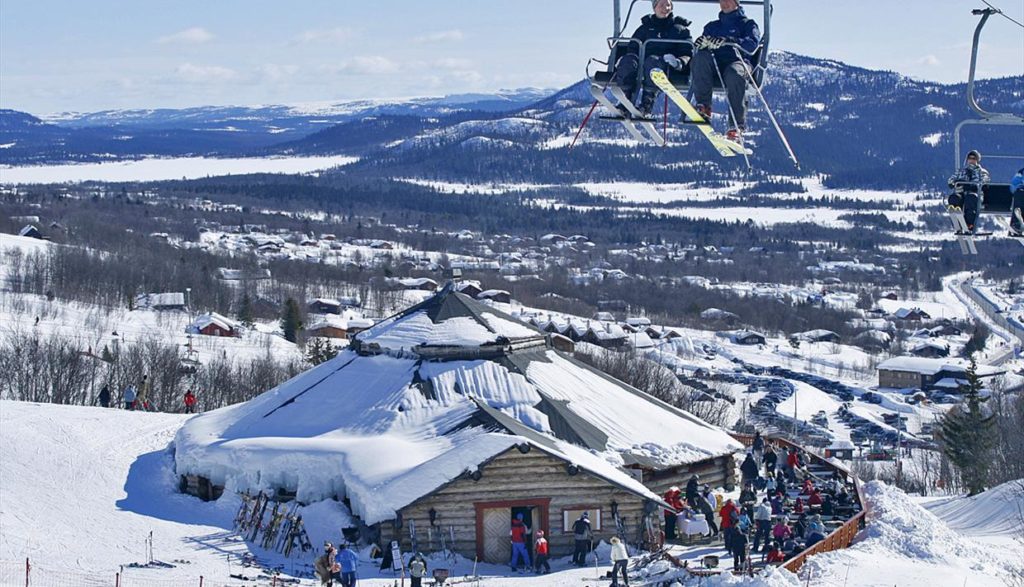
Beitostolen With the Bitihorn mountain as a backdrop, Beitostolen is an unspoilt village in the Valdres region, overlooking Lake Oyangen. The resort has two separate ski areas, one above Beitostølen and one at Raudalen, 10 minutes away by free shuttle bus.
Beitistolen resort has 9 lifts, 21 pistes and a modest number of gentle slopes
Beitostolen is situated just under 40km north of the small regional town of Fagernes and around 150km drive west of Lillehammer.
The resort has 9 lifts, 21 pistes and a modest number of gentle slopes. The resort offers snowmobiling on a purpose-built track, a facility where you can slide down the slopes in a large inflatable boat, husky sledding and an extensive network (more than 300km) of cross-country skiing trails.
Beitostolen is a host venue for the Cross-Country World Cup and Biathlon World Cup, with a total of 320km of world-class cross-country trails to explore
The village center has a handful of basic shops and bars plus a couple of comfortable low-rise hotels surrounded by attractive traditional-styled cabins.
Beitostolen is more a “Winter Park” than a ski resort, with a surrounding terrain offering a wide range of outdoor activities for young as well as old, like ski-joering (horse-drawn skiing), airboarding and snow-rafting. The resort is very family-focused. However, more experienced skiers and snowboarders have a choice of a more challenging ski area reached by the shuttle bus.
There is also a dedicated kite-skiing zone on a long plateau above the main slopes.
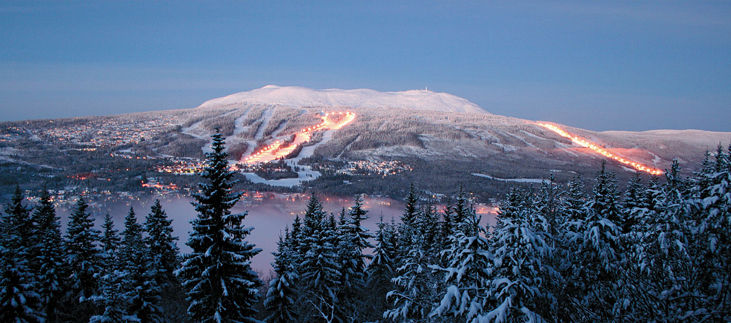
Trysil Trysil, situated on the Swedish border and only about two hours north of Oslo, is Norway’s largest ski resort with 31 lifts and 75km of slopes. Even though it is Norway’s most visited resort, there’s a real sense of space and isolation here. Trysil is also steeped in ski history, in fact one of the first resorts known to have held a ski competition, ski jumping back in 1862. Trysil was voted the ‘best resort in Norway’ at the 2013 World Ski Awards.
Trysil resort has four levels of terrain, from advanced black line via red and blue down to green for children and beginners
The resort has four levels of terrain, from advanced black line via red and blue down to green for children and beginners. There are 31 lifts and 75km of slopes. The pistes are well maintained and bashed flat every day. There are three designated children’s areas. There is also good night skiing on six floodlit pistes.
Most of the accommodation in Trysil is located below the tree line. You can choose between luxury spa hotels and cozy cabins. Ski-in/ski-out is the trade mark of Trysil.
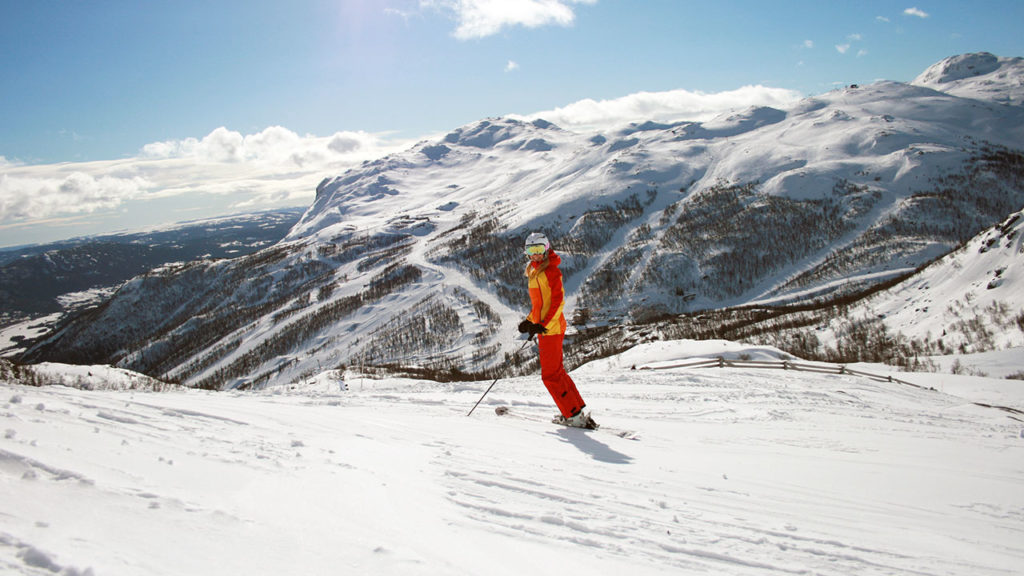
Hemsedal With its 24 lifts and 47km pistes, family-friendly Hemsedal has a broad appeal. The area is often called the Scandinavian Alps or Chamonix of the north because of its steep mountains. Some claim that Hemsedal has the best extreme off-piste terrain in Norway, with an impressive 800m vertical descent. However, a recently rebuilt state-of-the-art terrain park, donsidered one of Europe’s finest, is well suited for intermediate and expert freestylers alike. It has new design features to improve safety. A separate park next to it caters for beginners. Floodlight skiing on nine slopes several nights a week offer a different challenge.
A green route that snakes from the highest point of 1,497m down to the base at 640m has become an attractive feature, allowing confident beginners to travel from top to bottom.
Easter skiing in Hemsedal
Experts will probably prefer several of the black pistes or a lot of off-piste.
The resort has the biggest dedicated kids’ area in Norway, covering 70,000 sq m, hosting a special children’s event in April, the Donald Duck Winter Games.
Hemsedal is a relatively small ski area, located 3 hours from Oslo. Hemsedal is divided in two parts, the town center and the Ski center, a bus ride apart. Efforts have been made to integrate the two.
The area has 120km of prepared trails in the valley and another 90km at altitude. No doubt, that Norway is the home of cross-country skiing.
During week-ends, Hemsedal is a lively party place, with several bars and nightclubs.
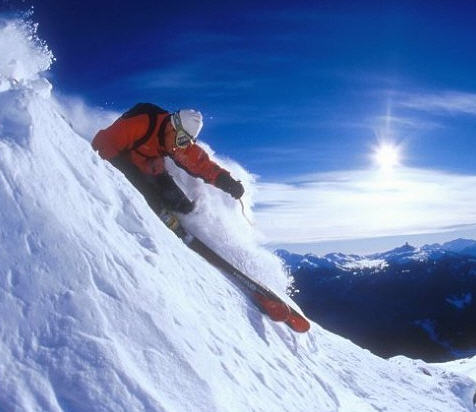
Hovden has some very challenging off-piste slopes
Hovden Hovden is southern Norway’s largest ski resort, set in the Setesdal Valley and within easy reach of Oslo. Since the chairlift to the summit of 1183m Nos was constructed in 1968, Hovden has been offering classic Norwegian ski experience.
There is a total of 34.2km of groomed runs, a vertical drop of 420m, 2 four-person express lifts, five ski towns and one two-person lift, all serving 9,000 people an hour. There are some very challenging off-piste slopes.
The “Bukkerittet” terrain park is considered one of the best snowboard parks in Norway, offering a good range of rails and boxes as well as big jumps, funboxes and various other jumps.
“Tusseland” children’s area offers special children’s pistes, platter lifts and a magic carpet.
Other ski-activities include snowshoeing, ice skating and dog sledding. The area is also excellent for ice-climbing.
There are several restaurants and bars.
Lillehammer Lillehammer, around two hours by train northwards from Oslo, and host to the 1994 Olympic Winter Games, contains actually five ski resorts – Hafjell, Skeikampen, Kvitfjell, Gala and Sjusjøen. The five alpine centers mean that you can access 92 runs over 117km of varied terrain, but you need a car to make the most of the experience, since they all are between a 10-minute or a one-hour drive from Lillehammer center.
Hafjell, with 17 lifts and 31 runs, totaling 40.5km, is the main ski area, just 15km north of Lillehammer, served by a free ski bus. It offers a very passable 835m vertical descent.
Kvitfjell, with 29km of runs and a vertical of 854m, is 45 minutes north of Lillehammer. It includes an Olympic downhill run. The runs can be divided into 60% easy runs, 27% red and 13% black.
Lillehammer, host to the 1994 Olympic Winter Games,, contains actually five ski resorts – Hafjell, Skeikampen, Kvitfjell, Gala and Sjusjøen
Skeikampen, with just 17 runs totaling 21km and just 350 vertical, is 38km north of Lillehammer.
Gala, boasts the highest summit of the dive at 1,148m), is 89km north of Lillehammer.
Susjøen, opened in 2003, is 20km north of Lillehammer and its six-seater express lift serves a network of downhill runs and trails.
Since Lillehammer offers five ski resorts it is unique in Norway, in that it can offers the trills of the hills by day and a full-blown urban experience in the evening, if you’re staying in the town. However, all the five centers have their own accommodation.
The main off-slope buzz in Lillehammer is the Olympic bobsleigh ride, which clocks up speeds of up to 120kph and 5G of gravitational pull. The Hunderfossen Winter Park with its fairytale theme, ice sculptures and Troll Walks, emphasizes how good Norway is for families. Voss The old lake-side town of Voss in south-western Norway is dominated by the 810m Mount Hangur. The ski resort is set amidst Norway’s stunningly beautiful fjord scenery and offers 40km of intermediate pistes, but is also renowned for its off-piste. Voss hosts several large international ski competitions and world cup events as well as the famous Extreme Sports Week.
The mid-sized regional center of Voss is a tourist destination, so it has a better selection of shops and après-ski venues than most Norwegian ski resorts. It’s easily reached by train from Bergen and Oslo, a great journey in itself.
Voss ski resort offers excellent nursery slopes as well as demanding terrain for the most experienced
The resort offers excellent nursery slopes as well as demanding terrain for the most experienced. Mount Hangur is easily accessible via a cable car running from Voss center, or from the lift at Bavallen car park, where instruction in alpine, snowboard and Telemark skiing is offered.
Voss has hosted many FIS World Cup Races, and there are several runs for advanced skiers, the most challenging being descents from Floytesteinen and Slettafjell.
Voss is a great place to get on a board for the first time as the cable car straight from the town to the nursery area at the top of the mountain means there’s no need to master a drag lift too early on in your riding career.
There’s also a small partner resort, Voss Fjellandsby Myrkdalen, situated in Myrkdalen, 15 miles from Voss.. A ski bus service operates between the two at weekends and during the holidays.
While you’re in Flam, don’t miss the Flam Railway taking you steeply up and down several thousand feet to Sognefjord amongst some truly spectacular fjord scenery. It’s easily accessible by rail from Voss.
Strandafjellet East of Ålesund, on the north-west coast of Norway, you can ski on an UNESCO World Heritage site, and Stranda is the only place you can ski from mountain top all the way down to sea level.
Powder lovers should visit Strandafjellet
Strandafjellet offers well pisted slopes for beginners with an average of 8m of snow every winter. Powder lovers should visit Strandafjellet.
Narvik A small but stunning ski resort in the fjords of Arctic Norway offers both on and off piste runs. Narvikfjell is renowned for having the best off-piste skiing in Scandinavia, as well as one of Scandinavia’s largest drop heights. However, one of the moist memorable aspects of skiing in Narvik is the view, since the slopes cross the side of the mountain overlooking the town and the fjord. Many claims that Narvik offers some of the best skiing views available in Europe. Best of all is that they are accessible for everyone, from beginners and up.
Narvikfjell is renowned for having the best off-piste skiing in Scandinavia
Narvik is also the start point of the Ofoten railway that runs from Norway through to Kiruna in Swedish Lapland. This iconic route is becoming popular with the winter crowd as it stops at 2 fantastic ski resorts in Sweden, but is also a great way to see more of the breathtaking rolling fells and snow-capped forests that dominate this region.
While being in Narvik, you will have the possibility to hunt Northern Lights, visit local wildlife or cruise on the fjord.
Your One Stop Guide to Skiing in Norway, compiled by The Daily Scandinavian Team
Feature image (on top): Skiers in Oslo. Photo: Odd Stiansen/VisitOslo
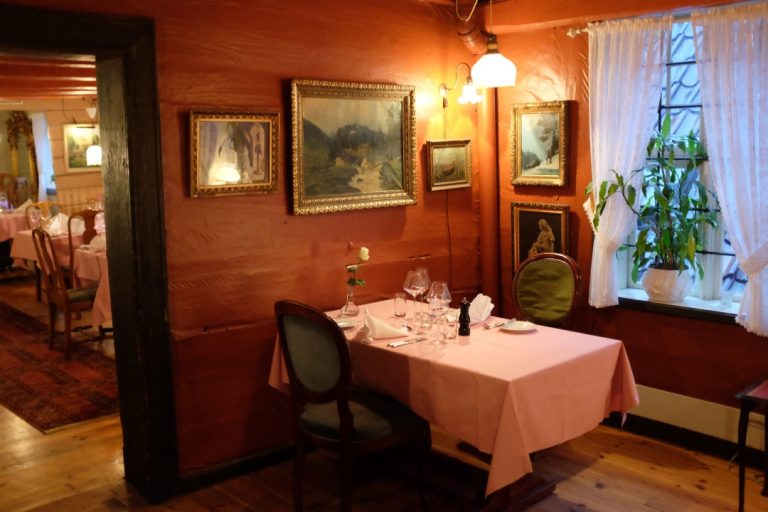
Bergen is Norway’s second largest city. On Bryggen, the old wharf of Bergen, listed on the UNICEF World Heritage list, you find several excellent restaurants. If you’re looking for fine dining in Bergen, we recommend To Kokker (Two Chefs), a hidden gem among the characteristic ancient wooden urban structure once common to Northern Europe.
To Kokker has maintained a ranking as one of Bergen’s over the top restaurants for several years. Here ancient architecture, gastronomy and history are united into harmony and you can indeed experience the past and the present in one setting. Headwaiter Leif was serving us this evening, and was very supportive explaining us about ingredients and wine. Wine is important at To Kokker.
If you’re looking for fine dining in Bergen, we recommend To Kokker (Two Chefs)
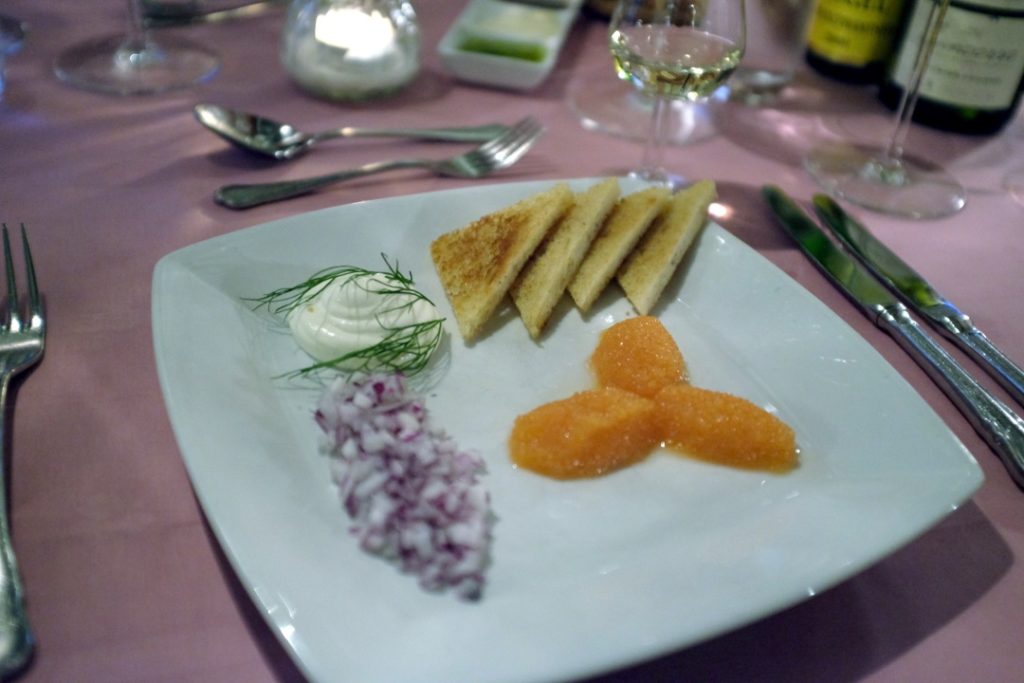
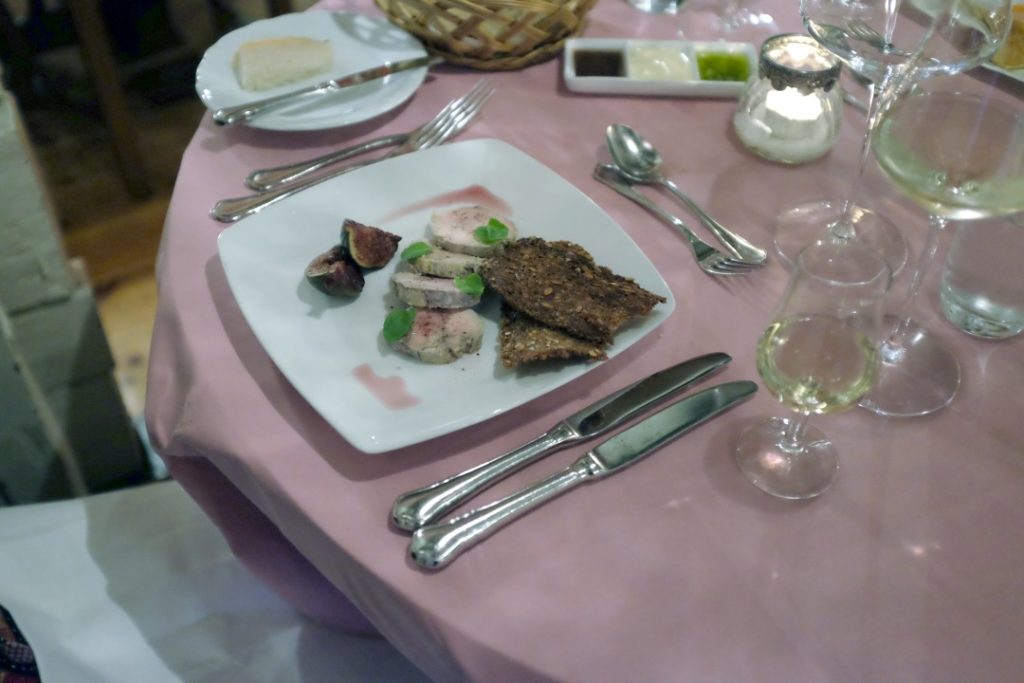
We enjoyed 10 delicious dishes in this comfortable setting this evening. We had two appetizers, fish eggs served with onion and sour cream and a goose liver terrin with figs. To accompany the two dishes were a Sancerre David Sautereau and Hugel Gewürtztraminer, respectively.
Fish eggs served with onion and sour creamGoose liver terrin with figs
To Kokker is an innovative gourmet cuisine, where the basis is the old wooden buildings’ history and seasonal produce from the Norwegian west coast area. The two chefs this evening were Patrick and Daniel. The past and the present are this united on the plates.
Artichoke soup accompanied by Chablis Jean Collet & Fils
After the appetizers, charming and modest Leif served us Jerusalem artichoke soup accompanied by Chablis Jean Collet & Fils and Mussels soup and Riesling Mineral Johannishof in the glass.
Mussels soup and Riesling Mineral Johannishof
Ever since the intrepid King Olav Kyrre founded the city in 1070, Bergen has attracted people from all quarters of the world. Bergensers travelled abroad and learned and so Bergen has become a melting-pot of cultures.
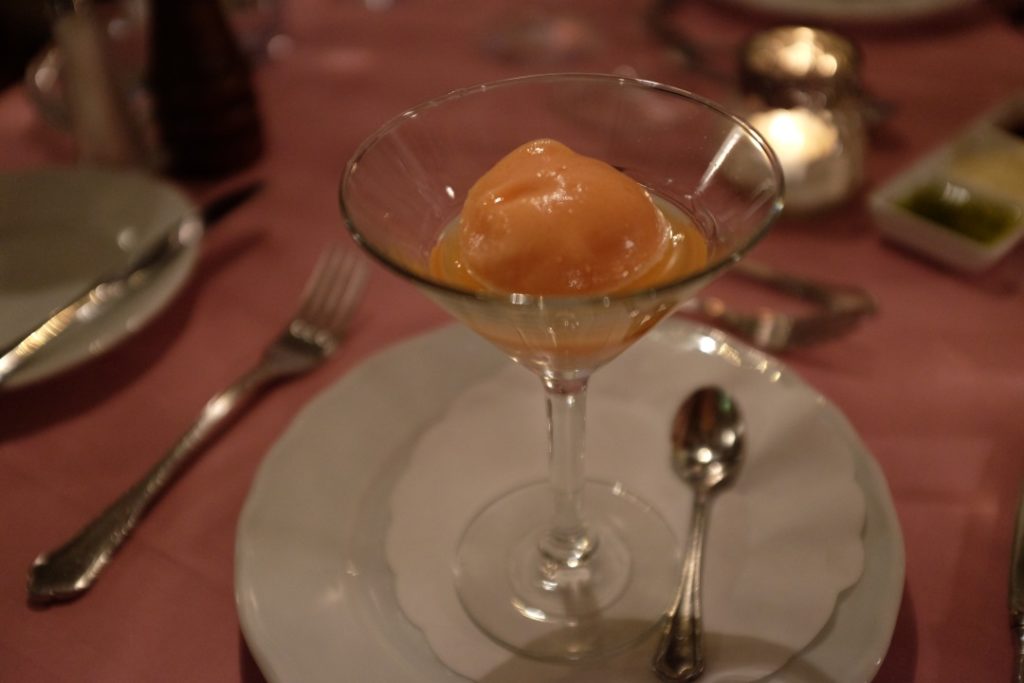
Raw orange sorbet with lomencillo
The dinner continued with a raw orange sorbet with lomencillo.
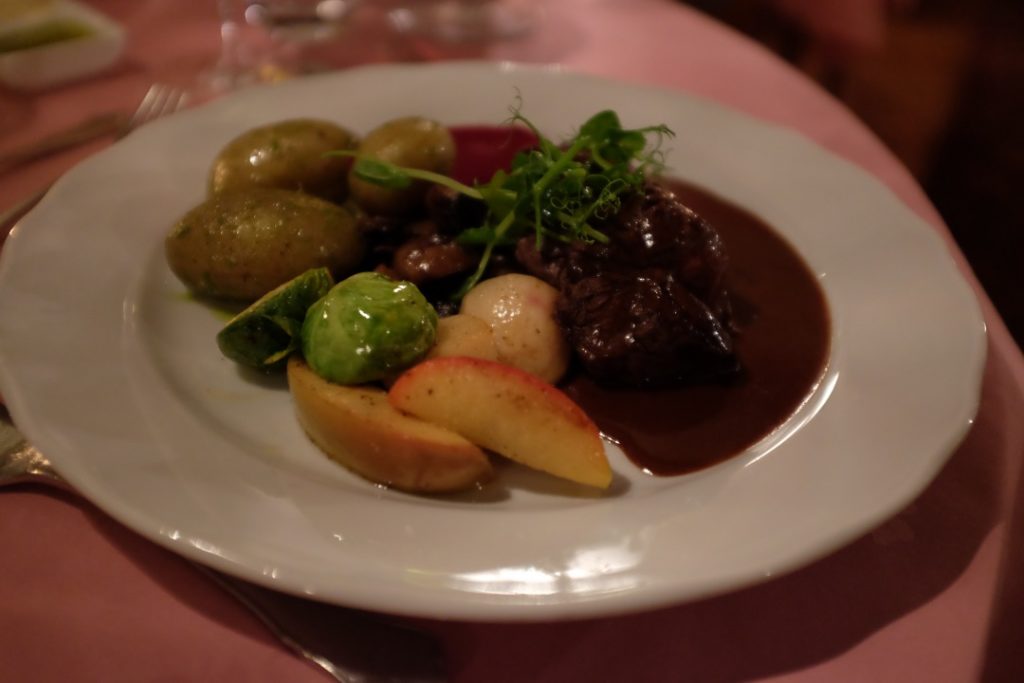
Fillet of deer served with a wild creamed sauce
The main dishes were steamed halibut served with a sauce of spinach and fillet of deer served with a wild creamed sauce. These tasty dishes were brilliantly accompanied by Bourgogne Domaine Michelot and Domaine Gallety, respectively.
Steamed halibut served with a sauce of spinach
For dessert we were served an almond Panna Cotta with raspberry with a glass of Beerensaulese Geil and a Brownie with orange with home-made vanilla ice and a glass of Recioto della Valpolicella.
Panna Cotta with raspberry with a glass of Beerensaulese Geil
10 servings later we were so pleased, not only by the food but the whole experience. To enjoy a supreme dinner in premises almost 300 years old is a rare experience. To Kokker in Bergen deserves attention from food lovers all over the world!
Brownie with orange with home-made vanilla ice and a glass of Recioto della Valpolicella
We recommend advance table reservation.
Fine Dining in Bergen, Norway, written by Tor Kjolberg
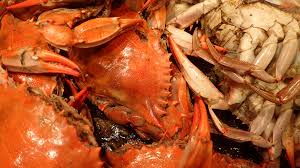
The seas around the Scandinavian countries are full of shellfish, sweet and firm from growing slowly in cold, deep waters; huge black lobsters, spindly and soft-shelled Norway lobsters, quick-witted shore crabs, small sweet-fleshed shrimps, large prawns from the North Atlantic, huge common crabs that sabotage the fishermen’s nets and some of the best round-type oysters in the world.
These are all plentiful and eaten as luxuries, though small shrimps and common crabs are very affordable. Crustaceans come in a wide palette of colors, when they are alive – black, bluish, brown, pink, grey, greenish and green, the red color presenting itself only when they are prepared.
Broiled lobster is a Scandinavian delicacy
Scandinavian crustaceans (including crabs, lobsters, shrimp and prawns) have a unique sweetness and succulence of properly prepared, which is coupled with a penetrating aroma and taste and a firm juiciness that lends itself to all kinds of treatment, even if dealt with simply. The reason is probably because their taste is so fine they do not need many extras from the cook.
Scandinavian shrimp salad
So, while you can make delicious shellfish salads with either a herbed vinaigrette or mayonnaise, not much can beat shellfish that is simply grilled or boiled au naturel to expose the luscious flesh In all its glory, eaten with a lemony or herby sauce, a simple salad and some bread. The shells are fine for soups.
Delicious Scandinavian shellfish
The traditional flavoring for crustaceans and shellfish in Scandinavia is fresh dill and, in particular, scented dill flowers. The latter are the most unusual and delicate of northern herbs, and probably unobtainable outside the northern countries if you do not grow your own. They have a deeply complex flavor of dill, fennel and caraway, and you can substitute a mix of these three herbs if you must. Sugar is often added to the cooking liquid, to bring out the sweetness of the fish.
Frozen shellfish products
Buying and storing Crustaceans and molluscs should be alive when you buy them, apart from Norway lobster, or langoustine, which cannot survive the changes in pressure, when pulled up from the seabed. North- sea shrimp and king crabs are mostly sold frozen, and it’s best to buy them that way; the ones at the fishmongers have been thawed for no one knows how long, so it is better to buy the frozen versions and thaw them yourself.
Norwegian crustaceans
If frozen shellfish is the only option, and you can think of nothing else to eat, thaw them in the fridge overnight, then give them a minute to warm up in the court-bouillon. Remove the shellfish from the court-bouillon and leave until both are cool, then return them to the pan to let them bathe in the aromatic stock for a couple of hours; this really does help the taste along.
Scandinavian snowcrab
With all these creatures there is no optional storing. When they are raw, keep them in the fridge. They must be prepared the day they are bought, and preferably eaten the moment they have cooled a little after cooking. Easting a fresh, lukewarm lobster, shrimp, crab or crayfish is one of the great privileges of inhabiting this globe, whereas eating a refrigerated creature is just nice. Even soup containing shellfish is not hood to keep, though it will certainly survive a night in the fridge.
Scandinavian Shellfish & Molluscs, written by Tor Kjolberg
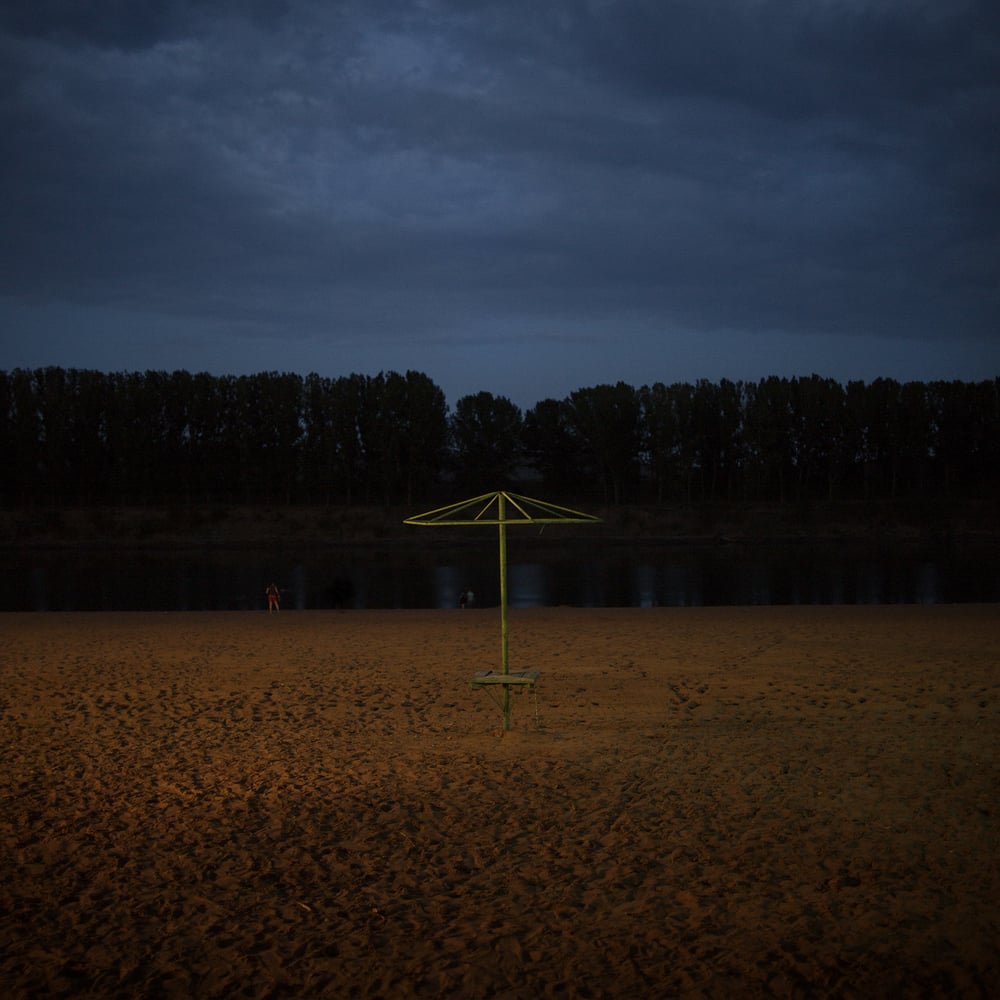
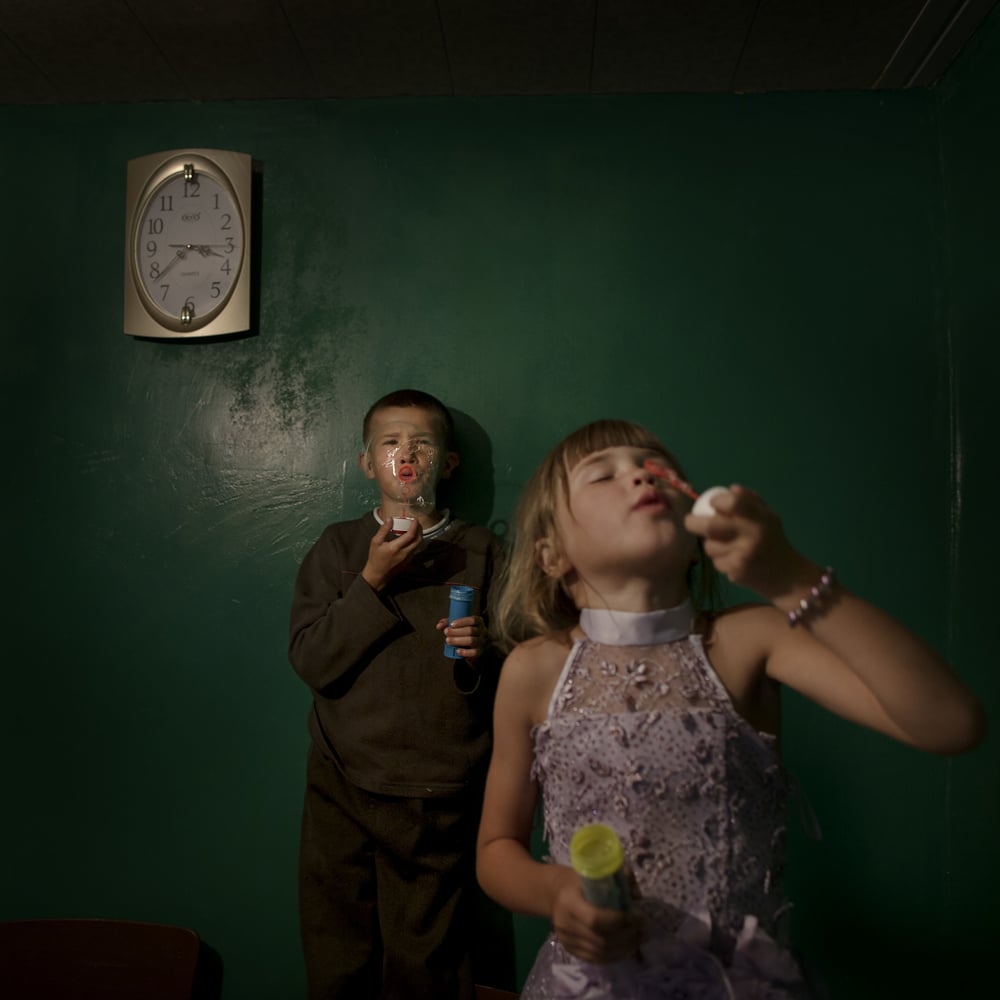
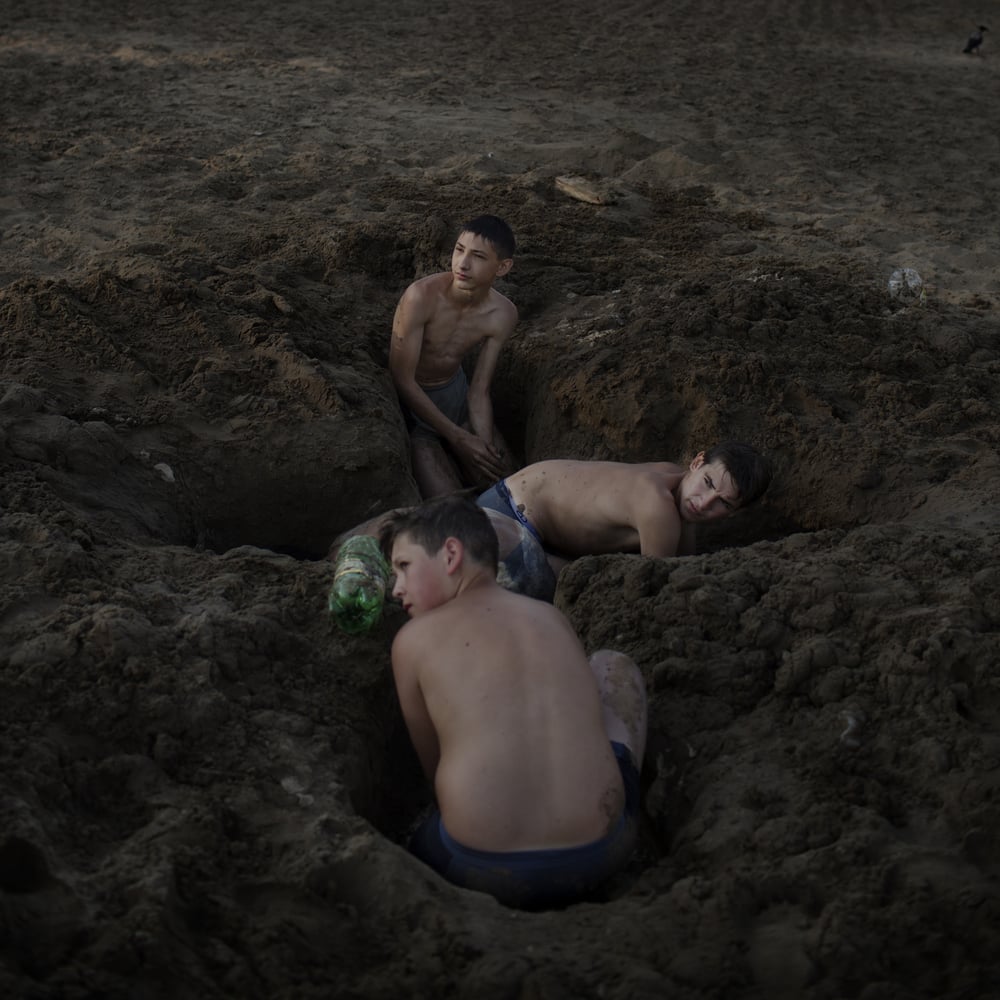
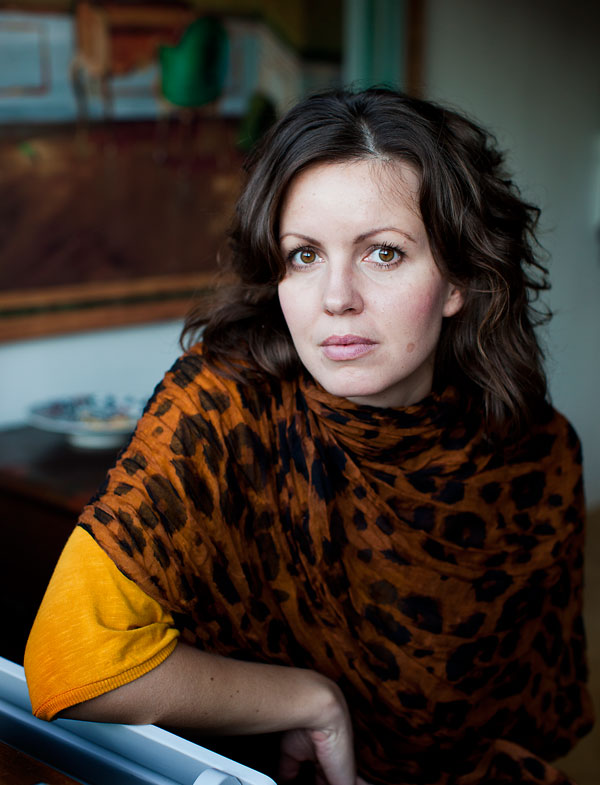
Åsa Sjöström is an award-winning Swedish photographer who has documented life in Moldova since 2005. In beautiful pictures she depicts the brutal reality in one of Europe’s poorest countries. The focus of the pictures is often women and children. The photo exhibition Silent Land is now showing at Fotografiska in Stockholm.
Åsa Sjöström is one of Sweden’s most celebrated documentary and news photographers. She possesses the ability to get close to people and produce images that look beyond the obvious, making the viewer pause and take notice.
Silent land/Nearly a quarter of the population has moved abroad in search of a better life. Moldova is a white spot on the map and media interest is absent. This is a journey through a silent land in between dreams and reality.
“Thousands of children grow up without parents in a country where corruption and poverty force young people to move and seek jobs abroad, while those who remain are dreaming of finding a way out of the country. Young people think life is a monumental expectation. They believe there is nothing they can do. Life is only acceptable,” says Sjöström.
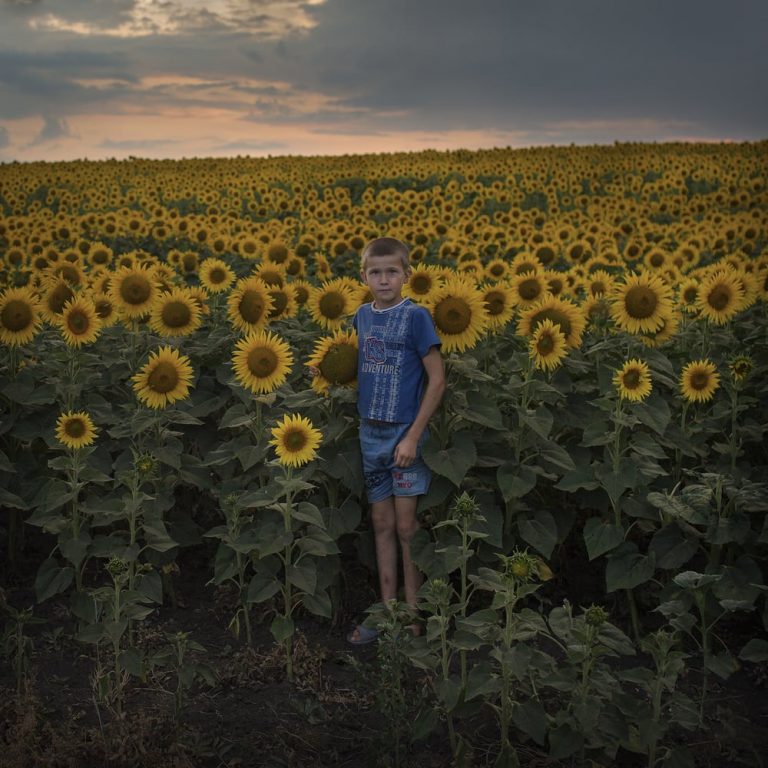
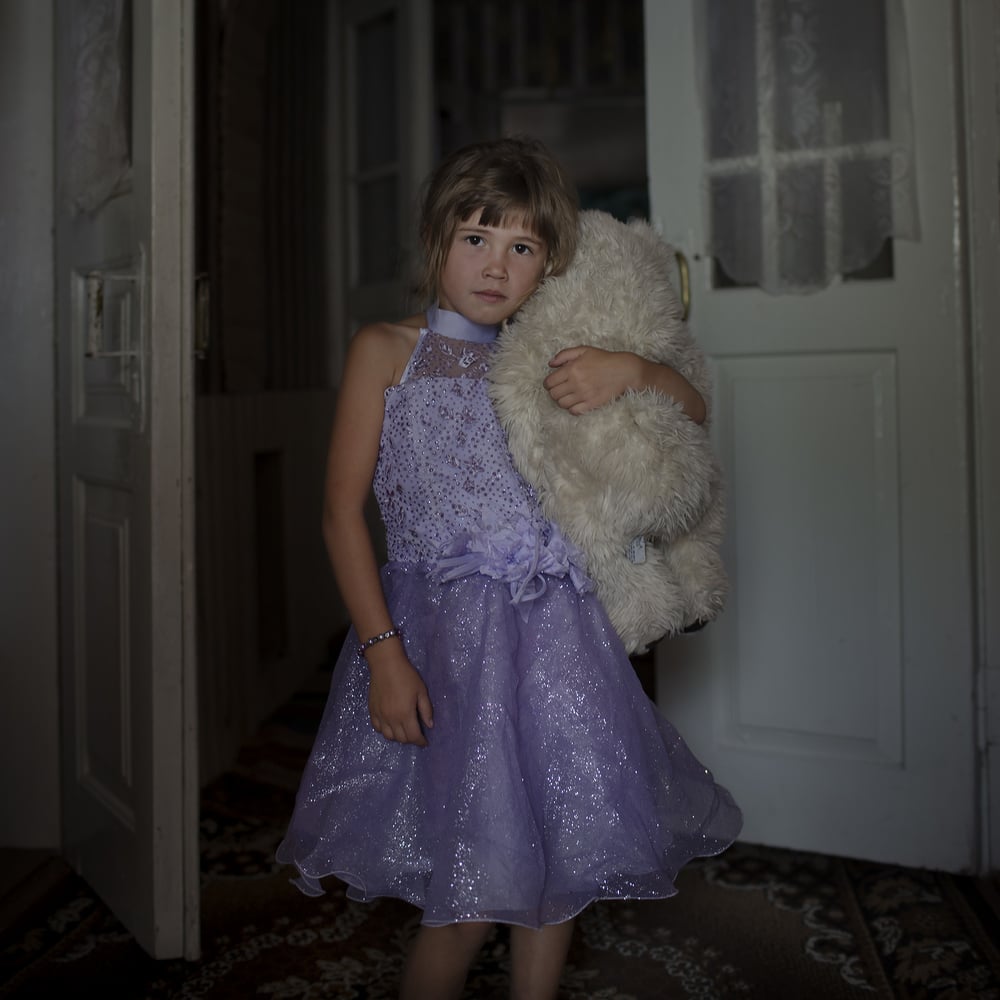
Silent Land is a monumental journey of silent portraits through a forgotten corner of Europe
“All over, you will find children—seeming orphans—who actually have parents. While the kids’ mom and dad are alive and well, they have been forced to leave the country to find work abroad, ironically, in order to support their families,” she writes, commenting og her photos.
Thousands of children grow up without parents in a country where corruption and poverty force young people to move and seek jobs abroad
Since the fall of the Soviet Union, when the country was a prosperous farming and wine community, nearly a quarter of the population has moved abroad in search of a better life.
Once Moldova was a prosperous farming and wine community
While the media interest in Moldova is absent, Sjöström realized how little she knew about the country, and that she was not the only one. She decided to visit.
While the media interest in Moldova is absent, Sjöström realized how little she knew about the country
“When I arrived in Moldova for the first time, in 2005, I approached the people and the country with an idea about misery and social problems. Those were the stories I had heard about this small, unknown country sandwiched between Romania and the Ukraine, the stories that had colored my views. Three month-long trips later I had a collection of photographs from prisons, trafficking and violence. But something was missing. I wanted to experience life around the corner, things one takes for granted and perhaps don’t pay attention to in one’s everyday life,” she says.
The Silent Land exhibition in Stockholm presents Sjöström’s photos from pictures taken in Moldova.
In 2006, Sjöström won first prize in World Press Photo Awards with her series about a ballet school in Moldova. Sjöström is also the first Swedish woman who has been awarded a prize in the world’s largest photo competition, POYi, and she is also a multiple Swedish “Photograph of the Year” winner. The Silent Land exhibition in Stockholm presents Sjöström’s photos from the winning series about ballet school and a selection of other pictures taken in Moldova.
In 2006, Sjöström won first prize in World Press Photo Awards with her series about a ballet school in Moldova. A selection of these can be seen at the exhibition.
Silent Land is a monumental journey of silent portraits through a forgotten corner of Europe.
The exhibition is on display through 4 February 2018.
Sjöström is also the first Swedish woman who has been awarded a prize in the world’s largest photo competition, POYi, and she is also a multiple Swedish “Photograph of the Year” winner
Åsa Sjöström
is a documentary photographer based in Malmö and educated at Nordens fotoskola. Her work is focused on international understanding, human rights and the situation for women and children around the world. In 2016, Åsa Sjöström’s work was displayed in the Mariatorget underground station in Stockholm, as part of Stockholm Public Transport’s annual art event.
Åsa Sjöström’s work is focused on international understanding, human rights and the situation for women and children around the world
Fotografiska
is one of the world’s largest venues for photography, an international meeting place with inspiring world-class photography exhibitions at its heart. Fotografiska’s mission is to make accessible both established and cutting-edge photography, for knowledge and to experience the infinite expressions and meanings of photography. Fotografiska is a force of positive influence on society, inspiring a more conscious world.
A Moldova Portrait at Fotografiska in Stockholm, written by Tor Kjolberg
Whether you want to update your IKEA kitchen or are looking for custom-designed furniture of good quality at reasonable prices, you should consider the Danish star team of interior architects by the name of Reform.
When a star team of Danish architects, such as the architects BIG, Henning Larsen Architects (HLA) and Norm Architects join forces, it can without doubt be described as “reform”.
Rethink your entire, slightly old-fashioned kitchen to your most ambitious desires
The concept is simple: Reform makes it possible to upgrade both entire kitchen solutions as well as parts and product fittings. Rethink your entire, slightly old-fashioned kitchen to your most ambitious desires
Reform has been nominated for several awards
Reform collaborates with the best Danish and internationally acclaimed architects to hack basic kitchens solutions, and the company has showrooms in Copenhagen, Berlin, New York and San Francisco.
By creating a new kitchen concept and providing an online shopping platform the business is made to be scalable
Reform has been nominated for several awards, including the Innovation by Design Award 2016 from one of America’s leading business magazines, Fast Company.
Reform founders Michael Andersen and Jeppe Christensen
By creating a new kitchen concept and providing an online shopping platform the business is made to be scalable. Playing off Ikea’s reliable system they are able to focus on recruiting designers to design custom fronts to replace the generic ones seen in every kitchen around the world.
Working this way reduces the lead time and headache of building a fully customizable kitchen while still achieving a customized look. Mitch and match the way you want it.
Danish Designers Bring a Breath of Fresh Air to Kitchen Solutions, written by Tor Kjolberg
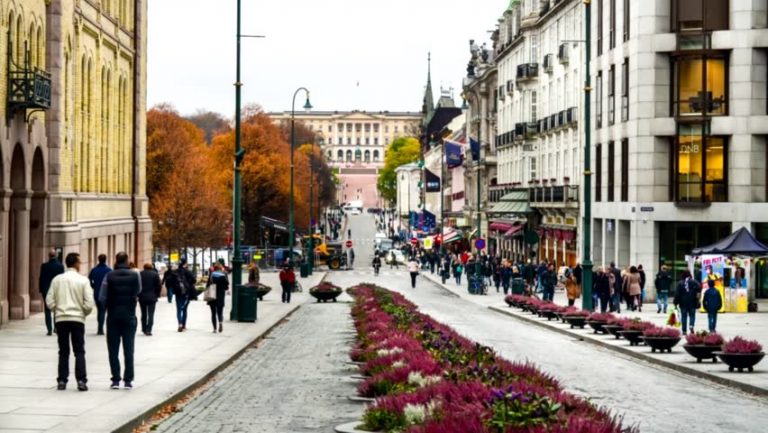
All the main city sights in Oslo are within easy walking distances of Karl Johans gate, central Oslo’s main axis, which is pedestrianized through the eastern half between the central station and Parliament building.
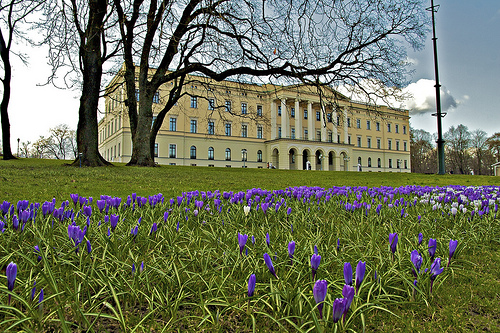
Originally designed in 1826 by the royal architect G. D. F. Linsatow, it was widened some 509 years later to become Oslo’s answer to Champs Elysées. Its western end merges into the broad avenue leading to the doors of the Royal Palace (Det Kongelige Slott), the cream-colored domain of the Norwegian royal family.
Slottsparken is a pleasant public park that’s free to enter
The palace grounds (Slottsparken) are a pleasant public park that’s free to enter. The changing of the guard takes place daily from 1.30pm.
From Bygdøy allé, Oslo’s west side
Oslo’s chic Westside quarter begins behind the palace, leading up Bygdøy Allé to the Frogner quarter and Vigelandsparken, where many 19th century mansions housing foreign consulates can be found on romantic tree-lined streets.
From Ibsen’s appartmenthouse, in which Ibsen lived and where the Ibsen museum is located
On the south side of Dronningsparken, the Ibsen Museum incorporates the apartment once occupied by Henrik Ibsen (1828 – 1906). Norway’s most famous playwright and one of the world’s great pioneers of social drama. A comprehensive exhibition opened here in 2006 to commemorate the centenary of Ibsen’s death.
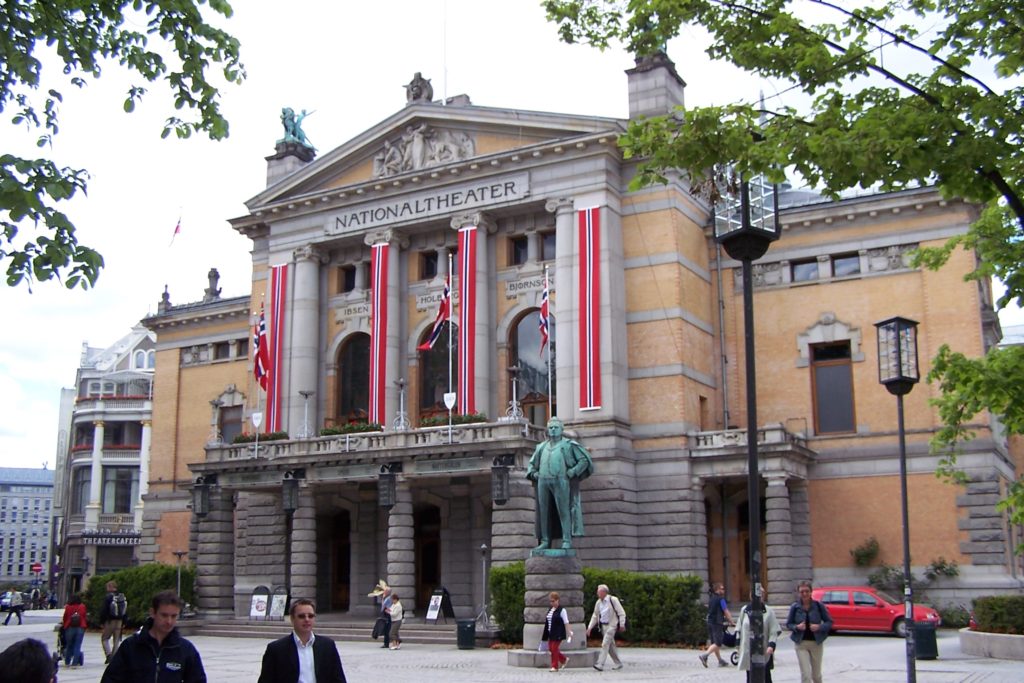
The National Theatre in Oslo with the Henrik Ibsen statue in front
A statue of Ibsen stands in the front of the rococo National Theatre, which opened its doors in 1899. Norway’s largest theatre, it is the venue of the international Ibsen Festival and Contemporary Stage Festival, which are held biennially in alternative years, late August, early September.
Spikersuppa (The Nail Soup) alongside Karl Johans gate.
Alongside the National Theatre, opposite the main university building is the Studenterlunden (Students Park). In warm weather, this is a popular place for nearby office workers to have an alfresco lunch by the Spikersuppa, a water feature that converts to an outdoor ice-skating rink in winter.
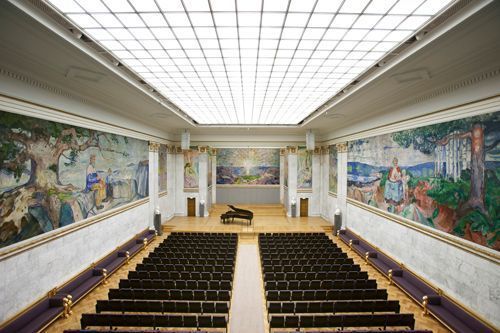
The Great Hall (the Aula) in the Oslo University
The Great Hall of the University (Aula), with its celebrated murals by Edvard Munch, is unfortunately no longer open to the public except for concerts and other special events. If you have a chance to get there, it is worth it.
Oslo’s Answer to Champs Elysées, written by Tor Kjolberg







 At a press conference prior to the biennial Michael Elmgreen explained that the artworks were presented as an incompetent sentence, and most likely one ending with a question mark. The duo acknowledged an absence of anti-government slogans or artwork incorporating overt activism, but said contemporary politics had been infiltrated in more subtle ways.