The Danish tournament organizer BLAST Premier has signed a multi-year partnership with the Singapore Tourism Board to bring four additional esports events to Singapore.
The announcement follows the sellout success of the BLAST Premier World Final in 2024, which marked BLAST’s debut in Southeast Asia and saw a sold-out Resorts World Convention Centre witness the best Counter-Strike teams in the world battle for a $1,000,000 prize pool.
BLAST will host four world-class arena esports events in Singapore over the coming years. This deal further highlights Singapore’s growing status as a premier destination for competitive gaming and live entertainment in Asia and globally.
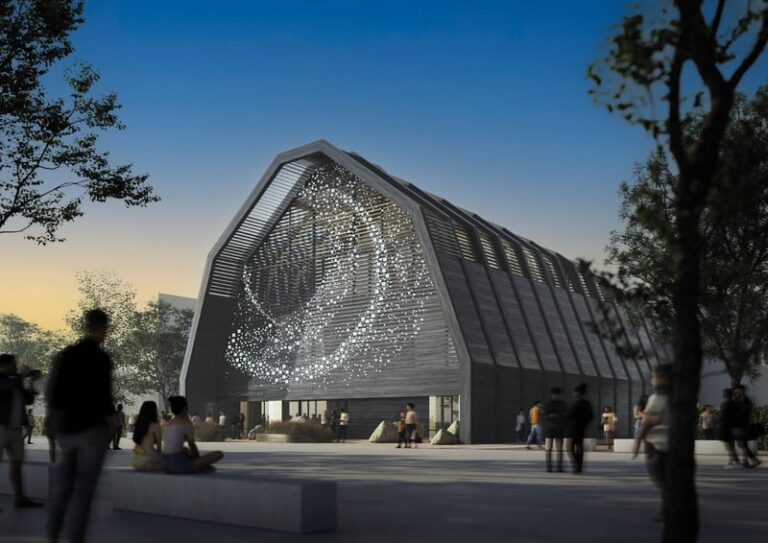
Founded in 2020 by Nikolaj Nyholm, Blast Premier is known for Counter-Strike tournaments, attracting thousands of fans from across the world. Building on the company’s success, BLAST is set to return to Singapore this November for the BLAST Dota Slam Singapore, the company’s first-ever Dota 2 arena event. Taking place at the Singapore Indoor Stadium from 7-9 November 2025, this tournament sets the stage for the newly signed multi-year partnership, which will bring four more premier esports arena events in Singapore after November’s Dota tournament.
BLAST is set to return to Singapore this November .
This partnership reinforces how major esports tournaments are evolving into cultural and economic cornerstones, rivaling traditional international sporting events in scale, viewership, and significance.
Reindeer migration routes you can hike respectfully lead through sweeping tundra, forests, and mountain passes alive with tradition and wildlife.
Joining these ancient trails feels adventurous, offering rare moments alongside roaming herds and untouched landscapes. Yet, every step calls for awareness and respect. Hiking here is not just about exploration but also responsibility. With the proper preparation and mindful choices, you can experience the thrill of the journey while protecting the reindeer and honoring local communities.
The Significance of Reindeer Migration Routes
Reindeer migration is one of nature’s great seasonal journeys. These animals travel hundreds of miles across tundra, forests, and rivers to reach feeding grounds. The routes are more than paths for survival; they are lifelines for entire ecosystems. Birds, predators, and plant cycles all connect to these movements.
For Indigenous communities such as the Sami in Scandinavia or the Nenets in Siberia, the migrations are central to culture and livelihood. Understanding this deep connection helps hikers respect the trails. By seeing the routes as living systems, visitors can step carefully, knowing their presence carries responsibility as well as adventure.
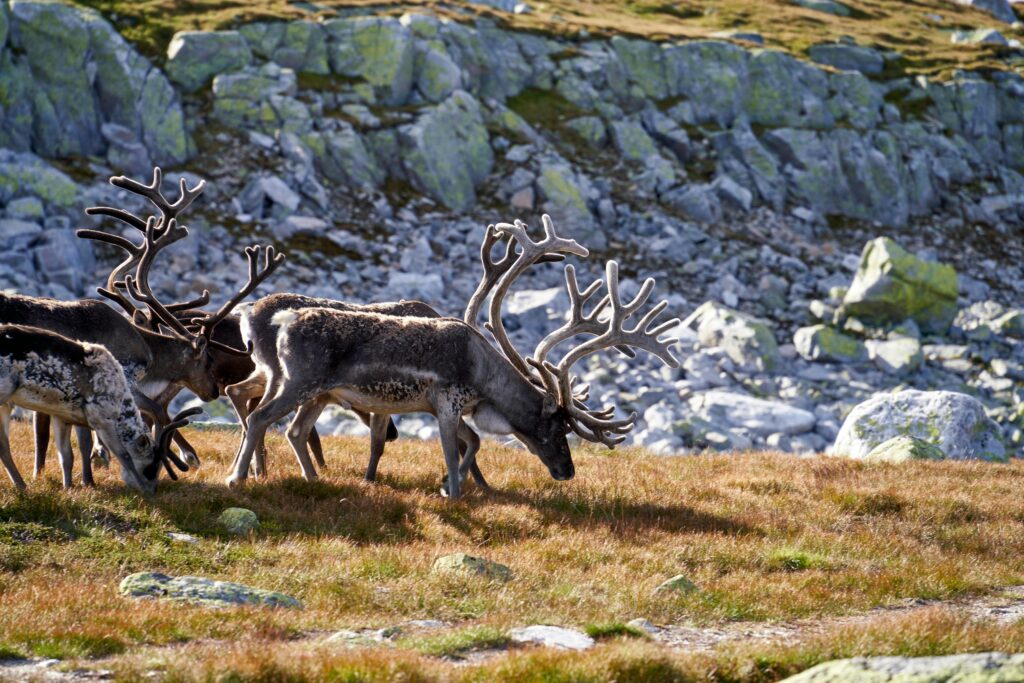
There are many reindeer migration routes you can hike respectfully. Photo: Introspectivedesign/Pexels
Where You Can Experience Reindeer Migration on Foot
In several northern regions, hikers can follow reindeer migration paths and take in striking landscapes along the way. The Kungsleden Trail in Swedish Lapland is well-known for its valleys where herds pass through during spring and autumn.
Norway offers some of the most memorable experiences, especially on the Finnmark Plateau. Here, the vast tundra stretches endlessly, while Sami traditions add depth to the journey. It’s easy to see why people love living here, with Norway’s outdoor wonders, green initiatives, culture, and inclusivity drawing people closer to nature. Beyond Finnmark, northern Norway also provides breathtaking opportunities to walk alongside migrating herds in settings that feel untouched and authentic.
Across the Atlantic, Alaska’s Arctic National Wildlife Refuge allows visitors to witness massive caribou herds on the move. Wherever you go, these routes provide rare encounters with wildlife, cultural heritage, and awe-inspiring scenery.
Preparing for Your Trek Along Migration Paths
Trekking along reindeer migration routes requires solid preparation. The weather in tundra and Arctic regions can shift quickly, so carrying layered clothing is essential. Good boots protect your feet over long distances, and maps or GPS keep you on course. Food, water, and safety kits should always be packed.
You should also consider the hiking gear you’ll need before setting out, especially for remote Scandinavian trails. Traveling light but smart reduces strain and keeps you safe. Planning well is not only about your comfort—it also ensures you hike responsibly, minimizing disturbance to reindeer and preserving the fragile environment they depend on.
Respectful hiking protects animals and the environment. Photo: Barnabas Davoti/Pexels
Respectful Hiking Practices to Protect Wildlife
Hiking along reindeer migration routes means sharing space with sensitive animals. Always keep a safe distance from herds to avoid stress or accidents. Move quietly and avoid sudden gestures that might startle them. Stick to marked trails and respect barriers that protect grazing areas. Of course, carry out all waste and leave nothing behind.
Camp only in designated spots when possible. Drones and loud devices should stay packed away, as noise disrupts the herds. Following these practices not only protects reindeer but also preserves the wild character of the places they call home.
Hiking Etiquette With Local Communities
Many migration routes pass through Indigenous lands, where reindeer herding remains vital. In Scandinavia, the Sami people rely on these herds for culture and livelihood. Respect fences, grazing zones, and private cabins along trails. Avoid disturbing working dogs or herders managing animals.
Supporting local guides and buying regional food or crafts helps communities benefit from respectful tourism. Always ask before taking photos of people or property. By showing courtesy, hikers strengthen ties with local traditions while ensuring their journeys support, not disrupt, cultural heritage.
Best Seasons for Hiking Reindeer Routes
Timing your hike is crucial for safety and experience. Spring and autumn are the main migration periods, offering the best chance to see reindeer on the move. Trails are often more accessible in late spring when snow melts, while in arctic autumn the tundra glows with color and herds shift toward winter grazing grounds.
Summer brings long days but also clouds of insects, while deep winter requires advanced survival skills. Choosing the right season ensures a safer journey and a deeper connection to migration.
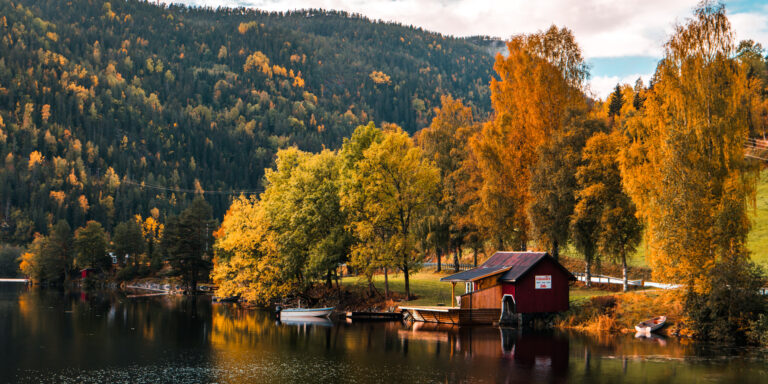
Autumn is a fantastic season in Scandinavia. Photo: Clement Proust/Pexels
Safety Concerns on Migration Trails
Reindeer migration routes often cross remote and unpredictable terrain. The weather can shift rapidly, and the environment demands caution. Staying safe means preparing for risks before you set out. Keep these points in mind:
Sudden storms can bring snow, rain, or strong winds.
Wildlife encounters may include bears, wolves, or moose.
Long distances between shelters require careful route planning.
Cold nights demand reliable clothing and sleeping gear.
Communication devices and first aid kits are essential.
Top Reindeer Migration Routes You Can Hike Respectfully
Several reindeer migration routes you can hike stand out for their beauty, accessibility, and cultural significance. Each offers a unique chance to walk in step with nature. Here are some of the most rewarding examples:
Norwegian Finnmark Plateau – Expansive tundra landscapes where herds roam freely, with Sami culture present across the region.
Swedish Lapland Kungsleden Trail – A long-distance trail cutting through valleys and mountains, often crossed by reindeer in spring and autumn.
Alaska’s Arctic National Wildlife Refuge – Home to one of the world’s largest caribou migrations, offering vast wilderness and raw encounters.
Siberia’s Yamal Peninsula – Migration paths used by the Nenets people, combining cultural heritage with rugged, remote tundra hiking.
Finnish Lapland’s Pallas-Yllästunturi National Park – Well-marked trails with high chances of spotting reindeer during seasonal movements.
Supporting Conservation Through Responsible Hiking
Hiking reindeer migration routes is more than a personal adventure—it also supports conservation when done responsibly. Many trails require permits or fees that directly fund habitat protection.
Choosing eco-certified guides and local services ensures your money helps sustain both wildlife and communities. Donations to conservation programs can further protect migration corridors from development.
Simple actions—packing out waste, sticking to marked paths, and minimizing campfires—help preserve fragile tundra. Responsible hiking shows respect both for reindeer and the people who depend on them.
A Journey Shared With Nature
Reindeer migration routes you can hike offer both adventure and responsibility. These paths reveal wild beauty, living traditions, and fragile ecosystems. By preparing well, respecting wildlife, and honoring local communities, hikers ensure these routes remain protected. Every step taken with care supports both reindeer and the culture tied to their journey. Whether in Scandinavia, Siberia, or Alaska, walking these trails provides rare moments of connection. Hike respectfully, and the migration will continue to inspire generations to come.
Reindeer Migration Routes You Can Hike Respectfully, written for Daily Scandinavian by Emelia Collins. Emelia is an outdoor writer and avid hiker passionate about Arctic trails and cultural heritage. She shares practical advice for adventurers seeking meaningful journeys that respect both the land and the communities that call it home.
There was significant interest in a stable energy partnership on hydrogen between Japan and the Nordics at an EXPO 2025 event in Osaka. Read on and learn more about EXPO 2025: Japanese interest in Nordic hydrogen and other energy solutions.
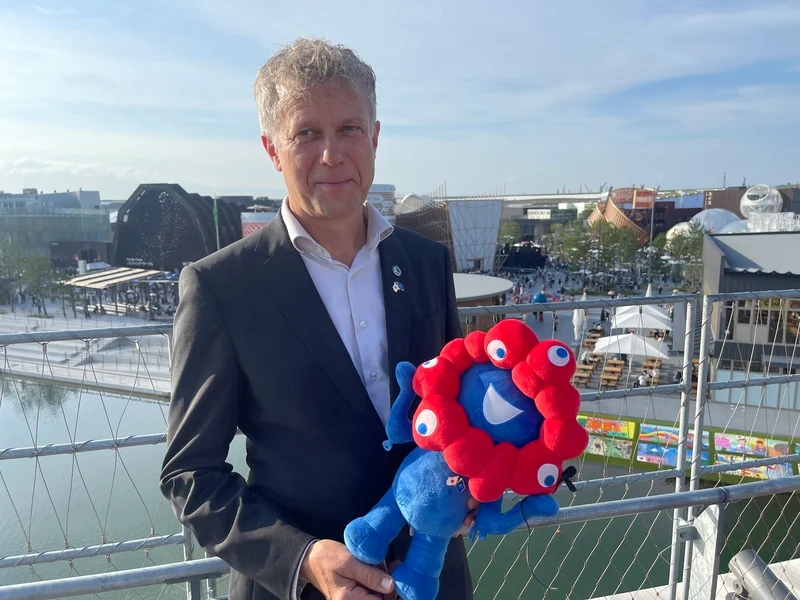
Progress is rapid in Japan, the world’s fifth-largest economy. The Japanese are always on the lookout for new solutions to cope with energy demand, an area where Nordic companies have a role to play, especially in green energy. The joint Nordic Energy Day was a massive draw for current and potential Japanese business partners, who learned about solutions from a range of Nordic companies, as well as about the Nordic Hydrogen Valleys initiative, which was presented by Klaus Skytte, Director of Nordic Energy Research.
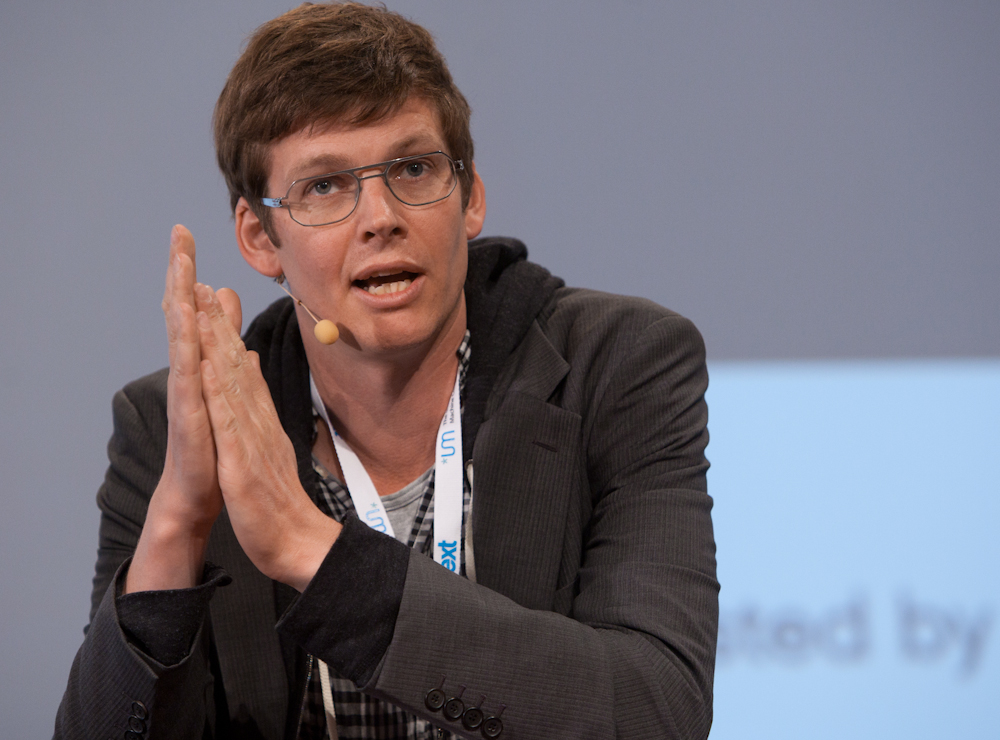
Klaus Skytte, Director of Nordic Energy Research
“The Nordic countries are in a unique position to be at the forefront of the green transition, integrate hydrogen into energy systems, and promote a clean hydrogen economy,” says Klaus Skytte, Director of Nordic Energy Research
“I envisage huge potential for the Nordic countries and Japan to work more closely together in this area, which is crucial if we are to reach our climate goals. Hydrogen connects renewables with end-users – including in the infrastructure sector – and helps integrate sectors, too. Developing the whole of the value chain is the key to green transition, so I hope that mapping Nordic Hydrogen Valleys will highlight the strength of Nordic co-operation and promote synergies with Japanese initiatives.” **************************************************
Related: Nordic Guidebook for Tourism Innovation
**************************************************
Hydrogen has potential
One of the key points in the Nordic Hydrogen Valleys presentation was that hydrogen has the potential to be an essential source of energy while cutting CO2 emissions in energy-intensive industrial processes and transport. This point resonates from Oslo to Osaka and all points in between. The Nordic Energy Research report, Nordic Hydrogen Valleys, maps value chains and provides an overview of projects. The mapping is visualized by an interactive digital tool that provides an overview of ongoing developments and progress on value chains. It gives decision makers, investors, and society as a whole a solid foundation on which to make informed and knowledge-based decisions.
*************************************************
Related: Nordic Culture in the Digital Age
*************************************************
A joint initiative for a competitive Nordic Region
The Nordic Council of Ministers organized Nordic Energy Day in close collaboration with business development agencies from the Nordic countries. The Council of Ministers is a partner in the Nordic Pavilion at EXPO as part of its work to maintain and strengthen the competitiveness of the Nordic Region. Energy Day is the second in a series of Joint Nordic Days on various themes that the Council of Ministers is hosting at EXPO 2025. Other themes in the coming months will include health technology, literature, gender equality, regional development, and the Arctic.
For several reasons, some articles are read more than others. The reason varies, from personal relevance and provoking strong emotions to the credibility of the source and clever marketing. Yesterday, we published our article number 3000 since our launch in 2013. In this overview, we publish a list of the ten most-read articles in Daily Scandinavian since then.
3,000 articles mean that Daily Scandinavia is now an encyclopedia of Scandinavian destinations, culture, business, and more. Use the search function for words or phrases that are of interest to you, and it might open new insight into what you are searching for.
Here is the list of the ten most-read articles in Daily Scandinavian since our launch in 2013.
Your trip to Norway would be much more enjoyable if you could communicate with the locals.
Readers often look for something in an article for themselves, such as inspiration, information, or a benefit that helps them understand or improve their lives. This might be the reason why this article is at the top of our list.
In this article, we invited our readers to learn some basic Norwegian words and phrases before traveling. Their trip to Norway would be much more enjoyable if they could communicate with the locals. Our team reviewed the most common Norwegian words and phrases.
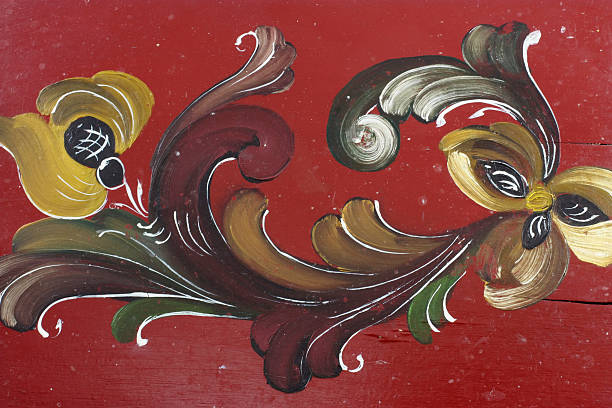
Rosemaling is the decorative folk painting of Norway.
People enjoy articles that align with their interests or hobbies, as these topics are inherently more appealing to them. That is probably why this article scores high.
Rosemaling is the decorative folk painting of Norway, and its history began in the lowland areas of Eastern Norway about 1750, inspired by upper-class artistic styles when Baroque, Rococo, and Regency were introduced to Norway’s rural cultures. At first, Norway’s painters followed these European styles closely.
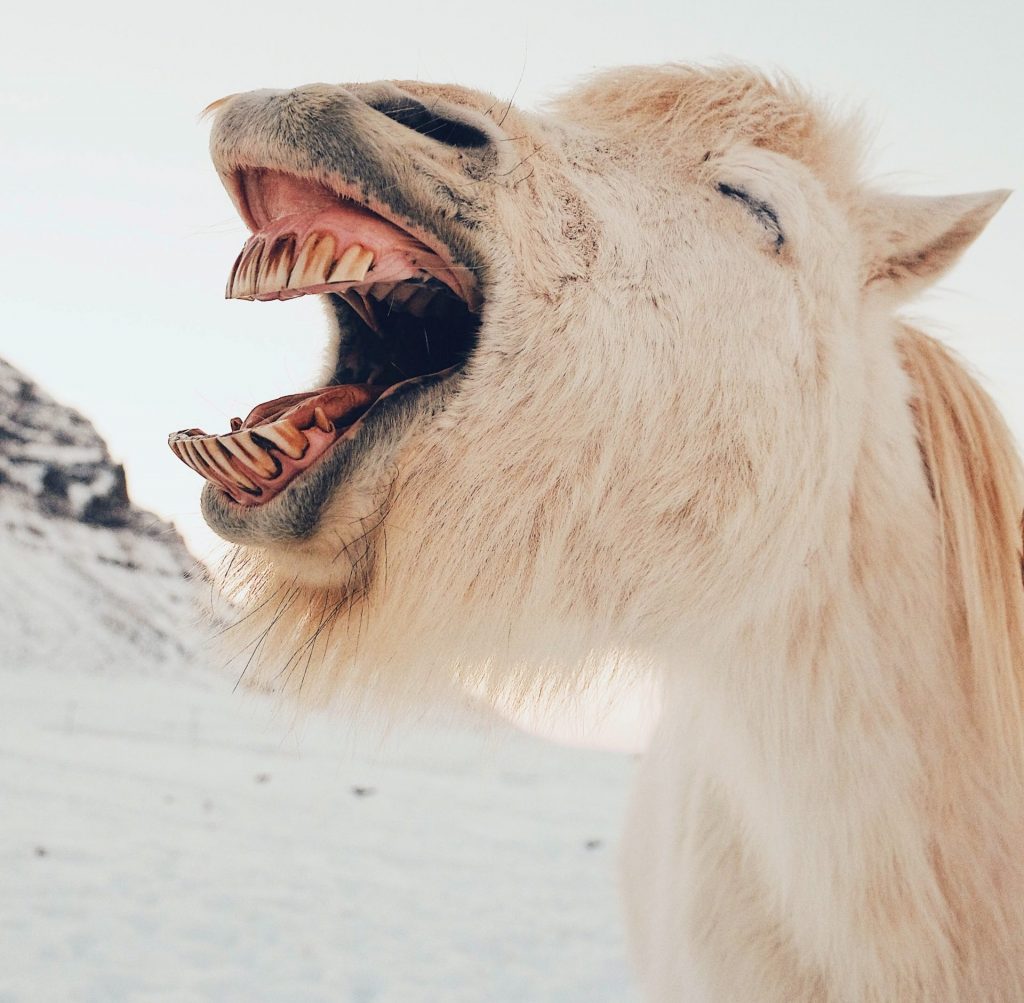
From time to time, we’re searching for jokes about Scandinavians or Scandinavia.
Since alcohol advertising is prohibited in Norway and Sweden, informative articles on such brands probably drive this article upwards among Scandinavian readers.
It’s well known that most other countries perceive Swedes as honest, friendly, and modern (and unequivocally good-looking!) Little, though, is known about alcoholic beverages in Sweden. In this article, we attempted to enlighten our readers as we explored exactly what the Swedes like to drink.
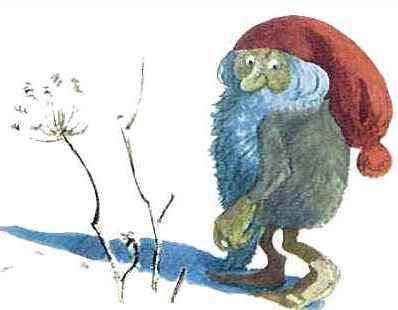
The tomte is an essential part of Scandinavian folklore.
Scandinavian Christmas stories are popular due to the strong visual aesthetic of snow-covered landscapes, the unique folklore figures like the Nisse and tomte (gnomes), and the creation of hygge—a feeling of cozy contentment amidst cold, dark winters.
The tomte is an essential part of Scandinavian folklore. He’s a little gnome of sorts, dedicated to one home or farm, looking out for the farm animals and children of the place, pattering about by night, unseen, to check on everyone’s welfare. Astrid Lindgren has adapted a poem into this wonderful tale about the Tomten.
Driving in Sweden is popular because it offers freedom to explore its vast, beautiful natural landscapes like forests, lakes, and coastlines, often with little traffic outside major cities. The well-maintained road network, including good motorways and country roads, makes for a convenient way to travel, especially for those wanting to go beyond public transport routes.
There are plenty of scenic views that can be experienced from the road in Sweden, and picking out the top 5 drives was no easy task. It’s all about personal preference when it comes to enjoying the surrounding landscape, but Sweden has something for everyone.
Scandinavia is the most open-minded region in the world, and it’s perfectly legal in Scandinavia for nudists to swim naked
Stories about naturism are popular because the lifestyle offers a path to self-acceptance, body positivity, and mental well-being, providing a contrast to societal norms around shame and judgment. Many people find freedom and a deeper connection to nature by shedding clothes, which can also lead to stress relief and a more positive body image.
Scandinavia is the most open-minded region in the world, and it’s perfectly legal in Scandinavia for nudists to swim naked, or to sunbathe either topless or entirely in the nude.
Viking stories remain popular due to the compelling mix of their image as daring explorers and fierce warriors, the richness of Norse mythology and its gods like Odin and Thor, and their historical significance as a culture that shaped and was shaped by others.
Old Norse was the language spoken by the Vikings, and the language in which the Eddas, sagas, and most of the other primary sources for our current knowledge of Norse mythology were written.
The main thing about school education in Sweden is to identify and develop each child’s talents and abilities.
Articles about learning Swedish education are popular because of its innovative and inclusive learning system, which emphasizes freedom, equality, and critical thinking, as well as its high-quality early childhood education and intense focus on lifelong learning and practical skills.
The main thing about school education in Sweden is to identify and develop each child’s talents and abilities, and to teach students how to set and achieve goals. While working with children, the teacher takes on the role of an assistant rather than a strict teacher with a pointer. Essay writing service EssayShark conducted a study on the advantages of the Swedish education system.
Articles about Scandinavian culture are popular because the region is associated with a unique and appealing combination of values, including egalitarianism, welfare-driven societies, environmental connection, and functional design, all of which create an image of a balanced, modern, and desirable way of life that is aspirational to many people.
Scandinavia refers to a group of three countries in Northern Europe: Norway, Sweden, and Denmark, because of their shared cultural and historical endowments. Besides their wealth of travel opportunities and unique heritage, the Scandinavian countries are invariably categorized among the happiest places worldwide.
The Scandinavian countries are invariably categorized among the happiest places worldwide.
We hope you enjoyed this overview. Daily Scandinavian will continue to produce quality articles about Scandinavian people, businesses, and issues, now including Finland and Iceland.
When it comes to raising healthy, happy children, Scandinavian countries offer more than just good healthcare and excellent schooling—they offer a tradition of food that’s simple, seasonal, and designed to nourish. In this article, you can learn more about Nordic nutrition for kids: Rye bread, berries & balanced plates.
Across Norway, Sweden, Denmark, Finland, and Iceland, mealtime is a chance to slow down, connect, and raise kids who develop a lifelong respect for real food.
For generations, Nordic families have passed down food traditions rooted in balance. Think of thick slices of rye bread topped with boiled eggs, crisp cucumbers, or smoked fish. Add to that warm meals centered around hearty stews, root vegetables, legumes, and wild-caught fish. These are the everyday building blocks of Scandinavian plates—and they’re as delicious as they are nutritious.
So, what makes Nordic food traditions so well-suited for growing bodies and developing minds? And how can families around the world learn from them? Let’s explore how Nordic nutrition helps raise healthy kids—without fad diets, gimmicks, or constant food battles.
The Simplicity Principle: Less Processed, More Whole
One of the most defining characteristics of Scandinavian cuisine is its simplicity. Meals are rarely overcomplicated. A lunchbox might include a piece of whole-grain crispbread with cheese, a boiled egg, and a few carrot sticks. Dinner could be baked salmon with potatoes and green peas. Snacks often feature fresh fruit, yogurt, or leftovers from breakfast.
This simplicity makes it easier for children to understand where food comes from and helps build healthy relationships with everyday ingredients. Children who grow up eating whole foods are more likely to continue doing so into adulthood. This simplicity also reduces exposure to ultra-processed foods—one of the growing concerns in many parts of the world. With fewer additives and artificial flavors, Nordic-style meals help children tune into their natural hunger cues and develop an authentic taste for natural flavors.
One of the most defining characteristics of Scandinavian cuisine is its simplicity.
A Love for Local and Seasonal Foods
Eating seasonally is a natural part of life in Scandinavia, where long winters and short growing seasons have shaped culinary habits for centuries. Root vegetables, cabbage, peas, oats, berries, and hardy greens form the backbone of many traditional meals. In warmer months, there’s a strong focus on fresh herbs, foraged berries, wild mushrooms, and even edible flowers.
This seasonal way of eating not only supports local farmers and reduces environmental impact, but it also gives children a natural rhythm around food. They learn that strawberries come in summer, and rutabagas belong in winter soups. This awareness encourages curiosity and appreciation for ingredients—and can also make trying new foods feel like an adventure rather than a chore.
Eating seasonally is a natural part of life in Scandinavia, where long winters and short growing seasons have shaped culinary habits for centuries.
Modeling Healthy Eating Habits from the Start
Perhaps one of the most powerful influences on a child’s diet isn’t what’s on the plate—but who’s sitting across the table. In Scandinavian homes, it’s common for families to eat together regularly, without distractions like television or phones. These shared meals create space for something incredibly valuable: modeling healthy eating habits.
When children see adults enjoying vegetables, trying new flavors, and eating slowly and with gratitude, they’re more likely to do the same. Mealtime becomes a shared experience, not just an obligation. Parents can use this time to talk about where food comes from, how it helps our bodies, and why balance matters—without lecturing or labeling foods as “good” or “bad.”
The Power of Rye Bread and Grains
Walk into any Scandinavian kitchen, and you’re likely to find rye bread—dense, slightly sour, and packed with fiber. It’s a staple from early childhood, introduced in school lunches and family breakfasts. Rye bread is often served open-faced, encouraging colorful, well-balanced toppings like avocado, egg, pickled herring, cucumber, or cheese. Whole grains like rye, oats, and barley are central to the Nordic diet.
They promote healthy digestion, stabilize energy, and reduce the risk of chronic illness later in life. Kids benefit from sustained energy for learning, play, and growth. Because these grains are so culturally normalized, children grow up with a taste for them, reducing reliance on sugary cereals or processed baked goods. The tactile, customizable nature of open-faced sandwiches also allows for playful food exploration—something young kids especially benefit from.
Berries as Superfoods—Without the Hype
Blueberries, lingonberries, cloudberries, bilberries, and sea buckthorn are just a few of the berries that grow wild across Nordic landscapes. Rich in antioxidants, vitamin C, and fiber, they’re incorporated into meals from a young age. Instead of sugary snacks, kids might enjoy a handful of fresh berries with yogurt or scattered over porridge. Lingonberry sauce often accompanies meat dishes, while cloudberries might appear in festive desserts. These small but powerful fruits are a great way to satisfy a sweet craving while also offering genuine nutrition.
Fish, Legumes, and Plant-Based Balance
Another pillar of Nordic child nutrition is fish. Salmon, mackerel, cod, and herring are common in school meals and home cooking. They’re often baked, grilled, or served cold in sandwiches. These fatty fish are rich in omega-3s, which are essential for brain development and cognitive function, particularly in early childhood. Legumes like lentils and peas are also popular and form the basis of many traditional stews and soups. Plant-based eating isn’t a trend in Scandinavia—it’s simply part of a diverse, practical way of cooking that families pass down for generations.
Beyond what’s eaten, when and how meals happen also play a critical role in children’s nutrition.
Meal Routines and Consistency
Beyond what’s eaten, when and how meals happen also play a critical role in children’s nutrition. Scandinavian families tend to follow structured mealtimes—breakfast, lunch, afternoon snack, and dinner. This predictable rhythm creates security for kids and teaches them to listen to their hunger cues rather than grazing all day.
The after-school snack (or “mellanmål” in Swedish) is often something like fruit with crispbread or a small sandwich. It’s simple but satisfying and prevents the kind of energy dips that lead to cravings for sugar or processed snacks. Schools also support these meal routines. In many Nordic countries, children receive hot, balanced meals at school—reinforcing the same values they receive at home.
A Nourishing Future, One Plate at a Time
At its core, Nordic nutrition for kids is about connection more than anything else. It’s about food that grows with the seasons, that’s prepared with love, and that brings families together. For parents around the world, the lessons from Scandinavia are clear: keep meals simple, share them often, and model the behaviors you hope to pass down. With time, consistency, and curiosity, healthy eating becomes not a battle—but a bond.
Danika Kimball
Nordic Nutrition for Kids: Rye Bread, Berries & Balanced Plates, written for Daily Scandinavian by Danika Kimball. Danika is a ten-year veteran of the SEO industry and is based in Boise, Idaho. Outside of working for Resolve Marketing, she enjoys playing video games and podcasting about The Bachelor.
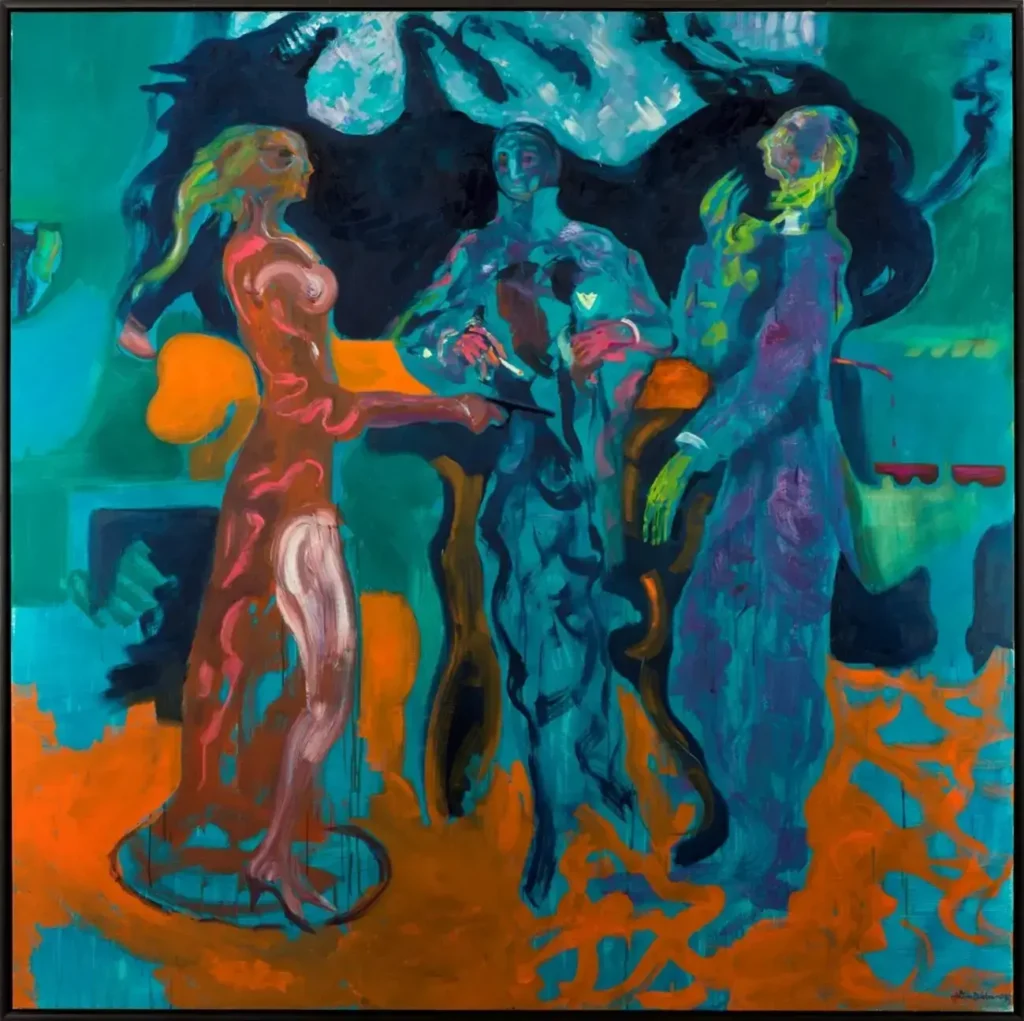
Håkon Bleken was one of Norway’s leading artists. He was born in Trondheim on 9 January 1929 and lived and worked all his life in Trondheim. In 2008, Bleken donated a collection of his works, known as Kunstgaven (The Art Gift). At Trondheim kunstmuseum, you can experience one of Norway’s most significant art gifts.
Few artists have achieved a position on the Norwegian art scene and in public life comparable to that of Håkon Bleken. He made his debut as an artist at the age of 23, in 1952, when he had his first solo exhibition in Trondhjems kunstforening. Death, love, music, literature, and politics are preoccupations that recur in his works. He often makes use of literary references in his discussions of man, society, and the times we live in.
Let it Hammen in Beauty (2006). Photo: Freia Beer.
The significant donation of his artworks is held by and continues to be presented and readdressed in various ways at the museum. Through the exhibition “Vinden stryker natten vekk: Kunstgaven Håkon Bleken” (The wind sweeps the night away: Art Gift Håkon Bleken), the museum takes its visitors on a journey through Håkon Bleken’s rich artistic legacy. The title, which is borrowed from one of Bleken’s charcoal drawings, suggests that something previously hidden comes to light. The exhibition is a marriage of timeless stories and an innovative approach to collection management.
Music, by Håkon Bleken. Photo: Dag-Asle Langø/Multifoto A/S
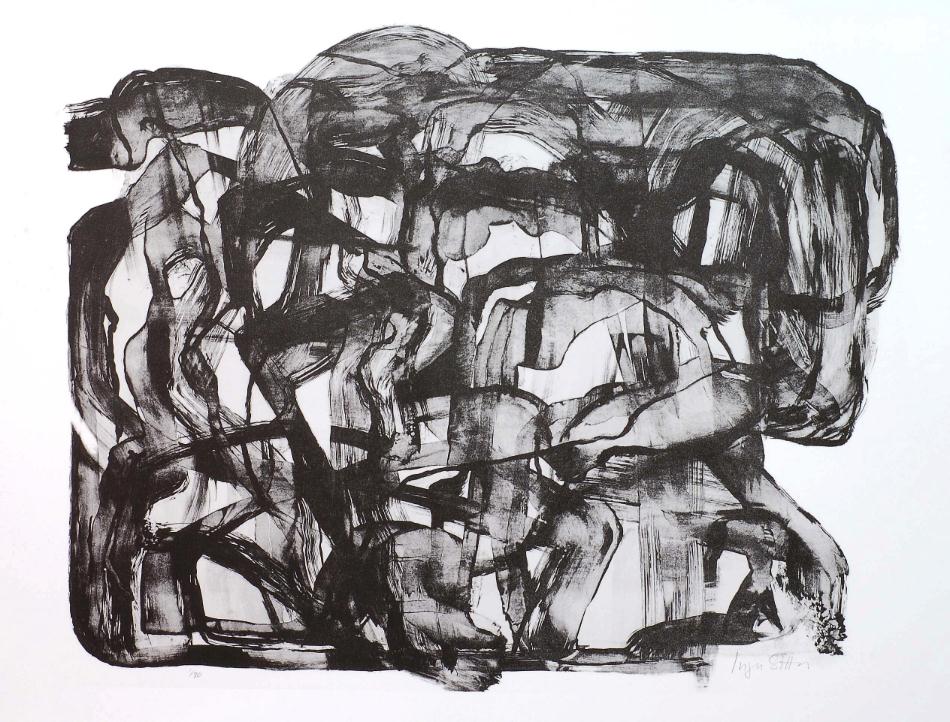
Bleken’s charcoal drawings that have received the most acclaim from art critics and historians. Photo: Kunstverket Galleri.
Bleken is probably best known by the general public for his colorful paintings and prints, but it is his charcoal drawings that have received the most acclaim from art critics and historians. The charcoal drawings are sombre, complex, and precise, but at the same time, the charcoal takes on a guise of softness and life.
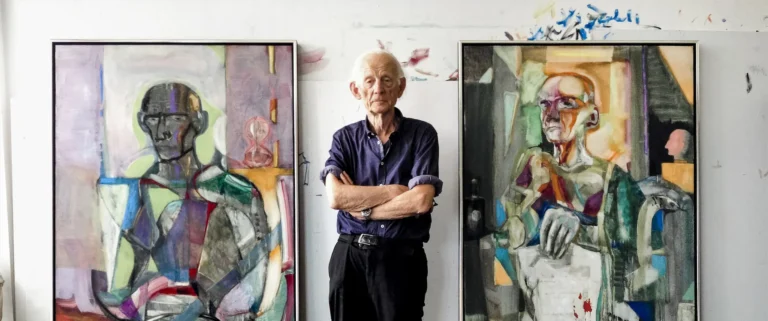
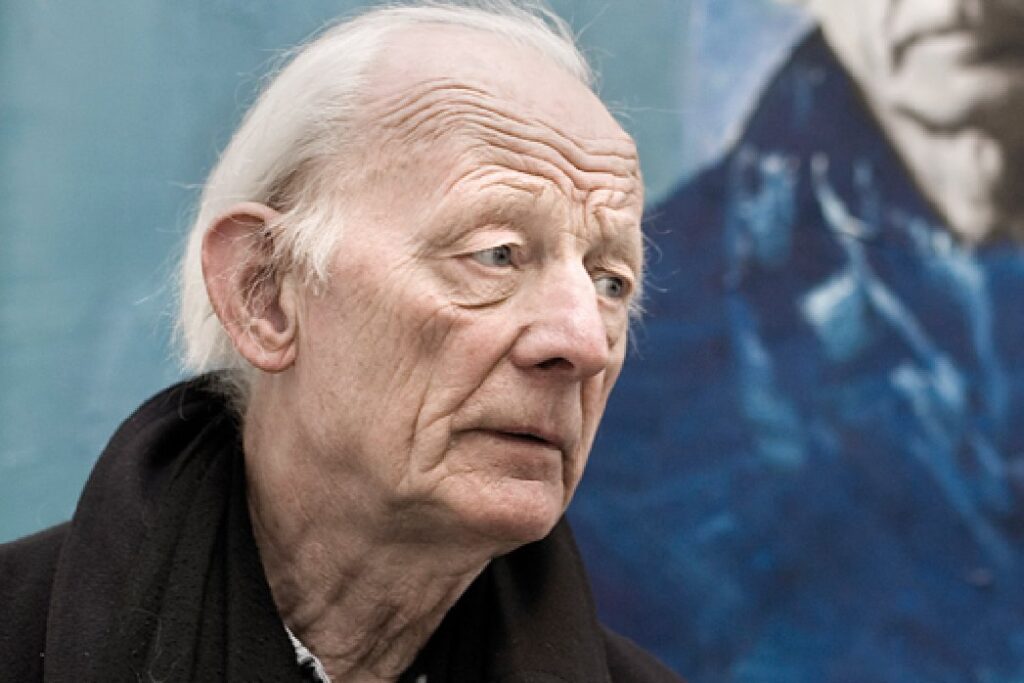
Håkon Bleken portrait. Photo: fineart.no
Håkon Bleken passed away on 21 January 2025 (96 years old).
Trondheim Kunstmuseum has two venues: TKM Bispegata and TKM Gråmølna. TKM Bispegata is the museum’s main venue, located at Nidaros Cathedral, where you can find its beautiful museum shop. In TKM Gråmølna in Trenerys gate at Nedre Elvehavn, you will find works from Kunstgaven Håkon Bleken and other exhibitions.
The European Project Dancing Histor(y)ies comes to an end in Gothenburg, August 29-30. “A Moment of Endlessness” marks the journey of exploring history, culture, and heritage through contemporary dance.
Events of this international project take place at Gathenhielmska Huset and Balettakademien, in collaboration with Göteborgs Kulturkalas.
Co-funded by the Creative Europe program, Dancing Histor(y)ies has been a collaboration between artists, local communities, and institutions across Sweden, Italy, Serbia, Cyprus, Portugal, Hungary, Greece, the Czech Republic, Poland, Bulgaria, and Spain. Throughout 2025, ilDance artists participated in local community-engaged residencies and workshops. They also visited archaeological and cultural heritage sites, including Castel Sant’Angelo (Rome), Viminacium Archaeological Park (Serbia), The Temple of Diana (Mérida), and Nora Archaeological Park (Sardinia). They developed site-responsive works that reflect the layers of history and culture tailored to each site.
Events of this international project take place at Gathenhielmska Huset and Balettakademien, Gothenburg.
In May 2025, ilDance shared their experiences from these journeys and the artistic work that they developed in workshops with students of Balettakademien Gothenburg. This creative exchange contributed to the development of the final performance. Now, they are returning to Gothenburg for the Dancing Histor(y)ies finale.
A series of engaging events will take place in Gothenburg on August 29, with a workshop in collaboration with Balettakademien Gothenburg, followed by a whole program at Gathenhielmska Huset on August 30, including two Gaga/people classes, led by Lee Brummer and the final performances for Dancing Histor(y)ies with the piece A Moment of Endlessness.
*******************************************************
While in Gothenburg, you might be interested in the city’s culinary attractions.
*******************************************************
Co-funded by the Creative Europe program, Dancing Histor(y)ies has been a collaboration between artists, local communities, and institutions across Sweden, Italy, Serbia, Cyprus, Portugal, Hungary, Greece, the Czech Republic, Poland, Bulgaria, and Spain.
The details of events in Gothenburg:
August 29, ilDance and Balettakademien closed workshop
August 30, at 14.30-15.30 and 17.00-18.00, Gaga/people classes led by Lee Brummer at Gathenhielmska Huset
August 30, at 16.00 and 18.30: Final Performances – “A Moment of Endlessness” at Gathenhielmska Huset
The performances reflect on how stories and histories, both distant and near, gain or lose meaning, depending on the contexts in which they are reiterated. Incorporating text by Hayim Nahman Bialik and Kohelet (Ecclesiastes), “A Moment Of Endlessness” explores senses and sensations of time and how it can be pulled, morphed, and transformed through relations and relationships. IlDance Artistic Director Israel Aloni creates the performance and features artists Elias Khanamidi, Jennifer Wallen, Victor Persson, and Tomer Giat.
Admission is free and open to everyone, but registration is required to attend. Registration tickets for the performances are available from August 15, and for Gaga/people classes from August 28 at www.ildance.se/tickets .
The performances reflect on how stories and histories, both distant and near, gain or lose meaning, depending on the contexts in which they are reiterated. Incorporating text by Hayim Nahman Bialik and Kohelet (Ecclesiastes).
About Dancing Histor(y)ies
Dancing Histor(y)ies – Binding Communities and Heritage Through Dance is set to identify an innovative, effective, and replicable model for enhancing cultural sites, actively involving local communities in artistic production and conscious heritage appreciation, while also promoting the international mobility of European artists.
The project aims to create a standard and adaptable general model to be implemented across Europe. By blending the tangible cultural heritage of the sites with the intangible cultural traditions and stories of local communities, it seeks to bring together through the creativity of dance.
Dancing Histor(y)ies is co-funded by the Creative Europe program of the European Union. ilDance’s participation and activities in the project are made possible with the support of the Swedish Arts Council and Kulturförvaltningen Västra Götalandsregionen.
In Scandinavia, the seasons don’t just change the weather; they shape daily life. Nowhere is this more evident than in the shift from summer to autumn. Read on and learn more about facing change: The Role of Mental Wellness in Embracing the Transition from Nordic Summer to Autumn.
One day, you’re basking in the long golden hours of a Nordic July evening, sipping coffee on the balcony, feeling energized by the midnight sun. Then almost suddenly, the air turns crisp, the skies grow darker, and you begin to feel the weight of the approaching cold. For many people living in this region, this transition can affect mood, motivation, and even one’s sense of purpose. Understanding how to embrace this seasonal shift with intention can not only support your well-being but also deepen your connection to the rhythms of life in the north.
The Emotional Echo of Nature
Nature sets the pace in Scandinavia. During the summer, there’s a shared cultural expectation to seize the moment—to travel, spend time outdoors, socialize, and make the most of the fleeting light. This burst of activity often comes with heightened joy, but also a kind of pressure. The long days are celebrated, but they can feel overwhelming, too. As autumn arrives, things slow down. The energy of the cities softens. Cafes feel cozier. Work routines settle in. Yet, for many people, this quieting of the world brings internal noise—feelings of restlessness, sadness, or anxiety. It’s common to feel a kind of emotional whiplash, especially after an intense or overstimulating summer.
These emotional fluctuations aren’t a sign of weakness. They’re deeply human. The change of seasons mirrors the natural cycles within all of us—times of outward energy and times of reflection. Recognizing this connection is the first step in navigating autumn with care.
It’s also important to consider how professional guidance might support you through this transition. Photo: Check my Insurance.
Finding Ground in Daily Rituals
Rituals and routines offer a way to stay grounded during seasonal transitions. In Nordic culture, small daily comforts are deeply cherished. Lighting a candle in the morning. Wearing wool socks. Walking in the forest after work, even as the sun begins to set earlier. These little moments provide stability and help the mind and body adjust. This is also a good time to re-evaluate your habits. Are you sleeping enough now that the days are shorter? Are you eating in ways that nourish your body for the cooler months? Have you created space for solitude as well as connection? Autumn offers an opportunity to slow down and reconnect with what truly supports you.
It’s also important to consider how professional guidance might support you through this transition. For those who find this seasonal shift particularly challenging, behavioral health services can be a valuable resource. These services include therapy, counseling, and support programs designed to help individuals manage mood changes, anxiety, or patterns of low motivation that environmental changes can trigger.
Reframing the Narrative
In many Western cultures, summer is idealized as the peak of life: full of light, movement, and possibility. But Scandinavian life has long challenged that narrative. Autumn is not a downfall from summer’s glory—it is a preparation for stillness, a return to the self, a season of quiet beauty. There’s a reason why Scandinavian design celebrates minimalism and warmth, why meals become heartier, and homes feel like sanctuaries. These are not just aesthetic choices; they are cultural responses to a natural slowing down. Embracing this idea can help you reframe the season not as a loss, but as a gift.
Communal dinners, book clubs, group walks, and outdoor gatherings (even in chilly weather) are all part of staying connected. Photo: Örebro University.
The Role of Community and Connection
It can be easy to become more isolated in the autumn, especially when the evenings grow longer and the instinct is to stay indoors. But even in the darker months, connection is vital. Scandinavian culture offers several examples of how people maintain social ties through seasonal shifts. Communal dinners, book clubs, group walks, and outdoor gatherings (even in chilly weather) are all part of staying connected. These traditions remind us that being around others doesn’t have to be exhausting. It can be quiet, meaningful, and mutually supportive. If you find it hard to reach out or make plans during this time of year, that’s okay, too. A simple message to someone you trust, a regular video call with a family member, or attending a small community event can make a difference. The key is to maintain a sense of belonging, even in small doses.
Listening to the Body and Mind
One of the gifts of autumn is that it invites you to pay attention. The dropping temperatures and changing light offer a natural cue to check in with yourself. Are you feeling rested? Are you carrying emotions you haven’t addressed? Are you moving your body in ways that support your mood? There is no one-size-fits-all solution, but listening is a powerful starting point. Some people might benefit from journaling or meditation. Others may find relief in movement, like gentle yoga or weekend hikes. For those with a more profound sense of emotional unease, professional support can be transformative. Again, many of these services are available through behavioral health offerings and can provide strategies for thriving through seasonal changes.
By leaning into the season’s quiet invitations, we can find new ways to care for ourselves and each other. Photo: Wikipedia.
A Season for Letting Go
Autumn is also a time of release. Just as trees shed their leaves, we too can let go of things that no longer serve us. That might be a habit, a mindset, a relationship, or even a version of ourselves we’ve outgrown. This symbolic shedding can be healing and empowering. Rather than viewing it as a loss, think of it as clearing space. The more space you make for what really matters, the more you can welcome the quiet beauty of this season. This practice of letting go can also be emotional. It might mean accepting that not every day will feel bright. That sometimes, joy looks different. That healing is not always linear. Autumn permits us to feel it all—and still keep going.
Embracing the Shift
In Scandinavia, the shift from summer to autumn is inevitable. But it doesn’t have to be feared. With the right mindset, supportive routines, and—when needed—access to behavioral health services, this seasonal transition can become a time of reflection, grounding, and emotional strength. By leaning into the season’s quiet invitations, we can find new ways to care for ourselves and each other. Autumn isn’t the end of something vibrant—it’s the beginning of something deeply rooted. So light a candle, pour something warm, and let this season teach you how to slow down, tune in, and carry yourself gently through change.
Danika Kimball
Facing Change: The Role of Mental Wellness in Embracing the Transition from Nordic Summer to Autumn, written for Daily Scandinavian by Danika Kimball. Danika is a ten-year veteran of the SEO industry and is based in Boise, Idaho. Outside of working for Resolve Marketing, she enjoys playing video games and podcasting about The Bachelor.
At its Salone popup ice-cream café, Gelateria Danese at this year’s Milan Design Week, Georg Jensen launched the company’s new silver cup-and-spoon set.
At Gelateria Danese, George Jensen was serving artisanal ice cream and coffee in new silverware designed to elevate everyday rituals. No meal feels quite complete without something sweet at the end – especially in summer, when gelato or ice cream becomes a daily ritual. A scooped indulgence often brings back memories of childhood and travel: sitting on the stoop, strolling down a cobbled street, cone in hand. But beyond the nostalgia, there’s something deeper at play. These small pleasures offer a moment of comfort – a brief pause of joy that feels especially welcome when the world feels a little heavy.
At Gelateria Danese, George Jensen was serving artisanal ice cream and coffee in new silverware designed to elevate everyday rituals.
Georg Jensen showed us that silverware isn’t just meant to be displayed in a glass vitrine. At the end of last year, fashion designer Paula Gerbase was appointed creative director of the historic Danish silversmith Georg Jensen, a house founded in 1904. Naturally, one of her first moves was to delve into the archives – and there, she found more than a few surprises.
The Artisans Series, created in close collaboration with the brand’s Copenhagen silversmiths, is a gentle commentary on our culture of convenience. In an age of single-use everything, these handcrafted pieces are a call for permanence – for investing in objects that are meant to endure, age beautifully, and grow more meaningful over time. Georg Jensen is, as ever, in the business of making beautiful things that last.
Georg Jensen showed us that silverware isn’t just meant to be displayed in a glass vitrine.
“Of course, I expected to see beautiful Art Nouveau pieces, which I adore,” said Gerbase. “I expected to find extraordinary mid-century work by some of the most important Scandinavian and Nordic artists of all time. What I didn’t expect was a silver telephone. I didn’t expect silver lipsticks, powder compacts, perfume vials, even a silver flashlight – so many unexpected objects. There were even silver stirrups for horse riding.”
Psychologists have shown that ice cream doesn’t just taste good – it makes us feel good. The cold, creamy texture and rich flavors trigger the brain’s reward system, releasing mood-boosting endorphins. On top of that, the sensory experience combined with nostalgic feelings turns ice cream into more than just a dessert – you have a moment of calm. In times when the world feels overwhelming, a bit of sweetness can provide a comforting break and help us reset.
The Artisans Series reimagines traditionally disposable items as lasting objects, crafted from Georg Jensen’s founding material: silver. From coupes shaped like opposing cones to classic ice cream cups, spoons, and espresso saucers, classic quotidian serve-ware was reimagined in sterling silver at Gelateria Danese.
The aim? To bring silver, in all of its beauty, into everyday life. “Silver is even more beautiful when it’s in use,” says Gerbase. “We’re removing it from the untouchable perception.”
Psychologists have shown that ice cream doesn’t just taste good – it makes us feel good.
At Gelateria Danese in Milan, traditional affogato was served using coffee from Copenhagen’s cult roaster Prolog, while Italo-Nordic chef Chiara Barla created an array of gelato flavors. Each dish was presented in reimagined silver vessels: coupe bowls shaped like cones, scalloped saucers, tasting spoons, and popsicle sticks. Rather than create something precious and untouchable, the collection invites use.
In a world often driven by excess, the Swedish concept of “lagom” offers a refreshing counterbalance. Pronounced “lah-gom,” the word loosely translates to “not too little, not too much—just right.” Read on and learn more about lagom living: How finding ‘just enough’ enhances Nordic well-being.
Lagom living is more than a philosophy; it’s a way of life that shapes everything from how people work and socialize to how they eat, decorate their homes, and spend their leisure time. While neighboring countries like Denmark have exported the coziness of “hygge” to international acclaim, Sweden’s contribution to the global wellness conversation is quieter but just as impactful. Lagom is about moderation, balance, and sustainability. It promotes living simply, consuming mindfully, and finding joy in sufficiency rather than abundance.
Origins of Lagom
We can trace the roots of lagom back to ancient Norse culture and the idea of sharing resources equally among a group. According to folklore, the phrase “laget om” (meaning “around the team”) was used to describe how people would pass around a communal vessel of mead so that everyone got just enough. Over time, this idea of fairness and balance evolved into the modern Swedish ideal of lagom. Lagom isn’t about self-denial or frugality; it’s about knowing when something is enough. It encourages a Goldilocks approach to life, helping people make choices that align with their well-being without tipping into overindulgence or deprivation.
***************************************************
Related: Living the Lagom Life in Sweden
***************************************************
Some people prefer to explore thoughtfully chosen vape flavor collections that offer a satisfying experience without overwhelming the senses.
Applying Lagom to Everyday Life
Embracing lagom doesn’t require a total lifestyle overhaul. It’s the small, intentional choices that often have the most significant impact. For example, instead of filling a home with the latest trends, someone living lagom might invest in a few quality items that serve both form and function. Clothing choices might lean toward timeless pieces that last multiple seasons. Mealtime becomes less about fancy ingredients and more about balanced nutrition and satisfaction. Lagom even extends into how people manage their hobbies and indulgences.
In the same way someone might curate their wardrobe or simplify their home decor, they might also approach consumption habits with moderation in mind. For instance, rather than trying every new trend or stocking up excessively, some people prefer to explore thoughtfully chosen vape flavor collections that offer a satisfying experience without overwhelming the senses. It’s about quality over quantity, and pleasure without excess.
Lagom and Mental Health
One of the lesser-discussed benefits of lagom is its positive impact on mental health. When people pursue balance and avoid extremes, they often find greater contentment. Constant striving, whether for success, material wealth, or social recognition, can lead to burnout. Lagom, in contrast, invites people to appreciate what they have and recognize when they already have enough. In daily life, this might look like choosing a shorter workweek to prioritize time with family, limiting social media use to avoid comparison, or enjoying a modest meal without the need for lavish presentation. Each of these choices supports emotional well-being by fostering a sense of control and contentment.
IKEA’s Lagom Collection.
Environmental Consciousness
Lagom also aligns naturally with sustainable living. In Sweden, environmental stewardship is closely linked to national identity. Choosing just enough often means using fewer resources, creating less waste, and making choices that are gentler on the planet. From cycling instead of driving to supporting local producers and reducing food waste, lagom encourages people to live in harmony with nature. Minimalism and eco-consciousness become less about trendiness and more about living a life that’s both fulfilling and responsible.
Social and Workplace Dynamics
In Scandinavian workplaces, lagom influences everything from leadership styles to office culture. Hierarchies are often flat, and people prioritize collaboration over competition. Meetings are structured yet inclusive, allowing everyone to contribute without dominating the conversation. Socially, lagom fosters community cohesion. There’s an unspoken agreement that no one should take more than their fair share—whether it’s food, attention, or resources. This helps maintain a sense of fairness and equity, which in turn builds trust among peers.
Lagom at Home
Bringing lagom into your home doesn’t mean stripping away everything you own. It means creating an environment that supports your well-being. This might involve decluttering your space, introducing natural light, or using calming color palettes. Homes designed with lagom in mind often favor natural materials, functional furniture, and a few well-loved decorative pieces. The goal is comfort and balance, not perfection. Plants, textiles, and soft lighting help make spaces feel welcoming without overwhelming the senses.
In the kitchen, lagom encourages balance and simplicity.
Food and Lagom
In the kitchen, lagom encourages balance and simplicity. Meals are often made from scratch, using seasonal and local ingredients. There’s an emphasis on eating mindfully—savoring each bite rather than rushing through a meal. Portions are moderate, and people enjoy treats without guilt. It’s common to enjoy a “fika,” or coffee break, complete with a cinnamon bun or a small pastry. The key is balance—finding satisfaction in modest indulgence, rather than swinging between restriction and overconsumption.
Why Lagom Resonates Globally
As more people search for ways to escape the pressure of “more is better,” the appeal of lagom grows. Its principles are adaptable across cultures, encouraging individuals to redefine success, pleasure, and self-worth on their own terms. For anyone feeling stretched thin or overwhelmed by the pace of modern life, lagom provides a framework for returning to the center. It asks: What do I really need? What truly adds value to my life? And what can I let go of?
Lagom isn’t about self-denial or frugality; it’s about knowing when something is enough.
Getting Started with Lagom
Incorporating lagom into your life doesn’t require moving to Sweden or undergoing a complete lifestyle transformation. Instead, it begins with small, intentional shifts such as decluttering a single room to experience the calming effect of space, saying no to one commitment to make room for rest, preparing a simple meal and enjoying it without digital distractions, or reassessing your screen time to create more mental clarity. Even practicing mindful buying—pausing to ask if a purchase truly adds value—can invite a sense of ease and alignment. These modest actions embody the essence of lagom: slowing down, simplifying, and savoring life as it is. Rooted in balance, lagom helps us move away from the relentless pursuit of more and toward a life rich with meaning. When we live in a society that glorifies excess, lagom gently reminds us that having enough is not a limitation—but a quiet kind of abundance.
Danika Kimball
Lagom Living: How Finding ‘Just Enough’ Enhances Nordic Well‑Being, written for Daily Scandinavian by Danika Kimball. Danika is a ten-year veteran of the SEO industry and is based in Boise, Idaho. Outside of working for Resolve Marketing, she enjoys playing video games and podcasting about The Bachelor.
















 The Artisans Series reimagines traditionally disposable items as lasting objects, crafted from Georg Jensen’s founding material: silver. From coupes shaped like opposing cones to classic ice cream cups, spoons, and espresso saucers, classic quotidian serve-ware was reimagined in sterling silver at Gelateria Danese.