Scandinavian is a popular bathroom design that is characterized by clean lines, soft hues, and a blend of textures. It creates the perfect modern indoor space without letting go of the cozy and warm feel of a home. Learn the 5 things that will transform your bathroom into a Scandinavian-style space.
Most people prefer to install a Scandinavian-style duschkabine komplett, sauna, or sink-in bathtub. These features take up most of the space and highlight the design. But what if you don’t have the budget for them?
In this article, we will talk about 5-things that will transform your bathroom into a Scandinavian-style space without emptying your pockets. Let’s dive in!
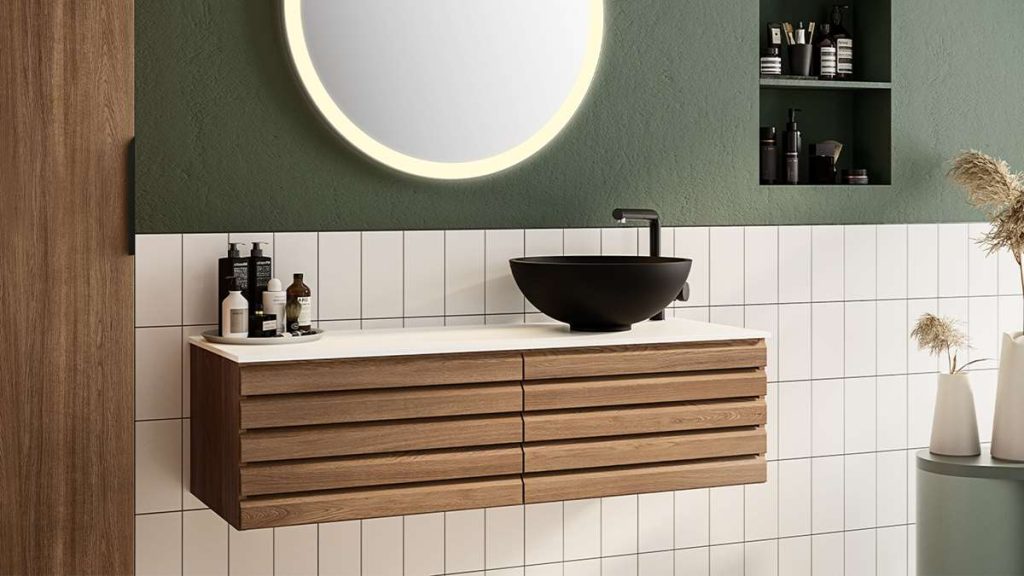
Scandi designs typically feature light and neutral colors. Photo: Fagflis
Visual Contrast
Scandi designs typically feature light and neutral colors. You will find same-colored walls, fixtures, cabinets, and flooring. This gives a fresh and clean look.
But, recently, many people are exploring a bold version of Scandinavian decor. These bathrooms create visual contrast by using dark colors in less important features. For example, everything will be white, but the bathroom fixtures will be black.
If you don’t like the idea of bold colors, you can create a subtle visual contrast with pastel shades. You can install beige tiles on one wall, hang a peach tapestry, or add pastel colors in another subtle way.
Light-colored wood is the highlight of the Scandinavian style indoors. Photo: Selma furniture/Comfort
Wood
Light-colored wood is the highlight of the Scandinavian style indoors. You can incorporate it in your bathroom in different ways, like:
Wooden vanity cabinets
Wooden light fixtures
Wooden flooring
If installing actual wood seems like an expensive project, you can opt for wood-like panels or tiles. You can also purchase realistic wood grain vinyl sheets and cover your cabinets with them.
Plants give a fresh and energizing vibe to the place. Photo: Plantasjen
Greenery
Plants don’t only add a pop of color to the dull indoors, but they also give a fresh and energizing vibe to the place. A simple way to make your bathroom appear Scandinavian-style space is to add a few plants here and there.
Of course, there is no need to get a huge tree or real plant. You can get small artificial pots and place them on the counter, shelve, or in the corner. You can also get floral hanging decor and position it beautifully around the bathroom.
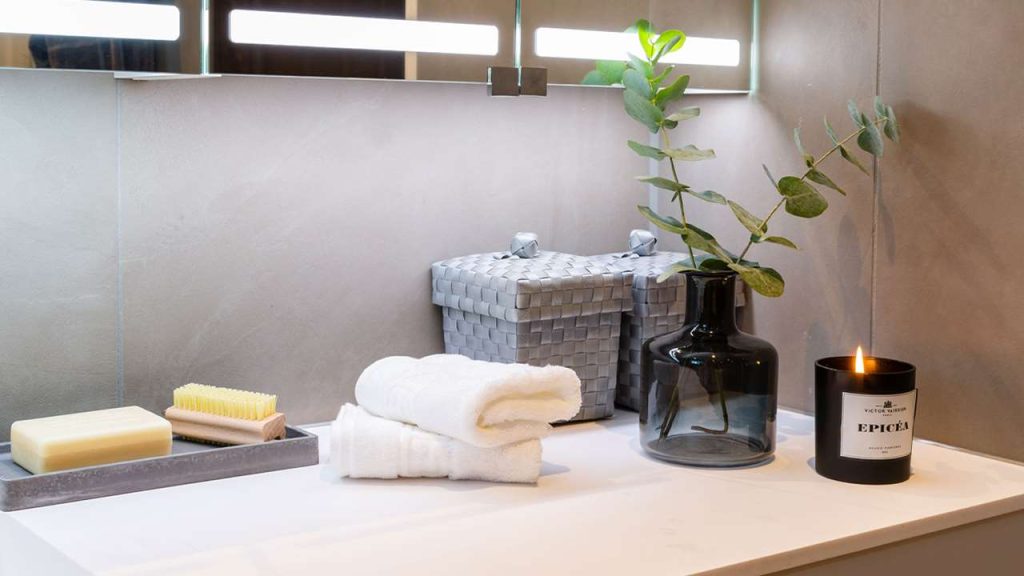
Since Scandinavian design is about clean and modern looks, it’s best to incorporate smooth textures in your bathroom. Photo: Comfort
Texture
Texture gives visual weight to an indoor space. It adds to the feel and creates a particular vibe, depending on what items you have used.
For example, if you use rough textures like rugs, the overall feel will be rustic and intimate. But, if you use smooth textures, you will get a contemporary vibe.
Since Scandinavian design is about clean and modern looks, it’s best to incorporate smooth textures in your bathroom. You can do this with textured tiles, woven baskets, wooden stools, metal tapware, etc.
Minimalism
The concept behind Scandinavian is moderation and balance. So, it’s very important that your bathroom doesn’t have anything that looks too much or too less.
Choose minimalistic vanity, storage cabinets, and accessories. Keep the countertops clear, and remove the shower curtains. Install pendant lights to increase brightness in the bathroom. If possible, make ways for natural light to enter the space (small windows or skylights).
The 5 Things That Will Transform Your Bathroom Into a Scandinavian-Style Space, written dedicatedly for Daily Scandinavian by Dina Summers.
The capital of Denmark is a popular playground for young as well as for grown persons. The world’s oldest amusement parks is just one of the city’s popular attractions. The trendiest shopping and nightspots, the historic places and museums and much more should be on your bucket list. Here’s our guide to 29 attractions you should consider when visiting Copenhagen.
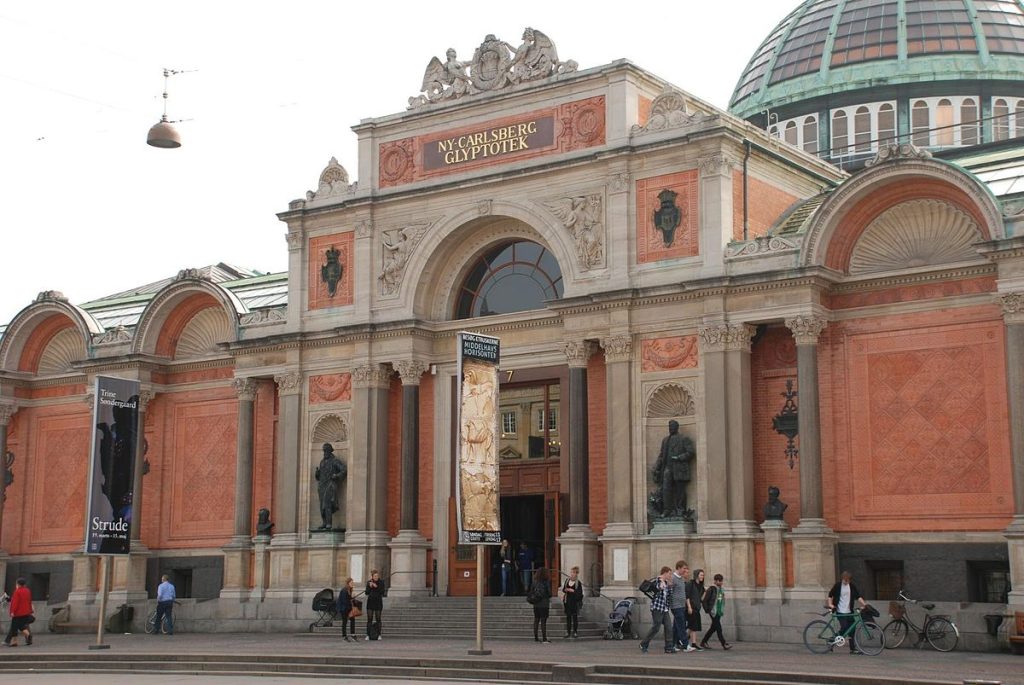
Main entrance at Ny Carlsberg Glyptotek. Photo: Wikipedia
Ny Carlsberg Glyptotek is one of Copenhagen’s most treasured museums containing Carl Jacobsen’s private works from 1842-1914 and renowned for its extensive collection of Mediterranean antiques and 19th century art (among the biggest collections in the world). Exhibitions include works from Ancient Egypt as well as paintings by Monet and van Gogh, and sculptures from Greece, Denmark and France.
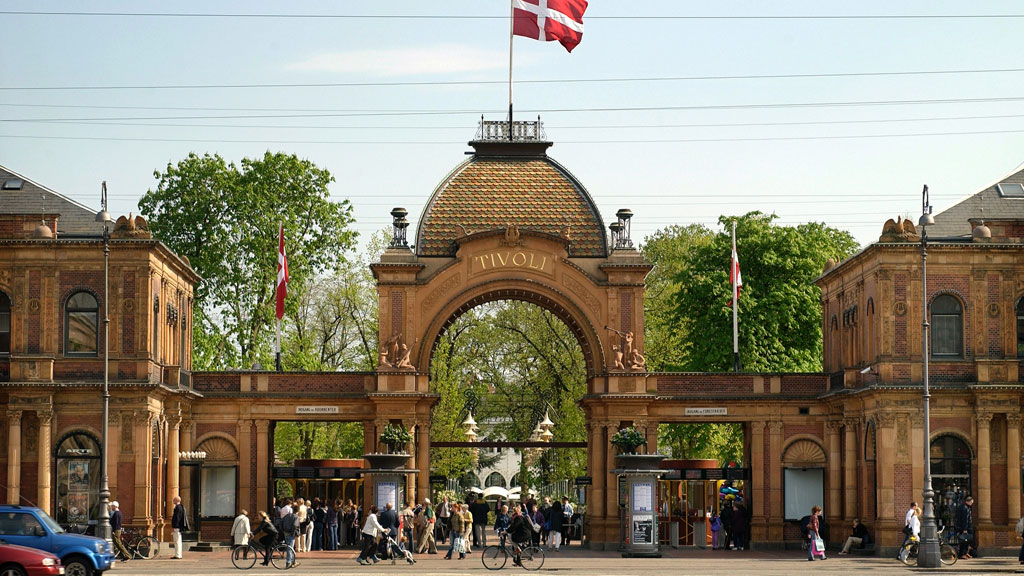
Main entrance Tivoli Gardens. Photo: Peter Holliday/Visit Copenhagen
Built in 1843, Tivoli Garden is one of the oldest amusement parks in the world and has been a firm fixture in the lives of Danes for generations. If you’re traveling with kids it’s an absolute must, but the amusement park is full of iconic sites of its own. Among its attractions are the Chinese-style Pantomime Theatre with open air-seating, the modernist concert hall and the Chinese tower overlooking the boating lake.
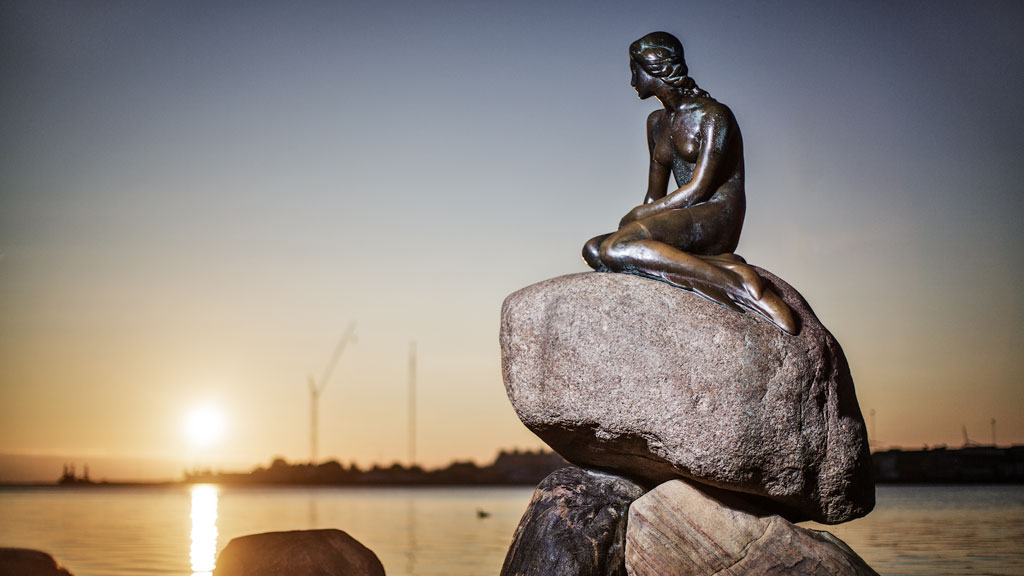
This instantly recognizable statue sitting on a rock next to the Langelinie promenade is surely the most famous landmark in the city.
The sculptor Edvard Eriksen created the mermaid in 1913 as a tribute to the author Hans Christian Andersen, and it’s inspired by Andersen’s eponymous fairytale.
When you get up close to the statue what will surprise you is how small it is, but you’ll have to take a photo because it’s simply one of those international identifiers.
Jægersborggade
Jægersbogade. Photo: Visit Copenhagen
Time for a fancy slow day wandering around and sampling delicious coffee, cakes and independent shops? These cobbled streets lined with trendy bars, boutiques and cafés are perfect for wandering – and photographing too.
Favourites include Inge Vincent’s ceramics workshop, craft store Vanishing Point and jewellery designers Ladyfingers. And when you’re just about ready for a snack, stop at the Coffee Collective. Assistens Kirkegård, a leafy cemetery at the street’s southern end, is exceptionally picturesque and where famous Danes such as Hans Christian Andersen and Søren Kierkegaard are buried.
Rosenborg Palace
Rosenborg Palace. Photo: Thomas Hyrup Christensen/Visit Denmark
Originally built as summer Royal residence, this stunning Dutch Renaissance era castle is today a museum and home to Denmark’s crown regalia. Rosenborg Palace is surrounded by peaceful parkland in the center of Copenhagen.
Its distinctive spires, copper roof, intricate brickwork and well-kept gardens featuring a moat make Rosenborg one of the more intriguing buildings in all of Denmark. Visitors see tapestries depicting King Christian V’s war victories adorning the Knights’ Hall, a museum exhibiting the Royal Collections and the crown jewels.
Despite its location in the center of Copenhagen, the castle is surrounded by beautiful parkland. If you don’t have time to visit the castle museum, a walk through the gardens still lets you take in the attractive architecture.
Strøget
Strøget. Photo: Visit Copenhagen
This pedestrian street runs on and on, and whether you’re up for high-street or high-end shopping the chances are you’ll find what you’re looking for here.
It’s among the largest pedestrian malls in the world. If you want to find some independent shops then follow Strøget into the Old City and then try one of the narrow side streets.
There’s a wonderful mix of old specialty businesses that go back generations and hip boutiques for young fashionistas.
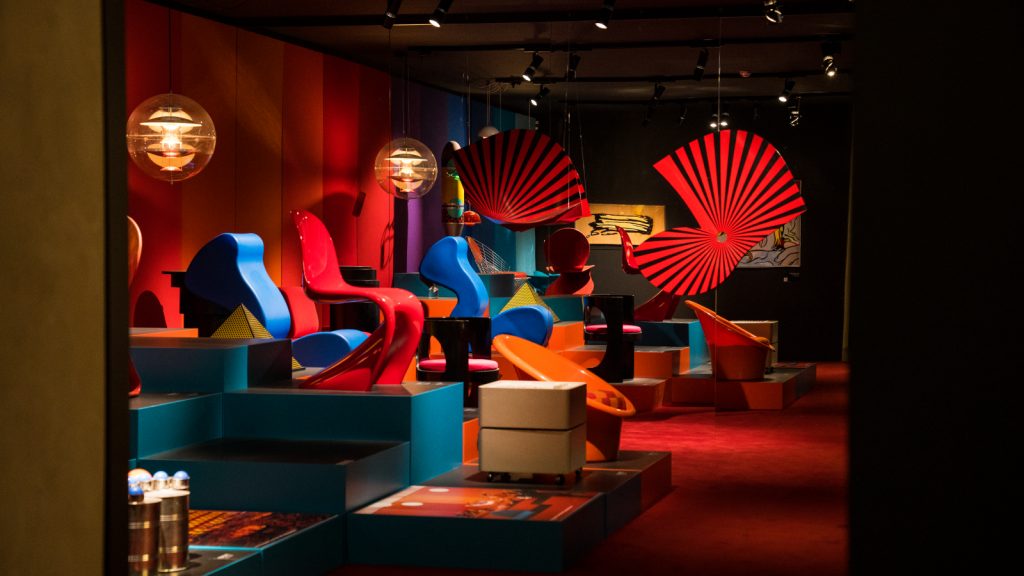
Design Museum Copenhagen was founded in 1890, when Denmark’s industrial enterprises were celebrating the eminence of their Sponsored content products. In the course of the 20th century, Danish design – especially furniture design – achieved worldwide renown. After two years of renovation, Design Museum Copenhagen reopened in June 2022.
At the narrow waterway of Nyhavn in Copenhagen, a famous landmark from 1661, colorful old wooden schooners line the quay, and the north side is a charming combination of sailors’ bars and new restaurants. Nyhavn is also a great place to join a canal tour. To escape the crowds, pop into Kunsthal Charlottenborg, a Baroque building on Nyhavn’s south side, home to a contemporary art gallery and a beautiful café, Apollo.
The Round Tower
The round Tower. Photo: rundetaarn.dk
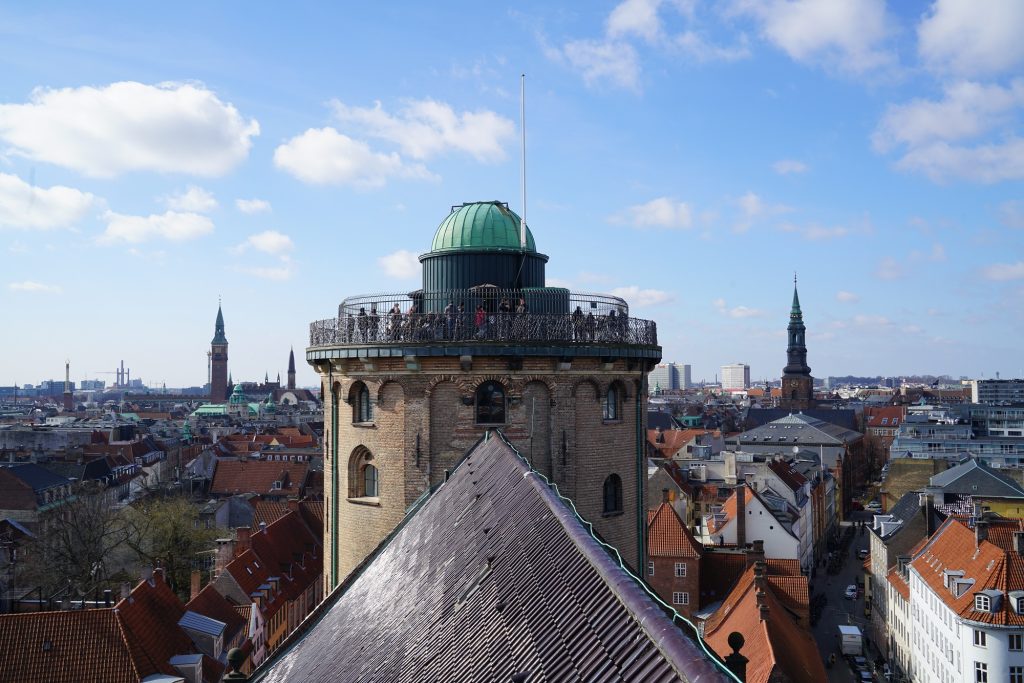
The Round Tower, a world away from the bustling streets below. Built by the King in 1642 in order to continue the groundbreaking research of astronomer Tycho Brahe, the tower is best known for its rooftop observatory, still used by astronomers to this day. The former library once used regularly by Hans Christian Andersen now hosts special events and workshops.
Visitors can look inside the observatory and take in the view of old Copenhagen from the top, which is well worth the $6 entrance.
Copenhagen’s National Museum is the sort of attraction in which you could lose hours without realizing. There’s a remarkable wealth of artefacts here, from all eras of Denmark’s past.
If you see nothing else, take a look at the Trundholm Sun Chariot. It’s a Bronze Age item, dating to 1400BC, with a bronze statue of a horse pulling a gold disc representing the sun.
According to Norse mythology the sun made its way across the firmament like this, towed by a divine horse.
The Vikings are also well-covered by this museum, and many artefacts from this collection were sent on a tour of the world in 2014.
Located in the city center since 1870 and home to more than 13,000 plant species, this is the greenest place in town.
It’s ideal for a leisurely stroll when you want to escape the crowds. Highlights include a rhododendron garden, rock gardens featuring plants native to Europe’s mountainous regions, and the Palm House; one of the garden’s 27 historic glasshouses, it features cast-iron spiral staircases leading to a walkway above the treetops. During summer, visitors can also explore the garden’s butterfly house, and there’s a small shop selling plants and seeds, allowing you to take home some botanical magic as a souvenir.
Fans of hit Danish political drama Borgen will surely want to visit Christiansborg, home to the executive, legislative, and judicial power in Denmark.
Because of past fires, this powerful building displays influence from three eras of Danish architecture. Much of the palace was built in baroque revival style, while the neoclassical chapel and original baroque showgrounds are among the exceptions.
Visitors to arguably the most important building in all of Denmark can see the tapestry-laden Great Hall, used for state occasions and ceremonies. The palace chapel, decorated with beautiful frescoes and still used for royal weddings and christenings, is another highlight.
Since the 18th century, the palace grounds have been home to horses owned by the Royal family. The Royal stables, which include the gold-leaf-coated Golden State Coach, are open for a few hours most afternoons.
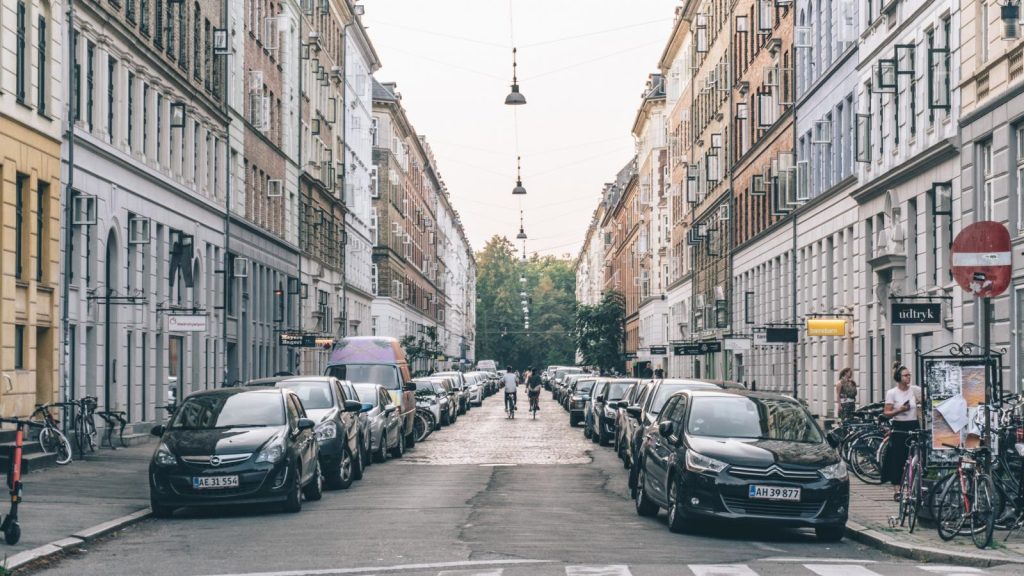
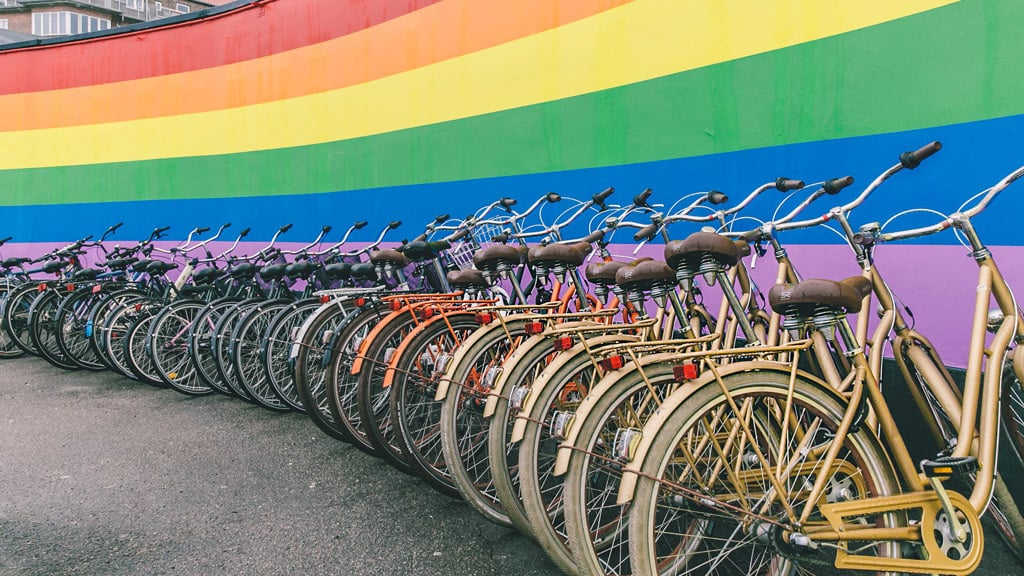
Copenhagen is one of the most bike-friendly cities in the world. Almost everyone who lives here rides regularly, and it’s so safe that you’ll see many people on bikes without helmets.
The city is flat of course, which helps, but the cycle lanes are very broad and since it helps keep pollution down, people are encouraged to cycle whenever they have to make a trip.
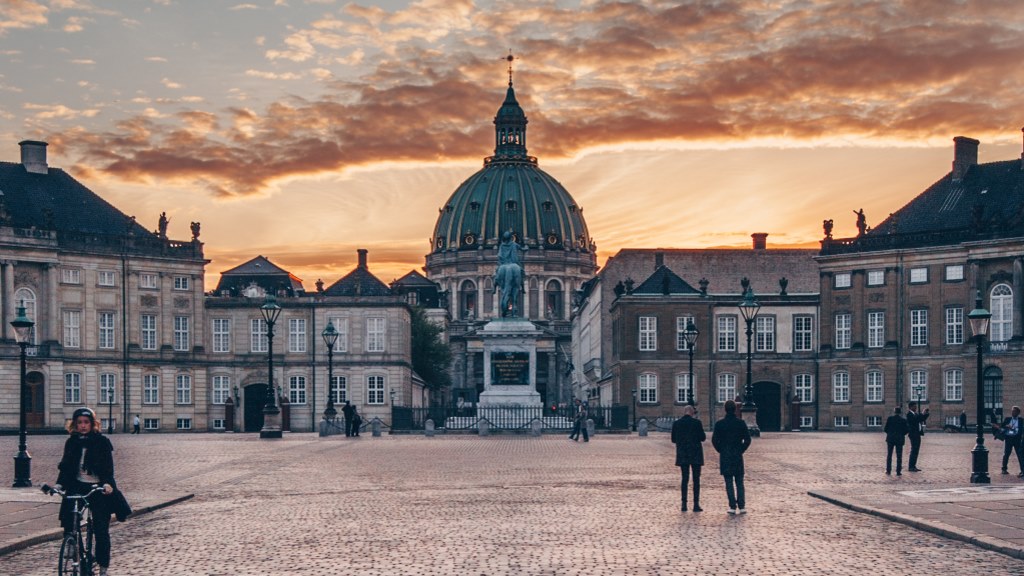
Sunset at Amalienborg castle. Photo: Martin Helberg/Visit Copenhagen
The four identical palaces built around an octagonal courtyard make Amalienborg a striking residence for the Danish royal family. Despite being home to the Queen of Denmark during the winter and the Crown Prince couple throughout the year, the palace complex remains open to visitors.
Attractions include the daily changing of the guard ceremony and the Amalienborg museum with a focus on the history of the Danish Royal family. Quirky highlights include the private studies of previous monarchs and the enormous collection of smoking pipes. Many of the Danish royal family have been heavy smokers.
History lovers can save money as combination tickets are available for Amalienborg and Rosenborg Palace.
Christiania
Christiania Photo: Peter Holliday/Visit Copenhagen
They do things differently in Christiania, on the site of old military land in Christianshavn.
It’s a commune that was established back in 1971 on the back of the counter-culture movement.
Nearly half a century later it continues to thrive, although things have been bumpy along the way as the people who live and work here wrangle with the Danish government for more autonomy.
The best way to describe it is as a peaceful park, with historic army warehouses and barracks taken over by artists’ studios, organic shops, restaurants, and music venues.
Because of the drug activity here it’s a good idea to be aware of the various “do’s and don’ts” before entering.
Louisiana Museum of Modern Art. Photo: Det kongelige akademi
Louisiana Museunm of Modern Art is an impeccably designed, impeccably located museum with a world-beating modern art collection.
Louisiana’s permanent collection comprises more than 4,000 works produced since 1945, including pieces by Picasso and Giacometti, while its Sculpture Park houses works by Alexander Calder and Henry Moore.
The building itself is considered a significant work of Danish modernist architecture. There’s also Louisiana’s idyllic location on the coast north of Copenhagen. Louisiana is packed with classic and contemporary Danish design, plus a wide selection of books and exhibition posters, and it is pretty much a destination in itself.
Frederiksberg Palace
Fredriksberg Castle. Photo: Wikipedia
Known for its postcard-worthy setting, this magnificent hilltop palace is surrounded by delightful formal gardens that are a wonderful place to relax when the sun shines.
The gardens of Fredriksberg Palace in Copenhagen are a popular recreational area in the summer.
The baroque architecture of the palace itself, the beautiful gardens and the Chinese pavilion are all landmarks in their own right.
The Chinese Pavilion was built in the late 18th century as a gift from the Danish East India Company. A wonderful example of Chinese-inspired architecture of the time, the ornate interior of the pavilion was once used as a Royal tea house.
A former summer Royal residence, Frederiksberg Palace today houses the Royal Danish Military Academy. Guided tours in English are infrequent but the complex is still worth a visit to admire the palace in its superb setting.
Visit the personal art collection of the Danish businessman C. L. David, who donated both the building, his former home, and these art pieces, which include the largest ensemble of Islamic art in Scandinavia.
There are also exhibits of Danish modern art, paintings from the 19th-century Danish Golden Age and European art in the 18th-century.
The marquee attraction is the Islamic section, with exquisite pieces gathered from Spain to India and spanning the 800s to the 1800s.
Calligraphy is prominent, but there are also beautiful glass and ceramic items here. Entrance to the attraction is free.
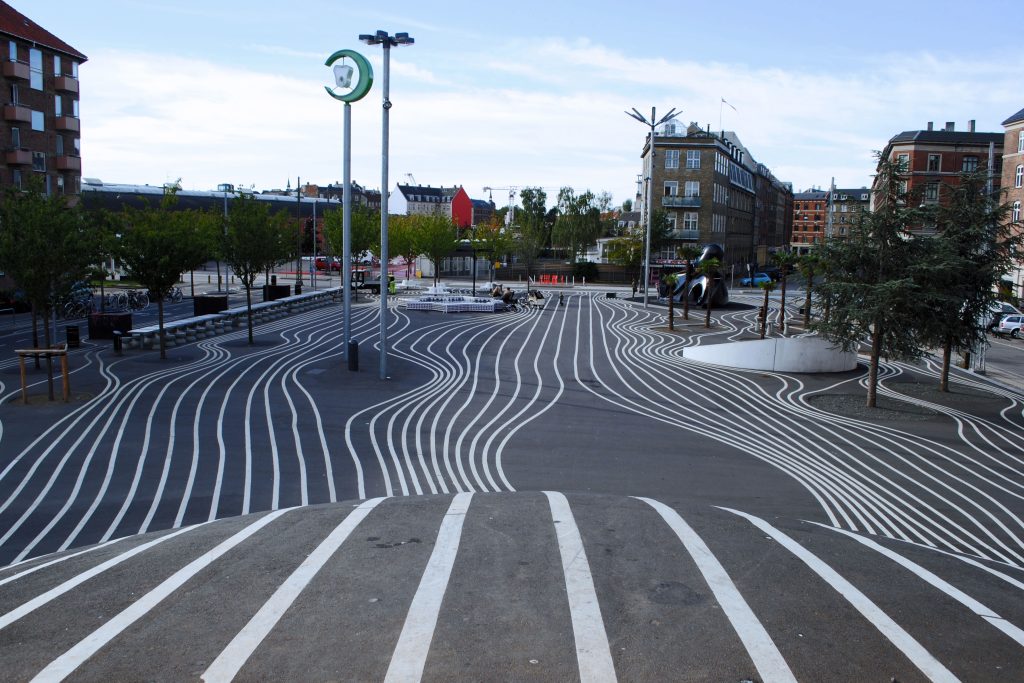
Superkilen is a 55,000-square-foot urban park designed with the help of the surrounding community.
The award-winning Superkilen celebrates the multicultural melting pot that is Norrebrø and exemplifies the power of inclusive design. Constructed in 2012, it stretches for a kilometer through one of Denmark’s most ethnically and economically diverse neighborhoods and contains more than 60 objects that reflect each of the cultures that inhabit the area. Look out for swing benches from Iraq, a boxing ring from Thailand, and rubbish bins from Blackpool.
From Bakken. Photo: Jacob Lisbygd/Visit Copenhagen
An earthy alternative to Tivoli Gardens, Bakken is an amusement park that has been located right here since 1583. As you might guess, this makes it the oldest operating amusement park in the world.
Bakken sits hidden in beech woodland a few kilometers up from Copenhagen and after Tivoli Gardens it’s the most popular tourist attraction in Denmark.
Bakken’s attractions have a nostalgic, old-time quality: Take Rutschebanen, with its rickety wooden scaffold, dating back to 1932, or the Hvile music hall, which hosts cabarets.
Entry to the park is free but you buy tickets to each ride.
Smørrebrød restaurants
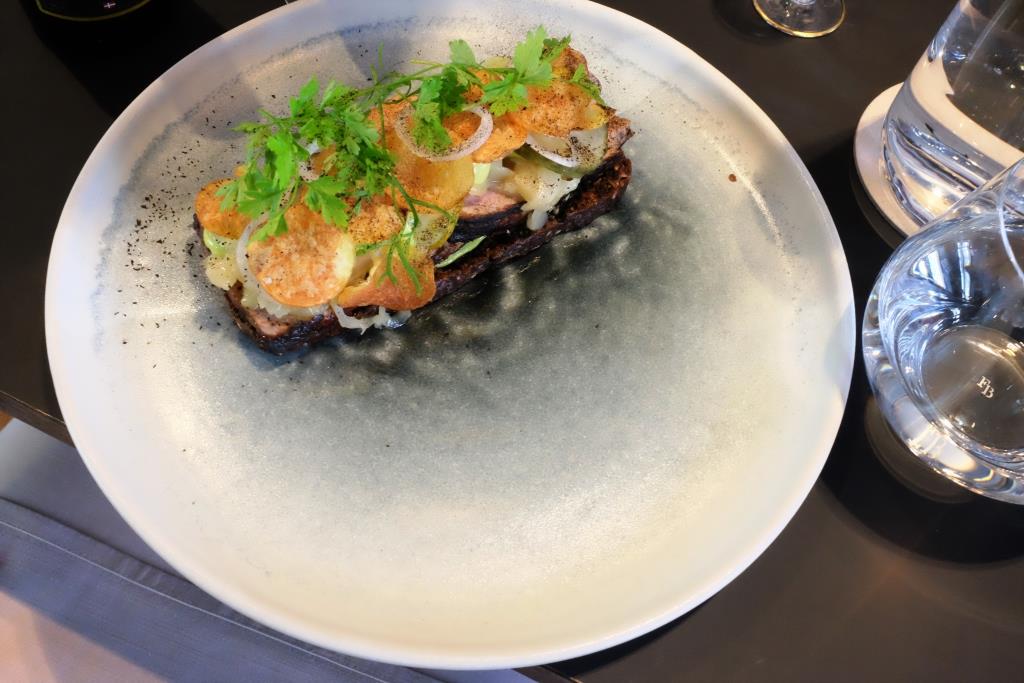
Danish smørrebrød. Photo: Smor Copenhagen
Difficult to pronounce (try ‘smurr-brull’), Denmark’s classic open-faced sandwiches are a traditional lunchtime dish every visitor should try. Practically synonymous with Danish cuisine, smørrebrød comprises thin slices of rye bread topped with ingredients like pickled herring, fried plaice and chicken salad. Though you’ll find dozens of smørrebrød joints across the capital, it’s worth splurging and picking a place that uses fresh seasonal ingredients. Our favorites include old-school specialist Kronborg, trendy Selma and Aamanns 1921, set in a historic building in the center and happy to pair your dish with a glass of homemade snaps.
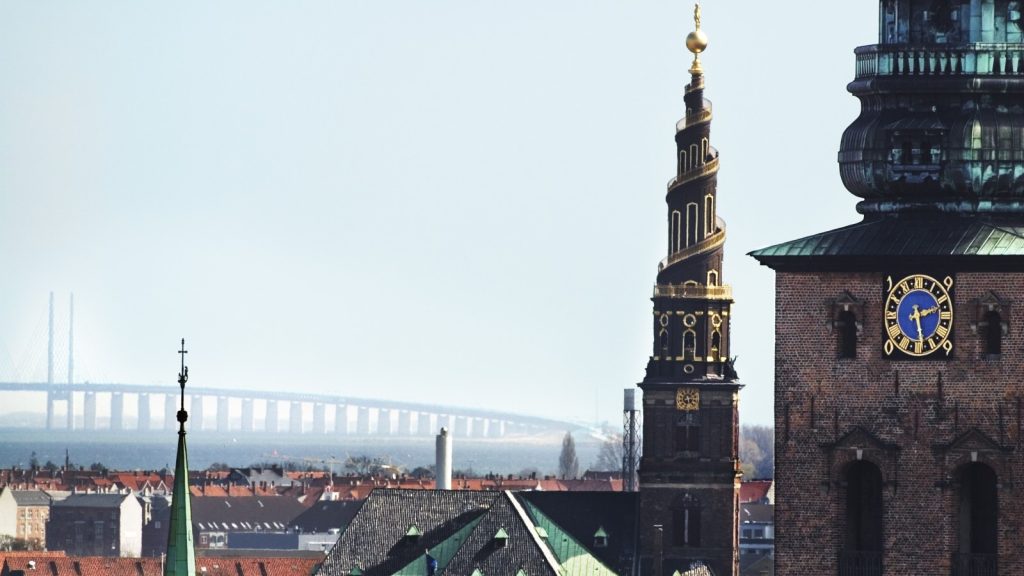
Church of our Saviour
Vår Frelser Kirke. Photo: Visit Copenhagen
This church has the best view in Copenhagen, as voted by Copenhageners.
It’s a baroque building from the mid-1700s and you’ll notice the unusual spire from a distance.
There’s a dark tower wrapped by a ribbon of gold that spirals its way to the top.
This is the handrail for the stairway, and the climb to the viewing platform, via 400 steps, is definitely not for the vertigo sufferers!
Those last 150 steps are outside the building, but if you keep it together you’ll have glorious vistas of Copenhagen as your reward.
You can even see the ships entering the harbor from here.
One of the most enjoyable ways to see Copenhagen is by spending a couple of hours skippering a solar-powered GoBoat around the harbour.
No experience is required to operate a GoBoat. They putter around at a leisurely pace, giving you plenty of time to take in the sights, including Christiansborg (aka the Danish parliament), the striking modern architecture of the Black Diamond Library and the Royal Danish Opera House, plus the canals and multi-coloured houses of Christianshavn. Remember to bring a picnic; GoBoats seat up to eight around a small table.
Nørrebro
Nørrebrogade. Photo: Wikipedia
Younger visitors can party all night at clubs in Nørrebro that stay open ’til five in the morning and represent all sorts of scenes. Older visitors can head for traditional beer houses (Bodegas) or jazz clubs, or get some high culture at the Royal Danish Theater. There’s also a guided tour to enjoy the nightlife: Copenhagen Bar Crawl (Carlsberg, Pubs, Nightclubs, & More).
Kite surfers at Amager Strandpark. Photo: Wikipedia
Five kilometers of clean, sandy beaches south of the city center – with spectacular views of the Øresund Bridge.
Copenhagen may not exactly scream ‘beach holiday’, yet the Danish capital boasts several superb spots for swimming, sunbathing and seaside fun. The biggest and best is Amager Strandpark, which is easily reached by bike or metro. While its soft, sandy beaches are the main attraction, the lagoon is popular with kayakers and kite surfers, and the path winding through the dunes draws joggers and rollerbladers all year long.
Refshaleøen
Reffen. PR photo/Visit Copenhagen
Copenhagen’s buzziest neighborhood. On the northern outskirts of the harbor, post-industrial Refshaleøen is a creative quarter with a growing food scene.
Culture vultures shouldn’t miss the large-scale installations at the Copenhagen Contemporary art gallery, while design devotees will enjoy rummaging amid the mid-century furniture at the B&W flea market. Bring an appetite, though. Foodies are spoilt for choice here. Thronging street food market Reffen (summertime only) offers budget-friendly options, while La Banchina is Copenhagen’s trendiest spot for sundowners.
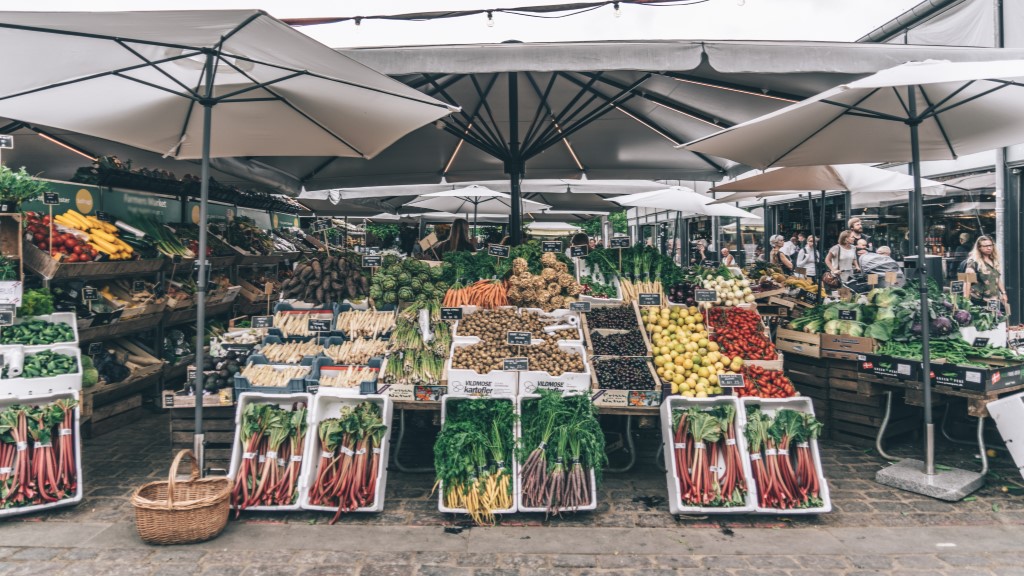
Torvehallerne
Torvhallerne. Photo: Martin Heiberg/Visit Copenhagen
Torvhallerne is a gourmet food market that is a must-stop on the Copenhagen culinary trail.
Torvehallerne is a foodie’s paradise, its twin glass halls housing a cornucopia of seasonal fruit and veg, baked goods, fresh meat and seafood. There are also plenty of tempting food stalls where you can pick up a scrumptious dish or two to enjoy on the go or at one of the tables outside. Our favorites include gourmet porridge at Grød and confit duck sandwiches at Ma Poule.
Værnedamsvej
Værnedamsvej. Photo: Visit Copenhagen
Værnedamsvej connects upmarket Frederiksberg with trendy Vesterbro, this shopping street oozes charm and has even been dubbed Copenhagen’s ‘Little Paris’.
From independent bookshops to exotic florists, you’ll find lots of lovely shops in this instantly likeable neighborhood. Værnedamsvej gets its charming Parisian vibe from the presence of the city’s only French lycée and the array of bars, cafés and delicatessens that wouldn’t be out of place on the Left Bank. We recommend Café Viggo, which serves a mean galette, and Falernum, one of the city’s fanciest wine bars.
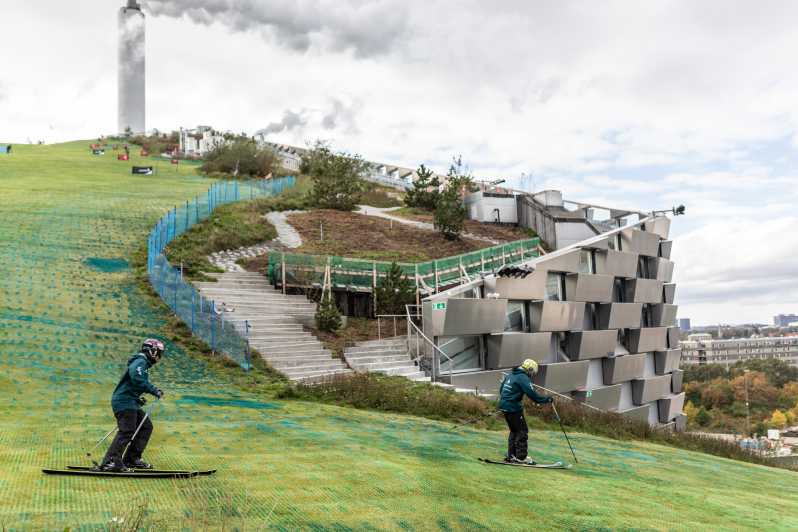
This urban sports area and ski slope on top of the city’s newest waste management center is possibly Copenhagen’s quirkiest attraction – a ski slope atop a tall waste-recycling plant. Designed by starchitect Bjarke Ingels, the artificial ski slope plus inner-city hiking area is the ultimate offbeat way to experience the city. If you don’t fancy adventure sports, you can walk up and stop for views of the Øresund strait as you go.
As you see, Copenhagen is full of intriguing neighborhoods and things to do, Enjoy!
29 Best Attractions in Copenhagen, compiled by Tor Kjolberg.
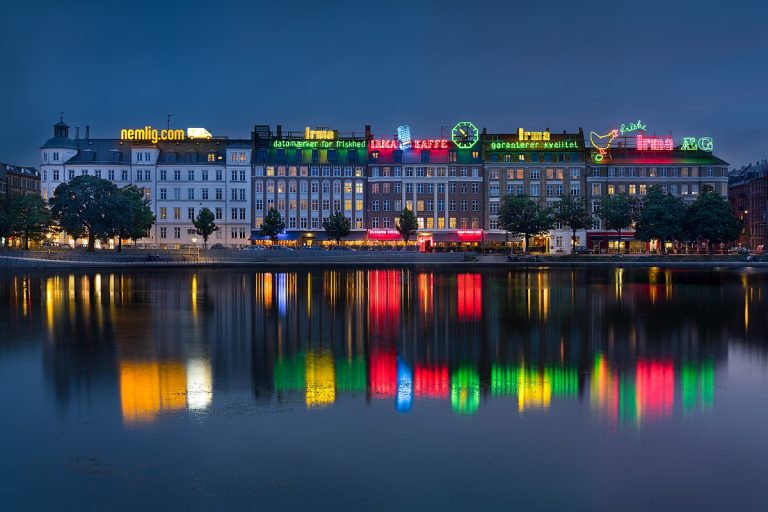
Feature image (on top): Cityscape and skyline by Copenhagen Lakes Photo: Wikipedia
Bergen has several strong art collections, mostly centered on the south side of Lille Lungegårdsvann, and octagonal lake near Grieg Hall, and a focal point for the Bergen summer festivals. Learn more about the art museums in Bergen – Norway.
Kode Bergen is in charge of four museums and three composers’ homes. They boast large collections of fine arts in all separate buildings.
Lysverket is the only Kode building not originally built for museum purposes. The large building from 1938 was previously the administration building for the municipal power company Bergen Lysverker, from which the name arrived.
At Lysverket you can explore temporary exhibitions as well as permanent works from the collection. Unfortunately, the museum is currently being redecorated and there are no exhibitions on display.
Under normal circumstances the museum presents Norwegian and international art from the 15th century to the present.
The collection assembled by businessman Rasmus Meyer has given its name to the Rasmus Meyer Art Museum. Here, you will find the third largest Edvard Munch collection in the world. The museum focuses on Norwegian masterpieces from the 18th to the early 2th century.
Across two floors, you wander through the golden age of Norwegian art history, from 1880 to 1905 and onwards to 1920. The museum displays works by artists like J.C. Dahl, Hans Gude, Harriet Backer, Christian Krohg, Kitty Kielland, Nikolai Astrup and Erik Werenskiold, as well as Norwegian Matisse students Henrik Sørensen and Jean Heiberg.
In the elegant Blumentahl room you can experience historic Bergen interiors with its wall and ceiling paintings from around 1760 covering the entire room.
In Rasmus Meyer you find permanent exhibitions. Very few changes are made to the selection on display. Still, you will easily be tempted to return to the museum several times – perhaps to discover some new favorites.
Stenersen Gallery stages interesting contemporary art exhibitions.
There are two flexible exhibition rooms on the first floor, and on the ground floor you find the reception and Kode’s bookshop.
For those who wants to keep up with what’s happening in the Bergen art scene, Stenersen is the museum you want to visit most often.
There are between six and eight new exhibitions every year in this museum, presenting international contemporary art, exhibitions of architecture, handicraft or graphic art and exhibitions of works from own collections.
At Permanenten there are temporary exhibitions across three floors of both contemporary art and works from the museum’s own collection. However, no exhibitions is currently on display.
You might know Permanenten as Vestlandske Kunstindustrimuseum. Traditionally, this is the building housing the collection of fine craft and design, Norwegian silver and the Chinese art collection.
At the top floor you find Festsalen, suitable for hosting various larger events and festive occasions, in addition to the library and meeting rooms.
The museum is currently being renovated and has a limited number of exhibitions on display in 2022-23. Large parts of the collection previously on display in Permanenten is not available at this time.
Kunsthall Bergen.
In between sits the Bergen Contemporary Art Center (Kunsthall) in a spectacular Modernist building by Ole Landmark, with a buzzing café, bar and nightclub.
The Art Museums in Bergen – Norway, compiled by Tor Kjolberg
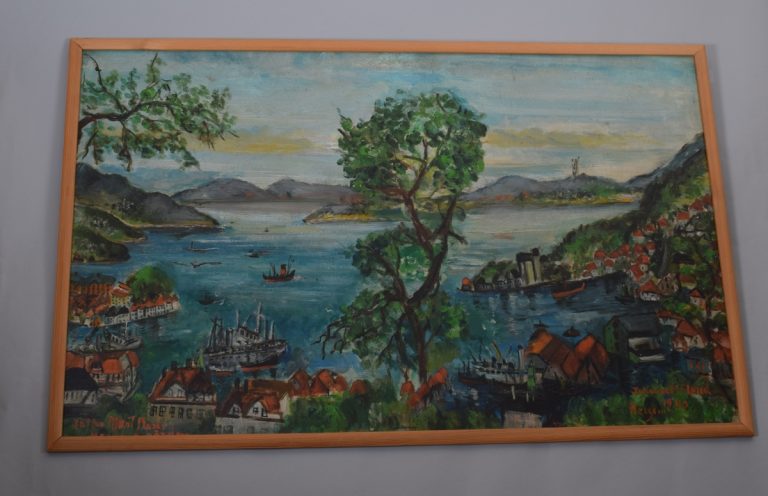
Feature image (on top): City fjord from Mon Plaisir, Fjellveien, Bergen. Painting by Johanne M. F. Lund (1886 – 1977). Digitalmuseum.no
Sustainability has become one of the most important social issues for consumers and companies in Scandinavian countries. Whether through media or government regulation, Scandinavian consumers are keener to make conscientious choices when shopping online. Here’s a list of the 30 top online shops in Scandinavia by country.
Denmark
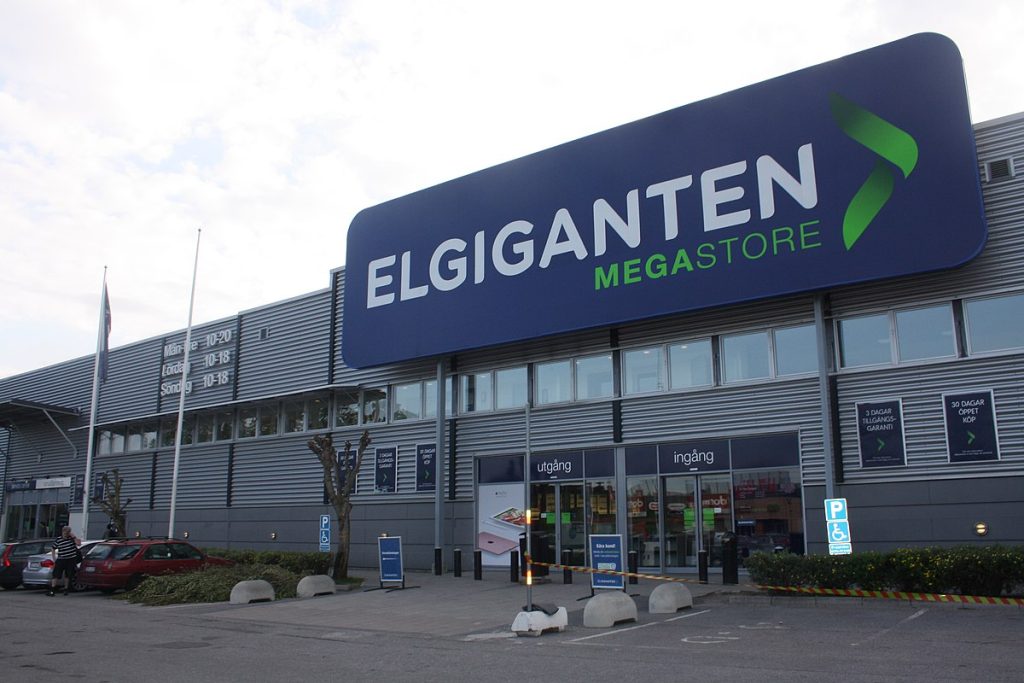
Elgiganten
The top ten of online stores in Denmark is dominated by foreign players, like Zalando, H&M and Amazon. Of course, the top 10 list changes every year, but the list below is our latest based on figures from several players in the market.
At a staggering 98.1%, Denmark has the highest internet penetration rate in the Nordic region, as well as the second highest globally. This is reflected in its B2C e-commerce market, with 62% of Danish consumers purchasing goods online in 2019. Though only 26% of online shoppers in Denmark used web shops from outside the Nordic countries, almost half of that number purchased from UK based companies.
1. Zalando Germany
2. Elgiganten Norway
3. Apple USA
4. H&M Sweden
5. Ikea Sweden
6. Boozt Sweden
7. Coop Denmark
8. Matas Denmark
9. Asos UK
10. Jem & Fix Denmark
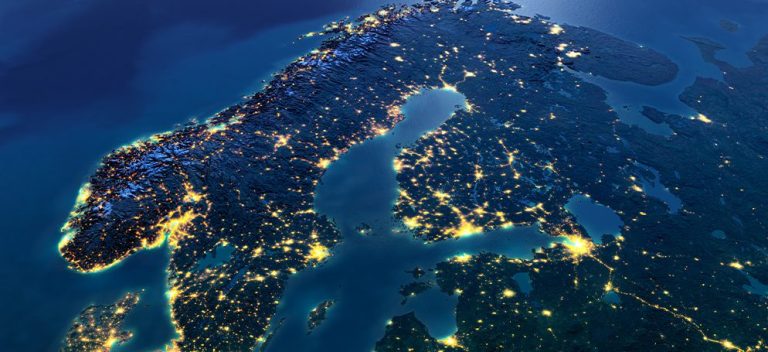
Though Norway currently ranks second in terms of Scandinavia’s e-commerce purchases, they are number one for revenue per capita. They also rank first for internet penetration rate in the Nordics, with 98% of the population having access to the internet in 2020. This has lead to Norway having a 67% share of consumers purchasing goods online in 2019, with 33% of them purchasing goods from overseas.
The top ten of online stores in Norway is dominated by local players. Apple is the only non-Norwegian ecommerce player in the top three. Of course, the top 10 list changes every year, but the list below is our latest based on figures from several players in the market.
1. Din side Norway
2. Komplett.no Norway
3. Apple USA
4. Elkjøp.no Norway
5. Clas Ohlson Sweden
6. Ikea Sweden
7. CDON.com Sweden
8. Zalando Germany
9. Power Norway
10. CappelenDamm Norway
As of 2021, Sweden boasts a 98% internet penetration rate, ranking as the third highest globally. At around £8.16 billion, their B2C e-commerce market is the largest of all the Nordic countries – almost double that of Norway, the next biggest.
The top ten of online stores in Sweden is dominated by local players. Zalando is the only non-Swedish ecommerce player in the top three. Of course, the top 10 list changes every year, but the list below is our latest based on figures from several players in the market.
1. Apoteka.se Sweden
2. Cdon.se Sweden
3. Zalando Germany
4. Adlibris Sweden
5. H&M Sweden
6. Webhallen Sweden
7. Wish USA
8. eBay USA
9. Bokus Sweden
10. Amazon USA
It must be highlighted that although sustainability is important, delivery criteria such as information about the delivery, the price and how fast the delivery can take place, are criteria that are considered important. Only 8% consider unsustainability to be the most important criterion according to research.
30 Top Online Shops in Scandinavia, compiled by Tor Kjolberg
For centuries, the peoples of Scandinavia have been known for their unique and rich culinary traditions. From the hearty stews of Sweden to the delicate fish dishes of Norway, there is much to explore in the cuisine of this region. A taste of Scandinavia: An exploration of local culinary traditions.
In recent years, Scandinavian cuisine has experienced a renaissance, with new chefs and restaurants bringing these traditional dishes to a broader audience. Join us on a taste adventure as we explore some of the best Scandinavia offers!
Scandinavian Cuisine and Its Focus on Fresh, Local Ingredients
Scandinavian cuisine is known for emphasizing fresh and local ingredients to create flavorful dishes. Focusing on seasonal, plant-based ingredients like berries, root vegetables, dairy products, and grains, chefs have crafted unique menus that bring out the best flavors of the Nordic countries.
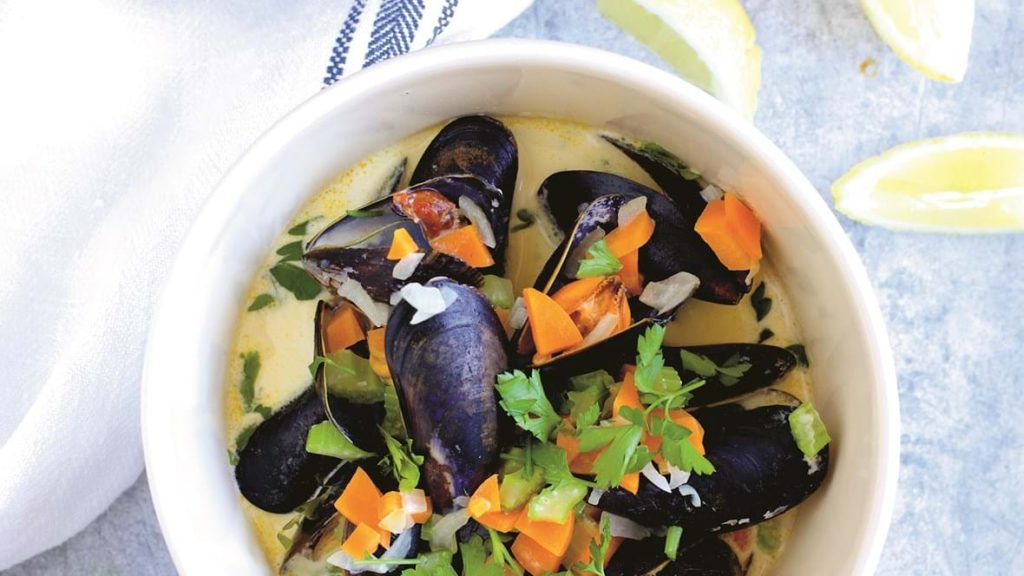
Scandinavian mussels. Photo: Samvirke
Commonly served meals include smoked salmon with potatoes, pickled herring, traditional flatbread with goat’s cheese and leeks or onion marmalade, and open-faced sandwiches.
To highlight their focus on local produce, many restaurants serve lighter meals in summer to let diners enjoy the famous fruits and vegetables of Europe’s northern nations. Scandinavian cuisine has found its place among global favorites for its emphasis on sustainability and natural deliciousness.
The Most Popular Dishes from Sweden, Norway, and Denmark
When you think about culinary delights from Scandinavia, three countries immediately come to mind: Sweden, Norway, and Denmark. All of these countries have unique and delicious cuisines, some of which have spread around the globe.
Scandinavians are also known for their openness to experimenting with herring dishes – such as pickled herring served with boiled potatoes or onions – throughout the year.
Sweden
Swedish meatballs. Photo: Arla
In Sweden, a very popular winter dish is pytt i panna (chopped meat, typically made of beef or pork). This hearty stew is usually filled with potatoes and topped with fried eggs.
-Köttbullar (Meatballs): This traditional dish consists of ground beef, pork, or veal mixed with bread, cream, and eggs. It is served with mashed potatoes and lingonberry jam.
-Falukorv (Falun Sausage): This type of sausage is made from a mixture of pork and beef and seasoned with pepper and allspice. It is often cooked in a stew with potatoes and onions.
-Kalops (Beef Stew): Kalops is a traditional Swedish beef stew that has been slow-cooked with root vegetables, tomatoes, onions, herbs, and spices to give it a unique flavor. It can be served alone or as part of a larger meal.
-Gravlax (Salmon): Gravlax is cured salmon that’s usually served as an appetizer or main course. It’s prepared by marinating the fish in sea salt, sugar, and dill before curing it for at least two days.
From Norway comes the famous salmon dish laks or gravlax, which is a cured salmon that is served thinly sliced in dill and mustard sauces.
-Fårikål (Lamb Stew): Fårikål is a traditional Norwegian stew made with lamb, potatoes, cabbage, and whole black peppercorns. The dish is slowly simmered until it’s tender and full of flavor.
-Lutefisk (Cod): Lutefisk is a cod fish dish that has been soaked in lye and then boiled. It’s often served during special occasions such as Christmas or Easter with boiled potatoes, mashed turnips, and bacon.
-Smalahove (Sheep’s Head): Smalahove is a traditional Norwegian main course consisting of a salted, smoked, or otherwise preserved sheep’s head that can be either boiled or roasted before eating.
-Rømmegrøt (Sour Cream Porridge): Rømmegrøt is a type of porridge made from milk, flour, butter, and sour cream. It’s usually served as a dessert with an accompaniment like cinnamon, sugar, or lingonberry jam.
Danish fried pork with potatoe and broccoli stew. Photo: Lidl
Finally, Danish cuisine features a popular dessert called Aebleskiver, a type of pancake-like fritter served with fruit jam and powdered sugar.
-Frikadeller (Meatballs): Frikadeller is a type of Danish meatball usually made with pork or veal and served with potatoes, gravy, and lingonberry jam.
-Smørrebrød (Open Sandwich): Smørrebrød is an open sandwich consisting of a slice of buttered rye bread topped with various meats, cheeses, vegetables, and sauces. It is often served as a light lunch or snack.
-Stegt Flæsk (Fried Pork): Stegt flæsk is a traditional dish made from slices of boiled pork belly that are fried until crispy. It is typically served with potatoes and parsley sauce.
-Æbleskiver (Pancakes): Æbleskiver is a small round pancake traditionally cooked on a special iron pan with seven indentations. They are usually filled with applesauce or jam and served as a dessert or snack.
All these traditional dishes from Scandinavia offer unique tastes and flavors from one corner of Europe to another!
Influence of Other Cultures Over Time
Scandinavia has a rich, diverse culinary tradition. Image of Mielcke Hurtigkarl restaurant in Copenhagen
Scandinavia has a rich, diverse culinary tradition that has been influenced by other cultures for centuries. By way of trade and exploration, ingredients from foreign countries have long been incorporated into Scandinavian dishes.
Herbs like dill and caraway have been imported from the Mediterranean, while spices like nutmeg have arrived from Asia.
The use of rye bread goes back to the Viking era and remains popular in many Nordic dishes today.
There is also a sizeable influence from Northern European countries such as Germany, including various sausages and smoked fish.
Yet despite this diversity, traditional Scandinavian cooking retains its unique character, with recipes emphasizing fresh produce and simple flavors.
As an example, the Swedish dish Rödbetssallad (beet salad) is just one example of how the region’s cooking stays true to its roots while embracing ingredients from around the world.
Make Scandinavian Dishes at Home
With a few key tips, anyone can create an authentic experience without ever needing to leave home. Photo: Get Your Guide
For those looking to whip up some authenticity in the kitchen, sourcing ingredients and cookware for Scandinavian dishes might seem like a daunting task. However, with a few key tips, anyone can create an authentic experience without ever needing to leave home.
Look for ingredients that are specific to the region you’re cooking. These might include items like smoked reindeer, cured herring, and cloudberry jam.
Check out your local specialty store or international grocery stores for Scandinavian cookware such as flatbread griddles, pancake rings, and cheese slicers
Many online retailers offer high-quality Nordic ingredients and cookware shipped directly from Scandinavia
If possible, visit a restaurant or food festival featuring Scandinavian cuisine. This will give you the chance to sample authentic dishes and ingredients firsthand.
Taste Scandinavian Food
While Scandinavian food might be a relatively new cuisine to many of us here in the US, it is quickly gaining popularity as more people discover its delicious delights! We all have our stories to tell when it comes to trying something new, be it triumph or terror.
Whether you’re looking for fresh seafood dishes, traditional comfort foods, or modern fusion cuisine, Scandinavian countries have something to offer everyone. With a focus on locally sourced ingredients and simple preparation, the food of Scandinavia is both healthy and delicious.
And with Scandinavian culinary traditions being influenced by a variety of other cultures, there’s always something new to try.
Bianca J. Ward
A Taste of Scandinavia: An Exploration of Local Culinary Traditions, written dedicatedly for Daily Scandinavian by Bianca Ward. Bianca is an essay writer and content creator with a passion for crafting unique stories on assignmentpay.com. She has over 10 years of experience in writing, editing and consulting with top brands and organizations. Bianca is a graduate of Imperial College London and holds a master’s degree in English Literature and Creative Writing.
If you’ve decided to invest in the financial markets, you probably know how important it is to diversify your investment portfolio, so that you can mitigate your risk. You should therefore be sure to create an optimal asset allocation according to your trader profile, financial goals, risk appetite, and time horizon, with investments in different asset classes, activity sectors, currencies, and countries, as well as financial products. Learn the best tips to invest in Scandinavian financial markets.
One of the best ways to easily diversify your portfolio and make money from a whole economy is to trade cash indices, which are financial products that track the performance of a selected basket of shares that represent the economy of a country or a specific industry. But always remember to choose a regulated and trusted broker like easyMarkets to get the best conditions and be sure you’re trading in a safe trading environment.
Let’s focus on the Scandinavian markets in this article, so then you can decide if they fit your strategy.
MSCI Nordics vs MSCI World / Graph DnB Asset Management
What are Scandinavian markets?
Most of the time, when people talk about Scandinavian financial markets, they mean the stock exchanges of Sweden, Norway, and Denmark, though some investors also include Finland and Iceland. Of course, there are more than just shares you can trade and invest in within the Scandinavian financial markets, such as bonds, commodities, ETFs, and derivatives, among others, but we’ll mostly focus on shares and stock market indices in this article, as they are the most popular assets for investors and traders.
The Financial Supervisory Authority of Norway (Finanstilsynet) in Norway, the Financial Supervisory Authority (Finansinspektionen) in Sweden, and the Danish Financial Supervisory Authority (Finanstilsynet) in Denmark are the regulatory bodies of the Scandinavian markets, regulating and monitoring some of the most popular companies in the world, such as Carlsberg Group, Equinor (formerly Statoil), H&M, Lundbeck, Novo Nordisk, Orkla, Telefonaktiebolaget LM Ericsson, Telenor, and Volvo Group for instance.
If you’re more interested in trading cash indices from the region, here are the main stock indices to focus on:
OMX Stockholm 30 Index (OMX30): This market weighted price index is the main index for the Nasdaq Stockholm Stock Exchange, which tracks the performance of the 30most-traded Swedish companies. The index is dominated by companies in the technology, financial, and industrial sectors.
OBX Index (OBX): This free float adjusted total return index tracks the performance of the 25 most liquid and traded companies listed on the Oslo Stock Exchange in Norway, which joined the Euronext Group in mid-2019.
OMX Copenhagen 25 Index (OMXC25): This market value weighted index tracks the performance of the 25 largest and most traded companies listed on the Nasdaq Copenhagen stock exchange in Denmark.
Why should you consider investing in these financial markets?
The Nordic region is small, but almost all the main investment possibilities and vehicles are available, and their performances have been equal if not better than other popular areas like the United States. Moreover, the Scandinavian financial markets are highly transparent, liquid, and efficient, which are characteristics every trader is looking for when trading the financial markets.
The Nordic region is known for its high levels of innovation and production, as well as its healthy and stable public finances, high levels of citizen trust, low rates of violent crime and poverty, and low levels of political corruption. Moreover, the ease of conducting business is highly regarded in every country in the region, which helps support the economy. You can therefore invest in blue chips and global brands, as well as interesting small caps with a business mindset that has helped them outperform the markets.
What are the best tips for deciding to trade the Scandinavian markets?
If you’re interested in trading the Scandinavian markets, here are a few things to remember and consider limiting your overall risks and maximize your potential returns:
Learn more about the opportunities offered by those countries.
Take a trading course if you need to update your trading knowledge.
Determine your trader’s profile and risk tolerance to choose the best way to get exposure to those markets.
Always use money and risk management tools to better protect your trading positions.
Take time to compare what’s available to find the best broker to invest in the Scandinavian markets according to your trading needs.
Learn to control your emotions.
Always follow the economic calendar and local news to know what might influence the markets.
Remember that the Nordic countries do not have the same currency, which means that you might face a currency risk when trading the Scandinavian financial markets, as the Norwegian Krone, the Swedish Krona, and the Danish Krone fluctuate significantly against your local currency. If you think that you need to protect your portfolio against currency risk, you might want to consider hedging techniques.
The best tips to invest in Scandinavian financial markets, written dedicatedly for Daily Scandinavian by Liv Taub.
Feature image (on top): Stockholm Financial district. Photo: Wikipedia
Tormod Granheim was the first ever to ski down from Mount Everest’s north face. When he became unsure whether the mountain is the world’s highest, he decided to set new height records. Learn more about the Norwegian who challenged the world’s steepest mountain walls.
Today, the adventurer Tormod Granheim (born 1974) who has taken part in several expeditions and performed extreme skiing, is a motivational speaker. With constantly falling rocks and ice to manage, climbing the Dent du Geant spire might have been one of the hardest, but most rewarding of the 4,000m peaks Tormod Granheim has challenged. 82 Alps were about the passion of being in the beautiful European Alps and climbing all of its 82 4,000-meter-peaks.
In the winter of 2006, downhill skier Tormod Granheim was the first person in the world to ski down the north face of Mount Everest by the Norton Couloir, a 55 degree steep and nearly 3000 meter high mountain face. Photographer Fredrik Schenholm was the man who photographed the feat. But the price was also steep. Their mutual hiking companion Tomas Olsson fell an estimated 2,500 meters to his death when a snow anchor failed. Granheim skied alone to the North Col.
At Iceland’s Vatnajøkul, photographer and geologist Schenholm saw a way out of the grief. Inspired by the ice-covered volcanic landscape, he proposed a very special ski trip: To the top and back down on skis from ten of the world’s most active volcanoes. Two of them give Mount Everest competition for the title of the world’s highest mountain.
The Epic TV series ’82 Alps with Tormod Granheim is about the passion of being in the beautiful European Alps and climbing all of its 82 4,000-meter-peaks. “It’s not about being the fastest or being the first, it’s all about enjoying the challenge and the stunning beauty of this landscape and to share it with friends. It’s simply about following your dreams,” he says.
Tormod Granheim is the first climber from the nordic countries to conquer all summits higher than 4000 meters in the Alps according to the UIAA List of Alpine four-thousanders. The final summit was Weisshorn climbed August 29. 2016. This achievement won him the Adventurer of the Year award in Norway.
The Norwegian who Challenges the World’s Steepest Mountain Walls, written by Tor Kjolberg.
Feature image (on top) Photo: Talerlisten.
Many Norwegians, and some foreigners too, think that island hopping in Boknafjorden on the west-coast of Norway is an alternative to a Croatian island holiday. Learn more about island hopping on the west coast of Norway.
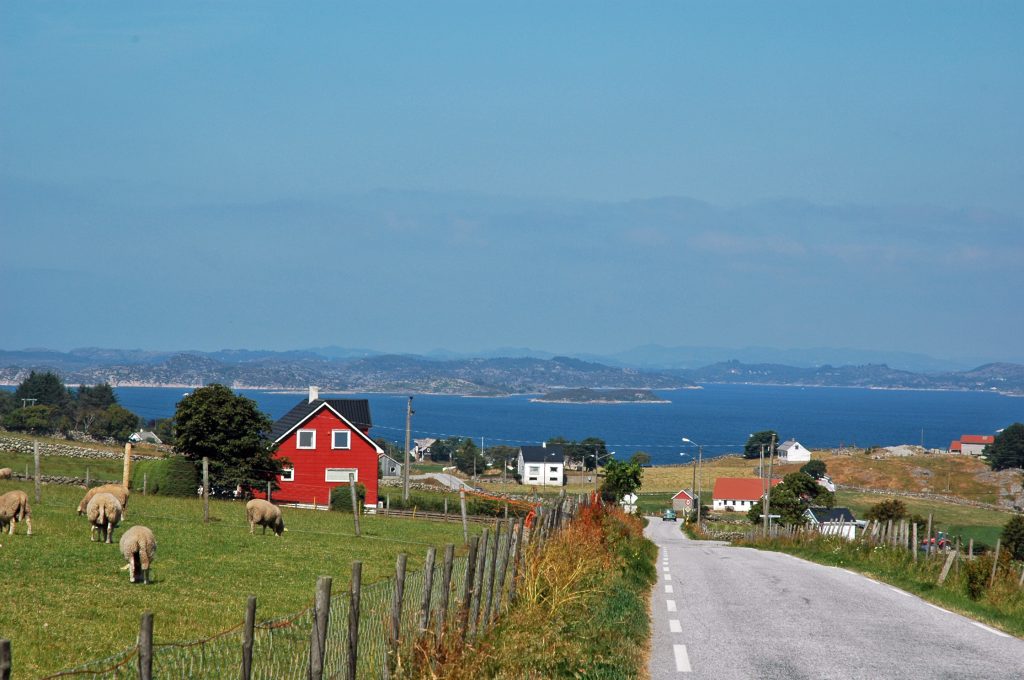
This beautiful Norwegian fjord coast with scattered little islands has fantastic coastlines. Boknafjord is a fjord located in Rogaland county. The huge fjord lies between the cities of Stavanger and Haugesund and dominates the central part of the county.
Feel free to take the fast boat out to one of the city islands outside Stavanger and visit the medieval churches on Rennesøy or cycle around the Sternarøyen. Don’t forget your swimming wear.
This beautiful Norwegian fjord coast with scattered little islands has fantastic coastlines.
With over 250 islands, you can experience everything from the idyllic archipelago to the brute force of the North Sea. Stop at the Urstein Monastery, Norway’s only preserved medieval monastery and learn how Norway’s first king, Harald Fairhair, established his seat here.
There are dozens of smaller fjords that branch off the main part of the fjord, reaching most municipalities in the county. At its longest, the Boknafjord reaches about 96 kilometres (60 mi) into the mainland at the innermost point of the Hylsfjorden.
Boknafjellet Mountain is a renowned landmark for the people of Bokn and not least as an important way mark for sailors. Boknafjellet has been an important landmark for seafarers for thousands of years. When the Dutch and other nationalities came sailing in towards the Norwegian coast, Buch van See – the Dutch name for Bokn, was the first place they saw. Since ancient times a cairn has adorned the summit while in modern times the summit is the site of the Bokn radio transmitter.
From Bokna Mountain. Photo: Visit Norway
Locals claim that ‘this 293m high mountain is Norway’s most beautiful mountain. The ride is just hard enough that you need a year to forget how tired you got. And then you take another trip’.
From Boknafjellet you can enjoy fantastic panoramic views all across Haugalandet.
From Boknafjord. Photo: Wikipedia
Due to its strong agricultural heritage, the islands landscape is diverse and of great cultural and biological value and therefore are a paradise for nature lovers, where you will find many walking and cycling routes in unspoiled nature or the opportunity to the take a trip on a fishing boat. You can also enjoy a stroll through Haugesund in the evening, taking you along Smedasundet Sound, which will give you a good impression of the city’s history and its strong connection to fishing. You will also find a good choice of restaurants, bars and cultural offers in the area.
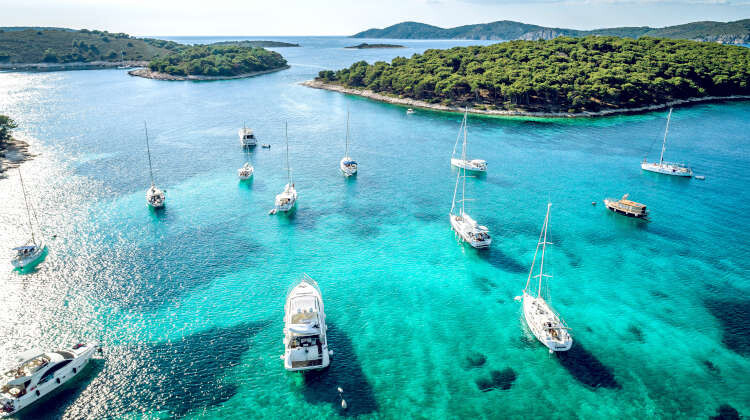
If the idea of a Mediterranean journey has crossed your mind—perhaps you should sail Dubrovnik to Split with Sail Croatia—to see the natural splendor and less crowded atmosphere of Boknafjorden and experience a refreshing change. Much like the Croatian coast, Norway’s west coast offers breathtaking views, charming small towns, and unique cultural experiences.
You should sail Dubrovnik to Split with Sail Croatia
Island Hopping on the West Coast of Norway, written by Tor Kjolberg
When going to a distant destination, it’s often a hassle to check out the government’s visa website and learn about all regulations. However, there is a simpler way. Have you heard about iVisa? This service will help you a long way and cut through all the red tape. Learn about the smooth way to obtain your worldwide travel visa.
If you need a health declaration, for example, you’ll see the current restrictions when filling up your visa application, which can make the whole process easier. A health declaration is a formal document that travelers must complete to confirm they are not suffering from symptoms of Covid-19 or any other contagious illness.
Who doesn’t like to travel the world? It’s everyone’s dream to go to places, which they have just seen in pictures or movies. Scandinavia with all its beautiful nature and Viking history, Hagia Sophia in Turkey, the Opera house in Sydney or the Taj Mahal in India, who wouldn’t want to visit these places?
It’s everyone’s dream to go to places, which they have just seen in pictures or movies. But you need the right documents!
iVisa is an online passport and visa travel service that was created when the company founders had to contend with a difficult visa application process during the planning of their trip to India. With the aim to eliminate confusing paperwork, reducing people’s trips to embassies and consulates usually located far from their homes, and streamlining the entire visa application process, iVisa was launched.
Before, if one had to visit a certain country, the visa was always given when they arrived at the airport. This created all kinds of problems. If the visa was denied, one had to wait at the airport for their return flight. Now, governments have announced that a visa has to be obtained beforehand so that officials can know the purpose for the visit.
iVisa is dedicated to providing customers with a simple, fast, and reliable way to acquire travel documentation for their journey. The online application process makes getting visas, health declarations, or passport photos very easy, and all of this from the comfort of your home where there is no need to visit an embassy. A leading independent company in the travel documentation industry, iVisa are proud to make global travel more accessible for everyone.
Governments have announced that a visa has to be obtained beforehand so that officials can know the purpose for the visit.
iVisa’s fees vary in function of the country visited. You can visit iVisa and use the visa requirement tool to find the prices for your visa.
The time it takes to receive a visa varies. In most cases, you’ll receive your visa within 24 hours. However, some visas can take longer to process. You’ll get three options during your visa application:
Standard processing (your visa will be ready in 24 hours or so)
Rush processing (your visa will be ready in 4 hours or so)
Super Rush processing (your visa will be ready in 30-60 minutes).
The online application process makes getting visas, health declarations, or passport photos very easy.
The online passport and visa service is now issuing e-visas for Argentina, India, Turkey, Australia, Bahrain, Cambodia, Canada, Kenya, Sri Lanka, Malaysia, Myanmar, Vietnam and the United States among others.
Sometimes, the most stressful part of international travel is just organizing how to enter a country. With confusing government forms, slow bureaucratic processes, and ever-changing global health requirements, obtaining the right travel documents can be a difficult task.
Personally, I’ve used iVisa to apply for my visa for South Korea. The website was easy to use, and I received my visa quickly. The customer service team was also very helpful when I had questions about the application process. My experience is that the price is below other services – not to mention the time-saving process.
When I asked about requirements for visiting the Philippines. I entered the destination, and the immediate reply was:
“You need a Health Declaration to enter the country. We can expedite this document for you”. Super! I didn’t bother with the embassy or red tape. Price? USD 39.
Overall, I was delighted with iVisa and would recommend the company to anyone who needs help applying for a visa.
The Smooth Way to Obtain Your Worldwide Travel Visa, continues below image.
You can visit iVisa and use the visa requirement tool to find the prices for your visa.
Unlike the stamps on the passport for the entry into a non-native country, ivisa provides a virtual solution. By virtual we mean: The visa is delivered via e-mail and tourists can show it in the form of a soft copy or a hard copy. Today, ivisa is seen as the most innovative visa service implemented for freedom travels.
The majority of iVisa applications are 100% online and with such clear instructions and process, it’s much less complicated than dealing with foreign governments at embassies. iVisa is a technology company that has world-class data centers and state-of-the-art methods for securing user accounts and information. Your payment details or credit card is not exposed to government websites or officials. The company has been in business since 2013 and has helped over 500,000 people obtain their visas.
Payments are made via Visa card, MasterCard or other debit cards.
The Smooth Way to Obtain Your Worldwide Travel Visa, read more….
iVisa starts processing your application as soon as you fill a simple form online. There are no documents required in the first step. Everything is shared via internet through the company’s secure network. All iVisa requires is your name, email address, the place your passport was issued and the place you want to go. Once the details are verified, you get a verification email that your e-visa application process has started. Within one business working day, you will have access to the country you have been longing to see forever. The payment as well as any communication about the process takes place online.
The Smooth Way to Obtain Your Worldwide Travel Visa, continues below picture.
In most cases, you’ll receive your visa within 24 hours.
The iVisa staff are well-trained and have years of experience handling international travel documentation. The company has a strong customer service team that’s available 24/7 to answer your questions.
The Smooth Way to Obtain Your Worldwide Travel Visa, continues below.
The iVisa immigration specialists do check all applications for mistakes and may spot one prior to submission, in which case you will be contacted. However, it is up to you as a customer to make sure all your details are correctly entered. It’s important to know that you cannot change your application once it has been submitted to the embassy of the country you are visiting.
At the airport, all you will have to do is show your ivisa on your tablet or android phone and you will be allowed entrance.
I hope this iVisa review has been helpful and I wish all travelers a safe journey.
The Smooth Way to Obtain Your Worldwide Travel Visa, written by Tor Kjolberg
The mega trend of natural and healthy food in Norway continues. Commodities with premium quality, often sourced locally, from a nearby farm, are something customers appreciate. Learn more about high class pigs in Norway.
Farmers at Jæren on the west coast of Norway have teamed up with chefs and butchers to superfeed pigs to become the world’s best pork. In the middle of Hå municipality on Jæren you find the privately owned meat company Prima Jæren, a company that is passionate about Jæren and Norwegian agriculture.
Farmers at Jæren on the west coast of Norway have teamed up with chefs and butchers to superfeed pigs to become the world’s best pork.
High quality is no longer just for food snobs. The willingness to pay for local and Norwegian food is increasing significantly. “Our pig is 15 percent heavier than a regular pig,” says one of the farmers. “Nobody focuses on premium pigs today. We wanted to produce a pig that chefs embrace”.
Taste of Jæren – a “game changer”
In the early 2000s, “Jæren Smak” (Taste of Jæren) bred, in collaboration with farmers, veterinarians and chefs, a pig with a higher fat content than standard pigs in order to obtain juicy and tasty meat.
«This was an industry that needed to find a strong supplier outside the meat cooperative, and then an actor who could offer tailor-made cutting patterns and cutting parts that best fit into each individual company’s further meat production. We also saw an opportunity to collaborate more closely with the production chain to create higher quality raw materials,” says one farmer.
The meat company Prima Jæren, a company that is passionate about Jæren and Norwegian agriculture.
Jæren Smak is the result of a collaboration in meat production, from farmer to consumer. Determined to improve the quality and taste experience of Norwegian meat. Selected farms are certified for production of Jæren Smak pork. Jæren Smak Traditional Pork Belly is the only product of its kind in Norway which has been designated Matmerk Specialty — Unique flavor.
Why is this product a success? Jæren Smak pigs are bred on the basis of its premium flavor. The animals have approximately 15% higher slaughter-weight than standard pork and the meat contains more marbled fat. This makes the meat optimal for processed products.
“Our pig is 15 percent heavier than a regular pig,” says one farmer.
At Jæren, the focus is on animal welfare, and the feed is based on local ingredients, free of animal fatty acids. The chefs have in fact taste-tested the meat to get honest results and the best pork ever. Norway’s fourth largest private slaughterhouse, Prima Jæren (Prime Brands), aims to raise the quality of meat in Norway. They do that with more fat, and the meat is far more tasty then normal ribs.
High Class Pigs in Norway, written by Tor Kjolberg
















 Though Norway currently ranks second in terms of Scandinavia’s e-commerce purchases, they are number one for revenue per capita. They also rank first for internet penetration rate in the Nordics, with 98% of the population having access to the internet in 2020. This has lead to Norway having a 67% share of consumers purchasing goods online in 2019, with 33% of them purchasing goods from overseas.