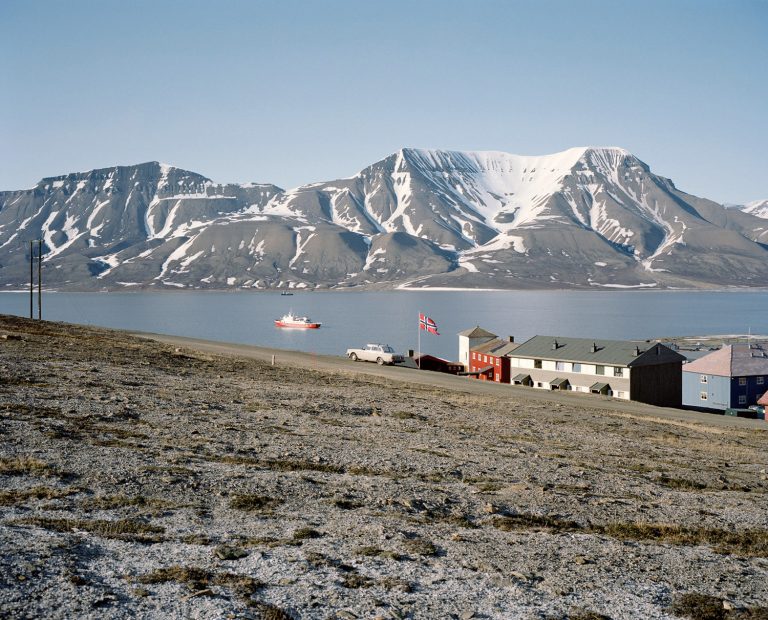
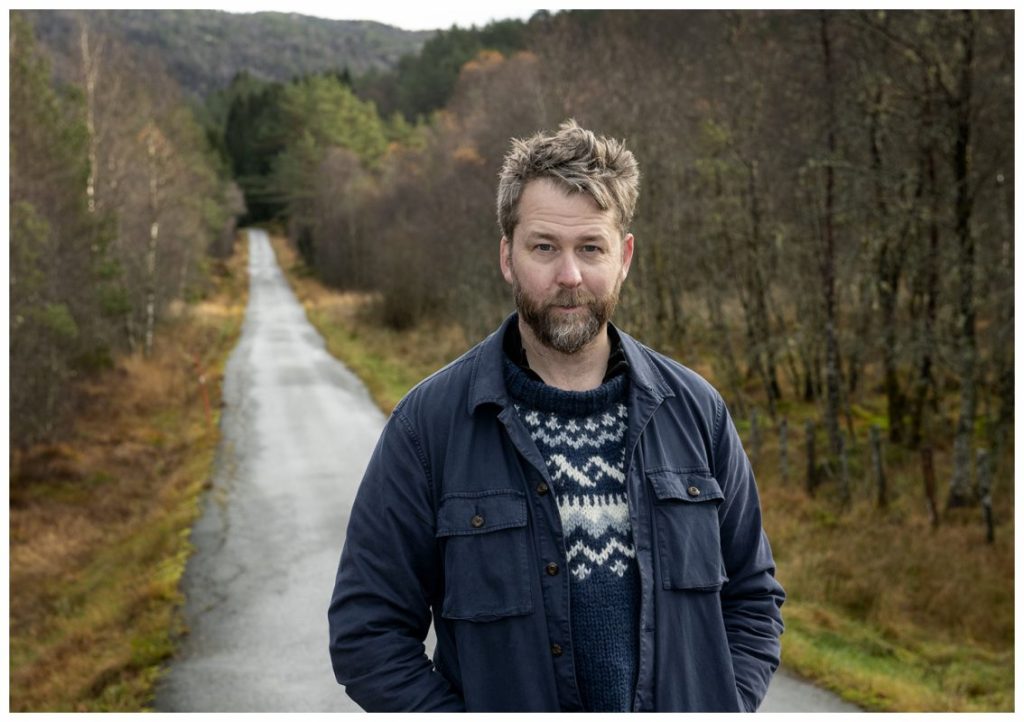
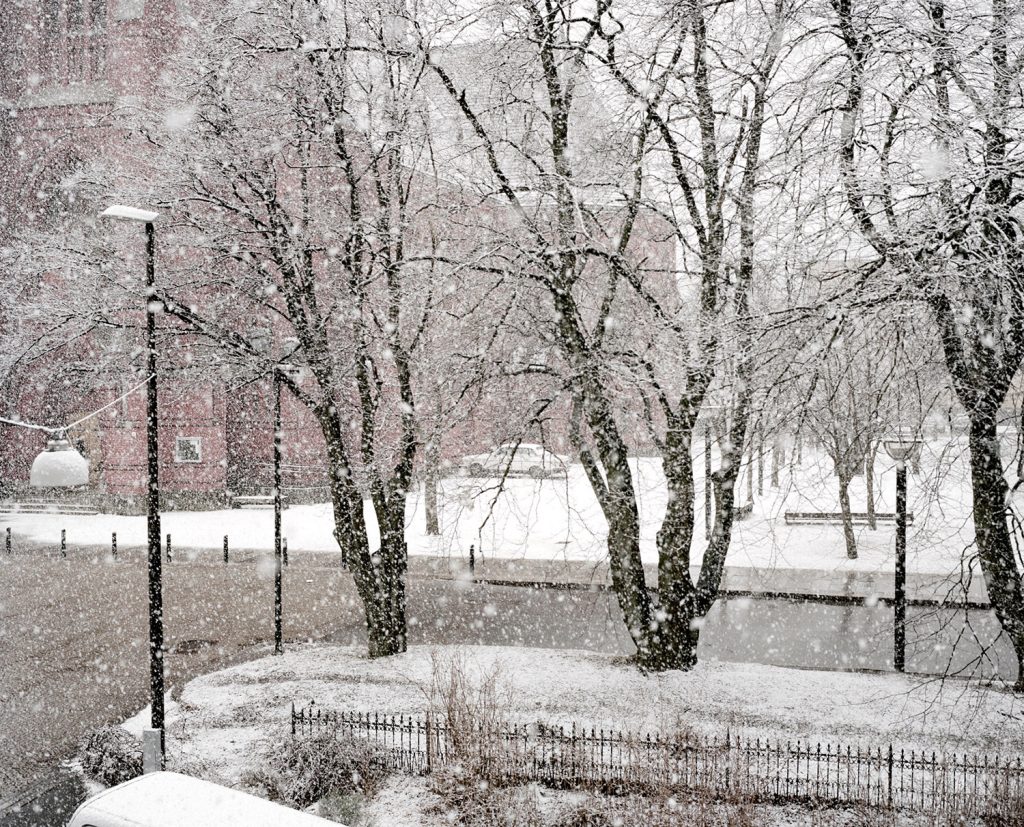
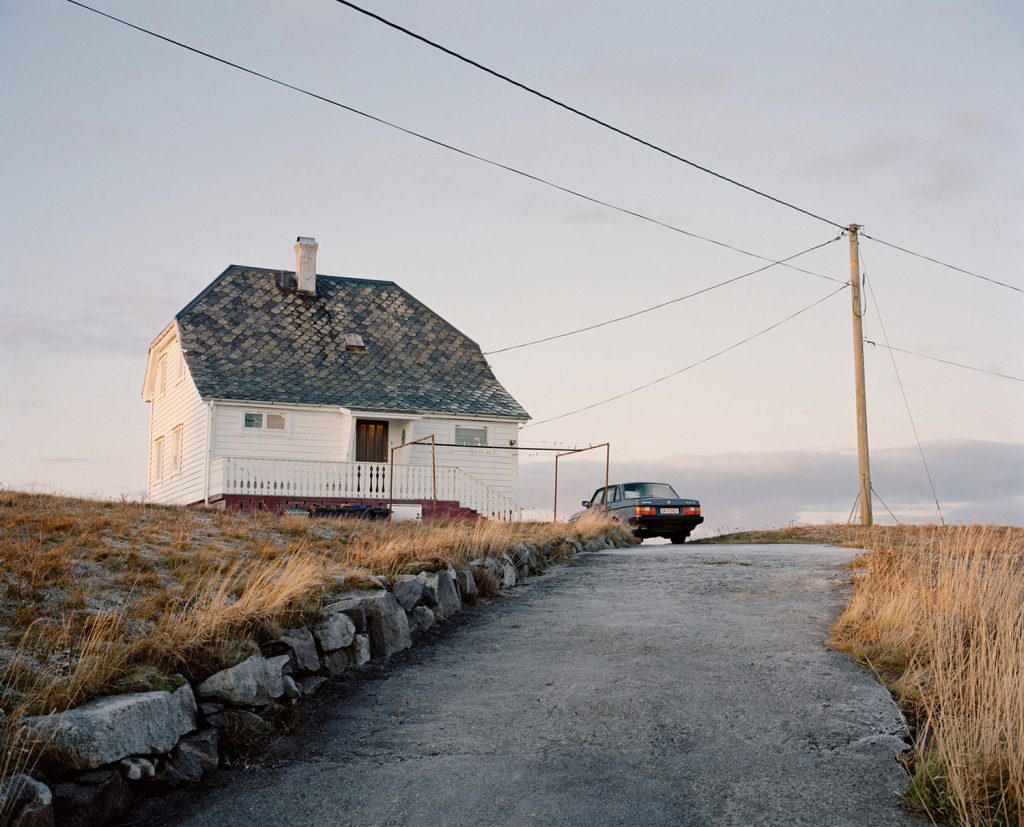
An autumn day in 2012, the Norwegian photographer Helge Skodvin walked around his hometown of Bergen where the streets were full of Volvos in the most wonderful colors; brown, green, turquoise – you name it. It gave him inspiration for the biggest Volvo photo project ever: 240 Norwegian landscapes with a Volvo 240 somewhere in the image.
2,850,000 Volvo 240 cars were made between 1974 and 1993. It became the car of choice of the Nordic countries. 84,287 were sold in Norway. “More than any other car, the Volvo 240 became a symbol of Scandinavian and Nordic values,” says Helge Skodvin on his website.
Private investigator
Helge Skodvin spent four years photographing the Volvo 240.
Skodvin spent four years photographing the Volvo 240. Every time he came across a Norwegian-registered model of the classic Swedish-made car series, he noted the license plate number, looked it up in the Official Car Register to find out who owned the car. He then tracked down where the owner lived and organized everything into his own, increasingly extensive archive. He then searched Google View and studied whether the place looked good or not.
At regular intervals, Skodvin set out on the road in his own car, a Volvo XC70, or a rental car.
At regular intervals, Skodvin set out on the road in his own car, a Volvo XC70, or a rental car, treading winding small roads, covering counties and parts of the country systematically. He has even been to Svalbard. However, most of the pictures are shot in Southern Norway, where his wife has family.
most of the pictures are shot in Southern Norway, where his wife has family.
More than any other car, the 240 became a symbol of Nordic and Norwegian values. The safe, the sound, the commonplace. Square and homely, yet solid and reliable. Function over form. No frills. Taking you from A to Z. A car. An ambassador for the Scandinavian social democracy.
The Volvo 240 was square and homely, yet solid and reliable.
It’s interesting that a vehicle can in some way resemble or reflect a person or country/state. It’s an interesting point to have been discovered and the way that Skodvin photographs these cars, with such subtlety and tranquility, parked amongst beautiful landscapes of Norway.
The Volvo 240 became a symbol of Scandinavian and Nordic values.
Skodvin has photographed the cars from a distance, silently waiting in their natural habitat. Half-hidden behind barns, peeking out of garage doors and abandoned on snowy farmyards; in a documentary style inspired by American photographers such as Stephen Shore and Jon Sternfeld. There is never more than one car in each picture. No people. Just the backdrops, the everyday contemporary landscape.
“With these photographs, I want to show how we live, how our surroundings look. I wish to portray the everyday landscape. A photographic documentation of the landscape we inhabit,” said Skodvin.
Rooted in a Copenhagen mindset of freedom and flexibility, MISMO offers passionate travelers and city dwellers a timeless world of Nordic simplicity and everyday luxury. In fact, lifestyle of slow consumerism is embraced by Danish luggage producer MISMO.
MISMO covers a wide range of luggage collections and accessories that support and accentuate individual expression across the lifestyle spectrum, from laidback to sophisticated.
MISMO strives to create products that breathe longevity. The longer the lifecycle, the gentler the environmental footprint. MISMO products exude purpose and function and are crafted using natural materials that mellow from wear and tear. MISMO partners with select suppliers and producers, most of which are family-run businesses who have been part of our enterprise for more than a decade. MISMO products are assembled in a process that balances classic craftsmanship with modern-day manufacturing. In short, MISMO is guided and defined by aesthetic sustainability. In a world of fast fashion where consumption has risen 60% in the past two decades alone, MISMO embraces the reformed ethos and considered lifestyle of slow consumerism.
“We believe in surrounding yourself with a few select and high-quality objects and in embracing a much more considered way of consuming where we buy less, but better.”
MISMO collections are designed to support everyday endeavors, city escapes and countryside adventures. Inspired by our daily routines, people-watching on Copenhagen’s buzzing streets and free-wheeling cycle lanes, and by the outdoor living that surrounds our city, MISMO bags support personal expression and defy limitations of age and gender. “Offering a wide choice of expressions, natural materials and classic colorways, MISMO luggage collections will weather any change of personal wardrobe. Sturdy, versatile and purposeful, they are enduring staples of the journeyed spirit.”
Lifestyle of Slow Consumerism Embraced by Danish Luggage Producer, based on a press release from MISMO.
Consumers in Scandinavia spent 54.54 billion dollars on online shopping in 2021. The Scandinavians were early adopters of internet technology and have in general become digitally mature. Find out what matters to online shoppers in Scandinavia in 2023.
Norway is one of the world’s most wealthy and tech-savvy countries with an online spending of 17.18 billion euros in 2021, in other words, an ideal target for eCommerce businesses. Discerning and quality-conscious consumers are looking for streamlined shopping experiences and innovative technologies that simplify their online shopping.
However, there are various signs that, after a long phase of double-digit growth, the boom in online retail may be over for the time being – and that the e-commerce industry will need to dial back its expectations going forward.
The Scandinavian sprawling landscape lends themselves to the convenience of online shopping
Due to a big shift from physical stores to e-commerce well before 2020, around 9 in 20 Scandinavian consumers regularly engage in e-commerce.
In February 2022, the Salesforce Shopping Index, for example, was already reporting a 5% dip in worldwide online retail sales. Both Germany, the Netherlands and France reported drop in product sales for January to May 2022, but the turnover was still 15% higher than the same period in 2020.
Due to a big shift from physical stores to e-commerce well before 2020, around 9 in 20 Scandinavian consumers regularly engage in e-commerce.
Norway and Sweden’s population is denser in city centers, but the countries’ sprawling landscape lends themselves to the convenience of online shopping. Many shoppers are even willing to wait a little longer for delivery due to their rural or remote locations. But some of the largest local businesses are major players in the eCommerce space, which can make it difficult for emerging businesses to find a place within the Scandinavian eCommerce market.
What Matters to Online Shoppers in Scandinavia in 2023? Read on…..
Scandinavian Consumers are happy to buy from other countries
80 to 90% of consumers across Scandinavia engage in “cross-border” e-commerce.
The convenience for consumers supports the expectation that online retail will certainly continue to grow over the medium term. In a recent survey by the German association Bundesverband E-Commerce und Versandhandel (bevh), over two-thirds (68.2%) of respondents of all age groups felt that no longer being able to order online would impair their quality of life. In particular, the 40- to 49-year-old and the 60+ age groups could not imagine relinquishing online shopping. Scandinavian consumers are on the same wavelength.
It’s also important to realize that Scandinavian consumers are also happy to purchase from other countries. 80 to 90% of consumers across Scandinavia engage in “cross-border” e-commerce, and with Amazon now established in Sweden, in addition to already well-established players like Zalando, Wish, eBay and others, this trend is likely to continue.
Widespread smartphone usage
climate change and Excess packaging are increasingly leaving online shoppers with a guilty conscience
Norway was one of the first countries to use breakthrough 1G communication technology, leading to the mobile-centric culture we see today. Due to a combination of widespread smartphone usage and a healthy eCommerce marketplace, 53% of online transactions across the country are completed using a mobile device.
However, consumers not only expect providers to ensure the convenient supply of a wide range of goods but also to deliver a certain level of service – and respond to current challenges: climate change and a scarcity of resources influence our way of thinking. For example, the slow fashion trend is gaining traction, as is awareness of regional quality outside urban centers. Community-oriented platforms are influencing our buying behavior, and climate change and excess packaging are increasingly leaving online shoppers with a guilty conscience. This was highlighted back in June 2022 in the Seven Senders publication “Roadmap 2025: Sustainability in European e-commerce”.
What Matters to Online Shoppers in Scandinavia in 2023? It’s more to come….
A whole array of consumer goods
It’s expected that the gap between desktop and mobile experiences will continue to widen across the globe as mobile technologies become more accessible.
A current study from Seven Senders investigates in detail how European online shoppers’ expectations of the perfect shopping experience have changed recently.
With more than 1,000 euros spent in an average year by Swedish online consumers alone (well above the European average) a whole array of consumer goods is purchased by Scandinavian consumers via e-commerce, such as fashion, groceries, literature and audiobooks, home furnishings, dietary supplements, medication and other pharmaceuticals, sports and leisure products, as well as movies and entertainment and much more.
It’s expected that the gap between desktop and mobile experiences will continue to widen across the globe as mobile technologies become more accessible, and you can reasonably expect that Scandinavia will be ahead of the curve. Businesses trying to break into the Scandinavian eCommerce market should focus on optimizing their sites and checkouts for mobile shopping experiences.
Most important factor – shipping costs
It pays to research customer expectations separately in each target market.
Scandinavian consumers still rate shipping costs as the most important factor when choosing one online store over another but they also seem to enjoy the convenience of having products delivered to them. The vast majority of Scandinavian consumers prefer to have things delivered to their homes or P.O. boxes.
Norwegian consumers typically look to support local brands even as they shop online, which creates another barrier for foreign eCommerce brands. However, high domestic prices often scare customers away. This means cross-border eCommerce stores might already have an “in” with Norwegian shoppers, in terms of pricing, and that’s the reason many Norwegians are shopping online cross-border.
By learning more about the expectations of your target groups (which can differ significantly from country to country), you can take these into account when passing on shipping costs and calculating prices, aiding customer satisfaction and retention. Therefore, it pays to research customer expectations separately in each target market. So, if you are looking to tailor your delivery terms to individual countries, it is advisable to reexamine customer opinions from time to time
30 to 60% of consumers across Scandinavia still prefer to use a debit or credit card to pay for their online purchases. Danes are the happiest to embrace mobile app payments, with nearly 2 in 10 consumers indicating such a preference – this figure is 1 in 10 in Sweden and Norway.
The B2B market
The best way to overcome the challenges of trading across linguistic and cultural borders, is to have a partner that knows how to build those crucial bridges.
The B2B market seems to be booming across the world as businesses seek out platforms that help them keep up with rapidly evolving business environments. The B2B market in Norway is unique in that it is conducted on a highly personal level. What’s not unique is that, similar to other European markets, there are still hurdles in the B2B space for Norwegians to overcome, mostly related to complex industry pricing and the involvement of numerous third parties.
As far as indirect taxation goes, Norway is not a member of the European Union so it employs its own VAT scheme. B2C online sellers in Norway need to register with the VAT on eCommerce scheme (VOEC) when the sales made to Norwegian consumers in a 12-month period exceed NOK 50,000 ($5,700 US). For B2B online sales the reverse charge mechanism is employed, meaning no VAT is collected at checkout, but the buyer must provide a valid VAT ID.
The standard VAT rate in Norway is 25% with some categories like eBooks or audiobooks benefiting from no taxation at all.
The best way to overcome the challenges of trading across linguistic and cultural borders, is to have a partner that knows how to build those crucial bridges to close the gap and enable you to close the deal. If your company offers an affiliate program, Daily Scandinavian is happy to present your products and your company. Just contact us here.
What Matters to Online Shoppers in Scandinavia in 2023? Compiled by Tor Kjolberg
A Swedish study from The Royal Institute of Technology in Stockholm says ship emissions can be cut by 97.5% by switching from diesel vessels to a new type of electric hydrofoil ship that will be introduced in Stockholm later this year.
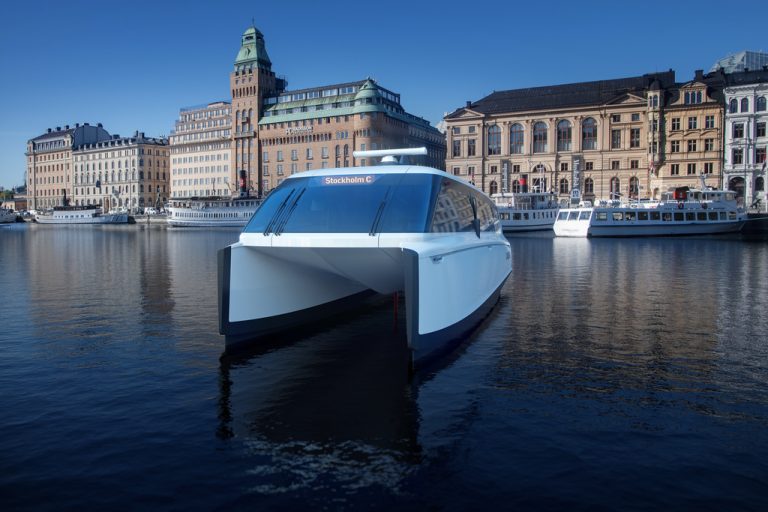
In the course of 2023, the Region of Stockholm will sea trial the fastest and longest-range electric ferry to date; Candela P-12 Shuttle, the world’s first hydrofoil passenger ship.
In addition to being fast and comfortable, a new study from Stockholm’s KTH Royal Institute of Technology suggests that ships with electric hydrofoil technology could reduce emissions from marine transport by 97.5% compared to current diesel vessels.
The country’s leading technical university, KTH, has compared the Candela P-12 Shuttle with the city’s diesel-powered vessels in a life cycle analysis. The analysis examines the different stages of the product’s life; extraction of raw materials, manufacturing and use phase until the product is no longer used, and must be disposed of or recycled. The study shows that over a lifetime of 30 years, the carbon footprint of a Candela P-12 Shuttle is 97.5% lower than that of the compared diesel ships.
According to the authors, the study is the first to demonstrate the difference in environmental impact between electric hydrofoil ferries and traditional ferries. It shows that electric flying ferries can play a significant role in the transition to more sustainable maritime transport.
The hydrofoil technology means that the boat is lifted on wings that ’fly’ under water
A clear advantage
“The combination of using hydrofoils and being powered by electricity is the main factor in lowering emissions. And since the Swedish electricity grid is almost free of carbon dioxide emissions, this type of ship has a clear advantage,” says Felix Glaunsinger, one of the authors of the study. Related: Norwegian Zero Emissions Ship Without a Crew
The hydrofoil technology means that the boat is lifted on wings that ’fly’ under water, eliminating water resistance from pushing the hull through water. The hydrofoils reduce energy consumption by 80% compared to conventional ships. When the 30-knot Candela P-12 enters sea trials in 2023, it will be the fastest electric ship in the world and also the fastest passenger vessel in the Stockolm public transport fleet. With a range of 60 nautical miles, it can cover the archipelago’s longest routes. Since the flying ferry doesn’t create any wake, the city has granted it an exemption from the speed limits, cutting travel times from 55 minutes to 25 minutes on the maiden route from the suburb of Ekerö to central Stockholm.
Made to be as light as possible
The KTH study also shows that the Candela P-12 Shuttle has a low carbon footprint from production compared to the diesel ferries examined – an interesting finding, since other electric vehicles, such as cars, often have a heavier carbon footprint from production than fossil fuel-driven equivalents due to the negative impact of manufacturing the batteries.
The combination of using hydrofoils and being powered by electricity is the main factor in lowering emissions.
“Just like aircraft, our vessels are made to be as light as possible to maximize the number of passengers and performance. A welcome side effect is that we’re able to use smaller batteries and less raw material, which in turn means a lower negative climate impact, says Erik Eklund, head of Candela’s commercial vessels.
Worldwide, ships account for around 3% of global greenhouse gasses, comparable to the global aviation industry’s emissions. Emissions are expected to rise considerably in the coming years despite the International Maritime Organization’s ambition to cut ships’ carbon intensity by 40% by 2030.
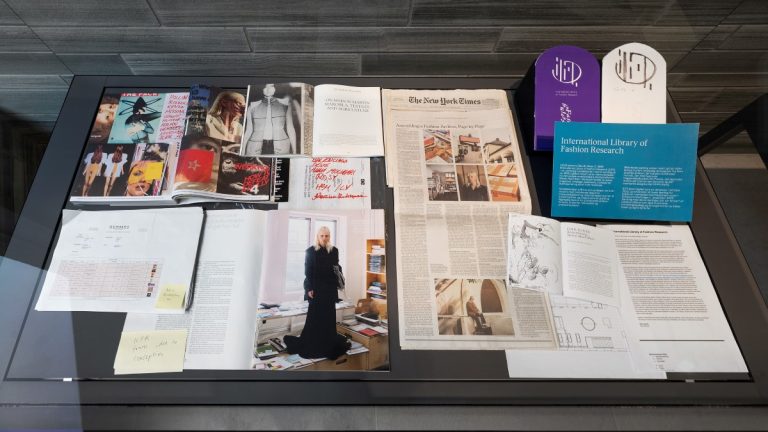
The International Library of Fashion Research is a repository of specialized fashion research and contemporary fashion publications. The collection is continually growing through donations from global fashion houses, publishers and practitioners. The library is open and accessible to general visitors. The new international library of fashion research opened at the National Museum in Oslo last December.
The International Library of Fashion Research (ILFR) was launched in 2020 by Elise By Olsen (b. 1999). It is an independent fashion library based on a large donation from the late fashion theorist Steven Mark Klein. The ILFR is housed in the Station Master’s Building at the National Museum in Oslo. The collaboration between ILFR and the National Museum have so far resulted in three projects, including the Fashion Research Symposium that gathered 170 students, researchers and fashion professionals in September 2022.
The International Library of Fashion Research (ILFR) was launched in 2020 by Elise By Olsen (b. 1999).
“Archives are in vogue, and there is a great demand for this type of material, not least from the fashion industry itself. It is very exciting for a research institution like the National Museum to have the opportunity to bring our perspectives to this collection,” says the National Museum’s Director Karin Hindsbo.
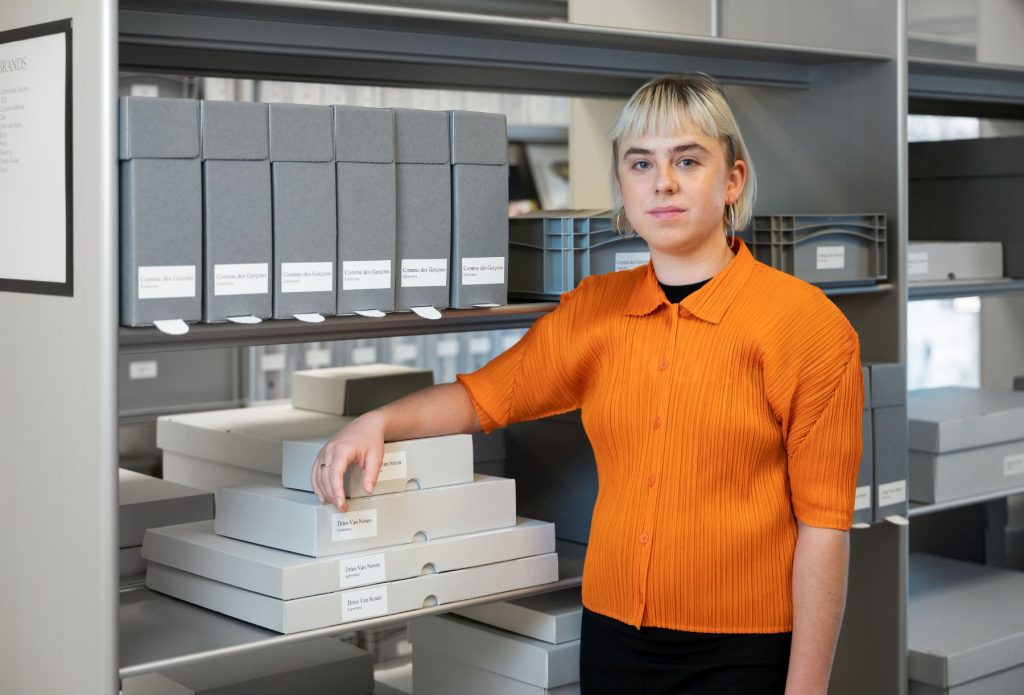
is an independent fashion library based on a large donation from the late fashion theorist Steven Mark Klein. Photo: Ina Wesenberg/National Museum
The International Library of Fashion Research has an ambition of becoming the world’s largest and most comprehensive repository of fashion publications and other documentation connected to the fashion industry. The library will function as a free and accessible resource for fashion professionals, researchers, students and enthusiasts.
“Archives are in vogue, and there is a great demand for this type of material, not least from the fashion industry itself,” says the National Museum’s Director Karin Hindsbo.
The library’s collection is fast-growing. Since the establishment, it has accepted significant donations, including material from the French fashion house Hermès, the international magazine distributor KD Presse, the Japanese fashion house Comme des Garçons, and the design agency M / M (Paris). Much of the material in the ILFR archive is digitized and available on the ILFR website.
The library’s interior has been developed in collaboration with architect and professor Vesma McQuillan and students at Kristiania University College. The shelf system made by extruded aluminum profiles is designed by the Italian design duo Formafantasma for Hem. The curtain textiles come from Kvadrat Textiles. The tables are custom-built with recycled MDF, and the display cases are reused from the National Museum – Architecture.
The International Library of Fashion Research has an ambition of becoming the world’s largest and most comprehensive repository of fashion publications and other documentation connected to the fashion industry. Photo: Ina Wesenberg/National Museum
International Library of Fashion Research in the Station Master’s Building is open 12.00 – 18.00, Tuesday to Friday
The National Museum of Art, Architecture and Design
is the largest art museum in the Nordics. The collection contains 400,000 objects ranging from the antiquity to the present day and includes paintings, sculpture, drawings, textiles, furniture and architectural models. The new museum building opened in June 2022. At the National Museum visitors can experience a comprehensive collection presentation of around 6,500 works, as well as a varied program of temporary exhibitions and events.
New International Library of Fashion Research Opened at the National Museum in Oslo, based on a press release from the museum.
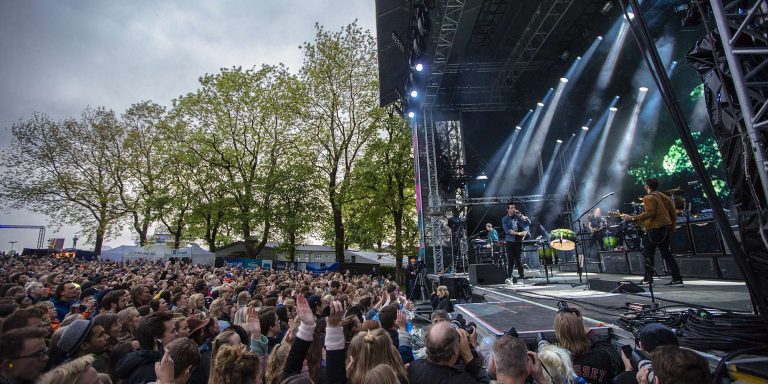
Most of the time, the city’s backdrop is the glacial quiet of the mountains, but music, one is frequently reminded, is very much a part of its heritage. So, Bergen is the Norwegian music paradise.
Bergen is one of the most urban cities in Norway and serves as the present-day hotspot for producing much of Norway’s contemporary music. Many internationally renowned musicians have hailed from this area, just to mention a few: Kings of Convenience, Kygo and Aurora Aksnes, each with more than 24 million plays on Spotify.
Classical music
Norway’s greatest composer, Edvard Grieg (1843-1907), and virtuoso violinist Ole Bull, were both Bergeners. The Grieghallen concert hall is renowned as the home of the Bergen Philharmonic Orchestra, founded in 1765, and for the annual Bergen International Music Festival, Norway’s oldest such event, held every May-June.
Though the city only has around 300,000 residents, Bergen stands above most other Norwegian cities in number of musicians. Bergen offers a lot of cultural events where artists can perform to share their music with people who are interested. Residents are invited to either participate on stage or in the audience so that rising musical talent is discovered. Establishments such as Garage, USF Verftet, Café Opera, and Lille Ole Bull often support these opportunities with live shows. Informal jam sessions are common and allow people of different ages and backgrounds to come together in the celebration of music.
Rock and indie bands
Sondre Lerche. Photo: Wikipedia
Many Bergen rock and indie bands have gathered a pan-European fan base: Ralph Myerz & the Jack Herren Band, Røyksopp, Kurt Nilsen and Sondre Lerche, to name a few.
The music scene is also made accessible to as many as possible. Places like Kvarteret, a university cultural center run by volunteers, is known for organizing musical events that cater to student budgets. They offer students discounted entry at concerts, along with attractive prices for drinks and food. This student bar and other places around the city are doing well to promote new Norwegian music to young crowds and are getting financial support from the local municipality.
Traditional performers
the Buekorps brigade is an organization for the 10-20-year-old boys (and girls, since the 1990s).
On the more traditional side, the Buekorps brigade is an organization for the 10-20-year-old boys (and girls, since the 1990s), easily recognized by their natty tunics and tasseled tam-o’-shanter caps. The brigade march in formation in the Annual Constitution Day parade 17 May.
Opportunities and events like these throughout Bergen are undoubtedly contributing to the rising and continued success of “Bergenser” musicians being recognized throughout the country and the world. Bergen’s artists are bringing people together, creating unforgettable memories, indescribable moments, uncontrolled feelings, love at first sight, and true friendships.
Bergen – The Norwegian Music Paradise, written by Tor Kjolberg
Landscape photography is the art of taking pictures that perfectly capture the beauty of nature and the world around us. It usually includes nature photography, though in many cases, urban photography can also be classified in this category. Learn 7 Scandinavian landscape shooting tips for amateur photographers.
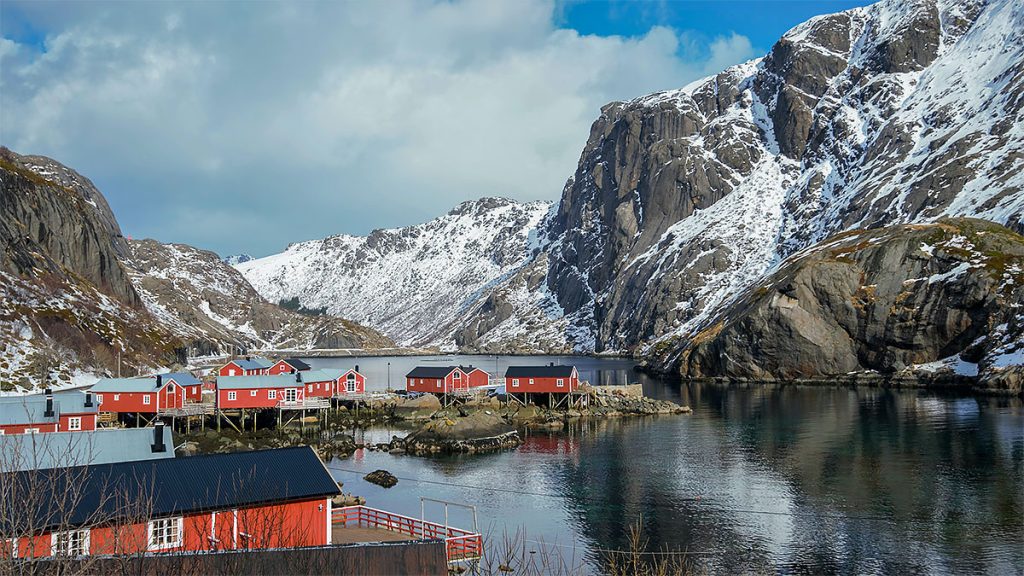
Nordic countries are filled with beautiful locations for landscape photography – from peaked mountains overlooking the fjords and traditional red cabins to splendid masterpieces of modern architecture.
In this guide, we’ve prepared a list of practical pieces of advice on how to plan your shooting trip, compose photos, prepare equipment, and utilize post-processing software. Regardless of what you want to capture during your next adventure, just follow these simple tips to shoot stunning landscape photographs.
1. Plan Your Location
Get off the trail and find new spots where fewer photographers tread.
Planning your shooting location can be one of the most interesting parts of landscape photography. Whether it’s a favorite place you’ve been to a million times or a totally new place far from your home. Just do a little research with Google Maps to plan your route in advance and get the best shots in the end. Get off the trail and find new spots where fewer photographers tread. Seek out a different perspective and show the world what’s out there if you just look a bit deeper!
One of the most crucial aspects of every picture is the lighting. Since your main source of lighting for landscape photography is the sun, you should plan your shoot for a time when the light is not too harsh, but rather soft and diffused to give your photos a natural look. The best time for landscape photography is during the golden hour (just after sunrise and before sunset).
3. Compose Your Shot
Sometimes simplicity is the key to good composition.
Don’t forget about your image composition. Avoid adding too many distracting and cumbersome elements to the frame. Sometimes simplicity is the key to good composition. Plus, check whether your camera can overlay a grid and if so, turn this feature on to make it easier to compose your shots and follow the Rule of Thirds.
7 Scandinavian Landscape Shooting Tips for Amateur Photographers – read on
4. Prepare Your Camera
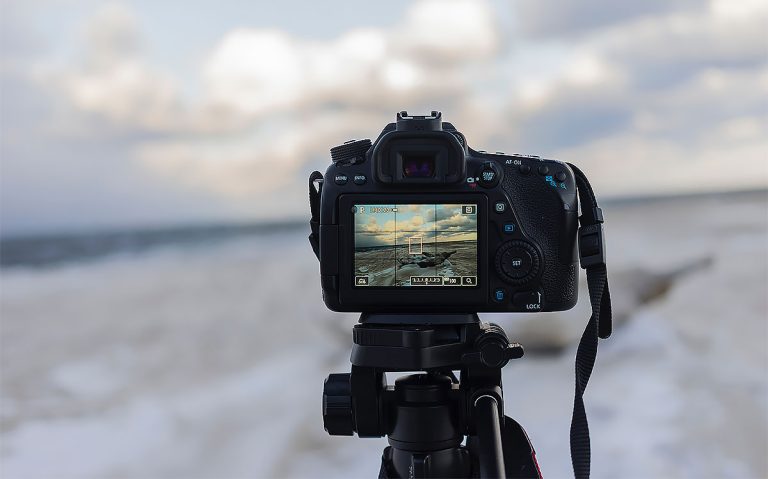
Think about which camera to choose. The best camera for landscape photography is one with a full-frame sensor and a wide-angle lens, but a zoom or telephoto lens can be helpful as well. Shoot at f/16 or even f/22 for the sharpest landscapes. It enables you to catch details in both the foreground and background. However, to capture the Northern Lights, for example, your camera should have decent ISO capabilities (ideally between 2,000 and 12,800) and f/2.8 or lower.
Your tripod should be sturdy enough to withstand bad weather conditions and arctic winds.
A tripod is an essential piece of equipment if you want to take the highest-quality pictures possible. However, don’t buy the cheapest one. It should be sturdy enough to withstand bad weather conditions and arctic winds. Tripods are also especially important when taking pictures in dim light (like early in the morning or late at night) at low ISO settings or at low shutter speed in order to avoid camera shake and prevent images from getting noisy and blurry.
7 Scandinavian Landscape Shooting Tips for Amateur Photographers – read on
6. Pay Attention to the Sky
Finding the right balance between the ground and the sky is often what makes a landscape shot fail. A lot depends on how the sky looks in a given situation. A clear sky that looks rather dull and boring is not the best option for most pictures. It is better to minimize the sky or eliminate it from your image completely. Low-hanging clouds, on the other hand, can add some drama or Scandinavian mystery to your photographs. Plus, different colors of the sky (during the golden hour, for example) are a great way to make your images more expressive.
Editing is an essential component of landscape photography. Of course, it’s best to minimize post-processing efforts and do as much as possible in-camera. However, if something doesn’t turn out well, landscape photo editing software would be a great help. Just follow this link to find out how to fix a tilted horizon, increase the clarity and sharpness of your shot, boost its colors, and much more.
Use some of these tips to improve your photography skills. And remember that photography is a never-ending learning experience. Don’t dwell on what you’ve achieved and keep challenging yourself. Digital photography means taking pictures without wasting negatives (and money), so it’s possible to sometimes break the rules in search of your own style. Even if you initially take a bunch of shots that don’t look perfect, over time through practice you’ll discover your hidden gem.
7 Scandinavian Landscape Shooting Tips for Amateur Photographers, written exclusively for Daily Scandinavian.
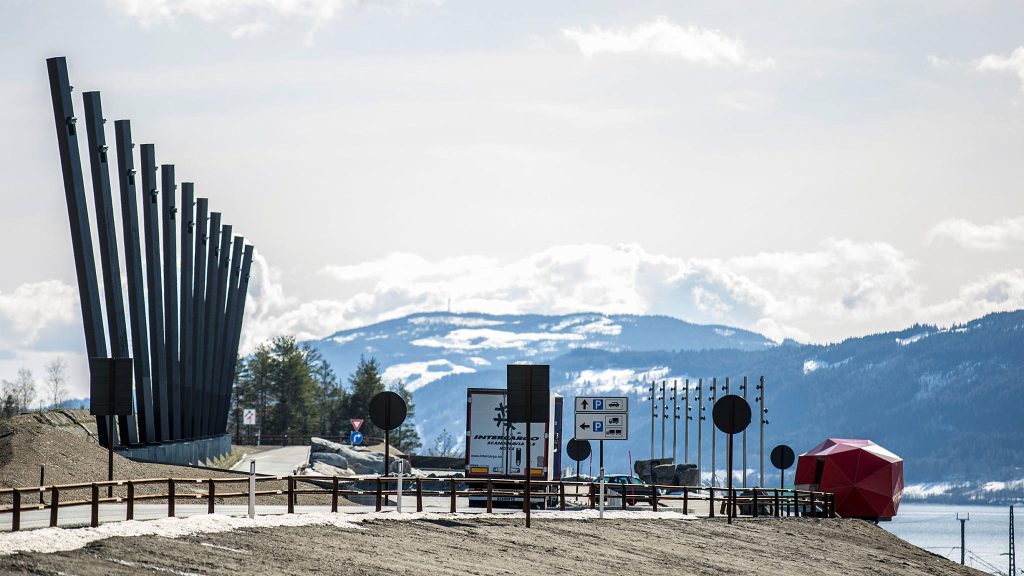
Building on nearly 40 years of architectural expertise, Løvseth+Partners has developed two large rest stops by the motorway along Mjøsa, Norway’s largest lake. The innovative rest stops in Norway offer magnificent view of the lake.
Founded in 2003, Løvseth+Partners, has built on the tradition and expertise of founder Morten Løvseth. He has been responsible for several impressing projects, among them the Government Park in Oslo, an area of 10,000 square meters built in stone.
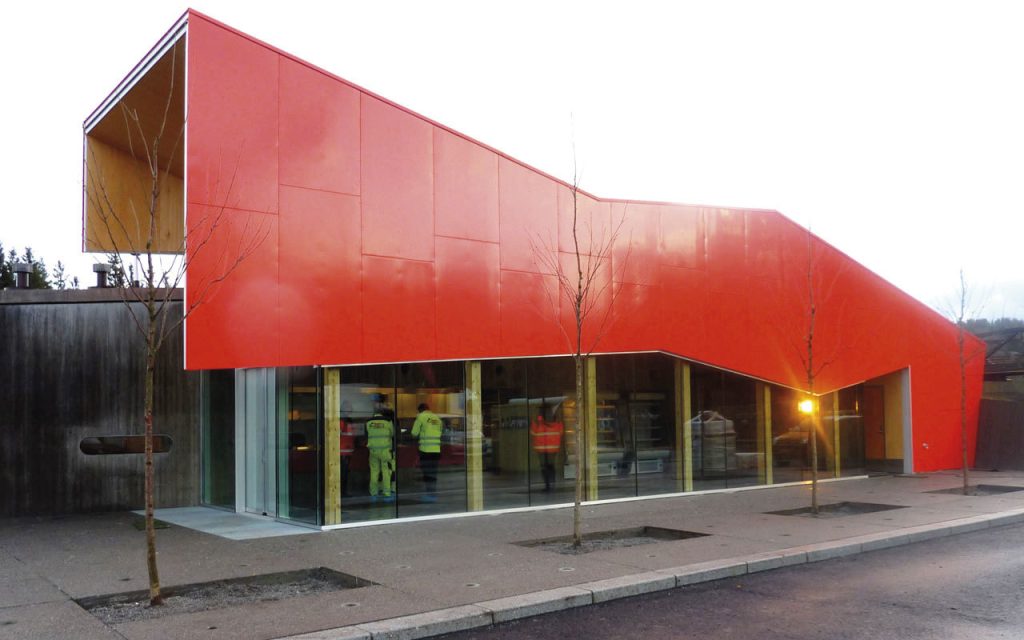
The two rest stops at Mjøsa have Ferrari red facades and sculptural forms
The two rest stops at Mjøsa have Ferrari red facades and sculptural forms as well as the room-forming timber light masts, giving the places clear identity. Blasting-gravel from the construction of the highway are sculpturally chiseled to sitting furniture. The project was completed in 2015.
Architect Morten Løvseth. Photo: Arkitektnytt
The most interesting projects for Løvseth+Partners are in fact transport related. The company has taken on several contracts designing bridges, the majority built in timber. Norway is the world’s leading in regards to timber construction, and there is an incredible amount of engineering science that goes into designing these timber bridges in order for them to withstand the weight of 50 tonners of trucks. And an equal amount of breaking force.
Since its foundation, the architectural company has seen steady growth, taking on projects, large and small, and specializing in large housing projects. Morten Løvseth has been contributing in winning 23 architectural competitions out of 50 attempts and has received 14 architectural awards.
In addition to his architect practice, he is head of the Architecture Council for the National Tourist Routes in Norway, and has on numerous occasions been a sensor for the Oslo School of Architecture, and The Norwegian University of Science and Technology, in Trondheim. Løvseth is also a skilled drawer and illustrator.
In addition to his architect practice, Løvseth is head of the Architecture Council for the National Tourist Routes in Norway
Løvseth’s foremost references include the Norwegian Petroleum Museum, Tønsberg Library, Fredrikstad Town Hall, The Government Squares, University of Agder, Høyanger Bathing Facility and a number of major residential projects and bridges.
Innovative Rest Stops in Norway, written by Tor Kjolberg
In southern Scandinavia we have a huge tradition of making pickles and jams with every possible variety of plums. Learn more about Scandinavian plum.
Scandinavians make no distinction between plums and gages; both are simply called plums, and both are prized and recognized as a delicacy. There is almost no commercial growing of plums in Scandinavia – it is surprisingly hard to find them in shops even during the picking season in late August and September – but they are grown in most gardens, wherever possible.
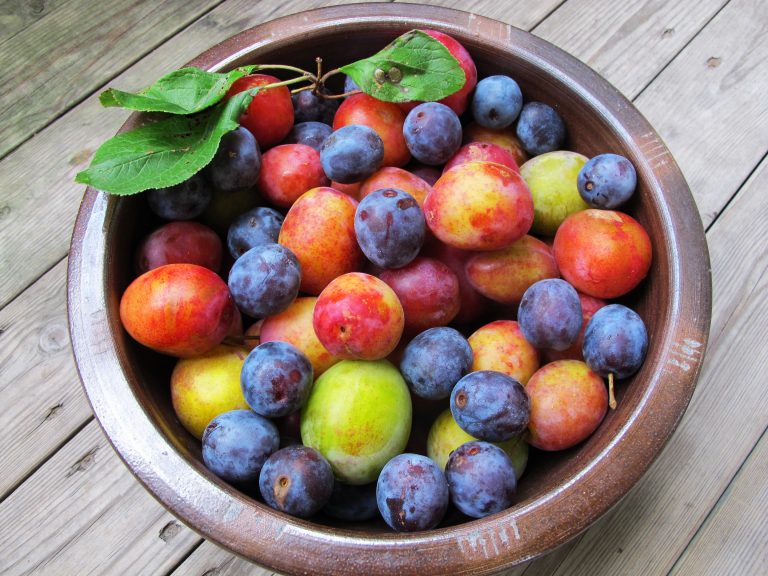
The plum trees can grow very far north, but the blossom is ruined by the bitter frosts in northern areas of Scandinavia. Pgoto: SNL
Plums are at their northernmost limit in southern Scandinavia. The trees can grow very far north, but the blossom is ruined by the bitter frosts. We grow mainly old British and German varieties, but in old gardens you can still find the Hungarian variety used for making slivovitz (plum brandy) in eastern Europe.
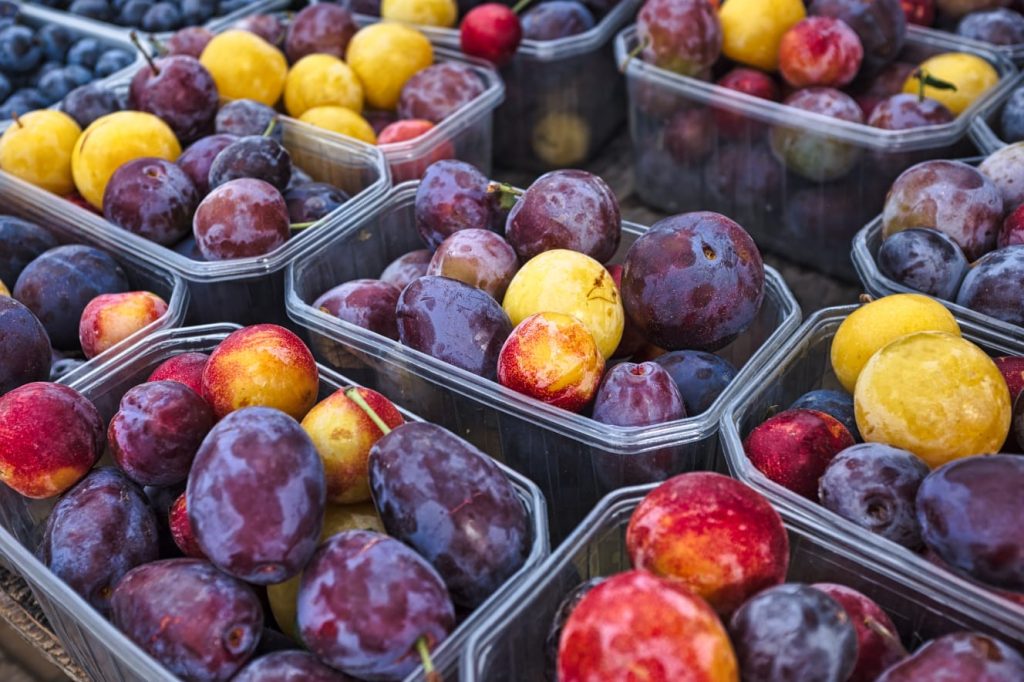
Cherry plums, also known as myrobalan (Prunus ceracifera), are relatively new to the north, being introduced in the mid-19th century from southern Europe. But they have spread so fast that it now seems incredible that they are not native. Cherry plums are the very first trees to flower in spring – sometimes even before the end of February: the clouds of white blossom that cover vast areas for several weeks are an overwhelming sight, their sweet honey scent wafting through the cool air. The fruit is not generally appreciated, and they are mostly self-seeded, and show every possible color from bright canary yellow to deep purple.
Before the cherry plum invaded the countryside, northerners grew and collected a huge variety of damsons and bullaces. They make identical suckers, and are easy to propagate. The ‘raisin plum’ is a small incredibly sweet plum with a distinct raisin flavor. Many of the old varieties are almost extinct, but some work is being done to preserve them. These plums are perfect for primitive methods of preserving, as their sugar and acid content is high enough for them to dry safely even in the cold northern climate.
Appearance and taste
Cherry plums vary in size from cherry to gage.
Cherry plums vary in size from cherry to gage, and the taste can be anything from deliciously apricot-flavored to dark plum, meaty, juicy, sweet, sour or plain bland. But even if their virtues as a dessert fruit are not consistent, they all make the most intensely flavored jam, ketchup and chutney. In general, the fair-skinned fruits have an apricot/gage taste, dark fruits more of a prune flavor.
While cherry plums, damsons and bullaces are small, proper plums have a more manageable size, making it much easier to take out the stones. Apart from the omnipresent Victoria plum, which is not so good to cook with, the most common varieties include the Opal, originally a Swedish cultivar, which is the earlies variety to ripen in mid-August and is a small, blue and sweet fruit that is best eaten fresh; and the Kirkes Blue, a plump, purple-skinned, green-fleshed and highly flavored British variety which ripens from mid-September. This plum is very good for jam and pickling, and the harvest is usually abundant.
The best variety for the recipe below is the Italian prune plum – a huge, juicy, purple fruit with delicious amber flesh that tastes as sweet as honey; it ripens in late September or early October. Greengages are grown, and loved by aficionados, and eaten fresh or preserved whole.
The best variety for the recipe below is the Italian prune plum. Photo: Coop
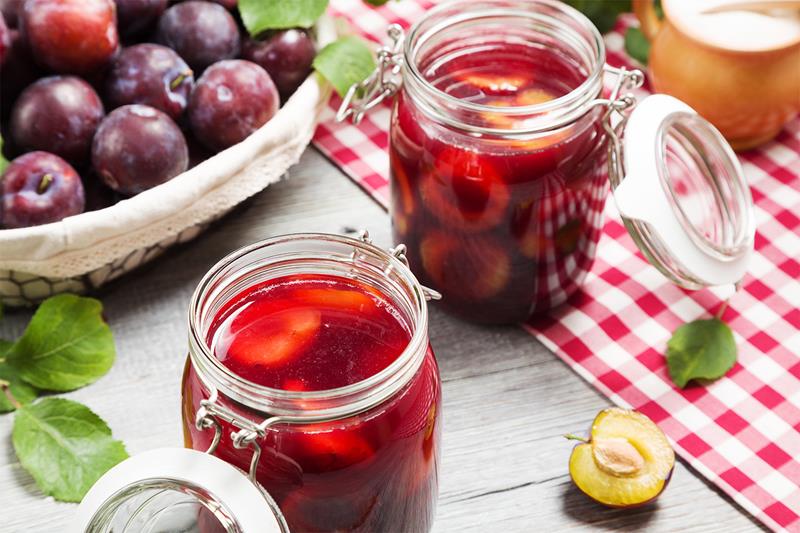
Pickled plums in red wine
These picked plums are a little fiddly to make but taste exquisite and are definitely worth the effort. Eat with whipped cream or ice cream. They are also very nice with game or cheese.
2kg Italian prune or other firm-flesh plum
10 cloves
2 cinnamon sticks
Peeled rind of lemon
I bottle red wine
2kg granulated sugar
Makes 6 regular jars.
Prick each plum 5-6 times with a fork, then put into a sterilized crock. Add the spices and lemon zest. Put half the bottle of wine and 1kg of the sugar into a saucepan and heat until the sugar has dissolved and the liquid is boiling. Pour this, still boiling, over the plums. Leave the fruit to macerate for 2 days in a cool place. Strain the syrup from the plums, and put this in the fridge.
Boil together the same amounts of wine and sugar as before to make an identical syrup, and pour over the plums. Leave them to macerate again for two days.
Mix the two syrups together in a pan and bring to the boil, removing any scum. Add the plums and bring them quickly to the boil. They must not actually boil, just be heated through. Pour the whole lot into a colander placed over a pan, and return the plums to the crock. Reduce the syrup until it is fairly thick, then pour it over the plums. Close the crock when the content has thoroughly cooled.
The plums taste best when matured for a month, but they will keep almost indefinitely. When removing some of the plums, use a sterilized spoon to avoid contaminating the remainder and so causing them to go off.
Today, when we encounter the word ‘yultide’, we’re thinking of a Christmastime fireplace or an overwhelming food table with domestic Christmas food and decorations – and gifts. But I dare say, most of us are not well informed about Yule – or Norse yuletide.
The Christmas carol ‘Deck the Halls’ sings ‘Troll the ancient Yuletide carol’ and ‘See the blazing yule before us’. But what are these lyrics referring to – Christmas or not?
Yule lads roasting on an open fire, spirits of the ancestral dead nipping at your nose. It’s indeed the most wonderfully strange time of the year. It’s that time when the sun proverbially turns, prying the coming spring from the cold dead hands of winter darkness. It’s the time when we spend all our money on symbolic trinkets, and open our hearts and doors to friends, family, and fire hazard in great abundance.
The winter solstice was a particularly inauspicious the night when Odin was said to ride through the skies with the Wild Hunt collecting the souls of the dead.
However, Yule or Yuletide (Yule time) was originally a Nordic pagan festival celebrated from 21 December to 1st January. It was connected with the Germanic Wild Hunt, the Anglo-Saxon Mondranich and the Roman Sol Invictus. The European folklore and mythology surrounding Yule all offer symbols relating to the confrontation of the dark nature as a process of initiation into the light.
My research on the internet has given some insight, some astonishment, lots of laughs, but not least lots of reflection. One article said, “Yule means feast, or maybe wheel.” The Scandinavian word for Christmas is ‘jul’. The Scandinavian word for wheel is ‘hjul’. So, “Yule” can mean either a feast that celebrates the winter solstice or reference a wheel, depending on which country of origin you are speaking. Confusing, isn’t it?
The Yule elf is a very busy little guy, and all he asks in return is a bowl and rice delivered for Christmas Dinner.
And now it’s Christmas again (or jul, as we Scandinavians call it). This old word is handed down to us across generations from the Old Norse ‘jól’, and Yuletide is widely recognized as the Christmas season. During the Christianization of Europe, we have seen many Christian feasts taking over many of the traditional pagan festivals. In the fourth century, the church decided to celebrate the birth of the Lord Jesus Christ with a 12-day feast called the Epiphany or the Feast of the Nativity. With Christ’s birth seen as conquering the darkness of sin to bring new hope, life and light, it is clear why Yuletide was chosen to correspond to ‘the twelve days of Christmas’ and the feast of Sol Invictus on 25th December (Dies Natalis Invicti) as Christmas Day.
Time is an important aspect
Yule means feast
The Yuletide feast has become much more than just the one time during the cold dark winter months that there was food in excess, Yuletide tradition was really about coping with the excessive darkness and warding off the evil and the nasty spirits it was thought to harbor.
As sure as some birds fly south in the winter, so come articles about the apparent continuity of certain Christmas traditions, like Santa Claus, Christmas trees, and every festive dinner food on the Scandinavian table (though most of them are hardly a century old).
Time is an important aspect of ritual, and I have written this article with a varied audience in mind, for reconstructionists as well as perennialists, or for believers as well as agnostics or atheists. And even if most people don’t care about the origin of the traditions or their association with paganism, it’s just a part of a traditional celebration.
The origins of Yule
Julenissen (Danish and Norwegian) or Jultomten (Swedish) is a mythological creature from Nordic folklore
The origins of Yule are not 100% clear, but most believe it began as a Scandinavian tradition. Any other considerations of origin include countries of the same approximate latitude. This means that at the peak of winter the sun doesn’t peak over the horizon until close to 9:00 in the morning, and scurries back over the horizon around 3:00 in the afternoon. This leaves a whopping six hours of daylight. Wouldn’t it be only natural to celebrate the lengthening of days?
In addition to that, the Nordic area can be a dang cold and harsh place to live. It’s not exactly the fertile crescent. We’ll take all the sunshine we can have. The old idea that Viking Age Scandinavians celebrated jól on the winter solstice as a sort of solar adoration, is among the most prevalent yuletide claims you’ll see presented on the internet (or wherever) this year.
Evergreen trees and holly bushes were the wintertime symbol of life and hope.
It would seem intuitive that Viking Age Scandinavians greatly missed the sun at winter, and if jól was celebrated around the solstice, close to Christmas, it seems to explain how Christianity could simply just walk into Scandinavia and appropriate the heck out of our gluttonous solar feast.
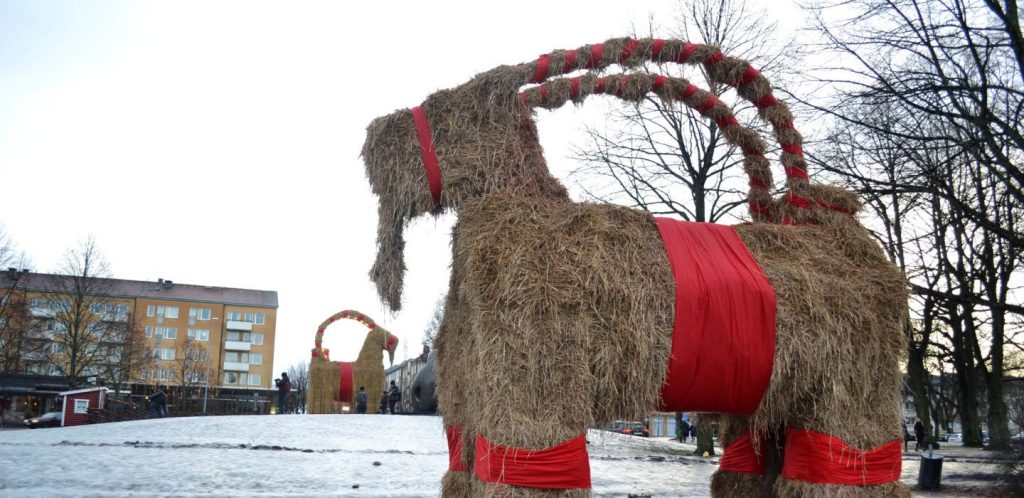
Another Scandinavian tradition is the Christmas goat, whose origins are lost in the mists of time
However, in Scandinavia it is still traditional to leave food out (usually porridge with butter) for the little red-capped tomte or nisse (household spirits or house elves).
Julenissen (Danish and Norwegian) or Jultomten (Swedish) is a mythological creature from Nordic folklore today typically associated with the winter solstice and the Christmas season. They are generally described as being short, having a long white beard, and wearing a conical or knit cap in gray, red or some other bright color. The nisse is one of the most familiar creatures of Scandinavian folklore, and he has appeared in many works of Scandinavian literature. With the romanticization and collection of folklore during the 19th century, the nisse gained popularity.
Evergreen trees and holly bushes were the wintertime symbol of life and hope. In the barren winter landscape, their lush green was evidence of life when life could not be seen. Holly bush branches were often used as practical decorations for doors and windows, their generally prickly nature was thought to keep out the bad spirits of winter time. These spirits were thought to bring with them illness or madness.
Christmas is a time of peace and joy, love and honor
The Swedish archaeologist Andreas Nordberg wrote, “Those who insist on referring to jól as the solstice, must be more interested in the solstice itself, than they are in sources for Norse religion.”
Another Scandinavian tradition is the Christmas goat, whose origins are lost in the mists of time. The Jul Bok (Yule goat) is nowadays usually made from straw, which indicates that it was probably once an offering from the last harvest (like the British corn dollies), but other traditions have a man dressing up as goat at Yuletide, which could be distant memory of a pagan fertility ritual, or even be connected to the two goats who pulled Thor’s chariot in Norse mythology.
His roots trace all the way back to the Mythological god, Thor. Julbock was once thought to be Thor’s carrier. So many Yule traditions are heavily steeped in Ancient folklore simply because the missionaries weren’t able to reach Norway or Scandinavia until the 10th century. By then, tradition had been well established.
The Winter Solstice
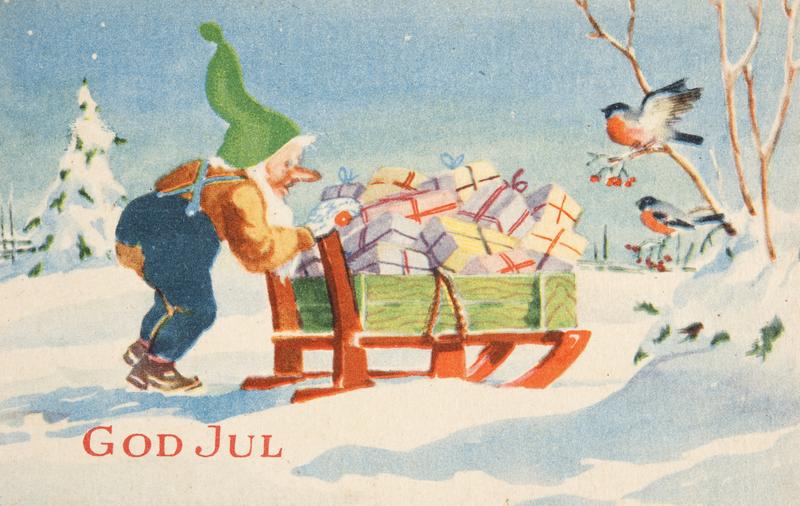
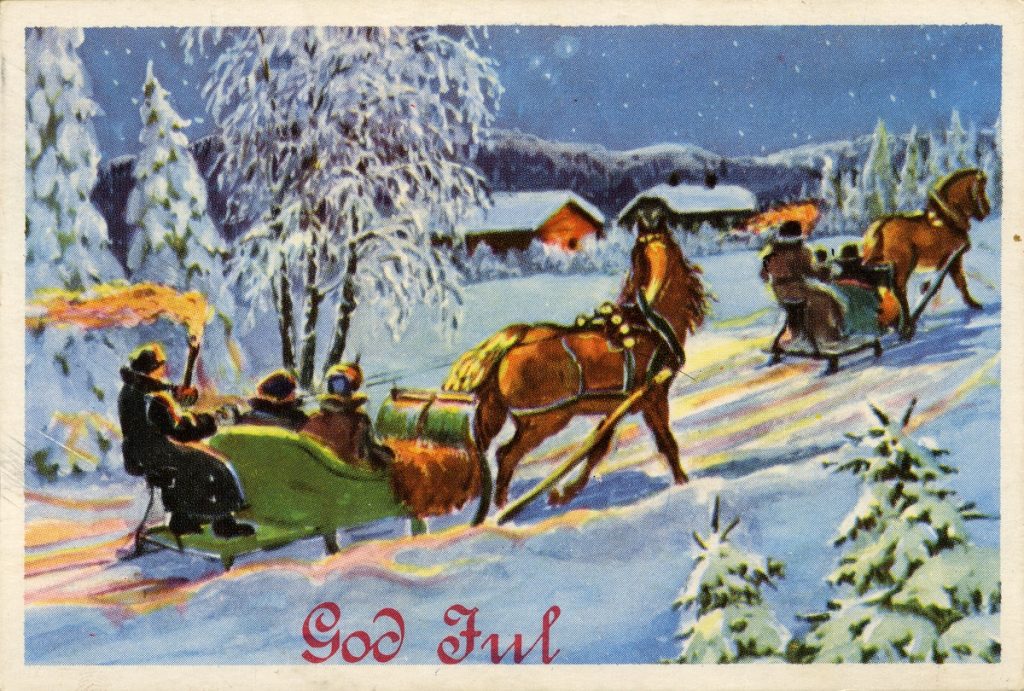
Norwegian Christmas card
The oldest evidence we have for a possible Scandinavian yuletide feast, was described by the 6th century Byzantine chronicler Procopius, who mentioned that the inhabitants of Scandinavia (called “Thule”) celebrated a feast for the returning sun, sometime after the winter solstice. The earliest Old Norse reference to jól, however, comes from the 9th century Haraldskvæði, which is a praise poem composed in honor of Harold Fairhair’s victory at the battle of Hafrsfjorð, and the following unification of the kingdom of Norway.
The winter solstice was particularly inauspicious the night when Odin was said to ride through the skies with the Wild Hunt collecting the souls of the dead. So, everyone stayed indoors feasting, afraid to go outside lest they be caught out alone and abducted by the Wild Hunt.
Let’s not forget the Yule elf. He lives typically in attics and keeps the household running smoothly and everything in order. He is a very busy little guy, and all he asks in return is a bowl and rice delivered for Christmas Dinner.
In the saga of Olaf the holy, Snorre mentions a blót at midwinter (miðsvetrarblót), referring to it also as jólaboð and jólaveizla, both meaning Yule feast. Thereby he implies that the main pagan religious event of jól occured later than Christmas, several weeks after the solstice. The saga of Hervor goes so far as to place jól in February, further yet from the winter solstice.
Norse Yule
The Modern English word Yule comes down to us via the Middle English yol from the Anglo-Saxon Geol,
The Modern English word Yule comes down to us via the Middle English yol from the Anglo-Saxon Geol, though nowadays it is more commonly known as Christmastide or the 12 Days of Christmas. In Scandinavia we still call it jul (pronounced yule) or jol. One of the many names of Odin recorded in the Icelandic sources is Jolnir, which means The Yule One. Though this name probably refers to his role as leader of the Wild Hunt at Yule, rather than to a jolly giver of gifts.
Iceland also contributed the legend of the Yule cat, which is apparently a remarkably large creature with a pension for devouring lazy people. Lazy people of the village were not only declined any type of Yule reward, but were in constant Yuletide danger of being gobbled up by the ferocious and sinister Yule cat. Naturally this threat made people a bit more motivated to be contributors to the well-being of their village. The typical Yuletide reward, other than being safe from the Yule cat’s clutches, was a new article of clothing.
Snorre states, in the Saga of Hákon the good, that jól was a three-day event starting at a night called Hǫkunótt, which he perceived as the midwinter night.
So how did Yule become Christmas? King Hakon of Norway, who was a Christian, passed a law that the Christian Christmas Day and the Pagan Yuletide celebrations were to be henceforth celebrated at the same time. While this only impacted the Norwegian territories it illustrates how these festivals were intentionally combined into one celebration.
The winter solstice, which occurs on December 21st or the 22nd in “our” Gregorian calendar, would actually have taken place on December 14th through 15th according to the Julian calendar, which is when the Latin calendar came to Scandinavia. However, according to Snorri Sturlusson, the astronomical winter solstice would have roughly coincided with the feast of St. Lucy, which would have occurred roughly a week before Christmas according to the Julian calendar, which was only replaced by our current, Gregorian calendar in the 18th century. In other words, Santa Lucia that was celebrated on the solstice, roughly ten days before Christmas until recently. This also explains why the eve of St. Lucy is still considered the longest and darkest night in Scandinavian folklore.
The twelve days of Christmas
It was customary that no work was to be done during Yuletide.
The celebration of Yule hasn’t always been twelve days long. The Norse text ‘Heimskringla: The Saga of Hakon the Good’ talks about it lasting for three days, or as long as the ale continued. The night it began was known as slaughter night, where animals would be ritually slain and their blood collected in bowls to be splattered over the wooden idols of the gods and over the participants using a bunch of twigs. The animals’ meat was then consumed in a feast which was known at the julblot.
The slaughter of any animal, including fish, was strictly forbidden during the Yule celebrations, and this tradition is still carried out through most parts of the world that celebrate Yule. The Yule feast was prepared ahead of time in order to adhere to this rule. The wheels were not to turn on the winter solstice, as it would reflect impatience with the turning of the sun, applied as the arrival of springtime.
the burning of a Yule log, the ashen remains of which were used to ward off evil spirits and other misfortunes, before being ignited again the following year to start the subsequent Yule fire.
It was customary that no work was to be done during Yuletide. From Germanic sources we see stories of the Goddess Berchta visiting people’s houses and punishing those who had been spinning during Yule. In the Icelandic ‘Svarfdæla Saga’, we see a warrior who postpones a fight until after the Yuletide, and ‘The Saga of Hakon the Good’ also says that Yule was to be kept holy.
While there’s a time and place for everything, it seems solstice was not the time of the yuleblót. So far, all of the sources place the event between January and February, but we have no yet come to explain the flaky and inconsistent dating of jól itself. Why do the sources give varying dates for the festival, within such a discrepant timeframe as January through February? The pre-Christian calendar system gives us some clues.
Two months of yule
The Norse calendar, which contained no less than two months of Yule, called Ýlir and Jólmánuðr respectively. Yule is a common Germanic holiday, and the tradition of two Yule months are attested as far back as 4th century Gothic texts, as supported by by Anglo-Saxon sources, where the 8th century chronicler Bede writes that the pagan Angles followed a calendar based on the lunar cycles. Yet, he also states that this lunar year was determined on the terms of the solar year: It was lunisolar.
Other sources tell of the burning of a Yule log, the ashen remains of which were used to ward off evil spirits and other misfortunes, before being ignited again the following year to start the subsequent Yule fire. Also, there was the eating of a Yule boar in honor of Freyr, a god associated with the harvest and fertility, who in Christian times became associated with St Stephen and his feast day of 26th December.
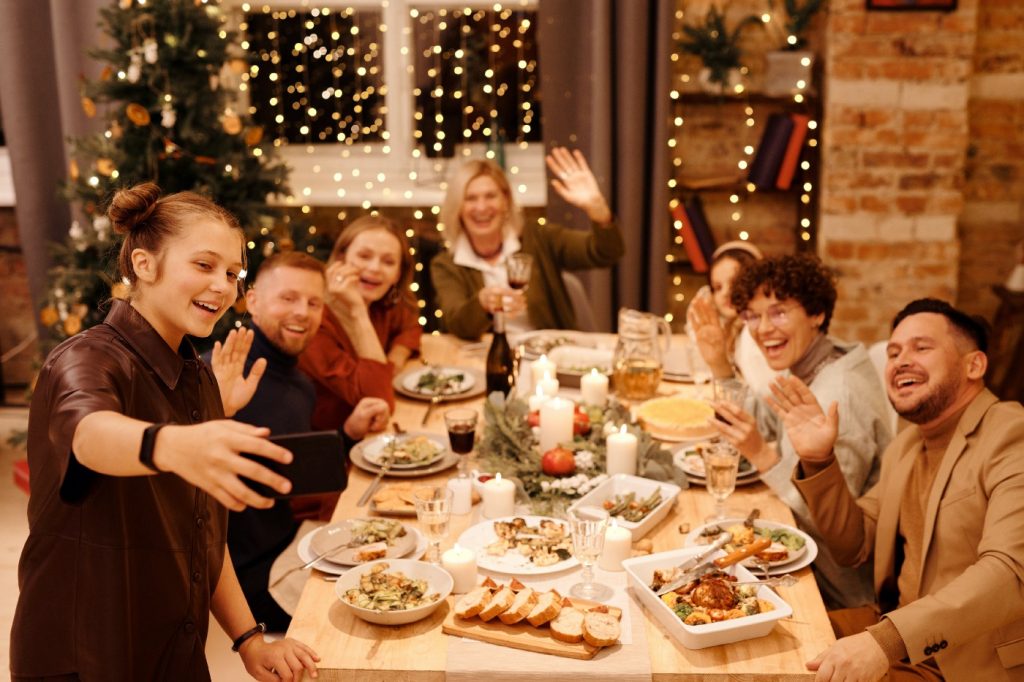
Delicious meat was consumed in a feast which was known at the julblot. Photo: Nicole Michalou/Pexels
Common Christmas traditions such as mistletoe and Christmas trees were part of Yule tradition as well. Although oddly enough, until the 13th century it seems, Christmas trees were suspended upside down. There is no documented reason for this, just the knowledge that it occurred. There is of course, ample speculation that nobody had yet devised a method to assist the cut tree to stand upright as they do today.
Nevertheless, all of the December holidays have one basic theme intact, regardless of ancient tradition or religious affiliation. They are a time of peace and joy, love and honor, and of course, merriment and sharing.