
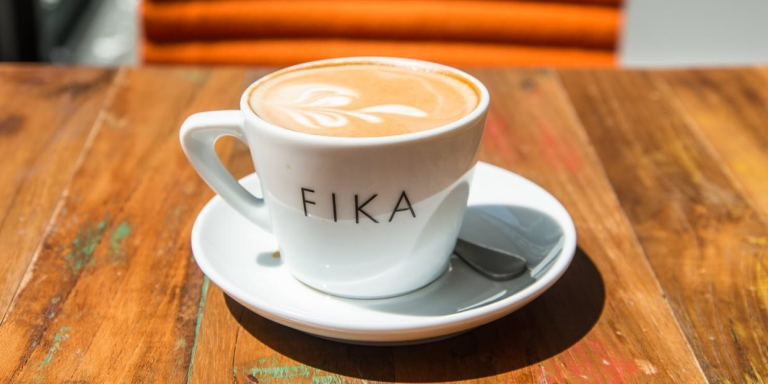
The Swedish Fika Ritual

0

People in most countries around the world enjoy a coffee or tea break. But a fika in Sweden is much more than a coffee break. It’s more like a ritual. Learn more about the Swedish fika ritual.

Swedish people of all ages take part in the custom, enjoying it casually at work with colleagues or opting for a more elaborate outing with friends at the weekend. “Let’s do fika,” is one of the most uplifting messages you can receive from a long-lost friend. The social aspect is as important as the delicious steaming coffee and the Swedish cinnamon buns, being arguably the most popular fika accompaniment.

The Fika concept

The Swedish Fika Ritual
“Let’s do fika,” is one of the most uplifting messages you can receive from a long-lost friend. Photo: Coop

Fika is a concept, a state of mind, an attitude and an important part of Swedish culture. Many Swedes consider that it is almost essential to make time for fika every day. It means making time for friends and colleagues to share a cup of coffee (or tea) and a little something to eat.

Related: The Capital of Fika

Therapeutic and promoting well-being

The Swedish Fika Ritual
The food you choose for fika should be fresh and well presented. Ideally it should be homemade. Photo: Visit Sweden

So popular is the Swedish fika that the ritual has gained traction around the world, and so ingrained in the Swedish psyche is the custom that some companies add a clause to contracts stating that employees are entitled to fika breaks. A clever move, since a spot of fika can be therapeutic, promoting wellbeing and productivity.

Even the mighty Volvo plant stops for fika. All Swedes consider it important to make time to stop and socialize: to take a pause. It refreshes the brain and strengthens relationships. And it makes good business sense: firms have better teams and are more productive where fika is institutionalized.

You may also like to read: What Is Sweden Famous For? Nine Things That Make Sweden the Country It Is.

In fact, it isn’t the coffee or even the sweet treat that is so important. It’s the valuable time spent connecting with others. While a traditional coffee break in an office is often an avenue for continuing a work discussion, fika is a more informal affair that may open up conversations — whether work-related or not — across departments and hierarchies.

Where does the word come from?

The Swedish Fika Ritual
Cinnamon buns. Photo: Visit Stockholm

But where does the word come from? It’s believed to be a reversal of the syllables in the word kaffi, the old spelling of coffee.

So well-established is fika that the word itself has become both a noun and a verb and it can be had indoors as well as in nature. And thanks to Sweden’s unique right of public access, you’re free to fika almost anywhere. A fika out in the woods or in a nearby park is a popular pastime on a sunny day. Swedes will say to each other, “Let’s go and fika!” or “You and I fika together so well”.

However, the food you choose for fika should be fresh and well presented. Ideally it should be homemade. Many team leaders in Sweden consider it important to regularly bake something at home to take into work for fika. So, grabbing a coffee from the kitchen and sitting back down at your desk is most definitely not fika.

Coffee in the Nordic region is usually enjoyed strong and black. Filter coffee is preferred over an Americano, and all coffee shops will have a large pot of freshly-brewed coffee ready to go. But it’s up to you if you prefer a latte, other milky coffee or even tea.

You may also like to read: 10 Things I Hate and Love About Sweden.

The accompaniment to Fika

The Swedish Fika Ritual
It’s the valuable time spent connecting with others that is most important. Photo: Scandification

And the accompaniment might be the Swedish national cake – the Princess cake (prinsessetårta). This globe-shaped layer cake is a well-balanced affair, consisting of a light-as-air sponge cake base topped with vanilla pastry cream and lashings of fluffy whipped cream. This mound of gorgeousness is enrobed in green marzipan, often with a pink marzipan rose as the crowning glory. Most modern incarnations include a thin layer of raspberry jam, though the original Swedish princess cake recipe from 1948, found in Prinsessornas Nya Kokbok (The Princesses’ New Cookbook), does not.

The cinnamon bun (kanelbulle) has a definite place in the fika hall of fame. You won’t have to look hard for it in Sweden – this national classic is served up in most cafés and bakeries. Just follow that heavenly smell.

Often fika is enjoyed by candlelight, even if it is in an office or the corner of a factory. It’s all about slowing down and finding time for friends and colleagues, whilst you sip a drink and enjoy something small to eat. Candlelight helps!

Wherever you live, give fika a try in your daily schedule. You can never be too busy for fika!

The Swedish Fika Ritual, written by Tor Kjolberg

Feature image (on top) © Visit Stockholm

The Norwegian Doctor Butter Sauce

0

Norwegian Guro Helgesdotter Rognså has cracked many eggs and made butter sauce for many years while studying how chemical processes affect the food we make. In 2015, she earned her doctorate in emulsion sauces at the University of Copenhagen. She can rightly so title herself the Norwegian Doctor Butter Sauce.

“Molecular gastronomy can be described as the science that explains why a dish turns out and tastes the way it does,” says Rognså from her place among the chefs at The Culinary Institute of Norway (CI) in Stavanger.

In connection with the work on her doctorate, she also completed the taste study Hautes Études du Goût, earning her the Diplôme Universitaire du Goût, de la Gastronomie et des Arts de la Table from the Université de Reims Champagne-Ardenne, in addition to training as a sommelier.

Related: Young Norwegian Star Sommelier

The Norwegian Doctor Butter Sauce
Guro Helgesdotter Rognså shares her knowledge among the chefs at The Culinary Institute of Norway (CI) in Stavanger.

What goes on in emulsion sauces?

“I wanted to find out what goes on in emulsion sauces,” says Rognså and admits that large quantities of butter have been used in connection with her studies.

An emulsion is a mixture of two liquids that initially repel each other, such as fat and water, something many people have learned in the kitchen. But this has not been studied from the angle of a professional chef until Rognså started researching butter sauces.

You may also like to read: Book from Scandinavia on Eating Insects  

The doctoral project was a collaboration between the Department of Gastronomy, University of Copenhagen, Nofima and part-financed via NCE Culinology and the Norwegian Research Council.

Molecular gastronomy

The Norwegian Doctor Butter Sauce
Rognså has named her science molecular gastronomy. Photo: Wikipedia

Food is history, nutrition, culture, tradition, craftsmanship and science. And it’s chemistry. Rognså has named it molecular gastronomy. Or to make it a little more specific: She has put sauces and emulsions under the microscope.

Molecular gastronomy is also science’s attempt to explain what the chefs achieve in the kitchen. It is chemistry, physics and biology that make ice cream become ice cream. These are the molecules that food is made of.

Guro Helgesdotter Rognså is the first student to earn a doctorate at The Culinary Institute of Norway in Stavanger.

Related: Monday Aperitivo in Copenhagen

The fact that two liquids refuse to mix and rather separate is something most people who have tried their cooking know-how in the kitchen have experienced. But this and other butter sauce issues have not been properly investigated previously from a culinary professional angle. And even less was researched, before the girl from Valdres began her studies.

The scientific study of deliciousness

The Norwegian Doctor Butter Sauce
An emulsion is a mixture of two liquids that initially repel each other. Photo: Reiss/Culinary Pro

Maybe she follows in the footsteps of Harold McGee, the American author who writes about food science, and defined it as “the scientific study of deliciousness”.

“I have always been interested in food but trained as a civil engineer in chemistry and biotechnology and set my sights on a career in medical research. But then this idea was born, and someone thought it suited me perfectly,” Rognså explains about the path to the gastronomic doctorate.

However, being a new area of study, she had to forge her own path along the way. “The path to a gastronomic doctorate was perhaps not always ‘smooth as butter’”, she says.

She emphasizes that part of the challenge has been that both researchers and chefs have had a lot of knowledge, but relatively little has traditionally been exchanged between the professions.

“I wanted to combine the thoroughness of the research and knowledge of chemistry with the chefs’ experience and knowledge of raw materials,” says Rognså about the reason why she ended up at the Gastronomic Institute in Stavanger.

How cooking method affects the final methods

The Norwegian Doctor Butter Sauce
Many factors come into play and a lot can go wrong when making a butter sauce.

“All the others who work here are chefs, and it was important for them to be able to relate to the project,” she says and adds,  “So it was natural to ask what they wondered about most, and pretty quickly the answer was emulsions. They wanted to know what chemical processes occur when making a butter sauce, and how factors like cooking method affect the final product.”

“Emulsions differ because they are made of two liquids that cannot mix with each other; water and oil,” she explains. “When you make an emulsion, you whip tiny droplets of fat into the water.”

“Most emulsions are unstable and require something to keep them from separating. Egg yolks are one such ingredient,” says Rognså.

“When people make hollandaise or mayonnaise and find that it separates, many believe that it is because they have put in too few egg yolks. However, that is rarely the problem, because one egg yolk is enough to make over 20 liters of stable mayonnaise. The problem is rather that they have added too little water to the emulsion,” she says.

Many factors come into play and a lot can go wrong when making a butter sauce. Another common mistake is too high a temperature. If the sauce gets too hot, approaching 80 degrees or more, the yolk proteins coagulate and the consistency becomes more like scrambled eggs.

“Cooks with experience tend to have the temperature control in their fingers in a completely different way than the average amateur. For them, it is perfectly fine to make hollandaise sauce directly in a pot on the plate. For others, it may be a good idea to make the sauce in a bowl over a kettle of hot water instead,” suggests Rognså.

The Norwegian Doctor Butter Sauce
Rognså has put sauces and emulsions under the microscope.

There is no perfect sauce

Rognså says that there is no perfect sauce. Which ingredients are used and how the sauce is made vary from person to person. But she offers a few tips to make good butter sauces.

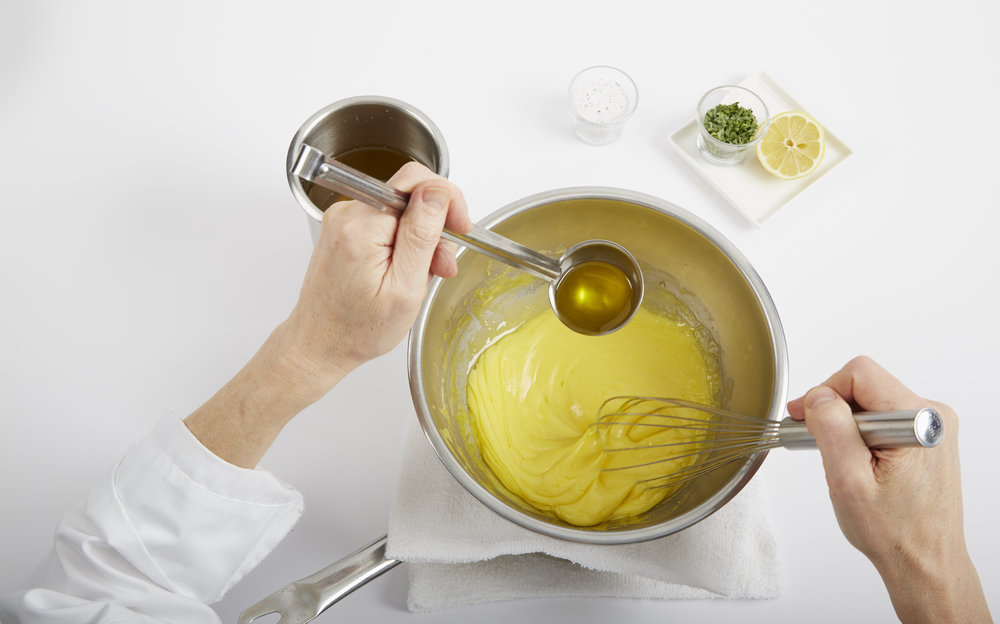
“Chefs today often start with a sabayonne sauce when they make hollandaise,” says Rognså. “I would recommend that you start by whisking egg yolks and the water-based ingredients (wine reduction or water, and lemon juice) in a bowl over steam, until it thickens. Then add warmed butter in a thin stream and whisk well.”

Hollandaise has a reputation for being difficult to make. The mixing of fat and water into a new consistency has a certain risk of failure, but it is well worth the effort,” says the doctor.

Hollandaise – the mother of all butter sauces – is, in short, a warm egg yolk-based emulsion. But there are many ways to make it. The methods have developed over 500 years.

A significant part of Rognså’s work with the doctorate has consisted of testing out different recipes and butter sauces together with the CI chefs. She admits that it has probably resulted in her making butter sauce more often now than before.

She admits that she was afraid of being perceived as the nerd who was supposed to teach skilled chefs how to do their job, but says that it turned out well.

The Norwegian Doctor Butter Sauce, written by Tor Kjolberg
Feature image (on the top): © Tom Haga/Dagligvarehandelen

Remains of a Huge Viking Hall Found in Denmark

0

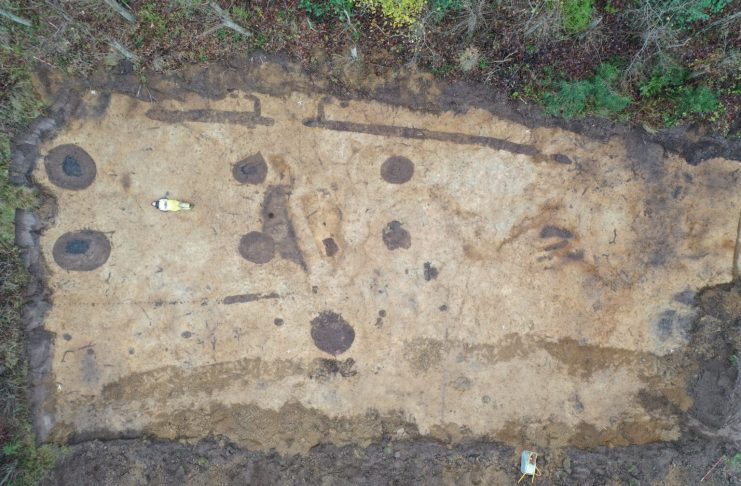
Archaeologists in Denmark have discovered the remains of a huge Viking Hall – the largest found in over a decade.

Archaeologist with the Historical Museum of Northern Jutland say that the thousand-year-old homestead is similar to those built during the reign of Harald Blåtand (Harald Bluetooth), who ruled Denmark in the late 10th century. Harald “Bluetooth” Gormsson was King of Denmark and Norway (c. 958 – c. 986) and he famously introduced Christianity to Denmark.

Remains of a Huge Viking Hall Found in Denmark
A large hall from the time of Viking Harald Bluetooth. Photo: Arkeonews

Related: Viking Burial Treasure discovered in the Middle of the Capital of Norway

Remains of a Huge Viking Hall Found in Denmark, read on….

Excavation leader and archaeologist Thomas Rune Knudsen said the discovery in Hune was made while a detached house plot was being subdivided. In its pomp, the hall was up to 130 feet long and 33 feet wide. Between 10 and 12 cut oak posts would have supported a large roof.

Remains of a Huge Viking Hall Found in Denmark
Viking hall Hune, North Jutland. Photo: Artnet News

Related: Historic Viking Longship Discovered in Norway

A rune stone speaks of a local ruler called Runulv den Rådsnilde. The hall was a prestigious building which, in addition to having an everyday function, was probably also a gathering place for political meetings and large Viking get-togethers,” according to Knudsen. “We have not seen anything like it before here in North Jutland, even though it has only been partially excavated,” he added.

Remains of a Huge Viking Hall Found in Denmark, written by Tor Kjolberg

Norwegian Photographer Loves Silence, Mystique and Unease

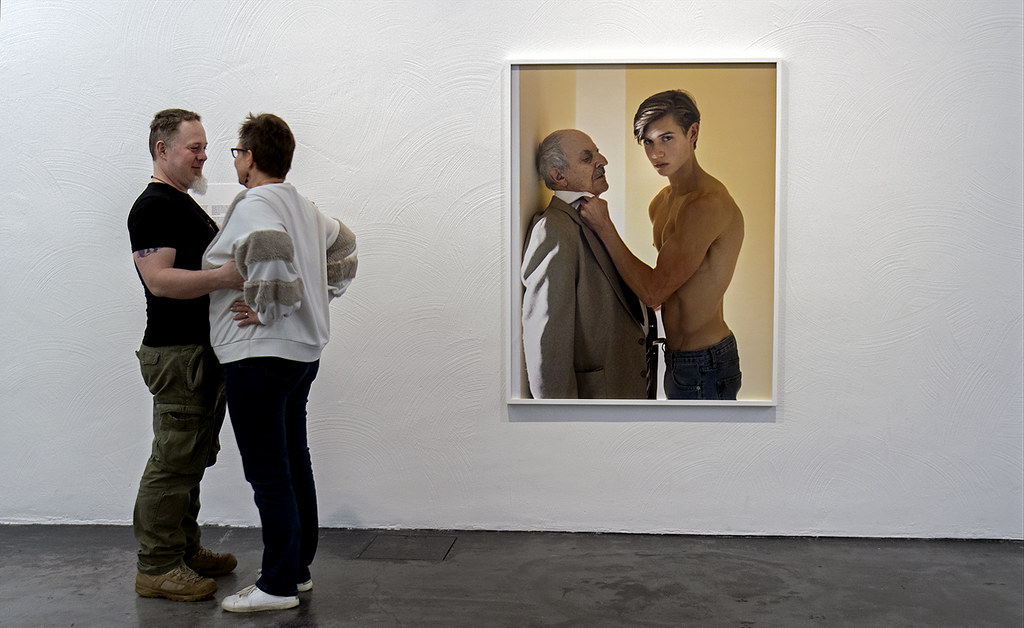
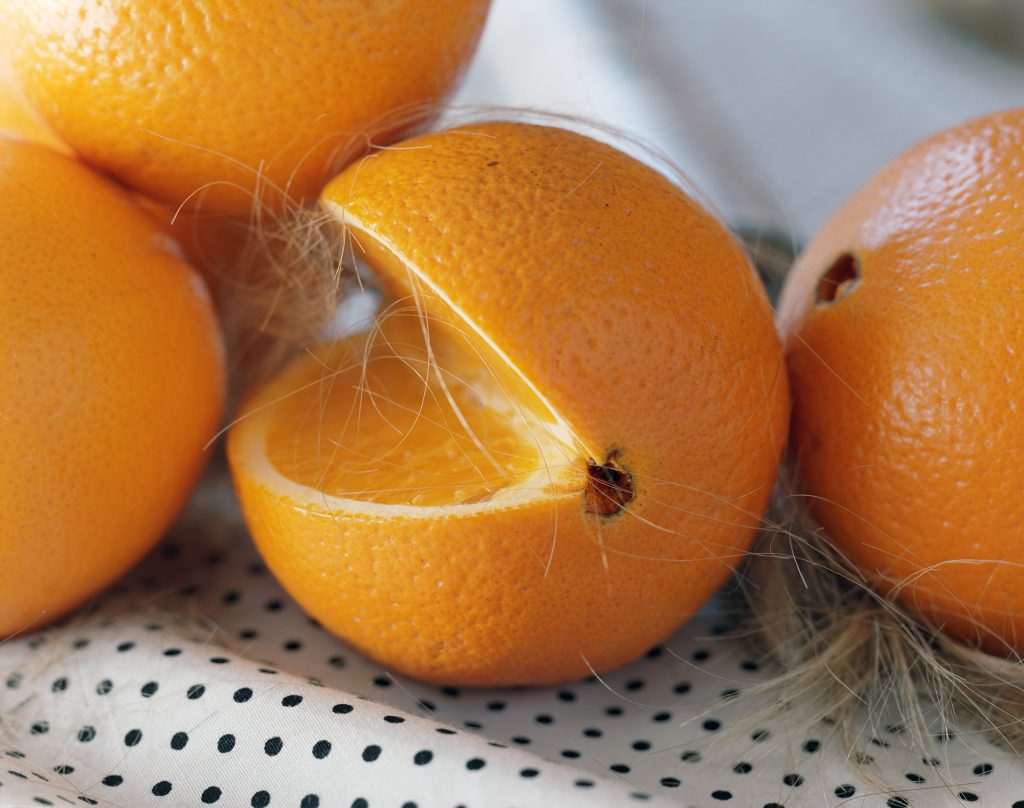
A black-painted banana, a child in a cage. The images of photographer Torbjørn Rødland arouse curiosity and discomfort at the same time. The Norwegian photographer loves silence, mystique and unease.

Torbjørn Rødland (b. 1970, Stavanger) has in later years lived and worked in Oslo, New York, Berlin, and Los Angeles. Among contemporary Norwegian artists, Rødland is one of the biggest names internationally. His chosen media are photography and video, and he has worked with everything from still life, landscape, and nude portraits to double-exposure and abstract photography.

Rødland makes photographic images that pointedly address their viewers, evoking a wide range of emotional and intellectual states. Curiosity, humor, criticality, artifice, reverence for the natural world, and romanticism appear throughout his work and often in the same image.

Related: Norway’s Most Prominent Photographer

Photographs from everyday life

Norwegian Photographer Loves Silence, Mystique and Unease
Among contemporary Norwegian artists, Rødland is one of the biggest names internationally.

The motifs may seem trivial, they are often taken from everyday life or popular culture, but there is always something more to them, something dark, an ambiguity.

In the early 1990s Rødland established his position as a central figure in the breakthrough of photography as an art form in Norway. As part of the “Bergen wave” of artists that included Mikkel MacAlinden, Ole Johan Aandal and Vibeke Tandberg, he was very familiar with the US Pictures generation, the critical “appropriation photographers” of the 1970s and 1980s such as Sherrie Levine, Cindy Sherman and Richard Prince.

Related: Portrait of a Norwegian Star Photographer

Norwegian Photographer Loves Silence, Mystique and Unease, read on….

Exploring asymmetric relationships between people

Norwegian Photographer Loves Silence, Mystique and Unease
Rødland portrays scenes designed to generate psychological reaction through his depiction of highly sensory qualities.

Rødland also emphasizes the formal attributes of his photographs, pushing the medium toward modes of visual expression more commonly associated with painting, and forging links between twentieth-century art photography and twenty-first-century approaches to image-making common to advertising and social media.

“Perhaps because photography in a commercial context so often presents idealized and frictionless couple images, it is interesting to explore asymmetric relationships between people. The stylized magazine image must be elaborated,” says Rødland.

Often prompted by non-photographic imagery that he transforms into real-world photographic subjects, Rødland portrays scenes designed to generate psychological reaction through his depiction of highly sensory qualities. The physicality present in the work is driven by his use of film-based cameras and chemical darkroom processes.

Related: The Norwegian Photographer Who Never Existed

It’s in the eyes of the beholder

Norwegian Photographer Loves Silence, Mystique and Unease
According to Rødland, the audience’s encounter with the images is controlled by who you are.

According to Rødland, the audience’s encounter with the images is controlled by who you are. But Rødland has distanced himself from the often-ironic attitude to life of his generation and seeks to challenge the notion that an authentic experience is no longer possible. In contrast to the works of the Pictures generation, his own works are not intended to decode pictorial conventions but rather to retain the onlooker in the process of observing.

Exhibitions

Torbjørn Rødland has been the subject of solo exhibitions including Pain in the Shell, David Kordansky Gallery, Los Angeles (2022); Bible Eye, The Contemporary Austin, Texas (2021); Fifth Honeymoon, a traveling exhibition produced as a collaboration between Bergen Kunsthall, Norway, Bonniers Konsthall, Stockholm, and the Museum of Contemporary Art Kiasma, Helsinki (2018–2019); THE TOUCH THAT MADE YOU, Fondazione Prada, Milan (2018) and the Serpentine, London (2017); Back in Touch, C/O Berlin (2017); and Blue Portrait (Nokia N82), Whitney Museum of American Art, New York (2016). Notable group exhibitions include What People Do for Money, Manifesta 11, Zurich (2016); LIT, 9th Berlin Biennale for Contemporary Art (2016); and 48th Venice Biennale, Italy (1999). His work is in the permanent collections of museums including Albright-Knox Art Gallery, Buffalo, New York; Astrup Fearnley Museum of Modern Art, Oslo, Norway; Malmö Art Museum, Sweden; Museum of Contemporary Art Chicago; Stedelijk Museum, Amsterdam; and Museum of Modern Art, New York. Rødland lives and works in Los Angeles.

Norwegian Photographer Loves Silence, Mystique and Unease, written by Tor Kjolberg
All images © Torbjørn Rødland

Visit Norway’s Smallest Municipality

0

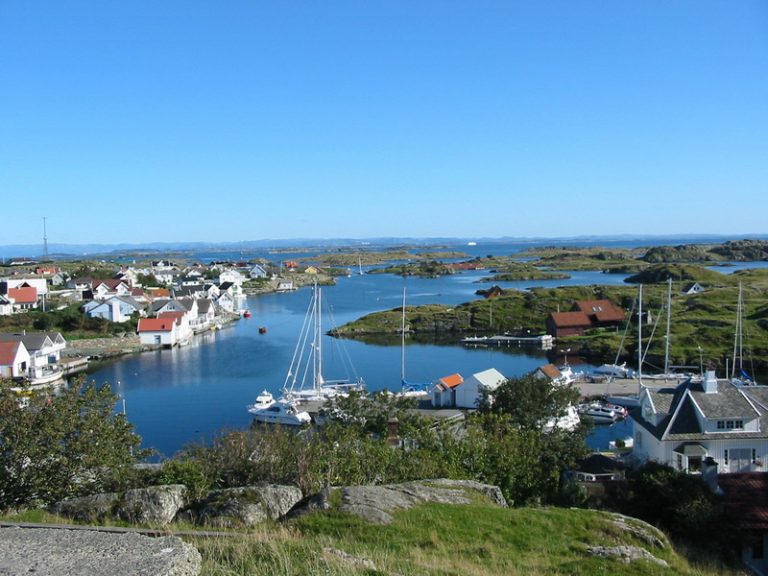
There’s much to experience both on land and at sea in Norway’s smallest municipality in area and second smallest in population, Kvitsøy in Rogaland. Visit Norway’s smallest municipality.

The Old Norse form of the name Kvitsøy was Hvítingsøy (jar) which means “the white island(s)”, probably because there is white quartz in the rocks on the islands. Originally, the spelling of the municipality was “Kvitingsø”, but later it was shortened to “Kvitsøy”.

Related: Some of Norway’s Most Spectacular Sights

Map courtesy of Wanderlog, the best trip planner app on iOS and Android


The Lighthouse

Visit Norway’s Smallest Municipality
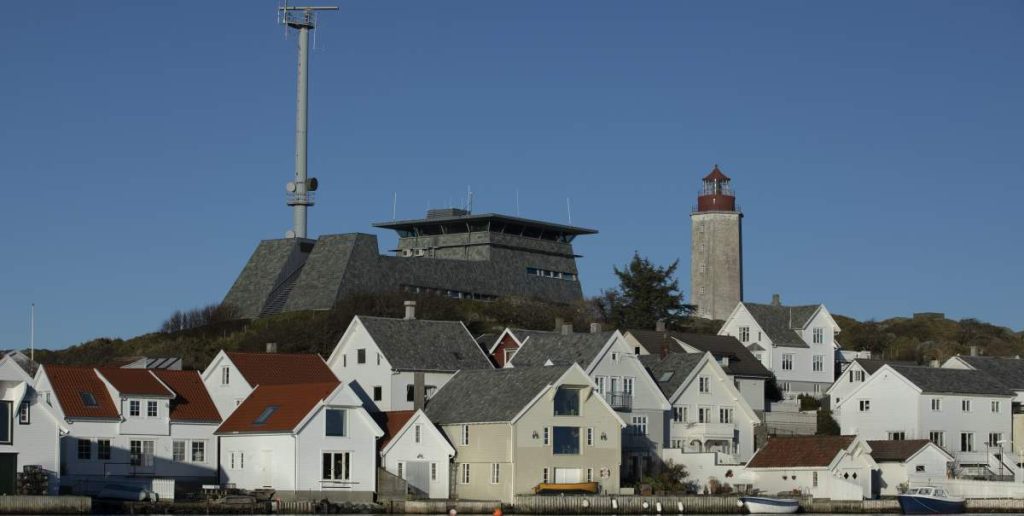
Kvitsøy lighthouse was built in 1829. Photo: Fjord Norway

If you’re in the area, a place not to be missed is the Kvitsøy lighthouse, south of Skudesneshavn, located near Ydstebøhavn harbor in a maritime environment. The place offers also several other cultural monuments.

Kvitsøy lighthouse was built in 1829. It was then 18 meter-high with a coal burner on top. In 1859, the tower was raised by a further 7m and equipped with an oil-fired flame and a lens system. The top of the lighthouse is now 45 m above sea level. In 1938, the lighthouse was electrified, and in 1969, automated.

The lighthouse is heritage-listed. The history of the tilting Kvitsøy lighthouse has, however, a history dating back to the year 1700 when Henrich Petersen set up a so-called bascule lighthouse in Ydstebøhavn.

Related: Norway’s Capital of Street Art

Fine dining

Visit Norway’s Smallest Municipality
Grøningen guest marina. Photo: Visit Norway

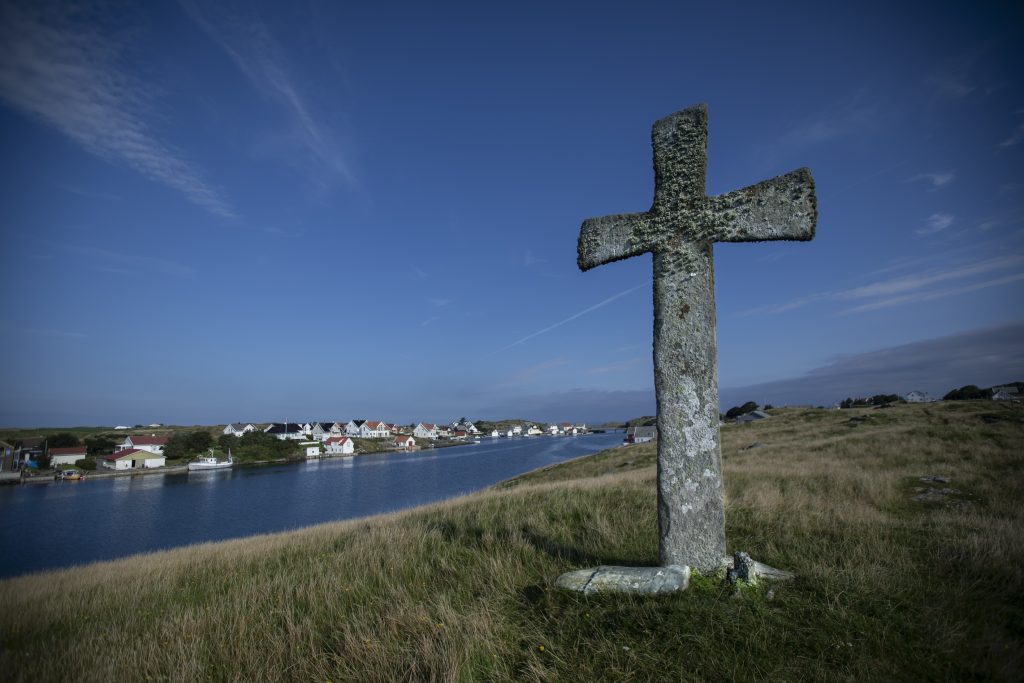
The charming gourmet restaurant Grøningen on the quay in Ydstebøhavn is worth a visit in itself and don’t miss the few but cozy streets or one or more of the secluded little beaches. The trails here are well marked. Don’t miss the stone cross on Krossøy.

On the island there are great opportunities to fish for crab and lobster. Bjellandsparken is an old facility for lobsters from 1902.

Related: Popular Adventures in Stavanger

Historical site

Visit Norway’s Smallest Municipality
Kvitsøy stone cross. Photo: Visit Norway

Kvitsøy is first mentioned in the Snorre Saga, where Snorre records a truce being made between King Olaf II of Norway later to be known as St. Olav (Norwegian: Hellige Olav) and Erling Skjalgsson, under the stone cross.

The 6-square-kilometre (2.3 sq mi) municipality is the 356th largest by area out of the 356 municipalities in Norway, making it the smallest in the nation. Kvitsøy is the 349th most populous municipality in Norway with a population of 523. The municipality’s population density is 83.3 inhabitants per square kilometer (216/sq mi).

Accommodation

There are few accommodations on Kvitsøy, so book early or bring a tent, your own boat or motorhome. People here are very friendly, so don’t be afraid to strike up a conversation.

Visit Norway’s Smallest Municipality, written by Tor Kjolberg

Feature image (on top) photo: Wikipedia

Scandinavian Berries

Nothing sums up Scandinavian cuisine better than Scandinavian berries, which ripen slowly during the cool summers and are full of sweet, health-giving and flavorful juiciness.

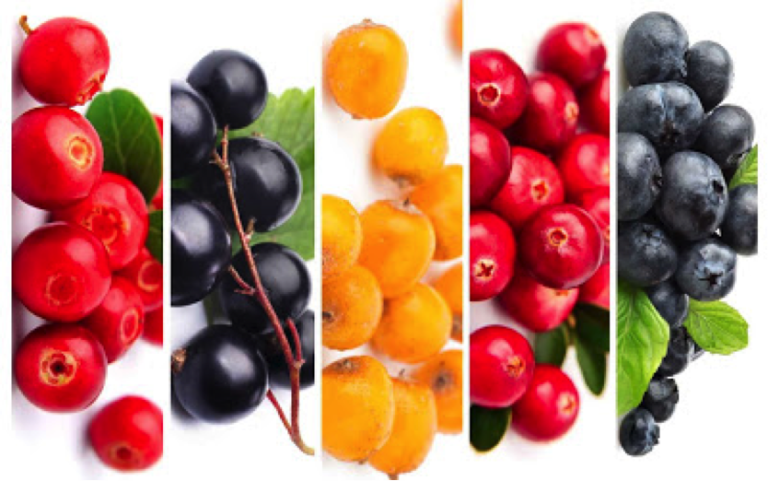
Berries are the jewels in the crown of northern eating, adorning everyday meals – as lingonberries on the morning oatmeal or with veal, game, roasts or fish, as blueberries simply eaten with cream, or as strawberries and raspberries in every possible cake and dessert during their brief season.

The abundance of berries with all their nutritional virtues has undoubtedly kept us healthy during long winters; and their ability, sweetness and tartness has balanced the fare of heavy meals and abundant animal fat over thousands of years. But berries offer far more than health hype; they are the focus of countless trips to heaths and woods, where the whole family gathers berries for the winter season, and their beauty is beyond compare.

Scandinavian berries
Redcurrant

Related: Scandinavian Plum

Absolutely no other food is so inviting as freshly picked berries – children should be allowed to gorge on these little globes of concentrated sunshine to their heart’s delight. Some of them are unobtainable in the shops, or costly, and rightly so. Blueberries, lingonberries, wood strawberries and cloudberries are still picked from the wild.

The small and incredibly aromatic åkerbär or Arctic raspberry is found only on the high ground, but below tree level, in North America, Norway, Russia, Finland and Sweden.

Berries are extremely inviting, and for good reason – the plants need to make delicious and irresistible fruit in order for animals and humans to eat them, thereby spreading the seeds further afield than they can do themselves.

Scandinavian berries
Cloudberries

Related: Scandinavian Rhubarb

We have always known, by instinct and guidance from our taste buds, that berries are good for us, and we do not really need science to tell us that they are, and why.

Scandinavian berries
Blueberries. Photo: Visit Sweden

Related: Scandinavian Cherry

Recipe of the month:

Rose and strawberry jam

Scandinavian berries
Rose and strawberry jam

The petals from fragrant, old-fashioned roses – and especially Rosa rugosa, the wrinkled Japanese rose which grows like a terrifying weed all over the north – are perfectly coupled to this jam. The taste is almost indecently intense, and the rose petals add a delicious chewiness; eating it is an all together ‘mouth-opening’ experience.

Jam made this way is nicely set, without the need for pectin, and the short, hefty boiling preserves the taste. Be sure to gather roses that have not been sprayed, and pick the flowers in the morning, where the fragrance is at its highest level. You can use buds, and even blowsy, almost spent flowers, as long as the petals are in good condition. Clean the petals by spreading them out on a tea towel, then removing insects and stamens by hand; do not wash them.

500g sugar
900g strawberries, hulled
1.5 liters rose petals

MAKES 4-5 jars

Heat the sugar in an ovenproof dish in the oven at 150 C/gas mark 2 for 5 minutes. At the same time, put the strawberries in a non-corrosive sauteuse or other heavy-based pan and boil to full heat until the berries give up their juices.

Stir the hot sugar into the fruit. Keep the heat on high, and stir for some minutes until the juice thickens. Stir in the petals, which will collapse in a very short time. Boil until the petals are soft and well-integrated in the jam and the strawberries have a cooked-trough, jammy look, but are not too mushy.

Pour the jam into sterilized jars, cover with a clean tea towel and leave to cool. Seal when completely cold. The jam keeps well if stored in a cool, dark place.

Scandinavian Berries, written by Tor Kjolberg

Feature image (on top) by Monash Fodmap

Affiliate marketing in Sweden. How to Operate in the Scandinavian Market?

0

An approach to promoting goods and services in which the advertiser pays only for a specific result (the number of paid orders, for example) is called affiliate marketing. Now it is actively developing worldwide. However, not all entrepreneurs fully understand what its features are. In this article, we will introduce you to this concept and describe its features. Affiliate marketing in Sweden. How to Operate in the Scandinavian Market?

Affiliate marketing in Sweden. How to Operate in the Scandinavian Market?
Referral marketing and affiliate marketing are quite related. Photo: Diggity Marketing/Unsplash

Affiliate marketing: what is it?

William J. Tobin, who owns the honorable claim of being the world’s earliest internet marketer, launched affiliate marketing in 1989.

Referral marketing and affiliate marketing are quite related. This might also be a cost-effective strategy for smaller businesses with tighter finances. Existing clients might be encouraged to spread the word about your business and become devoted affiliates.

Although some businessmen are unaware of what it is or how it functions, well-structured affiliate marketing programs are an online marketing strategy utilized by e-commerce firms and merchants that may expand the exposure of both services and companies and drive revenue. It is constantly evolving. For example, for several years now, experienced affiliate marketers have been experimenting with push traffic – a new style of advertising.

A low budget could easily launch an affiliate marketing program. This program could improve brand recognition and expose your company to a larger market. By using affiliate marketing, a corporation allows a person or other related parties to promote its goods or services in exchange for a commission or any other reward. The method is comparable to the traditional commission-based salesman model.

Related: The 21 Best Affiliate Marketing Strategies for 2023

What steps to follow if you want to use affiliate marketing for your business in Sweden?

Affiliate network marketing organizations in Sweden often adhere to the guidelines below:

  • Look for a network or affiliate program. You can use the best push ad networks to make a choice.
  • Examine the program summary, including the types of goods and services, payment options, and fees.
  • Register for the program, then check for a notification from the organization.
  • After that, write material and incorporate the program’s pertinent hyperlinks. A tiny commission will now be paid to affiliate marketing management businesses if a customer makes a purchase using this link.
  • Additionally, be aware that the affiliate program is typically organized into a variety of sections to facilitate choosing. After being given the go-ahead, you may begin marketing the affiliate links on your websites, social networking pages, emails, and other channels that allow link distribution.
  • When you meet the minimum payout threshold, the affiliate marketer rewards you. Varied platforms – bank transactions, PayPal, and so on – are used for payments.

Related: How Scandinavian Companies Can Increase Sales By Affiliate Marketing in 2023 and Beyond

The top affiliate marketing companies in Sweden adhere to three categories:

  1. Unattached Affiliate Marketing – here the affiliate has no interest in what he is promoting. He does not talk about using these goods or services and does not have the necessary competence to answer questions on the advertised topic. In fact, this is the weakest type of affiliate marketing.
  2. Related Affiliate Marketing – it entails a process of collaboration with the affiliate link agency. Actually, there is a relationship between the affiliate’s specialization and the product in question. As a result, the affiliate has the necessary knowledge, standing, and power to act as a reliable provider of traffic for the item.
  3. Involved Affiliate Marketing – the affiliate is deeply engaged in this method of advertising. He is absolutely certain to promote the item to his viewers because he has utilized it. The affiliate’s experience serves as both a source of knowledge and a legitimate recommendation. Nevertheless, if the product is a failure, he would also be responsible for the negative effects of endorsing it.
Affiliate marketing in Sweden. How to Operate in the Scandinavian Market?
Sweden is more than an attractive location to carry out digital marketing initiatives, with a 97% internet usage rate altogether. Photo: Austin Distel/Unsplash

Sweden marketing features

One of the globe’s areas with the best connectivity is Scandinavia. Additionally, it is among the richest locations on earth. It is more than an attractive location to carry out digital marketing initiatives, with a 97% internet usage rate altogether.

Marketing in this region has its own features that you should be aware of while building your affiliate strategy. Numerous web marketing firms in Scandinavia may highlight an item’s cool aspect, ease, or coziness – all personal qualities that Swedish people adore – in order to sell it to them.

The appreciation of the environment and the little joys of human connection is valued highly in Swedish culture.

While Sweden’s marketing industry is particularly interested in efficiency and timeliness, you shouldn’t ignore the nation’s aesthetic heritage.

Related: Scandinavian E-Commerce Trends 2022

Affiliate marketing in Sweden. How to Operate in the Scandinavian Market? In conclusion

It is predicted that in the upcoming years, affiliate marketing will grow further as e-commerce transitions from a conventional wholesale approach to a marketplace model. Therefore, if you have not tried affiliate marketing before, now you have a great opportunity to understand what it is and start using it in your business.

Affiliate marketing in Sweden. How to Operate in the Scandinavian Market? Written exclusively for Daily Scandinavian


Norwegians are Planning Their Summer Vacation Now

0

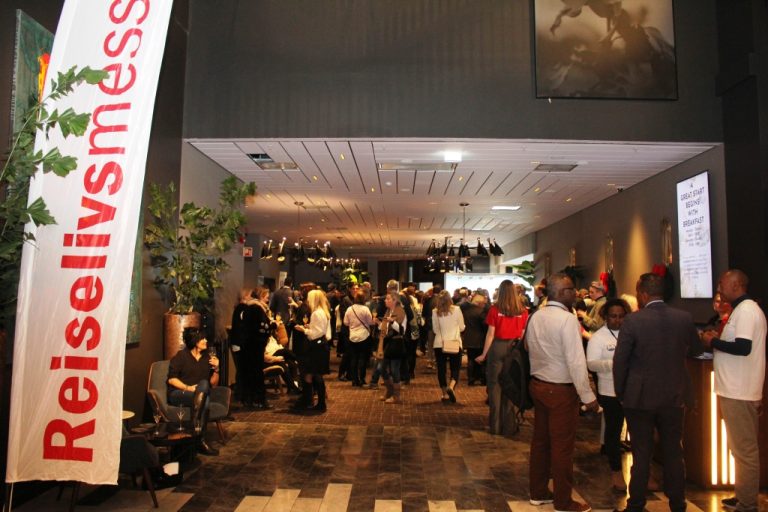
Reiselivsmessen (Oslo Travel Fair) 2023 was arranged last weekend at the Clarion Hub Hotel in the center of Oslo. It opened with a seminar for exhibitors and media, where several prominent speakers shared their knowledge about the hospitality industry in Norway. An important message was that Norwegians are planning their summer vacation NOW.

First speaker was Norway’s uncrowned hotel king Petter Stordalen, who made no secret of the fact that return on capital must always be the most important goal for players in the industry. His company Strawberry Group bought the travel agency Ving together with two other players in October 2019, when Thomas Cook Travel with 2,300 employees had gone bankrupt. Five months later, Norway – and the world – closed down due to the Corona virus.

Related: Sweden – A Genuine Summer Wonderland

Important to Adapt

Norwegians are Planning Their Summer Vacation Now
“Return on capital must always be the most important goal for players in the industry,” said Petter Stordalen.

“The ability to adapt is hugely important,” said Stordalen. “But it is not possible to predict crises such as a pandemic outbreak or a war with large price increases as a result. Airplanes stuck on the ground do not make money. Neither do empty hotel rooms or restaurants.” Ving had to repay NOK 400 million to passengers who either could not return home or who could not use their booked journeys.

The industry has to get paid for its services in order to survive, emphasized Stordalen. Creative thinking is important, and you have to dare. He himself highlighted the chain’s major hotel venture Sommerro in Oslo, which according to him has cost a quarter of a million NOK more than it should have. However, the hotel has sectors that have exceeded even the most optimistic forecasts. “Pricing services too low is the surest way to poor profitability,” was his message.

The travel industry represents 10% of our country’s GBP and is also culturally significant.

Trends for the Travel Industry 2023

Norwegians are Planning Their Summer Vacation Now
Kristine Krohn Devold, CEO in NHO travel, presented trends for the travel industry’s coming year.

Kristine Krohn Devold, CEO in NHO travel, presented trends for the travel industry’s coming year. NHO is the Confederation of Norwegian enterprise and Norway’s largest organization for employers and the leading business lobbyist.

She predicted a coming wave of bankruptcies in large parts of the industry when bills are due in the first quarter of 2023. The positive, meanwhile, is that Norway has once again been named the best country to live in, after Switzerland, according to United Nations’ Human Development Report 2021/22.

The trends:

  • Less spending
  • More of what we already have (social life)
  • Adventures (shorter travels)
  • Close relations
  • Local cafés
  • Digitalization
  • Creative chefs (simpler and cheaper)
  • Relation between work time and personal time

Krohn Devold pointed out that the health sector is the only service sector that is as large as the tourism industry.

“Everything is ahead of us for us to become the growth industry that we want to become,” she concluded.

Related: A Summer Promise From a Norwegian Hotel Group

The Pandemic’s Impact on the Travel Industry

Norwegians are Planning Their Summer Vacation Now
“4 out of 5 Norwegian spent their vacation in home country in 2021, while 6 out of 10in Europe,” said Guro Henriksen from Statistics Norway,

Guro Henriksen from Statistics Norway presented figures for Norwegians’ travel activity before, during and after the corona (all figures in million travels)

2016      2020      2021       2022
18           14           15           23

4 out of 5 Norwegian spent their vacation in their home country in 2021, while 6 out of 10 in Europe.

Norwegians’ most popular destinations are Sweden, Spain, Denmark, Greece and Germany.

Explore the Northern Lights

Norwegians are Planning Their Summer Vacation Now
“Tromsø is perhaps the world’s best place for a Northern Lights holiday,” said Trond Øverland from Arctic Explorers.

Trond Øverland from Arctic Explorers said that Norther Lights tourism is becoming internationally more and more important. “Tromsø is perhaps the world’s best place for a Northern Lights holiday,” he said. Arctic Explorers offers 1-, 2- and 3-days Northern Lights tours.

Handling 10,000 stranded tourists

Norwegians are Planning Their Summer Vacation Now
Marie-Anne Zachrisson, CEO Ving Norway.

Marie-Anne Zachrisson from Ving Norway explained how the company managed to handle almost 10,000 travelers stranded on different locations due to the pandemic and paid 410 million NOK in compensations pledged to the statutory requirements in the Norwegian Travel Guarantee Fund.

Norwegians are Planning Their Summer Vacation Now
Greek National Tourism Organization served delicious food and beverages.


Norwegians are Planning Their Summer Vacation Now
…. and was also responsible for the music.

Norwegians are planning their summer vacation now

Norwegians are Planning Their Summer Vacation Now
81% of Norwegians organize their own holiday, only 7% use a travel agent, according to Auden Pettersen, Virke.

“The number of people on vacation in our own country has returned to 2019 level,” said Audun Pettersen in Virke.

Virke is the Federation of Norwegian Enterprise and organizes and represents over 24,000 businesses with more than 280,000 employees.

It has, however been 243 bankruptcies so far during the pandemics, he added. But bear in mind that Norwegians are planning their summer vacation NOW, although they are delaying their bookings.

81% of Norwegians organize their own holiday, only 7% use a travel agent. Most people use Internet or advise from friends or family as sources for their choices. Private income is crucial for where, what and now.

Related: The Scandinavian Summer Paradise – Skagen – Denmark

«It’s all about keeping the powder in your pants dry»

Norwegians are Planning Their Summer Vacation Now
Christian Ringnes has been appointed ‘Oslo Ambassador.’

This was the title of Oslo-enthusiast, businessman and art collector Christian Ringnes’ presentation. Ringnes, whose family founded Norway’s now largest brewery in 1876, is an important player in the hospitality industry and has been appointed ‘Oslo Ambassador’.

He used this opportunity to promote his travel related ventures, like the Ekeberg Restaurant, the Ekeberg Sculpture Park, Christiania Theatre, Folketeateret and not least his Mini Bottle Gallery, which holds the world’s largest collection of miniature bottles. Of the museum’s 53,000 bottles, 2,500 are displayed in 50 different locations over 3 floors.

He also owns two prestigious hotels in Oslo, the Grand Hotel on the main street in Oslo and the Holmenkollen Park Hotel.

Two of his latest investments are outside the capital: the 70,000 square meter Tromsø Concert Hall and the Goat Hotel in Svolvær, both in Northern Norway. The rooms in the Goat are larger than ordinary hotel rooms, from 28 to 34 square meters. He admits, it is not financially solid, but «it’s all about keeping the powder in your pants dry».

Ringnes did not fail to mention some of his projects that never came to fruition, among them a gondola from the center of Oslo to Ekeberg.

Now, however, he wants to buy Tryvannstårnet, a 118 meter (387 feet) tall former broadcasting tower, located 529 meters (1,736 feet) above sea level overlooking lake Tryvann and with a spectacular view to the capital. His dream is to turn it into “a three-storey restaurant with a surprise at the top”.

How to succeed in the tourism business

Norwegians are Planning Their Summer Vacation Now
Moderator Cecilie Andvig.

Moderator Cecilie Andvig linked together the presentations in a professional and humorous way and helped building awareness of the big theme of the day – how to succeed in the tourism business.

Her wrap up and call to action was indeed an important contribution in cementing the learning from these presentations.

Norwegians are Planning Their Summer Vacation Now, written by Tor Kjolberg
All images © Tor Kjolberg/Daily Scandinavian.

Viking Burial Treasure discovered in the Middle of the Capital of Norway

0

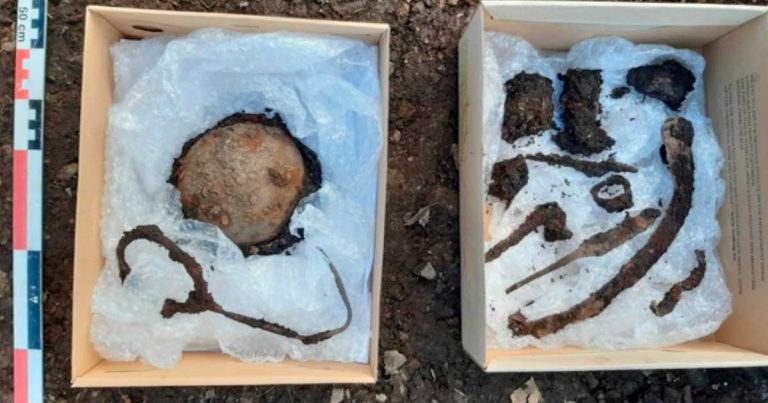
During construction work in December last year, the remains of a shield and a cape buckle were uncovered in Oslo. This rear Viking burial treasure were in fact discovered in the middle of the capital of Norway.

Archeologists were brought in to excavate a site on the upper side of a small pond called Holmendammen. Plans to build a new detached house on a plot of land by the dam triggered an archaeological survey of the site. Marianne Bugge Kræmer was in charge of the resulting investigation.

Related: Historic Viking Longship Discovered in Norway

Viking Burial Treasure discovered in the Middle of the Capital of Norway
Holmendammen, Oslo. Photo: Ice News

Viking Burial Treasure discovered in the Middle of the Capital of Norway, read more….

This was probably a quiet area during the Viking age, but is a residential area on the Oslo’s west side today.

Viking Burial Treasure discovered in the Middle of the Capital of Norway
Holmendammen was used to make ice. Photo A. B. Wilse..

“This location has been a prominent hill, clearly visible in the terrain and with a great view,” says Kræmer to sciencenorway.no. She is an archaeologist at the Oslo Municipality Cultural Heritage Management Office. “The grave was located directly under a thin layer of topsoil and turf right on the east side of the highest point on the site,” she continued.

Related: Norwegian Viking Saga Confirmed

Viking Burial Treasure discovered in the Middle of the Capital of Norway
Archaeologist Marianne Bugge Kræmer was in charge of the resulting investigation.

According to the archeologists, knives, a sickle and horse equipment as well as cremated human remains were also found.

Related: Valley of Vikings in Norway

This is the first time a Viking Age grave rich in artefacts has been found in Oslo. Holmendammen was built at the beginning of the 20th century after the Holmenbekken was dammed. The dam was used to make ice.

Viking Burial Treasure discovered in the Middle of the Capital of Norway, written by Tor Kjolberg

Scandinavian Butik

Americans don’t need to fill their suitcases with all their favorite food, candy and design after a trip to Norway, Sweden or Denmark. US-based Scandinavian Butik is there to lighten the load.

In 2010, Marianne Beresford and her long-time friend Doris Levene opened a store in Wilton, Connecticut called the Scandinavian Butik. Beresford moved from Denmark to the United States in 1984. And even though Beresford loves living in the United States, she said she was missing her home country, especially around the holidays.

Related: This Year’s Best Christmas Ideas from Norway

The Holiday collection is important

Scandinavian Butik
Founders Doris Levene (left) and Marianne Beresford (right). Photo: Erik Trautmann/The Hour

With a huge range of cheeses, meats, breads and condiments as well as local favorites such as Anthon Berg and Freja chocolate and Haribo candy available in-store and online, this is the most convenient way to stock up.

“Our holiday collection is very important because there is a large population of Scandinavians around the area,” Beresford says. “And I know that they want things that comfort them around Christmas time — things they grew up with.”

Related: From Local Danish Store to a Global Operation in Only Ten Years

Sells items year-round

Scandinavian Butik
In 2010, Marianne Beresford and her long-time friend Doris Levene opened the store in Wilton, Connecticut

Scandinavian Butik also carries gifts from some of Scandinavia’s best design brands including Stelton, Royal Copenhagen, Ekelund and more.

Related: A Wooden Danish Santa for X-mas

Beresford said the butik also sells items year-round, not only for Scandinavians, but anyone that likes unique and interesting ceramics and furniture.

Scandinavian Butik
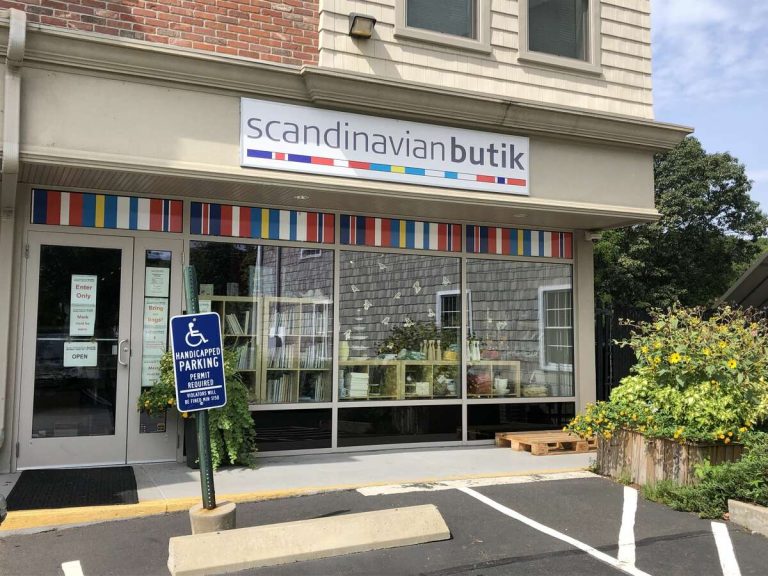
Scandinavian butik, Wilton – Connecticut.

“We sell a lot of glass items from Sweden, which are beautiful,” she said. “We have a lot of Danish ceramics and wood furniture. We have a lot of interesting things you can’t get anywhere else.”

Scandinavian Butik, written by Tor Kjolberg