Danish amateur metal detectorist found buried treasure from the Iron Age just hours after turning on his metal detector. It has created a gold rush in Denmark.
According to a press release from the Vejle Museums in southeastern Jutland, the “enormous” find consists of almost one kilogram (2.2 pounds) of gold buried 1,500 years ago. It is described by the museum as “one of the largest, richest and most beautiful gold treasures in Danish history so far.”
According to a press release from the Vejle Museums in southeastern Jutland, the “enormous” find consists of almost one kilogram (2.2 pounds) of gold buried 1,500 years ago
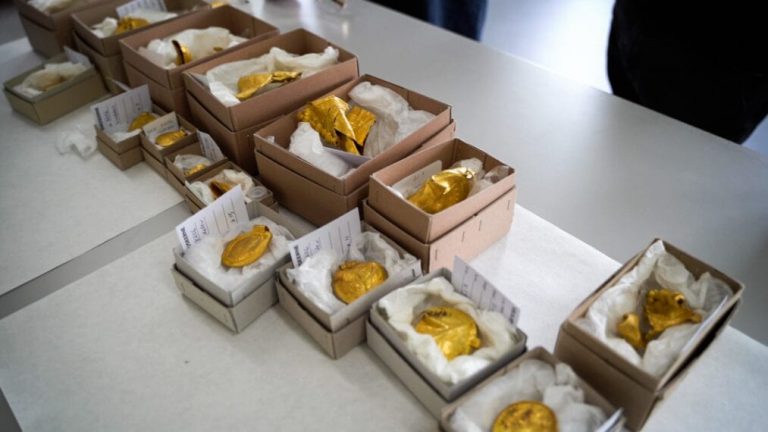
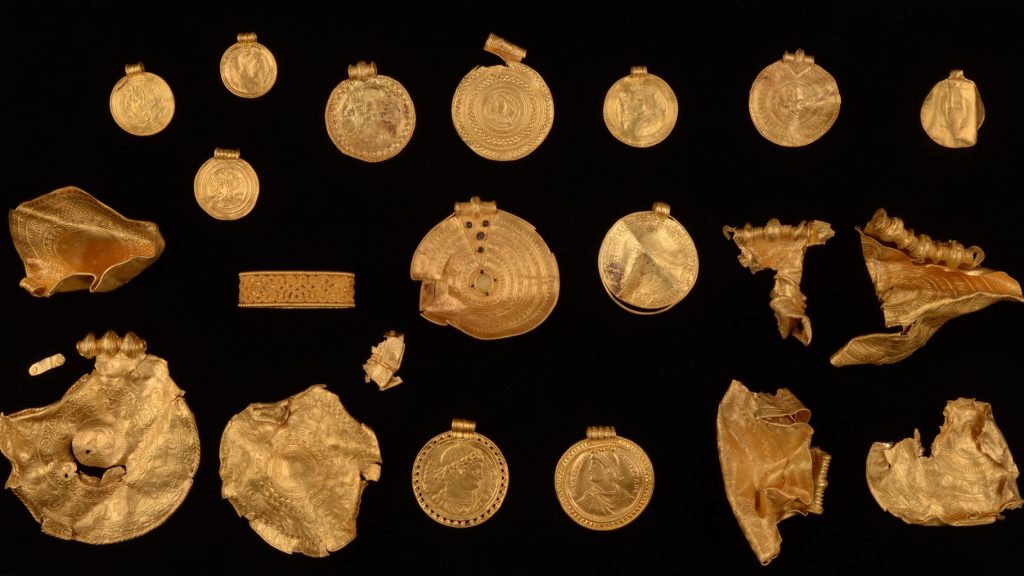
Ole Ginnerup Schytz stumbled across one of the largest gold treasures in the country’s history; huge medallions the size of saucers, coins, and jewelry, nearly 1 kg (2.2 pounds) of gold. The museum reports that the treasure had been buried for 1,500 years.
Something significant?
The hoard was discovered in Vindelev, near the Danish town of Jelling. An Iron Age chieftain may have buried the gold to appease the gods after a volcano eruption. Ginnerup Schytz found the treasure on land belonging to a former classmate.
Mads Ravn, head of research at Vejlemuseerne, told CNN that he almost fell off his chair when Schytz sent him a photo of an object, asking him if it was anything significant. The first piece he found was full of scratches and covered in mud and looked like the lid of a can of herring.
The hoard was discovered in Vindelev, near the Danish town of Jelling
“Well, that’s the epitome of improbable luck,” the rookie detectorist said in an interview with Danish outlet TV Syd. “Denmark is 43,000 square kilometers, and then I happen to choose to put the detector exactly where this find was.”
The Vindelev Hoard
Over the last nine months, archaeologists from the Vejlemuseerne have carefully excavated the site along with a team from the National Museum, uncovering the treasure.
Over the last nine months, archaeologists from the Vejlemuseerne have carefully excavated the site along with a team from the National Museum, uncovering the treasure
The artifacts were buried in a longhouse by an Iron Age chieftain, revealing that Vindelev was a center of power at the time, says the museum. “Only a member of the absolute cream of society would have been able to collect a treasure like the one found here,” Mads Ravn, head of research at Vejle Museums, said in a statement announcing the finding to the public.
The treasure is now known as the Vindelev Hoard. It consists of decorated saucer-sized medallions known as bracteates as well as Roman coins that were turned into jewelry. One of the bracteates is decorated with a male head and a number of runes, as well as a horse and a bird. A runic inscription on the horse reads “the high one,” according to preliminary research, which could refer to the chieftain or the god Odin. One of the Roman coins depicts the Roman emperor Constantine the Great, who ruled from 285-337 AD.
Chaotic times
At the time, Norse mythology was developing and would have been in competition with more ancient religions, said Ravn, around 300 years before the ancient sagas were written down.
A gold saucer crop
A 2015 study found evidence that an ash cloud from a large volcanic eruption in 536 AD cooled the Scandinavian climate, causing crop failures and resulting in widespread famine. That’s right around the time the hoard was buried. Archaeologists have also found other gold hoards in the nearby area that date to the time period following the eruption. Together, this suggests Denmark’s occupants during the late Iron Age may have buried gold as a means of appeasing their gods during a chaotic time, according to museum experts.
The Vejle Museums in Jutland will exhibit the unprecedented find starting in February 2022.
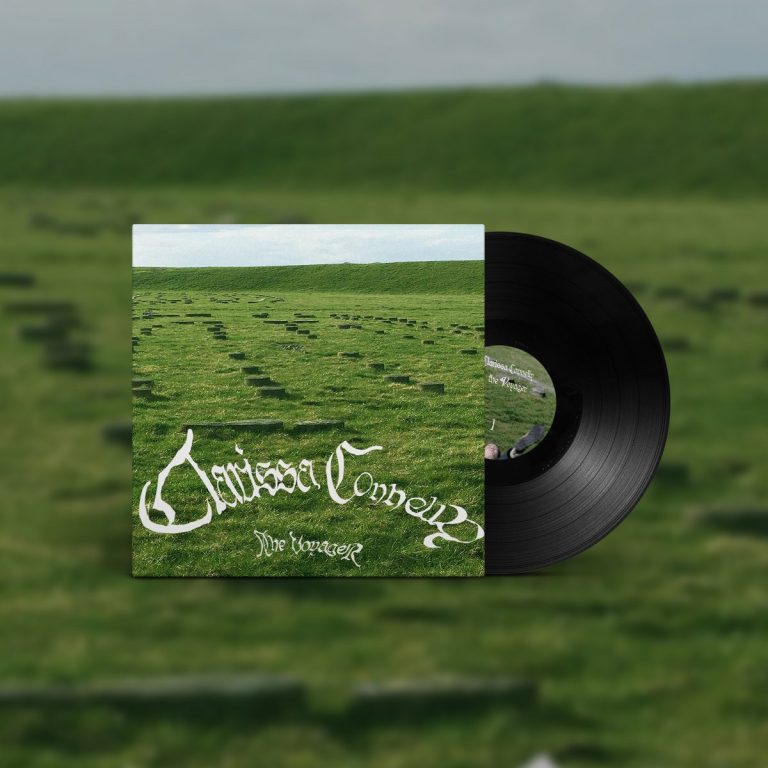
The prize winner is Danish Clarissa Connelly with her album The Voyager. Read more about the best Nordic album of the year.
An international jury of experienced musicians named The Copenhagen based vocalist, composer and multi-instrumentalist Clarissa Connelly as the artist of this year’s best Nordic album. She won over other Scandinavian album contestants such as Musti, Girl-in-Red, Nekromantheon and Ane Brun.
Adventurous and ambitious, but never bombastic
“After a year where the world has been locked down and learned to re-evaluate open spaces and freedom, this is a record that beckons you outdoors. Its fresh and radiant atmosphere, full of wonder and re-enchantment with nature, straddles both the structures and cadences of traditional Nordic folk music with abstract digital experimentation.
Adventurous and ambitious, but never bombastic or inaccessible, this is an artist with a foot in two cultures whose music similarly bridges the ancient and modern,” said Stuart Maconie (BBC) on behalf of the jury.
Copenhagen based vocalist, composer and multi-instrumentalist Clarissa Connelly
Has Clarissa scratched the surface of present-day Denmark and found a landscape rich in pre-Christian relics? She has at least composed all the album’s songs after visiting many of the ancient sites and a new voice is created in The Voyager.
This is the first time that the Nordic Music Prize goes to a Danish artist. The award honors artists and album formats as an art form. It has been arranged since 2010.
About the music of Clarissa Connelly Clarissa Connelly originally hails from Fife in Scotland, but moved as a child to her mother’s homeland of Denmark. It’s from the latter country’s nature and history that Connelly primarily draws inspiration, along with modern influences like Kate Bush, Enya, Mike Oldfield and Joni Mitchell. The rich cultural heritage and mythology of the Viking Age is woven together with 80s-tinted pop arrangements to form a soundscape unlike any other. The Voyager follows two previously released cassettes on the Brystet label, 2015’s Come In Roses and 2018’s Tech Duinn.
But Clarissa Connelly is not comparable to any other artists. The combination of Viking mythology and retro-pop is unique to the artist, and she does it incredibly intelligently. Some of her Scottish roots may be part of the explanation.
Has Clarissa scratched the surface of present-day Denmark and found a landscape rich in pre-Christian relics?
The Voyager
The album’s complex arrangements of multitracked vocals and manipulated guitars, piano and flute braid with the distinctively 1980s presets of her Korg M1 synthesizer. Guests joining her on the record include members of neo-shoegaze group Collider and string quartet Halvcirkel.
When her album The Voyager was released in November 2020, it was joined by the app Vandringen, created in cooperation with a series of Danish artists. In the app, the user can explore Danish heritage sites and learn about the history behind the sites.
Clarissa Connelly originally hails from Fife in Scotland. Photo by Gaffa
Clarissa is fascinated by old buildings in cities. “Like a church, looking at the stones and wondering who built it,” she says. “But they’re only maybe a thousand years old. Looking at these more ancient sites, the burial mounds and Viking fortresses, that’s even further back into history. I just get awestruck and want to sing or write about it,” she continues.
Connelly is an artist with a foot in two cultures, and her music builds a bridge between the old and the modern.
Best Nordic Album of the Year, written by Tor Kjolberg
There’s perhaps nothing more poignant than watching a new family come into being. And there’s perhaps no more significant human experience than finding that special someone and building a life with them. Learn more about Swedish weddings – traditions and trends.
And maybe that’s why, let’s face it, we’re all pretty much suckers for a good wedding. But while love and hope rest at the center of any marriage ceremony, wherever and whenever it may be, wedding traditions, as well as trends, can vary significantly around the globe.
Sweden, for instance, boasts some pretty fascinating wedding customs, both old and new. And whether you’re considering a destination wedding to Europe, planning to inject a bit of international flair into your nuptials, or you simply want to know how people in other parts of the world are getting it done, this article is for you!
Traditions, Old and New Sweden is an ancient nation with rich cultural traditions that both reflect the nation’s storied history and its exciting future.
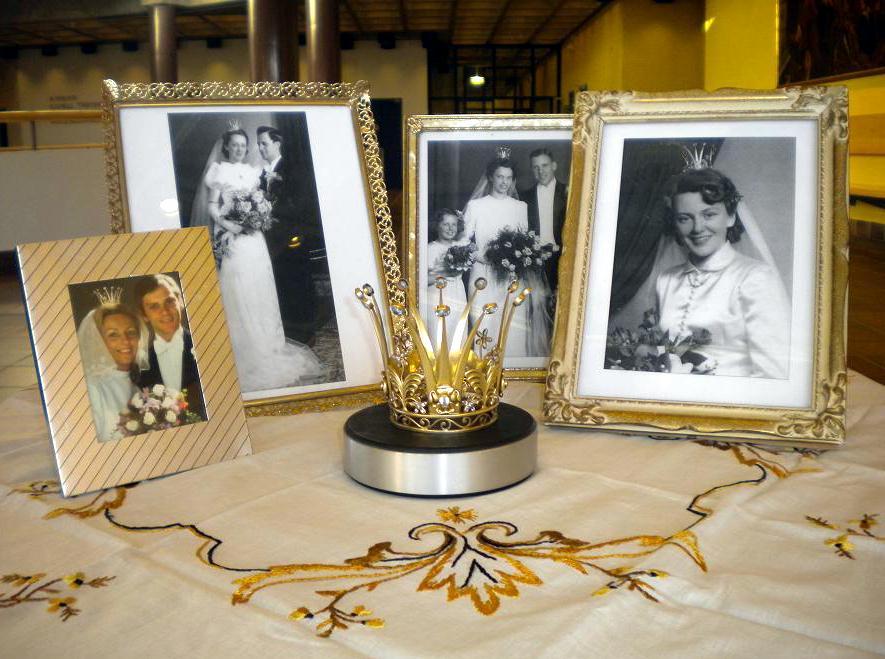
The Bridal Crown Traditionally, brides in Sweden didn’t wear veils or tiaras but rather a bridal crown made of myrtle leaves to symbolize innocence. This was usually paired with a traditional multi-colored wedding dress quite different from the white wedding dresses so common across Europe and North America today.
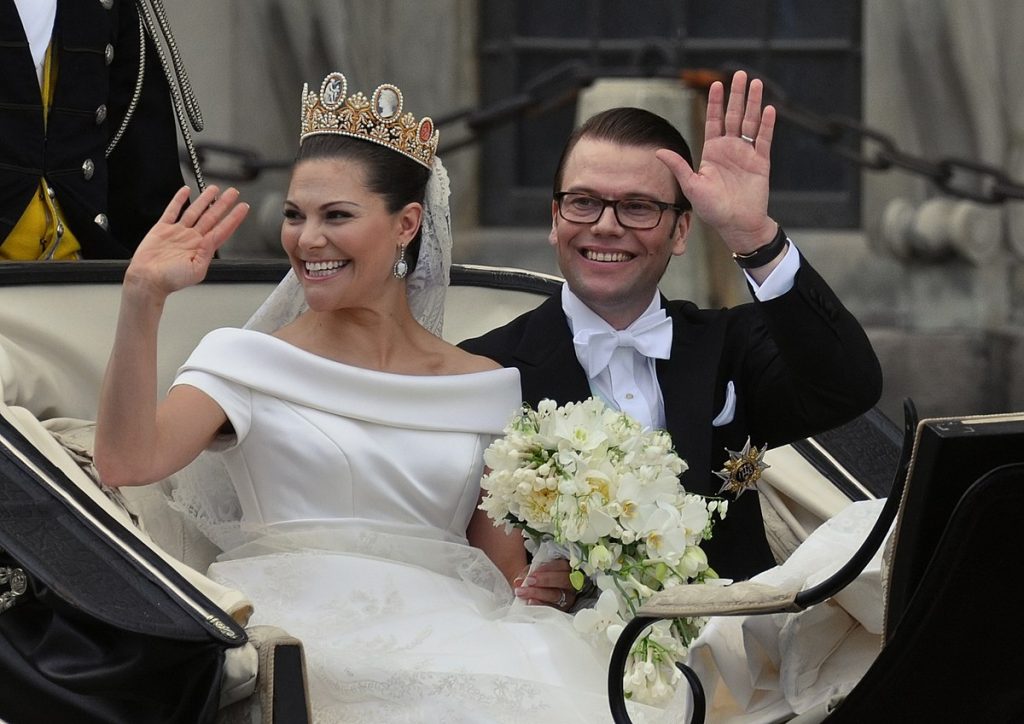
Nowadays, though, many Swedish wedding parties are looking much more like their British and American counterparts, with brides decked out in white gowns and veils and grooms sporting snazzy tuxedos.
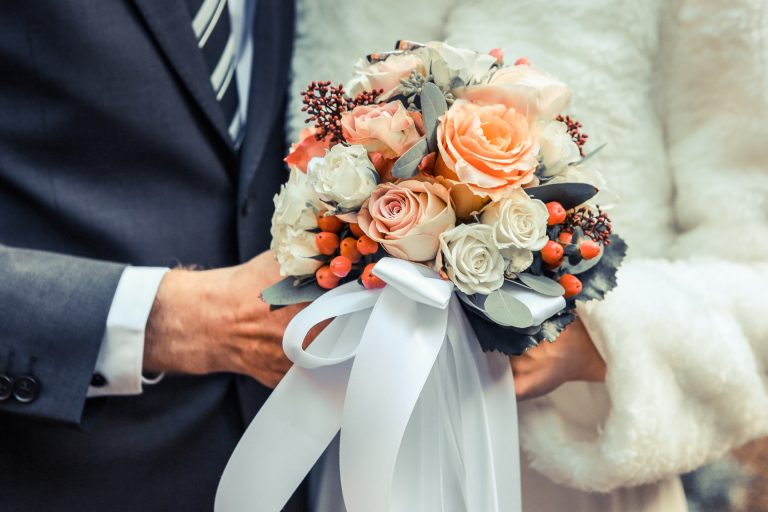
Swedish weddings blend tradition with modern elegance for a truly unique celebration. If you’re planning your big day, explore this collection of wedding dresses that also combines tradition with modern trends, and so will fit right in at a Swedish wedding.
Sweden boasts some pretty fascinating wedding customs, both old and new. Photo: Tristan Gassert/Unsplash
The Wedding March For all its antiquity, Sweden is a pretty progressive country with many modern ideals. And perhaps nowhere is that better reflected than in the bridal procession. You won’t see a father “giving his daughter away” in a Swedish wedding. Oh no, no, no. Instead, the betrothed walked down the aisle to the altar together, as equals.
And, not only this, but many Swedes are now opting for gender-neutral weddings, to reflect the trend of same-sex unions, which have been legally recognized in Sweden for more than two decades. This speaks to a pretty stark difference between Sweden and the US, for instance, where same-sex marriage was only recently recognized under federal law and where it continues to be debated and contested in many states.
Kiss-Kiss For most of us, the highlight of any wedding is that all-important first kiss that seals the deal and makes the union official. But, at a Swedish wedding, it’s not just the happy couple that gets a kiss. In fact, pretty much everyone gets to have a go!
That’s because, at the reception, when the groom leaves the room, all the gents get their own chances to kiss the bride. And same goes for the bride, as all the ladies get to take their turn with the groom when the bride exits! Not only that but the bride and groom each have a bell they can ring to signify they want their guests to line up and give their new spouse some sugar!
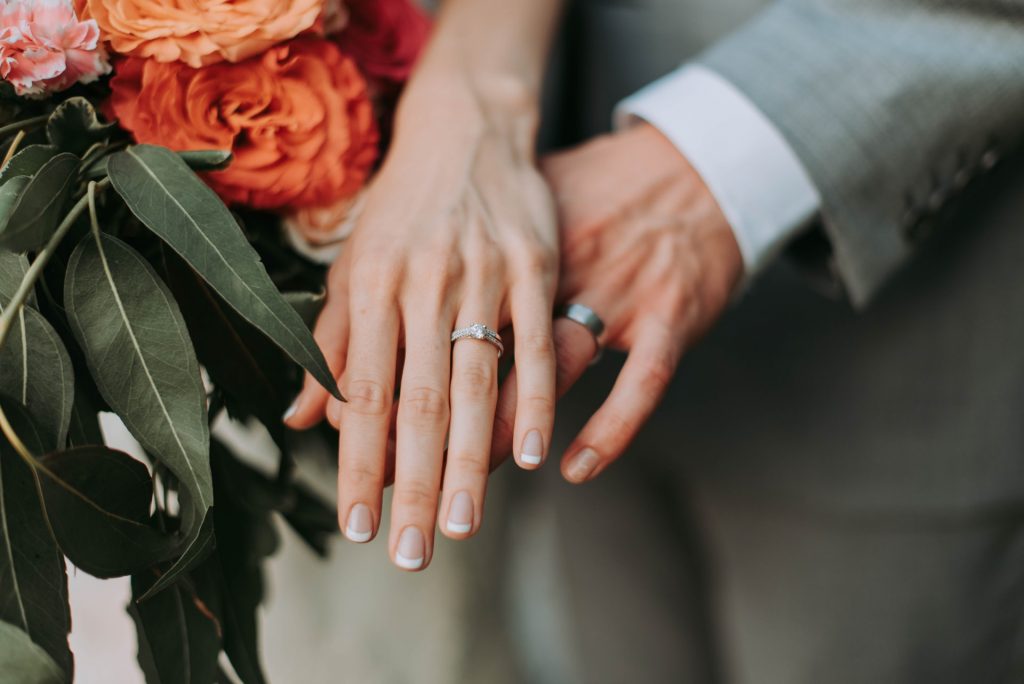
Wedding Rings and Precious Coins Swedes also handle the custom of the wedding ring a bit differently than in the US and UK. Both the intended bride and groom get an engagement ring, but the groom generally removes his before the ceremony so that it can be reused as his wedding band.
The bride, on the other hand, gets both an engagement ring and a separate wedding band, to which she adds a third ring when she becomes a mother. Brides’ rings tend to be more ornate than the grooms’, often featuring large gemstones in contrast to the groom’s traditional gold or silver band.
Swedes also handle the custom of the wedding ring a bit differently than in the US and UK. Photo: Samantha Gades/Unsplash
Another ancient Swedish custom is for brides to place one silver coin given to her by her father in her left shoe and one gold coin from her mother in her right. This symbolizes the continuing bond she shares with her parents, signifying the fact that she will always be protected and provided for.
Emerging Trends While Swedish weddings are steeped in tradition, there is also a lot that has changed about modern marriage in Sweden:
Marrying Later in Life Couples in Sweden today tend to marry later than their peers in the US. Often, they will wait until their mid to late 30s, after they have completed their studies and launched their careers. Many couples have already been living together for several years before they marry, and a large proportion of them already have children, which is considered entirely socially acceptable in this progressive nation.
In the US, on the other hand, while the trend is also toward later marriage, the motivations are often far different. Rather than cohabiting while building careers and having children, as with late marriages in Sweden, in the US, delayed marriage is often a result of the so-called “failure to launch” syndrome, with young adults choosing to remain in the parental home well into young adulthood. This is often attributed to economic uncertainty, significant student debt, and challenges in developing the kind of stable career needed to build and maintain a household.
Not Marrying At All In Sweden, you don’t necessarily have to be officially married to enjoy many, if not all, of the legal protections of a spouse. Because of this, many Swedes are choosing to go ahead and build their own little nuclear family without going through the ritual of marriage, whether in a formal wedding or a civil ceremony.
Swedish Weddings: Traditions and Trends -The Takeaway Sweden is a land of beauty, history, and tradition. It is also the land of loving, modern families, whether in the form of traditional marriage, cohabiting partners with children, or same-sex unions.
Ainsley Lawrence
Swedish Weddings: Traditions and Trends, written exclusively for Daily Scandinavian by Ainsley Lawrence. Ainsley is a freelance writer from the Pacific Northwest. She is interested in better living through technology and education. She is frequently lost in a good book.
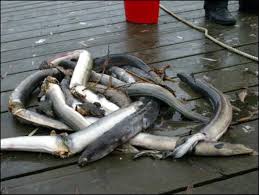
In a dark still active eel fishing hut in Åhus at the sandy Baltic coast of Skåne in the south of Sweden (once a part of the Danish kingdom), we meet four off-beat characters in their sixties or seventies. Åhus is the second largest locality in Kristianstad municipality and the Swedish eel fishers’ last outpost.
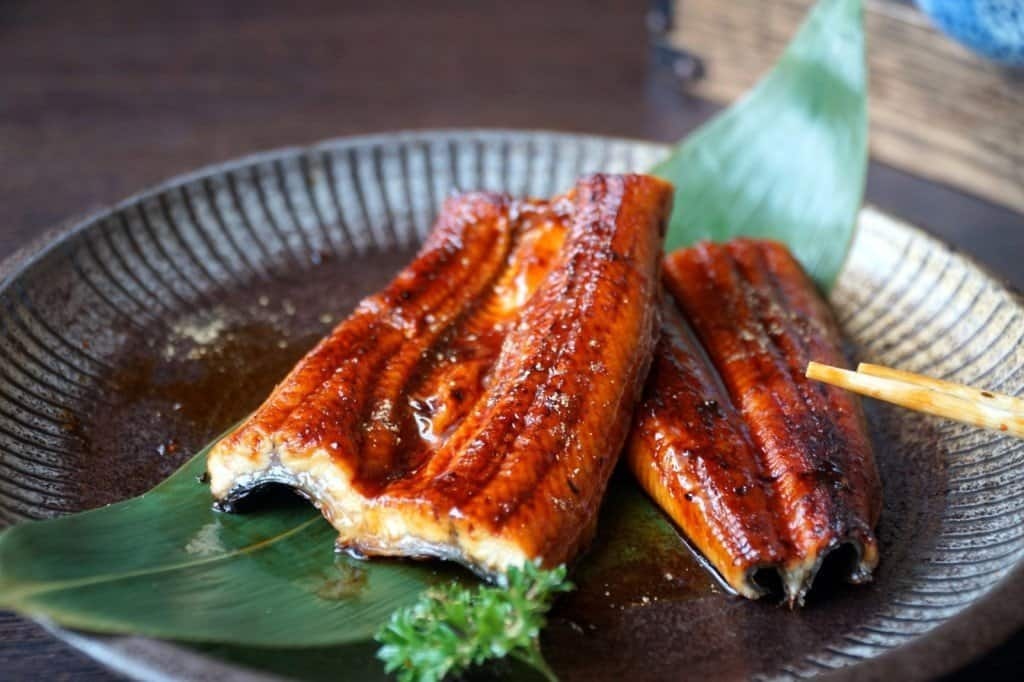
Åhus is famous for its Swedish eel parties (ålagille) where people come together during August and September to eat smoked eel and drink considerable amounts of schnapps, preferably Absolut Vodka which is produced in the town and exported worldwide.
Eel is a mystery to some, but a delicacy for others
The Eel Mystery Eel is a mystery to some, but a delicacy for others and although eel fishing is not directly banned, it is controversial. Eel fishing has become a hot topic that stirs usually calm and subdued Swedes and divides the nation. The eel population in Europe is endangered and it is an urgent need for fishing ban, activists claim.
There are many great thinkers who have been interested in the eel, the worm-like, tenacious, slightly unfathomable migratory fish from the Saragossa Sea, east of Cuba. Aristotle believed that the eel must have originated from mud, from “the bowels of the earth.” But he was wrong. Sigmund Freud came to the conclusion that the eel must be a hermaphrodite, since he dissected hundreds of them and still did not find any genitals. He was in a way right.
Long Swedish tradition
Eel fishing has a 500-year long tradition in Skåne. Smoked eel on Christmas table and eel feats at Midsummer are part of the local inhabitants’ DNA. Nevertheless, it’s hard to find eels on the menus in the local restaurants. The reason is obvious. According to the International Council for the Exploration of the Sea (ICES), all human impact on the European eel should be “reduced to, or kept as close as possible to, zero”.
Smoked eel
But the inhabitants of the Swedish coastal city are innovative people. Åhus is the eel’s unofficial capital. Eel fishermen from the town supply the rest of the country with party food. Even the Swedish king is said to have visited Åhus incognito to take part in an ‘eel party’.
Ever since back in the 1990s eel was put on the Red List of Threatened species in Sweden. Despite this, there is extensive commercial eel fishing conducted throughout the full life cycle of the eel. Fishing still kills hundreds of tons of eel in Sweden every year. Nonetheless, the fisheries management considers that Swedish fishing for emigrating silver eels has a negligible impact on the population. However, this assumption is based on uncertain estimations.
In 2007, eel fishing was banned in Sweden. However, commercial Swedish fishermen can apply for a dispensation from the ban, but according to a strict EU regulation, they only get a fishing license for two years at a time, and they can only sell the eel in own shops and not let the license be inherited. This has reduced the eel fisherman to an endangered curiosity.
Eel fishing has a 500-year long tradition in Skåne
it has become a favorite cause for the activists who are trying to prevent the general population from consuming it and to paint the fishermen who fish them as brutal savages. However, being listed on the red list in Sweden doesn’t mean you are not allowed to consume it.
Eel fishing is a culture
According to commercial fishermen, eel fishing is not an industry that depletes the raw stock, but a culture that cultivates it. During its long life, the eel changes shape several times. From genderless glass eel, to yellow eel, to silver eel. The silver eel is the most well-bred and returns to the Sea of Zaragoza to mate. Before they set out on the 7,000 km long journey home, however, some of them are caught in the nets of Swedish fishermen and end up in a filtered harbor pool where they swim off the slime.
The clock is ticking
No wonder, eel is a mythological creature that has always had a very special place in people’s imagination. To this day. They are also known for their longevity – the oldest eel ever found was 130 years old, living deep in a well, taunting several generations of villagers. However, these thick, meaty, fatty creatures’ ordinary age is between 15 and 20 years old.
The clock is ticking on this tradition and the commercial fishermen, who speak about eel fishing with both sparks in their eyes and some sadness, seem to know that.
The Swedish Eel Fishers’ Last Outpost, written by Tor Kjolberg
Feature image (on top): Åhus. Photo: 100 Places To Visit In Sweden
Investing used to be something we thought only people within in the finance world could do. Luckily, we know better now. The stock market and investments have been a hot topic in the media and more and more Norwegians are finally understanding that investing is for everyone. There are more Norwegians investing now than ever before. This can only be looked upon as a great development for the society.Why are Norwegians more interested in stocks than ever before? Read the article and find the answer.
Economy is one of the most important topics in our lives. Not because money is the only thing that matters but because being able to afford the thing we want in life, whether it is material things or experiences with the people we love, can only happen when we have control over our personal economy. We all pay bills, we all pay taxes, and we all create budgets to make everything click. Still, we barely talk about this topic in school – even though this is an area we really need to have under control.
Economy is one of the most important topics in our lives
Start investing today More people would be aware how important it is to generate a passive income if we talked more about this topic in school. If you are thinking that stocks and shares are something you would like to know more about, you can take a look at Aksjeskole which is a great place to find information about this exact topic. It is never too late to start creating a greater economic future for yourself but start today. The earlier you learn about trading, investment, and stocks, the better.
The last few years there have been some changes in the Norwegian pension scheme which has acquired that more people think about their pension and the importance of increasing the pension they already have. Our economic future looks different than the reality retirees are living in today. In other words, creating a greater economic future for oneself starts now. Norway will always be able to provide our pension but to what extent and to which amount will most likely be adjusted.
It is never too late to start creating a greater economic future for yourself but start today
Create a strategy Generally speaking, there are two different ways to invest. We differentiate between the two ways of investing into high-risk and low-risk investments and long-term and short-term investments.
To find out what kind of investor you are, you need to create a strategy
To find out what kind of investor you are, you need to create a strategy. No matter what kind investor you are, this will be one of the most important things you will do for yourself when talking about investments. This as a great way to make sure you make the best choices along the way so that you can be the best investor possible, and at the same time make a greater economic future for yourself.
Why are Norwegians more interested in stocks than ever before? Written exclusively for Daily Scandinavian by Christian Skov.
Tarragon has to be one of the great culinary herbs though people who grow Russian tarragon never understand the love that growers of the true French tarragon have for this herb. No wonder, as they are two very different plants. Tarragon is really a French spice but often used in Scandinavia. Learn more about tarragon in Scandinavia.
The Russian variety (Artemisia dracunculoides) is a tall bullying perennial, totally hardy, with a sometimes brutish, bitterness and none of the aromatic elegance or tenderness of its less hardy, French cousin (Artemisia dracunculus). Tarragon is mostly named estragon in Scandinavia.
French tarragon (Artemisia dracunculus)
How it grows Unfortunately, French tarragon cannot be grown from seed and is much trickier to grow than the Russian version. If buying plants to grow at home, make sure you buy the right kind as few commercial growers sell the French type. Plant tarragon in a hot, sunny and dry spot and don’t overwater.
If buying plants to grow at home, make sure you buy the right kind as few commercial growers sell the French type. Photo: Wikimedia Commons
Appearance and taste Tarragon has slim, tender leaves on a tough stalk. French tarragon has a powerful but glorious and elegant aniseed taste.
Culinary uses Tarragon is well worth growing as the soft tips are magical in every dish with eggs, tomatoes, chicken, shellfish, and also in pickles and marinades. Its complex anise flavor is related to the anise in dill, chervil and basil, and you can both mix and replace them all with each other. Try it instead of dill in gravad fish, chervil cream is also lovely made with tarragon.
Tarragon’s complex anise flavor is related to the anise in dill, chervil and basil. Photo: Gardenia
Tarragon has a very special affinity with chicken. The following is a spring/summer recipe and a new take on an old theme, and is well loved by all. New potatoes are the only side needed.
1 chicken, weighing at least 1.5kg
1 lemon
1 large bunch of French tarragon, leaves separated from stalks
Salt and pepper
Knob of salted butter
200ml whipping cream
200 ml water
for the peas 150g bacon, diced
150g shallots, peeled but left whole
300ml hard cider
400g fresh shelled peas (frozen if necessary)
4 little Gem lettuces, quartered
Salt and pepper
SERVES 4-5
Slow-roast chicken with tarragon and peas. Photo: Splendid Table.
Preheat the oven to 160C/gas mark 3.
Cut the lemon in half. Pare the zest and extract the juice from one half (reserving both the zest and the juice) and put the other half in the cavity of the chicken. Put the tarragon stalks inside the chicken with the lemon and salt and pepper.
Rub the surface of the chicken with the butter, salt and pepper. Put it in a tight-fitting ovenproof pot, preferably clay, and scatter over the tarragon leaves and lemon zest. Pour on cream and water, and put the lid on.
Put the chicken in the oven and let it roast for 1¼ hours. The cooking time can vary, so keep an eye on it when a thigh is easily yanked off it is done. The sauce should be reduced to a thick glaze in the pot, if it has separated take out the chicken and add a little cold water. Season with the reserved lemon juice and more salt and pepper.
While the chicken roasts, prepare the peas. Fry the bacon in a heavy-based pan at a low heat so that the fat runs off. Add the shallots and let them fry slowly until soft and lightly golden. Pour in the cider and let it reduce to half.
When the chicken is done, and while you are fiddling with the sauce, add the peas and lettuce to the bacon and shallots, put a lid on and leave the vegetables to heat through, until the lettuces have wilted – this should take about 10 minutes. Season with salt and pepper.
Serve the vegetables in the pan with the chicken, nicely carved on top. The sauce should be served separately.
Swedish Sebastian Siemiatkowski began coding on a computer when he was 16. Two decades later his payments firm Klarna is valued at $46 billion and plans to go public probably early next year.Has Sweden become the Silicon Valley of Europe? It’s a reason to believe so.
Businessman and entrepreneur Sebastian Siemiatkowski has an impressive professional track record. In addition to serving as a role model and inspiration for young entrepreneurs, he serves as the CEO of the payment firm Klarna. In less than 15 years, the company became a $46B business and customers rave about their user experience.
Businessman and entrepreneur Sebastian Siemiatkowski has an impressive professional track record
Sweden – the world’s Broadband leader
In late 1990, the Swedish government policy was to put a computer in every home. At that time, personal computers were inaccessible for low-income families. “When the reform came into play, my mother bought us a computer the very next day,” Sebastian told Reuter.
Mr. Siemiatkowski co-founded Klarna in 2005, and has been the CEO and involved in governance as an advisor on the board since the company was launched. It all started with a beautifully simple business model: The need for customers to have more freedom when paying for their purchases, and the need for retailers to have a smooth desktop and payment solution. This simple business model soon proved to outrank other, more established brands.
In 2005, when Klarna was founded, there were 28 broadband subscriptions per 100 people in Sweden, compared with 17 in the United States – where dial-up was still far more common – and a global average of 3.7, according to data from the World Bank.
Smooth Situation. Home Cinema. A beautifully simple business model: The need for customers to have more freedom when paying for their purchases
A seamless online payment system
The seamless online payment system of Klarna grew rapidly throughout Europe and more recent expansion includes North America. The financial startup is now a fully licensed bank with a customer base of 60 million and a merchant user base of 170,000.
As a CEO and founder, Mr. Siemiatkowski’s drive and customer-first approach reminds us of Steve Jobs. But he admits that his success only could happen in a country where broadband was the standard when other markets were too slow to implement it.
Entrepreneur of the year
Sebastian has received a great deal of praise and recognition for his contributions to the success of Klarna. He was awarded the European Entrepreneur of the Year Award from Tech Tour in 2012. Adecco named him Leader of the Year in 2015, and was also named the Global EY Entrepreneur of the Year award runner up.
“If you want to be a good leader, you need to learn about people’s behavior,” he said in an interview with Northzone. “I recommend reading The Five Dysfunctions of a Team by Patrick Lencioni to explore this topic further. I’ve learned so much from it”.
Sebastian has received a great deal of praise and recognition for his contributions to the success of Klarna
The Swedish welfare system with its deep social safety net launched in the 1950s, is often viewed as counter to entrepreneurial spirit and innovation. Sebastian was only 23years of age when he co-founded Klarna.
Has Sweden become the Silicon Valley of Europe?
Sebastian Siemiatkowski has achieved a mark of success that has put him at the top in his niche. Klarna is a startup that has surpassed the billion-dollar figure in valuation. According to Elle, Klarna is currently worth approximately $5 billion. This staggering number makes Mr. Siemiatkowski a very wealthy man. A comparison with Steve Jobs is not far-fetched. Perhaps Sweden has become the Silicon Valley of Europe.
Has Sweden Become the Silicon Valley of Europe? written by Tor Kjolberg
Swedes can comfortably transact business in English. It is for this, among other reasons that the country attracts such a huge number of foreign tourists. You interact freely with locals and can perform any business without requiring a translator. Get custom thesis help online or other forms of assistance with homework to free your time and make it easy to travel to Sweden or any other country around the world. Here’s your essential Swedish travel phrase guide.
While Swedes also love using their local language. A few phrases here and there will help you to cement your business relationship. You do not have to learn all the Swedish words and phrases to communicate with locals.
Like all other foreign languages, the Swedish language can be difficult to learn. The words will not make sense sometimes because of the speed of the speaker. In case you miss a word, you may ask the speaker to repeat it slowly.
It is now easy to learn Swedish without enrolling in a language class. The internet offers apps that allow you to create customized lessons. You may also turn to YouTube where tutors offer simplified lessons in the Swedish language. At the same time, you may listen to Swedish podcasts to master a few words.
Swedish is easy to understand if you already know German. The two languages have a similar origin, alongside Danish and Norwegian. Dutch and Icelandic speakers would also find Swedish easy to speak and understand. The language is spoken by more than 10 million people. By understanding Swedish, you will have a better experience and exchange with locals.
Pronunciation Swedish pronunciation makes learning easier for people who already know English. It is almost similar to English, especially the vowel sounds. Some of the common phrases you will be using in conversations include
Traveling Words
These are common words you will use when moving from one point to another. They refer to transport means, direction, and amenities you may need while you travel. Some of the phrases include
Bus – Buss
Train – Tåg
Train Station – Tågstation
Bus Stop – Busshallplats
Room available- Lediga rum
Photo by Adam Cai/Unsplash
Spending Money Paying for items and bills is part of every travel experience. You need to know how much you are paying for each item. You can get the best writing service UK to allow you to travel the world while still in college. Here are words to guide you when negotiating prices or making payment
Tourist Essential Words
For tourists, there are words that you cannot skip when traveling in Sweden. Here are phrases that will endear you to Swedes, guaranteeing one of the best business or tour experiences.
My hotel- Mitt Hotell
Bank- bank
Embassy- Ambassaden
What time does… open/close?- Nar öppnar/stänger de?
Men- Herrar
Women – Damer
Many other words strike a chord with Swedish people when used by tourists. When you speak in their native language, you will enjoy a more cordial relationship for showing the effort to learn their language. The words will help you to get by easily, especially by making many new friends.
Adrian Lomezzo
Essential Swedish Travel Phrase Guide, produced exclusively for Daily Scandinavian by Adrian Lomezzo. Adrian has been among the top website promoters for five successive years now. Besides making his contribution to business owners, he also uses his knowledge to help students write their assignments. Adrian is passionate about tertiary education, and he uses every opportunity he gets to help students improve their college grades. As a freelance writer, he is knowledgeable on many topics and is always taking up challenging assignments to broaden his knowledge base. Feature image (on top) photo by Axel Antas-Bergkvist / Unsplash
The Norwegian Royal Tiaras reveal a wonderful snapshot of Norway’s history, some more than 200 years old and one just 20 years old. The tiaras also provide its close links with the country’s neighbors. Learn more about the royal tiaras of Norway.
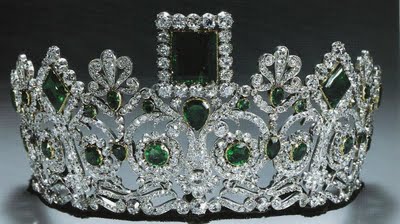
The Emerald Parure is a magnificent tiara thought to have originated from Empress Joséphine, first wife of Napoléon. It was made by French jewelers Bapst and was given to her granddaughter, Queen Josephine of Sweden and Norway and was worn by her daughter-in-law and successor, Queen Sofia.
The Emerald Parure was made by French jewelers Bapst
Princess Märtha of Sweden, who married her cousin, Crown Prince Olav of Norway, received the tiara as a wedding present from her parents, and, upon her death, it was handed down to Princess Astrid, who often acted as the first lady of Norway with her father until Sonja married her brother, Harald.
Since then, Queen Sonja has made it one of her most popular tiaras, being the only royal who currently wears it. Despite its long history in the country, she is the first Queen of Norway to actually wear the Norwegian Emerald Parure Tiara.
Queen Maud’s Pearl and Diamond Tiara was worn by Queen Maud at the 1902 Coronation of her father, King Edward VII
Queen Maud’s Pearl and Diamond Tiara was a wedding gift to the queen in 1896 from her parents Edward VII and Alexandra. The large piece features an intricate design on a base of collets between two rows of diamonds with diamond uprights, interchangeable with turquoises, on top.
It was worn by Queen Maud at the 1902 Coronation of her father, King Edward VII and it was one of her main tiaras after she became Queen of Norway in 1905. She wore it regularly until her death in 1938. It was held in the United Kingdom until 1953 (kept there for safety during the World War II). It was reunited with the Norwegian royals at a state visit to the newly-crowned Queen Elizabeth II.
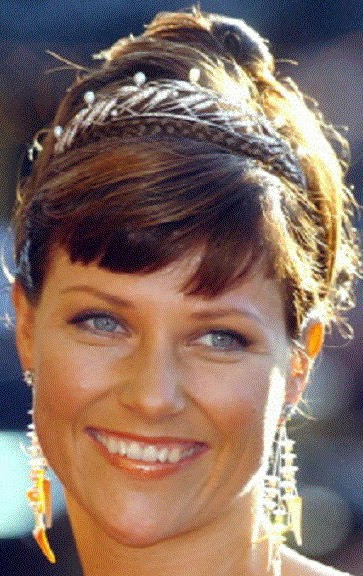
Queen Sonja wore the tiara regularly afterwards and sent it along with several small jewels to London to be cleaned at Garrard. It was stolen and Garrard had to create a replica that is now used by Queen Sonja and other women of the royal Norwegian family. The replica worn as a bridal tiara by Princess Martha Louise in 2002.
Princess Ingeborg’s Boucheron Circle Tiara was made by Boucheron around 1900
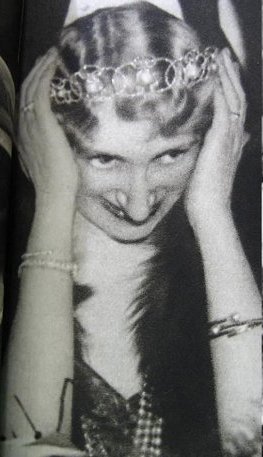
Princess Ingeborg’s Boucheron Circle Tiara is a delicate tiara of interlocking diamond circles set in platinum, with diamond and pearl button elements that were later additions to the piece. Made by Boucheron around 1900 and purchased by Prince Carl of Sweden for his wife, Princess Ingeborg. Later passed down to her granddaughter, Princess Ragnhild, and now likely still owned by her descendants.
Worn by Princess Ingeborg of Sweden, Crown Princess Martha, Princess Margaretha of Denmark, and Princess Ragnhild.
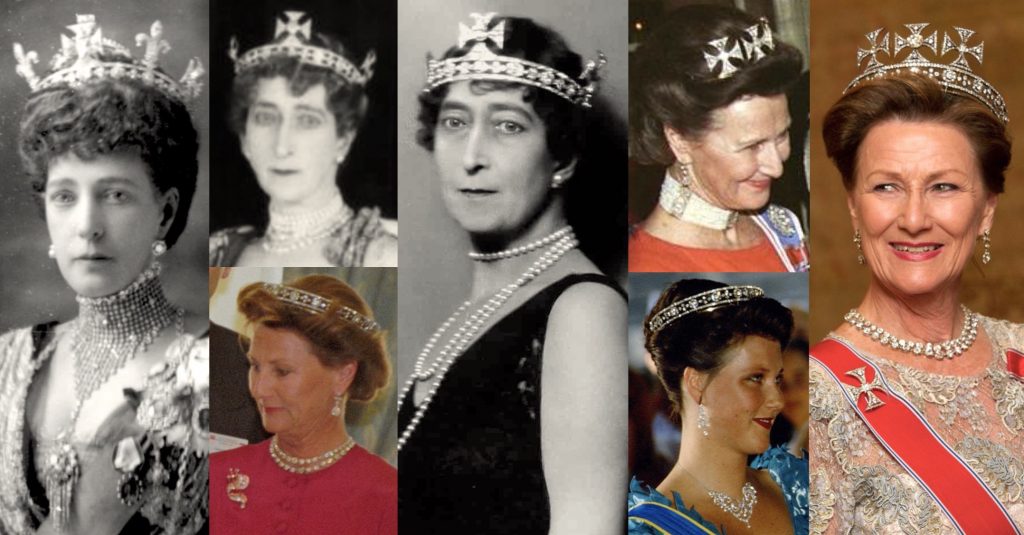
Queen Alexandra’s Turquoise Circlet was left to Queen Maud, who wore it at the pre-wedding of her only son, future King Olav V, in 1929. While the Pearl Tiara, Maltese Circlet, and Vifte Tiara went to King Harald and Queen Sonja, the Turquoise Circlet Tiara was inherited by Princess Astrid in 1968, when her grandmother’s jewels were divided between the three children of King Olav.
Queen Alexandra’s Turquoise Circlet is Princess Astrid’s grandest Tiara
This is Princess Astrid’s grandest Tiara, and worn for important occasions along with turquoise jewels that were a wedding gift to Queen Maud. Princess Astrid wore it in an official portrait released to mark her 85th Birthday.
The Maltese Circlet originated in the United Kingdom as a tiara for Queen Alexandra following the death of Edward VII. After Queen Alexandra died in 1925, the tiara was handed over to her daughter, Queen Maud of Norway. Queen Maud wore the tiara at the 1937 coronation of her nephew, George VI. The jewels were with her when she died the following year and did not return to Norway until 1953. Now, Queen Sonja typically wears the intriguing tiara on special occasions.
When King Harald came to the throne in January 1991, his wife Queen Sonja bought back the glittering tiara from Norway’s first queen consort since 1938. Today, Queen Sonja has many spectacular tiaras at her disposal.
The Maltese Circlet originated in the United Kingdom as a tiara for Queen Alexandra following the death of Edward VII.
The history, however, leads way back to 1911, when the parure was lent to Crown Princess Margareta of Sweden, Queen Sofia’s granddaughter-in-law, for the coronation of her cousin, King Geroge V in London. At her death in 1912, Queen Sofia left the Emerald jewel to her third daughter-in-law, Princess Ingeborg. In 1937. She loaned the parure to her daughter, who had become Crown Princess Martha of Norway. During World War II, when Princess Martha had fled to Sweden to escape the Nazis, Princess Ingeborg gave the parure to her daughter, telling her to “sell the valuable heirloom jewels if her family should face a financial crisis.”
The tiara is said to be the grandest tiara in the Norwegian Royal collection, and today, Queen Sonja is the sole wearer of the piece and only wears it for the most important events.
Queen Sonja has worn the Norwegian Amethyst Parure Tiara both as a tiara and a necklace. Here, Crown Princess Mette Marit. Photo: Tiara Mania
Norwegian Amethyst Parure Tiara is another gift to Queen Sonja from her husband. It is a simpler design than some of the other of the queen’s tiaras with amethysts and diamonds in a traditional setting. Queen Sonja has worn it both as a tiara and a necklace. The tiara has been loaned out to her daughter-in-law on an almost exclusive basis, but Princess Märtha Louise has also worn it.
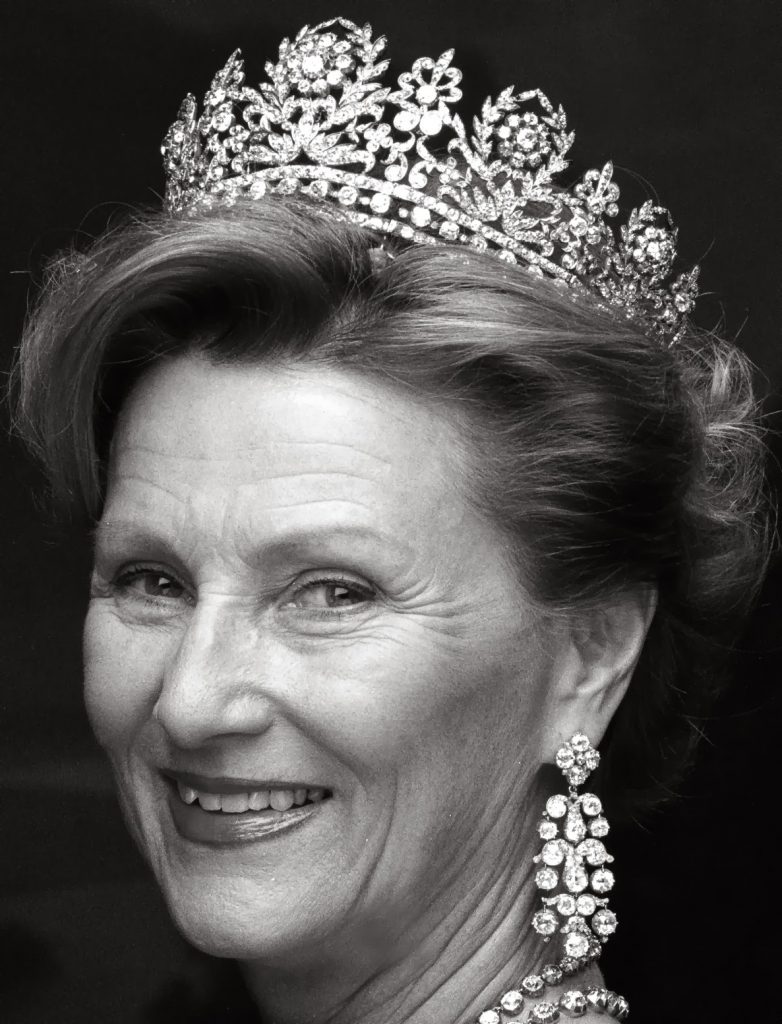
Queen Josefina’s Diamond Tiara was depicted on Queen Josephine of Sweden and Norway in 1849 and might have been worn at her wedding in 1823. Photo: Tiara Mania
Queen Josefina’s Diamond Tiara is composed of floral motifs and laurel wreaths depicted in diamonds and mounted in gold and silver. It was depicted on Queen Josephine of Sweden and Norway in 1849 and might have been worn at her wedding in 1823. In 1876, the Diamond Tiara was left to her granddaughter, who became Queen Louise of Denmark. Queen Louise left it to her unmarried son, Prince Gustav, who loaned it to his sister, Princess Thyra, and niece, Crown Princess Martha of Norway, eventually leaving it to her in 1944. It has also been worn by Princess Astrid, but since 1968 it has been worn exclusively (albeit rarely) by Queen Sonja.
The tiny Vifte diamond tiara can be transformed into a necklace
The Vifte Tiara is a small fan-shaped tiara (vitfe is Norwegian for ‘fan’) that originates with Queen Maud. The future Queen of Norway reportedly received this tiara as an 18th birthday present from her grandmother, Queen Victoria of the United Kingdom and brought it to Norway upon her marriage.
The tiny diamond tiara can be transformed into a necklace and has mainly been worn by Queen Sonja and Crown Princess Mette-Marit as such.
King Olav’s Gift Tiara was given to Princess Martha Louise as an eighteenth-birthday present in 1989 by King Olav V
King Olav’s Gift Tiara is made of scattered diamonds ears of wheat, topped by a row of small pearls. It was given to Princess Martha Louise as an eighteenth-birthday present in 1989 by King Olav V. It has been worn by Princess Martha and Queen Sonja.
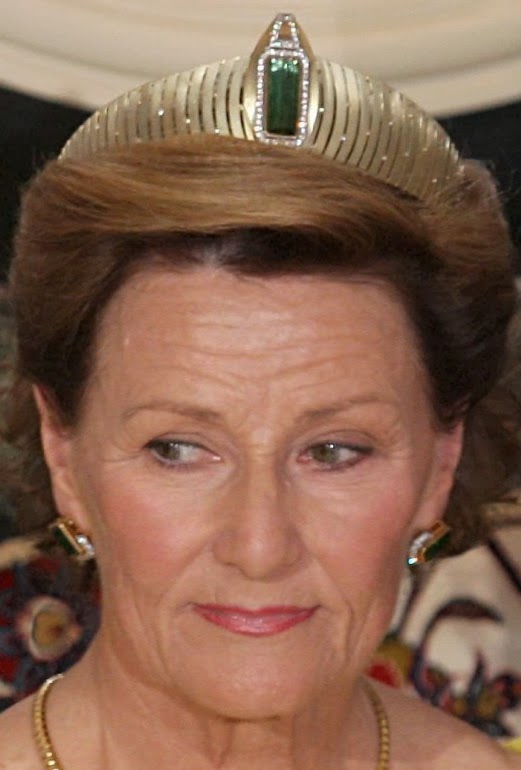
The Modern Gold Parure Tiara was a 60th birthday gift to Queen Sonja from King Harald in 1997. This modern tiara is a rarity with diamonds set in yellow gold with a detachable center piece with multiple parure sets to mimic the central stone. Queen Sonja has, so far, been the only Norwegian royal to wear this tiara,
The Diamond Daisy Bandeau, a low-profile tiara of diamond daisies set within individual diamond halos, was given to Crown Princess Mette-Marit as a wedding present in 2001 by King Harald V and Queen Sonja. The Diamond Daisy Bandeau was made ca. 1910.
The Modern Gold Parure Tiara was a 60th birthday gift to Queen Sonja from King Harald in 1997. Photo: Tiara ManiaQueen Sofia’s Gold Bandeau is a tiara made of gold and set with semi-precious gemstones, accompanied by additional coordinating pieces to form a parure
Queen Sofia’s Gold Bandeau is a tiara made of gold and set with semi-precious gemstones, accompanied by additional coordinating pieces to form a parure. Originally owned by Queen Sofia of Sweden and Norway. Later in the collection of Princess Ingeborg of Sweden, and presently owned and worn by her granddaughter, Princess Astrid.
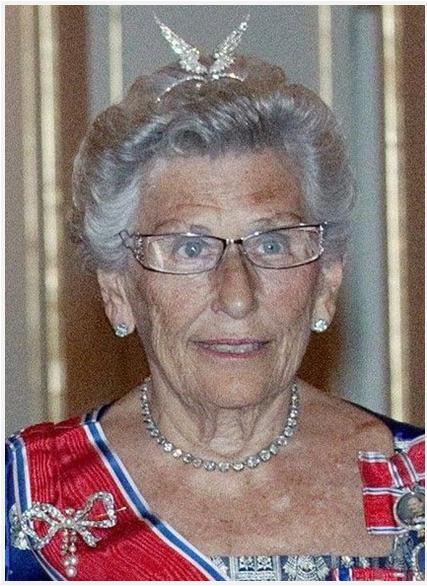
Princess Astrid’s Diamond Feather Aigrette is a small aigrette element of diamond-set feathered wings, worn atop a slim frame (also used with the Ruby and Diamond Aigrette).
The Feather Aigrette is reportedly from the collection of Queen Maud. Presently owned and wore by Princess Astrid.
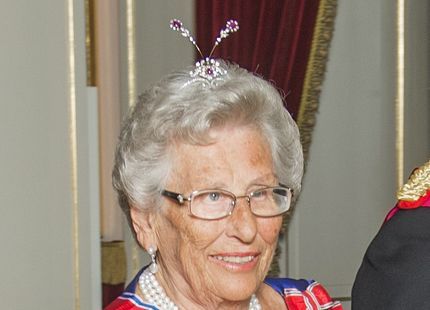
Princess Astrid’s Ruby and Diamond Aigrette is a small aigrette of ruby and diamond “antennae” elements, worn atop a slim frame (also used with the Diamond Feather Aigrette). Presently owned and worn by Princess Astrid.
The Feather Aigrette is reportedly from the collection of Queen MaudPrincess Astrid’s Ruby and Diamond Aigrette is a small aigrette of ruby and diamond “antennae” elements, worn atop a slim frameThe Vasa tiara is made by C. F. Carlman and presented to Crown Princess Martha as a wedding gift by the city of Stockholm in 1929
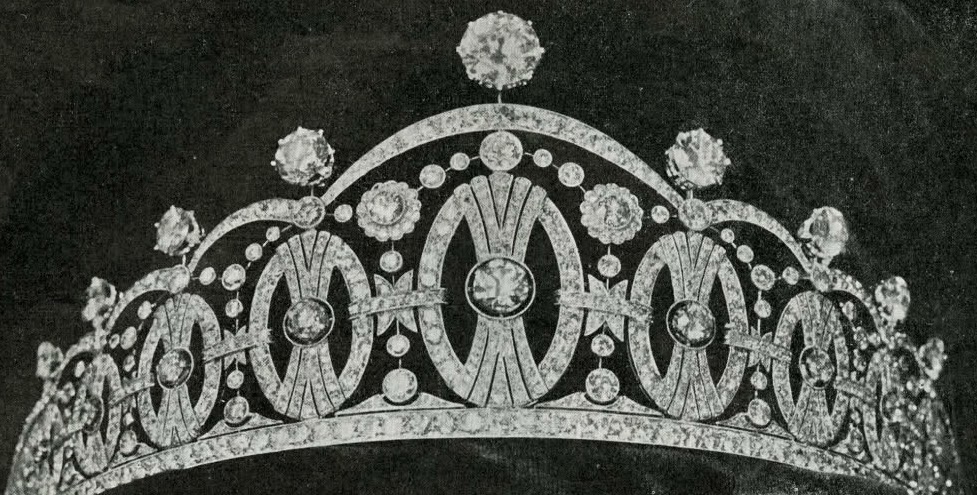
The Vasa Tiara is a diamond and platinum Art Deco tiara, featuring the heraldic symbol of Sweden’s Vasa dynasty, able to be worn both atop the head and low across the forehead.
The tiara is made by C. F. Carlman and presented to Crown Princess Martha as a wedding gift by the city of Stockholm in 1929. Later inherited by her daughter, Princess Astrid. Worn by Crown Princess Martha, Princess Ragnhild, and Princess Astrid.
The Royal Tiaras of Norway, compiled by Tor Kjolberg
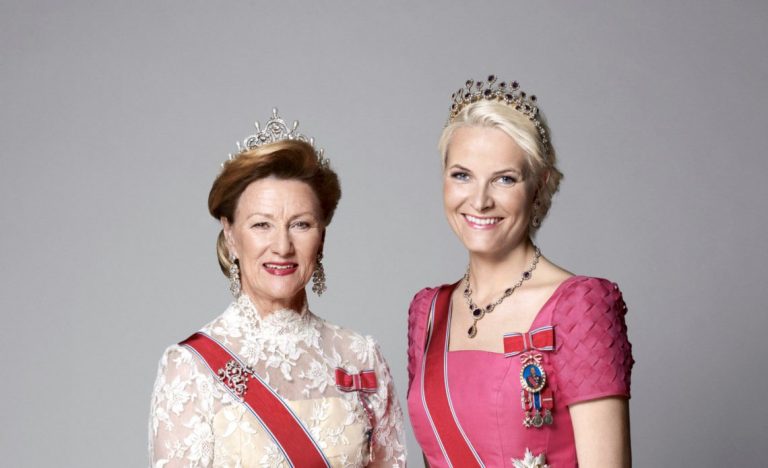
Ferature image (on top): Queen Sonja of Norway (left) and Crown Princess Mette Marit. Photo: Sølve Sundsbøe / Royal court
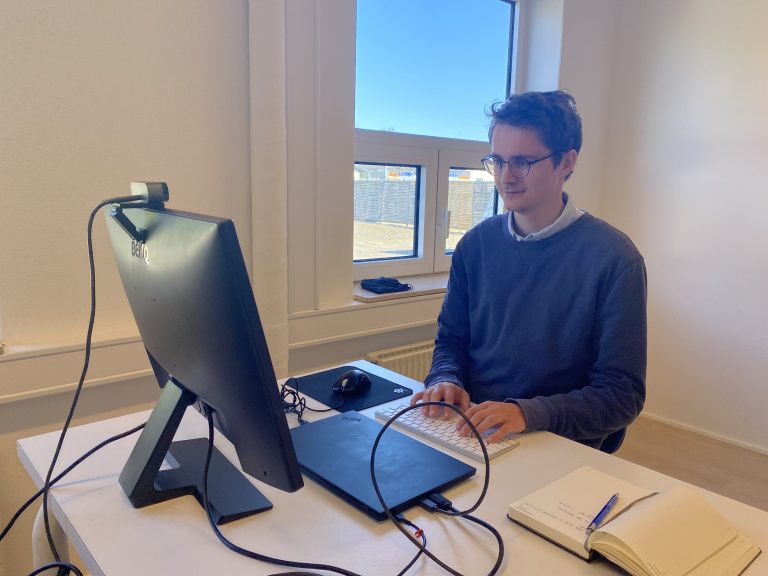
Danish Philip Rossen believed high school wouldn’t get him too far in life. So, he decided to build his own future. More specifically, a platform that would achieve a higher purpose. That of connecting people from all over the world while learning a new language. It was his way to make up for the lost time and prove to the world that personal initiative is king. Read more about the Scandinavian high school dropout who gas sold online tutoring for $360K.
The fewer resources he had, the higher the aspirations would be. The most important thing was to live life on his own terms. So, he gathered over three hundred qualified tutors from all over the world and gave them a platform to manifest their love for teaching.
The most important thing for Philip Rossen was to live life on his own terms.
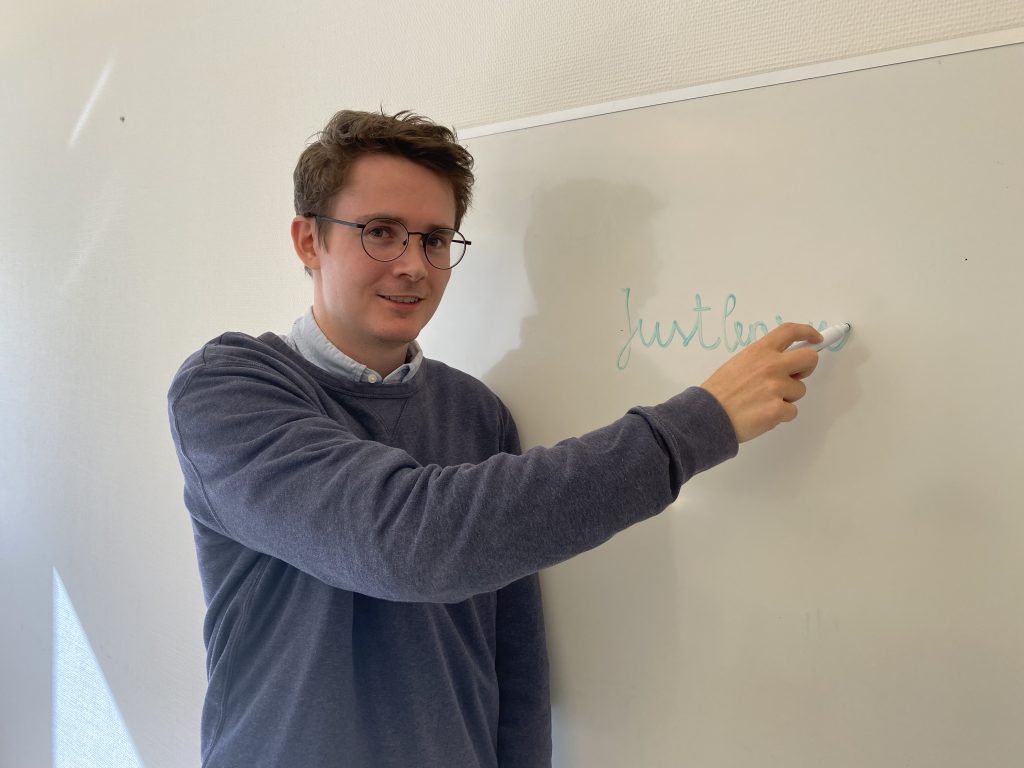
In a much more rudimentary way, he tried the method himself. Because he didn’t have much money to pay a private tutor in Denmark and his friends and family would want him to be on his own, he found a lecturer online and passed his German exam. This experience also helped him refine his idea, particularly the fact that the platform shouldn’t be free, that users should pay the price for the language lessons because, with Justlearn, he wanted to make it loud and clear that paid means high quality. That doesn’t mean it should be expensive. It means a rigorous schedule, the desire and willingness to achieve much more than you think you’re capable of. In the end, that’s what talented tutors should instill in students every day.
The onlne platform The online platform Justlearn has an intuitive interface to ensure students don’t miss a lesson.
The company has been valued at +$1 million.
Philip found a lecturer online and passed his German exam.
From the beginning, the company has been growing slowly and steadily until it reached a valuation of $1.26 million. All those ambitious plans Philip had when he started to dream big panned out. Part of the recent increase in revenue has been generated by the global COVID-19 crisis when many people had the chance to reevaluate their priorities and decided that learning a new language is part of them.
EdTech has changed learning forever With the current trend of global education reform, EdTech companies are in full effect. The EdTech industry is now valued at $74.64 billion and will grow to $318.8 billion by the year 2027. With today’s technological advancements, companies like Justlearn can provide more affordable, convenient, and personalized education to the masses with the push of a button. We expect to impact over 200.000 students worldwide by 2025.
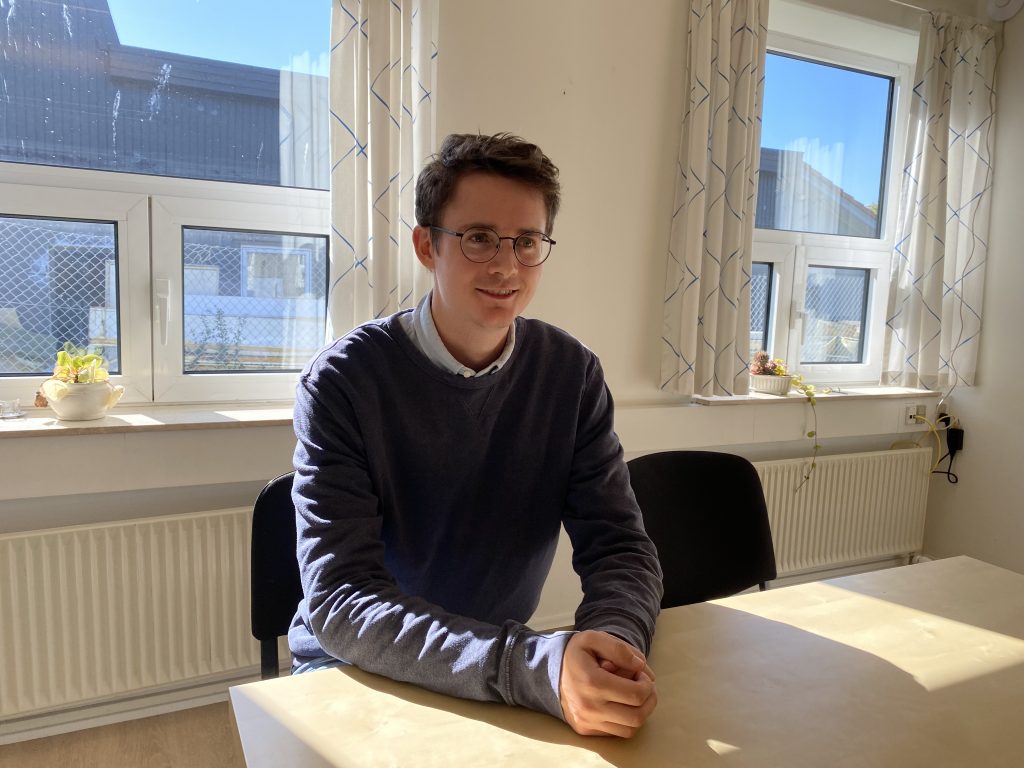
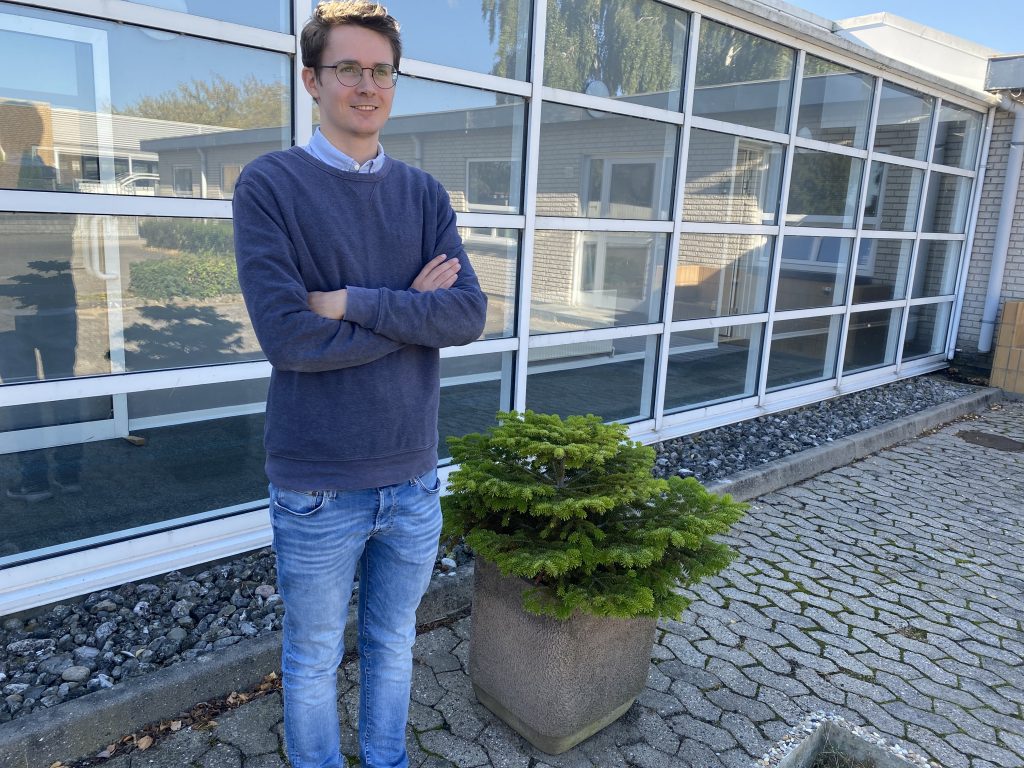
Philip Rossen outside his office in Haderslev
The Scandinavian educational system promotes experimentation Part of the company’s success is determined by the fact that the educational system in Denmark encourages an experimental approach. It’s ok to dream big, fail, and start again. You don’t have to get everything right from the get-go. The website is and will be for a long-time work-in-progress. Only through a series of iterations will the platform serve as many people as possible and will reach a level of accuracy that will serve its purpose.
Personalized, convenient, and affordable Learning a new language is difficult. When a student is new and struggling, it’s hard to get feedback and support. With Justlearn, students have access to a community of like-minded people who support and help each other with conversations and lessons. Justlearn offers a team of professional tutors available 24/7 to help students improve their foreign language skills. We also have a one-of-a-kind online immersion program for learners who wish to study in-depth. All of this adds up to better education and a brighter future.
About EdTech EdTech is the new frontier in education. This industry has grown exponentially in recent years. It is now valued at $74.64 billion and will increase to $318.8 billion by 2027. Schools are starting to shift their focus from traditional lectures to interactive, engaging learning experiences driven by augmented reality, virtual reality, artificial intelligence, big data analytics, and more. The growth of EdTech can be explained by the following key factors: cost, availability, and accessibility of EdTech tools, new ways to learn with technology, and new generations who are used to using technology for learning purposes.
In the world of entrepreneurship, EdTech start-ups are transforming the way we think about education. Through our platform, we offer various solutions, such as personalized education, adaptive learning, and gamified learning, to help meet the educational needs of learners of all ages and circumstances. Our company’s vision is to create an inclusive and personalized learning experience for everyone. With our products, students get the personalized help they need, and teachers can tackle more students.
Scandinavian High School Dropout Has Sold Online Tutoring for $360K, based on a press release from EdTech.






























 About EdTech