Tourists and even locals can spend a lifetime exploring the rugged terrains of Norway. From its windswept towns to its bustling cities, this Scandinavian destination offers an experience like no other. It is no wonder that in 2019 alone, 1.5 billion people travelled to the country and many of these visitors went on epic road trips to immerse themselves in everything Norwegian. Exploring Norway by Road: Planning The Adventure of a Lifetime. Read on.
The Right Car for Your Epic Norwegian Road Trip Tourists planning a road trip around Norway will spend weeks on the road as the country has an area of 324,220 square kilometers, making it one of the bigger nations in Europe in terms of land area. Exploring the southern portion where its capital Oslo is a part of, will take approximately three weeks by car. This means that you will need to select a reliable and well-reviewed SUV before anything else.
The Lexus GX can be a good partner in your journey
The Lexus GX, for example, can be a good partner in your journey as it has good headlights meant for those foggy mornings and a quietness inside the cabin that will let you enjoy the sights and sounds of Norway while you are driving. If you are travelling light, the Lexus RX is a good option because it makes up for its lack of space by giving you voice assistance and useful safety systems. Saving up on petrol? Since Norway places an importance on sustainability, you can opt for a fuel -efficient SUV like the 2020 Lincoln Nautilus. This beautiful car also has heated seats and mirrors that are perfect for Norway’s colder days.
The Southern Itinerary Norway is so vast that choosing which parts to go to can be difficult but if you would like to see Oslo, you will have to plan for a road trip along the southern part of the country. You can start in the beautiful city of Oslo where snowy hills meet mesmerizing waterfronts and drive to Stavanger, around 550 kilometers away. There are many bomstasjon (toll stations) on the roads going to Stavanger so be sure to add this to your budget. Once you reach Stavanger, one of the country’s largest cities, you can hike to Kjeragbolten or just drive around to see the sights.
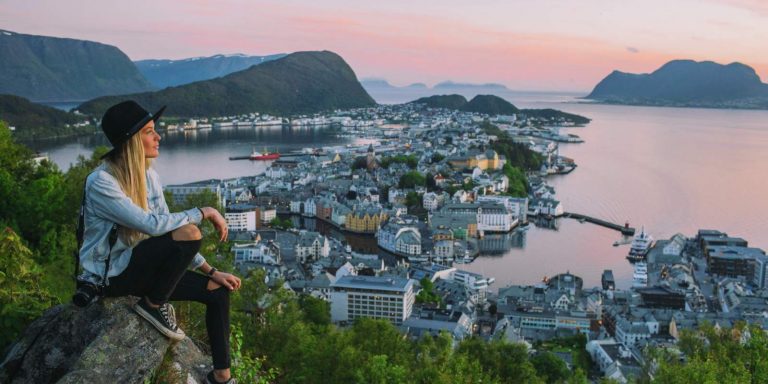
You can start driving again the next day or two by following the road to Bergen to enjoy the mountains and the fjord. You can ferry your car in the area’s car ferries for a fee and this on its own will be quite the experience too. Bergen is worth the car ferry as it has a colorful Hanseatic past, a busy waterfront, and lots of fish. After Bergen, head to Geiranger for a bit of kayaking and camping then to Alesund for its amazing sunset. And finally, to Trondheim for its art nouveau architecture.
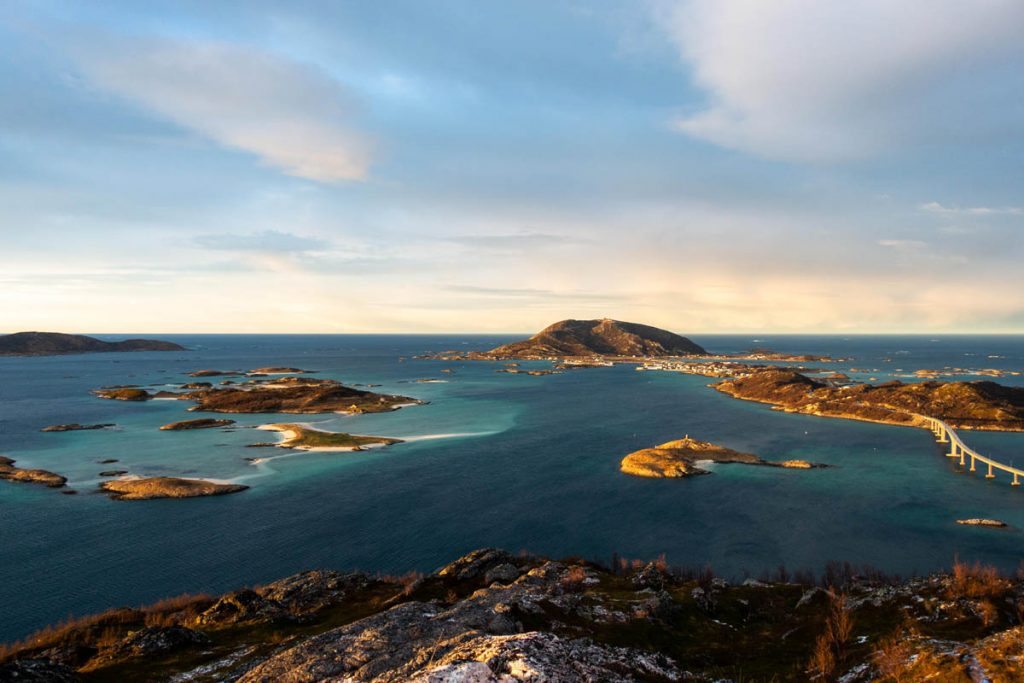
The Northern Itinerary The northern Norway itinerary is a lot shorter than exploring the southern part of the country. On Day 1, you can drive from Tromsø to Sommarøy through Highway 862. While beautiful mountains and fjords await in the drive itself, Sommarøy’s beauty will be able to compete as it is not called one of the country’s best kept secrets for nothing. Tranquil and beautiful, Sommarøy offers kayak tours in the evening midnight sun and other fun outdoor activities. Once you’ve had your fill of Sommarøy, head to the ferry terminal going to Senja then to Vesterålen Islands.
There are so many places to explore in this picturesque Scandinavian destination, making Norway a fast favorite among those who love the outdoors. If you are already excited about it, make sure that you plan your road trip around Norway soon so you can prepare ahead of time.
Exploring Norway by Road: Planning The Adventure of a Lifetime, written exclusively for Daily Scandinavian by Karoline Gore. Karoline is a freelance writer from Stoke on Trent in the UK who left the corporate grind when she started a family and has never looked back. She enjoys contributing to a range of online publications on the topics that are important to her.
Feature image (on top): Atlantic Road, West Norway Photo by Matt Lamers on Unsplash
Three years ago, the Giri family from Nepal established the Kathmandu Restaurant in Bygdøy Allé in the capital of Oslo. Sakun is the excellent waitress, speaking almost fluently Norwegian. Mother Indira is preparing the delicious dishes while the father Chandra, brother Roshan and sister in law Sonima works to make the restaurant a valuable supplement to the rich culinary delights in the Norwegian capital. Don’t know much about Nepalese food? Another reason to visit the only Nepalese restaurant in Norway.
Sakun tells us that her family has enormous enthusiasm for producing great Nepali food, which is a delightful blend of Indian, Chinese and Tibetan cultures. Nepal is a fascinating place with a cuisine full of complex and satisfying flavors.
the Kathmandu Restaurant in Bygdøy Allé in the capital of Oslo was established three years ago.
Cultural and historical exploration
The simple and pleasurable act of eating becomes an opportunity for both cultural and historical exploration in Khatmandu Restaurant.
For starters we had Nepalese dumplings, called momo. Usually, they are a side dish in Nepal filled with steamed vegetables or meat and encased in fluor-based dough. For us, a combination of steamed and fried dumplings served with delicious strong and spicy dips was the perfect overture.
Nepalese dumplings, called momo
Momo is also a great opportunity to enhance your children’s palette by getting them to try a taste of the dip. Momo is also something that tastes delicious on its own and rarely gets a refusal from a child.
We enjoyed the Gurkha beer, named after the native soldiers recruited for the British army
Lamb and chicken
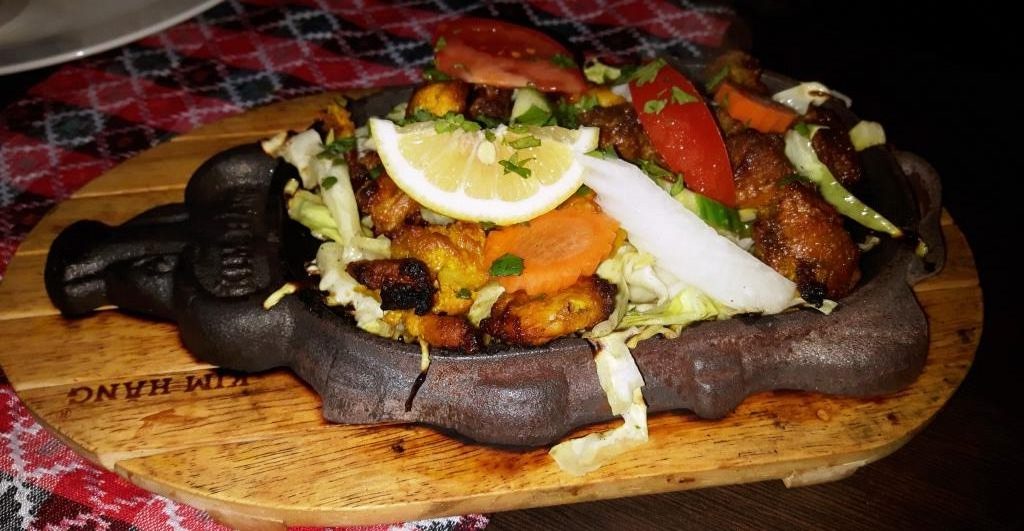
For main dish we had grilled lamb and chicken. Nepal has used lamb as a source of meat throughout their long history due to its flavorful tender taste and texture. This is a dish that takes its time since the lamb is first slow-cooked in the curry with onions before it is removed, grilled, and sealed with a spicy chili mix. It’s then transferred back to the curry and cooked a bit more.
For main dish we had grilled lamb and chicken
The grilled chicken was juicy and superb. The main dish was accompanied with rice.
Rice is the foundation of many a Nepalese meal
“Rice is the foundation of many a Nepalese meal and is normally eaten twice a day in Nepal,” says Sakun. “Meat alone is never enough to fill your stomach, so we use plenty of rice and little extra!” she adds.
For dessert we were served Gulabjamun and yoghurt. Delicious!
Like in Scandinavia, people are supposed to eat their plates empty. We must admit, we were being so full that we probably not were considered to be the most-polite guests this evening.
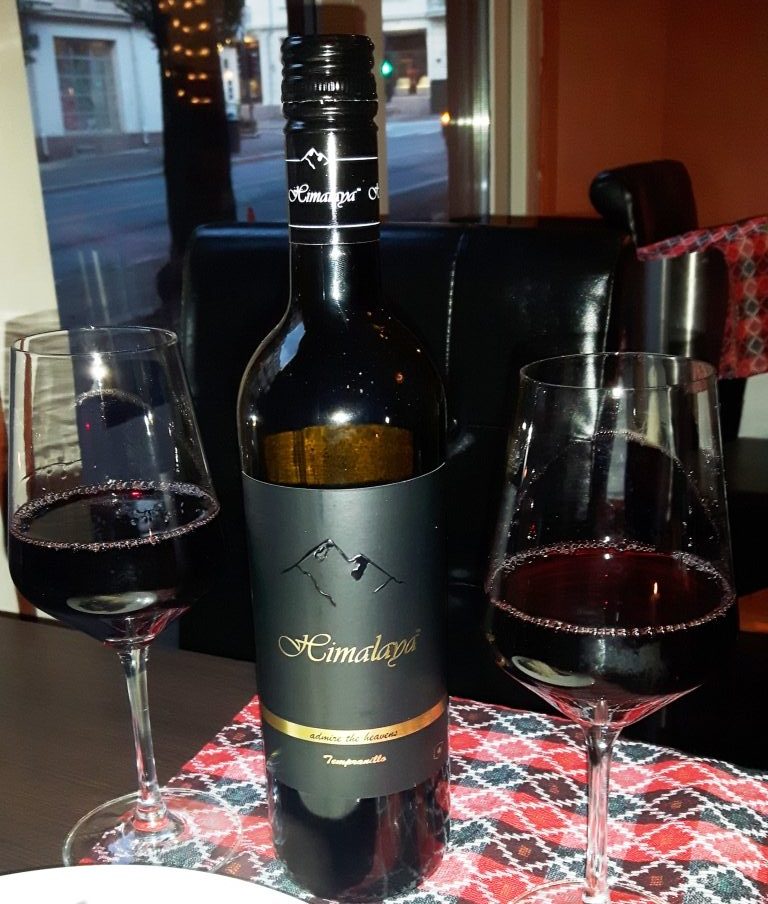
A Spanish red wine, called Himalaya is specially made for the Asian cuisine
Beer and wine
Whether you favor beer or wine with your dishes, you’ll find the right accompaniments at Kathmandu restaurant. For starters, we enjoyed the Gurkha beer, named after the native soldiers recruited for the British army. For the main dish we chose a Spanish red wine, called Himalaya, specially made for the Asian cuisine.
Unique Nepalese cuisine
Kathmandu restaurant in Oslo has brought a new taste to the capital. Its unique Nepalese cuisine will have your taste buds dancing and your appetite wanting more. Enjoy the genuine Nepalese atmosphere, and organize your next meal with your partner or friends. There is also a chambre separee to entertain a party up to twenty persons in the restaurant.
The Only Nepalese Restaurant in Norway, reviewed by Tor Kjolberg
After five years, Norwegian singer/songwriter Ane Brun, is back with a new album interpreting serious issues like the state of uncertainty around the planet. This is an empathetic album from the Norwegian singer/songwriter.
Ane Brun has been a musician and a respected voice since she debuted in 2003. She has also been a pioneer for many songwriters and vocalists. This autumn she returns with two original albums – released a month apart, After the Great Storm and How Beaty Holds the Hand of Sorrow.
Relocating to Sweden in the early 2000s, her debut album Spending Time with Morgan (2003) was nominated for a Swedish Independent Music Award. The follow up, A Temporary Dive (2005), went platinum three weeks after its release in Norway and, the same year, she went on to receive the Best Female Artist award at the Norwegian Spellemannprisen (the country’s equivalent to the Grammy’s).
Changing of the Seasons was praised by The New York Times in 2015 as “her best record yet – her most sonically ambitious”.
Ane Brun has been a musician and a respected voice since she debuted in 2003
It turned out that it was her father’s death in 2016 that put an end to Ane Brun’s creative cornucopia. “I could not find the right tools in my toolbox, and I found no solution,” wrote Ane Brun in a press release about this album.
The newly released After the Great Storm is all about the need for empathy and bravery. “I try to encourage and remind anyone who’s in a dark place not to isolate themselves and not disappear into a state of fear – to reach out and show their vulnerability,” she said in an interview with Billboard.
The self-recorded and edited track Trust is a hauntingly gorgeous and cinematic track centered around an atmospheric arrangement of strummed acoustic guitar, shimmering synths and Brun’s gorgeously expressive and plaintive vocals. “It’s a song about letting go of all doubt and just letting yourself fall into the hands of fate, and trust that it’s all going to be alright,” Brun explains in a press note. “It was first written as a romantic song, but as we’re in this state of uncertainty around the planet, I feel it has gained more meaning.”
The newly released After the Great Storm is all about the need for empathy and bravery
A mournful cello is heard in the background on the serious Heavy Falling Like I Wanna Cry. A disgraced song about humanity’s miserable relationship with nature and how we deal with it. The climate issue is picked up again on the last track, We Need a Mother. In this song, Ane Brun shows no mercy: “I am offended by a lack of human decency,” she sings.
Albeit the album is emotional, many of the songs are also very danceable.
An Empathetic Album from Norwegian Singer/Songwriter, written by Tor Kjolberg
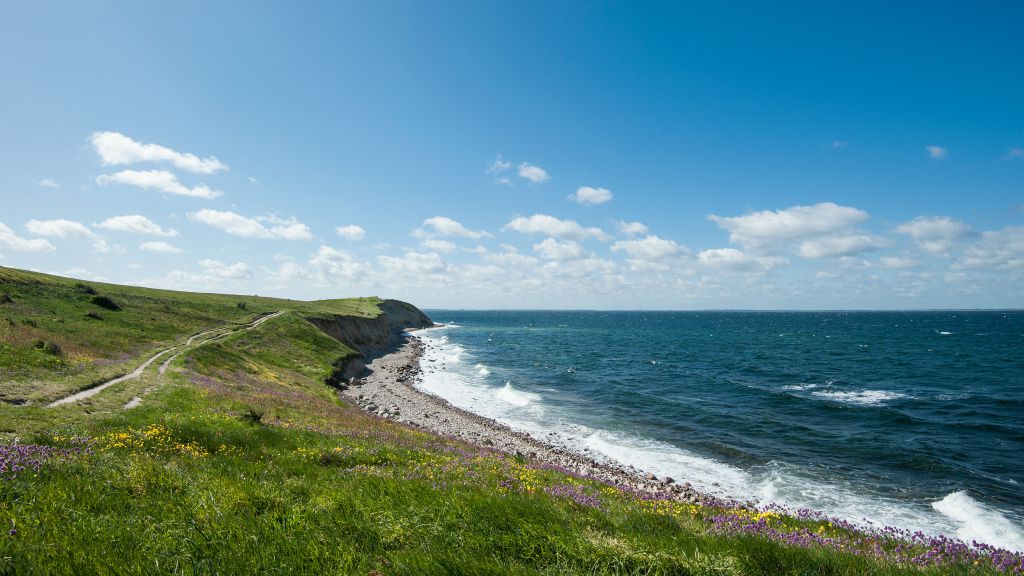
While Copenhagen and Aarhus draw visitors to the east and west of Denmark, the island of Funen sits right between, like the country’s green heart. Denmark’s second-largest island is a beautiful place to explore. Experience the historic harbors on the Danish island of Funen.
Nyborg is the first Funen town on the eastern coast, and was first mentioned in 1193 in the history of Denmark. Nyborg Castle, which still exists today, was built to defend the country from the Wends of north Germany and was the meeting place for the monarchy and clergy during the Middle Ages.
Nyborg Castle was built to defend the country from the Wends of north Germany and during the Middle Ages. Photo: Wikipedia
The first Constitution of Denmark was written on Nyborg Castle by Eric V in 1282. However, in 1722, much of Nyborg Castle was demolished to provide building materials for Odense Castle. Part of the original ramparts and moat remains, and the castle has a fine interior of great echoing, empty rooms.
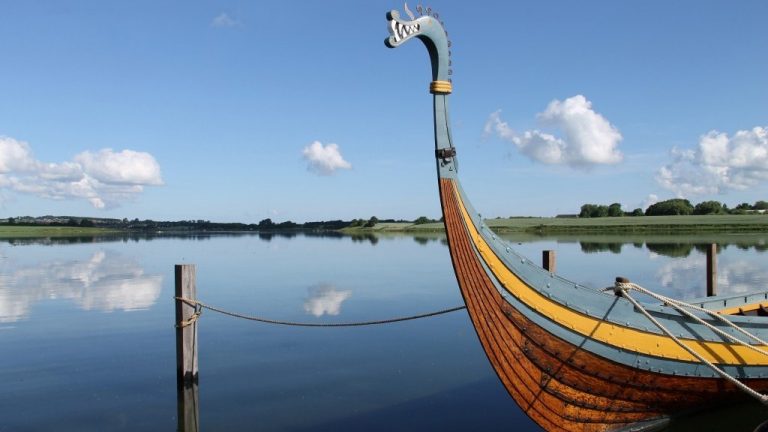
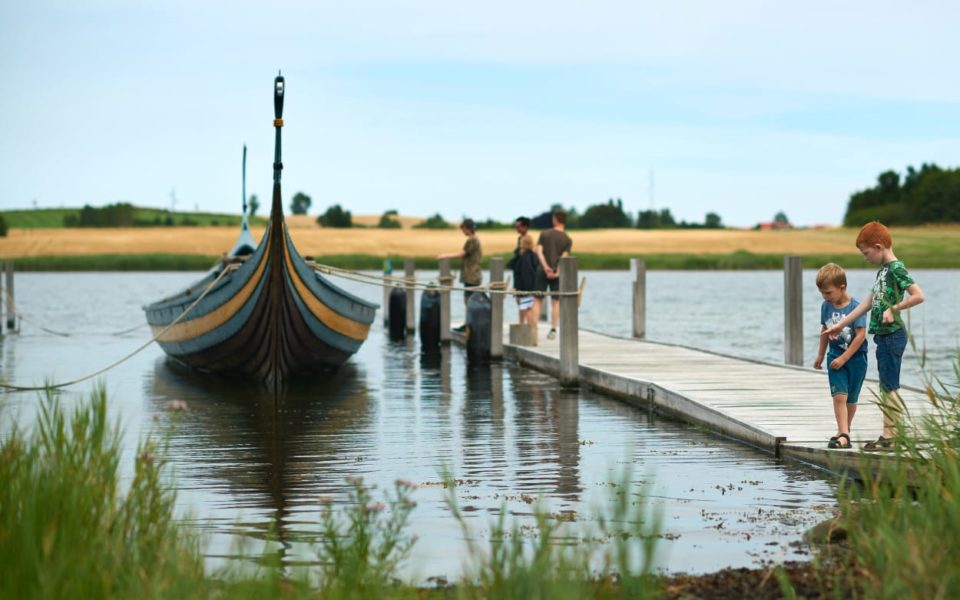
Driving north from Nyborg, you arrive at the small fishing village Kerteminde. The town was first mentioned in writing as a town in 1350, but there has been a settlement there since the Viking Age. In fact, Denmark’s only Viking ship burial, the Ladby Ship, can be found just outside of Kerteminde, where it is also possible to gain an engaging overview of the Viking era in Funen at the Viking Museum at Ladby.
From the Viking Museum, Landby. Photo: Visit Kerteminde
Now, Scandinavians can start shopping on Amazon.se. More than 150 million products across more than 30 categories will certainly tempt Scandinavian customers with free delivery on eligible orders above SEK 229. Thousands of European and local Swedish businesses offer reliable service and Swedes welcome Amazon.
In Europe, Amazon has already launched stores in France, Germany, Italy, the Netherlands, Spain and the U.K.
Spelling mistakes
It did not last long, however, before Swedish media pointed out numerous spelling mistakes and translation errors on the Amazon website. But when Scandinavian shoppers now are able to order products online through Amazon.se instead of having to make purchases via Amazon stores in other countries, we’re convinced Amazon will be forgiven and the errors will be corrected in due time.
“We are thrilled to launch Amazon.se and to be able to offer Swedish customers a selection of more than 150 million products, including tens of thousands of products from local Swedish businesses,” said Alex Ootes, Vice President, European Expansion for Amazon in a press release. “Today is only the start of Amazon.se. We will continue to work hard to earn the trust of Swedish customers by growing our product range, ensuring low prices, and providing a convenient and trusted shopping experience.”
With the launch of Amazon.se, it will be easier for Swedish businesses to sell their products on Amazon, reach more customers and expand
Over 150 million products
Amazon Vice President for European Expansion, Alex Ootes, said in a statement that Amazon.se will feature over 150 million products including tens of thousands from Swedish businesses like Electrolux, Lagerhaus, OBH Nordica, Ellos, BRIO, Bonnierförlagen and Ifö, as well as big brand favorites like ASUS, Mattel, Hasbro, LEGO and Bosch.
However, back to translation problems. Sweden’s Aftonbladet newspaper reported that a greeting card with a giant rooster was translated into words rudely referencing male genitalia. The word “rapeseed” for several products was simply translated as “valdtakt,” which means rape in Swedish. A baking tin was described for use with “feces.”
Ensuring trusted shopping experience
“We will continue to work hard to earn the trust of Swedish customers by growing our product range, ensuring low prices, and providing a convenient and trusted shopping experience,” said Ootes.
With the launch of Amazon.se, it will be easier for Swedish businesses to sell their products on Amazon, reach more customers and expand. Amazon has invested billions of dollars in infrastructure and technical services that help small and medium-sized businesses reach new customers across Sweden and around the world, including simple listing tools that support all seven European Amazon stores, enabling easy expansion within Europe, as well as 24/7 online Selling Partner support.
Amazon has invested billions of dollars in infrastructure and technical services that help small and medium-sized businesses reach new customers across Sweden
“Many products on Amazon Sweden came from auto-translated listings on other Amazon marketplaces, which enabled it to have a deep catalog on day one, but has unfortunately resulted in many wrong, sometimes comical, and even offensive Swedish translations,” wrote Juozas Kaziukenas, founder of e-commerce intelligence firm Marketplace Pulse.
The launch also got off to a bit of a bad start as the Swedish flag on the country selection function was mistakenly shown as Argentina’s.
Committed to constantly improving the customer experience
In response, Amazon issued a statement saying: “We want to thank everyone for highlighting these issues and helping us make the changes and improve Amazon.se. Whilst we are really excited to have launched Amazon.se today with more than 150 million products, it is only day one for us here in Sweden and we are committed to constantly improving the customer experience.”
Ståle Norman Møller is educated industrial designer at the Oslo School of Architecture and Design (2001). Grew up in Trysil and realized early on that he wanted to make a career in making professional sports equipment. Established the company Sweet Protection in 2000 together with local friends, including the snowboard legend Terje Håkonsen. Today, Sweet Protection from Norway is an internationally recognized brand.
In 1998 skateboarding was still prohibited in Norway. The Sweet Protection story started in Trysil, a mountain village in Østerdalen, Norway, when a group of keen river kayakers were missing the proper protection to push even harder at their sport.
Ståle Norman Møller is educated industrial designer at the Oslo School of Architecture and Design (2001). Photo: Wikipedia
Cross-Country Mountain Biking
After making its first paddle-sport helmets, Sweet Protection is today best known for its Dissenter MIPs all-around helmet for cross-country mountain biking. The company has also options for downhill bikers and road cyclists, not to forget the cool urban helmets.
In 2003 Sweet Protection made their first ISPO appearance, and immediately won the Brand New Award for the best newcomer. The products presented had close ties to the initial, homemade gear the boys used when exploring mountains in their youth. The importance of functionality and quality in the outdoors has from the very beginning been a core value of the company, and a cornerstone in the design principles. A seamless flow of feel and function, distinctive in design and style.
Arjan Boldingh, e-commerce manager at Sørrensen Sykler
Until 2005 all helmet production was manufactured in Trysil, Norway. Due to capacity issues Sweet Protection moved the production to Italy, a necessary move to continue to grow. The technical clothing line continued to evolve and, in a period where all free-riders “needed” a one-piece suit; Sweet Protection introduced the most technical version ever made with the Crusader Flightsuit in 2006. Inspired by the Formula 1 race cars a new category within protection was entered with the first version of the Grinder back protector in 2007.
Free-skier and snowboarder
In 2009 Sweet Protection launched a new line called Autonomy made for the free-skier and snowboarder. The same year technical paddle wear was introduced with the best waterproof membrane from Gore-Tex, great comfort and range of movement, it soon became a favorite within the paddle sport community.
In 2012, the company developed a helmet for ski racing where it used all the new technology utilizing the most advanced materials and production processes it possessed. The company wanted to make everything they had learned about helmets since they started 12 years ago and did not take costs into account. The result was the Rooster Corsa.
Sweet Protection continues their growth step by step and bike is becoming a bigger part of the product range. In 2017 Sweet Protection introduces a new single-track bike helmet named the Dissenter and the iconic Falconer helmet for serious road bikers. The Falconer Aero Helmet is a top-of-the-line helmet for fast-paced cycling. With an aerodynamic geometry developed to also provide great ventilation, the result is a quicker and more comfortable ride. The helmet comes equipped with additional Aerocovers™ to lower the aerodynamic drag even further.
According to Møller a good helmet is a combination of protective properties, fit, low weight and low volume. Combining these qualities is always a challenge
Gratitude for Sweet Protection
In the summer of 2019, Sarah Sheehy took a spill off her mountain bike while on a downhill flow. She scraped her head on the side of a cliff and broke her fall face-first on the smooth dirt of Sun Valley’s famed single-track. With her heart racing, her adrenaline pumping, and blood dripping steadily from a gash in her lip, her first thought was of gratitude for her Sweet Protection Dissenter MIPS helmet Her whole body hurt, but her brain was mercifully unharmed.
After a crash like that, she knew it was time to replace her helmet. Helmets are designed to absorb impact, and even if they don’t look particularly damaged, they really only have one good crash in them. She thanked her helmet, disposed of it, and started looking around for her next brain-protector.
The Switcher helmet from Sweet Protection
According to Møller a good helmet is a combination of protective properties, fit, low weight and low volume. Combining these qualities is always a challenge.
Not every hotel is born equal. By nature, international hotel chains have the resources and experience to target outbound travelers from China. Most of these chains are already operating properties inside China, establishing their brands and they have big budget marketing teams to promote their overseas properties.Readhow independent Scandinavian hotels can compete with international hotel chains in attracting Chinese visitors.
Having said that, it does not mean independent hotels should give up competing for a share of the potential. In fact, 55% outbound independent Chinese travellers prefer to stay at independent hotels to enjoy a unique local experience. The challenge for us is to give independent hotels the confidence to attack the market, show them why the China market is different, how to market effectively, and how to retain guests’ interest pre-visit and post-visit.
1. Potential of the China outbound market According to COTRI (China Outbound Tourism Research Institute) based in Germany, there were 170 million border-crossings from Mainland China, out of which 74.5 million went to Great China (Hong Kong, Macau, Taiwan), and 95.5 million travelled overseas.
The misconception of the potential is spending power. All marketeers are aiming for the huge population of 1.4 billion Chinese. The old saying “if each one of them spends $1 on my product, I will be a very rich man” is misleading. In reality, according to the Chinese Premier, there are 0.6 billion Chinese with a monthly income below Rmb1,000 (U$500). The spending power focuses on citizens from the first tier and second tier cities.
Therefore, we have to show hotels that their marketing activities should be focused on these cities and do not fall into the misleading concept that China is one huge market. In fact, there are over 35 markets inside China. Each of these have GDPs similar to a nation. For example, the city of Chengdu (not far from where you can find pandas) has a similar GDP to that of Norway! For an independent hotel, it is not possible to target all these areas. We always advise them to focus on southern China, the Pearl River area including Shenzhen, Guangzhou and Hong Kong.
2. Marketing in China is a totally different ballgame
When we speak to hoteliers, a common misconception is that they believe they have ticked the box with their website translated into Chinese (similar to what they have done for the French, Spanish and German markets).
However, Google may be blocked in China (like TLS 1.3 and ESNI) which means a hotel website may not even get through the Great Firewall of China. In terms of the content, the Chinese audience may be looking for something that western hotels tend not to focus on their websites.
We advise our hotel partners that they need a China focused website (totally independent of their corporate one), have it structured with content provided in the Chinese way and have the website hosted inside China in order to overcome the barriers mentioned above.
A hotel’s marketing personnel will typically say the usual means of digital marketing such as Facebook, Twitter, Instagram, YouTube have all been deployed. Again, for the majority of the Chinese audience who do not use VPNs to tunnel through the Great Firewall, they will not be able to see hotel’s activities on these western platforms because they are banned.
China has its own online marketing platforms that hotels must use in order to reach potential travelers. Most people will have heard of WeChat, which is a Super App and a complete ecosystem when it comes to affecting the daily life of Chinese. The situation is different in the west.
However, because WeChat is a closed system, instead we advise our hotels and help them set up Weibo accounts and we run these accounts for them instead. Weibo is an open platform and any posts by hotels will reach a wider audience.
Apart from WeChat and Weibo, popular social media sites such as Little Red Book, Bilibili, Mafengwo,Tick-Tok (Duo Yin) should also be utilised and we handhold our hotels through this maze of an unfamiliar landscape.
3. Every Step of the Way
According to our own research, a typical young traveller goes through the following phases from inspiration, planning, validation, booking, staying and sharing. Each of these steps require marketing focus in the appropriate channels.
Inspiration
Potential travelers are inspired by emotional connections from social media posts (40%), friends and relatives (33%), and by KOL (Key Opinion Leaders) 22%
Planning
Young Chinese use Mafengwo, Little Red Book, Ctrip and Weibo as their main online platforms to plan overseas trips
Validation
72% Chinese will search and review short-listed hotels’ websites to validate information
Booking 84% young Chinese book overseas hotels via Ctrip, Mafengwo, offline agencies etc., and only 16% indicates they will book direct on hotels’ official websites
Staying
This is when they share their experience instantly to inspire their friends and relatives
Sharing
After sharing, the top three platforms they will share their experience are WeChat, Weibo and Little Red Book
4. Reaching out to independent hotels in Scandinavia
Our team has been sharing the knowledge above with hotels at trade shows, seminars (both online and offline), giving keynote speeches at HSMAI events and so on.
We have also engaged highly respected veteran hoteliers to promote our services to independent hotels in the area. We also aim to expand the network further.
I have found it particularly useful in using LinkedIn to communicate with like-minded colleagues in the industry.
In addition, we have set up a FaceBook group called “ChinaReadyHotels” where we share articles and news on China Outbound with members. All hoteliers are welcome to join the group.
Through our efforts we are being recognized as the go-to people when independent hotels and smaller hotel groups wanting to be successful in tapping into this market.
These efforts have brought us the following awards recently:
** Seven Stars Luxury Hospitality & Lifestyle Award Winner 2019
** CTW Silver Award Winner at ITB China 2019
** Winner of Top Travel & Hospitality Solutions Provider 2018 & 2019
In addition, we have co-founded the LN Hotel Alliance with China Southern Airlines (biggest in China), LN Hotel Group (one of the biggest hotel group in China) and GZL Travel Services (the biggest tour operators and facilitators in China). This Alliance enables us and our hotels tap into over 46 million Chinese frequent travelers.
5. Feedback from our hotel partners
Here is an example from one of our hotels in Finland:
“I have a very positive experience with Compass Edge. I now appreciate the complexity of the Chinese outbound market. For us the GoChina service is very cost effective and we have very good exposure via Chinese social media, engagement with KOLs and from our localized website. The icing on the cake is our membership with the LN Global Hotel Alliance where we can target their 46+ million loyalty members.” Joni Hakkarinen, VP Sales & Marketing, Naantali Spa Hotel & Resort
6. The effect of Covid-19
While we are all struggling in the western world, China is the first to have recovered from the pandemic.
During the last October 1st Golden Week Holiday, 637 million trips were made domestically and tourism had recovered to 79% of the level set in the same period in 2019.
Chinese travelers are ready to travel abroad again as soon as the borders are re-open. However, emphasis will change and as hoteliers, we need to pay attention to:
a) Communicating hotel’s preventive measures to guests (hygiene regime);
b) Be flexible on the guest’ travelling plan (non-refundable advanced booking rate is out);
c) Offer online check-in/check-out
d) Improve in-room entertainment
e) Provide reasonably priced F&B room service
f) Ramp up room service menu
g) Rearrange restaurant seating to facilitate social distancing
At this challenging time, a lot of hotels are thinking short-term which is understandable. However, building a hotel’s brand in China takes time and continuous efforts. Branding is everything there. If we cut off communications and promotional posts on Chinese social media platforms and on hotel’s own Chinese websites, people will soon forget them. They may conclude that these hotels are not interested in their business anymore.
To us, this “quieter time” is the best time to reach out to the target audience and maintain progress made before the pandemic.
These travelers will be desperate to travel the world when the it is deemed safe to do so and when airline capacities return.
Will they choose your hotel?
How Independent Scandinavian Hotels Can Compete With International Hotel Chains in Attracting Chinese Visitors is written exclusively for Daily Scandinavian by Cho Wong, Managing Director Compass Edge Europe. Cho is a seasoned practitioner in international business, hospitality services and digital marketing in China. Currently, Cho is the MD of Compass-Edge Europe, offering support and advice to hoteliers in the region to attract Chinese independent travelers. Prior to that, Cho was the MD of Supranational Hotels, a well-known GDS distribution company based in London.
Don’t let a guidebook tell you what a city’s best restaurants, bars and clubs are. No one knows a place better than its locals. Red how to meet locals in Scandinavia.
Find a local in Scandinavia to show you around. The concept of Showaround is one of those very few travel-related services, a sort of an AirBnB for touring places you visit. When it comes to travel, you can spend hours poring over guidebooks or trawling through Google results, searching for the best places to go. But there are so many recommendations on the internet that it makes it really difficult to choose. Only genuine advice from a local can help you to see and do things in a new city that truly interest you.
Only genuine advice from a local can help you to see and do things in a new city that truly interest you.
Everyone who has ever traveled know about package deals; sightseeing trips with tourists taking that obligatory selfie in front of a famous statue. But how can you find the real heart of a destination, the one only locals know about and get to see?
Showaround is a really good service when you’re traveling to a new country or city where you don’t speak the local language or don’t know much. Showaround is a network of passionate locals offering tailor-made tours, In just three years the number of registered locals has grown to 129360 across 11989 cities worldwide. From artists to bankers, you may choose your specialist local and discover the secrets they have to offer. Many even give tours for free!
Founder Linas Sablovskis saw an obvious gap for locals to act as tour guides in their own cities and give travelers a more tailor-made, intimate experience. “In brief, Showaround allows locals to earn some extra money by showing travelers around their city,” he says. “In other words, it is a marketplace for private tours with locals who are ready to show you the best their cities have to offer, and then tailor activities to your interests,” he adds.
Once you have set up an account, finding a local is easy
Also, for solo travelers, having a local around is even better as they provide not only knowledge, some maybe less touristy attractions and educated insights, but also company. Once you have set up an account, finding a local is easy. Just enter a destination in the search bar and you’ll be shown a list of people available in the area, with a profile that shows not only what activities they can offer, but also highlights their personality and interests, so you can find a like-minded local. You can even chat to them beforehand, to outline your expectations and interests for the tour.
There is also a feature called Trips, whereby you can create a trip to your next destination and receive offers from locals with suggestions for your visit. This is an easier and effortless way of planning your trip as you simply choose which offers you like. However, it does not limit you to only those offers rather than seeking out someone potentially more suited.
Some of the most interesting spots, don’t always make the guidebooks.
A review system informs travelers about the experience of others. But have in mind that Showaround is not a dating app of sorts, camouflaged behind an apparent service provider. You are really going to meet people who will be your guides for the period of time you have booked.
However, Showaround provides an easy way to meet local people and make new friends, meaning you’ll feel at home wherever you are. You’ll see the city through a local’s eyes and stay away from pricey tourist traps. It’s suitable for all, from business travelers and backpackers, to families and groups.
Realize that there are a lot of search options that you have to customize your search and make sure that you find guides based on your interests or what you’d like to see and do, saving you some time on guides that are too expensive or who wouldn’t be able to meet your demands.
Showaround provides an easy way to meet local people and make new friends
Get to know a new city better than you could have ever imaged with this platform. After all, some of the most interesting spots, don’t always make the guidebooks.
The founders are currently based in Malta and Greece, while their team is located in Lithuania.
Asparagus has always been an expensive treat, a vegetable for the rich, who could afford either to grow or to buy it. The average Scandinavian was too hard-working to have the time to cultivate asparagus, a slow and labor-intensive business. Read more about Scandinavian asparagus.
Green asparagus has been popular in Scandinavia for only 30 years or so, which is why all traditional recipes use the white version. White asparagus spears are the pale, fat queens of May and June, with a consistency so beautiful and a taste so refined that they must be truly unique among vegetables.
White asparagus. Photo: Bama
Appearance and taste Green asparagus tastes very much like a long, tender green pea. It has as delicious, fresh and distinctly ‘green’ taste. White asparagus, on the other hand, has a definite sweetness, paired with a slight bitterness, and a pervading flavor that spreads its loveliness over other foods that come into close contact; add it to a salad or stew and the dish will taste as though it consists of nothing else, a quality the white asparagus shares with artichokes.
Asparagus growing at Hvasser, Norway. Photo: Tor Kjolberg
How it grows The spears of wild asparagus, which can be found growing in sandy soils in southern Scandinavia, are very thin, and are even tastier than cultivated asparagus. White asparagus is grown widely in areas of sandy loam, though this is not easy. Asparagus is extremely time-consuming to grow, and a huge investment if you grow more than a few. The crowns must grow undisturbed for three to four years before they can be harvested, and after that you work from light until noon for three months during the harvest in April, May and June.
The paleness of white asparagus is achieved by excluding all light, which is done by piling up soil over the plants as they grow. All weeding much be done by hand, so as not to damage the still-invisible spears, growing undergrown. When they are ready to harvest you venture into your asparagus patch very early in the morning with a sharp long-handled tool to cut the spears before the sun’s rays turn them green. It must be inserted at ground level, and you work blind, as only the very upper up of the asparagus is poking through the soil.
Green asparagus. Photo: Bama
Green asparagus is grown in the field and can be cut at any time of day, as long as it’s every day because, the spears grow at an alarming rate and are short and tender for only a day or two. If you miss the moment, they will be very long and tough.
Buying and storing Asparagus is pricy, but not irresponsibly so considering the growing conditions. You can buy relatively cheap white asparagus, which is too finely to peel but perfect as a base for soup, and even big fat spears for much less than a mediocre, small piece of meat. The thickness of green asparagus is not importamt, but the white needs serious peeling, and if the spears are too thin, there will be nothing left. Thin white asparagus tempt you to slack off when it comes to the peeling, and that is not a good idea. They can be used as they are for stock and are good buy for that purpose, as thin spears are much cheaper.
When buying asparagus, the most important thing is to check for freshness. Begin by checking the bottoms (which are often wrapped) as the spears dry out from the bottom up. They must be freshly cut, and the whole stalk must be juicy and firm, without signs of wrinkled old age, and the heads should be tight and not beginning to stretch. If the spears are not fresh, don’t buy them, even if they are cheap, as the taste alters with age and they will disappoint you. Our advice is to limit yourself to buying asparagus only during their brief season in May and June, when you can gorge on them at their best and then long for them until the next season.
Asparagus and cured ham. Photo: Rema1000
Asparagus can be stored wrapped in a clean damp tea towel in the fridge for no more than two days. If you are not going to use the peels straight away, they can be frozen and used for stock later.
Culinary uses
Both types of asparagus are beautiful in stews, salads, or simply steamed and eaten with fish, as a starter, or veal, chicken or smoked and salted meats. Remember always to add a little sugar to balance the bitterness of white asparagus.
Before you even consider cooking your white asparagus, the spears must be peeled. Rest them in your hand and peel from the head down. When you think you are done, try to bend the asparagus a little, and any traces of peel will show as long, shiny strands. It’s heart-breaking to watch your asparagus shrink, but any trace of peel will be a nasty experience. Asparagus are extremely fibrous, and in the past, you were forced to eat asparagus when you had swallowed a sharp item as the vegetable’s fibers curl themselves around anything in your stomach, guiding it safely on its way out. (Nowadays, they give you cotton wool to eat instead).
The woody ends and peel from white asparagus can do magic in the kitchen, in stocks, sauces and vegetable stews. If you boil the peels in water, then add the cooking liquid to your dish, you will find a satisfying asparagus flavor that suits anything. The woody ends of green asparagus are also useful in stocks and soups.
Green asparagus can be eaten raw, but a fast blanching will make its flavor much more intense.
White asparagus must be cooked, but not for a second longer than necessary. A few minutes in the pot are enough. If you want to eat the asparagus whole, boil them in a wide, shallow saucepan, with a little water, and the lid on, rather than in a huge pot of boiling water.
Asparagus soup. Photo: Rema1000
Asparagus soup
Asparagus soup used to be a Sunday special, and was often served as a starter at confirmations and weddings coinciding with the asparagus season. Serve with crusty sourdough bread.
500g thin white asparagus
2 celery sticks
1 bunch of new onions with green tops
1 sprig of tarragon
1 small bunch of chervil
1 small bunch of parsley
200ml white wine
4 garlic cloves, or a small bunch of ramsons (wild garlic)
1 bay leaf
1 tablespoon coarse sea salt
1 tablespoon black peppercorns
1 tablespoon sugar
200ml whipping cream
1 small bunch of chives, chopped
Serves 4-5 portions
Rinse the asparagus and cut off the tips. Save the latter and chop the rest into small pieces. Rinse and chop the celery and onions including the green part. Pick the leaves on the herbs and save for later.
Put the wine, garlic, bay, leaf, salt, pepper and sugar in a pan along with the vegetables and herb stalks. Boil slowly until the vegetables are very soft. Fish out the bay leaf, then whizz the soup in a food processor until smooth. Push through a fine sieve, making sure than only inedible fiber is left in the sieve.
Reheat the soup with the cream and reserved asparagus tips, and adjust the seasoning. Serve with the reserved herb leaves and the chopped chives on top.
Feature image (on top): Asparagus from Hvasser. Photo: Gartnerhallen
A zero-emissions, self-driving ferry is a pioneering transport initiative by researchers at the Norwegian University of Science and Technology (NTNU) in Trondheim. Now, engineers are developing an autonomous electric ferry that may be summoned like an elevator. Read more about the self-driving electric ferries in Norway.
Also in the capital of Norway, one of the largest players in the retail segment, another vessel construction project is partially funded by the Norwegian Government as part of an overall plan for a significant reduction of emissions in Norwegian waters. Asko Management AS is in charge of developing 67 meters long ferries designed solely for the transport of semitrailers across the Oslo Fjord.
Expected to be launched nest year
In Trondheim, the small, autonomous ferry is expected to be launched next year and will be operated by the company Zeabuz. Currently being developed by a team at the Norwegian University of Science and Technology, the full-scale version of the non-cable-guided “Autoferry” will carry at least 12 passengers, along with their bicycles or baby strollers. If it’s not already on their side of the canal, those passengers will be able to call it over simply by pressing a button.
The vessels in Oslo will be managed by Massterly AS, which is the first company in the world that has been set up to undertake the technical management and the operation of autonomous vessels. Massterly is a joint venture between Kongsberg which is a significant player in the world of autonomous vessels and the shipping company Wilhelmsen. The ferries in Oslo will not be self-driving though.
An alternative to a proposed bridge
The Trondheim ferry was developed in 2018 as an alternative to a proposed bridge across Trondheim’s harbor canal. The prototype was a hit and NTNU commercialized its research, forming Zeabuz in 2019. It’s part of a larger movement exploring how to use waterways for more sustainable transport.
The ferry will self-navigate its way over to the opposite bank, guided by an onboard GNSS (Global Navigation Satellite System). It will also use four integrated sensors – a radar unit, an infrared camera, an optical camera and a LiDAR (Light Detection And Ranging) unit – to detect and avoid other watercraft. Sensors located on the shore will provide additional assistance, by wirelessly transmitting data to the ferry.
Full-electric transport ferries
In Oslo, the autonomous vessels will be delivered as full-electric transport ferries, with the main propulsion power coming from a 500kW electric motor coupled to an azimuthing stern drive. This with be supplied with electrical power from an 1846kWh capacity battery bank. An electrically powered Schottel Pump Jet will be fitted at the bow to act both as emergency propulsion and as a bow thruster to improve manoeuvrability. The operating speed will be 10 knots and it is anticipated that this mode of trailer transport will save over 2 million road miles per year.
“Historically, that’s how we traveled,” says Susanna Hall Kihl, an expert in waterborne, founder of Vattenbussen – Sweden
“Historically, that’s how we traveled,” says Susanna Hall Kihl, an expert in waterborne transport and founder of Vattenbussen – Sweden, a research and advocacy organization for urban waterways. She is highlighting that most major cities were built on or near water. “Reviving underused waterways to relieve road congestion is an easy solution,” she says, “as it requires minimal infrastructure compared to other transport systems”.
Feature image (on top): Zeabuz
Self-driving Electric Ferries in Norway, written by Tor Kjolberg





 Exploring Norway by Road: Planning The Adventure of a Lifetime, written exclusively for Daily Scandinavian by Karoline Gore. Karoline is a freelance writer from Stoke on Trent in the UK who left the corporate grind when she started a family and has never looked back. She enjoys contributing to a range of online publications on the topics that are important to her.













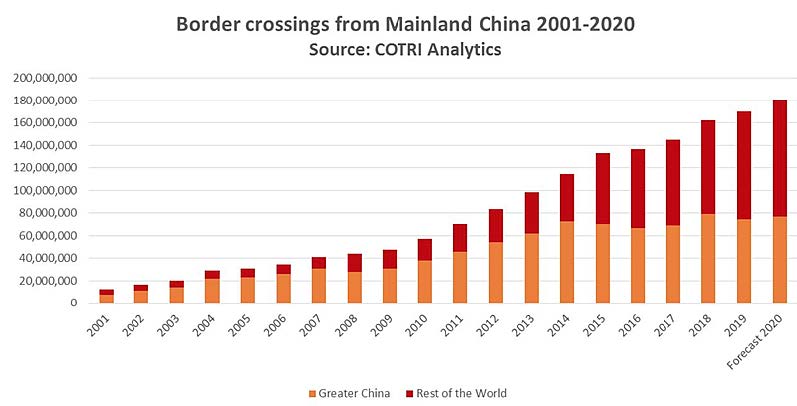 According to COTRI (China Outbound Tourism Research Institute) based in Germany, there were 170 million border-crossings from Mainland China, out of which 74.5 million went to Great China (Hong Kong, Macau, Taiwan), and 95.5 million travelled overseas.
 2. Marketing in China is a totally different ballgame
 Most people will have heard of WeChat, which is a Super App and a complete ecosystem when it comes to affecting the daily life of Chinese. The situation is different in the west.
 However, because WeChat is a closed system, instead we advise our hotels and help them set up Weibo accounts and we run these accounts for them instead. Weibo is an open platform and any posts by hotels will reach a wider audience.
 Each of these steps require marketing focus in the appropriate channels.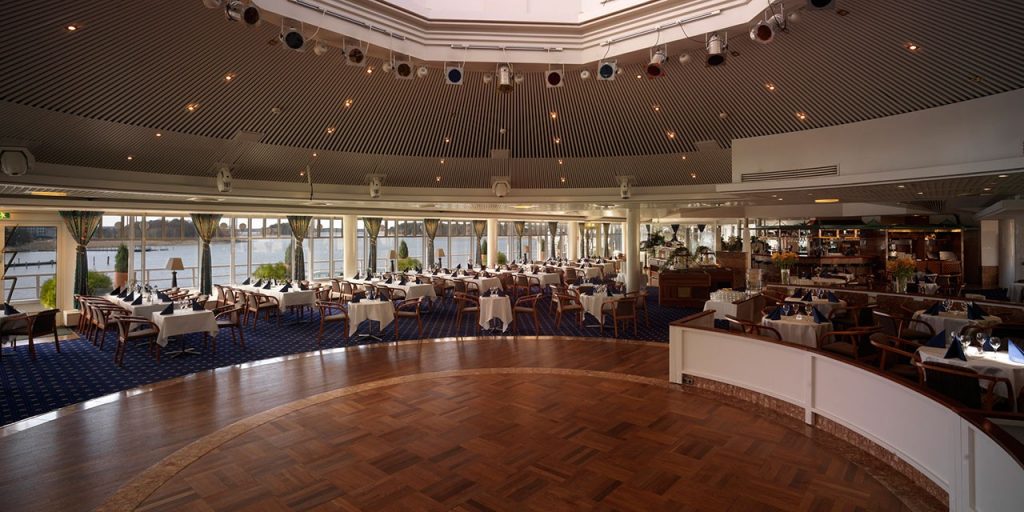

 How Independent Scandinavian Hotels Can Compete With International Hotel Chains in Attracting Chinese Visitors is written exclusively for Daily Scandinavian by Cho Wong, Managing Director