
Jaw-dropping Street Art in Norway

All over Norway in the largest cities, but sometimes also in remote spots, you can witness a vast variety of walls and corners adorned with stunning street art. Norway is most known for its impressive fjords, glacier hiking, Aurora Borealis and much more. Norway’s thriving art community, however, is less known. Find out more about the jaw-dropping street art in Norway.

Norway is known for many things like its impressive glacier hiking, summer skiing, Aurora Borealis sightseeing, and much more. However, one thing most people aren’t aware of is Norway’s thriving art community. In addition to Norway’s wonderful museums, you should remember to look outside as well. Some of Norway’s most notable art can be seen on seemingly random buildings that have been used as canvases for the artwork.

Jaw-dropping Street Art in Norway
In Oslo, you should definitively visit the vibrant and diverse neighborhood Tøyen. Photo: Oslo Street Art Tours

Gained international recognition
For a long time, Norwegian cities had zero tolerance for street art and artists were punished with heavy fines. Today, however, the cities support street art and compete for becoming street art cities. Stavanger, for example, has become the home of the most impressive murals and graffiti art pieces in the world.

From an anonymous existence, the Norwegian street art movement has in recent years gained international recognition. If you have an interest in seeing a world-class alternative to traditional art, make sure you plan to find a selection of interesting and impressing street art in Norway.

Jaw-dropping Street Art in Norway
Street art artist Dolk. Photo: Fine Art, Oslo

Street art installations in Oslo
The first street art installation in Oslo started in the 90s in Brenneriveien.

In Oslo, you should definitively visit the vibrant and diverse neighborhood Tøyen. The first wall there, The Treasure Hunter by Chilean artist INTI, went up in 2012. Since then, many other artistes were invited to join the effort to transform the area into a colorful district.

Jaw-dropping Street Art in Norway
Backyard. Artist: Juni Roy Olsen. Photo: Visit Oslo

The Norwegian artists Steffen Kverneland and Monica Tollnes painted a caricature image of famous artist Edvard Munch in front of the background from his iconic painting The Scream. Tøyen aims actually at becoming Scandinavia’s largest outdoor gallery before the Munch Museum there leaves for downtown Oslo in 2021.

The Finnish artist Jussi TwoSeven has put his talent of black and white artwork to create a majestic depiction of a realistic grey wolf face that covers the entire side of a multi-story building.

Two of Norway’s most recognized street artists are Martin Whatson and DOT DOT DOT. Whatson has been impressing audiences with his mixture of vibrant colors with black and white subject matter for many years. One of his most revered pieces is something unofficially known as the “Athletic Figure” depicting a ballerina that can be found on the side of a residential housing building in Oslo. It is a must-see for any art lover.

Jaw-dropping Street Art in Norway
Street art in Stavanger. Artist: SMUG. Photo by Brian Tallman for Nuart.

Amazing walls in Stavanger
Home to several amazing walls created by international and local public art practitioners and home to the NUART street art festival, Stavanger is another highlight. Pøbel is one of the most internationally recognized Norwegian street artists and Stavanger is his hometown. In Stavanger, make sure not to miss the “Deer” by the Portuguese street artist Bordalo II. His trade mark is to mix sculpture, trash-art and painting. Martin Whatson is also represented with black-and-white characters, juxtaposed with colorful graffiti and tags.

Jaw-dropping Street Art in Norway
Artist: Ella Pitr. Street art in Stavanger

Related: Norway’s Capital of Street Art

Bergen has a lot to offer
In terms of street art, Bergen also has a lot to offer. Don’t miss the impressive piece “Laugh” by Norwegian artist AFK. This is a satire of a Jewish and a Muslim man laughing together while reading a copy of Charlie Hedbo.  His art usually revolves around current events and this piece was created as a satirical response take on the Hebdo affair occurring in 2015.

Other recognized street artists from Bergen are Dolk, TEG and Argus. In 2000, contemporary artist Bansky came to Bergen and left behind several traces of his work on the city’s walls. Bergen municipality has washed away his work, as at that time there was no tolerance for graffiti and no one could have known how famous Bansky would become. Still, his art inspired the urban artists from Bergen and started a stencil art trend.
Jaw-dropping Street Art in Norway
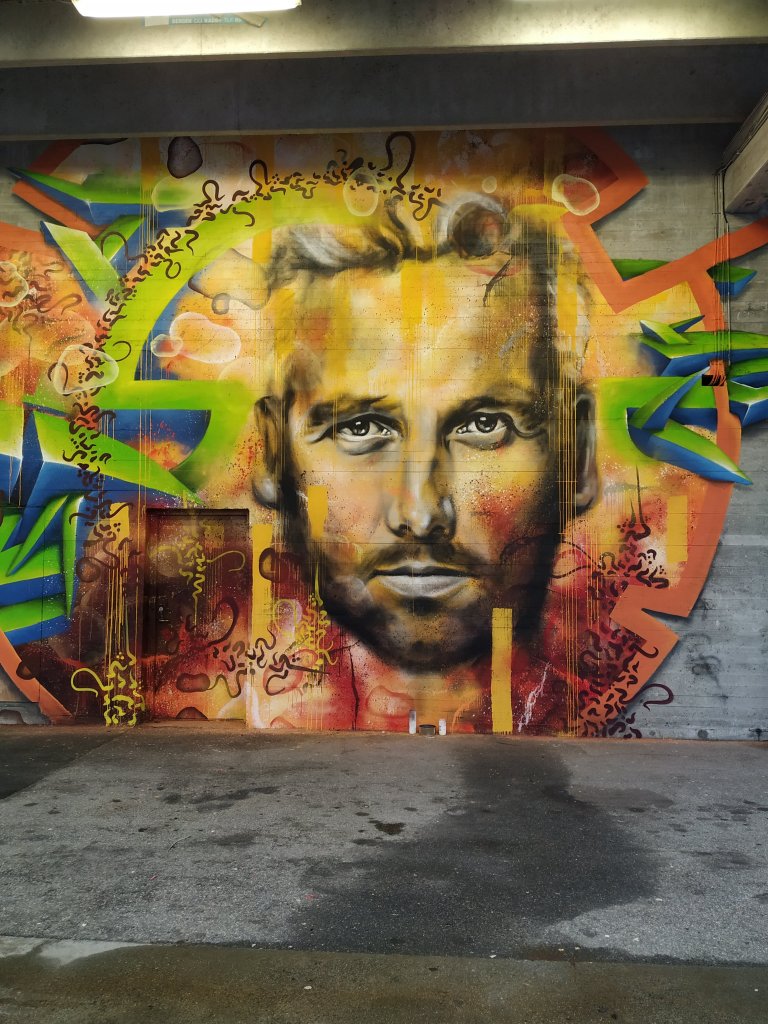
Portrait of Aeri Behn in Bergen

This year, Bergen has paid tribute to the late Ari Behn with a portrait. The portrait is painted on a wall by the old car inspection center in Fyllingsdalen in Bergen and is about 6 meters high and 15 meters wide. The street artist Tegson from Bergen and the two Spanish street artists Bisho Sevillano and Rochihiro are behind the painting.

“In many ways I believe Behn and street art go hand in hand,” says Øistein Jakobsen of StreetArt Bergen. “He was a visionary and a thinker. He was a breaker of the ordinary. That’s the essence of street art,” he adds.

“Ari Behn was colorful. I have followed his art for several years. In the artistic field he was an exciting person. It’s exciting with people who don’t follow the A4 standard. He made his own,” said Tegson to the Norwegian newspaper Dagbladet.

Outside the big cities
But street art can also be found outside the big cities. The street artists Dolk and Pøbel have decorated abandoned buildings in the Lofoten islands. It became one of the most talked-about art projects in Norway in the last decade. Other cities above the Arctic Circle that have become rich in urban art in recent years include Bodø and Vardø.

Jaw-dropping Street Art in Norway
Street art in Måløy. Artist: M.U.M. Photo: Fjord Norway

Far south in Norway in the town of Flekkefjord is an area called the Dutch Quarter (Hollenderbyen). There you can enjoy a rare mix of old, white wooden houses and colorful murals and pieces of graffiti.

If you have read so far, I’m sure you’re interested in street art. The examples above are only as small taste of what Norway has to offer. Make sure to book your trip to Norway to see these and other beautiful examples of street art in Oslo, Stavanger, Bergen, Flekkefjord, Lofoten and everywhere in between.

You may also like to read: Mouse-Sized Restaurant in Sweden
The Trolls of Danish Artist Thomas Dambo

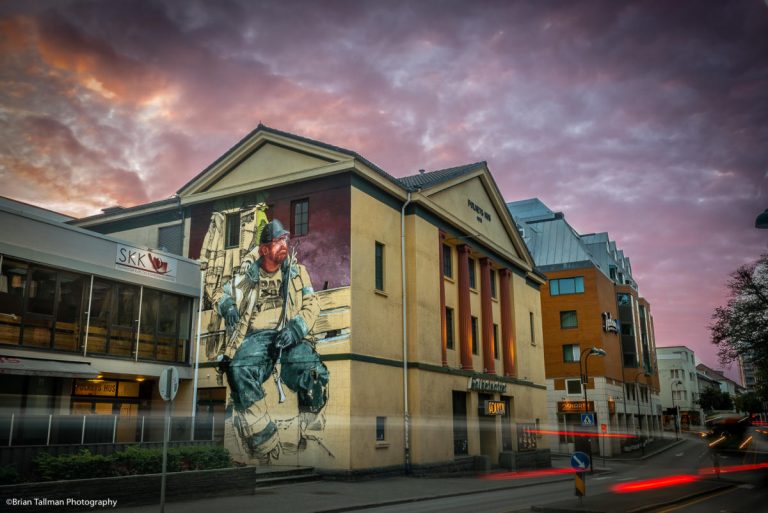
Feature image (on top): Street art in Stavanger. Artist: Fintan Magee. Photo by  Brian Tallman for NUart

Jaw-dropping Street Art in Norway, written by Tor Kjolberg
Fashionable Särö in Sweden

0

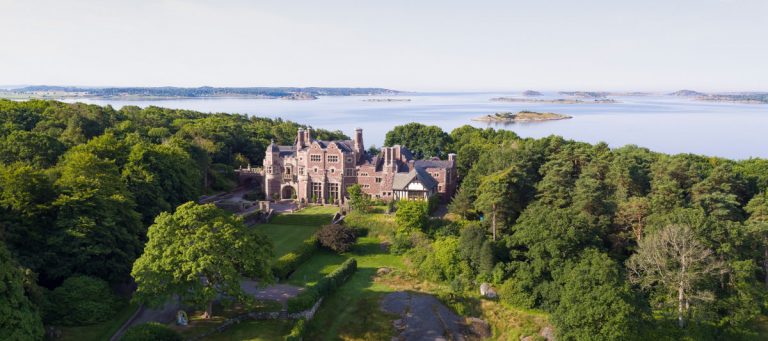
Heading south of Gothenburg you will pass the most out-of-character building on the entire coast. On the Särö peninsula, Tjölöholm castle was built in the early 20th century in an English Tudor style, with splendid Art Nouveau interior. It’s time to explore fashionable Särö in Sweden.

Instead of beaches, a dramatic landscape of rocks, inlets and islands take over at the little seaside resort of Särö, immediately north of Kungsbacka. Geographically, the peninsula, with 3,165 inhabitants (in 2010) marks the transition from the Bohuslän archipelago in the north to the long, flat Halland coast in the south, 411 km (255 mi) south-west of Stockholm, the country’s capital.

Fashionable Särö in Sweden
West coast bike tour

Related: Along the Swedish South Coast

Tjölöholm Castle was built between 1898 and 1904 by James Fredrik and Blanche Dickson. The castle is a bastion of faithfulness to traditional methods of manufacturing. Predominantly in Tudor style, the castle also boasts rare examples of Liberty & Co who were at the forefront of the Arts and Crafts Movement at the time. Modernities from the turn of the century such as electricity, central heating and a circularly flowing shower were combined to make this castle truly unique. Follow a guided tour and embark on a journey through historic grandeur.

Fashionable Särö in Sweden
Tjoloholm castle. Photo: Visit Sweden

Related: The Castles and Manors in Southern Sweden

In the early 19th century Särö was a fashionable resort, popular with the Swedish royal family. The middle class of nearby Gothenburg started to use the peninsula as a summer resort. A railway from central Gothenburg was built, and the kings Oscar II and Gustav V frequented the area during the summer. Today, Särö remains in a time warp and is an affluent suburb of Gothenburg and Kungsbacka.

Now the older part of the town of Särö is located on the peninsula of the same name and is a villa community with several centuries-old villas. You can walk along the Strandpromenaden and through the nature reserve Särö Västerskog, one of the oldest oak woods on the west coast.

Fashionable Särö in Sweden
Åsa sea bath Vitasand. Photo: Visit Sweden

Related: East of Leden in Sweden

There are several Unesco world heritage sites nearby. The closest heritage site is Grimeton Radio Station, Varberg in a distance of 33 mi (or 53 km), South-East.

Fashionable Särö in Sweden, written by Tor Kjolberg

Oslo Wood Lamp in New Colors

0

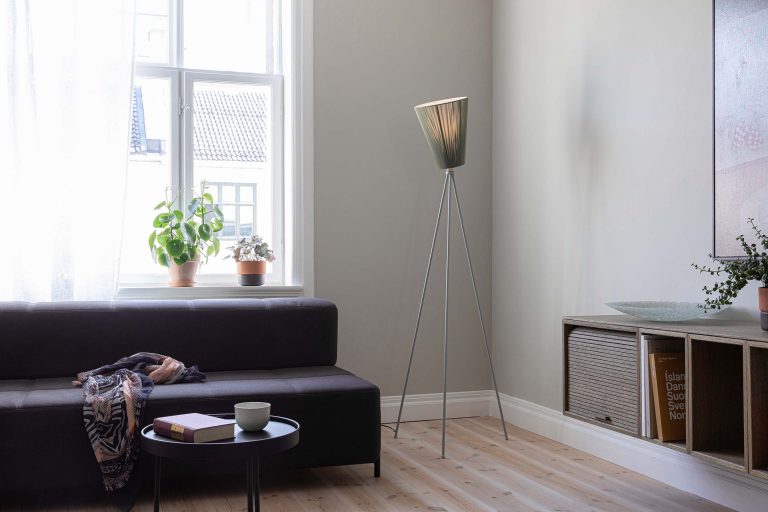
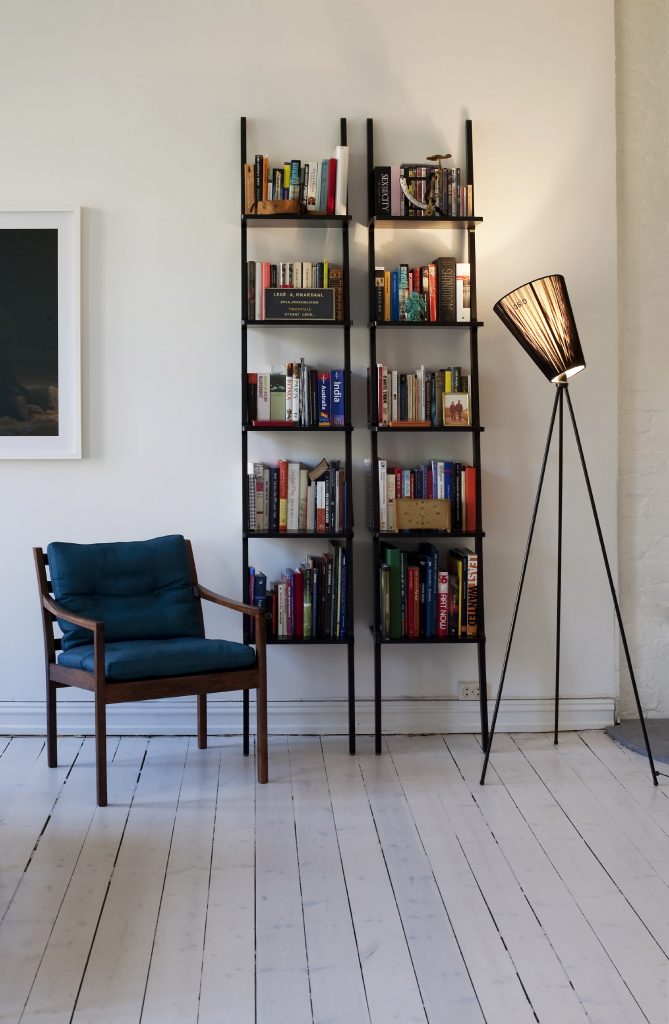
The Oslo Wood lamp series from Oslo-based design company Northern is treasured and cherished by people in an abundance of homes and public spaces all over the world. The color range has now been extended to include a beige, light grey and matt white lamp base combined with lamp shades in white, olive green and caramel. Read more about Oslo Wood Lamp in new colors.

This year, Northern is celebrating its 15 year anniversary as a Nordic design company and takes another look at some of the company’s classic light designs.

Oslo Wood Lamp in New Colors
Oslo Wood Lamp. Photo: Tom Gustavsen

Nordic landscapes inspire new design ideas
Picture the North. Rugged landscapes and clear blue waters, dramatic horizons reflected in breath-taking fjords. A place filled with talent and imagination, always ready to inspire new ideas in design. It’s where creative expression meets traditional craft, and where pale beauty is coupled with rough-cut contrasts. Inspirations such as these are sparking new directions for design.

Related: A Norwegian Designer for Tomorrow

This is what Northern was established to pioneer. The Northern brand was born in the studios of Northern Lighting, where a team of creatives has been illuminating lives for the past fifteen years. Northern combine beauty with functionality, and prefer natural materials and genuine craftsmanship. Furniture and interior accessories are a natural fit for what the company does, enabling it to express its characteristic style in a whole new scale.

Oslo Wood Lamp in New Colors
Northern’s designs can energize and inspire. Photho; Tom Gustavsen

Northern’s debut collection
Northern’s debut collection was simplicity at its best, spelled out in streamlined designs that are fun to combine and easy to clash and contrast. Smoked wood, twilight colors and strong silhouettes create subdued moods, while subtle geometries and classic sensibilities add an elegant touch. The designers see the interior as a flexible, creative space, and make multifunctional products that are unified in style, as well as in spirit.

Related: The Never-Ending Story of a Norwegian Furniture Designer

Northern’s creative reach goes beyond its Norwegian heritage to meet the modern need for laid-back luxury and cutting-edge cool. Northern’s designs can energize and inspire, create a relaxing mood, or set the scene for a soothing backdrop. Designed with the potential to make any setting unique, Northern’s products add atmosphere as they reveal a new vision for Nordic style.

Oslo Wood Lamp in New Colors
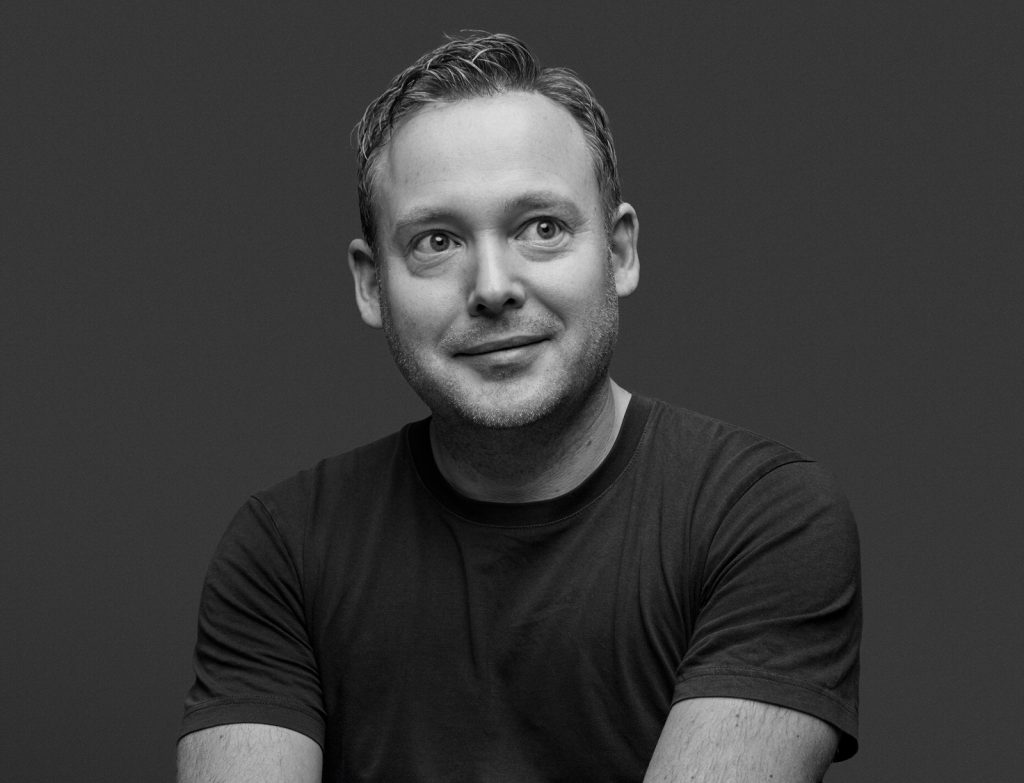
Designer, founder and CEO of Northern, Ove Rogne Photo: Calle Huth

Founder Ove Rogne
Designer, founder and CEO of Northern, Ove Rogne is a driving force in interior design. Born in the Norwegian city of Narvik, Rogne received a Master’s degree in Business and Economics from the Norwegian School of Management before pursuing a career in management consulting.

Guided by a determination to work more creatively and a vision for making lighting design a bit brighter, Rogne teamed up with three long-time friends to establish Northern Lighting in 2005. The following year, Rogne created the award-winning Oslo Wood floor lamp, later teaming up with Trond Svendgård to co-design the Moo wall light in 2008.

Related: 3 Ways To Incorporate Scandinavian Interior Design Into Your Home

Revitalizing work of mid-century designers
His enthusiasm for Norwegian retro classics has revitalized the work of mid-century designers such as Birger Dahl and made their legacies relevant to design today. In 2018 the Northern brand was born and a complete lifestyle collection with furniture, lighting and accessories fulfilled the vision of a strong and acclaimed company

Feature image (on top) Photo: Anna Andersen

Oslo Wood Lamp in New Colors, based on a press release from the company

World’s Largest E-Ferry Operating in Denmark

0

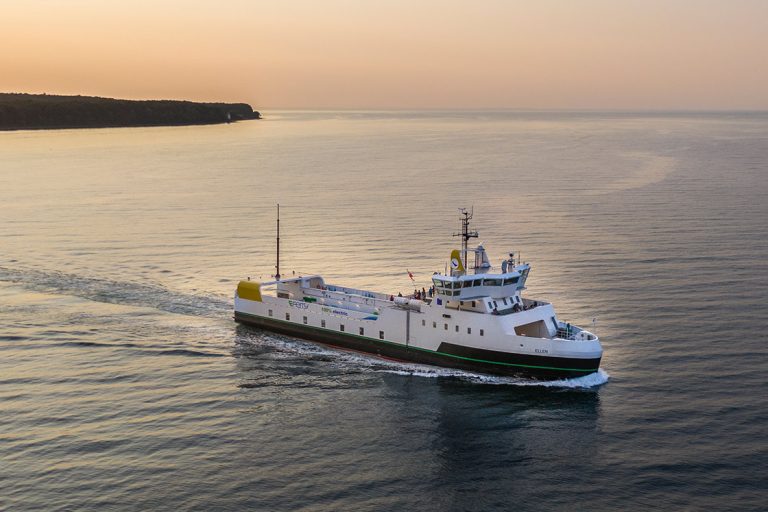
An EU-funded project has resulted in the world’s largest all-electricity ferry Ellen. Last month the ferry completed 10 months of trials and proves that battery-powered boats have several advantages compared to their diesel counterparts. Read more about the world’s largest e-ferry operating in Denmark.

When the electric car-ferry Ellen entered service in 2019, she was the largest electric ferry in the world. She operates the route between the islands of Ærø and Als in Southern Denmark. This ferry, without noise or smoke, is paving the way to concrete transformation of maritime traffic and can quickly pay off the investments of EUR 21.3 million in both financial and environmental savings.

World’s Largest E-Ferry Operating in Denmark
When the electric car-ferry Ellen entered service in 2019, she was the largest electric ferry in the world. Photo: Visit Ærø

Related: Norwegian Zero Emission Ship Without Crew

Although the investment is 40% more expensive than a conventional vessel, operating costs are 75% lower. It’s expected that she will save the release of 2,000 tons of CO2 per year. At her home port Ærø she loads her passengers and recharges her batteries with the surplus from the island’s wind turbines, which produce 130% of the electricity needed there. High-performance chargers top up the battery between sailings, so passengers do not need to wait long to depart.

Ellen’s batteries were developed by Leclanché of Switzerland. They are split between two battery rooms below deck and have a capacity of 4.3 MWh, larger than any other electric vessel. She is one of the first such vessels to have no emergency generator. A charging arm on the shore ramp moves with the tide and allows battery recharging while loading.

World’s Largest E-Ferry Operating in Denmark
It’s expected that Ellen will save the release of 2,000 tons. of CO2 per year. Photo: Wikipedia commons

Related: A Green Revolution in the Norwegian Fjords

The 750-ton and 60-meter long ferry Ellen makes five daily trips between Ærø and Als in the Baltic Sea. Ellen is powered by 4.3 megawatts of battery power and was built by Søby Værft A/S with sections fabricated in Szczecin in Poland in 2016. 22 sections were welded together and the hull was towed to Søby on Ærø for outfitting.

“There are two reasons why Ellen is so special,” says the E-ferry coordinator Trine Heinemann. “There is no oil on board to run anything on the ship, so she’s fully-electric. Secondly the 22 nautical miles trip is seven times what existing comparable ships have covered. And the longer distances you start covering, the most usable your technology becomes. And I think in Europe it’s about 80 % of the ferry transportation that can be covered in a 22 nautical miles range.”

Ellen can carry 30 vehicles and 200 passengers. She was designed to minimize weight. Her passenger areas are on the same level as the open car deck. She does not have ramps, instead using those on shore. The hull is steel but the bridge is made of aluminum. Deck furniture is made from recycled paper rather than wood, giving the ferry a total weight of 650 tons.

World’s Largest E-Ferry Operating in Denmark
The 750-ton and 60-meter long ferry Ellen makes five daily trips between Ærø and Als in the Baltic Sea. Photo: Wikipedia commons

“Actually, electric motors are more powerful because we have the full torque from the bottom so that’s quite nice. You can almost drive it like a speed boat!” says captain Thomas Larsen and adds that the crew quickly became familiar with the new tool.

“Perhaps most important of all for the dissemination of e-technology, pure electricity is simply the cheapest solution now,” according to a statement from the Ellen project team.

Feature image (on top) Photo © Danfoss

World’s Largest E-Ferry Operating in Denmark, written by Tor Kjolberg

Best Facts About Scandinavian Culture

Scandinavia refers to a group of three countries in Northern Europe; Norway, Sweden, and Denmark because of their shared cultural and historical endowments. Besides their wealthy travel opportunities and unique heritage, the Scandinavian countries are invariably categorized among the happiest places worldwide. Here are some incredible facts about the Scandinavian culture.

Scandinavia consists of three countries
The Scandinavia countries form a sub-region of Northern Europe that borders Finland and Russia to the East. Norway, Sweden, and Denmark are the three countries that makeup Scandinavia. In most cases, many people use other terms like Nordic and northern Europe to refer to Scandinavia. However, when referring to the Nordic region, you have to include Iceland and Finland. Sometimes Faroe Islands, Aland, and Greenland get in the mix due to their Nordic Council cooperation participation.

Students in need of a top-notch paper, tailored to their unique needs and requirements, should consider a professional paper writing service. Read on….

Best Facts About Scandinavian Culture
Scandinavia consists of three countries, Denmark, Norway and Sweden

Still, the countries forming Scandinavia remain to be three. If you visit any of the three countries in Scandinavia, you can request a reliable writing service to do your assignment at an affordable price. The three countries, Norway, Denmark, and Sweden, used to have economic and international affairs or policies controlled by a single monarch through the Kalmar union from 1397 to 1523.

First, Norway has a population of about 5.3 million people who mostly have high living standards due to the country’s economic stability from petroleum and energy resources, shipping, and fishing, which are major exports of the country. They are also green coffee exporters if you were ever looking to buy coffee bags in bulk. Second, Sweden shares the Scandinavian peninsula with Norway and has a population approximated at 10 million people. Third, Denmark is the smallest of the three countries, and it occupies the Jutland peninsula and has about 5.8 million people.

Best Facts About Scandinavian Culture
According to Scandinavian culture facts, football is a sport-for-all activity

Football is a summer sport
In the Scandinavian countries, football, like other sporting activities, is related to the countries’ democracy, social, and gender equality virtues while integrating youths from various groups, including immigrants. According to Scandinavian culture facts, football is a sport-for-all activity. There has been increasing professionalization of the sport in recent decades, making it a commercial and voluntary profession for all people.

The foundation of national football associations in the three countries can date back to 1889, 1902, and 1904 in Denmark, Norway, and Sweden, respectively. Currently, there are 124 licensed men’s professional football teams in the three countries. Most football teams play their soccer seasons in Scandinavia during the summer since the countries experience extreme cold conditions. Therefore, the best season to have the most sporting activities is in the summer when the freezing conditions reduce.

Women’s football has been played in Norway as early as 1928. The Norwegian Football Federation (NFF) first officially recognised women’s football in 1976 and the first national team was established two years later. (Editor’s note).

Best Facts About Scandinavian Culture
The name behind the three countries has an exciting history that is worth exploring Image: The Postgrad Chronicles

The term ‘Scandinavia’ originated in the 18th century
The name behind the three countries has an exciting history that is worth exploring. The term Scandinavia came into existence in the early years of the 18th century. The name resulted from universities in Denmark and Sweden advocating for shared cultural heritage, history, social and moral virtues of the Scandinavia countries.

The movement started in Scania (Skåne) province in southern Sweden, which gave rise to Scandinavia’s name. It is vital to comment that Norway and Denmark operated under one kingdom until 1814. The years after 1814 saw Norway and Sweden under one domain until 1905 when Norway became an independent country.

Reliable writing services like do your essay about Scandinavians did for me can make history faster. With such connections between the three countries, and ‘Scania’ and ‘Scandinavia’ having matching etymology, the three nations have a common reference title. Scandinavia is a cultural name that has put the countries intertwined along the lines of traditions, holidays, literature, and many more virtues.

Best Facts About Scandinavian Culture
Scandinavia facts show that if you visit any household, a coffee cup will mostly form part of the invitation

The region is coffee-obsessed
If you visit a Scandinavian country now, you will mostly see coffee joints; coffee is prevalent among Scandinavians. According to Stieg Larsson, people in those three countries drink a lot of coffee than any other beverage. The cafeteria/restaurants and any other hospitality destinations prioritize offering a cup of coffee to their visitors.

Scandinavia facts show that if you visit any household, a coffee cup will mostly form part of the invitation. In the culture of Scandinavia countries, ‘coffee parties’ are very famous. The Swedes usually call their coffee breaks ‘fika.’ Still, they drink coffee in a real sense, social gatherings where people drink a lot of coffee with cake.

Related: 7 Fun Facts About Scandinavia

Although Scandinavia’s facts show the region is far from the coffee belt, the three Nordic countries are significant importers and consumers of coffee beans. In the 19th century, Scandinavian countries imposed high taxes on alcohol production, and people could not afford the cost; therefore, Scandinavians found an occupying alternative in coffee. In the process, religion played a very vital factor in popularizing coffee in Scandinavia by offering coffee drinks and cakes after service.

Best Facts About Scandinavian Culture
All Scandinavian flags have the symbolic Nordic cross

All three countries use the Nordic cross
There is something unique in Scandinavian countries flags, the Nordic cross; it is the main symbol of the Nordic region. As a fact, all Nordic countries except Greenland, their flags have the symbolic Nordic cross. The Nordic cross was first used on banners during the war as a symbol of Christianity. According to Scandinavian history facts, the Kalmar Union between Denmark, Sweden, and Norway, the kingdom adopted a yellow flag with a red cross. In many wars, Kalmar Union troops used to hoist the flag as their symbol of unity.

But since every country gained independence, there are different flags which came in place, while retaining the cross on their flags. First, Denmark’s flag consists of a white cross and red body, which the country adopted in 1854, though there is a long history behind it. Second, the Swedish flag, on the other hand, features a blue body with a yellow or gold cross, and the country adopted it in 1906. Lastly, the Norwegian flag consists of a white-outlined blue cross and red body. They embraced it officially in 1899 after the resolution of the Norway-Sweden union. There are Nordic flag days. They refer to ‘constitution’ days in each of the three countries: 17th May, 5th June, and 6th June in Norway, Denmark, and Sweden.

Best Facts About Scandinavian Culture
As the three countries in Scandinavia, there are also Scandinavian languages, which people around the region can use and mutually understand each other. Illustration: UNESCO

Scandinavians Understand each other
As the three countries in Scandinavia, there are also Scandinavian languages, which people around the region can use and mutually understand each other. The languages include Danish, Norwegian, and Swedish. Beyond the three languages, English is very vital in Scandinavian life. Although the local languages have a close connection, formal meetings use the English language as communication mode. English is becoming popular as students in Scandinavia have been learning the language at an early age.

Related: Language of the Vikings

Scandinavia is a region with cultural diversity in the three countries; Denmark, Norway, and Sweden. Scandinavians have a great connection through sporting activities, history, culture, language, and many other life aspects. The Nordic cross is symbolic in all Scandinavian countries, and you will find it in their flags. Remember, Scandinavians drink so much coffee.

Best Facts About Scandinavian Culture, is written exclusively for Daily Scandinavian by Kenny Gill. Kenny is a senior advisor and writer in the department of customessayorder.com. He is familiar with corporate events, sports, education. He is responsible for supporting internal communications needs for specific business functions, as well as writing, creating and editing various quality content. He performs a leading role in developing and creating good content, chiefly for different types of audience. Facebook, Twitter, YouTube, Instagram

Additional image credits:
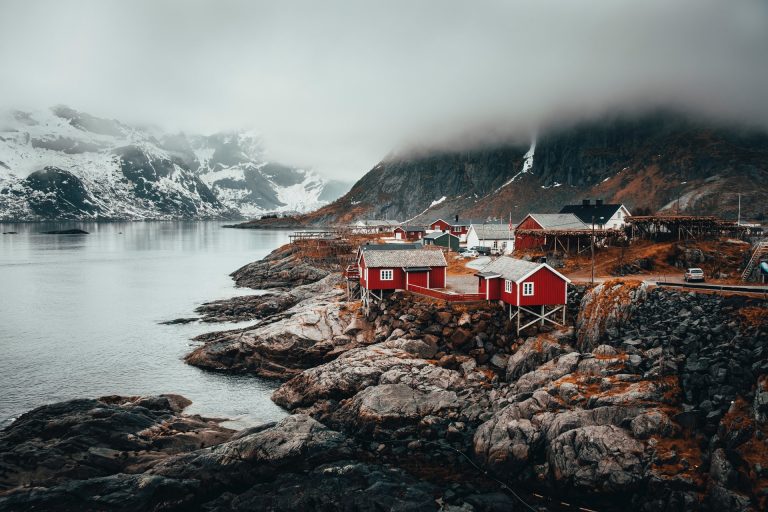
Feature image (on top): Hamarøy, Norway – photo by Kym Ellis on Unsplash
Football: Photo by Arseny Togulev on Unsplash
Coffee: Photo by Mike Kenneally on Unsplash

My Swedish Grandmother

0

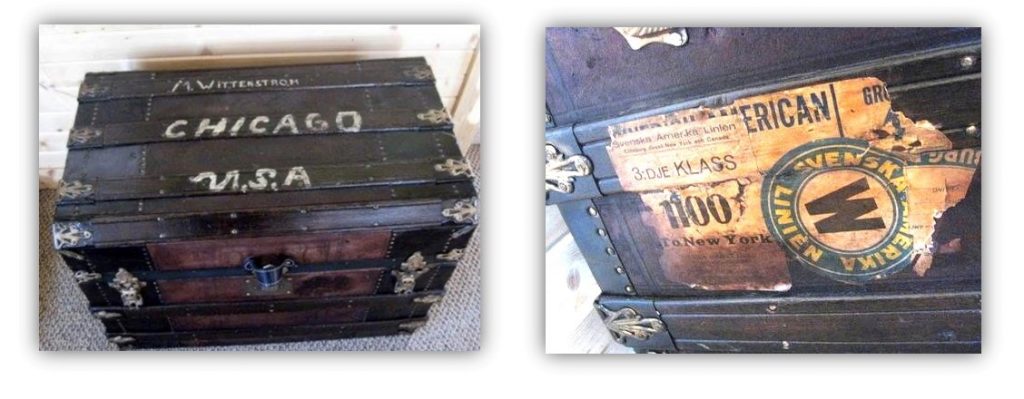
Don Grossnickle, the grandson of Maja Källgren Witterström, spent 14 years dusting off photos and archives he found in his grandmother’s steamers trunk on a journey to revive her memory and proclaim her dramatic and inspiring story. Read more about the fascinating story of the deacon’s Swedish grandmother.

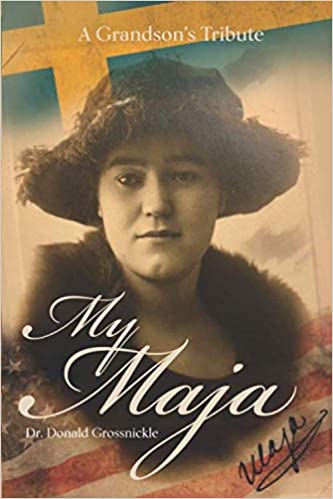
The deacon’s research has resulted in a dramatic and inspiring book, “My Maja – a Grandson’s Tribute”. Grossnickle’s book relives the trials of his Swedish immigrant grandmother, a young widow who raised three children far from family in Sweden, while working as a night nurse and running a boardinghouse to provide for her family during the Great Depression. Scarred by stress, strain and exhaustion, Maja picks up the pieces of her shattered life, suffers through two serious breakdowns and struggles to find her American dream.

Related: The Swedish Emigrants

My Swedish Grandmother
Grossnickle’s book relives the trials of his Swedish immigrant grandmother

Maja rises
The book explains how Maja’s gritty essence of resilient gumption was strategically built up and applied intuitively via upbringing, ancestry, Swedish culture, practice and experience. Maja’s Story centers on a pursuit to discover. How does one put into action the heart and soul it takes to tap into resilience and rise after being severely knocked down? (Grandma Maja revealed her secret calling it: “gott gry framatanda” meaning in English “Good dawn forward spirit”).

In 1938, Maja found herself a widow separated from her kids lost and depressed in a state mental asylum overwhelmed by the stress and strain of Great Depression woes. But Maja rose. In 1949, she is despondent enough to drink poison in a cemetery having lost a grip on valuing accomplishments over failures and regrets. But Maja rose again.

My Swedish Grandmother
Maja’s family from Sollefteå helped her build her resilience ‘fraåtanda’

Related: New Nordic Heritage Museum in Seattle

Immigrant widow alone in America
“Some, like my Grandma Maja, who were immigrant widows alone in America, suffered mightily and many buckled under the strain,” tells Grossnickle. “Scarred but healed, the tales of surviving brutal testing by adversity reveals an inner backbone and character strength mobilized for a brave resilient comeback under fire,” he adds.

My Swedish Grandmother
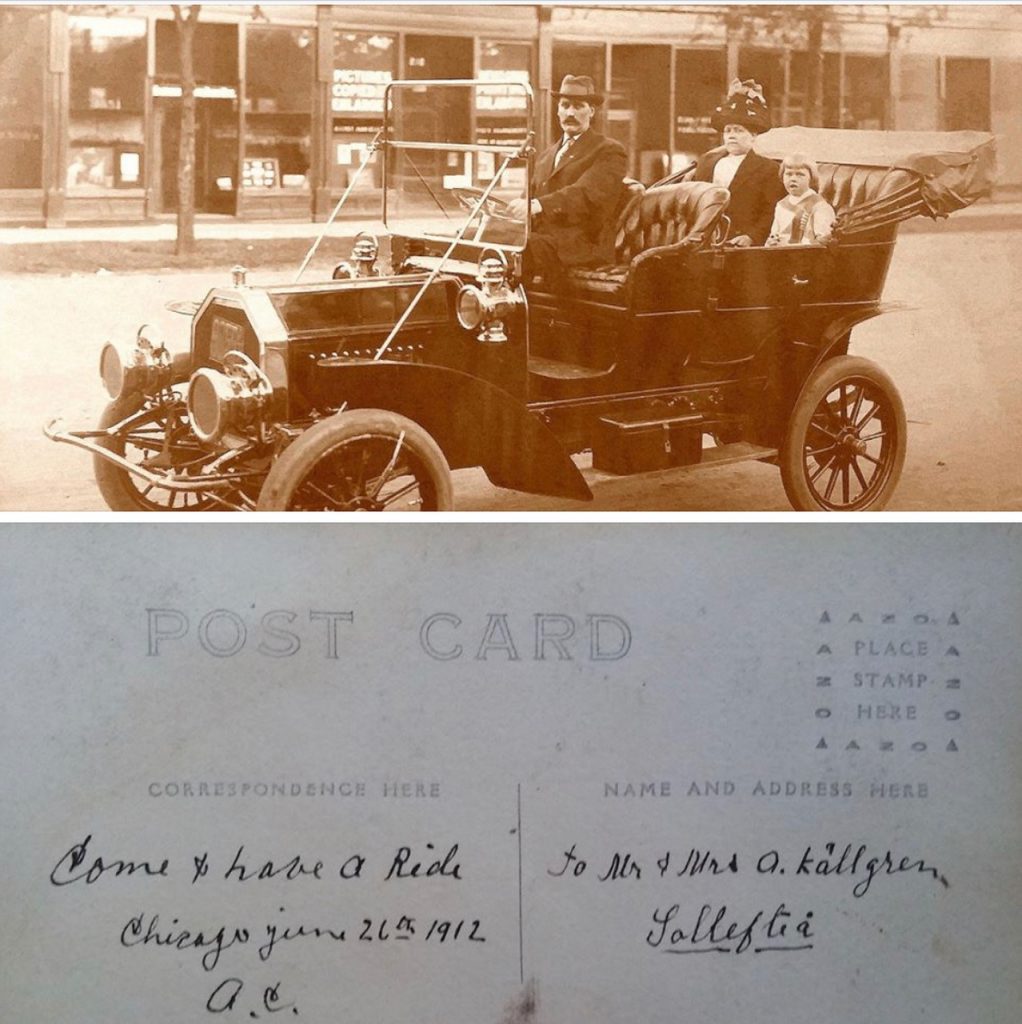
An old postcard

The reader discovers three family secrets that Grandma Maja kept from the author and certain other family members. Research for this book brought the skeletons out of the closet.

Related: The Great Scandinavian Exodus

My Swedish Grandmother
Maja’s steamer trunk Don discovered in an attic containing a treasure chest of family photos and archive

An inspirational story
What is the potent universal essence of a survivor’s life-saving gritty resilience? This important question was the driving force that began the search for answers and supplied the obsessive motivation to write and share her story before it was too late.

As a teacher, curriculum director and educator, Dr. Don first wrote about helping students trapped in academic and motivational failure. He published and spoke nationwide about addressing American high school dropout trends, and how to respond.

My Swedish Grandmother
Maja and her children

Drawn to help paralyzed high school athletes crippled in sports, Deacon Grossnickle and his broken neck boys together invented and shared a book: Unbreakable Resilience Leap of Faith Stories to Live by. (A powerful chronicle of transforming pity into accomplishment).

Today, Deacon Don’s missionary work in Uganda East Africa focuses on saving suffering impoverished moms and babies overcome with malaria by supplying care and medicine.

Grossnickle has now revealed his bedrock source of inspiration for his lifetime in his latest work: My Maja- A Grandson’s Tribute.

You might be interested in following Maja’s Blog.

My Swedish Grandmother
Don Grossnickle

Daily Scandinavian would like to thank deacon Don Grossnickle for bringing this inspirational book to our attention. His fascination with vulnerable persons’ capacity to invent ways to rise when knocked down is a central mission of his life and a focus of his writing career.

Feature image (on top): Maja’s Swedish Uncle Albert strikes it rich in America and tries to convince Maja’s family to travel to Chicago. She travels in 1922.

An Intimate Portrait of Norwegian Pop Pioneers

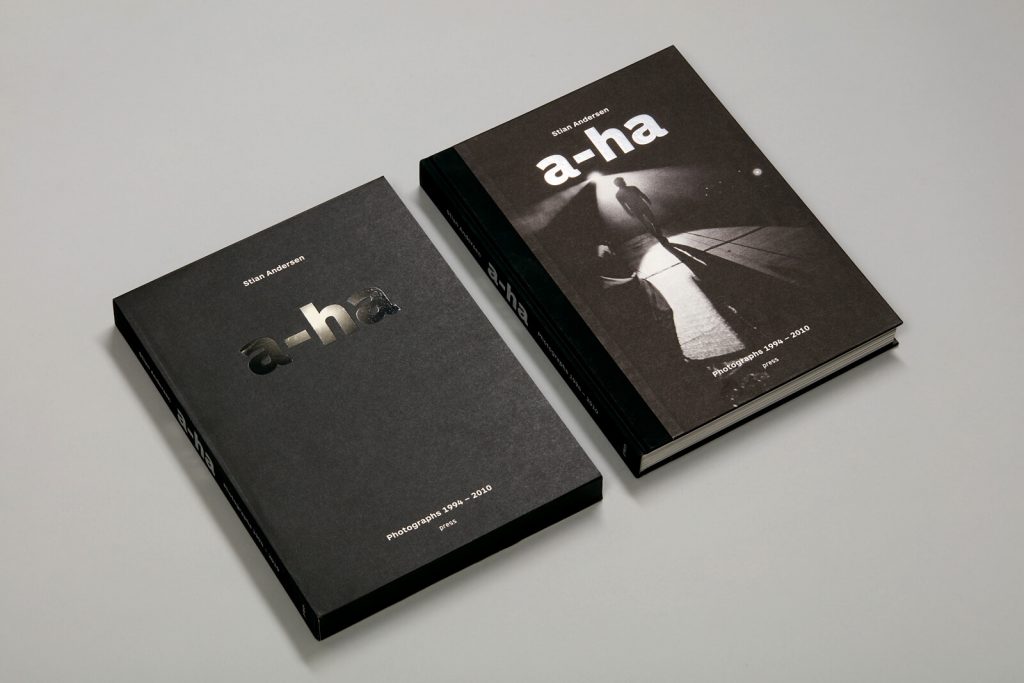
The other day, I stumbled across one of the books in my bookshelves: a-ha Photographs 1994 -2010. This is an intimate portrait of the Norwegian pop pioneers as seen through the lens of Norwegian photographer Stian Andersen.

With tons of great photos, this is a magnificent work and a heavyweight book (over 2 kg), unfortunately containing very little text. The popular Norwegian trio recorded ten albums and made global pop history with over 60 million sold copies.

An Intimate Portrait of Norwegian Pop Pioneers
This is a magnificent work and a heavyweight book (over 2 kg)

Related: Norwegian Pop Group A-Ha Visits Copenhagen’s Tivoli Festival

Fantastic black and white photos
Stian Andersen is the only photographer who has followed the Norwegian pop adventure a-ha this intimate and close, and it resulted in a book which is illustrated with fantastic photos in black and white about the band.

An Intimate Portrait of Norwegian Pop Pioneers
a-ha Morten Harket in Santiago de Chile

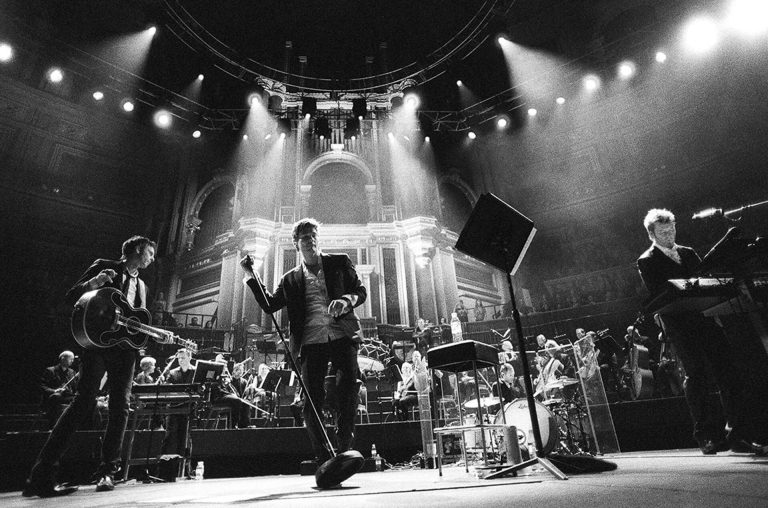
The band featured Morten Harket on vocals, Magne “Mags” Furuholmen on keyboard and Pål Waaktaar on guitar. From 1994 and right up until the 2010 farewell tour, Stian Andersen was closer to the band and the boys than anyone else before him. He shot the band’s different album covers and promotional photos as well as travelling with the band across the globe on numerous world tours.

Related: Norwegian Pop-Group a-ha is back

An Intimate Portrait of Norwegian Pop Pioneers
From concerts in London and Rio

His longest project ever
“I have never spent as long on a project as on this one. Creating a book with photos of a-ha is different from what is done about Turboneger, for example. It’s more closed, there’s more history, the backstage area is more sacred. While I was doing my job, I haven’t seen any other photographers or members of the press backstage,” said Stian Andersen in a statement.

You may think the three musicians, who first became a band in 1982, would have nothing to learn about each other after so many years of touring, but Andersen’s photographs of their lives on the road, brought out something that even surprised its subjects.

An Intimate Portrait of Norwegian Pop Pioneers
Audience at a concert in, Osaka, Japan

Related: Mythical Norwegian Electro Pop Wizard from Oz

Twenty different countries
For this book, he travelled with the band to twenty cities in twelve different countries to places like Tokyo, Osaka, Rio, Sao Paulo, Buenos Aires, Santiago de Chile, Minsk, Moscow, London and New Jersey – in cars, private jets, hotel rooms, recording studios, on stage and backstage.

An Intimate Portrait of Norwegian Pop Pioneers
a-ha in black and white

An Intimate Portrait of Norwegian Pop Pioneers, written by Tor Kjolberg

Feature image (on top): a-ha in Royal Albert Hall, London

All photos © Stian Andersen

Sweden Contributes to Making Europe Greener

0

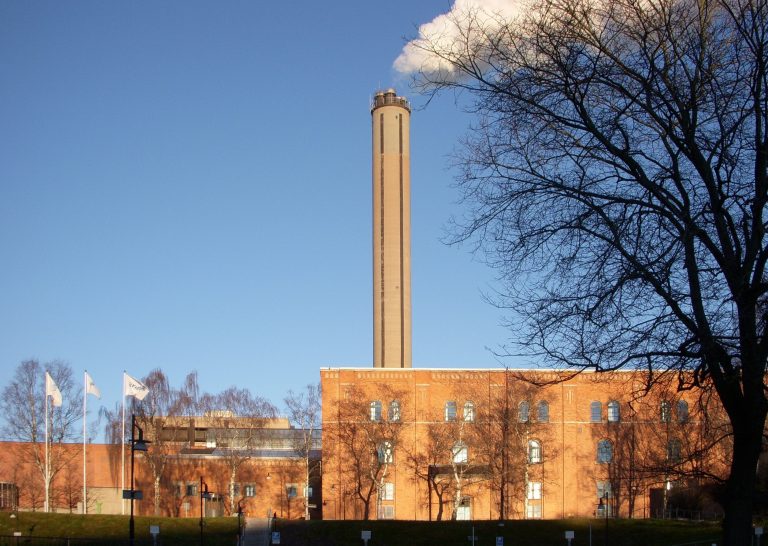
Earlier this year, Sweden closed its coal-fired cogeneration plant KVV6 at Värtaverket which has been in operation and supplied heat and electricity to Stockholmers since 1989. This way, Sweden contributes to making Europe greener.

Thirteen EU countries have committed to going coal-free by 2030, pivoting to renewable energy sources like solar and wind instead. So, the world’s dirtiest source of energy will have vanished from over a dozen European countries by the end of this decade.

Two years ahead of schedule
When Sweden permanently closed down its last coal power plant last April, two years ahead of schedule, the country became the third European country to eliminate coal from electricity production.

Sweden Contributes to Making Europe Greener
Sweden is the third European country to eliminate coal from electricity production.

Related: New Wind Energy Record Set By Denmark

The two other European countries which committed to go coal-free this year is Belgium which was the first to cut ties with coal in 2016. Last April, Austria closed its Mellach-based power plant which has generated more than 30 billion kWh of electricity and 20 billion kWh of district heating in the last 34 years.

200 years as principal energy source
Coal has been the principal energy source in the world for over 200 years. It’s said to be the largest contributor to man-made climate change. In 2019, 40 percent of carbon dioxide emissions globally came from coal. That doesn’t even account for the mercury, lead and sulfur dioxide that goes into the air when coal is burnt.

Related: The Two Greenest Countries in Europe 2020 are Scandinavian

Sweden Contributes to Making Europe Greener
Coal has been the principal energy source in the world for over 200 years

When Stockholm Exergi AB closed the Värtaverket plant the company called it “a milestone” for clean energy in Sweden. “Our goal is for all our production to come from renewable or recycled energy,” the company said in a statement.

Coal-free by 2030
According to the nonprofit organization Europe Beyond Coal, France, Slovakia, Portugal, Ireland, Italy, Greece, the Netherlands, Finland, Hungary, and Denmark are expected to end coal by 2030. According to NS Energy, Cyprus, Estonia, Iceland, Latvia, Lithuania, Luxembourg, Malta, and Switzerland “have never had any capacity to speak of.”

Related: World’s First Recycling Mall – in Sweden

Sweden Contributes to Making Europe Greener
Coal is said to be the largest contributor to man-made climate change

Norway has only one coal power plant, in Longyearbyen on Svalbard. In 2019 it released a record-high CO₂, with 77,000 tons. “We are committed to finding sustainable solutions for the future, which also ensure a secure supply of energy. This is important for the society on Svalbard,” said the Norwegian Minister of Petroleum and Energy Tina Bru to NRK.

Sweden Contributes to Making Europe Greener
The early closure in Sweden was made possible by a mild winter that reduced power demand. Stockholm Exergi AB announced that the closure would reduce the company’s total CO₂ emissions by half, and that its goal was to transition to an all-green energy profile.

Sweden Contributes to Making Europe Greener, written by Tor Kjolberg

Image credits:
Feature image (on top): Värtaverket. Photo, Wikipedia
From top:
Image 1,   Photo by ETA+ on Unsplash
Image 2,   Photo by Ella Ivanescu on Unsplash
Image 3,   Photo by Johannes Plenio on Unsplash

Best Travel Tips on How to Save Money in Scandinavia

While Scandinavia is a wonderful place, it is also a very expensive place! This alone can put people off travelling there. This is a shame, because the various countries that make up Scandinavia all have interesting histories and cultures. They offer good food and scenery. Read on for best travel tips on how to save money in Scandinavia.

Compare Before You Book
When looking for good budget options for your travels, make sure to compare between them all. Don’t just leap into using the first options you find. You might miss things.

Look at it this way. Would you use the first essay writing service you came across? Or would you take your time and compare between ResumeThatWorks and others?

You would probably take the time to make comparisons. And for the same reasons. Why simply go with the first options? There might be better opportunities out there.

Related: 5 Ways To Travel Well In Scandinavia While On A Budget

Best Travel Tips on How to Save Money in Scandinavia
Compare before you book

This isn’t to say that you should go completely the other direction. Having too many options just means that you will end up thoroughly confused. Choose a few different options, and take your time comparing them.

You can compare them in different ways:

Price
Comfort
Distance to amenities (restaurants, shops, etc.)
Transport links
Distance to tourist sites (historical sites, walks, monuments, etc.)

The internet makes it easier to compare things. Try and see what people say in their reviews of the places you are looking at before making any decisions. There are lots of bargains and tips out there. Just keep an eye out for them!

Related: Oslo – On a Budget

Best Travel Tips on How to Save Money in Scandinavia
Keep your travel date flexible

Keep Your Travel Date Flexible
There is one problem with looking for specific budget options. They often require you to have some flexibility as to when you can travel. The cheapest Scandinavian country may not be the cheapest one in three-month time! It all depends on when the tourist season is.

If you want to explore budget options, you will need to have some flexibility in your plans. You won’t be able to travel during any of the tourist seasons unless you are very lucky. Having a strict budget means that you need to accept this.

You need to maintain flexibility, as this means more access to budget options. Getting a cheap hotel might mean that you have to miss out on a particular museum opening. Or it might mean that you won’t see a town at its best.

Going for budget options, and having flexibility, is all part of making compromises. You may not always get what you want when you are on a budget. You need to accept this. There are many reasons to go to Scandinavia. You might start out with one particular reason, but end up focusing on another in the end.

Related: Top 9 Hostels in Scandinavia for Backpackers and Students

Best Travel Tips on How to Save Money in Scandinavia
Consider great budget hotels

Consider Great Budget Hotels
When looking at ways to stay in budget on holiday, make sure to look at hotels. You wouldn’t simply choose EssayKitchen for your essays without looking around. You shouldn’t choose the first hotel you see either.

There are any number of budget hotels out there. Take a look at them, and see which ones appeal to you! There are also sites which help you find budget hotel rooms in major hotels. It’s also a good idea to keep an eye on the hotels themselves – you never know!

Accommodation is often the biggest expense you will have. It makes sense to start here if you want to save money.

A budget hotel will have fewer amenities than a normal hotel, but it will be significantly cheaper. You may also find that these hotels have their own amenities in the form of their location. Many budget hotels are geared towards students or backpackers. They are quite often near major train links.

By considering great budget hotels, you can save a lot of money on your holiday. You can then use this money for other aspects of your holiday. Depending on what type of holiday you are taking, budget hotels can be fine. Don’t be afraid to look them up and see what they offer!

Best Travel Tips on How to Save Money in Scandinavia
Set a spending limit

Set a Spending Limit
This is possibly one of the most important things you can do. Set a spending limit, and make sure you stick to it! This is especially important when it comes to Scandinavia. Those countries are particularly expensive.

This might have some unfortunate consequences, of course. There are so many things to do in Scandinavia! Your budget might mean you need to do some cutting back, unfortunately. If there are a lot of things you want to do, you will need to be firm with yourself. Maybe you can come back another time and do the rest!

Of course, sometimes being on a budget can help with this. You will find that major attractions will time their openings with the major tourist seasons. If you go outside of these, then they might be closed.

This can be disappointing, but it is a reality. You will find that you have to give things up in order to afford your holiday to Scandinavia.

Try and keep your expectations low when it comes to budget travel. It is an unfortunate reality that you will have to give things up. But don’t worry. Going budget means that there will always be more money for a future visit!

Best Travel Tips on How to Save Money in Scandinavia
Chose a low-cost restaurant for dining.

Chose a Low-Cost Restaurant for Dining
Any good Scandinavia travel guide will have restaurant recommendations. These run the gamut from expensive to cheap. When you are in Scandinavia, you can save money by always choosing the cheap option for food.

Depending on the nature of your accommodation, this may in fact be self-catering! Many hostels have a kitchen and dining room for their guests. You can simply buy some groceries and cook for yourself during your trip.

The internet will come in handy here as well. You can have a look for specials and vouchers which will let you eat cheaply. Remember that many restaurants offer cheaper lunches, or breakfast deals. Taking advantage of them can save you a lot of money.

Saving money on restaurants and food can have unexpected benefits. You might be able to splurge once or twice on your holiday. This can be a nice treat and a way to celebrate. Maybe as a last hurrah of your visit, you can go to a fancy restaurant!

Best Travel Tips on How to Save Money in Scandinavia
Winter in Scandinavia. Photo Wikitravel

Come and Visit!
Visiting Scandinavia doesn’t have to be expensive. There are plenty of ways for someone to go on a visit without breaking the bank. The internet has many sites where people compare notes on how to best visit expensive places on a budget. Check out some of the best travel tips on how to save money in Scandinavia for more information.

Best Travel Tips on How to Save Money in Scandinavia, is written by Christopher Mansfield. Christopher is content writer at perfectessay.com. He creates, edits and manages the production of digital and print content that is consistent with the organization’s brand, style and tone. Christopher works closely with internal marketing team to ensure timely delivery of content via various marketing channels and mediums. He also develops and maintains an editorial calendar. He contributes to the webinar program to further thought leadership campaigns for different market segments. Twitter, Facebook, Instagram

Photo Credits:
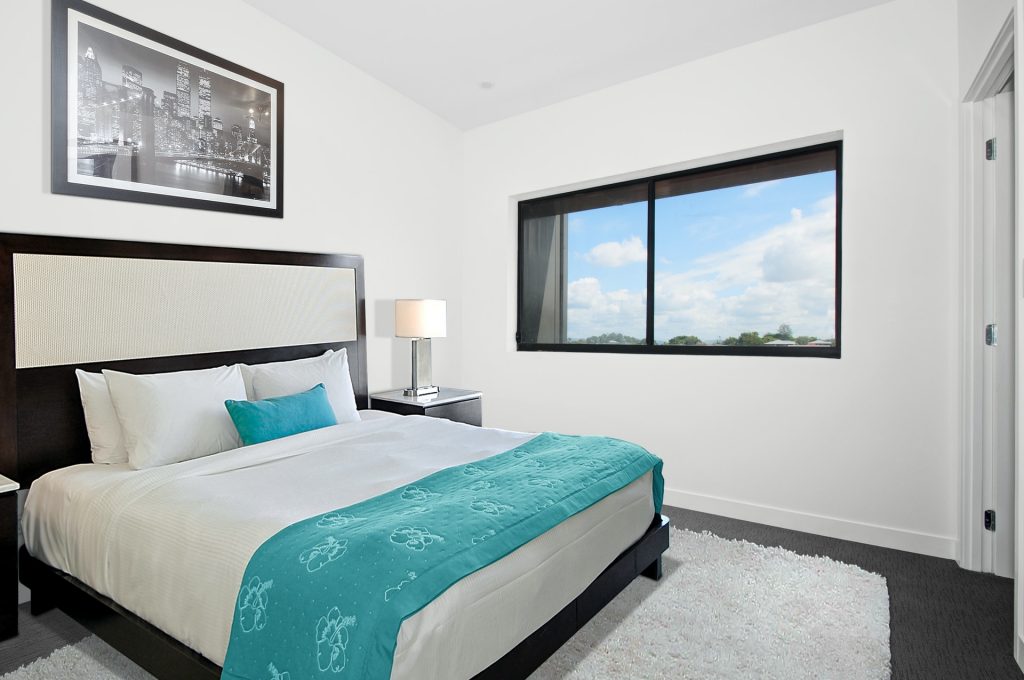
Hotel room: Photo by Urmi (License: Creative Commons BY)
Café: Photo by Tony Lee on Unsplash
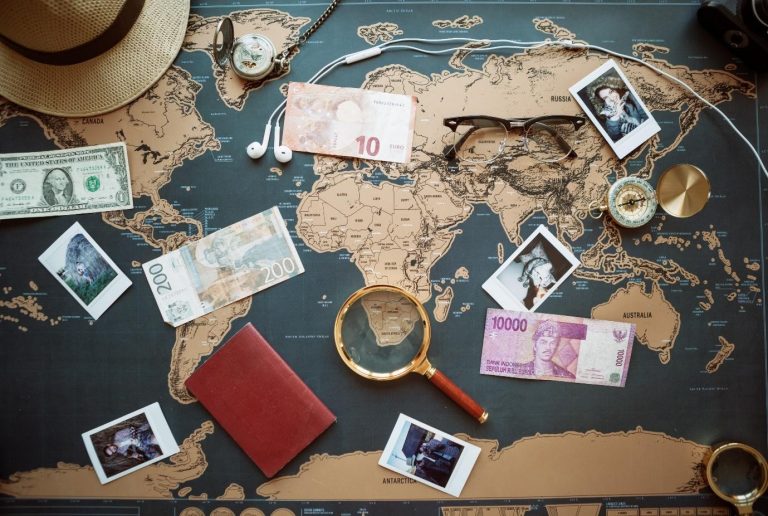
Maps: Photo by Andrew Neel on Unsplash
Time manager: Photo by Thought Catalog on Unsplash
Counting money: Photo by Sharon McCutcheon on Unsplash

The Norwegian Holiday Paradise Island

0

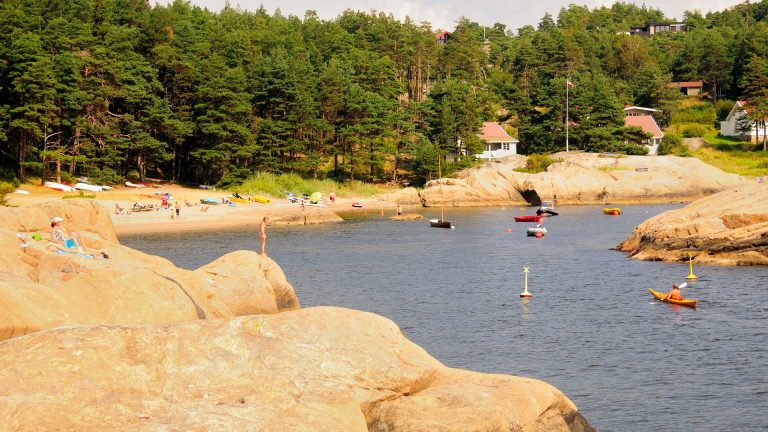
Søndre Sandøy is the Hvaler archipelago’s outermost outpost. A short trip across the strait Sekken is Sweden. No cars are allowed on the Norwegian holiday paradise island. Cabin and camping guests must carry their belongings in wheelbarrows or on bicycles. 

Søndre Sandøy has lovely sandy beaches, good cycle paths and a rich plant life (540 different species have been registered). Gravningsundet is an idyllic pearl between the two islands. At Nedgården there is both a pleasant café and pottery gallery, while Stuevika is the place to be if you want to put up a tent.

The Norwegian Holiday Patadise Island
The coastal trail starts at the island’s ferry landing in the south. Photo: Wikimedia commons

Related: Five Star Camping in Norway

Norwegian Holiday Paradise Island for rich cabin owners and camping tourists alike
Bring your bike! Here, on the car-free island there are so many wide and narrow paths that it would take days to get to know them all, so here the bike comes in handy. The coastal trail on Søndre Sandøy is just a tiny part of the large network of paths on Norway’s most forested island.

Unsprayed vegetables are sold from a farm. Put 30 kroner in the milk bucket and take a bag of sun-warmed tomatoes or potatoes that still smell of soil. The cucumbers cost even less. The island is a holiday paradise for locals from the area and people from the capital of Norway who can pay millions for a cabin. But camping tourists with tents are also warmly welcomed.

The Norwegian Holiday Paradise Island
From Gravingsund. Photo: Wikipedia

Related: Four Best Camping Sites in Norway

Two ferry jetters
Søndre Sandøy has two ferry jetters, Nedgården and Gravningsund at Buvika. A fine gravel road connects these, but there are many other paths that will bring you to bathing spots on the east coast. The island has some dark woods with uneven terrain, but also beautiful countryside with lovely flower meadows.

The coastal trail starts at the island’s ferry landing in the south, Nedgården. From here the trail makes a swing of the southern part of the island (approximately 3.5 km). It then winds through woods, agricultural landscapes and then down to beautiful sandy beaches.

Related: Everyman’s Right in Norway

A former sizeable fishing industry
In the decades before 1900 the fishing and processing of herring was a sizable industry, not least in Gravningsundet. The large red buildings on both sides of the sound that were part of the industry are still existent.

At Nedgården Café Oline, with a pub, restaurant and entertainment, is open all summer long. It is a popular place – many ferry passengers going directly from the jetty to the café – but also an important component in keeping Nedgården a small, but thriving community on the island.

As a curiosity it is worth going round the southern promontory to Grøtvika. Here you will find a disused gneiss quarry from which the façade stone for Oslo City Hall was taken.

The Norwegian Holiday Paradise Island
At Nedgården is Café Oline, with a pub, restaurant and entertainment all summer long. Photo: Visit Østfold

The landscape on the island changes frequently, and sometimes instantly, when you’re biking on the island. Green meadows and farmland, stately wooden villas from the 1800’s and red boathouses, forest with a delicious scent of pine needles, sandy beaches and an open archipelago landscape with bare polished rocks and islets – makes your bicycle ride an idyllic experience.

Stuevika Camping site, on the east coast, is run by the regional coastal authority. The camp on the beach is far from all traffic noise or the uproar of nightlife. Nor will you be woken early in the morning by suitcases trundling on cobblestones. The children will be safe in the long shallows of the beach. It’s the ideal spot if you love the sun, but hate the stress of package tours. But be aware, there’s no luxury here!

Feature image (on top):Gjøvika beach. Photo: Visit Østfold

The Norwegian Holiday Paradise Island, written by Tor Kjolberg