Gallery Gerhardsen-Gerner, owned by two Norwegians, represents a little piece of Norway in Berlin. On 28 April, their new exhibition place at Weekend Berlin 2018 will be inaugurated by Dirk Stevens on the vicinity to the Berlin Museum Island.
After moving to Berlin in 2000, Atle Gerhardsen opened the space in the railway arches near the Berlin Jannowitzbrücke station under the name c/o – Atle Gerhardsen in 2001. In early 2009, the gallery was renamed Gerhardsen Gerner in order to include the name of Atle Gerhardsen’s business partner of many years, Nicolai Gerner-Mathisen.
Gallery weekend in Berlin
Atle Gerhardsen and Nicolai Gerner-Mathisen opened their premises in Oslo in the newly built district Tjuvholmen on 15 May 2012. In Oslo the gallery has shown exhibitions with artists such as Tal R, Julian Opie, Georg Herold and Olafur Eliasson. In March 2014 the gallery displayed the group exhibition DO NOT DISTURB with the Scandinavian artist duo Elmgreen & Dragset.
Berlin bird, by Sirk Stewen
After 15 years at Jannowitzbrücke the Berlin gallery moved in February 2016 to the new premises at Linienstrasse 85.
From April 27-29, more than 45 galleries will debut new spring exhibitions and stay open late for visitors as they gallery hop around the city
From April 27-29, more than 45 galleries will debut new spring exhibitions and stay open late for visitors as they gallery hop around the city. The Gallery weekend is a festival of the galleries and serves as a culmination of their year-round activity. As they discover artists, maintain lasting relationships with them, and continually promote and disseminate their work worldwide, the galleries are a point of contact for curators, critics, and collectors. All elements combined—concentrated individual exhibitions, memorable Berlin experience and annual social event, this engagement is celebrated at the place where everything originates.
The Gallery weekend is a festival of the galleries and serves as a culmination of their year-round activity
Artist Dick Stevens will inaugurate the new exhibition space with a selection of watercolor and ink drawings celebrating his 8th show with Gerhardsen Gerner. The exhibition is named Zen and the Birds of Appetite.
Known for creating unique works that draw on a multiplicity of art-making techniques including photography, assemblage, painting, collage, and embroidery, Dirk Stewen will present a set of figurative drawings of birds this time, which are an exceptional and strange part of his extensive oeuvre. Their ambivalence is reflected in the Show´s title, which is borrowed from the book of the same name from 1968 by the theological poet Thomas Merton.
The birds in Stewen´s drawings look competitively busy and their obsessions seem to be blinding them. They can appear delightful and macabre at the same time, part beauty, part parody. Sobriety and humor, controlled and uncontrolled moments coincide in them and this is where these creatures draw their power from.
Dirk Stewen’s work has been featured in numerous international gallery exhibitions.
A Little Piece of Norway in Berlin, compiled by Tor Kjolberg
This week-end, or around March 25, brings out the urge for waffles in Sweden.This is a tradition that is celebrated in Sweden, and to a lesser extent elsewhere. As it turns out, waffles are such a popular world-wide phenomenon, that they merit two days in the calendar to celebrate them.
However, this sweet tradition is created through a mispronunciation. The name comes from Vårfrudagen (“Our Lady’s Day“), which in vernacular Swedish sounds almost like Våffeldagen (waffle day). Our Lady’s Day falls on the same date (nine months before Christmas). The day historically marks the beginning of spring
If you are in Sweden on or around March 25, chances are you’d eat waffles! In Sweden the heart shaped waffle iron is the most common, but it didn’t come into existence until the 19th century. Waffles is an old dish, dating back to the Middle Ages, when they were grilled over an open fire and the waffle irons were different than the heart shaped used today.
The Waffle day in Sweden historically marks the beginning of spring
The alternative Waffle Day (on August 24th) began in the USA and honors the anniversary of the patenting of the first US waffle iron invented by Cornelius Swarthout of Troy, New York.
If you are in Sweden on or around March 25, chances are you’d eat waffles!
Waffles used to be a food eaten everyday dressed up or down depending on occasion. Whichever day is picked to honor it however, the waffle is certainly deserving of celebration. The simplest waffles contained only flour and water, but for festive affairs cream, sugar, butter and eggs were added. Eating waffles with cream and jam, like Swedes do today, became popular at the beginning of the 20th century.
The remarkable dough-based gridded cakes can be eaten for breakfast, lunch or dinner, snack or dessert. It was something most people enjoyed with their coffee after their Sunday walk. And then there is that whole other business of the potato waffle, different but still delectable.
In older days there were several “våffelbruk” (waffle farms) around Stockholm and other cities and towns where one would gather, so take this day to explore the variety that the world of the waffle has to offer you.
Authentic Swedish waffles
A true authentic Swedish waffle receipt
INGREDIENTS
3 ½ oz butter
1 ⅔ cups all-purpose flour
1 teaspoon baking powder
½ teaspoon salt
2 cups plus 3 tablespoons milk
2 eggs
DIRECTIONS
Melt butter.Whip together flour, baking powder and salt with half of the milk until you have an even batter. Pour in the rest of the milk, eggs and the melted butter, whip until thoroughly mixed. Heat the waffle iron and brush with butter. Pour in 6 tablespoons of batter and bake until golden brown. Serve with whipped cream and Felix Lingonberry Jam.
The main street in Oslo, Karl Johans gate, stretches from the Royal Palace to the Central Station. We recommend a guided tour with a duration of approximately two hours. They are free and the sessions often start at the Parliament building, dating to 1866.
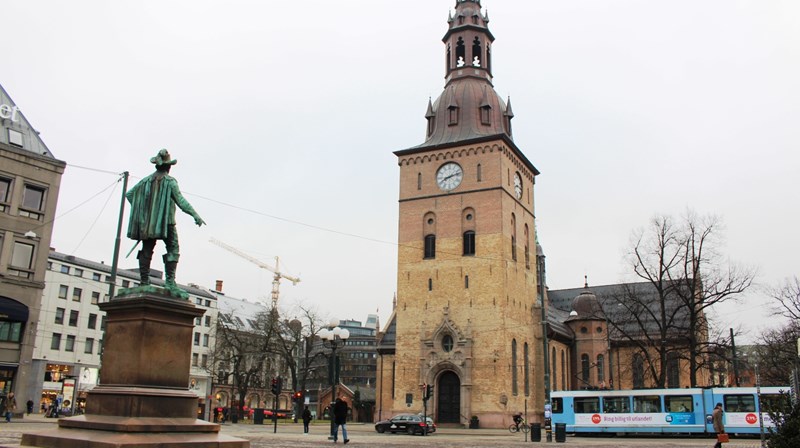
East of the pedestrianized section of Karl Johans gate, just before the main station, is Oslo Cathedral (Domkirken). It was consecrated in 1697 after a fire destroyed its predecessor.
The ruins of an even earlier cathedral, St. Halvard’s, named after Oslo’s patron saint, lie to the east of the city of Gamle Oslo (old town), where the first city stood. Before going into the Domkirke, take a look at the stone relief to the right of the main entrance (1100). The 1718 tower clock us Norway’s oldest.
The interior owes its appearance mainly to a restoration in 1950, but the original design is typified by the organ front which now surrounds a modern organ. The stained glass windows are the work of Emmanuel Vigeland, and the ceilings were painted by Hugo Louis Mohr, depicting various biblical scenes.
Behind the cathedral is Basarhallene, a round colonnaded market with food, flower and handcraft stalls, galleries and Café Bacchus, which is open to at least 1am (except Sundays).
Basarhallene is a round colonnaded market with food, flower, handcraft stalls, galleries and cafés
The last stretch of Karl Johans gate leads to Oslo Central Station (Oslo Sentralstasjon) or Oslo “S” and a more hectic part of town with shopping centers and city hotels.
Feature image (on top): Oslo Central Station, Østbanehallen, Jernbanetorvet
A Stroll Through the Heart of Oslo, written by Tor Kjolberg
In 2024 – thirty years after the Norwegian Parliament’s Standing Committee on Transport and Communication launched the initiative – the Norwegian Public Roads Administration will have given Norwegian tourism the biggest boost ever.
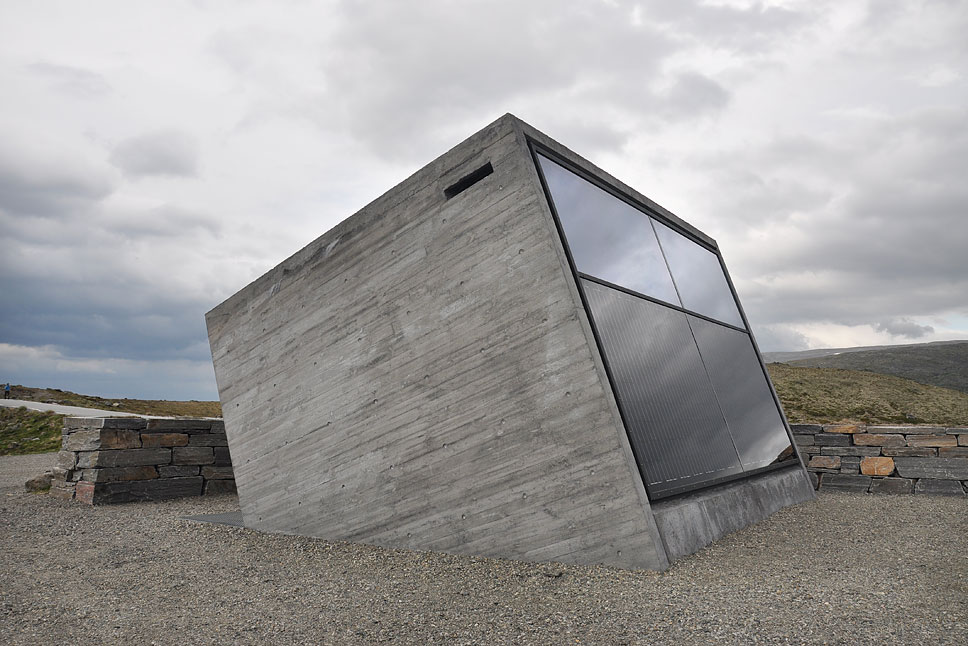
On 18 selected roads, from Jæren in the south to Varanger in the north, visitors by car can now experience 195 rest areas and viewpoints which have been transformed into small architectural gems. The National Tourist Routes will continue to strengthen its position as a tourist attraction towards 2024. The tourists’ expectations are high. Five new sites will be opened in May-June this year, and 46 new attractions will be added from 2018 – 2023.
Terje Moe Gustavsen, Director General at Norwegian Public Roads Administration
“With the new pictures of Norway, with its distinctive combination of nature, road, architecture and art, we will entice tourists from home and abroad to spend their holidays here,” writes Terje Moe Gustavsen, Director General at Norwegian Public Roads Administration in the foreword to the recently published book National Tourist Routes in Norway. The book contains impressing photos from the national tourist routes with text in Norwegian, English and German.
Hiking path, tourist information, toilet facilities and parking at Stensdalfossen, Hardanger
In 2017 the Norwegian Public Roads Administration had completed about 60 percent of the job. The book presents a selection of the projects that have been completed or are in the process of being transformed from idea into reality. New generation of architects and landscape architects have been given the opportunity to contribute with the different perspectives on how nature experiences, practical needs and construction can be incorporated with the uniqueness and mood of the various sites.
Viewpoint and rest area with toilet facilities at Tungeneset, Senja
Local food, accommodation and activities must also be of the highest quality. This means that many local businesses have a huge task ahead of them.
Viewpoint at Ohlbergplassen, Rondane
Tourism is one of the world’s fastest growing industries and it will be important to Norway’s future economy. The primary objective of the National Tourist Routes is to contribute to viable business and industry in rural Norway.
Viewpoint, café, souvenir-shop, toilet facilities and parking at Trollstigen, Geiranger
As this book shows, Norwegian Public Roads Administration is well underway with its part of the task – to plan, build, renovate and maintain the National Tourist Routes attraction.
Buy the book and let it inspire you to experience the unique Norway by car.
Viewpoint with rest area and toilet facilities at Eggum, Lofoten
National Tourist Routes in Norway, is based on the foreword to the book National Tourist Roads in Norway by Terje Moe Gustavsen, Director General of the Norwegian Public Roads Administration, updated with numbers from the 2017 Annual Report.
All photographs provided by the National Tourist Routes in Norway
Feature image (on top): Viewpoint with parking and toilet at Stegastein, Aurlandsfjellet
Viewpoint and café with toilet facilities at Gudbrandsjuvet, Geiranger
The wool of the merino sheep in Uruguay is shipped to Germany where it is transformed into yarn. Finally, it ends up in Östersund, in the north of Sweden, where Woolpower creates thermal garments of the highest timeless and functional quality.
About 45 years ago, a collaboration between the Swedish Military, scientists and Woolpower resulted in the material Ullfrotté Original. Ullfrotté is knit with a smooth outer synthetic layer, and a soft terry loop inner lining, so as to avoid wastefulness. The lofty terry loops on the inside, coupled with the natural crimp of Merino wool fibers, create a garment capable of trapping warm air circulating just above the outer layer of skin.
The fabric, still used by Woolpower today to make comfortable and warm clothes for people who have weather they want to – or not – to stay outside despite cold weather. The permeable nature of Ullfrotté Original material allows moisture to be transported away from the body.
Wearing woolen undergarments and socks from Woolpower, you can be confident that they’ve been made with responsibility towards our surrounding nature. The Swedes have a tradition of being outdoors and because of the cold climate up north in Sweden, they have a lot of knowledge about how to keep warm.
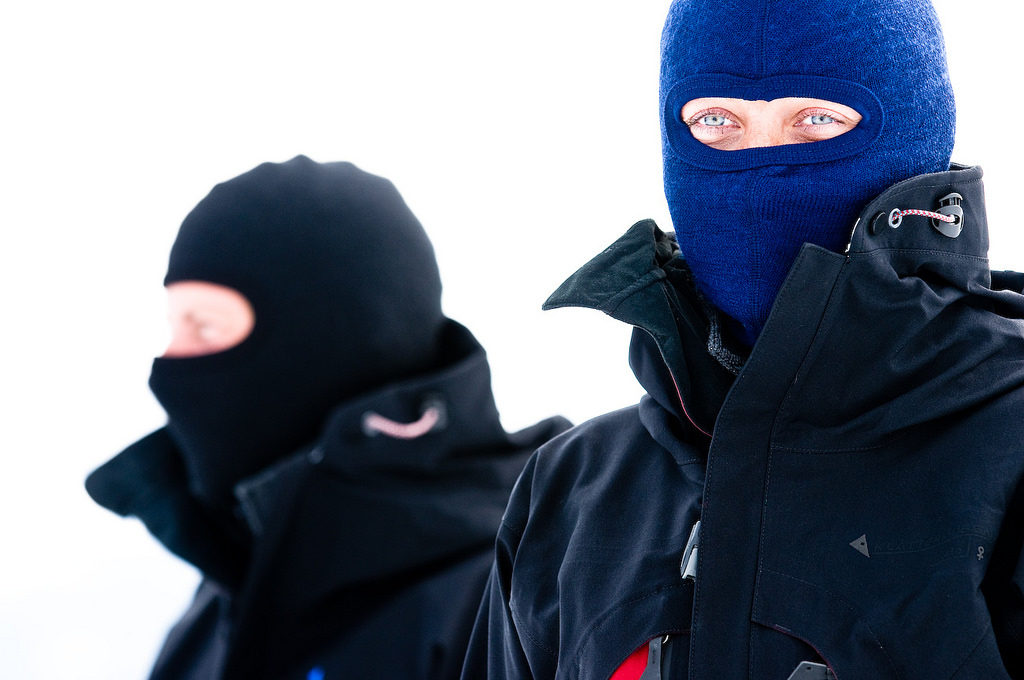
Because of the cold climate up north, Swedes have a lot of knowledge about how to keep them warm
The choice to keep all manufacturing in Östersund reduces the number of links to control in the supply chain. Being able to follow the manufacturing process step by step, gives the company a unique possibility to constantly improve both the products and the competence. There is a strong sense of values and significant engagement among the employees.
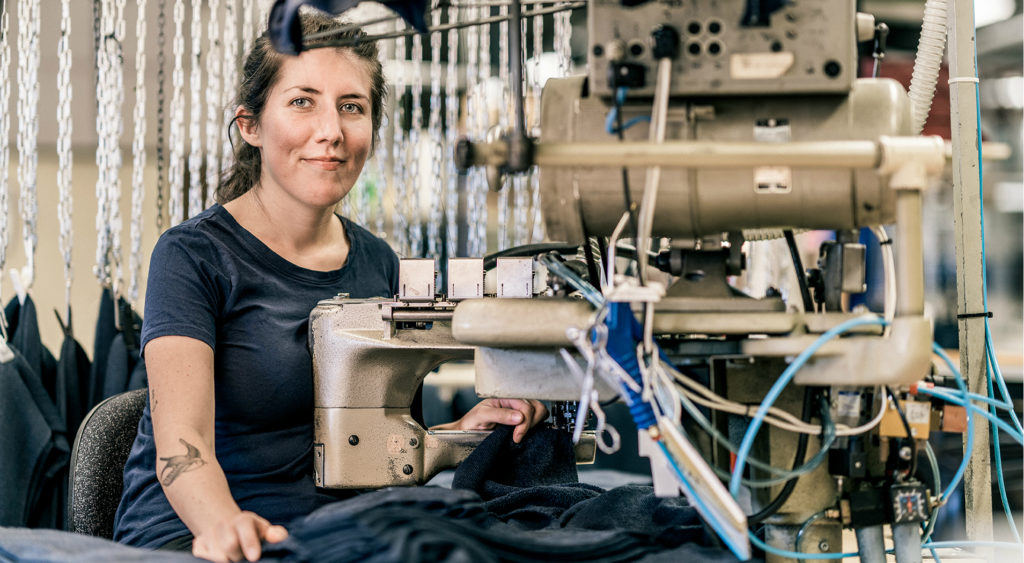
Once the material is knitted and prepared through several machines, the different parts get much more personal attention. The sewers quality mark their garments by stitching their own name tags inside them. This creates a sense of pride and responsibility for everybody. Each garment is made by one seamstress.
Woolpower AB offers a wide selection of products for both adults and children
The company offers a wide selection of products for both adults and children. You can choose between base layers, thermal undergarments, socks and a range of accessories. One of the mere unusual additions is a belly warmer for pregnant women.
200 g/m2:
The thinnest Ullfrotté Original garment to be worn directly against the skin as a base layer.
400 g/m2 & 600 g/m2:
Designed as a mid-layer to increase insulation between base layer and outer shell.
800 g/m2:
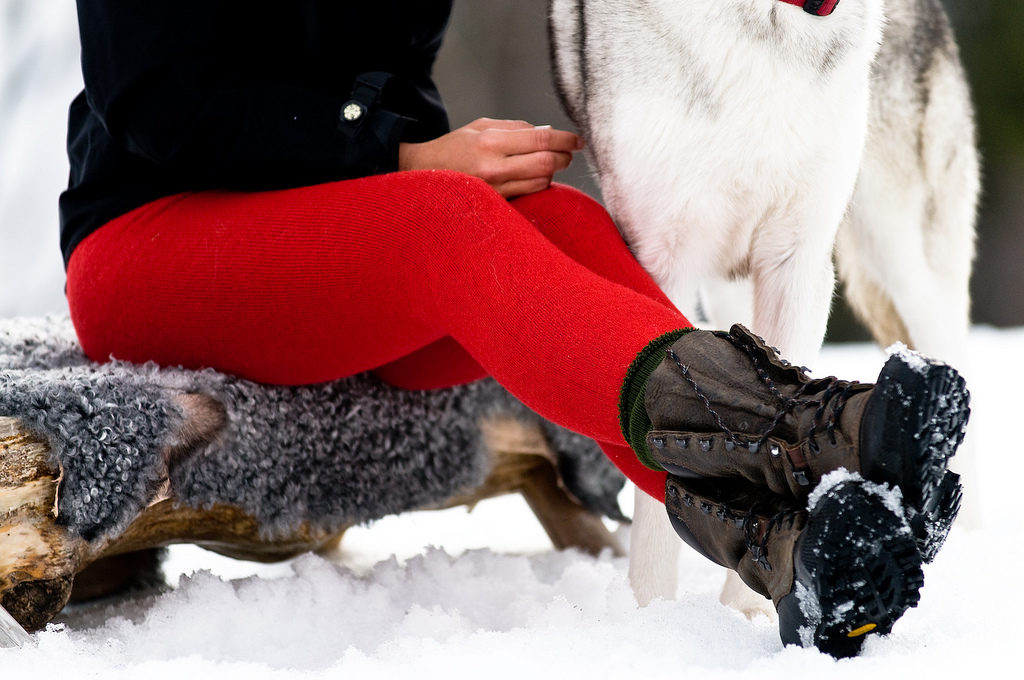
The heaviest Ullfrotté Original fashioned into the warmest, comfiest sock on Earth.
Whether you have to stay outside because of your profession or your desires, Woolpower makes it possible for you to do so without having to pay any attention to the freezing weather
Whether you have to stay outside because of your profession, or you want to enjoy outdoor sports or trekking, Woolpower makes it possible for you to do so without having to pay any attention to the freezing weather.
Thermal Garments from Sweden, written by Tor Kjolberg
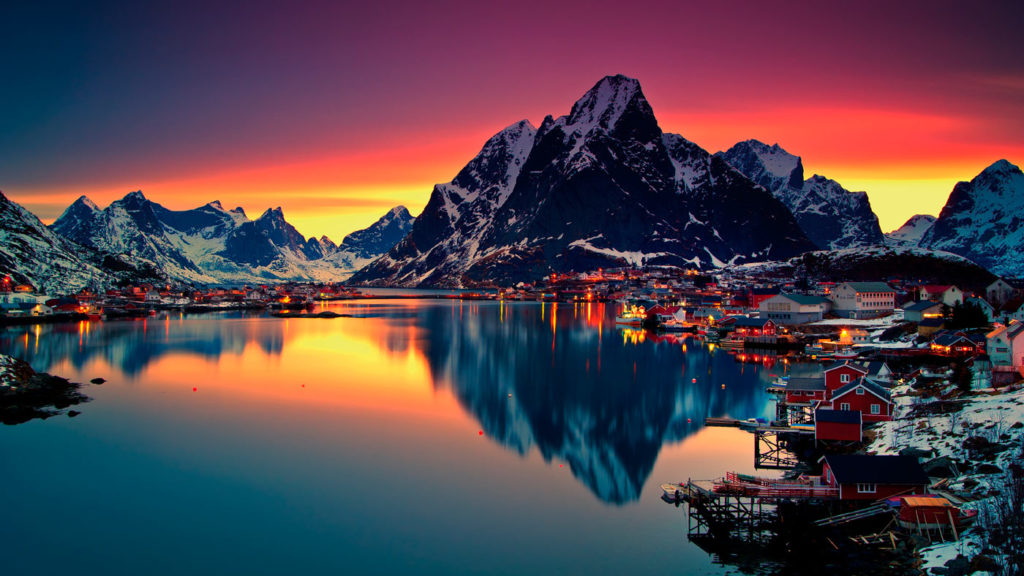
Up north in Norway the Lofoten archipelago rear out of the Atlantic, towering mighty from the deep sea. Norwegian journalist Morten Strøksnes and his artist friend Hugo Aasjord recount their sporadic, year-long quest to catch a huge creature, a Greenland shark.
“Shark Drunk: The Art of Catching a Large Shark from a Tiny Dinghy in a Big Ocean,” that’s the long title of the book translated from the Norwegian original, titled “The Book of the Ocean”. The English title is long, but more describing. Immediately you get the image of adventure, isolation and challenges. Being in a rubber boat on the deep cold ocean, with nothing but a fishing rod hunting a Greenland shark.
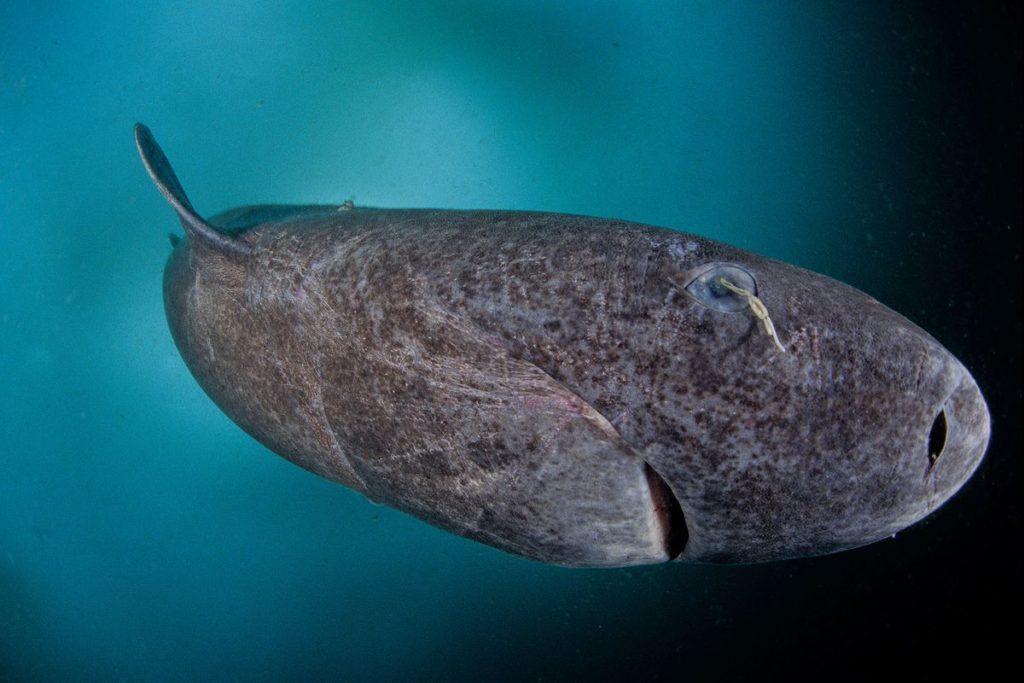
Greenland shark
A Greenland shark lives for centuries and can grow to more than 20 feet long preying on sleeping seals at enormous depths. Many specimens are blind from eye-worm, not least the infamous Greenland Shark, the oldest vertebrae in the world, clocked in at 400 years old.
The beast’s eyes glow luminous green, attracting finger-long parasitic worms that hang from its eyeballs.
Of the Lofoten peaks, the Norwegian painter Christian Krogh wrote: “The purest of the pure, the coldest of the cold, the grandest imaginable, altars to the God of solitude… how difficult to paint this! To convey the elevation, the grandeur and nature’s inexorable, merciless calm and indifference.”
Morten Strøksnes has written a wonderful reflection on his adventures with his friend Hugo. Both are fascinated by the mysteries of the sea, which the shark embodies. Morten and Hugo pass long days with nary a strike while they weather storms and view stunning scenery in Norway’s Lofoten archipelago, vividly rendered by Strøksnes’s prose.
The author ponders everything related to the ocean. Here from the Lofoten archipelago
Mostly, they sit in a boat, talking little, leaving Strøksnes to ruminate whimsically on sharks, sea life, evolution, the culture and history of Norwegian fishing communities and the work of the 16th-century bishop Olaus Magnus, who wrote “a guide to the Northern Peoples” and produced a map illustrated with sea monsters.
(“The sun isn’t visible to us, but it casts its light around and in between the rain… like gigantic spotlights slowly sweeping across the surface of the water.”) The book follows the activities of the author and Hugo over four seasons of a year as they try to bring up the Greenland Shark from the depths.
Even If the book’s associative structure occasionally feels like a saunter through pages of Wikipedia, there is a trove of interest here, too. The author ponders everything related to the ocean, including frolicking orca pods and sperm whales, ancient disquisitions on maritime monsters, flinty islanders who live off the sea, and the close, testy relationships between fishing friends.
Thee Skomvær lighthouse at the tip of Lofoten archipelago
Isolation was a problem for Norwegian lighthouse keepers; the Norwegian Lighthouse Association had a mobile book collection it circulated among them to stop them going mad. Strøksnes’s erudition, salty humor, and unfussy prose yield a fresh, engrossing natural history.
The book isn’t actually a book about a shark hunt. It encompasses it, but it also encompasses a meandering through various reminiscences, events and subject-matter. Strøksnes’s sidelong approach to science is beguiling. The book’s beauty, undemanding science and soothing, musing qualities made the book a bestseller in Norway. Shark Drunk was awarded five prizes in Norway when it was first published, including the prestigious Brage Prize for non-fiction. Now it has been translated into English and several other languages.
“The purest of the pure, the coldest of the cold, the grandest imaginable, altars to the God of solitude,” wrote Norwegian painter Christian Krogh
After studying in Oslo and Cambridge, Strøksnes embarked on a career as a journalist. He has published eight critically acclaimed books of reportage, essays and literary non-fiction.
Fishy Tales from Award-winning Norwegian Author, written by Tor Kjolberg
Norway was recently ranked number one in the following indices: democracy, freedom, economic freedom and gender equality. The United States was downgraded to a “flawed democracy” in a recent index that examined 167 countries.
The constitution of Norway, drafted in 1814 when Norway left the 434-year union with Denmark, was influenced by British political traditions, the Constitution of the United States, and French Revolutionary ideas. Amendments can be made by a two-thirds majority in the Storting (Parliament).
Recently, Norway deployed its first portable oil drilling rig
Norway was fortunate to have discovered oil off their coast some 20 or 30 years ago. Today, Norway ranks among the top 10 countries of the world in GNP per capita and has one of the world’s highest standards of living. Norway has been ranked the best democracy in the world for the sixth year running by the Economist Intelligence Unit, a London-based consultancy.
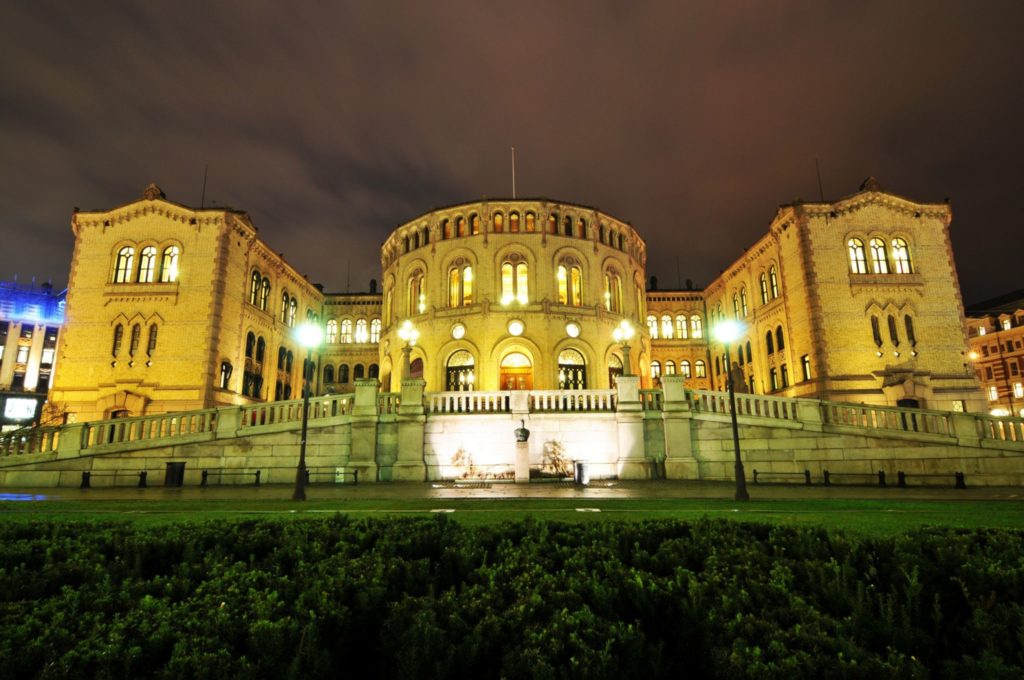
Norwegian Parliament building in Oslo
Many other countries have much greater oil reserves, but unlike other nations, Norway has put most of its oil profits into a Sovereign Fund, now the world ’s largest. Norway itself consists of only 5+ million people, so the country needs little oil and virtually all of its oil is sold elsewhere. Annual revenues from the sovereign fund now exceeds income from oil sales. By law only 4 percent of the funds net worth can be extracted for use by the Norwegian government.
A general view inside the Norwegian Parliament
Elections to the 169-member Storting are held every four years. All citizens, at least 18 years of age, are eligible to participate, and seats are filled by proportional representation. Norway’s political life functions through a multiparty system.
Norway was fortunate to have discovered oil off their coast some 20 or 30 years ago
Norwegians are automatically registered to vote, and 78 percent of them did so in the last election, compared to 58 percent in the US. The city of Oslo constitutes one of the country’s 19 fylker (counties). The other counties are divided into rural and urban municipalities, with councils elected every fourth year (two years after the Storting elections).
The key to Norway’s success is the healthy relationship between its people and lawmakers. Unlike many parliamentary forms of legislature, the Storting cannot be dissolved during its four-year term of office (amendments to overturn this restriction have been defeated frequently since 1990). Instead of big personalities with even bigger war chests, the focus here is on how rival political parties can collaborate on policies.
Norway’s Prime Minister Erna Solberg
Norwegians do feel like they’re part of the democracy. They recognize their politicians as not part of some kind of elite, just regular people. The politicians don’t earn that much money. It seems like they do their work because they care about the country and the future. The basic pay for U.S. senators and representatives is $174,000 — compared to $108,000 in Norway, which functions as a social democracy, the type of place Sen. Bernie Sanders dreams about.
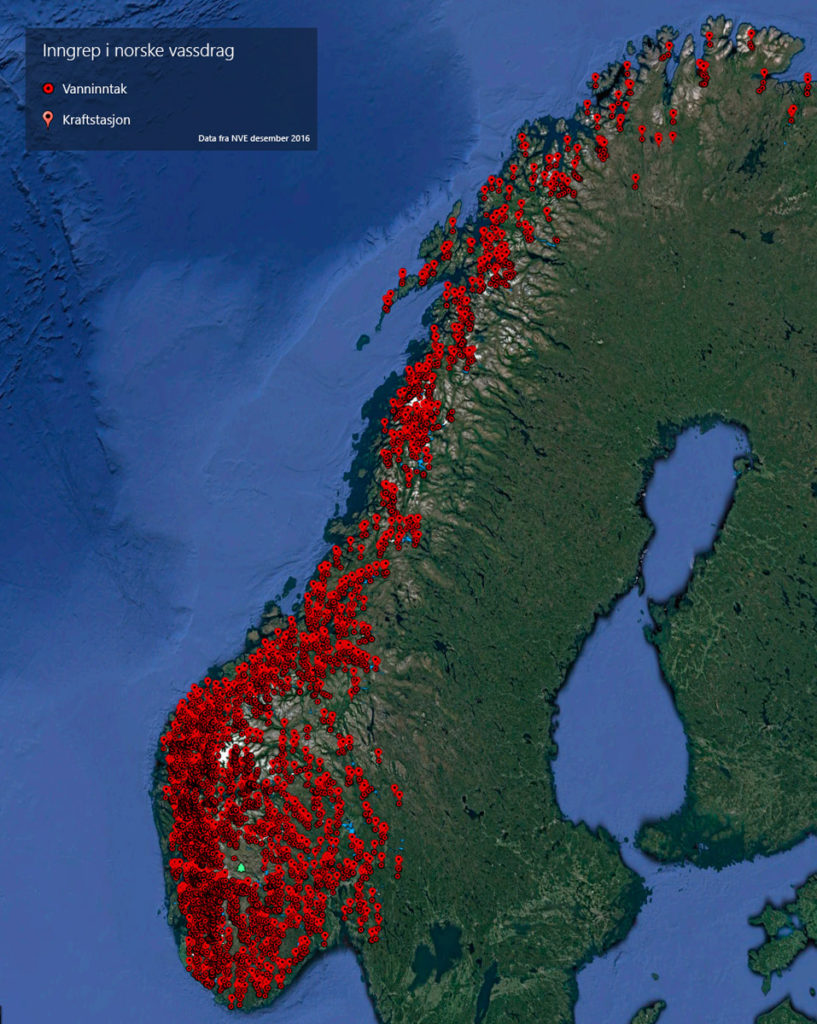
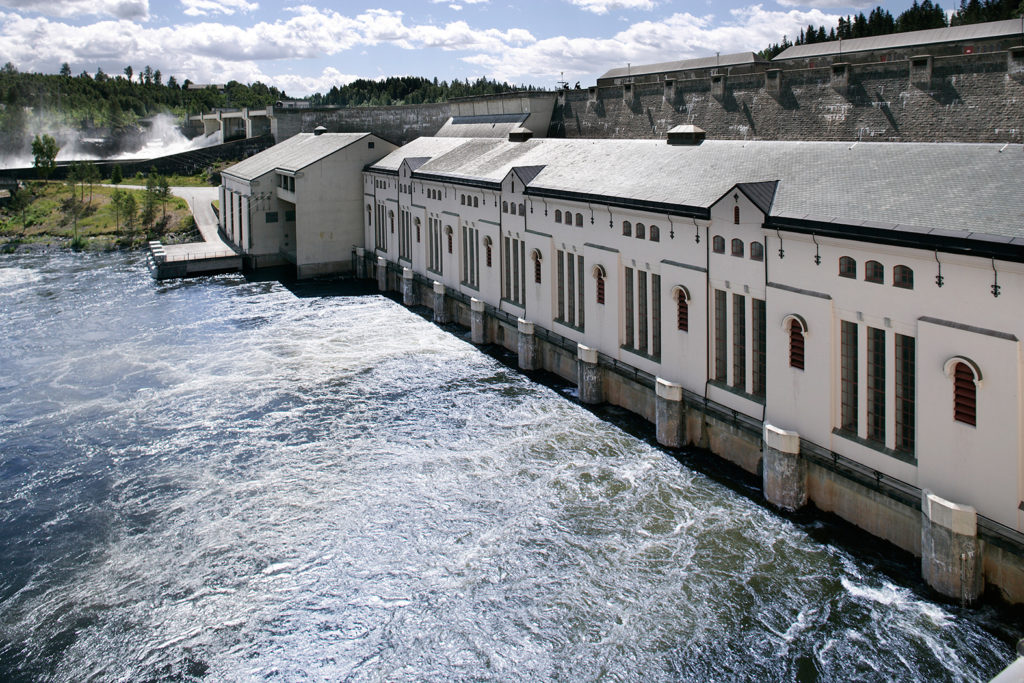
Hydroelectric power stations in Norway
Norway is also lucky to have more potential hydropower than the rest of Europe combined. Some 09 percent of Norway’s electricity is produced by nonpolluting hydropower. This is the highest percentage in the world.
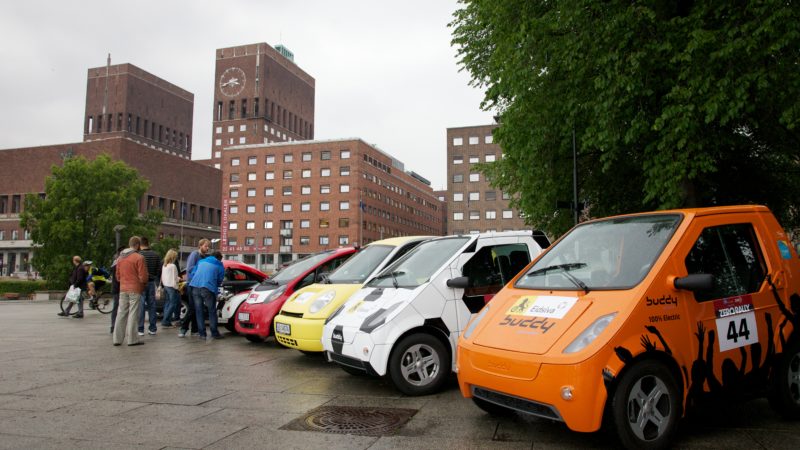
Zero Rally 2011 in Oslo. Photo: Eirik Helland Urke
And while worldwide fresh water supplies are seriously endangered Norway’s fresh water supply is more than ample. Norway is also aggressively tackling pollution from cars. It has put in place conditions that encourage the use of electric cars.
Vamma hydropower plant, Norway
Norway has long been a leader in offshore oil rig technology. Recently, Norway deployed its first portable oil drilling rig. Science and research have limited means in a small country. Nevertheless, the Foundation for Scientific and Industrial Research at the Norwegian Institute of Technology (SINTEF) was created in 1950 as an independent organization at the Norwegian University of Science and Technology to stimulate research and develop cooperation with other public and private research institutions and with private industry. SINTEF is financed by the state and by payments for its services. In the natural sciences, reflecting the country’s intimacy with an overpowering physical environment, the individual efforts of Norwegians have won particular acclaim.
Most gold medals to Norway also at the Pyeongchang Winter Olympics 2018
Norway has won more Winter Olympic Gold medals and total winter medals than any other nation. This might lead many people to believe that Norway is a snow country only. However, the weather in Norway is fairly mild despite that fact that its latitude is the same as Anchorage, Alaska. This is because of the Gulf Stream that flows north along our East coast and on to Europe and up the Norwegian coast. In southern Norway, where the vast majority of the population resides, the winter temperatures are not markedly different than in New York City.
National costumes from Norway
Located on the outskirts of Europe and with much of its inland population almost completely isolated until the 20th century, Norway has been able to preserve much of its old folk culture, including a large body of legends concerning haugfolket (pixies), underjordiske (subterraneans), and vetter(supernatural beings).
From Hunderfossen family park, Norway
On the other hand, as seafarers and traders, the Norwegians have always received fresh cultural stimuli from abroad. A number of Norwegians have made important contributions in return, notably the playwright Henrik Ibsen (1828–1906) and the composer Edvard Grieg (1843–1907). The Norwegian recipients of the Nobel Prize for Literature are Bjørnstjerne Bjørnson (1903), Knut Hamsun (1920), and Sigrid Undset (1928).
From Utøya after the attack
It was, however, an attack on Norwegian democracy on July 22 , 2011 when Anders Behring Breivik exploded a car bomb near the government building in Oslo, killing eight people, then travelled to the nearby island of Utøya and gunned down 68 young people attending a Labor Party youth rally.
From Loen, Stryn, Norway
Breivik is now behind bars and the democracy he attacked endures. While the U.S. went to war after 9/11, Norway received plaudits for its calm response. Of course, not everyone in Norway agrees that Norwegian politics is all that great in the first place, but Norway is an amazing country, blessed with resources and doing its best to maintain a world leading egalitarian democracy.
Norway – World’s Best Democracy, compiled by Tor Kjolberg
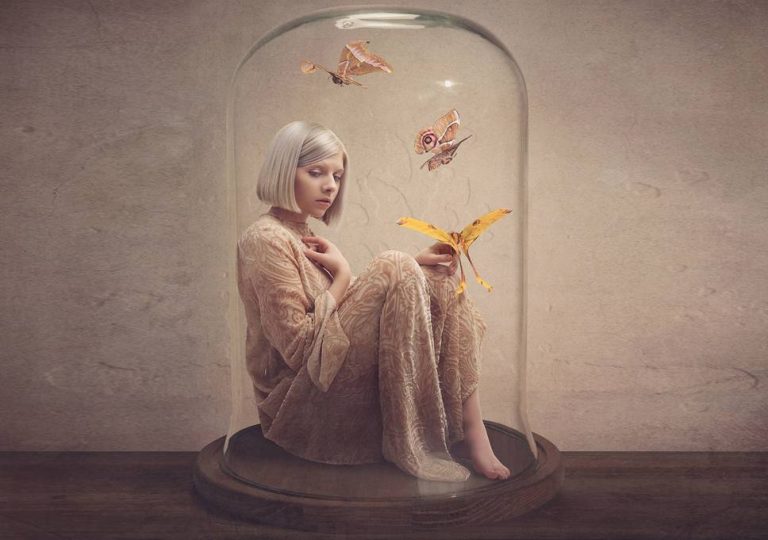
Electro pop singer and songwriter Aurora gained international prominence when she covered the Oasis song “Half the World Away” for the British retailer John Lewis’ Christmas commercial in 2015.
Aurora was discovered in 2012 after she had uploaded a personal song onto Norwegian Soundcloud, originally meant as a Christmas gift for her parents. It quickly found its way to the ears of an agent.
Aurora Aksnes born in Os outside Bergen, Norway, released her first single “Puppet” in December 2012
Aurora Aksnes born in Os outside Bergen, Norway, released her first single “Puppet” in December 2012. Her song “Runaway”, from her debut-ep “Running With The Wolves”, released by Decca records in February 2015, received 1 million views on Spotify in six weeks. Pop star Katy Perry tweeted, calling her music “new music that makes my heart flutter.”
Aurora’s music is also making the American rapper Jaden Smith feel all the feels. He has described her music as “cosmic conscious”.
Aurora’s melancholy and moody songs sound like they’re bending toward a light, and her lyrics are often surprisingly dark
The 21-year-old musician (who records under her first name) is seemingly moving through the world without any particular pattern, drifting to whatever entices her. With platinum-blonde hair and an angelic accent, Aurora reminds us of a mythical creature where you almost can hear the birds chirping in the background. She began making music when she found her parents’ old electric piano in her attic, and at 10 she began writing her own songs.
How does a girl from the mountains of Norway make it all the way to the world of stardom? Her melancholy and moody songs sound like they’re bending toward a light, and her lyrics are often surprisingly dark. When she sings her fingers flicker in the air, as if she’s literally trying to grab words out of the sky.
When Aurora sings her fingers flicker in the air, as if she’s literally trying to grab words out of the sky
“At first, I wasn’t really keen on the idea of me being on stage having to sing in front of people,” says Aksnes. “That’s why I made the gift for my parents in the first place — so they could listen to me without me having to be there.”
“I am definitely affected by energy,” says Aurora, “and that’s why I write mostly, to get rid of these energies so I don’t have to carry them around with me all the time.”
Mythical Norwegian Electro Pop Wizard from Oz, written by Tor Kjolberg
Danish-based modeling agency Scoop Models in Denmark has recently signed Prince Nikolai of Denmark (18) as one of their top male models.
Prince Nicolai, the eldest son of Prince Joachim and his first wife, Alexandra, Countess of Fredriksborg, has been remarkably media-shy, until now. Searching on the internet, we only found that he had a driver’s license and that the first album he ever listened to was Justin Timberlake’s Future Sex/Love Sounds.
Prince Nikolai of Denmark presenting Burberry on the catwalk at the London Fashion ShowPrince Nikolai, Scoop Models, Denmark
However, when he celebrated his 18th birthday last August with a dinner party on the royal yacht Dannebrog, hosted by his grandma Queen Margrethe, the Danish Royal Court released new portraits of Nikolai to commemorate his special celebration. Taken by photographer Steen Brogaard, the photos show his Highness looking handsome in a pale blue button-down shirt.
Not long after, the teen signed with Scoop Models Denmark. “The decision was made with both his parents’ support and encouragement,” says Scoop Models Agency Director Bente Lundquist
A few weeks ago, in February, he made his runway debut in the Burberry show at London Fashion Week. He wore two different looks during the show: A navy coat with a gold shirt featuring the classic Burberry plaid print underneath, and a plaid jacket and kilt over a pair of black pants.
Prince Nikolai of Denmark walks the runway at the Burberry Prorsum Autumn Winter 2018 fashion show during London Fashion Week on February 17, 2018 in London, United Kingdom. (Photo by Catwalking/Getty Images)
“I can confirm that he is with us and that it was us who booked him for the Burberry show at London Fashion Week,” Bente Lundquist told the Danish newspaper Billedbladet.
Prince Nikolai has to stand on his own feet since he has nothing to gain from Queen Margrethe personally since he’s been cut off from the royal family financially. Reportedly, he’ll never receive any land, money, or title from Margrethe and Henrik, though he will be supported through his education.
Nikolai was a natural on the runway, showing Christopher Bailey’s last collection. The prince handled it like a pro. In a statement, Burberry said they were “delighted to have Prince Nikolai of Denmark walking in the runway show, making it a special moment in time for the brand.” He walked in the Burberry show just days before his grandfather, Prince Henrik, died on Feb. 13.
We bet we’re about to see a lot more of this handsome royal on the runway and in media shows.
Super Model Prince Nikolai of Denmark, written by Tor Kjolberg
Feature image (on top): Prince Nikolai of Denmark. Photo: Shireen Gopladas
Jostein Hellevik from Dalen in Norway was voted Nordic Nature Photographer of the Year in the seventh Nordic Nature Photo Contest 2018, organized by the magazine Natur & Foto. This is the largest photography competition in the Nordic region.
This year 375 photographers from the Nordic and other European countries participated with 4,800 pictures. With this prize Jostein has proved to be a talented photographer of world format. His winning photograph shows a fantastic image of a fish eagle chasing fish in Telemark, Norway.
Jostein Hellevik from Dalen in Norway was voted Nordic Nature Photographer of the Year
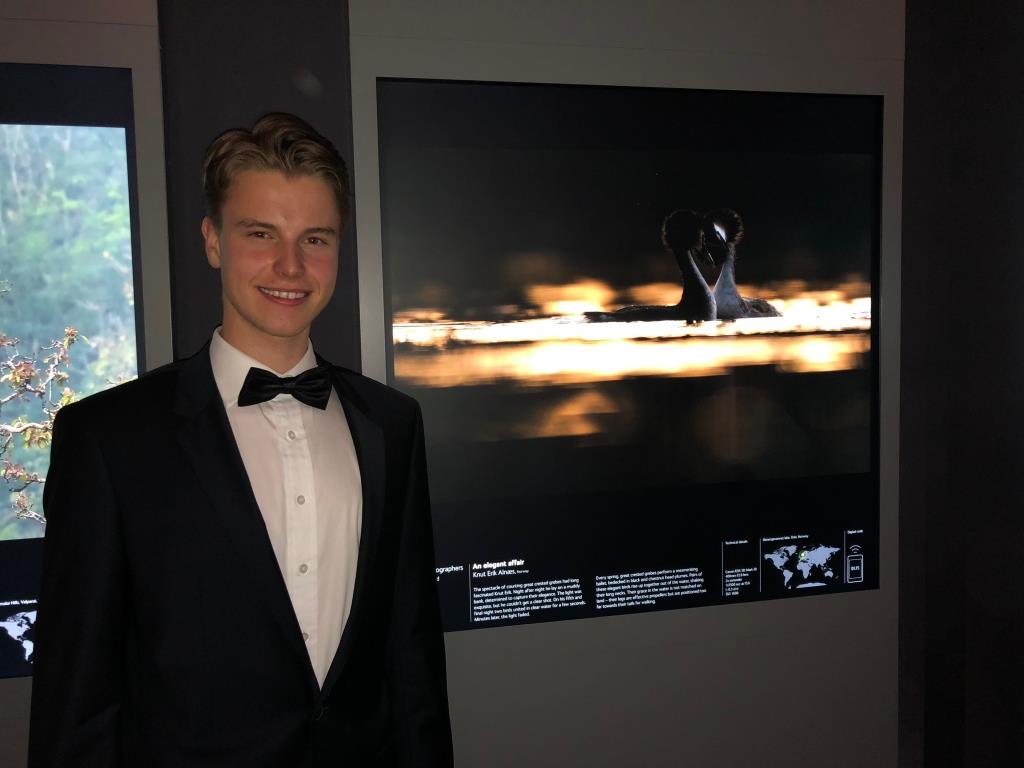
Knut Erik Alnæs was the “Young Nordic Nature Photographer of the Year” two years ago. This year he made it again.
Knut Erik Alnæs was the”Young Nordic Nature Photographer of the Year”
The internationally acclaimed photographer Audun Rikardsen from Tromsø, Norway was in fact trying to shoot pictures of salmon in a river outside the city when the frog in bright northern lights popped up.
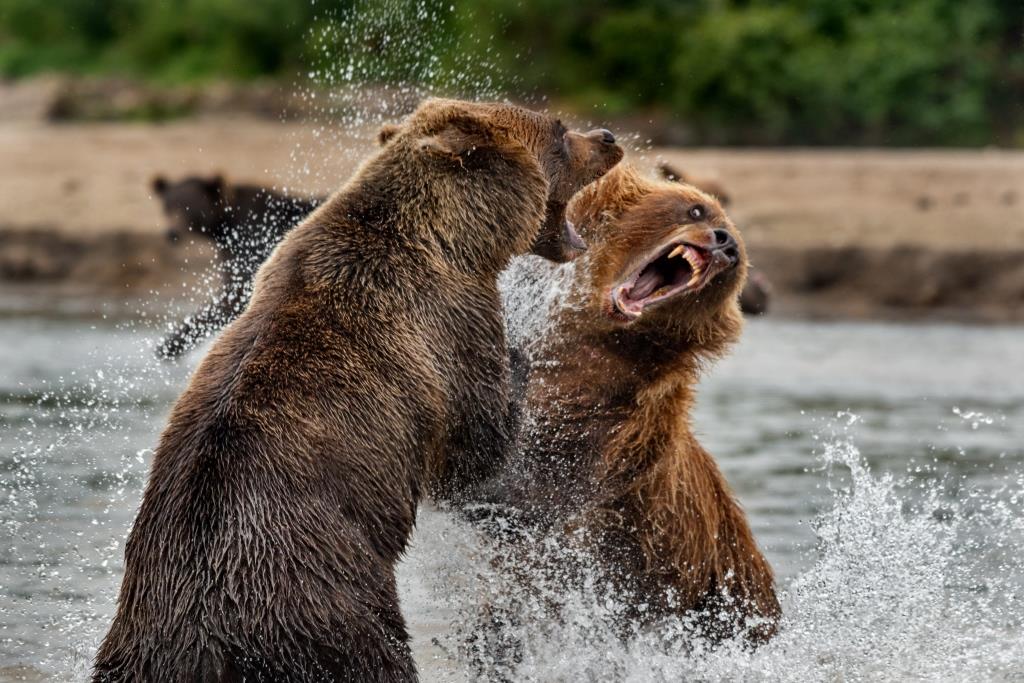
Bears by Per Karlsson
Two categories were won by non-Norwegian photographers. The winner of category Mammals was won by a Swede and the winner of the class Photo Journey was won by an Israeli.
Endangered nature, by Espen Bergersen
Main sponsor for the competition this year was Nikon, and the main price a Nikon D850, at a value of approximately GBP 4,000. Other sponsors were Focus Nordic, Norwegian Outdoors, Stavanger Photo, Stjørdal Photo, Interfoto, Foto.no, Scandinavian Photo, WWF and Fotobag.no. In total there were prices worth GBP 15,000.
Here are the winners: Nordic Birds of the Year – Jostein Hellevik, Norway.
Contact info: Vikavegen 92, 3880, Dalen, Telemark, Norway, tel. +45 90065976, jostein@hovdmyra.no
A red fox falling through the ice, by Per Karlsson
The Nordic Mammal Picture of the Year – Per Karlsson, Sweden. Contact Info: pvk@bahnhof.se
Nordic birds, by Jostein Hellevik
The Nordic Landscape of the Year – Audun Rikardsen, Norway.
Contact info: Myrsnipa 9, 9103, Kvaløya, Troms, 92443354 audun.rikardsen@uit.no
An escaping Goldringwing, by Leif Rustand
Nordic close-up of the year – winner Leif Rustand, Norway
Contact info: Nustadskolevei 16.3970 Langesund, +47 41363461 mail: rustandfoto@gmail.com
Nordic walking tour, by Ingunn Sørhaug Ranheim
Nordic Walking Tour of the Year – Winner Ingunn Sørhaug Ranheim, Norway.
Contact Info: Hofveien 53,3090 Hof. Tel: 46837644, ingunnsranheim@gmail.com
The Nordic Creative Nature Picture of the Year – Winner Jørn Areklett Omre, Norway.
Contact Info: Nygårdsveien 74, 1930, Aurskog, Akershus, Norway, tel. 4808 4808, mail: jaofoto@online.no