Kensington Palace has announced that Duchess Kate Middleton and Prince William, both 35, will be going on a Royal Tour of Sweden and Norway from 30 January through 2 February next year.
By then the Duchess will be well into her pregnancy with the couple’s third child, expecting to give birth in April. The statement from the palace reads as follows: “The Duke and Duchess of Cambridge will undertake an official visit to Norway and Sweden at the request of the FCO in early 2018.”
This will be the couple’s first foreign royal tour since the announcement of Kate’s third pregnancy.
The exact dates have not yet been confirmed, but the royals were asked to undertake the Scandinavian visit on behalf of the Foreign Office, apparently in an attempt to strengthen the relations with other European countries, as the UK makes preparations to leave the EU.
The British royals enjoy strong ties with the Norwegian and Swedish royal families
This will be the couple’s first foreign royal tour since the announcement of Kate’s third pregnancy. The British royals enjoy strong ties with the Norwegian and Swedish royal families, but It is not yet confirmed whether Prince George and Princess Charlotte will join their parents on the royal tour.
King Harald V of Norway and Elizabeth II are second cousins and the Queen’s first ever state visit was to Norway in June 1955. The Windsors also have a close relationship with the Swedish royals through their shared ancestor Queen Victoria.
The pair’s last official royal tour was in July, when they visited Germany and Poland with their children.
Prince William and Kate Middleton on a visit to Taj Mahal
The royals are also planning to attend the May 2018 wedding of Prince Harry and Meghan Markle.
Royal Tour from Britain to Scandinavia Early Next Year, written by Admin
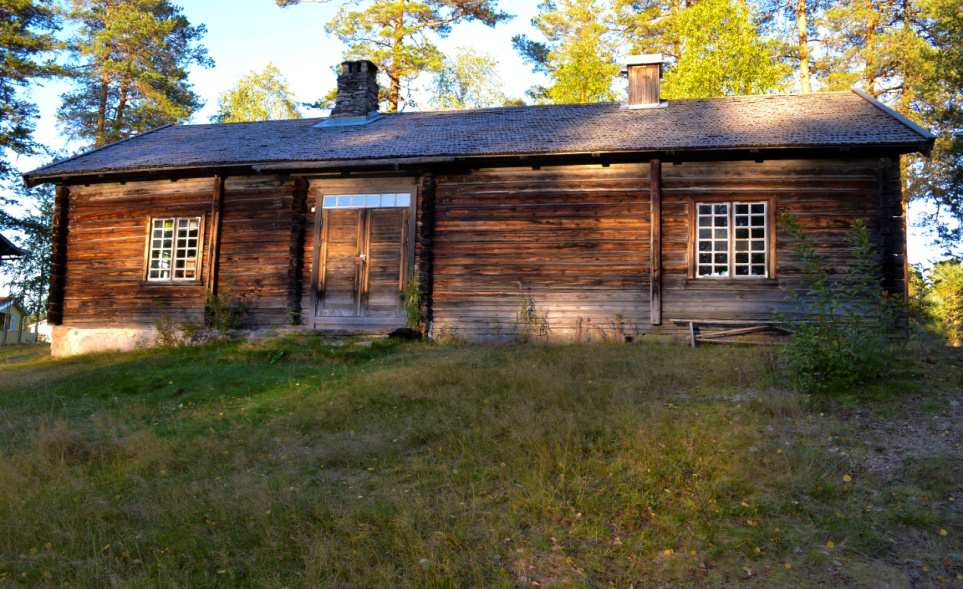
The Forest Finns represented a very old migrant group, immigrating to the county of Hedmark, Norway in the 17th century.
The core area of Finnskogen lies in the eastern part of a small region known as Solør on the border with Sweden, and the settlers introduced their language, culture and habits in the regions they established themselves in.
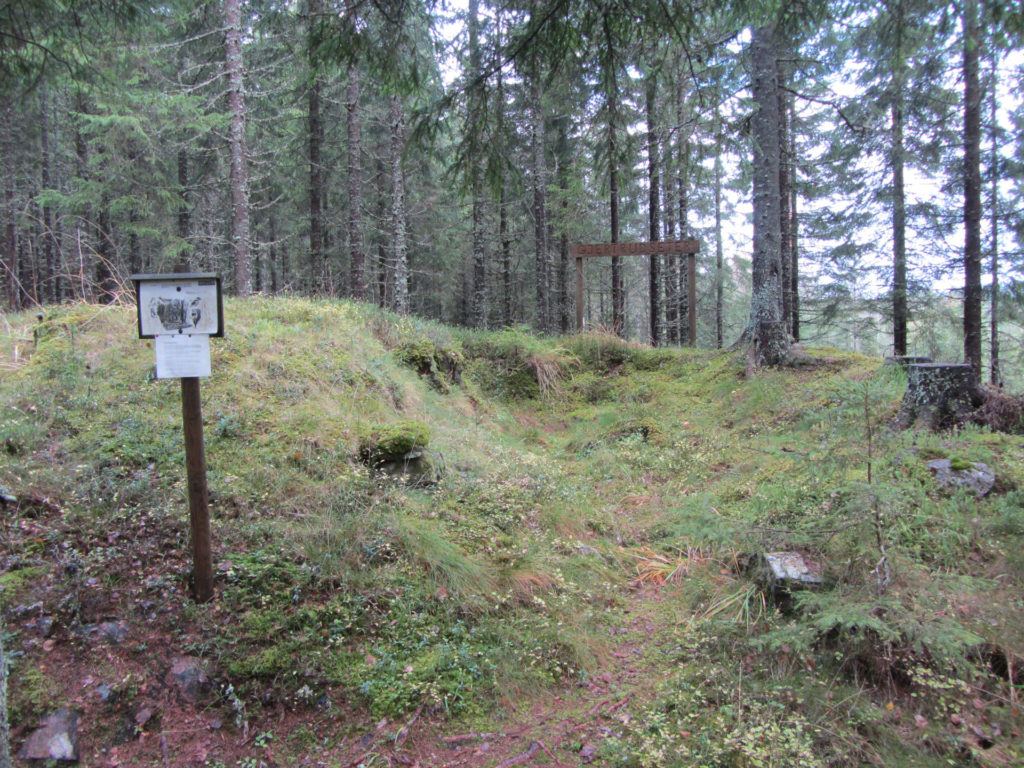
Walking route in beautiful surroundings at Finnskogen
Finnish settlement spread rapidly throughout the forest regions of East Norway to Trysil in the north and in the west across the river Glomma, a forested belt of land, about 32 km (20 mile) wide, named Finnskogene (Finnish woods). There are also similar forested areas in other parts of eastern Norway.
The core area of Finnskogen lies in the eastern part of a small region known as Solør
The Finnish population assimilated at an early stage into the mainstream population, so there is not much historic material available. However, The Museum of Forest Finn Culture in Grue presents the Forest Finn culture and traditions. The Finns are said to have tested the soil by smelling it and sometimes by tasting it before finding a good location.
The local Swedish peasants did not appreciate the immigrants, who lived by slash-burn agriculture (svedjebruk), and tensions led to persecution, and most moved across the Norwegian border to Solør, forming a colony at Grue. The Museum of Forest Finn Culture researches the history and culture of forest Finns and seeks to convey the information through various exhibitions and arrangements.
Finnish settlement spread rapidly throughout the forest regions of East Norway
The concept of the Svedjefinnar (Swidden Finns) is known from scholarly texts as well as literature. Various authors have actively quoted each other.
The Finnish population assimilated at an early stage into the mainstream population
In 1709 the Danish-Norwegian general Hausmann ordered the Forest Finns to be evacuated from Solør. However, the bailiff was declined evicted on the basis that they were subsistence farmers and so poor that they would have starved if moved from the land they customarily used. The museum provides a meeting point for Forest Finns as well as organizations and researchers interested in the Forest Finn culture history.
Old walking ways in Finnskogen are open to new walkers
Denser or sparser settlements were formed in these hitherto uninhabited locations and came to be known with terms such as Finnskog, Finnbygd and Finnmark up north. By the 20th Century the blood had so intermingled that it was probably impossible to find inhabitants of pure Finnish descent in the Finnskogen. But in Grue, over a quarter of the place names are still in Finnish.
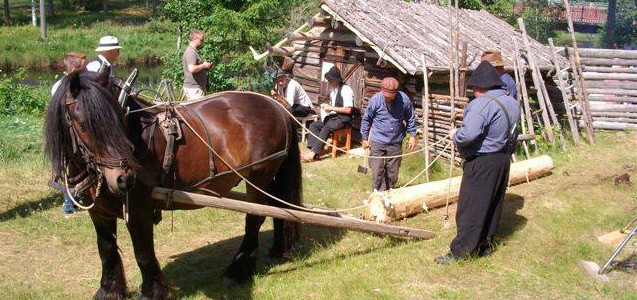
Activities at the Forest Finn Culture Museum
Museum of Forest Finn Culture was established in 2005 is located in southeastern Norway, in Grue municipality in the heart of Finnskogen. The historical buildings and premises are located all over Finnskogen and Solør in Norway and the entire collections of Museum of Forest Finn Culture in Norway consist of approximately 350 000 items ranging from houses and artefacts to archives and books.
The museum can be visited mainly during summertime (June-August) when most of the historic farmsteads and other premises are open for visitor service and guided tours are also available in English.
Feature image (on top): Winter evening at Finnskogen. Painting by Juhpla Finngaard
The Forest Finn Culture in Norway, written by Tor Kjolberg
Greater Copenhagen was working toward making the Danish capital area more appealing and welcoming to Chinese travelers, and in 2012 it initiated the Chinavia project, and in 2013 and since then Copenhagen has seen double-digit growth rates in Chinese bed-nights over the past years.
China had become the world’s largest outbound travel market with 117 million trips abroad in 2015, in addition to being the world’s fourth largest tourist destination, attracting 134 million inbound travelers.
This year, the China-Denmark Tourism Year was jointly launched by Chinese and Danish authorities.
This year, the China-Denmark Tourism Year was jointly launched by Chairman of China National Tourism Administration Li Jinzao and Danish Minister of Industry, Business and Financial Affairs Brian Mikkelsen in Beijing on February 24, 2017.
During the event, a Memorandum of Understanding (MoU) on tourism year was signed between the two high-level representatives, marking the official start of the year-long program full of events engaging every segment of the travel industry in both countries.
Ambassador of Denmark to China A. Carsten Damsgaard and Vice President of Meituan-Dianping Lou Xiaobo sign the Memorandum of Understanding on Cooperation of Online Promotion of Denmark in Hangzhou on Sunday, 12 of March. Photo: Courtesy of Royal Danish Embassy in China
The 2017 China-Denmark Tourism Year wrapped up with a gala closing ceremony in the Danish capital city of Copenhagen on 5 December at the Royal Theatre’s old stage in downtown Copenhagen. In addition to some 1,000 people, Denmark’s Crown Prince Frederik, Chairman of China National Tourism Administration Li Jinzao, and Chinese Ambassador to Denmark Deng Ying attended the event.
A host of tourism exchange and cooperation events have been staged during the 2017 Tourism Year, among them “Lighten up Copenhagen”, “Panda’s Tour in Denmark” and the China-Denmark Forum on Tourism.
“Panda’s Tour in Denmark” was one of the events of the 2017 China Denmark Toirusm Year
“The China-Denmark Tourism Year has created a great platform for meetings and exchanges at all levels of society,” said Crown Prince Frederik, speaking at the closing ceremony, adding that “the new partnership established during the year is a strong indication of the continuous positive development in the relationship between China and Denmark.”
In May this year, Chinese Premier Li Keqiang met with Danish Prime Minister Lars Loekke Rasmussen in China, where a plan was unveiled to deepen cooperation from 2017 to 2020 and agreed to expand two-way trade and investment.
Feature image (on top): From the 2017 China-Denmark Tourism Year gala closing ceremony in the Danish capital city of Copenhagen on 5 December at the Royal Theatre.
A Year of Danish Chinese Tourism, written by Tor Kjolberg
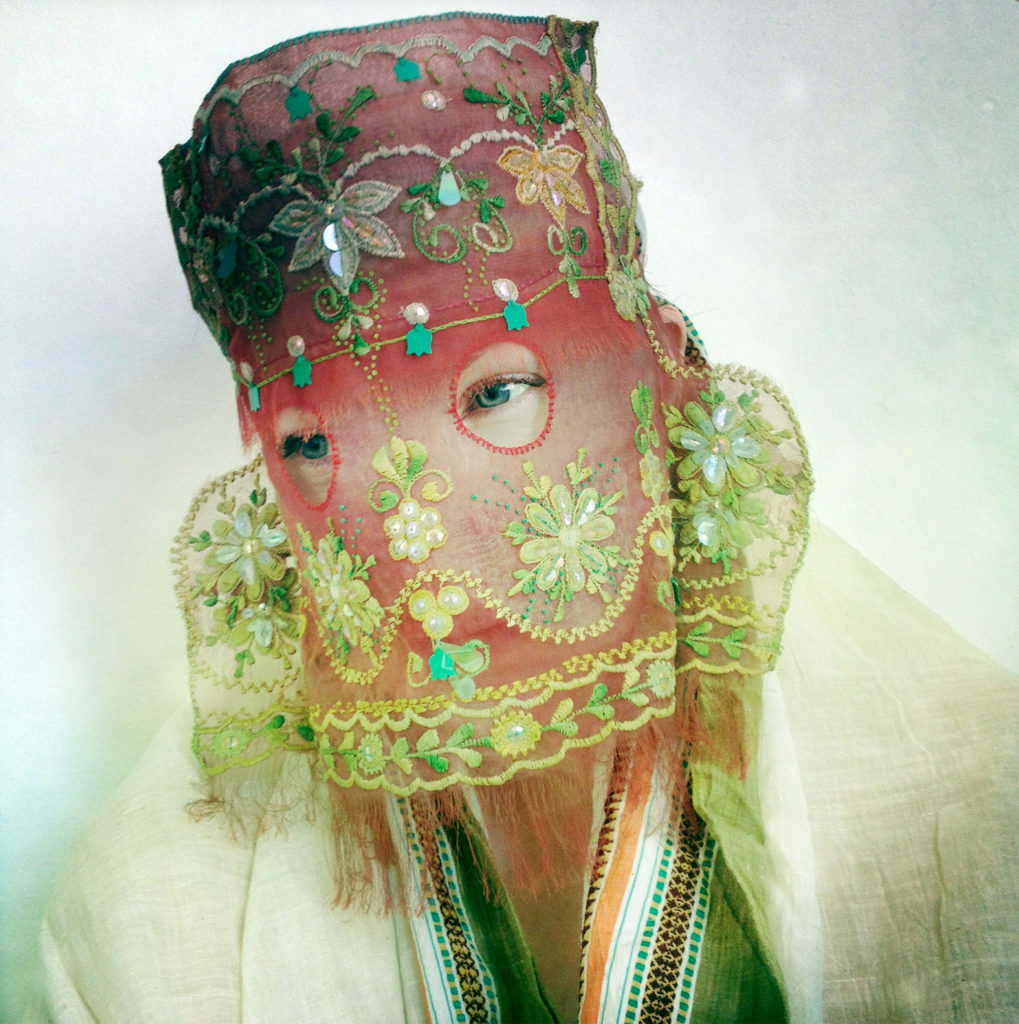
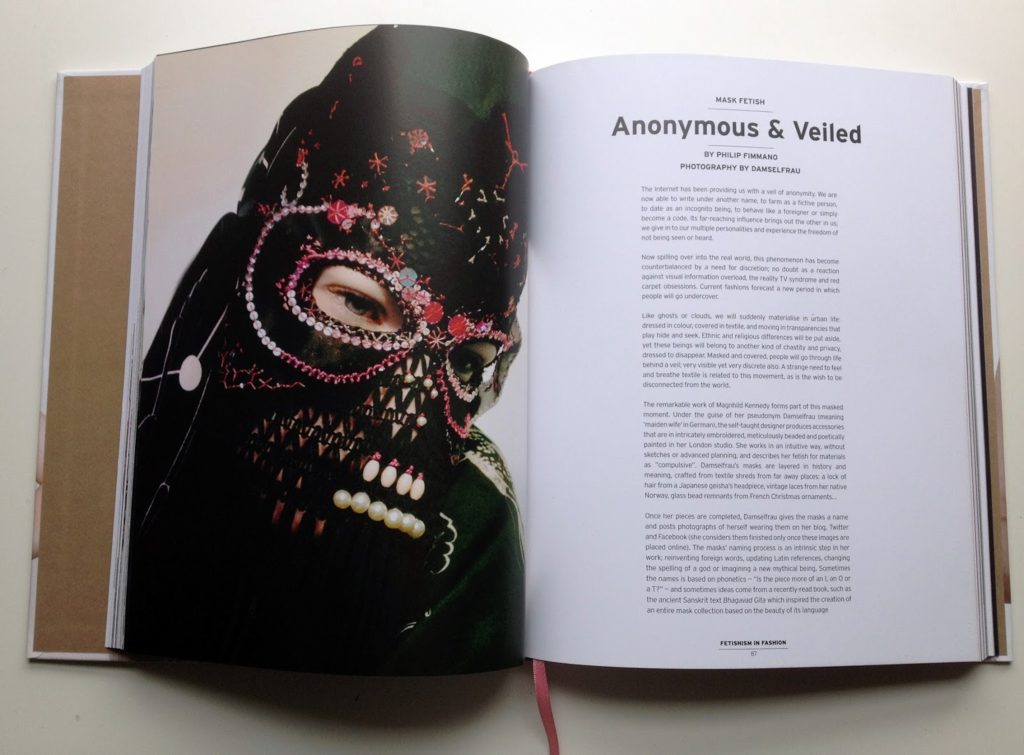
The London-based Norwegian artist Magnhild Kennedy a.k.a. Damselfrau is a self-taught maker of masks, who never stops surprising her audiences with new innovative shapes and collections on her main canvas – the human face.
“Creating a mask is like creating a new character, a veil that allows you to become someone else,” she explains. “I am fond of ethnic textiles and comfy utilitarian clothes,” she adds.
Magnhild Kennedy’s work is unpretentious and led by a magpie-like eye for beauty
Damsefrau is not wanting to define, although she doesn’t consider herself a jeweler, her work has a strong dialogue with the field. Her fascinating pieces have been featured everywhere from exhibitions to one of Beyonce’s music videos to magazines like Volt, Another Man, Vogue and LOVE.
She says she is extremely interested in the “outsider jeweler” quality of objects that speak to jewelry and adornment but was not necessarily originally intended to participate in this dialogue. Magnhild Kennedy’s work is unpretentious and led by a magpie-like eye for beauty. “For me the mask is a place where different elements come together as situation,” she says.
Damselfrau mad the masks for one of Beyonce’s music videos
What we find interesting is Kennedy’s opportunistic disregard for boundaries and how material recycling is a key. Online she is happy to disseminate her work, but likes also to do “proper” exhibitions and to be featured in music videos.
What we find interesting is Kennedy’s opportunistic disregard for boundaries and how material recycling is a key
Comparing her work to jewelry, Kennedy displays in fact an emergent trend in the field of contemporary form of art. She has a remarkable ability to stage herself at the center of reenactment or role-playing.
Magnhild Kennedy, from Trondheim, Norway now loves and works in London
Magnhild Kennedy is from Trondheim, Norway and moved to London in 2007 and has lived there since.
In 2011, a gallerist saw her pieces in a shop window and offered her a galley show. In 2013 she was selected to participate in the exhibition “Fetishism in Fashion” and in the coffee-table book by the same name, written by Li Edelkoort, one of the world’s foremost trend researcher.
The material is her initial inspiration. It always starts with a piece of stuff and she lets the material lead the process. She never draws or design anything, and stays away from any idea of form until it appears whilst she is making it.
“The mask is a place,” she says. “I am led by the phantasms appearing in the process of the making and the materials themselves.”
She started her artwork New Year’s Eve in 2008, and suddenly her masks attracted the world’s attention as exclusive and sensual objects. And she has often been featured in international media since then.
Kennedy never studied anything relevant to the work she is now doing, except for a very sanguine unfinished year of arts in college. Both her parents were artists, so she is inspired by them, but learned through looking at clothes and crafts, watching You Tube tutorials and
trial and error. London has been an integral part of the mask making.
Magnhild Kennedy was selected to participate in the exhibition “Fetishism in Fashion” and in the coffee-table book by the same name, written by Li Edelkoort
Damselfrau is a name she uses for her mask projects. She thinks the word is a mask in itself, since it says unmarried and married woman in the same word. Initially it was her Skype name before the masks emerged.
The Many Masks of Damselfrau From Norway, written by Tor Kjolberg
Feature image on top, photographed by Aurora Kvamsdal
A global study has unveiled the top 100 smartest cities in the world and lists Copenhagen as the “smartest city” of them all with Stockholm on the third place and Oslo, number 34. However, smaller cities in Scandinavia are also on the list: Gothenburg, Sweden (15), Västerås, Sweden (27), Trondheim, Norway (38), Helsingborg, Sweden (39), Stavanger, Norway (43), Aarhus, Denmark (45) and Bergen, Norway (49):
The list, compiled by the park app company Easy Park, ranks the “100 Smartest Cities in the World” based on 19 different factors, from business ecosystems, car sharing services, citizen participation in elections, clean energy, digitalization of government, level of education, environment protection, internet speed, living standard, public transport, smart building, smart parking, smartphone penetration, traffic congestion, urban planning, 4G LTE, WiFi hotspots, and even waste disposal.
The list, compiled by the park app company Easy Park, ranks the “100 Smartest Cities in the World”
EasyPark compared 500 cities around the world with high and medium levels of developments using data from local statistics, the United Nations, the Global Innovation Index and other sources relevant to each category.
The “100 Smartest Cities in the World” is based on 19 different factors
EasyPark states that their ambition is to build more livable cities for the future. They undertook this study not only to highlight those metropolises which are on the forefront of smart urban through, but also to learn from those cities which are showing impressive acceleration towards making life smoother for their citizens through digitalization.
EasyPark states that their ambition is to build more livable cities for the future.
Urban planning is a strong area for Scandinavian cities, documented by 10 cities on the “Top 50 list”, and Copenhagen is leading the way when it comes to innovation and forward-thinking urban development. The Danish capital is followed by Singapore and Stockholm.
A smart city is according to EasyApp sustainable, with a focus on clean energy and environmental projection. In addition, there is excellent online access to governmental services and a high level of citizen participation.
Scandinavians love their smartphones, but not as much as the United Arab Emirates
Scandinavians love their smartphones, but not as much as the United Arab Emirates. To round off the study, EasyPark asked over 20,000 technology and urban planning journalists for their expert opinion on how the cities where they’ve lived are moving with the curve of digitalization.
“Big Data has changed the face of the world as we know it, because it allows us to create better solutions to real world problems,” says Mauritz Börjeson, CBDO of EasyPark Group
EasyPark say the study offers the perfect opportunity to clearly understand which cities are making impressive strides towards a smoother, digitalized life for their citizens.
“Big Data has changed the face of the world as we know it, because it allows us to create better solutions to real world problems. Without better solutions, global urbanization would lead to problems such as traffic congestion, housing shortages and pollution—by using Big Data, we can help tackle these important global issues. In our case, we target mobility and help reduce the footprint of driving traffic while creating a much more welcoming experience for drivers.” commented Mauritz Börjeson, CBDO of EasyPark Group.
The company’s study has unearthed some interesting findings for future exploration. One example being the discovery that Romania has faster internet than most of North America, and South Korea having the highest smartphone usage in the world.
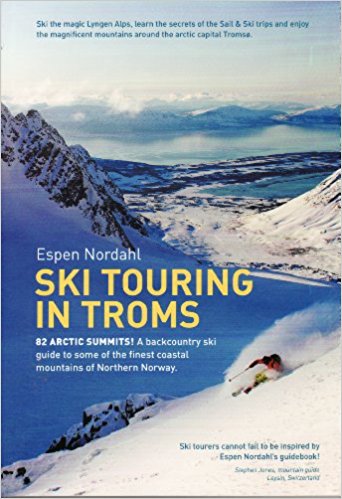
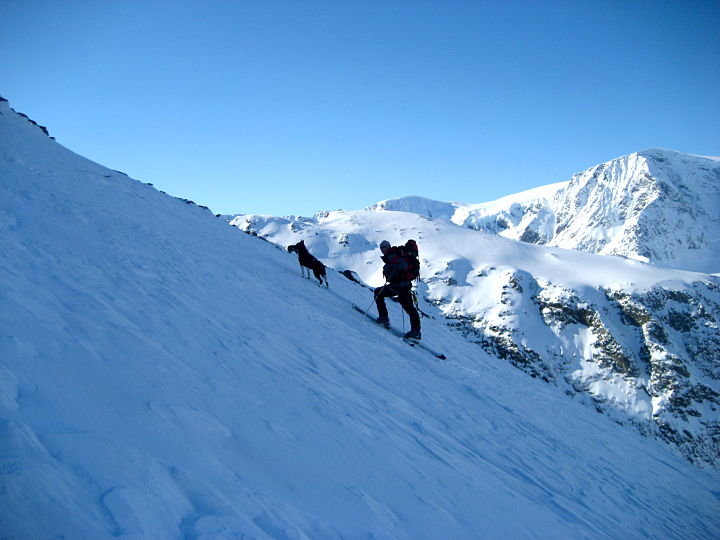
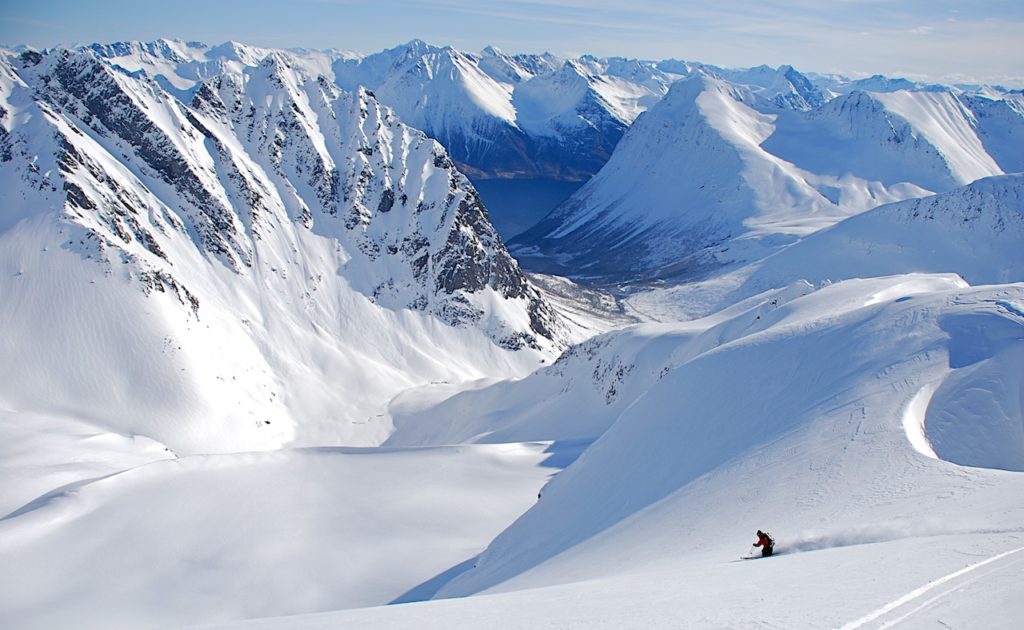
Ski the magic Lyngen Alps, learn the secrets of the Sail & Ski trips and enjoy the magnificent mountains around the arctic capital Tromsø.
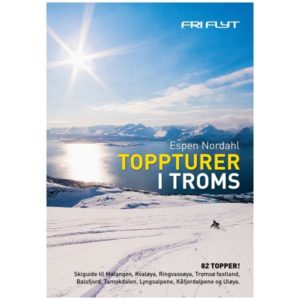
The book ‘Ski Touring in Troms’ aims to inspire people to visit the marvelous mountains of Troms County. The author claims he can promise adventures for all, no matter how experienced you are at ski touring. The book includes 82 summits, from Kvaløya island in the west to the Kåfjord Alps in the east.
Ski Touring in Troms, book-cover
This, however, is just a small selection of all the mountains in the area. There are many others that could have been included, or other routes described. This is a persona guide based on the author’s experiences in the area. For him ski touring is all about finding new trips and thrills. This book should therefore inspire people to visit some of the less well-known summits in Troms.
The original version of this book, “Toppturer I Tromsø”, was released in 2010. The author says he is truly humbled by how well the Norwegian edition of the book was received. It is of course good to know that the book sold well, but the best part for him, he says, is all the positive feedback.
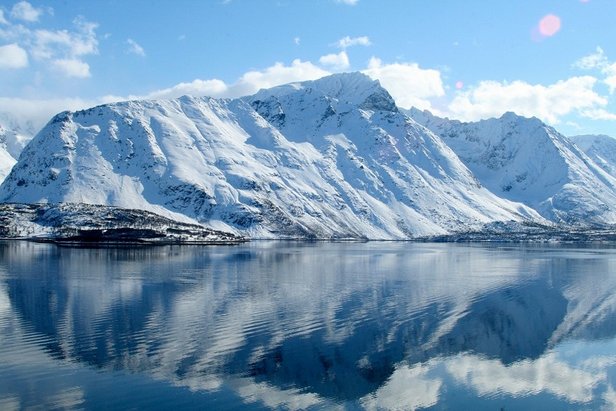
Holmbukttind, the Lyngen Alps
Some have been inspired to buy equipment and go ski touring for the very first time. Others have discovered new mountains or been inspired in a more general sense. By reading this book in English, Nordahl believes more people get out and enjoy the beautiful scenery of Troms County.
Mountaineers have been coming back to the Lyngen Alps for years. For ski touring purposes it was ‘discovered’ in the mid-1990s by the Italian mountain guide Luca Gasparini. Moreover, he saw the potential in travelling by boat in the area, and the Ski & Sail concept was conceived. Since then, the popularity of Troms as a ski touring destination has skyrocketed, with a number of foreign visitors coming every year.
The book includes 82 summits, from Kvaløya island in the west to the Kåfjord Alps in the east
Many of them are from areas where guide books are taken for granted. This has led to an increasing demand for a similar guide to Troms – in English. It is, however, important to acknowledge that mountain in winter are associated with specific dangers. Several fatal avalanche accidents in Troms in recent years testify to this, and the importance of experience and knowledge cannot be overestimated. Avalanche safety is therefore emphasized in the book.
In 1998 the author almost lost one of his best friends in an avalanche accident on the island of Kvaløya. Due to knowledge and a portion of luck his friend survived.
This book also inspires people to visit some of the less well-known summits in Troms
Espen Nordahl therefore want to spread the message that ski touring requires good planning and en route assessment. We must all work to raise our awareness of the risk associated with travelling in steep mountain areas, and learn to act accordingly. No trip is worth the loss of human life! The mountains will still be there tomorrow.
The original Norwegian book-cover
However, the main issue is getting out into the mountains. Enjoy sweating your way up to the summit cairn, where you can take in the magnificent view and eat lunch with your ski touring friends. Then comes the thrill of skiing down the snow-covered mountain side. Yes, ski touring is all about enjoyment.
Nordahl moved to the city of Tromsø in 1982, largely because of the mountains in the area. Since first experiencing the Lyngen Alps one sunny day in the early 80s he has had uncountable good times in the mountains of Troms. His love for the mountains and the company he has been so privileged to share have been his main driving force. This book is dedicated to all those people.
“Ski toirers cannot fail to be inspored by Espen Nordahl’s guidebook!” Stepen Jones, mountain guide Leysin, Switzerland.
Ski Touring in Northern Norway is based on the introduction to Espen Nordahl’s book Ski Touring in Troms, published by fri flyt.
Modern cruise ships plough the same waves as generations of sailing ships carrying cargo and people, ideas and cultural influences, and laying the foundation for today’s vibrant cities.
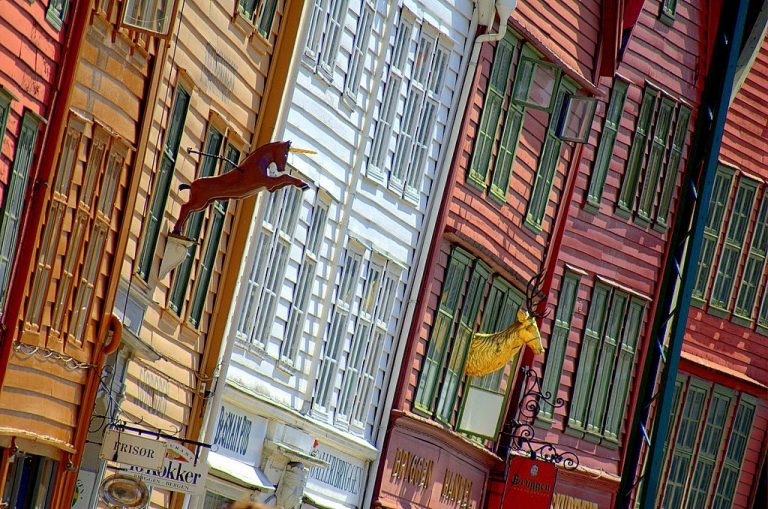
If you get someone from Bergen in Norway started on the old days, they will never stop. Shopping centers and modern living have not erased the city’s medieval past – a period of commerce, fisheries and shipping. That was how Bryggen, Bergen’s Hanseatic wharf area came to be a Nordic tracing center for dried fish, which, despite several major fires, has always been rebuilt.
Sailing vessel Lehmkuhl at Bryggen, Bergen
Nowadays, the city council works hard to preserve the wooden buildings, which are under threat from traffic. Bryggen is the city’s foremost symbol of its Hanseatic heritage. It was here that the sailing ships docked from the outbreak of the Black Death in 1349 and the next 300 years. During this period Bergen was not only the country’s largest city, it was also its capital.
Ships lay crammed together, which buzzed with activity. And not always without conflict. Buying and selling fish took place in competition with German and Dutch merchants, which was not much liked by many of Bergen’s inhabitants. Disagreements about prices and accusations of fraud caused feelings to run high.
The Hanseatic League maintained international trade during a difficult period for Norway and achieved an almost complete monopoly in the trade in stock-fish and fish oil.
Painting of Germans’ Wharf, Bergen
However, it started modestly enough with a Hanseatic trading post. But the rich fishing off the Norwegian coast soon prompted German and Dutch traders to establish themselves in the city between the seven hills. Their culture and language followed. The influx of people from surrounding coastal districts, known as ‘strils’ also made Bergen a melting pot of local and international coastal cultures.
Tyskebryggen. Bergen 1899. Photo: Olaf Andreas Svanøe
The Strils would ride or sail to Bergen’s waterfront Fish Market to sell their wares. A stroll along the narrow passages dividing the wooden buildings lining the historic wharf area is like stepping hundreds of years back in time. It is easy to imagine the dockworkers rolling barrels packed tight with herring, hear them cursing, listen to the creaking of the swivel hoists and, not least, smell the pungent stench of horse manure and human sewage.
From the Bergen fish market
Vågen was the central bay with Fish Market and World Heritage Bryggen. It used to be swarming with small steamers, all of them heading for local coast villages. Today swift catamaran vessels have their routes from Bergen to towns and villages along the coast and bring busy people to and from several times a day.
The trading office was closed down in 1752, but we can still find traces of the city’s Hanseatic past. There are German names and expressions in the local Bergen dialect, and it is certainly no coincidence that Bergen’s local brewery is called Hansa. Until the second world war the row of buildings leading to the Fish Market was called Tyskerbryggen (Germans’ Wharf), and one of the city’s oldest streets is called Hollendergaten (Dutch Street).
Foreigners made up a large part if Bergen’s middle class for hundreds of years. It is a very important period in the city’s history. Bergen was a center of Nordic trade.
The people of Bergen love their history, with among others, the great stone edifices Håkon’s Hall
The men who graded the fish being brought ashore were among the most important tradesmen in the Hanseatic period. Cod was turned into dried fish, and it was vital to select the best quality fish for the purpose. The dried fish was sorted into some 18 different grades, depending on quality, size and destination. The graders were experts the like of whom we rarely see today.
Old Bergen postcard
The people of Bergen love their history, with the great stone edifices Håkon’s Hall and the Church of St. Mary (previously the German Church) from the 13th century. Here high mass was said in German right up until 1860. Next to the Church of St. Mary is Bergen’s famous Bryggen, the old Hanseatic wharf that attracts thousands of tourists each year.
The building lining the harbor rest on tar-impregnated piles, driven down into the mud and surrounded by seawater. The popular promenade has been placed on the UN’s World Heritage List, but it could disappear forever unless traffic restrictions are imposed. The question is whether a rescue effect has been left too late.
Old wharf, Bergen
But Bryggen is also facing other hazards. In recent years the city has experienced a series of exceptionally high tides which has washed in over the quayside and flooded the many small shops located there.
However, statistically speaking, exceptionally high tides levels only come around once every 20 years. The water level in Bergen can reach up to 225cm, and the highest recorded water level in Bergen was recorded in 1990 with 240cm.
Old tram, Sandvigen, Bergen, 1961
That the inhabitants of Bergen love their city is manifested in many ways. Market days and Hanseatic festivals are staged on regular basis, with Bergeners dressed up in historic costumes. Five former Hanseatic towns, Bergen, Riga, Lübeck, Bremen and Bruges, take turns to stage the event, which is a cultural happening, where entertainments, old costumes and sailing ships put their stamp on the city.
In the Medieval Footsteps of Norway, written by Tor Kjolberg
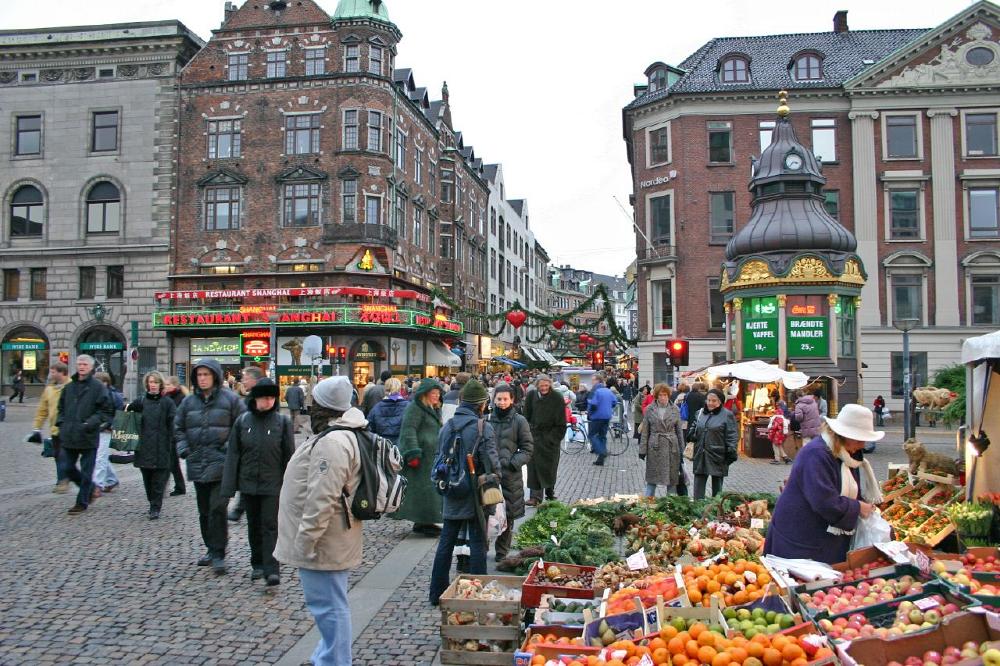
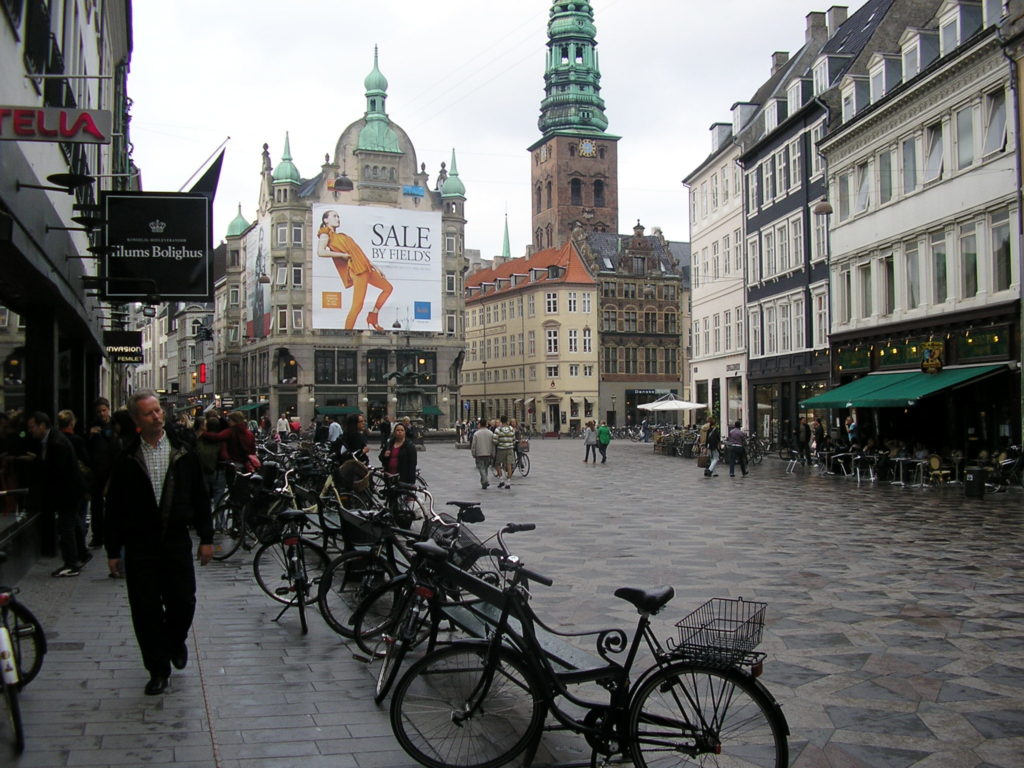
If Town Hall Square (Rådhusplassen) in Copenhagen is the heart of the capital, then Strøget, the 1.8km (1 mile) pedestrian shopping street, is the spine.
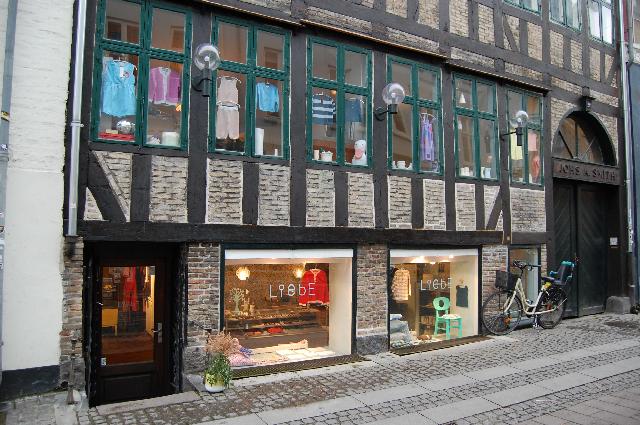
Strøget has endless shops, street vendors, buskers and cellar galleries. This is where Copenhageners and visitors alike go to shop or just to promenade. The mainstream shops and eateries are on Strøget proper, while the more quirky boutiques, cafés and restaurants are situated on the quarter side streets.
Starting at the Town Hall Square, Strøget meanders through five streets and four squares before it turns into Kongens Nytorv (King’s New Square)
Starting at the Town Hall Square, Strøget meanders through five streets and four squares before it turns into Kongens Nytorv (King’s New Square), the largest square in the Old Town on which stands an equestrian statue of Kristian V who laid it our in 1670.
The crane fountain at Gammeltorv us a popular meeting point
Good landmarks and meeting places are the squares of Gammeltorv (Old Square) and at Strøget’s major crossroads, the crane fountain at Amagertorv. Here, another main pedestrian artery, Købmagergade, branches off to the north.
Near Gammeltorv is one of the few remaining residential areas in the inner city
Near Gammeltorv is one of the few remaining residential areas in the inner city. Living in the picturesque neoclassical houses is a mixture of old-time Copenhageners, artists and students, and here you find some of the more exotic clothes shops and galleries – try Skt Pedersstræde for starters.
The oldest church in Copengahen, St. Oeter’s Church
St. Peter’s Church on the corner of Nørregade and Skt Pederstræde, is the oldest church in Copenhagen, its chancellery built in 1450.
Kongens Nytorv, 1860
Hans Christian Andersen lived at No. 19 Vestergade, when as a young man, he first arrived in Copenhagen from Odense. Another famous Dane, the 19th-century philosopher Søren Kierkegaard lived in the house on the corner of Nytorv and Frederiksbergsgade at Gammeltorv.
Kompagnistrædet 23
One block south and running parallel to Strøget is Kompagnistræde with shops specializing in antiques, china and pewter.
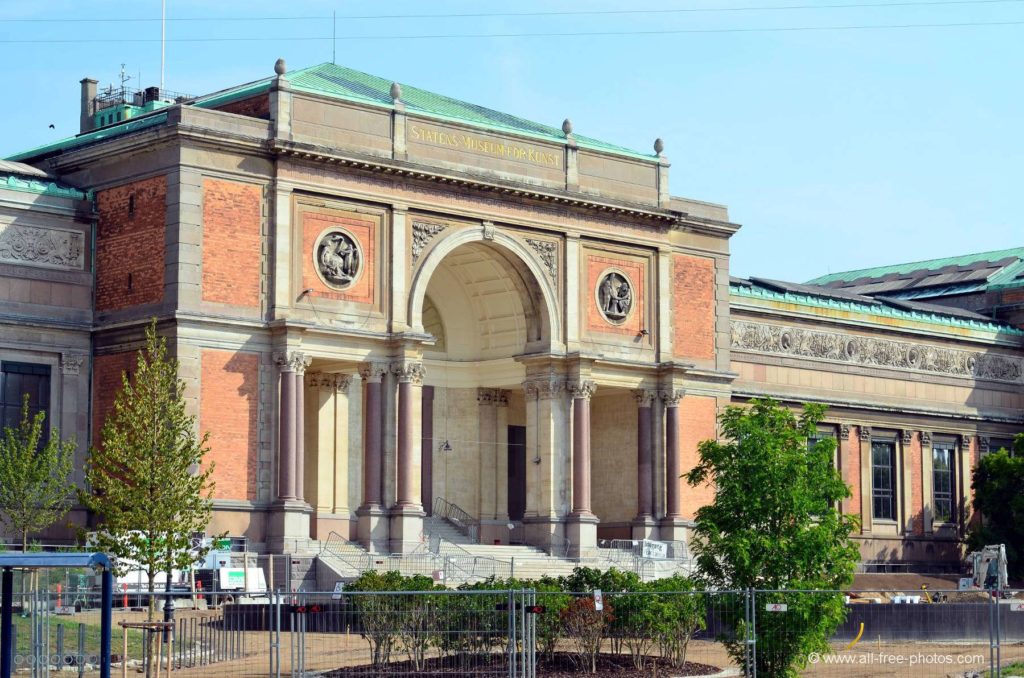
Nastional Museum in Copenhagen is Denmark’s most visited museum
Two block south across from the canal on Ny Vestergade, is Denmark’s National Museum., the country’s most visited museum, which is largely focused on Danish history. It is highly recommended for its newly revamped collections of ancient “bog” finds from the Stone, Bronze and Iron Ages, and includes unique treasures such as the golden Chariot of the Sun, the enigmatic Gundestrup Cauldron and Egtved Girl. A fascinating and well-structured museum that takes days to cover, it also has an interesting section on Danish cultural history.
Conditori La Glace is worth a visit
From Nytorv, continue along Strøget towards Amagertorv. For a close encounter of the rich and sweet, stop at one of Copenhagen’s premier confectioners, Conditori La Glace, a few stops from Strøget at Skoubogade. Here cream layer-cakes reign supreme.
The shops most often visited by tourists are Illum Bolighus, a showcase for superb Danish and international design, and the flagship stores of Royal Copenhagen Porcelain and Georg Jensen silver.
The opposite side of Amagertorv is occupied by the shops most often visited by tourists. Illum Bolighus, a showcase for superb Danish and international design, and the flagship stores of Royal Copenhagen Porcelain and Georg Jensen silver.
The Medieval City of Copenhagen, written by Tor Kjolberg
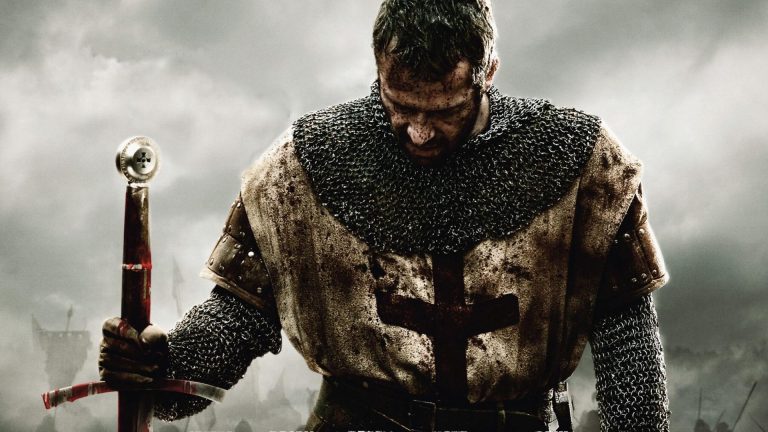
In the 1100s, the crusaders invaded Europe to the extent that a Christian country could not escape being affected.
Several thousand Norwegians answered the call of the Pope Urban II to undertake the perilous journey to Jerusalem. The 11th and early 12th centuries marked a golden age for the Kingdom of Norway. The Norwegians had only recently, within the last couple of hundred years, abandoned the old Norse gods in favor of the Christian monotheism and formed themselves into a single nation.
Sihurd Jorsalfar. The 11th and early 12th centuries marked a golden age for the Kingdom of Norway
The Norwegian king Sigurd Jorsalfar was the first Scandinavian king to go on crusade to the Hoiy Land. The crusaders did not lose a single battle during the Norwegian Crusade. The Byzantine Empire was under pressure from Seljuk Turks, who controlled their own vast empire in the Middle East and Southwest Asia, so the Pope asked Christians in Western Europe to help their fellow Christians in Eastern Europe. Pope Urban II’s call for help was presented at a church council in Clermont, France, and the message spread like wildfire.
Several thousand Norwegians answered the call of the Pope Urban II to undertake the perilous journey to Jerusalem
At that time the Kingdom of Norway encompassed not just the modern nation of Norway but also areas of Sweden, Scotland, Ireland, Iceland and Greenland. The Norwegians had recently, under King Harald Hardrada, been thwarted in their attempts to reconquer England in 1066 by the Saxon King Harold Godwinson (who was killed a few days later at the battle of Hastings by William the Conqueror and his Norman invasion). However, this had not marked the end of Norwegian power in Europe as Harald Hardrada’s great-grandson would demonstrate in his epic crusade across Europe. Sigurd and his men sailed from Norway in the autumn of 1107 with sixty ships and perhaps around 5,000 men.
The conquest of Jerusalem, 1099
In the autumn he arrived in England, where Henry I was king. Sigurd and his men stayed there the entire winter, until the spring of 1108, when they again set sail westwards. But this was not just about saving the Byzantine Empire. Jerusalem, the holiest city in the world, was also the target of this radical new form of pilgrimage—the First Crusade.
At a young age, in 1098, Sigurd was given his first taste of war when Magnus took him on campaign to claim the Orkney Islands, and the Isle of Mann for Norway. During the journey, the Norwegians encountered a great pirate fleet of galleys which were seeking peaceful trading ships to rob. However, Sigurd set his course straight for the pirates and stormed their ships. After a short time, all the pirates had been either slain or escaped, and Sigurd acquired eight ships from them.
In the years after Pope Urban II’s call for help, thousands of people from all walks of life—nobles, knights, priests, monks, the poor, sick and old—undertook the journey to Jerusalem. The First Crusade ended in success when Jerusalem was conquered in 1099.
Fall of Jerusalem
The Norwegians were given many treasures and relics, including a splinter off the True Cross that Jesus had allegedly been crucified on. This was given on the condition that they would continue to promote Christianity and bring the relic to the burial site of St. Olaf.
However, the new kingdom on the far side of the Mediterranean was vulnerable as the bulk of the first crusade returned to Europe. Jerusalem was left with barely 300 knights and a small sliver of land amidst a sea of hostile Muslim states.
The book “Kingdom of the Crusaders,” by Steven Runciman gives insight in the life and history of the crusaders
Sigurd, who shared the throne with two half-brothers, launched a much larger expedition with a total of 60 ships that sailed from Norway in 1108. Various historians have estimated that anywhere from 2,000 to 10,000 men were on the ships. Sigurd was then just 20 years old.
In the spring of 1109, they arrived at Sicily (Sikileyjar), where they were welcomed by the ruling Count Roger II, who at that time was only 12-13 years old. In the summer of 1110, the finally arrived at the port of Acre (Akrsborg), where they were warmly welcomed by the ruling crusader king Baldwin I, King of Jerusalem.
Sigurd helped Baldwin I to consolidate his position in the Middle East, and he participated in the siege of Sidon in 1110. Sidon is located in today’s Lebanon, and the city was besieged by Sigurd from the sea and by Baldwin from the land. Baldwin rode together with Sigurd to the river Jordan, and back again to Jerusalem.
Jerusalem, the holiest city in the world, was the target of Sigurd Jorsalfar’s radical new form of pilgrimage
When Sigurd was preparing to go back to Norway, he gave all his ships and valuable figureheads to Alexios I of Constantinople. In turn Sigurd received many horses, which he would use to travel home over land. Many of his men stayed behind to take up service with the Byzantines.
Sigurd’s journey back to Norway would take nearly three years during which he would be welcomed by the courts of the various places he visited, including Emperor Lothar of the Holy Roman Empire. On his return to Norway in 1113 he arrived in Denmark and was greeted by King Niles, who eventually gave him a shop so that he could sail home to Norway.
There Sigurd was greeted by his brother Øystein who had proven himself most efficient at ruling in his brother’s absence.
Sigurd was buried in Hallvard’s Church (Hallvardskirken) in Oslo. In the 17th century the church had fallen into such a state of decay that a student took Sigurd’s skull for safe-keeping. In 1957 the skull was interred in the wall of the Royal Mausoleum at Akershus Fortress.
A crusade became a kind of alternative to entering a monastery, and knights could thus serve God in other ways. It was kind of a Norwegian Games of Thrones. The Latin kingdom in the Middle East held sway until 1291.
The Norwegian Game of Thrones, compiled by Tor Kjolberg
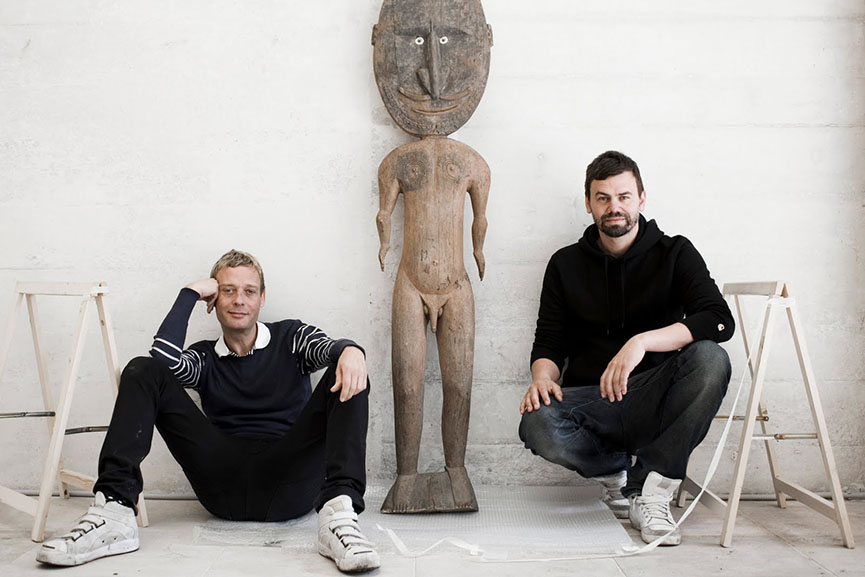
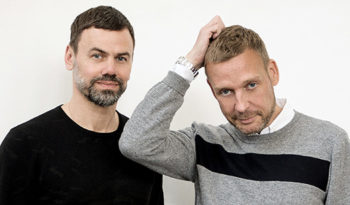
Danish-born Micael Elmgreen and Norwegian-born Ingar Dragset were the curators of the 15th Istanbul Biennial which ended 12 November.
The Istanbul Biennial has in recent years focused on subjects such as the city’s anti-authoritarian protests in Gezi Park in 2013 and Europe’s migration crisis. The biennial’s manifesto has since 2009 stated that the biennial should display “political neutral art as a means of policing the art world”.
The Scandinavian artist-duo and curators, now based in Berlin, suggested “a good neighbor” theme for the 15th Istanbul Biennial
The Scandinavian artist-duo and curators, now based in Berlin, suggested therefore “a good neighbor” theme for the 15th Istanbul Biennial, the very question of how to live together as people and countries.
The celebrated duo Elmgreen & Dragset stands for an aptly and consistently use of narrativistic techniques to convey messages that are anti-simplistic in nature that in itself has become a political cause that needs to be celebrated, protected and given ample place to be experienced.
The biennial’s manifesto has since 2009 stated that the biennial should display “political neutral art as a means of policing the art world”
Controversial art is, however, almost entirely absent in a country having increasingly tense relationship with Europe, even if, on the surface, Turkey is recovering a superficial form of normality.
The duo acknowledged an absence of anti-government slogans or artwork incorporating overt activism
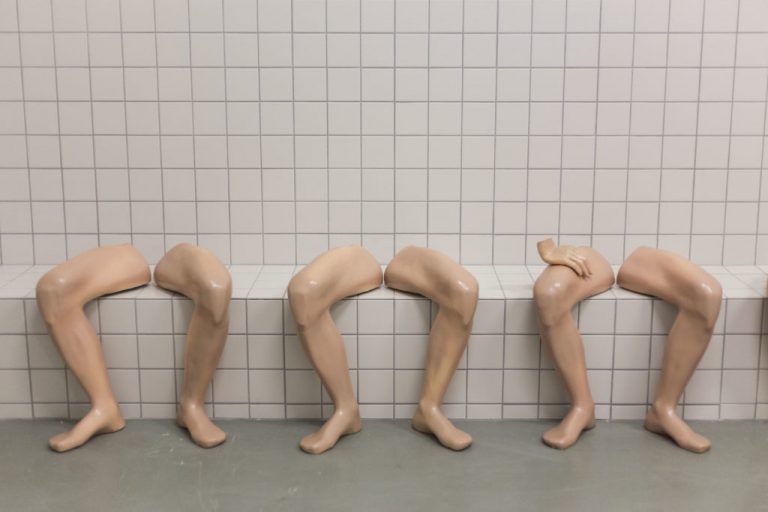
Was it possible for the curators to carve out space wide enough for the biennial and its artworks to unfold rather than be forced through a narrow filter? The Scandinavian duo vigorously denied they have practiced self-censorship, although they hinted at the difficulties of working in Turkey. At a press conference prior to the biennial Michael Elmgreen explained that the artworks were presented as an incompetent sentence, and most likely one ending with a question mark. The duo acknowledged an absence of anti-government slogans or artwork incorporating overt activism, but said contemporary politics had been infiltrated in more subtle ways.
Alajandro Almanza Pereda displayed at the Pera Museum
In our opinion the duo delivered a biennial that was politically charged and poetic, anchored in its local scene yet international in reach. The curators’ language around their title “a good neighbor” was without burdens. “It’s a little flat if art gets reduced to being a direct response to very populist politics, and very simple answers on very complicated matters,” said Elmgreen.
The duo Elmgreen & Dragset said but said contemporary politics had been infiltrated in more subtle ways
“A good neighbor” was also a lesson in curating. The exhibition’s scale with 56 artists spread across six locations, was modest and manageable. Dragset drew a distinction between the art world and geopolitics: “Art is not there to react the same way as politicians or the media, using the same simplified populist language,” he said.
Elmgreen & Dragset talk about curating the 15th Ustanbul Biennial
For art stars of their caliber, Elmgreen & Dragset kept a remarkably low profile at the biennial. Having participated in numerous biennials themselves, the two insisted on a scale that ensured the viewers’ full engagement with every work on view – even the videos.
“The Dlesh is Yours” by Michael Rakowitz
However, both artists admitted they had been sensitive to the political climate faced by Turkish artists, and the duo’s show stood in stark contrast to the last Istanbul Biennial, curated by Carolyn Christov-Bakargiev.
Hamam, by Monica Bonvincini
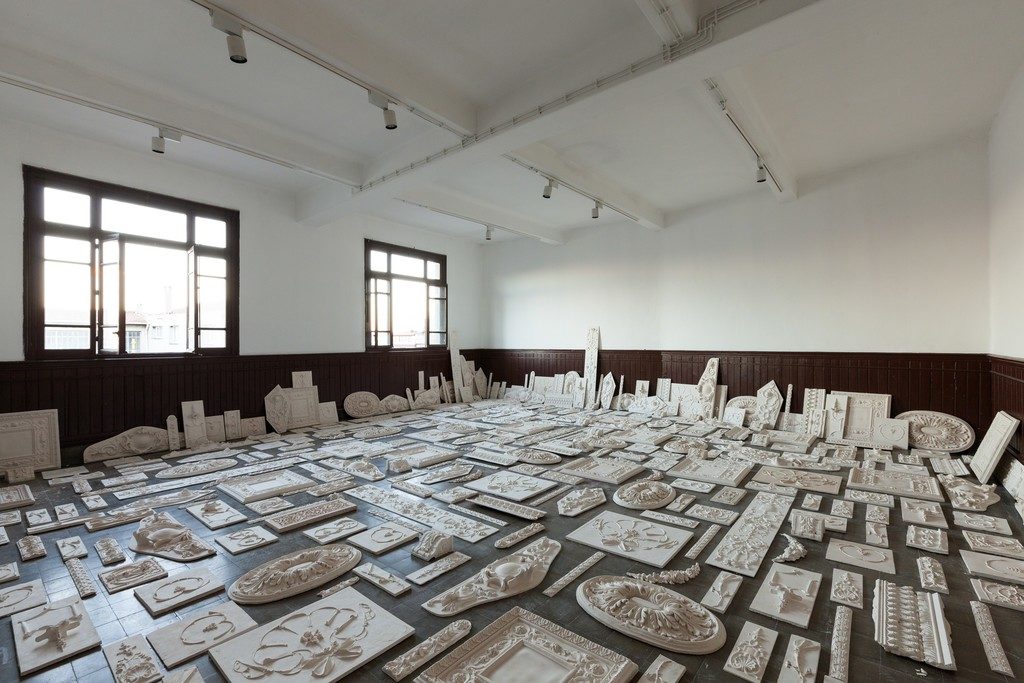
Some of the most striking works in the exhibition were installed inside the Galata Greek Primary School. Installed pieces by Dan Stockholm, Pedro Gomez Egana and Kasia Fudakowski, placed on different levels of the building, illustrated the private home, bodies inhabiting domestic places and its physical and personal foundations and what made a home personal, all in stylistically varied ways. A work by Leander Schönweger, displaying a maze of white-washed walls and unusually sized door frames, sent the viewers through a disorienting and potentially claustrophobia-inducing quest.
Installation at Galatea Greek Primary School
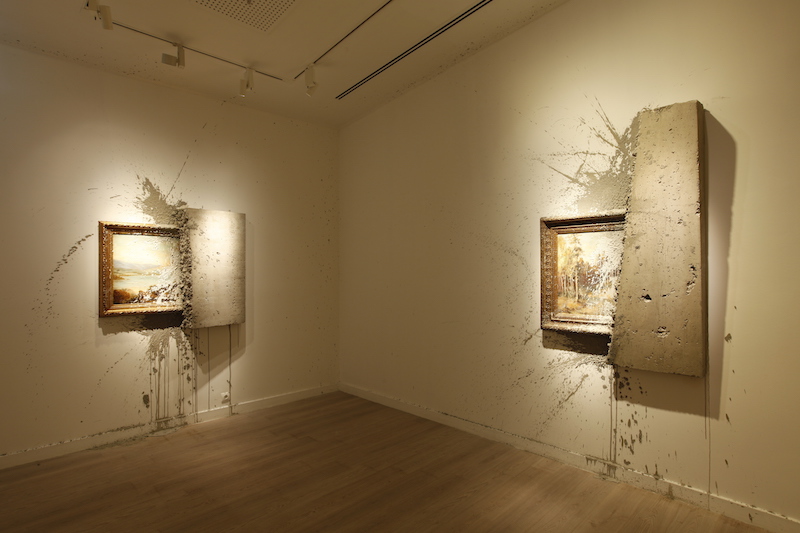
One of the most political pieces was by the Moroccan-French visual artist Latifa Echakhch, which featured two concrete walls painted with a flaking mural of the protests in Istanbul’s Gezi Park in 2013.
The number of artists had been kept purposefully low, and 30 of the 56 participants presented new commissions, asking questions around the theme, ranging from “is a good neighbor someone you rarely see?” to “is a good neighbor genderless?”
In fact, many works in the exhibition deal with gender and sexual identities, and one location, a Bauhaus-style villa housing the cultural space Arc Kultur, was entirely dedicated to one work by Mahmoud Khaled, titled “Proposal for a House Museum of an Unknown Crying Man” (2017). Elmgreen & Dragset, who are gay, said the biennial was meant to be a celebration of diversity, exhibiting works in six venues, mainly located in Istanbul’s European city center; Galata Greek Primary School, Istanbul Modern, Pera Museum, ARK Kültür, Yoğunluk Atelier, and Küçük Mustafa Paşa Hammam.
In our opinion the duo delivered a biennial that was politically charged and poetic, anchored in its local scene yet international in reach
Elmgreen & Dragset suggested that both artists and viewers should think about the role of art, the spaces it fills, and what can be expected of it in politically fraught times. Like almost all cultural events in Turkey, the biennial is run by an independent private foundation, and only about 6% of its funding comes from the Ministry of Tourism and Culture.
It’s difficult to consider Istanbul and the concept of neighbors without thinking about its border country, Syria. Roughly three million Syrian refugees currently live in Turkey, the overwhelming majority of them without access to basic facilities. No art can truly do justice to the catastrophic enormity of this human tragedy, but Erkan Özgen’s short video Wonderland (2016) was a poignant evocation of the ongoing situation.
Artwork by Lafita Echakhch
Elmgreen & Dragset’s biennial was a generous and relevant platform, fizzling with new energies. It didn’t set out to change the world, but proved that art can offer considered reflections on what it might mean to share it with others.
Scandinavian Artist-Duo Curated Politically Fraught Istanbul Biennial 2017, written by Tor Kjolberg

















 A smart city is according to EasyApp sustainable, with a focus on clean energy and environmental projection. In addition, there is excellent online access to governmental services and a high level of citizen participation.





 The Hanseatic League maintained international trade during a difficult period for Norway and achieved an almost complete monopoly in the trade in stock-fish and fish oil.









 At a press conference prior to the biennial Michael Elmgreen explained that the artworks were presented as an incompetent sentence, and most likely one ending with a question mark. The duo acknowledged an absence of anti-government slogans or artwork incorporating overt activism, but said contemporary politics had been infiltrated in more subtle ways.