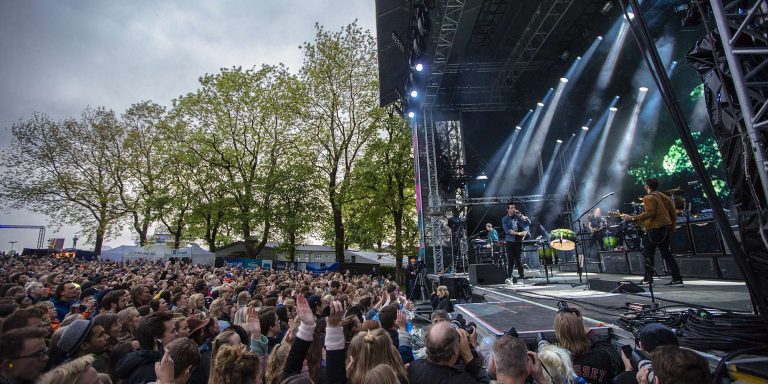
Most of the time, the city’s backdrop is the glacial quiet of the mountains, but music, one is frequently reminded, is very much a part of its heritage. So, Bergen is the Norwegian music paradise.
Bergen is one of the most urban cities in Norway and serves as the present-day hotspot for producing much of Norway’s contemporary music. Many internationally renowned musicians have hailed from this area, just to mention a few: Kings of Convenience, Kygo and Aurora Aksnes, each with more than 24 million plays on Spotify.
Classical music
Norway’s greatest composer, Edvard Grieg (1843-1907), and virtuoso violinist Ole Bull, were both Bergeners. The Grieghallen concert hall is renowned as the home of the Bergen Philharmonic Orchestra, founded in 1765, and for the annual Bergen International Music Festival, Norway’s oldest such event, held every May-June.
Though the city only has around 300,000 residents, Bergen stands above most other Norwegian cities in number of musicians. Bergen offers a lot of cultural events where artists can perform to share their music with people who are interested. Residents are invited to either participate on stage or in the audience so that rising musical talent is discovered. Establishments such as Garage, USF Verftet, Café Opera, and Lille Ole Bull often support these opportunities with live shows. Informal jam sessions are common and allow people of different ages and backgrounds to come together in the celebration of music.
Rock and indie bands
Sondre Lerche. Photo: Wikipedia
Many Bergen rock and indie bands have gathered a pan-European fan base: Ralph Myerz & the Jack Herren Band, Røyksopp, Kurt Nilsen and Sondre Lerche, to name a few.
The music scene is also made accessible to as many as possible. Places like Kvarteret, a university cultural center run by volunteers, is known for organizing musical events that cater to student budgets. They offer students discounted entry at concerts, along with attractive prices for drinks and food. This student bar and other places around the city are doing well to promote new Norwegian music to young crowds and are getting financial support from the local municipality.
Traditional performers
the Buekorps brigade is an organization for the 10-20-year-old boys (and girls, since the 1990s).
On the more traditional side, the Buekorps brigade is an organization for the 10-20-year-old boys (and girls, since the 1990s), easily recognized by their natty tunics and tasseled tam-o’-shanter caps. The brigade march in formation in the Annual Constitution Day parade 17 May.
Opportunities and events like these throughout Bergen are undoubtedly contributing to the rising and continued success of “Bergenser” musicians being recognized throughout the country and the world. Bergen’s artists are bringing people together, creating unforgettable memories, indescribable moments, uncontrolled feelings, love at first sight, and true friendships.
Bergen – The Norwegian Music Paradise, written by Tor Kjolberg
Landscape photography is the art of taking pictures that perfectly capture the beauty of nature and the world around us. It usually includes nature photography, though in many cases, urban photography can also be classified in this category. Learn 7 Scandinavian landscape shooting tips for amateur photographers.
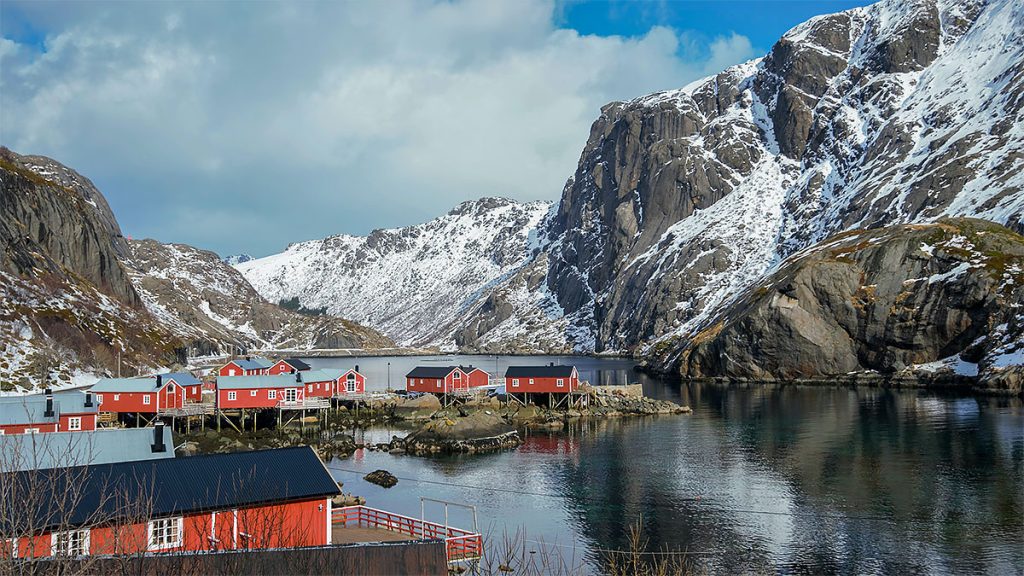
Nordic countries are filled with beautiful locations for landscape photography – from peaked mountains overlooking the fjords and traditional red cabins to splendid masterpieces of modern architecture.
In this guide, we’ve prepared a list of practical pieces of advice on how to plan your shooting trip, compose photos, prepare equipment, and utilize post-processing software. Regardless of what you want to capture during your next adventure, just follow these simple tips to shoot stunning landscape photographs.
1. Plan Your Location
Get off the trail and find new spots where fewer photographers tread.
Planning your shooting location can be one of the most interesting parts of landscape photography. Whether it’s a favorite place you’ve been to a million times or a totally new place far from your home. Just do a little research with Google Maps to plan your route in advance and get the best shots in the end. Get off the trail and find new spots where fewer photographers tread. Seek out a different perspective and show the world what’s out there if you just look a bit deeper!
One of the most crucial aspects of every picture is the lighting. Since your main source of lighting for landscape photography is the sun, you should plan your shoot for a time when the light is not too harsh, but rather soft and diffused to give your photos a natural look. The best time for landscape photography is during the golden hour (just after sunrise and before sunset).
3. Compose Your Shot
Sometimes simplicity is the key to good composition.
Don’t forget about your image composition. Avoid adding too many distracting and cumbersome elements to the frame. Sometimes simplicity is the key to good composition. Plus, check whether your camera can overlay a grid and if so, turn this feature on to make it easier to compose your shots and follow the Rule of Thirds.
7 Scandinavian Landscape Shooting Tips for Amateur Photographers – read on
4. Prepare Your Camera
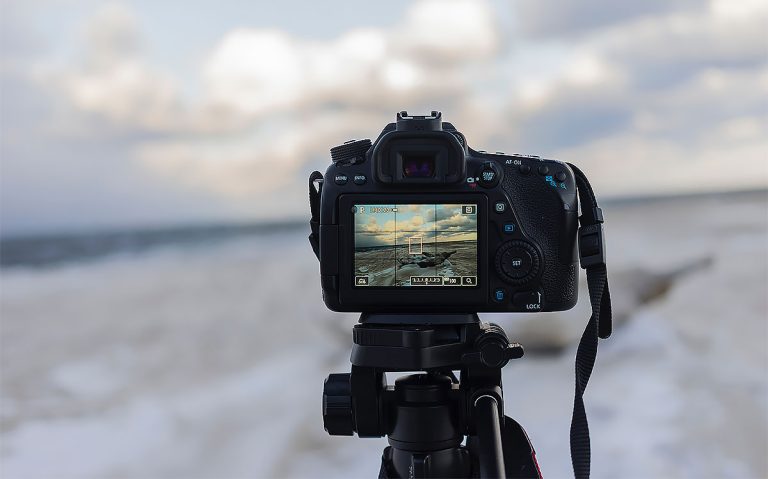
Think about which camera to choose. The best camera for landscape photography is one with a full-frame sensor and a wide-angle lens, but a zoom or telephoto lens can be helpful as well. Shoot at f/16 or even f/22 for the sharpest landscapes. It enables you to catch details in both the foreground and background. However, to capture the Northern Lights, for example, your camera should have decent ISO capabilities (ideally between 2,000 and 12,800) and f/2.8 or lower.
Your tripod should be sturdy enough to withstand bad weather conditions and arctic winds.
A tripod is an essential piece of equipment if you want to take the highest-quality pictures possible. However, don’t buy the cheapest one. It should be sturdy enough to withstand bad weather conditions and arctic winds. Tripods are also especially important when taking pictures in dim light (like early in the morning or late at night) at low ISO settings or at low shutter speed in order to avoid camera shake and prevent images from getting noisy and blurry.
7 Scandinavian Landscape Shooting Tips for Amateur Photographers – read on
6. Pay Attention to the Sky
Finding the right balance between the ground and the sky is often what makes a landscape shot fail. A lot depends on how the sky looks in a given situation. A clear sky that looks rather dull and boring is not the best option for most pictures. It is better to minimize the sky or eliminate it from your image completely. Low-hanging clouds, on the other hand, can add some drama or Scandinavian mystery to your photographs. Plus, different colors of the sky (during the golden hour, for example) are a great way to make your images more expressive.
Editing is an essential component of landscape photography. Of course, it’s best to minimize post-processing efforts and do as much as possible in-camera. However, if something doesn’t turn out well, landscape photo editing software would be a great help. Just follow this link to find out how to fix a tilted horizon, increase the clarity and sharpness of your shot, boost its colors, and much more.
Use some of these tips to improve your photography skills. And remember that photography is a never-ending learning experience. Don’t dwell on what you’ve achieved and keep challenging yourself. Digital photography means taking pictures without wasting negatives (and money), so it’s possible to sometimes break the rules in search of your own style. Even if you initially take a bunch of shots that don’t look perfect, over time through practice you’ll discover your hidden gem.
7 Scandinavian Landscape Shooting Tips for Amateur Photographers, written exclusively for Daily Scandinavian.
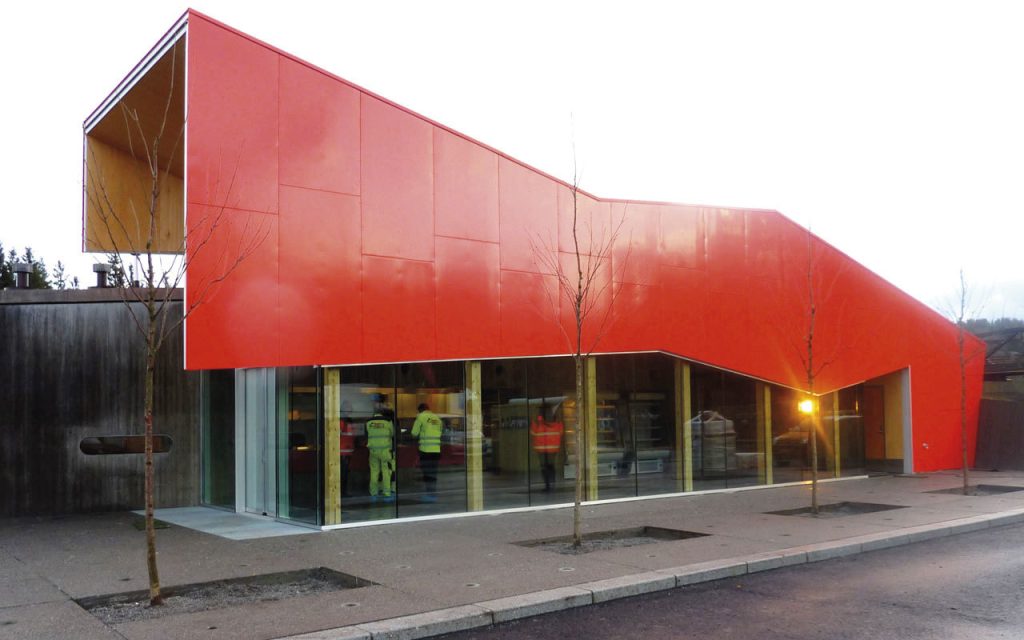
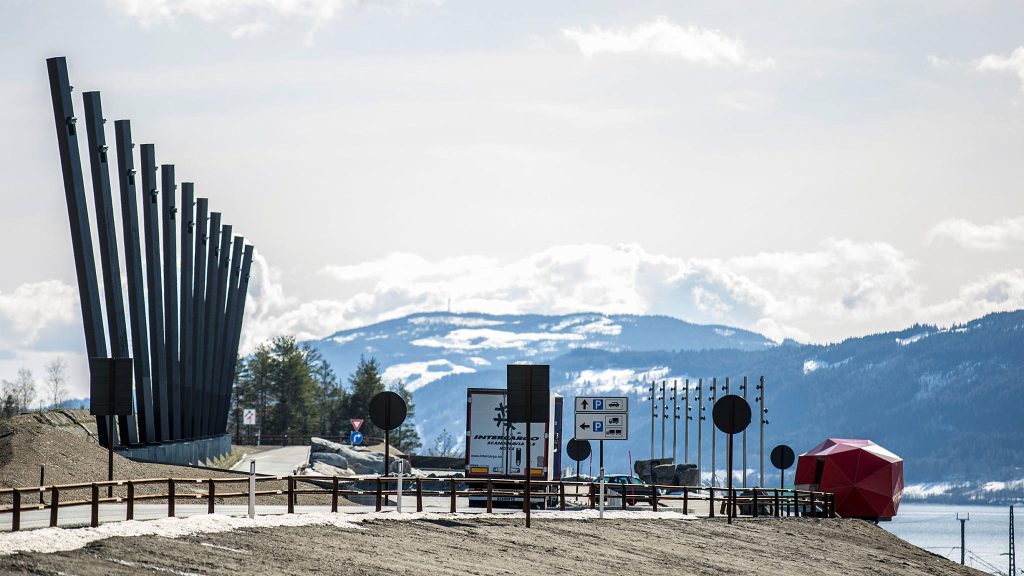
Building on nearly 40 years of architectural expertise, Løvseth+Partners has developed two large rest stops by the motorway along Mjøsa, Norway’s largest lake. The innovative rest stops in Norway offer magnificent view of the lake.
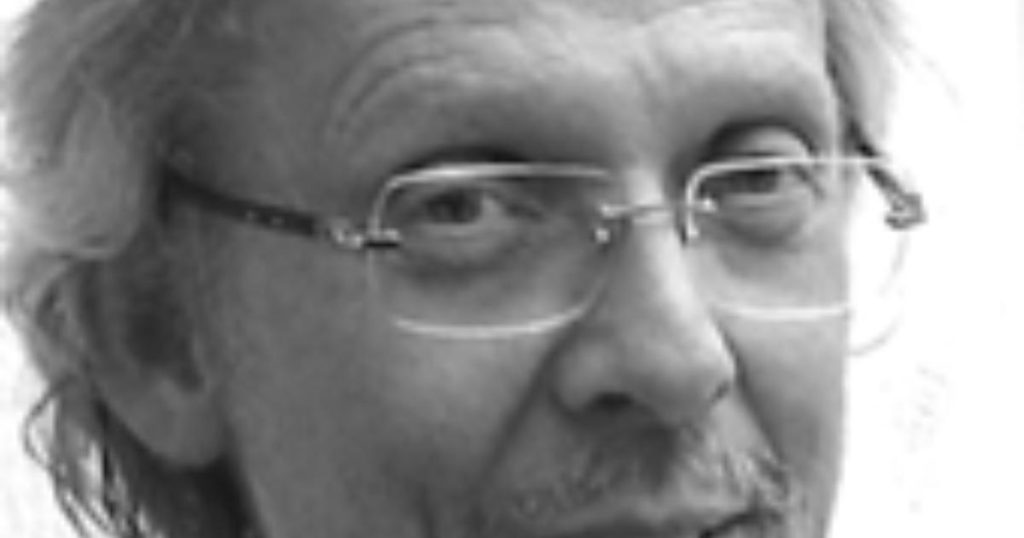
Founded in 2003, Løvseth+Partners, has built on the tradition and expertise of founder Morten Løvseth. He has been responsible for several impressing projects, among them the Government Park in Oslo, an area of 10,000 square meters built in stone.
The two rest stops at Mjøsa have Ferrari red facades and sculptural forms
The two rest stops at Mjøsa have Ferrari red facades and sculptural forms as well as the room-forming timber light masts, giving the places clear identity. Blasting-gravel from the construction of the highway are sculpturally chiseled to sitting furniture. The project was completed in 2015.
Architect Morten Løvseth. Photo: Arkitektnytt
The most interesting projects for Løvseth+Partners are in fact transport related. The company has taken on several contracts designing bridges, the majority built in timber. Norway is the world’s leading in regards to timber construction, and there is an incredible amount of engineering science that goes into designing these timber bridges in order for them to withstand the weight of 50 tonners of trucks. And an equal amount of breaking force.
Since its foundation, the architectural company has seen steady growth, taking on projects, large and small, and specializing in large housing projects. Morten Løvseth has been contributing in winning 23 architectural competitions out of 50 attempts and has received 14 architectural awards.
In addition to his architect practice, he is head of the Architecture Council for the National Tourist Routes in Norway, and has on numerous occasions been a sensor for the Oslo School of Architecture, and The Norwegian University of Science and Technology, in Trondheim. Løvseth is also a skilled drawer and illustrator.
In addition to his architect practice, Løvseth is head of the Architecture Council for the National Tourist Routes in Norway
Løvseth’s foremost references include the Norwegian Petroleum Museum, Tønsberg Library, Fredrikstad Town Hall, The Government Squares, University of Agder, Høyanger Bathing Facility and a number of major residential projects and bridges.
Innovative Rest Stops in Norway, written by Tor Kjolberg
In southern Scandinavia we have a huge tradition of making pickles and jams with every possible variety of plums. Learn more about Scandinavian plum.
Scandinavians make no distinction between plums and gages; both are simply called plums, and both are prized and recognized as a delicacy. There is almost no commercial growing of plums in Scandinavia – it is surprisingly hard to find them in shops even during the picking season in late August and September – but they are grown in most gardens, wherever possible.
The plum trees can grow very far north, but the blossom is ruined by the bitter frosts in northern areas of Scandinavia. Pgoto: SNL
Plums are at their northernmost limit in southern Scandinavia. The trees can grow very far north, but the blossom is ruined by the bitter frosts. We grow mainly old British and German varieties, but in old gardens you can still find the Hungarian variety used for making slivovitz (plum brandy) in eastern Europe.
Cherry plums, also known as myrobalan (Prunus ceracifera), are relatively new to the north, being introduced in the mid-19th century from southern Europe. But they have spread so fast that it now seems incredible that they are not native. Cherry plums are the very first trees to flower in spring – sometimes even before the end of February: the clouds of white blossom that cover vast areas for several weeks are an overwhelming sight, their sweet honey scent wafting through the cool air. The fruit is not generally appreciated, and they are mostly self-seeded, and show every possible color from bright canary yellow to deep purple.
Before the cherry plum invaded the countryside, northerners grew and collected a huge variety of damsons and bullaces. They make identical suckers, and are easy to propagate. The ‘raisin plum’ is a small incredibly sweet plum with a distinct raisin flavor. Many of the old varieties are almost extinct, but some work is being done to preserve them. These plums are perfect for primitive methods of preserving, as their sugar and acid content is high enough for them to dry safely even in the cold northern climate.
Appearance and taste
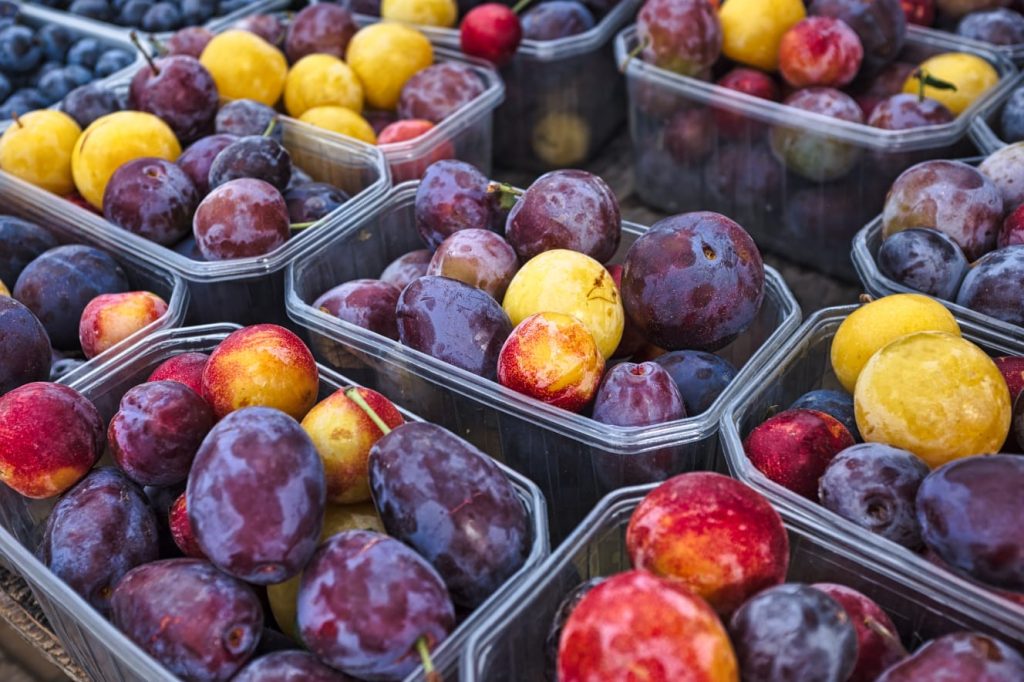
Cherry plums vary in size from cherry to gage.
Cherry plums vary in size from cherry to gage, and the taste can be anything from deliciously apricot-flavored to dark plum, meaty, juicy, sweet, sour or plain bland. But even if their virtues as a dessert fruit are not consistent, they all make the most intensely flavored jam, ketchup and chutney. In general, the fair-skinned fruits have an apricot/gage taste, dark fruits more of a prune flavor.
While cherry plums, damsons and bullaces are small, proper plums have a more manageable size, making it much easier to take out the stones. Apart from the omnipresent Victoria plum, which is not so good to cook with, the most common varieties include the Opal, originally a Swedish cultivar, which is the earlies variety to ripen in mid-August and is a small, blue and sweet fruit that is best eaten fresh; and the Kirkes Blue, a plump, purple-skinned, green-fleshed and highly flavored British variety which ripens from mid-September. This plum is very good for jam and pickling, and the harvest is usually abundant.
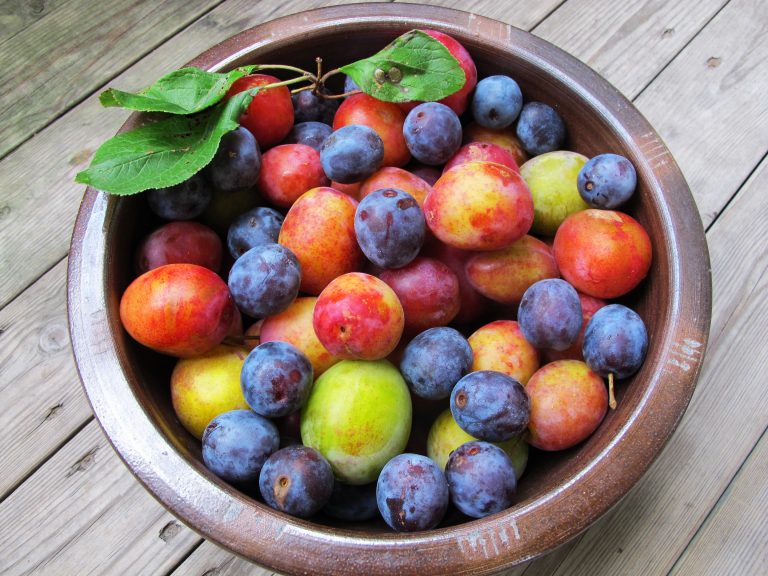
The best variety for the recipe below is the Italian prune plum – a huge, juicy, purple fruit with delicious amber flesh that tastes as sweet as honey; it ripens in late September or early October. Greengages are grown, and loved by aficionados, and eaten fresh or preserved whole.
The best variety for the recipe below is the Italian prune plum. Photo: Coop
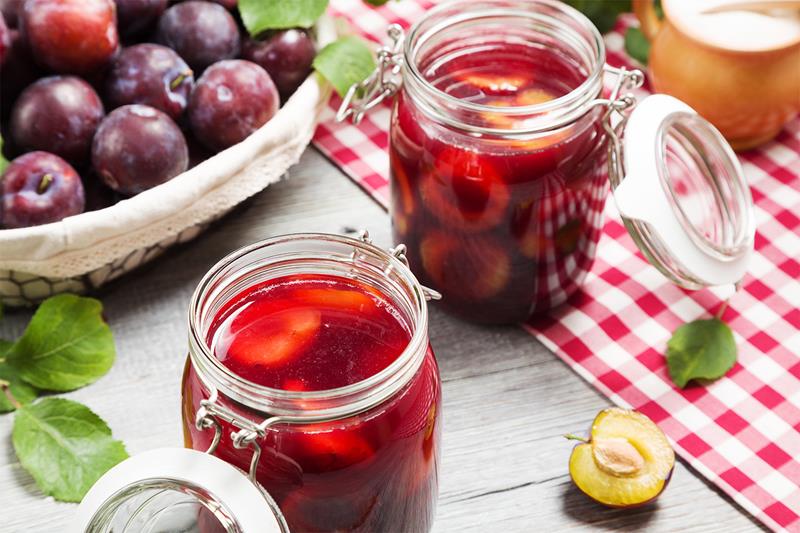
Pickled plums in red wine
These picked plums are a little fiddly to make but taste exquisite and are definitely worth the effort. Eat with whipped cream or ice cream. They are also very nice with game or cheese.
2kg Italian prune or other firm-flesh plum
10 cloves
2 cinnamon sticks
Peeled rind of lemon
I bottle red wine
2kg granulated sugar
Makes 6 regular jars.
Prick each plum 5-6 times with a fork, then put into a sterilized crock. Add the spices and lemon zest. Put half the bottle of wine and 1kg of the sugar into a saucepan and heat until the sugar has dissolved and the liquid is boiling. Pour this, still boiling, over the plums. Leave the fruit to macerate for 2 days in a cool place. Strain the syrup from the plums, and put this in the fridge.
Boil together the same amounts of wine and sugar as before to make an identical syrup, and pour over the plums. Leave them to macerate again for two days.
Mix the two syrups together in a pan and bring to the boil, removing any scum. Add the plums and bring them quickly to the boil. They must not actually boil, just be heated through. Pour the whole lot into a colander placed over a pan, and return the plums to the crock. Reduce the syrup until it is fairly thick, then pour it over the plums. Close the crock when the content has thoroughly cooled.
The plums taste best when matured for a month, but they will keep almost indefinitely. When removing some of the plums, use a sterilized spoon to avoid contaminating the remainder and so causing them to go off.
Today, when we encounter the word ‘yultide’, we’re thinking of a Christmastime fireplace or an overwhelming food table with domestic Christmas food and decorations – and gifts. But I dare say, most of us are not well informed about Yule – or Norse yuletide.
The Christmas carol ‘Deck the Halls’ sings ‘Troll the ancient Yuletide carol’ and ‘See the blazing yule before us’. But what are these lyrics referring to – Christmas or not?
Yule lads roasting on an open fire, spirits of the ancestral dead nipping at your nose. It’s indeed the most wonderfully strange time of the year. It’s that time when the sun proverbially turns, prying the coming spring from the cold dead hands of winter darkness. It’s the time when we spend all our money on symbolic trinkets, and open our hearts and doors to friends, family, and fire hazard in great abundance.
The winter solstice was a particularly inauspicious the night when Odin was said to ride through the skies with the Wild Hunt collecting the souls of the dead.
However, Yule or Yuletide (Yule time) was originally a Nordic pagan festival celebrated from 21 December to 1st January. It was connected with the Germanic Wild Hunt, the Anglo-Saxon Mondranich and the Roman Sol Invictus. The European folklore and mythology surrounding Yule all offer symbols relating to the confrontation of the dark nature as a process of initiation into the light.
My research on the internet has given some insight, some astonishment, lots of laughs, but not least lots of reflection. One article said, “Yule means feast, or maybe wheel.” The Scandinavian word for Christmas is ‘jul’. The Scandinavian word for wheel is ‘hjul’. So, “Yule” can mean either a feast that celebrates the winter solstice or reference a wheel, depending on which country of origin you are speaking. Confusing, isn’t it?
The Yule elf is a very busy little guy, and all he asks in return is a bowl and rice delivered for Christmas Dinner.
And now it’s Christmas again (or jul, as we Scandinavians call it). This old word is handed down to us across generations from the Old Norse ‘jól’, and Yuletide is widely recognized as the Christmas season. During the Christianization of Europe, we have seen many Christian feasts taking over many of the traditional pagan festivals. In the fourth century, the church decided to celebrate the birth of the Lord Jesus Christ with a 12-day feast called the Epiphany or the Feast of the Nativity. With Christ’s birth seen as conquering the darkness of sin to bring new hope, life and light, it is clear why Yuletide was chosen to correspond to ‘the twelve days of Christmas’ and the feast of Sol Invictus on 25th December (Dies Natalis Invicti) as Christmas Day.
Time is an important aspect
Yule means feast
The Yuletide feast has become much more than just the one time during the cold dark winter months that there was food in excess, Yuletide tradition was really about coping with the excessive darkness and warding off the evil and the nasty spirits it was thought to harbor.
As sure as some birds fly south in the winter, so come articles about the apparent continuity of certain Christmas traditions, like Santa Claus, Christmas trees, and every festive dinner food on the Scandinavian table (though most of them are hardly a century old).
Time is an important aspect of ritual, and I have written this article with a varied audience in mind, for reconstructionists as well as perennialists, or for believers as well as agnostics or atheists. And even if most people don’t care about the origin of the traditions or their association with paganism, it’s just a part of a traditional celebration.
The origins of Yule
Julenissen (Danish and Norwegian) or Jultomten (Swedish) is a mythological creature from Nordic folklore
The origins of Yule are not 100% clear, but most believe it began as a Scandinavian tradition. Any other considerations of origin include countries of the same approximate latitude. This means that at the peak of winter the sun doesn’t peak over the horizon until close to 9:00 in the morning, and scurries back over the horizon around 3:00 in the afternoon. This leaves a whopping six hours of daylight. Wouldn’t it be only natural to celebrate the lengthening of days?
In addition to that, the Nordic area can be a dang cold and harsh place to live. It’s not exactly the fertile crescent. We’ll take all the sunshine we can have. The old idea that Viking Age Scandinavians celebrated jól on the winter solstice as a sort of solar adoration, is among the most prevalent yuletide claims you’ll see presented on the internet (or wherever) this year.
Evergreen trees and holly bushes were the wintertime symbol of life and hope.
It would seem intuitive that Viking Age Scandinavians greatly missed the sun at winter, and if jól was celebrated around the solstice, close to Christmas, it seems to explain how Christianity could simply just walk into Scandinavia and appropriate the heck out of our gluttonous solar feast.
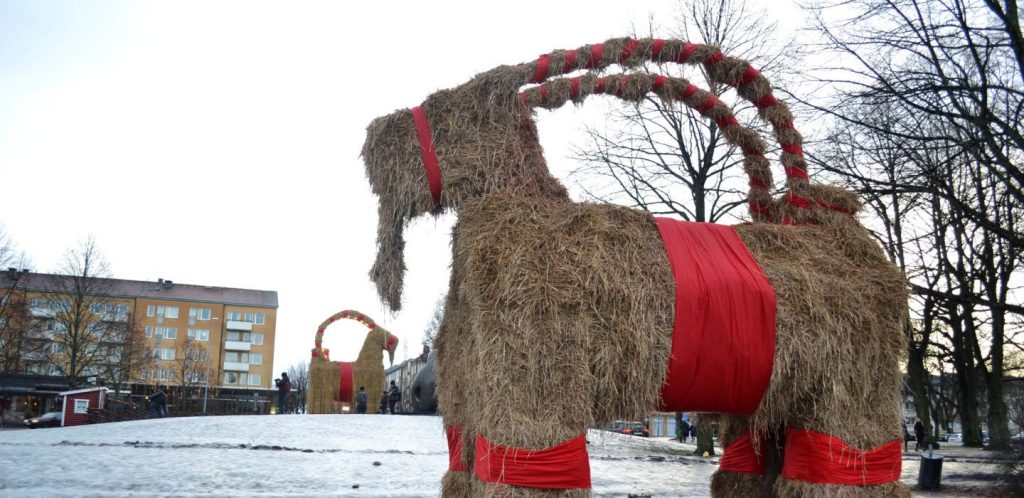
Another Scandinavian tradition is the Christmas goat, whose origins are lost in the mists of time
However, in Scandinavia it is still traditional to leave food out (usually porridge with butter) for the little red-capped tomte or nisse (household spirits or house elves).
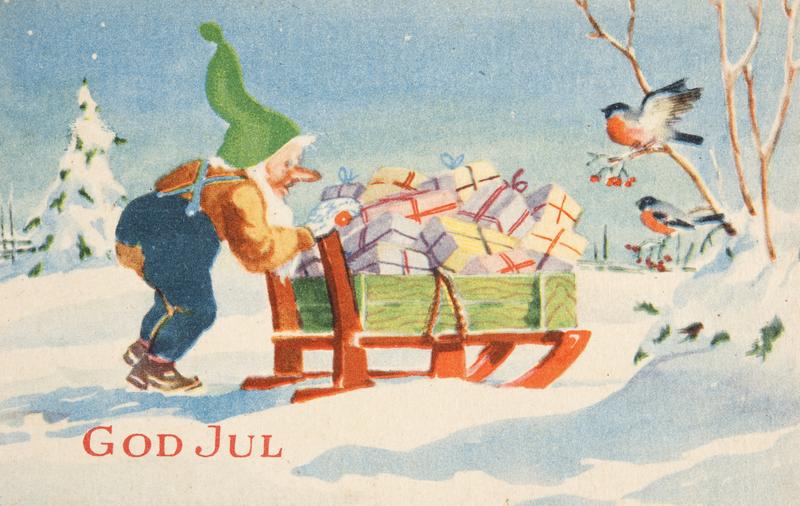
Julenissen (Danish and Norwegian) or Jultomten (Swedish) is a mythological creature from Nordic folklore today typically associated with the winter solstice and the Christmas season. They are generally described as being short, having a long white beard, and wearing a conical or knit cap in gray, red or some other bright color. The nisse is one of the most familiar creatures of Scandinavian folklore, and he has appeared in many works of Scandinavian literature. With the romanticization and collection of folklore during the 19th century, the nisse gained popularity.
Evergreen trees and holly bushes were the wintertime symbol of life and hope. In the barren winter landscape, their lush green was evidence of life when life could not be seen. Holly bush branches were often used as practical decorations for doors and windows, their generally prickly nature was thought to keep out the bad spirits of winter time. These spirits were thought to bring with them illness or madness.
Christmas is a time of peace and joy, love and honor
The Swedish archaeologist Andreas Nordberg wrote, “Those who insist on referring to jól as the solstice, must be more interested in the solstice itself, than they are in sources for Norse religion.”
Another Scandinavian tradition is the Christmas goat, whose origins are lost in the mists of time. The Jul Bok (Yule goat) is nowadays usually made from straw, which indicates that it was probably once an offering from the last harvest (like the British corn dollies), but other traditions have a man dressing up as goat at Yuletide, which could be distant memory of a pagan fertility ritual, or even be connected to the two goats who pulled Thor’s chariot in Norse mythology.
His roots trace all the way back to the Mythological god, Thor. Julbock was once thought to be Thor’s carrier. So many Yule traditions are heavily steeped in Ancient folklore simply because the missionaries weren’t able to reach Norway or Scandinavia until the 10th century. By then, tradition had been well established.
The Winter Solstice
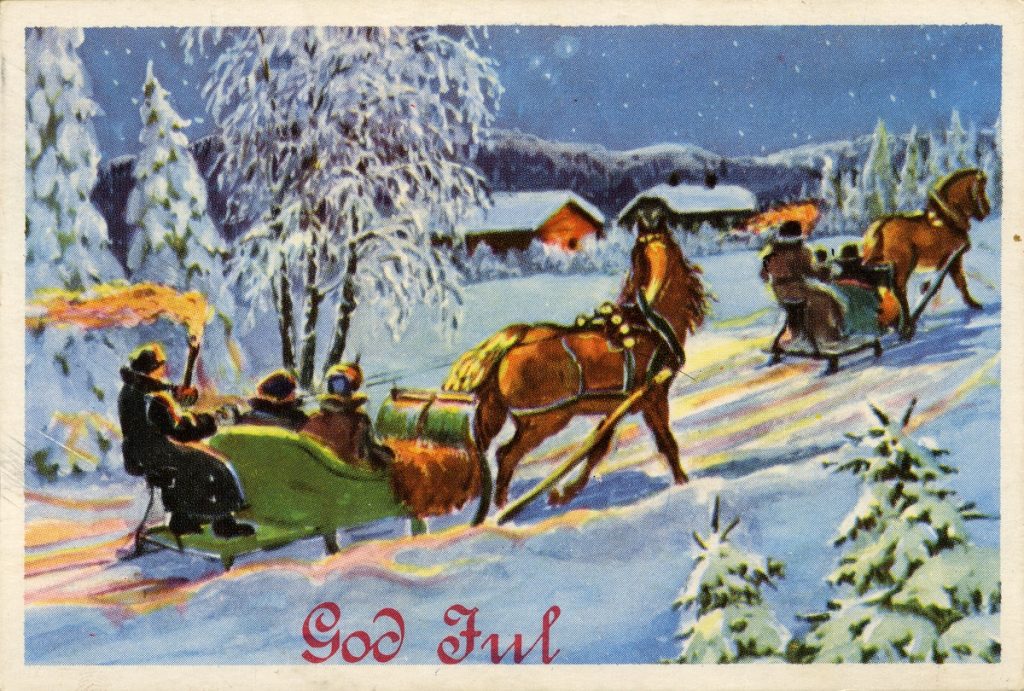
Norwegian Christmas card
The oldest evidence we have for a possible Scandinavian yuletide feast, was described by the 6th century Byzantine chronicler Procopius, who mentioned that the inhabitants of Scandinavia (called “Thule”) celebrated a feast for the returning sun, sometime after the winter solstice. The earliest Old Norse reference to jól, however, comes from the 9th century Haraldskvæði, which is a praise poem composed in honor of Harold Fairhair’s victory at the battle of Hafrsfjorð, and the following unification of the kingdom of Norway.
The winter solstice was particularly inauspicious the night when Odin was said to ride through the skies with the Wild Hunt collecting the souls of the dead. So, everyone stayed indoors feasting, afraid to go outside lest they be caught out alone and abducted by the Wild Hunt.
Let’s not forget the Yule elf. He lives typically in attics and keeps the household running smoothly and everything in order. He is a very busy little guy, and all he asks in return is a bowl and rice delivered for Christmas Dinner.
In the saga of Olaf the holy, Snorre mentions a blót at midwinter (miðsvetrarblót), referring to it also as jólaboð and jólaveizla, both meaning Yule feast. Thereby he implies that the main pagan religious event of jól occured later than Christmas, several weeks after the solstice. The saga of Hervor goes so far as to place jól in February, further yet from the winter solstice.
Norse Yule
The Modern English word Yule comes down to us via the Middle English yol from the Anglo-Saxon Geol,
The Modern English word Yule comes down to us via the Middle English yol from the Anglo-Saxon Geol, though nowadays it is more commonly known as Christmastide or the 12 Days of Christmas. In Scandinavia we still call it jul (pronounced yule) or jol. One of the many names of Odin recorded in the Icelandic sources is Jolnir, which means The Yule One. Though this name probably refers to his role as leader of the Wild Hunt at Yule, rather than to a jolly giver of gifts.
Iceland also contributed the legend of the Yule cat, which is apparently a remarkably large creature with a pension for devouring lazy people. Lazy people of the village were not only declined any type of Yule reward, but were in constant Yuletide danger of being gobbled up by the ferocious and sinister Yule cat. Naturally this threat made people a bit more motivated to be contributors to the well-being of their village. The typical Yuletide reward, other than being safe from the Yule cat’s clutches, was a new article of clothing.
Snorre states, in the Saga of Hákon the good, that jól was a three-day event starting at a night called Hǫkunótt, which he perceived as the midwinter night.
So how did Yule become Christmas? King Hakon of Norway, who was a Christian, passed a law that the Christian Christmas Day and the Pagan Yuletide celebrations were to be henceforth celebrated at the same time. While this only impacted the Norwegian territories it illustrates how these festivals were intentionally combined into one celebration.
The winter solstice, which occurs on December 21st or the 22nd in “our” Gregorian calendar, would actually have taken place on December 14th through 15th according to the Julian calendar, which is when the Latin calendar came to Scandinavia. However, according to Snorri Sturlusson, the astronomical winter solstice would have roughly coincided with the feast of St. Lucy, which would have occurred roughly a week before Christmas according to the Julian calendar, which was only replaced by our current, Gregorian calendar in the 18th century. In other words, Santa Lucia that was celebrated on the solstice, roughly ten days before Christmas until recently. This also explains why the eve of St. Lucy is still considered the longest and darkest night in Scandinavian folklore.
The twelve days of Christmas
It was customary that no work was to be done during Yuletide.
The celebration of Yule hasn’t always been twelve days long. The Norse text ‘Heimskringla: The Saga of Hakon the Good’ talks about it lasting for three days, or as long as the ale continued. The night it began was known as slaughter night, where animals would be ritually slain and their blood collected in bowls to be splattered over the wooden idols of the gods and over the participants using a bunch of twigs. The animals’ meat was then consumed in a feast which was known at the julblot.
The slaughter of any animal, including fish, was strictly forbidden during the Yule celebrations, and this tradition is still carried out through most parts of the world that celebrate Yule. The Yule feast was prepared ahead of time in order to adhere to this rule. The wheels were not to turn on the winter solstice, as it would reflect impatience with the turning of the sun, applied as the arrival of springtime.
the burning of a Yule log, the ashen remains of which were used to ward off evil spirits and other misfortunes, before being ignited again the following year to start the subsequent Yule fire.
It was customary that no work was to be done during Yuletide. From Germanic sources we see stories of the Goddess Berchta visiting people’s houses and punishing those who had been spinning during Yule. In the Icelandic ‘Svarfdæla Saga’, we see a warrior who postpones a fight until after the Yuletide, and ‘The Saga of Hakon the Good’ also says that Yule was to be kept holy.
While there’s a time and place for everything, it seems solstice was not the time of the yuleblót. So far, all of the sources place the event between January and February, but we have no yet come to explain the flaky and inconsistent dating of jól itself. Why do the sources give varying dates for the festival, within such a discrepant timeframe as January through February? The pre-Christian calendar system gives us some clues.
Two months of yule
The Norse calendar, which contained no less than two months of Yule, called Ýlir and Jólmánuðr respectively. Yule is a common Germanic holiday, and the tradition of two Yule months are attested as far back as 4th century Gothic texts, as supported by by Anglo-Saxon sources, where the 8th century chronicler Bede writes that the pagan Angles followed a calendar based on the lunar cycles. Yet, he also states that this lunar year was determined on the terms of the solar year: It was lunisolar.
Other sources tell of the burning of a Yule log, the ashen remains of which were used to ward off evil spirits and other misfortunes, before being ignited again the following year to start the subsequent Yule fire. Also, there was the eating of a Yule boar in honor of Freyr, a god associated with the harvest and fertility, who in Christian times became associated with St Stephen and his feast day of 26th December.
Delicious meat was consumed in a feast which was known at the julblot. Photo: Nicole Michalou/Pexels
Common Christmas traditions such as mistletoe and Christmas trees were part of Yule tradition as well. Although oddly enough, until the 13th century it seems, Christmas trees were suspended upside down. There is no documented reason for this, just the knowledge that it occurred. There is of course, ample speculation that nobody had yet devised a method to assist the cut tree to stand upright as they do today.
Nevertheless, all of the December holidays have one basic theme intact, regardless of ancient tradition or religious affiliation. They are a time of peace and joy, love and honor, and of course, merriment and sharing.
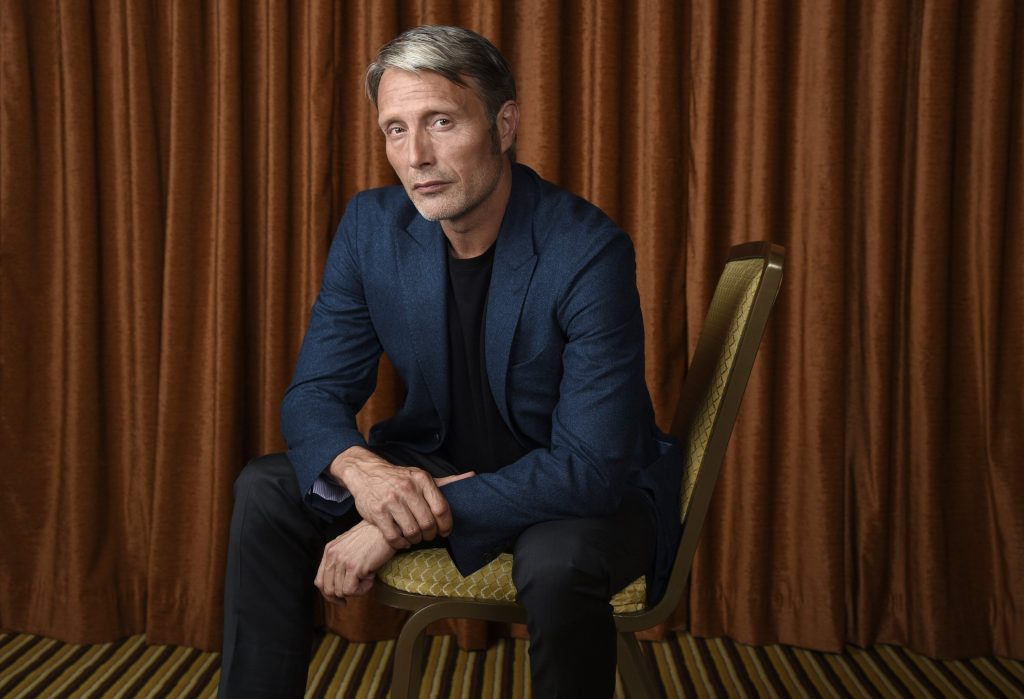
Danish actor Mads Mikkelsen (born 22 November 1965) made his debut at the age of 30, with Nicolas Winding Refn’s Copenhagen noir classic “Pusher” film trilogy. At the age of 40, he secured a world breakthrough as the sneaky Le Chiffre in the 21st James Bond movie “Casino Royale. Read more about the actor who critics have called ‘the face of the resurgent Danish cinema’.
Since then, he has made consecutive success: As Niels in Open Hearts (2002), Svend in the Green Butchers (2003), Ivan in Adam’s Apples (2005) and Jacob Pedersen in After the Wedding (2006).
Recently, Mads Mikkelsen provided the English voice, appearance, and motion capture for Cliff in the video game Death Stranding,
Recently, he provided the English voice, appearance, and motion capture for Cliff in the video game Death Stranding, developed by Kojima Production and published by Sony Interactive Entertainment. In an interview, Mikkelsen revealed that though he understands some of Death Stranding’s intended message, much of what Hideo Kojima told him regarding the game still puzzles him. He has described Death Stranding as a “labyrinthine game” of which he has seen nothing like before, with a story “completely out of this world”.
A reliable character actor
Mikkelsen balances the position as national first lover with lucrative supporting player assignments on the international front.
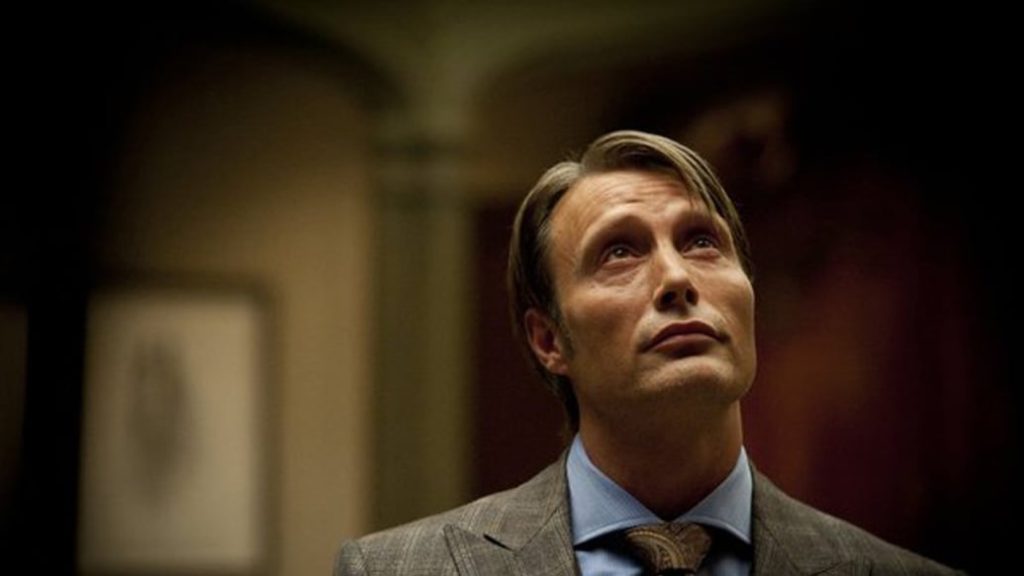
Mikkelsen has managed what few Nordic actors achieve, to balance the position as national first lover with lucrative supporting player assignments on the international front. More than New York Times critic A. O. Scott have embraced his “charming snout” – especially those who experienced him in the title role in the cult TV phenomenon “Hannibal”.
A. O. Scott remarked that in the Hollywood scene, Mikkelsen has “become a reliable character actor with an intriguing mug” but stated that on the domestic front “he is something else: a star, an axiom, a face of the resurgent Danish cinema”.
Began his career as professional dancer
Before becoming an actor, Mikkelsen was a trained gymnast and professional dancer.
Before becoming an actor, Mikkelsen was a trained gymnast and professional dancer, the latter of which he did for nearly a decade. He studied dancing at the Balettakademien (ballet academy) in Gothenburg where he also became fluent in Swedish. During his dancing career, Mikkelsen met choreographer Hanne Jacobsen, whom he married in 2000. Later he pursued a career in acting to explore his more dramatic side. He studied drama at the Århus Theatre School in 1996.
Perhaps the only thing missing from his CV as a good Scandinavian is participation in a Norwegian-originated project.
Other important roles include Igor Stravinsky in Coco Chanel & Igor Stravinsky (2008). In 2012, he received the Cannes Film Festival Best Actor Award for his performance as Lucas in the Danish film “The Hunt”.
He is best known, outside of Denmark for portraying the serial killer and cannibal, Dr. Hannibal Lecter in the NBC series Hannibal (2013–2015), and films such as Marvel’s “Doctor Strange” (2016) and “Rogue One: A Star Wars Story” (2016).
Professionally humble
Mikkelsen is professionally humble on his own behalf.
Nevertheless, Mikkelsen is professionally humble on his own behalf; his appeal in Hollywood reportedly boils down to a combination of timing and luck. It must have helped that the production community began to look elsewhere than the UK in search of dubious types with “exotic” accents.
He loves Copenhagen
Mikkelsen sings the praises of Copenhagen
When the city of his birth, Copenhagen, comes up as a theme, Mikkelsen really gets the job done. He sings the praises of Copenhagen, where his bank clerk father Henning and nurse mother Bente welcomed him to Østerbro in November 1965. Now he lives with his wife Hanne Jacobsen in fashionable suburban Hellerup, a few kilometers north.
The Face of the Resurgent Danish Cinema, written by Tor Kjolberg
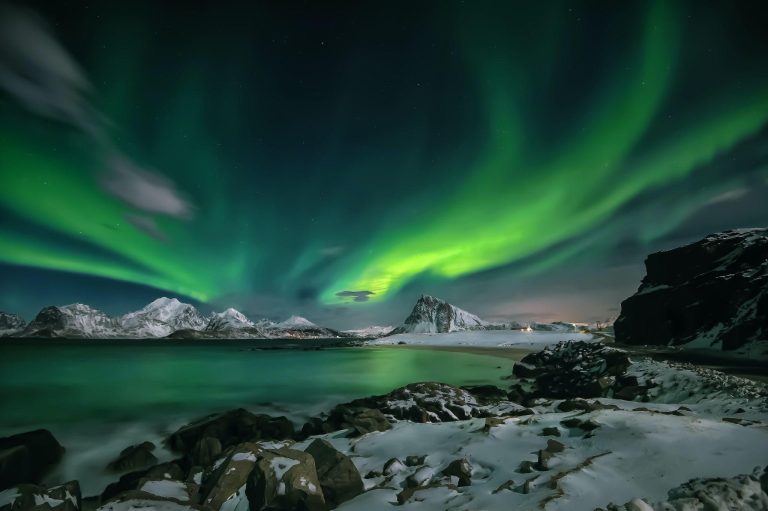
It’s easy to look at images of a Scandinavian winter and feel a sense of peace and tranquility. The cold temperatures, the freshly-fallen snow, and the beautiful way Nordic countries embrace and celebrate the holiday season — they’re all great thoughts. However, above the Arctic Circle, temperatures can dip below 30 degrees Celsius in the winter. Learn more about what Scandinavians have to teach the world about winter.
Needless to say, you have to know how to get through winter the right way to deal with those freezing temperatures.
For most of us, the colder months mean more time inside, irritable and depressed moods, and even higher levels of illness, depending on where you live. Add that to the stress of the holiday season, and it’s no wonder why so many people struggle through the winter months.
So, what can we learn from Scandinavian countries? How can we embrace some of the ways they do things to make winter more memorable and enjoyable? Let’s cover a few tried and true ideas.
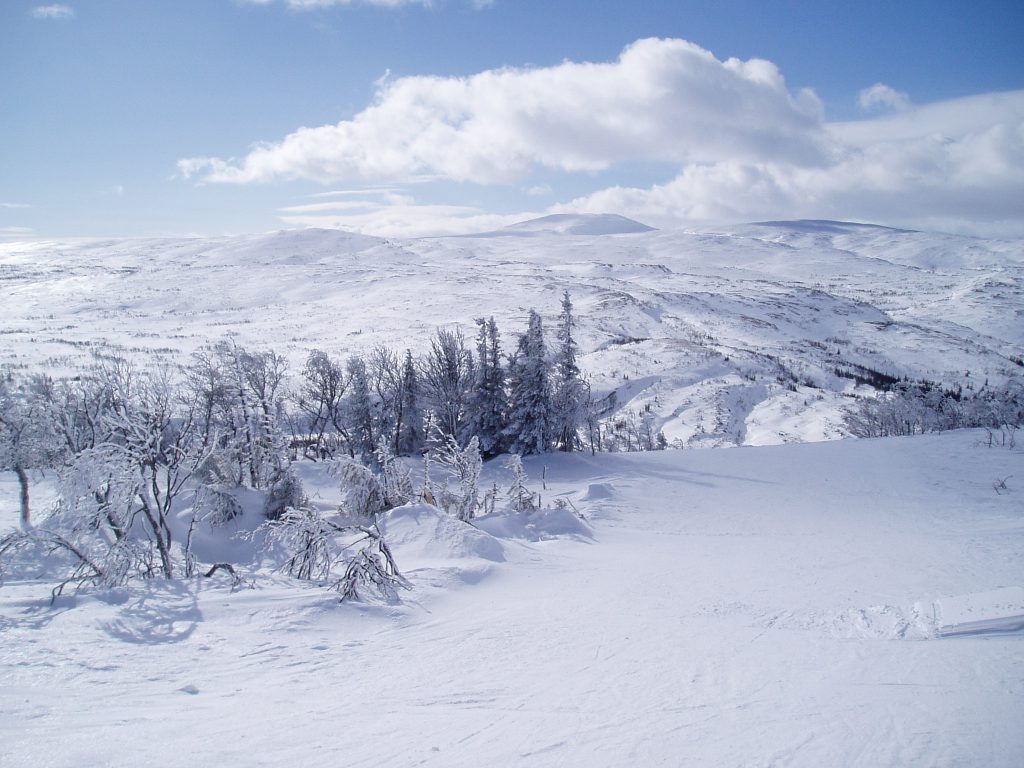
Storlien ski area, Norway
Learn more about what Scandinavians have to teach the world about winter – more below..
Make Winter Work for You
One of the best ways Scandinavians embrace the colder months is by living a “hygge” lifestyle. It’s a Norwegian term that refers to finding comfort and pleasure. It’s used to describe a mood of “coziness” throughout the winter months. For you, that might mean things like:
Lighting a fire in the fireplace
Putting on a warm sweater
Using thick, warm blankets
Enjoying a warm beverage
Consider decorating your home for the holidays or the winter months, in general, and embrace the cozy feeling it can provide. When your home offers a warm and welcoming contrast to the cold weather outside, you’re more likely to feel safe and content.
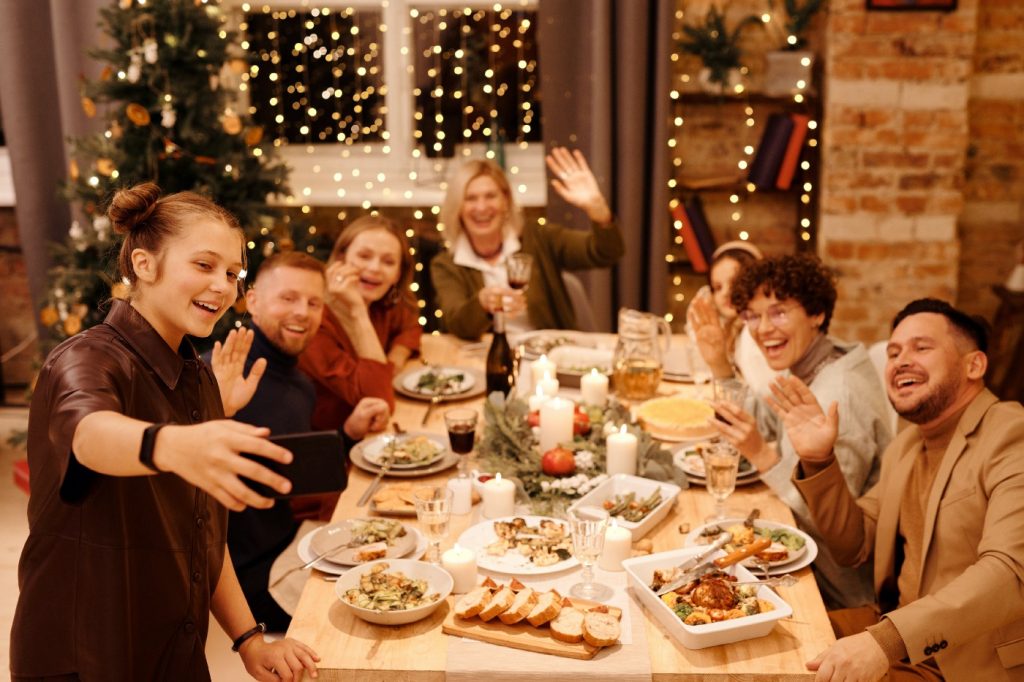
It’s also important to celebrate certain traditions throughout the winter months. In the U.S., that typically means acknowledging holidays like Christmas or Hanukkah. In Scandinavia, they celebrate St. Lucia’s Day on December 13th. It’s a day of feasting, but most communities spend days (or weeks) decorating beforehand, filling their homes with lights and candles. This also evokes a sense of coziness but gives them something to look forward to and celebrate in the middle of the winter season.
You don’t necessarily have to celebrate a holiday to make winter more enjoyable. However, you should find small ways to celebrate the everyday. Light candles or hang lights to make your home feel brighter. Cook a special meal. Splurge on something for yourself. Finding small ways to celebrate can make the season seem shorter, and more fun.
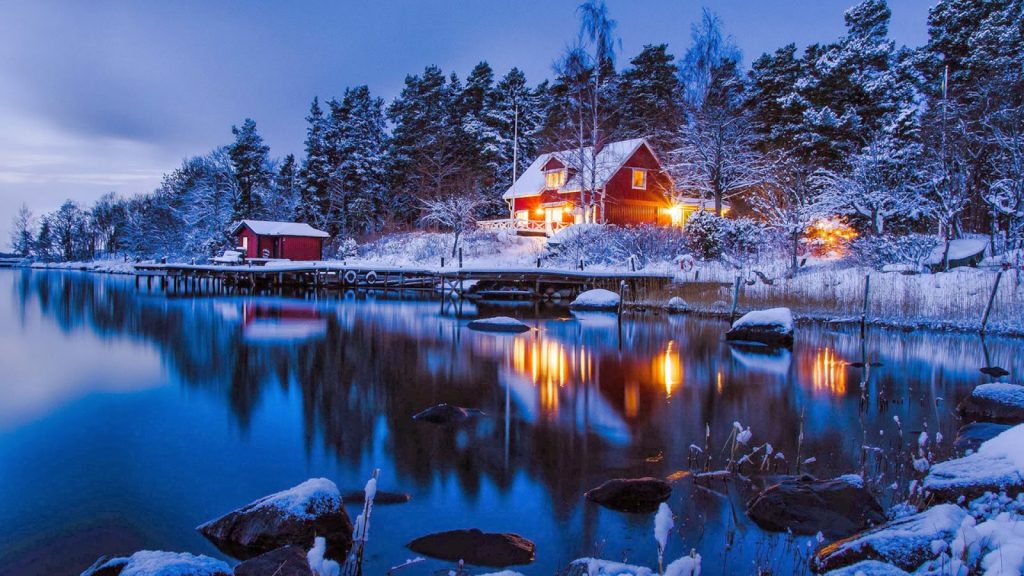
Cozy cabin in the snow
Embrace the Outdoors
You might not be a cold-weather person, but there’s no denying that there’s plenty of beauty in winter. Spending time outside is a fantastic way to embrace that beauty while staying physically active.
Think like a Norwegian and embrace the concept of friluftsliv – a love of the outdoors. Spending time outside doing things you enjoy can change your perspective on winter, and you might end up picking up a new hobby.
Consider trying things you can only do in winter, including:
Cross-country skiing
Ice skating
Snow shoeing
Sledding
You could even take up a winter sport, like snowboarding or downhill skiing. If you’re having a hard time finding the energy to get up and moving outdoors, consider what might be causing you to feel so fatigued. Everything from a decline in your mental health and relationship issues to your diet and stress can lead to a lack of energy. When you get to the root cause, you’ll have an easier time finding the motivation to bundle up and go on an outdoor adventure. You’ll also be more likely to take care of yourself throughout the season.
Many Scandinavian people develop a “positive winter mindset” to get them through the season.
Maintain Your Mental Health
Speaking of taking care of yourself, it’s extremely important to manage your mental health throughout the winter. It’s estimated that Seasonal Affective Disorder (SAD) impacts 10 million Americans, causing symptoms like sadness and sluggishness.
All of the suggestions listed here can help you maintain a more positive headspace throughout the winter months. Many Scandinavian people develop a “positive winter mindset” to get them through the season. You might have developed thinking and behavioral patterns over the years that have contributed to SAD. Changing your perspective on winter, choosing to make it special, and staying warm can give you a completely different outlook on the season. Don’t isolate yourself or spend too much time alone indoors. While cultivating a cozy environment at home is important, winter isn’t a time to give up social interaction just because it’s cold. It’s a time to reconnect with friends and family and find happiness in those connections.
It won’t make the days any warmer or longer, and you’ll still have to make your way through the cold when you step outside. However, by finding reasons to celebrate, staying positive, and embracing a cozy atmosphere as much as possible, you’ll be able to get through the winter like a true Scandinavian. You might even end up enjoying the season more than you ever thought possible.
What Scandinavians Have to Teach the World About Winter, written exclusively for Daily Scandinavian by Ainsley Lawrence. Ainsley is a freelance writer from the Pacific Northwest. She is interested in better living through technology and education. She is frequently lost in a good book.
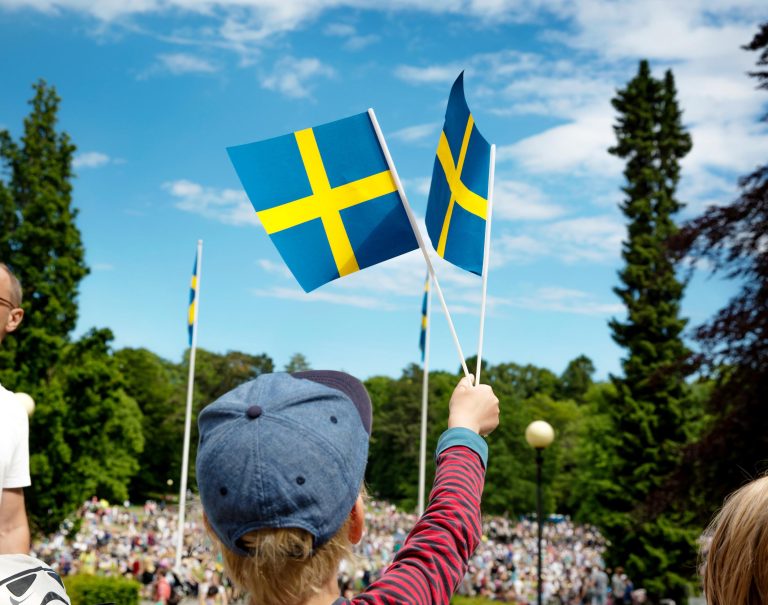
Even when Sweden is searching for a new balance between a commitment to globalization and maintain its recognition of society’s needs for roots, the country manages to be an amazing country. Read on to find more about why Sweden is such an amazing country.
In global rankings, Sweden frequently appears at or near the top. With a comparatively high quality of life, strong infrastructure, and the best system of healthcare and education, a large number of people continue moving to Sweden. As of 2015, there were roughly 200 different nationalities represented in Sweden, who make up 14 percent of the country’s total population.
Survey after survey show that Sweden has been voted the Best Country in the World, some stating that the Swedish people are the nicest people on the planet. But can this last? Bernie Sanders, the American left’s presidential candidate said once that Sweden was an ideal of “democratic socialism”. Maybe so, but this has a prize and now Sweden is set to implement a new combination of a globalized economy and more restrictive policies toward immigration.
In 2007, Sweden ranked no 17, but since then country has climbed slowly to the top of places to do business.
Doing Business in Sweden
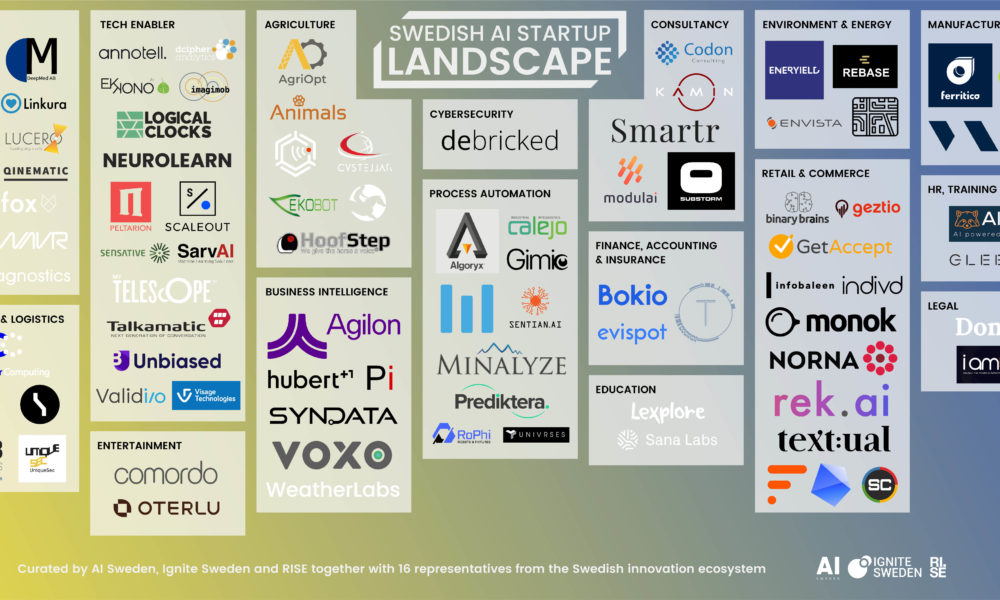
However, it’s still easy to do business in Sweden. In 2007, Sweden ranked no 17, but since then country has climbed slowly to the top of places to do business. Sweden is also home to plenty of tech inbnovations and to “some of the most venerable, well-known brands in the world, including Volvo, Electrolux, Ericsson, IKEA and H&M.
The country’s most venerable powerhouses were the product of the first age of globalization before the First World War. Ericsson, a telecoms giant, started selling phones in China in the 1890s. Axel Johnson Group, a food conglomerate, has constructed its headquarters in the shape of a ship, with galley-like stairs between floors and a bridge on top, to commemorate its origins trading with Argentina. They have been joined during the second great age of globalization by a new generation of internet-based giants such as Spotify Technology SA. Its reputation for egalitarianism notwithstanding, Sweden has one billionaire for every 250,000 people, one of the highest rates in the world, with their total wealth accounting for a quarter of GDP.
Historically, Sweden has combined the best practices of German and American capitalism. German influenced Swedish companies dominate global niches through a combination of engineering excellence, high-quality training and constant innovation. Sandvig AB, for instance, has created the worl’s fastest drills.
The Swedish society is at large remarkably pro-business. The government allows private companies to run bits of the state such as schools and hospitals. The Swedish stock market is Europe’s largest, with 950 listed companies (mighty Germany comes second with around 800).
Half the adult population has savings in the Swedish mutual fund account. Sweden has more venture capital investment as a share of GDP than any other European country, much of it drawn from America, and venture capital-funded investment is thought to have increased GDP by six percentage points since 2005.
Sweden continues to be the best performer in the EU.
Highly innovative
The European Commission’s European Innovation Scoreboard 2021 states that Sweden continues to be the best performer in the EU. Other Innovation Leaders are Finland, Denmark, the Netherlands, and Belgium.
Innovation performance is measured by average performance on 25 indicators. Sweden leads in human resources – the availability of a high-skilled and educated workforce – and quality of academic research.
Low levels of corruption
Sweden has a low level of corruption and ranks 4th in Transparency International’s latest Corruption Perceptions Index, which measures the perceived levels of public sector corruption in 186 countries.
High quality of Life
Sweden performs favorably in several measures of well-being, as indicated by the fact that it ranks above most countries in the Better Life Index. If you are living in Sweden, you will have a central heating system and fast speed broadband internet everywhere. You will see safety regulations that are placed in all buildings.
However, Swedes don’t close their eyes. They talk obsessively about the spate of shootings and riots in “troubled areas,” and about the rise in crime. And they miss the old Sweden of social cohesion and low crime, with hospital waiting times among the worst in Europe, and the decline of educational standards across the board.
Sweden has the best social welfare in the world.
Excellent social welfare system
With the well-developed health care system and free education, Sweden has the best social welfare in the world. You can enjoy free education in world’s best universities. In comparison with other developed countries, Sweden is the biggest spender on the social welfare sector in relation to its GDP.
The social welfare system has, however, been put to trial. Immigrants with minimum wages negotiated at two-thirds of the median wage have created a combination of geographical isolation with low skills in a high-wage economy. It has proved toxic. Parallel societies based on clan and religious ties developed. Young people were recruited by criminal gangs. Drug-related crime and violence exploded.
But Sweden is still a great place to grow old. Sweden ranks third overall in the Global AgeWatch Index 2020, which measures the quality of life for older people. Sweden’s strengths lie in the capability of its older generation – they have above average employment rates (73.6%) and levels of educational attainment (68.7%).
Older people are highly satisfied with safety (73%), civic freedom (94%) and public transport (65%). Sweden also ranks high on the income security domain (7), with 100% pension income coverage and an old age poverty rate (5.3%) that is 3% below the regional average.
We must, however, not forget that unemployment among the foreign-born immigrants is more than three times what it is for native-born Swedes. It takes about eight years for half the new arrivals to start working even part time. High immigration has imposed net costs on the wider society. The Central Bank calculates that the 2015 immigration shock, when Sweden took in the equivalent of 1% of the population, led to a reduction in GDP per capita of 1.7% and an increase in aggregate unemployment of 2.2%.
One of the biggest advantages of living in Sweden is that you will not feel a stranger as everyone can understand and speak English.
Strikingly cosmopolitan
Sweden is strikingly cosmopolitan. Most Swedes speak excellent English. Stockholm offers Thai and Japanese food as well as herring and meatballs. Sweden was the world’s third biggest international aid donor in proportional terms after Norway and Luxembourg, spending 0.92 of its gross national income on official development assistance. One in five residents was born abroad.
Everyone understands English in Sweden. One of the biggest advantages of living in the country is that you will not feel a stranger as everyone can understand and speak English. If you compare it to other European countries, such as Germany, France and Italy, Sweden is a very friendly country for foreigners.
A powerful passport
The power of a passport is defined as how many countries the holder has unfettered access to. Germany and Sweden top the list, with only one country between them. This makes the Swedish passport the second most powerful in the world.
The ranking, compiled by Henley & Partners, a citizenship and planning firm, takes into account how many countries can be visited without applying for a visa. German passport holders can travel to 177, out of a possible 218, while Swedes can visit 176.
Globally competitive
The 2022 IMD World Digital Competitiveness Ranking found that Denmark excels in ranking that measures how well the country’s economies are exploring new tech. However, Sweden remains in the 3rd place. World Economic Forum states that “the labor market functions reasonably well and Sweden has a high employment rate, with a high level of women’s participation in the workforce.”
Sweden has one of the best public transport systems in Europe.
Public transportation
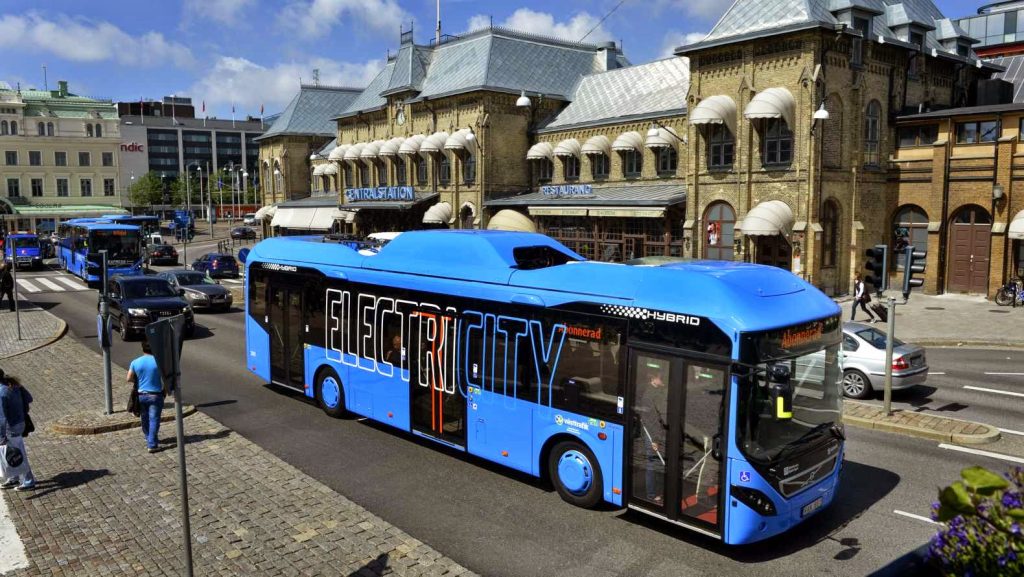
If you have no car, don’t worry. Sweden has one of the best public transport systems in Europe. Buses and trains are available till midnight. You can travel as much as you can with you transport card.
Good gender equality
Sweden is placed 5th on the World Economic Forum’s Global Gender Gap Index 2022, after Iceland, Finland, Norway and New Zealand. Sweden has recently seen an increase in female legislators, senior officials and managers, and has reached parity in the number of women in ministerial positions.
Sweden was the first country to allow transgender persons to change their legal gender after reassignment surgery.
Protected human rights
Whether you are a student, immigrant, or working in Sweden, if someone is violating your rights, government will be on your side. The chances of experiencing discrimination on the base of class, skin color, gender or religion are very small.
Sweden is one of the least polluted countries in the world. Photo: Imgur
A beautiful country
Nature reserves and national parks cover a tenth of Sweden’s land area. According to many surveys, Sweden is one of the least polluted countries in the world.
A sweet country
In comparison with other parts of the world, European chocolate is very tasty. Sweden is very famous among other European countries for its unique taste of chocolates. So, if you are living in Sweden you can enjoy it’s delicious chocolate as well.
Summary – Why Sweden is such an Amazing Country
Sweden is like any country a great place for some people, but not so great for others. It always depends on your mindset and ability to adjust to new cultures.
Why Sweden is Such an Amazing Country, compiled by Tor Kjolberg
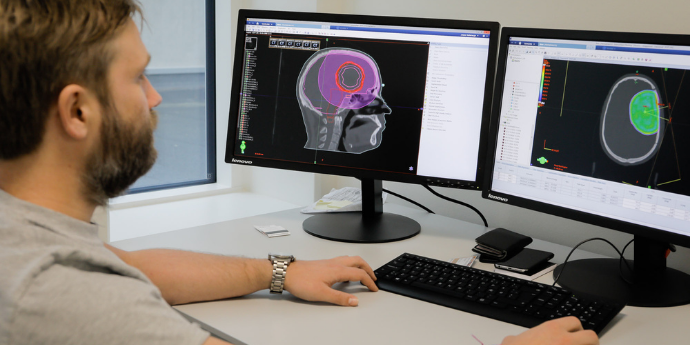
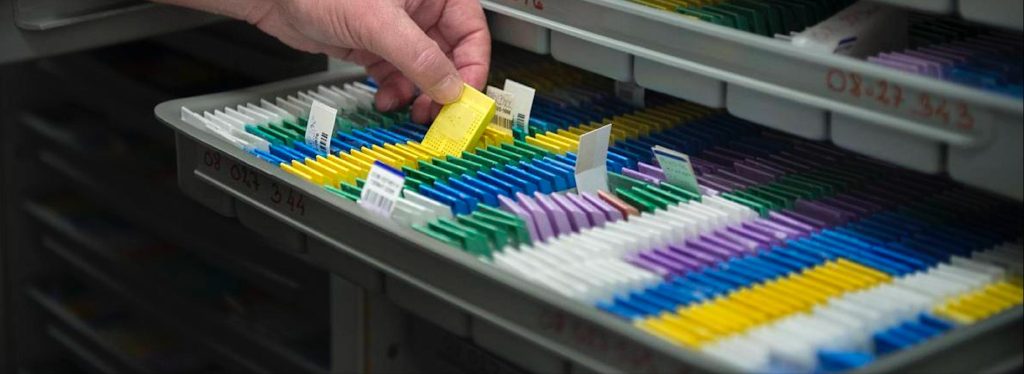
The collection of 9,479 brains from Danish patients diagnosed with dementia, schizophrenia, mania, and major depression among others is stored in a basement at the University of Southern Denmark (recently moved from Aarhus to Odense). The Danish brain collection is one of the largest of its kind in the world.
From 1945 to 1985, brain material from nearly 9,500 psychiatric patients who were autopsied at the Danish mental hospitals has been collected.
Although the project hasn’t been a secret, it’s not openly discussed either. The significant number of brains from people diagnosed with dementia, schizophrenia, mania, and major depression is unequalled and enables researchers to conduct studies of large samples.
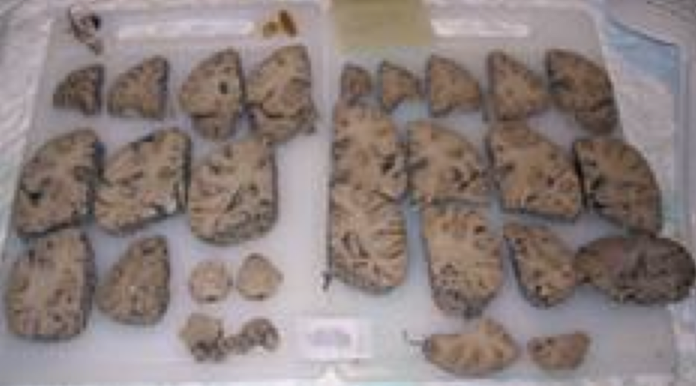
The materials can also be used to examine the effect of various diseases on brain anatomy. Photo: Aarhus University Hospital.
The Brain Collection has significant scientific value due to its huge size and varied pathology – including some rare diseases. In addition, most of the brains come from people who have not received any modern medical treatment, and thereby enables researchers to investigate the effect of modern treatment.
The materials can also be used to examine the effect of various diseases on brain anatomy, to investigate diagnostic approaches for brain diseases, and to analyze genetic mutations and epigenetic DNA/RNA alterations in the brain tissue of individuals with different conditions.
Two doctors had an idea after WWII. Erik Stromgren and Larus Einarson were the architects. After roughly five years, pathologist Knud Aage Lorentzen took over the institute, and spent the next three decades building the collection.
Scientific findings, data, and material resulting from studies using the Brain Collection will be added back into the brain bank infrastructure. Photo: SDU
Many scientific studies only require tissue from a few individuals or groups of 10‒20 subjects. However, when selecting subjects, psychiatric diagnoses as well as factors such as sex, age, course of disease, treatment, and comorbidities must be taken into account. Thus, sampling cases from a large set of subjects is beneficial – especially when matching groups are needed for comparison. Only few brains to choose from is often a limiting factor in brain research. Therefore, the large number of brains in the Danish Brain Collection is important – even if only tissue from relatively few brains will be examined.
it is usually impossible to take a sample of tissue from the brain of a person who is alive and in addition to that, few people with psychiatric disorders or dementia are autopsied when they die. Studies of animal brains are also less helpful as the human brain has functions probably unique to humans. This means that the large number of brains in the collection is a remarkable source of information, to bridge the gap between clinical and experimental studies on animals and tissue cultures.
The Brain Collection has significant scientific value due to its huge size and varied pathology – including some rare diseases.
There are roughly 5,500 brains with dementia; 1,400 with schizophrenia; 400 with bi-polar disorder; 300 with depression, and more.
Scientific findings, data, and material resulting from studies using the Brain Collection will be added back into the brain bank infrastructure, thus ensuring continuous enrichment of the Danish Brain Collection and its scientific value.
The Danish Brain Collection, written by Tor Kjolberg
Because of the pandemic, many companies have resorted to remote work to continue operations without needing to report to their official place of business. Even after the lockdowns, more firms are deciding to implement this kind of setup. For such reasons, most staff is choosing to go on a workation. Learn more about 3 of the best business bags for your Scandinavian workation.
Workation has now been considered the new normal for most employees. The idea of going on a workation is relatively simple; a worker decides to work while having some form of vacation.
This allows an employee to relax while being productive.
What To Bring On Your Workation
A workation wouldntt be complete without your handy laptop. It would be impossible to complete your work if you didn’t bring this with you. And once your work is done, you may even utilize your laptop for personal use during travel.
During your travel, the next essential thing you need is your smartphone and portable chargers.
Some travelers often store personal information on their mobile phones, such as important travel documents, itineraries, and reservations. With the latest technology, almost everyone is always tinkering with their mobile device whenever they get the chance. Hence, your devices must be kept in easy-access bags or pockets.
Some travels might require you to meet clients or attend social events, and it’s important that you bring your appropriate business clothes. You don’t want to be caught wearing just casual clothes, especially if you are trying to impress some clients and close a special business deal.
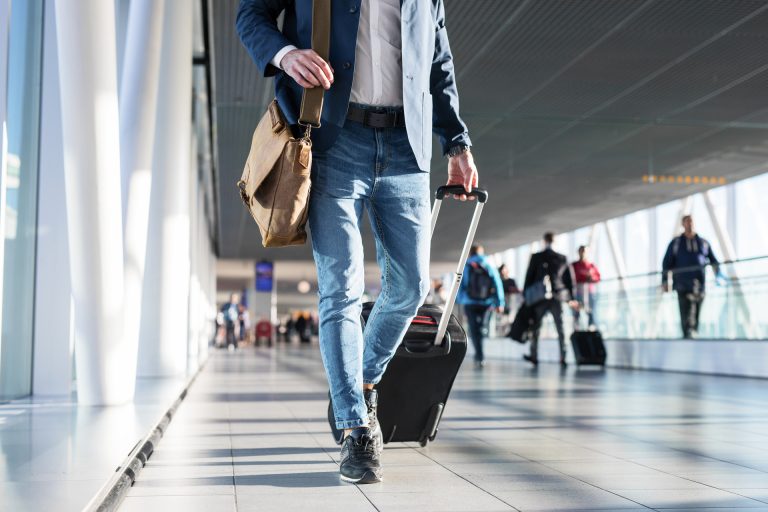
Now that you have prepared the tools and essentials you must bring in your Scandinavian workation, the next important thing is to choose the best business bag. Your business bag should provide a comfortable and stylish way of carrying your laptop, smartphones, portable chargers, notes, and business clothes.
Below are three of the best business bags you must consider bringing to your Scandinavian workation.
3 Of The Best Business Bags For Your Scandinavian Workation – more below.
Three Best Business Bags For Your Workation
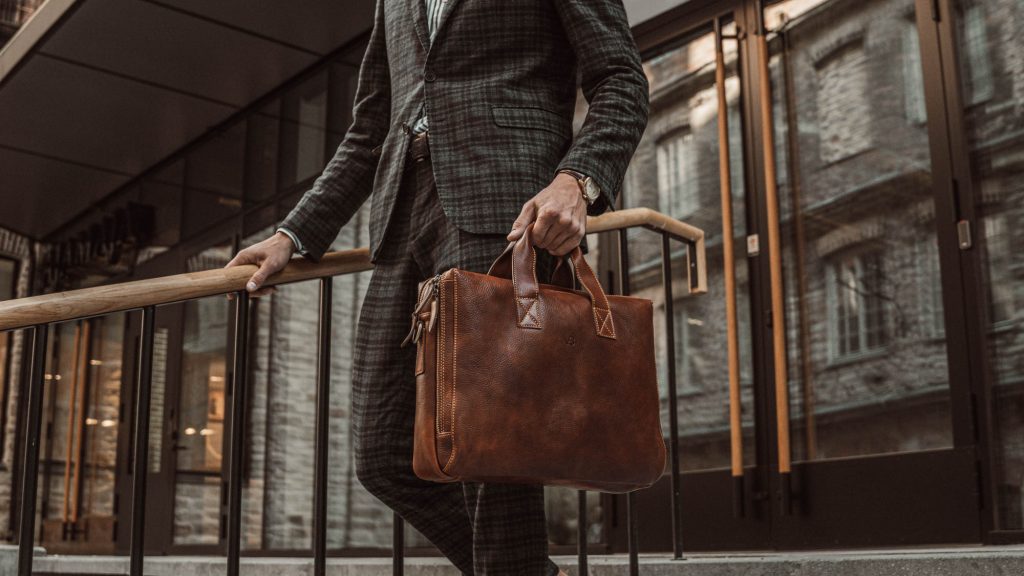
Leather laptop bag
1. Leather Laptop Bag
For sure, you would be spending a great amount of time in front of your laptop. And what better way to bring this tool with you is by carrying it with a high-quality leather laptop bag.
Like how you have chosen your laptop’s specifications, you are probably inclined to apply the same personalization to your laptop bag.
You must consider various factors in choosing your leather laptop bag. Make sure that you are familiar with the dimensions of your handy computer. Your laptop bag should be able to support your device in its entirety.
The materials used in manufacturing this bag are also essential as this would provide protection against dust and water in case of an accident during travel.
How stylish the bag is is entirely up to you and would depend on your preferences. According to Von Baer, most people choose a brown leather laptop bag, as it goes with most professional attire whilst not being overly formal, unlike a black colored bag.
It’s best to shop around before deciding on what to use so that you can compare prices and functionality.
3 Of The Best Business Bags For Your Scandinavian Workation – more below….
By definition, a satchel is just a bag with straps that scholars formerly used to store books. It’s often tied to students’ bags because it’s a very practical everyday bag for students who must carry notebooks and books to their daily classes. Most satchel bags exude a classic and elegant look, making them more appropriate for any personal or business trip.
For such a reason, the fashion industry noticed its value, and today, it can also be used as a work bag. Because of this, not only will it make you fashionable, but it can also be a practical bag for your next workation.
It can carry important documents and gadgets, especially during your travel. Given their size and shape, satchel bags are the best storage for your personal belongings that you can easily access during your flight. Items such as your passport, flight itinerary and tickets, wallet, smartphones, and portable chargers are best kept in your satchel bag.
If you’re wondering what materials are used in a satchel, originally, most satchel bags were made of leather. Satchel was developed using leather because it’s durable and strong. However, as fashion and technology progressed, various materials are now used in manufacturing satchel bags. Materials such as solid fabrics and canvas are now being incorporated into this kind of bag.
A popular bag used for different purposes is a duffel bag. Probably, you might have noticed it in various places. Maybe you have found it being carried to the airport, gym, or your local high school. Yet, what is its history, and what is its main function?
The origin of this bag dates back to the mid-17 th century. It was traditionally made in Duffel, Belgium, near Antwerp, hence its name. Likewise, to simply put its definition, a duffel bag is a round, top-entry bag. Its first design comprises strong, thick natural fabric, like woolen or leather. Often, a drawstring closes its opening. At present, while the majority is still round in shape, the most up-to-date design is often made with a zipper that closes off at its side.
Some businessmen or employees may need to carry business clothes if a client meeting is scheduled during a workation. Also, some may require to attend social events or gatherings. Having a durable and spacious duffel bag provides a comfortable way to carry clothes and some personal items.
3 Of The Best Business Bags For Your Scandinavian Workation – Wrapping Up
You might have thought about going on a workation if you want to become a digital nomad. Going on a workation can be fun as you can enjoy having a vacation while still earning money.
Yet, before you do this, it’s essential that you plan how to bring your work items. As such, it’s vital to choose one from among the best business bags out there.
You can choose a business bag with functionality and fashion as its main features. For instance, you can choose a leather laptop bag if you need a tool for storing your laptop while having a modern style. You can also opt for a satchel bag if you want a durable bag that offers a scholarly appearance. Lastly, having a duffel bag is ideal if you want more room for your work itemswhile remaining stylish. Overall, these best business bags will contribute to a more convenient workation once you travel to a Scandinavian country.
3 Of The Best Business Bags For Your Scandinavian Workation, written exclusively for Daily Scandinavian





















 What Scandinavians Have to Teach the World About Winter, written exclusively for Daily Scandinavian by Ainsley Lawrence. Ainsley is a freelance writer from the Pacific Northwest. She is interested in better living through technology and education. She is frequently lost in a good book.