Hope Jahren from Minnesota, USA, has been interested in trees all her life. She found the peace of the forest in a lab at the University of Oslo. Read the fascinating story of The American lab girl who established a research laboratory in Norway.
The American geochemist and geobiologist Anne Hope Jahren (born in Austin, Minnesota, September 27, 1969) is known for her work using stable isotype analysis to analyze fossil forests dating to the Eoscene. She has won many prestigious awards in the field, including the James B. Macelwane Medal of the American Geophysical Union.
Jahren earned her Ph.D in 1996 at the University of California, Berkeley in the field of soil science. Her dissertation covered the formation of biominerals in plants and used novel stable isotope methods to examine the processes. In 1998, Hope Jahren came to Oslo on a Fulbright scholarship.
From 1996 to 1999, she was an assistant professor at the Georgia Institute of Technology, then moved to Johns Hopkins University, where she stayed until 2008.
The Jahren Laboratory in Oslo is the fourth she has established from the ground up since then.
Anne Hope Jahren’s book “Lab Girl” (2016) has been applauded as both “a personal memoir and a paean to the natural world”
Her research focuses on living and fossil organisms, and how they are chemically linked to the global environment. Using measurements of the stable isotopes of carbon, nitrogen, hydrogen and oxygen her lab group is working to elucidate information about metabolism and environment, both in the Human environment, and through Geologic Time.
Her book Lab Girl (2016) has been applauded as both “a personal memoir and a paean to the natural world”, a literary fusion of memoir and science writing, and “a compellingly earthy narrative.
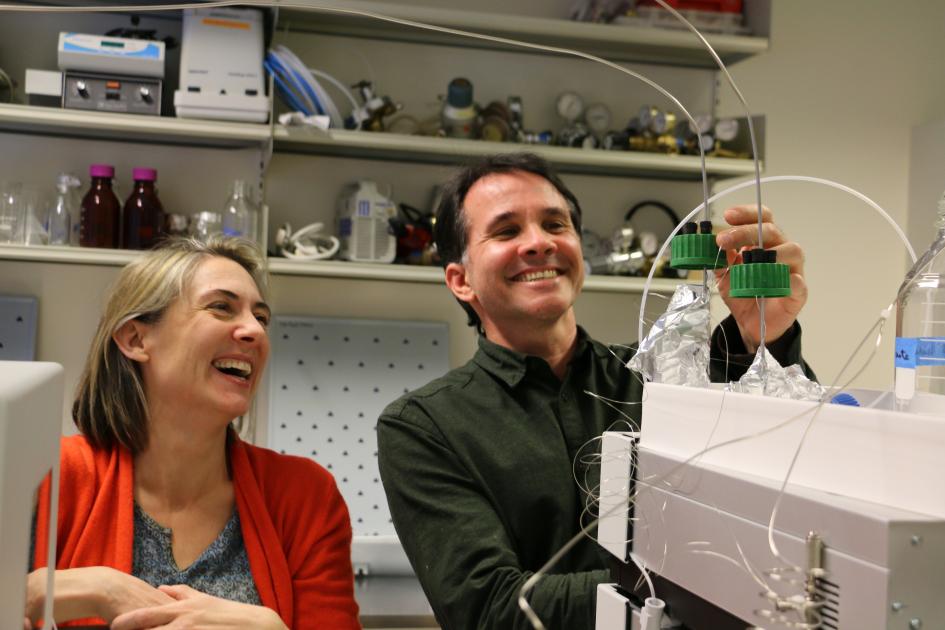
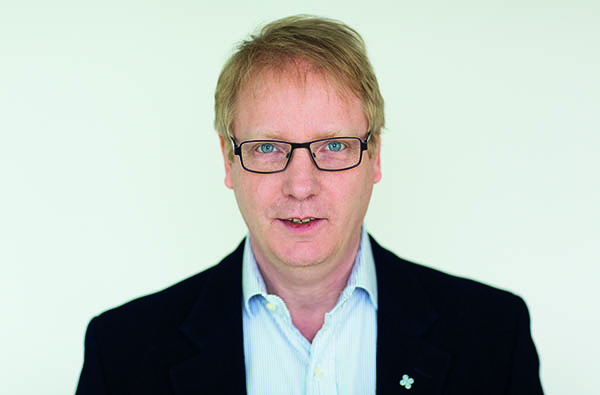
From the Jahren laboratory. Photo: UiO
The book has been translated into 15 languages and has been on the bestseller lists of both the New York Times and Amazon. In 2016, she was named by Time Magazine as one of the world’s 100 most influential people.
Anne Hope Jahren has won many prestigious awards in the field, including the James B. Macelwane Medal of the American Geophysical Union.
In her book Lab Girl, Jahren writes openly about sex harassment of female researchers in American academia. She describes a masculine “pat on the back” culture where women are ignored and ridiculed, a culture where she has to prove more – ergo be more productive – than her male colleagues and close her ears when they talk disparagingly about her. Here in Norway, women are appreciated as human beings, she says.
Jahren recommends that people draw strong professional boundaries, and that they carefully document what occurs, beginning with the first occasion of harassment. You can find more information about these two, plus her upcoming works, on her author page.
Anne Hope Jahren quotation. Source: Quotfancey
Some of her recent research projects include analyzing the carbon isotope composition of terrestrial land plants, the carbon isotope composition of ancient terrestrial organic matter, and the Arctic Eocene, as well as others. You can read about these projects on her research page.
“Even in the worst storms, I still want to be with the plants,” she said in an interview.
The American Lab Girl Who Established a Research Laboratory In Norway, written by Tor Kjolberg
Feature image (on top) Illustration by Kayla Rader, Northwest Vista College
Choosing an institution of higher learning has a massive impact on an individual’s success, especially when it comes to specializations. For instance, if you want to learn the Nordic countries’ literature, culture, and politics, you might find universities with Scandinavian studies both in the US and Europe to be a great match. Learn more about the 7 best Scandinavian universities of all time.
However, it is more beneficial to study and go for courses in universities that are situated in environments where people actively practice what aligns with the career major. Specifically, learning organizations that are founded on in-depth research stand out among the others, presenting the Scandinavian institutions as the best option.
The Scandinavian universities are located in Europe’s northernmost region. These areas include Sweden, Norway, Finland, and Denmark. Recently, these institutions of higher learning have been featured as ideal destinations for students looking to expand their skills in research and technology. Hence, they are a good option for people looking to learn in all other expanses beyond the Scandinavian culture. In this article, we present you the seven best Scandinavian universities of all time in the hope that any of them becomes your next academic destination or that of your kin.
Scandinavia hosts more than one hundred and fifty universities, offering nearly 2000-degree majors at all levels. Here is a list of the seven best Scandinavian universities.
Karolinska Institute is the world’s leading cancer research center and the best medical school in Scandinavia and Europe.
Karolinska Institute – Sweden
Karolinska Institute is the world’s leading cancer research center and the best medical school in Scandinavia and Europe. It offers a wide range of medical courses and programs, making it an ideal learning destination for any individual looking to build a career in medicine, especially research. Founded in 1810, the institution has set itself as a premier medical institution and is responsible for 5 of the 8 Swede Nobel Prize winners in physiology. These qualities make it an all-time best Scandinavian university in the region and worldwide.
University of Copenhagen – Denmark
The University of Copenhagen was founded in 1479 and is the oldest higher learning facility in Denmark and Europe. As an institution, it has set itself as an ideal destination for students and researchers looking for an opportunity to develop their talents. It focuses on nurturing academic communities through research-based methods to teach, equipping students with the skills to tackle societal challenges. Such qualities have made it one of the most respected institutions in the Nordic countries and the world. Therefore, it can also be a good choice for any student studying in Scandinavia.
University of Helsinki – Finland (*
This is the oldest and largest academic institution in Finland. It has contributed to achieving fairness and equality through various research programs and projects. As part of the university’s strategic plan, it is focused on four research themes, including aging and health, globalization, the digital world, and sustainable development. If you’re looking to major in any of these areas, then the University of Helsinki might be the best option. An important point to note is that the institution has a career body that helps students resettle and build themselves professionally while in Finland. So, choosing Helsinki is equal to seeking an avenue for better and more job opportunities.
Lund university is one of the institutions that has grown from grass to grace. It started with a few hundred students and professors being paid on grains. Lund University has a population of over 40000 students and has set itself as an institution for international research. It offers Sweden’s broader research environment, with a global research profile and network in universities in over 67 countries. As a result, it stands out as one of the best institutions for research students and other scholars looking to enter a highly dynamic and challenging learning environment.
Aarhus University is the second-largest learning institution in Denmark
Aarhus University – Denmark
This is the second-largest learning institution in Denmark, with a population of more than 40000 students. Out of these, more than 50% are enrolled in graduate programs, presenting the learning facility as an ideal graduate school. Furthermore, the university has more than 12% of its student population from different countries worldwide. This makes it one of the culturally diverse institutions and a proper choice for any person looking for a good learning environment.
Uppsala University – Sweden
This Swedish university was founded in 1477. Since then, it has established itself as a vibrant cultural environment and extraordinary student life. Also, it has delved into world-class research activities to revolutionize the global business culture. The various research programs, especially in sciences and languages, present it as one of the best Scandinavian institutions. Thus, this might be a good bet if you’re looking for a bubbly academic environment to explore and learn.
University of Oslo – Norway
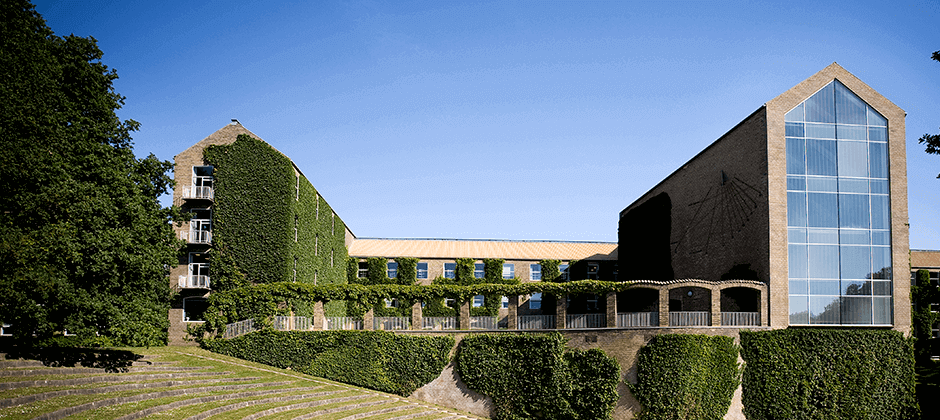
The University of Oslo has played a pivotal role in the development of Norway for the past 200 years. It offers more than 800 courses in English at all levels, focusing on research-based education. As a classical university with a broad range of academic disciplines, the University of Oslo has invested in programs that facilitate student-centered learning, churning out professionals that are good for the global job market.
Application to universities differs from country to country.
How to Get Admission to the Best Scandinavian Universities
Application to universities differs from country to country. However, some general guidelines might be useful when looking for a change in Scandinavian universities:
Select a program of choice. Choose a career that aligns with your interests to ensure you send an application to the right institution.
Write a motivation letter. Some fields or institutions require you to write a motivation or cover letter to register your intentions to get admission. Use a professional essay writing service online, such as Custom Writings, to ensure you have a winning custom essay or letter. The company has professional writers who generate all types of academic papers from scratch. Feel free to use such cheap custom writing services to get a letter that will guarantee you a position at the best college.
Ask for a recommendation letter. Some universities might require an endorsement letter from your former teachers. Enquire if you can get this to make the admission procedure seamless.
Prepare and take a language test. Look for the language requirements and undertake the necessary tests if you’re not a native speaker.
Translate and authenticate academic documents. If you are going to a country that uses a different language, ensure that you translate and authenticate your documents through competent authority.
Use online application forms. Once you have all the documents, apply directly to the institution via their application portal.
Register and sit for the entrance exams. Prepare in advance and take the enrollment exams where applicable to enable the institution to test your capabilities.
Schedule a visa appointment. Whether you are on a scholarship or not, ensure you schedule for a visa, so your stay abroad is legalized.
Scandinavian universities offer the best study opportunities, especially to students focusing on research. This article has outlined some of the best institutions and some brief guidelines for working through the application process. We hope it helps you unlock career and academic success.
7 Best Scandinavian Universities of All Time is a promotional article from customwritings.com
*) The author has included a Finnish university. Finland is however not a part of Scandinavia but belongs to the Nordic region (editor’s notes).
The Scandinavian languages are a group of North Germanic languages that are spoken by people in Scandinavia and other parts of the world. The languages are Danish, Norwegian, Swedish, Icelandic, and Faroese. They are all very similar, but there are some differences in pronunciation vocabulary, and grammar.Learn more about understanding the Scandinavian language.
Danish is the official language of Denmark and one of two official languages of the Faroe Islands (the other being Faroese). It is also spoken by a minority in Germany (especially in the state of Schleswig-Holstein), Iceland, Spain (on the autonomous Canary Island of Fuerteventura), and Greenland.
Norwegian is the official language of Norway and one of two official languages of Svalbard (the other being Russian). It is also spoken by a minority in Sweden, Denmark, Finland, Russia, and the United States (in Alaska).
Swedish is the official language of Sweden and one of two official languages of Finland (the other being Finnish). It is also spoken by minorities in Estonia, Latvia, Lithuania, Norway, Russia, Poland, Denmark, Germany, Romania, Ukraine, Kazakhstan, Iran, Iraq, Turkey and China.
Icelandic is the official language of Iceland. It is also spoken by a minority in Denmark, the United States (in Alaska), Canada, and Norway.
Faroese is the official language of the Faroe Islands. It is also spoken by a minority in Iceland, Denmark, and Norway.
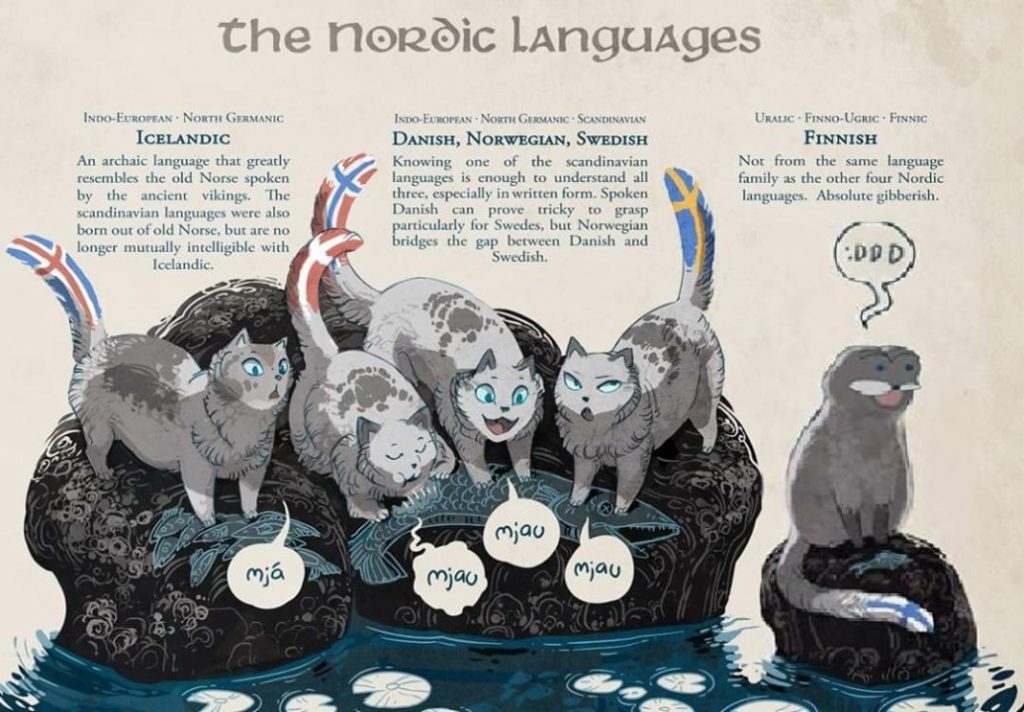
The Scandinavian languages, also referred to as the Nordic languages
What are some tips for learning a Scandinavian language?
While there are many different ways to learn a Scandinavian language, some methods may be more effective than others. One way to learn a Scandinavian language is to find a tutor who is a native speaker. This can be done by searching online or in your local community.
Another way to learn a Scandinavian language is to take a class at a local college or university. This will give you the opportunity to hear the language spoken by a native speaker and also allow you to practice with other students.
You can also try learning a Scandinavian language on your own by using one of the many resources that are available online and in libraries. There are many books, websites, and software programs that can help you learn a new language.
The Scandinavian languages have had a significant influence on other languages, particularly English.
The influence of the Scandinavian language on other languages
The Scandinavian languages, also referred to as the Nordic languages, are a group of Germanic languages spoken by people in Scandinavia and other parts of the world.
The Scandinavian languages have had a significant influence on other languages, particularly English. Many English words are derived from Scandinavian words, and there are also many loanwords in other languages that were borrowed from Scandinavian.
The Scandinavian languages, Danish, Norwegian and Swedish, are considered to be mutually intelligible.
What are the unique features of Scandinavian languages?
The Scandinavian languages, Danish, Norwegian and Swedish, are considered to be mutually intelligible. This means that speakers of one language can generally understand speakers of the other two languages, though there may be some difficulty understanding certain words or phrases.
The three languages are also similar in grammar and syntax. For example, all three use the same word order (subject-verb-object), and they have similar rules for forming questions and negatives.
One of the most distinctive features of Scandinavian languages is their use of the so-called “hard” consonants: p, t, k, as opposed to the “soft” consonants: b, d, g. This can be a challenge for English speakers, who are used to using soft consonants.
Another feature that sets Scandinavian languages apart is their use of inflection. This means that the endings of words change depending on their grammatical function in a sentence. For example, the Norwegian word for “book”, “bok”, becomes “boka” when it is used as the subject of a sentence, and “boken” when it is used as the object.
Finally, Scandinavian languages make use of a lot of compound words. This means that two or more words are combined to form a new word with a different meaning. For example, the Norwegian word for “computer”, “datamaskin”, is made up of the words “data” and “maskin”.
While the written forms of Scandinavian languages are very similar, there are some differences in the spoken forms.
Is there a difference between the spoken and written forms of Scandinavian languages?
While the written forms of Scandinavian languages are very similar, there are some differences in the spoken forms. For instance, Danish and Norwegian are more similar to each other than they are to Swedish. This is because Swedish has undergone a number of changes over the years, while Danish and Norwegian have remained relatively unchanged.
One of the biggest differences between the spoken forms of Scandinavian languages is in the way they pronounce certain words. For instance, in Swedish, the word for “six” is pronounced as “sex,” while in Danish and Norwegian, it is pronounced as “seks.” This can be a bit confusing for people who are not familiar with the languages, but it is something that you will get used to with time.
Another difference between the spoken forms of Scandinavian languages is in the way they conjugate verbs. In Swedish, verbs are conjugated differently than they are in Danish and Norwegian. This means that you will need to learn different verb conjugations if you want to be able to speak all three languages fluently.
Overall, while there are some differences between the spoken forms of Scandinavian languages, they are not so significant that you will not be able to understand someone if you know one of the other two languages.
In conclusion, the Scandinavian cultures are interesting because of their unique history, and the best way to experience that is just to experience them first hand
Understanding the Scandinavian language is a promotional article from Learninglingo.
The Scandinavian Green Roof Award has been awarded annually since 2000 to the best green roof project in Scandinavia, on the initiative of the City of Malmö.
The award is intended to inspire the Scandinavian green roof market toward excellence and to raise public and professional awareness about the multiple benefits of green roofs.
The 2021 Green Roof Award is awarded to the green roof installations on Økern Portal in Oslo, the capital of Norway.
The 2021 Green Roof Award is awarded to the green roof installations on Økern Portal in Oslo, the capital of Norway. This is an interesting newly developed project that takes an overall and inclusive approach to the vegetation design, the use of space and potential values that can be incorporated into a green roof design.
The green roof is designed to be multifunctional where different vegetation types are chosen to increase ecosystem service performance and environmental quality but also for restoration and rest. Some parts of the roof are designed to include possibilities for learning about growing and its role for urban sustainability.
The Økern Portal green roof shows great potential for supporting the urban environment
Access is well integrated into the design as well as storage for equipment and material used in maintenance of the roof.
The Økern Portal green roof shows great potential for supporting the urban environment as well as human recreation, throughout the year and many years to come.
Henrik Aspegren, Chairman of the Scandinavian Green Infrastructure Association.
“Økern Portal clearly stands out as the winner in terms of quality and fulfillment of the assessment criteria: biodiversity, ecological sustainability, storm water management and climate adaptation, innovative design, value as living areas and biophilic design quality,” says Henrik Aspegren, Chairman of the Scandinavian Green Infrastructure Association. The jury was unanimous in its assessment.
The Scandinavian Green Roof Award, written by Tor Kjolberg
One of the most leisurely ways of sampling the country’s history is by crossing Sweden by the Göta Canal between Stockholm and Gothenburg.
Kings and industrialists alike spent centuries pondering how to link inland Sweden’s lakes and rivers, from Stockholm on the east coast to Gothenburg on the west coast, before Baltzar von Platen succeeded in early 19th century.
At the time, the country needed this new east-west artery to transport timber, iron and food, and to build up local industry. For 22 years, 59,000 soldiers labored to build the 190km (118 mile) long Göta Kanal. The canal was designated an ‘International Historic Civil Engineering Landmark”, giving it the same status as the Golden Gate Bridge and the Panama Canal, and in 2007 was officially recognized as Sweden’s greatest feat of engineering. Today, there is no commercial traffic on the canal, but there are plenty of pleasure craft!
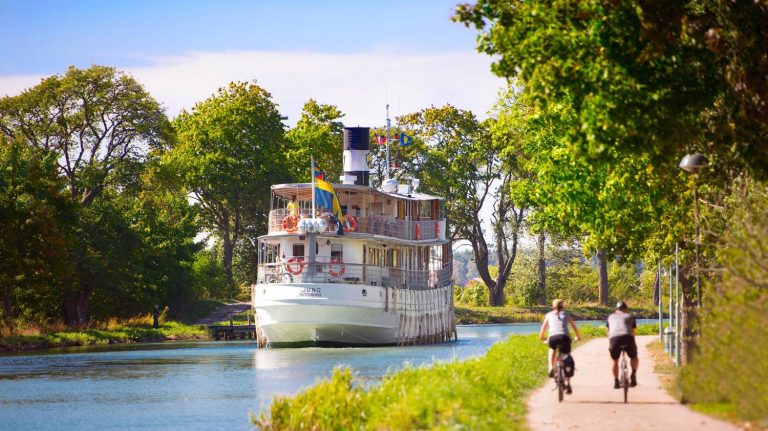
For the visitor, the classic way is to take a cruise between Stockholm and Gothenburg on one of the vintage vessels operated by the Göta Kanal Rederaktiebolaget (Göta Kanal Steamship Company). The oldest of the three vessels is M/S Juno, built in 1874.
The four-day cruise westbound starts from Stockholm, finishing the first day at the village of Trosa. On the second day the boat passes through Mem, where the canal was officially inaugurated in 1832, before reaching Berg, where’s time to visit the historic monastery church at nearby Vreta, once the richest religious establishment in Sweden.
It took 22 years and 59,000 soldiers to build the 190km (118 mile) long Göta Kanal.
The route crosses two picturesque lakes, Asdplånen and Roxen, where there are ospreys and herons during the breeding season. The canal then takes you through 15 locks in 3 km (2 miles), lifting you 37 meters (120ft). The next night is spent at Motala, a town founded by Baltzar von Platen.
Baltzar von Platen succeeded in building the canal early 19th century. Painting by Johan Gustaf Sandberg (Nat6ional Museum, Stockholm)
On the third morning the boat crosses Lake Vättern to Karlsborg, site of a huge fortress, and Forsvik, an old metalworking village and the site of the canal’s oldest lock, built in 1813. Here, the boat is often greeted by a local family singing hymns and offering passengers wild flowers. This 100-year-old custom originated as a blessing for passengers as they embarked on the once hazardous crossing of Vättern. In the evening the boat reaches Sjötorp, marking the beginning of Lake Vänern.
At the south side of Lake Vänern, the boat enters the gorge at Trollhättan, for the last day of the voyage down the Göte River to Gothenburg.
It’s also possible to charter your own motorboat.
It’s all very leisurely, but if you prefer to take a more hands on approach, how about chartering your own motor boat? It’s also possible to hire a canoe and paddle along the waterway – several companies offer a pick-up service so you don’t have to retrace your route. For landlubbers, the Göta Kanal is Sweden’s most popular cycling path.
For all these forms of do-it-yourself transport, you find more information here.
Crossing Sweden by Canal, written by Tor Kjolberg.
Scandinavian Mexicans are citizens of Mexico with a partial or full Scandinavian ancestry. All these people share a common history and cultural background. The earliest known Scandinavian immigrant to Mexico is Jacobo Daciano who settled into the country in the mid 16th century. Learn more from this short history of Scandinavians in Mexico.
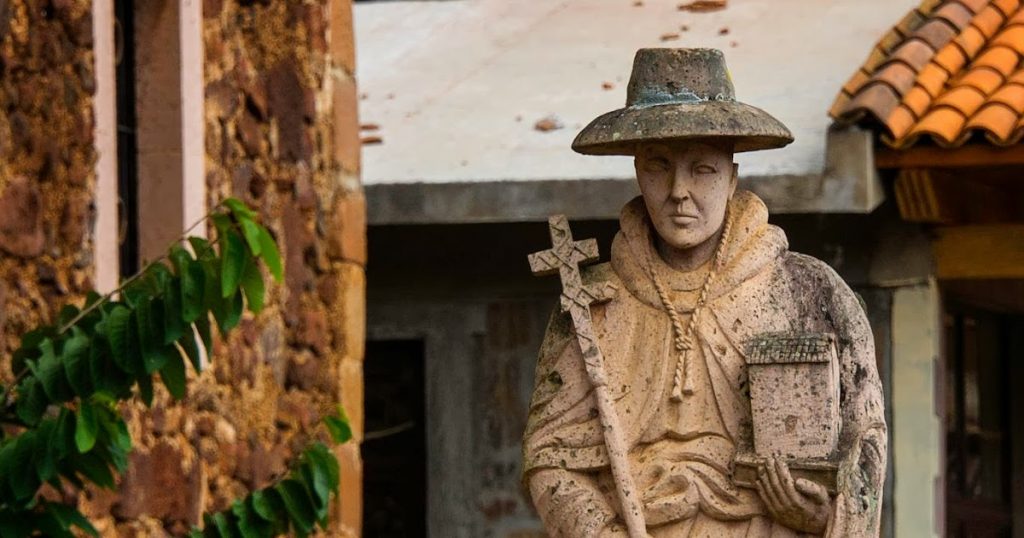
Jacobo Daciano was the younger brother of Christian II of Denmark. Jacobo was popularly known as an evangelist in the region and played a big role in spreading Christianity to the region.
Jacobo Daciano was the younger brother of Christian II of Denmark. The statue of Jacobo at Templo y Antiguo Convento de Santa Ana Zacapu.
If you have planned a trip to Cancun, Puerto Morelos, Holbox, Isla Mujeres, Riviera Maya, Playa del Carmen or any other place in the state of Quintana Roo in Mexico, you are required to pay Cancun tourist tax. This tax took effect on the first of April 2021. The new fee called Visitax must be paid by all visitors above 4 years and is confirmed before boarding your departure flight (source: thecancunsun.com). The tax can be paid before departure, or during your stay in Quintana Roo. Whatever the case, the tax must be paid before departure. Therefore, it is wise for visitors to pay this tax on time to avoid unnecessary scenes with the immigration officials during departure. This is given that all tourists must show proof of having paid the tax before departure. If you have not made the payment though, you can do it at the customs office at the airport.
Mario Schjetnan’s paternal grandfather was a railroad builder and Norwegian immigrant.
Federico Miguel Liebman, a Danish scientist studying plants in southern Mexico in 1941. The scientist came across a small group of native people in Oaxaca who could speak Danish. Upon further enquiries, Liebman discovered that these people were part of Danish pirates who had been abandoned in the area by their crew in the late 16th century. On the other hand, Swedes have been in Mexico since the late 1890s.
Professor Axel Didrichson is is of Swedish and Japanese descent.
While taking a voyage on the Norway Mexico line, writer Peter Lykke-Seest talks of the presence of Norwegian businessmen in Vera Cruz. He adds that the businessmen, who were well dressed, highly educated and maintained the Norwegian customs. This elite group of people maintained their customs unlike the earlier recorded voyagers who seemed to adopt a localized culture. These include former sailors who were in that port city.
These are notable Scandinavian individuals in Mexico:
Elizabeth Broden – former Miss Mexico (1984) who spent over a decade in the fashion industry
Axel Didriksson – writer and professor at UNAM – also a highly acclaimed academician in the county
Yolanda “Tongolele” Montes – exotic dancer and perfomer
Frans Blom – archeologist
Sairi Forsman – sculptor
Rosario María Gutiérrez Eskildsen – lexicographer, linguist, educator
Ann Margarit Henningsen – sprint canoer
Eva Norvind – writer and actress
Nailea Norvind – actress
Mario Schjetnan – architect
The history of Scandinavians in Mexico dates back into the early 16th century. However, most of the current descendants of this group have been localized by the Mexican culture.
A Short History of Scandinavians in Mexico, written dedicately for Daily Scandinavian by guest contributor.
Feature image (on top):
Ikat geometric folklore ornament. Tribal ethnic vector texture. Seamless striped pattern in Aztec style. Figure tribal embroidery. Indian, Scandinavian, Gypsy, Mexican, folk pattern. Pro Vector.
During a few intense days in March 2020, VIERLIVE was established by musicians, filmmakers and developers. The purpose was to create a new type of streaming platform that actually helps artists and the surrounding players make money from streaming. The Norwegian startup company aims to be the best in the world at streaming music.
VIERLIVE’s mission is to help artists earn their share in a piraya streaming market. “We’ve redefined the live streaming format with artists like Girl in Red, AURORA and Sigrid – our platform was recently awarded the highest-ranking Norwegian design award DOGA’s Innovation of the Year, and winner of the 2022 Angel Challenge Norway,” is a statement on the company’s web-page.
VIERLIVE’s mission is to help artists earn their share in a piraya streaming market.
With the recent launch of the self-service platform, VIERLIVE has set itself exciting growth and product development goals for 2023. Since the start, VIERLIVE has sold 70.000+ digital tickets to fans in 100+ countries. Working with artists like Girl in Red, AURORA, Sigrid, Papa Roach, Kvelertak, Leprous and many more, the company recently successfully finished its pre seed funding round and is now hiring for growth.
VIERLIVE has sold 70.000+ digital tickets to fans in 100+ countries.
In collaboration with Inklud, an agency that specializes in digital accessibility, the company will now collect and map its experiences and review all feedback, error reporting and dialogue with customers. The insight will be used to create an even better and more seamless service.
Norwegian Startup Company Aims To Be the Best at Streaming Music, written by Tor Kjolberg
In 2000, two Norwegian architects, Odd Klev and Geir Haaversen, founded A-Lab. They had one main purpose: They wanted to create a fun place to work. Twenty years later, A-Lab has grown into an award-winning Norwegian architecture company of around 130 employees from 20 nations.
The two founders wanted to scrap the traditional «master and apprentice» model and create a different working environment, a process driven office with an enthusiasm and curiosity that bring out the best of all of its heads because it is fun to be at work. They wanted to build a culture where you explore, ask the same questions twice, collaborate across disciplines and push the limits of what architects can do.
«It does not matter where or who an idea comes from, all that matters is the space we create to let this idea flow and the opportunities we give it to grow”, says Julie Sjøwall Oftedal, Head of Strategy and Development and partner in A-Lab.
For two decades, A-lab has been transforming the face of Norwegian architecture. Thanks to its unique culture and its focus on the users of tomorrow, the studio is ready to shape urban change for decades to come.
‘The Wdge’ at Barcode, Oslo. Photo: Ivan Broday.
Kiev and Haaversen initially wanted to design offices for IT-companies but quickly realized they had to expand their field. In 2001, the design of Oslo City shopping mall led to their first award. It was the beginning of a very successful decade for A-lab.
«It does not matter where or who an idea comes from, all that matters is the space we create to let this idea flow and the opportunities we give it to grow”, says Julie Sjøwall Oftedal, Head of Strategy and Development and partner.
“We are not an office of ‘big names’,” Sjøwall Oftedal adds. “In many architecture firms, there’s this master figure—a guru who shows others how things ‘should’ be done. A-lab is not like that. Instead, our studio was built to be a place where the best idea is used, no matter who or where it comes from. That’s part of why none of our buildings ever look alike.”
From 2006 on the company had to expand very quickly because it took on two gigantic projects at the same time: the headquarters for DnB (Norway’s largest commercial bank) and the new regional and international offices for Statoil (now Equinor – image on top).
‘The View’appartment house.
Oslo Architectural Triennale 2022 has selected four important urban development projects in which A-lab has a central role: Lilleakerbyen, Oslo Science City, the competition proposals for Grønlikaia and the report on a third housing sector from Tøyen Housing Construction Cooperative, all in Oslo, the capital of Norway.
Now, a natural next step for the studio is to look abroad. “We’ve been busy with competitions in France, and a partner opened A-lab’s first studio in Portugal some years back,” Julie explains. “We’re also now a partner in Include, an international research program investigating the social impact of increasing urban density.”
As such, A-lab might be spreading its wings across Europe, but it’s determined to keep in touch with its core values—and its people. “We do feel that we have something to contribute. But just as importantly, it’s our eagerness to learn that drives us to create something new.”
“We try our best to create exciting areas and building and always add a new layer of meaning to every design project or masterplan,” says Odd Klev.
Award-Winning Norwegian Architecture Company, written by Tor Kjolberg
Feature image (on top): Equinor’s headoffice building, Oslo.
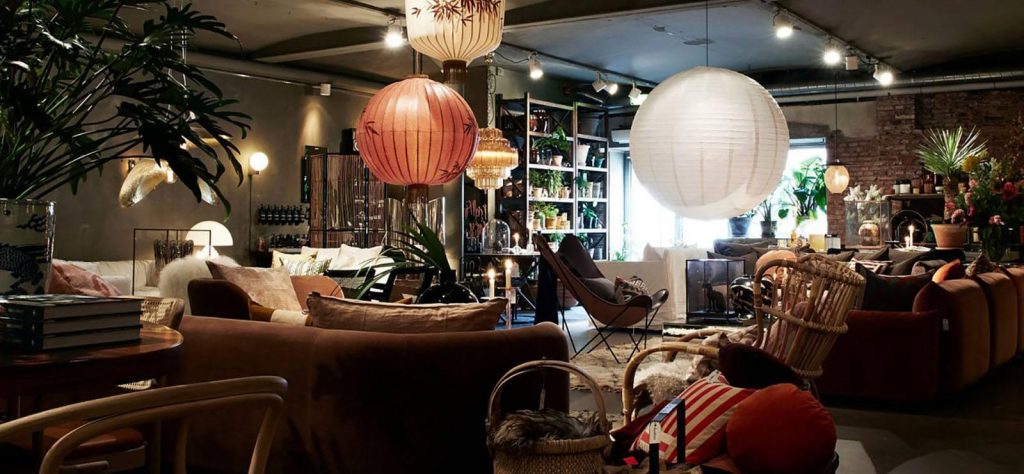
Sofie Ekeberg Hellsing and Christian Duivenvoorden opened the design store Artilleriet in Gothenburg in 2014. There are many indications that they have become Sweden’s most important interior trendsetters. Welcome to Sweden’s most interesting design city.
According to their website, Artilleriet stands for an eclectic collection of interior, furniture, and details.
Despite the fact that the founders were warned against opening a store in the working-class city of Gothenburg, the fifth largest city in the Nordics, Artilleriet has proven to be a successful trendsetter in interior design.
Artilleriet stands for an eclectic collection of interior, furniture, and details.
The reason might be that Gothenburg is so small that there is an opportunity to be seen and at the same time large enough to have a lot of expertise. Artilleriet displays a proprietary blend of classics, vintage and modern products together with innovative design from around the world. According to the owners, part of the success is due to a mix of well-known brands with recognized high quality and lesser-known up and coming suppliers with great potential.
Artilleriet has become a very strong brand. The internet and customers have been hugely important to the store, which has never paid for marketing. That said, the company has a marketing department that works with images from the Artillery. Material is produced there for the channels the company wants to use, such as Instagram and newsletters.
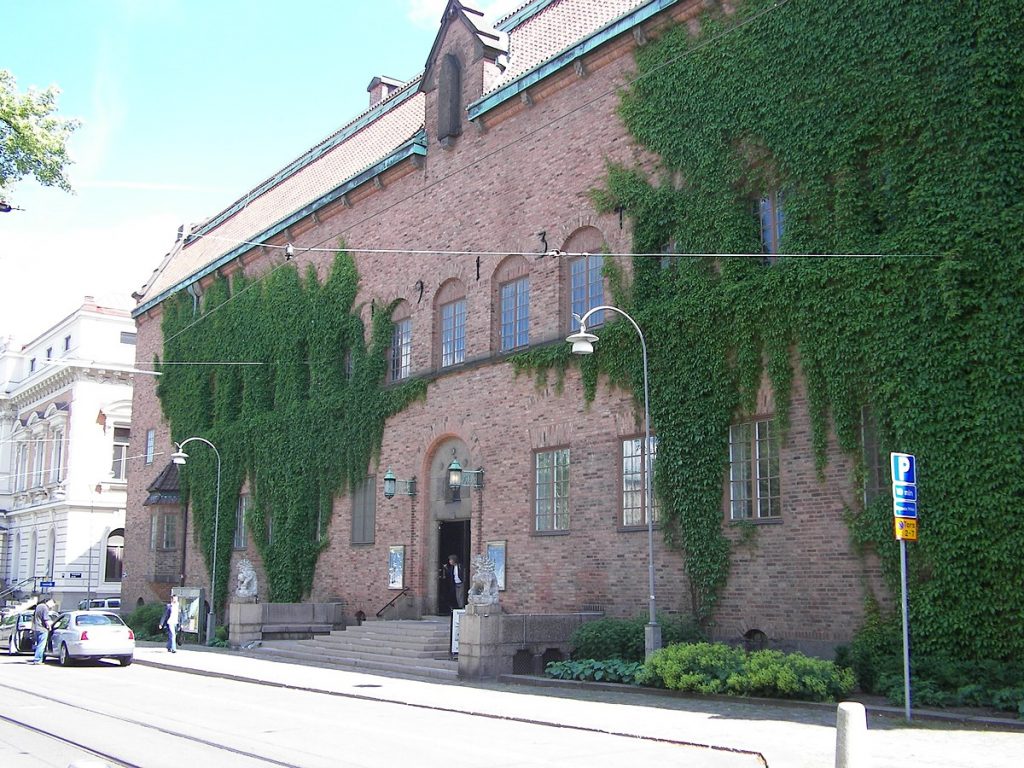
Designmuseum – Röhska museet – Gothenburg
The old industrial city of Gothenburg is about to change. With a number of innovative interior and online stores, some of Sweden’s most important bloggers and interior stylists, trend-setting apartments for sale posted on social media every week as well as its own design museum, the city has established itself as Sweden’s most interesting design city.
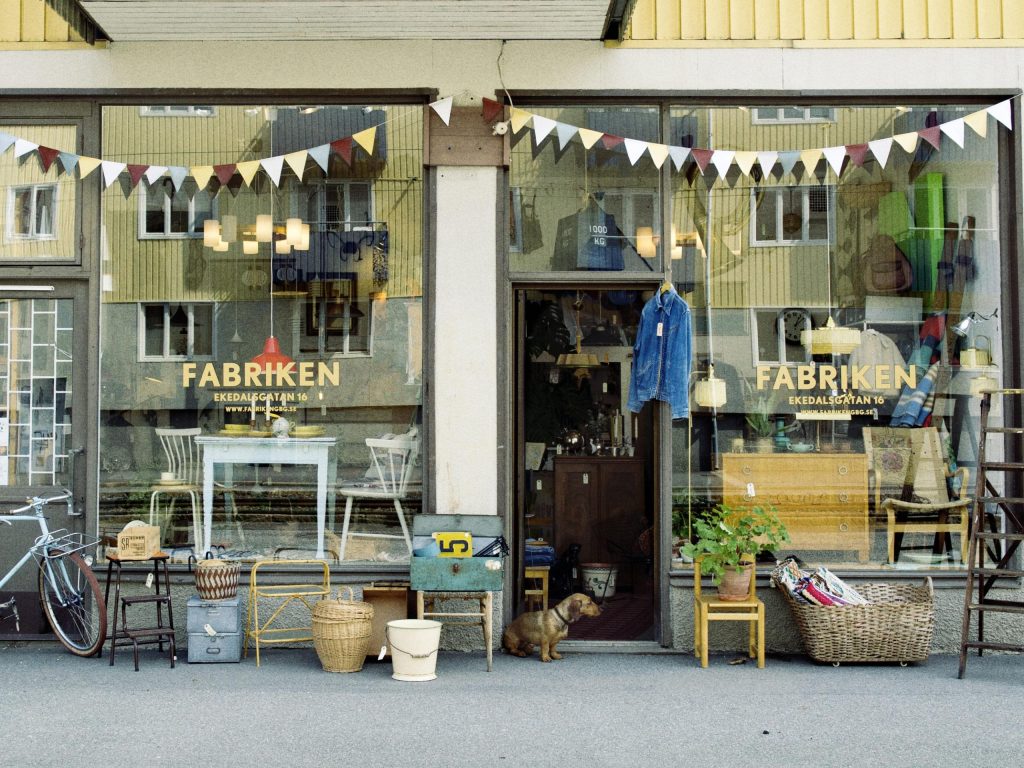
The Kitchen, next to Artilleriet on Magsinsgatan 19, is a small store selling beautiful handcrafted kitchen products, utensils and unique everyday objects, made for staying within families for generations.
The fact that Gothenburg is Stockholm’s little brother makes it easier to experiment and test out new concepts there. The competition is not as tough, according to blogger Frida Ramstedt who runs one of Sweden’s biggest design blogs, Trendenser , with over 250,000 readers every month.
Being in the travel business – and in the communication business – for over three decades now, I’ve had the opportunity to meet managers in the tourism industry as well as ‘marketing experts’, all struggling to find the best way to market their businesses. In today’s digital marketing world, the question is: Does your travel website attract the right visitors?
Having studied thousands of travel websites, I often become sad because I see so many obvious misinterpretations of what good transactional web marketing actually can deliver. To prove my assumptions, I contacted a journalist/marketing colleague in Vancouver, Canada, Darryl Leniuk, who founded Aventur Marketing back in 2010.
Aventur Marketing was founded in 2010.
Darryl has many years of experience as adventure journalist and photographer and has written for several publications, overseas as well as in North America. He worked closely with the national Canadian newspaper the Globe and Mall and photo agencies like Getty Images.
Fun and interesting assignments gave him the opportunity to travel around the world doing adventure travels, scuba diving, mountain biking, skiing and a lot more.
Canadian journalist, photographer and travel expert Darryl Leniuk
“The media industry changed a lot in the years following 2010. I began learning new skill sets as well as improving my existing ones. I had quite a strong background from journalism and PR, having worked with many tourism boards, literally around the world. I was a member of several trade associations and had won a few awards for journalism. However, I felt I lacked marketing experience, so I went to night school and also joined the Duct Tape network, founded by bestseller author John Jantch,” says Darryl.
When I ask Darryl where many tourism marketers fail, he answers:
It’s important to understand your audience, says Darryl Leniuk
“Too often they do not understand who their ideal clients are, who their competitors are, their niche in the market – or the demand in the market. Yes, there’s definitely a need, not just in adventure marketing, I would say tourism marketing in general. Just now I am working with high end tourism marketing, for instance luxury adventure tours, heli-skiing, high end fishing lodges, eco resorts and this sort of thing”.
Is it a long process? “The strategy part takes about a month to do. And a lot of that is in client interviews, so the first thing we do is to ask for a list of their best clients and repeat visitors. We interview them by phone since we really want to understand why they chose a particular operator. After such interviews, we really understand the key things we are looking for. And when we understand those, that is kind of the basis for the rest of the process.”
Darryl Leniuk loves being close to nature.
How did you manage to get through the COVID-19 problems?“One of our clients, a heli skiing company, lost about 95% of their market since the borders were closed and not many Canadians do heli skiing. We created content, new messaging and worked with them to create some new tour products especially for the Canadian market as a short-term stopgap so they could keep the business running. The revenue blossomed and the client was very happy that most of his competitors did not open that year, since they thought it would be too difficult. We solved the problem with a different product”.
Night view, by Darryl Leniuk
What skills will marketers need in the future? Marketing techniques are constantly evolving. It’s becoming increasingly more technical, literally by the day. And so, you really do need to stay on top of all the changes. You have to constantly be trying things and testing and experimenting and staying on top of what’s going on.
PR is to get awareness. People can’t search for something if they don’t know it exists. Let’s say I’m looking for fly fishing in Norway, you want to make sure that that particular business comes up because people don’t remember what, they just might see a great story on fishing, and they all want to go to Norway, and they look closely at the first ones that come up. And so, you want to make sure that your business is among them.
Captivating images grab our attention more than plain text.
Here’s where we come into the picture. I’ve worked in the tourism industry, and as you know, there’s many types of tourism businesses. There are inbound operator, there are outbound operators, agents, there are so many different things. But the one that I tend to focus on the most is what you just described, I’d say, an inbound operator, where they are based in, pick some place in Scandinavia, and they want to get the word out to the UK, the US, Canada and other English-speaking markets. It’s definitely a combination of a couple different things. I would say PR and SEO are the big ones, generally.
Nature, by Darryl Leniuk
Issues to be considered
Are the visuals on your website engaging the right prospective guests and differentiating your tourism business?
If it’s all blue skies, spring green trees, smiling models or other perfectly boring crap, they’re probably not. Today, competition is fierce, and having the right visual strategy is key to generating sales and attracting more high-value guests. The right combination of photos, videos, and illustrations which can define your brand is a key part of luxury travel marketing.
Tsuiat Falls, West Coast Trail, British Columbia, Canada
Understand Your Audience and Brand Before taking a step further, you need to understand your ideal guest or buyer’s persona.
Who are they? What sort of places do they want to visit? What activities appeal to them?
The answers to these questions should give you an idea of what types of images to use. If they’re couples age 60+, for god sakes make sure the people on your website and other channels look like that. People want to see themselves when imagining their dream vacation.
If they want luxury holidays, you should show high-end experiences through your visuals; if adventure travel is more what they seek, make sure to show guests doing those activities.
Then think about style. I’ve seen phenomenal atmospheric images, cloudy skies, backlit models and otherwise the kinds of photos and videos that would never wind up in tourist brochures being used successfully by top tourism brands.
Go for professional images as they are unique and allow the readers to connect with the destination.
Get Experimental With Images And Videos Visuals aren’t limited to great photos. While images are a great way to excite website visitors for their next vacation, you should be creative and experimental to offer something different from your competitors. This difference keeps viewers engaged.
While not as common in the travel industry, illustrations or infographics can be an effective way to explain more complicated topics, like travel logistics, in an easy-to-understand way.
Custom Photographs or Stock Pictures? Captivating images grab our attention more than plain text, which is why they are a powerful tool in tourism marketing. An excellent scenic picture is often enough for a person to pursue their wanderlust.
Pictures for a travel website are available in two main forms: Original/Custom Photographs or Stock Pictures. While guest or user-generated-content can be great for social media, it’s generally not a good idea for something as important as your website.
It is best to always go for professional images as they are unique and allow the readers to connect with the destination. When working with a photographer or videographer, make sure to use a photo brief that explains the style that matches your brand.
However, pro photo shoots are expensive and time-consuming to do. On the other hand, countless fantastic sources offer stock images. They are easily accessible at an affordable price and available in numerous categories. But regardless of the images you choose, stay relevant to your brand and destination.
Images for SEO SEO is essential for tour and activity providers. Google is the center of everything, and for a tourist, their journey often starts directly from the search bar. With a reliable tourism SEO strategy, you can direct your guests to your tour operation.
The same SEO approach is essential for your images too. When integrating visual files within your content, make sure to:
Resize Images – Images having a high resolution will slow your website load time. You can utilize an online tool to reduce the size of your pictures.
Descriptive Alt Text – An alternate text is a piece of information that describes what an image shows. It helps the visually impaired to have a better understanding of the image offered. In terms of SEO, it helps search engines recognize your content.
Correct Image Format – Different formats are available, and each offer something substantial. It entirely depends on what kind of image you are using and how you want to use it.
JPEG for large photos or illustrations as it offers good results with small sizes.
PNG to preserve image background transparency.
SVG for logos and icons.
Image Sitemap – A sitemap is a simple directory or guide that holds information about the pages and elements present on your website. Search engines crawl a sitemap’s database to find information concerning a specific search query.
Does Your Travel Website Attract the Right Visitors? Continue reading….
Watch Out For Google’s AI The AI behind Google aims to provide users with the most relevant search results by analyzing their search queries. Google’s AI uses the content of the text near the image to understand what the image represents and can even understand what and where the image is from the image itself. So that beautiful stock photo of an island on the other side of the world? Don’t use it. Google will probably know it’s not from your destination and penalize you for using irrelevant images.
Darryl Leniuk biking
Does Your Travel Website Attract the Right Visitors? Putting it all Together
Aventur Marketing has years of experience delivering results and growing bookings for premium tourism businesses. The luxury tourism industry is going through a big shift. Be flexible and adjust to these changes and engage with your ideal guests by using the right visual strategy.
Aventur Marketing’s Total Online Opportunity Report will tell you why. We’ll take a deep dive into your business and find those strengths, weaknesses and most importantly, opportunities. We’ll show you how you stack up against your competitors and what you can do to gain an unfair competitive advantage.
Aventur Marketing + Daily Scandinavian are your perfect marketing partners in Scandinavia and will help your tourism business grow. Click the link below NOW and get a FREE copy of the E-book Strategic Marketing for Adventure Tourism Businesses.
Does Your Travel Website Attract the Right Visitors? Darryl CEO of Aventur Marketing, Darryl Leniuk, interviewed by Tor Kjolberg