Ryanair will launch 13 new winter routes at Stockholm Arlanda. This is Ryanair’s largest winter schedule for Sweden in its history.
Ryanair has announced its biggest ever Swedish winter offering as it continues to strengthen its presence in the Swedish market. The Irish low-cost carrier will launch thirteen new direct routes from Stockholm Arlanda Airport this winter. Six of them are all new routes, half of which are brand-new European destinations. Altogether, the airline has launched 44 new direct routes from its new base at Arlanda since it opened a year ago.
The Irish low-cost carrier will launch thirteen new direct routes from Stockholm Arlanda Airport this winter.
Related: New Norwegian Airline Ryanair is celebrating its one-year anniversary of setting up operations and opening a base at Stockholm Arlanda Airport for the 2021 winter season. Ryanair initially based two aircraft at the airport and launched 23 direct routes. Since opening its base, the carrier has placed four aircraft in Stockholm and until now flown some 1,5 million passengers to and from Arlanda. All in all, the airline has now launched 44 new European routes, five of which are domestic – to Gothenburg Landvetter, Malmö, Luleå, Visby and Skellefteå. Twenty destinations are new for the airport and complement Arlanda’s other destinations on offer.
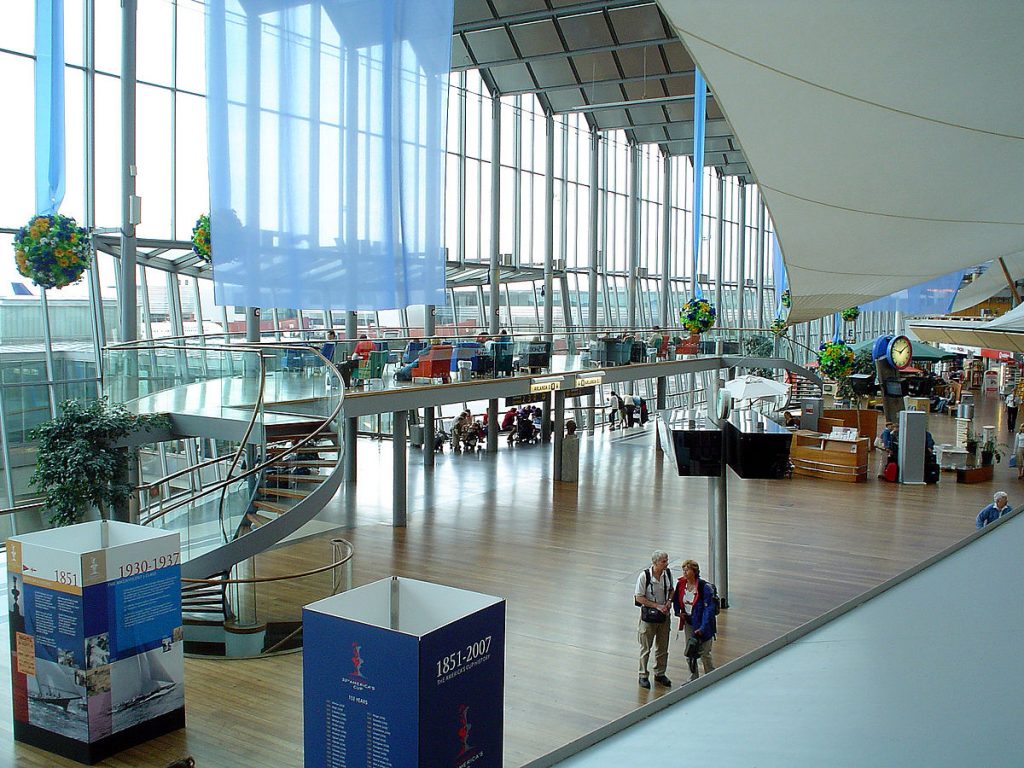
From Arlanda airport, Stockholm. Photo: Wikipedia
The company will offer its customers in Sweden affordable fares for their travel this winter with promotional fares starting from USD 25 each way for flights between October 22, 2022, to January 23, 2023, already found for booking from the company’s website.
“Ryanair has become one of Swedavia’s biggest and fastest-growing airlines,” says Charlotte Ljunggren, Chief Commercial Officer at Swedavia.
“It is with great joy that we welcome Ryanair’s continued expansion in the Swedish market. During its first year of operation at Stockholm Arlanda Airport, it launched 38 new routes, five of them domestic, and has become one of Swedavia’s biggest and fastest-growing airlines. The new routes from Arlanda to exciting destinations in Europe to be launched this winter are an important addition and complement the airport’s existing range of routes.
Nearly half of the destinations launched by the carrier are new to Arlanda, which enables people to meet and visit loved ones in even more places around Europe. Its network contributes to improved access both in Sweden and abroad, and direct routes are crucial for regional growth and the tourism industry throughout Sweden. We have had a good partnership with Ryanair for many years, and we look forward to further developing it going forward,” says Charlotte Ljunggren, Chief Commercial Officer at Swedavia.
Ryanair’s new routes from Arlanda airport.
Planned completely new Ryanair destinations winter 2022/23 from Stockholm Arlanda Airport (ARN):
· Birmingham (BHX): Starts October 30, 2 weekly departures on Wednesdays and Sundays
· Malta (MLA): Starts November 1, 2 weekly departures on Tuesdays and Saturdays
· Pisa (PSA): Starts November 1, 2 weekly departures on Tuesdays and Saturdays
· Turin (TRN): Starts November 2, 2 weekly departures on Wednesdays and Saturdays
· Tuzla (TZL): Starts November 2, 2 weekly departures on Wednesdays and Saturdays, new destination from ARN
· Valencia (VLC): Starts January 8, 2023, 2 weekly departures on Thursdays and Sundays, new destination from ARN
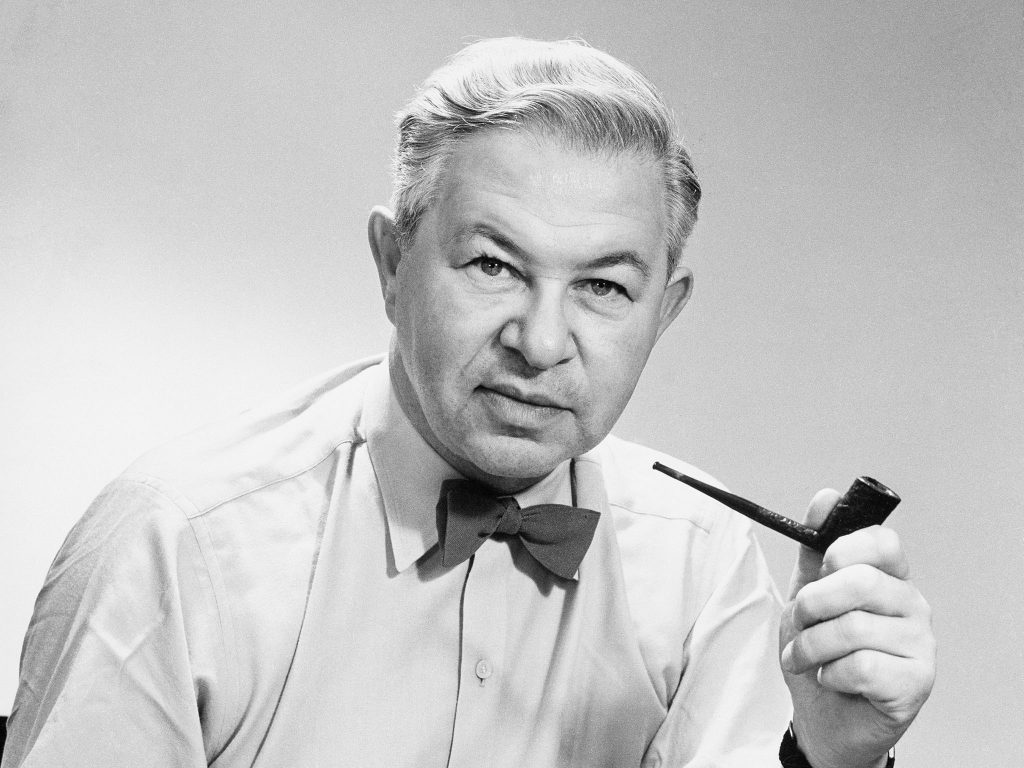
VOLA was originally created for use in the National Bank of Denmark, in Copenhagen, designed by the renowned Arne Jacobsen, who also marked the beginning of the brand’s history.Now, the company launches an architecture and design campaign in Denmark where VOLA products can be found. Voilà – Danish Vola!
Arne Jacobsen died in the spring of 1971, when the first stage of the Nationalbank building had just been completed. During his long career, Arne Jacobsen designed some of the finest buildings and industrial products of the 20th century, leaving a life’s work that ensured him a distinguished place in international architectural history and making him one of the few Danes known by a wide circle of people throughout the modern world.
‘In Denmark, we’ve always understood how design and culture intertwine,” says Anne-Louise Sommer, director of the Designmuseum Denmark in Copenhagen.
Danish tap manufacturer Vola
Danish tap manufacturer Vola celebrates its 50th anniversary, and its sleek products, originally designed by no other than Arne Jacobsen, show no sign of getting old. Some of the company’s earliest products are still fully operational today – most notably Jacobsen’s iconic KV1 tap, which combines simple lines with innovative function.
In Denmark, cultural spaces are where design comes to life.
When Jacobsen created the Nationalbank, he applied the ‘Total Design’ approach, which ranged from designing the door handle to the carpets and cutlery. This, was to prove both the importance of unity, as well as the impact on improving people’s lives. For instance, the Bankers Wall Clock were designed especially for this project.
As a very young architect, he introduced himself to the public at a building exhibition in Copenhagen with a project entitled ’The House of the Future’, which featured motorboat access in the basement, a garage at ground level and a helicopter pad on the roof.
The Home of Vola near Horsens in Denmark, is a ‘little universe’ which has grown from 30 to 230 employees, or family members, as they like to call themselves. In the early 1960s, Verner Overgaard, the enterprising owner of Vola approached Arne Jacobsen with the idea of creating a new type of wall-mounted mixer tap in which all its mechanical parts were hidden away behind the wall, exposing only the handles and the spout.
Denmark’s National Bank, designed by Arne Jacobsen
In Denmark, cultural spaces are where design comes to life, and now VOLA invites everyone to participate and be immersed in its cultural campaign, which includes two films made in Copenhagen and Aarhus, featuring interviews with Anne-Louise Sommer, director of the Designmuseum Denmark in Copenhagen, and Jane Sandberg, CEO of ENIGMA Museum of Post, Tele and Communications.
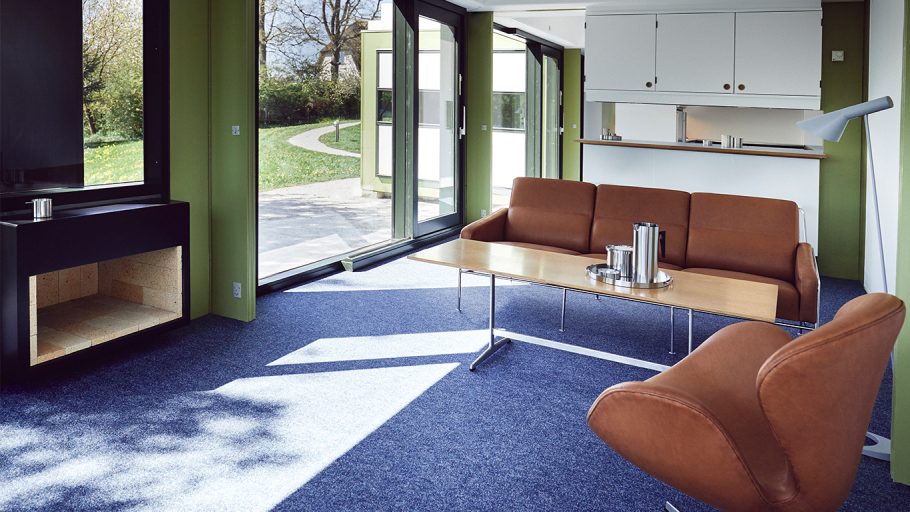
Arne Jacobsen’s summer house.
Design and culture intertwine
Arne Jacobsen’s production was prodigious, and there cannot be many areas that he did not turn his hand to. His works range from several waterfront housing complexes, theatres, sports halls for swimming, riding and tennis, schools and other institutions for children, hotels, central banks and town halls, administrative buildings, factories and laboratories, blocks of flats, row houses and single-family houses. All designed with attention to detail and respect for a good solution, and often incorporating innovations that advanced the field of architecture.
The Vola taps are sculptural additions that can transform the most-humble space into the heart of the home. They are designed to help life run smoothly and meet the demands of a busy home – where kettles are filled and refilled all morning, children’s hands washed after a painting session, and sinks crammed with pots after a spot of baking.
Arne Jacobsen’s Banker’s Wall Clock
‘In Denmark, we’ve always understood how design and culture intertwine. For many years, we have embraced the practice of ‘total design’, in which every element of a scheme is given equal consideration, from architectural form and landscaping, down to the smallest detail such as a door handle or tap. It is an approach that continues to influence design not only in Denmark, but all over the world,’ says Anne-Louise Sommer, director of the Designmuseum Denmark in Copenhagen and adds, ‘We know that by bringing ‘total design’ into the public realm, we benefit as individuals and as a society.’
It’s part of the Danish way of life to value the principals of form and function everywhere, not just in our homes and important institutions, but in all sorts of places where people meet, stop and experience something together,’
Aarhus Town Hall (1937-1942) designed by Arne Jacobsen
Arne Jacobsen’s goal was totality
Arne Jacobsen’s goal was totality. As an architect, he wanted to have total control of a project and nothing was to be left to chance. This led to the design of a series of products of such high quality that although they were developed in conjunction with specific building projects, they had such universal application that they could become part of standard production. Jacobsen’s designs comprise a wide assortment of items such as furniture, textiles, lighting fixtures, door handles, cutlery, stainless steel tableware, glassware, clocks, water taps and accessories. Many of these products have achieved the status of international classics and have certainly helped Jacobsen’s rise to dizzying heights on the international firmament.
The American light artist James Turrell has created the world’s northernmost skyspace in Norway – the Hardanger Skyspace.
Hardanger Skyspace is one of the well-known art installations by the American artist James Turrell. Through a colorful light installation, you can watch and experience sunrises and sunsets in a special way. The Hardanger Skyspace is part of the Kabuso Art Centre in Øystese.
At the reception at Hardangerfjord hotel – a few meters away from the lightwork, you will be provided with a key and written information about the lightwork. However, dress as to stay outdoors.
Hardanger Skyspace in Øystese, Hardangerfjord. Photo: Helge Skodvin.
In 2011, James Turrell went for a walk on the beach in Øystese in Hardanger. He had been invited by professional leader of Kabuso, the village’s art and culture center, Heidi Ann Jaeger. There were several reasons why Turrell had accepted the invitation. He prefers to work outside art metropolises and he has a deep fascination for the fjord paintings of Norwegian Lars Hertervik (1830-1902) and he was nearby since he had just opened an exhibition in Järna in Sweden.
His light installation is in Øystese, Hardanger Skyspace, is an eye-catching, octagonal building with an opening in the roof and seating inside. A light installation with changing colors is started at sunrise and sunset, giving you a unique experience of sky and space. Weather and season also will influence vistors’ experience – so every visit is unique!
James Turrell’s most famous work is the Roden Crater, a light observatory in a dried-out volcano in the Arizona desert.
In the twilight hours, you are bathed in LED lights of changing colors, and the night or morning sky can be seen through an elliptical aperture in the roof. The interplay between the artificial and natural light affects how we perceive the sky.
Turrell likes to have a lot of space. His most famous work is the Roden Crater, a light observatory in a dried-out volcano in the Arizona desert. When he experienced the panoramic view of the Hardangerfjord and Folgefonna in Øystese, his light art instincts literally glowed. “Here I can imagine creating the world’s northernmost skyspace!” he exclaimed.
Hardanger Skyspace. Photo: Katrine van Tulder/Fjordmoods
Hardanger Skyspace has an octagonal shape inspired by the small but wonderful sculpture museum that houses the works of Ingebrigt Vik. It is also characterized by the grey color of Hardanger slate. Turrell anchors his art works in local traditions, building methods and art forms. Hardanger Skyspace’s elliptical shape reflects the long fjord.
World’s Northernmost Skyspace – in Norway, written by Tor Kjolberg
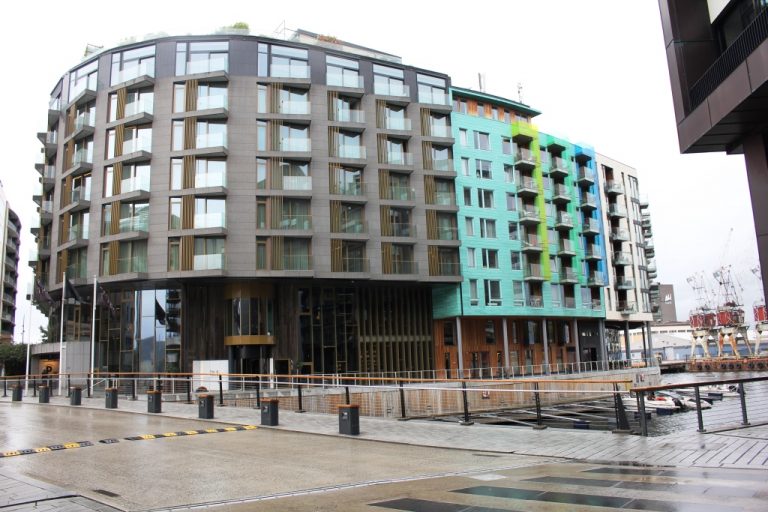
The Thief Lifestyle Boutique Hotel at Tjuvholmen, Oslo is undisputedly one of the greatest hotels in the capital of Norway – with a canal view. The name Tjuvholmen (The Thieves Islet) arrives from the time back in the 18th century when thieves were executed here. The Thief Hotel is located at one of the most exclusive sites in the Oslo fjord area. The next neighbor is the Astrup Ferner Museum of Moden Art.
Tjuvholmen (Thief Islet) used to be a haven for smugglers, thieves and scoundrels. Today it is home to The Thief, a modern hideaway – right in the middle of downtown Oslo. “If anything gets stolen there nowadays, it’s usually us stealing our guests away from their everyday lives,” says General Manager Robert Holan, and adds that The Thief Hotel has shaped him as a manager.
“The Thief Hotel has shaped me as a manager,” says General Manager Robert Holan.
Luxurious Rooms and Suites High-quality runs throughout the hotel; the comfort, the efficiency and the cleverly thought-out layout of the rooms. “We are sure you will enjoy the bedside light control, the balcony, the creative selection in our in-room shop, the full body mirrors by the door – or our little prank of having an extra pillow in the closet even though there are already nine pillows on the bed.” This is how the hotel describes the rooms on its website.
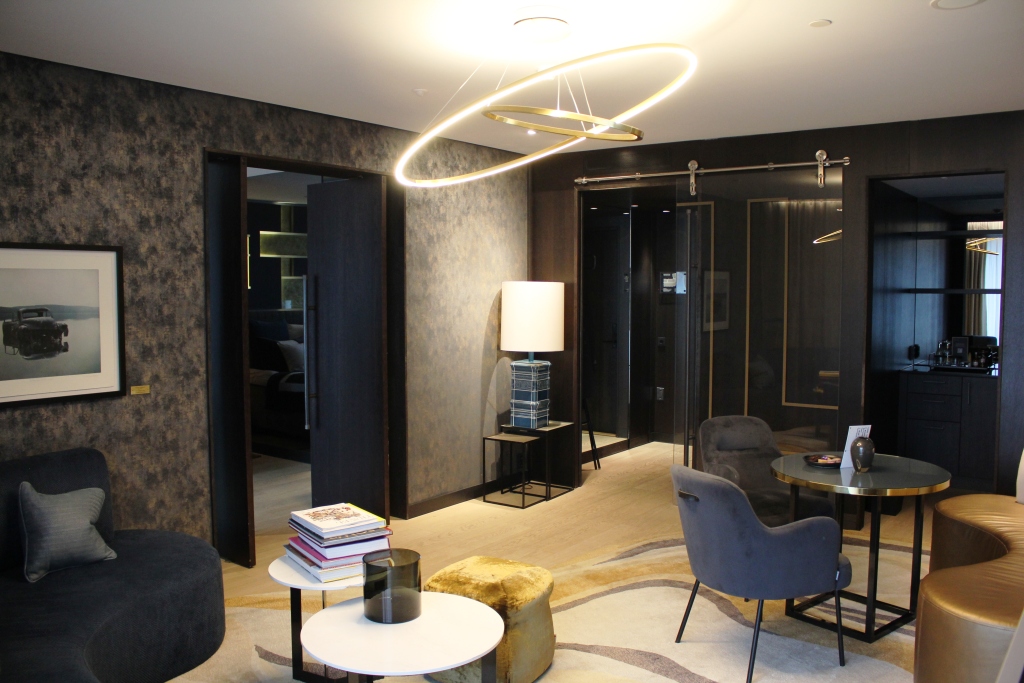
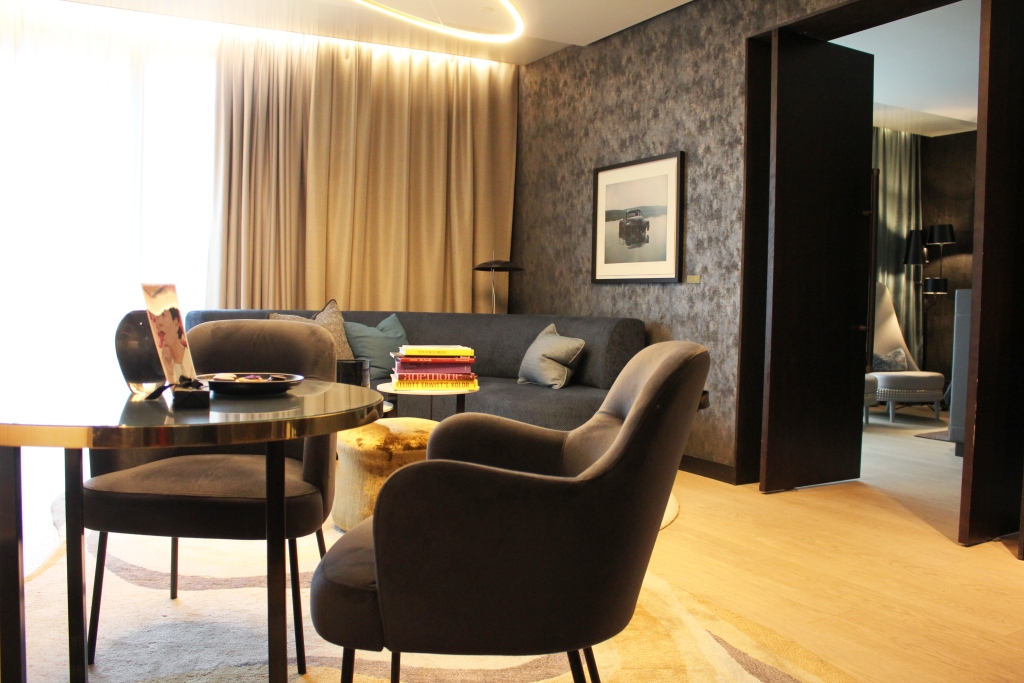
From our junior suiteExclusive interior creates an cozy atmosphere.Elegant designed furniture
With 114 luxurious rooms and suites with cleverly thought-out layout, its size is just about right for those looking for an intimate and exclusive Oslo hotel. The Thief has filled this retreat with top international art pieces, carefully selected designer furniture, global Nordic cuisine, top quality spa and cosmopolitan bars.
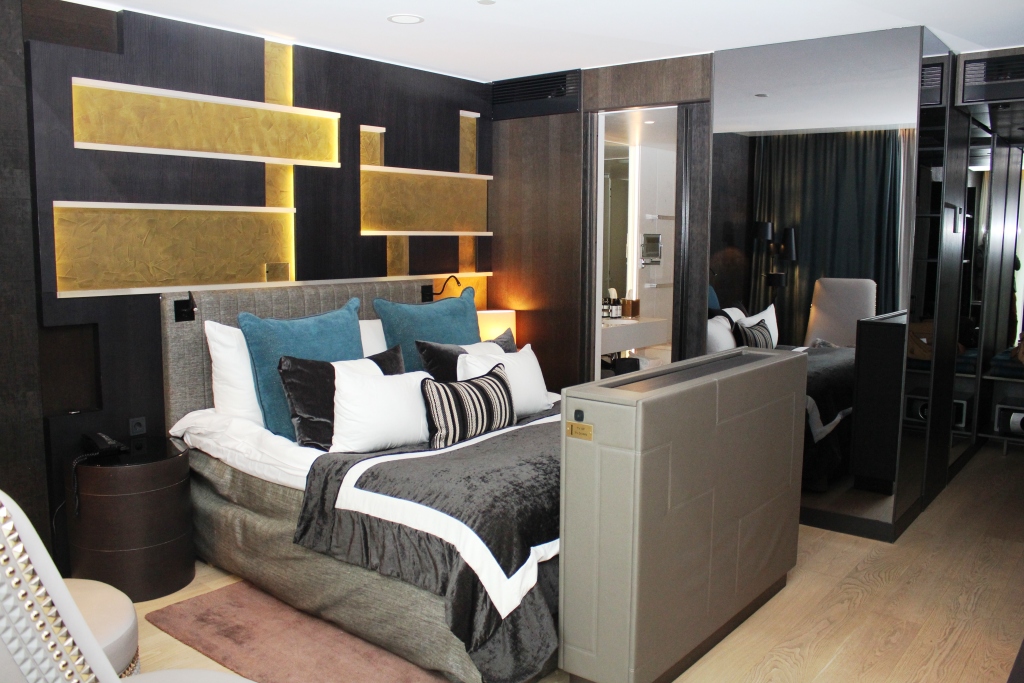
Junior suite bedroomBedroom with sliding televisionPop-up television
A different branding “The Thief is different – in every way,” says Holan. “We have a completely different branding compared to most other hotels. All our employees act as if they are on a theater stage. We exist for our audience – our guests. This applies to everyone, from room service and reception to restaurants, bars and the spa.”
From one of the 114 luxurious rooms and suites.“If anything gets stolen there nowadays, it’s usually us stealing our guests away from their everyday lives,” says Robert HolanDetails matter. Comfortable slippers for indoor relaxTION.
Located in Oslo’s city center, more precisely along the Tjuvholmen allé, The Thief hotel is just a short walking distance from the Town Hall, the bustling Aker Brygge restaurant and business area and the New National Museum.
Junior suite bathroom
The location of The Thief makes it possible for guests to experience central Oslo by foot. The best way to explore Oslo is like a true local. After a long day of walking through Oslo’s exciting streets, end your day with an unforgettable dinner at the Thief Restaurant, one of the first-class dining venues in the capital.
we were welcomed by our knowledgeable waiter Kasia.Starter consisting of duck egg and caviar.main dish halibut with cognac sauce (Tesseron XO), Petrossian caviar, lemon gel, fresh dill and toasted brioche on the side.
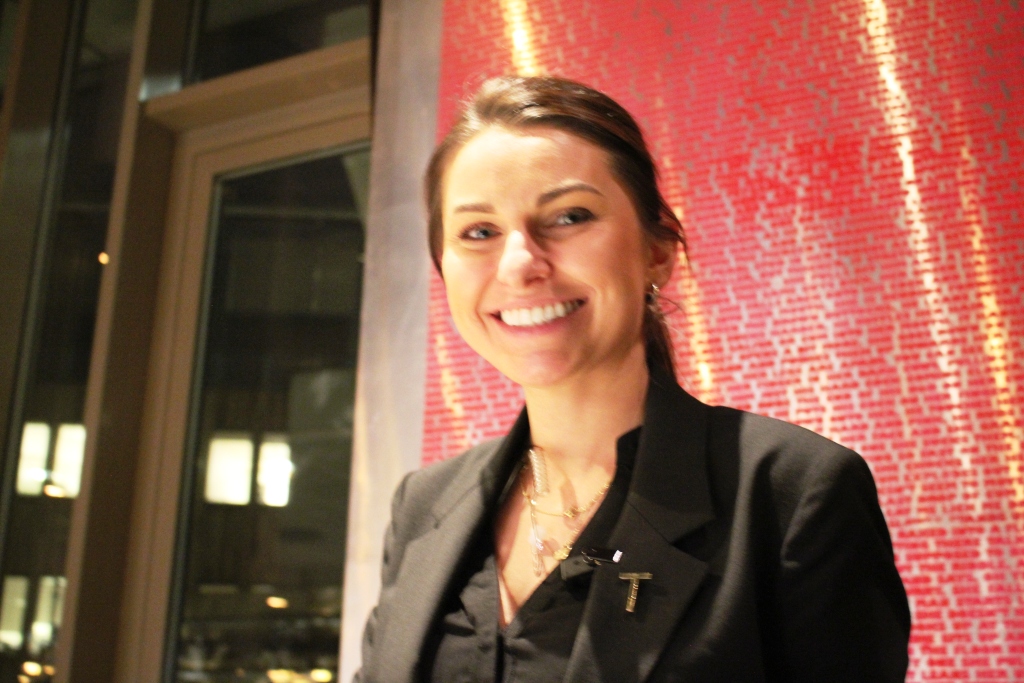
Refined dining “We don’t call it fine dining,” smiles Robert Holan “but refined dining.” Indeed, we were welcomed by our knowledgeable waiter Kasia, who in consultation with the chef composed our menu with accompanying wines; a starter consisting of duck egg and caviar and main dish halibut with cognac sauce (Tesseron XO), Petrossian caviar, lemon gel, fresh dill and toasted brioche on the side. Heavenly! The restaurant is worth a visit – even if you don’t stay at the hotel.
From The Thief RestaurantSkilled cooks at workDetail from the elegant Thief restaurant
A holistic experience
“Aiming to be the very best service hotel is demanding. Exceptional good training is our top priority. The key is confident employees,” says Holan. “Staying at our hotel should be a holistic experience. Everyone does their best as part of our team.” He adds that most of the hotel’s guests come to get away from it all, and for the relaxing atmosphere. He is also proud that they managed to keep the hotel running during the pandemic.
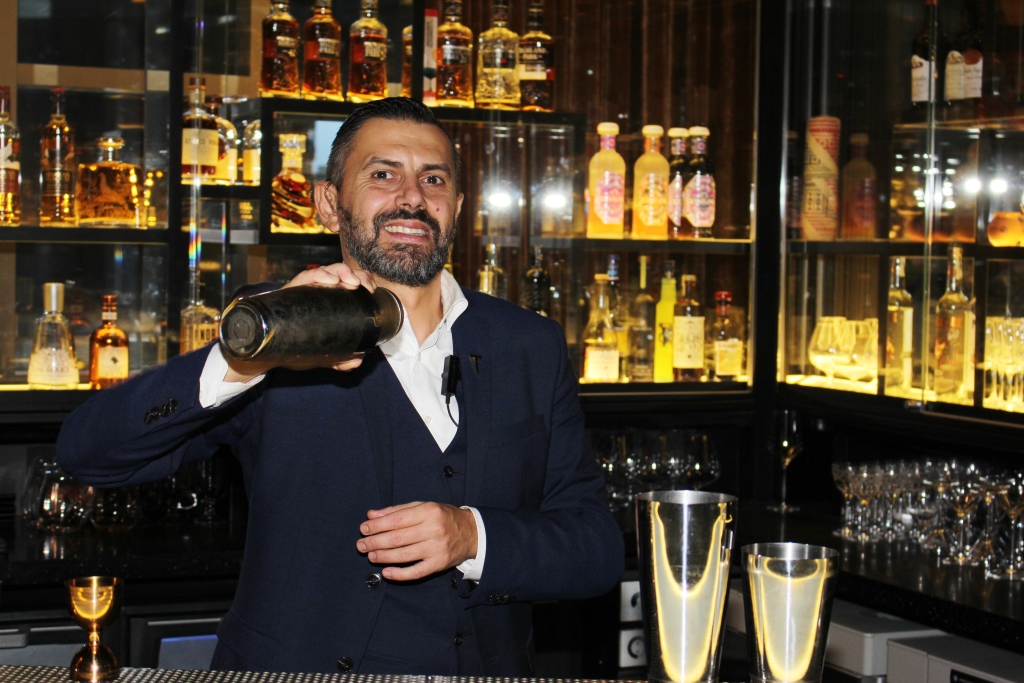
The Thief reception.The new bar concept focuses on the craft of bartending.
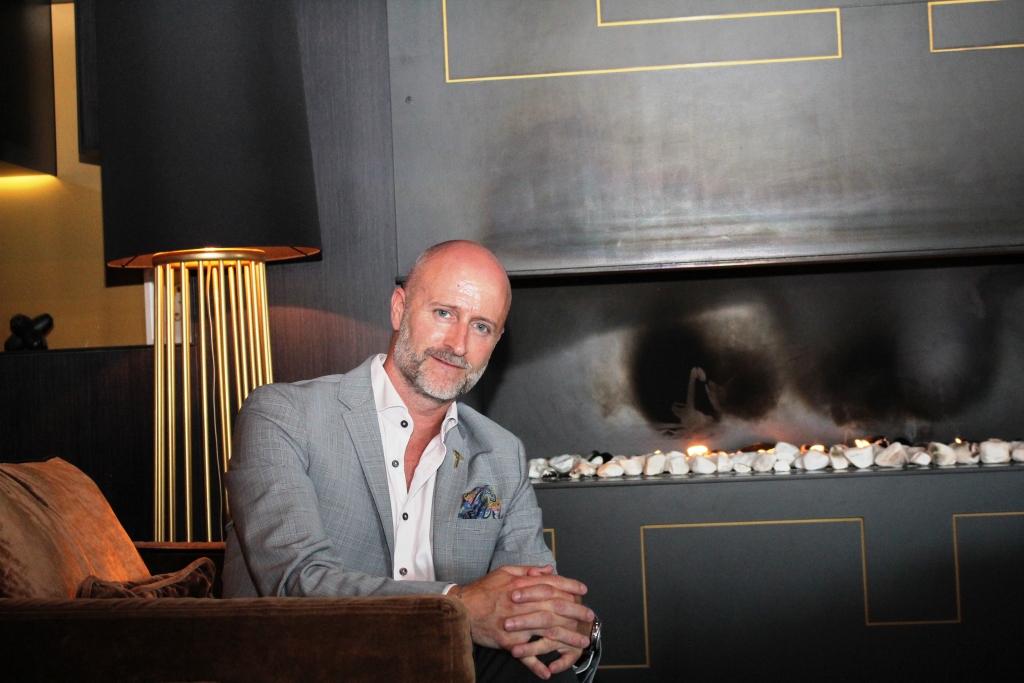
The two favorite spaces at this stylish hotel are the top floor terrace during the summer season – and the charming and intimate bar at night, when the fireplace is lit. At this magical venue, romance happens on the spot.
“The Thief is different – in every way,” says Holan.
What’s next?
When we ask Holan if we can expect some surprises at The Thief Hotel in the near future, he looks at us with a suspicious look and says, “Yes, things are happening, but I can’t tell you anything yet. However, there will be a new bar concept where we will focus on the craft of bartending. And we continue our monthly program “Art and Soul” where artists perform together with visual art.
The secret to the hotel’s success, according to Holan, is the hotel’s organizational form. There are short decision-making processes and owners who are open to new thinking. Many of the guests are Norwegians who come to the capital and feel that The Thief is their second home. This, combined with foreign hotel guests, create a nice mix of national and international people who are spliced together in a unique atmosphere.
Raving reviews “I can’t rave enough about The Thief Hotel. It is the epitome of style, modernism and cool. From its location to its bar program and dining options, I could have stayed there forever!” says Carylon Scott-Hamilton, a cookbook author and travel and lifestyle expert.
“A mini holiday in your own city!” wrote Norwegian blogger Travel Hanne. “Superb hotel that delivers on all points. Lovely view from the Junior Suite and fantastic breakfast. As well as a lovely roof terrace that serves great drinks. Really recommend taking a trip to the spa too! We will be back!”
Today, the Tjuvholmen area has about 1,200 apartments and is part of the Fjord City urban renewal program.
The Thief Lifestyle Boutique Hotel in Oslo, written by Tor Kjolberg
The Norwegian jewelry designer Annie Berner has been tinkering with things that flash and shine since she was a child. In 2016, she began creating a jewelry collection based on tight and organic lines, inspired by sculptures and shapes in nature.
She started her career at SOFI (School of Fashion Industry) in Oslo where she got insight and better understanding of fashion and the various aspects of it. Then she did her foundation year in Arts and Design to explore different materials, production methods and art history before taking a BA in fashion jewelry at London College of Fashion. While doing her BA, she worked as a studio assistant for a small brand on the rise.
By combining organic curves and geometric lines Annie Berner creates sculptural pieces that express balance. Photo: Dailystory.com
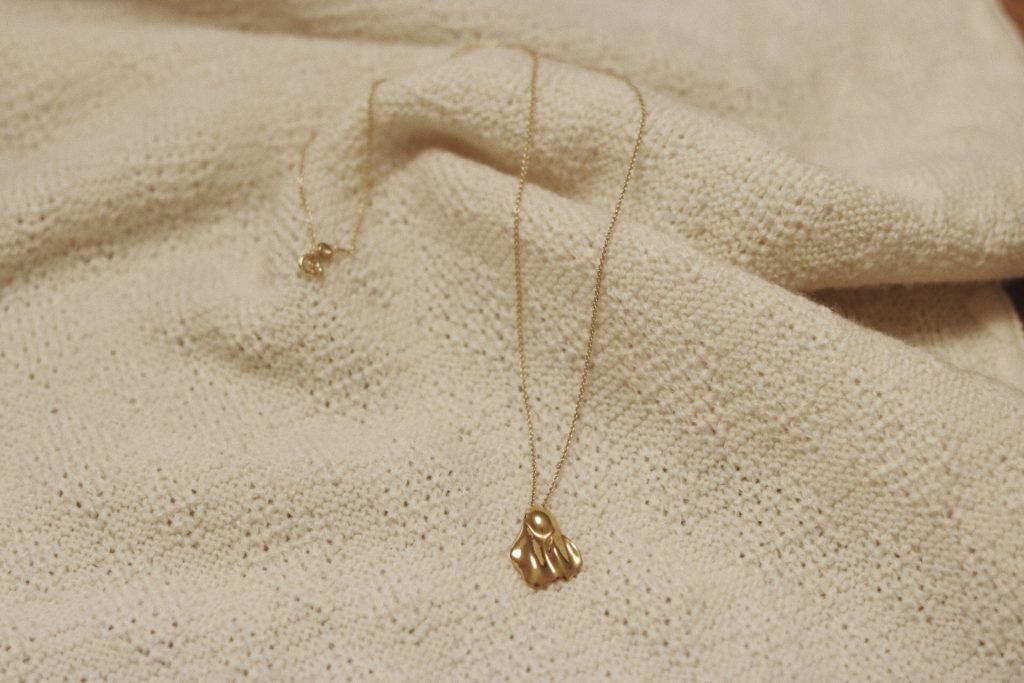
By combining organic curves and geometric lines Annie Berner creates sculptural pieces that express balance. The technique she uses to make her jewelry today is time-consuming. Berner draws the different pieces by hand, designs them on the computer, before 3D printing them in wax. This must be done up to several times to get the right result. She then casts the jewelry in silver, before the actual handwork of soldering, filing and polishing begins.
Annie Berner has clear ideas about her style and what she wants to communicate through her creations. She never aimed at becoming a traditional goldsmith, as material exploration and experimental production was more her interest.
Annie Berner has clear ideas about her style and what she wants to communicate through her creations.
Using a 3D printer makes it possible to create forms that would have been impossible to create by hand. On a computer, she can more easily mirror shapes, which Berner does with earrings so that they turn to the face.
Her debut collection was inspired by the Art Deco architecture of Miami and New York and realized with new modeling technologies. The collection was intriguing for its amplified proportions and contrasting 3D-like textures.
“I want to create jewelry that represents craftsmanship and quality. Ideally, there should be a balance between something the wearer can use for a long time, while still reflecting the zeitgeist. My hope is that different pieces of jewelry from the same collection can appeal to women in different age groups and with varying personal styles, who all share the joy of dressing up,” Annie said in an interview.
Berner uses the computer program CAD to create thin walls and hollow out the jewelry, which would be very difficult by hand. “I do this to reduce the use of materials, but preserve the massive expression,” she explains.
Check out Jewlr for custom designed jewelries for every occasion
Using a 3D printer makes it possible to create forms that would have been impossible to create by hand. Photo: Najd
Now, the young Norwegian designer focuses on a more emotional yet still contemporary aesthetic code, creating surreal pieces that capture not only the sense of sight but also that of touch, through fluid shapes of a wet effect made of metal, silver or plexiglass.
Annie Berner’s work often reflects a certain nostalgia. A place or a mood she wants to revisit, though still being present. It can be a shape – often from under water, where she loves to be, a material or a color that she wants to combine to obtain a certain mood. She tries to create a calm, cozy universe with a pinch of glamour.
Flashlight On A Norwegian Jewelry Designer, written by Tor Kjolberg
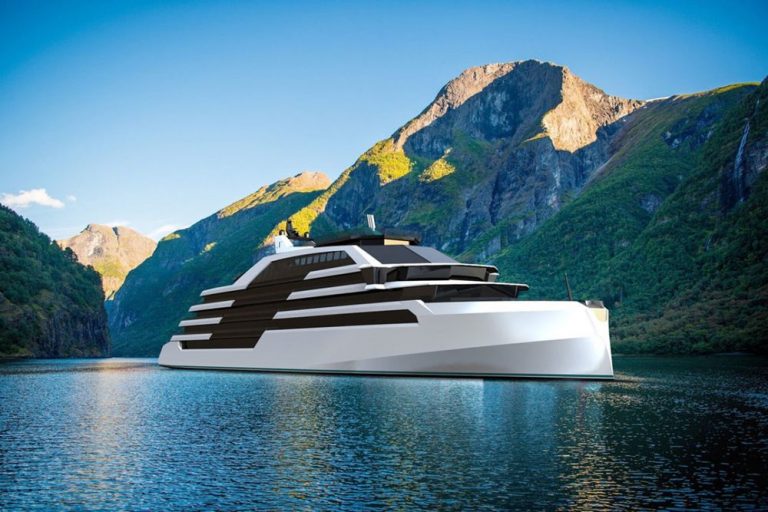
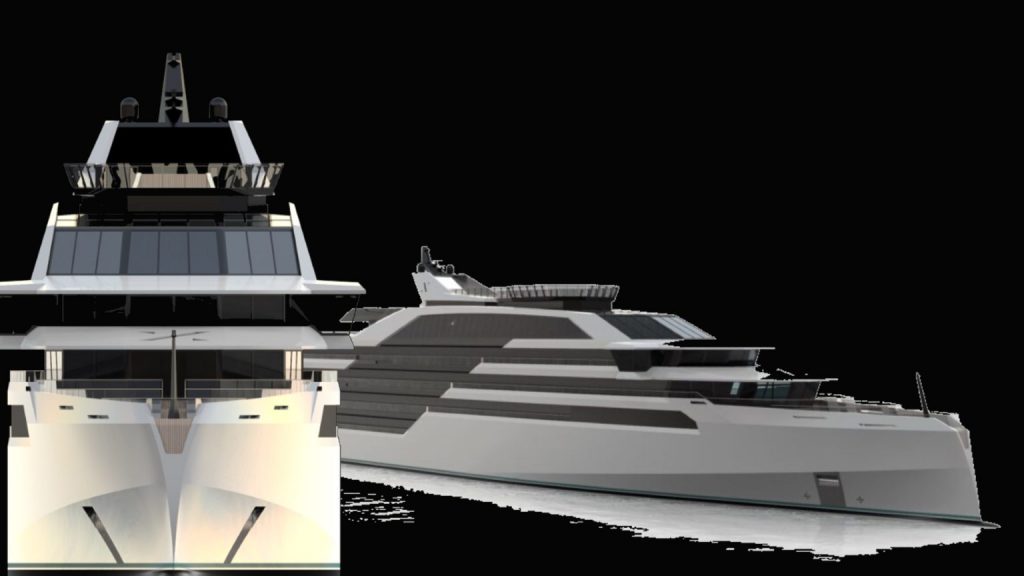
A new Norwegian cruise company plans to build a ship earmarked for use in Norwegian fjords. If all goes according to plan, the first ship will be built in Portugal next year. This will be the world’s first zero-emissions cruise ship designed For Norwegian fjords.
The new cruise company Northern Xplorer claims that it solves three major challenges with one solution: the environment, society and our cultural and natural heritage.
Northern Xplorer has signed a letter of intent (LOI) with Portuguese shipbuilder West Sea for the construction of the company’s maiden vessel that will sail emissions free, being the world’s first cruise ship on hydrogen.
Northern Xplorer’s founder and CEO Rolf André Sandvik is no stranger to zero-emissions vessels.
Marine transport is the most environmentally friendly form of transportation, but it still produces 940 million tons of CO2 every year.
Northern Xplorer’s founder and CEO Rolf André Sandvik is no stranger to zero-emissions vessels. He was previously founder and CEO of tourism company The Fjords, whose fleet includes two all-electric tour boats — the Legacy of the Fjords and Future of the Fjords — built by Norway’s Brodrene Aa shipyard. Those vessels are 42.3 meter-long day boats.
The Northern Xplorer ship is expected to be delivered at the start of the 2025/2026 cruise season.
The Northern Xplorer ship is expected to be delivered at the start of the 2025/2026 cruise season. But there is one condition: The Norwegian Parliament decided in 2018 that only emission-free ships will be allowed to enter the two world heritage fjords in Western Norway from 2026. This means that the vast majority of today’s cruise ships will not be able to sail into Geiranger and Flåm. This is where Northern Xplorer sees the opportunity to position itself in the market.
The new vessel has the potential to create a new paradigm for the entire maritime industry, not only in Norway but right across the world. The cruise ship will be a full-size 130 meter ship, designed by Multi Maritime and accommodating 250 passengers in 125 cabins.
“This is a new milestone on our journey towards emission-free cruising. Having approached yards worldwide for tenders, we’re delighted to be embarking on this exciting project with West Sea,” says Rolf André Sandvik, Northern Xplorer (NX) founder and CEO.
“An innovative and technologically advanced vessel, which will have minimal impact on the environment.” This is how director Vitor Figureido at the West Sea shipyard describes the ship.
“What if this vessel could visit beautiful areas otherwise overlooked by the tourism industry? What if it could provide local jobs, lift entire communities economically, and showcase that there’s no need to focus exclusively on existing tourist hubs, thus opening the door to new locations with zero impact on local environments?” An important and interesting question asked on the company’s website.
NX and ABB are currently in dialogue with multiple sub-suppliers for vessel systems.
The new vessel has the potential to create a new paradigm for the entire maritime industry.
“We haven’t made any final decisions yet because we want to go with the newest technology as it becomes available. Where possible we also aim to select the most sustainable materials available in the market,” says Sandvik.
A number of external investors, both Norwegian and foreign, have expressed their interest. The final construction contract will not be signed until the money is in place. However, Sandvik is optimistic.
World’s First Zero-Emissions Cruise Ship Designed For Norwegian Fjords, written by Tor Kjolberg
Wild cherries (Prunus avium), which are not indigenous to Scandinavia, were probably imported by travelers during the Iron Age. The trees took root and so did a taste for the cherries among the locals, who have been gathering them to eat fresh, or dried, ever since. Learn more about Scandinavian cherry.
Wild cherry trees are common in deciduous forests, while cultivated ones are found in many country gardens – though they grow to an enormous size so can rarely be accommodated in smaller gardens. Cultivated, sweet cherries are the same species, bred for uniformity of taste and size. The cultivars we grow are almost all British.
The cherry trees’ fragrant, cloud-like blooms are a wonderful sight in early spring. Photo: Oslo parkanlegg.
The sour cherry (Prunus cerasus) is much hardier than its sweet cousin. It was imported to Britain by the Romans from where it probably came to Scandinavia. Sour cherries grow on small, spindly trees that are much easier to accommodate – and also well worth growing – in small gardens. Their fragrant, cloud-like blooms are a wonderful sight in early spring.
Appearance and taste Wild cherries are sexually reproduced and they are extremely variable, some are large and resemble modern cultivars, while others have a pronounced almond taste, and some are wickedly sour. Modern sweet cherry cultivars can be huge or small, crisp or soft, early or late, dark red or scarlet, and they are all good to eat fresh.
Sour cherries on the branch. Photo: Lier Planteland.
Sour cherries are the size of very large blackcurrants and will dye your crimson all over. They come off the stem when you pick them, while sweet cherries come off the branch with their stem attached. The famous Marasca cherry, called Stevnsbær in Scandinavia, is an extremely tasty cultivar. Juice from sour cherry cultivars can be red or almost black, depending on the variety.
Health benefits Like all dark fruit, cherries are full of antioxidants, iron and, when fresh, lots of vitamin C.
Buying and storing Sweet cherries can be bought anywhere in the summer season, while sour cherries are hard to find. Frozen sour cherries are a very good substitute for fresh ones, if you want to cook with them.
Like all dark fruit, cherries are full of antioxidants, iron and, when fresh, lots of vitamin C. Photo: Wikipedia
Culinary uses
Sweet cherries are generally eaten just as they are. Sour cherries are usually inedibly sour when fresh but give a rich, almondy taste to all jams, liqueurs, cakes and sauces when cooked. The traditional use for sour cherries is in a special sauce for riz à la mande, an almond-flavored rice pudding, and homemade cherry brandy – both of which are traditionally consumed on Christmas Eve. Wild cherries with an acid taste and dark flesh are fine to use in cooking as well.
Cherry brandy is also a wonderful addition to the spiced, hot Christmas drink gløgg. Photo: Visnak.
Cherry brandy This is a drink for Christmas. When the fruit is in season, fill a wine bottle with fresh, whole sour cherries. Add 200g sugar and fill the bottle with unflavored schnapps, dark rum or vodka. Then simply sit back and wait for Christmas, when we traditionally drink cherry brandy with dessert on the 24th December. It’s also a wonderful addition to the spiced, hot Christmas drink gløgg.
COVID-19 changed the way consumers buy their products. A report from NielsenIQ reveals that 67% of consumers are shopping differently after the pandemic than before, and that this figure is expected to grow. Learn more about how Scandinavian companies can increase sales by affiliate marketing in 2023 and beyond.
What is affiliate marketing?
Affiliate marketing began in 1989 with a man named William J. Tobin, who holds the proud title of being the world’s first internet marketer. He founded PC Flowers & Gifts and launched his program on the Prodigy Network. The model involved paying the company for every sale.
With affiliate networks springing up all over the place, refer-it.com was launched by Wayne Marciano in 1997. He was followed a year later by associateprograms.com, affiliateguide.com, ravenews.com and several others, all sharing information and articles alongside affiliate directories.
Affiliate marketing is in many ways similar to referral marketing. This can also be a cost-effective method for smaller companies with limited budgets. You can incentivize current customers to promote your brand and transform them into loyal affiliates.
Affiliate marketing is in many ways similar to referral marketing.
How it works A well-structured affiliate marketing program is a digital marketing tactic used by ecommerce brands and retailers which can add value for both brand and product reach and lead to more sales, but many people are unsure of what it is or how it works.
An affiliate marketing program can boost your brand awareness and open your business up to a wider audience and it is easy to get started on a limited budget. Affiliate marketing means that a business pays a commission or other incentive to an individual or other third-party for any sales generated by them promoting the company’s products or services. The third-party is normally a website or a blogger. The system is similar to the old salesman paid by commission on sales.
In other words, affiliate marketing is a performance-based marketing model that rewards affiliate partners for converting information into sales. The company can be either an online store or a brick-and- mortar operation (or both).
There are, however, lots of options and potential pitfalls to consider when planning your own ecommerce affiliate program strategy since not all affiliate programs are created equal.
A well-structured affiliate marketing program is a digital marketing tactic used by ecommerce brands and retailers can add value for both brand and product reach.
Your own software program or affiliate networks? Affiliates search for products they like and they promote these products and earn a profit from each sale they make. The sales are tracked through affiliate links from one website to another. Potential buyers are directed to see the product being sold through the links on the affiliate’s blog or website and ultimately redirected to the company selling the merchandise.
As a merchant, you may choose to host your own affiliate program to promote your products or connect to affiliate networks that can help you connect with marketers. They offer established databases you can use to reach out to influencers who can further your business.
As marketers or eCommerce strategic thinkers, we have a vast arsenal of tools and channels at our disposal to achieve different objectives, but the most recognizable example of affiliate marketing being used to great success in recent years has been the boom of the influencer space. Here, individuals known to your customer base use their social following and reach to sell products on behalf of a third party. This creates a win-win scenario of boosting your brand awareness as well as product/brand reach.
For their effort, influencers are rewarded with commissions from low single digits for products also available at retail locations, up to over 90% for digital products only sold online. The best niches for affiliate marketing are those with evergreen demand, a large fan base, or both combined.
Affiliate marketing is a performance-based marketing model that rewards affiliate partners for converting information into sales.
It’s important to note that affiliate programs don’t just help merchants spread the word about their brands. They also benefit the affiliates, who are able to earn a somewhat passive income from their promotional efforts. In fact, there are individuals and companies that gain earnings solely from affiliate commerce.
A great affiliate program that promotes your products or services across your affiliate network is about way more than just sales and selling. They can be a fantastic opportunity to increase your reach and brand awareness via content publishers focused on the grazing/discovery type of user behavior.
Traditional marketing is obsolete
Today, traditional marketing and advertising processes are much less successful and far more expensive than affiliate marketing. However, it is important to choose the right affiliates to promote your products. Selecting someone who shares a similar target audience will help ensure that you are reaching high-converting customers. It may also result in organic word-of-mouth marketing and further referrals to your business.
Good affiliates work on daily elements such as SEO and email marketing campaigns, whilst always looking for more strategic, longer-term plans and opportunities to find new customers. All this whilst keeping the return on investment (ROI) under careful control.
Therefore, you need to define the niche that you will be targeting. Besides, you need to find out if the market is interested in the product you sell. If most people aren’t interested in the product you intend to sell, your niche won’t monetize.
Affiliate marketing can be useful for businesses on a smaller budget, as it offers plenty of flexibility. The average affiliate commission falls anywhere between 5–30%, so you can decide on a unique rate that will bolster your business.
Another major benefit of affiliate marketing is typically commissions (‘Cost per Acquisition or ‘CPA’), are only accrued after a sale has taken place.
The telecommunications company Vodafone recently benefited from a successful affiliate channel. It was aimed at driving Samsung orders, and the company was able to make an impressive return on investment.
What platform?
Theoretically, you can make affiliate marketing on any platform, even Instagram works. However, it’s much easier to build an audience and increase your affiliate sales via one of two channels: a blog or YouTube channel.
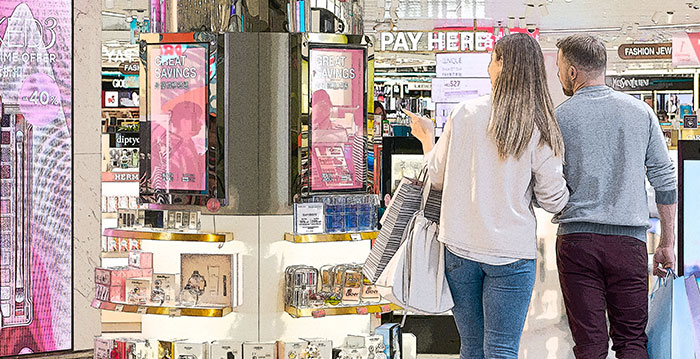
The recent term phygical is a combination of the two words physical and digital, which means physical stores are combining their physical and digital sales strategies.
Are you familiar with the new term Phygital retail? This recent term is a combination of the two words physical and digital, which means physical stores are combining their physical and digital sales strategies. A cohesive customer experience, both online and offline, is becoming increasingly important.
Affiliates can be used to bridge this gap and drive in-store promotions. Brick and mortar affiliate marketing is entirely performance-based, and therefore requires minimal start-up and maintenance costs. Affiliates do the marketing work for you, and you only pay when you get real results.
Once you’ve decided that you want to begin an affiliate program for your eCommerce business, it’s time to start deciding on which programs could be best for you as a business or your brand.
A cohesive customer experience, both online and offline, is becoming increasingly important.
How Scandinavian Companies Can Increase Sales By Affiliate Marketing in 2023 and Beyond – Conclusion On a personal note, I believe that, as ecommerce switches from a traditional wholesale model into a marketplace model, affiliate is going to go blow up even more over the next few years.
If you haven’t already, now is the perfect time to start exploring the potential benefits for your eCommerce business. Daily Scandinavian aims to give you updated information on how to succeed in affiliate marketing.
How Scandinavian Companies Can Increase Sales By Affiliate Marketing in 2023 and Beyond, written by Tor Kjolberg
According to cummins.com an electrolyzer is a system that uses electricity to break water into hydrogen and oxygen in a process called electrolysis. Through electrolysis, the electrolyzer system creates hydrogen gas. The oxygen that’s left over is released into the atmosphere or can be captured or stored to supply other industrial processes or even medical gases in some cases. Learn more about world’s largest electrolyzer being launched in Norway.
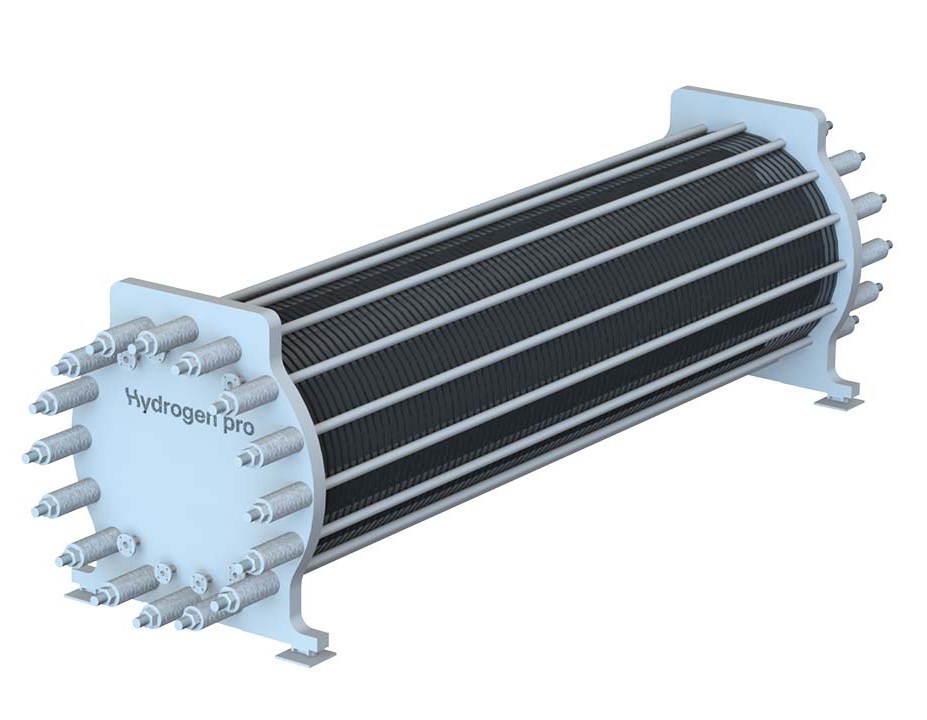
The company Hydrogen Pro will shortly establish a test facility at Herøya, Norway, and the validation process will be initiated during the coming months. The electrolyzer is said to have an output of 1,100 Nm3/hour of hydrogen at normal current density. The electrolyzer has a diameter of 2 meters and is produced in China. In a statement, Hydrogen Pro says that the output equals 100kg of pure hydrogen per hour, and will set a new standard for the industry.
The electrolyzer has a diameter of 2 meters and is produced in China.
Hydrogen Pro was founded in 2013 by individuals with background from the electrolysis industry which was established in Telemark, Norway by Norsk Hydro in 1927. The experienced engineering team of leading industry experts, is drawing upon unparalleled experience and expertise in the hydrogen and renewable energy industry.
Hydrogen Pro will provide solutions for producing, storing, and distributing hydrogen from renewable energy sources. The use of hydrogen as a substitute to fossil sources can be of interest for the de-carbonation of many industrial processes.
The pilot plant integrates its own hydrogen production and will allow, among other projects, to test and assess various industrial hydrogen applications.
The company’s core product is the alkaline high-pressure electrolyzer, and a new plating technology was recently made possible through the acquisition of Advanced Surface Plating ApS in Denmark. The new electrode technology enables Hydrogen Pro to increase the efficiency of each unit by 14% to reach 93% of the theoretical maximum. This is a significant step forward as the cost of electric power, depending on market prices, amounts to 70-90% of the cost of producing hydrogen.
The value of such increased efficiency equals approximately the investment cost for the entire plant in a Total Cost of Operation perspective. The new technology is proven in a small industrial scale unit and the new production facility at Herøya can handle full size electrodes. Complete assembly lines are being planned in Europe and USA to satisfy demand for local content.
The pilot plant integrates its own hydrogen production and will allow, among other projects, to test and assess various industrial hydrogen applications. Potential applications in industry include fossil-free production of steel and other metals, hydrogen-based furnace heating, or production ‘raw materials’ for the petrochemical industry.
Hydrogen Pro and ABB collaborate on optimalization of green hydrogen.
Unlike traditional alkaline systems, the company’s high-pressure units (up to 30 bar) save compression costs and are superbly suited for variable loads from solar panels and wind turbines. Hydrogen Pro compares favorably with the alternative technologies since the electric consumption is much lower per kg hydrogen. The units do not use any noble or scarce metals.
World’s Largest Electrolyzer Being Launched in Norway, written by Tor Kjolberg
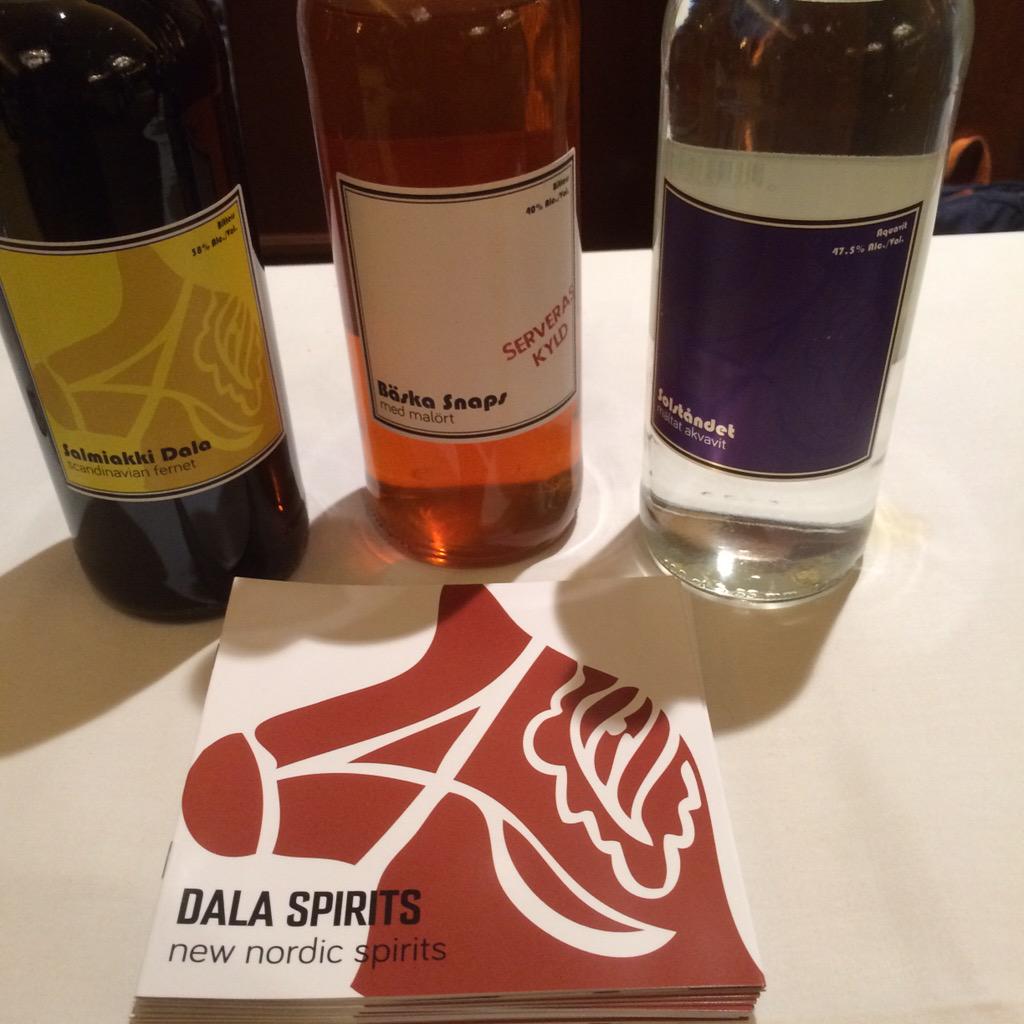
Interest in Nordic alcoholic beverages in the United States is increasing. In 2012, the New Orleans-based distillery Bittermens began experimenting with Nordic-inspired spirits under the name Dala Spirits, and the first DALA Spirits product was Bäska Snaps, released in late 2012 in Europe and 2013 in the US. Some have named the trend «Nordic Tropical» in USA.
According to a distributor, it’s a tradition throughout Scandinavia, to take high proof aquavit and infuse it with bitter herbs during the holidays and the long, cold winter that follows. These «besk snaps» are served cold to family and visitors who need a bracing, bitter eye-opener.
A corona-inspired aquavit,
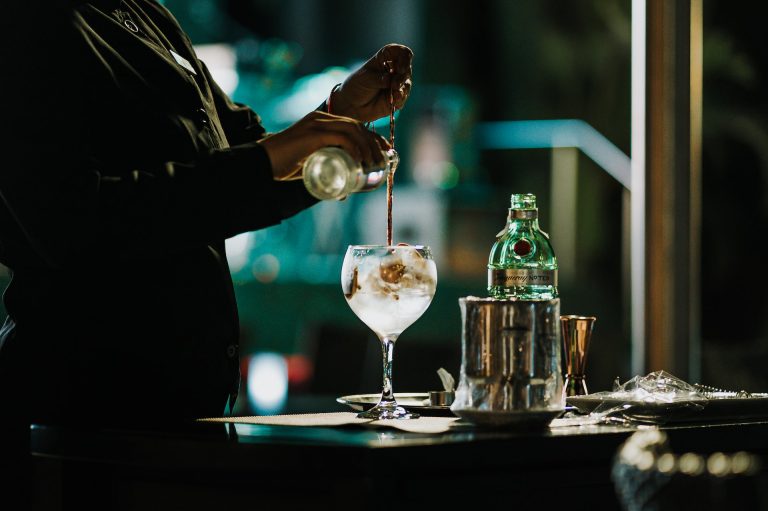
However, in Scandinavia, it has become more and more common to drink aquavit at room temperature to emphasize the herbal mixture. In addition, aquavits have arrived for all seasons and occasions of the year, e. g. summer aquavits and ladies’ aquavits. During the pandemic, an aquavit called “To Hell With Corona” was even launched!
Bittermen’s Nordic line today consists of Solståndet, a malted aquavit with inspiration from Sweden, the Swedish-style bitter liqueur Bäska Snaps and Salmiakki Dala, a kind of Norse variant of Fernet. All DALA Spirits products are currently produced at the company’s facilities in Mosfellsbær, Iceland.
In Scandinavia, it has become more and more common to drink aquavit tempered to emphasize the herbal mixture. Photo: Olakademiet
All three have been met with great enthusiasm by thirsty Americans. Dala Spirits are named after Swedish folk-legends of the Dala horse.
All DALA Spirits products are currently produced at the company’s facilities in Mosfellsbær, Iceland.
Bittermens has kept the Nordic tradition alive by creating an aquavit with flavors of caraway and infusing it with licorice, citrus and combined with a wormwood distillate produced by one of the oldest distillers in Pontalier, France.
The Nordic flavor is profoundly different from that of southern Europe, making use of wormwood, dill, caraway, licorice and unique flavorings like sal ammoniac.
The great interest in Nordic alcohol is probably partly created by Danish Mikkeller beer, which has established a steady brand far beyond Danish borders. They put Nordic beer tradition on the map, and thus the time came for stronger drinks.
The Nordic flavor is profoundly different from that of southern Europe, making use of wormwood, dill, caraway, licorice and unique flavorings like sal ammoniac. Photo: Stena Line.
“Younger bartenders and connoisseurs are rediscovering aquavit,” says Thomas Klem Andersen, whose blog Cocktails of Copenhagen covers the city’s bar scene. “After years of hype about whiskey, rum and gin, many of us are exploring what’s in our own backyard.”
“Sometime back in 2015, bars and restaurants in the bigger cities started using aquavit. And once people found it in New York, Chicago or Los Angeles, they follow. Long Road Distillery from Grand Rapids put their aquavit out because they saw an opening on the market and that was the start,” says Jiri Malis, a bartender featured on the blog Cocktails of Copenhagen.
Lyng Botanical Gin destilled by Norwegian Grimstad Brænneri won this year’s Bartender Spirit Award, one of USA’s most prestigious competitions for spirits from around the world. Impressive 99 points, and best in show! The judges were simply super impressed with the Lyng gin from Norway.
Some call this trend “Nordic Tropical” or Tropical Scandinavia”
Aquavit is harder to find in the United States than in Nordic countries, but here are five varieties that are more widely available (Source: New York Times).
Lysholm Linie 41.5 percent $30
Savory caraway and juniper notes are balanced by oaky and smoky notes. (Sazerac Company, Metairie, La.)
Aalborg Taffel 45 percent $22
A clear, unaged “table” aquavit with intense herbs and spice flavors. (Sazerac)
Aalborg Jubilaeums 40 percent $25
Golden in color, softer than the Taffel, with warm citrus notes to accompany the caraway, dill and anise. (Sazerac)
Krogstad Festlig 40 percent $27
Rich, unctuous aquavit with pronounced notes of star anise. (House Spirits, Portland, Ore.)
Gamle Ode Dill 42 percent $28
Fresh, bright and green, like an herb garden in springtime. (Gamle Ode, Minneapolis)