Crab Apple trees grow in profusion all over Scandinavia. Learn more about Scandinavian crab apple.
Fruit growers cultivate them in orchards to facilitate pollination, as crab apple trees draw hordes of bees to their abundant blossom, and they are used for their extremely hardy root stock. Others plant them simply to enjoy their beautiful display of white, pink or cerise flowers in spring.
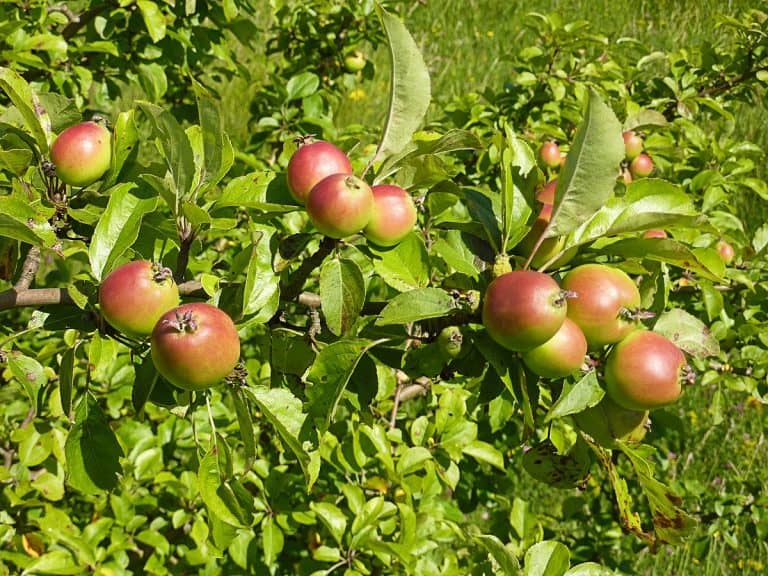
Crab apples (malus sylvestris) are not widely used in the kitchen any more. Photo: Wikipedia
Crab apples (malus sylvestris) are not widely used in the kitchen any more, but the small, slightly bitter fruits make an exquisite jelly, which is much more flavorful than jelly from ordinary apples, and is often richly colored (depending on the color of the cultivar).
The procedure for making jelly is very much the same, whatever fruit you decide to make it from: you can use the same recipe for ordinary apples, blackcurrants, redcurrants, gooseberries, medlars and quince. The most important factor is a high level of pectin.
the small, slightly bitter fruits make an exquisite jelly, which is much mor flavorful than jelly from ordinary apples. Photo: Pikist
Essentially a carbohydrate, pectin is transformed into sugar as the fruit ripens, which is why you must use unripe, tart fruit in order to make the jelly set. Most other fruit do not have enough pectin to make jelly unaided by commercial pectin. The latter is best avoided, as it suffocates the taste and often makes the jelly rubbery, instead of melting in your mouth.
Crab apple jelly The jelly is slightly bitter, but tastes wonderful on buttered roast, a decoration for any dessert with apples, or served with venison and game.
2kg crab apples
Sugar
Wash the crab apples (or other fruit) and remove any blemished ones. Place in a non-corrosive pan and barely cover with water. Bring to the boil and let the fruit bubble for around 20 minutes, or until it is soft, removing any scum from the top. Mash the fruit into a colander lined with a very clean cloth or muslin and place over a large bowl – the cloth must be big enough for you to tie a piece of string around it once it’s full of fruit, so you can suspend the whole thing for the juice to drip through. For the amounts given here, I suggest you hang the fruit from the tap and simply place the bowl in the sink. If you make a larger amount, you can tie the corners of the cloth to the legs of an upturned chair, with the seat resting on the table. Do not, under any circumstances, squeeze the bag, the juice must drip at its own speed. Leave overnight.
Once there is no more juice to come through, measure the contents of the bowl, then place in a large pan. Add 750g sugar per liter. At this point, you should also put a small stack of saucers or small plates into your fridge to cool
Boil the juice and sugar together vigorously, removing any scum. The setting point of the juice can be reached very fast, or take 20 minutes of boiling. Check by dripping a small teaspoon on to one of your cold saucers then replacing it in the fridge. Once it has cooled, run your finger through the jelly: if it runs, it’s not finished, if it wrinkles, it is. If your jelly has not set after 20 minutes of boiling, it probably never will – but you will have a lovely syrup for desserts and pancakes or for flavoring stews and marinades.
Pour the jelly into a sterilized jar and leave it to cool before putting the lids on. If you want to make sure that the jelly doesn’t grow moldy, add a little brandy or whisky to the jars beforehand and give them a shake (with the lid on, of course); remove, or drink the content before you add the jelly.
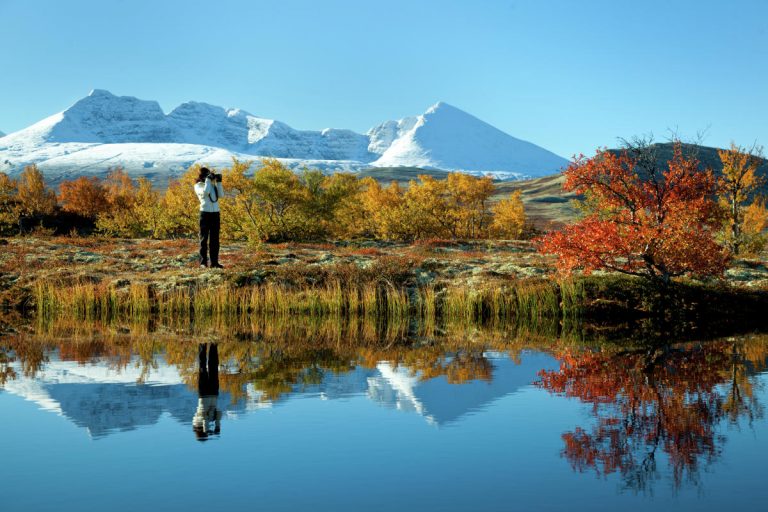
Do you desire to conquest the 376 highest mountain peaks in Norway, all more than 2,000 meters above sea level? Then Rondane mountains is a good starting point.
If you have four or five days at your disposal, and would like to experience Norway’s first national park, you should try this classic round trip through the Rondane mountains, says the Norwegian Trekking Association.
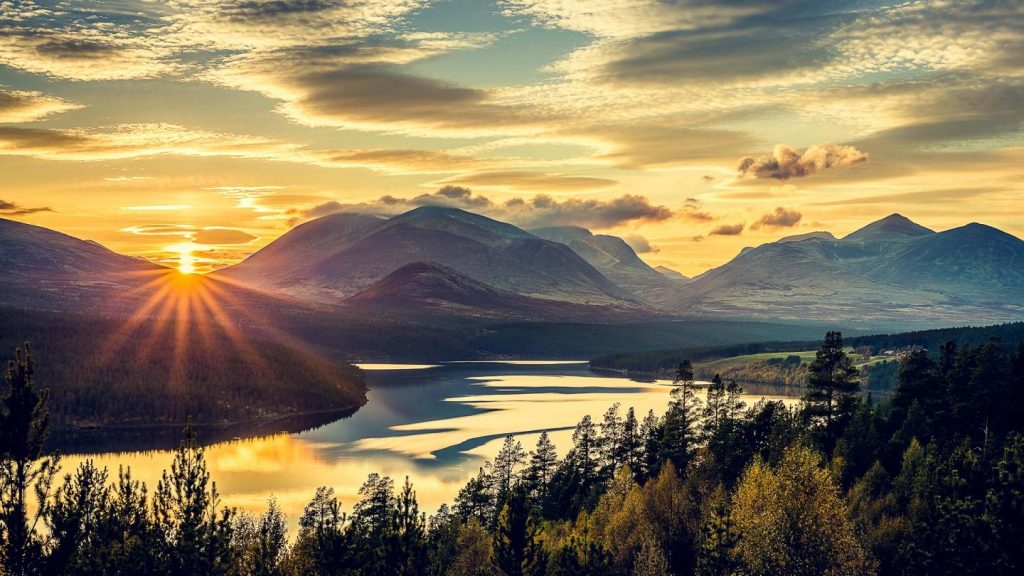
The hike takes you around Rondane’s biggest continuous area of mountains, separated by Rondvatnet lake, and Illmanndalen and Langglupdalen valleys.
Route: Spranget – Rondvassbu – Øvre Dørålseter – Bjørnhollia – Rondvassbu – Spranget The mountain tops in Rondane include Rondslottet, Storronden and Smiubelgen. The glaciers have deposited a lot of rock in this area, so you need good mountain boots for this hike. The description below is based on Rondvassbu lodge serving as the starting point, but you can also start the round trip from the lodges Bjørnhollia or Dørålseter, and the hike can be done in both directions.
Rondane’s continuous area of mountains, separated by Rondvatnet lake, and Illmanndalen and Langglupdalen valleys. Here from Rossvassbu. Photo: Anders Gjengedal/Visit Norway
Day 1: Spranget – Rondvassbu Cycle or walk to Rondvassbu DNT lodge from the car park at Spranget above Mysuseter. Follow a 7-km gravel road to the lodge. A walk of approx. 2 hours. This short leg is a nice, gentle start to the hike, giving you the chance to enjoy views of many of the mountain peaks in Rondane.
Day 2: Rondvassbu – Øvre Dørålseter From Rondvassbu, you head for Øvre Dørålseter private lodge. Start by taking the boat across Rondvatnet lake. From the end of Rondvatnet lake, it’s an approx. 3-hour hike to Øvre Dørålseter in easy terrain through the valleys Rondvassdalen, Bergedalen and Dørålen. If you don’t want to take the boat across Rondvatnet lake, you can walk via Rondhalsen (16,9 km, approx. 2 hours extra).
The timetable for the boat across Rondvatnet is available on Rondvassbu’s website.
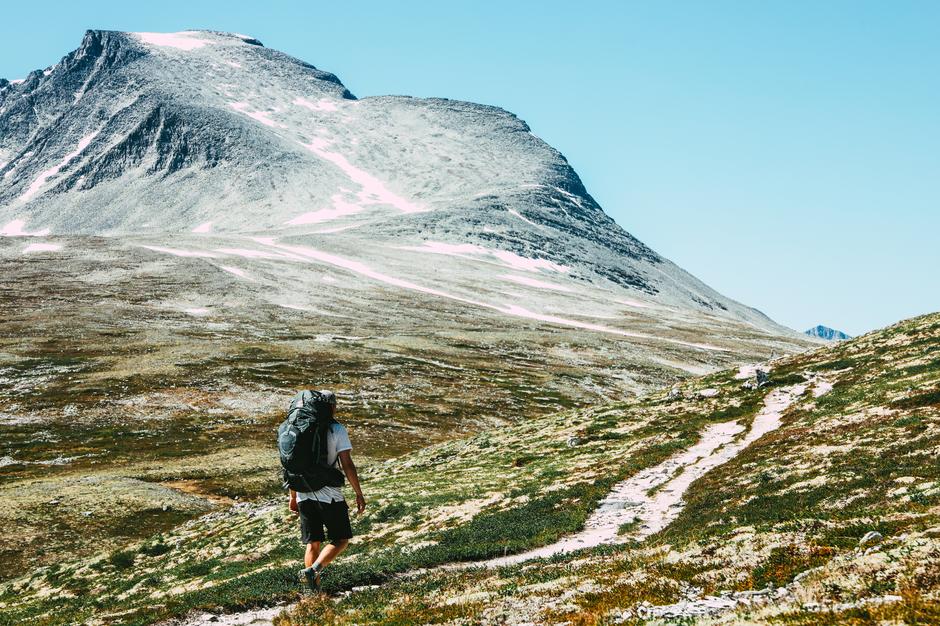
From Rondane National Park. Photo: Nasjonalparkriket
Day 3: Øvre Dørålseter – Bjørnhollia You can choose between two routes on to Bjørnhollia from Øvre Dørålseter. You can hike across Høgronden (2,118 metres above sea level) where you are rewarded by fantastic views from the summit, but the hike is fairly challenging. Allow at least 9–10 hours for this hike (20,2 km). An easier option is to follow the route to Rondvassbu back to the path intersection above Bergedalstjønnen tarn and hike through Langglupdalen valley to Bjørnhollia. The hike takes roughly 7 hours (21 km).
Day 4: Bjørnhollia – Rondvassbu The final leg of this round trip is a 12-km hike from Bjørnhollia to Rondvassbu through the Illmanndalen valley. This is an easy and beautiful hike along a number of lakes mixed with a huge moraine across the valley. Allow approx. 4 hours for this leg (12,4 km).
Langlupdalen Valley. Photo: Eivind Haugstad Kleven/Norwegian Trekking Association
Day 5: Rondvassbu – Spranget The same route as Day 1. Return to Spranget by foot or bike.
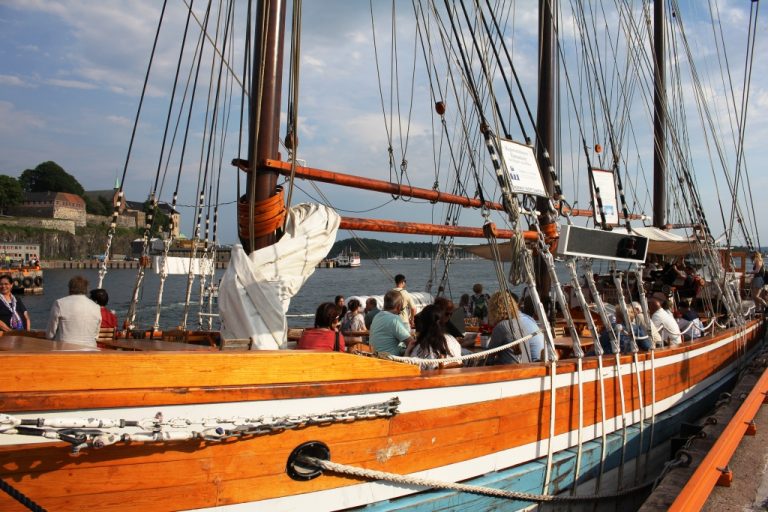
On a three-hour Oslo fjord cruise on board a three-mastered schooner, you can enjoy the beautiful scenery along the Oslo fjord coastline – and eat as much shrimps as you can. Enjoy prawns – the Oslo Fjord style.
Experience the waves soothing your senses, admire the picturesque islands in the inner part of the Oslo Fjord and eat as much shrimps as you can. It’s no better way to enjoy a summer’s night in the capital of Norway, and for those visiting Oslo, they’re in for a treat.
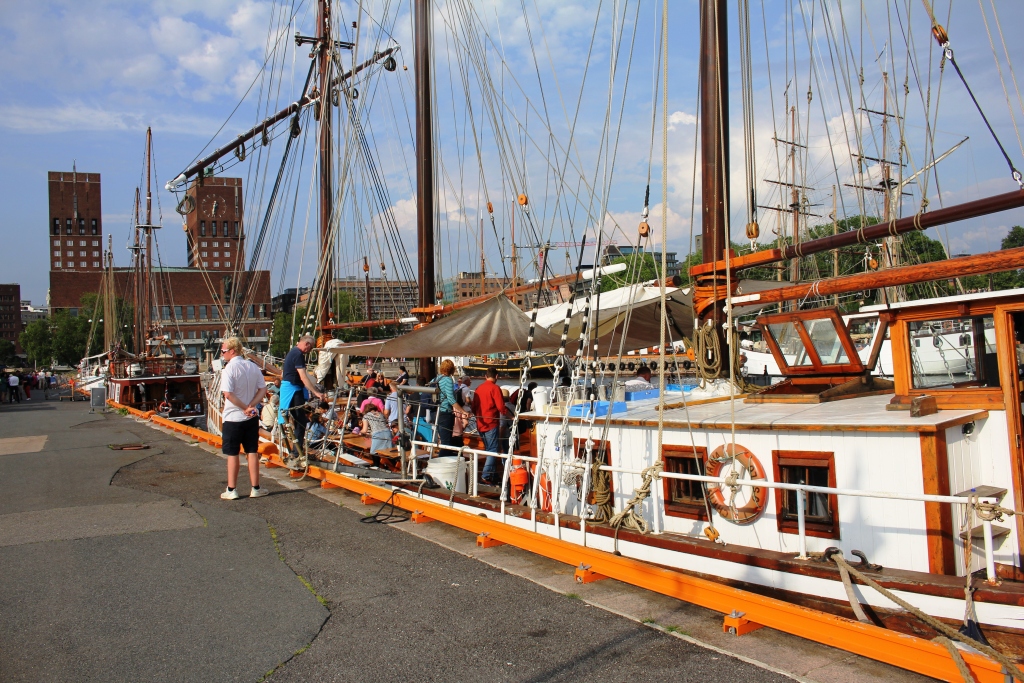
S/S Christiania. Oslo Town Hall in the background
We asked Kristian Quigstad, Chair of the Board at Norway Yacht Charter AS, when and how the prawn cruises started.
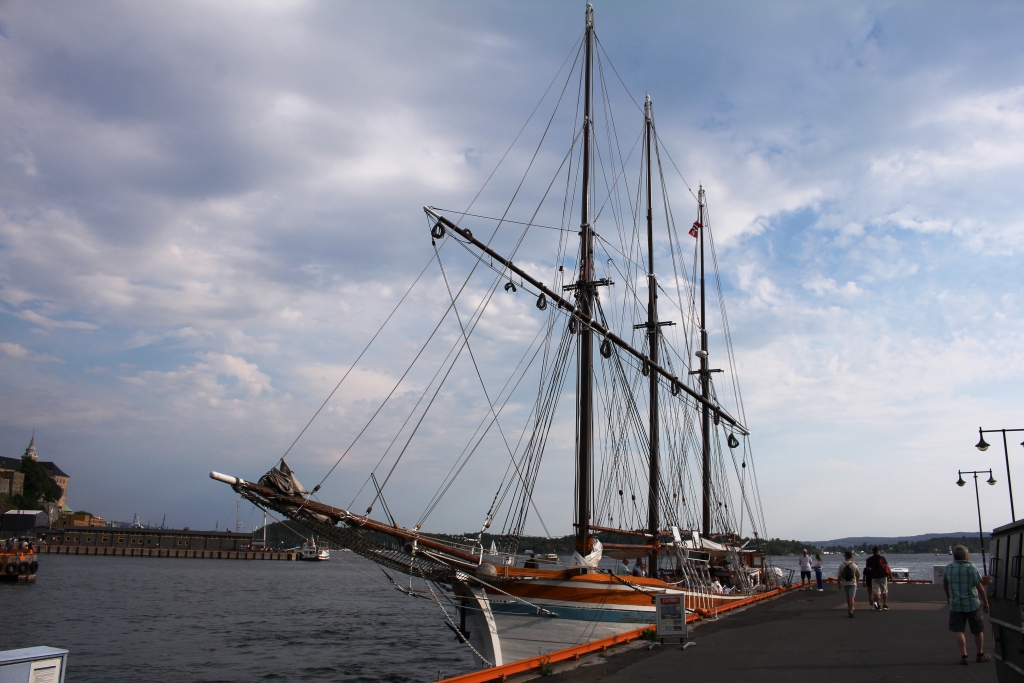
S/S Christiania is one of Europe’s largest sailing ships.
“From 1984 to 2000, we arranged evening trips exclusively for enterprises in Oslo and the travel industry. The entire list of stock enlisted companies in Oslo were on our customer list, in particular interested in summer closing cruises on the Oslo fjord. This was and still is a large industry, and we’ve always been market leader in this area. Other clients of ours are the conference market and the Norwegian parliament.
S/S Christiania – Akershus Fortress in the background.
In the winter of 2000, the traditional Oslo company Båtservice Sightseeing was advertised for sale, including the Bygdøy ferries. We managed to buy the company and today the tourist market represents two thirds of our turnover.
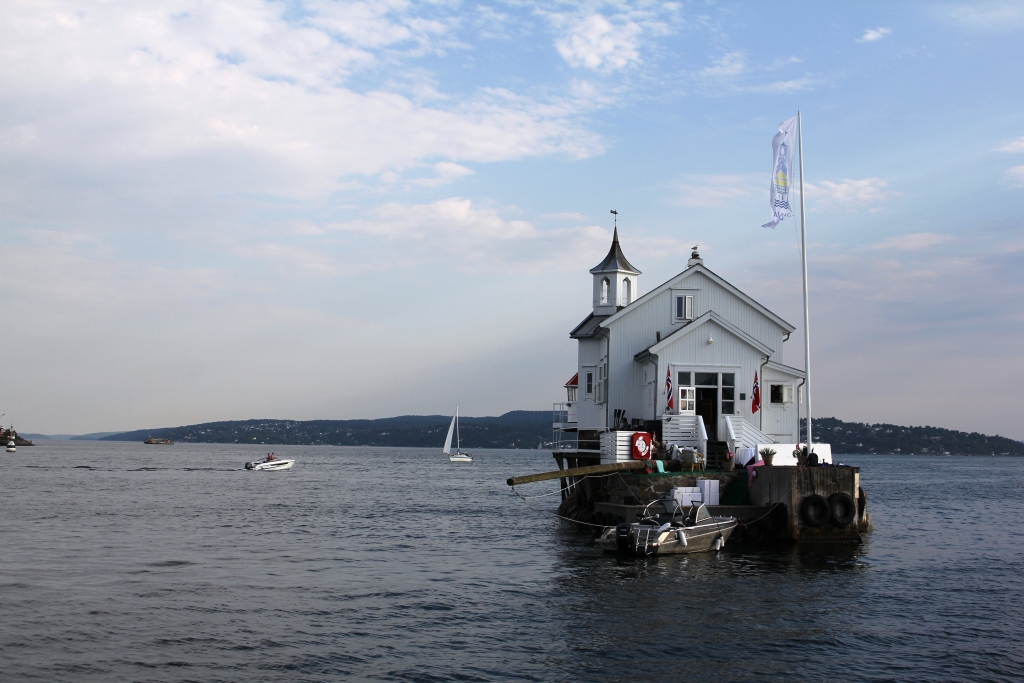
Passing Dyna Lighthouse.
However, the tourists wanted to experience the sailing ships that otherwise had been reserved for companies only, so these are now the ships most used for our sightseeing trips.
In 2003, we started our evening prawn cruises, and the following year music entertainment cruises. It took about 10 years before the inhabitants of Oslo discovered these tours, but now, tourists and locals alike mingle at the same benches, eating and drinking and get to know each other.”
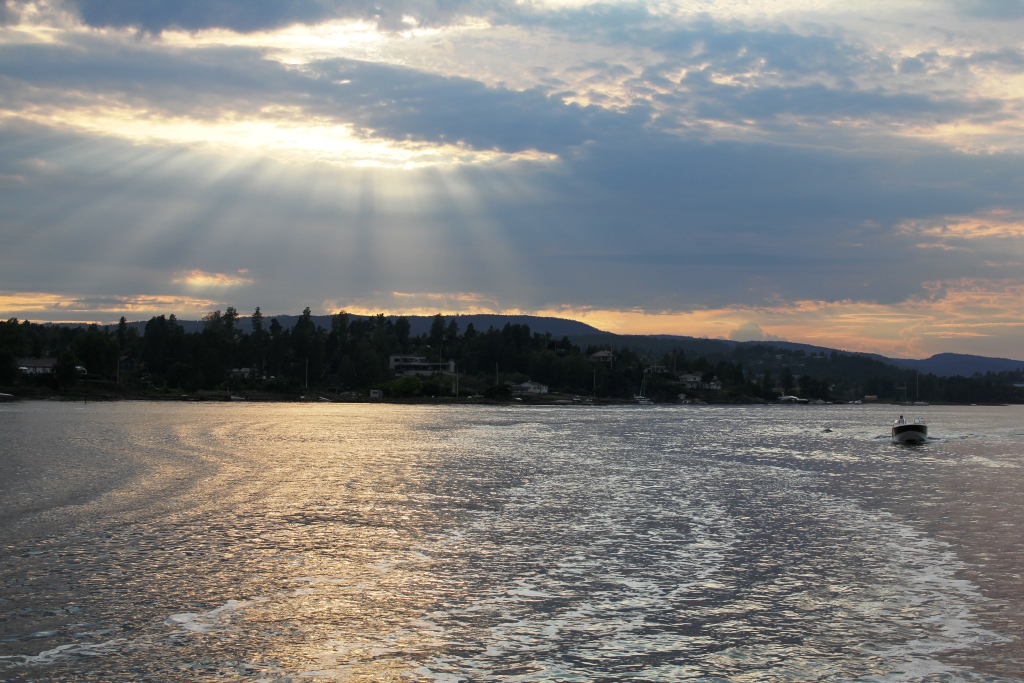
Oslo Fjord afternoon mood,
We experienced the same, being next to the company of visitors from Paris on board the S/S Cristiania. They were on a five-day visit to Oslo, and were recommended the Prawn cruise by the receptionist at their hotel. “I really wanted to go on this prawn cruise,” they said, “and I don’t regret it.”
Passing one of the many beautiful islands in the Oslo archipelago.
Along the way, we could all admire the picturesque islands in the inner part of the Fjord and sail through the bustling Oslo harbor, passing Hovedøya, the Dyna Lighthouse and the peninsula of Bygdøy, home to many interesting museums, among them the Maritime Museum and the impressive Fram Museum, and wonderful beaches, like the Huk beach. Oslo, with its superb location, offers unique opportunities on and around its fjord which stretches almost into the city centre.
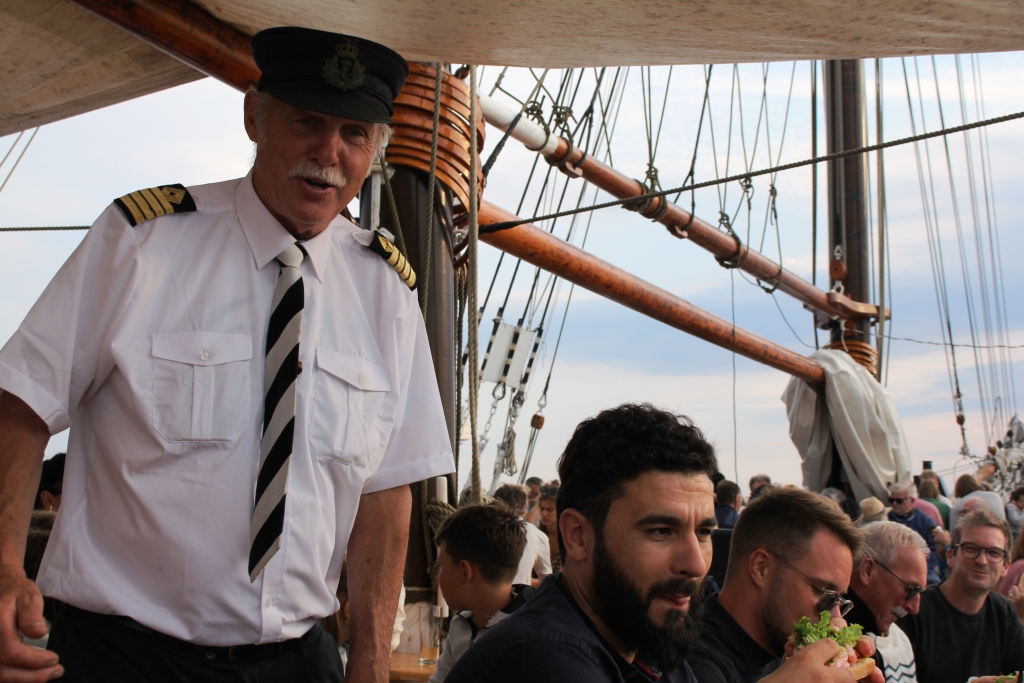
The captain ensuring the guests have a good time.
S/S Christiania, fully restored to its former glory, was sailing through narrow inlets and into sheltered bays and gave us fabulous photo opportunities as you can capture the capital from many different angles. S/S Christiania is one of Europe’s largest sailing ships, and also the last one built as a cargo ship. It was bult in Finland in 1947, but the then poor country couldn’t afford to buy an engine.
Children admiring the charismatic captain “Sildakongen” (King of Herrings).
During our cruise, a local Norwegian buffet of shrimps was offered, and in the bar, we could purchase a wide range of both hot and cold drinks. The “Shrimp buffet Fjord Style” with bread, butter, lemon and mayonnaise is extremely popular, and we watched people going down to the vessel’s storeroom to fill up their plates more than twice.
Enjoying the fjord in exceptionally good summer weather with shrimps in abundance, wine and beer and locals and tourist mingled together, what can be a more pleasant evening in Oslo? The skipper on board this evening was the entertaining and charismatic Sildakongen (King of Herrings).
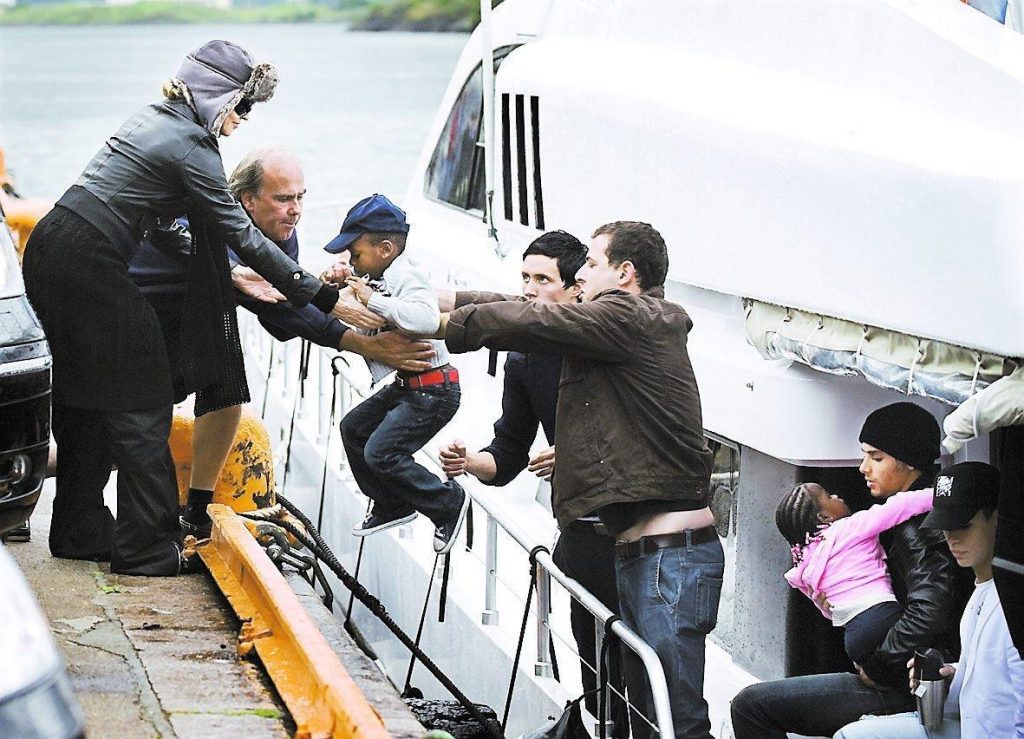
Madonna and Quigstad cathcing Madonna’s children. (Private photo)
Quigstad has collected a number of good stories over the course of 37 years. Personally, he was the skipper of his own ship the first time the KGB met the CIA in Oslo. They were on a three days meeting in the 90s after the end of the Cold War. 30 lively guys enjoyed their lunch and were fishing together on the Oslo fjord.
Quigstad has also been responsible for arrangements in connection with the Crown Prince’s wedding, a Pope’s visit, not to mention celebrities like Madonna and Bruce Springstein.
“Yesterday, somebody sent me an old picture from Swedish Aftonbladet, showing me catching Madonna’s children,” Kristian Quigstad told us.
Enjoy Prawns – the Oslo Fjord Style, written by Tor Kjolberg
The Nordic countries have some of the world’s best healthcare systems. Norway, Denmark, and Sweden all rank among the world’s best countries for healthcare. There are various reasons why the Scandinavian healthcare system is so advanced – high-quality medical centers and hospitals, qualified and board-certified doctors, the government’s attitude to ensure that everyone can afford high-end treatments, and also the impressive Scandinavian life style that focuses on exercising, and eating healthy foods. Learn more aboutNordic Healthcare: Why Scandinavians Are So Healthy?
Denmark, Norway, Iceland, Finland, Sweden, Greenland, Åland, and Faroe Islands make up the Scandinavian countries. Many believe that the Swedish health system is the best among them all. Health services in the other countries are also equally impressive.
The Swedish system is mostly government-funded. It is decentralized and universal for all the citizens.
Let us take a deeper look to find out why the medical treatment and health system are so advanced and what makes the Nordic people so healthy.
History of Healthcare in Scandinavia Like many European societies, the pre-modern healthcare of these countries was also mostly dependent on charities and churches at one time. After the Reformation, this became the responsibility of the local and national governments. There were no private hospitals. Mental health care, dental care and health insurance were all non-existent.
The 19th century for the first time gave us scientific medicine. The responsibility of public health began to be shared by public hospitals and private doctors for the first time. Local and national governments started to expand their roles. Health insurance was also introduced for the first time so that the common people could access health and medical care. However, the public hospitals and charities were still looking after most people. It was only in the early 20th-century that healthcare insurance became really accessible to most people, largely through public legislation. Life in Scandinavia became better as a result.
The structure if health care services have mostly remained unchanged since 1945. Patients select their physicians and the doctors work like gate-keepers, guiding them on whether hospitalization is required. People depend on hospitals for emergency care. There are on-call systems too for rapid access. Usually, the hospitals are the responsibility of regional health authorities or local governments. University teaching hospitals are partly under national control.
The building blocks of personalization hero recangle.
In recent years, many private specialized hospitals have come up. They are becoming very popular as well. Now, there is private health insurance for dental and non-critical medical care too. Thanks to health management reforms carried out over the years, private companies can now make inroads into servicing and managing hospitals, particularly in Sweden. All this has improved the Scandinavian lifestyle and health of the people.
Cost of Healthcare Health care in Scandinavian countries is publicly financed. This ensures that everyone has access to the region’s best medical facilities at no direct or minimal patient cost. Easy access, treatment, and also public health are the three important elements of the healthcare structure in these countries. These elements are all handled both at the local and national level by the Scandinavian health care system. It is the same throughout.
In Denmark, hospital treatment is free. If we carry out a Norway healthcare system overview and the ones in the other countries in the region, we will see that they follow an out-of-pocket co-payment system.
How does Sweden pay for healthcare? The Swedish system is mostly government-funded. It is decentralized and universal for all the citizens. However, there are also private medical care services. The country’s healthcare system is funded mostly through the collection of taxes, which is carried out by the municipalities and the councils.
Typically, anything between 75% and 85% financing comes from the tax revenues. There are patient co-payments too in Sweden. For instance, adult patients will have to share the cost towards prescription drugs. There is a cap on this for modest levels. It is waived for some chronic conditions and for those in the low-income group. Dental care is free for all children. For adults, however, this can be a major expense. For relief, there is private insurance for dental care.
The health care costs have gone up 6rapidle in the last few years in the region like in many other parts of the world. However, despite this, the overall economic burden has remained stable. In Iceland, for example, it is 8.5% as a share of the GDP whereas in Sweden it is 10.9%. This too is less because in the US it is around 40% more.
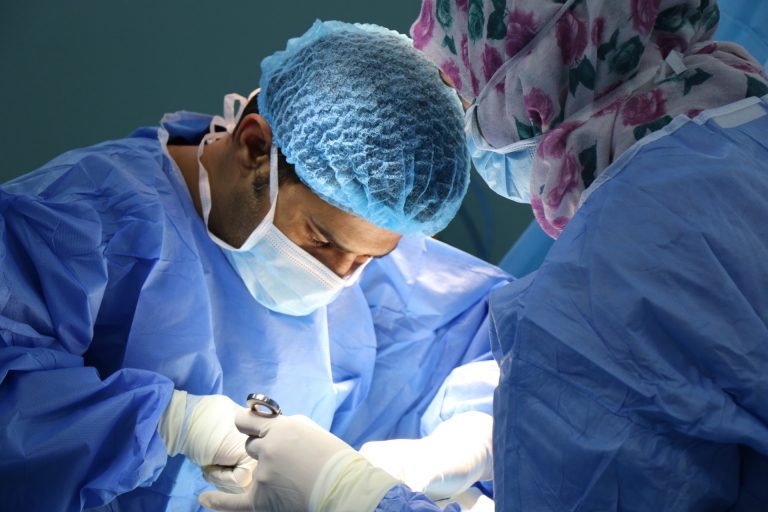
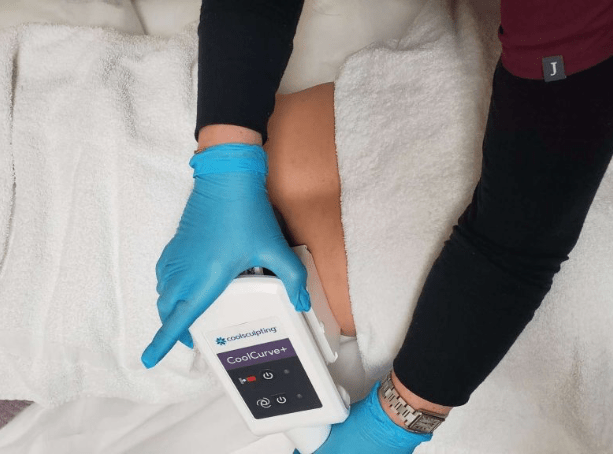
Health Professionals in Scandinavia There are high-quality healthcare professionals in the Nordic countries, which ensure that people in the region have access to the best quality healthcare in the world. You will find many board-certified professionals with years of experience in every field, even in cosmetic procedures. For example, you can find more info about back coolsculpting, how the procedure works, its benefits, and the private clinics in the region for such treatments.
Coolsculpting back
Scandinavian health care problems are ably taken care of by the professionals. This is why you will rarely find the citizens going to other countries to get treated. Most of them have complete trust on Nordic care.
Nordic Diet One major reason why Nordic health is good is because of the diet the people follow. The diet is rooted in tradition. It goes back to the time of the Vikings and comprises of fresh natural foods. They eat nutrient-rich foods with a lot of vegetables like –
The region grows limited fruits. Thus, berries are the main source of fruits. Popular grains include barley, oats, and rye.
In Norway, people like to have their dinners early. They eat together as a family. Most people work between 8 and 4 in the afternoon and eat their dinner around 5 PM. They pick up the kids while returning from work and go home to eat their dinner together. It is the day’s biggest meal.
Nordic diet. Photo: David B. Townsend/Unsplash
Active Lifestyle The healthy Nordic lifestyle is also responsible for the good health of the citizens. Exercise is a way of life of the people. People work out regularly. 30% of Swedes and Danes regularly cycle to work. This is no ordinary achievement as many of them have to commute for around 8 miles.
Exercise and good health are also a part of the workplace culture. Almost all companies have health policies. Many also invest in exercise and healthy food for their employees. Many companies have their social sports groups that are into soccer, running, and biking. Other companies often pay their employees for the gym memberships.
Nordic Healthcare: Why Scandinavians Are So Healthy? A promotional article from laserbodysculpring.ca
Going to Scandinavia but don’t know how to make the most of your trip? Here are some of the top Scandinavian attractions and activities you cannot miss in 2022!
Scandinavia is the one place on Earth that you can go to and experience activities and places that just feel like they’re out of a fairytale. The only problem most people tend to face while exploring Scandinavia is the fact that it’s tough to narrow things down to which attractions and activities you make sure to be a part of while you’re there.
That’s exactly the problem we’re here to fix! In this post, we will be going over some of the top attractions and activities you cannot miss if you’re in Scandinavia in 2022!
Art at Stockholm subway. Photo: Nazrin Babashova/Unsplash
Experience four underground attractions in Stockholm, Sweden Go underground in Sweden and experience world-unique installations from war-time hangars and silver mines to contemporary art beneath a modern-day city to a mysterious underground church. Learn more here.
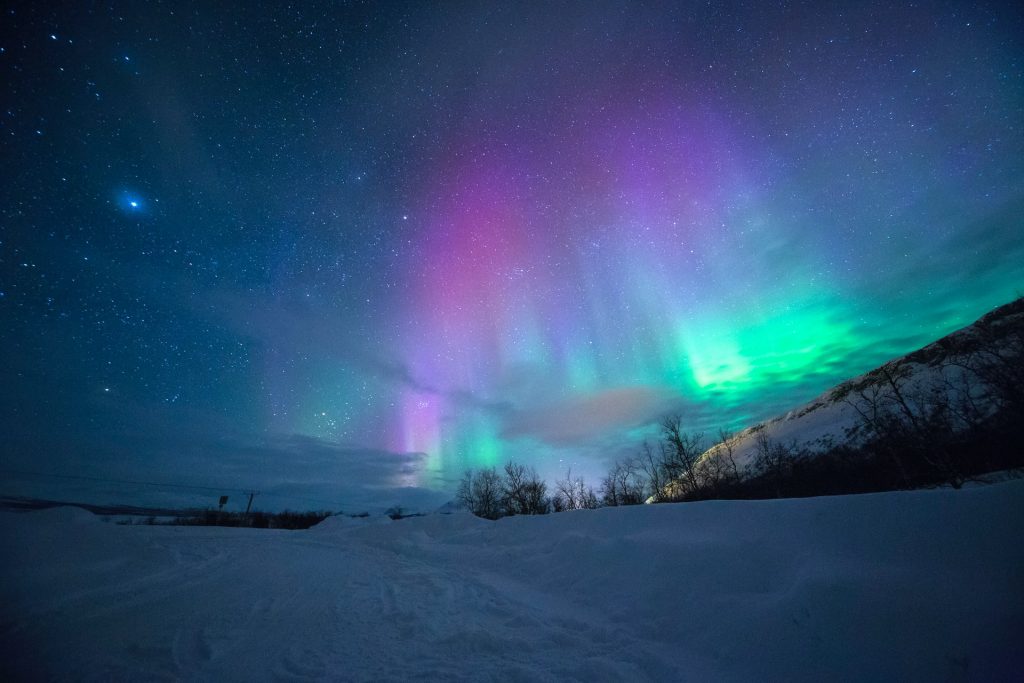
Northern lights. Photo: Lightscape/Unsplash
Watch Northern Lights While bright blue skies get a lot of the world’s praise, nothing comes even remotely close to the magnificent wonder that is watching the Northern Lights in Norway. Northern Lights may look like an artificial light show, but it’s all the Earth’s natural wonder! The particles from solar winds get caught up in the Earth’s magnetic field. When these particles bounce off the atmosphere, the chemical reaction makes them light up, and the sky goes from being a dark stormy night to a bright glowing wonder that’s best seen in Norway!
Spend a weekend Skiing If you like to stay active during your vacation and want to experience the adventurous, fun side of things, you need to go to Lillehammer. The destination was originally grounds for the 1994 Winter Olympics but has since transitioned into a fantastic place anyone can go to for a weekend, or even longer, of some snowy adventure filled with activities!
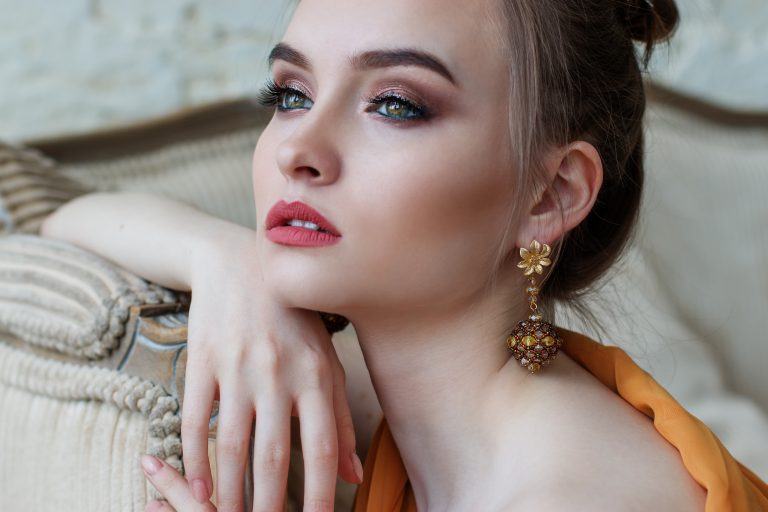
Crown ring from Story Jewellery
Go Souvenir Shopping A visit to Scandinavia is incomplete if you don’t pick up some souvenirs and forever pieces to remember your trip by. Some of the most popular souvenirs you can pick up are Glerups, which are the most comfortable pair of shoes you’ll ever wear. Georg Jensen Silverware would probably be more for display than actual use because of how intricately they’re made, and finally, jewelry pieces! Delicate jewelry pieces like a cross bracelet or crown ring are small and dainty enough for you to keep on at all times and still make for a great souvenir you can keep around forever!
A Must-Visit Destination for Everyone With all of the information outlined in the article above, you will be able to plan out the best Scandinavian holiday, hitting some of the major hotspots and prime locations without having to worry about making sure you’re missing out on anything. Just study the post, take the things that match your interests, and make sure you get all those experiences during your trip!
Top Scandinavian Attractions and Activities You Cannot Miss in 2022, a promotional article from Story Jewellery.
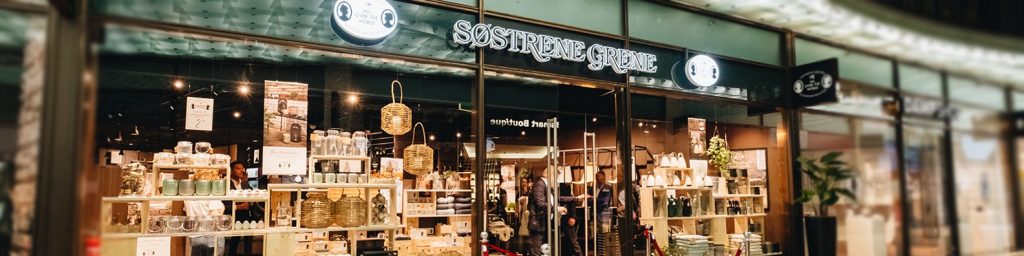
Founded by a wife-and-husband-team, but presented to the world through the silhouette of two iconic sisters, Anna and Clara, Søstrene Grene – the Grene Sisters in Denmark – is living proof that a smart, committed and focused company can turn from a local Danish store to a global operation in only ten years.
The fictional Anna and Clara are your hosts in Søstrene Grene and have been so since the opening of the first store in the Danish city of Aarhus in 1973. The company was founded by husband-and-wife team Inger Grene and Knud Cresten Vaupell Olsen.
With close to 250 stores in 15 different countries inside Europe, the company has experienced exponential growth in the last ten years.
It is, however, the two sisters Anna and Clara who has been the driving force behind the success. Anna is a creative aesthete, while her sister Clara is practical and organized – together, they represent all that Søstrene Grene is and has to offer.
With close to 250 stores in 15 different countries inside Europe, the company has experienced exponential growth in the last ten years.
Mikkel Grene and Carsten Grene
The founders’ sons run the company today, with Mikkel Grene as the CEO and Cresten Grene as the creative director. Claus Tjærby is Chief Business Development Officer of the company.
Some years ago, the company realized that they had few shops in a lot of markets and wanted to change its strategy and focus on fewer markets with more stores.
Since March 2020, the company has offered its customers an online universe where the products can both be viewed and purchased. The web-shop is available in six markets and the company itself says that it has been overwhelmed by the large number of customers who visit the web-shop.
Kitchen category
The company is currently improving the digital experience for the customer and seeks to expand the range with even more exciting products. Regardless of whether you visit the physical stores or the web-shop, Søstrene Grene want to create a space where the pace of everyday life slows down for a bit. The stores are designed to inspire body and soul by means of classical music, creative product displays, aisles of ‘hygge’ and with surprises around every corner. A visit to Søstrene Grene must always be full of ‘hygge’.
The stores sell Scandinavian design, home accessories, kitchenware, gifts, stationery and interior furnishings and much more. The extension to online business is considered an omnichannel project as the company wants its online and outline sales to go hand in hand. It is not yet sure if all physical stores will open for online business, since there are some moods which are difficult to reshape on the internet, e. g. ‘hygge’.
Regardless of whether you visit the physical stores or the web-shop, Søstrene Grene want to create a space where the pace of everyday life slows down for a bit.
Søstrene Grene focus on the natural joy and aesthetics of the little things in life. In their stores, you will always find a wide range of products – many of which have been designed by the company with inspiration from its Nordic origins. Aesthetics are in the detail and are therefore always mindful of the importance of the choice of materials and colors. The company firmly believes that being surrounded by high aesthetic quality will bring you joy in your daily life.
The first Søstrene Grene store opened in 1973 on the first floor of Søndergade 11 in Aarhus. The chain expanded with stores in Aalborg and Herning in 1989, and the expansion continued throughout the 90s and 00s. In 2005, the chain opened in Reykjavik in Iceland, while the stores in Stavanger, Norway, and Malmö, Sweden, opened in 2006. The biggest store outside of Denmark is found in Dublin, Ireland.
During 2015, the company opened 20 new stores in Denmark. Today, Søstrene Grene is located on 15 different markets: Denmark, Finland, Norway, Sweden, Iceland, England, Ireland, Northern Ireland, The Netherlands, France, The Faroe Islands, Germany, Switzerland, Austria and Belgium.
From Local Danish Store to a Global Operation in Only Ten Years, compiled by Tor Kjolberg
Have you ever dreamt about going in space? Most of us will never be able to, but there’s a way to find out how it would feel. You can go up, up and a away with Norwegian spaceship at Andøya Space Center.
You can bring your family or friends along on a “Journey to Mars!” In a virtual role play you will travel to Mars as a research crew of six to investigate the possibility of life on our neighboring planet. The use of VR-technology really gives you that extra-terrestrial feeling! Recommended from 10 years and up. Duration: 70 minutes.
Spaceship Aurora is an educational and activity center linked to Andøya Space Center and located in Vesterålen in Northern Norway. In the Visitor Center it’s possible to explore activities suitable for space enthusiasts of all ages. A visit to Andøya can provide insight on the northern light, the universe, Norwegian space exploration and the research activities at Andøya Space.
Find out how the Northern Lights affect our planet. Take part in scientific experiments, launch virtual probes and discover what life is like at a space center. When you’re inside the Escape Room, the Earth is under attack, and only you can save it! Through logic, creativity and cooperation you must find the clues and solve all the puzzles within one hour in order to save our planet. Suitable for youths and adults. Maximum number of participants: 5 per group. It’s a fun and educational experience.
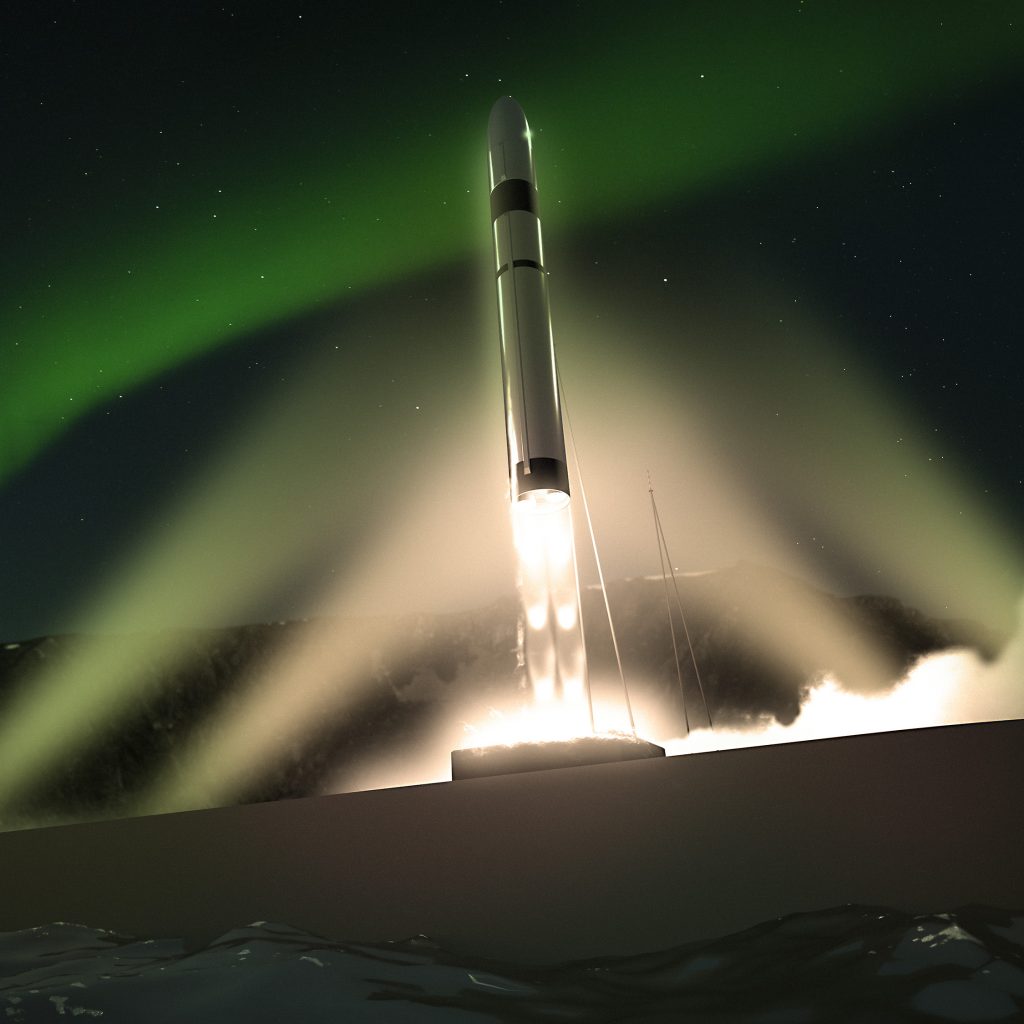
Artists view of a nighttime liftoff of a launcher for small satellites at Andøya. Photo: Trond
Take part in scientific experiments, launch virtual probes and discover what life is like at a space center.
Andøya Space is an aerospace company which enables scientists, engineers, students and government entities to achieve mission success and move our world forward. The company provides the services and technologies that enable the science communities to explore our atmosphere and space environment, and it has a long and proud history of successful missions.
Up, Up and Away With Norwegian Spaceship, compiled by Tor Kjolberg
Copenhagen is truly a fabulous city. This is one of the best destinations in Europe for traveling with children. Good ecology and a rather mild climate contribute to a successful trip. However, the main reason to visit the Danish capital is the abundance of all kinds of entertainment for kids. Here’s our suggestion for aDanish family trip: 7 sights to go with kids in Copenhagen.
The main magnet in the city, of course, is Tivoli Garden, beckoning with the lights of numerous rides. Also, hundreds of museums, playgrounds, and other children’s joys will add excitement to your vacation.
Do you want to enjoy it all? Rent a van Copenhagen and get ready for some adventure! A rental van makes it easy and comfortable to travel with the whole family. You can visit your favorite places at your own pace and choose where to go. If you haven’t made a travel list yet, consider the following family-friendly spots:
Founded in Copenhagen in the middle of the 19th century, Tivoli is one of the oldest amusement parks in the world. Photo: Hasibe Salim/Unsplash
Tivoli Founded in Copenhagen in the middle of the 19th century, Tivoli is one of the oldest amusement parks in the world. The atmosphere of joy and kindness created by the actors of the theater of pantomime and the children’s guard never disappoints. Here you can find countless attractions for children and teenagers.
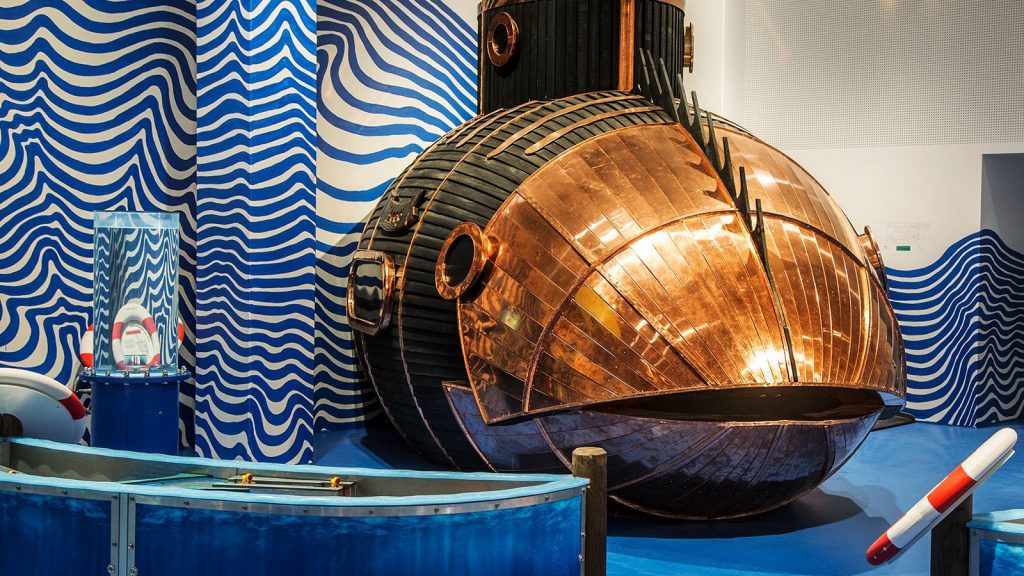
The youngest travelers can try the Nautilus, The Dragon Boats, and The Little Pilot rides. The braver kids will be happy to try The Demon Roller Coaster, The Golden Tower, and The Skyship. If you get hungry, head to one of the 9 restaurants on site.
In Tivoli, you can ride a carousel and attend a ballet, or watch the life of marine creatures in the local aquarium. Especially for parents traveling with children, the park has organized a “family amenities center” with comfortable places for changing babies, comfortable chairs for feeding, and a microwave oven for warming bottles. Also, the service center near the main entrance offers a special cart for transporting children.
Tivoli is open from April to September. The entrance ticket costs 95 DKK, while children under 8 years old can enter the park for free.
Address: Tivoli A/S, Vesterbrogade 3, 1630 København V
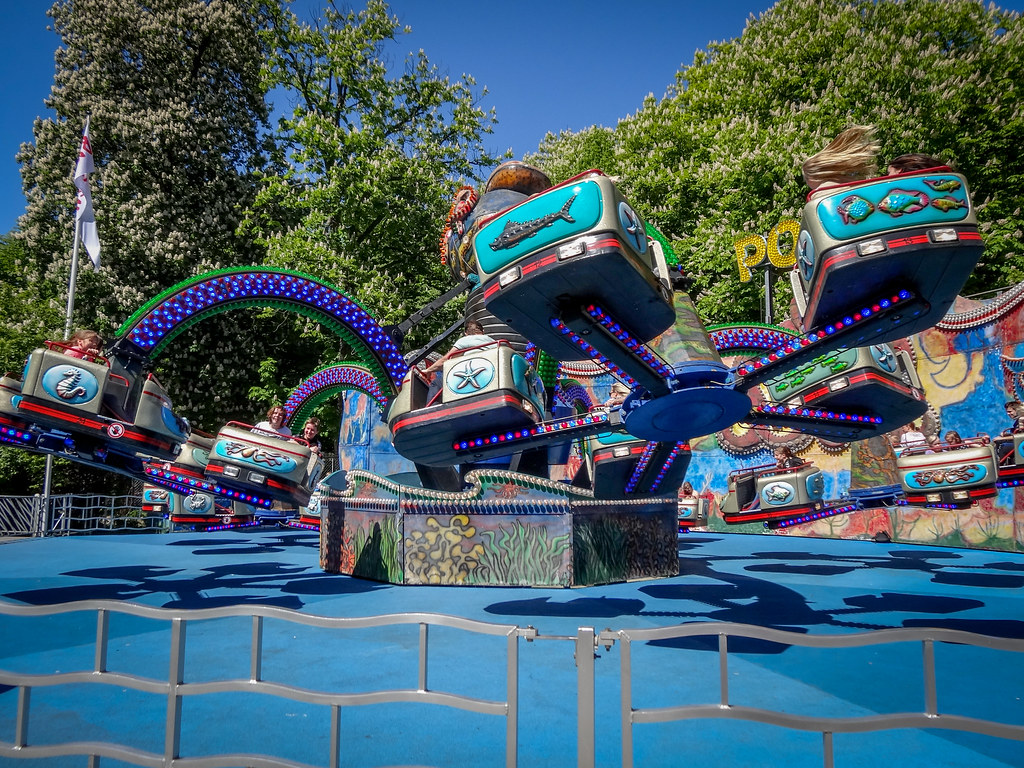
Opened back in 1538, the old Danish amusement park gave way to Tivoli in terms of popularity. Photo: staticflicr.com
Bakken Opened back in 1538, the old Danish amusement park gave way to Tivoli in terms of popularity. However, today it’s no less attractive place for children and adults. Throughout the summer in Bakken, you can see the traditional character of the Italian commedia dell’arte – the white clown Piero, telling funny stories and performing magic tricks in front of his house.
In addition to Piero, you will find many attractions, such as the Mine Train Wolf roller coaster, Octopus, Hullabaloo, and Ladybird carousels. Mister Deer, Peter the Hedgehog, Robert the Fox, and Earl the Badger greet you in the park and perform every day in the open area. So, walk through the woods, have a picnic, and enjoy the true folk spirit of Denmark!
Address: Dyrehavevej 62, 2930 Klampenborg
Fælledparken is widely known for its festivals and rallies held by the adult population of Copenhagen. Photo: staticflickr.com
Fælledparken Fælledparken is widely known for its festivals and rallies held by the adult population of Copenhagen. However, there are plenty of other things to do here as well. For example, you can visit the children’s pool, and find numerous places for picnics and ball games, a football field, giant chess, a café, a children’s playground, and real traffic lights and road signs.
Directly behind the Trianglens Post Office is a huge “Garden of Senses” with touchable sculptures, a fountain, and an alphabet maze – all designed to stimulate children’s imaginations. All in all, you and your children will have a great time at Fælledparken.
Address: Edel Sauntes Allé 5, 7, 2100 København
The playground in Orstedsparken is a green oasis in the center of Copenhagen. Photo: Wikipedia Commons
Orstedsparken The playground in Orstedsparken is a green oasis in the center of Copenhagen. Part of the playground looks like an interactive area, where computer games have moved from the indoors to the outdoors.
Orstedsparken offers everything you need for entertainment, and the game takes place with the same light and sound effects as in computer games. However, unlike a computer game, where you press the buttons on the joystick or keyboard, here you will need to jump, dance, and move your body in different ways to play.
In addition to the computer games zone, you will also find traditional attractions on the site: bicycles, moon rovers, and slides. Next to the park is a Torvehallerne shopping center, where you can have a quick bite to eat and buy something for dinner.
At National Museum of Science and Technology you and your children will get answers to all your questions about electricity, cars, airplanes, old crafts, patents, computers, and many other things. Photo: Wikimedia Commons
National Museum of Science and Technology Here you and your children will get answers to all your questions about electricity, cars, airplanes, old crafts, patents, computers, and many other things. Museum exhibits include DASK – the first Danish computer, a Starfighter flight simulator, and Dane Ellehammer’s famous “Super DC-3” aircraft which was the world’s first powered airplane that could actually fly.
The National Museum of Science and Technology covers an area of about 8,000 square meters in the southern part of Helsingør, together with the Danish Aviation Museum and the Transport Museum. So, this is a great place for the whole family.
Address: Prince’s Mansion, Ny Vestergade 10, 1471 København K
In the Zoological Museum, you can touch a seal, a fox, a badger, a hare, a squirrel, and many other animals. Photo: Kafai Liu Do/Unsplash
Zoological Museum In the Zoological Museum, you can touch a seal, a fox, a badger, a hare, a squirrel, and many other animals. But be careful with the hedgehog!
As a rule, touching the animals is prohibited, but the museum has a few stuffed animals you can touch. When walking around the museum, don’t forget about the rules and don’t hesitate to ask the museum staff questions.
Address: Universitetsparken 15, 2100 København
Danish Family Trip: 7 Sights to Go with Kids in Copenhagen – read on….
The Beach at Experimentarium. Photo: David Trood/Experimentarium
Experimentarium Experimentarium is a place where you can “touch” science and technology. Moreover, employees encourage such actions. Your children will enjoy many hours of play, experimentation, and learning. Children’s Puddle will tell stories about water, ships, pumps, and locks in a playful way.
Children will be able to sail on a ship upstream through the locks, pump up water with a pump, just like grandfather did in the village, and build a bridge. In the Children’s Pavilion, designed for children aged 3-6, children can dance among the light and sound effects in the Poppy Forest, use a large crane to build a house or look at their reflection upside down in the mirror.
Address: Tuborg Havnevej 7, 2900 Hellerup
Danish Family Trip: 7 Sights to Go with Kids in Copenhagen – Summarize Summing it up, Copenhagen is a perfect place for a family trip. You and your children will have a good time in the local amusement parks, and learn a lot of interesting things in the Science Museum and Experimentarium. If you like, you can always find other great family-friendly attractions in the area.
The article is a promotional contribution from Rental24h.
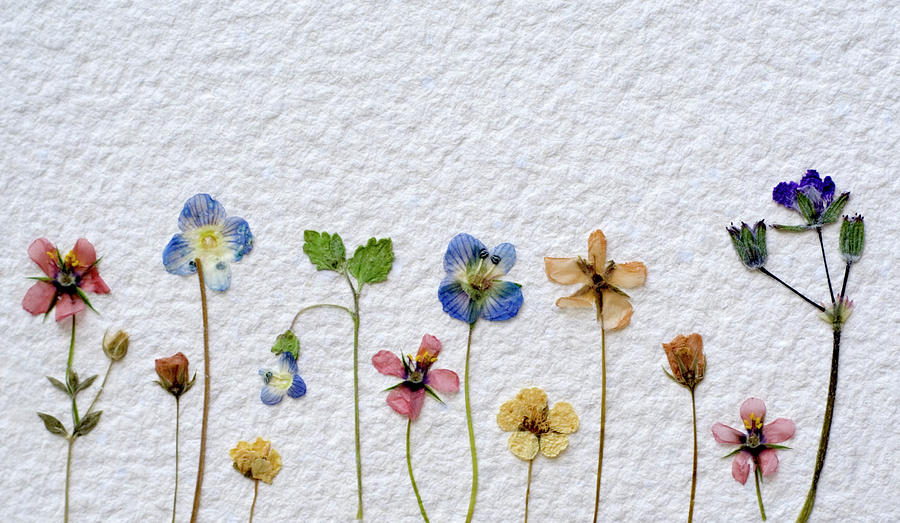
Scandinavian home décor is praised worldwide for various good reasons. Besides being finely crafted, simple, and gorgeous, Scandinavian décor incorporates carefully chosen natural materials to bring out a strikingly appealing design. It is simply timeless! Learn how to decorate your home with flowers like the Scandinavians.
And speaking of natural elements, flowers are often a staple in Scandi homes when it comes to decoration at various times of the year. If you’re looking for ways to decorate your home with colorful petals as the Scandis do, you’re in luck.
Read on to discover a few tips you could borrow from Scandinavians when decorating your home with flowers.
Scandinavians are known to be huge fans of houseplants. Photo: Kari Shea/Unsplash
Leverage Potted Plants Scandinavians are known to be huge fans of houseplants, perhaps even more than flowers. In most Scandi homes, you will hardly fail to notice several species of indoor plants, from monsteras to orchids, rubber figs, aloe, snake plant, and dracaena.
In these homes, especially in summer, you will occasionally spot a plant on a bookshelf, another on the window sill, and a few hanging on the walls even. The best part is that some houseplants like orchids, peace lilies, and begonias produce flowers as well, so you don’t really have to stick to non-flowering species if you’d rather have some colorful blooms in the vicinity.
Scandinavian homeowners also make sure their rooms smell nice. Photo: Sergey Schmidt/Unsplash
Choose Flowers That Smell Good Instead of just adorning rooms with flowers, Scandinavian homeowners also make sure their rooms smell nice.
To do this, they prefer choosing flowers with nice fragrances that help create an inviting atmosphere. From peonies to lilacs, roses, and gardenias, nicely-scented flowers can help enhance your space in various ways, creating a more inviting and relaxing vibe.
Go for flowers that bloom in your home area around the season you’re decorating your interior. Photo: Gerome Bruneau/Unsplash
Pick Blooms That Are In Season Here, it means going for flowers that bloom in your home area around the season you’re decorating your interior. Very few flowers tend to bloom all year round, and even then, this might depend on the climatic region or environment you’re in.
In-season flowers also tend to be cheaper to order from florists, so this is something you can take advantage of.
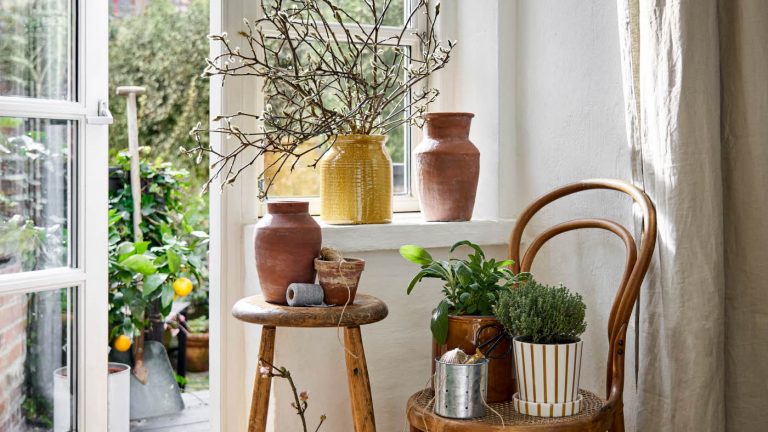
Scandinavians aren’t averse to using dried flowers. Photo: Agalma
Use Dried Flowers and Branches to Create a Unique Vibe Scandinavians aren’t averse to using dried flowers as well. They add a unique flair to many of their traditional decorations and Nordic home décor. They particularly love using dried orchids and leave some dried branches at the places where they spend most of their time, such as the coffee table, a shelf, or a reading corner.
Above all, Scandinavian homeowners find dried flowers calming, plus they won’t need a lot of maintenance.
Scandinavians love and appreciate having flowers in their homes as part of interior (and exterior) décor. Photo: Timo Vijn/Unsplash
Use Freshly Cut Flowers Scandinavians also love and appreciate having flowers in their homes as part of interior (and exterior) décor. Besides showing great affection for the likes of orchids and Amaryllis, they also deeply understand the value of a beautiful bouquet of flowers like tulips or peonies in elevating interior design.
This is all the more reason to order some fresh cuts of peonies or your favorite blooms from a site like Bouqs.com that can send them in bud form to help you enjoy them much longer. Just place the bouquet in a Scandinavian-style vase with water preferably in a cool area with indirect light in your home.
Floral fabrics are a fun way to combine other textures to add a personal touch to décor. Photo: Spruce/Gettyimages
Try Floral Fabric Too Floral fabrics are a fun way to combine other textures to add a personal touch to décor. What’s more, floral fabrics can come in different designs and styles depending on the ones you choose and the preferences you have. Whether as mats, pillow covers, cushion covers, curtains, or other types of upholstery, flora prints can go a long way in enhancing your decor and giving it a Scandi vibe.
There you have it! Decorating with flowers has never been easier and more exciting. All you may need is to brace yourself up with these handy Scandinavian tips.
How to Decorate Your Home with Flowers Like the Scandinavians, a promotional article from The Spruce.
With its rich history, culture, and high standard of living, Denmark is a top destination for tourists and expats. Millions of tourists flock to the Scandinavian country each month, eager to explore its Viking past, among many other things. However, here are 7 things to know before going to Denmark.
There’s a lot to learn about Denmark. If you’re planning to visit the Nordic Kingdom anytime soon, here are seven things you should know before going:
Denmark is considered the third-most expensive Nordic country. Photo: Alexander Mils/Unsplash
1. Denmark is expensive We’ve all heard about the free healthcare and thriving economy, but there’s another thing Scandinavian countries are known for – they’re expensive. Denmark is considered the third-most expensive Nordic country, after Norway and Iceland. It’s also the eighth most expensive country to live in in 2022.
The price shock can throw many people off when visiting Denmark, so it’s good to know upfront that you should expect it. You may notice the pricey-ness even before you enter the country when booking a hotel. Hotel prices are through the roof, which is why many people opt for Airbnb. Some other things people find pricey are transportation, dining out, and coffee.
In Denmark, there are winds year-round. Photo: Khamkeo Vilaysing
2. It’s very windy Travelers know Denmark won’t be a sunny holiday like Italy or Spain. But many underestimate just how frequent and powerful the winds are in the Scandinavian country. There are winds year-round. Summer winds are warm, so you don’t have to worry about them too much. But if you go in the winter you should bring a good coat.
If you want to travel to the countryside or visit smaller towns, be prepared to carry some cash. Photo: Denmark’s National Bank
3. It’s good to have some cash at hand If you plan to stay in Copenhagen or another large city, a credit card is all you need to make payments. But if you want to travel to the countryside or visit smaller towns, be prepared to carry some cash. In some places, you will have to use cash to pay for public transport and other necessities.
Cyber threats are always a little more prevalent when traveling, no matter where you go. Photo: FLY D/Unsplash
4. Stay vigilant about cyber threats It isn’t that Denmark is notorious for cybercrime. In fact, it’s quite the opposite, as it has very strict data protection laws. With that said, cyber threats are always a little more prevalent when traveling, no matter where you go.
The easiest way to stay safe while traveling is to use a VPN. This will allow you to use public wifi networks safely and prevent your devices from getting hacked. If you don’t have a subscription already, a VPN free trial may be all you need to get through your trip.
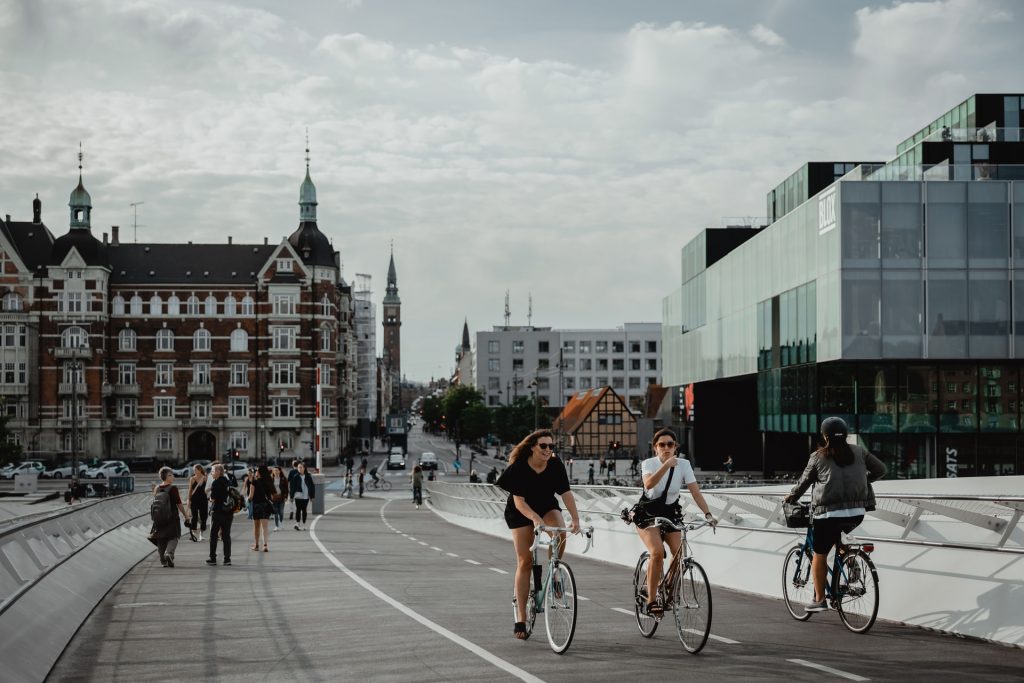
cycling is the best way to get around most cities in Denmark. Here from Copenhagen. Photo: Febiyan/Unsplash
5. The best way to get around is with a bike Unless you’re making a cross-country trip, cycling is the best way to get around most cities in Denmark. The cycling infrastructure is in many ways better than the walking infrastructure, so cyclists often have priority over pedestrians. Bikes will also be quicker and cheaper than cars, so renting a car doesn’t make much sense.
Christiania is a hippie commune in the central part of the city. Photo: Annie Spratt/Unsplash
6. Be careful when visiting Christiania Christiania is a major tourist attraction in Copenhagen. It’s a hippie commune in the central part of the city. Many residents consider it separate from Denmark, and you will have to abide by some different rules while you’re there.
For one, there’s no filming. If someone notices your camera, there’s a good chance they’ll approach you and ask you to put it away. Taking photos is generally OK, but always ask for consent if other people are in your frame.
You also need to remember that Danish laws still apply to Christiania. Marijuana is still illegal; it’s just less likely to get caught due to lower police presence in the area.
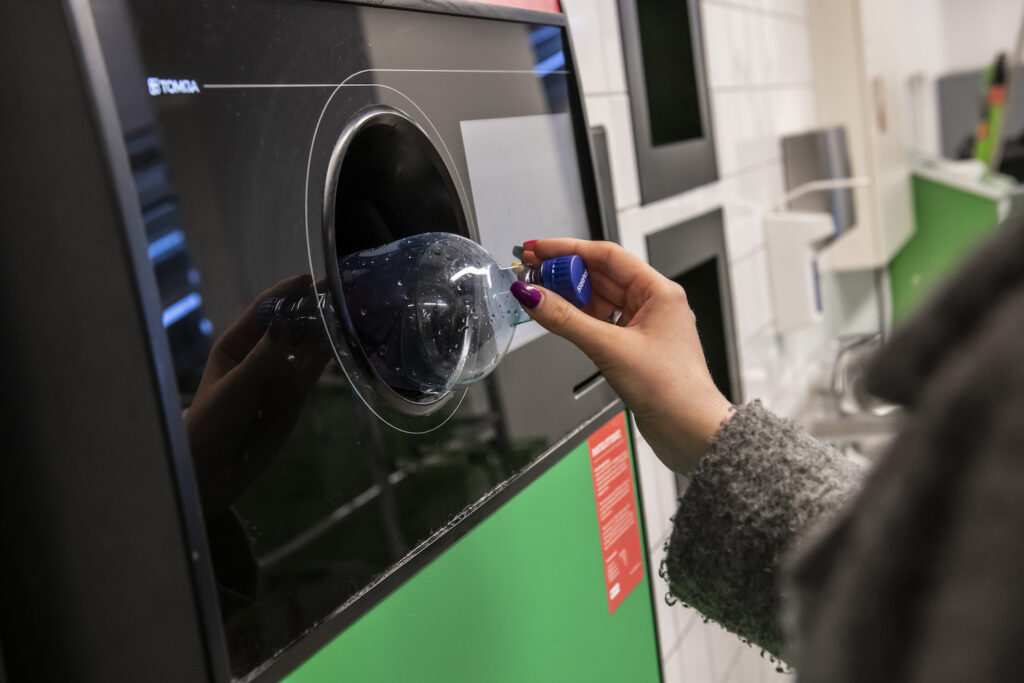
Denmark has a pant system where you can return used bottles for coins. Photo: Katrine Lunke/Infinitum
7. Don’t throw away used bottle Denmark has a pant system where you can return used bottles for coins. Most supermarkets have pant machines, and you can use your returns as store credit. Most street trash cans also have a pant bin next to them. Leave your bottles there so that other people can return them to get some cash.
7 Things To Know Before Going to Denmark – Final thoughts Denmark is a beautiful country, with a green countryside and many historic cities. It’s easy to see why tourism has been growing steadily for years.
With that said, Scandinavia is a bit different from more popular European destinations like Italy,
France, or Spain. Knowing the stuff in this list before you go to Denmark will help you have a better trip and return home with fond memories.
7 Things To Know Before Going to Denmark is a promotional article from Nord VPN.