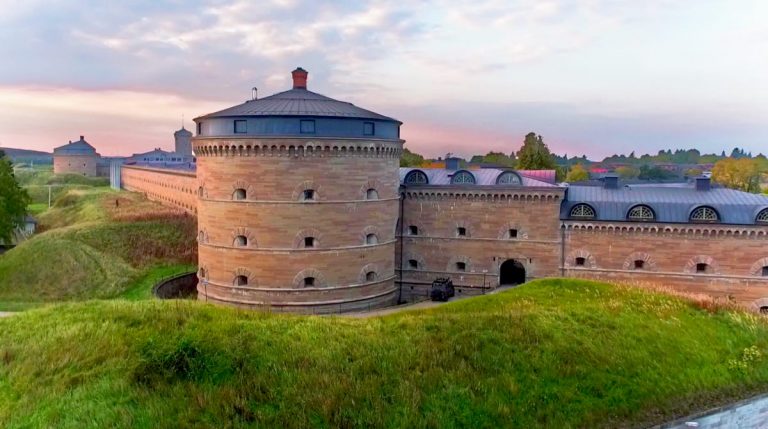
Karlsborg on the western shore of Lake Vättern, 30km (19 miles) north of Hjo, is dominated by a huge fortress, northern Europe’s largest building, and you can experience it right here – in Sweden.
In 1809, when Sweden lost Finland to the Russians, the Swedes decided to build two fortresses to house the government and the treasury.
Construction on the first fortress began 1819 to realize the so-called central defense idea adopted by the Swedish military after the Finnish and Napoleonic Wars. The site was chosen by Baltzar von Platen in connection with the construction of Göta Canal.
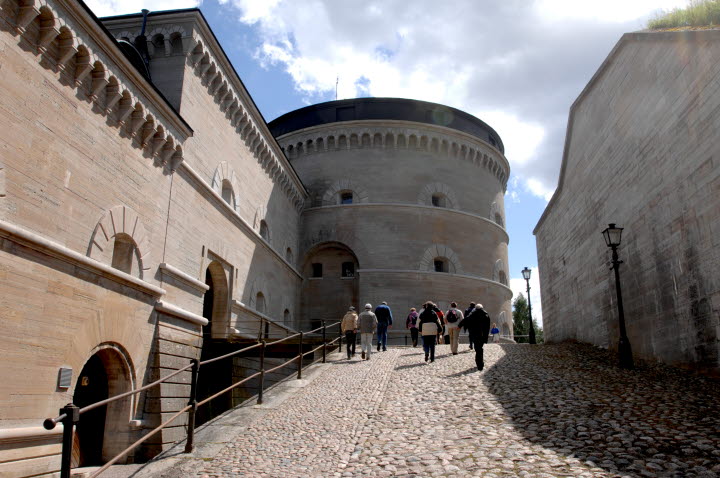
Building the fortress required 250,000 tons of limestone. Photo: Västsverige.com
The fortress’s main building is mindbogglingly enormous, its length is 678 meters. Just the walk from one edge of fortress to another takes a good 10 minutes because the whole area is bigger than 170 football fields.
The intent of the central defense idea was that the King, the Council, the Riksdag and central command functions would, in the event of an attack against the kingdom, pull back and ensconce themselves in this fortress in the middle of the country. Even the gold reserves of the central bank of Sweden were to be safeguarded in the fortress in times of trouble.
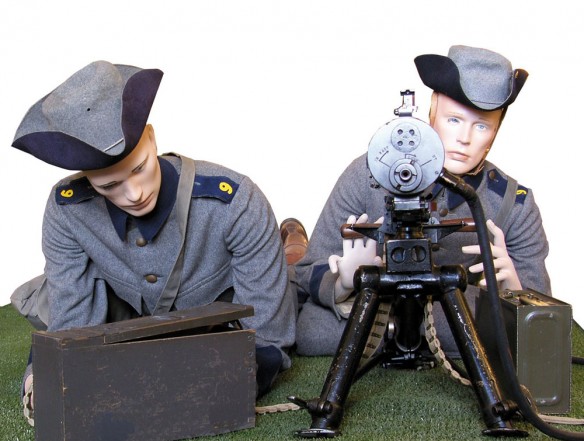
You can take part in an adventure tour where you also can watch a fictional movie about fortress’ life and Russian’s attack on the fortress. The tour continues through defense tunnels into safety from enemy. The cannons thunder, sound of the battle comes from everywhere and in one of the rooms even the floor is trembling from the shots of cannons. The Swedes have made the stage set very well. You’re passing a wounded soldier in pain and another snoring in the bunk. There are built different living and working areas under the fortress, where you can join workshops and enjoy a beer in the pub and watch the safehouse for Sweden’s gold reserves.
Building the fortress required 250,000 tons of limestone. It was quarried by prison labor on the eastern side of the lake and ferried across by boat. The fortress was to house a garrison of 6,000 enlisted men and an additional 8,000-10,000 people. The walls were mostly complete in 1830, and after comprehensive visits to other fortresses in Europe, fortress architect Johan av Klen presented plans similar in style to the Fort Winiary in Posen (present-day Poznań).
From the top of the defense wall you can see three defense lines built to protect Karlsborg. The construction of the fortress took 90 years from 1819 to 1909 and cost a tremendous amount of money. No wonder that the King Karl XV ironically shouted while inspecting the fortress for the first time: “What! It’s made of stone? I thought it was built of gold.”
From the Karlsborg Castle Museum.
The castle has walls 2 meters (6 1/2ft) thick with 4km (3 miles) of ramparts, but by the time the building was finished in 1909, fortresses were out of fashion. Due to its great expense and reduced funding, the fortress wasn’t in operation until 1870.
Fortunately, the fortress has never beeen used in actual battle. The adventure tour brings life to the fortress and the visit is worth the fee.
The second castle was never built. Northern Europe’s Largest Building – In Sweden, written by Tor Kjolberg: Source: Wikipedia
Make your dreams of seeing the northern lights a reality by knowing where to go, what to know and whom to visit. Heard about the“Blue Peeping Hole” in Sweden to Watch the Northern Lights?
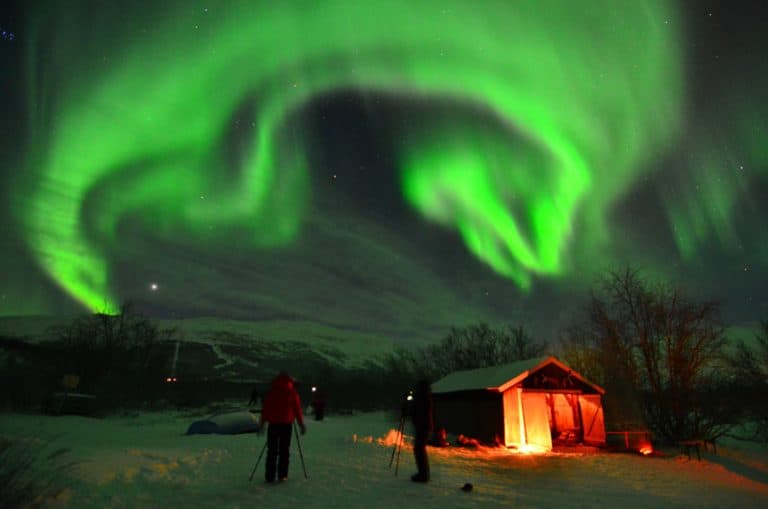
There is in fact a little-known meteorological phenomenon that makes a tiny village in Arctic Sweden one of the best places on Earth to consistently see the Aurora Borealis. In the Swedish province of Lapland near the Norwegian border, you find Sweden’s northernmost and largest municipality Abisko, 195 km (121 ml) north of the Arctic Circle.
Lights Over Lapland was founded by Chad and Linnea Blakley nearly a decade ago based in one of the best places on Earth to see the Northern Lights: Abisko National Park. It’s considered to be the original aurora tourism company in this area.
Abisko is home to a “blue hole“, a patch of sky that extends 10 to 20 sq km over the village, Lake Torneträsk and Abisko National Park and that remains clear regardless of surrounding weather patterns. This is a meteological phenomenon called a “blue hole”.
Abisko National Park was proposed and established in 1909, the same year Sweden’s first laws on nature conservation were created, by a group of prominent Swedish scientists, including the well-known geologist Fredrik Svenonius.
There is a little-known meteorological phenomenon that makes a tiny village in Arctic Sweden one of the best places on Earth to consistently see the Aurora Borealis.
Lights Over Lapland offers a full range of exciting adventures including several different evening activities and multi day, all-inclusive aurora holidays with a focus on the Northern Lights.
Due to the fact that Abisko lies within the Auroral oval and has a very long dark season, there are plenty of Northern Lights around. Thanks to its position in the eastern side of the Scandinavian Mountain Range along the Norwegian-Swedish border, the area is blessed with cloud-free conditions.
Abisko National Park is one of the best places on Earth to see the Northern Lights.
The purpose of the Abisko National Park was to “preserve an area with northern Nordic fell nature in its original condition and as a reminiscence for scientific research”. The region has proved to be of much scientific interest, as is shown by the Abisko Scientific Research Station which exists to study the area. Furthermore, the national park was intended to be a prominent tourist attraction.
“We are incredibly proud of the fact that 99% of the guests on our multi day adventures have seen the lights while in our care. All our exciting activities focus on helping our guests see the northern lights while offering the highest levels of service possible. Most of our tours include photography equipment for no additional charge so that you can capture the northern lights for eternity and share them with your friends and family when you return home,” states the owners of Lights Over Lapland.
The meteorological phenomenon “blue hole” is due to the fact that the dominating wind direction in this area is from the west, which means that moist air masses from the Atlantic have to rise to higher (colder) altitudes to pass over the Scandinavian Mountains. When this happens, clouds form and the air lose moisture through precipitation. In Abisko, on the leeside of the mountains, the air is now drier and sinks to lower altitudes – clouds disintegrate, hence the ‘blue hole’.
Lights Over Lapland offers a full range of exciting adventures including several different evening activities.
The Abisko Scientific Research Station was first established in 1903 approximately 31 km west of Abisko in Vassijaure. After a fire in 1910 a new station was built in its present location in Abisko in 1912 and opening in 1913. The research station was incorporated within the Royal Swedish Academy of Sciences in 1935. It is used primarily for biological, climate, ecological, environmental, and geological research and contains on-site laboratories as well as off-site field research stations.
Lights Over Lapland is also the proud owners of Aurora Sky Station webcam which has captured a new image of the sky above Abisko National Park every five minutes for nearly ten years. The company is among the highest ranked activity providers in Scandinavia on Trip Advisor with more than seven hundred five-star reviews.
The “Blue Peeping Hole” in Sweden to Watch the Northern Lights, compiled by Tor Kjolberg
Telemark is a traditional Norwegian region. In 2020, the former county merged with Vestfold. In this article we concentrate on the Telemark region which claim they hold most of what the kingdom of Norway has to offer. It’s like a Norway in miniature.
The former Telemark county covers more than 15,000 square kilometers and stretches from Skagerak’s salty waves along the coast via lush fruit settlements around Norsjø to the high mountain plateau Hardangervidda. You can experience heavy industry in the Grenland region and beautiful cultural landscapes in the mountain villages west of the county.
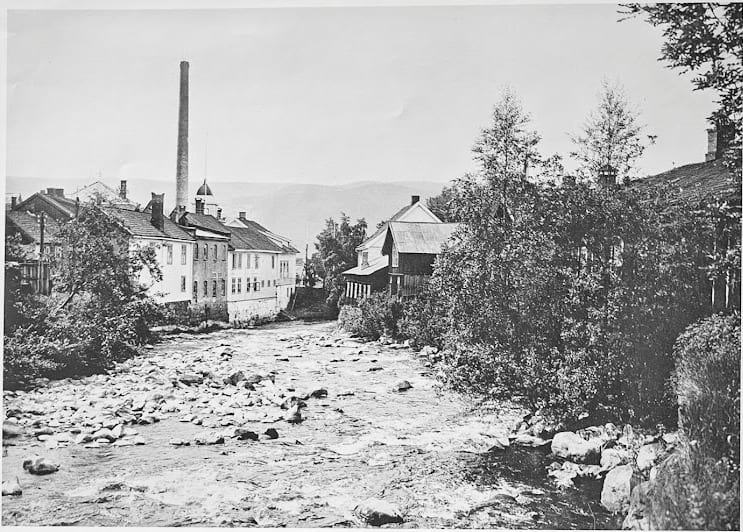
The dialects spoken in Upper Telemark also retain more elements of Old Norse than those spoken elsewhere in the country. Old photograph, courtesy: Visit Dalen
History The name Telemark means the “mark of the Thelir”, the ancient North Germanic tribe that inhabited what is now known as Upper Telemark in the Migration Period and the Viking Age. The vast region of southern Norway is also considered to be the birthplace of skiing.
In the Middle Ages, the agricultural society of Upper Telemark was considered the most violent region of Norway. Today, half of the buildings from medieval times in Norway are located here. The dialects spoken in Upper Telemark also retain more elements of Old Norse than those spoken elsewhere in the country.
Industrial heritage
Telemark has been one of Norway’s most important industrial regions for centuries, marked in particular by the Norske Skog Union paper mills in Grenland and the Norsk Hydro heavy water and fertilizer production in Upper Telemark.
Norway’s newest UNESCO World Heritage Site, the Rjukan-Notodden Industrial Site includes hydroelectric power plants powered by waterfalls, along with the transmission lines, factories, transport systems and towns.
From Dalen, Telemark. Photo: Wikimedia commons
The largest lake area in Norway
Telemark is also the county with the largest lake area in Norway. Some of the largest are Møsvatn, Tinnsjå, Norsjø, Nisser, Bandak, Totak and Fyresvatn. Boat enthusiasts can experience the pleasures of sea with both fresh water and salt water under the keel.
Visible history includes the many rural churches including some of Norway’s most beautiful stave churches. The region has a long tradition of folk costumes and rose painting.
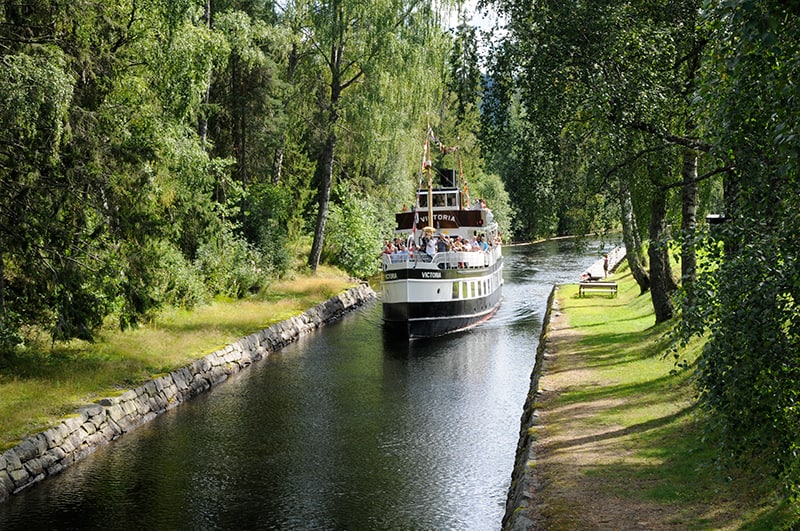
The Telemark Canal The Telemark Canal was considered the world’s eighth wonder when it was completed in 1892. At that time, 500 men had worked for five years to blast and dig through mountains that created a divide between the lakes. The canal between Eastern Norway and Vestlandet is 105 kilometer long and lifts the ships 72 meters above sea level via 18 lock chambers. The canal created a revolution in transport in its time.
The Telemark Canal was considered the world’s eighth wonder when it was completed in 1892.
Today, the canal has long since lost its significance as a traffic route. Instead, it has become one of the county’s biggest tourist attractions. During the summer season, boats leave daily from Skien and Dalen in the morning, arriving at the opposite end early in the evening. You can choose to set aside the day to join the whole journey, or you can join for a while, and then be bussed back to the starting point where the car is parked.
Bicycle can be an alternative where you combine a bicycle trip and a boat trip of different length and duration. Visittelemark.no sells bicycle packages that include accommodation along the way. For mobile home tourists, there is a relatively good selection of campsites around Norsjø and elsewhere along the Telemark watercourse. One of the larger ones is Norsjø Ferieland in Gvarv, which has exciting offers in most forms of water sports.
National Telemark costume: raudtrøyebunad. Photo: Norsk flid
Seljord
Seljord is not far away if you are in the area around the Telemark watercourse, and it may be worth taking the trip. Seljord, which is located in the middle of Telemark, is said to contain Norway’s only invisible sight, namely the sea worm in Seljordvannet. For more than 250 years, people have claimed to have seen a worm-like animal in the 15-kilometer-long and 150-meter-deep lake, but evidence has so far been lacking. A 17-meter-high lookout tower has been erected on Bjørgeøyane near Seljord camping and many bring binoculars and cameras up into the heights in the hope of getting a glimpse of the monster.
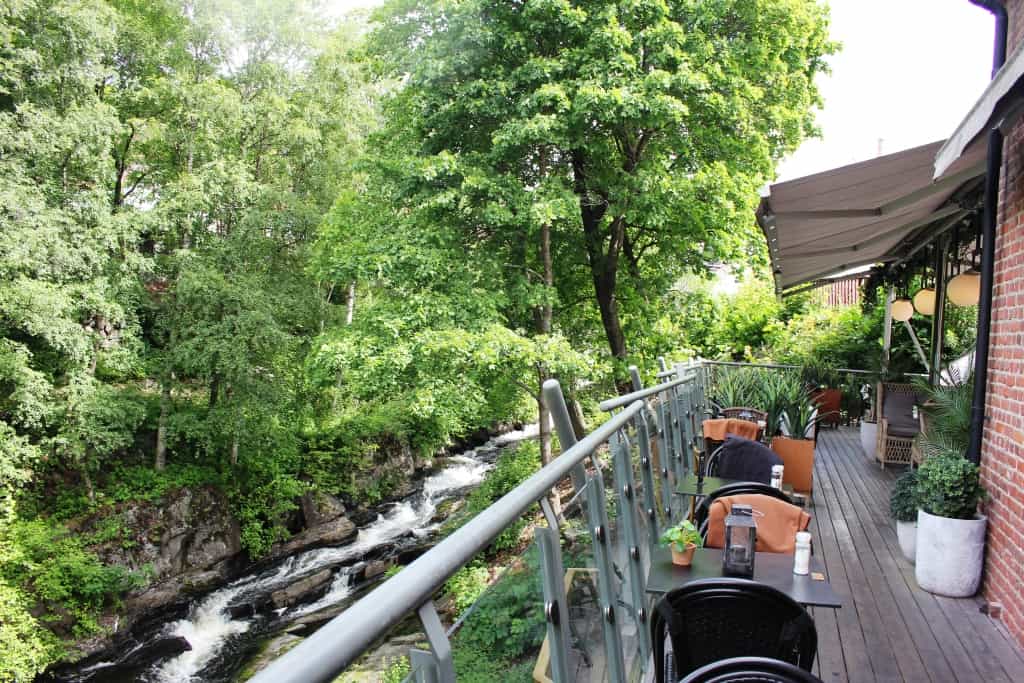
Dalen Hotel The historic end point of the Telemark Canal, the Dalen Hotel is one of the most picturesque accommodations in Norway. Many guests on boat trips from Skien choose to stay overnight here and enjoy a sumptuous dinner in 19th-century surroundings before returning the next day.
Norway’s ‘fairytale hotel’ also offers visitors a range of packages, from three-course dinners through to spa treatments. Guests can enjoy the terrace and piano bar, borrow a small rowing boat, or even play croquet in the garden.
The most important city of the region, Skien, was historically one of Norway’s most important cities, although its importance declined after the Napoleonic Wars. The playwright Henrik Ibsen was a native of Skien, and many of his plays are set in places reminiscent of the city and area.
Visittelemark.no sells bicycle packages that include accommodation along the way. hoto: Visit telemark
Mountain hiking
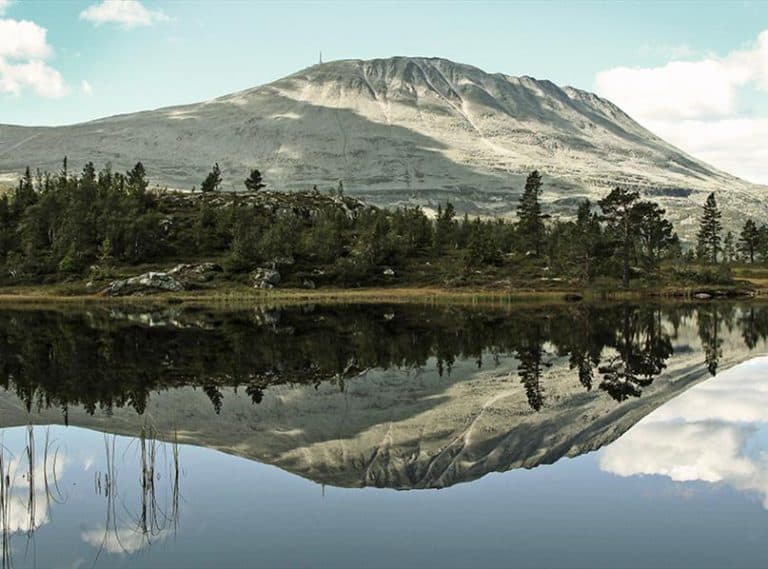
If you want to move above the tree line, you should find your way to Kalhovd and the gigantic areas there. Here it is easy to walk and cycle, and there are almost no people. Gaustadtoppen looms in the field of vision all the time. Perhaps one of the most beautiful areas in the Norwegian mountains.
Kalhovd tourist cabin
Kalhovd Tourist Cabin is a cozy lounge with a fireplace and a dining room seating 60 – 80 people. Here, they serve breakfast, lunch during daytime and dinner in the evening; all for standard DNT (Norwegian Trekking Association) prices. There is a small kiosk, and they have license to sell alcoholic beverages.
Telemark as a county is expected to be re-established by 1 January 2024, following a vote of the county council of Vestfold og Telemark on 15 February 2022 to split the newly established county into its respective counties that existed before the merger took place; Telemark and Vestfold.
Most couples that live together sleep in the same bed, however, that doesn’t always mean they sleep better. Sharing a blanket with a cover hog can ruin your sleep and affect your overall health. Luckily, there’s a solution for couples who still want to sleep together but have a good night’s sleep as well. What is Scandinavian Sleep Method and Why You Should Try It?
The Scandinavian sleep method is where each person has a separate blanket but still sleeps in the same bed as their loved one. Keep on reading to find out more about this Scandinavian sleep method and why you should try it.
What is the Scandinavian Sleep Method? The method originates from countries like Sweden, Norway, and Denmark. It can be found in other parts of Europe, too, such as Iceland and Germany. The main concept of the Scandinavian sleep method is that partners sleep in the same bed, but each person has their own individual cover. Sleeping under the same duvet can result in interrupted sleep which can affect your overall health and make you feel tired during the day. It’s no surprise that Scandinavian countries rank as some of the highest in the terms of sleep quality.
Tt’s important to have a nice mattress and a good pillow for a good quality sleep. Photo: Quin Stevenson/Unsplash
In addition to having a separate duvet from your partner, it’s important to have a nice mattress and a good pillow for a good quality sleep. You can find comfortable mattresses here to improve your sleep in addition to having your own individual cover.
What Are the Benefits of The Scandinavian Sleep Method? There are many benefits of the method which can give you a full night of uninterrupted sleep.
The Scandinavian sleep method eliminates potential sleep disturbances The first benefit is that it eliminates potential sleep disturbances. We make sure to turn off the light and stay in a quiet room when we go to sleep, however, we often forget that our partner can cause disturbances, too. For instance, pulling the duvet from you all night long.
It’s important to be able to cool down at night if we get too hot and have trouble going back to sleep. Photo: publicdomainphotos.net
A night of fragmented sleep can make us sleepy all day, affect our cognitive functioning, and even cause health problems down the line, such as heart disease or high blood pressure. The same thing can happen if your child still sleeps with you. You can find more about when Scandinavian children sleep in their own bed and which techniques you can try for yourself.
The method is a great way to reduce the most common disruptor of our sleep and that is our partner or child pulling all the covers away from us. This sleep method can be especially significant if you’re a light sleeper and tend to wake up to every sound or movement.
You can try the Scandinavian sleep method even tonight, the method couldn’t be easier.
The Scandinavian sleep method helps you keep the right sleep temperature Another way our sleep can get affected if we’re sharing a cover with our partner is the sleep temperature. It’s important to be able to cool down at night if we get too hot and have trouble going back to sleep. Sleep temperature can also affect sleep quality and make us moody all day long.
So, using separate duvets is essential if you and your partner have different sleep temperature preferences. For example, one partner loves a light quilt, and another can burrow down under a heavy duvet.
Perfect compromise for couples who sleep together
The Scandinavian sleep method is perfect for couples who still want to sleep together in the same bed but have trouble sharing the same duvet and have different sleep temperature preferences. This sleep method allows you to still be next to your loved one and enjoy a good night’s sleep. The Scandinavian sleep method is a better option than sleeping in separate rooms or beds.
Is There a Downside to The Scandinavian Sleep Method? While scientifically there’s no downside to this sleep method, some people think that it draws back intimacy. If you find that the Scandinavian sleep method affects your intimacy, you can try sharing one duvet until you are both fully ready to fall asleep.
Another thing that can be a downside is the expense of having to buy two blankets. However, for a full night of sleep with your loved one beside you, it’s definitely worth it.
Investing in the additional duvet is worth the money because you will enjoy a full night of quality sleep without being interrupted. Photo: Niloofar Farkhojateh/Unsplash
What is Scandinavian Sleep Method and Why You Should Try It? Conclusion You can try the Scandinavian sleep method even tonight, the method couldn’t be easier. Even if you don’t have two duvets, you can try with any other blanket or cover you have in your home.
With a separate cover, you will sleep tight with the right sleep temperature for you without having to pull the blanket away from your partner.
Investing in the additional duvet is worth the money because you will enjoy a full night of quality sleep without being interrupted.
What is Scandinavian Sleep Method and Why You Should Try It? Is a promotional article from Anatomy of Sleep.
Why go on safari in Africa when you can go on a musk ox safari at Dovrefjell in Norway? Learn more about Norwegian musk ox safari.
The magnificent musk oxen are a big attraction in central Norway’s Dovre mountains. Dovrefjell is most known in Norway as the southernmost home of wild reindeer, but it’s also home to an imported population of musk oxen. The musk ox is known for its bulky build, thick fur and strong odor, native to the planet’s Arctic region.
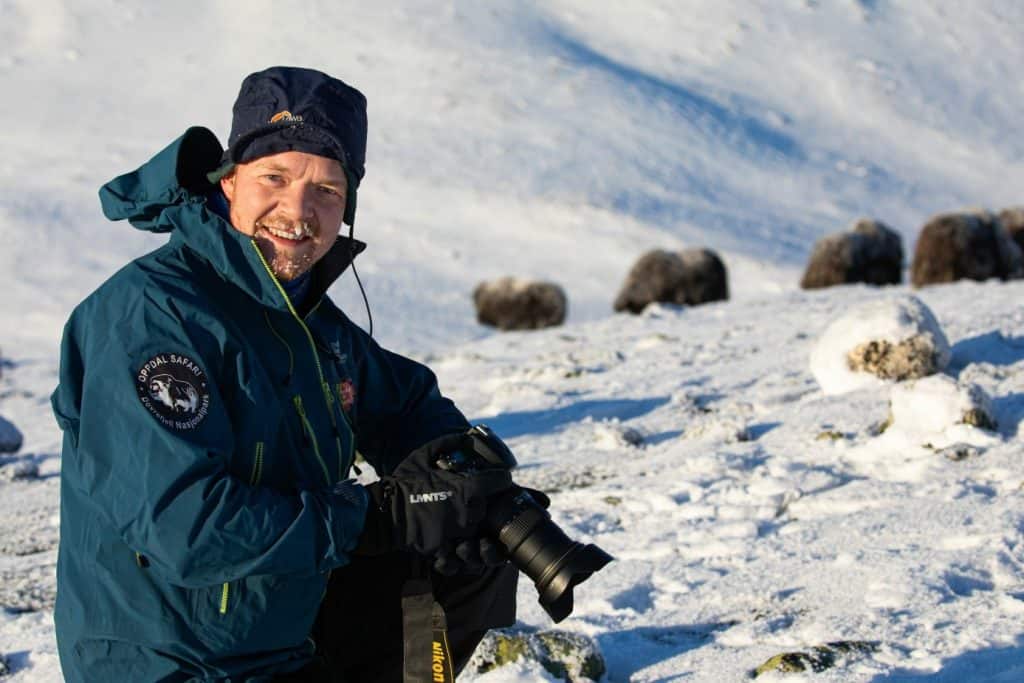
Sigbjørn Frengen has close to 100 guided tours per year. Extremely passionate about wildlife and outdoors. Guide since 2013. Bachelor degree in wildlife management and academic study in hunting, fishing and guiding.
It is one of the oldest mammals to walk our planet. They used to live in what is now Norway in great numbers around 20,000 years ago. The musk ox was reintroduced to Norway from Canada’s Banks Island in 1932 following an unsuccessful attempt near Ålesund a decade before.
The Arctic archipelago sustains some remarkable winter wildlife. Attempts to introduce musk ox to Svalbard in 1929 initially succeeded, but the herd disappeared in the 1970s. The musk ox was hunted to extinction. During the second world war, the musk ox became extinct due to hunting. It was reintroduced to Norway in 1947.
If you are representing a television or film company looking for help with logistics and facilitation in Dovrefjell national park, Opdal Safari is proud of having worked with several TV companies
Some of the musk ox introduced to Norway’s Dovrefjell found their way to Sweden in 1971 and established themselves there.
Oppdal Safari has been organizing guided safaris and mountain hikes since 1995 and is today one of the biggest tour guiding companies in the region. The company’s guides have extensive knowledge and experience in ecology, outdoors and tourism, and is in the best position to give you a safe, challenging and unforgettable experience in unique environments.
The magnificent musk oxen are a big attraction in central Norway’s Dovre mountains.
In summer season there are daily guided musk ox safaris, and private musk ox and moose safaris on request. The rest of the year you’ll have a wide range of activities both for photographers, individuals and events for groups, schools and conference participants.
A musk safari lasts roughly five hours. The duration depends on where the musk is located – it enjoys to go for walks. Pack a lunch, thermos, warm clothes and binoculars.
Musk ox is one of the oldest mammals to walk our planet.
If you are representing a television or film company looking for help with logistics and facilitation in Dovrefjell national park, the company is proud of having worked with several TV companies such as BBC (Seven worlds – One planet), National Geographic, and NRK amongst others with great results.
Over the past 15 years, several thousand groups have set off on a trip to Dovre National Park, and that with just one hairy goal for the day: To spot a specimen of the musk.
Norwegian Musk Ox Safari, compiled by Tor Kjolberg
Hans Gedda, the internationally renowned photographer from Flen in Sweden, who is known for his unique portraits, takes center stage with the exhibition Nära ögat, opening at Fotografiska, Stockholm on August 26. ExperienceSweden’s foremost portrait photographer and view his immortalization of Astrid Lindgren, Tove Jansson and Andy Warhol among others.
Astrid Lindgren, Tove Jansson, Andy Warhol, and Nelson Mandela are just some of the icons immortalized by his camera. This autumn, the exhibition Nära ögat (Close to the Eye) brings together well-known portraits with his private and more rarely seen photographs.
Nära Ögat with Hans Gedda Hans Gedda received his first camera at age 12, and immediately knew that he would become a photographer. About the same time, he found out from his school doctor that he was color blind, but he wouldn’t let that stop him.
Today, he is not only one of Sweden’s foremost photographers but also internationally famous for his 1976 portrait of Andy Warhol and his 1990 portrait of Nelson Mandela.
Just a few weeks after the photographer’s 80th birthday, the new exhibition Nära ögat opens at Fotografiska with over 200 photographs from throughout his career. These intimate portraits lay bare some of our most famous Swedes, including Astrid Lindgren, Cornelis Vreeswijk, Evert Taube, Lena Nyman, Jonas Gardell, Queen Silvia, and many more.
Internationally famous Nära ögat brings us even closer to the artist Hans Gedda through many of his private photographs and recordings, where he describes his encounters with his subjects.
“It is overly obvious as a portrait photographer that life is very short. It feels like it has only been two weeks since I photographed someone, when it’s actually been 20 years. I long to see many of them, like Tove Jansson, Sara Lidman, and Monica Zetterlund. It was odd having lived in little Flen and having read about many of these people in schoolbooks, to suddenly stand face to face with the person and take a photograph. Like Vilhelm Moberg. I went out on the town with him for a whole evening,” says Hans Gedda.
Hans Gedda was recognized with the prestigious international World Press Photo Award for his portrait of Nelson Mandela, who had just been released after 27 years in prison.
The genius from Flen Gedda’s photographs are basically always black and white, with strong contrasts between light and dark, regardless of whether he is portraying royalty, great artists, prime ministers, or writers. With his distinctive imagery, he has become an icon for many in the world of photography and art. But even with epithets like “The genius from Flen” and “Sweden’s foremost portrait photographer,” he takes such tributes in stride.
“I have photographed Ingemar Stenmark several times and I like his approach: ‘It’s just a
Evert Tabube by Hans Gedda.
matter of getting on with it.’ I feel that way too. I pick up the camera and it’s just a matter of getting on with it. And hope chance helps along the way. People ask ‘How do you bring out the inner soul of a person,’ but I read an interview with Giacometti where he was asked the same question and answered ‘The person’s inner soul? I’m busy with what’s on the outside.’ And that really is the truth, it is no more pretentious than that,” says Gedda.
Astrid Lindgren by Hans Gedda.
Experience something extraordinary Nära ögat also shows a more private and less frequently seen side of Hans Gedda. Part of the exhibition focuses on his more artistic explorations, like rarely exhibited still lifes, colorful photographs, and collages. While many of his portraits have been commissioned assignments, Gedda has also felt it important to continue to take photographs privately.
“This is the advice I give to younger photographers: never stop taking private photos, because once you do, it’s over. I have noticed this in colleagues of the same age who no longer take any private photos and only take photos in work. They run out of energy, lose interest in photography. Taking photographs privately is one of the things I enjoy doing here in the country. There aren’t any people like Cornelis or Taube passing through, so I must be content with photographing skulls out in the woods.”
Sweden’s Foremost Portrait Photographer, a press release from Fotografiska
Feature image (on top) Hans Gedda, from SVT Play Documentary
Taking a consumer loan is a financial tool, that many people are using in both Norway and other countries. The rules for being able to take a loan and how it’s managed are something that can vary from country to country. Learn What you need to know about consumer loans in Norway.
That is why you should get yourself an overview in this article with both tips and advice, that will give you a better insight into how to take a consumer loan in Norway. There are a lot of things to consider when taking a consumer loan and that’s why we have gathered everything worth knowing, so you will have an overview of how it works.
Picking the right consumer loan – tips and advice There can be several reasons for taking a consumer loan, but no matter what the cause of taking it is, there are a lot of things to consider. These factors make sense to think about as useful tools, so you won’t get yourself into a situation, where the loan you might take will put you in an unfortunate situation. Here’s some of the best advice to think about when taking a loan.
Comparing loans is evaluated as being one the best things you can do in terms of figuring out how to pay the loan back. Photo: Melanie Dijkstra/Unsplash
Always compare before you choose. Comparison services, like com, have made it simpler than ever to find the best suitable loan. Comparing loans is evaluated as being one the best things you can do in terms of figuring out how to pay the loan back. It can be difficult to do these loan comparisons by yourself because there are a lot of factors and things to consider. Using an online comparison service that can help you might t the best thing you can do because it’s designed to find the most suitable loan for you. This means you don’t have to spend hours figuring this out yourself.
Check out the interest rates, fees, and total amounts. These are the three most important elements in terms of the loan. All of these will be visible in the terms and conditions, which are wise to read and understand. It’s easy to skim through the T’s and C’s but it’s not recommended and you should make sure you know what you’re in for.
In Norway, you have to be financially validated/checked to be able to obtain a loan, no matter what specific kind it is. Photo: Bruce Mars/Unsplash
Financially validated – Norwegian loans Many people might think that it’s possible for everyone to take a consumer loan and maybe it’s like that elsewhere, but not in Norway. In Norway, you have to be financially validated/checked to be able to obtain a loan, no matter what specific kind it is. There are loans you can get without a check for the people who don’t follow the rules, but this is certainly not recommended.
A part of the reason for the validation is a rule, that’s protecting the person wanting to take the loan. This is so that the person, cannot take a loan that they can’t afford to pay back and therefore avoid a bad financial situation.
It was a pleasure to visit the iconic property Aksjemøllen Boutique Hotel in Lillehammer and see why the occupancy and use of this 58-room boutique hotel and conference/event venue is continually running at full (or close to full) year-round capacity. You can stimulate all your senses at The Old Mill hotel in Lillehammer – Norway.
Mølla hotel in Lillehammer has an exciting history. The original mill was built in 1863 by Gudbrand Larsen, father of the even more famous August Larsen (Pipe-Larsen) founder of G. Larsen Pipefabrik (producing internationally acclaimed smoking pipes). His son, August, started building a relatively large mill operated with the help of so-called assault wheels, a technical solution that was both practical and economical where there was plenty of water. River Mesna in Lillehammer was the ideal location.
The original mill was built in 1863 by Gudbrand Larsen, father of the even more famous August Larsen. Photo: Classic Norway Hotels
The mill was modernized in 1900 and a larger grain chamber was built with a dryer and a rolling mill for sifting rye and wheat flour. At the same time, turbines were installed to replace the water wheel. In the 1920s, a flour warehouse was added and the entire company was converted to electric operation after the Mesna traps were expropriated. A silo was built in 1955. From then on, Lillehammer Aktiemølle could use a modern 1000 tons grain silo with automatic reception and grain drying.
The mill’s transformation into a hotel was rapidly taking place over a twelve-month period, to open in time for the 1994 Winter Olympic Games in Lillehammer.
Converted into hotel The mill’s transformation into a hotel was rapidly taking place over a twelve-month period, to open in time for the 1994 Winter Olympic Games in Lillehammer. The rooms were constructed from either one, two or three silos. It was the architects Halvorsen and Reine, from the company by the same name, who realized that the mill could be transformed into a hotel and extend the number of rooms seriously needed for guests during the Winter Olympics.
I loved walking the trail along the river.
“We got to join a bit of Lillehammer’s history and found walled niches and windows, secret rooms, narrow passages, mysterious transport routes and strange machines. And everywhere there was grain, flour dust and cliff. The property was for sale. Investors and banks were thrilled with the desire that both the whole and the details should underline the uniqueness of the business that had taken place here for generations,” said the architects.
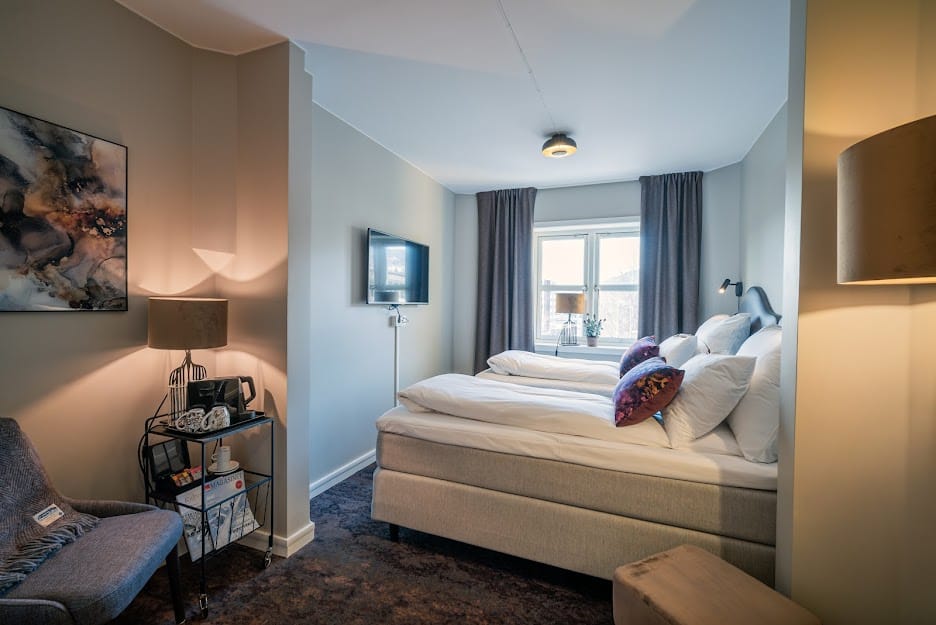
The 58 rooms are relatively small, but comfortable and well equipped with Molton & Brown toiletries, luxurious bedding, selected teas and coffees, Wi-FI, TV and iron. Photo: Classic Norway Hotels
After 1 1/2 years of renovation, The Mølla hotel was completed in November 1992, ready to house guests during the Olympic Games in 1994.
Aksjemøllen by Classic Norway appeals to those who love history, pampering, and the beauty of nature. Here from reception
Aktiemøllen hotel is situated in the heart of Lillehammer, just steps away from Lillehammer’s lively shopping street (Gågata), and not far from Maihaugen and Sigrid Undset’s home (Bjerkebæk). Skiing and family fun can be found only15 km away at Hafjell Alpine Center and families can enjoy the Hunderfossen Adventure Park/Winter Park.
“Our intention was to emphasize the historical aspects,” explains hotel manager (Millmaster) Hanna Stenberg
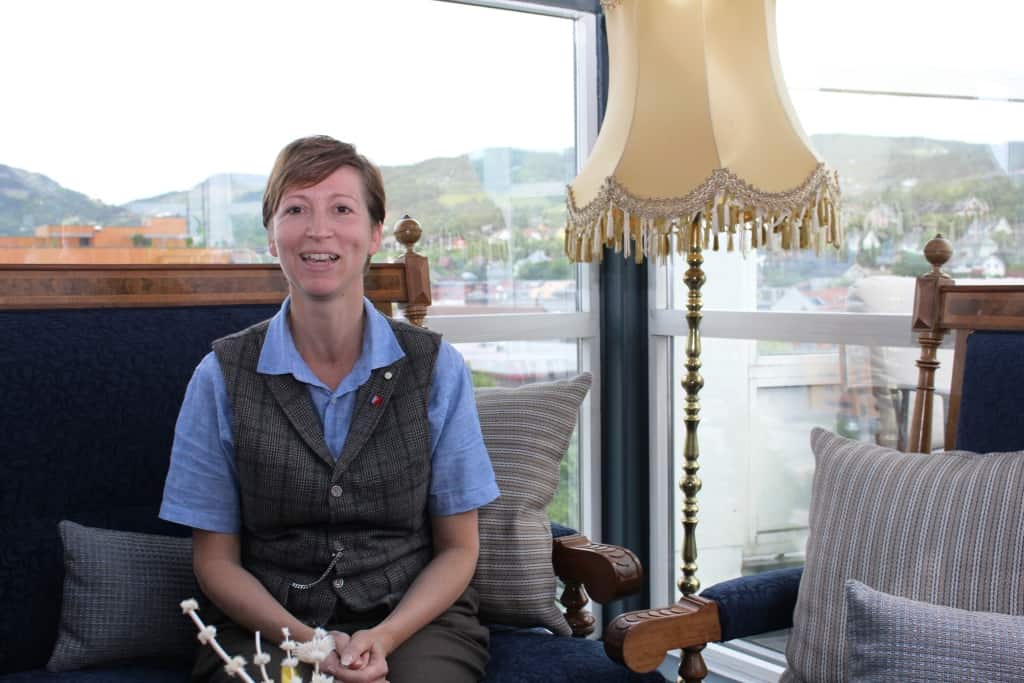
In June 2021, Mølla hotel was acquired by the hotel chain Classic Norway Hotels which is specializing in hotels with historical charm and is in constant search for hotels in central areas. I had the privilege to meet ‘Mill master’ Hanna Stenberg, who was appointed hotel manager just in time to follow the total renovation of the hotel, and the opening of new Aksjemøllen by Classic Norway in January 2022.
You instantly feel the historical charm when entering into Aksjemøllen hotel.
“Our intention was to emphasize the historical aspects,” she explains. Charming old door keys are still being used. “They are too big to carry with you, so guests leave them at the reception, creating a personal contact and a friendly atmosphere,” says Hanna, who came to Lillehammer in 1996 to study tourism and never left.
“We have guests from all over the world visiting Lillehammer to experience the Olympic town and its surroundings,” she says and adds, “Recently we had a family from Australia here.”
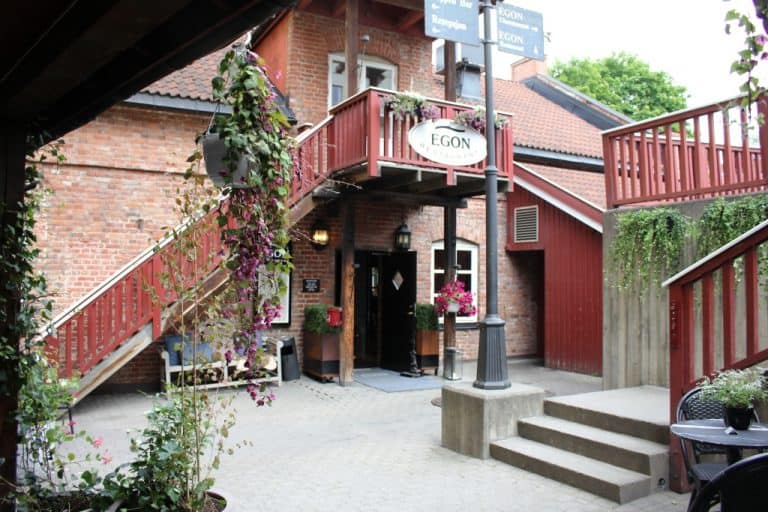
Breakfast is served in the adjoining restaurant Egon. Here is Egon manager in Lillehammer, Kim André Molnes
Aksjemøllen by Classic Norway appeals to those who love history, pampering, and the beauty of nature, and Hanna is proud that the hotel has managed to maintain its soul and history. When asked what she is most proud of, Hanna says that her team members always are enthusiastic and that most of them have been working there for many years!
Stimulate All Your Senses at The Old Mill Hotel in Lillehammer – Norway, read on…..
She adds that she has been privileged to be on site during the whole renovation period and managed to remain the hotel open for guests without serious interruptions. After the renovation, the typical guest has become different from before. The shift from economy hotel to a boutique hotel has affected the typical visitor. Now, the guests are well educated adult people, friends and families and business people. There are also rooms allowing dog-owners to bring their pets. Today, Aktiemøllen is a captivating property and the hotel, and in particular the Toppen bar (Toppen Skybar) with professional bartenders serving signature drinks as well as old standards, is popular among the locals.
The 58 rooms are relatively small, due to the fact that this has been an old mill. However, they are comfortable and well equipped with Molton & Brown toiletries, luxurious bedding, selected teas and coffees, Wi-FI, TV and iron.
Freshly baked bread for breakfast in Egon restaurant.
“Many of our guests tell us how memorable the stay with us have been,” say Hanna.
I had a full tour of the property and surrounding sites and really loved walking along the Mesna River and the areas surrounding the Aksjemøllen hotel. I loved walking the trail along the river, talking to people and seeing everyone enjoying the area in their own way.
Stimulate All Your Senses at The Old Mill Hotel in Lillehammer – Norway, written by Tor Kjolberg
Have you heard the song Wonderful, Wonderful Copenhagen written by Frank Loesser for the 1952 film about Hans Christian Andersen (played by Danny Kaye)? ‘Friendly old girl of a town’, he sings. Copenhagen is as friendly today as it was back in 1952 – or in the lifetime of the fairytale king. Here’s just a few of the things you should experience.
The Capital of Denmark is packed with historic landmarks, stunning Scandinavian architecture, family-friendly attractions, tons of public parks and exceptional restaurants. ‘On this merry night, let us clink and drink one down to wonderful, wonderful Copenhagen’.
It’s not uncommon to see a pram with a baby dozing in it outside a restaurant while mother and father lunch inside. In this modern capital, there are far more bikes than cars – so, if you’re not a Dane, watch your steps as a pedestrian.
From local-led canal tours to lush urban gardens, and even floating hot tubs that sail the city’s famed canals, there’s no shortage of entertainment in Copenhagen. Whether you want to spend all day outside, or cozy up indoors, read on for our picks for what to do the next time you’re in Copenhagen – the ‘salty old queen of the sea’.
“But I’m home today / Singing Copenhagen, wonderful, wonderful / Copenhagen for me”
Be a biker Do as the locals and get around by bike. It’s impossible to miss the dominance of the bicycle in Denmark’s capital. All over the city, you’ll experience bikers in hundreds, and everywhere there is an endless ocean of parked bicycles used by commuters. Bike Copenhagen offers 2-hour guided tours or full-day rental for those who want to explore on their own.
Do as the locals and get around by bike. Photo: Kai Pilger/Unsplash
Copenhagen has the heart of a small town but the culture of a large city. ‘Once I sailed away, but I’m home today, singing Copenhagen, wonderful, wonderful’.
Museums and attractions
Design Museum Design Museum Copenhagen was founded in 1890, when Denmark’s industrial enterprises were celebrating the eminence of their Sponsored content products. In the course of the 20th century, Danish design – especially furniture design – achieved worldwide renown. After two years of renovation, Design Museum Copenhagen reopened in June 2022.
The National Museum
Denmark’s National Museum is a good place to spend the afternoon, diving into an overarching review of Danish history. There is a strong focus on the Viking Age. Highlights include the legendary Viking ship Roskilde 6, the treasure collection Fæstedskatten and a cinematic story of life in the Viking Age.
Elsewhere in the museum, the vast collection of Middle Ages and Renaissance artwork together with an honest review of the history of Danish colonialism are among the other highlights.
Botanical Gardens and Rosenborg Castle
The Botanical Gardens in Copenhagen is a part of the Natural History Museum of Denmark. Visit the rosarium, the perennials and a huge conservatory with tropical and subtropical plants. And just across from the Botanical Gardens is one of Copenhagen’s most attractive sights, Rosenborg Castle.This castle dates to 1606 when it was built as a royal summer house by one of the most famous Scandinavian kings, Christian IV.
Fredriksberg palace is today home to the Royal Danish Military Academy. Photo: Angelo Casto/Unsplash
Frederiksberg Palace
This Baroque residence and formal gardens served as the royal family’s summer residence until the mid-19th century. Recently restored, the palace is today home to the Royal Danish Military Academy. Copenhagen’s Frederiksberg Palace is surrounded by formal parkland popular with locals and tourists.
Guided tours of the impressive palace rooms are infrequent but the beautifully-kept lakes, canals and shrubbery of the English-style gardens are always open during daylight hours. Don’t miss the Chinese Pavilion and the Temple of Apis.
Instead of stairs, the Inside Rudetårn has a dramatic cobblestone ramp, with bright-white walls on either side, Photo: Daniel Rasmussen/Visit Denmark
Rundetårn Blazes in 1728 and 1795 licked and leaped along the straw-roofed houses and turned most of the half-timbered medieval town to ashes. Only a few solidly built structures survived – among them Round Tower (Rundetaarn). Instead of stairs, the inside is a dramatic cobblestone ramp, with bright-white walls on either side—wide enough to allow a horse and carriage to fit through. Along the way, there’s an art gallery and bell tower. At the top, you’re rewarded with a 360° view of Copenhagen’s rooftops, including other equally old steeples.
Cisternerne
As an extension of Copenhagen’s Frederiksberg Museums, the Cisternerne operates as a venue for exhibitions and events – but it’s the space itself that is the permanent exhibit and primary attraction. Once a subterranean reservoir filled with 16 million liters of water, the cistern has been filled by an unconventional museum. The cryptic underground cave — the only dripstone cave in Denmark – is a gloomy labyrinth filled with stalactites and stalagmites.
Assistens Cemetery The famous Assistens Cemetery is smack in the middle of Copenhagen’s hip Nørrebro district and doubles as a public park that people actually hang out at — and even sunbathe in. Pathways meander through gardens, meadows, and woods punctuated with tombstones of famous Danes. It’s very Nordic noir. Wander the grounds looking for familiar names on headstones, or simply appreciate the park for its lush natural beauty, peaceful gardens, and art sculptures.
Entertainment
Tivoli gardens Tivoli Garden’s 20 leafy acres feature carnival games, marching bands, and amusement rides (the creaky 1914 roller coaster is the same vintage as the merry-go-round of tiny Viking ships).
Dance halls, beer gardens, and a full schedule of mostly free open-air stage performances keep young and old entertained and coming back to Tivoli Gardens. Photo: Copenhagen City Pass
Dance halls, beer gardens, and a full schedule of mostly free open-air stage performances keep young and old entertained and coming back. There are dozens of restaurants and food pavilions – some of them very elegant but pricey. Traditional Tivoli fare of pølser (hot dogs with fried onions) is usually heaven enough for most.
Activities Copenhagen’s first ski destination
Designed by Danish architect Bjarke Ingels, CopenHill is an artificial ski slope and recreational hiking area opened in the spring 2019, built on top of the new waste management center.
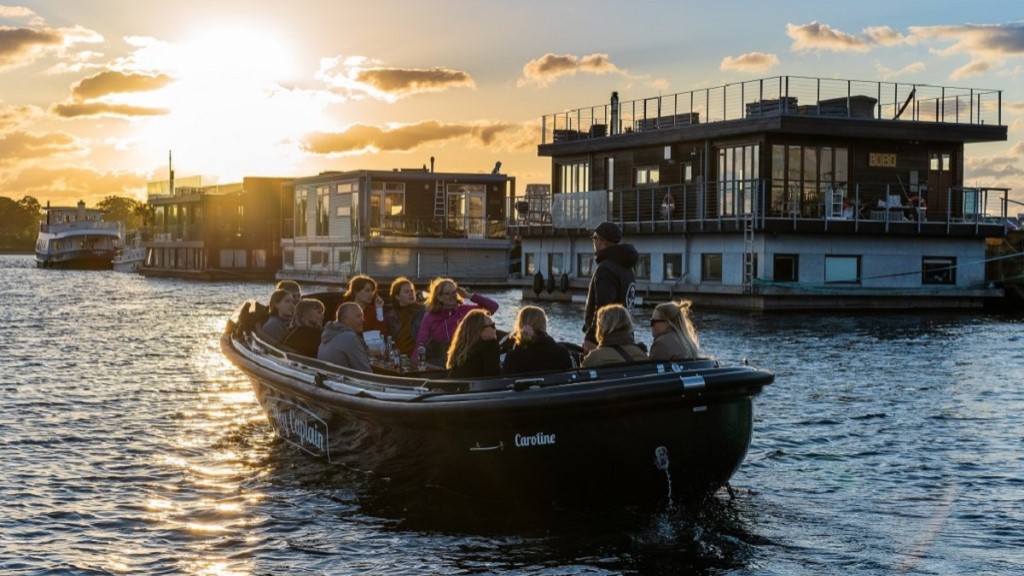
Each boat has one guide and 12 guests, max, keeping the experience intimate and personal. PR photo
Hey Captain
A canal boat might sound like a generic tourist activity, but Hey Captain offers a fun, intimate look at the city and a window into daily Danish life. That’s especially the case in summer, when locals laze on the docks and dive into the refreshing harbor water. Each boat has one guide and 12 guests, max, keeping the experience intimate and personal. The guides have extensive knowledge on the city, its history, and its architecture. They’re also hired for their personalities – the mood is light and enjoyable.
Walk down Pilestrædet and you’ll see a hundred stores worth browsing. Photo: Martin Heiberg/Visit Copenhagen
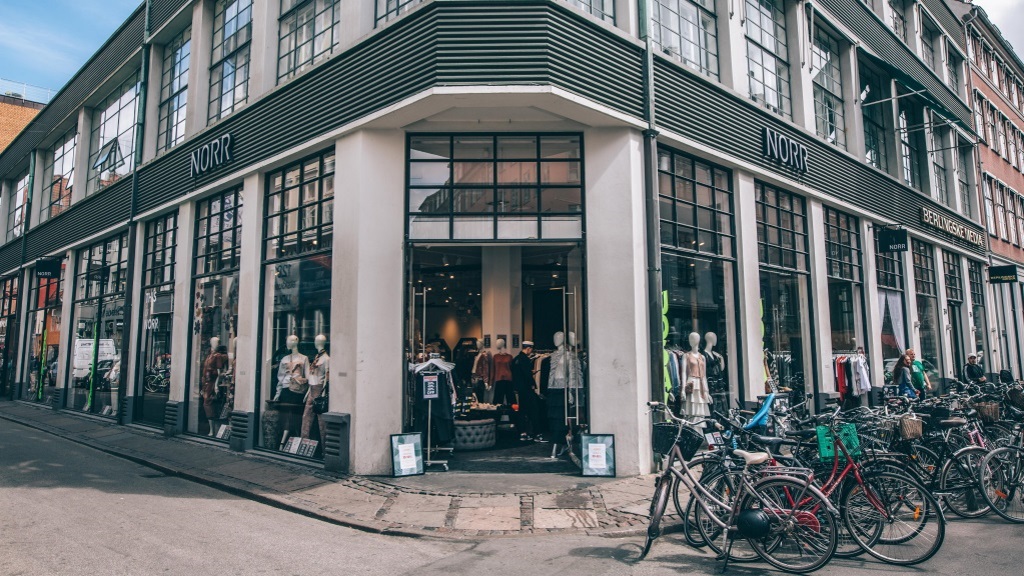
Shopping While Stroget, a walking street in the center of the city, is impressive, it’s also full of tourists and large chain stores you can find in most big cities. Go to Illums Bolighus and HAY Design Store, both in the center of Stroget, then duck into the side streets around it for some fantastic, unique shopping. We recommend DAY Birger et Mikkelsen on Pilestræde, and Munthe and Ganni both on Store Regnegade (just walk down that street and you’ll see a hundred stores worth browsing).
Kødbyen Fiskebar. Photo: Martin Heiberg/Visit Copenhagen
Torvehallerne Torvehallerne in Copenhagen, which opened 2 September 2011, situated right by Nørreport Metro Station is a foodie lover’s dream. Also known as the “glass market”. This market is housed in a modern greenhouse-like building and is filled with smørrebrod and cheese shops, as well as restaurants. Grab a beer at the Mikkeller Bottle Shop (there are no open container laws in Denmark, so you can walk down the street with an open beer in hand). We also highly recommend Hija de Sanchez for tacos. If you’re interested in interior, the design store *Stilleben is worth a visit.
‘Neath her tavern light / On this merry night’
Jægersborggade Jaegersborggade, a cobbled street fringed with colorful buildings, has a slew of great restaurants, bars, and shops. Even though the stretch isn’t terribly long, it’s the type of place where you easily could spend an entire day. Have a pastry at Meyers Bageri, a coffee at Coffee Collective, lunch at Manfreds, a beer at Mikkeller & Friends, and dinner at Relae. Or, just enjoy the browsing, strolling, and people-watching.
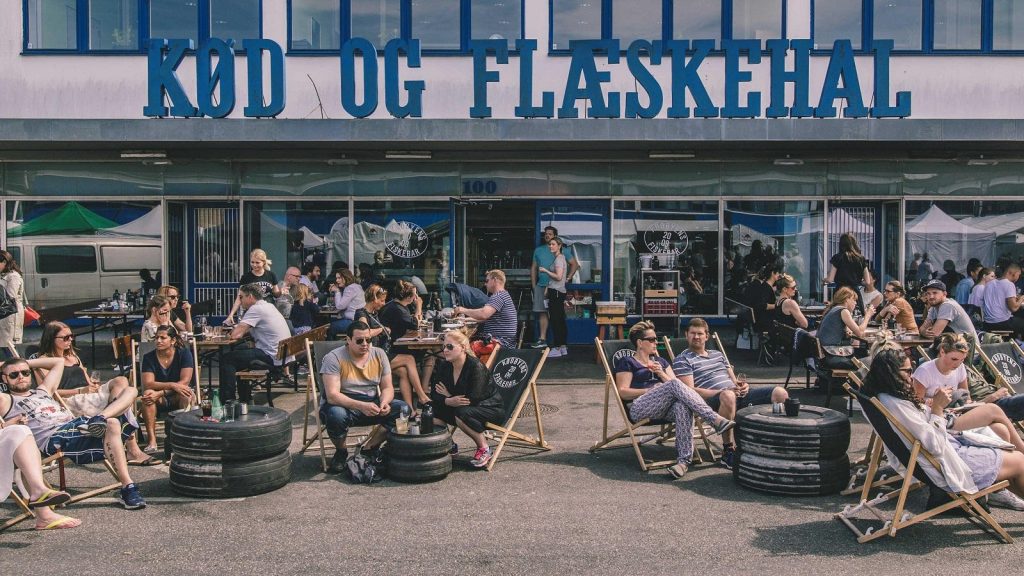
Eat & Drink Kødbyens Fiskebar is one of Noma’s first offshoots in the middle of Copenhagen. The fish and shellfish are excellent, and there’s a relaxed atmosphere. This extremely hip seafood restaurant, set in an old meatpacking factory, came up in nearly every guide, and it’s delicious – but it’s also expensive. If you’re looking for a more affordable option, consider Schanchez Restaurant right down the street. Chef and owner, Hilja de Schanchez grew up in the southside of Chicago and is a first generation Mexican-American. Her dream of making well prepared Mexican food in Europe lead to the opening of her taqueria in Copenhagen. The restaurant in Istedgade has room for 46 guests and the interior design company La Metropolitana from Mexico City has decorated the premises, just as they did, when Noma popped up in Mexico.
The entire meatpacking district in Vesterbro, where Fiskebar is located, is still very much a functioning industrial area (not quite like its New York equivalent), but is, as of recently, also home to loads of interesting bars, coffee shops, and restaurants. Enjoy Texas barbecue along with one of 22 craft beers at the WarPigs brewpub, tasting dishes at the trendy butcher-restaurant Fleisch, or cheap, homemade burgers at Tommi’s Burger Joint.
Original Mikkeller
At the Danish brewery Original Mikkeller, you can sit for hours, sipping glasses of Spontan Cherry and Vesterbro Spontanale (named for their spontaneous fermentation by wild yeast) and fitting right in with the other loud Americans and Danes paying their respects to the bar that started it all.
Smørrebrod is Denmark’s version of a sandwich – hearty rye bread piled high with vegetables, fish, or meat. Palægade is known for some of the best smørrebrod in the city, recommended for lunch. Try the shrimp with remoulade smørrebrod.
The Alchemist
Rasmus Munk is the name of the brave young man behind this restaurant, and if you can secure a seat at the 13-person counter where he serves dinner four nights a week, he will bombard you with a menu of culinary and liquid delights that totals over 47 courses. You will either be challenged or pleasantly surprised. The Alchemist isn’t the kind of place for a casual meal with the kids. On the contrary, it’s where you come when you’ve saved up for months so you can celebrate a truly special occasion.
Refshaleøen
Refshaleøen has some of the best restaurants in the city, like the Alchemist (see above), Noma and Amass as well as some lesser-known favorites like Lille Bakery and La Banchina. Copenhill (see activities above) is also at Refshaleøen.
With 15 Michelin star restaurants, Copenhagen is the undisputed culinary capital of the Nordic region. Booking in advance is essential to get into any of them, with waiting lists many months long for the three-star restaurants Geranium and Noma.
“I sailed up the Skagerrak / And sailed down the Kattegat
Through the harbor and up to the quay / And there she stands waiting for me”.
Th 17th-century harbor Nyhavn is one of the most iconic landmarks in Copenhagen. Photo: Simon Takatomi/Unsplash
Accomodation SP 34 is located right in the center of Copenhagen in the capital’s Latin Quarter. In this area there is room for diversity. You find the hotel in Sankt Peders Stræde, a small, local street with a world known bicycle shop, pastry shop, good restaurants and design stores.
On the other side of the hotel is the garden H.C Ørsteds Parken, a green oasis where you will run in to locals on their run or in the middle of a picnic. The reception is super cool, the design is right and we loved the organic breakfast.
For a room with a view, it’s hard to beat 71 Nyhavn, a historic, elegant hotel on the corner of Copenhagen’s most famous waterway, Nyhavn.
Th 17th-century harbor Nyhavn is one of the most iconic landmarks in Copenhagen. Lined with wooden ships, modern boats, multicolored townhouses, and seafood restaurants, this port is a must-see, and its storied quay is perpetually bustling with locals and visitors. This landmark is also a public space, so it’s easy to come and go as you please. Nyhavn attracts a crowd as diverse as its history. Over the bridge in the neighboring hood of Christianshavn, you’ll also find some of the oldest houses in Copenhagen. Stop for a coffee and pastry at 108 before exploring one of the oldest parts of the city.
Budget seekers should consider the various modern hotels under the Wakeup Copenhagen umbrella. Rooms are tight but so is the price, coming in at $100 per night with advance booking.
Wonderful, Wonderful Copenhagen, compiled by Tor Kjolberg
We will re-establish an all-year direct high quality, cost-efficient, low emission cruise-ferry route between Norway & England (UK), states Bergen Cruise Line. Learn more about thedirect ferry link between UK and Norway that will be re-established.
The startup Norwegian company Bergen Cruise Line has announced plans to launch a regular car, passenger and cargo ferry link between the U.K. and the west-coast of Norway. BCL has announced it would begin raising the funds to bring the route back.
The route will run between both Bergen and Stavanger on the west coast of Norway and Newcastle on England’s northeast coast.
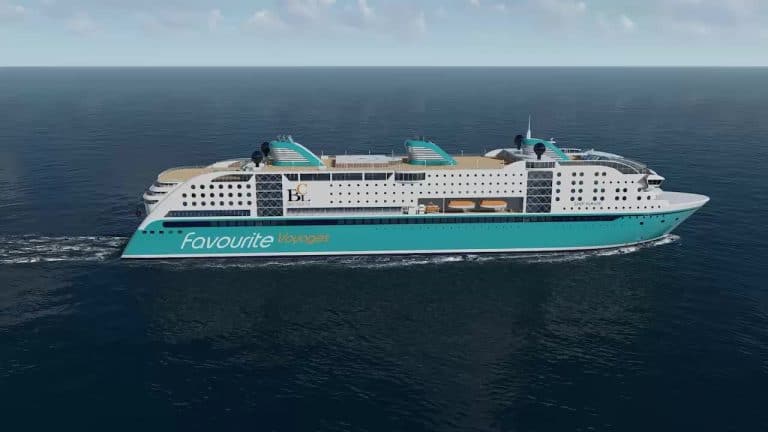
The BCL concept is a large cruise ferry of 210 x 31 meters with the capacity of 2 380 passengers and 200 crew combined with a large car deck and cargo capacity. A concept designed for maximum capacity utilization in high and low seasons combined with extensive onboard cruise offerings and revenues.
The launch is expected to be in 2026, and the route will run between both Bergen and Stavanger on the west coast of Norway and Newcastle on England’s northeast coast. The company plans three weekly departures in high season and two weekly departures during the rest of the year.
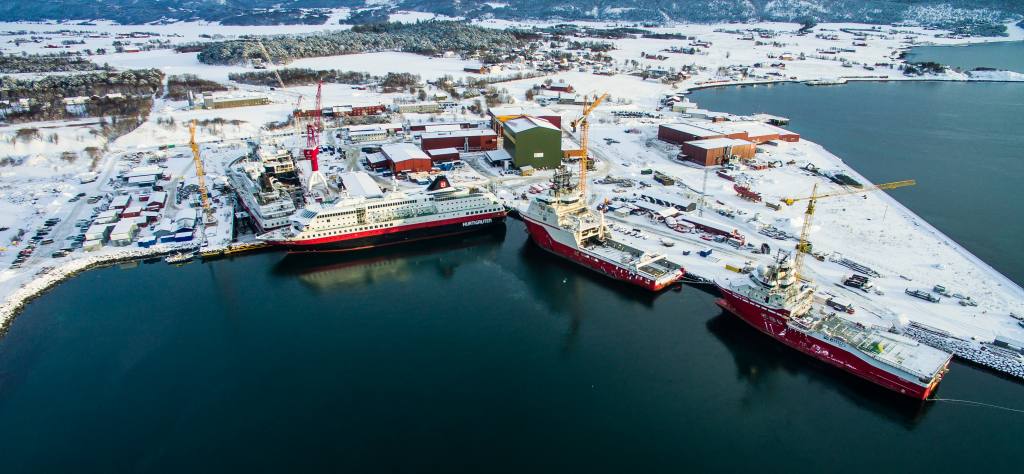
The BCL team is co-operating with Fosen Yards and other premium suppliers ensuring solutions and quality adapted to the European market.
Since 2008 there has not been a ferry link between England and Norway after the old ferry between Bergen and Newcastle stopped operating. According to CRL’s webpage, this leading-edge cruise ferry concept is being developed by a highly experienced team with expertise in all aspects of designing and operating this type of ship. The team also has in-depth knowledge and experience with the planned UK – Norway route and market. The ship will be built at a highly competitive cost level by a leading shipyard. The BCL team is co-operating with Fosen Yards and other premium suppliers ensuring solutions and quality adapted to the European market.
The cruise ferry will feature a shopping street, several restaurants, casino, theater, beauty parlor, fitness center, and several bars including English-style pubs. An observation deck is planned for those who prefer a more relaxing voyage.
Direct Ferry Link Between UK and Norway to be Re-Established, written by Tor Kjolberg