Denmark’s Gudenå river, also called the River of Gods, is the longest river in Denmark and home to outdoor activities and historic market towns. It’s a 150 km of playground in Denmark.
Known as the River of Gods, Gudenå is the longest river in Denmark, and traces of settlements dating back to the Antiquity, can be found along its banks. The river has served as a means of transport, a source of power and an area for fishing – now visitors come to visit historic cities and experience a wide range of outdoor activities.
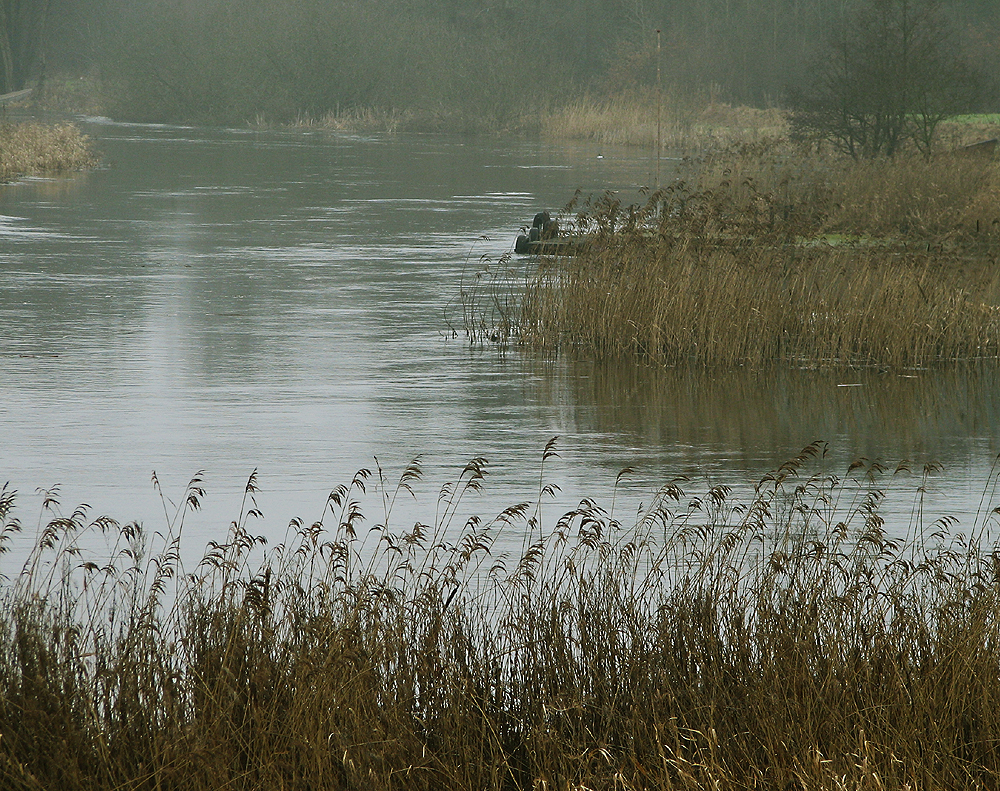
Known as the River of Gods, Gudenå is the longest river in Denmark. Photo: Store norske leksikon
“We have old cities situated on the edge of the river and wonderful outdoor activities,” says the local tourist director and chairman of the Association of River Gudenaa. “It’s quite an unusual combination – we call it 150 km of playground.”
From Skanderborg. Photo: Visit Skanderborg
Old market towns
Viborg – Denmark’s former capital – is here alongside medieval Randers, Silkeborg, lakeside Skanderborg and Horsens, all with easy reach by air, road and rail. These old market towns offer stress-free shopping om pedestrian streets and in new shopping-centers, as well as a host of cafés, bars, restaurants, places to stay and activities.
Silkeborg’s Aqua Aquarium & Wildlife Park is home to Europe’s largest freshwater aquarium
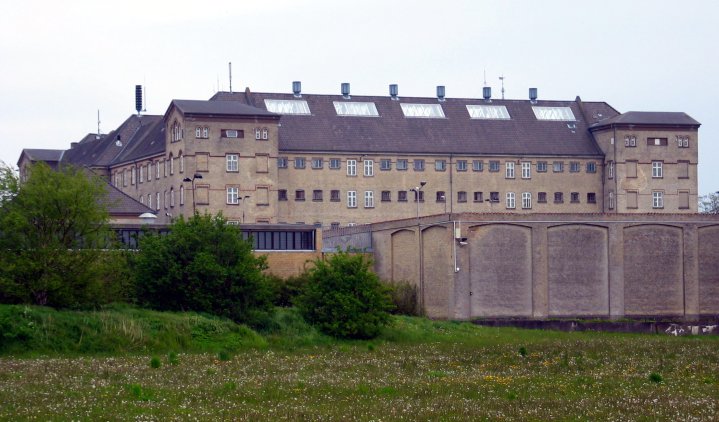
Europe’s largest freshwater aquarium Silkeborg’s Aqua Aquarium & Wildlife Park is home to Europe’s largest freshwater aquarium and is ideal for families, or get locked in Horsen’s Prison Museum. It’s the site of one of Denmark’s most audacious escapes, when burglar Car August Lorentzen used a spoon to dig a 20m tunnel. It took him nine months, and when he got out on Christmas Eve 1949, he left a note behind: “Where there’s a will, there’s a way.” He was recaptured one week later.
Horsens State Prison. Photo: WikipediaGraceland Randers – a museum, shop and diner dedicated to Elvis Presley. Photo: Wikipedia
Graceland Randers And don’t miss Graceland Randers – a museum, shop and diner dedicated to Elvis Presley. Inspired by the King’s home in Memphis. The 80th anniversary of his birth was celebrated on 8 January 2015 with visitors from around the world.
The star routes on foot or by bike Viborg’s circular Star Routes are a great way to experience the outdoor – on foot or by bike. Take a tourist boat in Randers or the Lakelands, or canoe down the river, stopping at campsites or old inns for the night. And fishing permits are easily available online or from local tourist offices. If you want to drop a line in the water – up to 20 species have been recorded along its length, including salmon, trout, perch and zander.
150 km of Playground in Denmark, supported by the European Agriculture Fund for Rural Development, investing in rural areas and central Jutland.
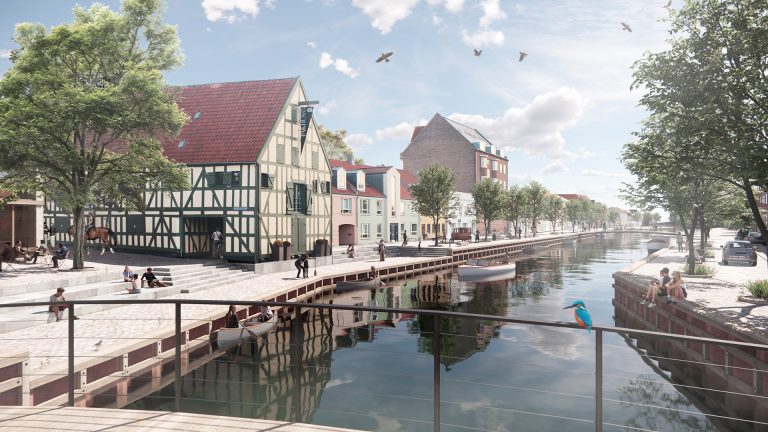
Feature image (on top): From Horsens. Illustration by Vandkunsten Architects.
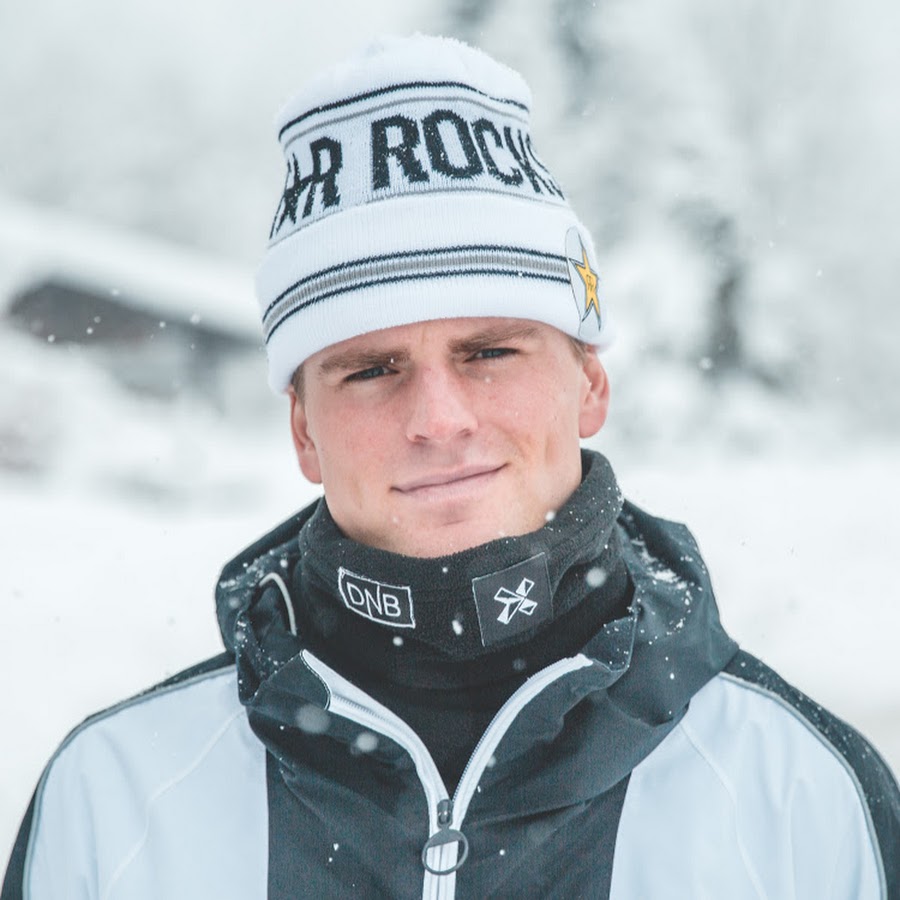
Norwegian athletes could boast another rush of gold medals that topped all other nations in the Beijing Winter Olympics 2022. However, for the chef of missions, Tore Øvrebø, enjoying themselves and creating good relationships were more important than winning. Learn more about the Norwegian gold rush in Beijing Winter Olympics.
Cool official Norwegian winter sports outfit, Norwegian flags and the Norwegian anthem were really in the spotlight when Norwegians entered the medal podiums 37 times during the two week’s games, 16 of them gold. That’s an increase of 14 since the last record-breaking Winter Olympics in South Korea.
Norway finished a narrow second in the Sochi 2014 Winter Olympics, but really won considering Russia’s spectacular cheating scandal.
Norwegian athletes could boast another rush of gold medals that topped all other nations in the Beijing Winter Olympics 2022
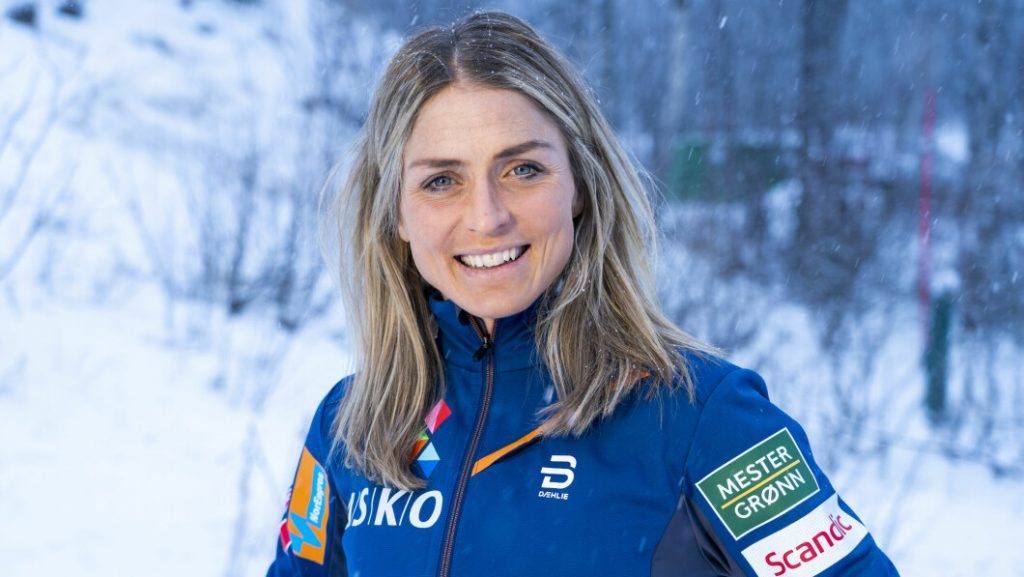
Norway’s last gold medal before the 2022 winter games ended was claimed by veteran cross-country skier Therese Johaug (34), when she won the exhausting 30-kilometer race over the weekend. Johaug had already won gold in the opening 15K race and the 10K, but she lacked an individual Olympic gold medal and succeeded this time. According to the athlete this is her last Olympic games.
Norway’s last gold medal before the 2022 winter games ended was claimed by veteran cross-country skier Therese Johaug (34). Photo: Screenshot from TV2
Some critics claim that Norway should have claimed more gold in biathlon and cross-country races, but Øvrebø measures success in different terms. “The main objective for us is to make the athletes have fun all the way through the Games,” he said when Norway won the men’s cross-country team sprint for a 13th Beijing gold.
Norwegians entered the medal palls 37 times during the two week’s games, 16 of them gold. Photo: China Morning Post
But how can a small country like Norway, with only 5.5 million inhabitants outpace countries with much larger contingents and even much similar climates? The answer is a genuine sporting spirit from childhood to old age. In spite of this, a Norwegian Broadcasting Company reporter claimed that the Beijing 2022 Olympic Games was weak. “It has been 46 years since only one Norwegian woman won only one Olympic gold medal in cross-country skiing,” he said. Cross-country skiing is often viewed as Norway’s national sport.
Tore Øvrebø – director of Olympiatoppen since 2013. Photo: Eurosport
Tore Øvrebø explains the Norwegian success has a three levels approach. First, to achieve development over time you have a very high quality of daily training. Second, working specifically with the competitions, preparations and executions. Last, but not least, is to establish and develop good and safe relations between the athletes themselves and also between the athletes and their coaches and the staff around.
Snowboarder Mons Røisland (25) was “blown away” by his silver medal. “It’s hard to explain Norway’s success,” he says. “We’re not many people, but we’re a people with passion. There are so many athletes out of Norway, and it’s so impressive and inspiring to see what everyone does to be here and be part of the crew.”
In spite of the Norwegian gold rush during the games, it was nonetheless an unusual Corona-plagued Olympics that prevented spectators from abroad to attend. No members from the Royal Norwegian family or the government attended, not because of a diplomatic boycott over China’s human right abuses or crackdowns on democracy in Hong Kong and freedom of expression anywhere under China control, but Corona-related reasons.
“The Norwegian sports model, which is being practiced all the way from childhood, should be physical activity based on fun, many types of activities, variety and different sports,” says the 56-year-old former Olympic rower Tore Øvrebø – director of Olympiatoppen since 2013.
The Norwegian Gold Rush in Beijing Winter Olympic, written by Tor Kjolberg
The Danish artist Jeppe Hein is famous for making benches, fountains and a bar. Many Scandinavians have walked in his sculpture Path of Silence at the Kistefos Museum outside Oslo. You’re hereby invited to look, feel and play with the Berlin-based Danish artist.
Hein studied at the Royal Danish Academy of Art between 1997 and 2003 and at the Städelschule in Frankfurt between 1999 and 2000 (while registered as an associate student of the Danish Academy). As a student Hein was co-founder of OTTO, a non-commercial organization that organized art exhibitions at various venues in Denmark between 1997 and 2000.
Hein’s art addresses the senses and curiosity of the audience. You don’t really know if you should call his works art, architecture or technology. However, the viewer is always of the utmost importance to him. He is particularly known for large sculptures and installations in the outdoor space, often with a social and interactive dimension.
Between September 2009 and January 2010, Hein stayed at Alexander Calder’s studio in Saché, France, as a part of an artist in residence program. In the middle of the magnificent Norwegian nature Hein has installed his greatest work till date, Path of Silence.
Artist Jeppe Hein. Photo: Kistefos
Kristan Sveaas’ sculpture park Kistefos at Jevnaker outside Oslo houses five of the artist’s modified social benches – made in a blue color that is exclusive to the museum. They bulge and challenge the way we sit, and appear to be connected underground. First and foremost, a formidable labyrinth of water, nature and 450 steel columns is just a short walk away, which with its several hundred square meters is the largest installation the Dane has ever made. Hein had the mission in mind while going on a pilgrimage from Dombås in 2014. When he came back, the idea was ready.
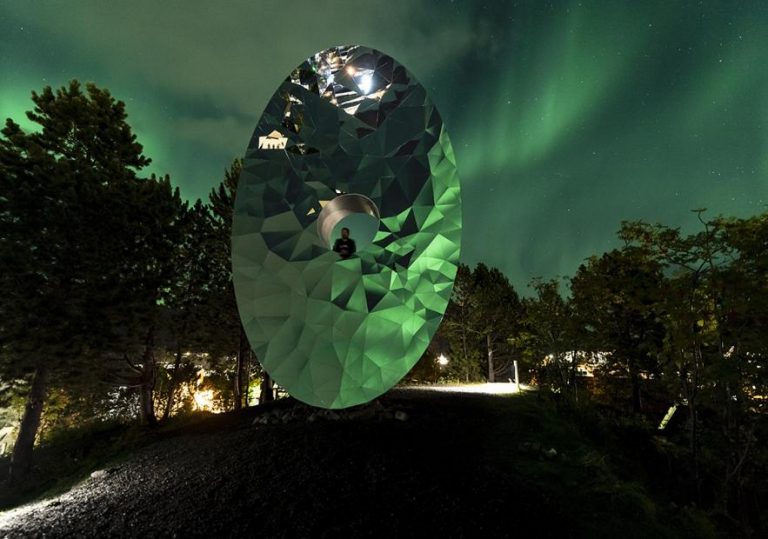
Eye of the North is an eight-meter-high and five-meter-wide mirror installation located on Lofoten, Norway. Standing on a small hill, the installation is visible from afar and allows visitors to look into the landscape. The elliptically shaped sculpture, with a concave vaulted front and a convex vaulted back, has a round opening in the middle with a diameter of 1.5 meter that can be reached via a small stair.
“My works are an incongruous dialogue between the art and the viewer and to use humor to broaden the limits of conceptual art. I want to show that the work isn’t anything on its own, it is only what the public informs it with. The viewers’ role brings the piece to the center of attention,” he says.
Social bench at Kistefos
Working in the overlap of art, architecture, design, and technical interventions, Jeppe Hein has always considered the social potential of art a driving force. With focus on the intuitive, physical, and emotional experience of art, he insists on addressing people of all ages, backgrounds, and levels of education, promoting a dialogue between the work and its surroundings and, more importantly, among the viewers themselves. He invites us to look – feel – and play!
Look Feel and Play with Berlin-Based Danish Artist, written by Tor Kjolberg
Feature image (on top): Eye of the North (Lofoten) by Jeppe Hein
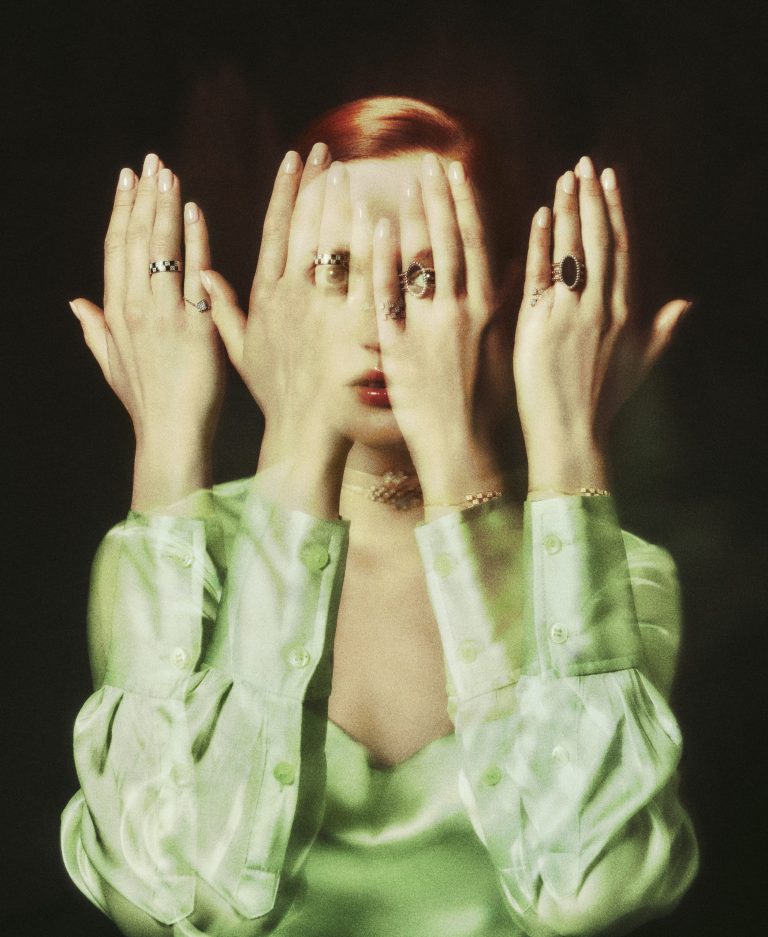
On 18 February, Fotografiska in Stockholm opened its doors to the museum’s major spring exhibition; окна featuring images by the Russian photographer Elizaveta Porodina. With her experimental, dreamlike and occasionally surreal photography, she invites us to merge the past and the contemporary – a journey through time and space. Experience theRussian star photographer on display in Stockholm
A rising star within fashion photography
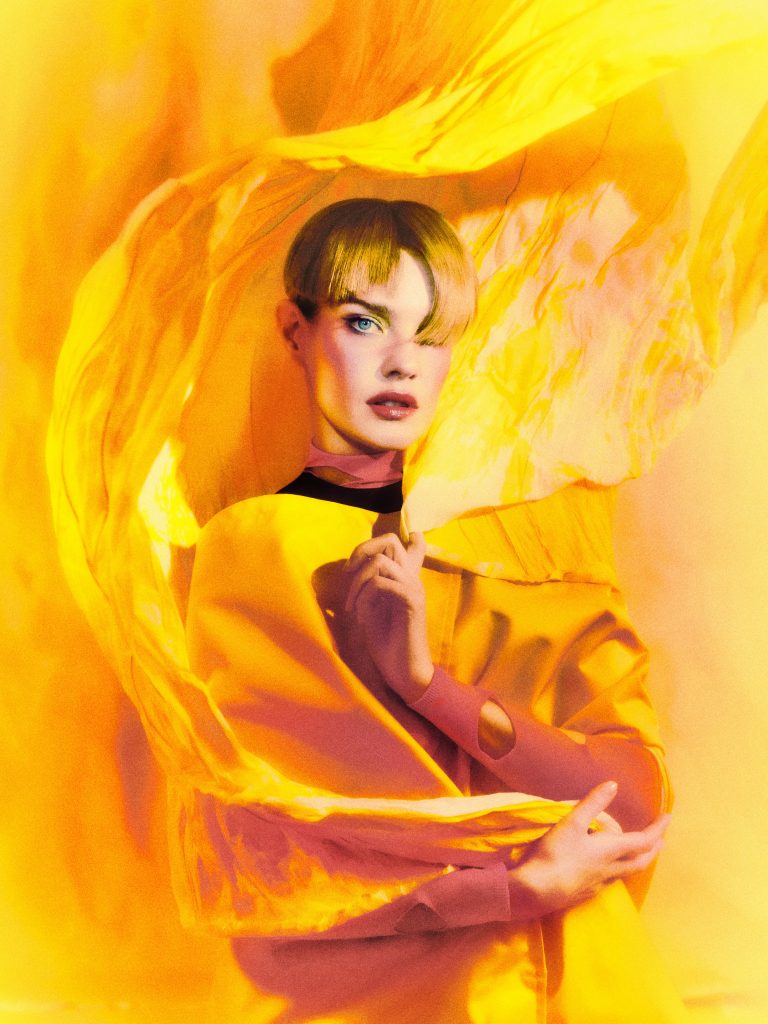
34-year-old Elizaveta Porodina is currently one of the leading names in fashion photography, working with fashion houses such as Dior, Moncler and Carolina Herrera. Born in Moscow, Elizaveta Porodina moved to Germany together with her family at the age of 12. Although coming from a professional background in clinical psychology, she decided to pursue a creative career in photography and soon received recognition from both the fashion and the art world. She is currently residing in Munich, yet she considers the world as her home.
34-year-old Elizaveta Porodina is currently one of the leading names in fashion photography. Photo: Artpil.com
While many photographers downsized their work during the pandemic, Elizaveta Porodina chose a different path: she instead increased her unique techniques via zoom and style that quickly became both popular and widely imitated. Elizaveta says that she saw no other option; “Developing and adapting is the true nature of the artist.”
A surreal and dreamy reflection The exhibition окна (Russian for window) reflects the past few years of the photographer Elizaveta Porodina’s life and work. Her imagery is surreal, dreamy and intimate, on occasion frightening, haunting and delicate. Tears and water are recurring themes in her images and she draws inspiration from her childhood in Russia, art, history, film and religion.
While many photographers downsized their work during the pandemic, Elizaveta Porodina chose a different path
The exhibition in Stockholm is the global premiere, and it will remain on display until 12 June 2022. The exhibition will then be shown at Fotografiska Berlin and Fotografiska New York.
Russian Star Photographer on Display in Stockholm, a press release from Fotografiska
Scandinavia is renowned for its long, cold, dark winters. Getting through these requires mental and physical strength. It’s therefore hardly a surprise that Scandinavia is also renowned for its emphasis on self-care. Scandinavian spas have long played an important role in this. Here is a history of the Scandinavian spas.
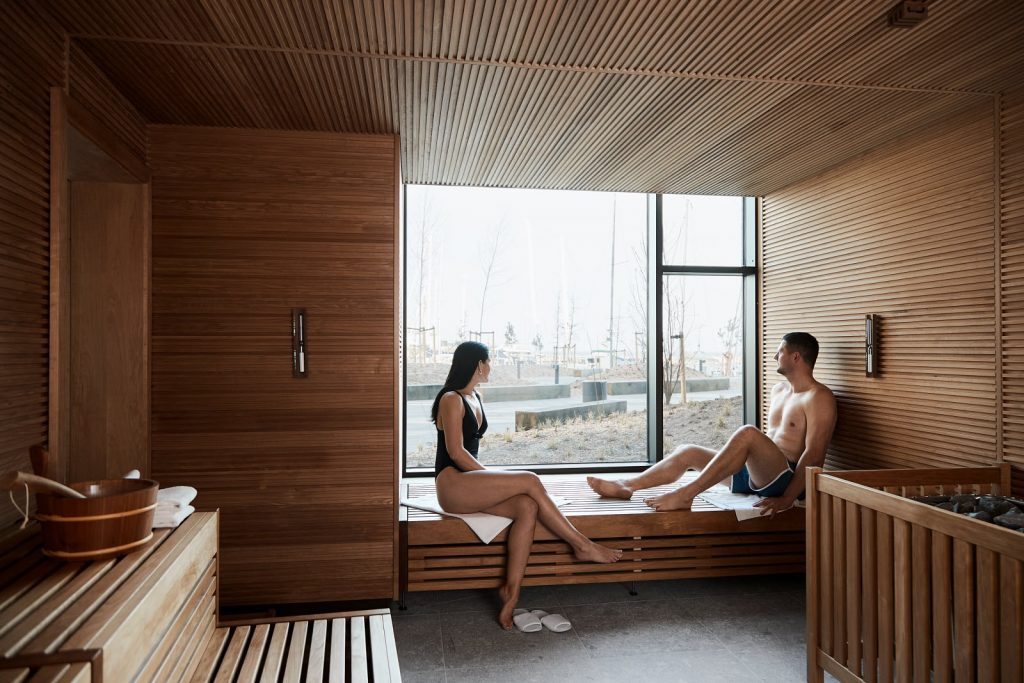
The original Scandinavian spas For many people, the phrase “Scandinavian spa” effectively means “sauna”. There’s a lot of truth in this. Saunas were the original Scandinavian spas. They are still hugely important today. Nobody knows exactly when or where saunas were invented, let alone by whom. Saunas were, however, definitely around in Northern Europe by about 2000 BC.
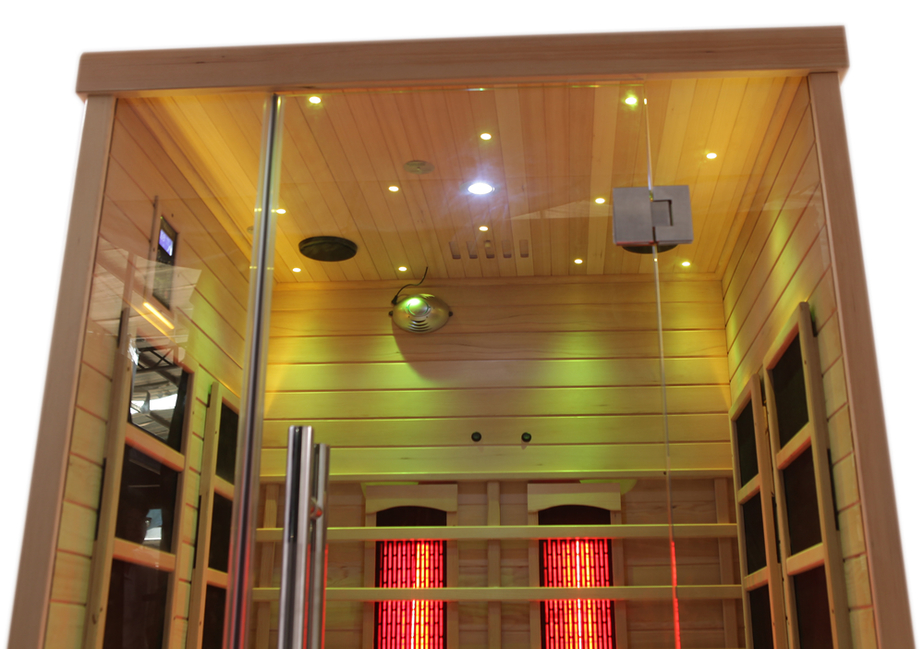
Vidalux sauna 2 person full spectrum
Saunas for survival Modern saunas are used to enhance health and wellness. In the early days of their existence, however, they were used to help people survive. The original saunas were essentially tents made out of animal skins. They were places for people to live, often together with animals.
During the day, a fire was kept burning underneath a pile of rocks. At night, when the fire went out, the stones continued to warm the tent. People learned to pour water onto the rocks to make steam. This made the tents even warmer and cosier.
Although the main benefit of these early saunas was heat, they also helped to promote cleanliness. Even in the 21st century, steam is regarded as being one of the best cleaners there is. This cleanliness (by the standards of the time) helped to keep people healthy. It also provided a relatively sanitary environment for activities such as childbirth.
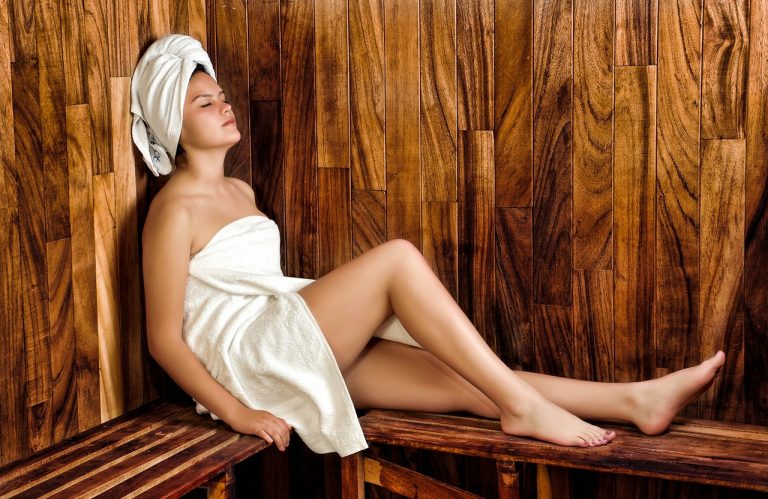
People began to make the connection between the atmosphere in the sauna and their health and wellness. Photo: Ron Lach/Pexels
The development of the sauna As human civilization developed, the sauna developed along with it. Dwellings improved but for a long time they remained dependent on saunas for heat. People began to make the connection between the atmosphere in the sauna and their health and wellness. It was far too early for this connection to be validated by science but it was grasped by the public.
The basic principle of the sauna spread far and wide, literally across the world. Its precise implementation varied from place to place. In some locations it was a sweat lodge, in others a public bathhouse. The underlying concept, however, was always essentially the same. There was heat and water and at some point in the experience, these were usually combined to create steam.
Scandinavian spas by country Over time, the basic practice of having a sauna developed into a more formalised health and wellness experience. As it did so, different parts of Scandinavia developed their own individual variations of it. Here is a quick guide to Scandinavia spas by country.
A typical thermal bath experience will involve taking dips in hot, cold and scented pools. Phoyo: YouTube
Norway Modern Norway still has saunas but nowadays thermal baths are more popular. Since Norway does not really have natural hot springs, thermal baths tend to be public facilities. They are often provided at hotels and spas. A typical thermal bath experience will involve taking dips in hot, cold and scented pools. These may be indoors or outdoors.
Another key part of the Scandinavian spa experience in Norway is “friluftsliv”. This is often translated as “forest bathing” although it doesn’t have to involve forests or even trees. It simply means getting out and about in the fresh air. The benefits of this have been recognized in Norway for hundreds of years. Science is now catching up with them.
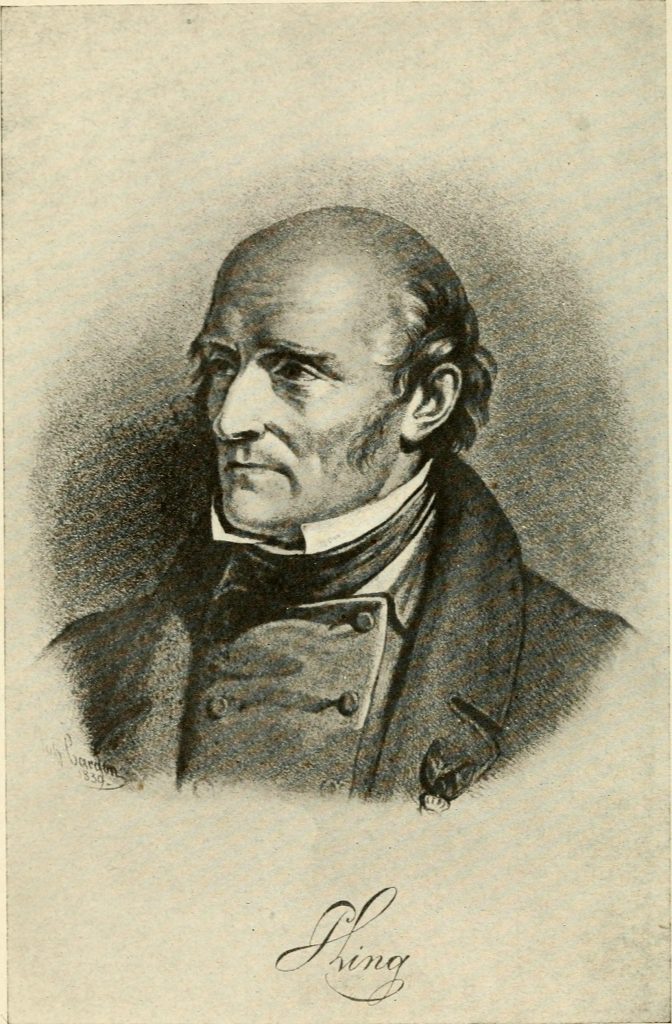
Swedish educator Pehr Henrik Ling is often considered the father of Swedish massage (and modern gymnastics). Photo: Wikimedia commons
Sweden Sweden is another country that prefers thermal baths to saunas. What Sweden is really famous for, however, is Swedish massage. Swedish educator Pehr Henrik Ling is often considered the father of Swedish massage (and modern gymnastics). He did not exactly invent it but he did study, prove and publicise its benefits.
Today, Swedish massage is available all over the world. In fact, it’s considered an essential skill for many health-and-wellness professionals. Its spiritual home, however, remains in its native Sweden.
Swedish massage stimulates the body’s systems. It therefore encourages the delivery of oxygen and nutrients and the removal of waste. It also eases any tension in the muscles and helps the mind to relax.
Saunagus at Scandic Amager strand. Photo: Gusmaster.dk
Denmark Up until relatively recently, saunas were fairly niche in Denmark. Over recent years, however, the sauna has been making a major comeback. Its use, however, is very different from established sauna practice in neighbouring countries. Instead, it’s been driven by the practice of saunagus.
This actually originated in Germany (where it’s known as Aufguss) but has become popular in and popularised by Denmark. Saunagus combines elements of a traditional sauna with aromatherapy and mindfulness. It’s been practised in Denmark since the late 19th century but only really went mainstream fairly recently.
Even though saunagus is becoming increasingly popular, it’s still nowhere near as popular as Denmark’s two major wellness trends, hygge and winter swimming. Hygge is the principle of cherishing simple acts and small pleasures. These can and often do involve spa experiences, particularly home spa experiences such as having a bath or even a shower.
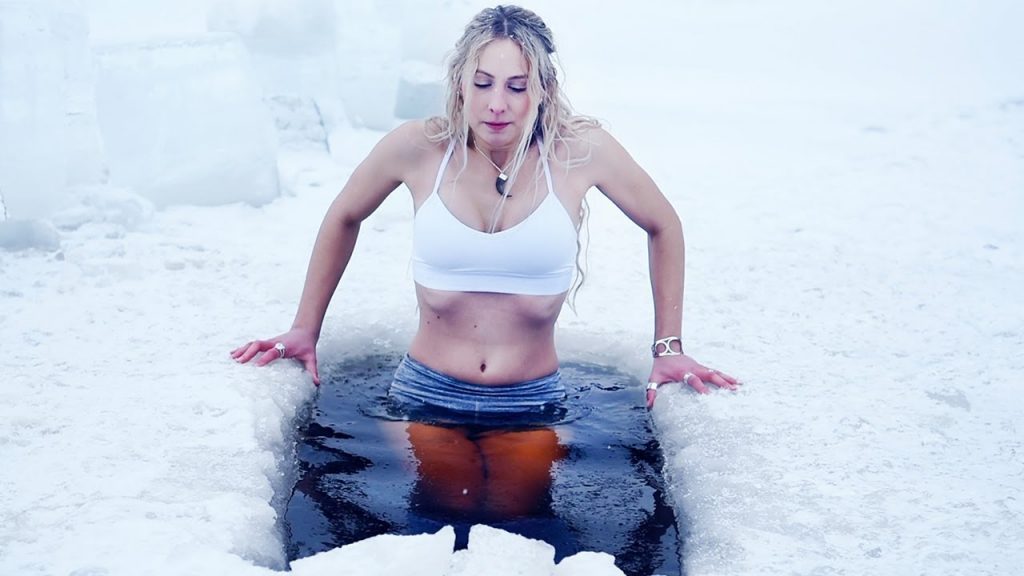
Winter swimming is one of Denmark’s oldest wellness traditions (although it’s practised in other countries as well). It’s long been believed that it stimulates the body and the mind. Science now agrees. Scientists have studied the effect of cold on the body and agree that it can be stimulating. In particular, it can boost the production of white blood cells. These are the cells that fight off infection.
People insaide sauna in Lahti. Photo: Julia Kievala/Visit Finland
Honourable mentions to Finland and Iceland Neither Finland nor Iceland is a part of Scandinavia. It would, however, be unfair to finish an article on wellness traditions in Scandinavia without an honourable mention of them. Finland is widely regarded as the home of the sauna. The country is certainly the sauna’s spiritual home and has done a lot to keep the tradition of the sauna relevant to a modern world.
Iceland may well have provided the inspiration for the thermal baths that are now so popular in Norway and Sweden. Unlike Scandinavia, Iceland is famously blessed with hot springs. These have been popular with residents throughout the entirety of human history. They are now a major tourist attraction. It helps that they’re famously full of minerals and often come with great views!
Andrew Ellis
A History of the Scandinavian Spa, written exclusively for Daily Scandinavian by Andrew Ellis. Ellis is the owner of Steam Shower Store. Andrew is an avid sauna user, wellness enthusiast and a leading expert and an extremely well-respected voice in his field having been published and featured in many leading publications.
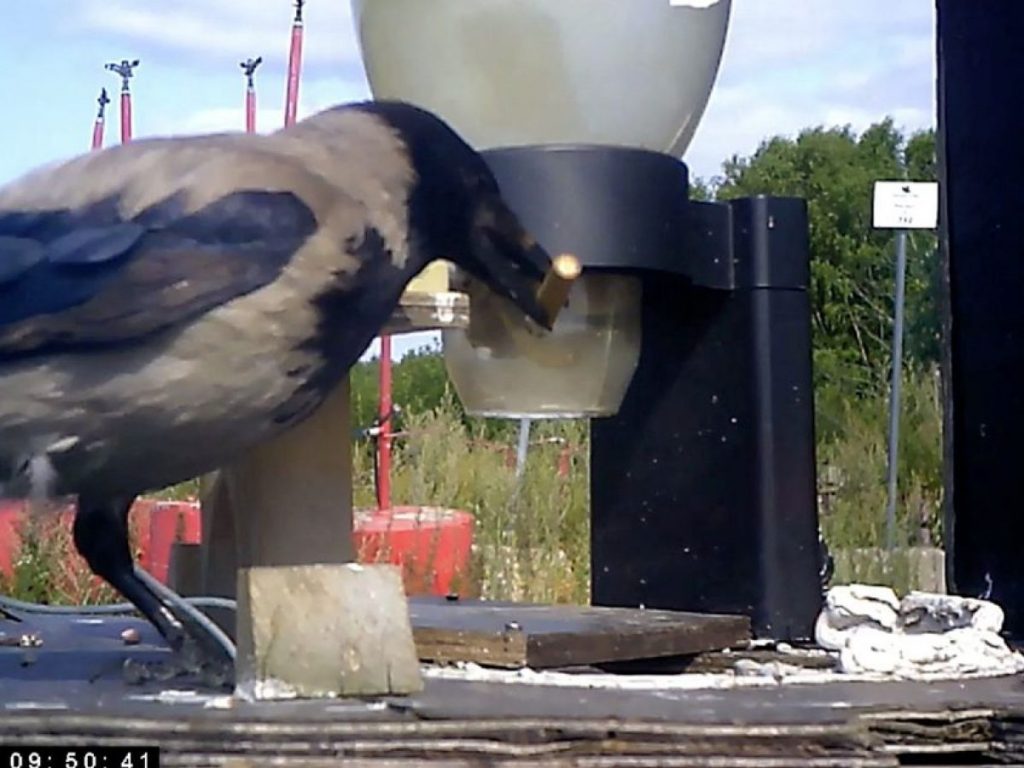
In Södertälje near Stockholm crows are being trained to pick up cigarette butts that are littering the streets. This is a persistent waste problem and the crows are being recruited and rewarded with a small amount of food for every butt they deposit in a bespoke machine. Read more about the crows which are ‘paid’ to pick up cigarette litter in Sweden.
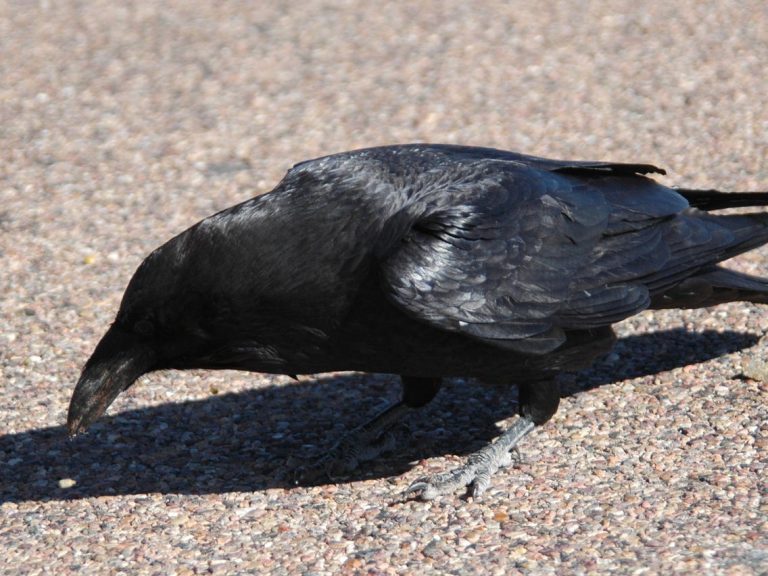
These intelligent birds are putting humans to shame by picking up street litter. The method is part of a pilot project by The Keep Sweden Tidy Foundation. “They are wild birds taking part on a voluntary basis,” said Christian Günther-Hanssen, the founder of Corvid Cleaning, the company behind the method.
The wild birds are being trained through a step-by-step process. Photo: Thakoni
Christian Günther-Hanssen, the founder of Corvid Cleaning, the company behind the method. Photo: Twitter
Some studies suggest that crows could be the smartest animals on the planet besides primates with a level of reasoning equal to a seven-year-old. “They were chosen for the job precisely because of their intelligence,” Gunther-Hanssen told Swedish news agency TT. He estimates his method could save at least 75% of costs involved with picking up cigarette butts in the city.
And it isn’t the first time crows have helped with a waste problem. In 2018, the Puy du Fou theme park in the west of France taught crows to pick up cigarette butts and other small pieces of litter in return for food.
The estimation for the cost of picking up a cigarette butt today is around 80 öre [Swedish change]Related: Responsible Recycling in Norway
The wild birds are being trained through a step-by-step process. “They are easier to teach and there is also a higher chance of them learning from each other. At the same time, there’s a lower risk of them mistakenly eating any rubbish,” says Gunther-Hanssen.
He adds, “the estimation for the cost of picking up cigarette butts today is around 80 öre [Swedish change] or more per cigarette butt, some say two kronor. If the crows pick up cigarette butts, this would maybe be 20 öre per cigarette butt. The saving for the municipality depends on how many cigarette-butts the crows pick up.” He estimates the use of crows could save Södertälje, which currently spends 20 million Swedish kroner (£1,601,518) on street cleaning, at least 75 per cent of costs.
A Swedish startup trains crows to pick up trash. Photo credit https://interestingengineering.com/
However, Tomas Thernström, a waste strategist at Södertälje municipality, said the potential of the pilot depends on financing.
Cigarette butts are the most abundant form of plastic pollution in the world. Currently, The Keep Sweden Tidy Foundation says that these persistent pieces of plastic pollution make up around 62 per cent of the litter.
“When we can teach crows to pick up cigarette butts, we may also be able to teach people not to throw them on the ground,” concludes Gunther-Hanssen.
Crows ‘Paid’ to Pick Up Cigarette Litter in Sweden, written by Tor Kjolberg
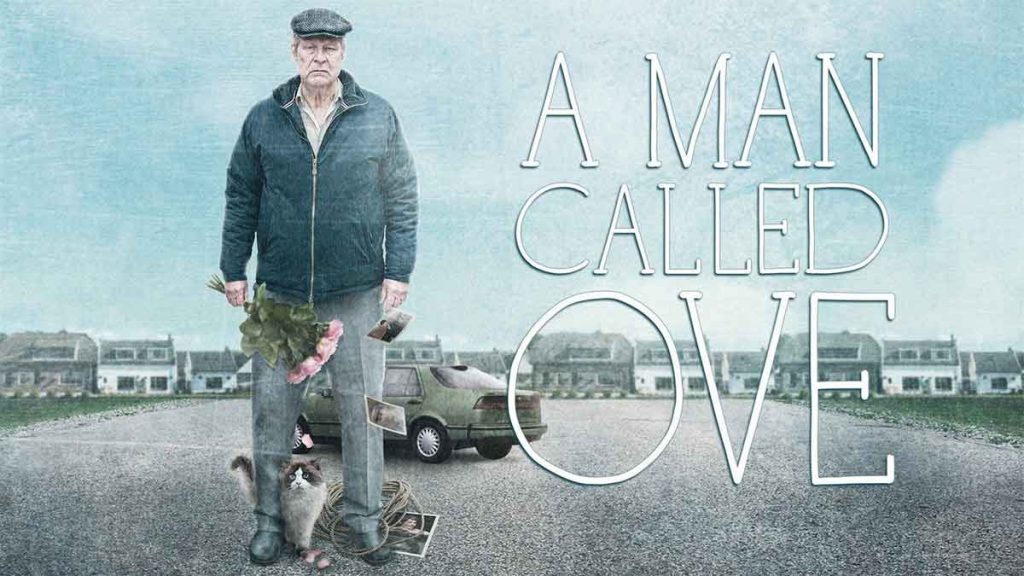
When the Swedish success film “A man named Ove” is transformed into an English version, Ove changes his name to Otto. Old Man Hanks is ready for the lead role in the American film adaptation of Fredrik Backman’s successful novel. Read more about theEnglish version of Swedish film starring Tom Hanks.
The 2012 book by Fredrik Backman was a mainstay on The New York Times best-seller list for a consecutive 77 weeks and has been translated into 43 different languages. A Man Called Ove was nominated for two Academy Awards last year and was the highest-grossing foreign language film in the United States in 2016. In addition, the film was awarded with Best Comedy prize at the European Film Awards in 2016.
A Man Called Ove was nominated for two Academy Awards last year and was the highest-grossing foreign language film in the United States in 2016. Ove played by Rolf Lassgård.
Starring Tom Hanks – Producer Fredrik Wikström Nicastro
The film company SF Studios states that they are changing the main character’s name to Otto to adapt the film to the American market. The shooting of “A Man Called Otto” began earlier this month in Pittsburgh.
“We are thrilled and extremely happy to have joined forces with Tom Hanks and the very successful Playtone in this project,” says CEO of SF Studios Michael Porseryd. Producer Fredrik Wikström Nicastro continues, “I strongly believe that A Man Called Ove is a universal story that resonates strongly with an American and international audience. Making this film with one of the world’s best and most acclaimed actors gives A Man Called Ove the best possible opportunity to once again touch the hearts of audiences worldwide.”
“We are thrilled and extremely happy to have joined forces with Tom Hanks and the very successful Playtone in this project,” says CEO of SF Studios Michael Porseryd. Photo: Bonnier
The Plot The film stars a widower (Hanks) who seems to enjoy his loneliness and misery. Though he has frequently tried to end his life, something always seems to go wrong. His life suddenly takes a change when a mixed-race couple moves into the neighborhood. Ove beings to form a friendship with the couple that will significantly improve his way of life.
I strongly believe that A Man Called Ove is a universal story that resonates strongly with an American and international audience,” said producer Fredrik Wikström Nicastro. Photo: YouTube
Global rights to Sony
Sony has taken global rights to the red-hot package from CAA Media Finance for around $60 million and is planning a wide domestic theatrical release in December.
English Version of Swedish Film Starring Tom Hanks, written by Tor Kjolberg
Are you interested in traveling to Scandinavia? Make sure you are prepared and ready to see places with scenic beauty and hospitable people. Learn how to make your journey to Scandinavia unforgettable.
Known for its spectacular coastlines, glaciers and winter wonders for skiing or hiking, Scandinavia has so much to offer. Let the culture and history of the country inspire you.
Scandinavians are sporty, so you can easily do any kind of sport in the cities and in nature, like kayaking on rivers or cycling. Modern art and architecture can be seen in the big cities, but small villages have kept the traditional medieval style and architecture.
Explore with us the possibilities to make your trip to Scandinavia unforgettable.
Top Destinations in Scandinavia (husky sledding northern lights) There are numerous cities you should have on your bucket list when in Scandinavia. Start with Norway. Oslo and its urban architecture, coupled with the green hilly landscape, is a good place to start.
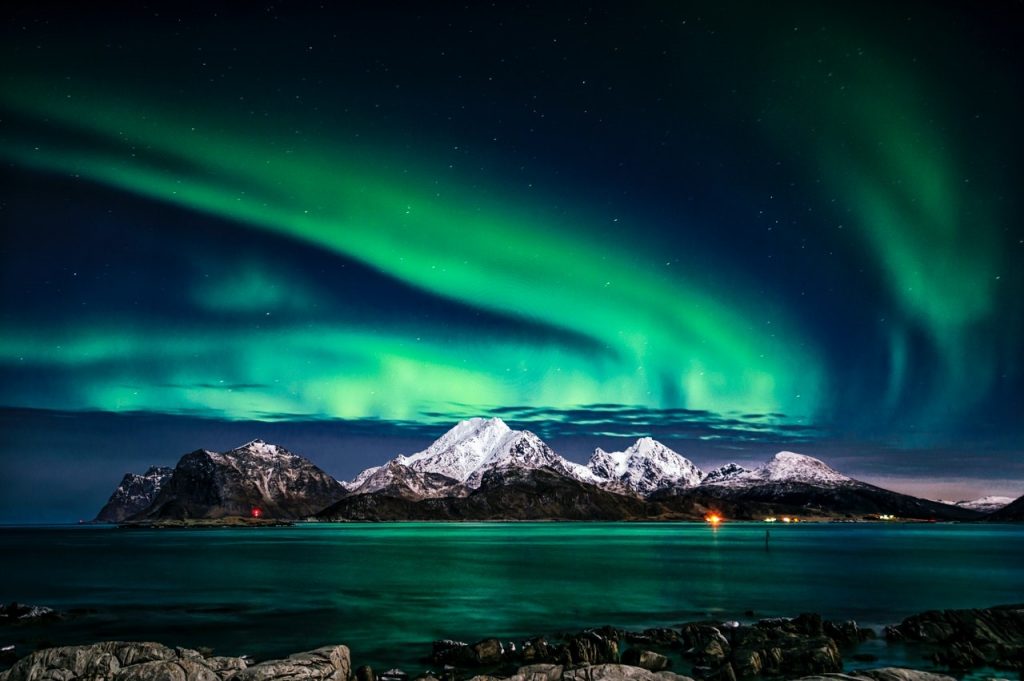
Don’t hesitate to visit the Lofoten Islands in the Arctic Ocean. You will be amazed by the colorful houses of these small fishing villages. If you plan to visit the islands in winter, don’t miss the Northern Lights.
Don’t miss the Northern Lights
And don’t forget to take your camera with you and capture your unforgettable memories. After all, what’s better than creating an amazing photo board by using a mood board template when you’re back home?
From Sweden, you will definitely want to visit Stockholm, where the culture and history are paramount. Gamla Stan and the Nobel Museum are just a few of the stops you could make. If you visit Sweden in winter, you should try ice skating and husky sledding!
Gothenburg is another wonderful place to visit in Sweden. Explore the neoclassical architecture and romantic canals that crisscross the city.
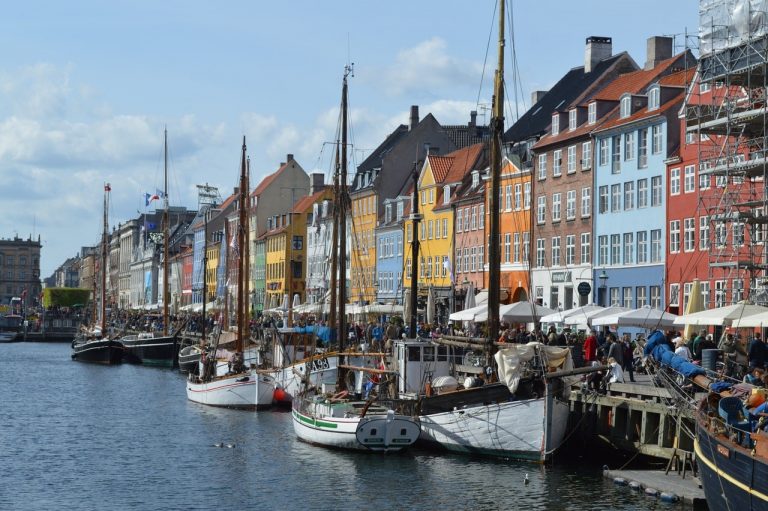
In Denmark, you should visit Copenhagen, where you will need several days to explore all the cultural and historical monuments like Amalienborg Castle.
Do a Scandinavian Road Trip Explore Scandinavia at your own pace with an unforgettable road trip. After all, what better way to get to know a place than on a road trip? You can make several stops in smaller or larger towns and villages and get to know the locals.
You can easily do any kind of sport in the cities and in nature, like kayaking on rivers or cycling.
Another good reason why you should visit Scandinavia on wheels is that you can create your own itinerary and get to know the natural landscape better. You will have the opportunity to take a hike or a bike ride to the non-touristy parts of each country.
Traveling by motorhome is ideal if you are adventurous. Norway is very well organized with campsites for motorhomes in the most beautiful places.
If you visit the Scandinavian archipelago on a road trip, head to Stallhagen, where you can taste the oldest preserved beer in the world!
Take Cultural Tours in Capitals (saunas) If you want to learn about the culture and history of the Scandinavians, one of the best ways to do that is to take any cultural tour. Especially in the big capitals of the countries, these are very well organized.
Another way to explore Scandinavian culture is to meet the locals and follow their “traditional” habits. A good cultural example that you might didn’t know is that Scandinavians love coffee. They even have “coffee parties” (fika) where people hang out together, drink coffee, and eat buns and cakes!
Swedes have “coffee parties” (fika) where people hang out together, drink coffee, and eat buns and cakes!
Another local habit is saunas. They combine the warm sauna with a refreshing dip in the cool water. This combination may seem strange to you, but it will definitely make you feel awake and alive.
These are some tricks to explore the Scandinavian culture. If you follow our advice and take tours and meet the locals, you will definitely understand their culture and everyday life better.
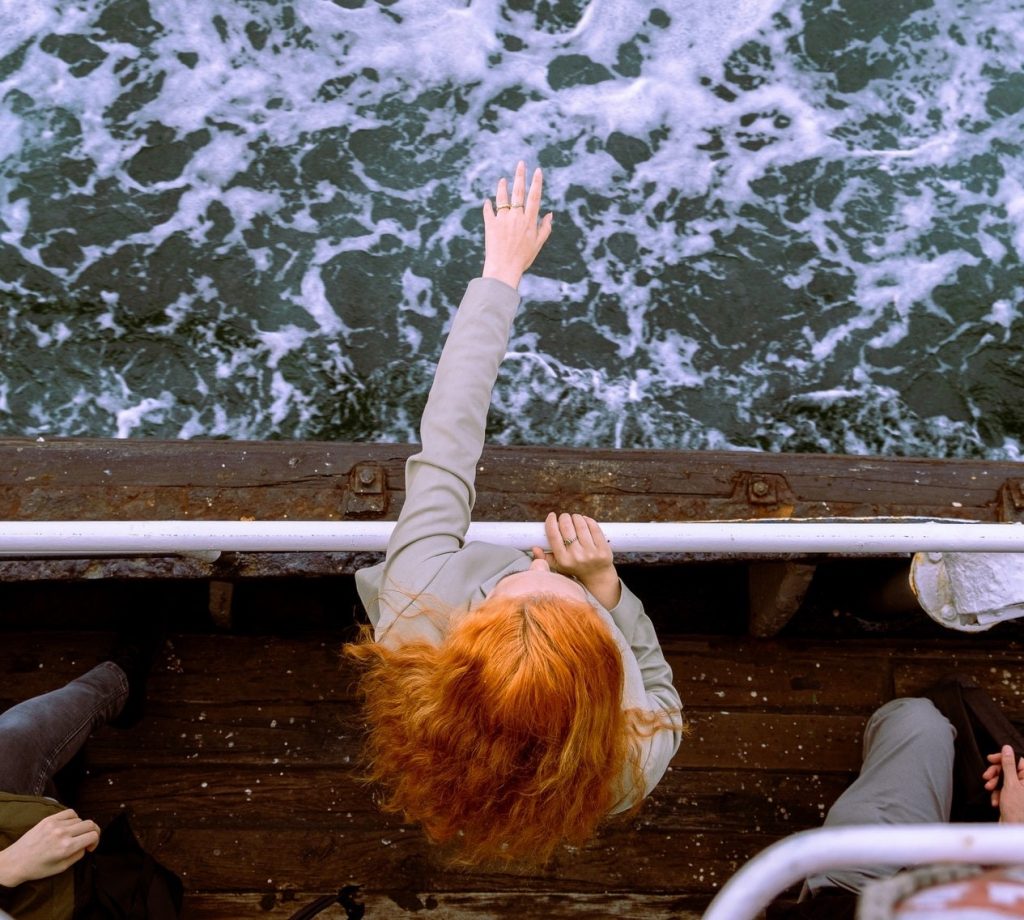
Cruises are the Best Another wonderful way to explore Scandinavia is by boat. We definitely recommend a cruise so you can see the extraordinary water landscapes with your own eyes.
A cruise around Scandinavia and the Baltics is the best way to have an adventure in several countries.
A cruise around Scandinavia and the Baltics is the best way to have an adventure in several countries. You will have the opportunity to see some of the most beautiful coastal cities.
Another great option is to cruise the fjords and coast. The fjords of Norway are famous for a reason. You will fall in love with this unique scenery and extraordinary landscape.
If you have time, you can spend 5-7 days on this cruise so that you see all the highlights.
Best Time to Visit Scandinavia It all depends on when you plan to visit Scandinavia. You can choose any season and do different things. Of course, you can do many activities in more than one season.
The best weather and longest daylight hours are in July and August
For example, the best weather and longest daylight hours are in July and August. In winter, the cities are less crowded and you can explore them at your own pace.
The famous Northern Lights can be seen in the dark skies in the Arctic region between October and March.
How to Make Your Journey to Scandinavia Unforgettable – Wrap Up In any case, Scandinavia is worth visiting at any time of the year and more than once. You will love the nature with its unique landscapes and the cities with their fusion of urbanity and tradition. Just bring your smile and your good mood!
How to Make Your Journey to Scandinavia Unforgettable is a promotional article written by VistaCreate.
Norway is a truly majestic choice when it comes to nature, adventure, and getting in touch with what matters in life. It might be difficult for some to plan their trip because of geographic location, but once you get to the country, everything is worth it. However, this should not mean it is a good idea to just hop on a flight and go. Here are9 things you should know before you visit Norway.
There are several things you should know to make your Norway visit better. Here are some you should remember.
It Is Not That Common To See Polar Bears A very common misconception about Norway is that polar bears are everywhere. In reality, you will find zero polar bears on the mainland Norway area. The country is actually quite civilized and the cities are modern. But, this does not mean you cannot see some polar bears. You can go to Svalbard for that. There, there are fewer people present than polar bears and you will be happy to hear incidents are rare.
The currency used is NOK, which means Norwegian Krone. Photo: Bergen guide
Norway Does Not Have The Euro As The National Currency The currency used is NOK, which means Norwegian Krone. If you think Euro bills are enough, you would be mistaken. Fortunately for travellers though, NOK is weaker than it used to be. This means your trip will be cheaper.
We should also highlight that the use of debit and credit cards is constantly growing. You can now even take taxis and pay with your card. In most parts of the country, it will not be a big problem if you do not have cash on you. However, if you visit some of the remote or underrated Norway destinations, it is best to plan ahead and have some cash on you.
Talking to strangers is not something you should worry about. Photo: University of Bergen / Eivind Senneset
Speaking English Is Fine Learning Norwegian is difficult for many nationalities but this should not be a problem for you if you know English because most locals speak the language. It is common to see people who are shy when it comes to having conversations but they can understand and answer your questions when you have them. Talking to strangers is not something you should worry about.
Norway Is Very Safe For Tourists Some documentaries might make you think Norway is not safe but we are talking about one of the safest options in the entire world. Crime rate is low even when looking at the major cities like Stavanger, Bergen, or Oslo.
Obviously, as a tourist, precautions are a very good idea. But, you will not have problems walking at night. Most Norway crimes are office and home burglaries. And you do have pickpoketers in touristic areas, es everywhere else. If you use your due diligence, you will not have a problem.
Norway’s weather changes quite a lot between the seasons. Photo: Visit Norway
Take Extra Clothes With You Norway’s weather changes quite a lot between the seasons. You do need to make sure you have enough clothes with you. This is particularly important when you plan hikes. An extra layer can be a huge difference even during summer. Rain jackets and fleeces should be present in your backpacks since weather can changes really fast while temperature drops can be serious as you reach higher altitudes.
Wild Camping Is Possible In Most Of The Country Allemannsretten dictates that everyone is allowed to pitch their tents in the country wherever they want, unless something else is stated in a specific area. For the locals, the outdoors can only be considered as very important. The only rule is that you should leave no traces so nature is not damaged by your stay.
In Norway, there are several really affordable campsites tourists love. Photo: Visit Norway
In the country, there are several really affordable campsites tourists love. They are perfect if you want to use tents when you travel since you get the opportunity of taking a shower, charging batteries, and cleaning clothes.
As an extra thing to remember, you can access public lands for free. This means most outdoor locations and the national parks have no entry fee.
Eating Out Can Be Expensive Although traveling to Norway is not as expensive as many think, if you decide to only eat out, your budget will be drained fast. Restaurants are great and Norwegian salmon is the best in the world, but if you do want to save money, you do want to buy your own food. Supermarket purchases are simply a lot cheaper.
The Outdoors Are Quite Safe The polar bears we mentioned above are basically the only dangerous animals you can find in Norway. Generally, the wild is quite safe for humans. Obviously, you will want to avoid some animals but most will just run away as they see you.
Visiting Norwegian families during Fridays means there is quite a high chance you will see them eating tacos. Photo: Joses Taco and Quesadillabar, Vulkan, Oslo
Norwegians Love Taco Last but not least, here is a very funny fact for visitors. Visiting Norwegian families during Fridays means there is quite a high chance you will see them eating tacos. These are very popular and surprise most tourists when they learn about it.
9 Things You Should Know Before You Visit Norway, written exclusively for Daily Scandinavian by Boris Dzhingarov.
Since ancient times, mathematics and architecture have been related. In ancient Egypt, Greece and India, buildings were laid out with specific proportions. It was applied to pyramids, mosques, temples and palaces mostly because of religious reasons. Today, architects still use math and geometry in multiple ways. For example, these two are needed to define the spatial form of a building, create harmonious forms, lay out buildings according to aesthetic principles and decorate them. Learn more aboutmathematical tendencies with their influence on Scandinavian architectural design.
Scandinavian architecture Scandinavian architecture is a relatively new concept that emerged in the early part of the last century. When speaking of this style, it incorporates clean lines and generous use of natural light. Scandinavian architecture draws direct inspiration from nature. It also focuses on creating ecologically sustainable and energy-efficient buildings.
Scandinavian aesthetic is both simple and comfortable, modern and traditional. Architects incorporating this style are experts at blending vernacular styles with up-to-date technology. This way, they create a beautiful space that aims to make people’s lives better.
One of the core characteristics of the Scandinavian approach is minimalism. That means designs usually have a lack of decoration, being functional and balanced. Alongside a sense of simplicity, Scandinavian buildings make an impression of being inviting.
Scandinavian architecture incorporates clean lines and generous use of natural light. Photo: Pexels
The most famous architecture agencies in Scandinavia A lot of spectacular architects come from a land of fjords and sky-scraping mountains. Since they are inspired by the surrounding landscapes, they can create harmonious works of Scandinavian design. Let’s consider some of the most renowned architecture companies.
Biotope specializes in unique natural designs.
Rever & Drage makes unusual residential spaces for the Scandinavian market. Reiulf Ramstad Architects is known for its simple architecture connected to the Norwegian landscape. Helen & Hard sees opportunities for experimentation in every project. Jensen & Skodvin gained an international reputation for its modern buildings.
JVA believes buildings should be interesting rather than conventionally “pretty”.
Kleihues + Kleihues makes timeless modern designs.
Rintala Eggertsson strives to combine architecture and art for family homes and workspaces, using “space, light materials, and the human body”. Saunders focuses on exploring dynamic architecture that shapes human interaction.
The mathematics of design Students usually place math in the list of the most challenging college classes. And no wonder why! This subject is really complicated. Especially when it’s taught by unprofessional instructors. If you have difficulty understanding equations and inequalities or other math concepts, you can always get help online. Luckily, there are a lot of websites that provide clear explanations on any topic and inspire you to learn more about different things. So, if you would like to dig deeper into the mathematics of design, keep reading the article!
The Fibonacci sequence shown alongside a statue of Fibonacci (Leonardo of Pisa).The Fibonacci sequence There is a special sequence of numbers, which is called the Fibonacci sequence: 0, 1, 1, 2, 3, 5, 8, 13, 21, 34, and 55. Why is it special? Because if you take a closer look at it, you will see that every number is the sum of the two prior numbers. How does it relate to art and design? So, imagine that each number is a shape. For example, if the number 1 represents a 1-inch square and the 55 is a 55-inch square, then the combination of those squares can form the golden rectangle. You can find this rectangle in Scandinavian architecture.
Sun Temple Modhera is an example of fractal architecture. Photo: Researchgate
Fractals Fractals are basically repeating patterns created via the mathematics of design. By the way, they appear in nature, for example in crystals, blood cells, snowflakes, waves, DNA, citrus fruit, and animal color patterns. Fractals can be noticed regardless of scale. To understand this concept better, imagine that you are using a microscope and no matter how closely you zoom in, you will continue to see the same repeating patterns, which is known as self-similarity. Fractals can be created with mathematical formulas and it’s believed that they are both soothing and aesthetically pleasing. That’s why fractals are often used in Scandinavian design.
Polyhedra in architecture. Photo: Worldarchitecture
Polyhedra A polyhedron is defined as a 3D structure that consists of polygons joined along their edges. For centuries, architects have incorporated polyhedra into designs. Nowadays, this approach distinguishes buildings among thousands of others. Polyhedral nets contain fascinating patterns that you can often see in mosaics and houses with geometric patterns.
Mathematical Tendencies with Their Influence on Scandinavian Architectural Design– Final thoughts
Undoubtedly, math and architecture are inextricably linked. Since the human brain appreciates consistency, mathematics goes hand in hand with architectural design. Many construction concepts, including symmetry, balance, exactness, and proportion, have direct ties to mathematical discoveries. So, if you are an architect or you are going to start a career in this field, you should know how to incorporate math principles into your work. Hopefully, now you understand how mathematics can act as a game-changer.
Mathematical Tendencies with Their Influence on Scandinavian Architectural Design, written exclusively for Daily Scandinavian by Emma Rundle. Emma is an architect and writer. She publishes articles in popular design magazines, sharing her insights on modern architecture. In her free time, Emma enjoys watching documentaries about the history of architecture and writes her own web blog.































 Mathematical Tendencies with Their Influence on Scandinavian Architectural Design, written exclusively for Daily Scandinavian by Emma Rundle. Emma is an architect and writer. She publishes articles in popular design magazines, sharing her insights on modern architecture. In her free time, Emma enjoys watching documentaries about the history of architecture and writes her own web blog.