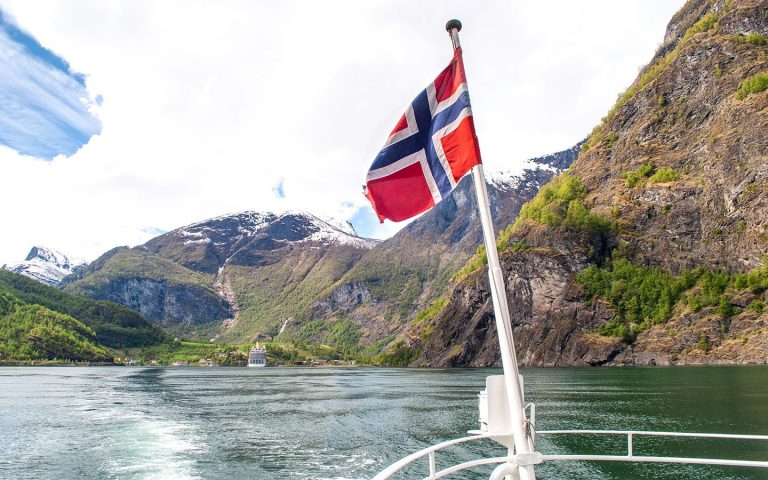
To the world, Norway and seafaring are synonymous. From the age of sail until after World War II, the Norwegian merchant fleet was one of the world’s largest, and Norwegian could be heard in ports worldwide; Norway afloat.
Norwegians seem happiest when they are in, on or around the sea. Each year, more than a third of the population spend their summer holidays partly or completely in craft that range from small dinghies to motor launches and ocean-going yachts.
Norway afloat
In all there are more than 450,000 boats over 4.5 meters (15ft) in length, and an untold number of smaller boats in the country. Most are motor boats, though sailing is popular on the fjords and as a competitive sport.
Sailing in Lofoten. Photo: Lofoten Sailing.
Related: The Norwegian Tall Ship Statsraad Lehmkuhl
Demography and topography are deciding factors
Demography and topography are the deciding factors. There are thousands of islands, and the fjords and coastal archipelagos are a paradise for competitive and recreational sailors, king and commoner alike. King Olav V (1903-91), the father of present King Harald V, was an accomplished sailor who won a gold medal in sailing in the 1928 Olympic Games in Amsterdam, which made him the world’s only Olympic medalist monarch.
Long championship traditions Norway’s first sailing club was founded in1868 in Tønsberg, since when the nation has been a major force in championship sailing and regatta worldwide.
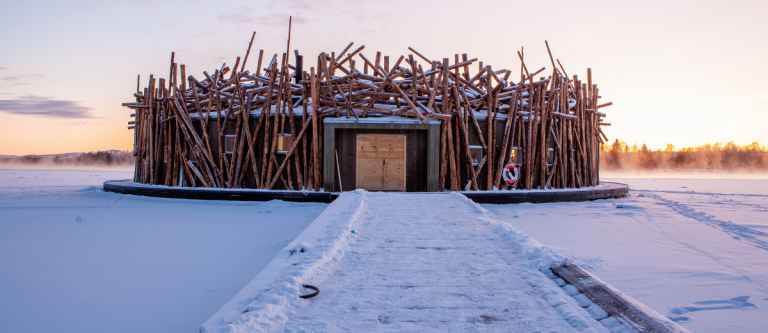
A floating hotel and spa on the Lule River in Swedish Lapland opened its doors to guests last month. The new hotel is built by the same developers as the architecturally significant property Treehouse hotel. The new floating hotel which opened in Northern Sweden is worth a visit – for several reasons.
The floating circular main building is designed by architects Bertil Harström and Johan Kauppi and resembles a bird’s nest with a series of floating and land cabins around it. Situated under the northern lights in winter, and the midnight sun during the summer months, Arctic Bath welcomes guests to immerse themselves in the elements while leaving a minimal environmental footprint behind.
Many people flock to far-flung places in the Northern Hemisphere for a chance to watch the aurora borealis in action
Dancing northern lights If you’ve ever had the pleasure of seeing the northern lights dance with your naked eye, it’s easy to understand why so many people flock to far-flung places in the Northern Hemisphere for a chance to watch the aurora borealis in action.
The spa includes an outdoor cold bath, set to a chilly 39 degrees Fahrenheit all year round. Travelers bold enough to jump into the frigid waters can cool off with a door directly available from the sauna or the two on-deck hot tubs. There are also hot baths, saunas, and treatment rooms, as well as a restaurant focusing on local sustainable produce.
Floating and frozen depending on season Arctic Bath was first conceived in 2010 during the opening of Treehotel. Bertil Hagström, who designed Treehotel’s The Bird’s Nest, took over the idea and in 2013. He and Johan Kauppi designed Arctic Bath’s floating, circular building which floats freely 18 meters from the shore in the Lule river, situated downstream from the bridges of Bodträskfors, alternating between frozen and floating depending on season.
The surrounding nature is incorporated into the cabins and suites through natural, sustainable materials
The hotel is situated a 10-minute drive away in Harads, Sweden. There are also 12 standalone cabins, six on the water and six on land. Each structure is built from local materials and has been designed to minimize its impact on the environment.
Besides the main floating building, the hotel features a series of water and land cabins, each designed with a high level of comfort and luxury in mind, while keeping with the overall wellness focus.
Surrounding nature incorporated into the cabins
The surrounding nature is incorporated into the cabins and suites through natural, sustainable materials with a rich history such as wood, stone, leather and luxurious textiles that harmonize together with Scandinavian design. On water, the cabins contain only 24 sqm (258 square feet) of indoor space that house a double bed, a stove for heat, and a full bath, connected to the shore by floating walkways. The 57,5 sqm (619-square-foot) wood deck outside the cabin offers a perfect place for meditation, sunbathing in summer or spotting the northern light in winter.
There are also 12 standalone cabins, six on the water and six on land
New Floating Hotel Opened in Northern Sweden
The 62 sqm land cabins for five persons are elevated on poles and situated on the shore among vegetation connected by walkways. The 62 sqm suite for two persons features a spiral staircase leading to a loft, as well as an 8 sqm deck for meditation, morning coffee or just relaxation.
For the decor of the cabins, designer Ann Kathrin Lundqvist channeled Scandinavian minimalism with simple forms and a muted palette of soft pastels.
Scandinavia is ideally among the most idyllic places in the world. Boasting fantastic mountains, beautiful coastline, jaw-dropping fjords, postcard-worthy farmland, super-efficient cities, and sociable locals, it is no surprise that it is a favourite destination for backpackers and students. Explore the top 9 hostels in Scandinavia for backpackers and students.
Unfortunately, Scandinavia is infamously expensive. For numerous travellers, the notion of backpacking Scandinavia for several days is a severe wallet-draining fantasy, particularly when it comes to accommodation.
Fortunately, if you are traveling on a budget, Scandinavia hostels are among the most budget-friendly accommodation options for students and backpackers. So, next time you are backpacking Scandinavia here is a list of nine of the best hostels for students and backpackers.
City backpacker hostel, Stockholm
City Backpackers Hostel, Stockholm
A conveniently affordable hostel for students and backpackers, the Stockholm, Sweden-based City Backpackers hostel is all you need for affordable and comfortable accommodation.
This hostel is conveniently located close to the bus terminal and central train station. Moreover, it is close to the main shopping area and the old town in Stockholm. City Backpackers offers all sorts of activities for guests along with free sauna, pasta nights, and regular movie nights.
Lastly, these hostels provide dorms that accommodate between four to twelve individuals, and if you want some more privacy and space, it offers twin and single private rooms. Furthermore, there are three apartment choices with their kitchen and which can accommodate sleep for up to eight persons.
Generator hostel, Copenhagen
Generator, Copenhagen
Next time you are in Copenhagen, Denmark, the Generator Copenhagen is a fun and safe hostel for students and backpackers. It is a spacious and great option, especially considering that it is centrally located close to virtually anything you may want to do and see. Besides the friendly staff and fun lounge and bar area suited for hanging out, this hostel features dorms that can accommodate six to eight individuals.
Furthermore, if you want some more privacy and space, several private rooms vary in size and include doubles, singles, twins, and six, four, and three-bed units.
Saga Poshtel Oslo Central, Oslo
The Oslo Hostel Central is a fantastic option for any backpacker or student searching for a modern, relatively affordable spot to stay in Oslo. Although the rooms are rather small, they are quite comfortable and clean. Their dorms allow between four to twelve individuals, with virtually everything in between. You will also find private twin rooms for those that need more privacy and space.
Marken Gjestehus Hostel, Bergen
Marken Gjestehus Hostel, Bergen
The Norway-based Marken Gjestehus hostel in Bergen is a tranquil, safe, and inexpensive hostel accommodation option that makes a fantastic base for not only exploring the city but also viewing the numerous attractions and sights. This hostel boasts a total of 22 rooms inclusive of dorm spaces that sleep between four, eight, or even ten individuals in addition to private twin rooms.
What’s more, the hostel is characterized by a tranquil and friendly atmosphere with multiple facilities for guests, including a TV lounge, a full kitchen, and several laundry facilities.
Linnéplatsens Hotel & Hostel, Gothenburg Unlike other typical hostels as outlined in the list, the Linnéplatsens Hotel & Hostel stands out from the rest because it is both a hostel and a hotel. This hostel, which is based in Gothenburg, Sweden, features dorm rooms that accommodate up to six individuals, with each dorm room separated by gender.
The establishment also includes private double, twin, and six or four bedrooms. Besides being reasonably-priced, these rooms are also quite comfortable and clean. Finally, the hostel provides a shared kitchen where guests can conveniently prepare their meals.
Castanea Old Town Hostel, Stockholm
Castanea Old Town Hostel, Stockholm
Castanea in Stockholm is an esteemed hostel renowned for its cozy, quiet, and relaxing setting. Every room is fitted with large windows to allow natural light, while the rooms boast a comfortable bed, standard reading light, and essential amenities such as a public computer, common room, and Wi-Fi connection in the common spaces.
Ideally, it affords the ideal settings and amenities, especially for students who want to focus on their coursework. In fact, even if you are away from the guidance of your tutor and are having problems with your paper, you need not worry. The Wi-Fi and computer connections mean that you have access to online resources and writing services to guide you on how to write with Essayontime being among the many resourceful websites you can visit.
Although it is relatively small, it offers the choice between private rooms and dorms for your delight. It features twin, single, six, and four-bed private rooms with the dorms ably accommodating between four to sixteen individuals, in addition to the convenience of a guest kitchen.
STF/HI Vandrarhem Malmö City
Ideally suited for backpackers and students alike, the Malmo City-based STF/HI Vandrarhem hostel is an excellent choice for anyone looking for a modern place to unwind without breaking the bank.
This hostel features multiple different room options with dorms separated by gender, and that accommodate either four or six individuals. Furthermore, for anyone looking for more privacy and doesn’t mind spending some extra funds, numerous private rooms accommodate between two and four individuals.
Interhostel, Stockholm
Interhostel, Stockholm
The Interhostel is a cozy, clean, and fantastic Stockholm-based hostel. It is the ideal stopover for any money-conscious student or backpacker. The hostel’s location is what renders it remarkable as it is situated within the epicenter of Stockholm’s historical center, which is a convenient walking distance to Old Town, Opera House, and the famous Drottninggatan shopping-central.
What’s more, if you are traveling with your colleagues or a group, the private dorm is a fantastic option as it not only helps you cut costs but is also complete with DVD players and TV.
Sleep in Heaven, Copenhagen
Sleep in Heaven, Copenhagen
Finally, this is a contemporary youth hostel suited to provide optimal comfort and entertainment for the guests. In addition to their decent security system, it features an onsite bar, and a common area with lots of entertainment options such as games, music, and some good company. Also, it features a compact beer garden where you can hang out and interact with other individuals.
This hostel comprises double, three, as well as four-bed private rooms with the dorms accommodating between four to twelve individuals. Better yet, it offers co-ed and female-only rooms to pick from.
Top 9 Hostels in Scandinavia for Backpackers and Students – Conclusion
Ultimately, while hostels are a cheaper option to hotels, they are usually both modern and conveniently located. Though the atmosphere and quality of hostels tend to vary from one place to the other, they undeniably offer the best accommodation option for backpackers, students, or any other budget travellers visiting Scandinavia.
Sandra Larson
Top 9 Hostels in Scandinavia for Backpackers and Students is written for Daily Scandinavian by Sandra Larson. Sandra is a renowned freelance writer and journalist with her personal blog, Elizabeth an Authors. She emphasizes the importance of good content and tries to improve people’s perception of the profession of a writer by explaining its complexity.
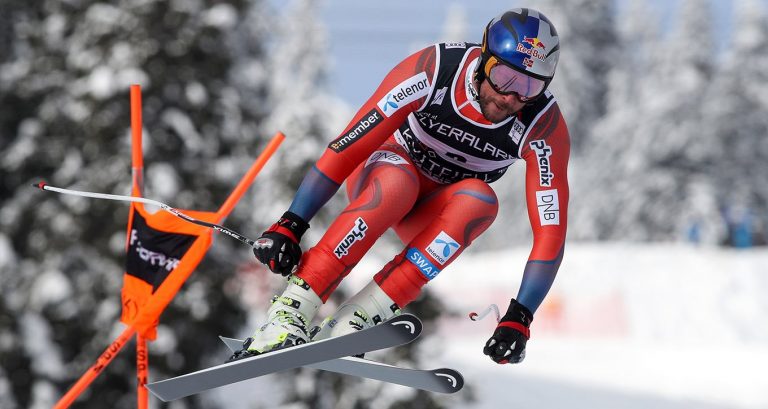
The former Norwegian World Cup alpine ski racer Aksel Lund Svindal (born 1982)was already a legend when he said goodbye to ski racing last year. We’re looking back at his stellar career by making this portrait of the retired Norwegian ski racer.
Aksel Lund Svindal crossed the finish line for the last time in the 2019 World Championship downhill in Åre, Sweden. A sea of Norwegian flags waved to say goodbye to their beloved superstar. That day, Svindal finished with a silver medal, slim 0.02 seconds behind his teammate and close friend, Kjetil Jansrud.
Aksel Lund Svindal crossed the finish line for the last time in the 2019 World Championship downhill in Åre, Sweden, Photo: Fri Flyt
World Cup and Winter Olympic champion
Svindal is a two-time overall World Cup champion (2007 and 2009), an Olympic gold medalist in super-G at the 2010 Winter Olympics in Vancouver and in downhill at the 2018 Winter Olympics in Pyeongchang. He is also a five-time World Champion in downhill, giant slalom, and super combined. With his victory in 2013, Svindal became the first male alpine racer to win titles in four consecutive world championships.
After several injuries and as many successful comebacks, the ‘Norwegian Viking’ admitted that he had pushed the limit further than his knees were able to tolerate. Nevertheless, he leaves a glittering legacy as one of the most successful alpine skiers in history.
His final race
His final race in Åre, Sweden was in many ways a near-perfect embodiment of his career and after he had crossed the finish line, Svindal looked up and thought to himself, “Let’s just enjoy this, this is the last moment.”
Many consider him the best Norwegian skier ever. Although Kjetil Andre Aamodt has been more successful at the Olympics, Svindal is by far the most successful on the World Cup arena. His magnificent achievements could only have been executed by a man with raging and unyielding intensity, commitment and passion for racing.
After several injuries and as many successful comebacks, the ‘Norwegian Viking’ admitted that he had pushed the limits. Photo: Screenshot
Several injuries
During the first training run for the Birds of Prey Downhill race in Beaver Creek, Colorado in 2007, Svindal crashed badly after landing a jump. With broken bones in his face and six-inch (15cm) laceration to his groin and abdominal area he was taken to the hospital and missed the remainder of the 2008 season. He returned to World Cup racing in October 2008.
Others would probably go out of their minds with boredom during the long, dark hours of rehabilitation, but Svindal turned his agile mind to improving himself. Svindal dated alpine racer Julia Mancuso of the U.S. for three years, until the couple split up in September 2013.
After an Achilles tendon injury in 2014, Svindal did not compete in World Cup events during the 2015 season.
A horrific crash in the 2016 edition of the Hahnenkamm downhill left him sidelined with a shredded meniscus and ACL. The recovery from the injury was slow and even required a second surgery midway through the following season, ending his hopes of competing at the 2017 World Championships in St. Moritz, Switzerland.
Many consider Aksel Lund Svindal the best Norwegian skier ever. Photo: Store norske leksikon
Portrait Of A Retired Norwegian Ski Racer
In spite of his injuries, Aksel is a real gentleman, a genuinely kind human being, and someone who always instinctively understood the responsibilities that came with being a serial alpine champion, the oldest in Olympic history. Svindal has endeared himself to teammates, rivals and fans alike by the simple fact that he is a genuinely nice guy. He’s won World Cup races in 12 different seasons. Only Sweden’s Ingemar Stenmark has done better (13). In his spare time, he devotes himself to freeskiing and has already appeared in several freeskiing film documentaries.
An era is over
In an Instagram post, Svindal wrote, “Hi Champ. An era is over, and the time has come. Thank you for everything you have given me, us, and the team. A champion on and off the slopes, and rest assured we will manage the Attacking Vikings to the best of our abilities. A giant has left, but the legacy lives on.”
Portrait Of A Retired Norwegian Ski Racer, written by Tor Kjolberg
Today, we present our picks of the Scandinavian masters of opera, whose musical work completely subsists of this dramatic musical art form. Five Scandinavian opera greats you probably have heard of if you’re interested in the genre.
Whether dramatically serenading princesses in Puccini or gracefully expressing love or pain in areas, opera singers like no other performers capture our imagination. Here is our take on six of the greatest Scandinavian opera singers of all times.
Lauritz Melchior
Lauritz Melcior (1890-1973) The Copenhagen-born Danish-American Wagnerian tenor was engaged to sing Siegmund and Parsifal for the re-opening of the Bayreuth 1924 Festival. This prestigious contract opened the way to several other appearances such as a Wagner concert with Frida Leider in Berlin in 1923. Around this time several acoustic records were cut for Polydor and the rest is history.
Kirsten Flagstad (1895-1962) Kirsten Flagstad is known for her performances in Wagner’s operas. The Norwegian soprano was a highly regarded Wagner soprano with leading roles in Aida and Tosca. She ranks among the greatest singers of the 20th century, and many opera critics called hers “the voice of the century”. Desmond Shawe-Taylor wrote of her in the New Grove Dictionary of Opera: “No one within living memory surpassed her in sheer beauty and consistency of line and tone.”
Jussi Björling
Jussi Björling (1911-60) Swede Björling was one of the great tenors of the 20th century appearing at the world’s most famous opera houses in London, Milan and New York. His first performance outside Sweden was a recital in Copenhagen Tivoli in Denmark in 1931.
In an interview for the Swedish daily newspaper Svenska Dagbladet, Luciano Pavarotti stated, “When I’m about to train a new opera, I first listen to how Jussi Björling did it. His voice was unique and it’s his path that I want to follow. I would more than anything else wish that people compared me with Jussi Björling. That’s how I’m striving to sing.»
Birgit Nilsson (1918-2005) The Swedish soprano Birgit Nilsson is celebrated for her performances of Turandot and works by Richard Strauss and Richard Wagner. Her voice was noted for its overwhelming force, bountiful reserves of power, and the gleaming brilliance and clarity in the upper register. She once said that Isolde made her famous and Turandot made her rich.
The secret to singing Isolde, she said, was “comfortable shoes. After a disagreement with the Australian soprano Joan Sutherland, Nilsson was once asked if she thought Sutherland’s famous bouffant hairdo was real. She answered: “I don’t know. I haven’t pulled it yet.”
Nicolai Gedda (1925-) Swedish Nicolai Gedda sang well into the seventies and is said to be the most recorded tenor in history with nearly 200 performances. He made his final operatic recording at the age 77 in June 2003. His singing is best known for its beauty of tone, vocal control, and musical perception.
Anne-Sophie von Otter
Anne-Sofie von Otter (1955-) The Stockholm-born mezzo Anne-Sofie von Otter has 25 years of recordings to her name, Her repertoire encompasses lieder, operas, oratorios and also rock and pop songs and jazz collaborations.
Her recording of Grieg songs won the 1993 Gramophone Record of the Year, the first time in the award’s history that it had gone to a song recording. In 2001, she released her album with Elvis Costello,
Five Scandinavian Opera Greats, compiled by Tor Kjolberg
Feature image (on top): Swedish opera singer Birgit Nilsson
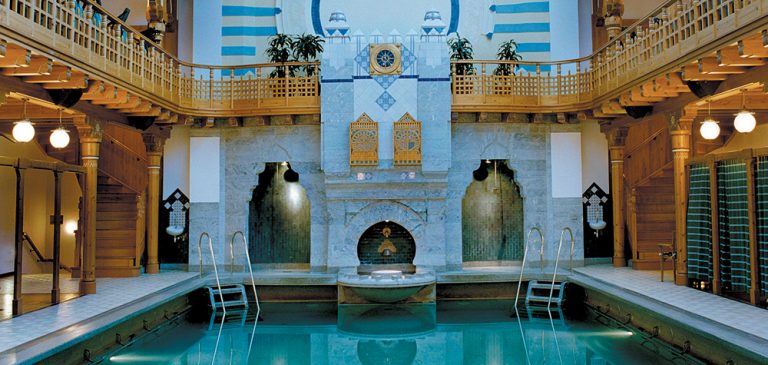
One of the things we most look forward to when visiting Stockholm is the authentic Swedish massage at Sturebadet, the city’s oldest and most exclusive health club/spa. Don’t miss the Stockholm Steam Bath.
The facility is located in the upscale Sturegallerian shopping complex in the fashionable Östermalm district. It was once the haunt of Greta Garbo. The original Sturebadet, opened by Dr. Carl Curman in 1885, burned to the ground in 1985, but it was faithfully rebuilt, with improved facilities, a few years later.
The facility is located in the upscale Sturegallerian shopping complex in the fashionable Östermalm district
Facilities on seven floors
Today, Sturebadet occupies seven floors, with steam rooms, saunas, Sami, a Roman/Turkish bathhouse with separate facilities for women and men, Finnish saunas, exercise studios and even conference rooms.
You won’t miss anything
The original services have been expanded to include massages, bath cures, diet guidance, manicure, waxing and workout training. All rooms and equipment are clean and well maintained. All prices include use of the gym and sauna and provide bathrobe, slippers and a towel. If you use the spa, you get a discount at the Curman Lounge, which overlooks the pool.
Guest revue
“We spent wonderful 6 hours there, swimming, bathing, chilling, relaxing in aroma room and really liked the Turkish bath too! Sometimes we had to wait for some spots in hydromassage bath, but that’s okay. We have also had a nice lunch when we got hungry (the portions were huge and they had vegetarian options), and coffee and tea were also included. You can pay for the meal by card on the spot, or just put the bill on your guest card and pay for it later as you check out from the facility. That’s pretty handy! There was drinking water almost everywhere, and complimentary fruit and nice tea selection. All in all we felt great and had an awesome experience. Totally worth the ~60 EUR,» wrote one of the guests.
The most exciting time of the year has come – vacation time! Vacationing with your kids is the best way to spend some quality time with your family. What those who travel alone can’t grasp is that vacation with kids can be challenging if you don’t pick out the right places to visit.Read about the 6 places to visit in Norway with your kids.
While keeping everyone entertained and happy isn’t an easy task, the solution is going to the family-friendly places.
If your choice for the next vacation fell on Norway, that is some great news! This remarkable country has so much to offer for people of all ages and interests. Since you do need versatile spots that will satisfy the interest of each one of you, here are the best places in Norway that you simply must visit with your family.
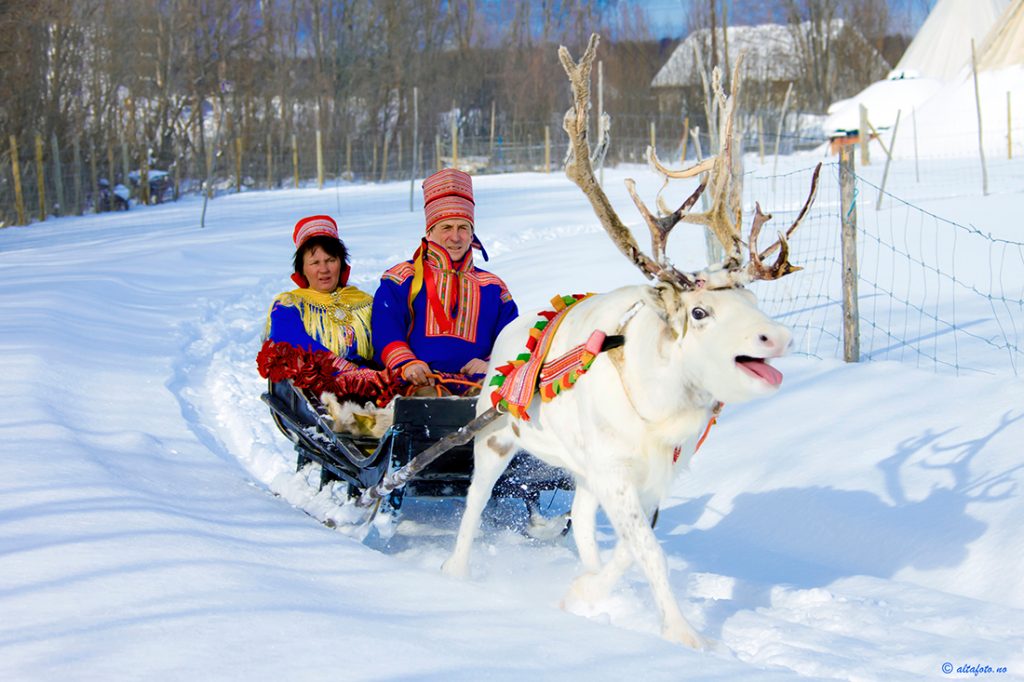
Try Reindeer Sledding in Alta You won’t get a chance to meet Rudolf or Santa, but you can imagine that you are being pulled in Santa’s sleigh while real reindeers lead the sled.
The kids will love this activity and you can also allow the child in you to have some fun.
The indigenous Sami people raise and herd the reindeers around Alta. Alta is a town on the northern coast which is located at the head of Alta Fjord. Here you’ll get a chance to absorb the winter wonderland while you are roaming through the snow with reindeer as your guides.
An adventure such as reindeer sledding is authentic and characteristic for Norway. This is your chance to make some fun memories as a family.
Sorrisniva Igloo Hotel. Photo: Nordkapp
Go to the Igloo Hotel of Ice and Snow Speaking about the winter wonderland, believe it or not, but Norway has a hotel completely made out of snow and ice. Yes, you heard it right.
With all the commotion about the movie Frozen, there isn’t a child who wouldn’t be over the moon to visit such a hotel. The kids aren’t the only ones who should be excited since the grown-ups are also stunned by this unusual accommodation.
Sorrisniva Igloo Hotel is the northernmost ice hotel in the whole world. It has a sauna and an outdoor Jacuzzi. The parents will be especially happy to visit the ice bar and get their drink served in a glass made out of ice.
Don’t worry about the cold because the room temperatures are kept around 20 and 25 degrees Celcius.
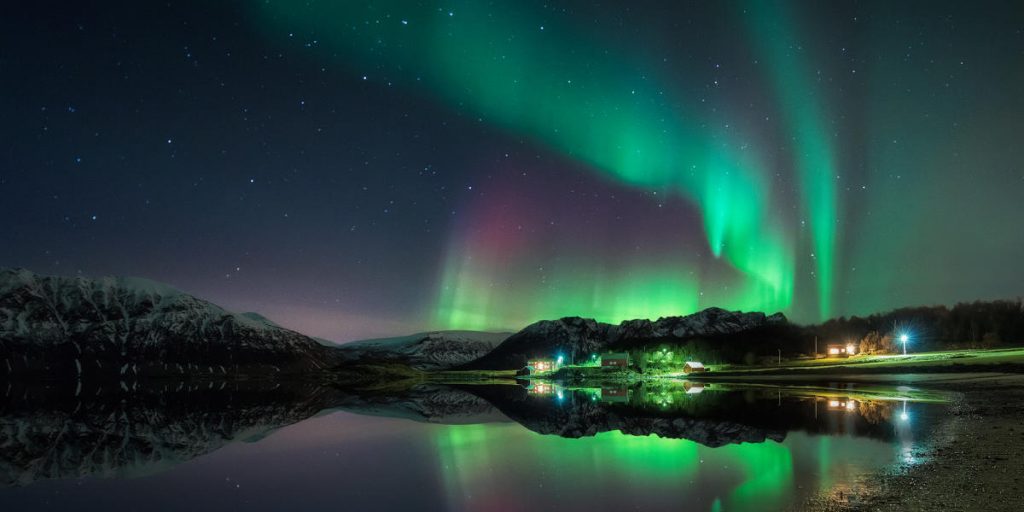
Northern lights at Elgsnes, Harstad. Photo: Visit Norway
Watch the Northern Lights Seeing northern lights is something that leaves every person breathless.
The sky is at its dark phase from late September to mid-March and that is the best time to watch the show. Keep in mind that winters in Norway are harsh so make sure that you bundle the kids in some warm clothes.
When you see the lights, for a moment you’ll think that it is magic. The combination of colors that create unrealistic scenery is an unforgettable sight.
People who want to see northern lights usually stay in Tromsø where the aurora can be sometimes seen from the city. There is also a night bus tour with Tromsø Safari that can take you to all the best places.
However, the most notable activity is in the city of Alta which is situated directly under the aurora oval. Companies such as Nord Expedisjon organize tours with professional guides so along the way you can get some detailed information about the phenomena.
Head Straight to Andenes for Whale Watching A picture-perfect little town called Andenes in Vesterålen features an interesting sight during summer months. This is the time when sperm whales, orcas, and pilot whales in their natural habitat, jumping in and out of water.
If you go to Andenes in the winter, you are more likely to see humpbacks.
Until you see this scene, you can’t imagine how fascinating it is.
You can either embark on this adventure on your own, or you can contact Whalesafari Andenes, an organization that guarantees whale watching. The boat trip, the shocking looks on everyone’s faces, and the whales that look as if they are performing a show will keep the whole family amused.
Hunderfossen Fairy Tale Castle. Photo: Wikipedia
Visit one of the Many Themed Parks Themed parks are a certain way to keep your kids entertained and exhaust them for a good night’s sleep.
“My trip to Norway had so many bright spots. I’m not able to pick my favorite part but my kids mostly cherish the memories from themed parks. We visited two of them and I must say that those were the most entertaining days for all of us,” shared Barbara McKinley, a digital editor at TopWritersReview.
Here are some of the most popular theme parks in Norway:
Hunderfossen Familiepark (fairy-tale themed with water rides)
Namsskogan Familiepark (arctic wildlife, climbing activities, and a zipline)
Akvariet i Bergen (an aquarium with around 60 individual aquaria)
Huk and Paradise Bay in Oslo. Photo: Leif H. Ruud/Visit Oslo
Relax at Paradisbukta Beach When all the activities exhaust you, it is time for relaxing. The best place for this is one of the most stunning beaches in Norway – Paradisbukta beach.
The sandy beach and its next-door neighbor Huk park and garden are situated near Oslo downtown. If you are located near the big city, this can be your getaway.
Surround yourself with the water and greenery and just enjoy the moment. You can set a barbecue, swim, sunbathe, or just chill and watch the water.
When you want to break the monotony, go biking, play volleyball, or teach your kids how to fly a kite.
Lastly, Just Enjoy It! Hope you have enjoyed reading about the 6 places to visit in Norway with your kids.
The diversity of things to do and places to visit in Norway is very obvious. You shouldn’t worry about whether you’ll have a good time since these places will make sure that you do.
However, there is one important thing that hasn’t yet been mentioned. Maybe even the most important one. That thing is that you should just relax, have fun, and enjoy each other’s company. Have a great trip!
Daniela McVicker
6 Places to Visit in Norway with Your Kids is written by Daniela McVicker for Daily Scandinavian. Daniela McVicker is a freelance writer and blogger. She graduated from Durham University and has an MA in psychological science. Her passion is traveling and finding ways to enrich students’ learning experience.
Kayaking is always at its best when you do it in the land of rivers. Just try paddling across a river in Scandinavia and you will know what kind of magic these rivers hold in their depths. Read more about where to go kayaking in Scandinavia here.
Kayaking is a mental exercise as much as it is a physical one, so if you live there, or happen to be visiting, don’t miss the chance of taking your kayak across the river and enjoy connecting with the grandiose sights you will be visiting as you travel through the river. If seeing plunging cliffs or thousands of miles of rocky coasts excites you, then kayaking in Scandinavian waters is going to be an unforgettable experience. Prepare your clothes, kayak, and paddles, because if you’re kayaking in Scandinavia, then you should have the optimum equipment for it.
Kayaking is a mental exercise as much as it is a physical one.
Before You Go What You Should Prepare
You will of course need a good, sturdy kayak. You will also need a paddle, one paddle per person if you have company, and it wouldn’t hurt if you have an extra paddle at your disposal. Don’t forget about how you’re going to transport all that! Kayaks are pretty heavy and can be almost 2 meters in length, so this should be taken into consideration if you are going to use your car to transport it. You can find more tips here on how to transport your kayak safely. Damaging your car must be avoided as much as damaging your kayak, so pay attention as you purchase the proper tools for transportation.
You will also need a PFD or a Personal Floatation Device, one per person, as it is necessary especially if you’re a beginner paddler. A spray skirt is essential as it will keep the water out of your kayak. You will have to make sure it will fit you and your kayak. You will need a waterproof bag to store your gadget there, and a helmet and a headlamp if you are going kayaking in the dark. Maps, GPS, a towline, and extra waterproof bags are indispensable as well.
Kayaking the fjords of Norway. Photo: Visit Bergen
What You Should Wear Your clothes should be comfortable, layered, and appropriate to the water temperature and not the day temperature. Avoid at all costs wearing cotton; it will absorb water and it will remain wet for a long while even in high temperatures. You will also have to heed the sun, because despite cloud coverage, you are susceptible to burns, so your clothes should protect you from the sun. You can also use sunscreen for protection from UV rays. Don’t forget to wear your PFD. It is important that you never take it off when you’re on the water.
With that said, you are probably excited to know all about where you should go kayaking in the vast lands of Scandinavia. There are definitely multiple places from which you can choose from. Here are some places that you will definitely love and should consider going to when you embark on your kayaking adventure.
Kayaking in Sweden. Photo: Visit Sweden
Stockholm Stockholm is the perfect place to go kayaking. Once winter is over and all the green colors flush out the white, you will see multiple people going to the rivers to enjoy a beautiful day in the warm weather. Rivers around the city will be filled with the pleasing sight of multiple kayaks as people start to paddle around the city. Paddling in kayaks is an easy means of transport for tourists since the city is made up of small islands. If you don’t have one, there are multiple rental spots dotted around Stockholm, and they will give you the option to rent single or double kayaks. They will also cover PFDs and necessary gear in the price.
The Lake District In Denmark The dazzling lake district is famous for its forests, hills, its vintage nature, mountains, museums, and of course, its breathtaking lakes! This is why it attracts so many people to go out and do all sorts of things. Whether you go canoeing or kayaking, you definitely wouldn’t want to miss exploration of all those sceneries and you will find yourself going back to certain places again, just to watch the sunset from there. Kayaking is truly charming when you’re surrounded by all that greenery, so don’t miss the chance of adventuring there.
Kayaking in Copenhagen. Photo: Flickr
Northern Sweden If you’re on the northern side of Sweden, then you’re in luck. There are multiple rivers like Ume, The Torne, and Lule that will make your journey a true adventure into the wilderness. You will get to see the highest coast in the world. You will also get to see the Gulf of Bothnia, and Unesco World Heritage site and enjoy the mountainous landscape and the magnificent archipelago as you traverse the Swedish rivers. So, buckle up and prepare your paddles because kayaking there is a priceless experience!
Åland Island Kayaking in the archipelago of the beautiful Åland island is a wondrous experience. Just try searching for the location on your search engine, and you will get multiple pictures of astounding landscapes. Seeing them and being actually there floating on the undisturbed line of the water is a whole different thing! Kayaking in the embrace of nature is truly something that you wouldn’t want to miss, so it’s best you try it. Be aware that the wind picks up at any given moment and the weather can change depending on where you are on the island, so make sure to dress accordingly.
Geiranger In Norway Enjoy paddling in your kayak as you travel through the beautiful rippling water of Norway, and discover new scenic places as you tour the place. This tour is better be prepared with a tour guide to point out all the necessary information of places you’re going to see like the Seven Sisters Waterfall and don’t forget to bring your camera with you to capture the majesty of the looming hills and the expanse of land surrounding you!
Kayaking in Scandinavia is one of the best methods to see everything in one tour. It is exhilarating, it is magical, and it will provide you with memories for years to come. Kayaking in archipelagos is the perfect opportunity to do exercises and getting to see nature in its true form, so don’t miss out on that and start your journey!
It took several years before Swedish Molly Nilsson became aware of her musical talent, but thanks to Youtube she was discovered in record speed. Read more about the Swedish Youtube star.
The Swedish singer-songwriter Molly Nilsson was born in Stockholm in 1984. Molly began her creative pursuits in comics and writing but began experimenting with a friend’s keyboard. Then she transitioned from visual media into songwriting. “Songwriting enabled me to do what I love the most, which is daydreaming,” she says.
“Songwriting enabled me to do what I love the most, which is daydreaming,” she says Molly Nilsson
Her daydreaming, then, seems to be a way to exist outside of the channels that capital sends us down; a mental agility that also allows her to see loneliness as joy, or the banal as magical.
She moved to Berlin in 2005, launched her first record, “These Things Take Time” in 2008 and founded her independent record label, Dark Skies Association in 2009, on which she released the album Europa. After releasing another album in 2015, Zenith, Nilsson began touring the world.
Molly realized that 2020 was going to be a leap year and the number crept into her dreams
On a tour in 2017, she got stranded at the airport in Tokyo. There were big signs on the walls that read “2020,” posted in anticipation of Japan’s summer Olympics. She realized that 2020 was going to be a leap year and the number crept into her dreams.
With her utopian outlook and determination to find magic in the everyday, the fiercely independent Swede swims against the tide. Her album Twenty Twenty, her eighth, was released in November 2018. It was as usual recorded in her own Lighthouse Studios in Berlin. Her records always contain snippets of her life — flying over Greenland, chain-smoking, getting a whiskey sour spilled on her at a party, remembering Windows 95 — and the anxieties and appetites that accompany them.
On Twenty-Twenty, she’s more concerned than ever with what those fragments expose, what it means to try to figure out who you are right now. She made self-discovery in 2018, sounding ominous and fun and painful at once.
Nilsson’s style features minimalist arrangements of synthesizers and drum beats and is often categorized as dark pop or lo-fi synth-pop. The last track on Twenty Twenty is “Blinded By The Night” and the record’s most haunting one. It is steeped with ideas of selfhood and the passage of time. Pretending she is a tree, she sings, “You can count my rings after I fall and still not know a thing about me.” She sings of late nights at homey bars and notes that every star is “unaware how dark their surroundings are.”
Rune Rafaelsen is mayor of Kirkenes, a town in the far northeastern corner of Norway, 250 miles north of the Arctic Circle, close to the Russian border, with about 3,500 inhabitants. His bold plan could raise the profile of his remote Arctic town – with a little help from Chinese investors. The Norwegian mayor is courting Chinese investors to build a Polar Silk Road
While the melting sea ice has alarmed scientists and residents, newly accessible waterways mean commercial ships are increasingly plowing along polar lanes. The Arctic is warming faster than anywhere on the planet.
An Arctic Silk Route would be a historical chance for the struggling town of Kirkenes, for Norway and for the Nordic countries in general
The mayor of Sør-Varanger admits he usually don’t need help to be seen or heard. “I’m big-mounted,” he says. “But when the ice is decreasing, you can go from Asia to Europe through the Northern Sea Route and my town Kirkenes is the first western harbor you meet when you start out from Shanghai and go along the Russian sub-Siberian coast. Then it’s time to speak out load,” adds Rafaelsen.
Politicians don’t grasp what’s on offer
A top leader of a Chinese shipping company agrees. “We welcome the projected development of a seaport on the Barents coast and a railway connection to Finland,” he says.
A route between China and Europe would be 40% shorter than sailing via the Suez Canal
However, Rafaelsen needs politicians in Oslo, the capital of Norway, to grasp what is on offer when the Arctic ice is melting. It’s a historical chance for the struggling town of Kirkenes, for Norway and for the Nordic countries in general. His tiny town could be turned into a major logistical hub, including a massive port and train line to Rovaniemi in Finland and further southwards to Helsinki and even across the Baltic sea to Estonia.
A route between China and Europe would be 40% shorter than sailing via the Suez Canal. In 20 years’ time the Arctic could be completely ice-free in the summer according to researchers. Ole Arve Midsund, director of the Norwegian Polar Institute says, “In 20 or 30 years, probably, there will be no more ice at the North Pole during the summer, and the Arctic Ocean will become accessible.”
“Yes, I have used the words ‘Singapore’ and ‘Rotterdam’,” says Rafaelsen. “Norway can become Europe’s logistical center on the northern sea route. If this does not have national economic significance, I don’t know what has. Our problem is that there is no interest in central political circles,” he adds.
Even NATO should embrace such a solution if Rafaelsen’s dream ever should be realized.
Lack of money
Kirkenes is the last northern port for the popular coastal cruiser Hurtigruten but apart from being a tourist destination, the town has traditionally relied on fishing and iron-ore mining. The municipality has given a green light for a new, bigger harbor, but it doesn’t have the money to build it.
From Kirkenes
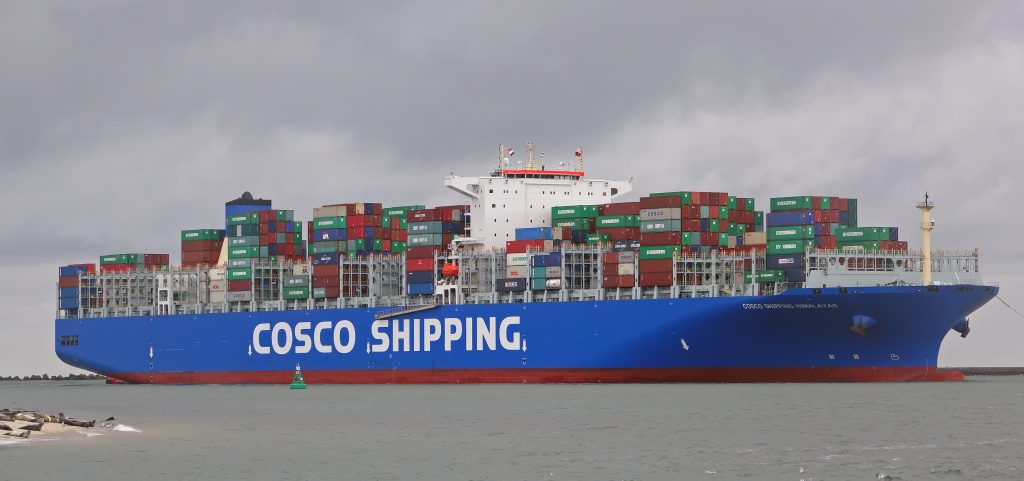
Nevertheless, the Chinese state-owned Cosco Shipping Group is already well established in Europe. It is the third largest container company with a mission to globalize Chinese economy. The company has invested in port terminals for new “silk roads” that were previously neglected by private European operators.
Also Russia has taken advantage of the climate change and opened a northern maritime route connecting Europe to Asia, reducing navigation time by one-third. The cargo volume shipped via this route increased 25% in 2017 for total approximately 10 million tons. By 2025 that number could reach 40 million, according to the Russian Ministry of Natural Resources.
Russian and Finnish interest
Rafaelsen is a member of Norway’s Labor Party and is a die-hard booster of his little town. The lack of interest and financing have done little to dampen his enthusiasm. Along Russia’s huge, desolate coast, specially built ships with icebreaker function are still needed for much of the year. But in Kirkenes, less advanced cargo ships could take cargo from China and sail south along the Norwegian coast towards Rotterdam, Zeebrugge and Gothenburg. Some of the cargo could be transported onwards overland.
The Chinese state-owned Cosco Shipping Group is already well established in Europe
The Finnish city of Rovaniemi by the Baltic Sea is connected to the rest of European rail network. “This allow cargo vessels to bypass North Cape, saving them several days,” says Rune Rafaelsen.
However, an Arctic railway would need buy-in from the Norwegian and Finnish governments. Late 2018, a binational working group study concluded that the project, estimated to cost more than $3 billion, would not be “financially feasible.”
Memorandums of Understanding In Helsinki lives Peter Vesterbacka, the developer of the game Angry Birds. His energy matches that of Rafaelsen. His company, FinEstBayArea Development (FBA), has signed a Memorandum of Understanding for financing of a $15billion/€13,5 billion private mega project to connect a tunnel to the high-speed Rail Baltica line that is expected to be completed by 2026. This would ultimately connect Finland by rail to not just Estonia, Latvia, Lithuania but Poland and in turn, southern and western Europe.
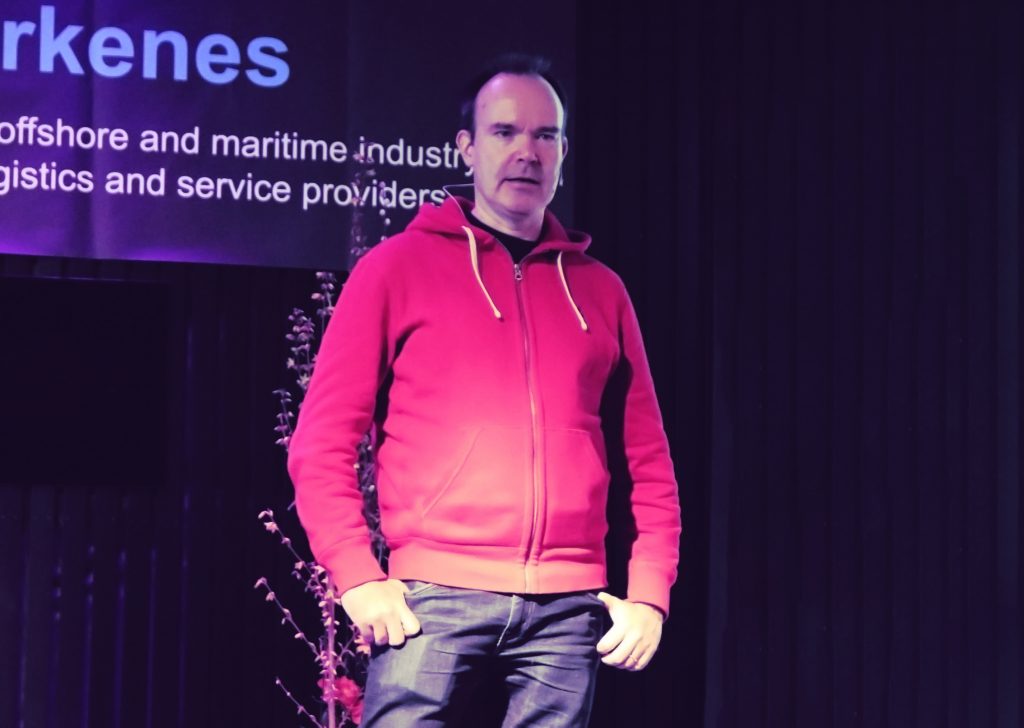
Peter Vesterbacka in Kirkenes
Vesterbacka is a Sinophile who travels to China twice a month, talking about turning the region into a trade bridge between western Europe and China. His company Finest Bay Area Development Oy has also signed a Memorandum of Understanding with Sør-Varanger Utvikling, a local publicly owned Norwegian development company.
Norwegian Mayor Courting Chinese Investors to Build a Polar Silk Road
“I have promoted Kirkenes a lot in China,” says Rafaelsen. “The Chinese have been here to look at the possibility, and they are interested,” he concludes.
Norwegian Mayor Courting Chinese Investors to Build a Polar Silk Road, written by Tor Kjolberg